Selecting the right fish packing machine is one of the most important decisions for seafood processors, aquaculture operations, and fish product manufacturers. Whether you are packing whole fish, fillets, fish feed, or fish oil, the right equipment directly impacts product freshness, shelf life, production efficiency, and ultimately your bottom line. This comprehensive buyer’s guide walks you through everything you need to know to make an informed decision.
Understanding Your Fish Product Characteristics
Before evaluating specific machines, you must clearly define the characteristics of the product you are packaging. Different fish products require fundamentally different handling, dosing, and sealing technologies. Consider the following:
- Product form: Whole fish, fillets, portions, mince, paste, or liquid (such as fish oil)
- Product state: Fresh, chilled, frozen, dried, or processed
- Moisture content: High-moisture products may require special sealing technology
- Temperature requirements: Cold chain packaging may need specialized materials and sealing integrity
- Piece size and weight variation: Affects dosing accuracy and packaging format selection
- Shelf life targets: Determines whether vacuum, modified atmosphere packaging (MAP), or standard sealing is appropriate
Types of Fish Packing Machines
The market offers a wide range of equipment designed for different production scales and packaging formats. Understanding the main categories is essential for narrowing your options.
Vertical Form Fill Seal (VFFS) Machines
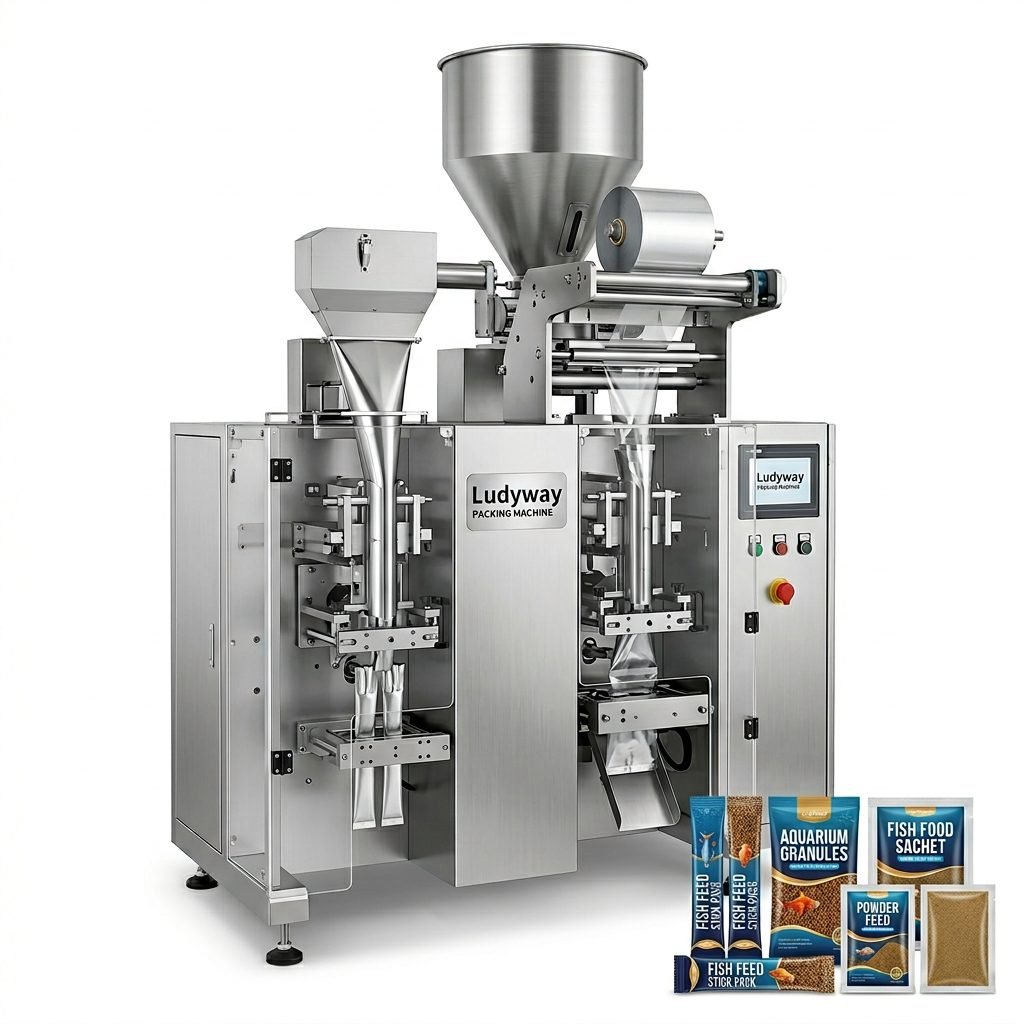
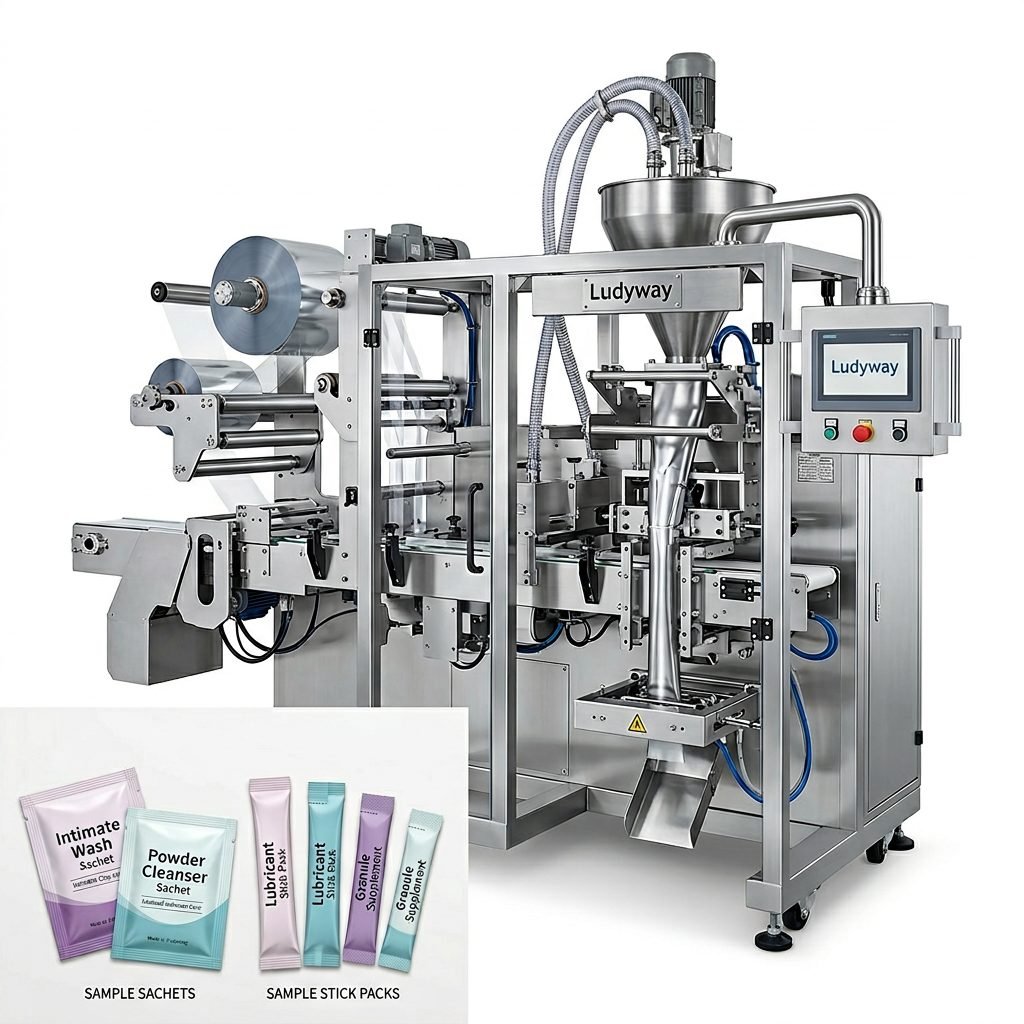
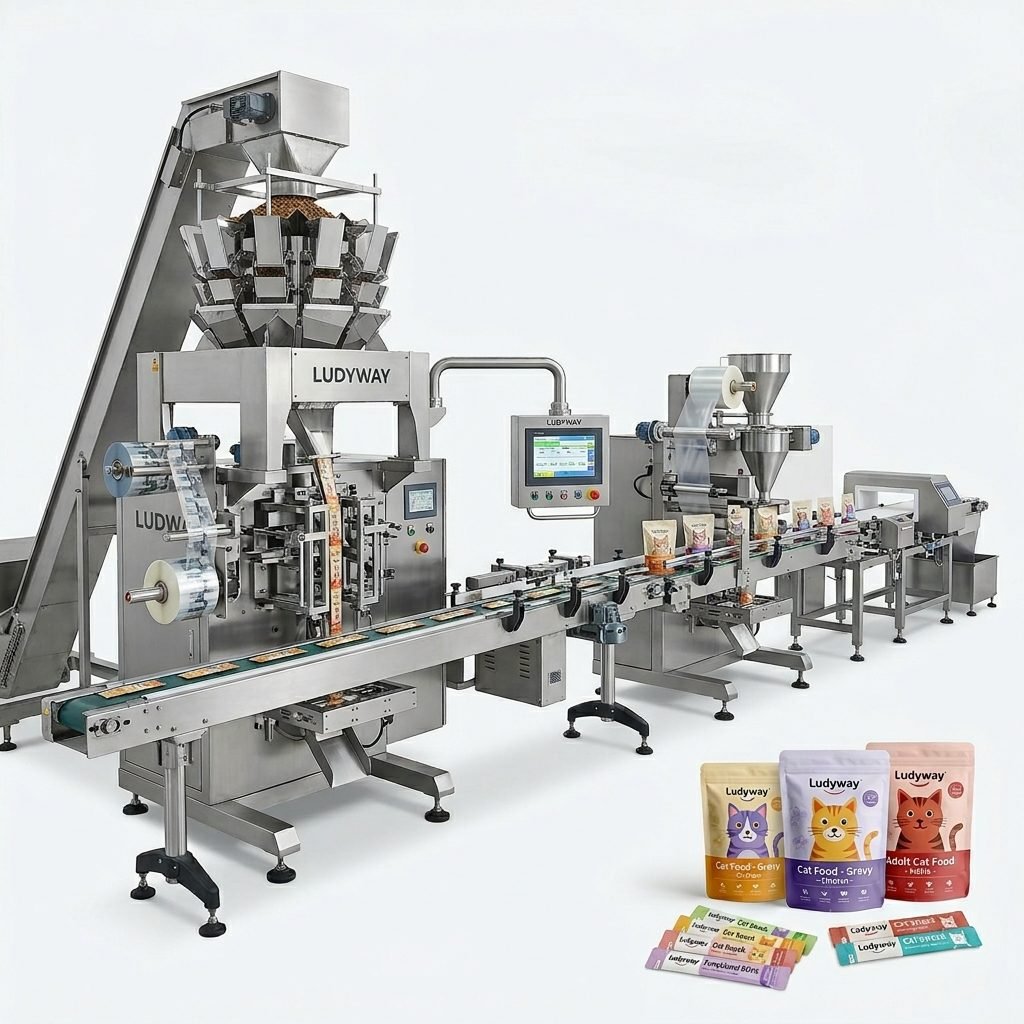
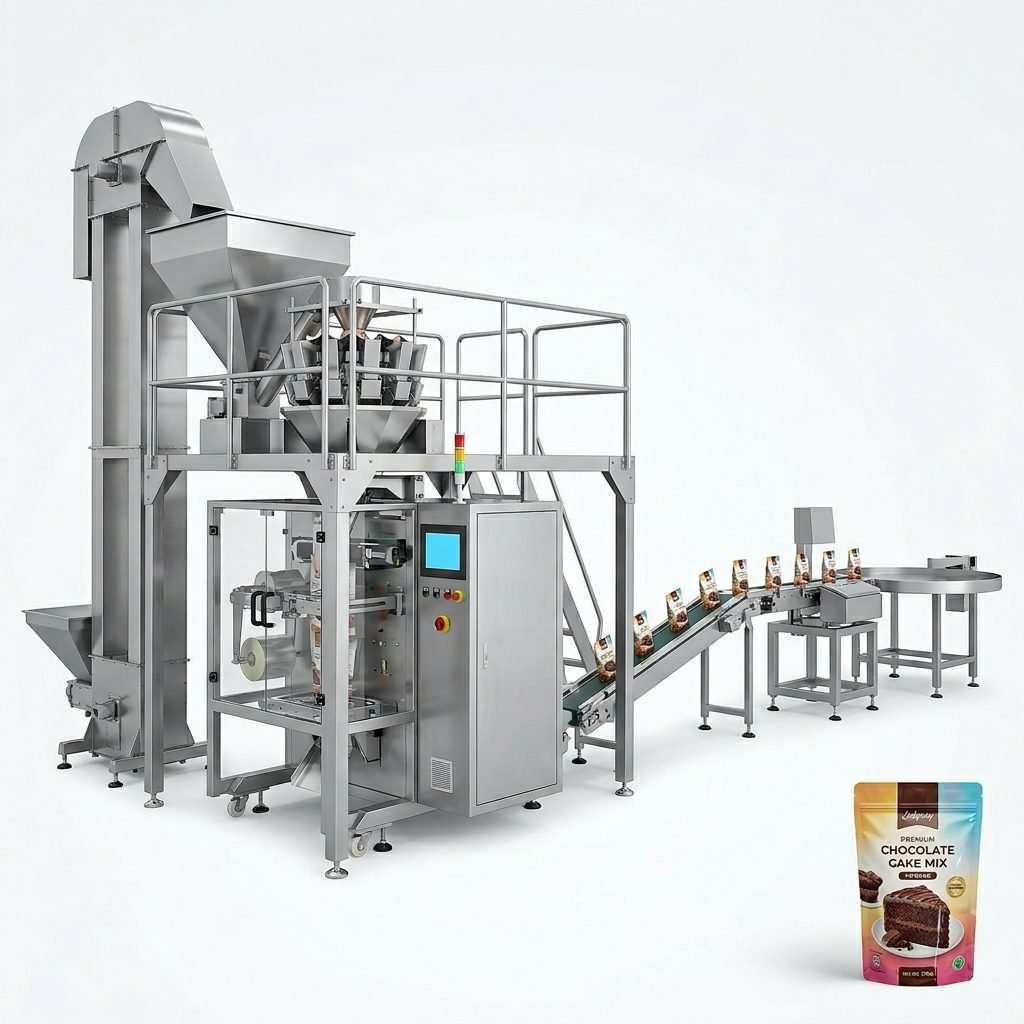
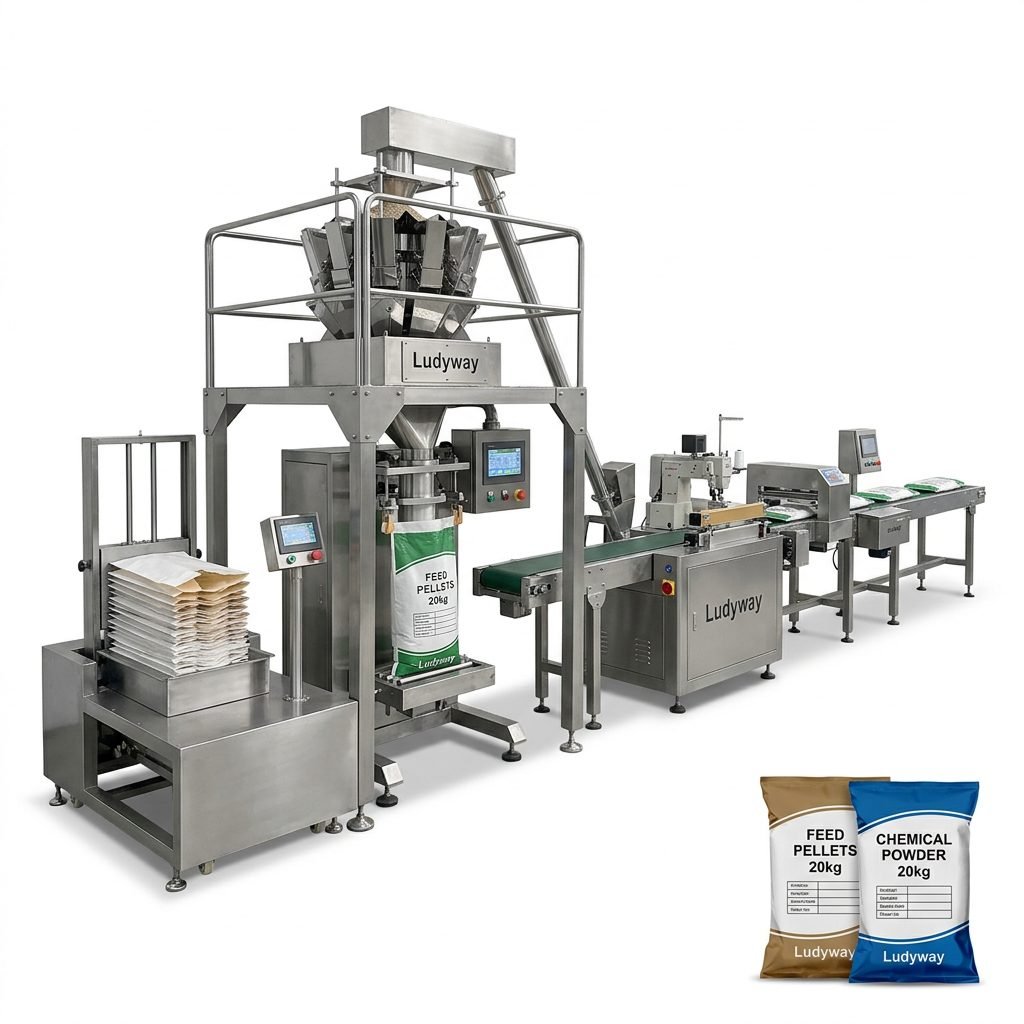
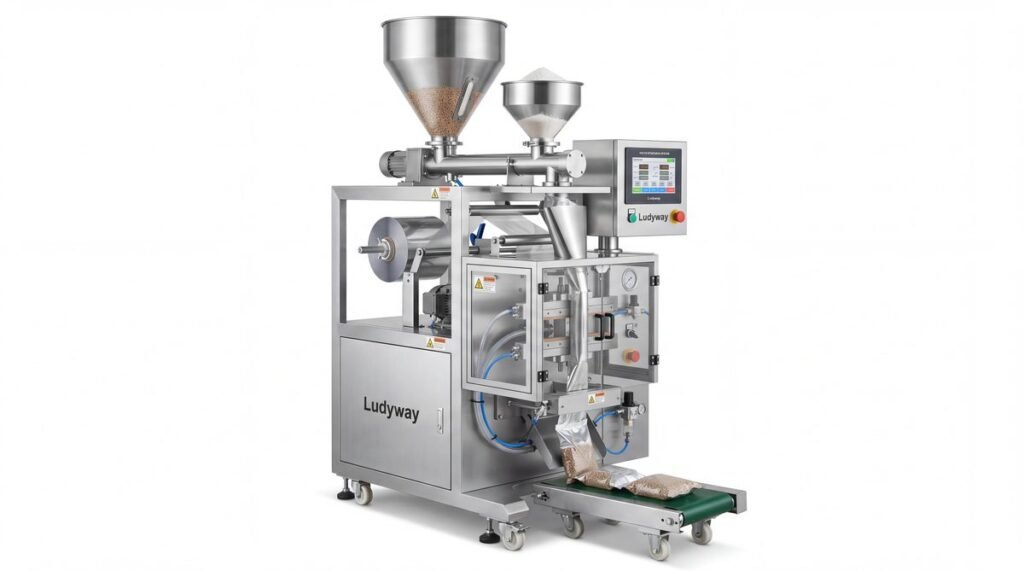
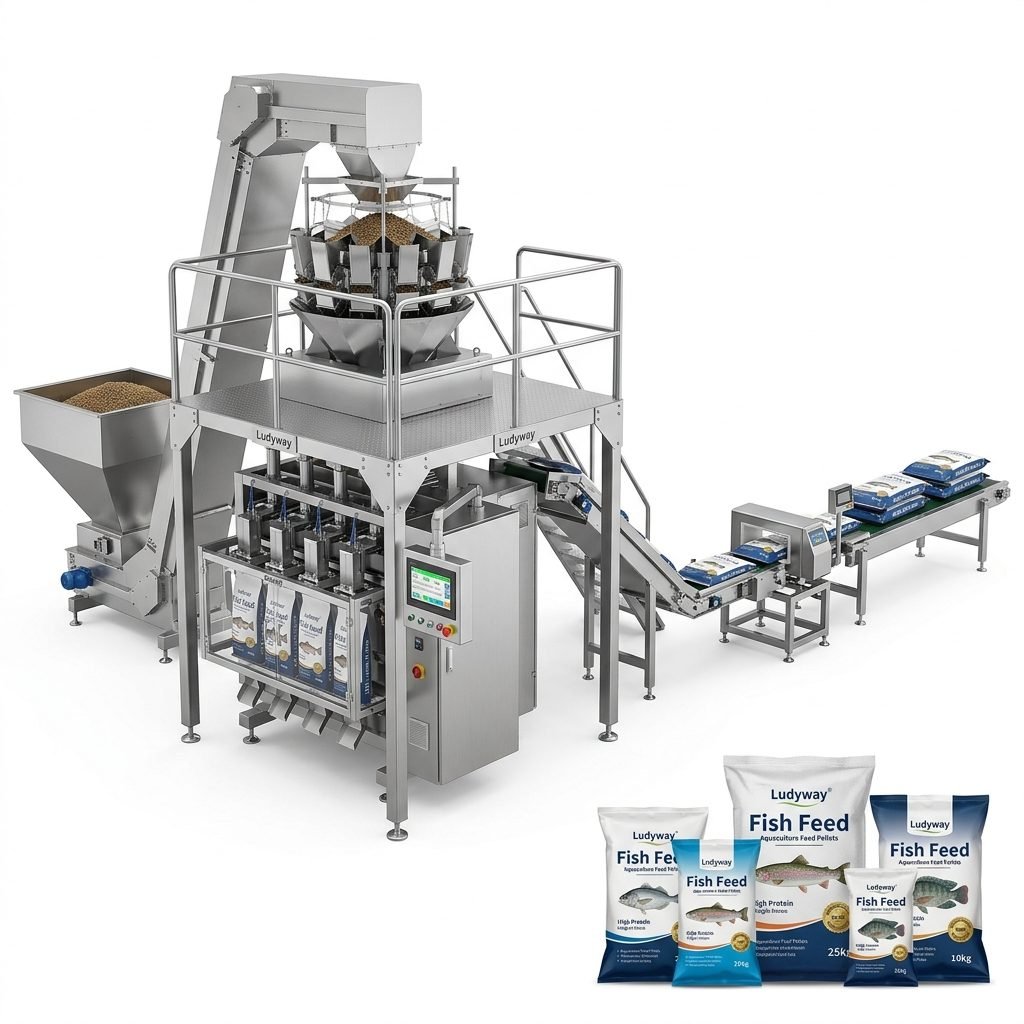
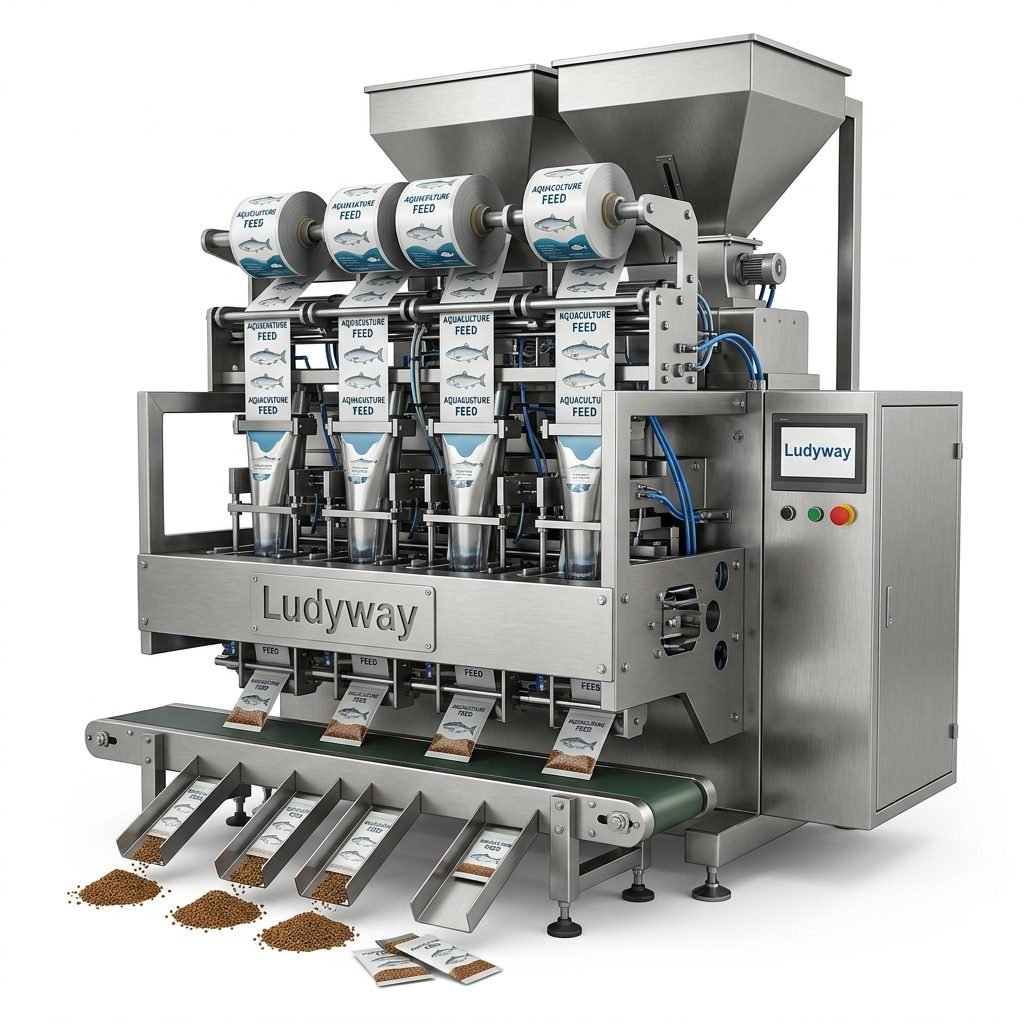
VFFS machines are widely used for packing fish feed pellets, granules, and powders into pillow bags, gusseted bags, or sachets. These machines form the bag from a roll of film, fill the product, and seal it in one continuous operation. They are ideal for high-speed production and can be configured with multi-lane systems for increased output. For aquaculture feed applications, these machines often include auger fillers or multi-head weighers for precise dosing.
Vacuum Packaging Machines
For fresh and frozen fish products, vacuum packaging is the gold standard. By removing oxygen from the package, vacuum machines significantly extend shelf life, prevent freezer burn, and preserve product quality. Chamber vacuum machines, nozzle vacuum machines, and thermoforming systems each serve different production volumes and packaging styles.
Tray Sealing Machines
Tray sealers are popular for retail-ready fish portions and fillets. They seal a film lid onto a pre-formed tray, often with MAP capability. These machines offer excellent product visibility and are compatible with a wide range of tray materials and sizes.
Liquid Filling and Sealing Machines
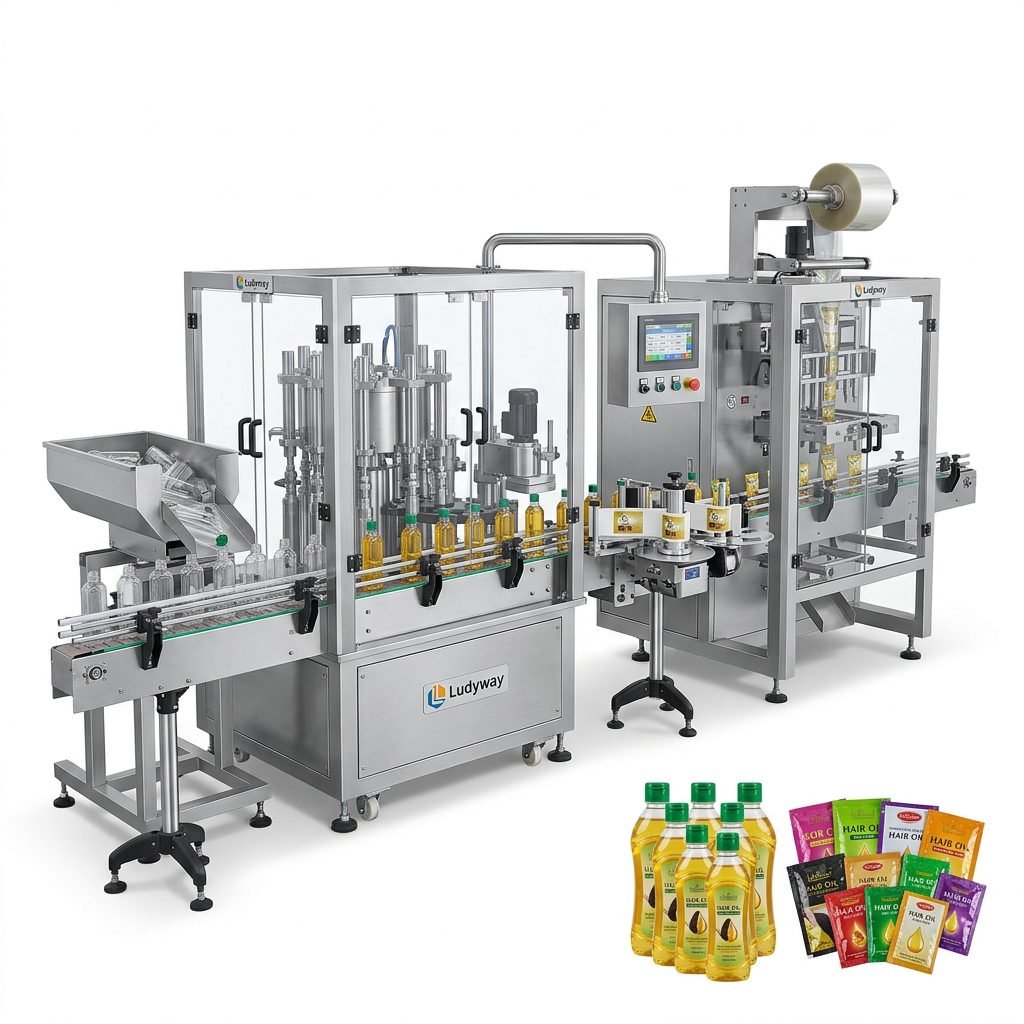
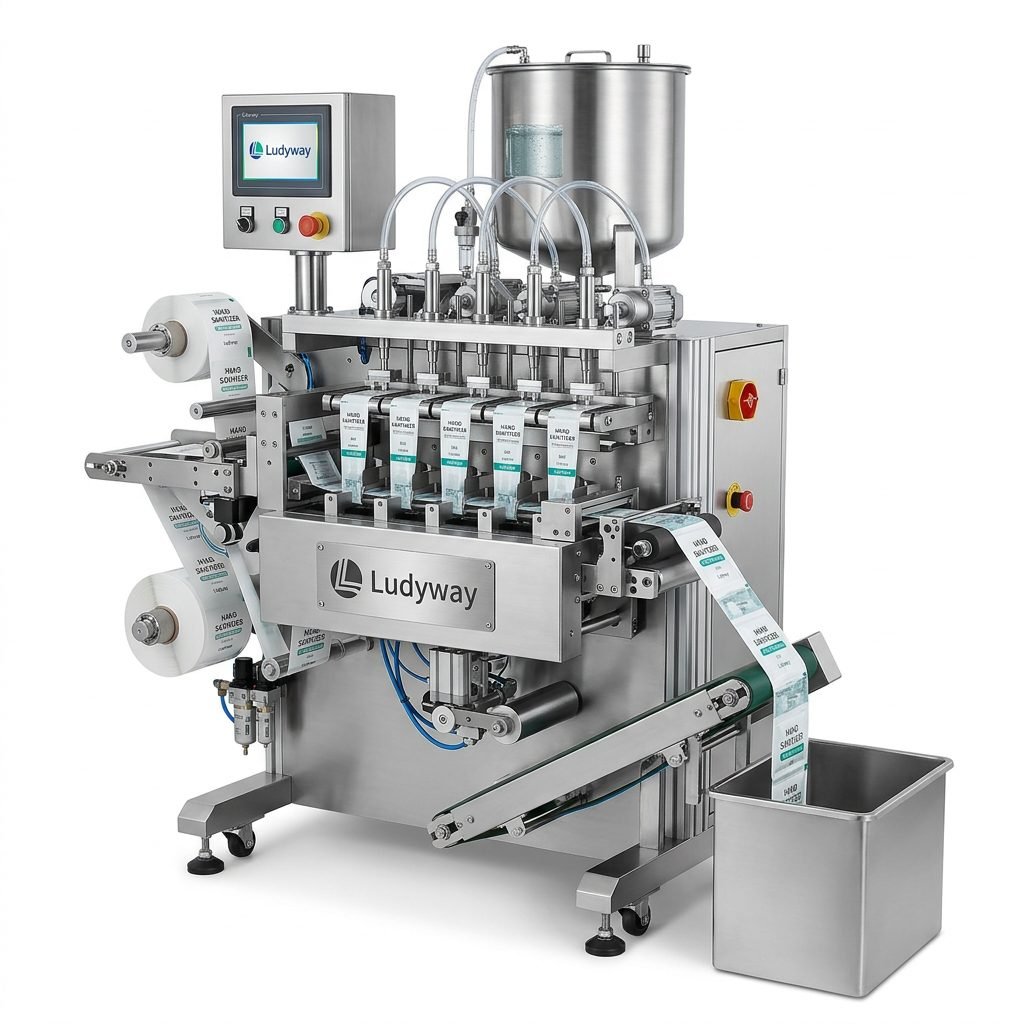
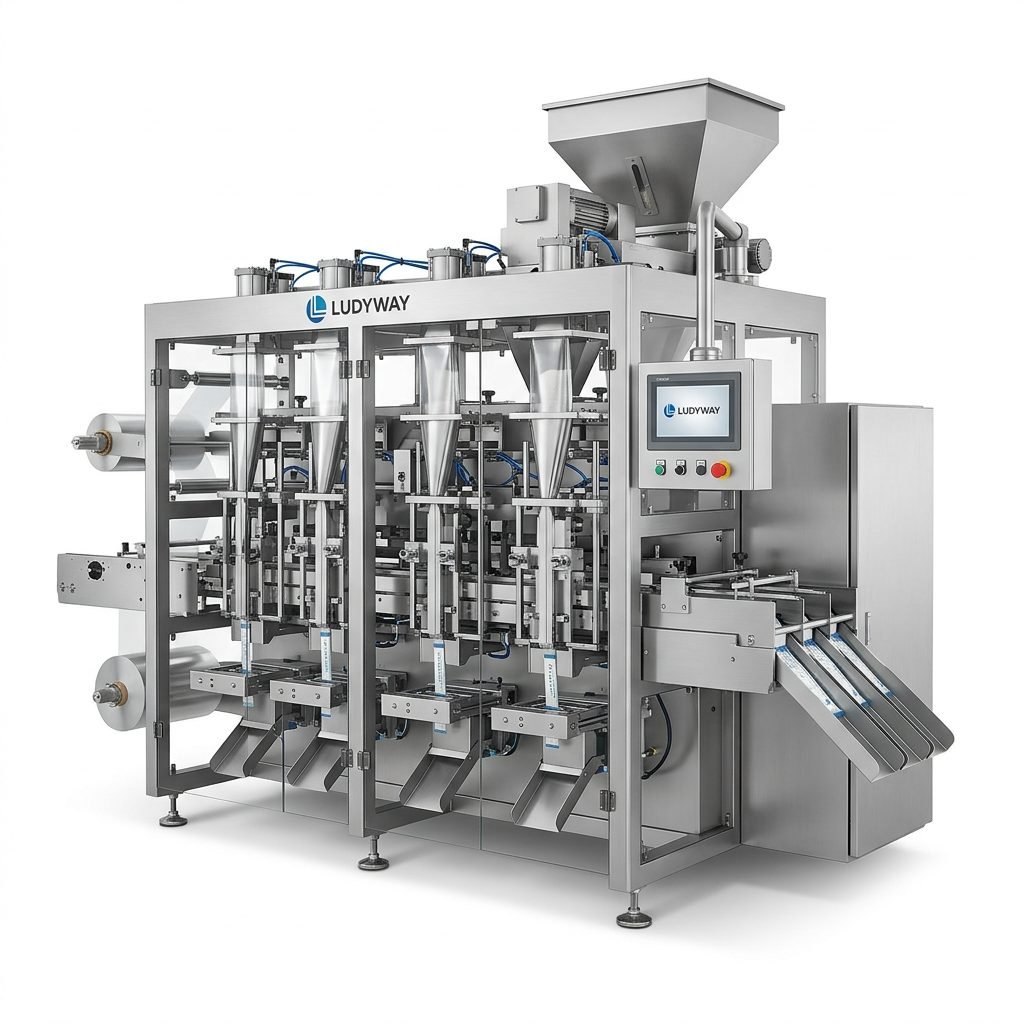
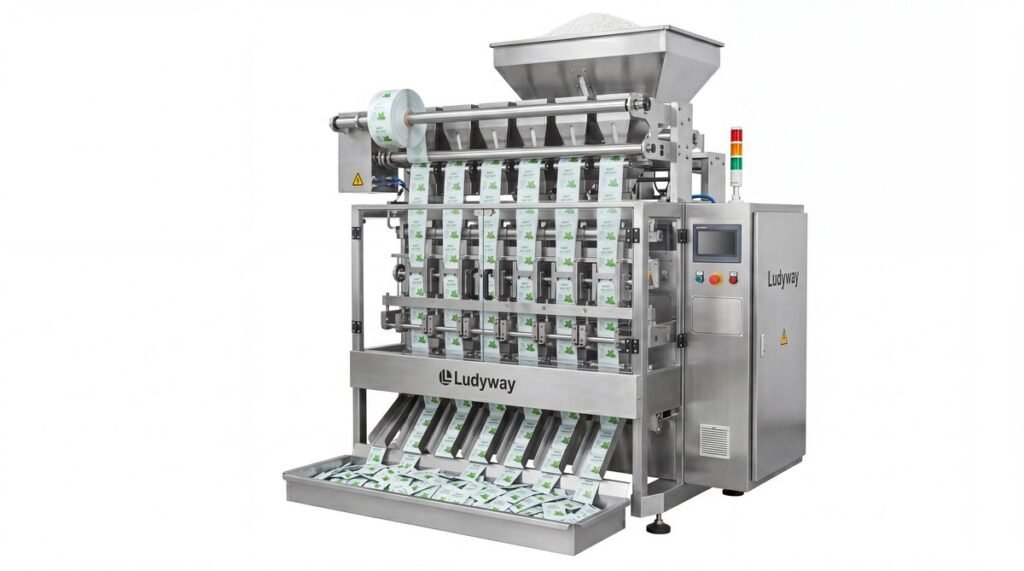
For fish oil and other liquid fish-derived products, specialized liquid filling machines handle precise dosing into bottles, sachets, or stick packs. Multi-lane sachet machines can achieve very high output for single-serve portions.
Key Factors to Consider When Choosing a Fish Packing Machine
The following table summarizes the critical decision factors you should evaluate during the selection process:
| Factor | Key Questions to Ask | Why It Matters |
|---|---|---|
| Production Speed | How many packs per minute do you need now and in the future? | Underestimating speed requirements leads to bottlenecks; overestimating wastes capital |
| Packaging Format | Pillow bags, gusseted bags, sachets, stick packs, trays, or vacuum pouches? | Format affects machine type, film compatibility, and downstream equipment |
| Filling Accuracy | What is the acceptable weight tolerance for your product? | Overfilling erodes margins; underfilling risks regulatory non-compliance |
| Material Compatibility | What packaging films or materials will you use? | Not all machines handle all film types; sealing parameters vary significantly |
| Hygiene Requirements | Do you need washdown capability, stainless steel construction, or cleanroom compatibility? | Seafood processing demands high hygiene standards to prevent contamination |
| Automation Level | Semi-automatic or fully automatic with integrated feeding, coding, and inspection? | Higher automation reduces labor costs but requires greater upfront investment |
| Changeover Flexibility | How frequently do you switch between products, bag sizes, or formats? | Frequent changeovers demand quick-adjust features and tool-less design |
Evaluating Packaging Materials and Seal Integrity
For fish products, seal integrity is non-negotiable. A compromised seal leads to leakage, contamination, spoilage, and significant product loss. When evaluating machines, pay close attention to:
- Sealing technology: Heat sealing, ultrasonic sealing, or impulse sealing — each has advantages for different film types
- Seal strength testing: Ensure the machine can consistently produce seals that meet your quality standards
- Film tracking and tension control: Essential for maintaining consistent seal quality at high speeds
- Compatibility with barrier films: Fish products often require high-barrier laminates to prevent oxygen and moisture transmission
According to flexible packaging industry data, material selection directly impacts both machine performance and product shelf life. Consult with film suppliers and machine manufacturers early in the decision process.
Production Environment and Facility Considerations
Your production environment shapes machine specifications. Fish processing facilities often operate in wet, cold, and corrosive conditions. Key considerations include:
- Stainless steel construction: Essential for corrosion resistance in marine environments
- IP rating: Protection against water ingress during washdown procedures
- Floor space and layout: Measure available space, ceiling height, and material flow paths
- Utility requirements: Compressed air, electrical supply, and any special ventilation needs
- Temperature and humidity: Cold environments may require special lubrication and component selection

Automation and Integration Capabilities
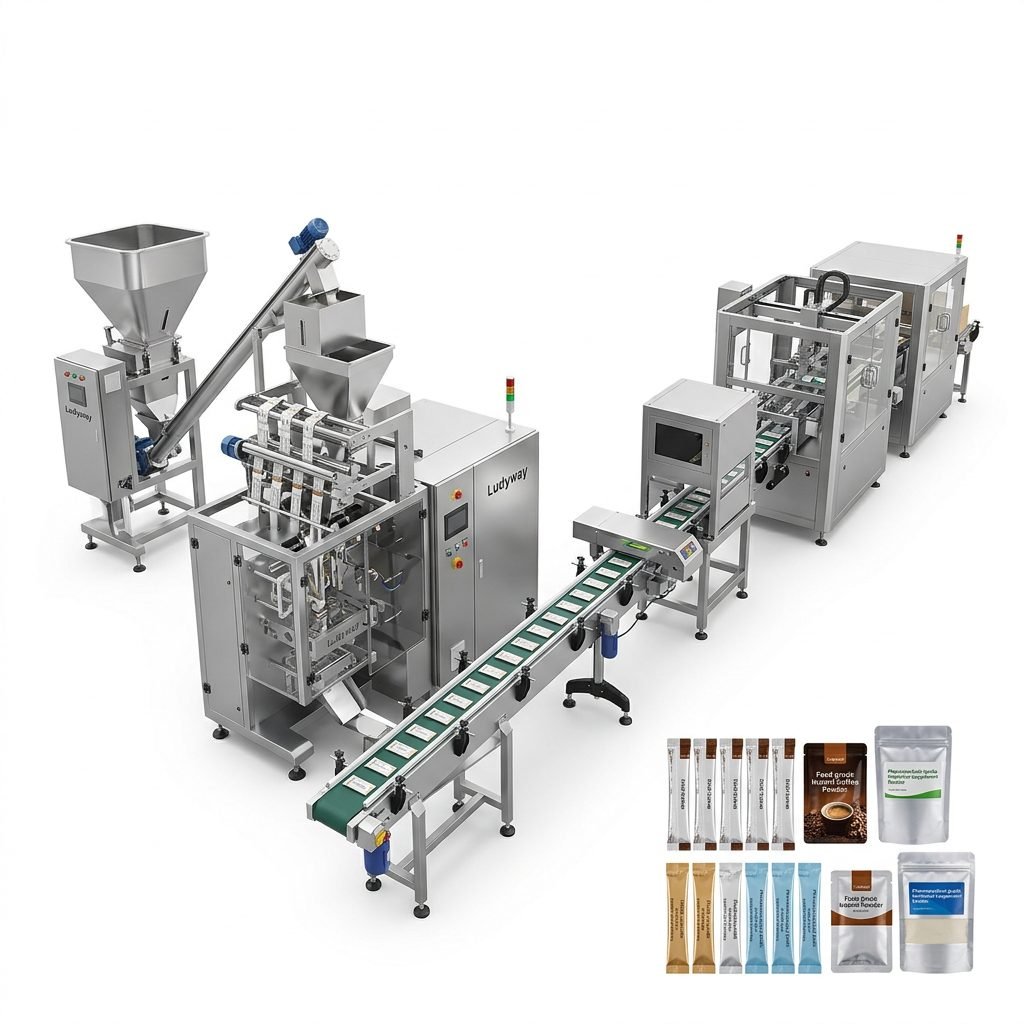
Modern fish packing operations increasingly rely on integrated packaging lines rather than standalone machines. Consider how your new equipment will connect with:
- Upstream equipment: Weighing systems, feeding conveyors, and product handling systems
- Downstream equipment: Checkweighers, metal detectors, coding and marking systems, case packers, and palletizers
- Line control systems: Centralized monitoring, data collection, and production reporting
- Industry 4.0 readiness: Remote monitoring, predictive maintenance alerts, and OEE tracking
A well-integrated line reduces manual handling, minimizes product damage, and improves overall equipment effectiveness. For guidance on packaging machinery market trends and automation standards, industry associations provide valuable benchmarking data.
Budget Planning and Total Cost of Ownership
The purchase price is only one component of the total investment. A comprehensive cost analysis should account for:
- Initial capital expenditure: Machine cost, shipping, import duties, and taxes
- Installation and commissioning: Site preparation, utility connections, and technician support
- Training: Operator and maintenance personnel training costs
- Consumables: Packaging film, spare parts, and wear components
- Maintenance: Preventive maintenance contracts and unexpected repair costs
- Energy consumption: Electrical and compressed air usage over the machine’s lifespan
- Downtime risk: Lost production capacity during breakdowns or lengthy repairs
Tip: Request detailed lifecycle cost estimates from multiple suppliers and compare them on a per-pack basis over a 5- to 10-year horizon.
Supplier Evaluation and Due Diligence
Choosing the right supplier is as important as choosing the right machine. Evaluate potential partners on the following criteria:
- Industry experience: Does the supplier have proven experience with fish and seafood packaging applications?
- Technical support: What is the availability of remote and on-site technical assistance?
- Spare parts availability: Are critical parts stocked locally or regionally with reasonable lead times?
- Reference installations: Can the supplier provide references from similar applications in your region?
- Warranty and after-sales service: What is covered, for how long, and with what response time guarantees?
- Training programs: Comprehensive operator and maintenance training reduces long-term operational risk
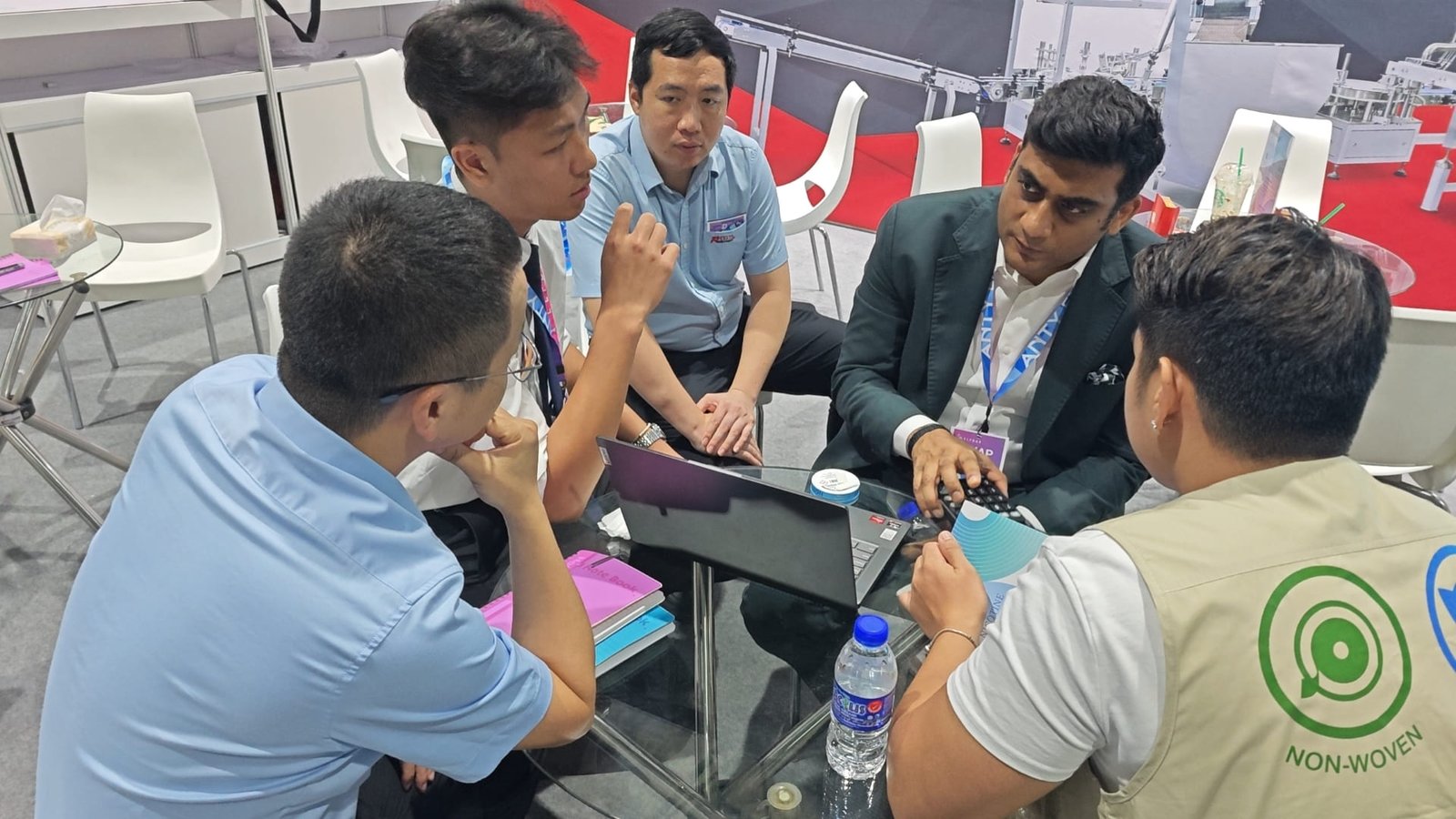
Companies like Ludyway Machinery, a China-based packaging machinery manufacturer with more than 30 years of experience, provide integrated packaging solutions and turnkey production lines for manufacturers across food, pharmaceutical, and industrial sectors. With a broad portfolio of automatic packaging equipment and a 20,000-square-meter manufacturing facility, such manufacturers can offer customized configurations that match specific product and production requirements.
Regulatory Compliance and International Standards
Fish packaging equipment must comply with various regulations depending on your target markets. Key standards and frameworks include:
- Food safety regulations: FDA food packaging requirements for products entering the U.S. market
- EU packaging regulations: European packaging and packaging waste directives
- ISO standards: ISO packaging standards covering dimensions, testing, and performance
- HACCP compliance: Machine design should support hazard analysis and critical control point protocols
- CE marking: Required for equipment sold into the European Economic Area
Confirm that your chosen equipment can be configured to meet applicable standards for your target markets. Certifications and compliance documentation should be available from the manufacturer.
Testing and Validation Before Purchase
Before committing to a major equipment purchase, insist on the following validation steps:
- Product testing: Send samples of your actual product and packaging film for trial runs on the target machine
- Factory acceptance testing (FAT): Visit the manufacturer’s facility to witness the machine running with your product at full speed
- Site acceptance testing (SAT): Verify performance after installation at your facility
- Performance guarantees: Documented commitments on speed, accuracy, seal integrity, and uptime
Testing with your actual product and packaging materials is irreplaceable. Products with unusual flow characteristics, high oil content, or irregular shapes may behave differently than standard test materials.
Common Mistakes to Avoid
Based on industry experience, here are the most common pitfalls in fish packing machine selection:
- Focusing only on price: The lowest upfront cost often leads to higher total cost of ownership
- Underestimating future capacity needs: A machine running at 85% capacity on day one leaves little room for growth
- Ignoring film and material costs: Some machines require proprietary or expensive packaging materials
- Overlooking operator skill requirements: Complex machines may require specialized training or harder-to-find operators
- Neglecting local service support: A machine without accessible technical support becomes a liability during breakdowns
- Skipping reference checks: Speaking with current users reveals real-world performance and reliability insights
Making the Final Decision
After evaluating all the factors discussed in this guide, create a weighted decision matrix that ranks your priorities. Assign importance scores to criteria such as speed, accuracy, flexibility, service support, and total cost. Score each shortlisted machine against these criteria to arrive at an objective comparison.
Remember that the right fish packing machine is an investment in your operation’s long-term competitiveness. A well-chosen machine will deliver consistent packaging quality, reduce product waste, improve labor efficiency, and support your growth for years to come. Take the time to conduct thorough due diligence, engage with reputable suppliers, and validate performance with your own products before making the final commitment.
For additional resources on packaging technology and industry best practices, refer to PMMI packaging industry resources and Flexible Packaging Association guidelines. Staying informed about evolving standards and technologies ensures your packaging operation remains competitive in a dynamic global market.