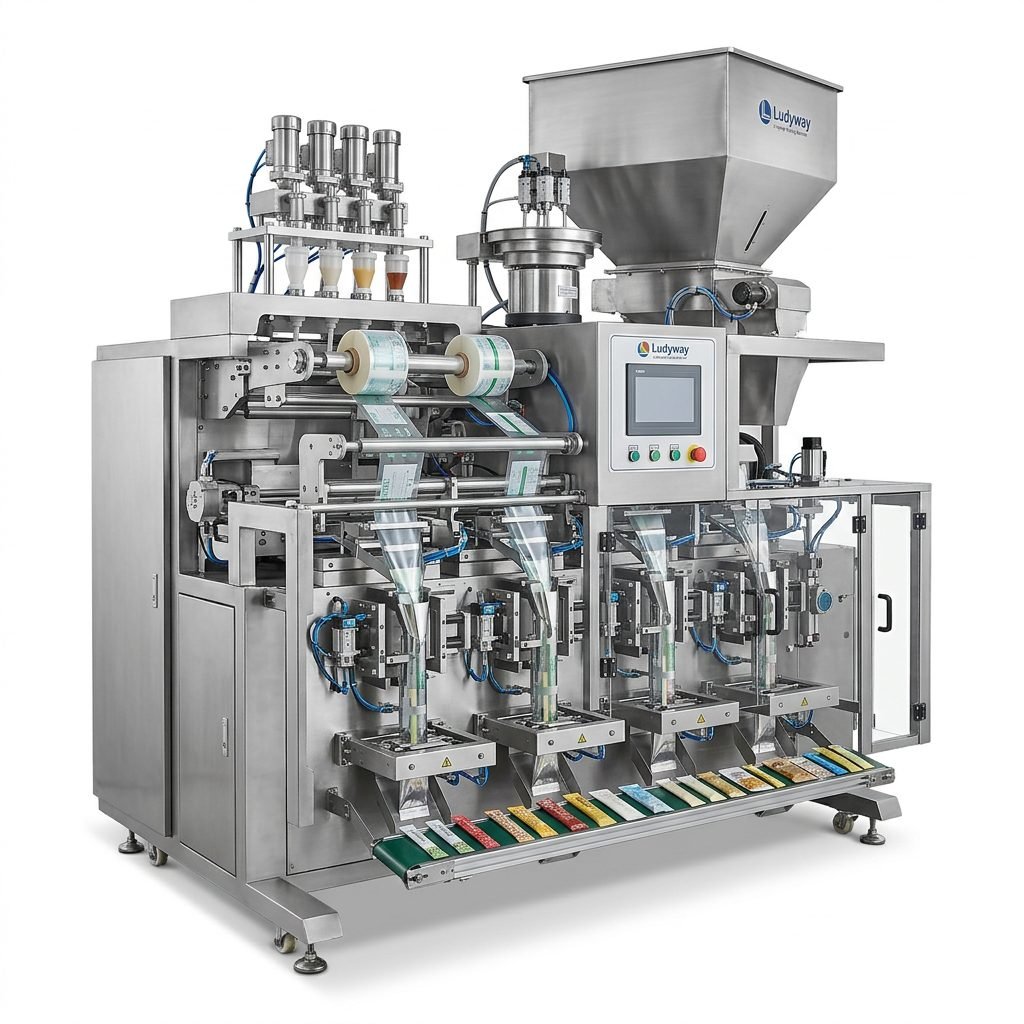
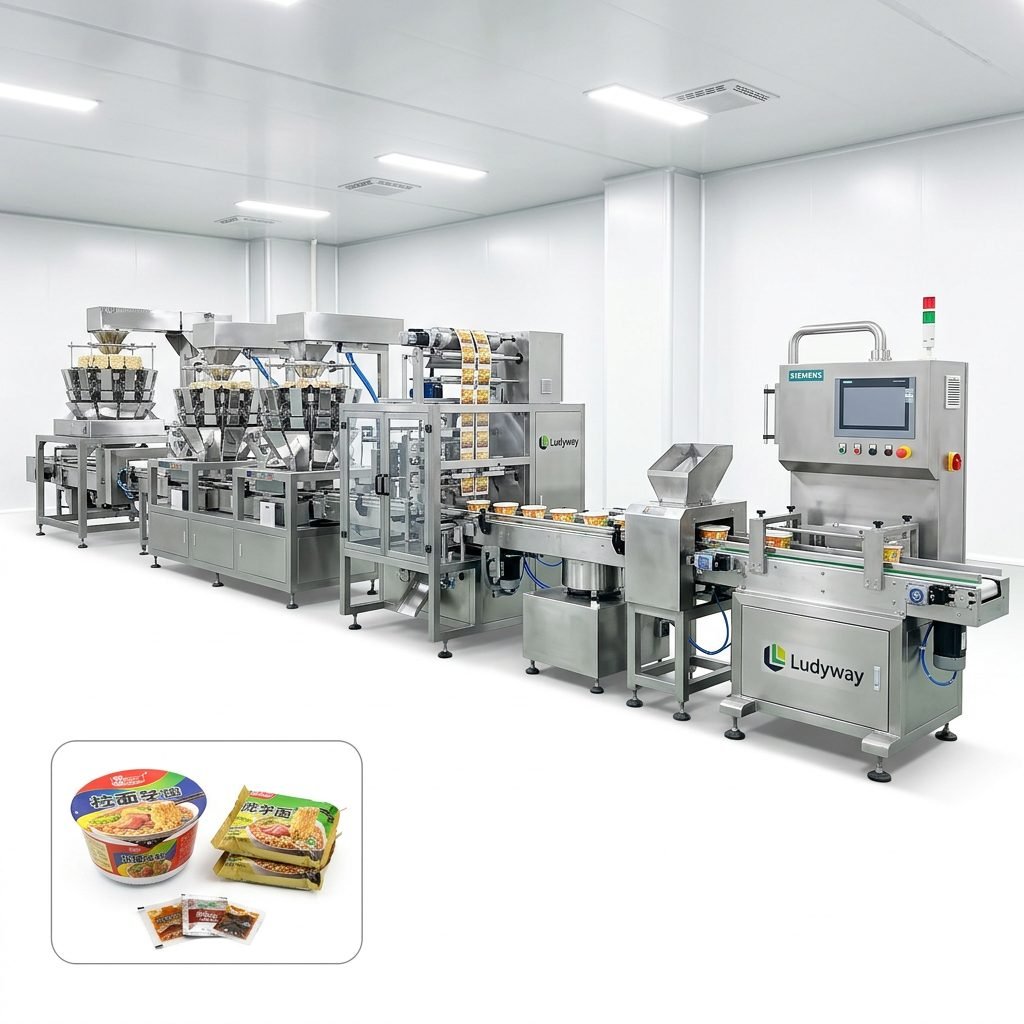
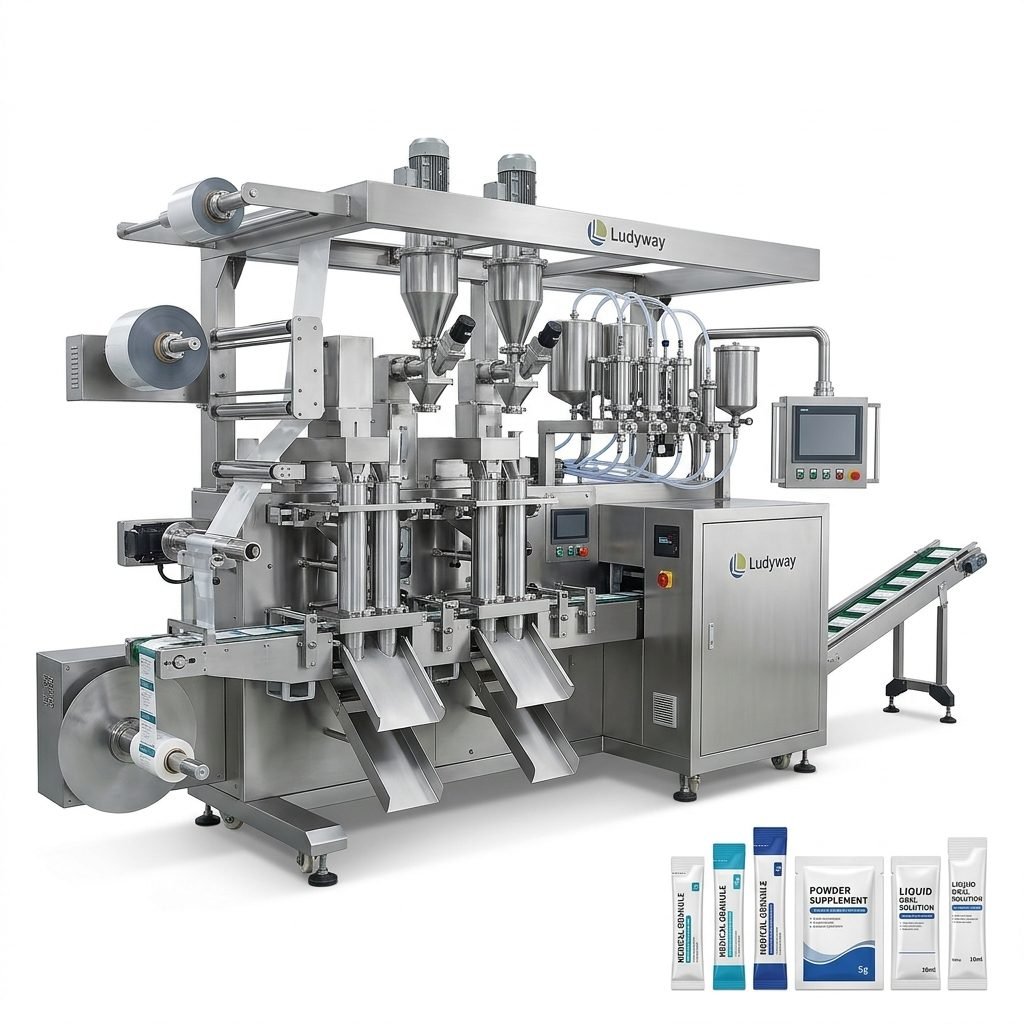
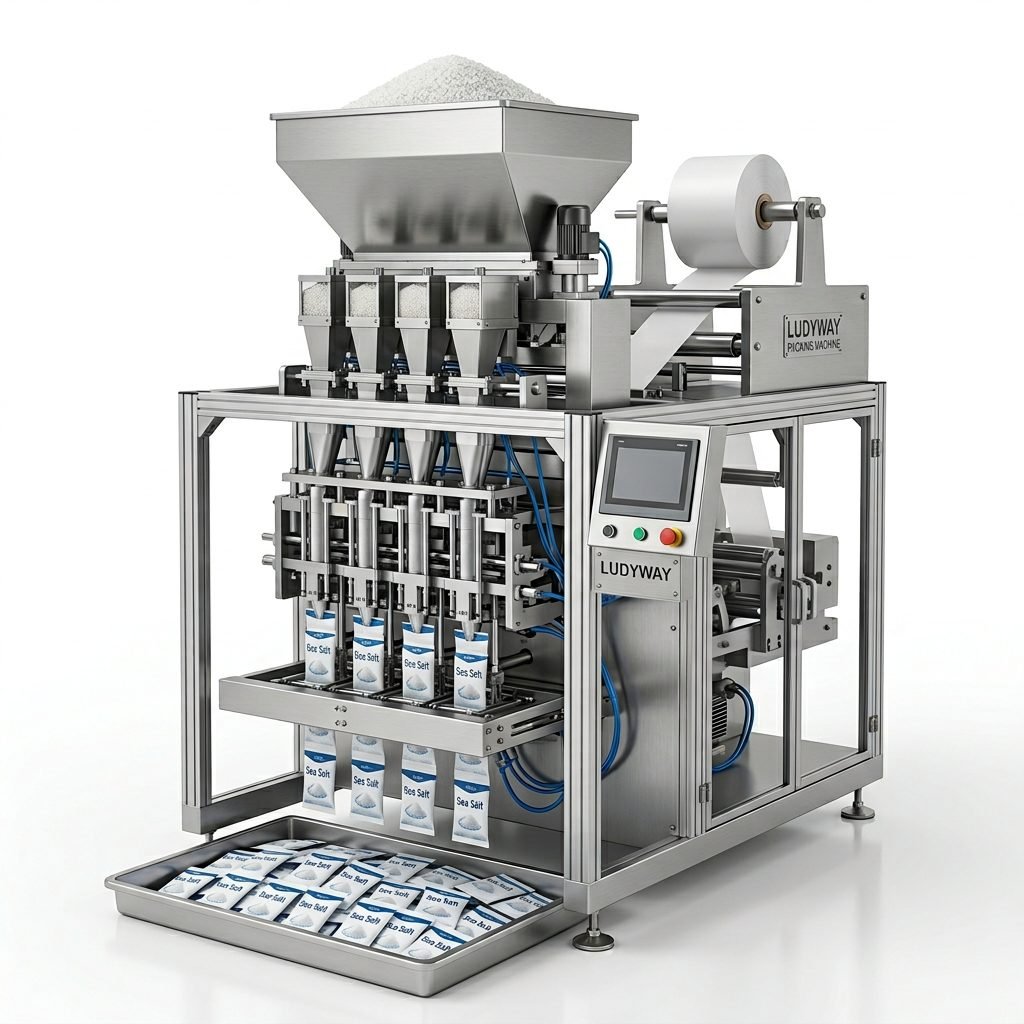
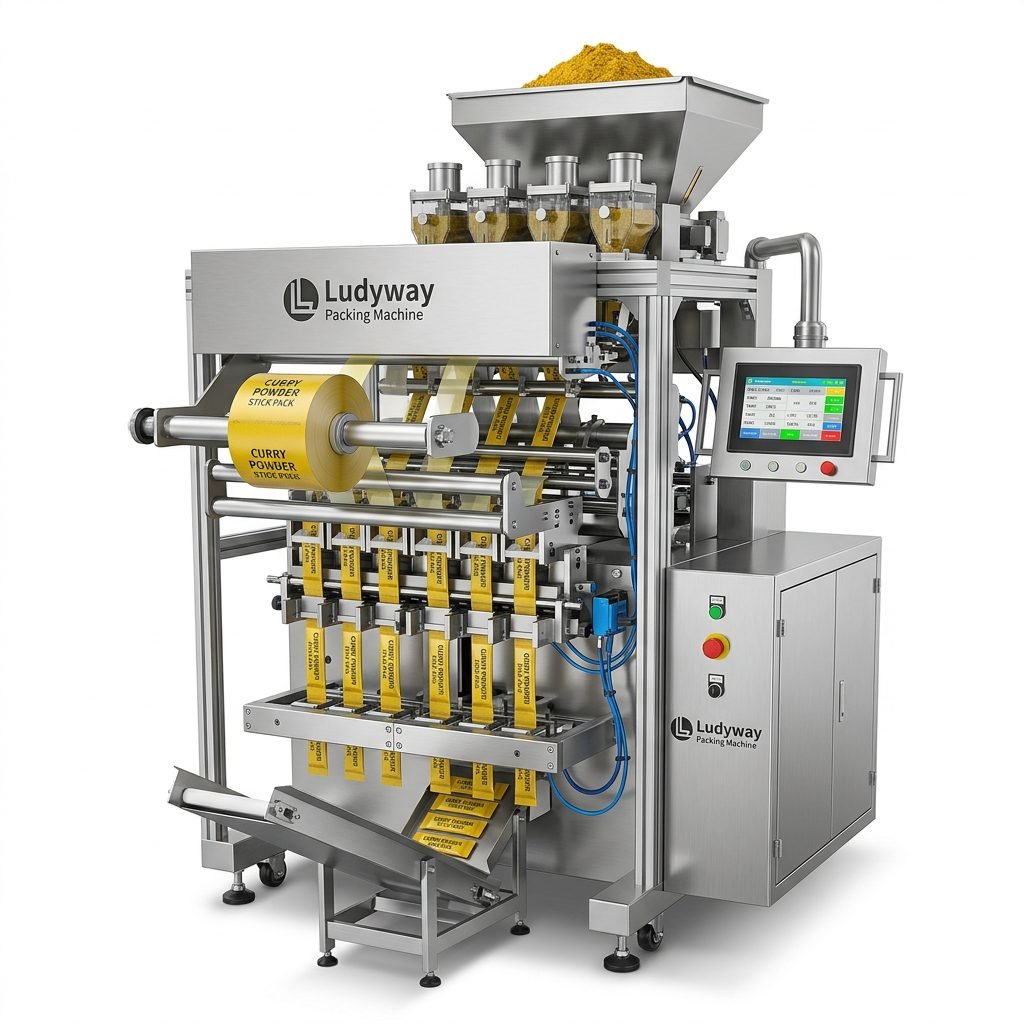
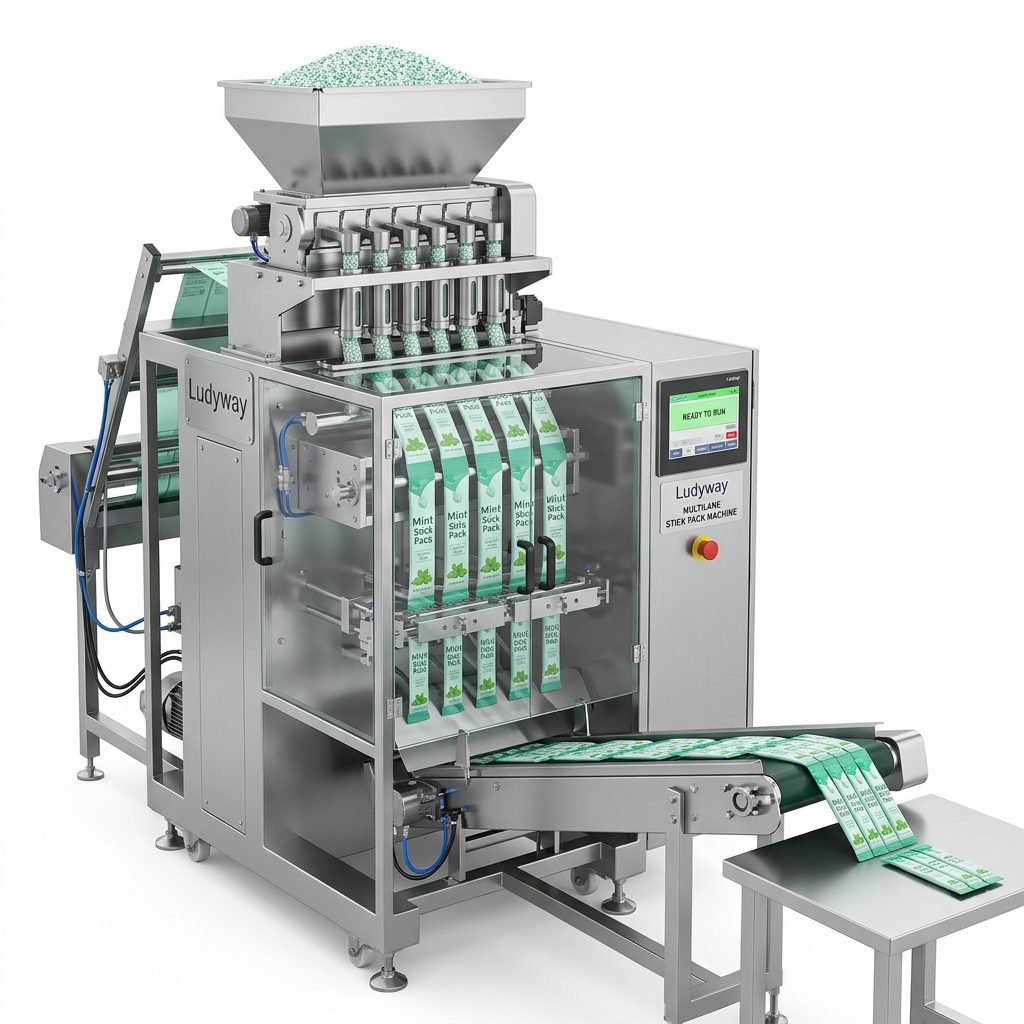
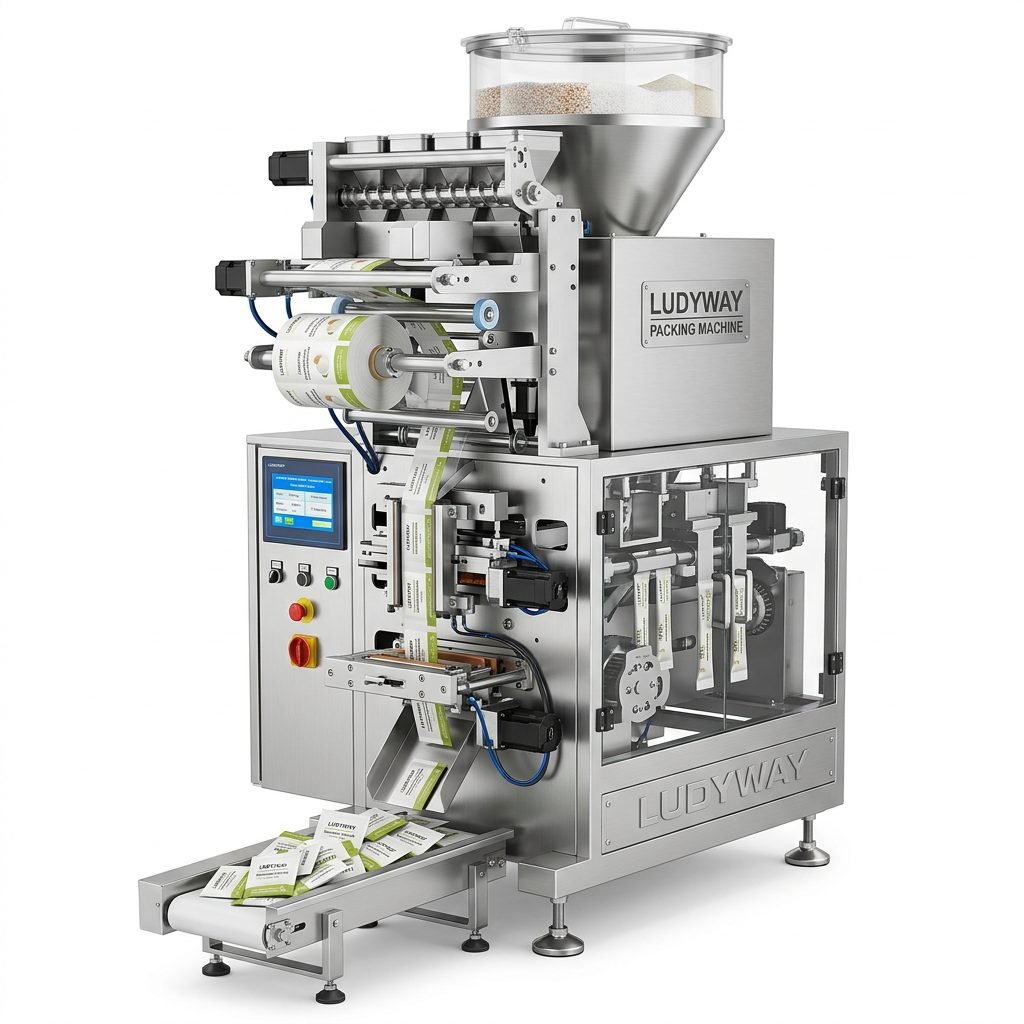
Investing in a rollstock vacuum packaging machine is a significant decision for food processors, pharmaceutical manufacturers, and industrial producers. The right equipment can dramatically extend shelf life, reduce packaging waste, and improve operational efficiency. However, with so many configurations, chamber designs, and automation levels available, the selection process can feel overwhelming. This complete buyer’s guide breaks down the critical factors you need to evaluate before making a purchase.

Understanding Rollstock Vacuum Packaging Technology
Unlike pre-made pouch systems, rollstock machines form packages directly from a roll of flexible film. The machine automatically forms, fills, and vacuum-seals each package in a continuous sequence. This approach delivers substantial material cost savings while enabling higher production speeds and greater format flexibility. Typical applications range from fresh meat and cheese blocks to medical devices and industrial components.
Key Factors to Evaluate Before Buying
Every production environment has unique demands. Focusing on these core evaluation criteria will help you narrow down the options and avoid costly mismatches between your requirements and the machine’s capabilities.
1. Product Characteristics and Packaging Requirements
The physical properties of your product directly determine the appropriate machine configuration. Evaluate these aspects carefully:
- Product dimensions and shape: Irregular shapes require specialized forming dies and sealing systems.
- Product consistency: Liquid, paste, granular, and solid products each demand different filling mechanisms.
- Target package size range: Machines have minimum and maximum pouch width, length, and depth limitations.
- Required vacuum level: Delicate products like fresh bread may need gas flushing (MAP) rather than deep vacuum.
- Production throughput: Determine your required packages per minute to match machine cycle speed.

2. Chamber Configuration and Seal Technology
The heart of any rollstock system is its vacuum chamber and sealing mechanism. PMMI packaging industry resources highlight that chamber design impacts both speed and seal integrity. Common configurations include:
- Single-chamber machines: Suitable for lower-volume production and frequent product changeovers.
- Double-chamber or twin-web systems: Ideal for medium-to-high throughput with continuous film transport.
- Rotary vacuum systems: Designed for ultra-high-speed applications where cycle time minimization is critical.
3. Modified Atmosphere Packaging (MAP) Capability
If your products require extended shelf life beyond what simple vacuum provides, flexible packaging industry data confirms that MAP systems are essential. The machine must be equipped with precision gas mixing and flushing controls to achieve the desired oxygen and carbon dioxide levels consistently. Verify that the gas exchange system can achieve residual oxygen below 1% if required for your application.
Automation, Integration, and Control Systems
Modern rollstock machines offer varying degrees of automation. The level you choose should align with your labor strategy and production goals.
| Automation Level | Features | Best Suited For |
|---|---|---|
| Manual Loading | Operators place products manually; basic PLC controls | Small batches, diverse product mix |
| Semi-Automatic | Automated filling with manual product transfer | Medium-volume production |
| Fully Automatic Lines | Robotic loading, inline weighing, automated case packing | High-volume 24/7 operations |
Integration with existing equipment — such as conveyors, checkweighers, and labelers — should be evaluated early in the selection process. A packaging machinery market research approach confirms that line-level thinking reduces bottlenecks and improves overall equipment effectiveness.
Film Material Compatibility and Format Flexibility
Not all rollstock machines handle every film type equally well. FDA food contact substance regulations and international standards govern which materials are acceptable for different end uses. Key material considerations include:
- Film thickness range: Verify that the machine’s forming, sealing, and cutting stations accommodate your required film gauge.
- Barrier properties: EVOH, PVdC, and aluminum oxide coatings require precise temperature control during sealing.
- Printable films: If you use pre-printed rollstock, registration control and tension management become critical.
- Sustainable materials: Bio-based and recyclable films often have different sealing windows than conventional laminates.

Compliance, Hygiene, and Safety Standards
Depending on your industry and target markets, your rollstock machine must meet specific regulatory requirements. ISO packaging standards provide internationally recognized benchmarks. For food applications, sanitary design features include:
- Washdown-ready construction: Stainless steel frames, IP65-rated electronics, and sloped surfaces for drainage.
- Tool-free disassembly: Quick-release components for thorough cleaning and sanitation verification.
- Validated sealing parameters: Documented temperature, pressure, and dwell time controls for HACCP compliance.
Evaluating Suppliers and After-Sales Support
The 2025 State of the Industry report emphasizes that long-term machine performance depends heavily on the manufacturer’s support infrastructure. When comparing potential suppliers, investigate these areas:
- Spare parts availability: Can critical components be shipped quickly from regional distribution centers?
- Technical service network: Does the supplier have qualified technicians who can respond to your facility within acceptable timeframes?
- Operator training programs: Comprehensive training reduces startup time and prevents operational errors.
- Remote diagnostic capability: Modern machines with IoT connectivity allow for faster troubleshooting.
- Reference installations: Ask for customer references with similar applications to yours.
Total Cost of Ownership Analysis
Purchase price alone is a misleading metric. Conduct a thorough total cost of ownership (TCO) analysis that accounts for:
- Film waste rates: Efficient machines minimize trim waste and start-up scrap.
- Energy consumption: Compare vacuum pump efficiency and heating element power draw.
- Maintenance intervals: Understand recommended service schedules and typical wear-part replacement costs.
- Labor requirements: Higher automation levels reduce direct labor but may increase technical skill requirements.
Making the Final Decision
After evaluating all technical specifications, compliance requirements, and total cost factors, the final selection should reflect a balance between current production needs and future growth plans. A machine that barely meets today’s throughput will become a constraint as your business scales.
For manufacturers seeking customized rollstock vacuum packaging solutions, working with an experienced equipment partner is invaluable. Ludyway Machinery, for example, provides application-specific engineering and integrated packaging lines based on more than 30 years of industry experience, helping customers align machine configuration with product characteristics, regulatory requirements, and production targets.
Start by defining your must-have capabilities versus nice-to-have features, then request detailed proposals from qualified suppliers. Where possible, arrange factory acceptance tests (FAT) to verify machine performance with your actual products and packaging materials before finalizing your investment.