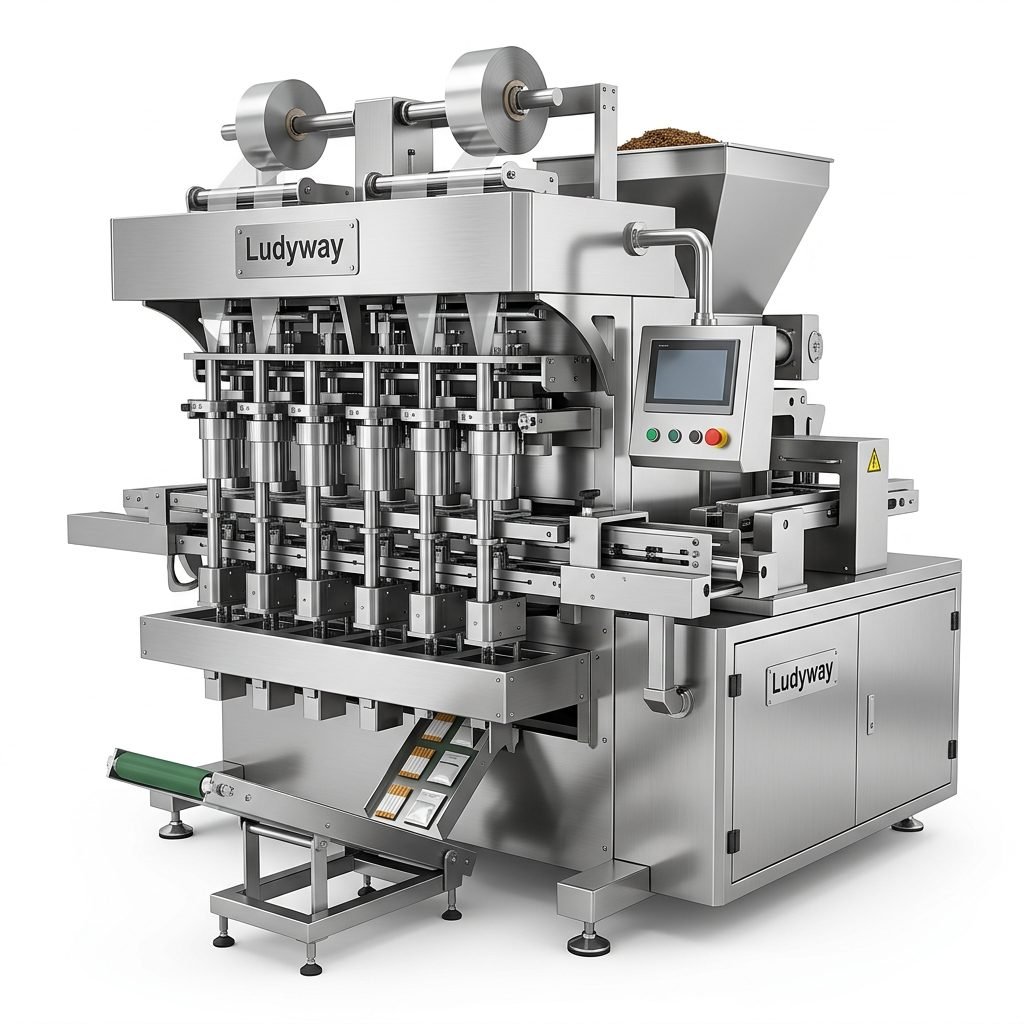
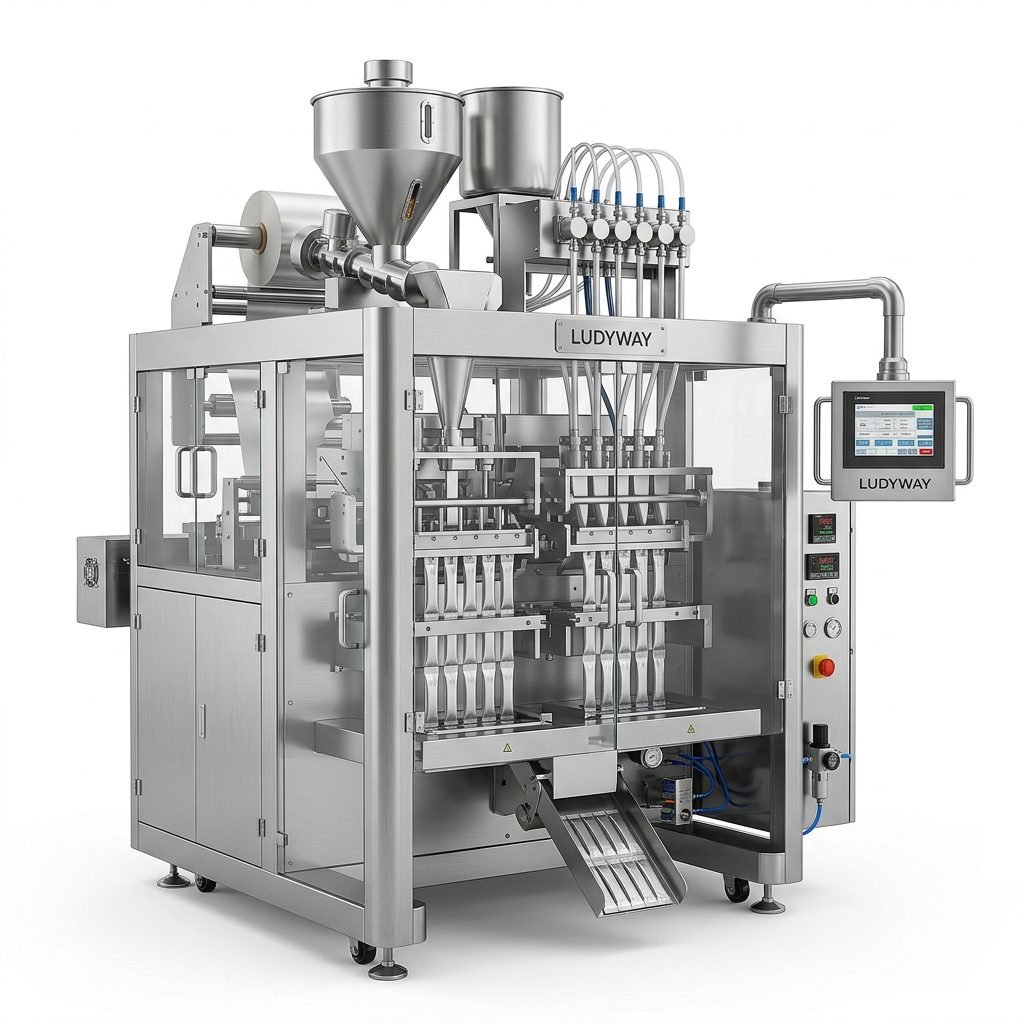
In modern poultry processing, packaging is no longer just the final step. It is a critical control point that directly affects food safety, shelf life, labor efficiency, product appearance, and overall profitability. As poultry producers face rising labor costs, stricter hygiene standards, and growing demand for fresh, traceable, and retail-ready products, automated poultry packaging solutions have become essential for staying competitive.
From whole birds and portioned cuts to marinated products, frozen poultry, and value-added ready-to-cook packs, automation helps processors move faster while reducing contamination risks and packaging errors. A well-designed line can integrate weighing, conveying, filling, sealing, coding, inspection, and case packing into one smooth workflow.

Why Poultry Processors Are Investing in Automation
Poultry packaging environments are demanding. Products are often moist, temperature-sensitive, and highly perishable. Manual handling can slow production and create more opportunities for inconsistency. Automated systems help processors maintain stable output while supporting compliance with HACCP, sanitation protocols, and retailer requirements.
- Faster throughput for high-volume operations
- Reduced direct contact with raw poultry products
- More accurate portioning and pack consistency
- Improved seal integrity and leak prevention
- Lower labor dependency during peak shifts
- Better traceability through coding and labeling integration
- Cleaner, more standardized final presentation for retail and foodservice channels
Key Benefits of Automated Poultry Packaging Solutions
1. Higher Packaging Speed
Automated poultry packaging machines can handle repetitive tasks continuously with minimal interruption. This is especially valuable for plants processing large volumes of chicken breasts, wings, drumsticks, fillets, nuggets, or frozen portions. With synchronized infeed and discharge systems, processors can reduce bottlenecks and maintain stable line speed.
2. Safer Food Handling
Less manual contact means fewer contamination opportunities. Hygienic machine design, stainless-steel contact parts, washdown-friendly structures, and enclosed product transfer systems all contribute to a safer packaging environment. Automation also supports cleaner segregation between raw product zones and packed product zones.
3. Better Weight Accuracy
Poultry processors work under constant pressure to avoid giveaway while still meeting declared net weight. Automated weighing and filling systems improve consistency pack after pack, helping reduce waste and protect margins.
4. Improved Shelf Appeal
Uniform trays, sealed pouches, vacuum packs, and modified atmosphere packaging formats all help products look more professional in retail displays. Better pack quality can improve brand trust and reduce returns caused by leakage, poor seals, or damaged packaging.
5. Lower Total Operating Cost
Although automation requires capital investment, it can significantly reduce labor intensity, material waste, rework, and downtime over time. For many facilities, the return on investment is driven by a combination of speed, hygiene, and reduced packaging loss.
Common Poultry Products Suitable for Automated Packaging
| Product Type | Typical Packaging Format | Automation Advantage |
|---|---|---|
| Whole chicken | Vacuum bags, shrink bags, trays | Improves sealing consistency and pack presentation |
| Chicken breasts and fillets | Trays, MAP packs, vacuum skin packs | Supports accurate weight control and high retail output |
| Wings, drumsticks, thighs | Pouches, trays, bulk bags | Reduces manual packing time |
| Frozen poultry portions | Pillow bags, premade pouches, bulk sacks | Maintains flow efficiency in cold-chain operations |
| Marinated or seasoned poultry | Stand-up pouches, vacuum packs | Minimizes mess and improves seal reliability |
| Ready-to-cook poultry products | Retail pouches, trays with film sealing | Enhances branding and convenience packaging |
Core Machines Used in Automated Poultry Packaging Lines
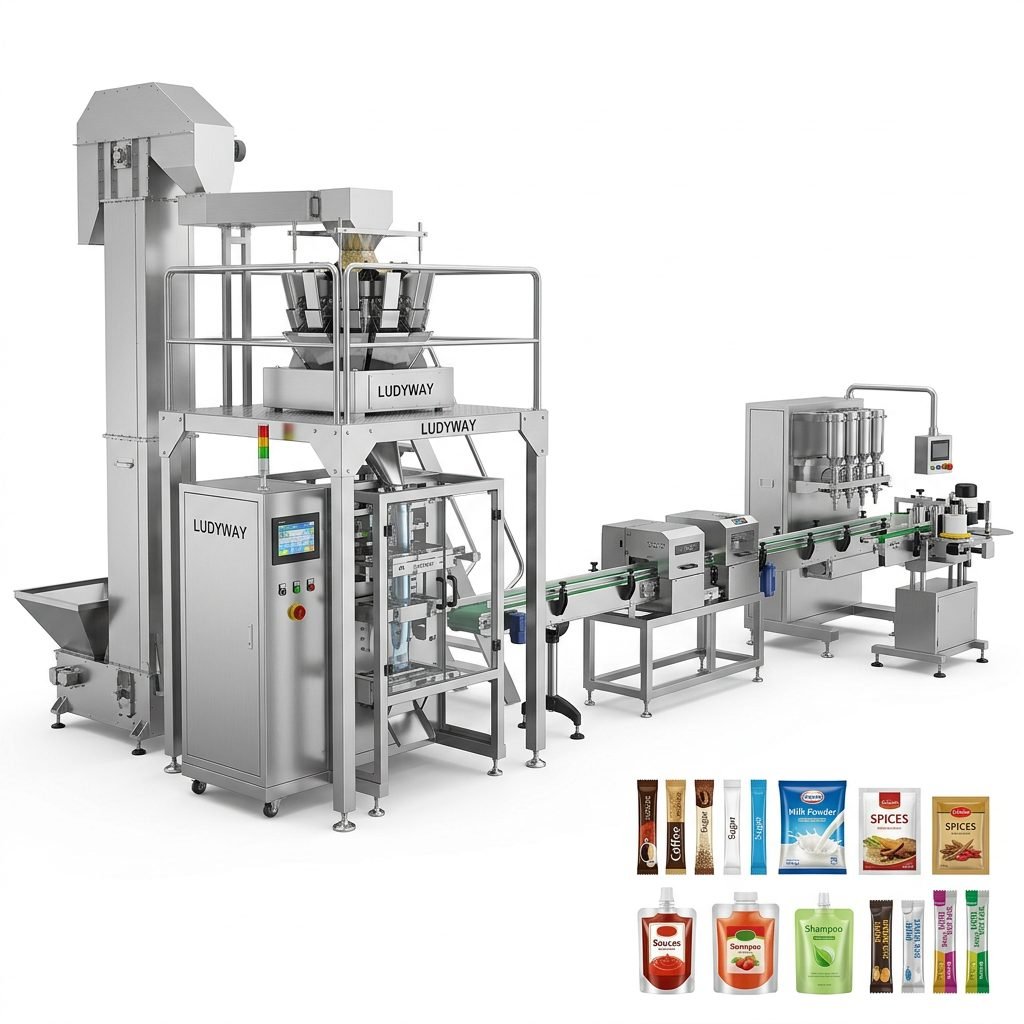
The best solution depends on product format, production volume, packaging material, and end-market requirements. A complete poultry packaging line may include several integrated systems:
- Automatic feeding and conveying systems
- Multihead weighers or linear weighing systems
- Tray loading and tray sealing machines
- Vacuum packaging machines
- Modified atmosphere packaging systems
- Premade pouch filling and sealing machines
- Vertical form-fill-seal equipment for bulk or frozen poultry items
- Date coding, printing, and labeling units
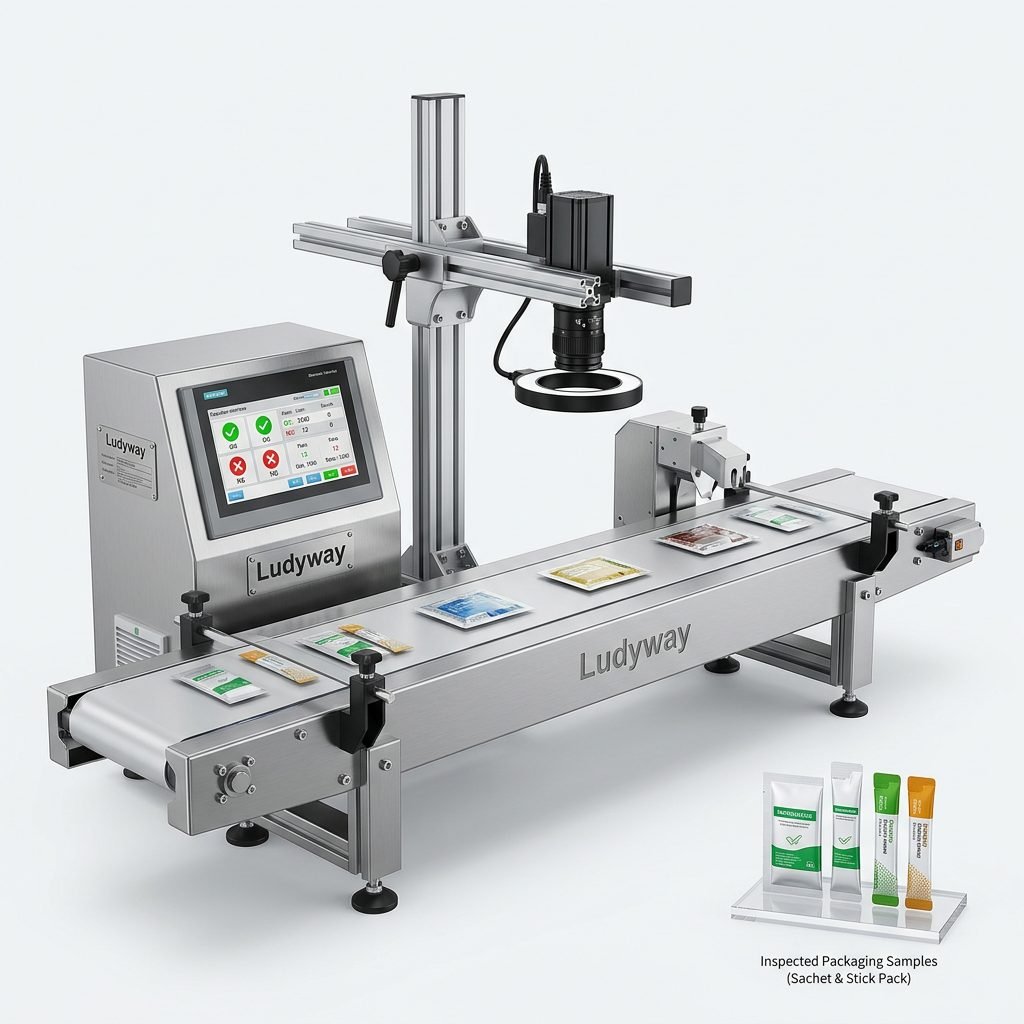
- Checkweighers and metal detection systems
- Cartoning, case packing, and palletizing modules
How Automation Improves Safety in Poultry Processing
Poultry is one of the most tightly regulated protein categories because of its sensitivity to bacterial contamination and temperature abuse. Automated packaging supports safety in several practical ways:
- Reduced human handling lowers contamination risk.
- Controlled sealing protects products from leakage and exposure.
- Integrated inspection helps detect weight deviations or foreign matter issues.
- Consistent coding supports traceability and recall readiness.
- Sanitary design makes cleaning and maintenance easier between production runs.
In addition, automated systems can be designed to align with cold-chain workflows, minimizing product exposure time during packing and helping preserve quality from plant to distribution.
Packaging Formats That Work Well for Poultry Products
Vacuum Packaging
Ideal for extending shelf life and reducing oxygen exposure. Commonly used for fresh cuts, deboned meat, and export products.
Tray Sealing
Popular for supermarket-ready poultry packs. Works well with absorbent pads, lidding film, and attractive retail presentation.
Modified Atmosphere Packaging (MAP)
Helps maintain freshness, color, and shelf life. Suitable for premium retail packs where presentation and product life are important.
Premade Pouches
Useful for marinated, seasoned, or ready-to-cook poultry items. Offers convenience and strong branding potential.
Bulk Bagging
Best for foodservice, further processing plants, and frozen product distribution where speed and high-capacity output matter most.
What to Look for in a Poultry Packaging Solution
| Selection Factor | Why It Matters |
|---|---|
| Hygienic machine structure | Supports washdown cleaning and reduces contamination risks |
| Packaging speed range | Ensures the line can match current and future production targets |
| Seal quality control | Prevents leakage, spoilage, and returns |
| Weighting accuracy | Reduces giveaway and improves compliance |
| Flexible pack formats | Makes it easier to serve retail, wholesale, and foodservice markets |
| Inspection integration | Improves product quality assurance |
| After-sales support | Reduces downtime and helps long-term line stability |
Efficiency Gains Across the Entire Processing Line
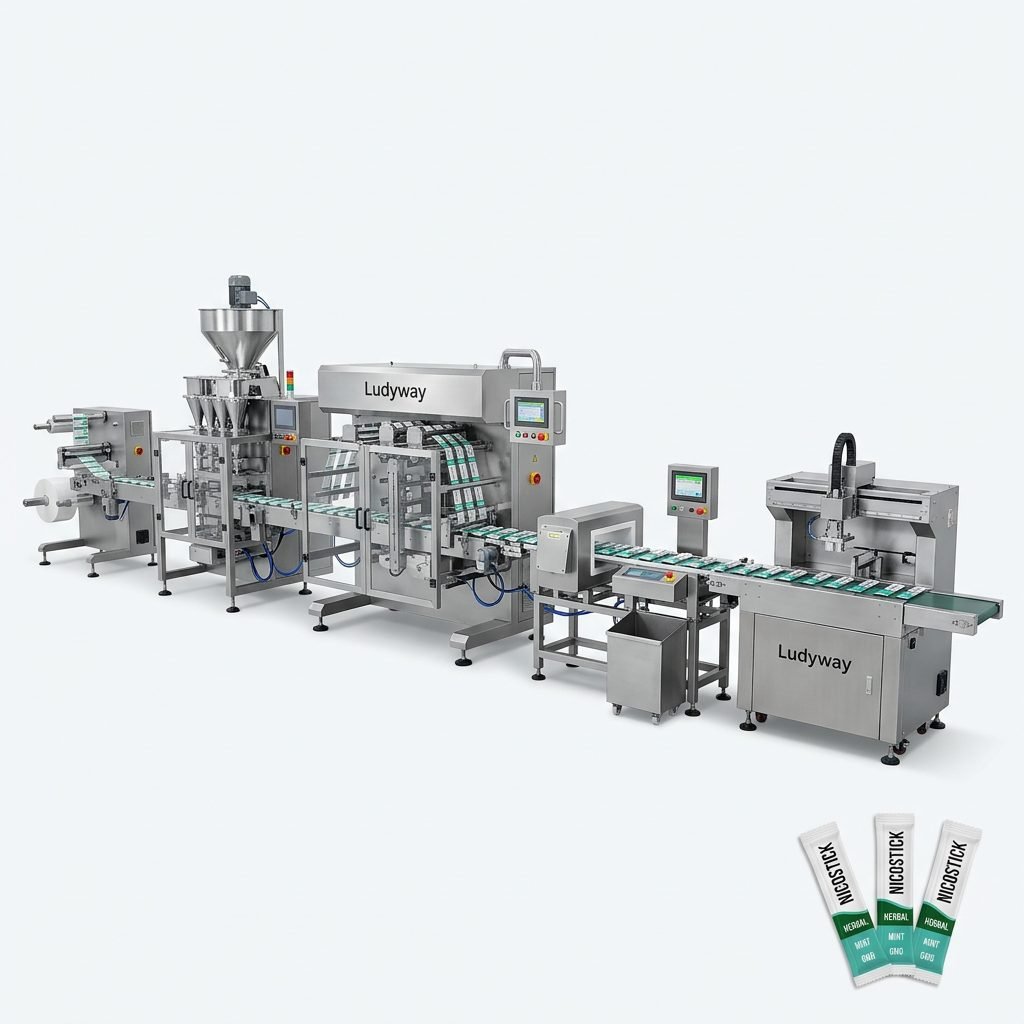
The biggest value of automation comes when packaging is treated as part of a full production system rather than a standalone machine. When infeed, weighing, sealing, inspection, and end-of-line handling are connected properly, poultry processors can achieve:
- Shorter cycle times
- Less product backlog between departments
- Fewer operator interventions
- Improved output predictability
- More efficient use of packaging materials
- Better line visibility through data monitoring and machine controls
This is especially important for plants aiming to scale production, add SKUs, or serve multiple channels such as retail, export, e-commerce, and institutional buyers.
Turnkey Automation for Poultry Packaging Projects
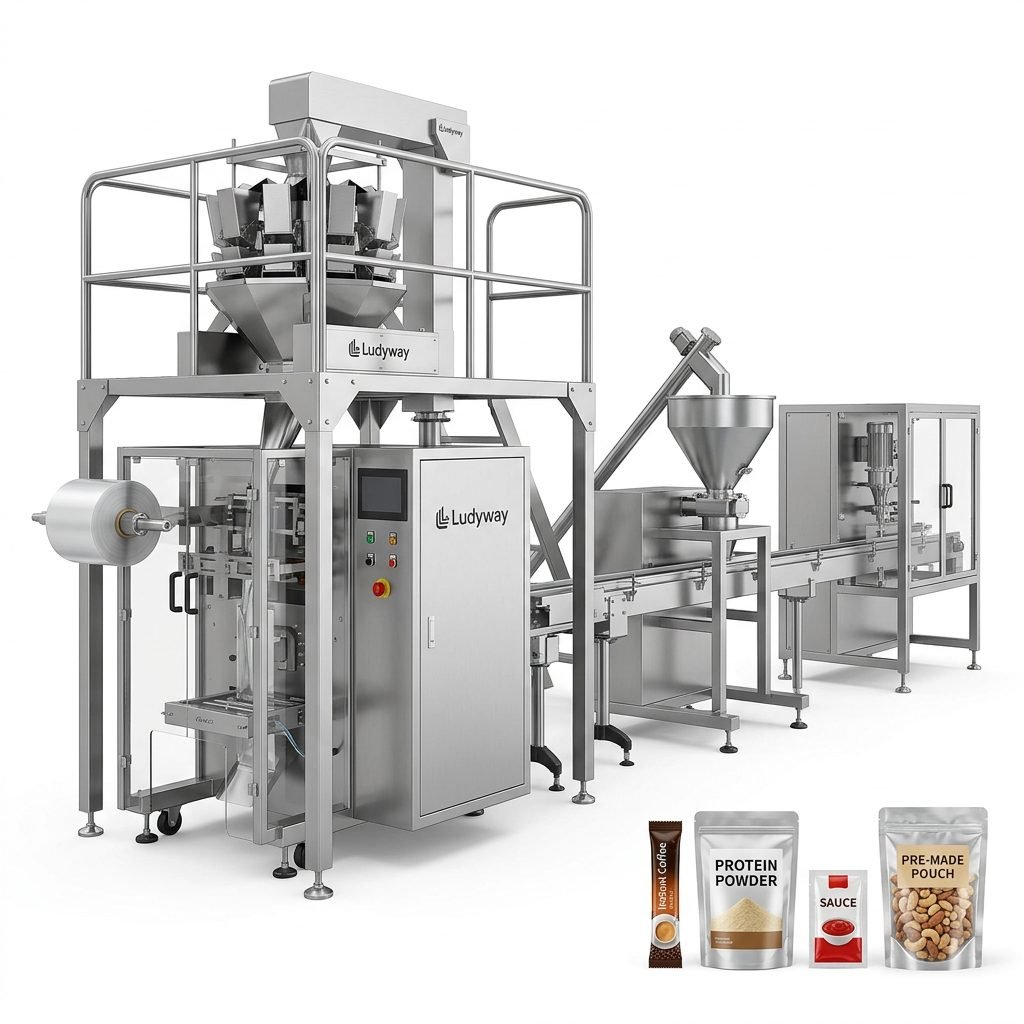
For many processors, the ideal approach is not simply buying one machine, but building a complete and scalable packaging line around real production needs. This may include product feeding, weighing, pouch or tray handling, coding, quality inspection, cartoning, and final transport systems. Working with an experienced packaging equipment manufacturer can make integration smoother and reduce future modification costs.
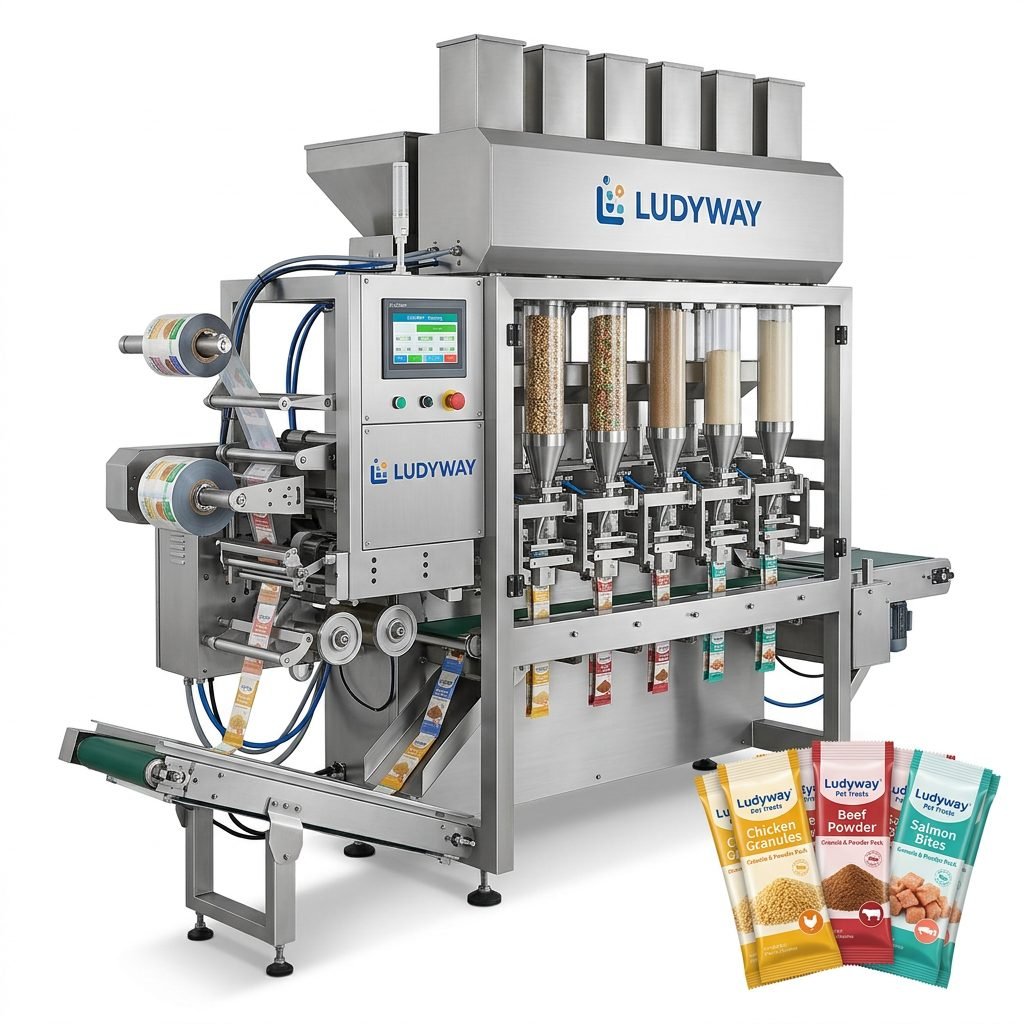
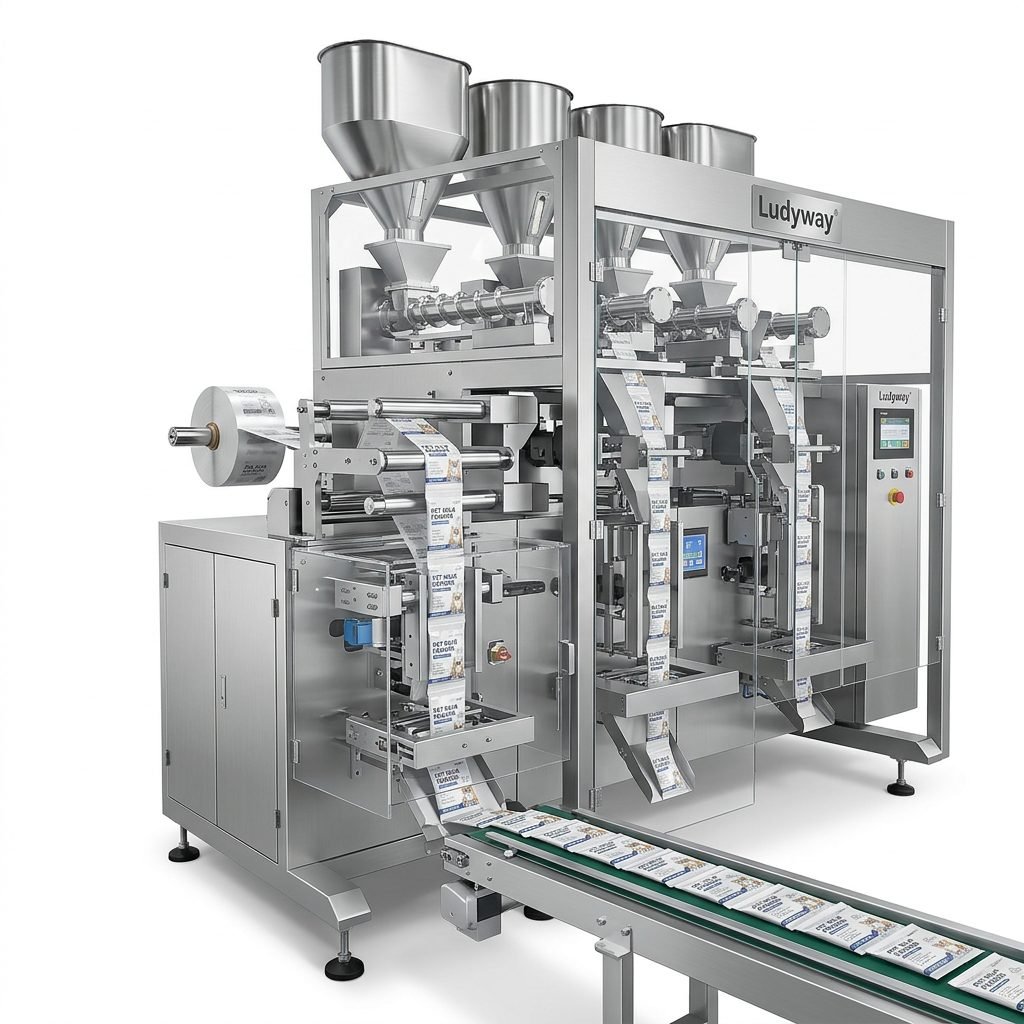
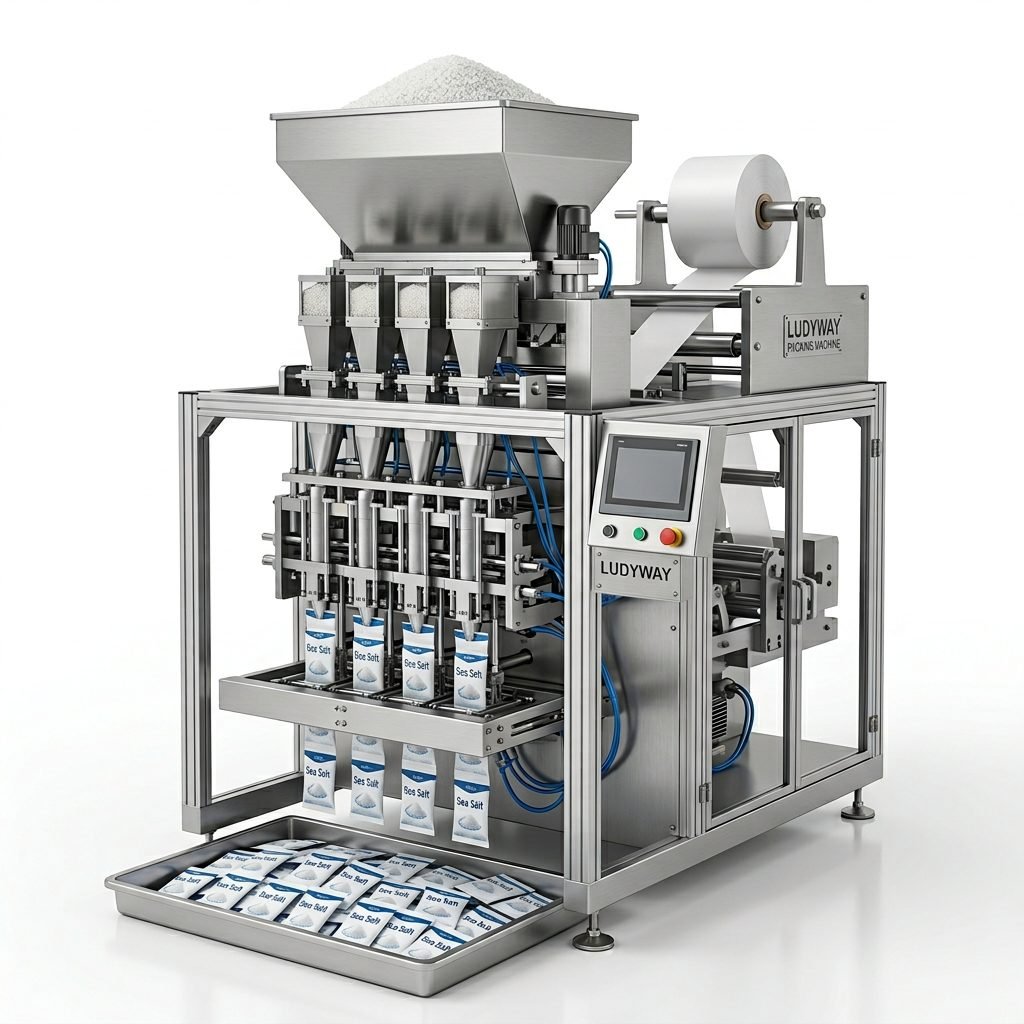
Companies seeking complete automation support often look to manufacturers with broad engineering capabilities and turnkey experience, such as Ludyway automated packaging solutions, especially for projects that require customized line design, multi-machine integration, and long-term technical service.
Final Considerations Before Investing
Before choosing an automated poultry packaging solution, processors should clearly define product type, desired output, pack style, washdown level, available plant space, and compliance requirements. It is also wise to think ahead: the right machine today should still support line expansion tomorrow.
The most effective systems are those that balance speed, hygiene, flexibility, and reliability. In a market where food safety expectations keep rising and margins remain under pressure, automation is not just about replacing labor. It is about building a packaging process that is faster, safer, and more efficient from start to finish.