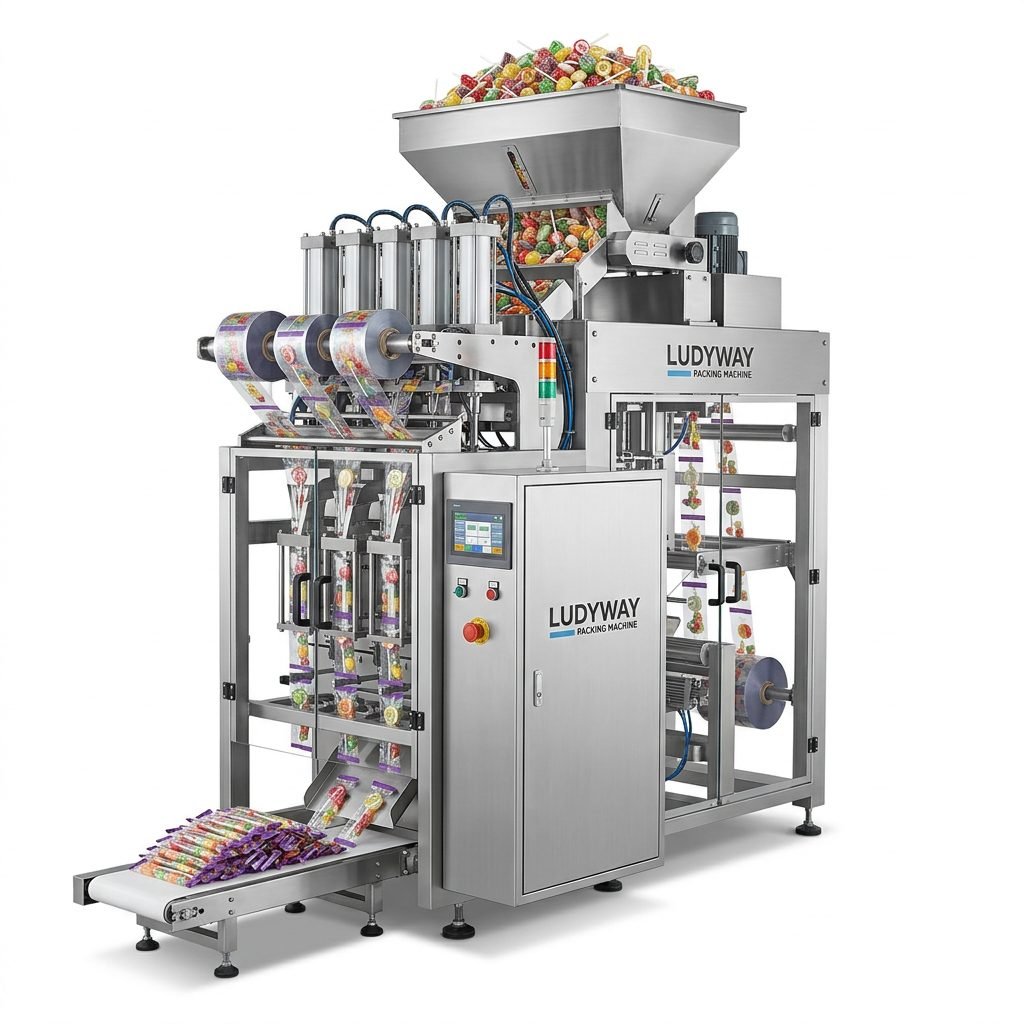
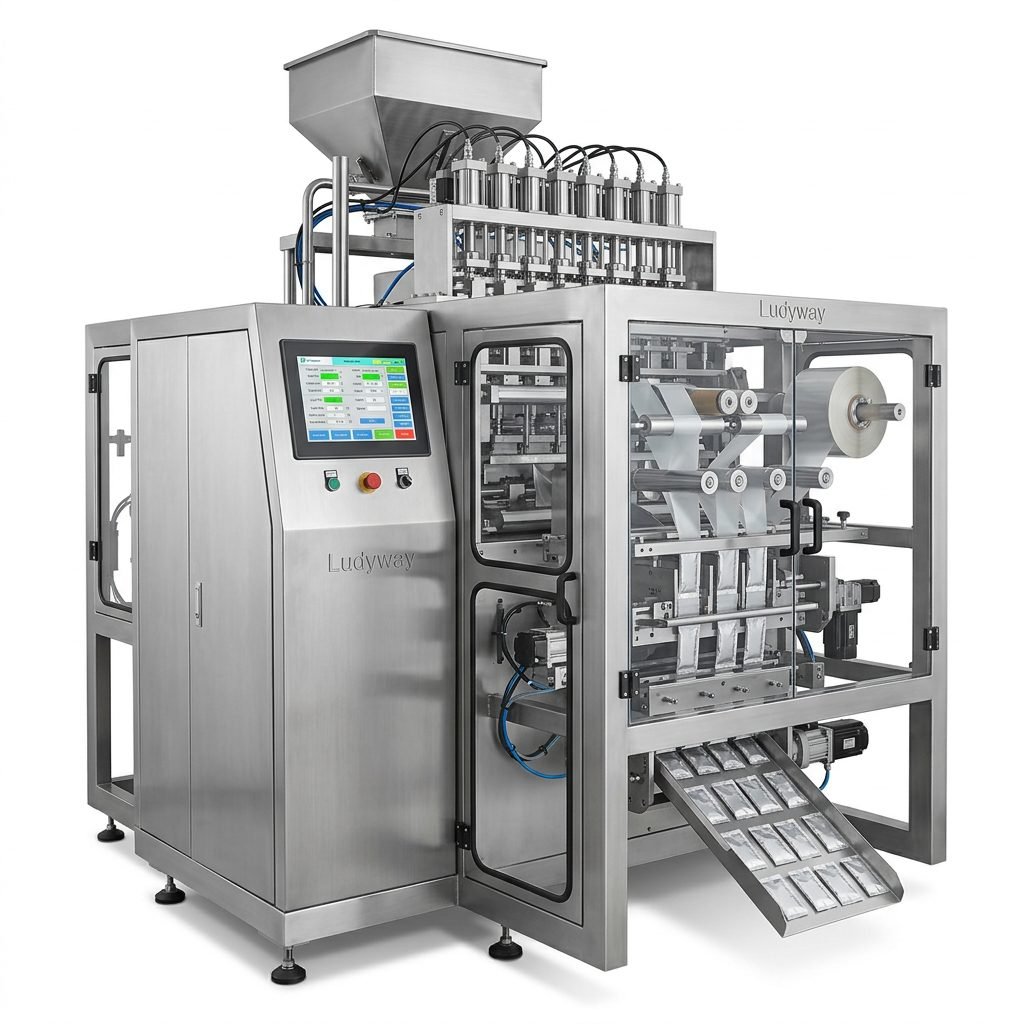
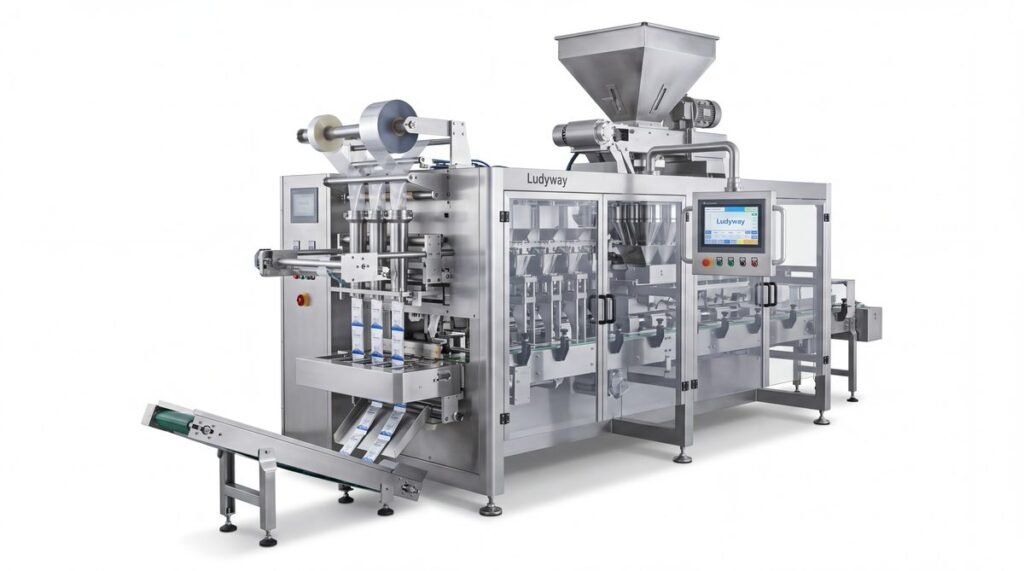
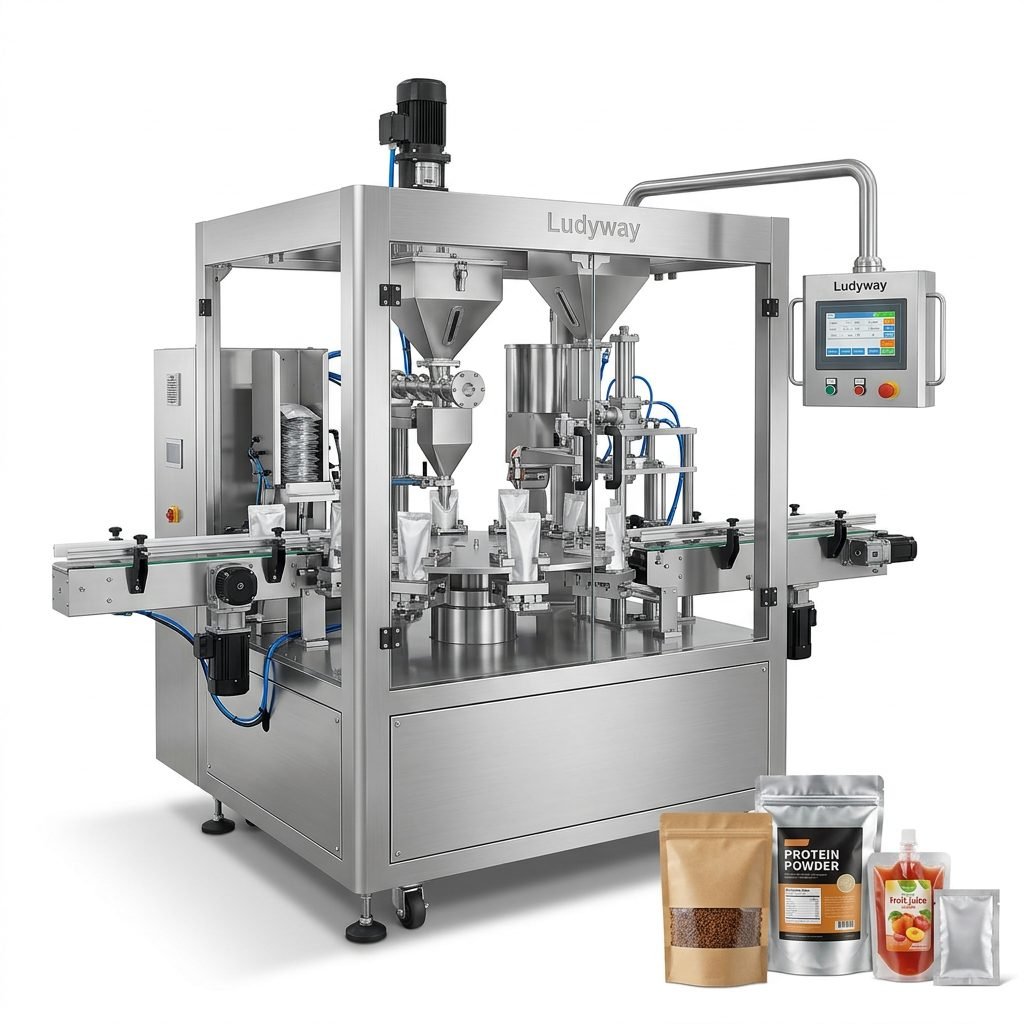
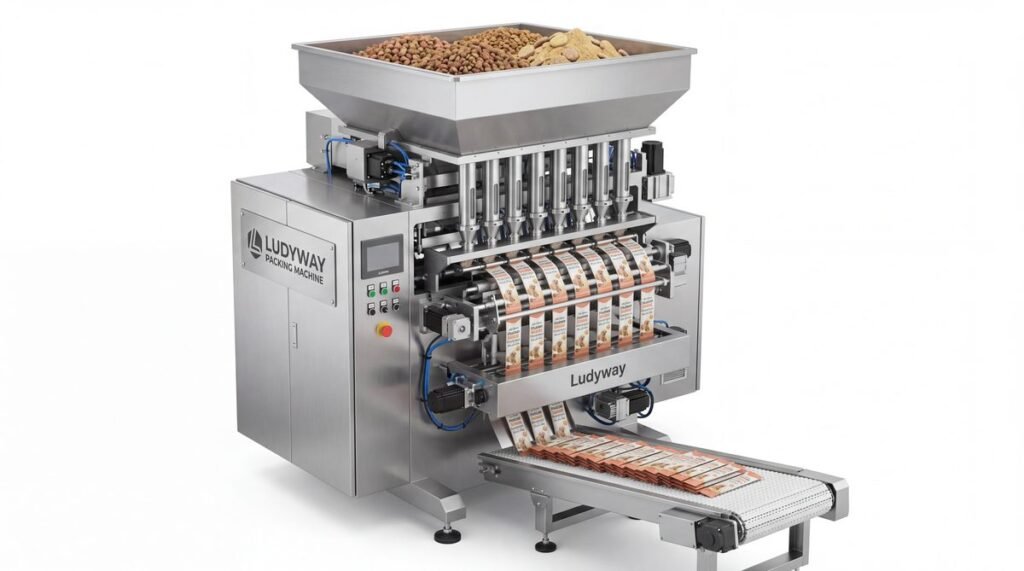
Investing in a wrapper packing machine is a significant decision that directly impacts your production efficiency, product quality, and long-term operational costs. With so many machine types, configurations, and suppliers available, making the right choice requires a structured evaluation of your specific needs. This guide walks you through the essential factors to consider when selecting a packaging machine for your manufacturing operation.
1. Understand Your Product Characteristics First
Before exploring machine options, you need a clear understanding of the physical and chemical properties of your product. The characteristics of what you are packaging will determine the most suitable dosing system, sealing technology, and material handling configuration.
Key Product Attributes to Evaluate
- Product form: Is it a powder, granule, liquid, paste, or solid? Each form requires a different filling mechanism.
- Flowability: Free-flowing powders behave differently from cohesive or sticky materials, affecting feeder selection.
- Particle size and density: These factors influence weighing accuracy and the type of dosing system needed.
- Hygroscopicity: Products that absorb moisture may require special sealing and environmental controls.
- Temperature sensitivity: Heat-sensitive products may need cold-seal or low-temperature sealing options.
- Dust generation: Fine powders that create dust require enclosed systems and dust collection accessories.
Taking time to fully characterize your product helps avoid costly mismatches between your material and the packaging machine configuration. According to PMMI packaging industry resources, product testing should always precede equipment selection.
2. Determine Your Packaging Format and Bag Type
The type of package you want to produce is equally important. Wrapper packing machines can produce a variety of formats, and selecting the right one depends on your market requirements, distribution channels, and consumer preferences.
Common Packaging Formats
- Sachets (pillow type): Cost-effective, widely used for single-use products in food, pharmaceutical, and cosmetic industries.
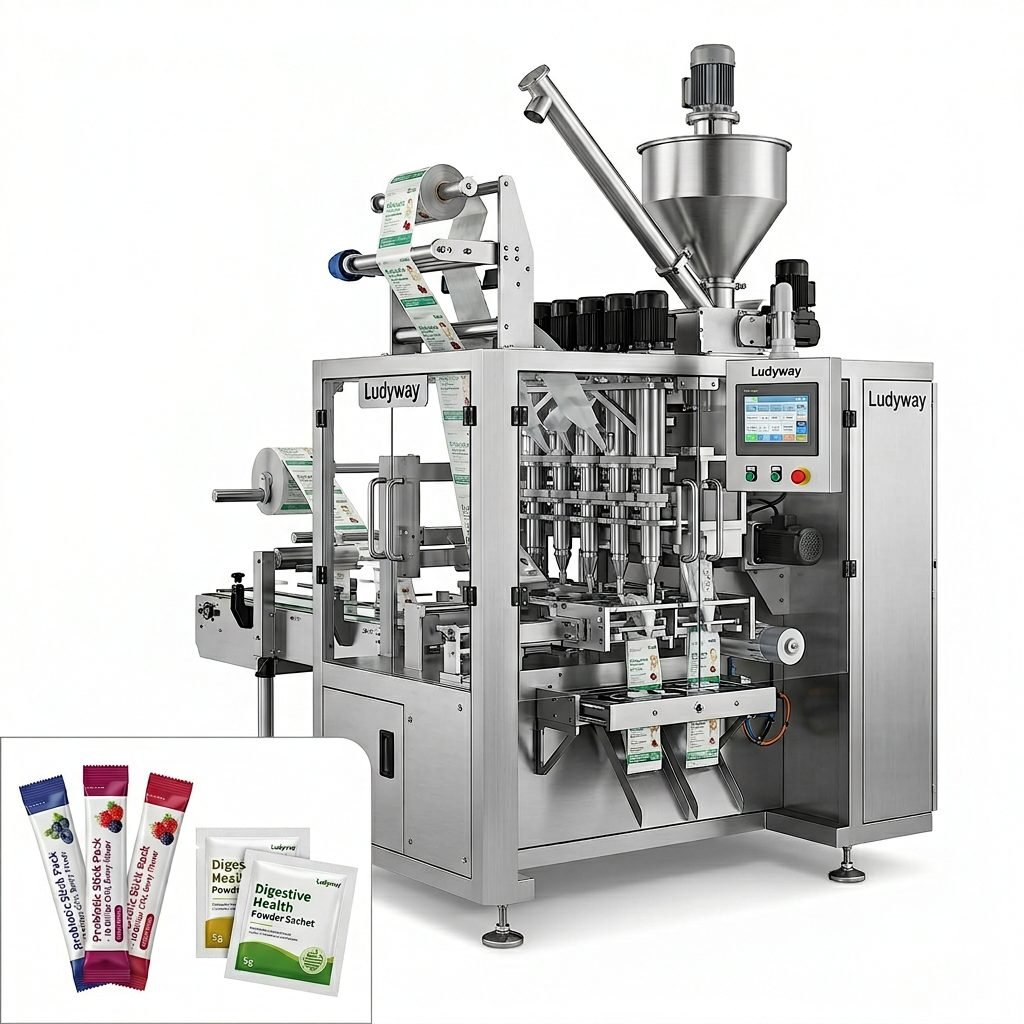
- Stick packs: Narrow, elongated pouches ideal for powders and granules, increasingly popular in the nutritional supplement market.
- Flat pouches: Versatile format with a bottom gusset option for larger volumes.
- Stand-up pouches: Feature a bottom gusset that allows the package to stand on retail shelves, often with zipper closures.
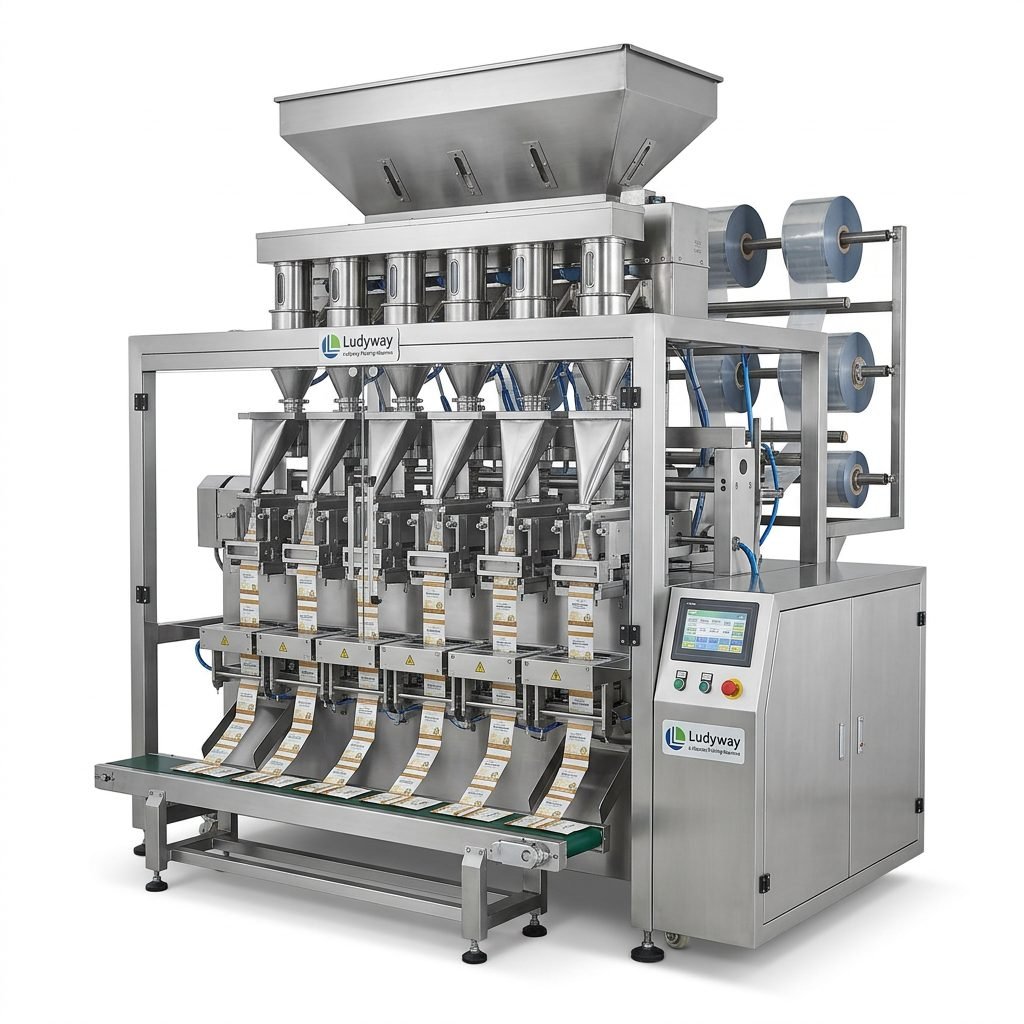
- Multi-lane formats: High-speed configurations that run multiple lanes simultaneously for maximum output.
The Flexible Packaging Association provides extensive data on format trends, noting that stand-up pouches and stick packs continue to gain market share across multiple industries. Your choice of format should align with both your production goals and your target market’s expectations.
3. Define Your Production Speed and Automation Requirements
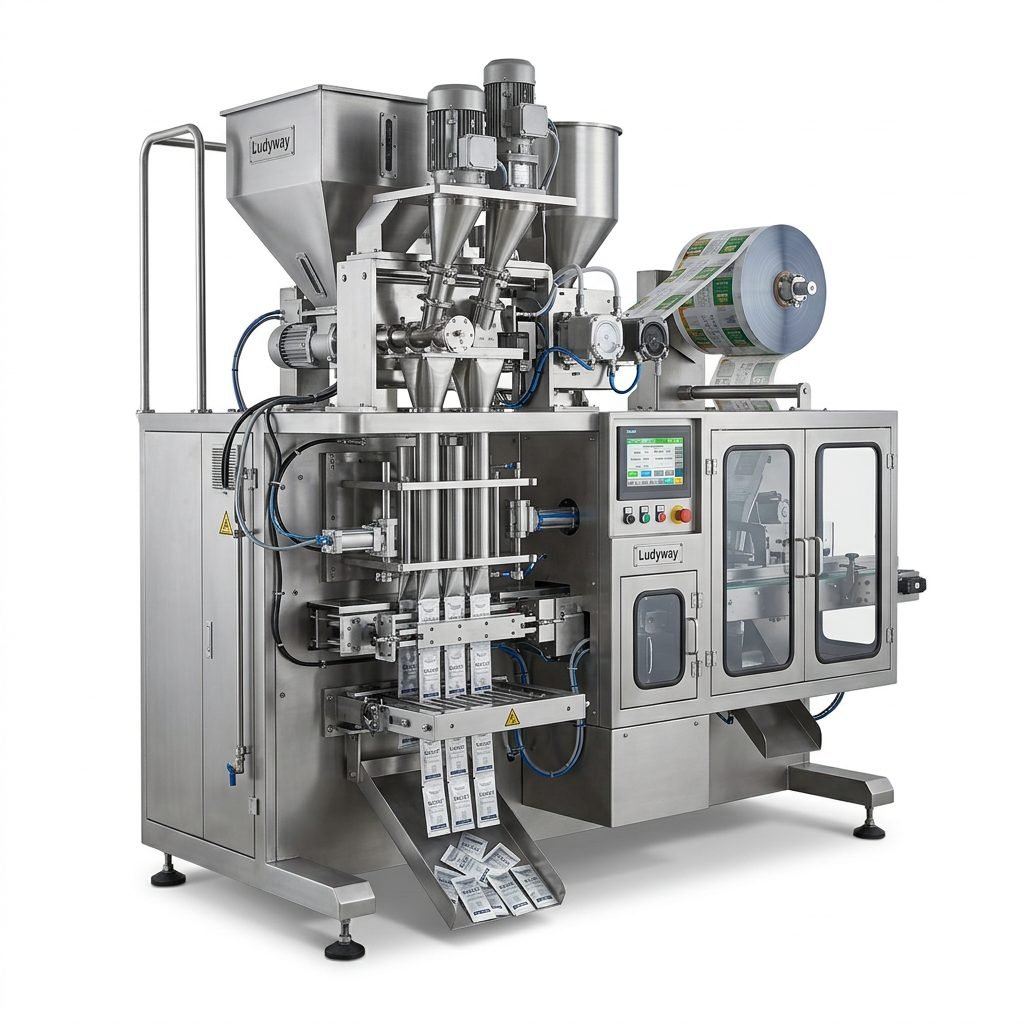
Production volume is one of the most critical factors in selecting a wrapper packing machine. Machines range from semi-automatic models suitable for small-batch production to fully automated high-speed systems capable of producing hundreds of packages per minute.
Questions to Ask When Evaluating Speed
- What is your current daily or hourly production volume?
- What are your projected growth targets over the next 3-5 years?
- Do you need to accommodate seasonal demand fluctuations?
- Will you run single shifts or continuous 24/7 operation?
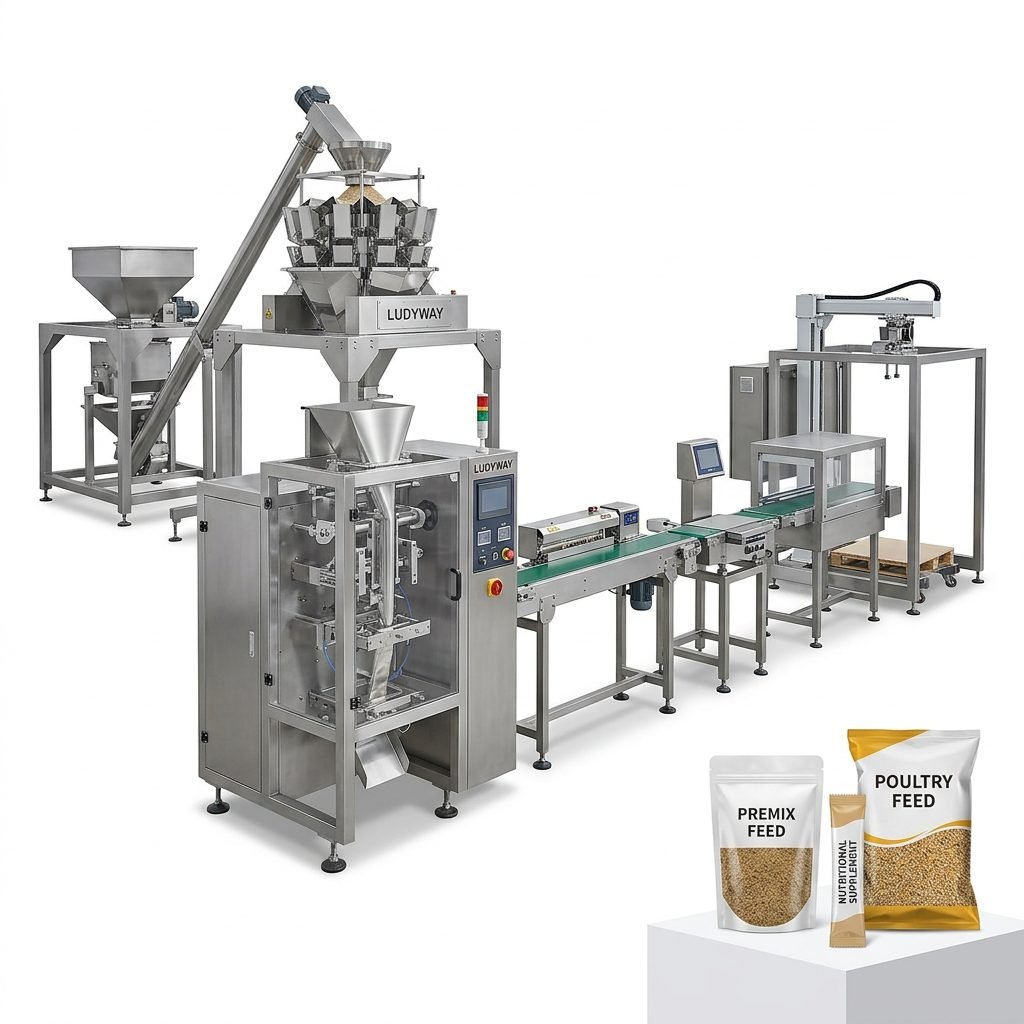
- How much automation do you need for upstream feeding and downstream cartoning?
A machine that is slightly oversized for your current needs often provides better long-term value than one operating at maximum capacity from day one. Consider not just the rated speed but the overall equipment effectiveness (OEE), which accounts for changeover time, maintenance downtime, and reject rates.
4. Evaluate Machine Configuration and Key Components
The internal configuration of a packaging machine determines its reliability, accuracy, and suitability for your application. Understanding the core components helps you compare different models and manufacturers effectively.
Critical Components to Assess
| Component | Function | What to Look For |
|---|---|---|
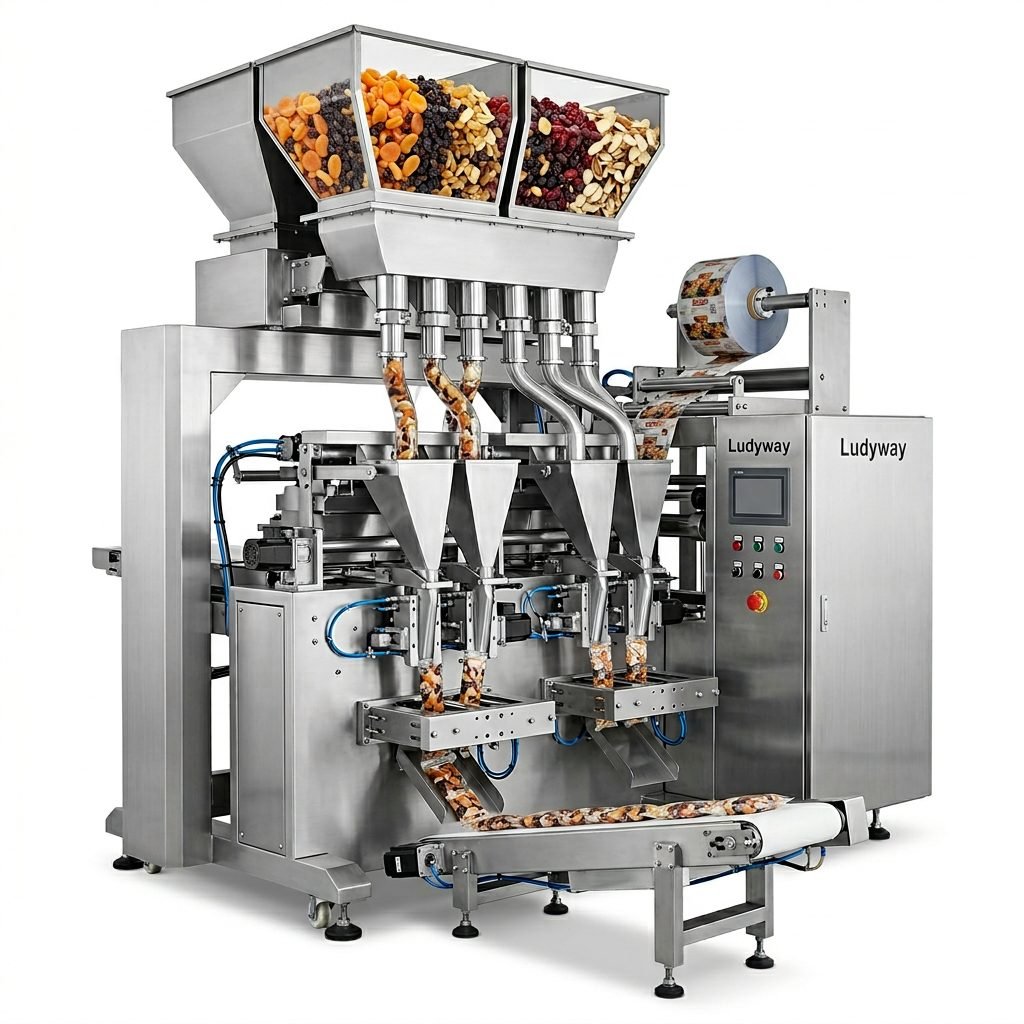
| Dosing/Filling System | Measures and dispenses the product | Auger fillers for powders, volumetric cup fillers for granules, piston fillers for liquids, multi-head weighers for high accuracy |
| Film Handling System | Unwinds, tensions, and guides packaging film | Servo-driven for precision, automatic splicing for continuous operation, compatibility with various film materials |
| Sealing Mechanism | Creates hermetic seals on the package | Temperature-controlled sealing jaws, adjustable pressure, suitable for laminate and mono-material films |
| Control System | Manages machine operations and parameters | PLC-based with HMI touchscreen, recipe storage, remote diagnostics capability, integration with factory systems |
| Frame and Construction | Provides structural integrity | Stainless steel for food/pharma applications, robust design for industrial environments, accessible for cleaning and maintenance |
5. Verify Compliance and Quality Standards
Depending on your industry and target markets, your wrapper packing machine may need to meet specific regulatory requirements. Non-compliance can result in rejected shipments, regulatory penalties, and damage to your brand reputation.
Industry-Specific Standards
- Food Industry: Machines should comply with food safety regulations from authorities such as the FDA food packaging guidelines, with food-contact surfaces made from approved materials and designs that facilitate sanitation.
- Pharmaceutical Industry: Equipment must meet Good Manufacturing Practice (GMP) requirements with validated processes, full traceability, and documentation packages. Refer to ISO 11607 standards for packaging of terminally sterilized medical devices.
- Chemical Industry: Machines handling hazardous materials require explosion-proof configurations, corrosion-resistant materials, and appropriate safety interlocks.
- International Markets: Machines exported to the EU must comply with European packaging regulations, while other regions may have their own certification requirements.
Certifications to look for include CE marking, UL certification, and ISO 9001 quality management system certification from the manufacturer. Always request documentation and verify that certifications are current and applicable to your specific machine model.
6. Assess the Supplier’s Capabilities and Support Infrastructure
The manufacturer you choose is as important as the machine itself. A reliable packaging machinery partner provides value far beyond the initial equipment sale through technical support, spare parts availability, and application expertise.
Supplier Evaluation Criteria
- Industry experience: How many years has the manufacturer been producing packaging machines? Do they have specific experience in your industry?
- Manufacturing capabilities: Does the supplier have in-house manufacturing, engineering, and testing facilities?
- Installation and commissioning support: Will technicians be available for on-site setup and operator training?
- Spare parts availability: What is the typical lead time for critical spare parts? Does the supplier maintain a comprehensive parts inventory?
- After-sales service: Is remote technical support available? What are the service response times?
- Customization capability: Can the supplier modify standard machines or develop custom solutions for unique requirements?
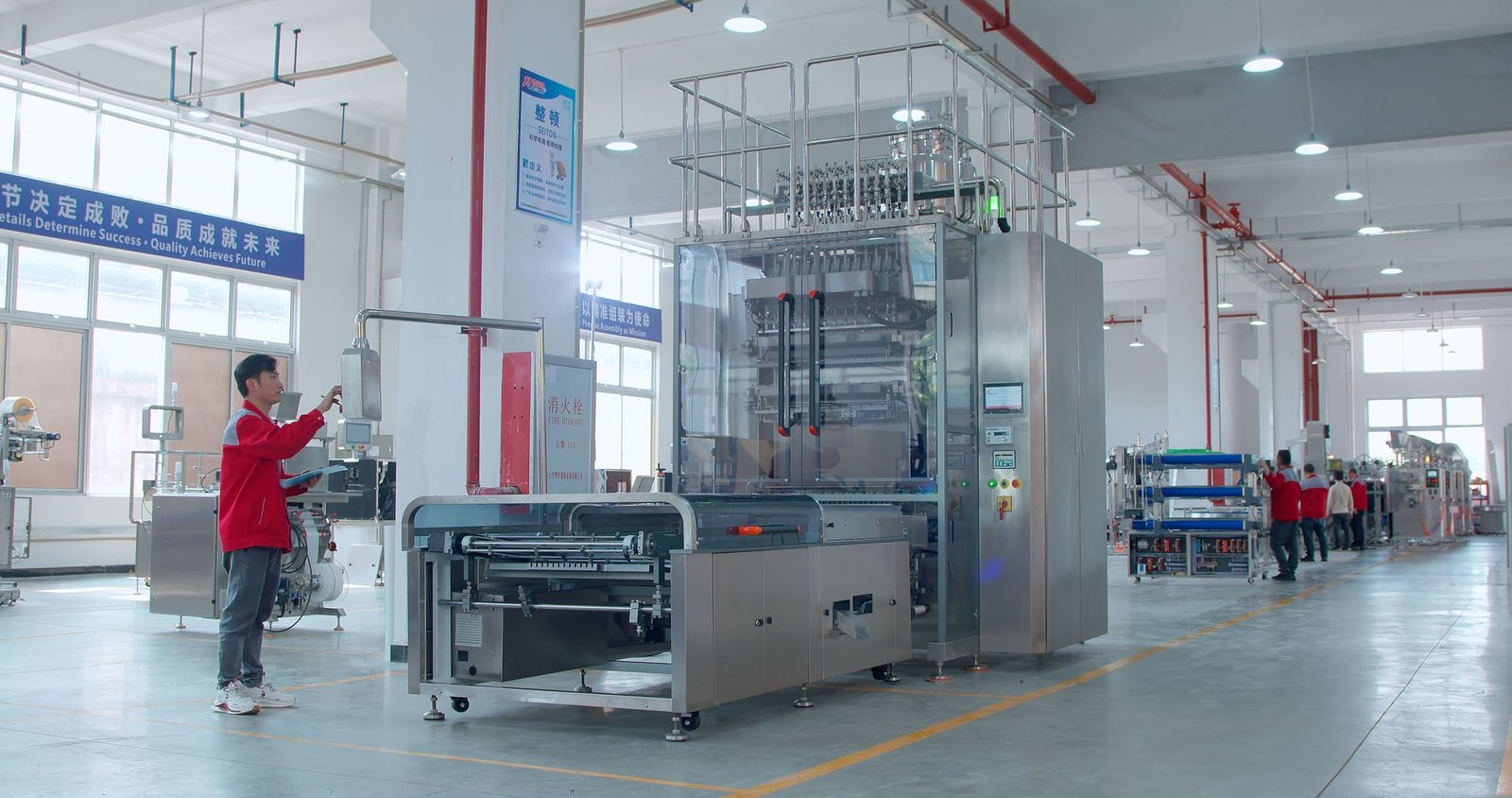
Companies with decades of experience and dedicated manufacturing facilities, such as Ludyway Machinery, which operates a 20,000-square-meter facility and serves customers in more than 100 countries, often provide more reliable long-term partnerships compared to trading companies without in-house engineering capabilities.
7. Calculate Total Cost of Ownership and ROI
The purchase price of a wrapper packing machine represents only a fraction of its total cost over its service life. A comprehensive financial analysis should include all direct and indirect costs to determine the true return on investment.
Total Cost of Ownership Components
| Cost Category | Considerations | Typical Impact |
|---|---|---|
| Machine Purchase Price | Base machine plus options, tooling, and accessories | One-time capital expenditure |
| Installation and Commissioning | Shipping, rigging, utilities connection, technician travel | 5-15% of machine cost |
| Packaging Materials | Film, laminates, printing inks; material waste rates | Largest ongoing operational cost |
| Maintenance and Spare Parts | Preventive maintenance, wear parts, unexpected repairs | 2-5% of machine cost annually |
| Labor and Training | Operator wages, ongoing training, changeover time | Varies by automation level and location |
| Downtime | Lost production during breakdowns and changeovers | Often underestimated; can be significant |
ROI calculation should factor in increased throughput, reduced labor costs, improved product consistency, lower material waste, and the ability to take on new business that was previously impractical with manual or outdated equipment. A well-chosen machine typically pays for itself within 12-36 months through efficiency gains alone.
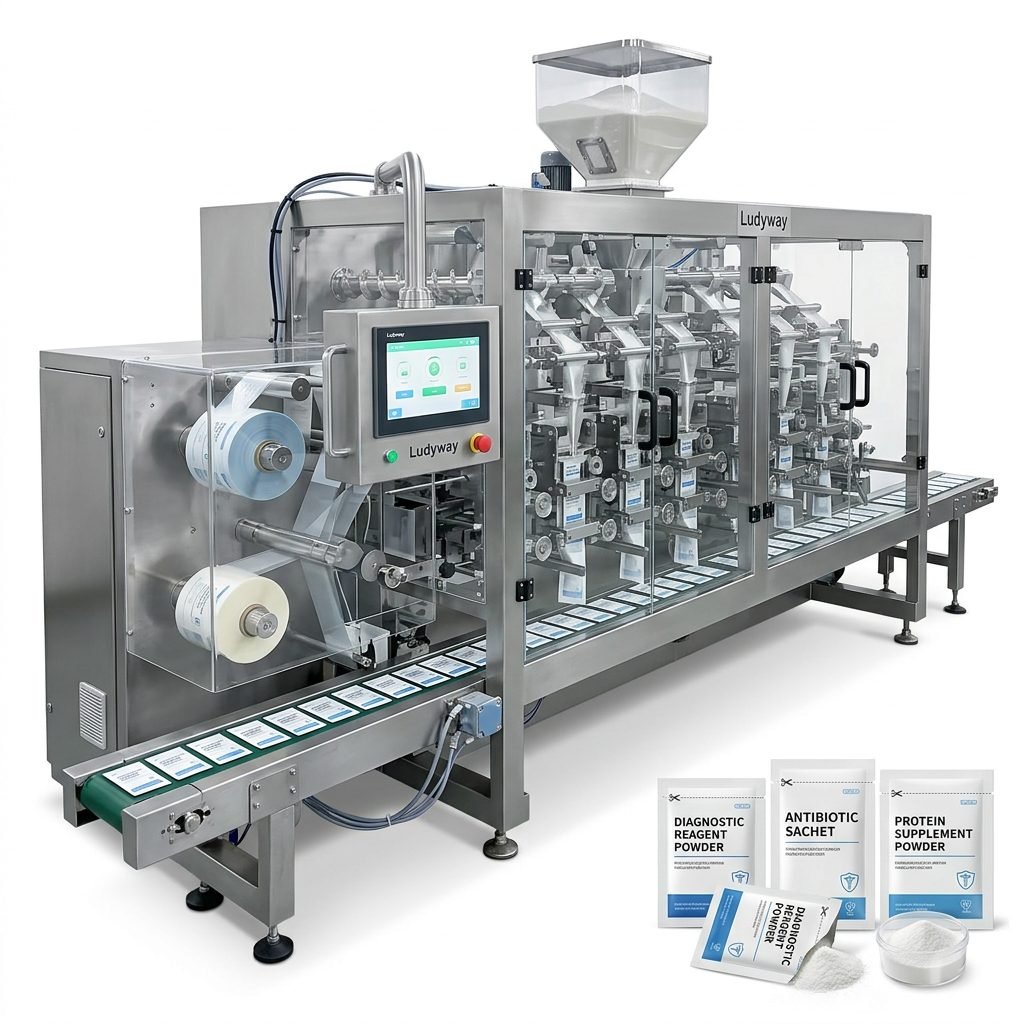
8. Conduct Thorough Testing and Validation
Before finalizing your purchase, insist on product testing with your actual materials. This step is critical for verifying that the machine performs as expected with your specific product, packaging film, and operating conditions.
Testing Checklist
- Factory Acceptance Testing (FAT): Visit the manufacturer’s facility to observe the machine running with your product and materials at the specified speed.
- Seal integrity testing: Verify that seals are consistently strong and hermetic across the full production speed range.
- Fill accuracy validation: Confirm that dosing accuracy meets your specifications throughout extended production runs.
- Changeover evaluation: Time the changeover process between different product types or package formats.
- Material waste assessment: Measure film and product waste during startup, running, and shutdown phases.
- Noise level measurement: Ensure the machine operates within acceptable noise limits for your facility.
The PMMI business intelligence resources emphasize that thorough testing reduces the risk of post-installation issues and helps establish realistic performance expectations. Never skip this step, especially for custom-configured or modified machines.
Making the Final Decision
Selecting the right wrapper packing machine is a multi-faceted decision that balances technical requirements, commercial considerations, and supplier capabilities. The best choice is rarely the cheapest option upfront; instead, it is the machine that delivers the lowest total cost of ownership, highest reliability, and greatest flexibility for your evolving production needs.
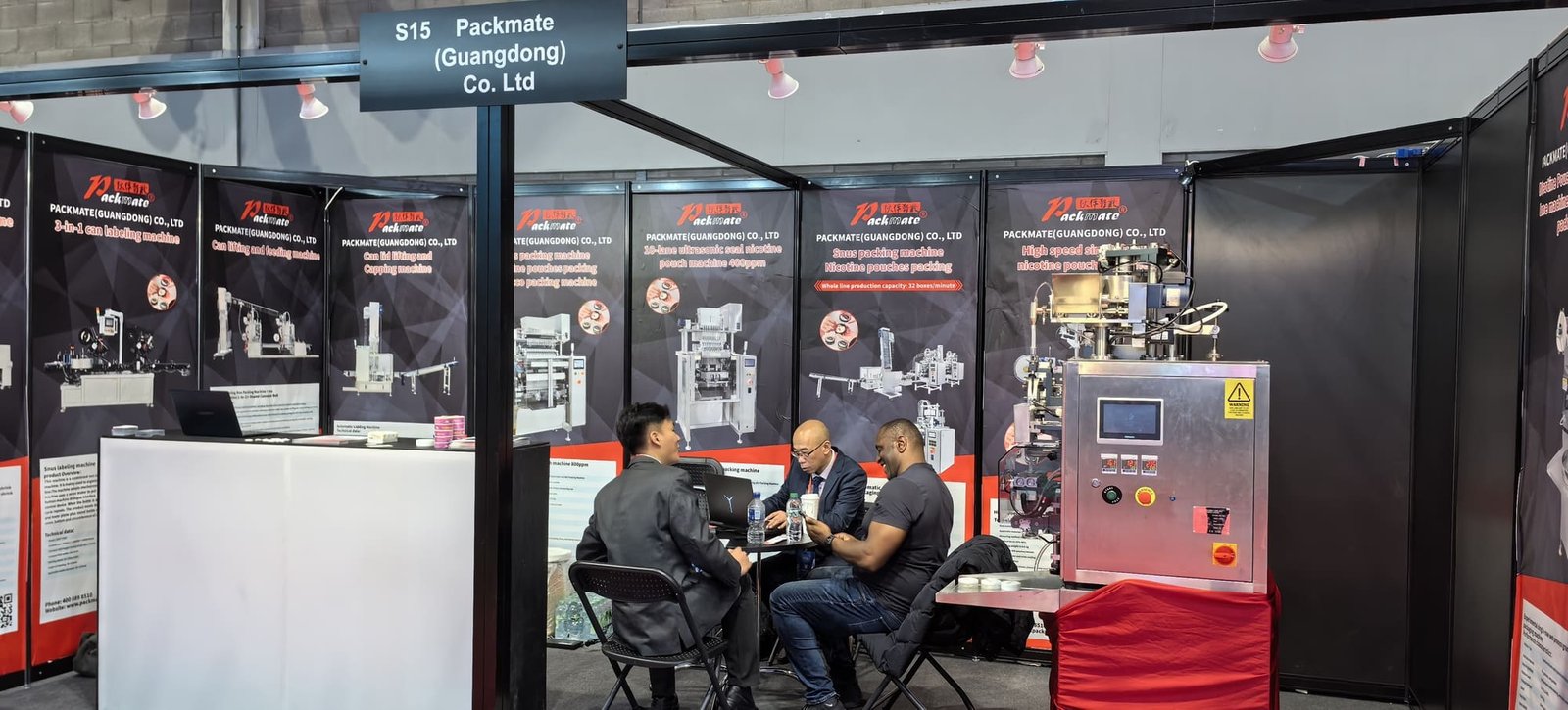
Take time to visit PACK EXPO International or similar industry events where you can see multiple machines running side by side and speak directly with manufacturers. Request references from suppliers and speak with current users about their experiences. A well-informed decision made after thorough evaluation will serve your operation well for many years to come.