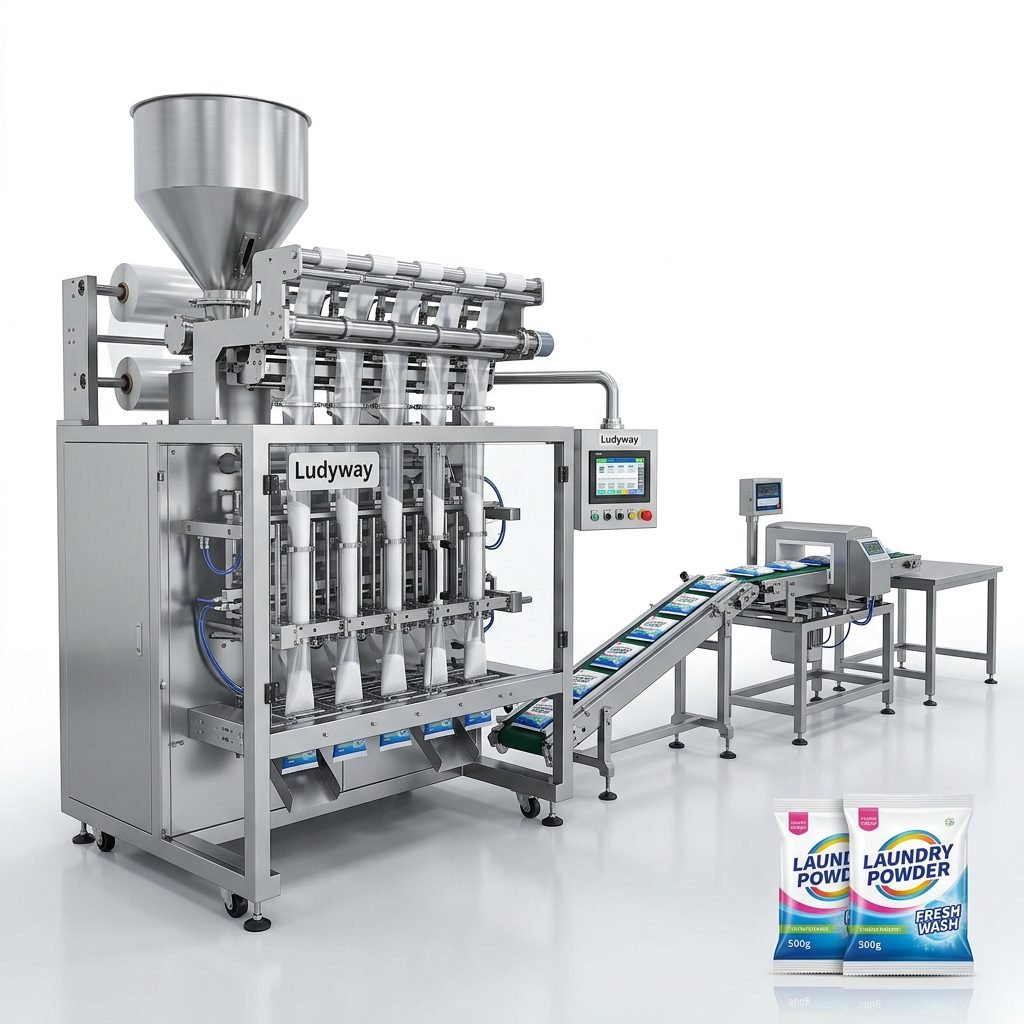
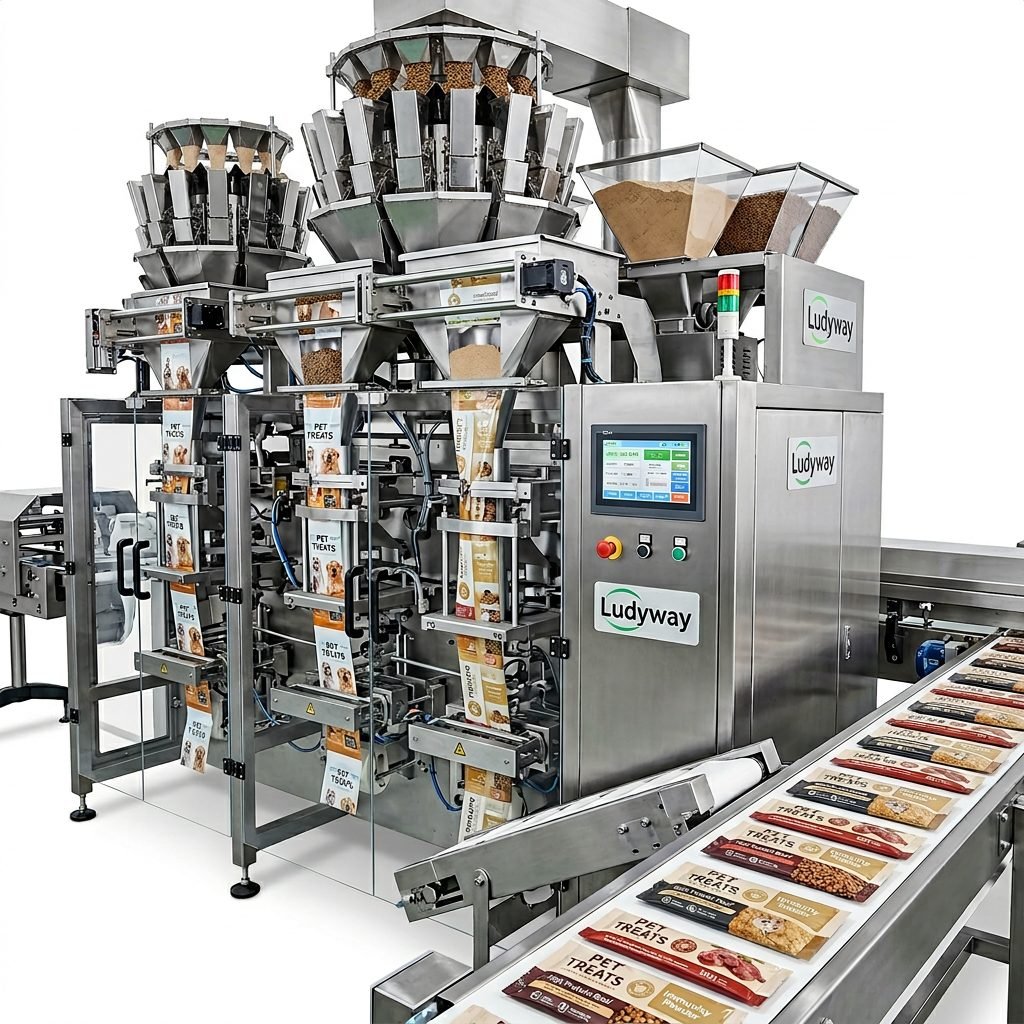
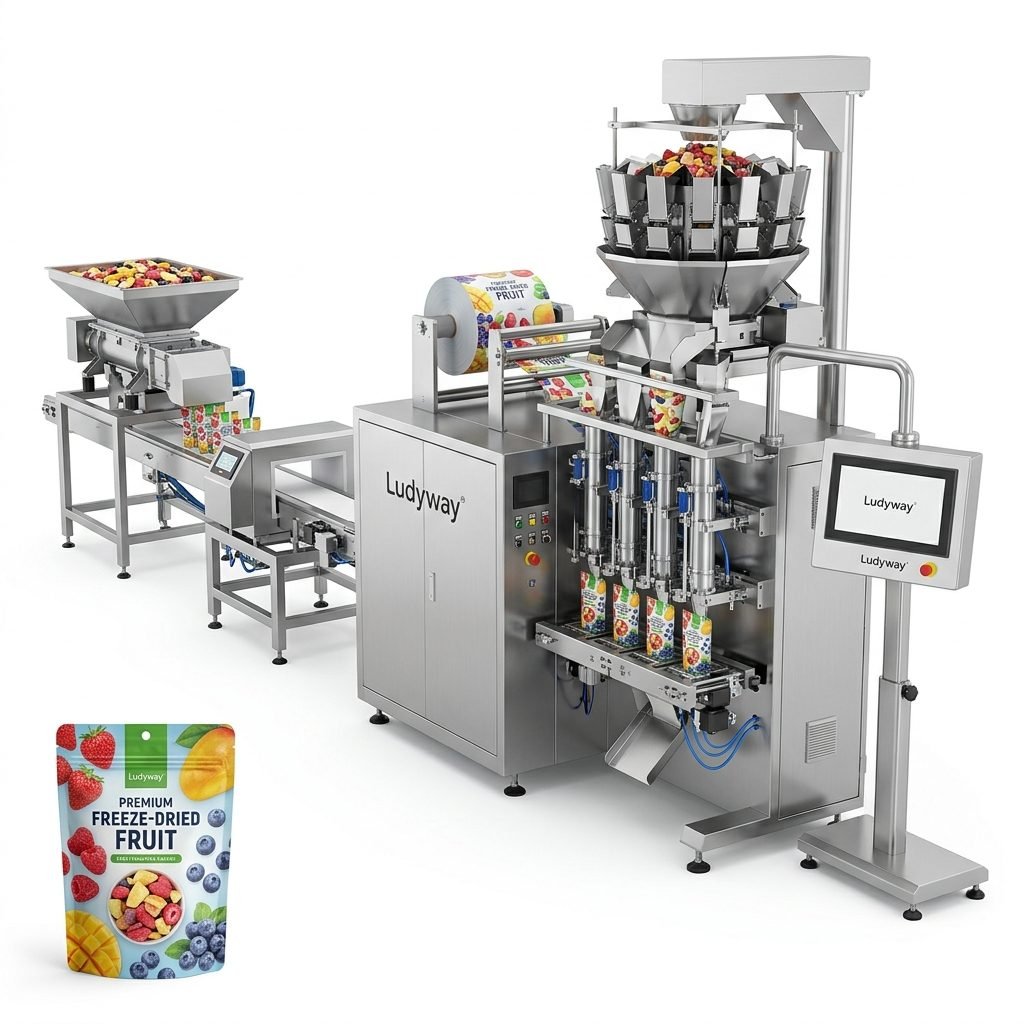
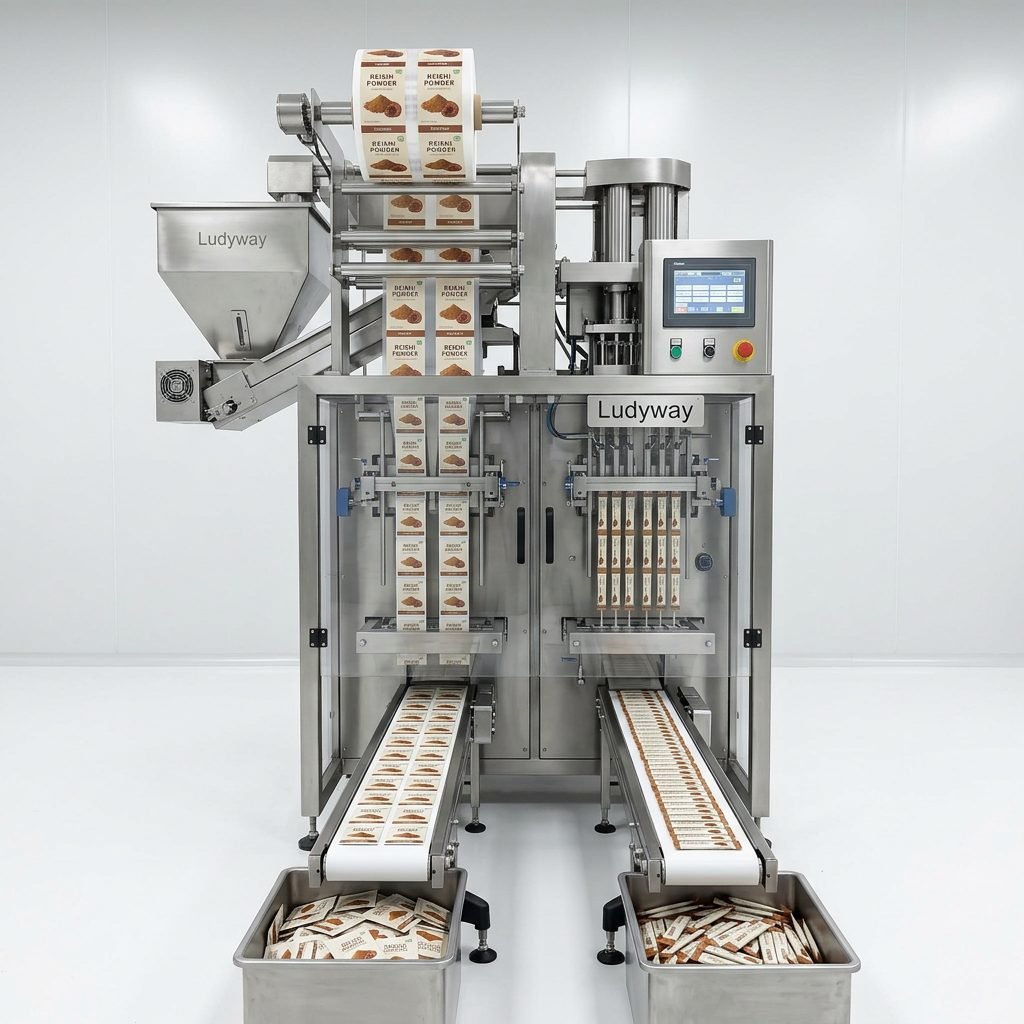
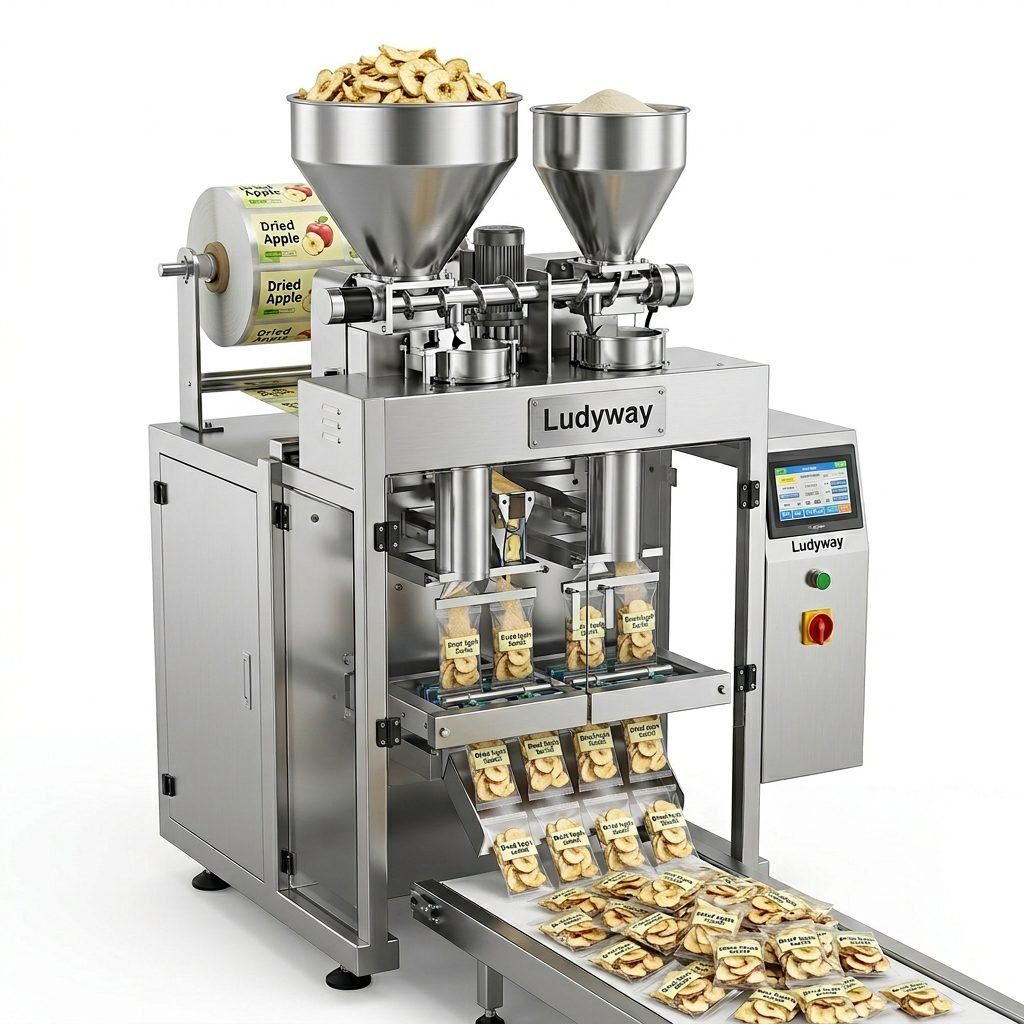
Germany is one of the largest coffee-consuming markets in Europe, with a deeply rooted coffee culture and a robust instant coffee industry. Setting up a coffee powder packaging machine production line in Germany requires careful planning that encompasses regulatory compliance, equipment selection, facility layout, and operational efficiency. This step-by-step guide walks you through the entire process, ensuring your packaging line meets both German quality standards and international packaging machinery standards.
Understanding the German Coffee Market Landscape
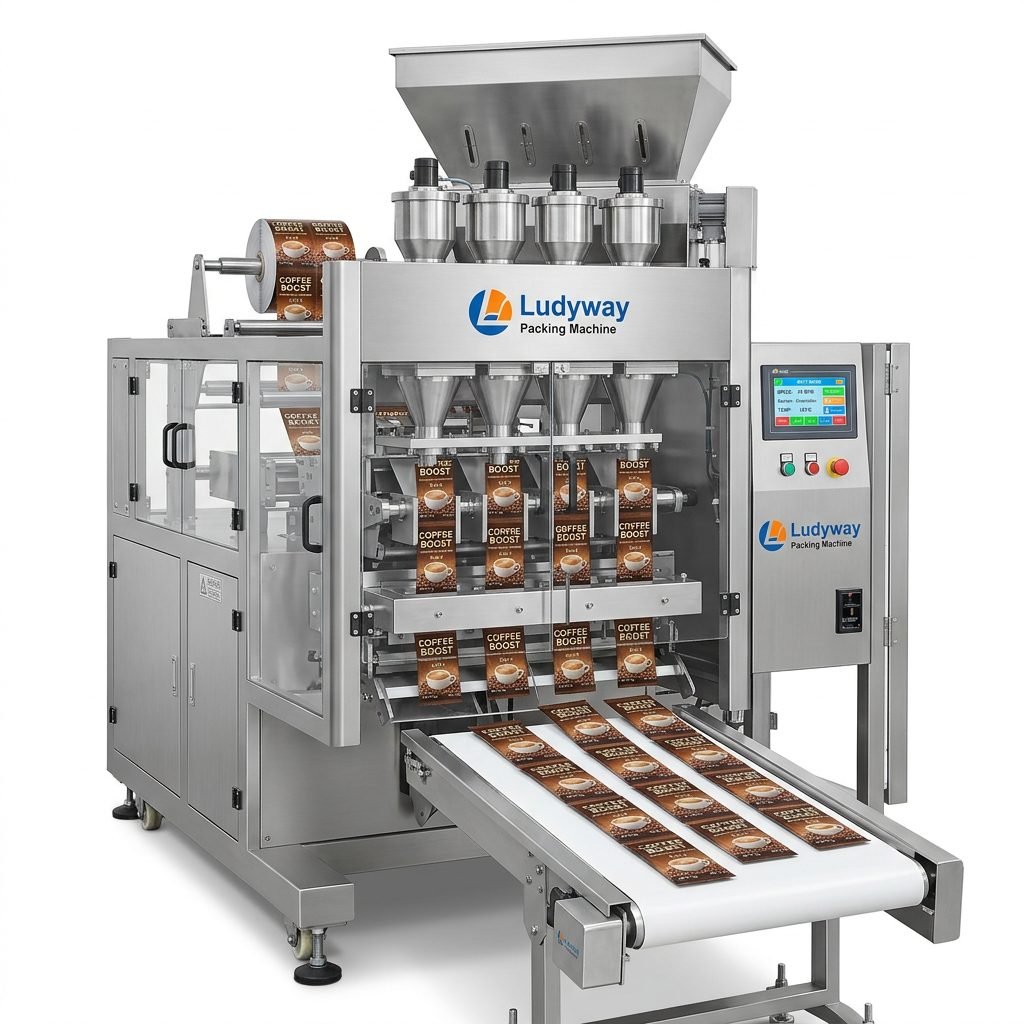
Before investing in equipment, it is essential to understand Germany’s coffee powder market dynamics. Germany imports approximately 1.1 million tons of coffee annually, with instant and ground coffee representing a significant segment. The demand for single-serve sachets, stick packs, and portion-controlled packaging continues to grow, driven by convenience trends in both retail and food service sectors. A well-designed coffee powder packaging production line must accommodate various formats including multi-lane stick packs, sachets, and pouches to capture market opportunities effectively.
Step 1: Navigating German Regulatory Compliance and CE Certification
Germany enforces strict regulations on food packaging machinery. Every coffee powder packaging machine installed in Germany must carry CE marking, demonstrating conformity with EU health, safety, and environmental protection standards. Key regulatory frameworks include:
- EC 1935/2004 – Framework Regulation on food contact materials
- EU 10/2011 – Specific requirements for plastic materials in contact with food
- VerpackG (German Packaging Act) – Mandatory registration and recycling obligations
- DIN EN 415 – Safety standards for packaging machines
- ISO 22000 – Food safety management systems for packaging operations
Non-compliance can result in severe penalties, product recalls, and market exclusion. We strongly recommend consulting with a packaging industry business intelligence resource to stay updated on evolving German and EU regulations. Additionally, food packaging and food contact substances guidelines provide valuable reference even for EU-bound equipment.
Step 2: Selecting the Right Coffee Powder Packaging Machine
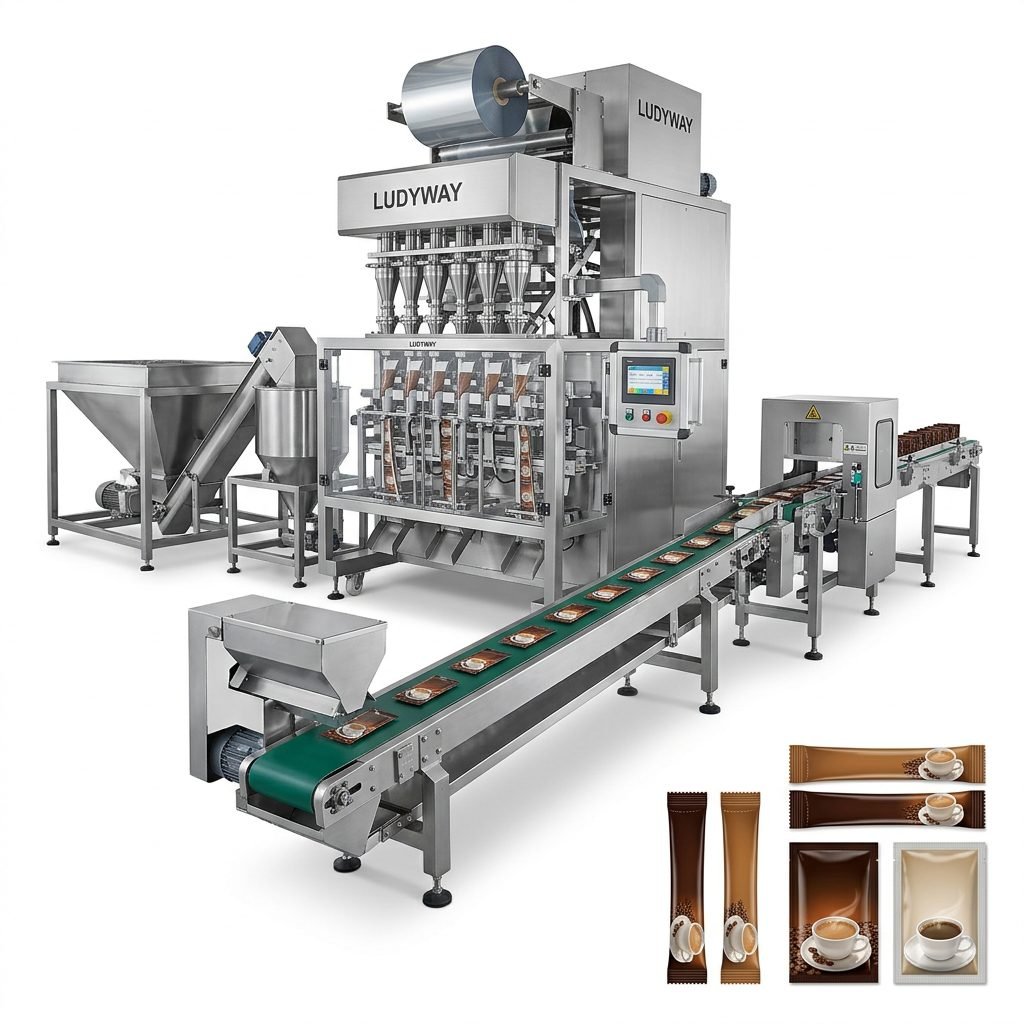
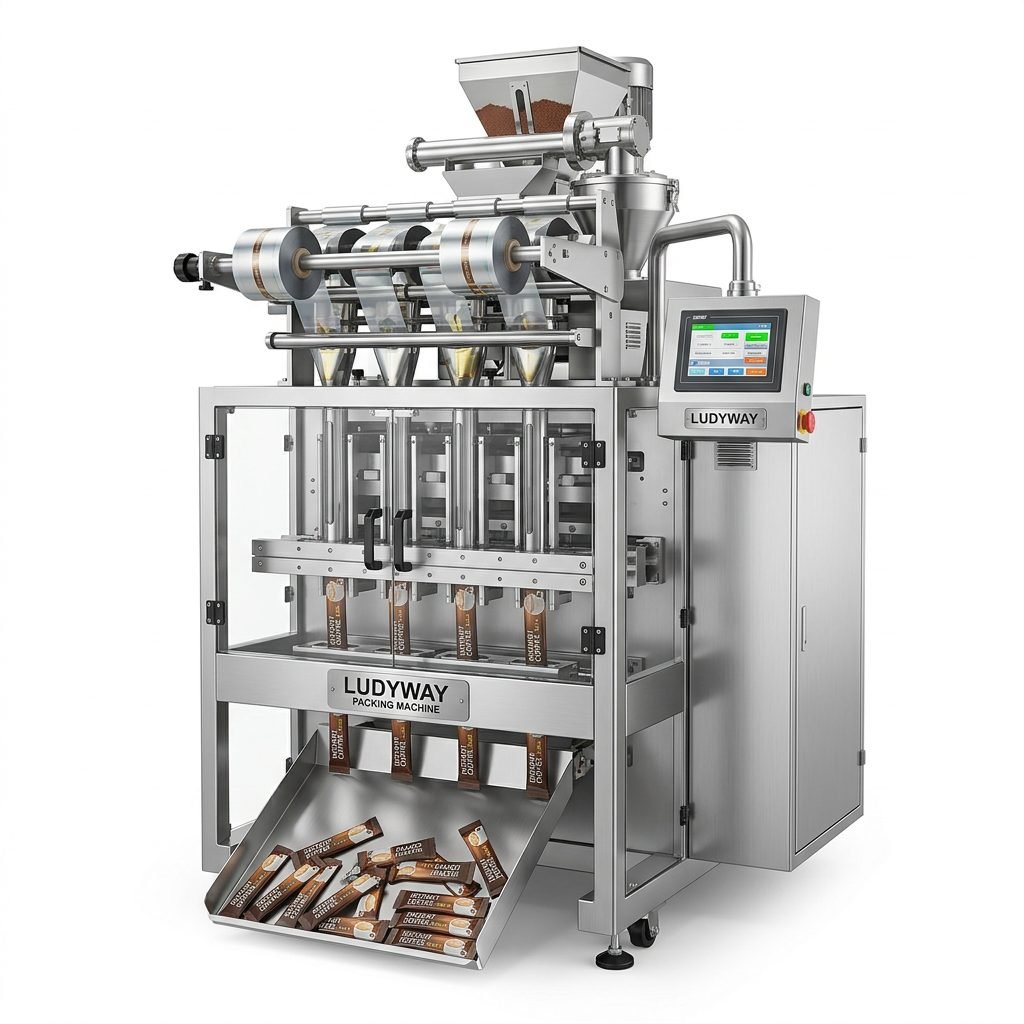
Choosing the appropriate coffee powder packaging equipment is the cornerstone of your production line. German manufacturers and co-packers typically prioritize speed, precision, and flexibility. Consider the following machine specifications:
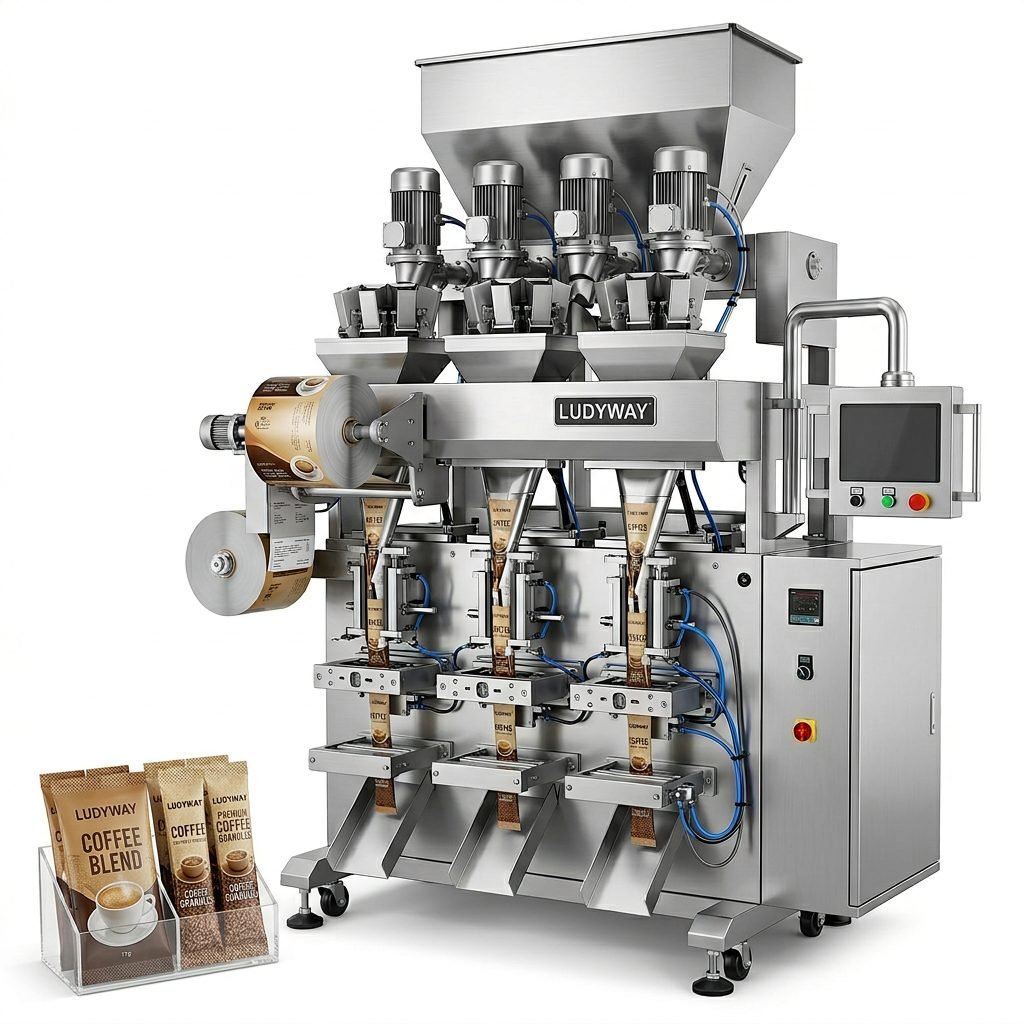
- Multi-lane capability: 4-lane to 12-lane configurations for high-volume stick pack production
- Filling accuracy: ±0.5% to ±1% for consistent portion control
- Production speed: 30 to 120 packs per minute per lane depending on sachet size
- Material compatibility: Support for aluminum foil, PET/PE, and biodegradable laminates
- Nitrogen flushing: Essential for extending coffee powder shelf life
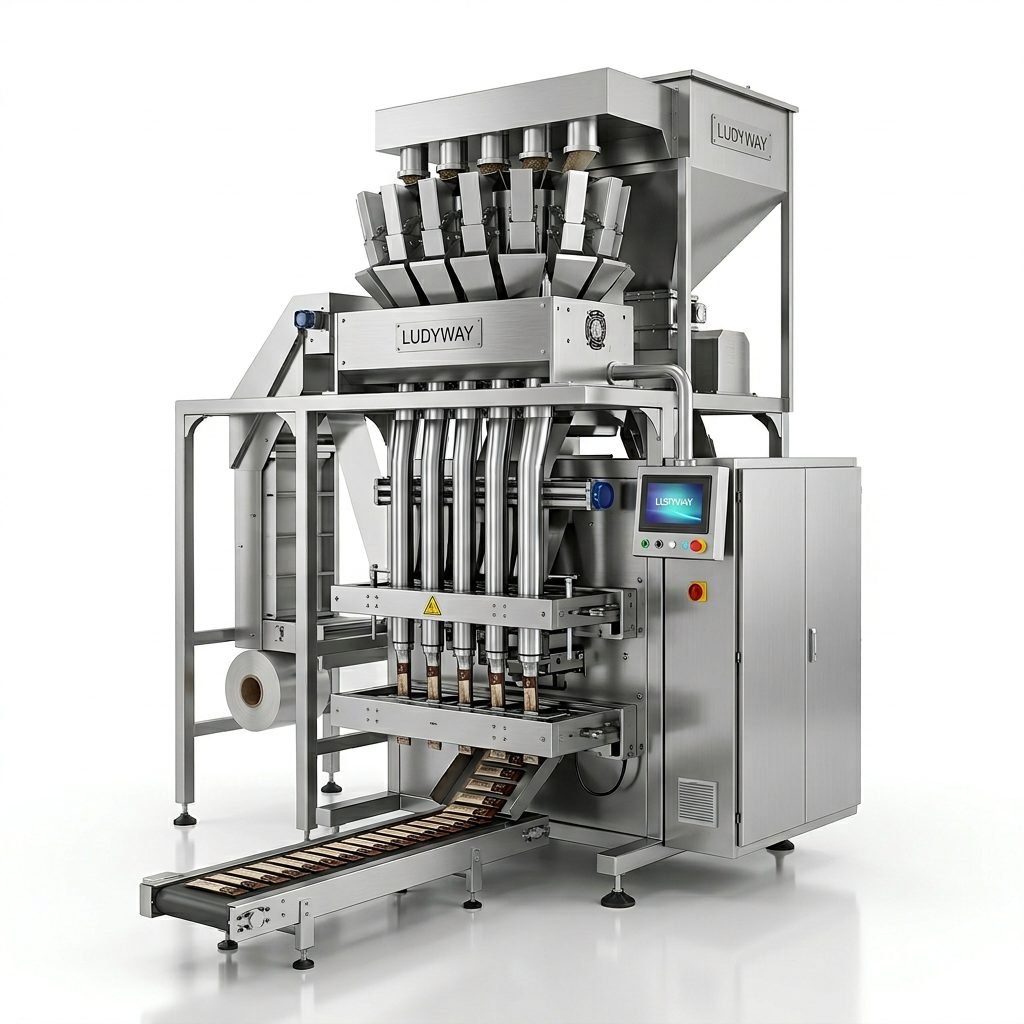
For the German market, multi-lane stick pack machines are particularly popular due to their efficiency and portion-control capabilities. Machines with servo-driven film advancement and PLC touchscreen interfaces offer the precision German operators expect. Refer to ISO 11607 packaging standards for guidance on material selection and seal integrity requirements.
Step 3: Production Line Layout and Facility Planning
A well-planned facility layout maximizes throughput and minimizes contamination risks. German coffee packaging production facilities must comply with IFS (International Featured Standards) and BRC (British Retail Consortium) requirements. Key considerations include:
| Production Zone | Key Requirements | Recommended Specification |
|---|---|---|
| Raw Material Intake | Dust control, moisture barriers | Dehumidified storage at 18-22°C, RH below 50% |
| Filling Room | Positive air pressure, HEPA filtration | ISO Class 8 or better cleanroom environment |
| Sealing Area | Temperature-controlled sealing jaws | Servo-driven with ±1°C precision control |
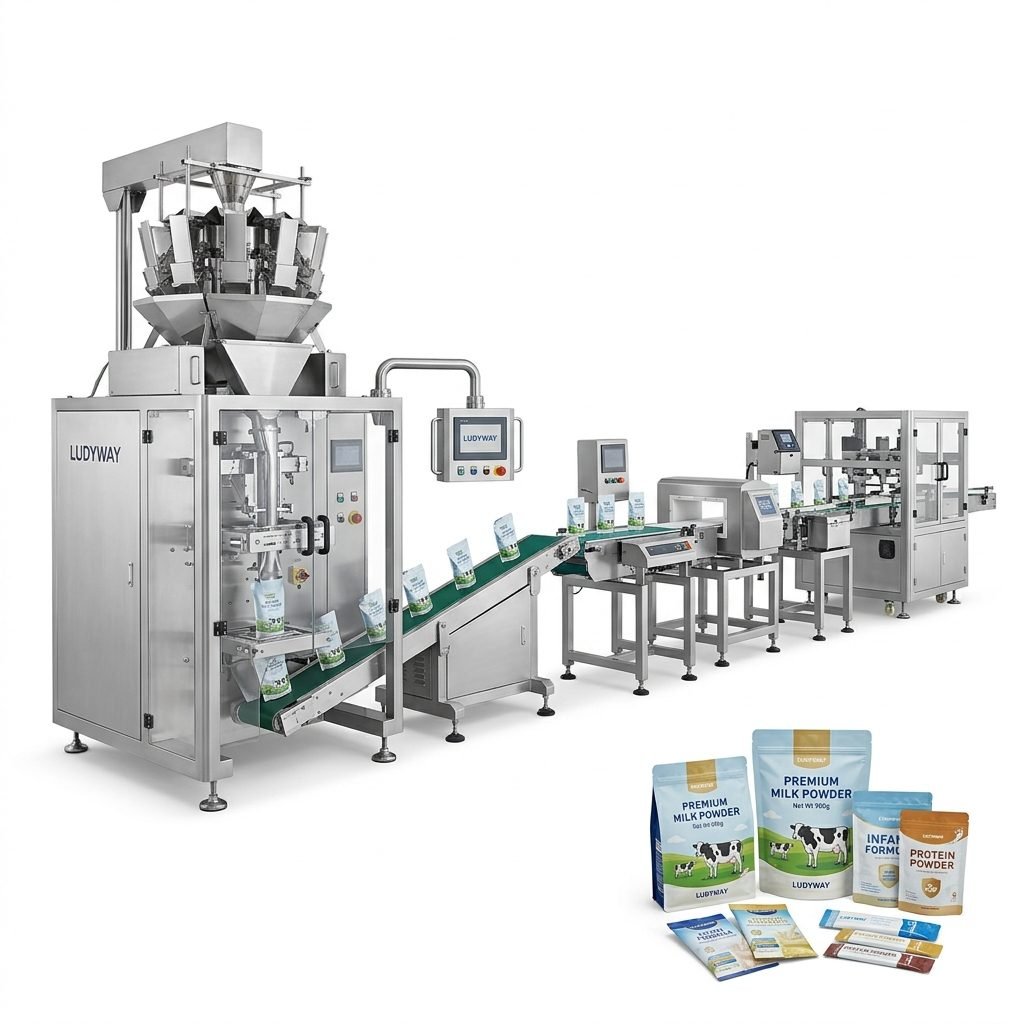
| Quality Control | Inline checkweighing and metal detection | Integrated reject systems with data logging |
| Secondary Packaging | Cartoning, case packing, palletizing | Automated end-of-line solutions with traceability |
Step 4: Installation and Commissioning
Installing a coffee powder packaging machine production line in Germany requires certified technicians familiar with local electrical standards (VDE) and machinery directives (2006/42/EC). The commissioning process typically involves:
- Site preparation: Floor leveling, utility connections (compressed air, nitrogen, power supply)
- Mechanical installation: Positioning modules, conveyor integration, and safety guarding
- Electrical integration: Wiring according to German VDE standards with proper grounding
- Software configuration: PLC programming for recipe management and multi-format changeovers
- Dry-run testing: Verifying mechanical movements without product
- Wet-run testing: Running with actual coffee powder to validate filling accuracy and seal integrity
- Performance qualification: Documenting OEE (Overall Equipment Effectiveness) metrics
According to 2025 packaging state of the industry reports, proper commissioning can reduce startup delays by up to 40% and improve long-term equipment reliability.
Step 5: Staff Training and Standard Operating Procedures
German workplace regulations require comprehensive training for all personnel operating coffee powder packaging machinery. Training programs should cover:
- Machine operation: HMI navigation, recipe selection, and parameter adjustment
- Changeover procedures: Quick format changes between different sachet sizes and film types
- Cleaning protocols: CIP (Clean-in-Place) procedures compliant with German hygiene standards
- Troubleshooting: Common fault diagnosis and first-line corrective actions
- Safety procedures: Emergency stops, lockout-tagout (LOTO), and PPE requirements
All SOPs must be documented in German language and comply with Betriebssicherheitsverordnung (BetrSichV) workplace safety regulations. Documentation should be readily accessible on the production floor.
Step 6: Quality Control and Traceability Systems
German coffee brands demand rigorous quality assurance throughout the packaging process. An effective coffee powder packaging line must integrate:
| Quality System | Function | German Standard Reference |
|---|---|---|
| Inline Checkweigher | Verifies individual sachet weight to ±0.1g | FertigPackV (Prepackaged Products Ordinance) |
| Metal Detector | Detects ferrous and non-ferrous contaminants | IFS Food Standard requirements |
| Vision Inspection | Verifies print quality, date codes, and seal integrity | DIN 8740 for print verification |
| Batch Coding | Laser or inkjet printing with full traceability | EU Traceability Regulation 178/2002 |
| Data Management | Centralized production data for audit readiness | GDPR-compliant data storage |
Step 7: Packaging Material Selection for the German Market
Germany leads Europe in sustainable packaging initiatives. When setting up your coffee powder packaging production line, material selection significantly impacts both compliance and consumer acceptance. The European Commission packaging and packaging waste regulations increasingly mandate recyclable or compostable materials. Recommended materials include:
- Mono-material PE laminates: Fully recyclable within existing collection streams
- Paper-based laminates: With functional barrier coatings compliant with German recycling quotas
- Compostable films: Certified to DIN EN 13432 for industrial composting facilities
- rPET laminates: Incorporating post-consumer recycled content
Working with flexible packaging industry resources helps identify suppliers that meet German sustainability targets while maintaining coffee powder freshness. For deeper market intelligence, state of the industry packaging reports provide valuable insights into material trends.
Step 8: Maintenance Planning and Spare Parts Management
Proactive maintenance is essential for maintaining coffee powder packaging line uptime in German production environments. A comprehensive maintenance strategy should include:
- Daily: Clean sealing jaws, inspect film path, verify sensor calibration
- Weekly: Lubricate moving parts, check pneumatic systems for leaks, verify safety interlocks
- Monthly: Replace wear components, calibrate temperature controllers, inspect electrical connections
- Quarterly: Full preventive maintenance with detailed documentation
- Annually: Comprehensive overhaul with OEM-certified technicians
German facilities should maintain a minimum 3-month spare parts inventory for critical components including sealing jaws, heating elements, sensors, belts, and pneumatic cylinders. This ensures uninterrupted production during peak coffee consumption seasons.
Step 9: Energy Efficiency and Sustainability Compliance
Germany’s strict environmental regulations, including the Energiesteuergesetz (Energy Tax Act) and EEG (Renewable Energy Sources Act), make energy efficiency a priority for coffee powder packaging operations. Modern packaging machines should feature:
- Servo-driven motors with regenerative braking to recover energy
- Standby modes that reduce power consumption during idle periods
- Optimized heating systems with precise PID temperature control
- Compressed air monitoring to detect and eliminate leaks
Energy audits conducted according to DIN EN 16247 can identify further optimization opportunities, potentially reducing operating costs by 15-25% annually.
Step 10: Partnering with an Experienced Packaging Machine Supplier
Selecting the right equipment partner is critical to the success of your coffee powder packaging machine production line in Germany. Look for manufacturers that offer:
- CE-certified equipment with full technical documentation in German and English
- On-site installation support by technicians experienced with German electrical and safety standards
- Remote diagnostics capabilities for fast troubleshooting
- Spare parts shipped from European warehouses to minimize lead times
- Comprehensive warranty covering parts and labor for at least 12 months
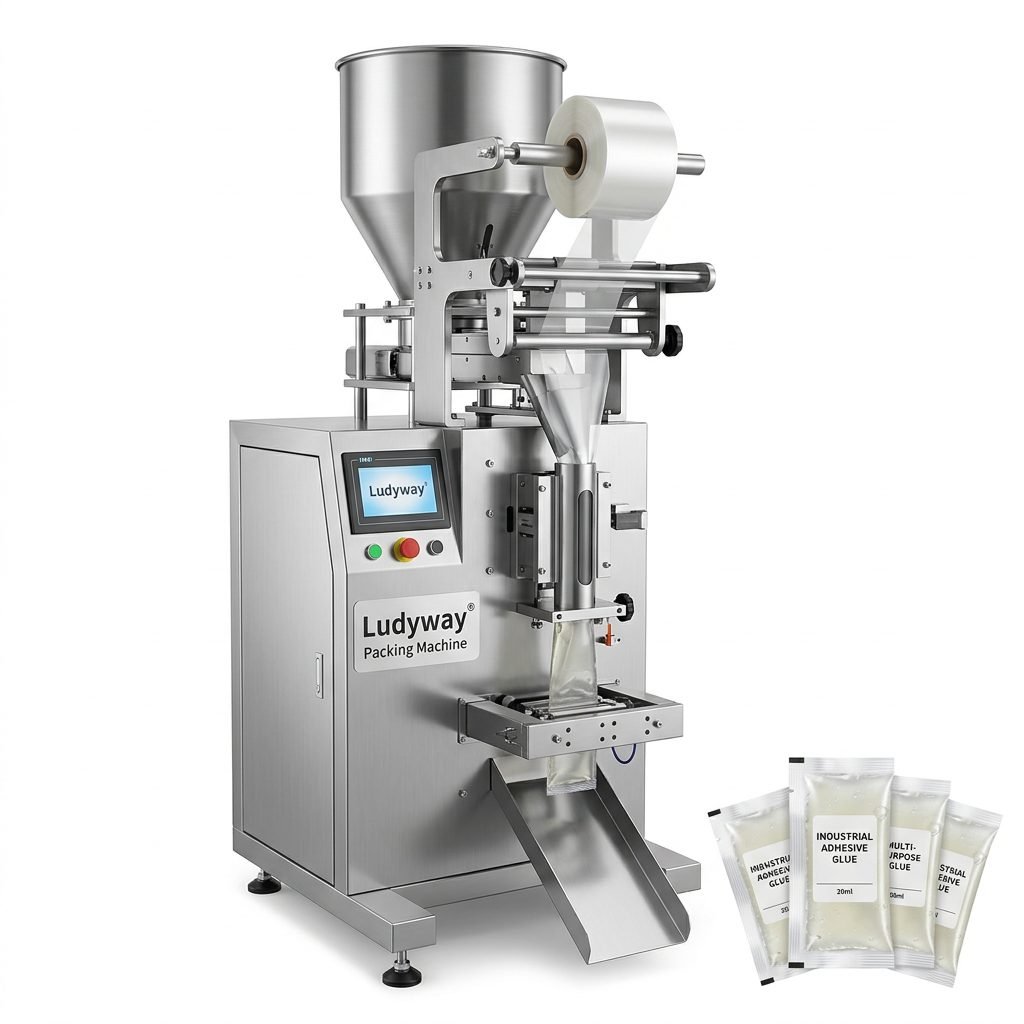
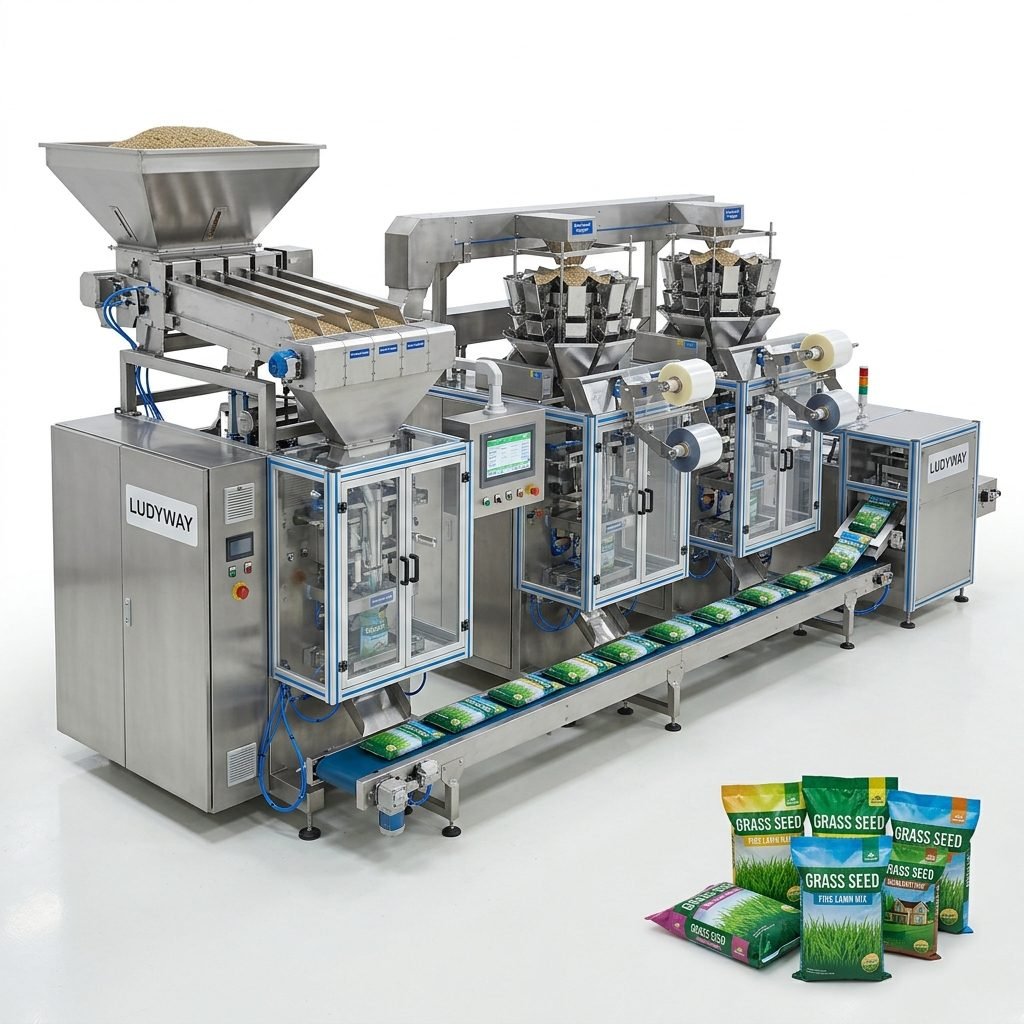
One notable manufacturer in the global packaging machinery sector is Ludyway, a leading packaging machine manufacturer based in China with over 30 years of experience. With a 20,000㎡ production facility and more than 50 intelligent packaging machine models, Ludyway serves customers in over 100 countries. The company is expected to achieve export revenue exceeding RMB 500 million (approximately US$69 million) in 2025, reflecting its growing global presence. Their multi-lane stick pack and sachet packaging systems are designed for high-speed coffee powder applications, with CE certification and comprehensive technical support for the European market.
Key Considerations for German Market Entry
Beyond equipment selection, successful market entry requires attention to local business practices and cultural expectations. German business partners value precision, punctuality, and thorough documentation. Equipment must not only perform reliably but also be supported by detailed manuals, maintenance schedules, and readily available technical support. Partnering with international packaging exhibitions provides opportunities to network with German distributors and co-packers.
Cost Estimation for a Complete Coffee Powder Packaging Line
| Component | Estimated Cost (EUR) | Notes |
|---|---|---|
| Multi-lane stick pack machine (6-lane) | €80,000 – €150,000 | Depending on speed and features |
| Inline checkweigher | €12,000 – €25,000 | With reject station |
| Metal detector | €8,000 – €18,000 | Ferrous and stainless steel detection |
| Cartoning machine | €30,000 – €60,000 | Automated end-of-line solution |
| Installation and commissioning | €15,000 – €30,000 | Including CE documentation |
| Total estimated investment | €145,000 – €283,000 | Excluding facility modifications |
Conclusion
Setting up a coffee powder packaging machine production line in Germany is a strategic investment that requires careful attention to regulatory compliance, equipment selection, facility planning, and ongoing operational excellence. By following the steps outlined in this guide and partnering with experienced equipment manufacturers, businesses can establish efficient, compliant packaging operations that meet the high standards of the German coffee market. For further reading, explore flexible packaging association resources and packaging and processing industry insights to stay informed about evolving industry standards and best practices.
Contact for more information about coffee powder packaging solutions: E-Mail: info@ludyway.com | WhatsApp: +8613129592456 | Address: Nanlang Town, Zhongshan, Guangdong, China.