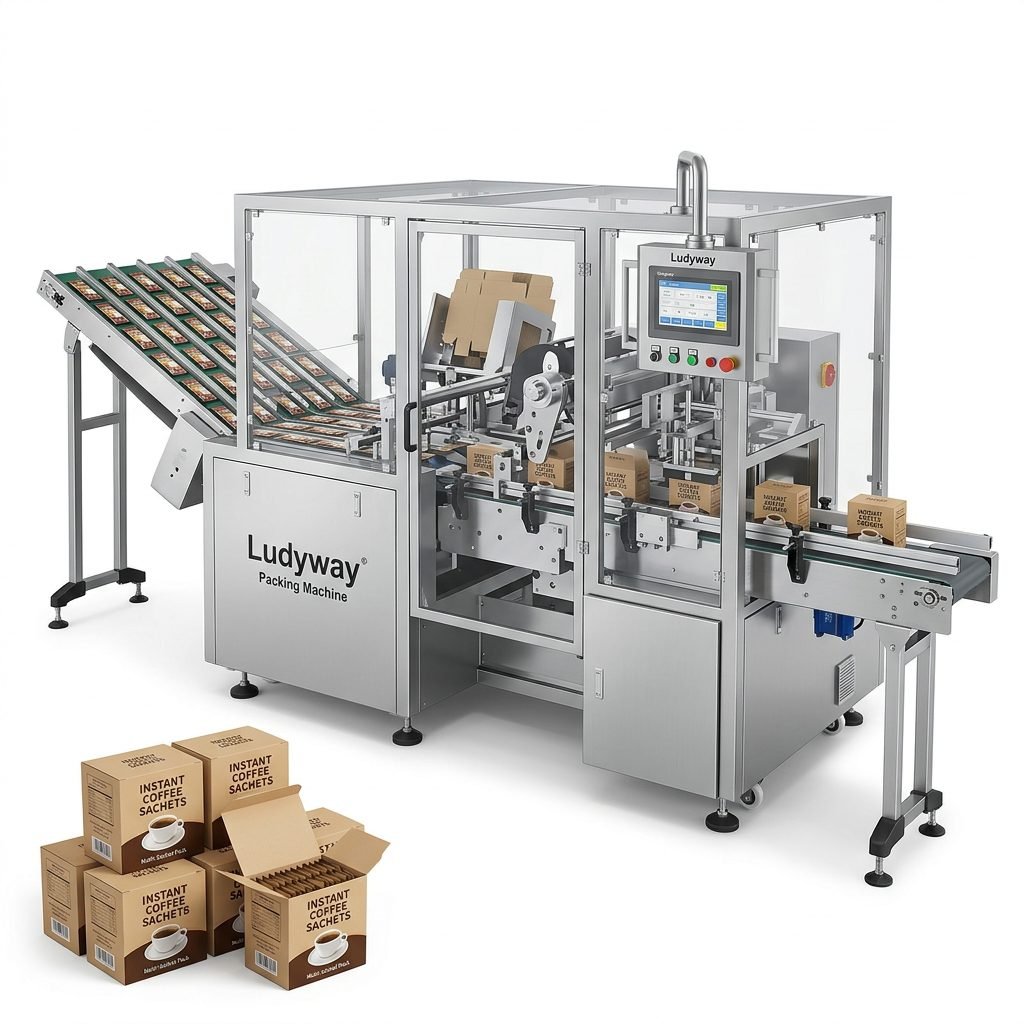
Investing in a mini vacuum packing machine can transform how you preserve food, protect sensitive items, or prepare products for retail. Unlike full-scale industrial lines, these compact units offer surprising versatility for home kitchens, small businesses, laboratories, and packaging machinery pilot runs. However, not all machines are built the same. Choosing the wrong model often leads to weak seals, limited functionality, and premature failure.
This guide walks you through the essential factors to evaluate before purchasing, from understanding vacuum pump types to assessing real-world usability. Whether you are sealing dry goods, delicate electronics, or meal-prep portions, making an informed decision starts here.

1. Understanding the Core Purpose of a Mini Vacuum Packing Machine
Before comparing specifications, clarify precisely what you need the machine to accomplish. A unit designed solely for sealing dry nuts and coffee beans differs fundamentally from one tasked with handling liquids, powders, or automatic packaging equipment environments where hygiene is critical.
Key question: Are you vacuum packaging for preservation, portion control, retail presentation, or industrial sample preparation? Each scenario demands different seal widths, vacuum pressures, and chamber configurations. For instance, sealing moisture-rich foods requires a machine with a higher vacuum capability and a reliable liquid barrier, whereas packaging electronics components mainly requires gentle extraction to prevent static build-up.
1.1 Dry vs. Moist Sealing Capabilities
Most entry-level mini vacuum packers excel with dry or semi-dry items. If you regularly seal marinated meats, fresh fish, or sauces, you will need a model featuring a dual-seal bar and possibly a removable drip tray. The internal pump should isolate moisture from mechanical components, otherwise lifespan shortens dramatically.
2. Pump Types: The Heart of the Machine
The vacuum pump determines both the performance ceiling and maintenance burden of your machine. In the mini category, three pump types dominate the market, each with distinct trade-offs.
| Pump Type | Vacuum Strength | Maintenance | Best For |
|---|---|---|---|
| Piston Pump | Medium-High | Low | Light commercial, home use |
| Rotary Vane Pump | High | Medium (Oil changes) | Heavy daily use, labs |
| Diaphragm Pump | Low-Medium | Very Low | Occasional sealing, electronics |
Piston pumps strike a practical balance for most mini machine buyers. They are oil-free, tolerate moderate daily cycles, and handle bag widths up to 30 cm without overheating. Rotary vane pumps offer deeper vacuum levels but require oil top-ups and periodic replacement—important for achieving commercial-grade shelf life. Diaphragm pumps are quieter and lighter, yet they rarely achieve the vacuum levels needed for long-term food preservation.
3. Chamber Size and Maximum Bag Width Considerations
Check the seal bar length rather than just the external dimensions. A machine marketed as “mini” might have a 300 mm seal bar, which comfortably handles bags up to 28 cm wide. This suits individual portions, sous vide cooking pouches, and small retail packs.
- Seal Bar Length: Determines the widest bag you can use. Common mini sizes range from 200 mm to 350 mm.
- Chamber Depth: Crucial if you pack bulky items like whole fish, cake slices, or multi-layer electronic kits.
- External Dimensions: Verify countertop or storage fit, especially in compact kitchens or mobile food businesses.
4. Seal Quality and Adjustable Control Settings
A strong, consistent seal prevents leakage and freezer burn. Higher-quality mini vacuum packing machines provide adjustable vacuum pressure and sealing time settings, allowing you to fine-tune for different bag thicknesses and material types.
Machines with a fixed vacuum cycle often over-extract air from soft items, crushing delicate foods like berries, chips, or baked goods. Look for models with pulse vacuum modes or manual seal buttons. These features give you control to stop extraction at the precise moment before items collapse, which is essential for businesses selling visually appealing vacuum-sealed products.
4.1 Double Seal vs. Single Seal Bar
Double seal bars create two parallel seals, providing extra security against leaks—particularly useful for liquid-rich contents or long-term freezer storage. While not mandatory for occasional dry-sealing, a double seal becomes a practical necessity when packaging is for commercial distribution or sous vide immersion.
5. Material Compatibility and Bag Quality
Your machine’s performance depends heavily on using the right vacuum bags. Most mini units work with PA/PE (nylon/polyethylene) co-extruded bags, which offer high oxygen barrier properties and puncture resistance. Ensure the machine can seal embossed or textured bags intended for vacuum use; smooth, non-textured commercial bags often require higher-grade machines with specialized heating elements.
Standard smooth household bags frequently fail under extended vacuum pressure. The Flexible Packaging Association provides detailed guidance on material specifications for vacuum applications, which helps in selecting compatible consumables.
6. Maintenance, Durability, and Lifespan Expectations
Even well-engineered mini vacuum packers require regular gasket cleaning and occasional part replacement. Machines with removable seal bars simplify cleaning; those with integrated heating wires often demand full servicing when the wire burns out. Check whether replacement gaskets, seal wires, and Teflon tape are readily available before committing to a model.
According to industry data from the PMMI Business Intelligence Library, proper maintenance can extend packaging machinery service life by 40–60%, especially in higher-usage environments. For small businesses, a machine with an accessible aftermarket parts ecosystem avoids days of downtime.
7. Additional Features Worth Paying For
Certain add-ons meaningfully improve workflow, while others merely add cost without practical benefit. Prioritize features that align with your primary use case.
- Accessory port for canisters: Essential if you plan to vacuum-seal jars or containers, not just bags.
- Built-in bag cutter and roll storage: Useful for kitchens sealing various portion sizes.
- Marinate mode: Cycles pressure to open food fibers, speeding flavor infusion without continuous manual intervention.
- LCD display and error indicators: Helps diagnose insufficient vacuum, overheat protection, or seal failures quickly.
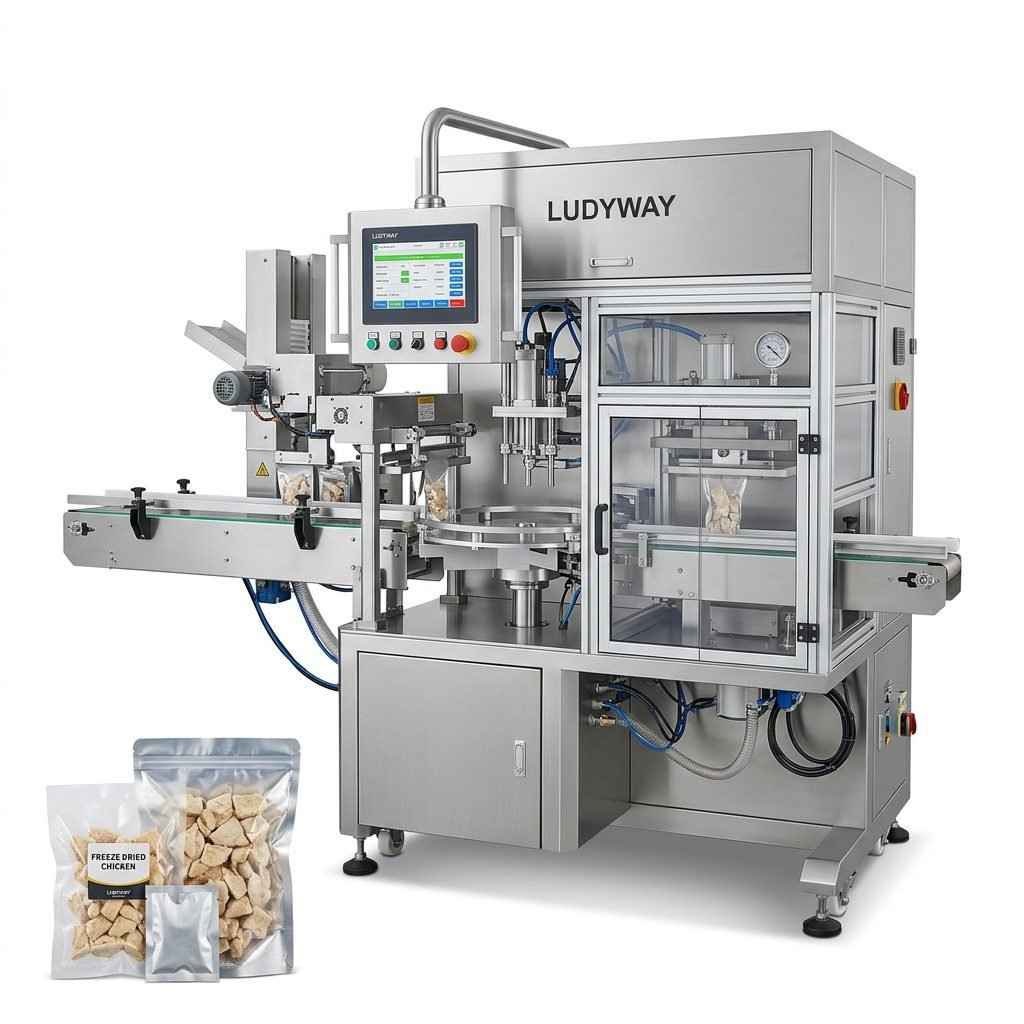
8. Comparing Mini Machine Categories: Domestic vs. Semi-Professional
| Feature | Domestic Mini Vacuum Sealer | Semi-Professional Mini Machine |
|---|---|---|
| Daily Cycle Capacity | 20–40 seals | 100–200 seals |
| Typical Vacuum Pressure | -0.6 to -0.75 bar | -0.8 to -0.95 bar |
| Cooling Time Between Cycles | 30–60 seconds | 10–20 seconds |
| Price Range (USD) | 60–180 | 250–800 |
For a small food business, artisanal producer, or testing lab, stepping up to a semi-professional mini machine usually pays for itself through reliability and faster throughput. Domestic units are adequate for home cook enthusiasts but tend to overheat and produce inconsistent seals under repetitive commercial use.
9. Applications That Demand Precision Vacuum Sealing
Beyond food preservation, mini vacuum packing machines serve diverse sectors. Laboratories use them for sample containment; electronics manufacturers for moisture-proof component storage; jewelry businesses for anti-tarnish packaging. Each application imposes different vacuum depth and material compatibility needs, emphasizing the importance of adjustable settings rather than one-size-fits-all automation.

10. When to Consider Integrated Packaging Solutions
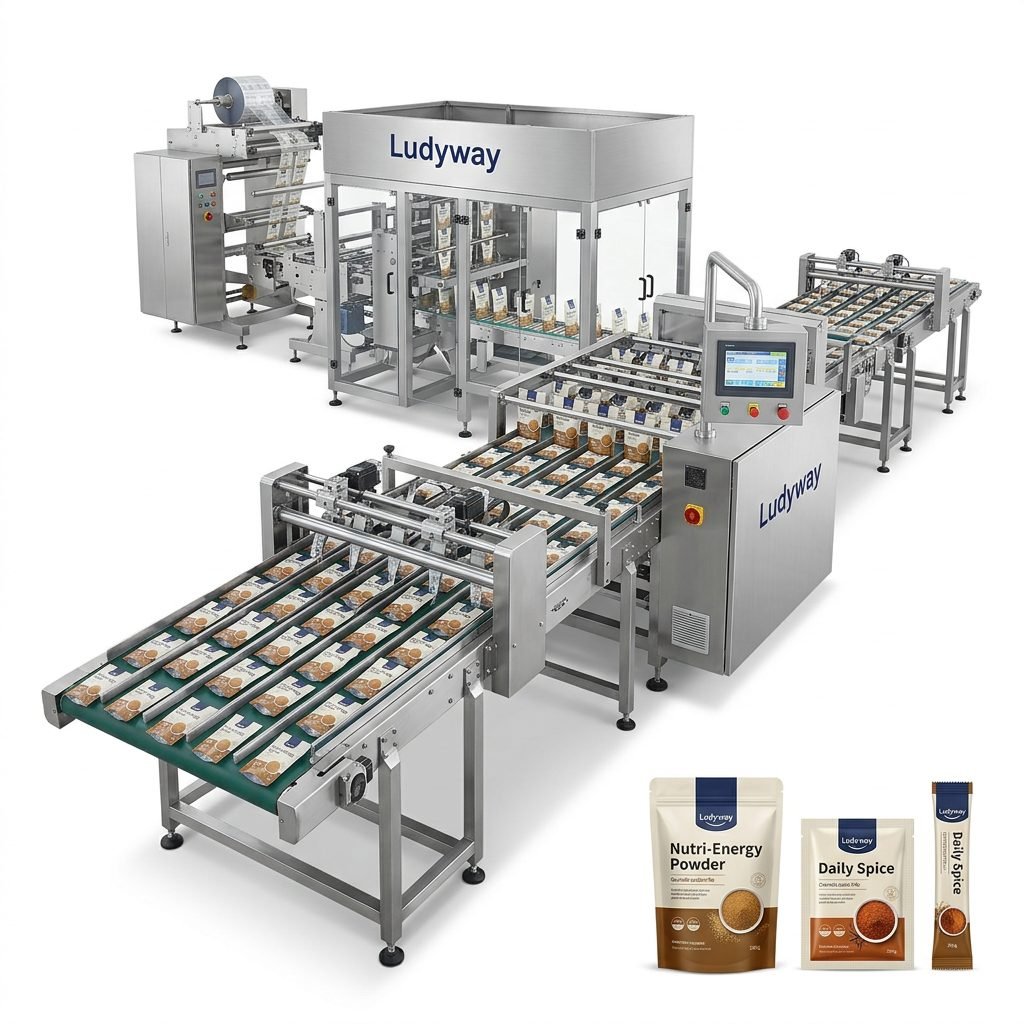
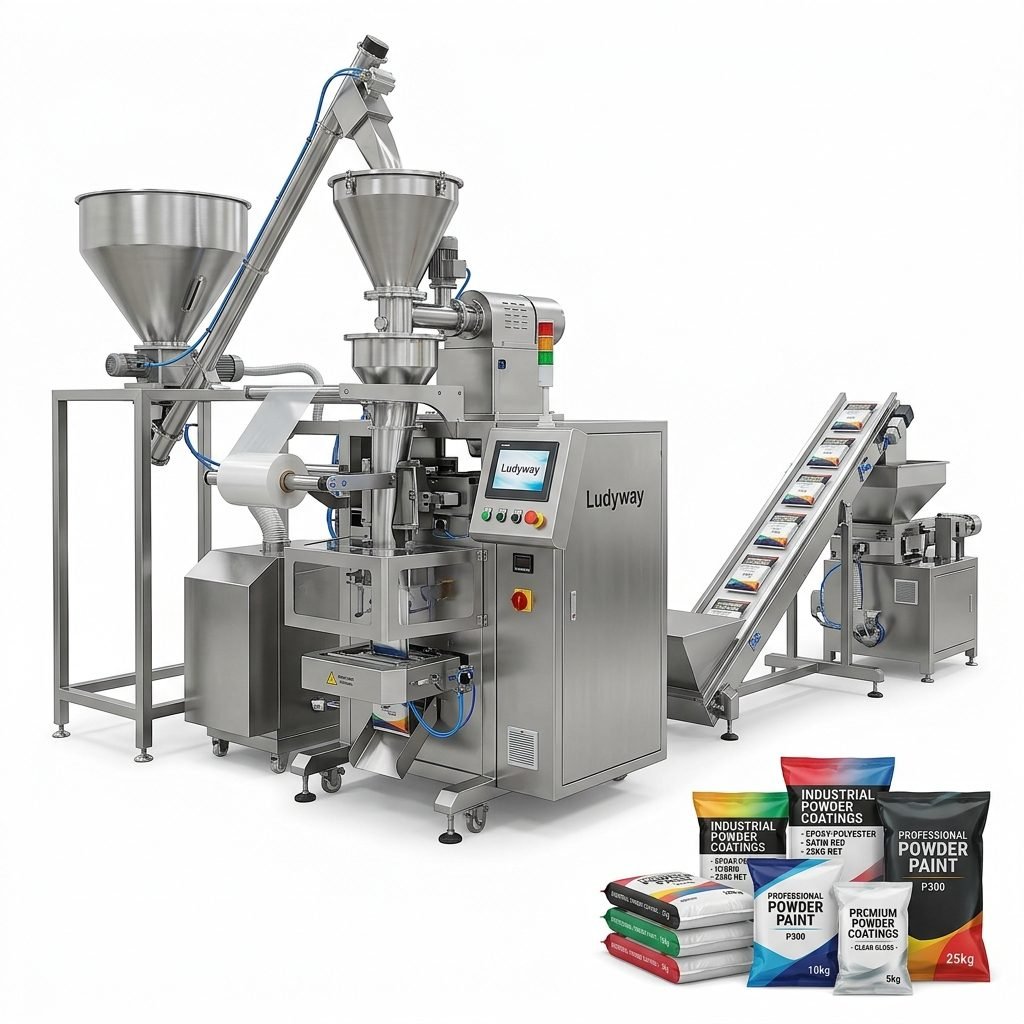
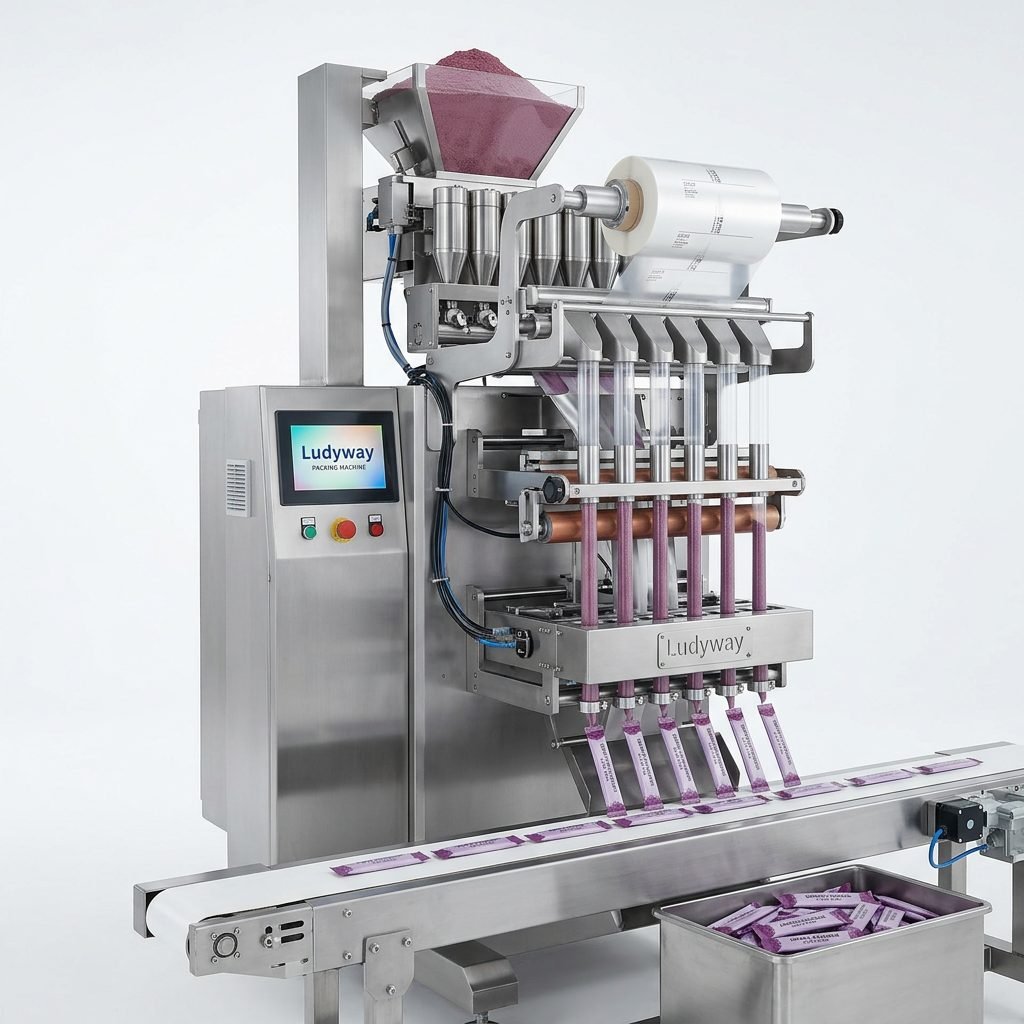
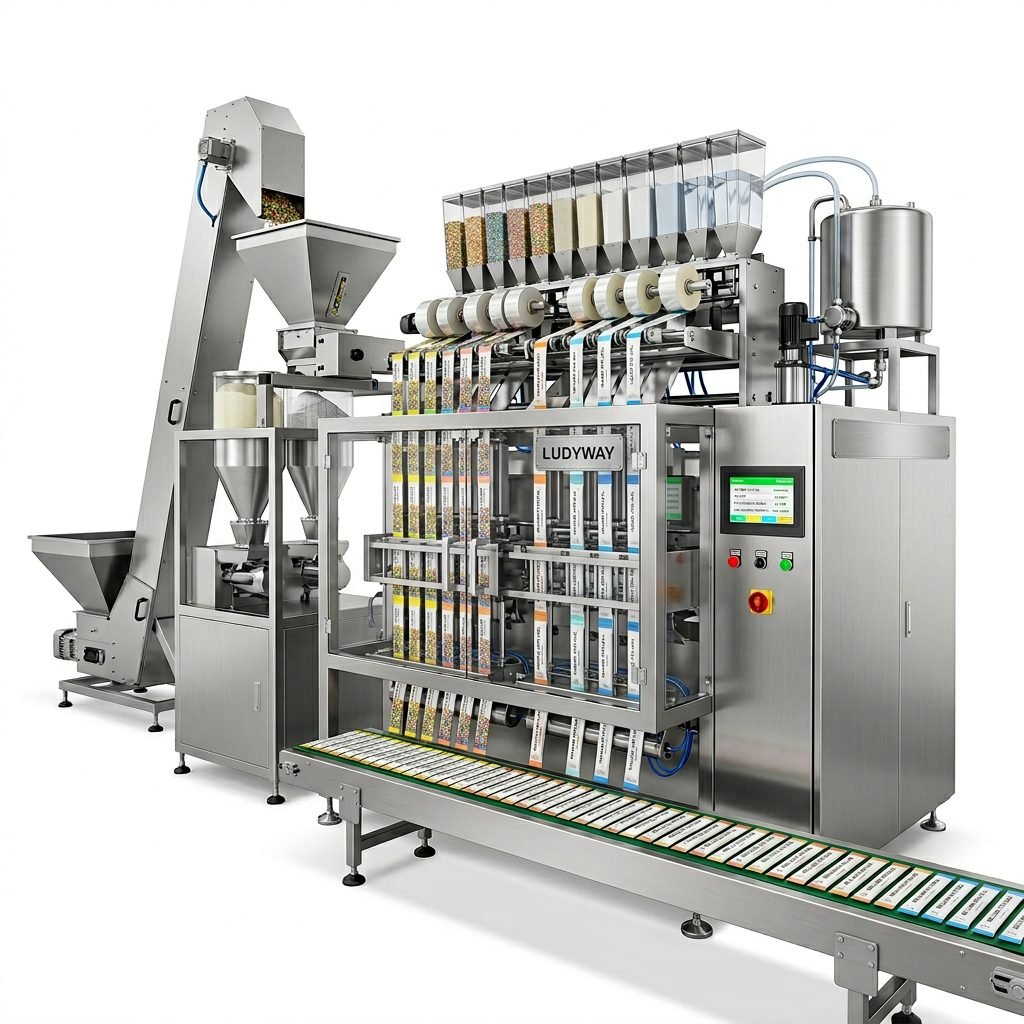
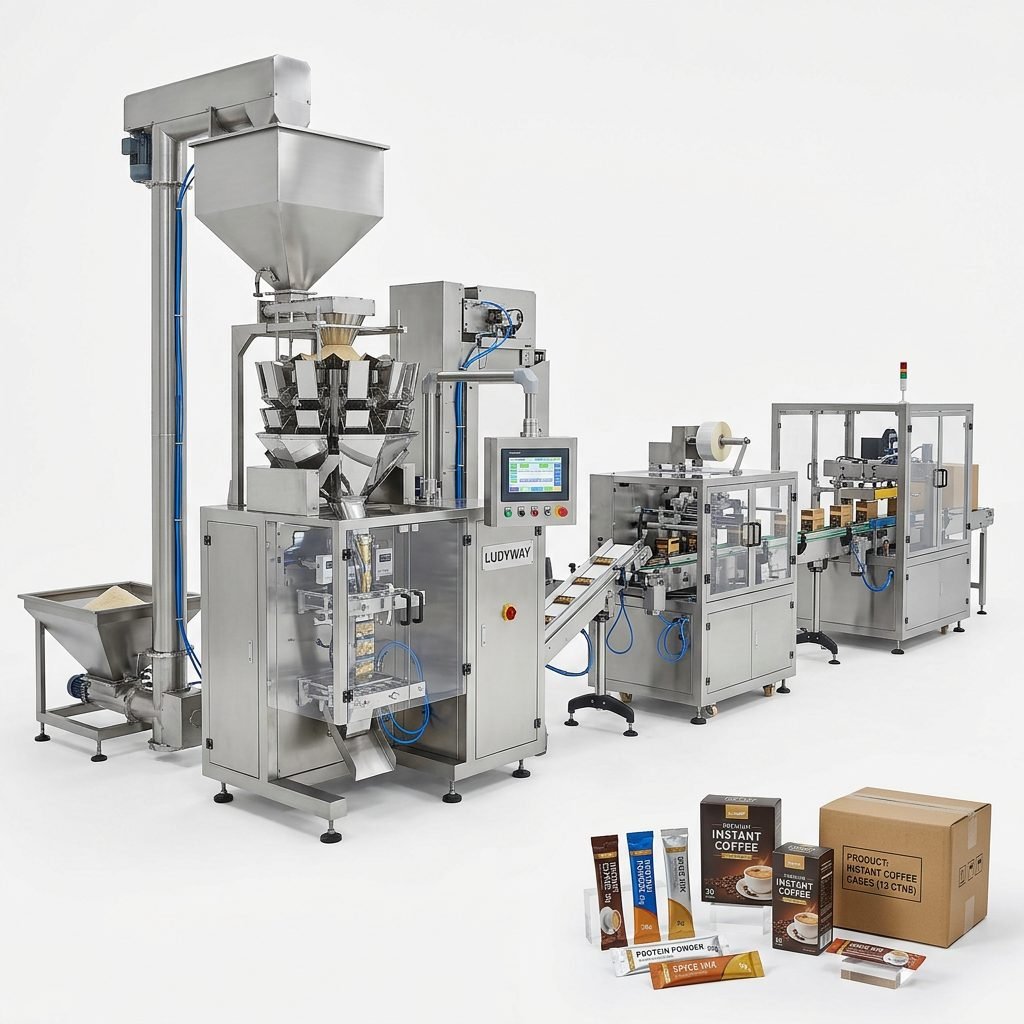
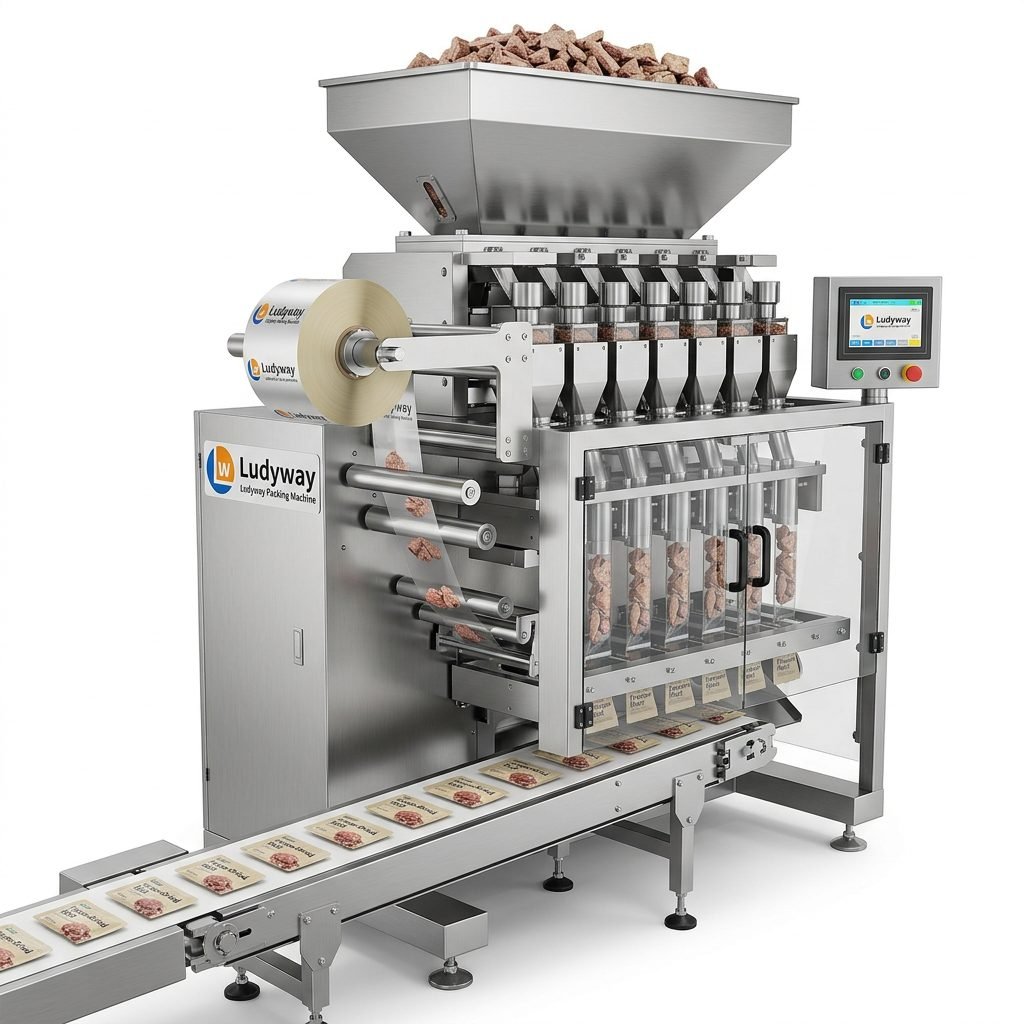
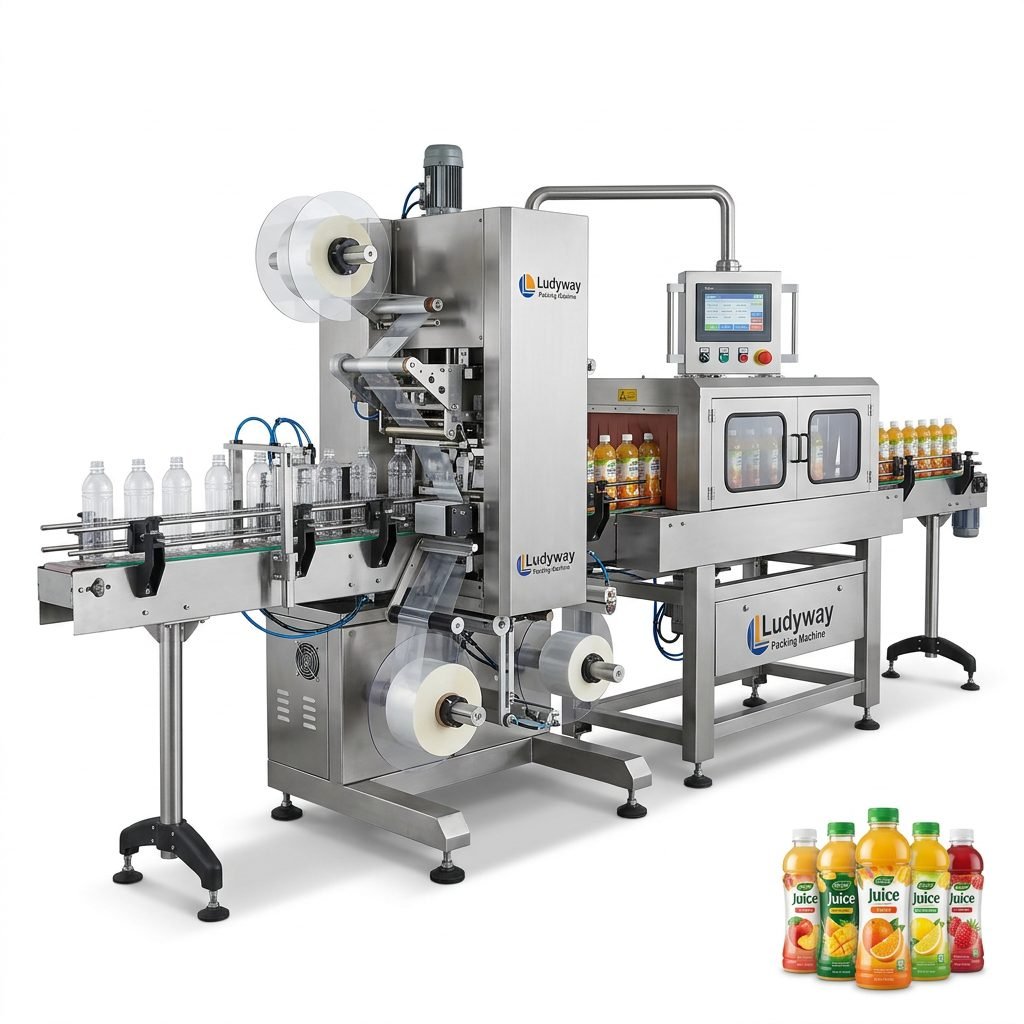
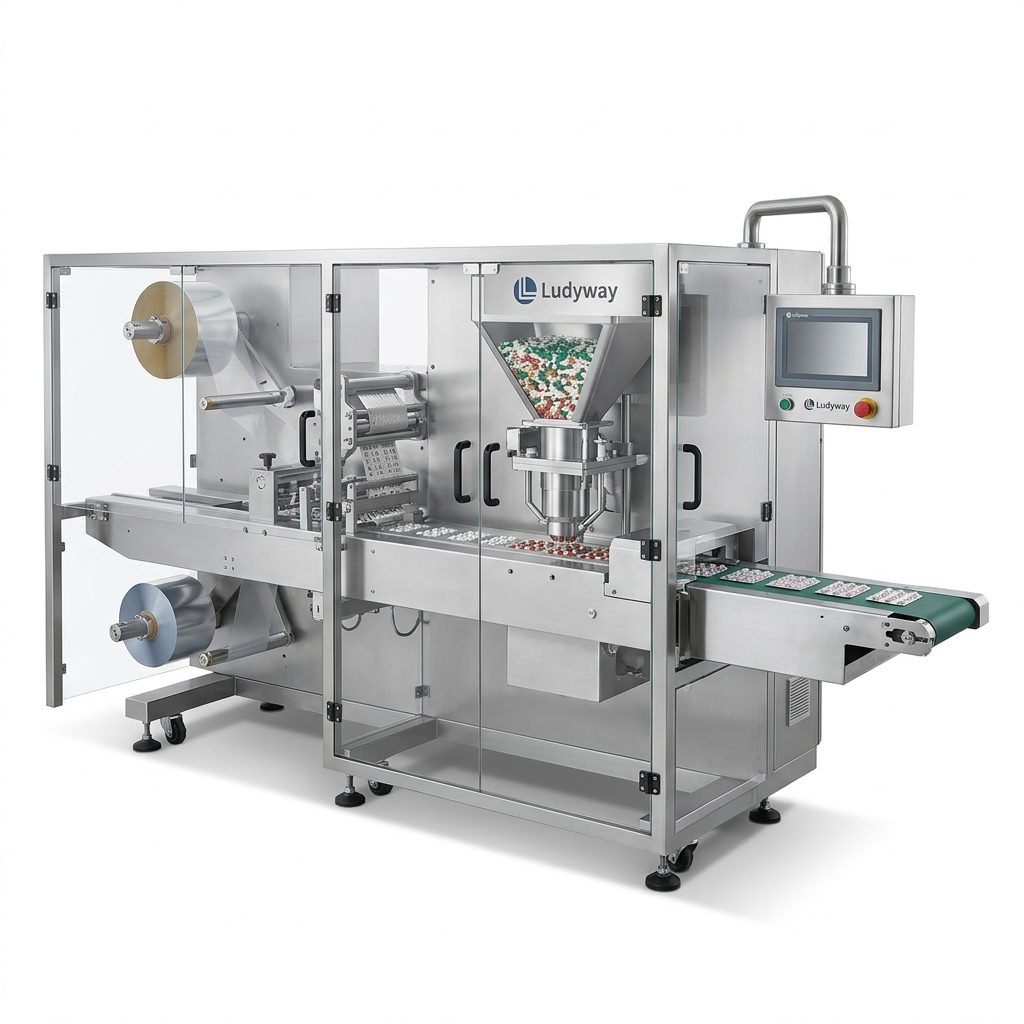
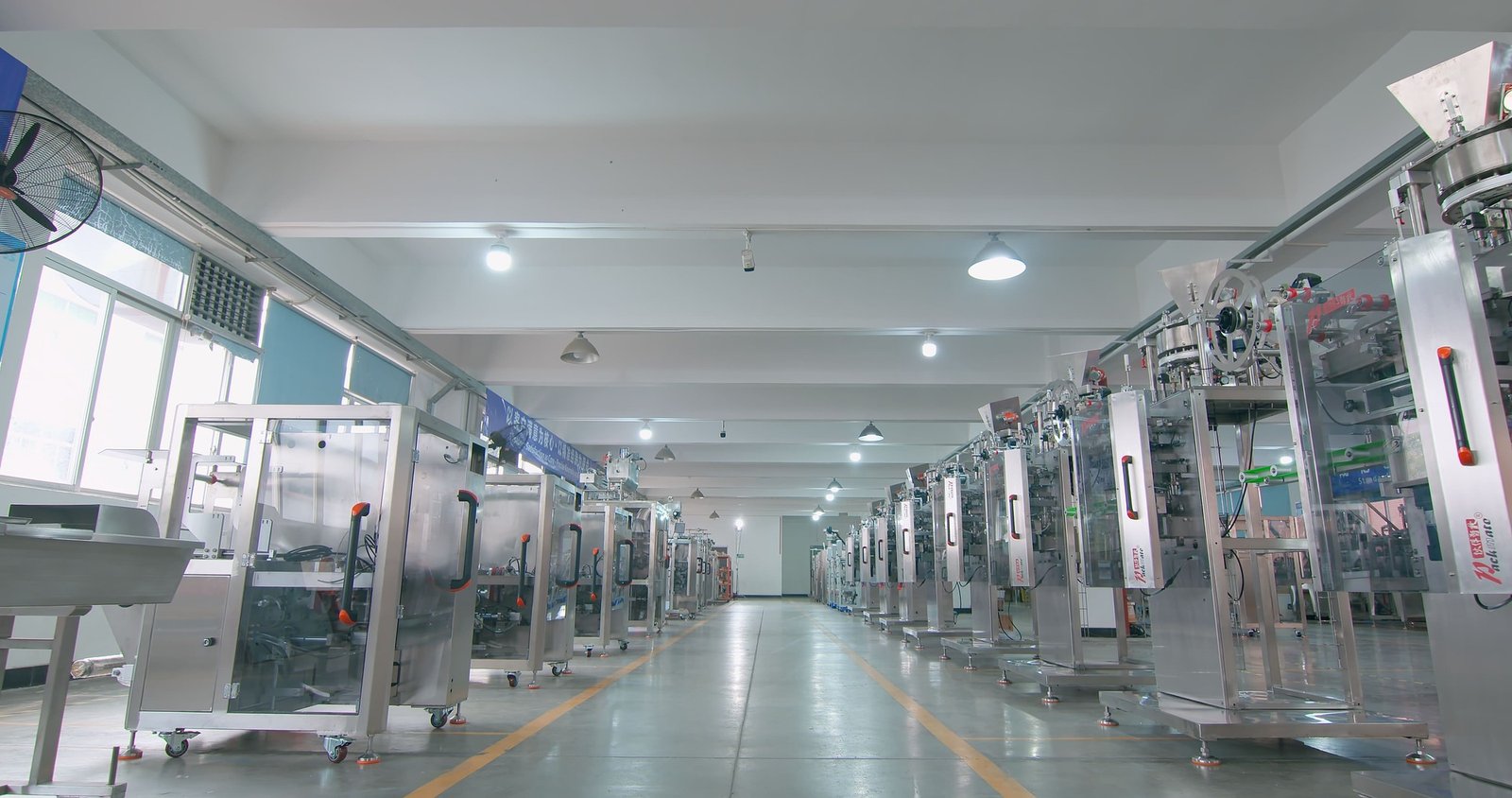
A standalone mini vacuum packing machine works brilliantly for batch-oriented, manual sealing. However, if your production scales beyond 300 packs per day, integration with weighing, filling, and labeling systems becomes the logical progression. Ludyway Machinery, a China-based packaging machinery manufacturer with over 30 years of experience and a 20,000-square-meter manufacturing facility, provides a broad portfolio of turnkey packaging solutions that scale from individual tabletop units to fully automated multi-lane packaging lines covering powder, granule, liquid, stick pack, and sachet applications across food, pharmaceutical, cosmetic, and chemical industries.
Understanding when to transition from a mini vacuum packer to integrated systems helps avoid production bottlenecks. The latest PMMI State of the Industry Report indicates that flexible automation adoption among small to mid-sized manufacturers continues accelerating, driven by labor availability challenges and consistent quality requirements.
11. Common Mistakes to Avoid When Buying
- Ignoring duty cycle: A machine rated for 20 seals per hour will fail quickly if you attempt 60. Match the rated capacity to your peak workflow.
- Overlooking bag texture compatibility: Not all machines seal embossed vacuum bags properly—verify explicitly in the specifications.
- Skipping local parts availability: A low-cost imported machine without accessible gaskets or seal wires becomes disposable.
- Assuming all “commercial” labels mean the same thing: Verify independent certifications and user reviews, not just marketing language.
12. Key Certifications and Standards for Commercial Use
If you intend to use the machine in a regulated environment—food processing, pharmaceutical packaging, or export-oriented production—look for equipment designed to meet applicable international standards. Relevant frameworks include ISO packaging standards and FDA compliance for food contact substances. Machines built with recognized certifications simplify audit processes and cross-border market access.
13. Practical Evaluation Checklist Before Purchase
- What is the maximum daily volume you realistically expect?
- Will you seal mostly dry items, liquids, powders, or a mixture?
- What bag widths and thicknesses do you commonly use?
- Is adjustable vacuum control non-negotiable for your product type?
- Are replacement seals, gaskets, and oil (if applicable) easily sourced?
- Does the machine provide sufficient cooling intervals for continuous runs?
Testing a vendor’s responsiveness before purchasing often reveals what after-sales support will look like. The global packaging machinery market growth trajectory underscores increasing demand for reliable, export-ready equipment backed by responsive technical support networks.
14. Final Thoughts: Value Beyond Price
Selecting the best mini vacuum packing machine means weighing more than upfront cost. Consider long-term durability, seal consistency, spare part accessibility, and versatility for your evolving needs. A well-chosen machine pays for itself through reduced food waste, extended product shelf life, and professional presentation—whether in a home kitchen, small-scale commercial operation, or specialized industrial setting.