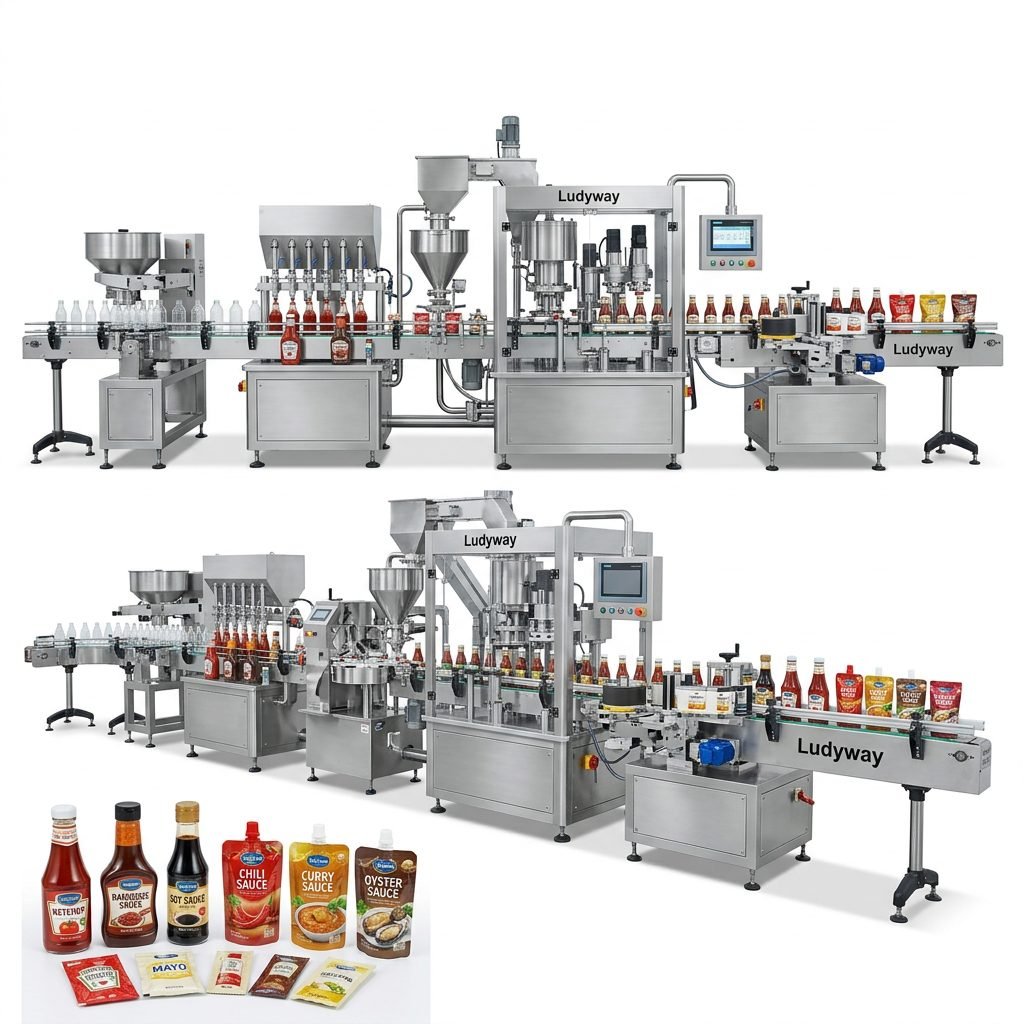
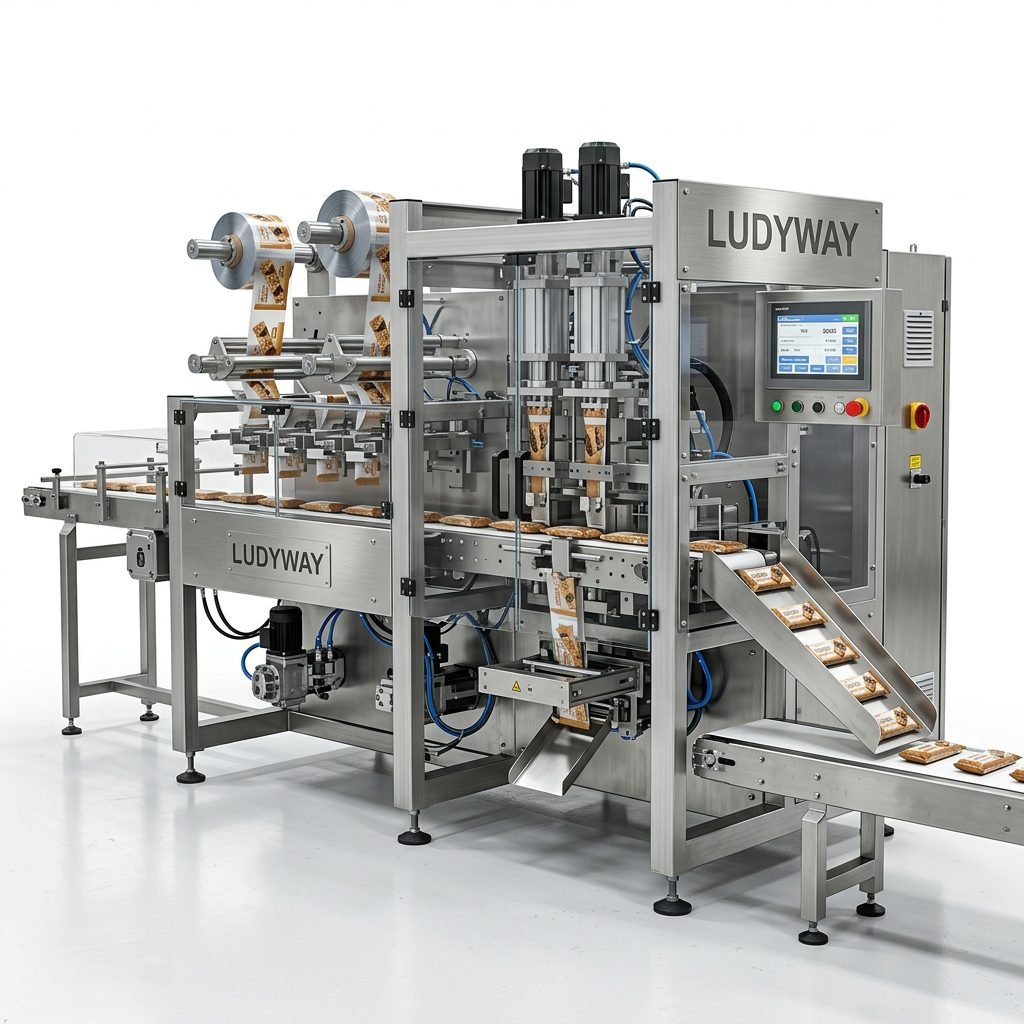
A pharmacy blister packaging machine is one of the most important systems in modern pharmaceutical production. It helps manufacturers package tablets, capsules, softgels, and unit-dose medications with high accuracy, hygiene, traceability, and speed. For pharmacies, pharmaceutical factories, nutraceutical brands, and contract packaging businesses, choosing the right machine can directly affect output quality, compliance, labor costs, and customer trust.
This guide explains how blister packaging machines work, what types are available, how to choose the right model, and what features matter most for efficient medication packaging.
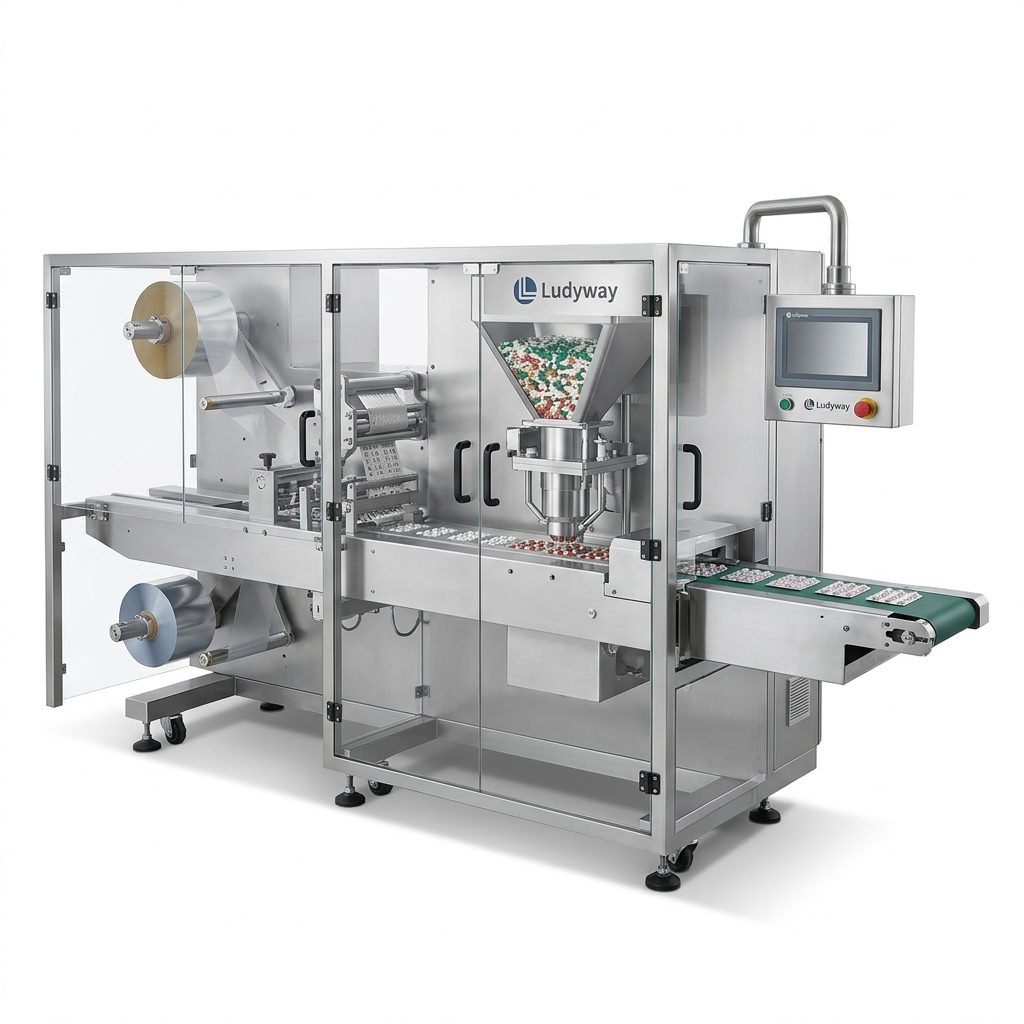
What Is a Pharmacy Blister Packaging Machine?
A pharmacy blister packaging machine is specialized equipment designed to form cavities in plastic or aluminum material, fill those cavities with medication, seal them with lidding foil, and often print batch codes or expiration dates. The finished blister packs protect medication from moisture, oxygen, contamination, and handling damage.
Blister packaging is widely used for:
- Tablets
- Capsules
- Softgels
- Effervescent tablets
- Nutraceutical products
- Unit-dose medical products
Why Blister Packaging Is So Important in Pharmacy
In pharmaceutical applications, packaging is not just about appearance. It is closely linked to product safety and regulatory performance. Blister packaging offers several operational and commercial benefits:
- Dose protection: each tablet or capsule is isolated in its own cavity.
- Extended shelf life: barrier materials reduce moisture and oxygen exposure.
- Tamper evidence: sealed cavities improve consumer confidence.
- Better compliance: organized unit doses can support patient adherence.
- Easy handling: blister cards are clean, compact, and convenient for transport.
- Traceability: printing systems can mark batch numbers, expiry dates, and codes.
How a Pharmacy Blister Packaging Machine Works
Although machine configurations vary, the general process follows a clear sequence:
- Material feeding – plastic film or aluminum foil is unwound into the forming section.
- Blister forming – cavities are created by thermoforming or cold forming.
- Product feeding – tablets or capsules are automatically filled into formed pockets.
- Inspection – sensors or vision systems detect missing or broken products.
- Sealing – lidding foil is heat-sealed onto the blister web.
- Coding – batch number, manufacturing date, and expiry date are printed.
- Perforating and cutting – the blister web is divided into retail-ready packs.
- Cartoning or secondary packaging – optional downstream systems pack blisters into cartons.
Main Types of Blister Packaging Machines
1. Thermoforming Blister Machines
These machines use heat to soften plastic film such as PVC, PVDC, or PET, then form it into cavities. They are commonly used for standard tablet and capsule packaging because of their speed and cost efficiency.
2. Cold Form Blister Machines
Cold forming uses aluminum-based laminate material without heating. This method provides excellent barrier protection, making it suitable for moisture-sensitive or light-sensitive medicines.
3. Rotary Blister Machines
Rotary systems are designed for continuous, high-speed production. They are often chosen by larger pharmaceutical facilities requiring stable volume output.
4. Flat Plate Blister Machines
Flat plate machines are widely appreciated for strong sealing quality and flexible operation. They are often used for medium-scale pharmaceutical production.
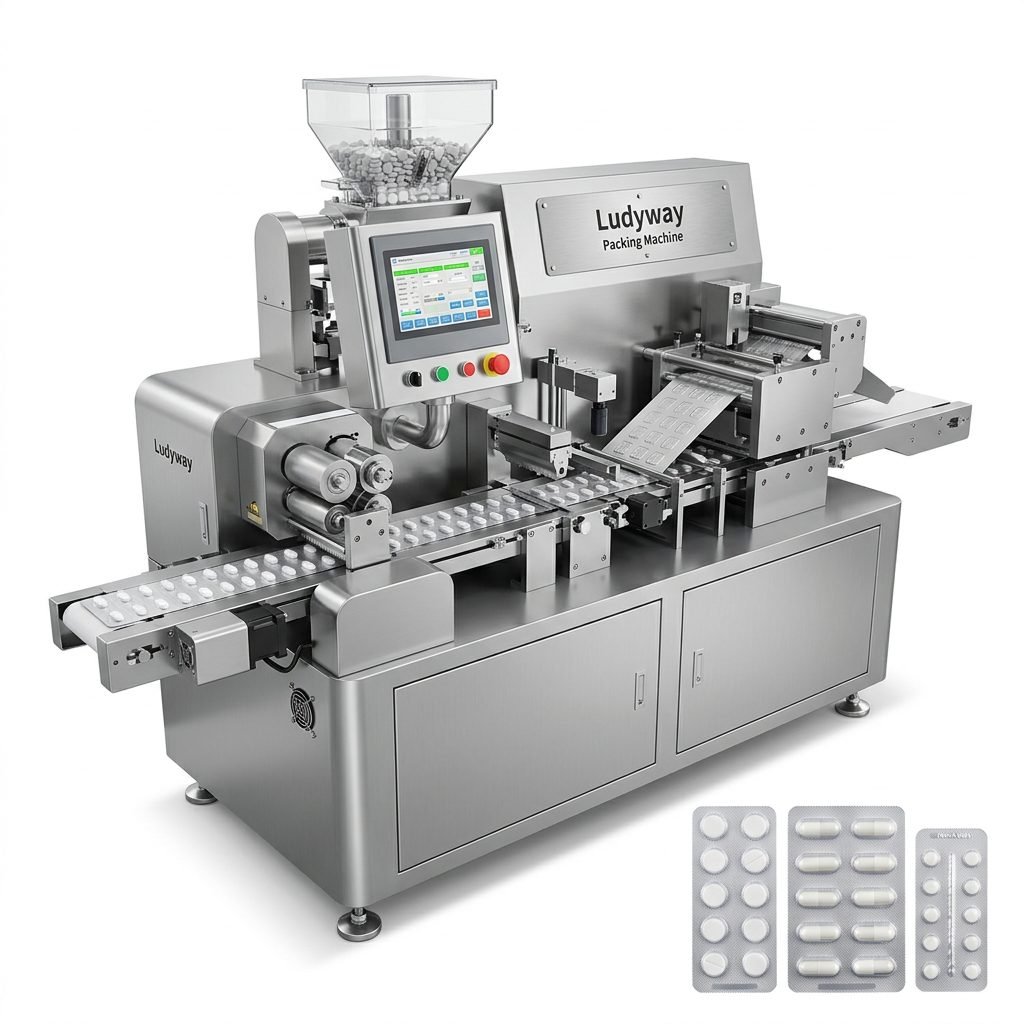
Thermoforming vs Cold Forming
| Feature | Thermoforming | Cold Forming |
|---|---|---|
| Material | PVC, PVDC, PET and similar films | Alu-Alu laminate |
| Barrier protection | Good | Very high |
| Production speed | Higher | Usually lower |
| Visual product display | Transparent pack possible | Opaque |
| Best for | Standard tablets and capsules | Sensitive medicines requiring stronger protection |
Key Components of a Blister Packaging Machine
Understanding machine structure helps buyers evaluate reliability and maintenance needs. Typical components include:
- Forming station
- Product feeding system
- Sealing station
- Servo drive or mechanical transmission system
- HMI touch screen and PLC control
- Registration and coding system
- Waste trimming unit
- Cutting and punching section
- Vision inspection or rejection system
Applications in Modern Pharmaceutical Production
Pharmacy blister packaging equipment can be used in many production environments:
- Pharmaceutical manufacturing plants
- Hospital pharmacy packaging units
- Contract packaging companies
- Nutraceutical and supplement factories
- Clinical trial packaging facilities
Depending on the design, machines can package regular round tablets, coated tablets, capsules, and even special-shaped products with customized tooling.
Benefits of Using an Automatic Pharmacy Blister Packaging Machine
| Benefit | Operational Impact |
|---|---|
| Higher output | Supports continuous large-scale packaging with less manual intervention |
| Consistent sealing quality | Reduces leakage, contamination, and packaging defects |
| Lower labor cost | One machine can replace several manual steps |
| Improved compliance | Supports batch coding, inspection, and controlled processes |
| Less material waste | Stable forming and sealing reduce reject rates |
What to Consider When Choosing a Blister Packaging Machine
Product Type
Tablets, capsules, softgels, and nutraceutical products behave differently during feeding and sealing. The machine should match product size, fragility, and format.
Required Output
A small pharmacy or lab may only need a compact intermittent model, while a pharmaceutical factory may require a high-speed continuous machine with integrated cartoning.
Packaging Material
The machine should support your chosen material structure, such as PVC/Alu or Alu/Alu. Material compatibility strongly affects barrier performance and machine setup.
Tooling Changeover
If you run multiple SKUs, easy mold changeover is essential. Faster changeovers reduce downtime and increase overall equipment efficiency.
Regulatory Requirements
In pharmaceutical packaging, machine construction should support GMP-oriented operation, cleaning convenience, product traceability, and validation processes.
Integration Capability
Many buyers need more than a stand-alone machine. A blister packer may need to connect with feeders, vision inspection, cartoners, checkweighers, and coding systems.
Important Features for Efficient Medication Packaging
- Servo-driven controls for stable and precise movement
- Automatic feeding systems for tablets and capsules
- No-product-no-pack detection to reduce waste
- Vision inspection for missing tablets, broken capsules, or sealing defects
- Quick-change tooling for flexible production
- Touchscreen HMI for easier operation and recipe management
- Batch coding and embossing for traceability
- Dust control design for cleaner packaging environments
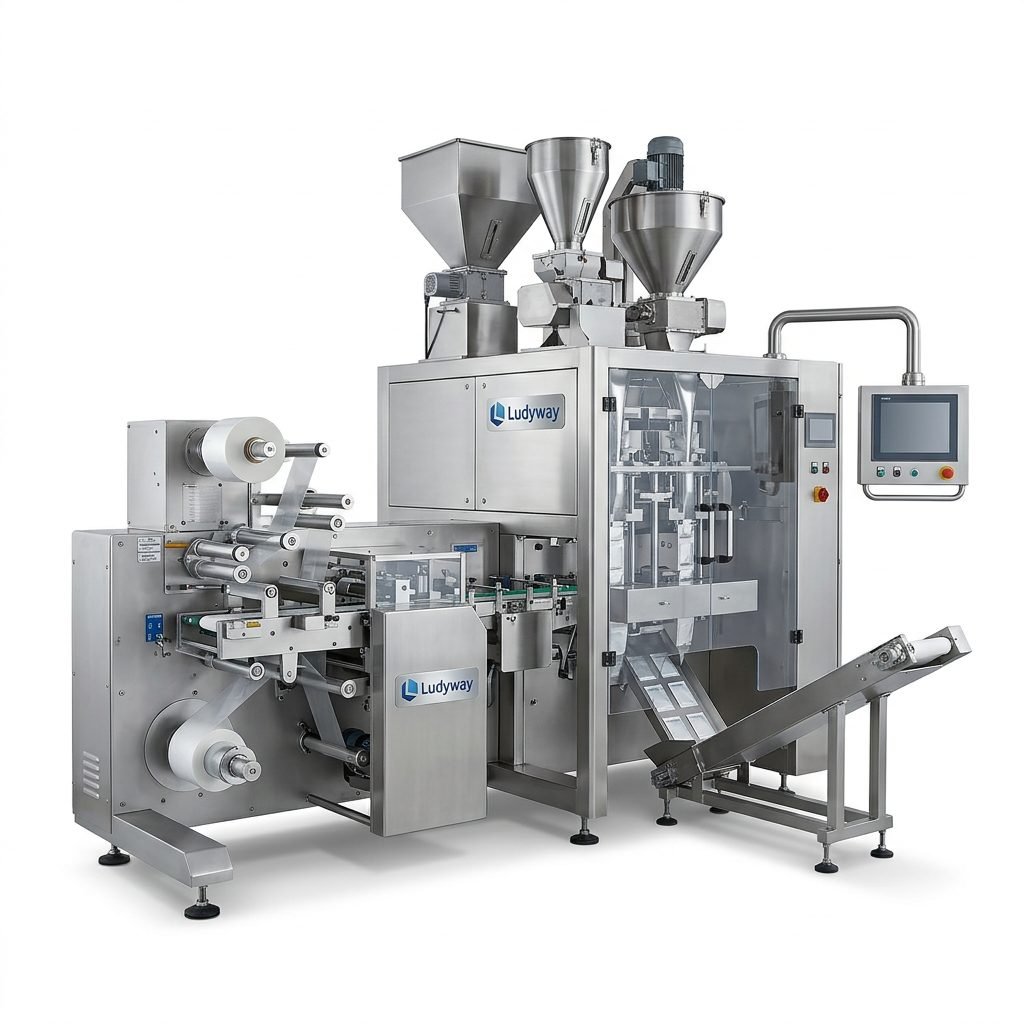
Blister Packaging Machine Output Ranges
Output depends on machine type, blister format, cavity count, and product feeding efficiency. Here is a general guide:
| Machine Scale | Typical Use | Approximate Output |
|---|---|---|
| Compact / Lab | Small batch, R&D, hospital pharmacy | Low to medium speed |
| Mid-size automatic | Regular pharma or supplement production | Medium to high speed |
| High-speed industrial | Large pharmaceutical factories | High continuous output |
Common Problems and How to Avoid Them
Poor Sealing
This may result from incorrect temperature, pressure, or dwell time. Proper parameter setting and material quality control are essential.
Tablet Breakage
Product feeding systems must be adjusted carefully to protect fragile tablets or capsules during placement.
Misaligned Printing
Registration systems and stable web tension help maintain coding accuracy.
Frequent Downtime
Downtime often comes from poor maintenance, inconsistent material quality, or overly complex changeover procedures.
Maintenance Tips for Long-Term Performance
- Clean feeding and sealing areas regularly
- Inspect forming molds and sealing plates for wear
- Check drive systems, sensors, and belts routinely
- Use recommended packaging materials
- Calibrate coding and inspection systems on schedule
- Train operators for correct setup and troubleshooting
Should You Buy a Stand-Alone Machine or a Complete Packaging Line?
The answer depends on production scale and automation goals. A stand-alone blister packaging machine works well for facilities with separate downstream handling. However, many pharmaceutical producers now prefer integrated solutions that include:
- Automatic product feeding
- Blister forming and sealing
- Vision inspection
- Cartoning
- Case packing
- Labeling and coding
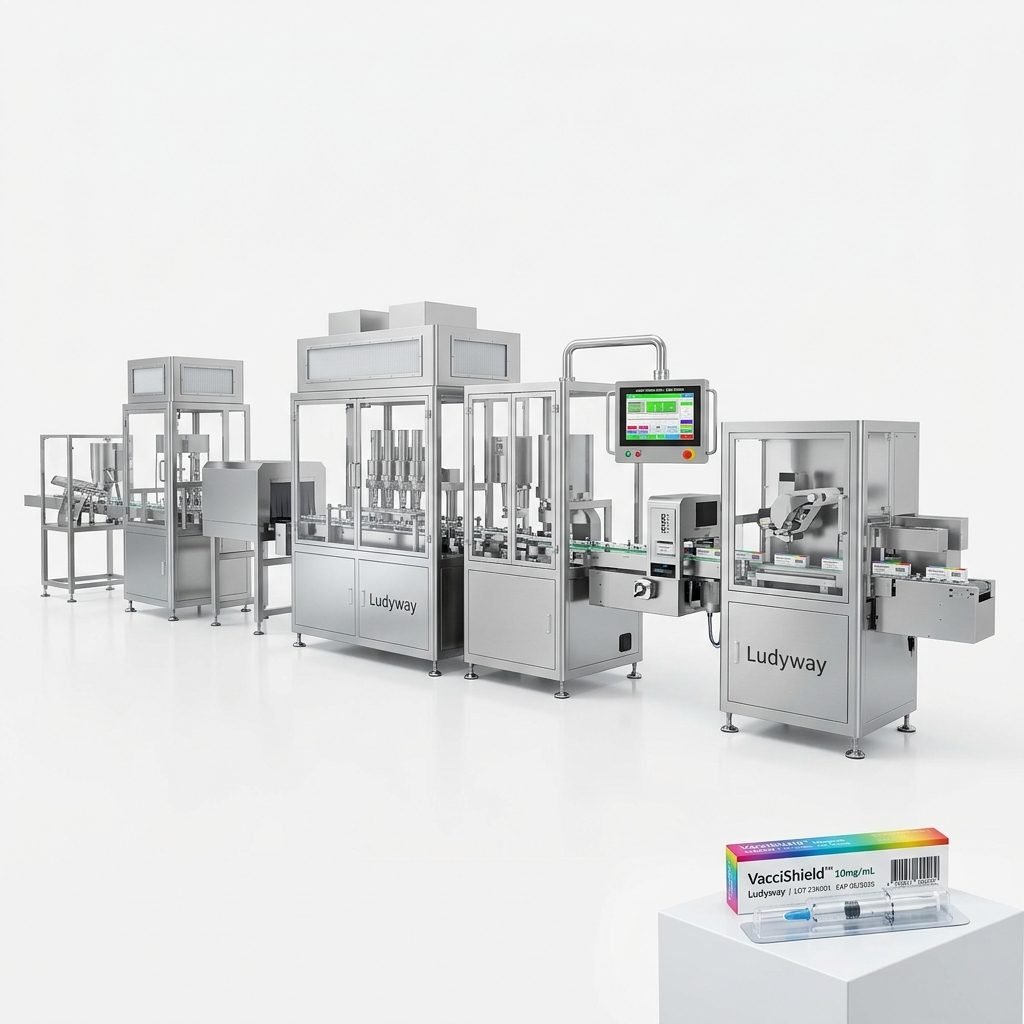
Integrated lines improve workflow efficiency, reduce manual handling, and support more consistent quality control. Businesses looking for scalable pharmaceutical automation often evaluate suppliers with strong turnkey capabilities, such as pharmaceutical packaging machine solutions from Ludyway.
Who Should Invest in a Pharmacy Blister Packaging Machine?
This equipment is especially suitable for:
- Pharmaceutical manufacturers expanding production capacity
- Supplement brands upgrading from manual packing
- CMOs and contract packers handling multiple SKUs
- Hospital or clinical pharmacies requiring organized unit doses
- Export-focused medicine producers needing better packaging consistency
Final Buying Checklist
| Checklist Item | Why It Matters |
|---|---|
| Product compatibility | Ensures stable feeding and accurate sealing for your dosage form |
| Material compatibility | Supports required barrier level and pack structure |
| Output capacity | Matches present and future production goals |
| Changeover speed | Important for multi-product operations |
| Inspection and coding | Improves quality control and traceability |
| After-sales support | Critical for installation, training, spare parts, and maintenance |
Conclusion
A pharmacy blister packaging machine is a smart investment for companies that need efficient medication packaging, product protection, and reliable production performance. Whether you package tablets, capsules, or healthcare supplements, the right blister machine can improve output, reduce errors, strengthen compliance, and support long-term business growth.
When selecting a machine, focus on product compatibility, material requirements, automation level, inspection features, and supplier support. A well-matched system will deliver better packaging quality and a stronger return on investment over time.