Understanding Your Tofu Product Characteristics
Before comparing machine specifications, you need to define the physical properties of the tofu you are packaging. The texture, shape, and moisture content directly determine the type of dosing system, film compatibility, and sealing technology required. Soft or silken tofu demands gentle handling to maintain structure, while firm or pressed tofu can withstand more mechanical movement. Water activity and residual brine also influence the choice of sealing layers and barrier films. Neglecting these product-specific factors is one of the most common reasons for packaging failure in tofu production lines.
- Soft/silken tofu: requires positive displacement pumps or volumetric fillers with low shear
- Firm/extra-firm tofu blocks: compatible with pick-and-place systems or belt-fed infeed
- Marinated or flavored tofu pieces: need to account for piece integrity and liquid content
- Temperature-sensitive tofu: may require temperature control during filling
Packaging Format and Bag Style Options
Tofu is packaged in several formats depending on the target market, shelf life requirements, and retail channel. The packaging machine must be configured to match the desired bag style and material. Specifying the format early in the selection process avoids costly retrofitting later. Common options include:
- Pillow pouches – cost-effective for fresh tofu blocks sold in supermarkets
- Stand-up pouches with zipper – premium presentation for value-added tofu
- Vacuum skin packs – extended shelf life for refrigerated products
- Tray seal and modified atmosphere packaging (MAP) – for meal kits and ready-to-eat lines
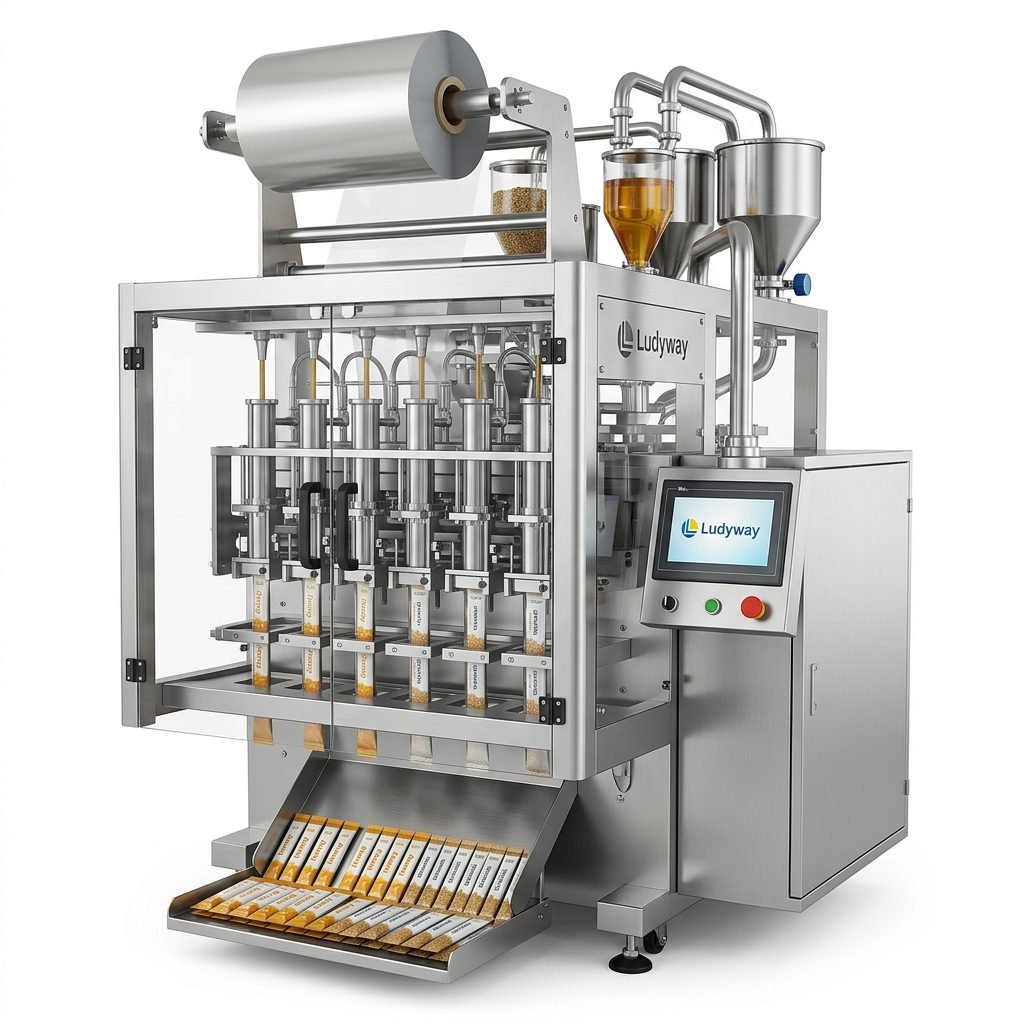
- Stick packs or sachets – for single-serve tofu snacks or sauce concentrates
Machine Type Selection
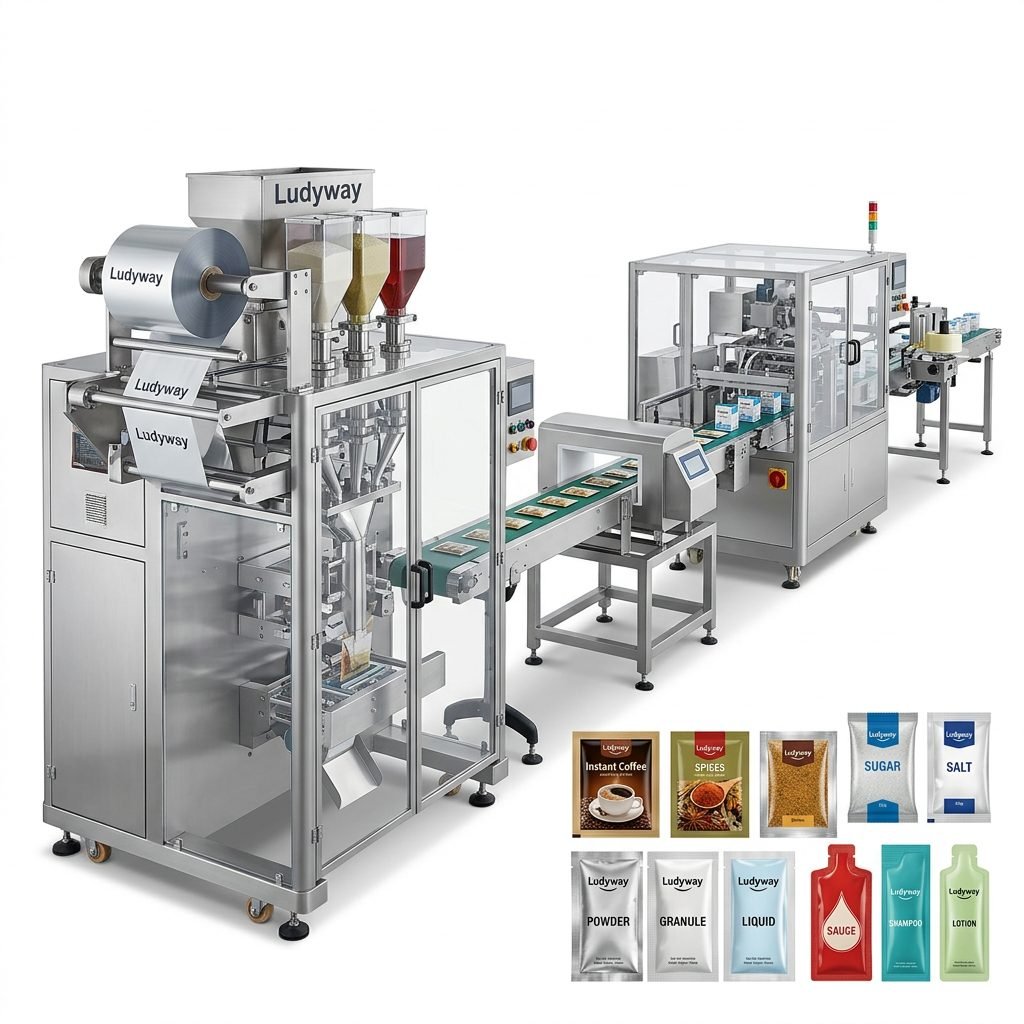
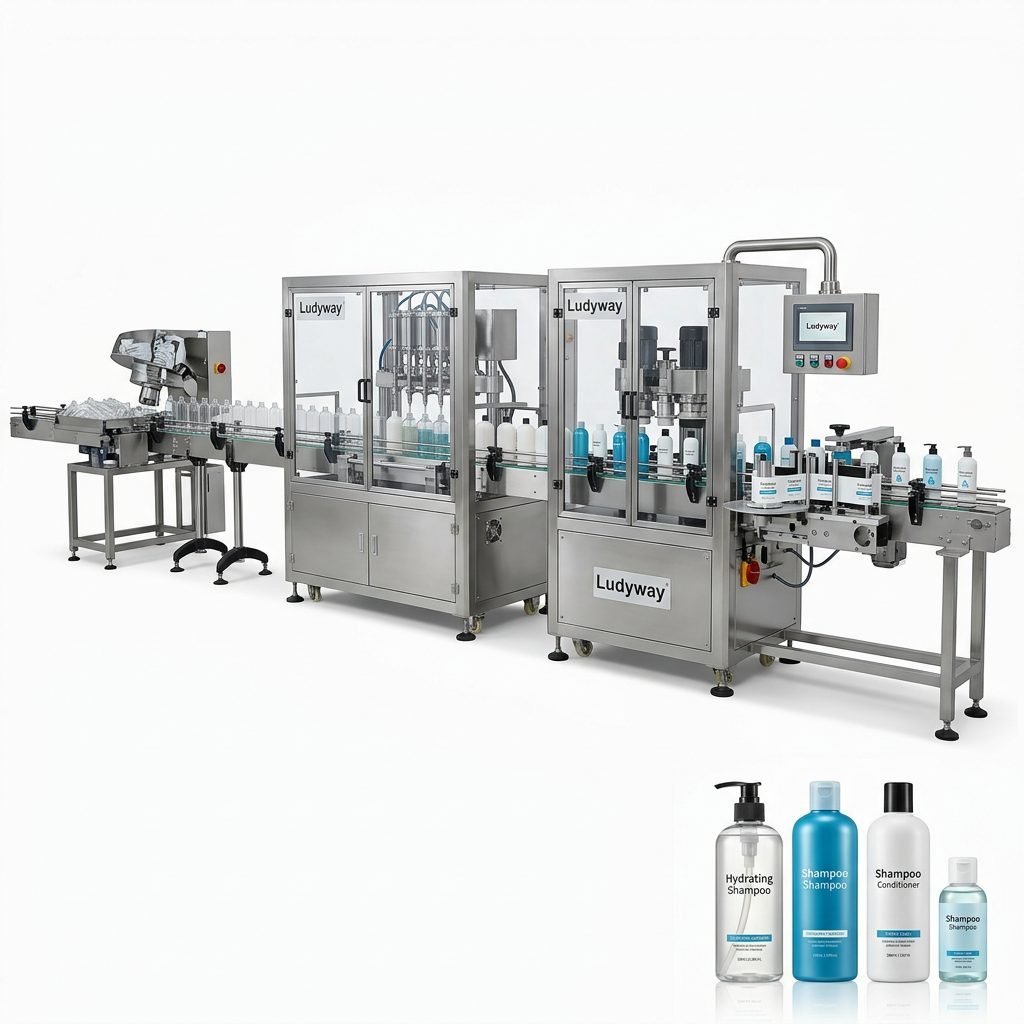
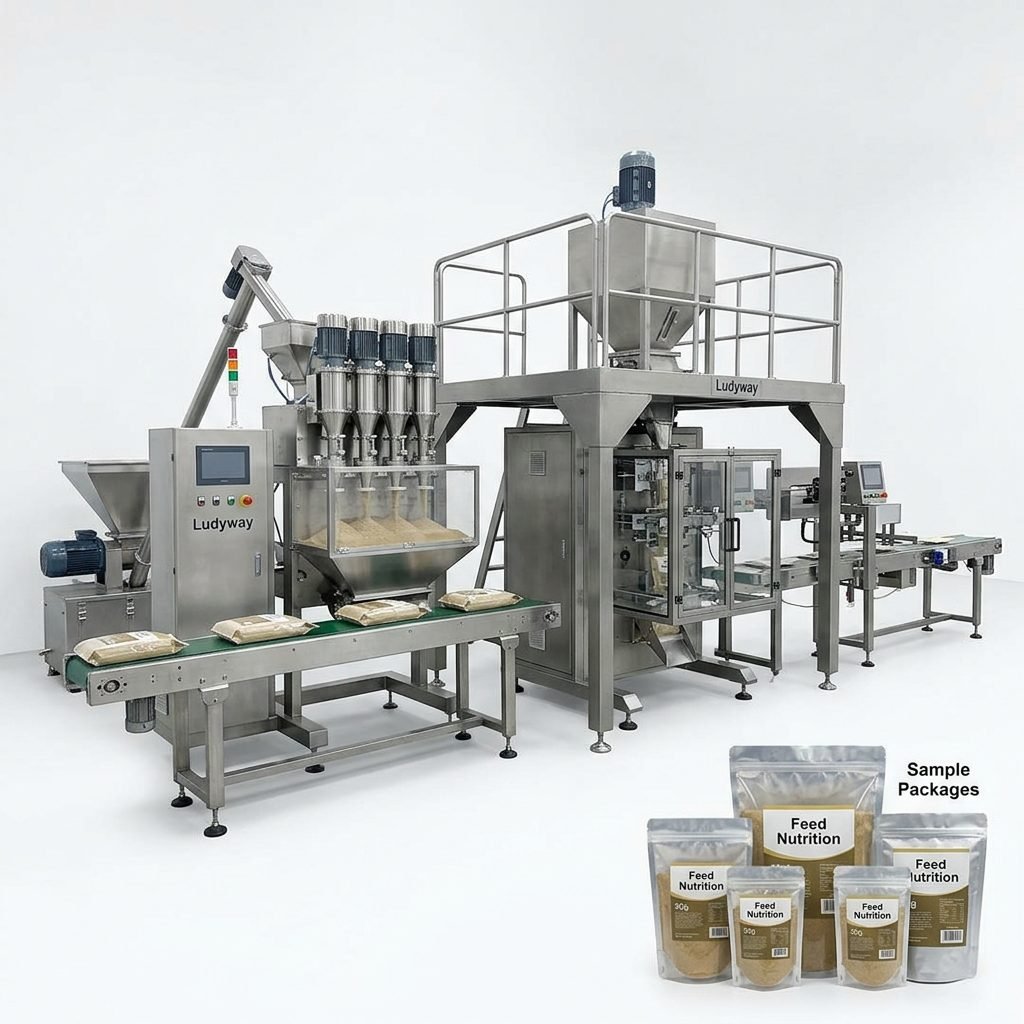
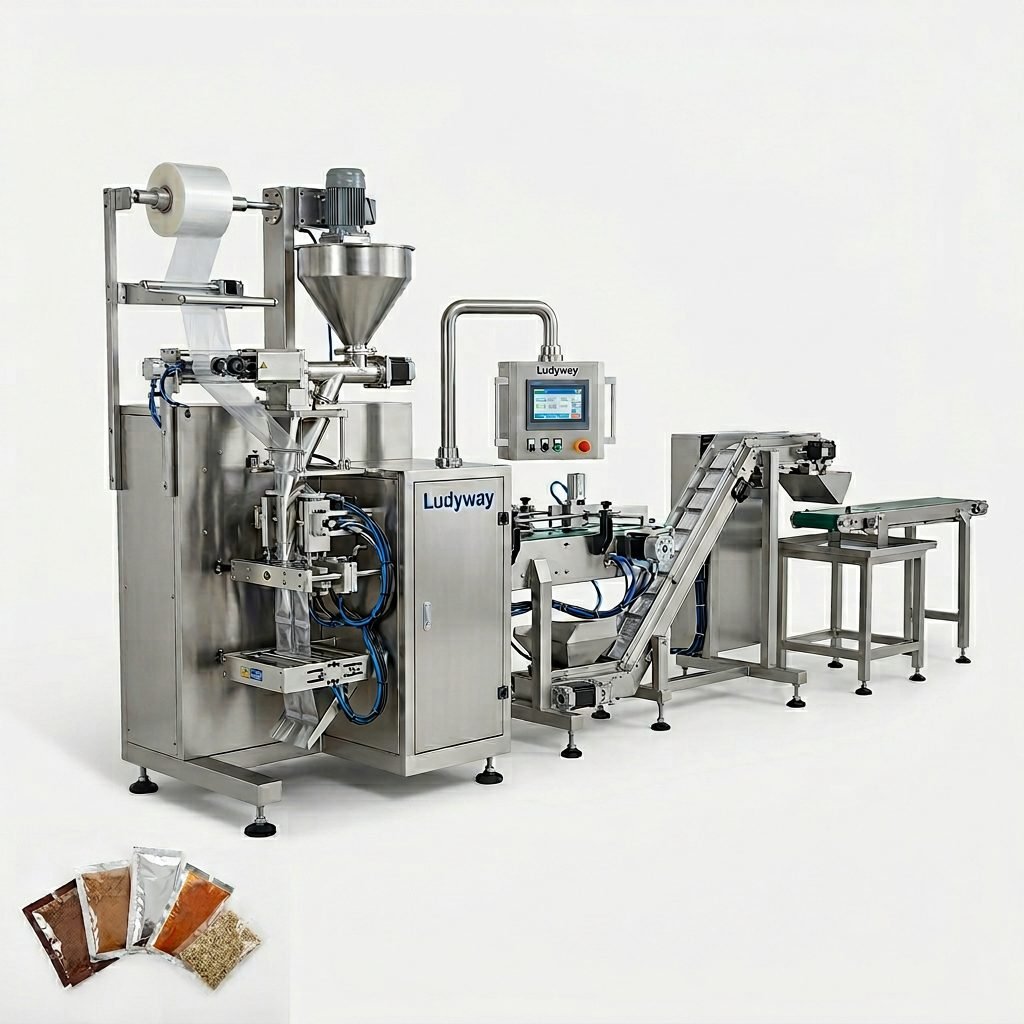
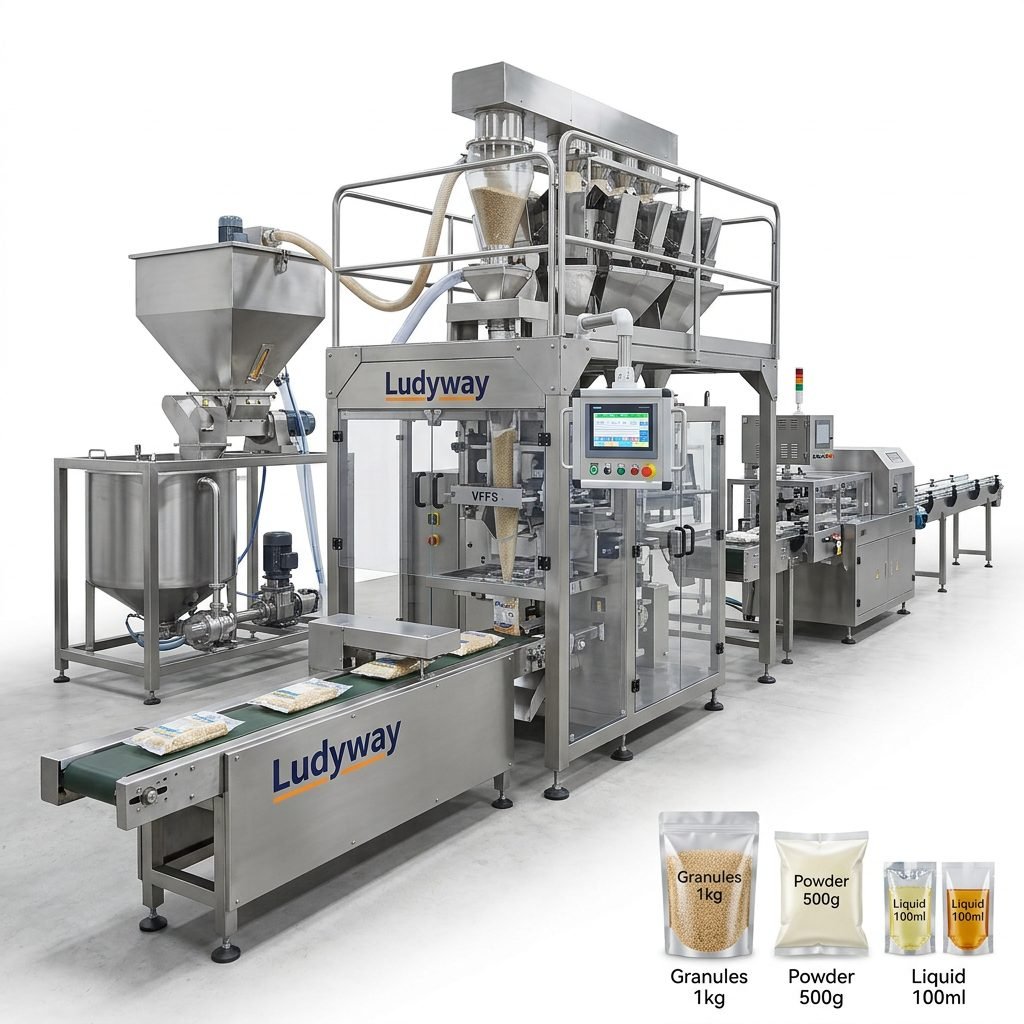
Each tofu processing environment benefits from a specific machine architecture. Vertical form-fill-seal (VFFS) machines are widely adopted for pillow bags and side-seal pouches, while pre-made pouch rotary fillers suit stand-up pouches and vacuum applications. The table below compares the most relevant machine types based on tofu production scenarios.
| Machine Type | Best For | Typical Output | Format Flexibility |
|---|---|---|---|
| Vertical Form-Fill-Seal (VFFS) | Fresh block tofu, cubed pieces | 40-120 bags/min | High – pillow, gusseted |
| Pre-Made Pouch Rotary Filler | Marinated tofu, ready-to-eat meals | 30-80 packs/min | Medium – stand-up, zipper |
| Thermoform/Fill/Seal | MAP tray packages, extended shelf life | 10-30 cycles/min | Medium – rigid or flexible films |
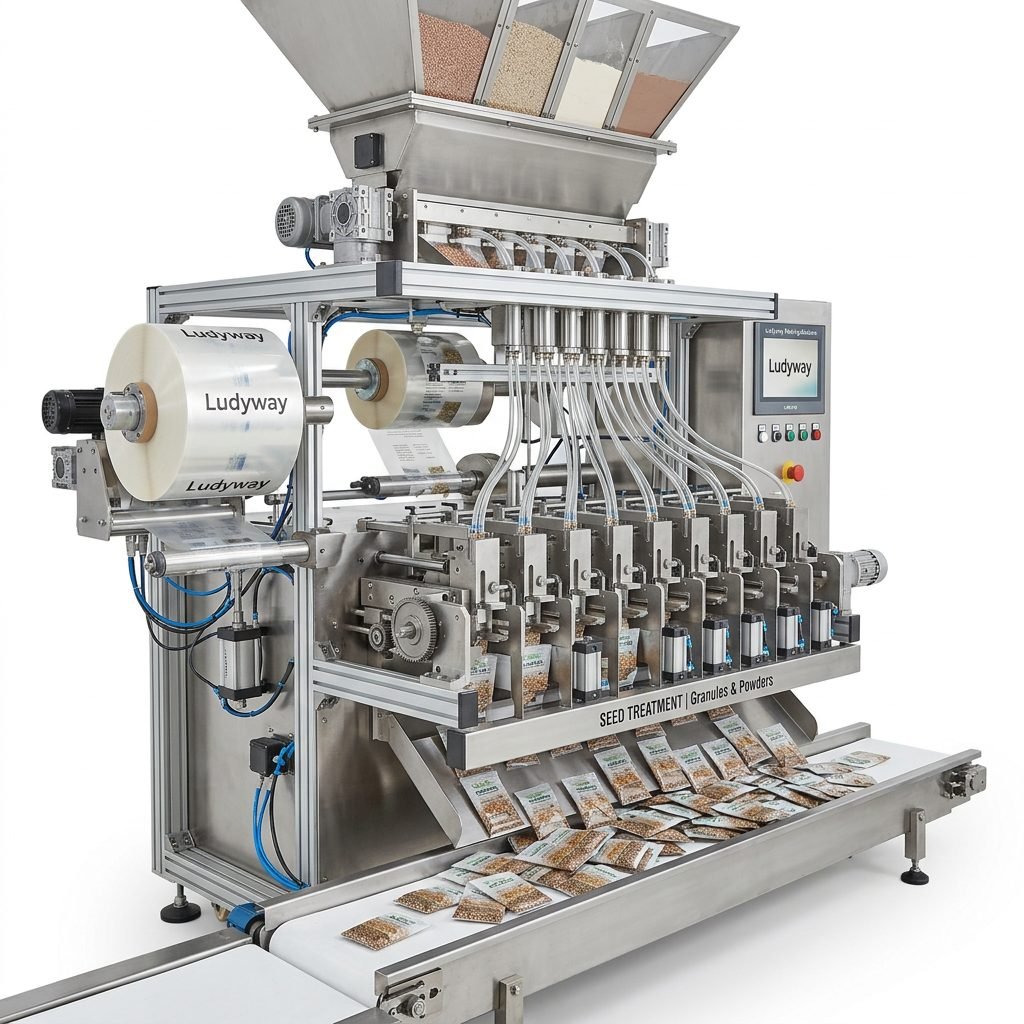
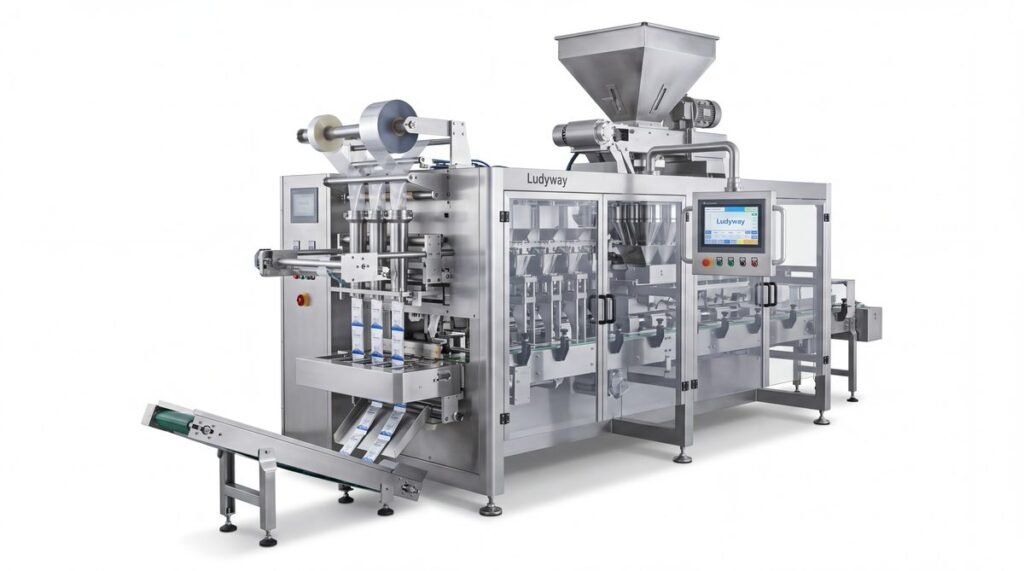
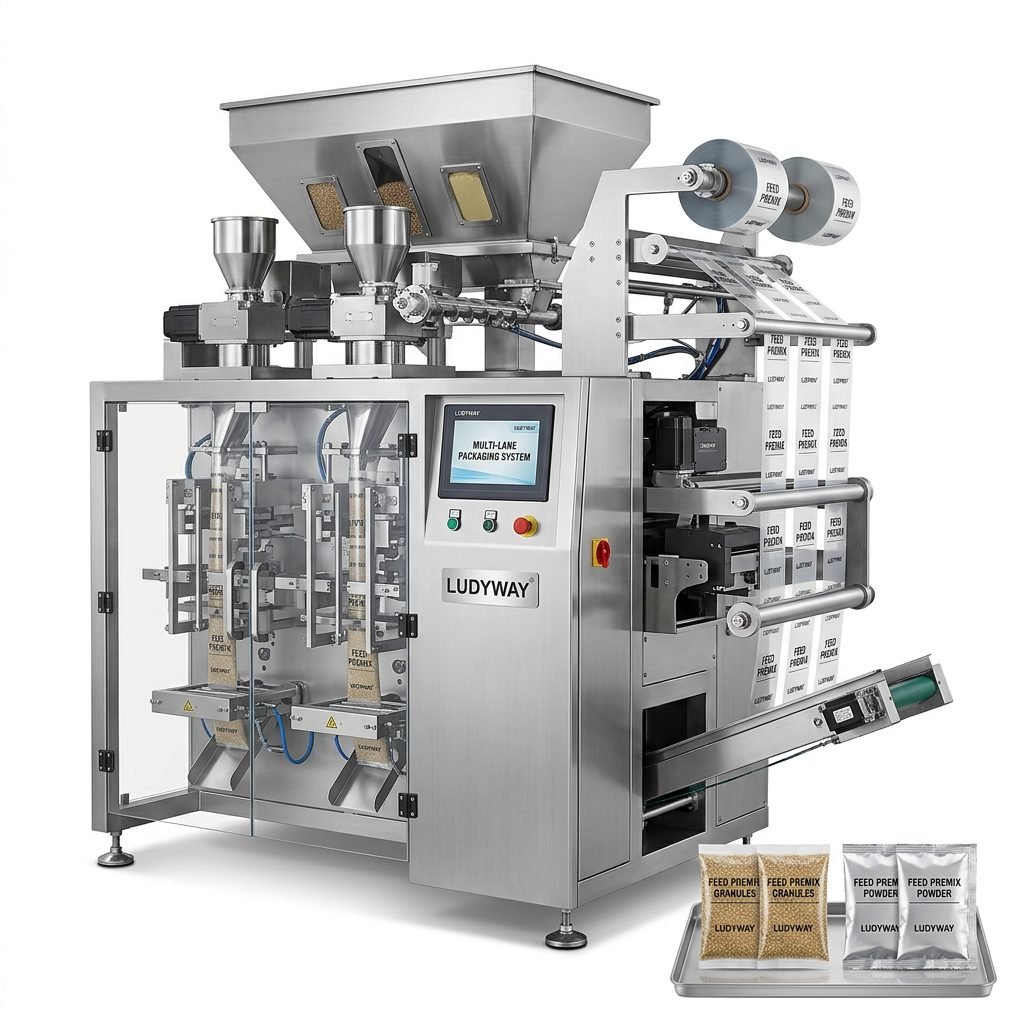
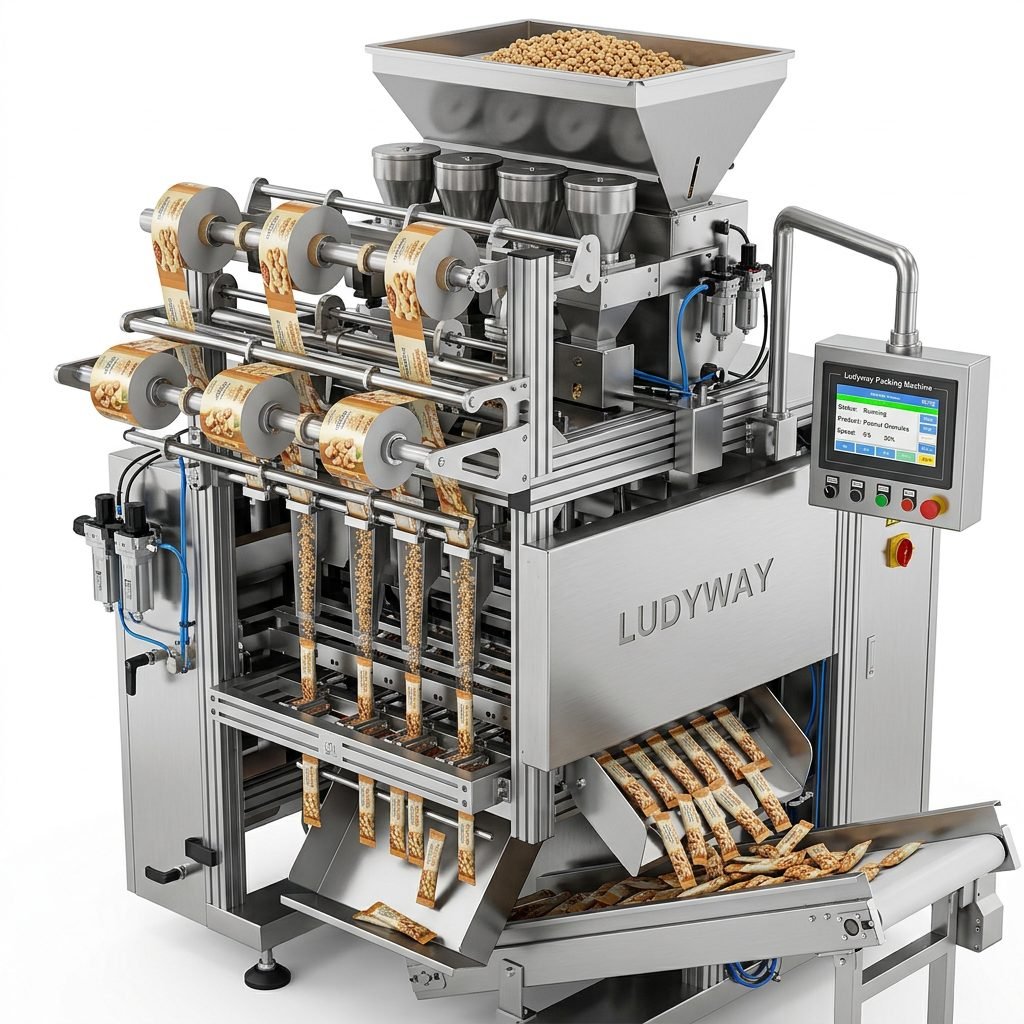
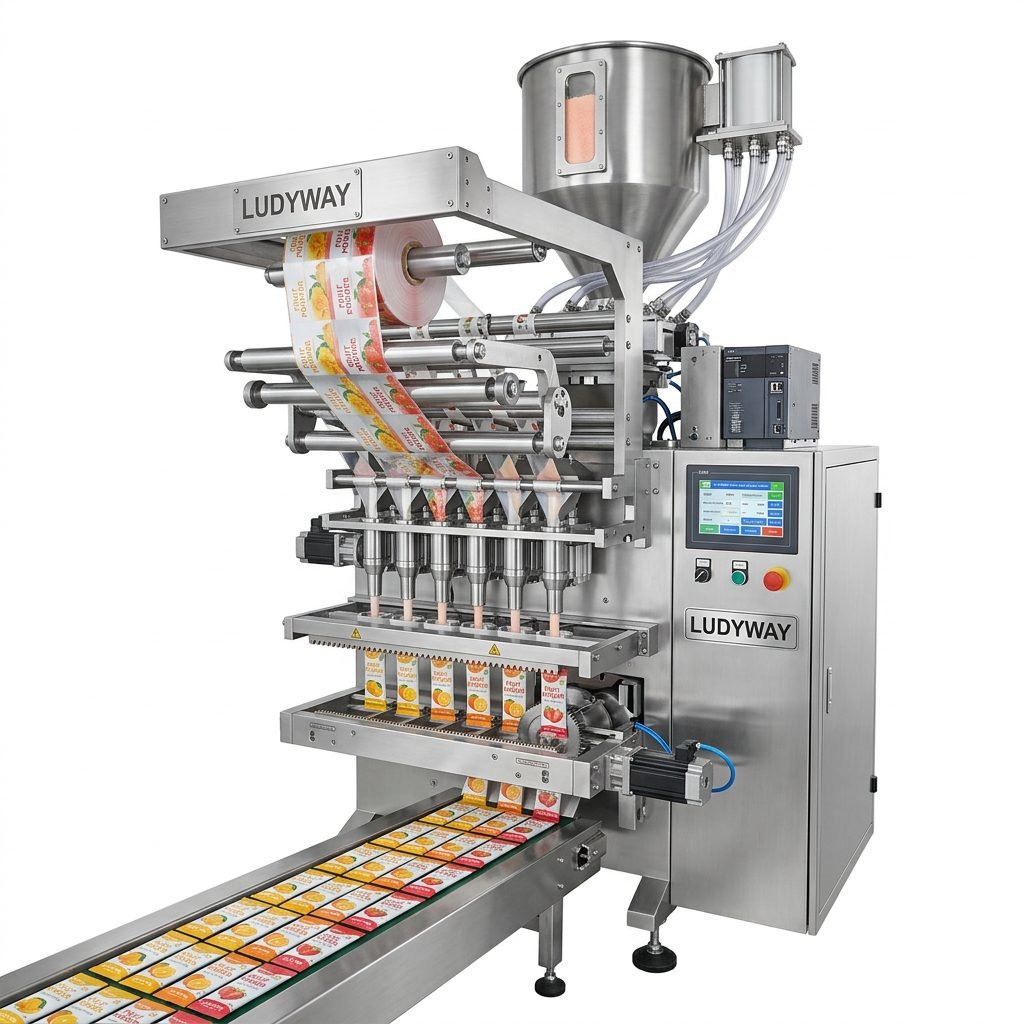
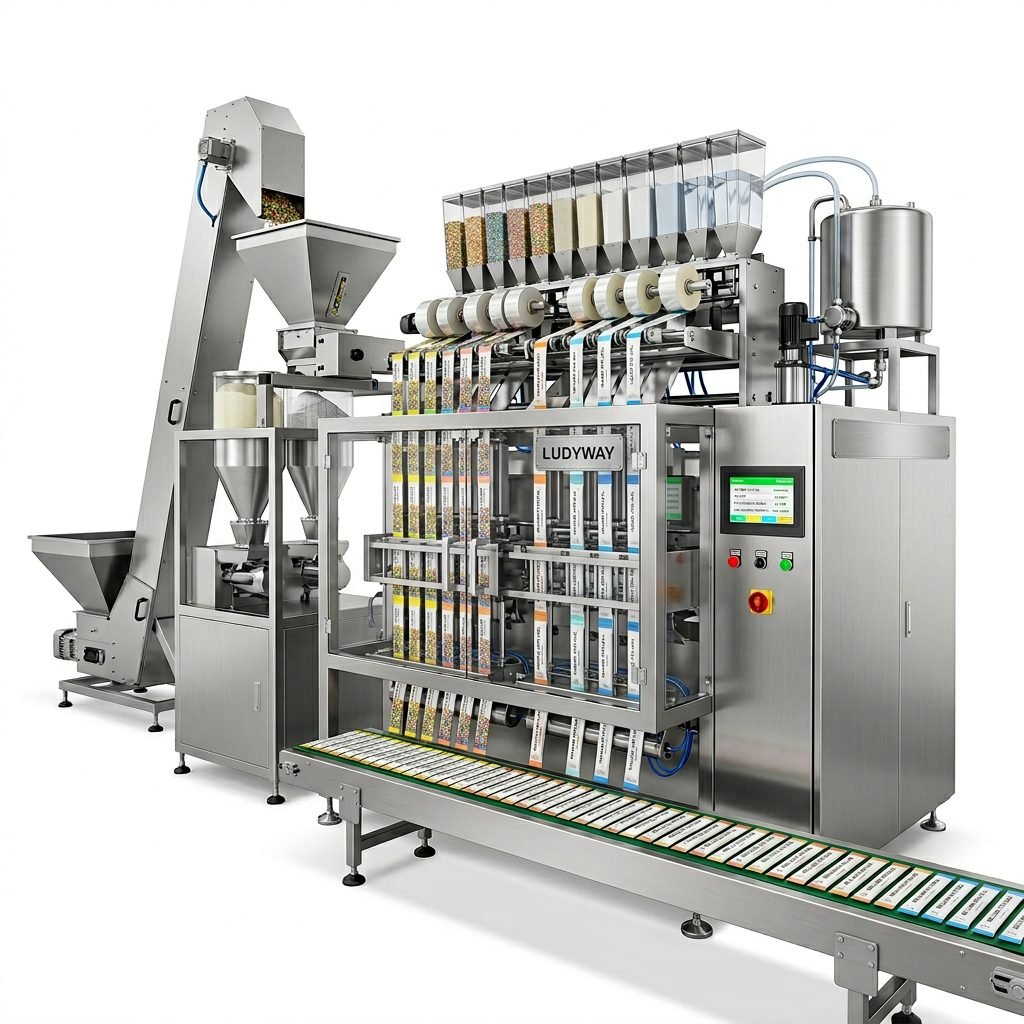
| Multi-Lane Stick Pack Machine | Single-serve tofu sauces, supplements | 200-600 packs/min | Low – stick, sachet |
Speed, Automation, and Line Integration
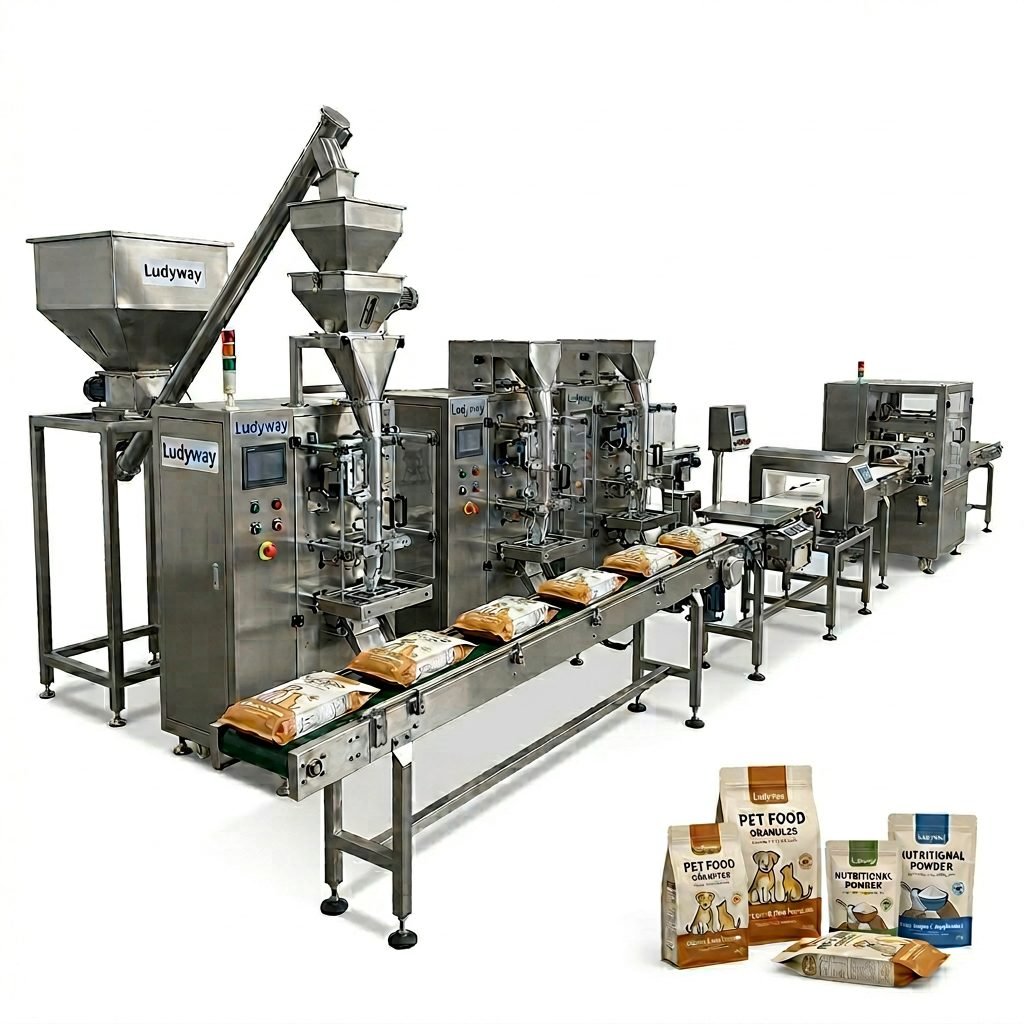
Production volume dictates the required speed class. A semi-automatic machine may be sufficient for small-batch artisanal tofu, while high-speed automated lines with servo-driven filling and vision inspection are necessary for international brands. Look for machines that can synchronize with upstream forming or cutting equipment and downstream checkweighers, metal detectors, and case packers. Integration capability reduces labor and error rates over time.
- Servo motors for precise dosing and film registration
- Automatic film splicing and tension control
- In-line checkweigher and X-ray inspection compatible interfaces
- Recipe management and quick changeover features for multiple SKU production
Hygiene and Sanitary Design Requirements
Food safety regulations require tofu packaging machinery to meet strict hygienic standards. Stainless steel construction (AISI 304 or 316L) is mandatory for all product contact surfaces. The machine should support CIP (clean-in-place) or rapid disassembly for thorough sanitation. Sloped surfaces, eliminated flat areas, and sealed bearings prevent bacterial harborage and protect product integrity. Refer to FDA food packaging regulations and ISO packaging standards for compliance guidance.
Material Compatibility and Sustainability
Tofu packaging film must provide oxygen and moisture barrier while maintaining seal integrity through brine or liquid residue. Multi-layer laminates with PE, EVOH, or aluminum foil are common. Today many manufacturers are transitioning to recyclable mono-materials or biodegradable films. Confirm that the machine’s sealing jaws, temperature profiles, and tension controls are validated for your exact film specifications. Running trials with your own film and product before purchase reduces the risk of poor seal performance.
Budget, Total Cost of Ownership, and ROI
Price is only one component. Evaluate total cost of ownership including spare parts, energy consumption, film waste rate, and maintenance contracts. A higher upfront investment in a robust, low-waste machine often delivers faster payback than a cheaper model with higher rejection rates. Calculate the cost per package over the expected machine lifetime rather than focusing solely on the purchase price.
Vendor Support and Customization Capacity
A machine supplier should offer more than equipment. Confirm that the vendor provides turnkey project management, installation, operator training, and responsive after-sales service. For unique tofu shapes or new packaging concepts, customization capability is essential. Companies like Ludyway Machinery, a China-based packaging machinery manufacturer with over 30 years of experience, deliver customized tofu packaging lines designed around specific product and production goals. Evaluate the vendor’s track record in food applications and their ability to scale with your business.
Key Questions to Ask Before Purchasing
- What is the maximum speed with my actual product and film?
- Can the machine handle multiple bag sizes without extensive change parts?
- Is the machine compatible with my cleaning protocols and plant layout?
- What level of after-sales support is available in my region?
- Are there reference installations in similar tofu or food applications?