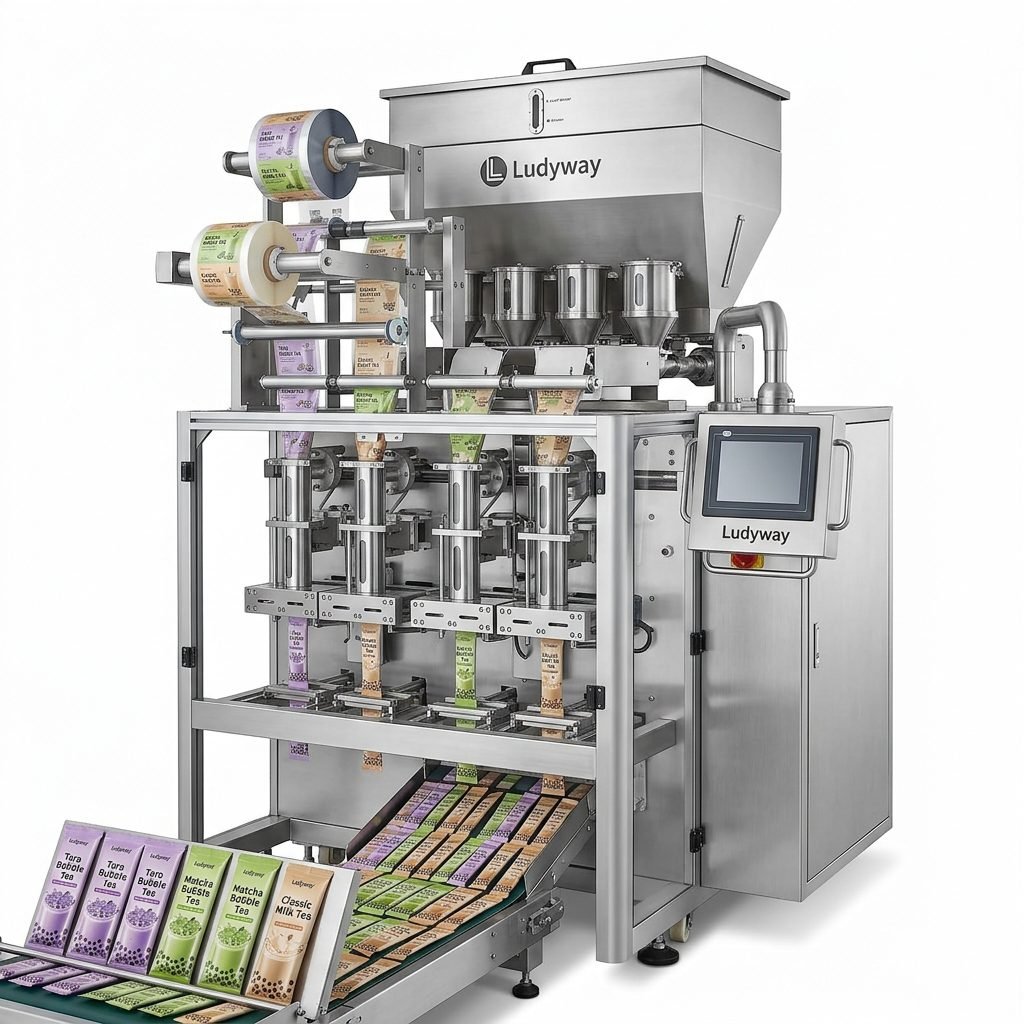
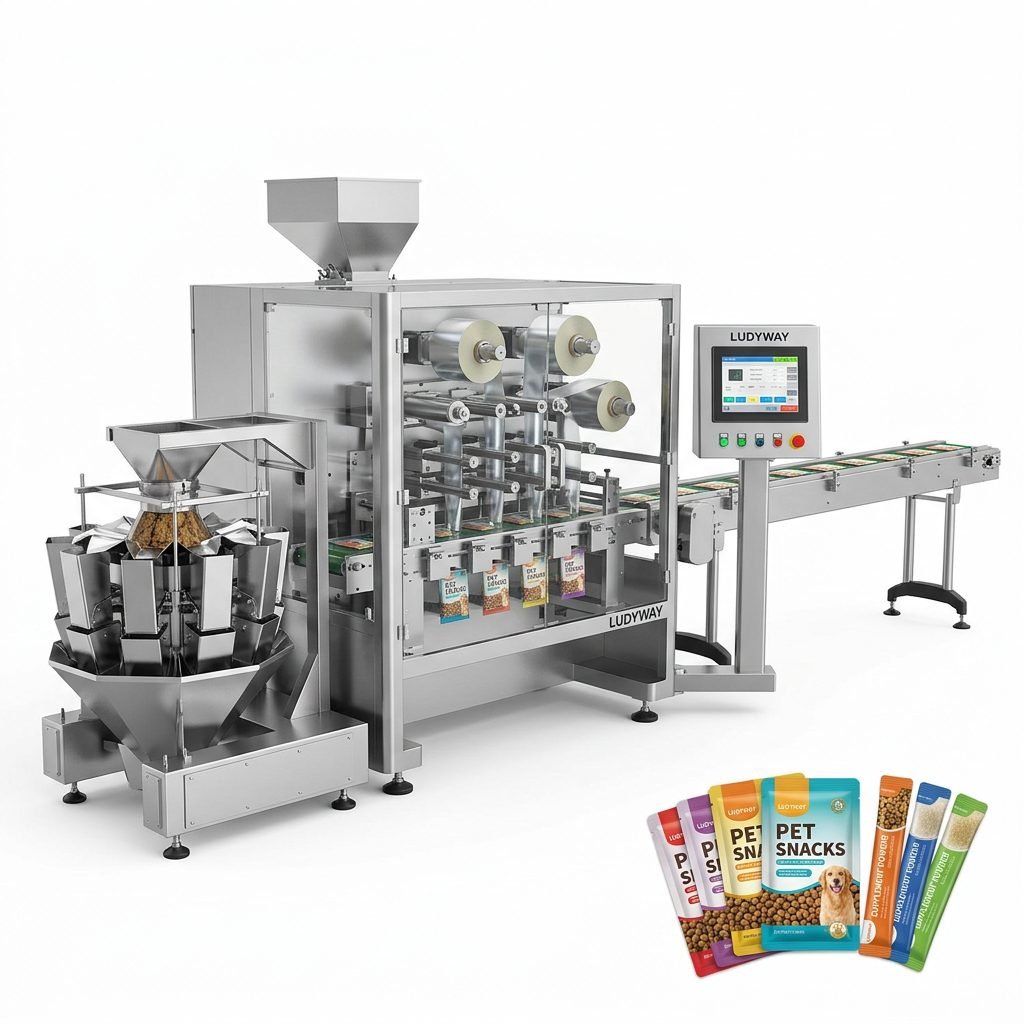
Peanut products come in many forms: whole peanuts, roasted peanuts, coated peanuts, peanut granules, and peanut powder. Because of that, peanut packing machine price can vary widely depending on the product type, package format, output target, and automation level. For buyers, the smartest approach is not to search for the cheapest machine first, but to choose the machine that fits your product, factory capacity, and long-term growth plan.
If you are planning to invest in peanut packaging equipment, this guide will help you understand what affects price, what machine type you may need, and how to compare suppliers without making a costly mistake.
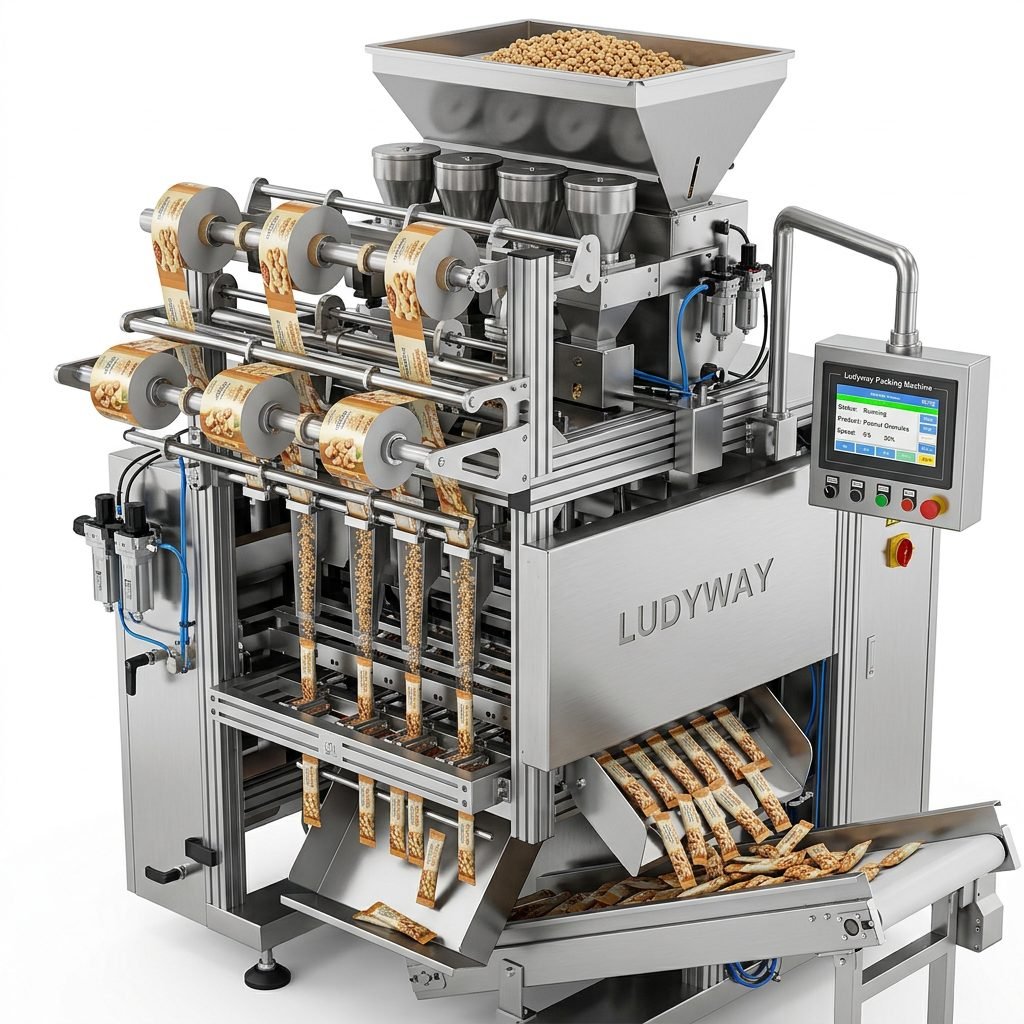
Why Peanut Packing Machine Prices Differ So Much
Many buyers are surprised when one supplier quotes a few thousand dollars while another offers a much higher figure for what seems to be a similar machine. In reality, peanut packaging machines are rarely identical. Pricing depends on several technical and commercial factors.
- Product form: whole peanuts, peanut kernels, peanut powder, peanut butter, or mixed nut products require different feeding and filling systems.
- Bag type: pillow bags, gusset bags, premade pouches, sachets, stick packs, and vacuum packs all use different machine structures.
- Output speed: low-speed semi-automatic machines cost much less than high-speed fully automatic lines.
- Weighing accuracy: higher precision usually means better weighing heads, servo control, and more stable performance.
- Material contact parts: food-grade stainless steel, dust-proof design, and easy-clean structures add value and cost.
- Extra systems: nitrogen flushing, metal detection, date coding, checkweighing, conveyors, and cartoning increase total investment.
- Customization: machines tailored for fragile roasted peanuts, oily products, or multi-size bags usually cost more than standard units.
Typical Peanut Packing Machine Price Range
The table below gives a practical overview of common pricing levels. Actual prices may vary by configuration, country, electrical standards, and optional accessories.
| Machine Type | Suitable Peanut Product | Estimated Price Range | Best For |
|---|---|---|---|
| Semi-automatic weighing and sealing machine | Whole peanuts, coated peanuts, peanut snacks | US$3,000–US$8,000 | Small businesses and startups |
| Vertical form fill seal machine | Granules, roasted peanuts, snack packs | US$8,000–US$25,000 | Medium production lines |
| Premade pouch packing machine | Stand-up pouches, zipper bags | US$15,000–US$45,000 | Retail-ready premium packaging |
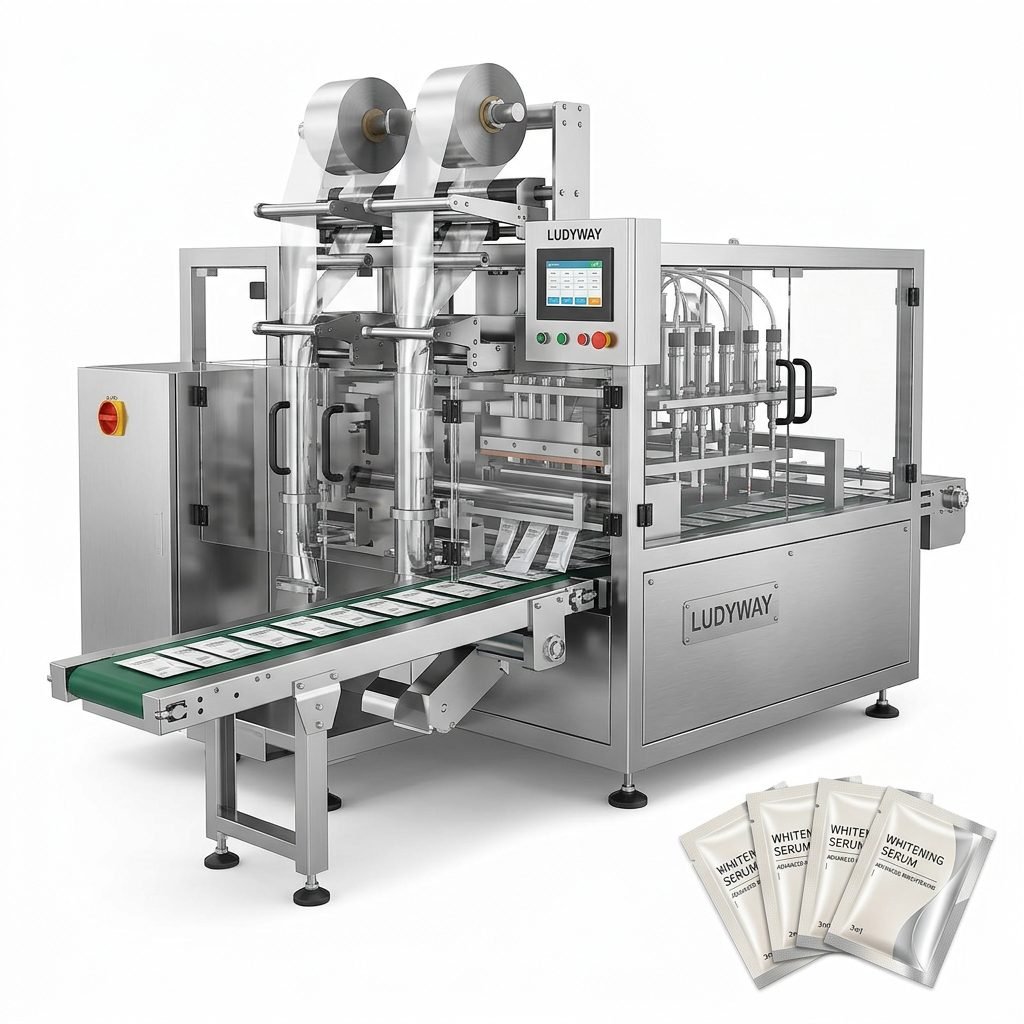
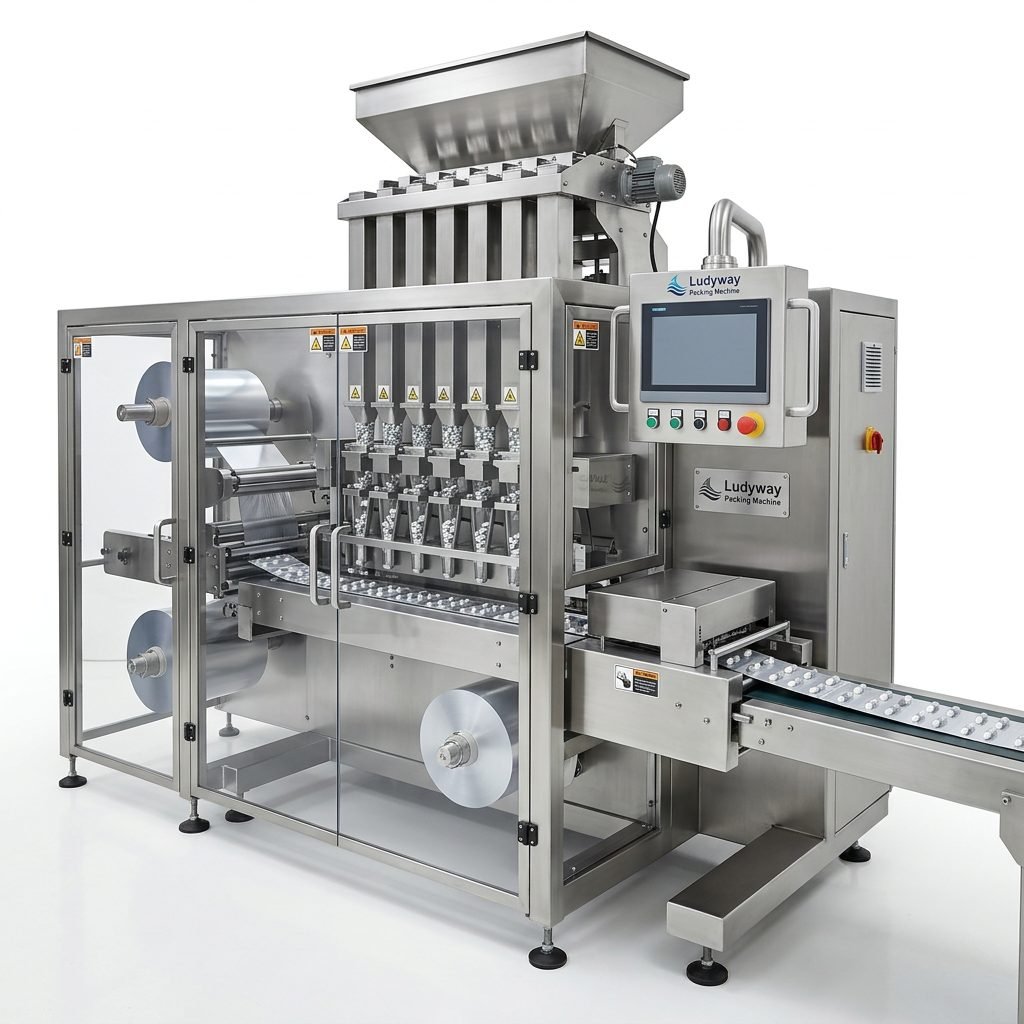
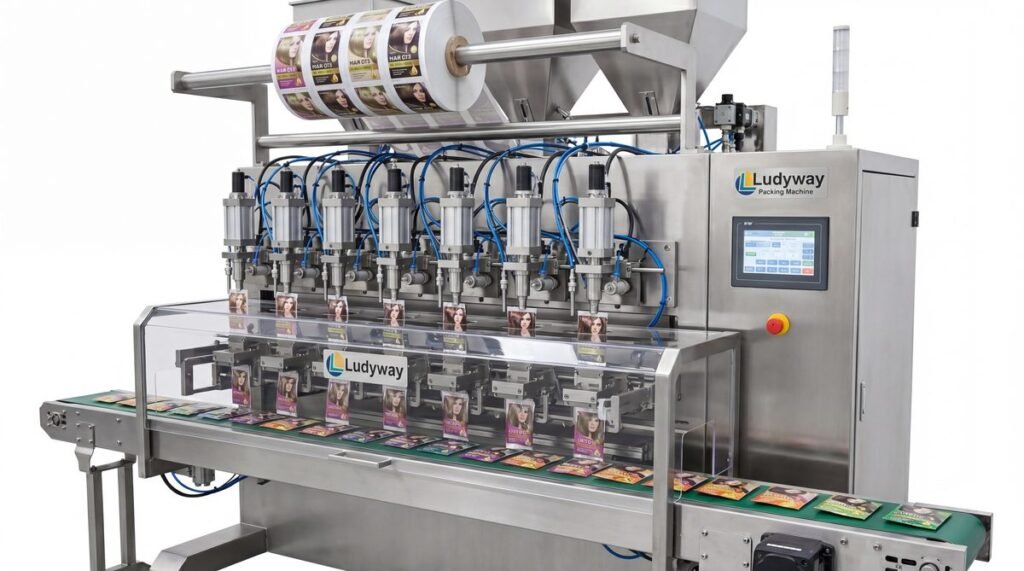
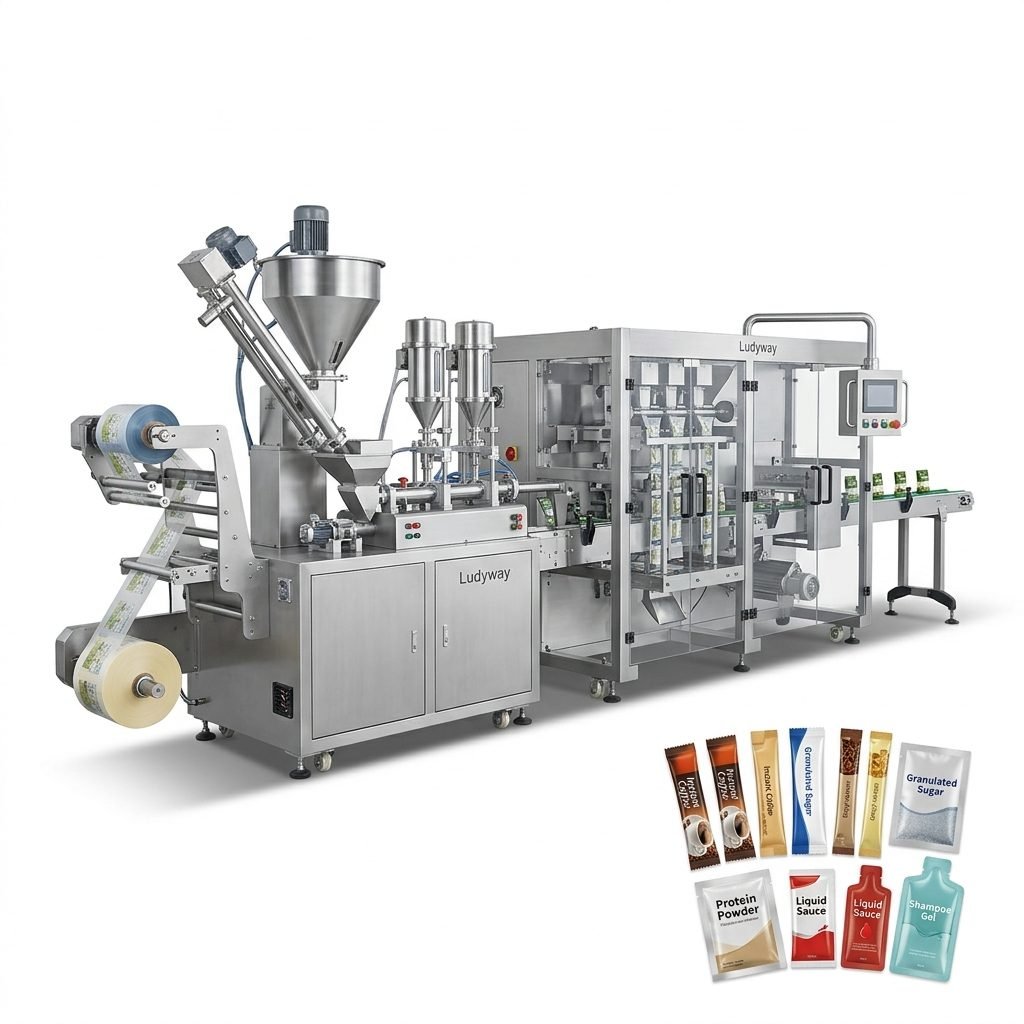
| Multi-lane sachet or stick pack machine | Peanut powder, peanut seasoning mix | US$18,000–US$60,000+ | High-speed small-dose packaging |
| Fully integrated automatic packaging line | Large-scale peanut production | US$50,000–US$200,000+ | Factories seeking full automation |
Choose the Machine Based on Peanut Product Type
A common purchasing mistake is asking for a “peanut packing machine” without defining the product clearly. The right machine for roasted whole peanuts is not the same as the right machine for peanut powder or peanut butter.
1. Whole or Roasted Peanuts
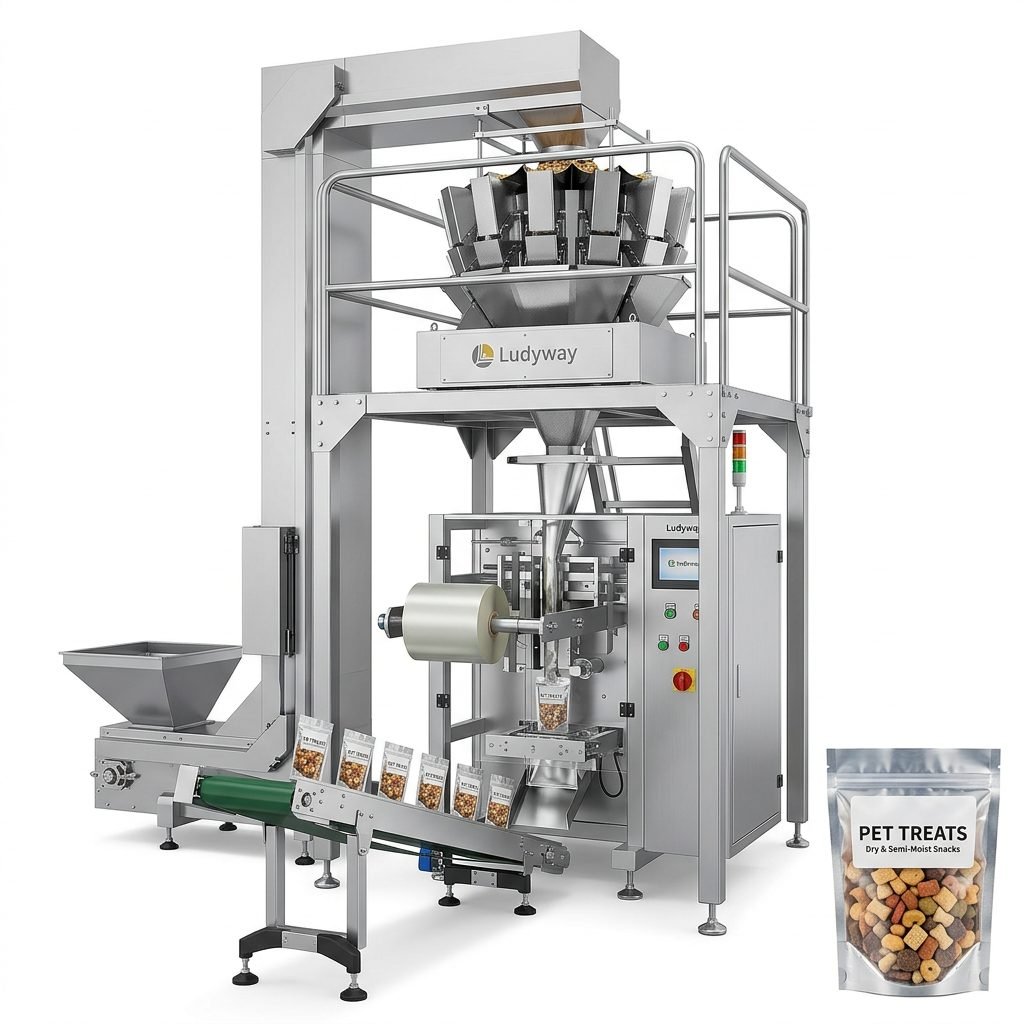
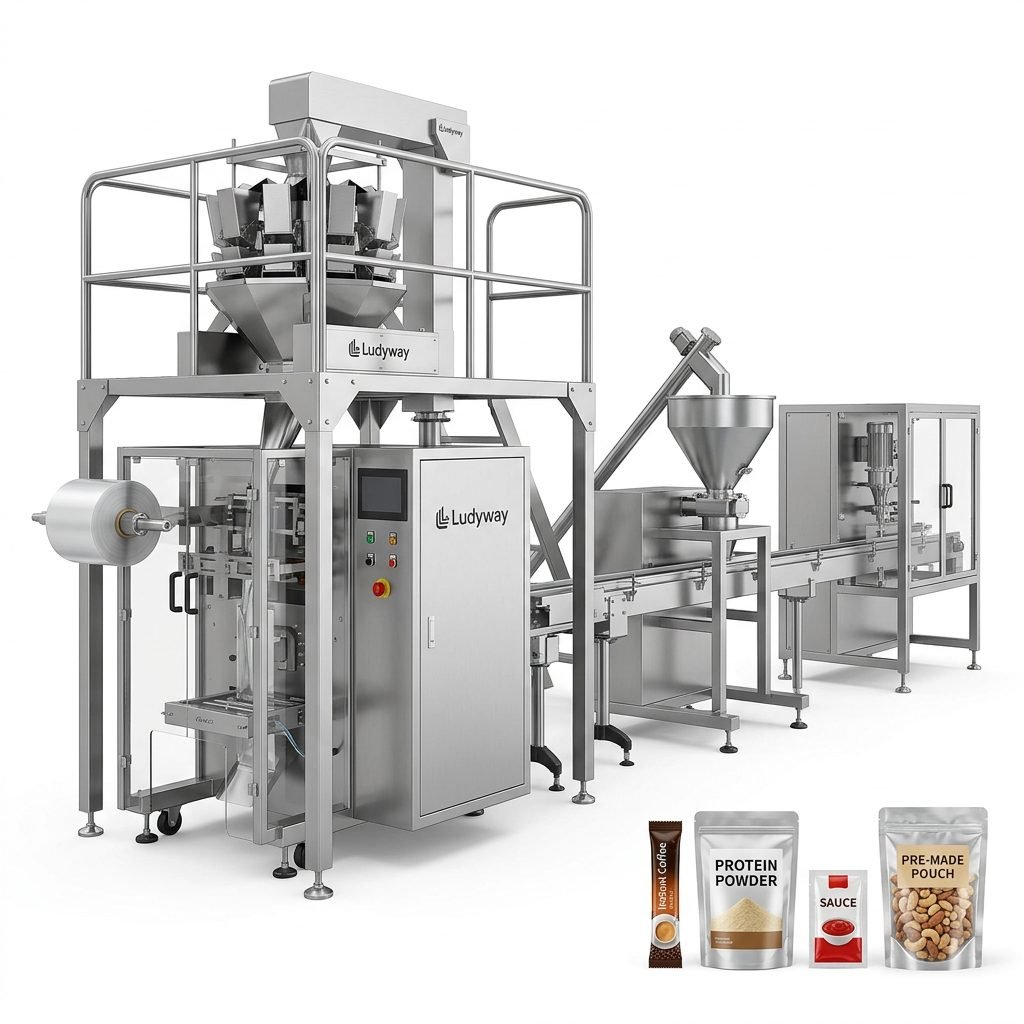
For solid peanuts, the usual solution is a multihead weigher with a vertical packaging machine or a premade pouch machine. This setup offers good speed and accurate weighing while reducing product breakage.
2. Peanut Granules or Crushed Peanut Mix
Granular products require stable feeding and precise dosing. If your product flows well, a vertical machine or multi-lane system may work efficiently for small retail packs.
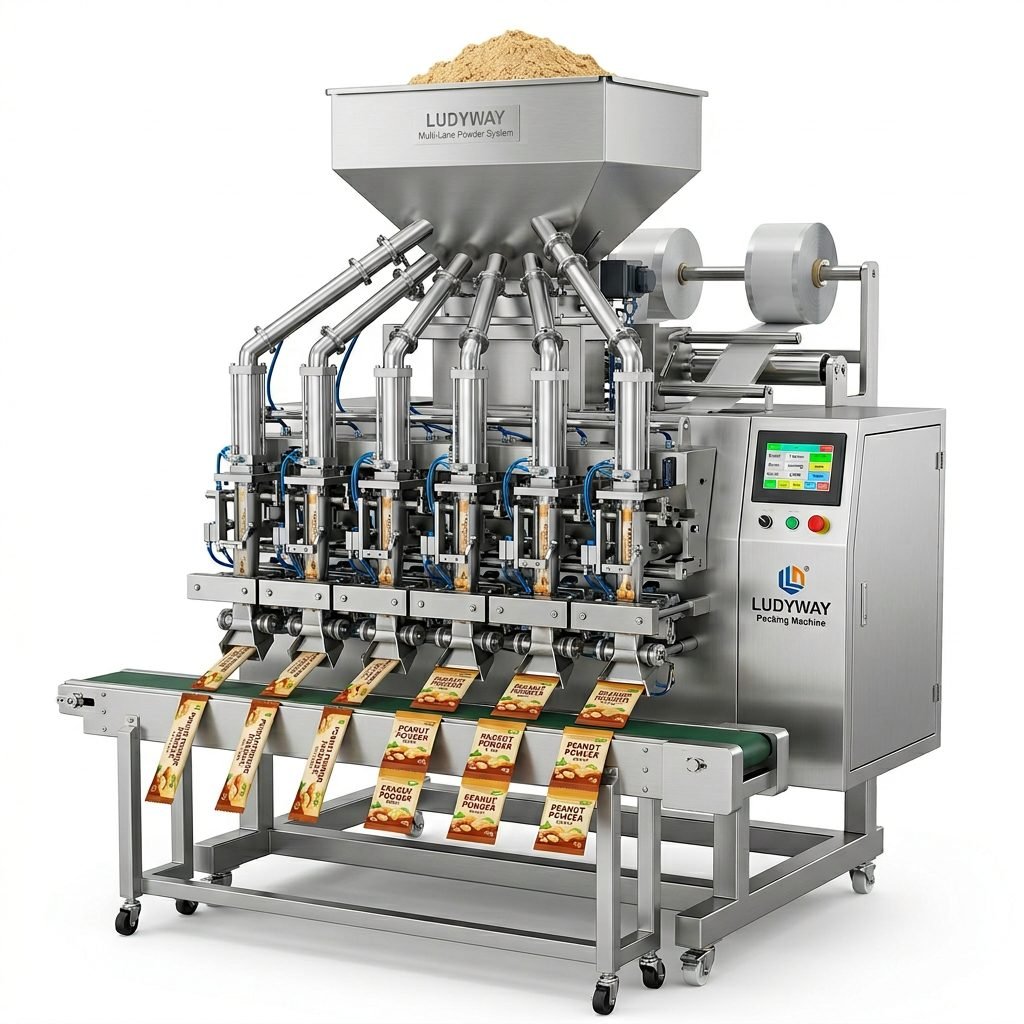
3. Peanut Powder
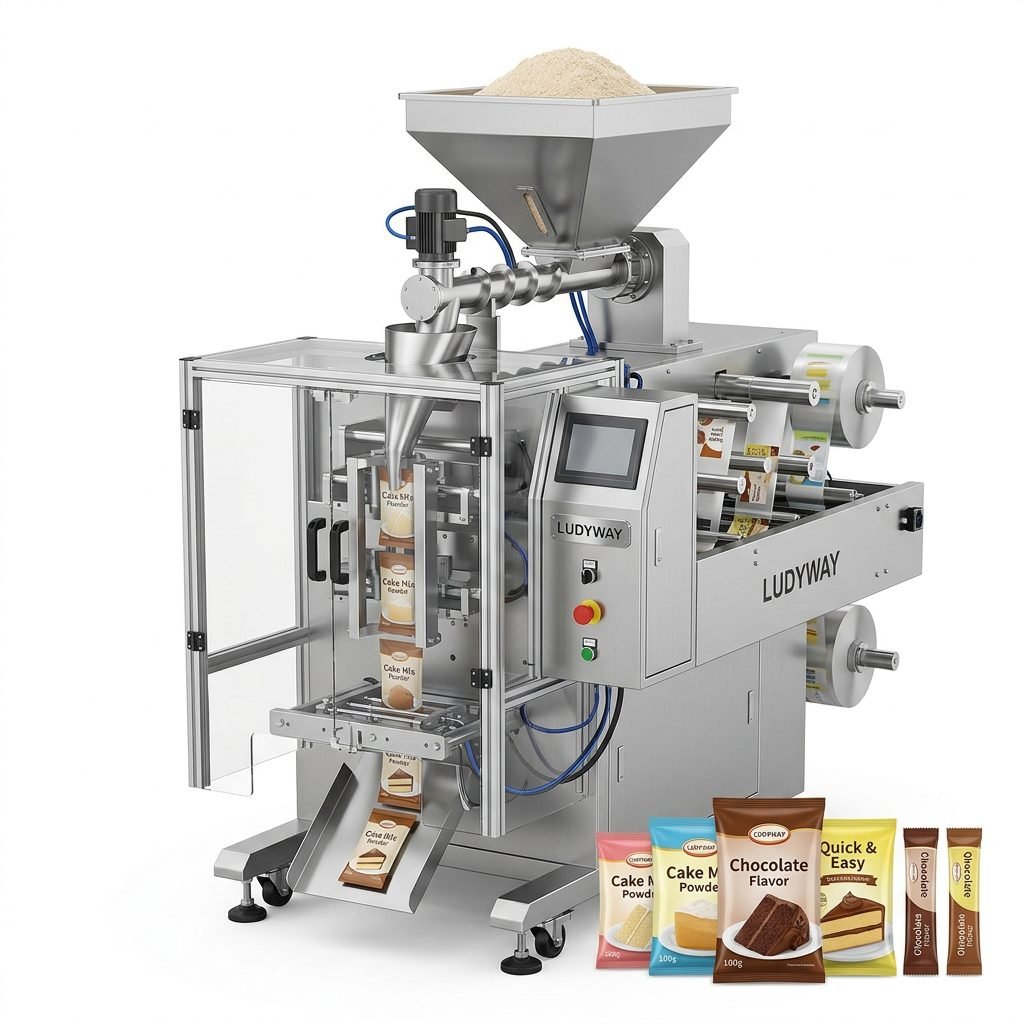
Peanut powder needs an auger filling system to ensure consistent dosing. Dust control, sealing quality, and anti-bridging design become especially important. In this category, machine price is often higher than for standard granule packaging.
4. Peanut Butter or Paste Products
Peanut butter packaging requires liquid or paste filling machines with anti-drip nozzles, heated hoppers if needed, and high sealing reliability. This is a different equipment category from dry peanut packing machines.
Key Factors to Compare Before You Buy
Packaging Speed
Think in terms of your real daily output, not only maximum machine speed shown in a brochure. A machine rated for high speed may run slower in actual production depending on product flow, bag size, and operator skill.
Bag Size Flexibility
If you plan to sell multiple pack sizes, confirm the machine’s adjustment range. Some low-cost machines are attractive initially but have limited flexibility, which can become expensive later.
Accuracy and Product Waste
A lower machine price does not always mean a lower total cost. If filling accuracy is poor, product giveaway and rejected bags can quickly increase operating expense.
Cleaning and Maintenance
Peanut products often contain oil, fine particles, or coatings. Choose a structure that allows quick cleaning and convenient access to contact parts. This matters for hygiene, labor cost, and machine uptime.
Upgrade Potential
If your business is growing, choose a system that can later connect with conveyors, metal detectors, checkweighers, case packers, or palletizing systems.
Low Price vs. High Value: What Really Saves Money?
The most economical choice is often the machine that gives stable performance over several years, not the one with the lowest upfront quotation. When comparing offers, evaluate the full cost of ownership:
- Initial machine price
- Shipping and import costs
- Installation and training
- Production efficiency
- Downtime risk
- Spare parts availability
- After-sales technical support
- Future expansion capability
A slightly higher-priced machine with better accuracy and stronger support can often deliver a faster return on investment.
Questions to Ask a Supplier Before Requesting a Quote
To get an accurate price, provide clear technical information. This helps suppliers recommend the right configuration and avoids vague quotations.
| Question | Why It Matters |
|---|---|
| What peanut product are you packing? | Determines filling method and machine type |
| What is your target bag size and weight? | Affects forming system, weighing range, and speed |
| How many bags per minute do you need? | Defines automation level and machine model |
| Do you need pillow bags, zipper pouches, or sachets? | Impacts machine structure and price range |
| Do you need nitrogen flushing or date coding? | Adds optional modules and affects final quotation |
| Will the machine run one shift or multiple shifts? | Helps determine durability requirements |
When a Turnkey Packaging Line Makes More Sense
If your business is moving beyond standalone equipment, a turnkey packaging line may be a better investment. This is especially true for medium and large peanut processors that want to improve labor efficiency, consistency, and packaging throughput.
A complete line may include:
- Product feeding system
- Multihead weigher or auger filler
- Packaging machine
- Metal detector or checkweigher
- Finished bag conveyor
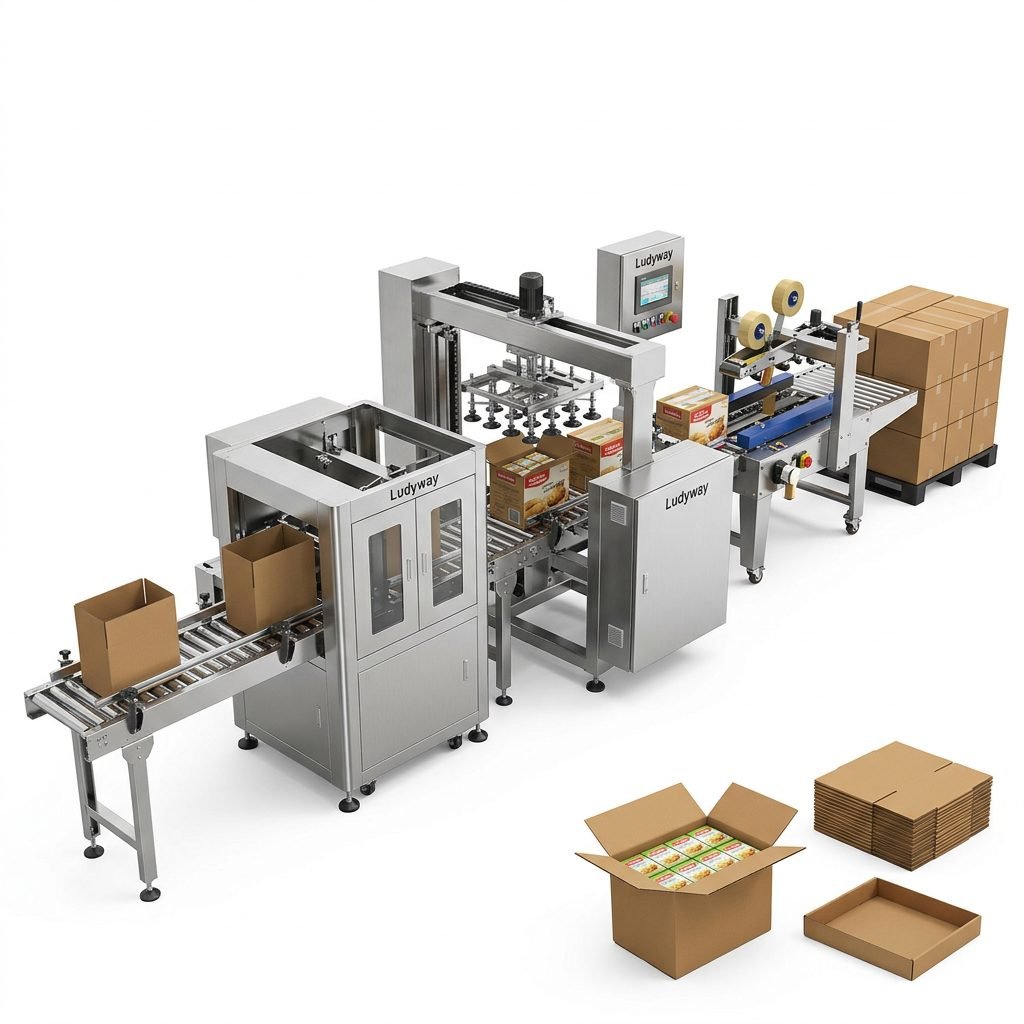
- Cartoning or case packing system
- Palletizing solution
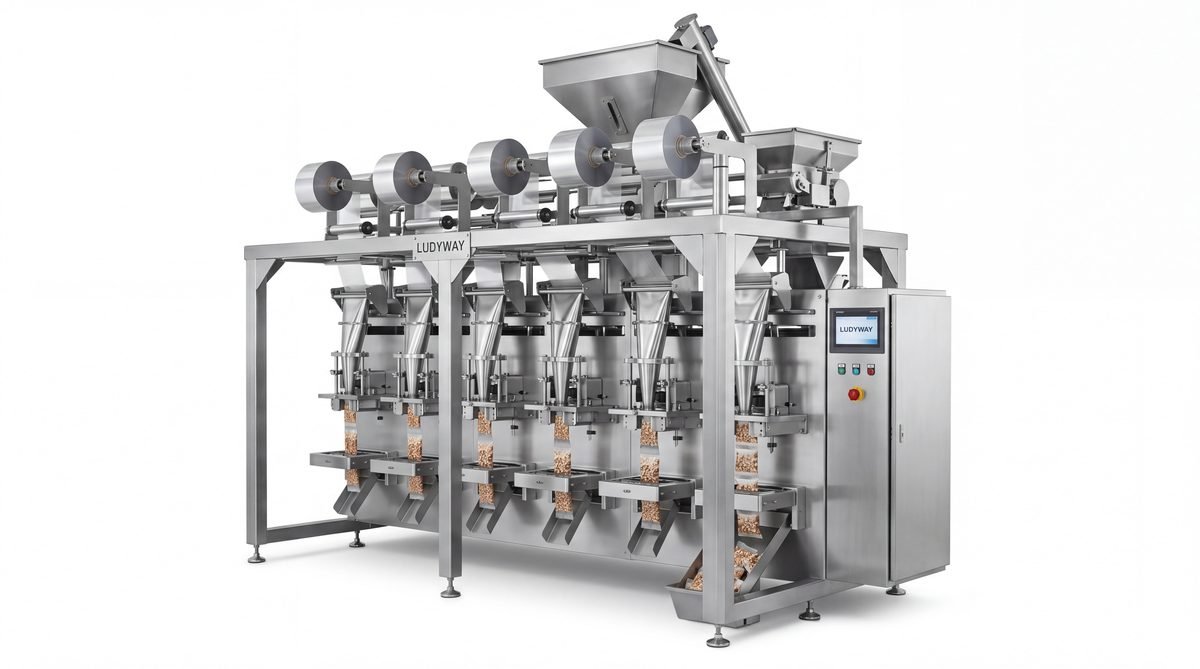
For businesses looking for a scalable supplier, Ludyway peanut packing machine solutions can support both standalone machines and turnkey packaging line projects across food, pharmaceutical, supplement, and related industries.
Red Flags to Avoid When Comparing Peanut Packing Machines
- Quoted price is extremely low but details are unclear
- No explanation of filling accuracy or speed under real conditions
- No videos, testing process, or sample bag proof
- Weak after-sales support or limited spare parts service
- Machine material and electrical components are not specified
- No discussion of your product’s oil content, fragility, or flowability
How to Choose the Right Machine for Your Business Size
For Startups
Start with a compact and reliable semi-automatic or entry-level automatic machine if your order volume is still developing. Focus on affordability, ease of operation, and stable output.
For Growing Brands
A vertical automatic packing machine or premade pouch machine is usually the best balance between investment and productivity. Choose a model that can handle several bag sizes and support future upgrades.
For Large Factories
High-speed automatic lines with integrated inspection and end-of-line systems usually provide the best long-term value. The upfront price is higher, but labor savings and output efficiency can be significant.
Final Buying Tip
The right peanut packing machine is the one that matches your product characteristics, packaging style, output goal, and growth plan. Instead of asking only “What is the peanut packing machine price?”, ask “What machine can package my peanut product efficiently, consistently, and profitably?”
Once you define your peanut type, bag format, weight range, and target speed, comparing quotations becomes much easier—and much more meaningful.