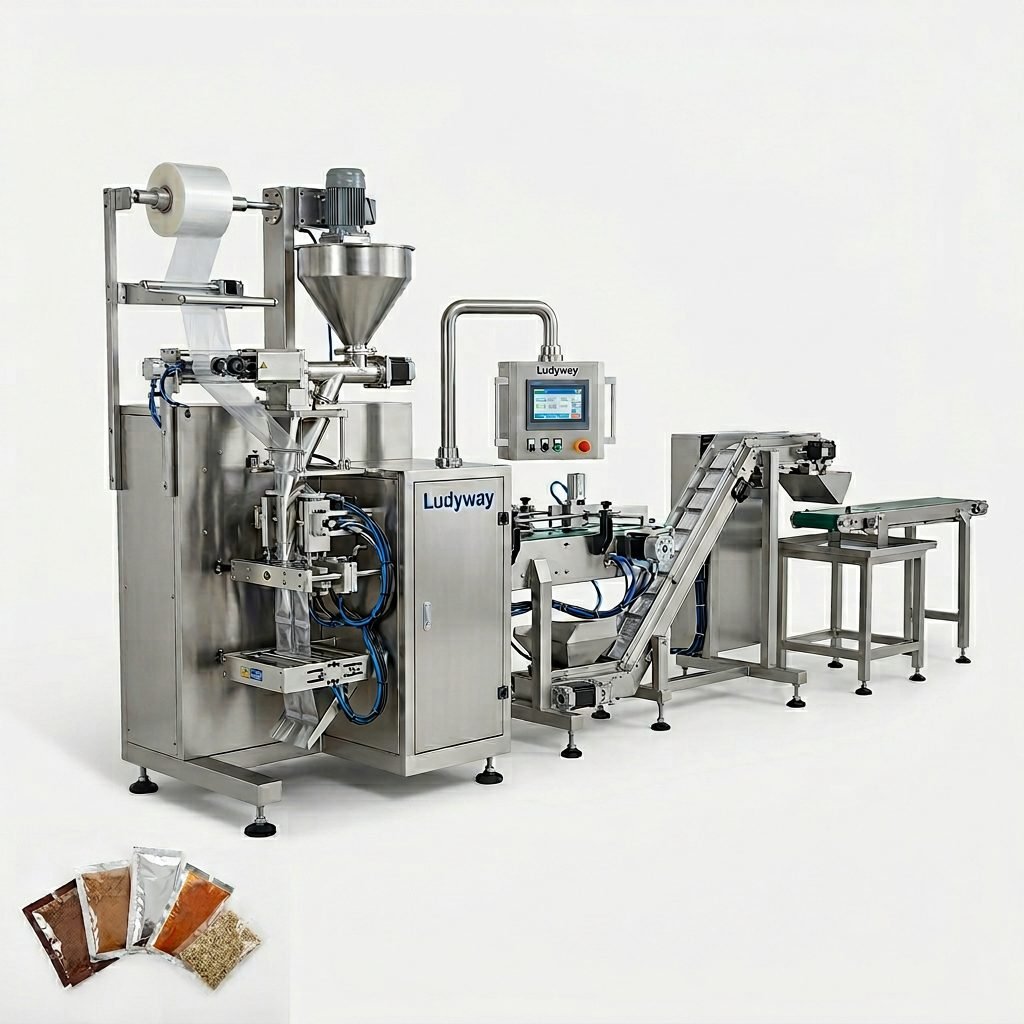
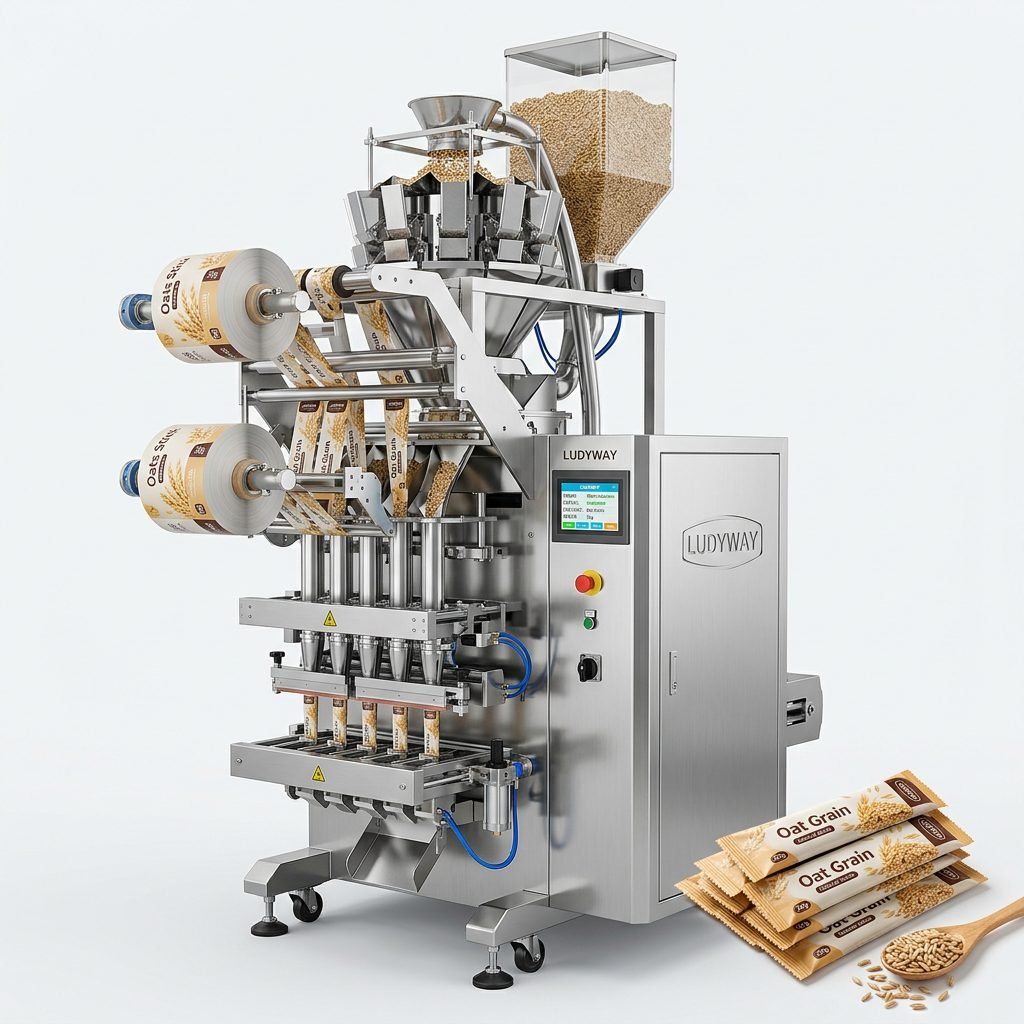
Investing in a CNC packaging machine is a strategic decision that directly impacts production efficiency, product quality, and long-term operational costs. Whether you are upgrading an existing packaging line or building a new facility, choosing the right equipment requires a thorough understanding of your product characteristics, production goals, and technical requirements. This guide walks you through the essential factors to evaluate before making a purchase, helping you select a packaging solution that aligns with your manufacturing needs.
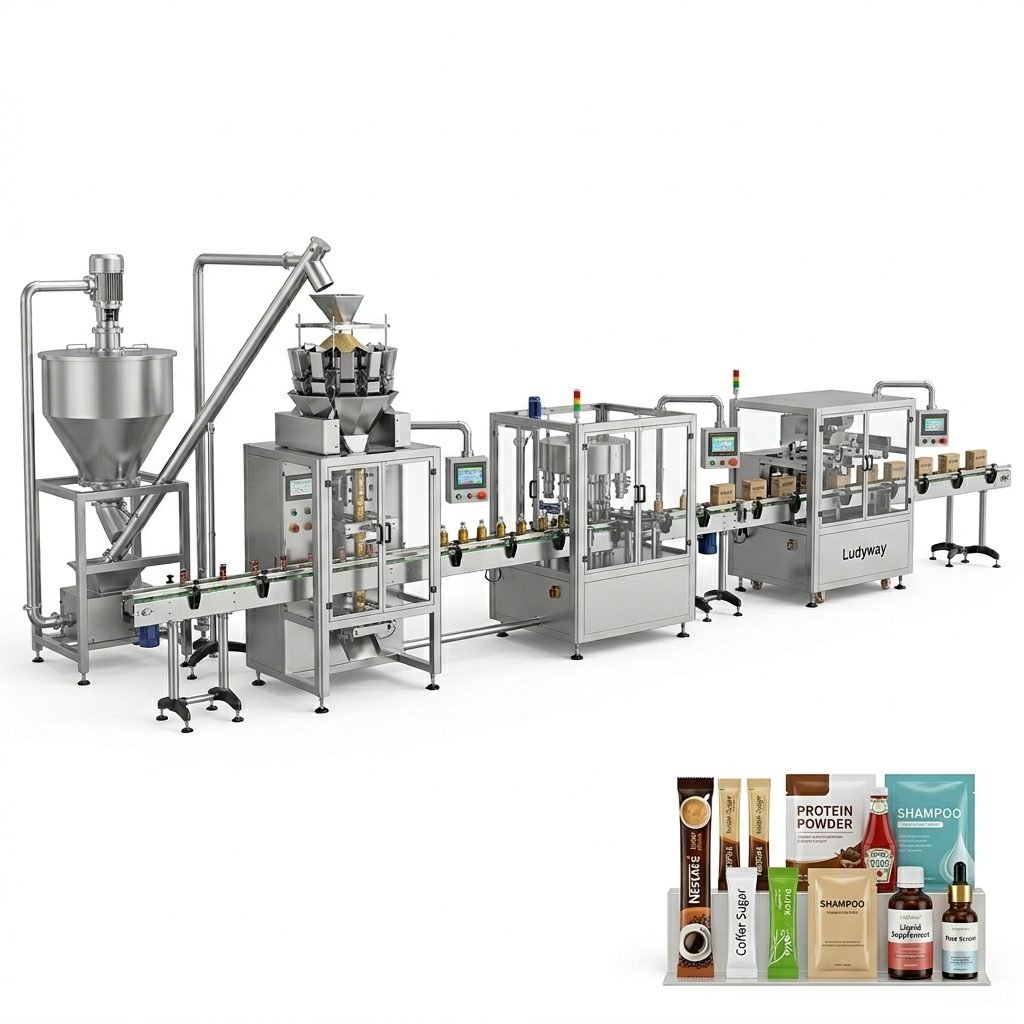
Understanding CNC Packaging Machine Types and Applications
Modern packaging machinery spans a wide spectrum of configurations, each designed for specific product types, packaging formats, and production environments. Understanding these categories is the first step toward narrowing down your options.
By Packaging Format
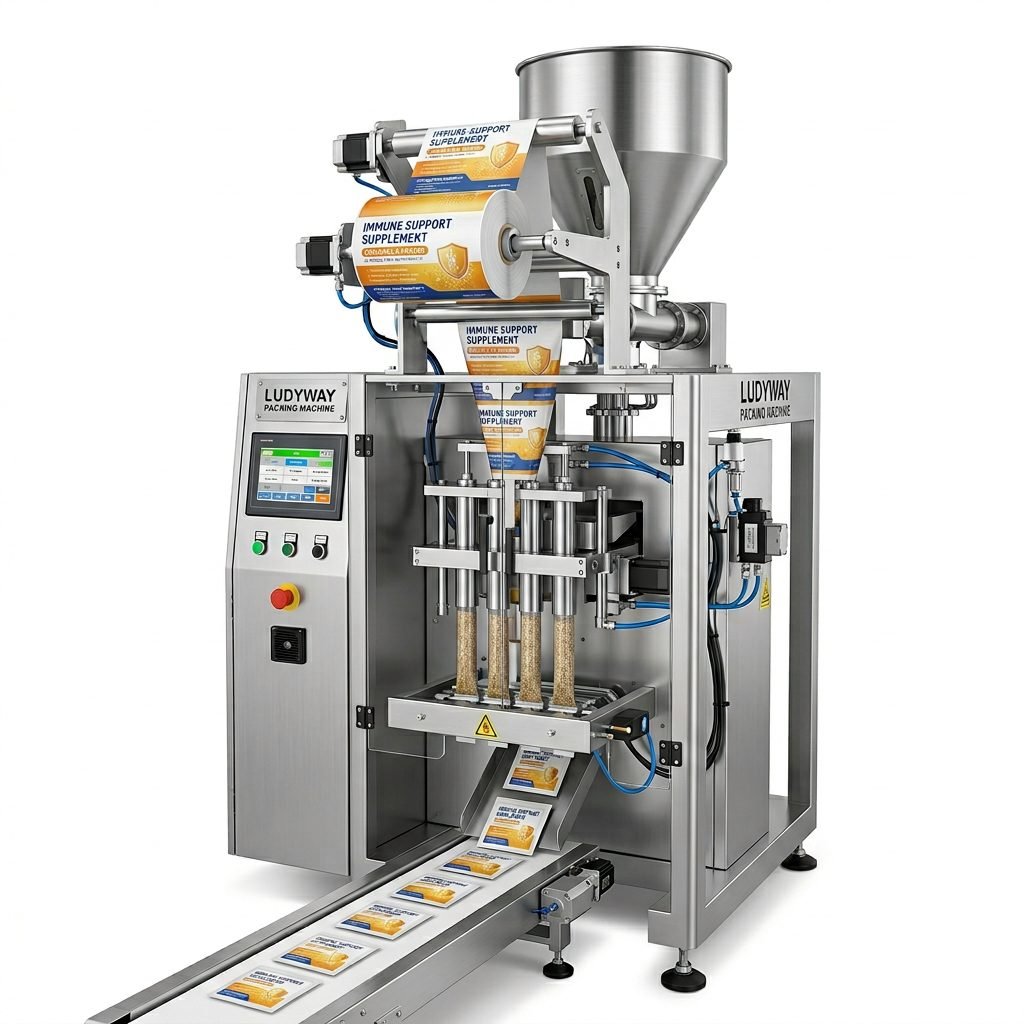
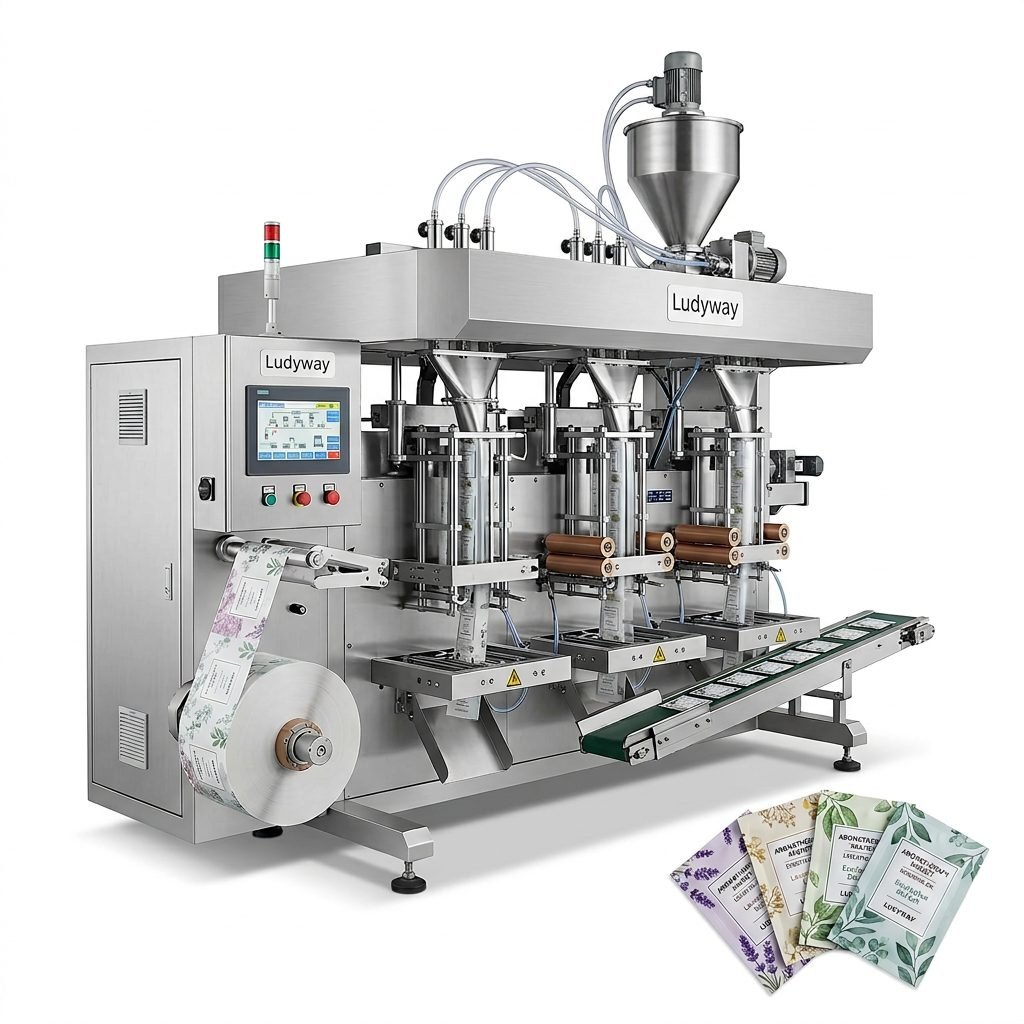
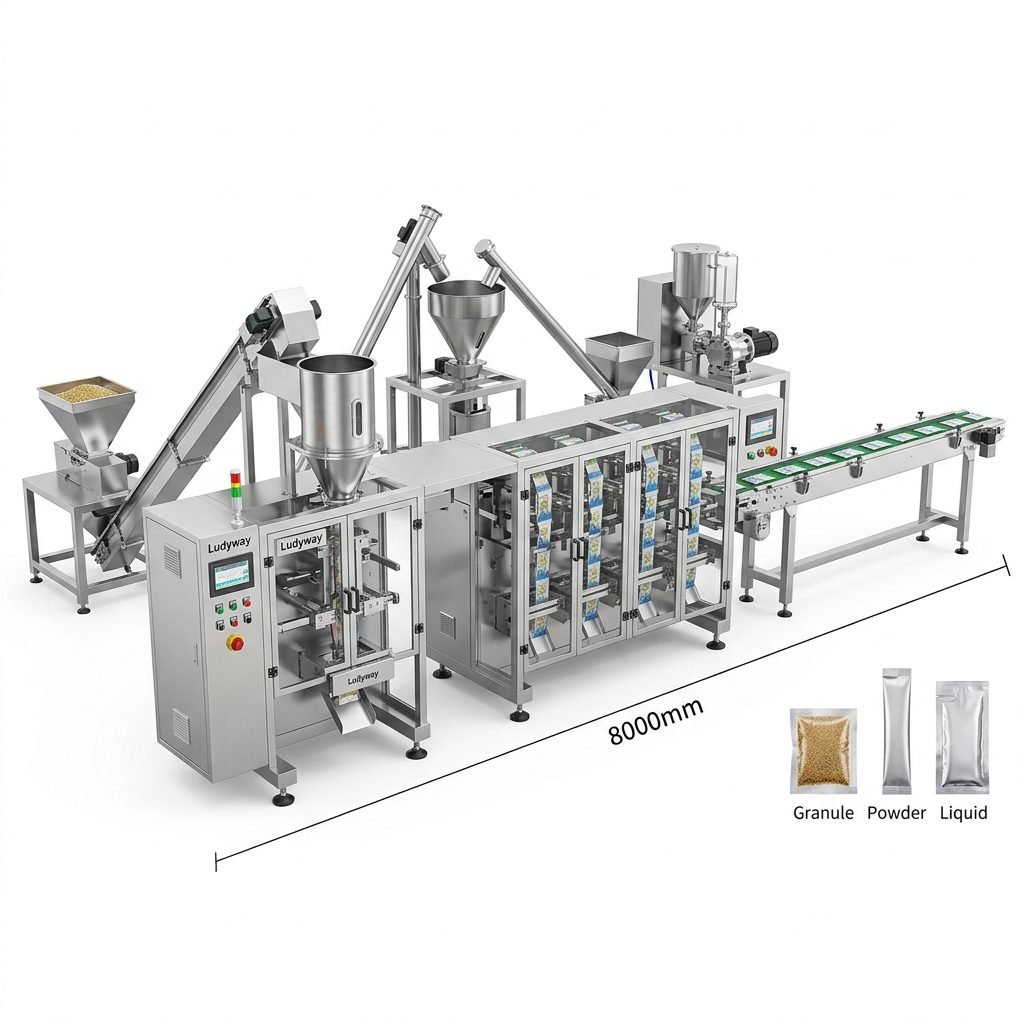
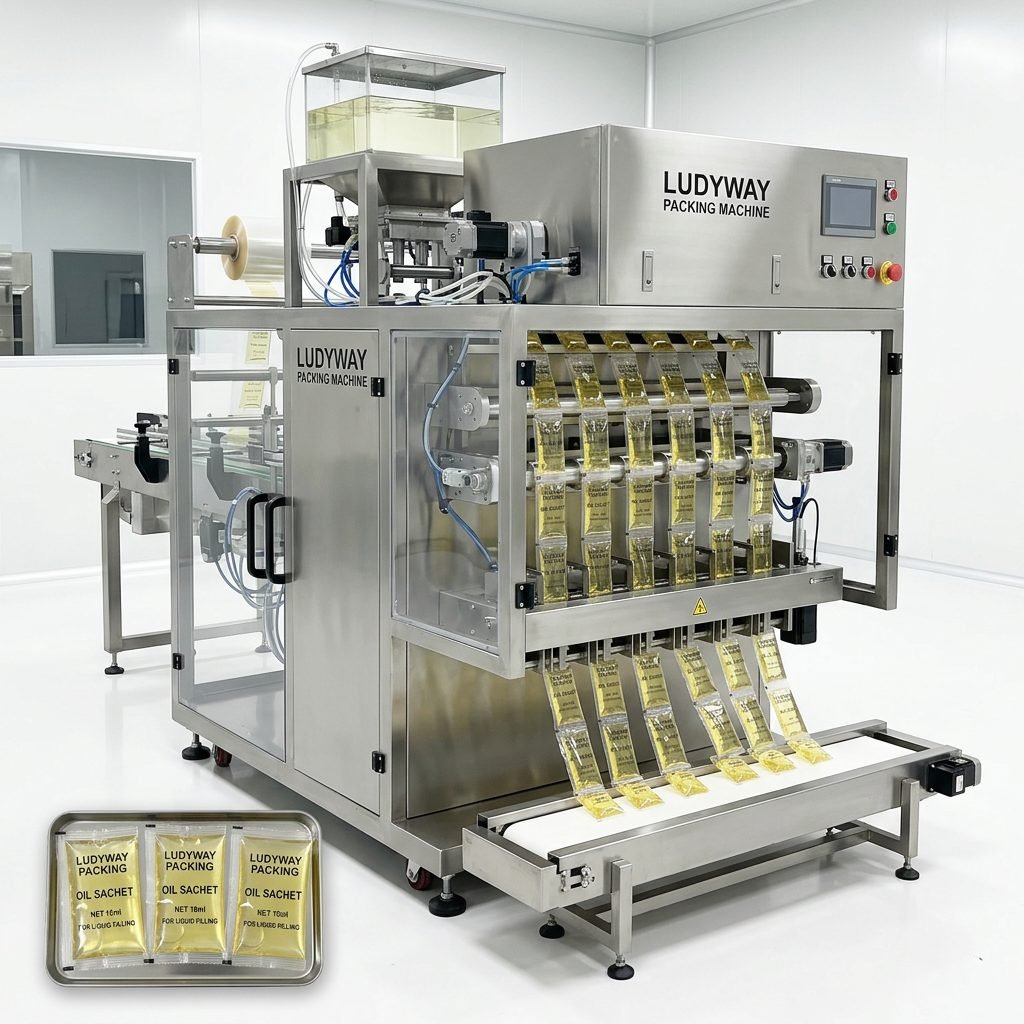
- Sachet and Stick Pack Machines: Ideal for single-serve portions of powders, granules, and liquids. Common in food, pharmaceutical, and personal care industries. Multi-lane configurations can significantly boost throughput.
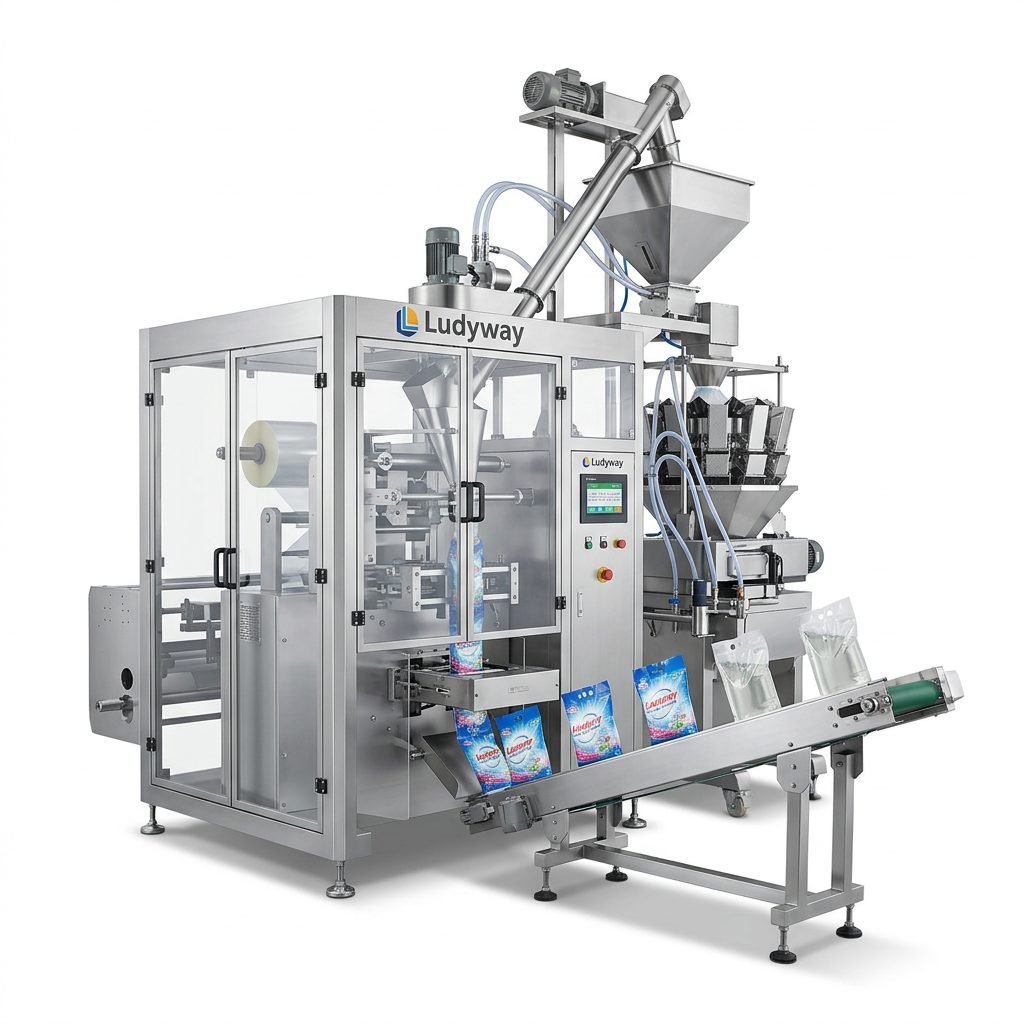
- Pouch Packaging Machines: Suitable for larger volumes and products requiring flexible packaging formats, including stand-up pouches, zipper pouches, and spout pouches.
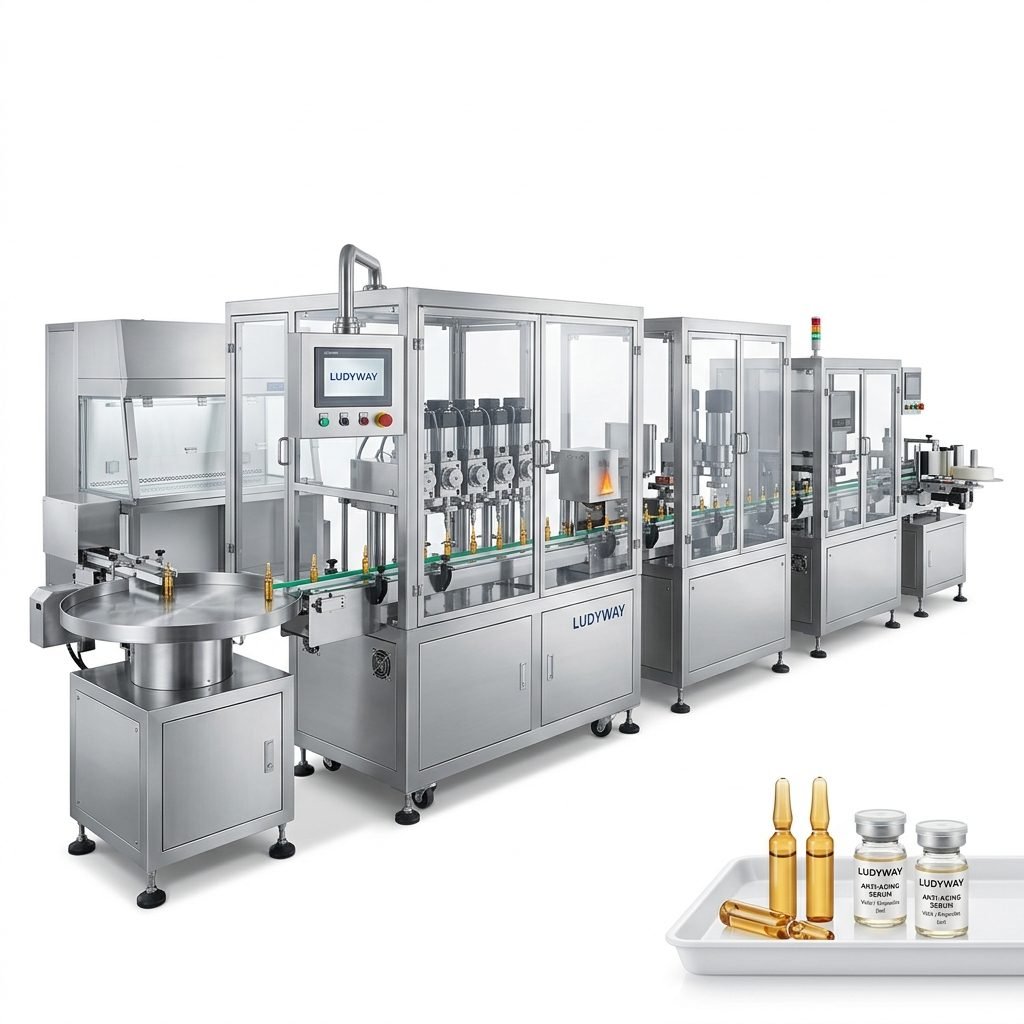
- Bottle and Container Filling Lines: Designed for liquid products such as beverages, cosmetics, and chemicals, with options for capping, labeling, and coding integration.
- Bulk Bagging Systems: Heavy-duty equipment for 10kg, 25kg, or 50kg bags, commonly used in agriculture, chemical, and construction material industries.
By Product Type
Packaging equipment must be matched to the physical properties of your product. Key considerations include:
- Powders: Require precise dosing systems to manage density variations, dust control, and flow characteristics. Look for machines with auger fillers or volumetric dosing.
- Granules: Free-flowing materials benefit from multi-head weighers and high-speed filling stations. Particle size uniformity affects filling accuracy.
- Liquids and Pastes: Viscosity determines the appropriate filling mechanism — piston fillers, peristaltic pumps, or gravity-based systems each serve different ranges.
Key Technical Specifications to Evaluate
Once you have identified the general machine category, dive into the specifications that determine real-world performance. The following table summarizes critical parameters to compare across different models:
| Specification | What to Look For | Why It Matters |
|---|---|---|
| Production Speed | Pouches/bags per minute; lanes configuration | Directly affects throughput and ability to meet order volumes |
| Filling Accuracy | Tolerance range (± grams or percentage) | Impacts product consistency, regulatory compliance, and material waste |
| Bag Size Range | Minimum and maximum dimensions supported | Ensures compatibility with current and future packaging formats |
| Material Compatibility | Supported film types, thickness, and sealing properties | Prevents sealing failures and packaging material waste |
| Automation Level | Manual, semi-automatic, or fully automatic with PLC control | Determines labor requirements and integration capabilities |
| Changeover Time | Minutes required to switch between products or formats | Affects production flexibility and downtime costs |
Automation and Control Systems
The level of automation in a CNC packaging machine determines how seamlessly it integrates into your production workflow. Modern systems often feature PLC-controlled interfaces with touchscreen operation, recipe storage, and remote diagnostics. When evaluating automation capabilities, consider:
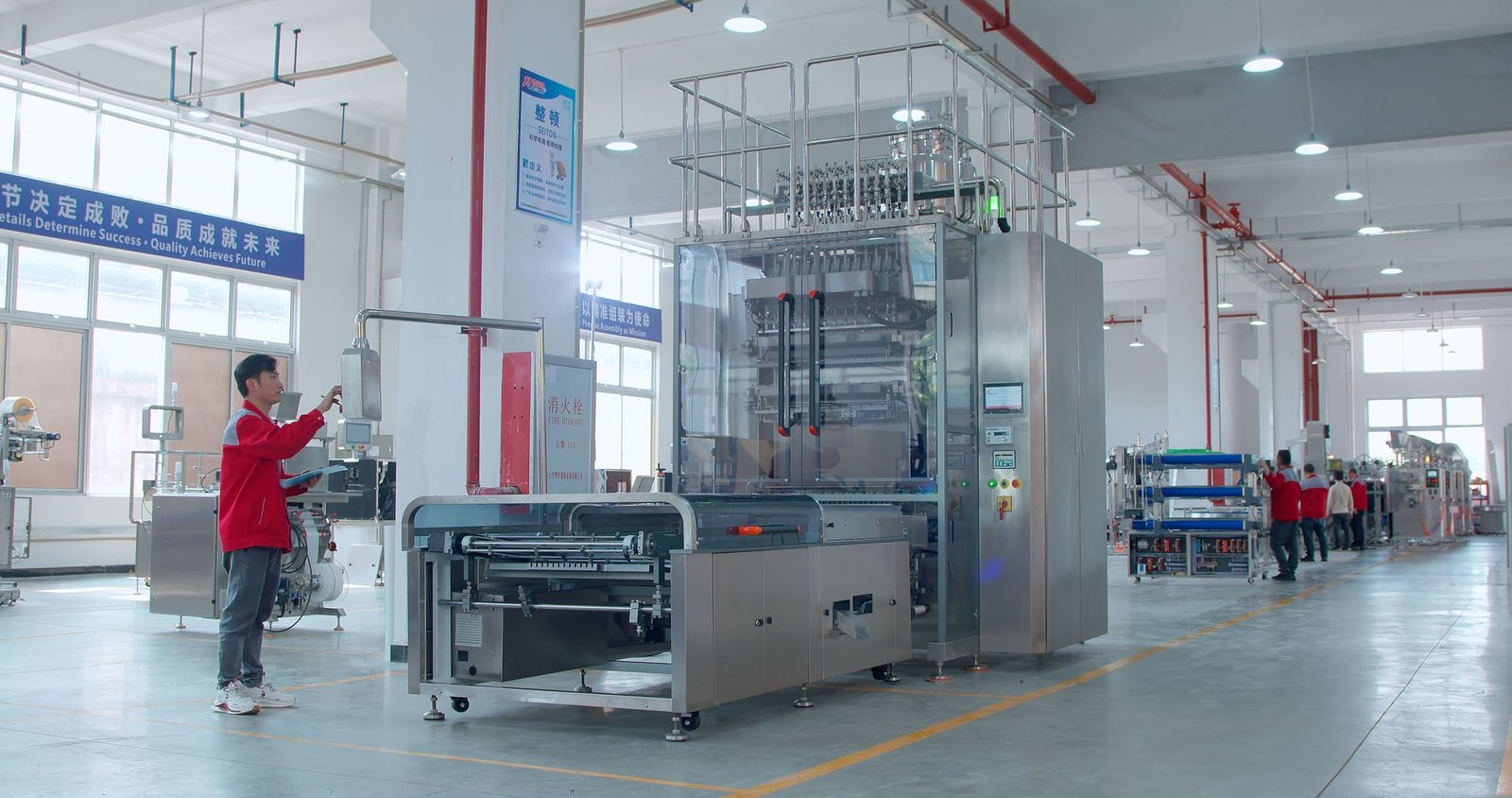
- Multi-lane configurations: Machines with 4, 6, 8, or more lanes running simultaneously multiply throughput without increasing floor space proportionally.
- Servo-driven systems: Offer superior precision in film feeding, sealing, and cutting compared to mechanical cam-driven alternatives.
- Integrated inspection: Checkweighers, metal detectors, and vision systems can be embedded in the packaging line for real-time quality control.
- Data connectivity: Industry 4.0 readiness — including OPC-UA, Ethernet/IP, or MQTT protocols — enables production monitoring and predictive maintenance.
Industry-Specific Requirements and Compliance
Different industries impose distinct requirements on packaging equipment. Selecting a machine designed for your sector’s regulatory environment is essential for smooth operations.
Food and Beverage
Hygienic design principles — including stainless steel construction, smooth weld finishes, and easy disassembly for cleaning — are non-negotiable. Machines should support washdown protocols and minimize areas where product residue can accumulate. For certain applications, nitrogen flushing or vacuum sealing capabilities may be necessary to extend shelf life.
Pharmaceuticals and Nutraceuticals
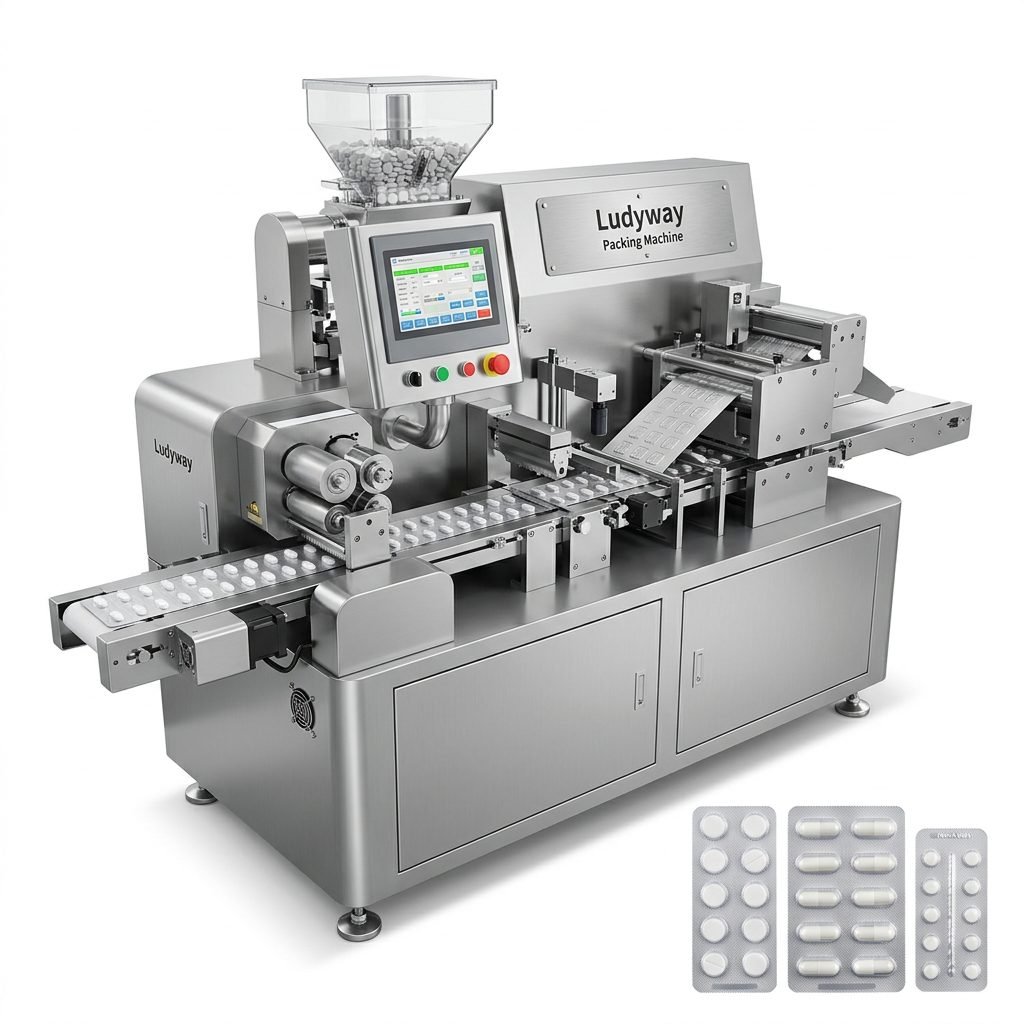
Packaging equipment must comply with GMP guidelines and often requires validation documentation. Look for machines capable of maintaining cleanroom compatibility, with features such as laminar flow considerations and validated sealing parameters. Serialization and track-and-trace capabilities are increasingly important for regulatory compliance across global markets.
Chemicals and Industrial Products
Corrosion-resistant materials and robust construction are critical for machines handling aggressive substances. Explosion-proof configurations may be required for solvent-based or volatile products. Dust extraction systems and containment features protect both operators and the environment.
Evaluating Total Cost of Ownership
Purchase price alone is an incomplete metric for comparing CNC packaging machines. A comprehensive cost analysis should account for the entire lifecycle of the equipment. Consider the following components:
- Initial investment: Machine cost, including optional modules and ancillary equipment such as conveyors, feeders, and coding systems.
- Installation and commissioning: On-site setup, integration with existing lines, and operator training can represent a significant portion of upfront costs.
- Operational costs: Energy consumption, packaging material usage rates, and labor requirements directly affect per-unit costs.
- Maintenance and spare parts: Assess the availability and cost of wear components, including sealing jaws, cutting blades, belts, and dosing elements.
- Downtime risk: Equipment reliability and the responsiveness of technical support influence overall production uptime.
Supplier Selection Criteria
Choosing the right packaging machinery supplier is as important as selecting the right machine. Look beyond the equipment specifications to evaluate the manufacturer’s track record and support capabilities.
Manufacturing Capability and Quality Assurance
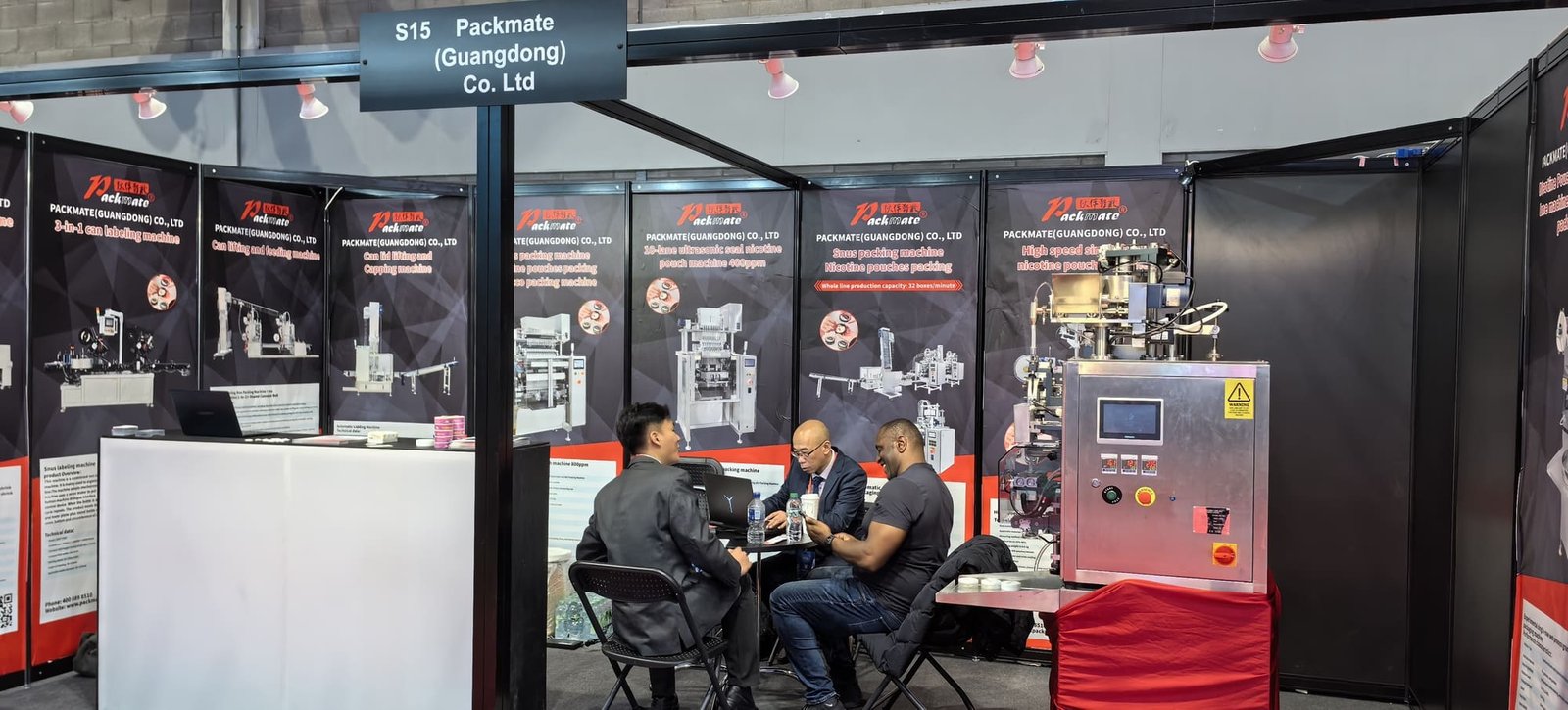
Visit the supplier’s manufacturing facility if possible, or request detailed documentation on their production processes. Key indicators include ISO certifications, in-house machining capabilities, and quality control protocols. A supplier with substantial manufacturing infrastructure — such as a large-scale production facility with dedicated engineering teams — is better positioned to deliver consistent quality and meet delivery timelines.
Customization and Engineering Support
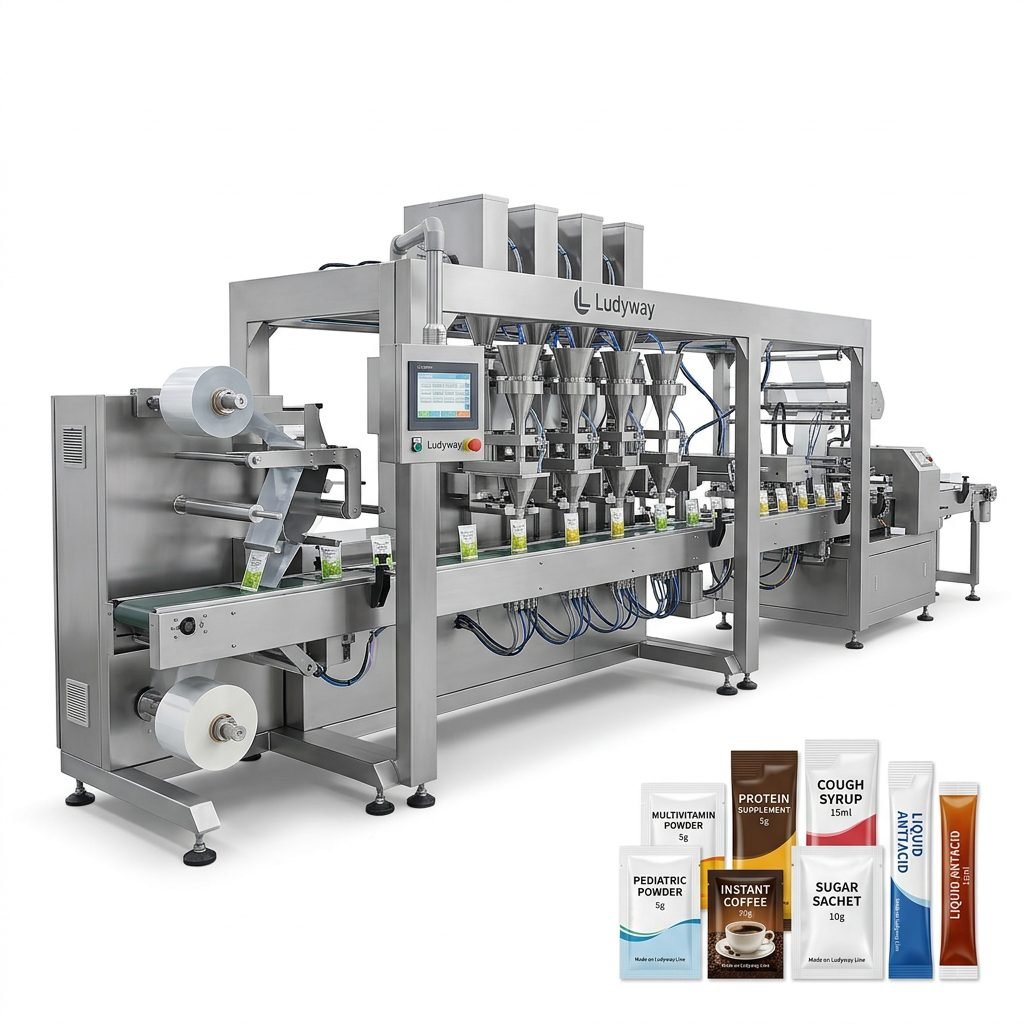
Packaging requirements vary significantly between manufacturers. Product characteristics, bag sizes, filling volumes, and automation needs often demand tailored solutions rather than off-the-shelf equipment. Evaluate whether the supplier has the engineering depth to customize machine configurations, integrate specialized dosing systems, or develop complete turnkey packaging lines that connect multiple stages of the packaging process.
After-Sales Service and Spare Parts
Responsive technical support, readily available spare parts, and trained service technicians are critical for minimizing downtime. Inquire about remote diagnostic capabilities, warranty terms, and the supplier’s track record in your region. According to industry resources such as the Association for Packaging and Processing Technologies (PMMI), equipment reliability and supplier support are consistently ranked among the top priorities for packaging buyers worldwide.
Integration with Existing Production Lines
A packaging machine rarely operates in isolation. Compatibility with upstream and downstream equipment — including product feeding systems, conveyors, coders, checkweighers, cartoning machines, and palletizing systems — determines overall line efficiency. When evaluating a machine, map out the complete production flow and identify potential bottlenecks. Turnkey packaging line solutions from a single supplier can simplify integration and provide single-source accountability.
For insights into packaging line design and integration standards, the Flexible Packaging Association (FPA) offers valuable industry resources and technical guidance on flexible packaging applications and equipment compatibility.
Energy Efficiency and Sustainability Considerations
Sustainability initiatives are reshaping packaging machinery design. Energy-efficient servo motors, optimized heating elements, and intelligent standby modes can reduce power consumption significantly. Additionally, machines that minimize packaging material waste — through precise film registration, reduced trim waste, and efficient sealing — contribute to both environmental goals and cost reduction. Regulatory frameworks, such as those outlined by the European Commission on Packaging and Packaging Waste, are driving stricter requirements for packaging sustainability across global markets.
Common Mistakes to Avoid When Buying a CNC Packaging Machine
- Prioritizing price over suitability: A lower-cost machine that cannot handle your product consistently will generate higher long-term costs through downtime, waste, and rework.
- Underestimating future capacity needs: Select a machine with headroom for production growth. A machine operating at maximum capacity from day one leaves no flexibility for scaling.
- Overlooking material compatibility: Verify that the machine can seal your specific packaging films effectively. Incompatible materials lead to seal failures and product spoilage.
- Neglecting operator training requirements: Even highly automated equipment requires skilled operators. Ensure the supplier provides comprehensive training and documentation.
- Ignoring local regulations: Packaging machinery must meet applicable safety standards and certifications for your target markets. Confirm compliance before purchase.
Final Recommendations
Selecting the right CNC packaging machine is a multi-faceted evaluation that goes beyond technical specifications. By systematically assessing your product requirements, production goals, regulatory obligations, and total cost of ownership, you can identify equipment that delivers reliable performance and long-term value. Partnering with an experienced packaging machinery manufacturer that offers customization capabilities, robust engineering support, and responsive after-sales service ensures that your investment is protected throughout the machine’s lifecycle.
With more than 30 years of industry experience and a comprehensive portfolio of automated packaging solutions, Ludyway Machinery provides integrated packaging systems and turnkey production lines for manufacturers across food, pharmaceutical, chemical, cosmetics, and nutraceutical industries. Whether you need a single automatic packaging machine or a complete multi-lane packaging line, working with a supplier that understands both the technology and your application ensures a packaging solution that meets your production objectives.