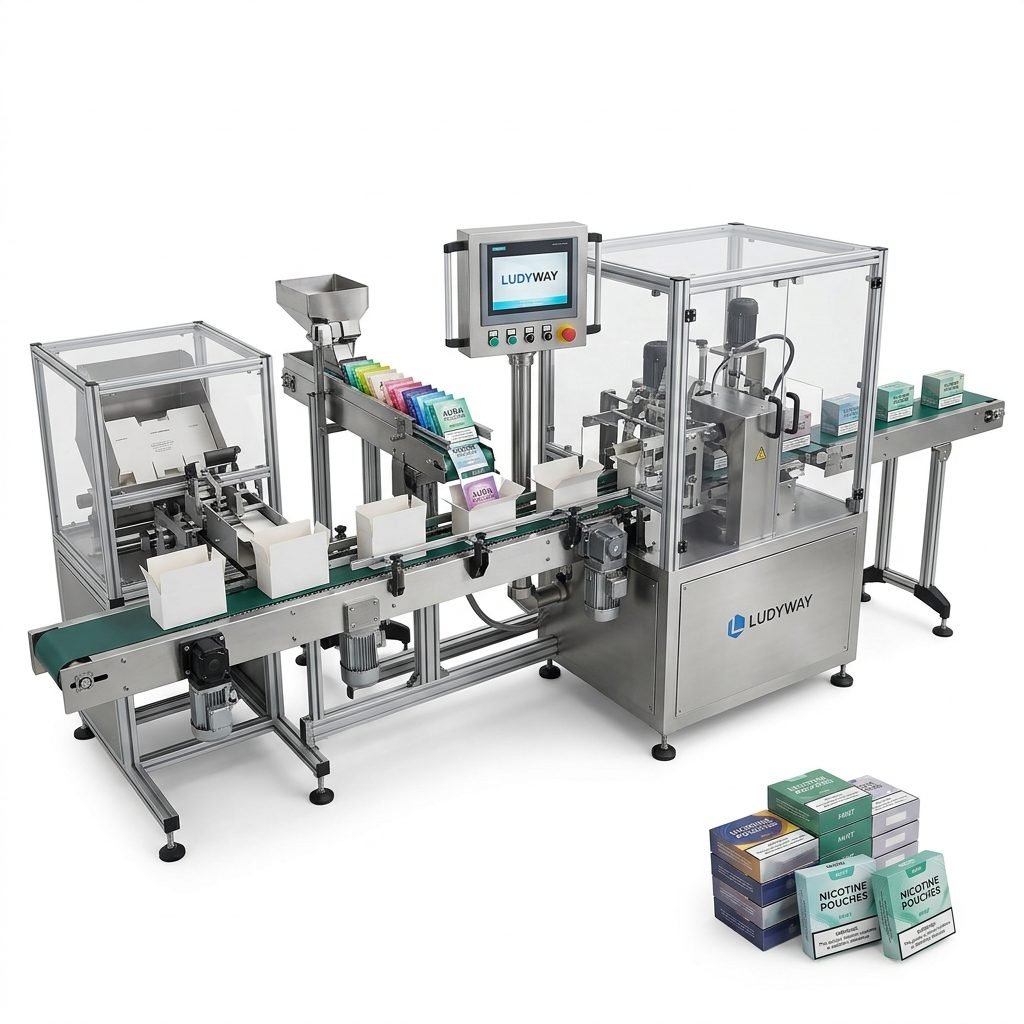
In today’s fast-paced food manufacturing environment, efficiency, safety, and product integrity are paramount. Selecting the right top seal packaging machine is a critical decision that directly impacts your production line’s speed, cost-effectiveness, and the final quality of your packaged goods. This guide will walk you through the essential factors to consider when choosing a model that ensures faster, safer, and more reliable food packaging.
Understanding Top Seal Packaging Technology
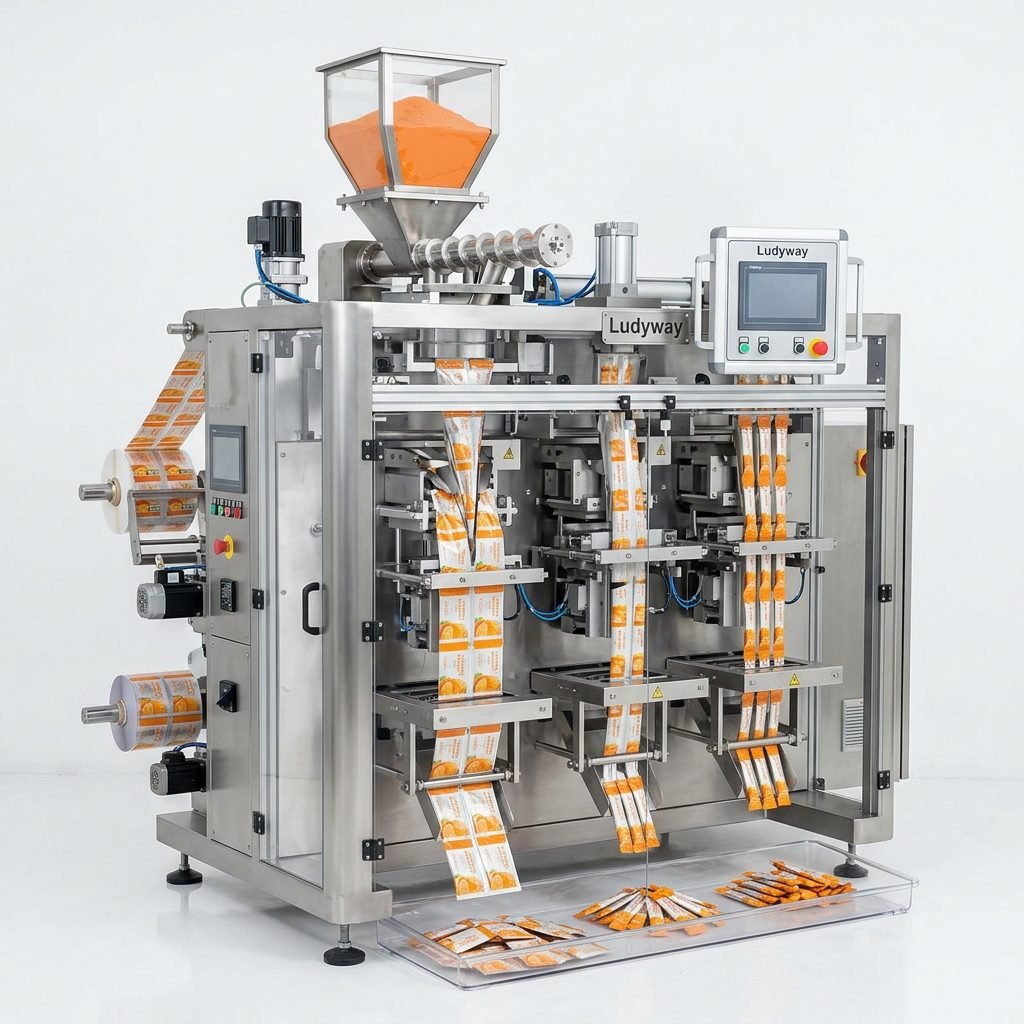
Top seal packaging, a prevalent form of horizontal form-fill-seal (HFFS) packaging, involves forming a pouch from a roll of film, filling it with product, and sealing it at the top. This method is exceptionally versatile and is widely used for packaging snacks, powders, granules, liquids, and frozen foods. The primary advantage lies in its ability to create a secure, airtight seal that protects contents from moisture, contamination, and spoilage, thereby extending shelf life and ensuring food safety.
Key Benefit: The hermetic seal created by these machines is a first line of defense against external contaminants, making it a non-negotiable feature for modern food safety standards like HACCP and GMP.
Core Components Driving Performance
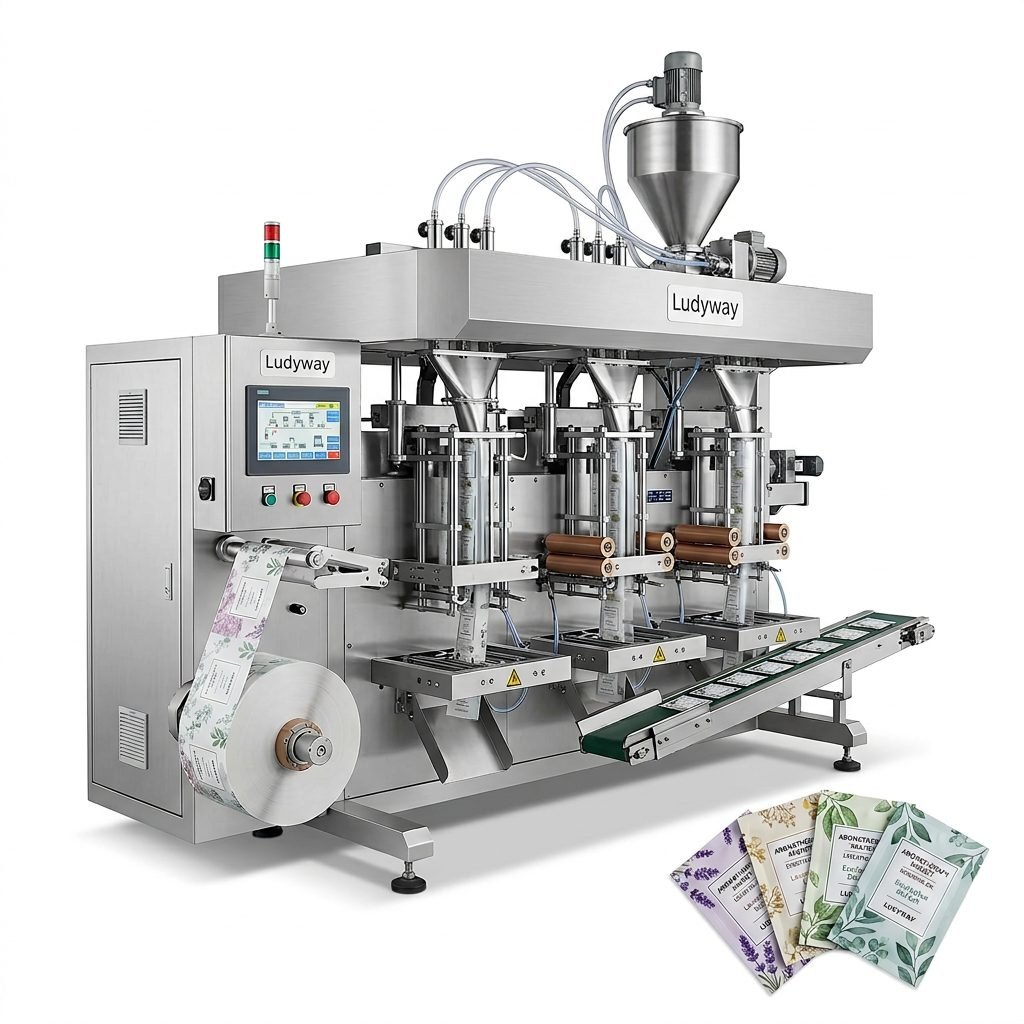
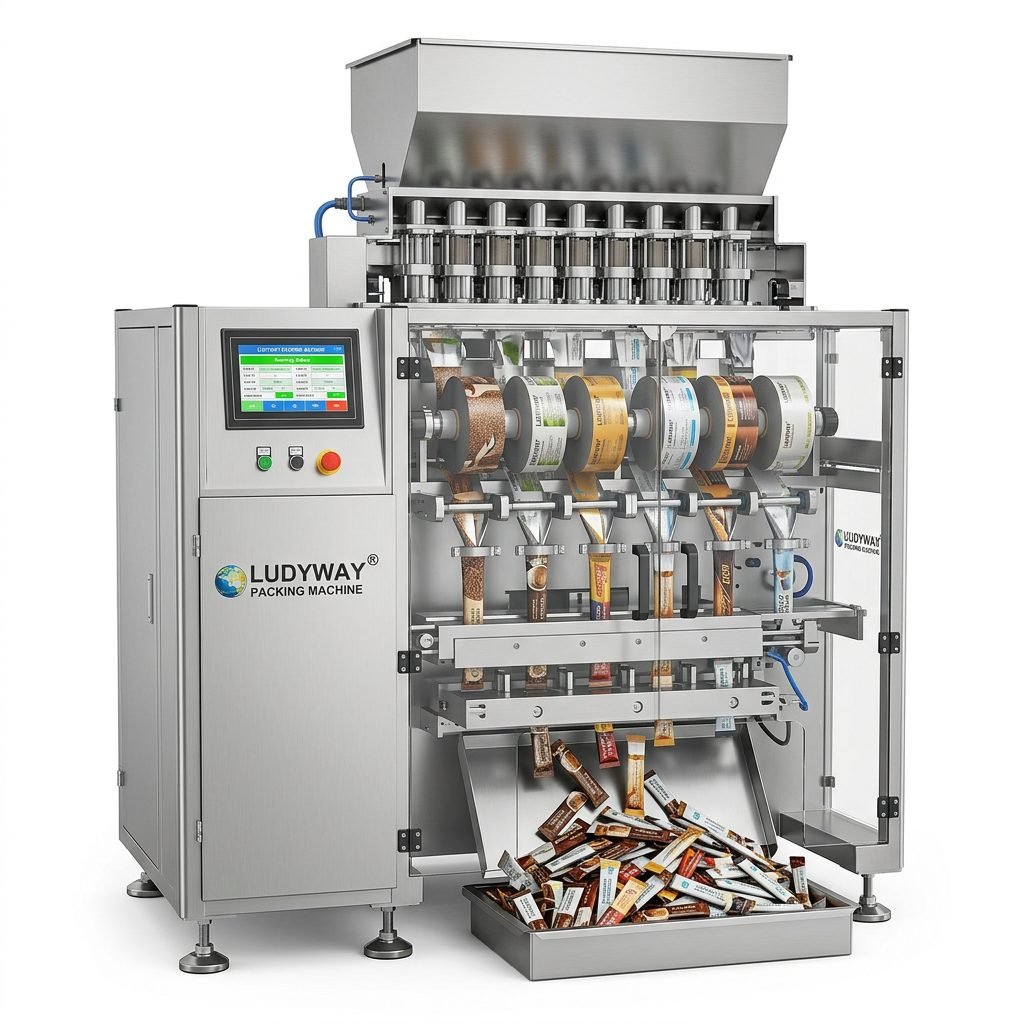
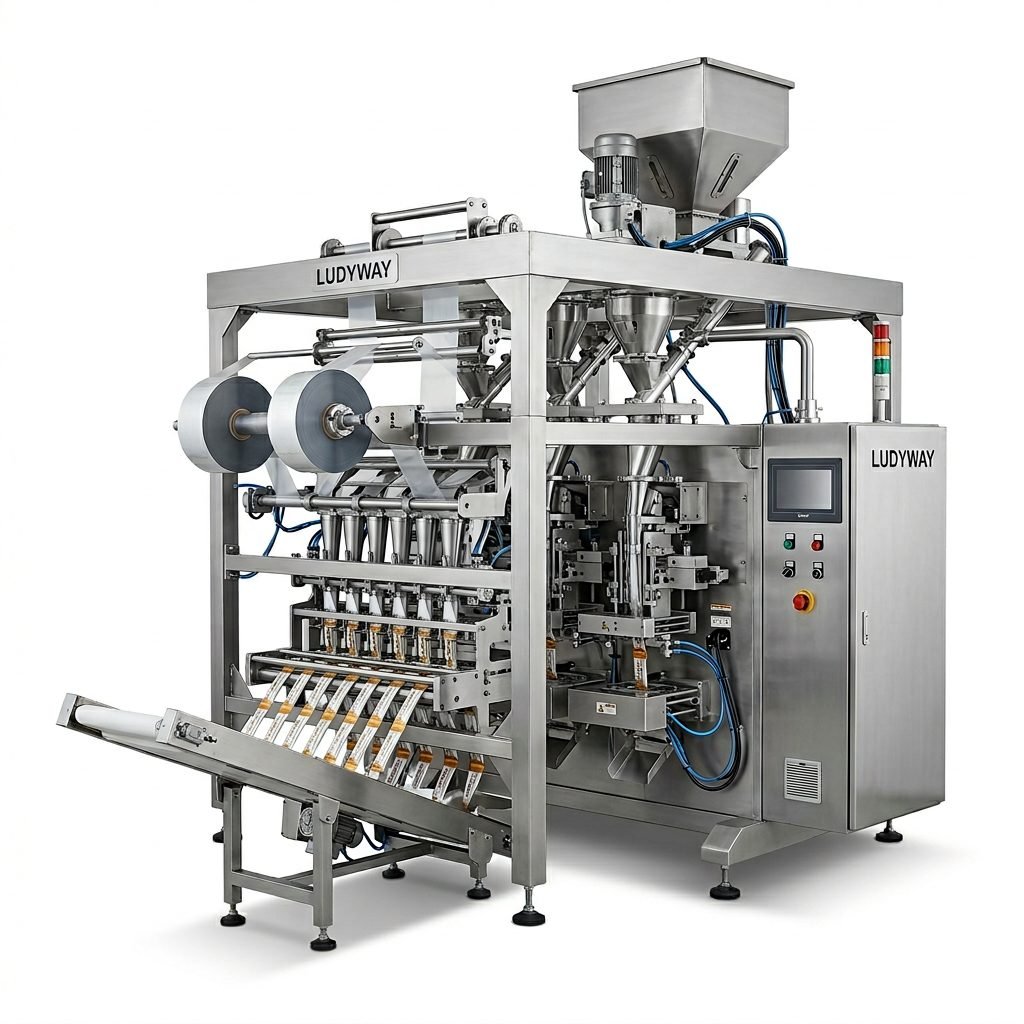
The performance of a top seal packaging machine hinges on its core systems. The film feeding and forming system must handle various laminates with precision. The weighing and filling system, whether volumetric, auger, or combination weigher, dictates accuracy and speed. Finally, the sealing system—utilizing heated jaws or impulse sealing—must consistently deliver strong, leak-proof seals. Investing in a machine with robust, well-calibrated components from a reputable supplier like Ludyway Machinery minimizes downtime and ensures consistent output.
How to Choose the Right Model: A Step-by-Step Guide
Navigating the market for packaging machinery can be complex. Follow this structured approach to identify the optimal top seal machine for your specific needs.
Step 1: Analyze Your Product Characteristics
Your product is the starting point. Is it a free-flowing granule, a sticky powder, a viscous liquid, or a delicate snack? Each product type demands a specific filling system. For instance, granular coffee requires a different approach than powdered milk or oily nuts. Consider product density, flowability, and any special requirements like nitrogen flushing for chips to prevent crushing and rancidity.
Step 2: Define Your Production Requirements
Clearly outline your required output speed (bags per minute), the range of bag sizes you need, and the types of packaging materials (e.g., PET/PE, MET/PE, biodegradable films). A machine that can handle multiple bag sizes and film types with quick changeovers offers greater long-term flexibility. Matching the machine’s maximum speed to your current and near-future production volume is crucial for ROI.
Pro Tip: Always plan for growth. Choosing a machine that can operate at 20-30% above your current peak demand provides a buffer for increased orders without immediately requiring a new capital investment.
Step 3: Prioritize Hygiene and Safety Features
For food packaging, hygiene is non-negotiable. Look for machines with easy-clean designs, such as stainless steel contact surfaces, smooth contours without dirt traps, and CIP (Clean-in-Place) capabilities. Safety features like emergency stop buttons, protective guarding, and interlocks protect your operators. Machines designed with these principles align with global food safety regulations and protect your brand reputation.
Step 4: Evaluate Automation and Integration Level
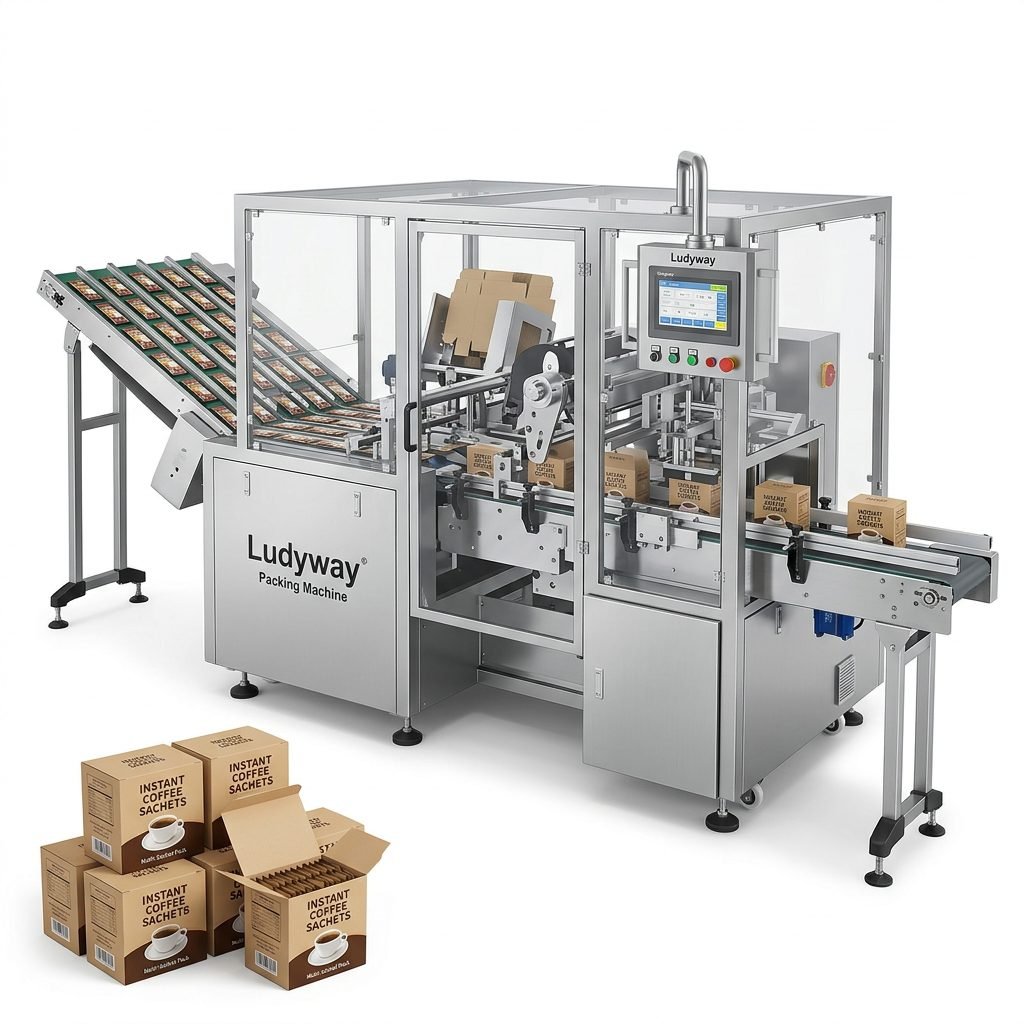
Modern packaging lines thrive on integration. Consider how the top seal machine will connect with upstream equipment (like mixers or depositors) and downstream systems (like cartoners or case packers). Features like PLC control with touchscreen HMI, recipe storage, and data output for OEE (Overall Equipment Effectiveness) tracking are invaluable for optimizing production efficiency and implementing Industry 4.0 practices.
Step 5: Assess Supplier Support and Reliability
The machine is only as good as the support behind it. Partner with a supplier known for reliability and comprehensive support. This includes availability of spare parts, detailed technical documentation, thorough operator training, and responsive after-sales service. A supplier with decades of industry experience brings invaluable expertise to help you avoid common pitfalls and maximize machine uptime.
The Role of Advanced Sealing Systems
The sealing mechanism is the heart of the machine. Advanced systems offer precise temperature control across the sealing jaw to ensure uniform seal strength, even with challenging multi-layered films. Look for features like independent zone control and real-time temperature monitoring to prevent weak seals or film burn-through, which can lead to product waste and safety recalls.
Benefits of Investing in the Correct Machine
Choosing wisely yields significant returns. The right top seal packaging machine accelerates your line speed, reduces film and product waste through higher accuracy, and lowers labor costs via automation. Most importantly, it consistently produces secure, attractive packages that safeguard your product and enhance its appeal on the retail shelf, directly contributing to customer trust and brand loyalty.
Summary of Key Selection Criteria
- Product Compatibility: Ensure the filling system matches your product’s physical properties.
- Speed & Flexibility: Match output to demand and opt for quick size/format changeovers.
- Hygienic Design: Prioritize easy cleaning and compliance with food safety standards.
- Sealing Reliability: Opt for precise, controllable sealing systems for consistent package integrity.
- Supplier Partnership: Choose an experienced partner for long-term support and service.
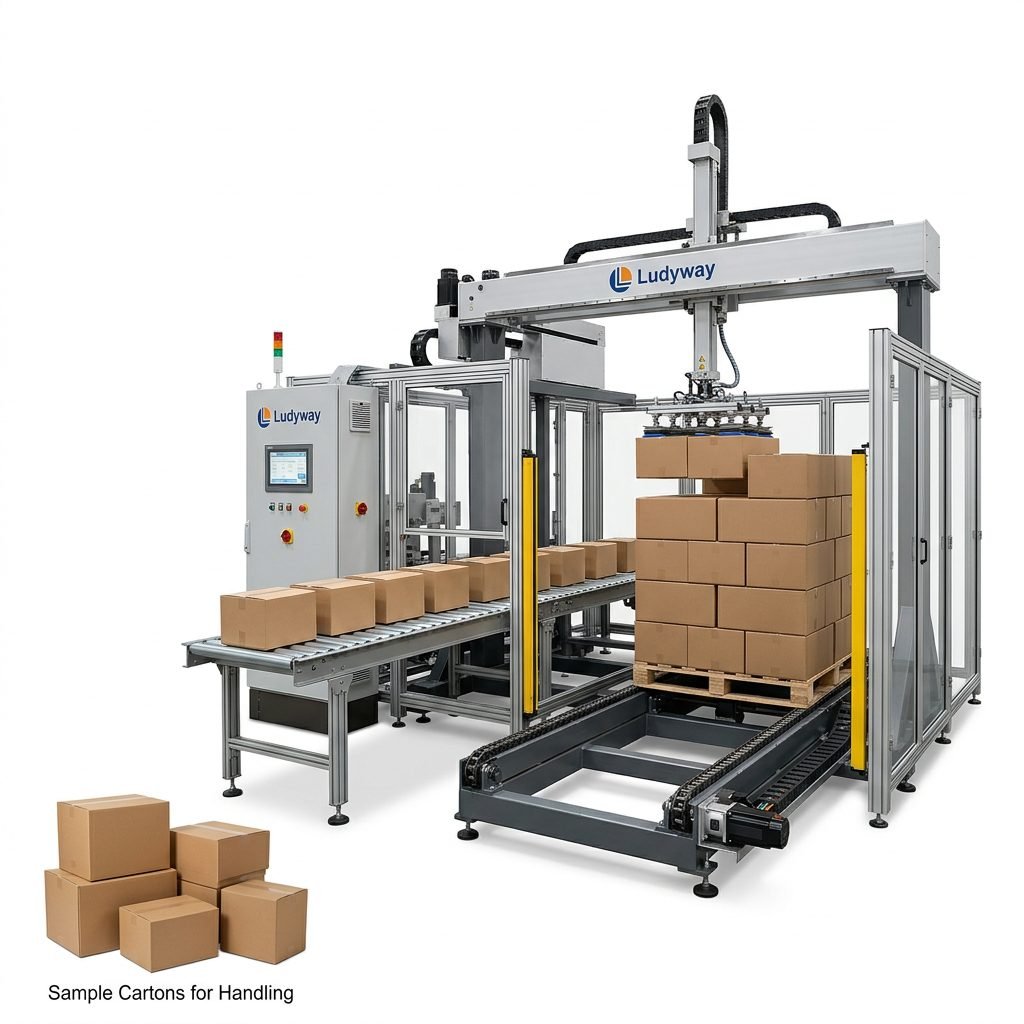
By methodically evaluating your needs against these factors, you can select a top seal packaging machine that becomes a cornerstone of your efficient, safe, and profitable food production operation. For businesses looking to scale, exploring complete turnkey packaging line solutions can provide a seamlessly integrated path to higher automation.
Frequently Asked Questions (FAQs)
1. What is the typical speed range for a commercial top seal packaging machine?
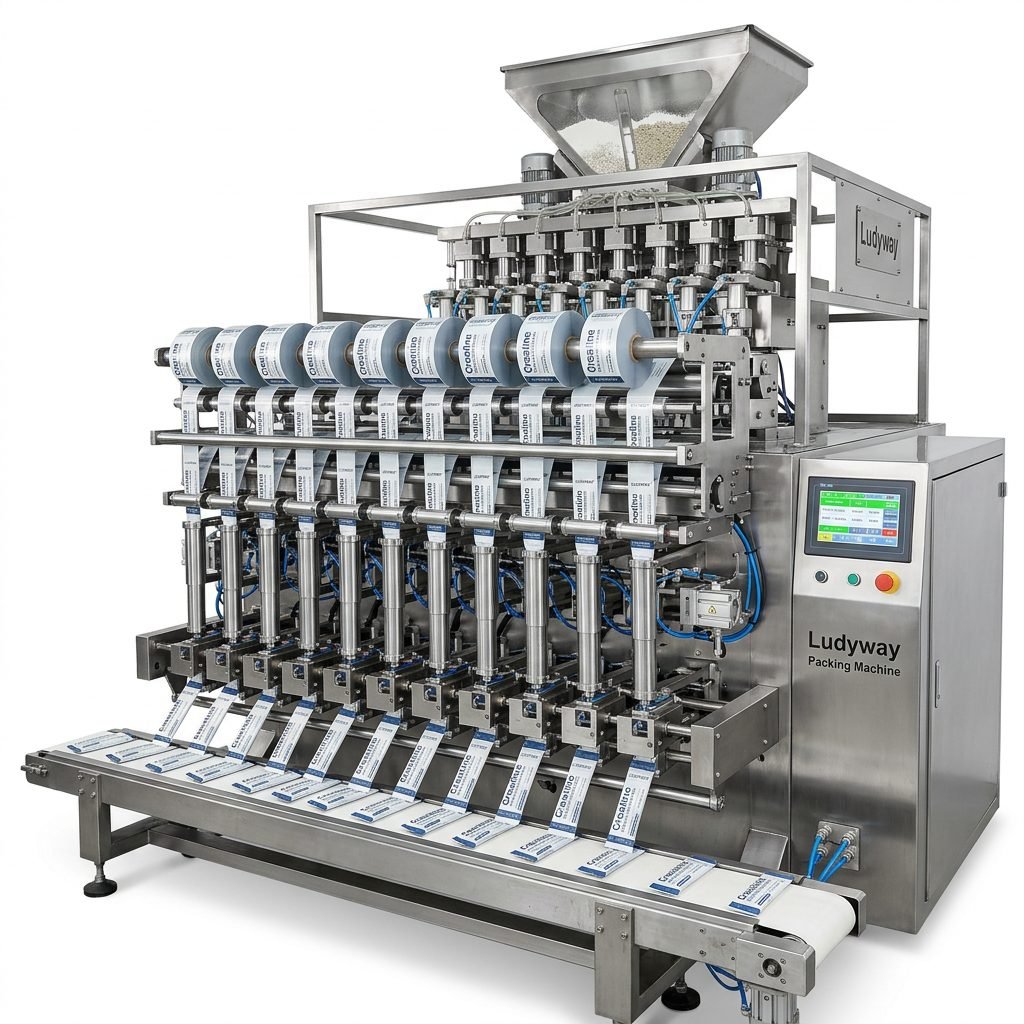
Speeds vary greatly by model and bag size. Standard machines can range from 40 to 120 bags per minute (BPM) for simple sachets, while high-speed multi-lane systems for items like sugar sticks can exceed 600 BPM. The key is to match the machine’s capability to your actual production volume.
2. Can one machine handle both powder and granular products?
Many machines are versatile, but often require a change of the filling system. An auger filler is typical for powders, while a volumetric cup or linear vibrator feeder is better for granules. Some advanced models allow for quick interchange of these modules, offering great flexibility for producers with diverse product lines.
3. How important is the packaging film material in machine selection?
Extremely important. The machine must be compatible with the thickness, composition, and sealing properties of your film (e.g., polyethylene, polypropylene, metallized films). You must provide your film specifications to the machine supplier to ensure the sealing temperature, pressure, and dwell time can be properly adjusted for a perfect seal.
4. What are the most critical maintenance routines for these machines?
Daily cleaning of product contact parts and sealing jaws is essential. Regularly check and clean film guides and sensors. Lubricate moving parts as per the manufacturer’s schedule, and periodically inspect the integrity of heating elements and seals. Proper maintenance is the most effective way to prevent unplanned downtime.
5. What training is usually provided with a new machine installation?
Reputable suppliers typically provide on-site training covering machine operation, basic troubleshooting, routine maintenance, and safety procedures. This ensures your team can run the machine effectively and safely from day one. Ensure this training is included in your purchase agreement.