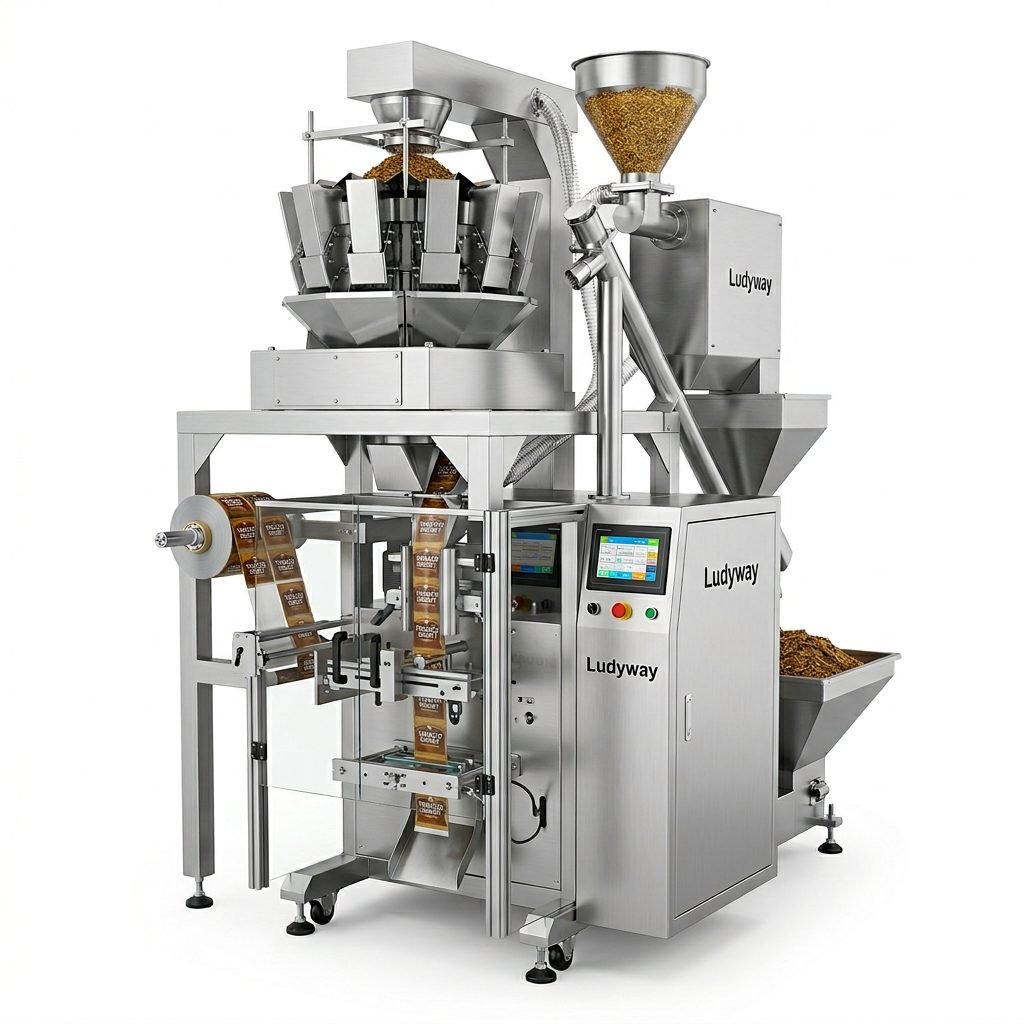
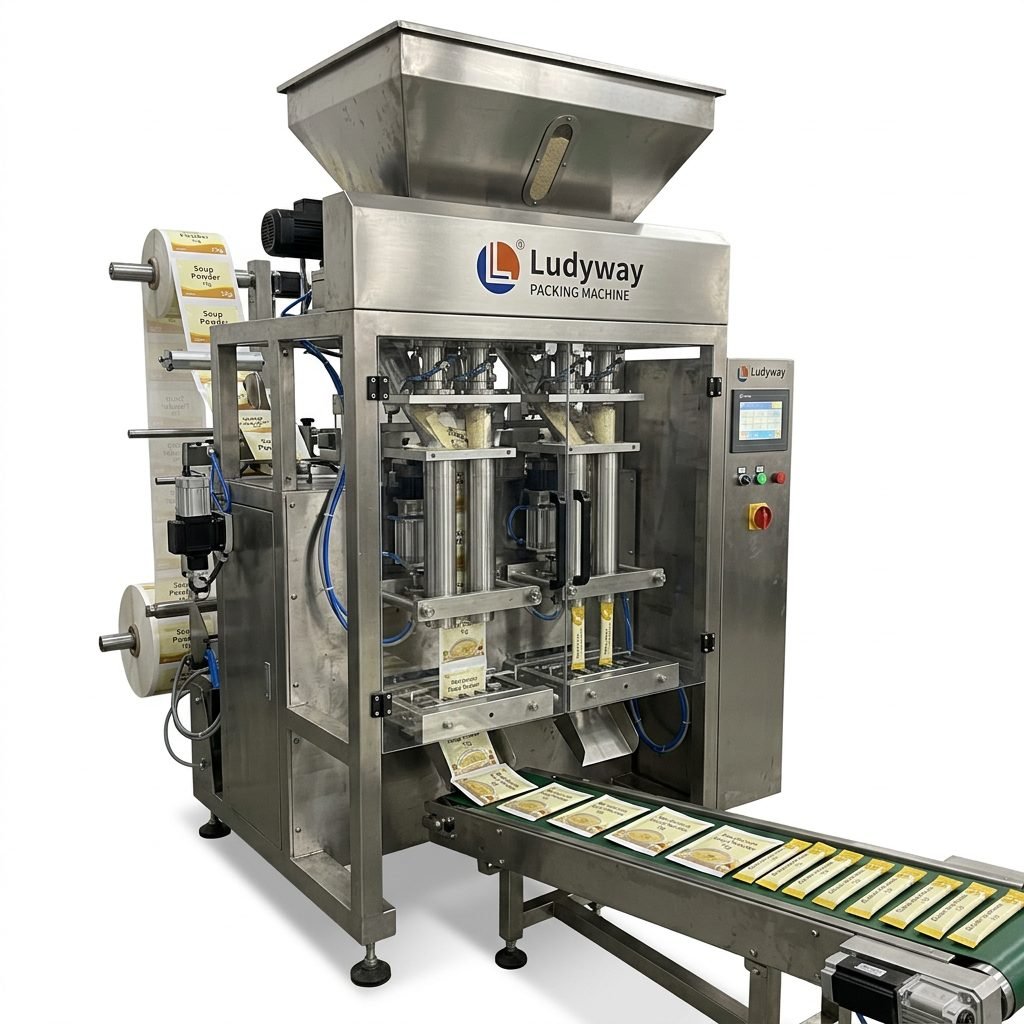
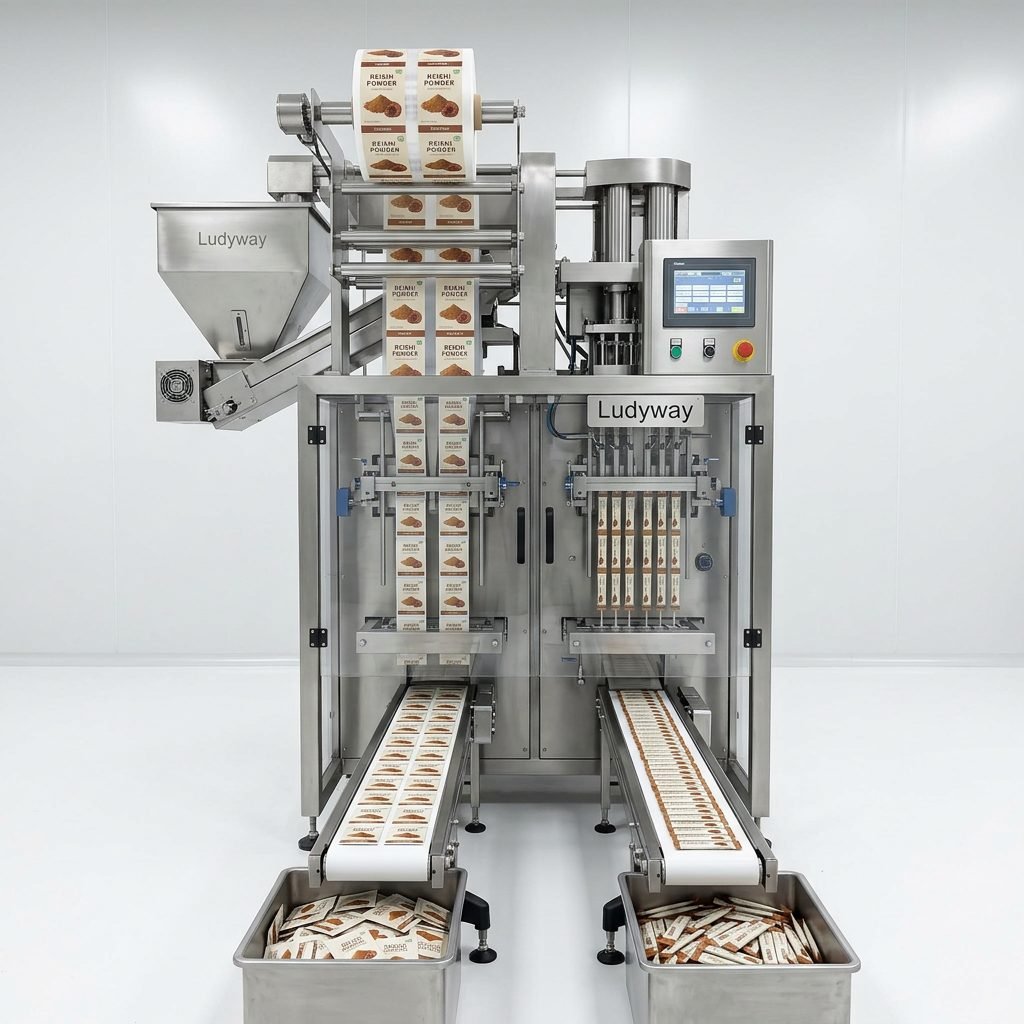
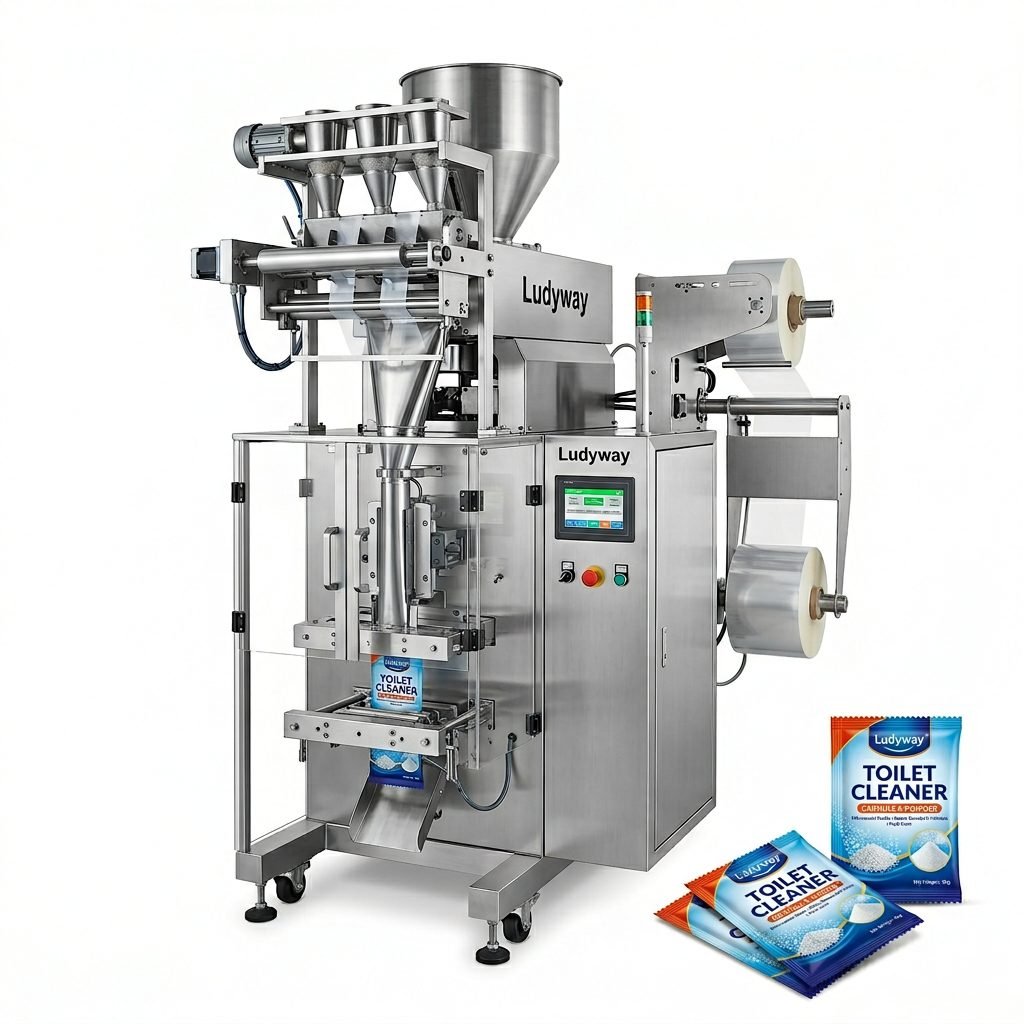
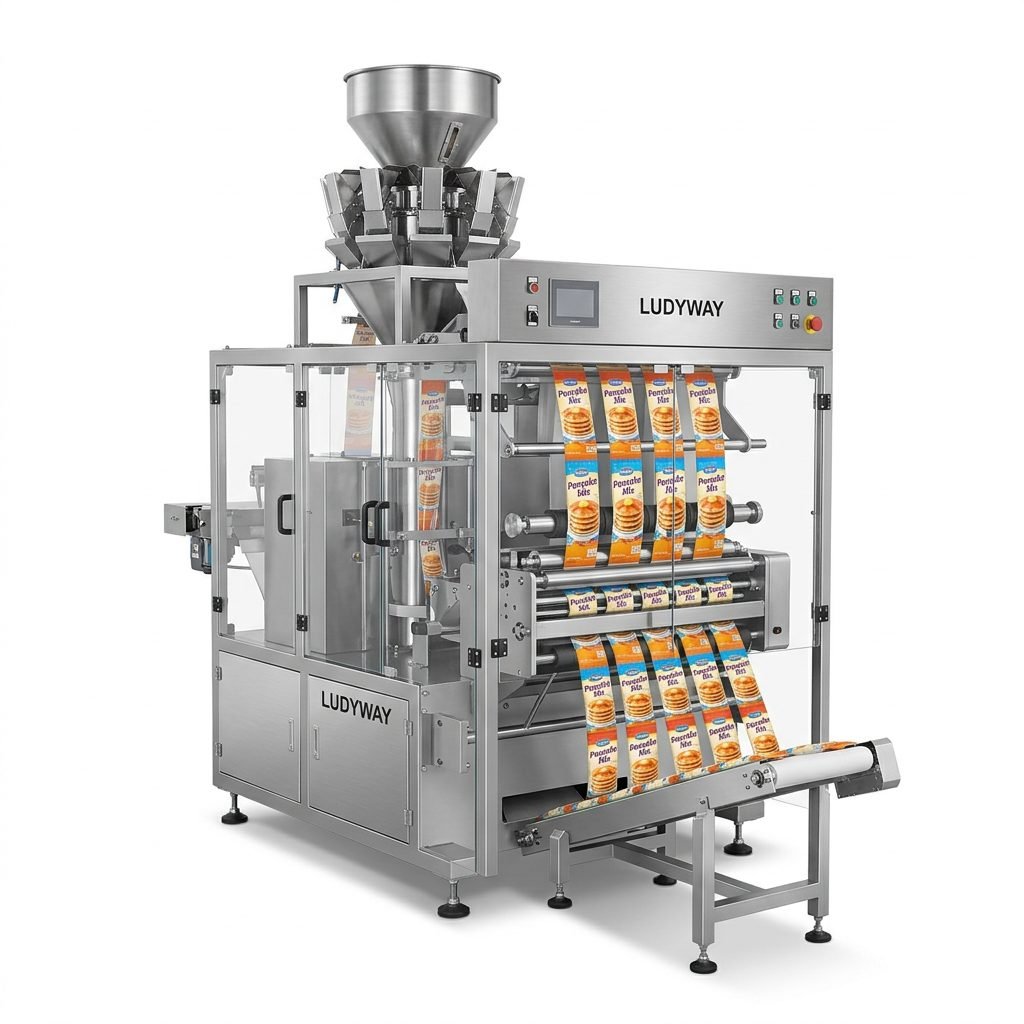
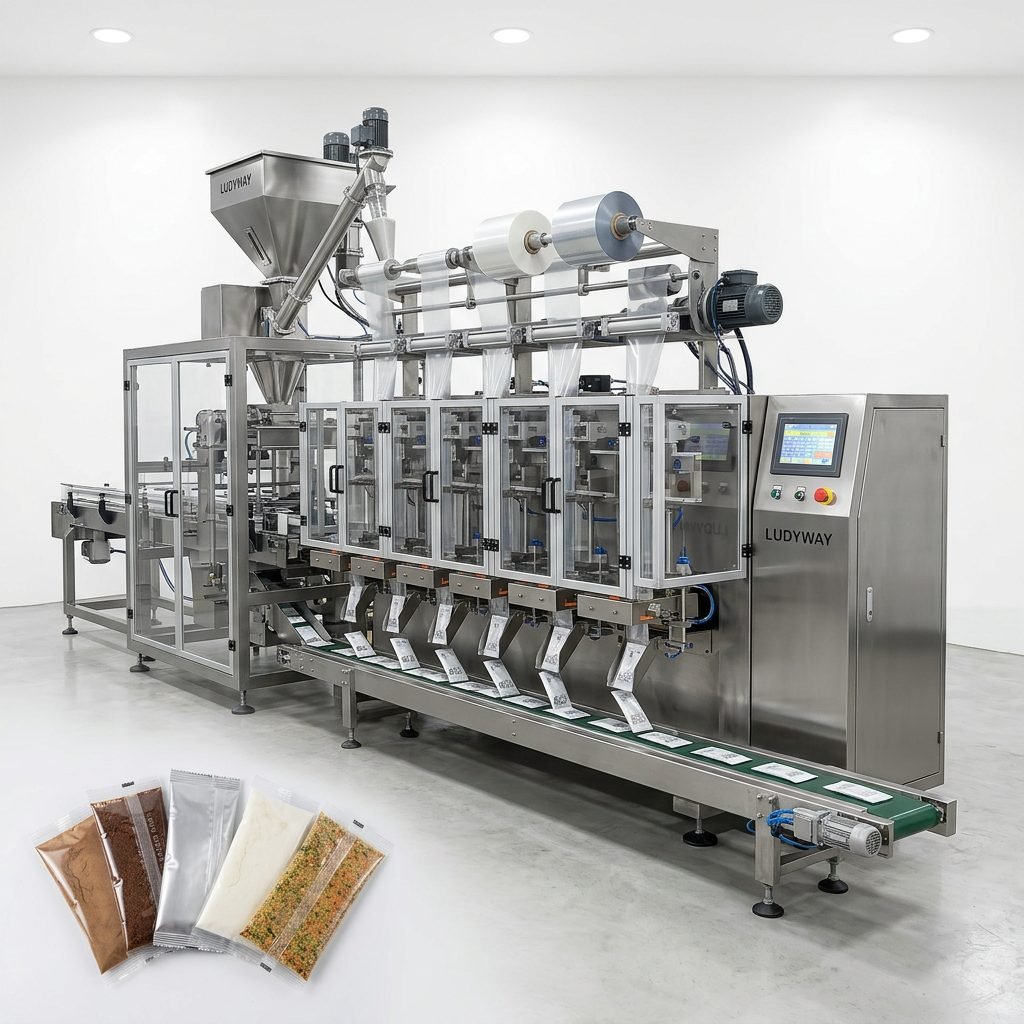
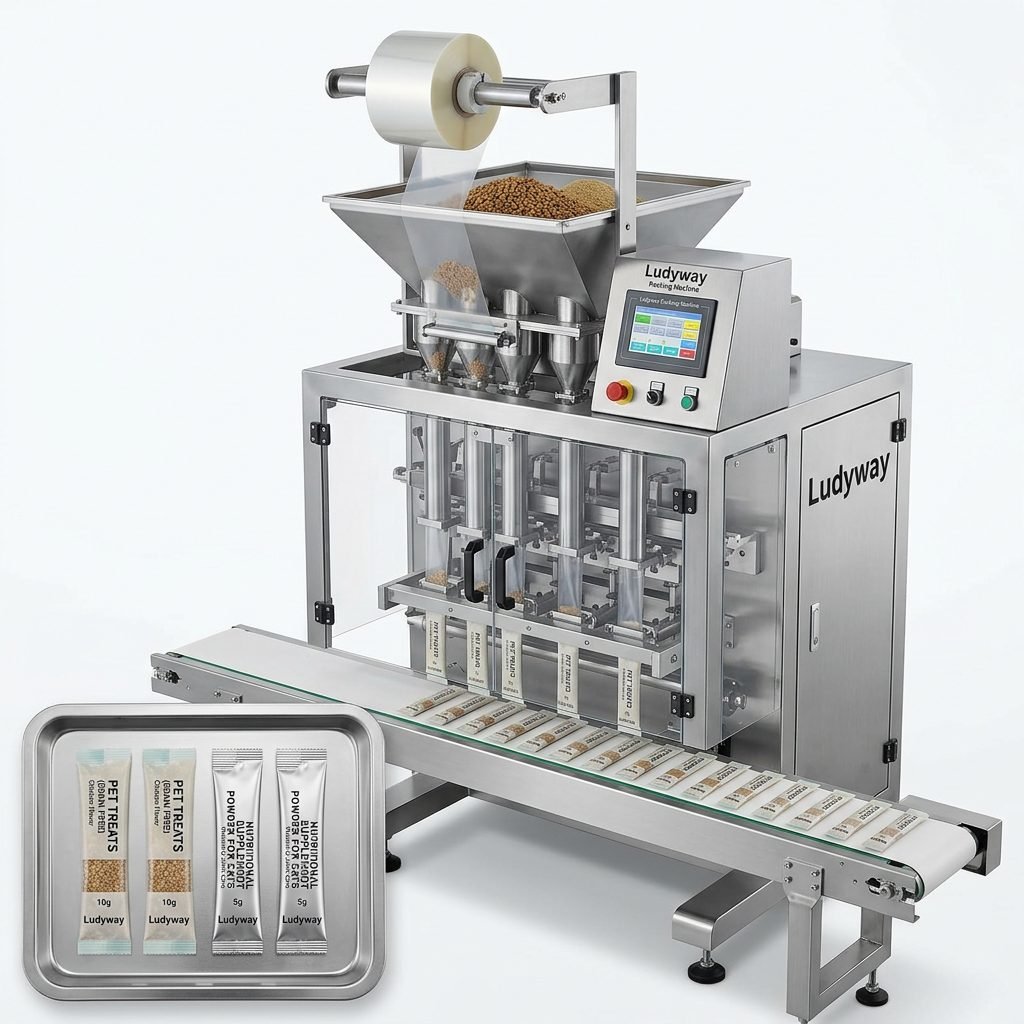
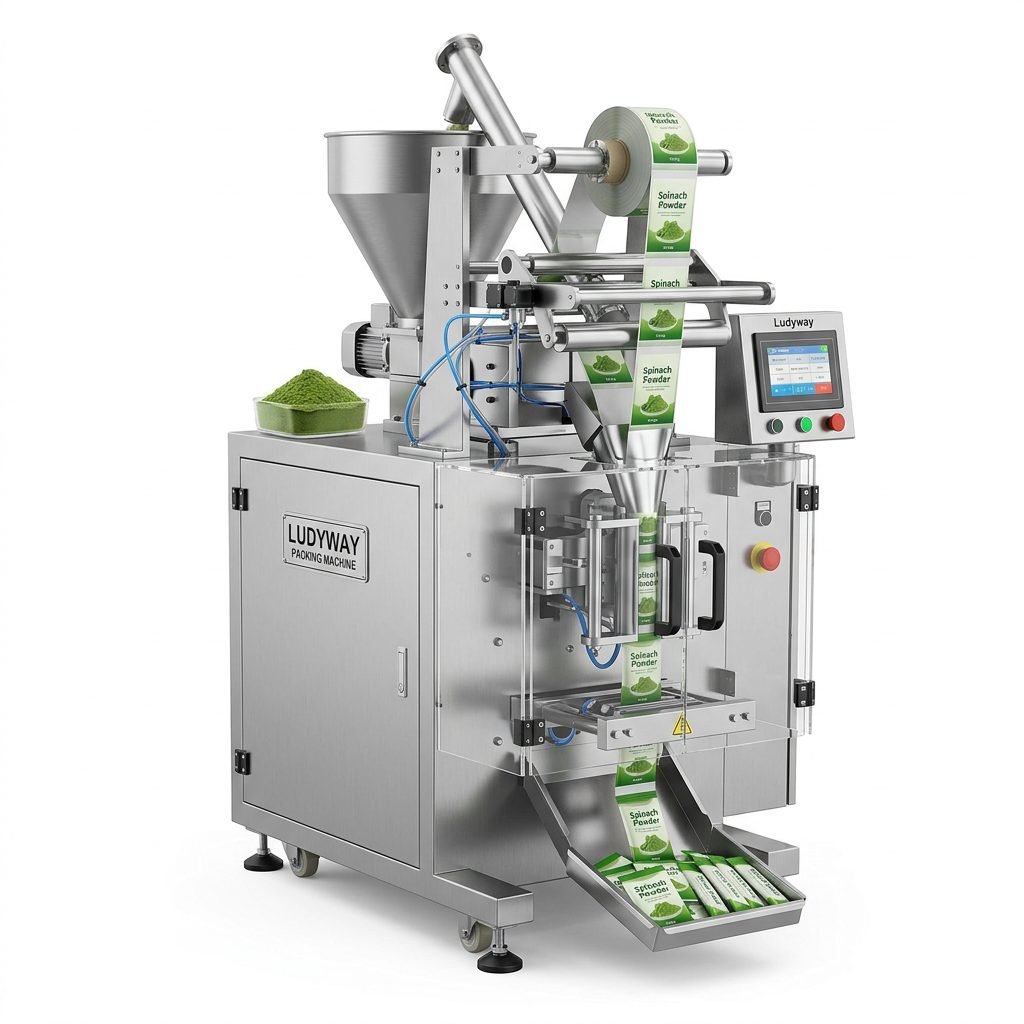
Investing in a plate packing machine is a strategic decision for manufacturers looking to protect fragile products, increase throughput, and reduce labor costs. Whether you are packaging ceramic dinnerware, disposable plates, or industrial components, selecting the right equipment requires evaluating multiple factors beyond just the purchase price.
This comprehensive buyer’s guide walks you through the essential considerations for choosing a plate packing machine that matches your production goals, product specifications, and operational requirements.
Understanding Plate Packing Machine Types
Before evaluating specific models, it is important to understand the main categories of plate packing equipment available on the market. Each type serves different production volumes, plate materials, and packaging formats. Selecting the wrong type can lead to inefficiencies, product damage, and unnecessary operational costs.
The most common types include:
- Flow Wrapping Machines: Ideal for individual plate wrapping using heat-sealable film. These machines create a tight, protective wrap around each plate and are widely used for single-plate retail packaging. They offer excellent product visibility and can handle various plate diameters with quick changeover adjustments.
- Shrink Wrapping Systems: Suitable for bundling multiple plates together or wrapping individual plates with a tamper-evident seal. The heat-shrink process conforms tightly to the product shape, providing both protection and a professional appearance. These systems are cost-effective for medium to high-volume operations.
- Automatic Cartoning Machines: Used when plates require rigid outer packaging, often combined with internal cushioning materials. These machines erect cartons, insert plates with protective dividers, and seal the boxes. They are essential for premium dinnerware sets and fragile ceramic plates that need maximum protection during shipping.
- Blister Packaging Machines: For plates that need to be visibly displayed while being securely held in place, blister packaging offers an excellent solution. The plate is sealed between a clear plastic blister and a backing card, making it ideal for retail shelf presentation.
- Stretch Wrapping Machines: Commonly used for bulk pallet wrapping of stacked plates, stretch wrapping secures large quantities for warehouse storage and freight transport. These machines range from semi-automatic turntable models to fully automated orbital wrappers.
According to industry data from the packaging machinery market research conducted by PMMI, flexible packaging formats including flow wrapping and shrink wrapping continue to grow in adoption across multiple manufacturing sectors due to their material efficiency and product protection capabilities.
Key Factors to Consider When Choosing a Plate Packing Machine
Making an informed purchase decision requires a systematic evaluation of your specific production environment. The following factors represent the most critical dimensions you should assess before contacting suppliers or requesting quotations.
1. Production Speed and Capacity Requirements
Your current and projected throughput needs should directly influence machine selection. A plate packing machine that operates too slowly creates production bottlenecks, while an oversized machine represents unnecessary capital expenditure. Calculate your required packs per minute (PPM) based on daily production targets, peak season demands, and expected growth over the next three to five years.
Consider not only the machine’s rated speed but also its sustained operational speed—the realistic throughput accounting for film changes, maintenance intervals, and operator breaks. A machine rated at 60 PPM may realistically achieve 45-50 PPM in continuous production environments.
2. Plate Size, Shape, and Material Compatibility
Plates vary significantly in diameter, depth, weight, and material composition. Ceramic plates require gentler handling than melamine or paper disposables. Glass plates demand additional care during stacking and wrapping. Your chosen machine must accommodate your full product range without excessive changeover time or risk of damage.
Key product parameters to document before evaluating equipment include:
- Minimum and maximum plate diameter range
- Plate depth and stacking height specifications
- Material fragility and surface scratch sensitivity
- Weight per plate and per completed package
- Any special surface coatings or decorative elements requiring protection
3. Packaging Material and Format Selection
The choice of packaging film or material affects both machine selection and ongoing operational costs. Flexible packaging materials offer different properties in terms of clarity, strength, sealability, and cost. Common options include polyethylene (PE), polypropylene (PP), polyvinyl chloride (PVC), and multi-layer laminates.
Your packaging format requirements—whether single-plate retail packs, multi-plate bundles, or bulk pallet configurations—will determine the appropriate machine category. The Flexible Packaging Association provides valuable resources on material selection and sustainability considerations that can help inform your packaging strategy.
4. Automation Level and Integration Capabilities
Plate packing machines range from semi-automatic systems requiring significant operator involvement to fully automated lines with robotic feeding, automatic film splicing, and integrated quality inspection. Your choice should align with labor availability, skill levels, and broader factory automation objectives.
If you plan to integrate the packing machine with upstream production equipment or downstream palletizing systems, verify communication protocols and physical interface requirements early in the selection process. Machines supporting standard industrial communication protocols offer greater flexibility for future line expansions.
Comparing Plate Packing Machine Specifications
The table below summarizes key specifications you should evaluate when comparing different plate packing machine models. Use this as a checklist during supplier evaluations to ensure consistent comparison criteria.
| Specification Category | What to Evaluate | Why It Matters |
|---|---|---|
| Speed Range | Packs per minute (PPM) at sustainable operation | Determines production capacity and line balancing |
| Plate Size Range | Minimum and maximum diameter and depth | Ensures compatibility with your product portfolio |
| Changeover Time | Time required to switch between plate sizes | Affects flexibility and small-batch production efficiency |
| Film Compatibility | Supported film types and thickness ranges | Impacts packaging material costs and quality |
| Power Consumption | Electrical requirements and energy efficiency | Influences long-term operational costs |
| Footprint | Floor space required including operator access | Critical for facility layout planning |
| Control System | PLC type, HMI interface, and connectivity options | Affects ease of operation and data collection capabilities |
| Warranty Coverage | Duration and scope of manufacturer warranty | Provides financial protection and indicates manufacturer confidence |
Evaluating Machine Build Quality and Industry Compliance
Build quality directly impacts machine longevity, maintenance frequency, and overall reliability. When inspecting a plate packing machine, pay attention to frame construction materials, component brands, and overall engineering refinement. Machines built with reputable industrial automation components—such as those from established pneumatic, electrical, and control system suppliers—tend to offer more consistent performance and easier spare parts availability.
Compliance with applicable packaging machinery standards and regulations is essential for operator safety and market access. Depending on your location and export markets, relevant certifications may include CE marking, UL certification, FDA compliance for food-contact applications, and ISO standards for quality management systems.
Cost Considerations and Return on Investment
The purchase price of a plate packing machine represents only one component of total cost of ownership. A thorough financial evaluation should account for:
- Initial capital expenditure: Machine cost including shipping, import duties, and installation
- Packaging material costs: Film consumption rates and material waste percentages
- Labor costs: Operators required per shift and their skill level requirements
- Maintenance and spare parts: Preventive maintenance schedules and anticipated replacement parts
- Energy consumption: Electrical usage patterns across different operating modes
- Downtime costs: Production losses during maintenance, repairs, or changeovers
A higher-quality machine with a higher initial price often delivers superior return on investment through reduced downtime, lower material waste, faster changeovers, and extended service life. When calculating payback periods, consider both direct savings and opportunity costs associated with production interruptions.
Choosing the Right Supplier and After-Sales Support
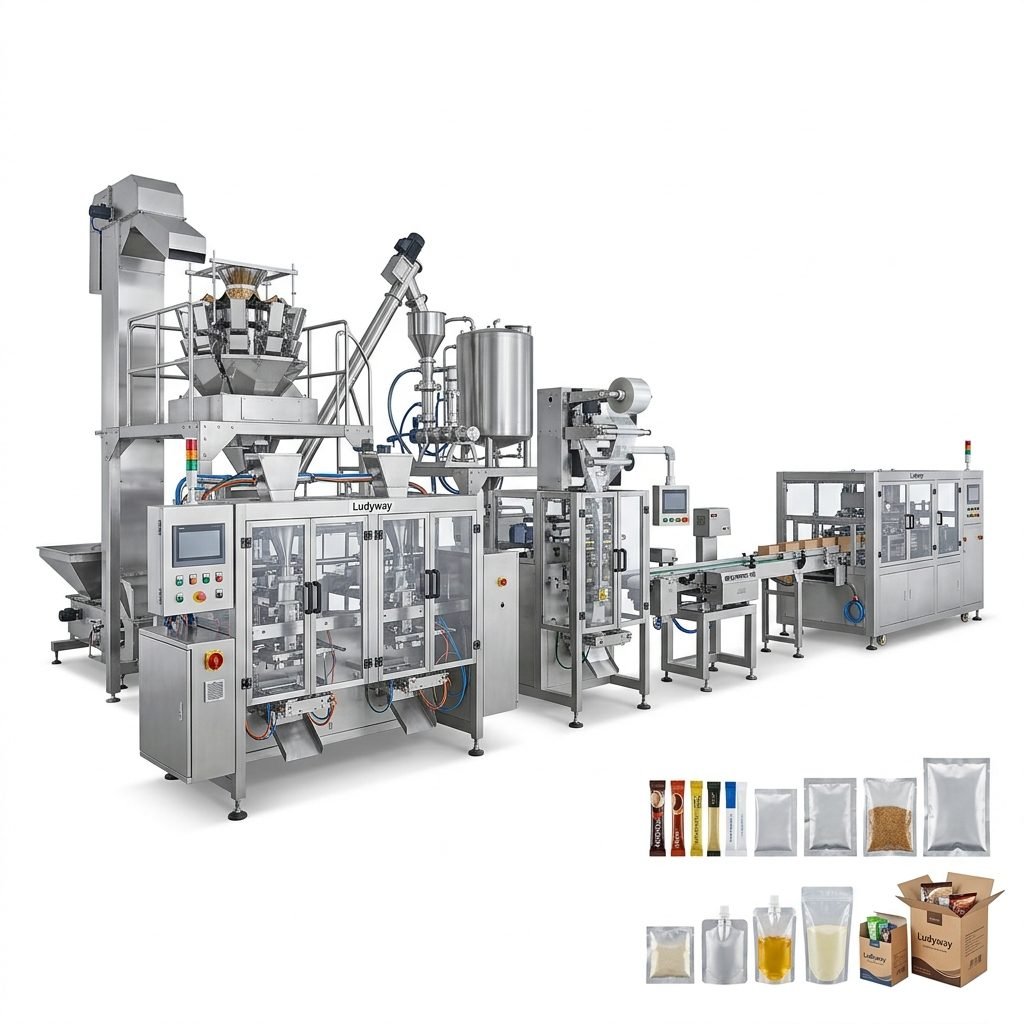
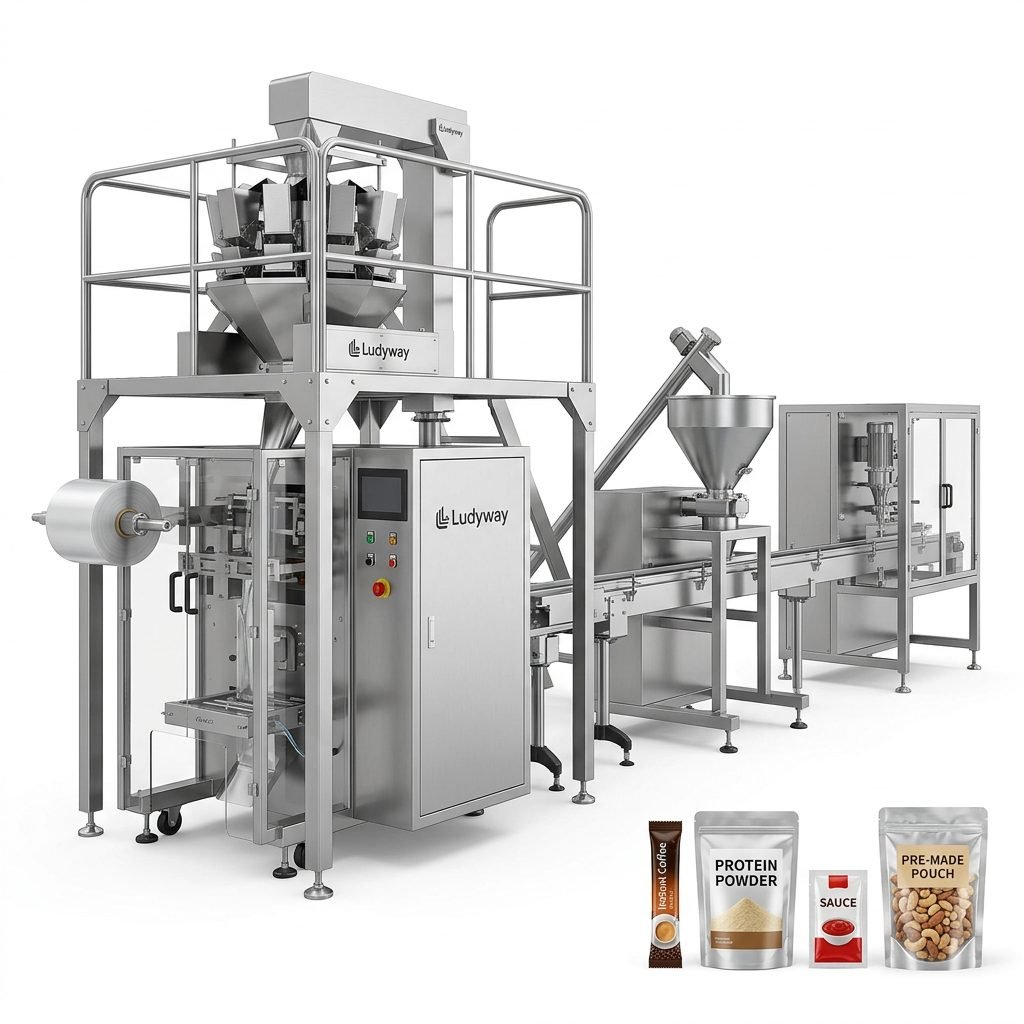
Selecting a reliable supplier is as important as selecting the right machine. A manufacturer with substantial engineering capability and global service experience can provide valuable guidance during equipment selection, customization, and ongoing operation. For instance, Ludyway Machinery, a China-based packaging machinery manufacturer with more than 30 years of industry experience and a 20,000-square-meter manufacturing facility, provides integrated packaging solutions and technical support across more than 100 countries. Their approach combines in-house manufacturing, engineering expertise, and application knowledge to help manufacturers achieve efficient and consistent packaging operations.
When evaluating potential suppliers, consider the following criteria:
- Industry experience and track record: How many years has the supplier been manufacturing plate packing equipment? Can they provide references from customers with similar applications?
- Technical support capabilities: Do they offer remote diagnostics, on-site service, and operator training? What are their typical response times for technical inquiries?
- Spare parts availability: Can they supply critical spare parts quickly? Do they maintain regional parts inventory or offer expedited shipping options?
- Customization capabilities: Can they modify standard machines to accommodate unique plate sizes, packaging formats, or production line layouts?
- Documentation and compliance: Do they provide comprehensive machine documentation, electrical schematics, and compliance certificates appropriate for your market?
Reviewing the latest State of the Industry reports from PMMI can provide additional context on packaging machinery market trends, technology advancements, and supplier landscape developments that may inform your purchasing decision.
Making Your Final Decision
Choosing the right plate packing machine requires balancing technical requirements, budget constraints, and long-term operational goals. Begin by clearly defining your product specifications, production targets, and packaging format preferences. Use these criteria to shortlist machines and suppliers that align with your needs. Request detailed proposals, conduct site visits where possible, and evaluate sample packaging results before making a final commitment.
Consider starting with a machine that meets your current requirements while offering modular upgrade paths for future capacity expansion. This approach minimizes initial investment risk while preserving flexibility. Engage suppliers early in your planning process—experienced packaging machinery manufacturers can often identify optimization opportunities and potential challenges that may not be apparent during internal evaluations alone.
A well-chosen plate packing machine becomes a long-term production asset that improves efficiency, reduces labor dependency, and ensures consistent product protection. Investing adequate time in the selection process helps prevent costly mistakes and positions your operation for sustained growth.