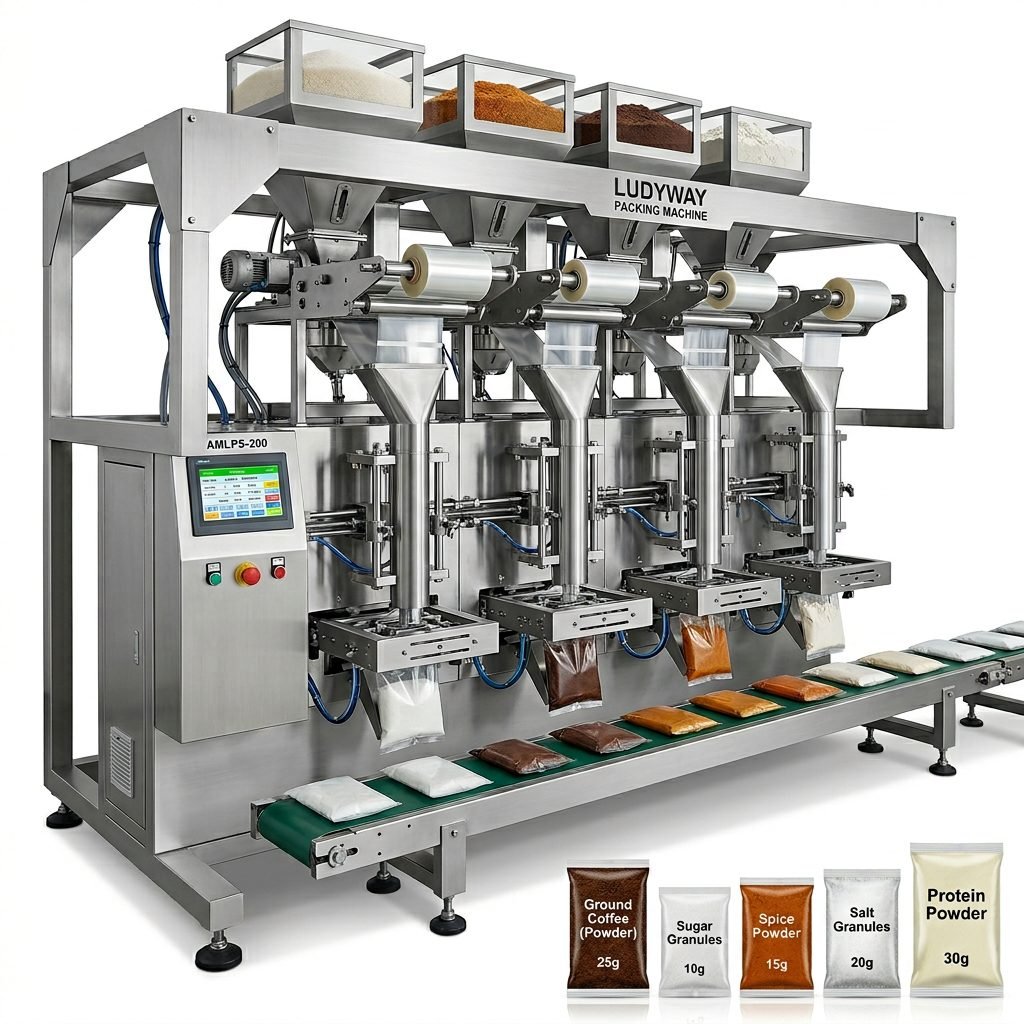
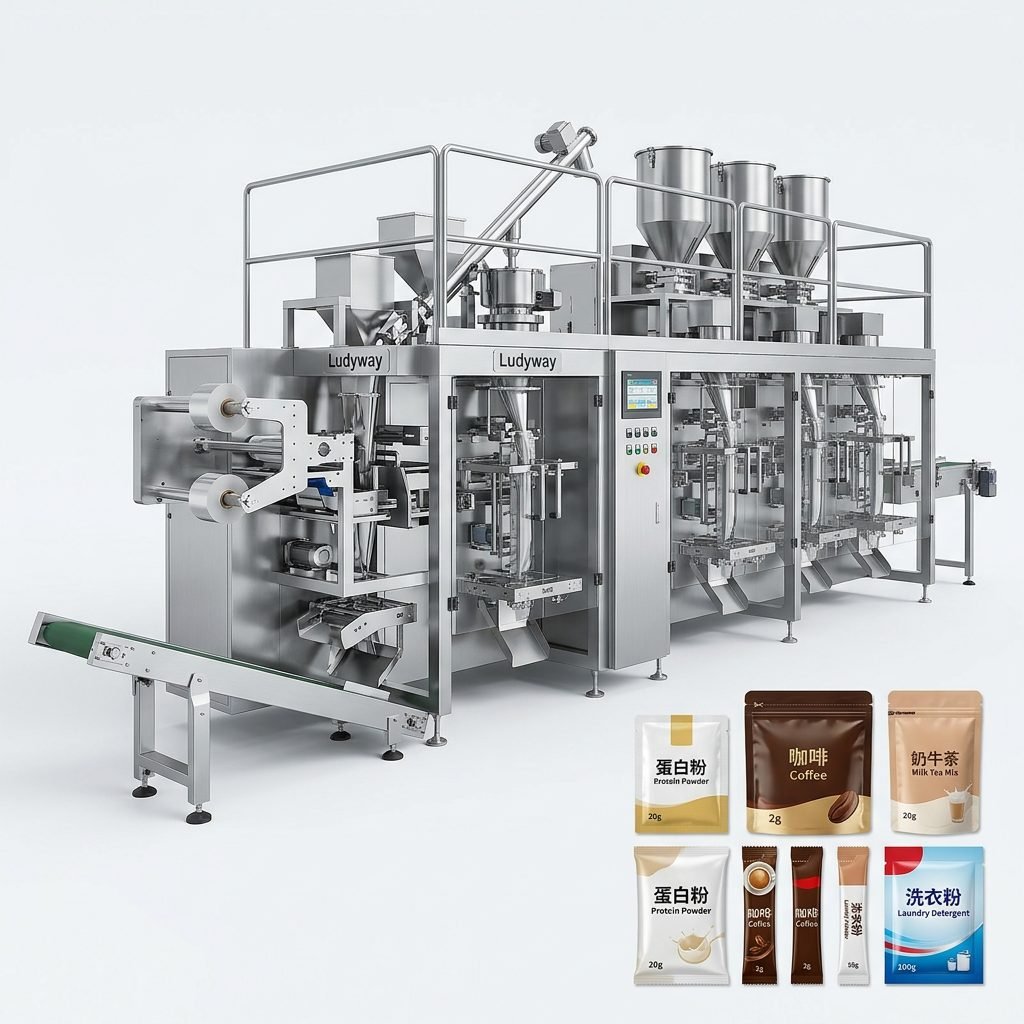
Investing in a nitrogen filling packing machine is a strategic decision for manufacturers looking to extend product shelf life, preserve freshness, and maintain product integrity. Whether you are packaging food products, pharmaceuticals, or sensitive industrial materials, nitrogen flushing technology plays a critical role in modern packaging operations. This guide walks you through everything you need to know to make an informed purchasing decision.
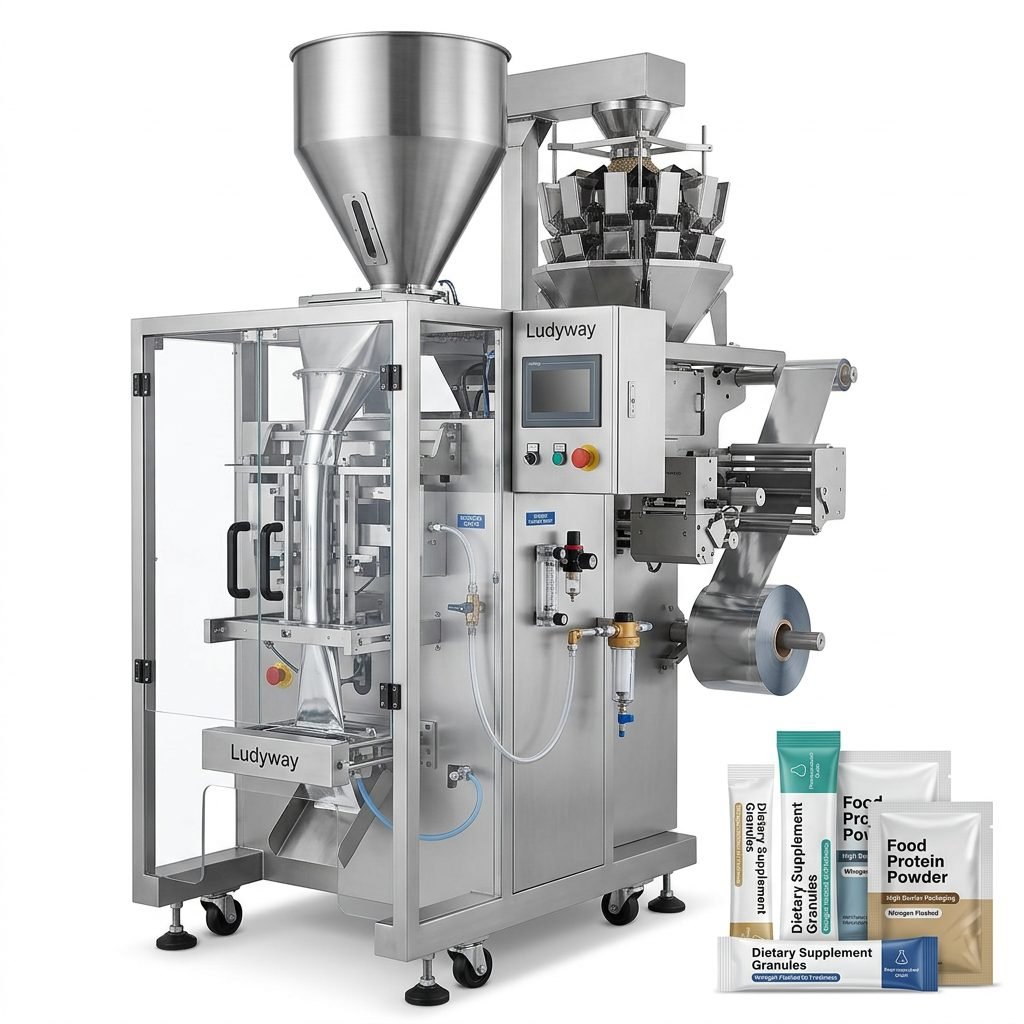
Understanding Nitrogen Filling Packaging Machines
A nitrogen filling packing machine is a specialized packaging system that injects nitrogen gas into packages before sealing, displacing oxygen to create a modified atmosphere. This process, often called Modified Atmosphere Packaging (MAP) or nitrogen flushing, significantly reduces oxidation, prevents spoilage, and protects products from moisture and microbial growth.
These machines are widely used across multiple sectors, and selecting the right one requires evaluating several critical factors. According to the PMMI Business Intelligence Library, the global packaging machinery market continues to evolve with increasing demand for automated solutions that ensure product safety and extended shelf life.
Why Nitrogen Flushing Matters in Packaging
Oxygen is one of the primary causes of product degradation. When products are exposed to oxygen, several detrimental processes can occur:
- Oxidation of fats and oils, leading to rancidity in food products
- Color changes in fresh and processed foods
- Nutrient loss in sensitive pharmaceutical and nutraceutical formulations
- Microbial growth that compromises product safety
- Moisture absorption affecting powder flowability and texture
By replacing oxygen with inert nitrogen, manufacturers can extend shelf life by 50% to 400% depending on the product, reduce preservative usage, and maintain product quality throughout distribution.
Key Factors to Consider When Choosing a Nitrogen Filling Machine
Product Type and Characteristics
The physical properties of your product directly influence machine selection. Consider the following:
- Powder products (milk powder, protein powder, spices) require precise dosing and dust control
- Granule products (coffee beans, nuts, pet food) need gentle handling to prevent breakage
- Liquid products (oils, beverages) demand leak-proof sealing and oxygen purging in headspace
- Fragile products (snack foods, chips) require protective gas flushing to create cushioning
Product density, flow characteristics, and sensitivity to oxygen all impact the type of nitrogen filling packing machine best suited for your application.
Production Speed and Capacity Requirements
Production throughput is a critical specification. Machines range from semi-automatic models producing 20-40 packs per minute to high-speed multi-lane systems capable of 400-600 packs per minute or more. The PMMI 2025 State of the Industry Report highlights that manufacturers are increasingly seeking higher-speed equipment to meet growing demand without sacrificing packaging quality.
When assessing capacity, factor in:
- Current production volume and peak demand periods
- Projected growth over the next 3-5 years
- Available floor space and facility layout
- Integration with upstream and downstream equipment
Packaging Format and Bag Style
Nitrogen filling machines accommodate various packaging formats. Common configurations include:
| Packaging Format | Best Suited For | Typical Applications |
|---|---|---|
| Stick Packs | Single-serve powders, instant beverages | Coffee, sugar, protein powder, supplements |
| Sachets | Small-volume liquids and powders | Sauces, cosmetics, pharmaceutical samples |
| Pillow Pouches | Snacks, dry foods, granular products | Nuts, chips, dried fruits, pet food |
| Stand-up Pouches | Premium retail products | Coffee beans, specialty foods, health products |
| Multi-lane Systems | High-volume production | Seasonings, sweeteners, instant drink mixes |
Oxygen Residual Levels
Different products require different levels of oxygen removal. The Flexible Packaging Association provides guidance on barrier properties and packaging material selection that directly impact oxygen residual levels. Key targets include:
- Standard MAP: Oxygen levels below 2% for general food packaging
- High-barrier applications: Oxygen levels below 0.5% for sensitive products
- Pharmaceutical grade: Oxygen levels below 0.1% for critical formulations
The machine’s gas flushing system design determines achievable residual oxygen levels. Vacuum-gas flush systems generally achieve lower oxygen residuals than simple gas flush nozzles.
Machine Configuration and Automation Level
Nitrogen filling machines are available in several configurations:
- Standalone units for lower-volume or specialized production
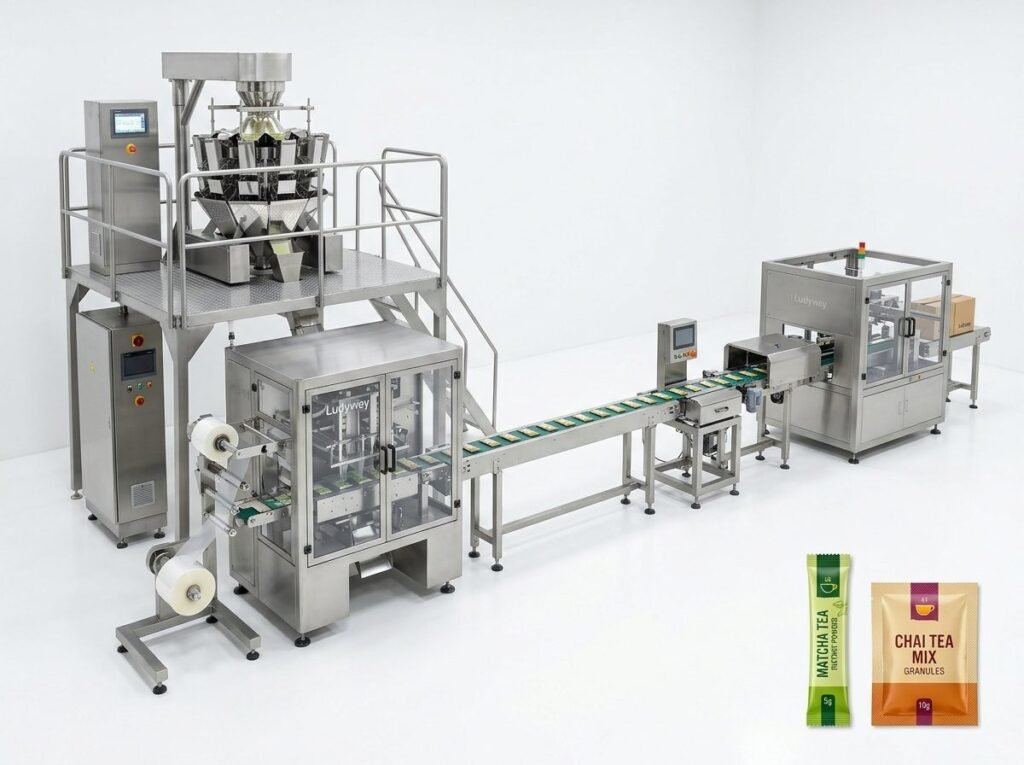
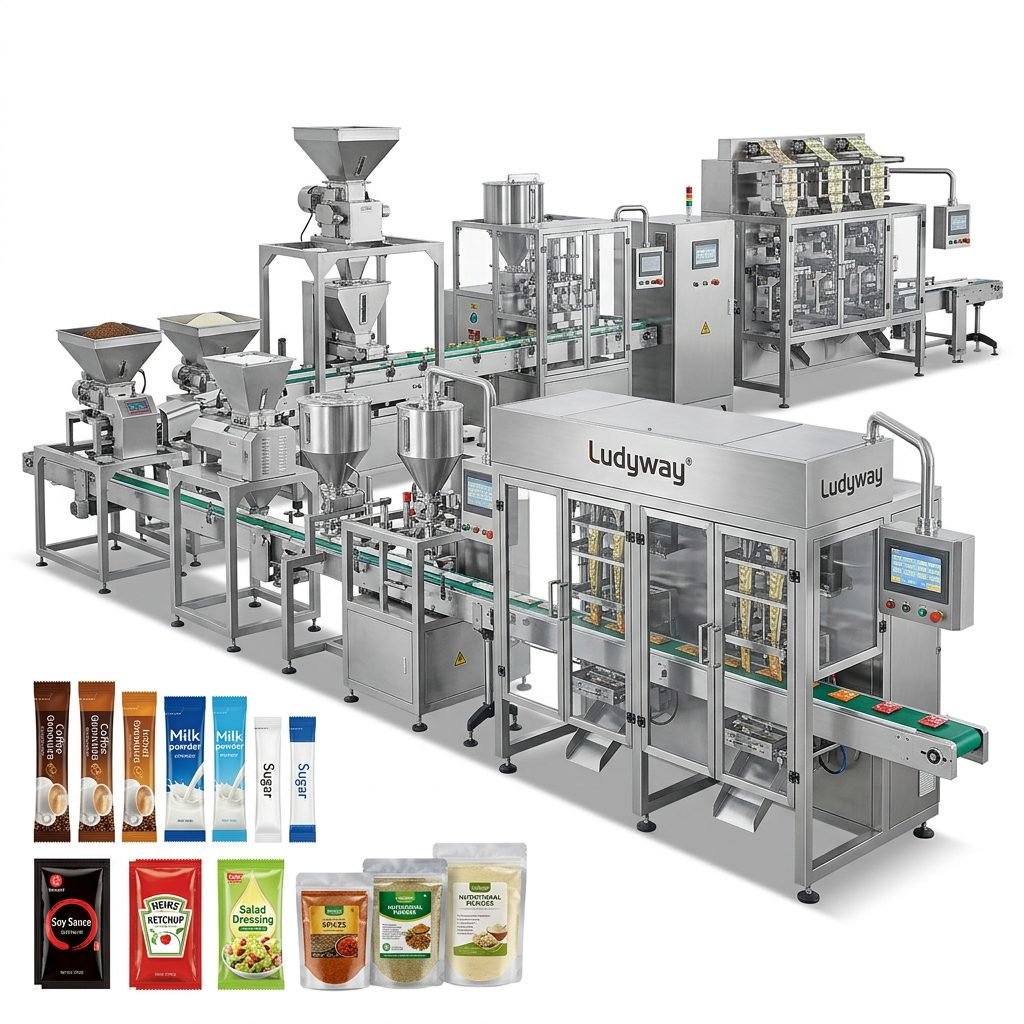
- Inline integrated systems that connect with upstream filling and downstream cartoning equipment
- Rotary systems for continuous high-speed operation
- Multi-lane configurations for maximum throughput on single-serve formats
Automation features such as servo-driven controls, automatic gas flow adjustment, and integrated oxygen analyzers improve consistency and reduce operator intervention.
Types of Nitrogen Filling Packaging Machines
The market offers several types of nitrogen packaging equipment, each suited to different applications:
Vertical Form Fill Seal (VFFS) with Nitrogen Flushing
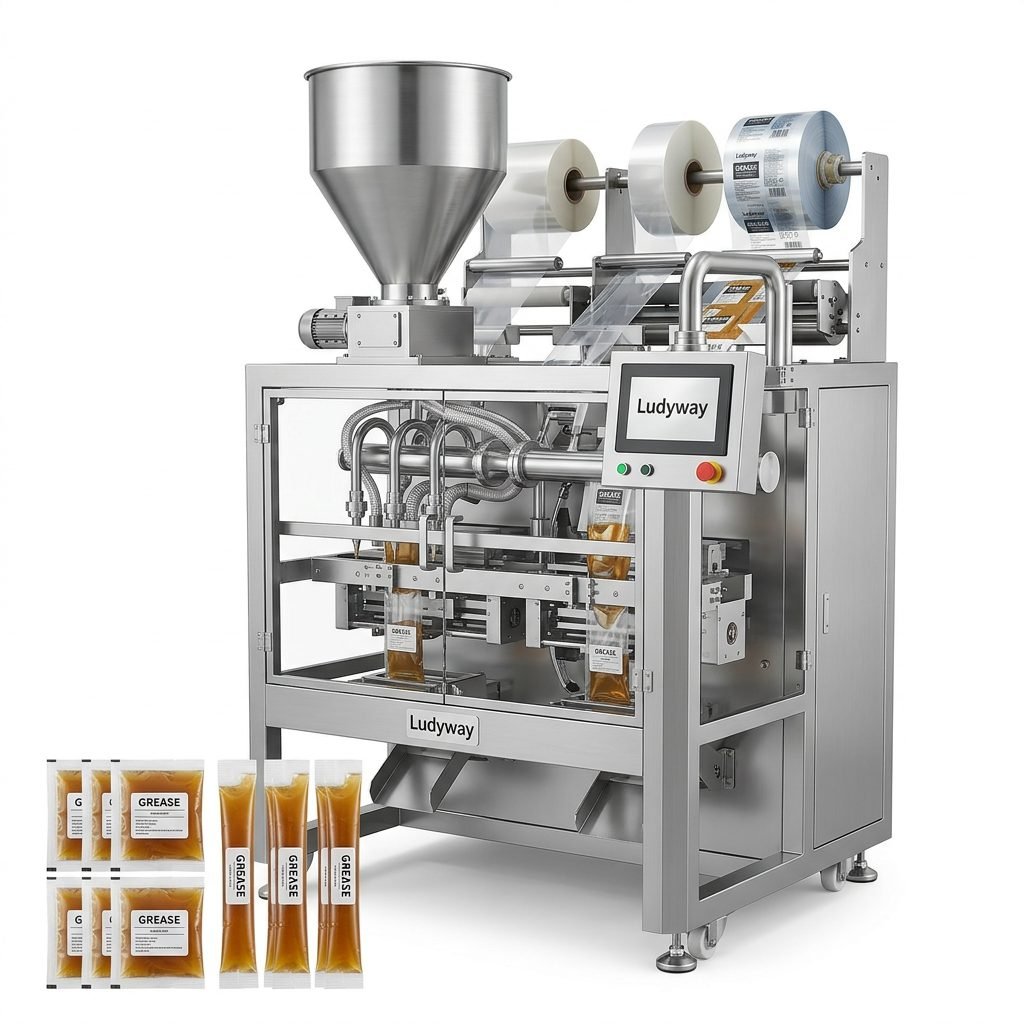
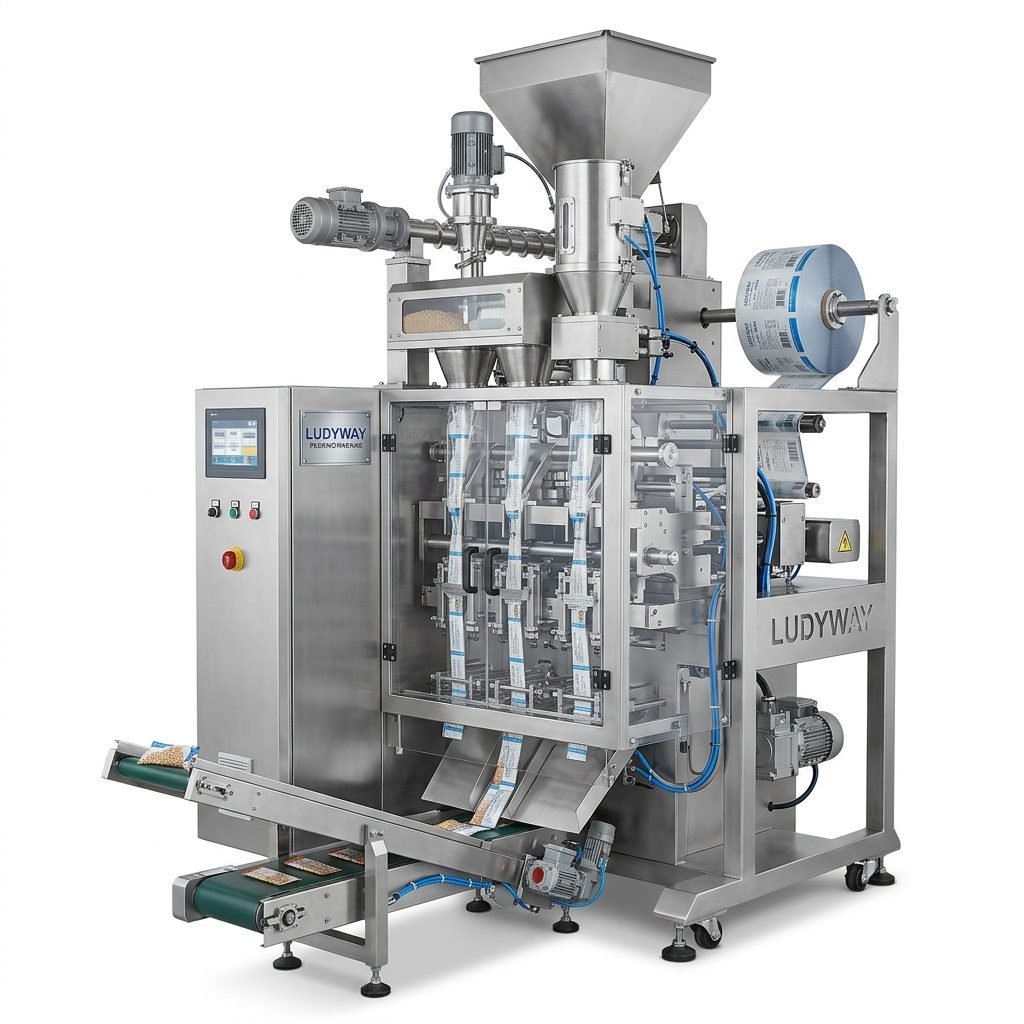
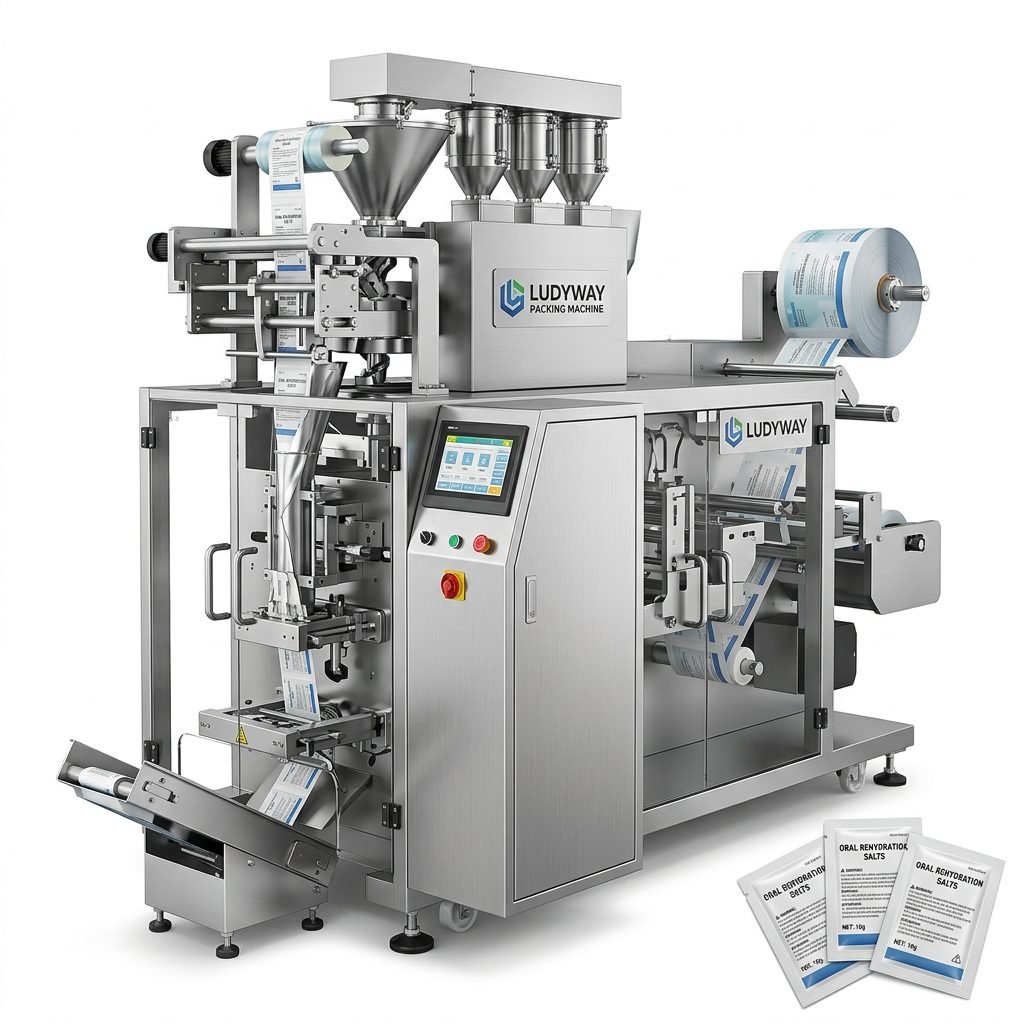
VFFS machines form bags from roll stock, fill product, flush with nitrogen, and seal in a continuous vertical motion. These are ideal for powders, granules, and free-flowing products. They offer high speeds and are widely used in food and pharmaceutical packaging.
Horizontal Form Fill Seal (HFFS) with Gas Flushing
HFFS machines handle products horizontally, making them suitable for fragile items, solid products, and irregular shapes. The nitrogen flushing can be precisely controlled throughout the packaging cycle, ensuring consistent modified atmosphere conditions.
Pre-Made Pouch Filling and Nitrogen Sealing Machines
These systems use pre-formed pouches and are excellent for premium packaging applications. They offer flexibility in pouch styles and sizes, with nitrogen injection occurring just before final sealing. They are popular in the flexible packaging industry for high-barrier applications.
Multi-Lane Stick Pack and Sachet Machines
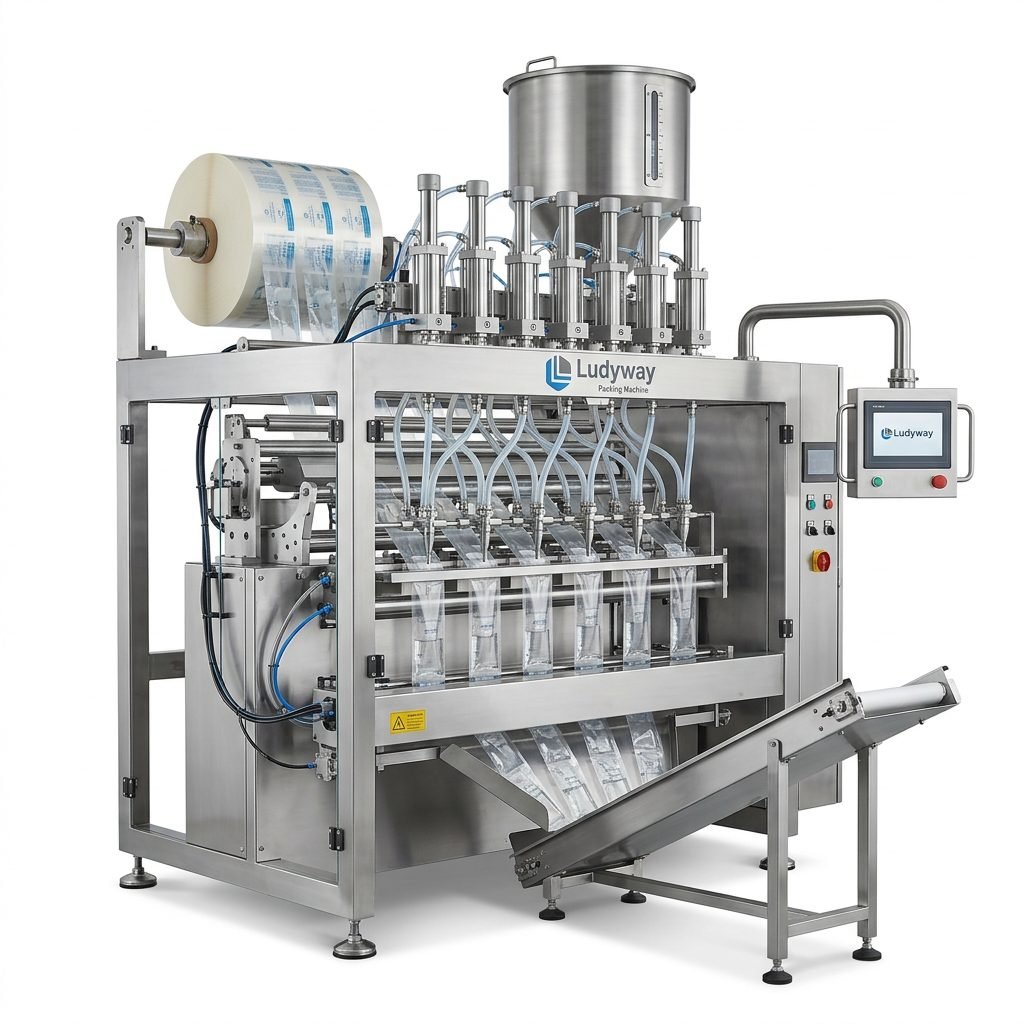
For high-volume single-serve products, multi-lane machines with integrated nitrogen flushing deliver maximum throughput in a compact footprint. These systems can run 4 to 20 lanes simultaneously, each with independent gas flushing control.
Technical Specifications to Evaluate
When comparing nitrogen filling packing machines, focus on these technical parameters:
| Specification | Why It Matters | Typical Range |
|---|---|---|
| Gas Flow Rate | Determines flushing efficiency and oxygen displacement | 10-200 L/min depending on pack size |
| Sealing Temperature Control | Critical for hermetic seal integrity after gas flush | Precision within ±1°C |
| Filling Accuracy | Affects product consistency and waste reduction | ±0.5% to ±1% for most systems |
| Oxygen Residual Capability | Directly impacts product shelf life | 0.1% to 2% depending on system design |
| Nitrogen Consumption | Impacts ongoing operational costs | Varies by machine design and efficiency |
Cost Considerations and ROI
Purchasing a nitrogen filling packing machine involves both capital expenditure and ongoing operational costs. Key financial considerations include:
- Machine purchase price – varies significantly based on automation level and capacity
- Nitrogen gas supply – on-site nitrogen generators versus bottled gas delivery
- Packaging material costs – high-barrier films required for MAP applications
- Maintenance and spare parts – preventive maintenance schedules and parts availability
- Energy consumption – electricity, compressed air, and gas generation costs
Calculate ROI by comparing the extended shelf life, reduced product returns, wider distribution reach, and premium positioning that nitrogen packaging enables. Many manufacturers recover their investment within 12 to 24 months through reduced waste and expanded market access.
Industries That Benefit from Nitrogen Packaging
Nitrogen filling technology serves a diverse range of industries. The FDA food packaging guidelines and international standards such as ISO packaging standards provide regulatory frameworks that manufacturers must navigate:
- Food and Beverage: Coffee, snacks, nuts, dried fruits, bakery products, powdered beverages
- Pharmaceuticals: Powdered medications, diagnostic kits, sterile medical devices
- Nutraceuticals: Protein powders, dietary supplements, vitamins, herbal formulations
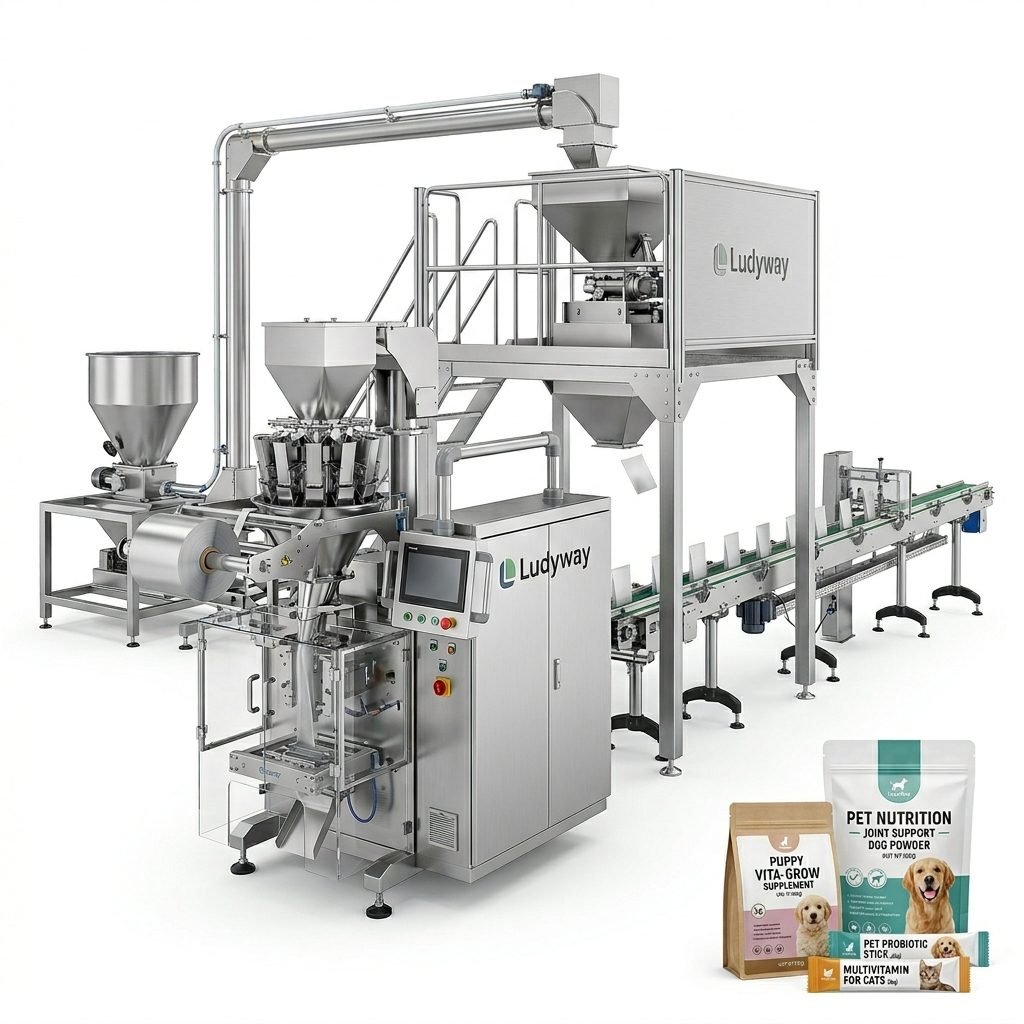
- Pet Food: Premium dry kibble, freeze-dried treats, nutritional supplements
- Chemicals: Moisture-sensitive powders, reactive compounds, industrial additives
- Cosmetics: High-value creams, serums, and powdered formulations
How to Evaluate a Nitrogen Packaging Machine Supplier
Choosing the right equipment supplier is as important as selecting the right machine. Consider these evaluation criteria:
- Industry experience – look for manufacturers with a proven track record in your specific sector
- Customization capabilities – can the supplier adapt machines to your unique product requirements
- After-sales support – assess availability of technical support, spare parts, and training programs
- Compliance documentation – ensure machines can meet applicable regulatory standards and certifications
- Global service network – important for manufacturers operating in multiple regions
- References and case studies – verify performance claims with existing customers
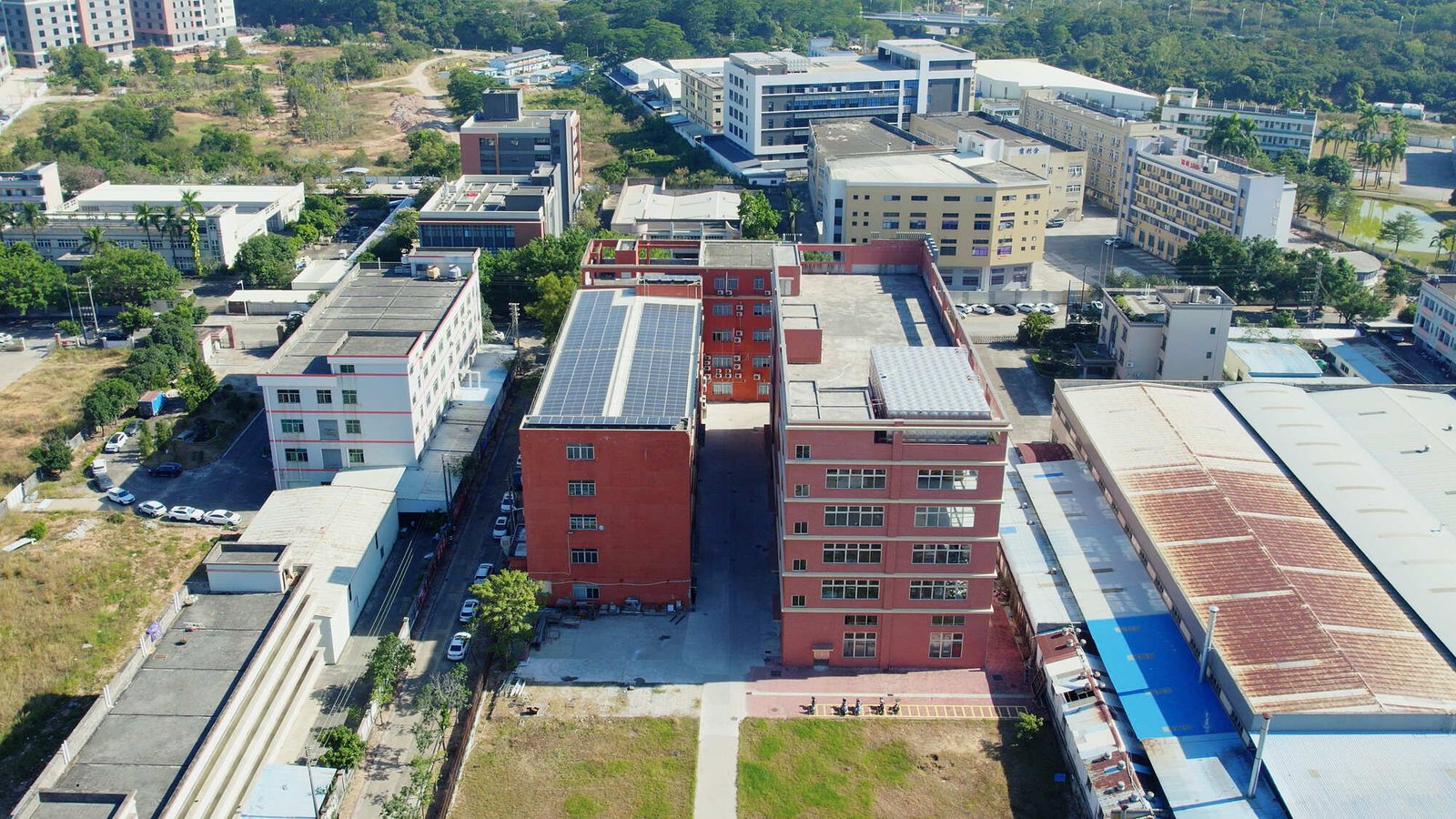
One example of an experienced supplier in this space is Ludyway Machinery, a China-based packaging machinery manufacturer with more than 30 years of industry experience. With a 20,000-square-meter manufacturing facility and over 130 professionals, Ludyway provides nitrogen flushing packaging systems among its portfolio of more than 50 packaging machine models. The company serves customers in over 100 countries and regions, with export revenue expected to exceed RMB 500 million (approximately US$69 million) in 2025 and plans to surpass RMB 1 billion (approximately US$138 million) in 2026. Their approach combines customized engineering with turnkey packaging solutions for manufacturers across food, pharmaceutical, chemical, and other industries.
Frequently Asked Questions
What is the difference between nitrogen flushing and vacuum packaging?
Nitrogen flushing replaces oxygen with inert nitrogen gas, maintaining package volume and protecting fragile products. Vacuum packaging removes air entirely, which can compress and crush delicate items. Nitrogen flushing is preferred for products that need cushioning or where package appearance matters for retail presentation.
Can nitrogen filling machines handle both powder and granular products?
Yes, many nitrogen filling packing machines are designed with versatile dosing systems that can accommodate powders, granules, and even liquid products. However, the specific filling mechanism (auger, volumetric cup, multi-head weigher, or piston filler) must be matched to product characteristics for optimal performance.
How do I determine the right nitrogen flow rate for my product?
The required nitrogen flow rate depends on package volume, production speed, and target residual oxygen level. Work with your equipment supplier to calculate the appropriate flow rate based on your specific packaging parameters. Many modern machines include automated gas flow control systems that adjust in real-time.
What ongoing maintenance does a nitrogen packaging machine require?
Regular maintenance includes cleaning of gas nozzles and filters, inspection of seals and gaskets, calibration of oxygen sensors, and preventive servicing of mechanical and electrical components. A well-maintained machine typically requires scheduled preventive maintenance every 500-1000 operating hours.
Is on-site nitrogen generation cost-effective?
For medium to high-volume operations, on-site nitrogen generators often provide significant cost savings compared to bottled gas delivery. Payback periods for nitrogen generators typically range from 12 to 24 months, depending on consumption volume and local gas prices.
Conclusion
Selecting the right nitrogen filling packing machine requires a comprehensive evaluation of your product characteristics, production requirements, packaging formats, and business goals. Focus on machine specifications that directly impact product quality and shelf life, including gas flushing efficiency, sealing integrity, and achievable oxygen residual levels. Partner with an experienced equipment supplier who can provide customized solutions, reliable after-sales support, and scalability for future growth. With the right machine and supplier partnership, nitrogen packaging technology delivers measurable returns through extended product shelf life, reduced waste, and enhanced brand value.
For more information on packaging machinery standards and industry trends, visit the PMMI packaging industry resources or explore Flexible Packaging Association industry data for insights on packaging material innovations and sustainability.