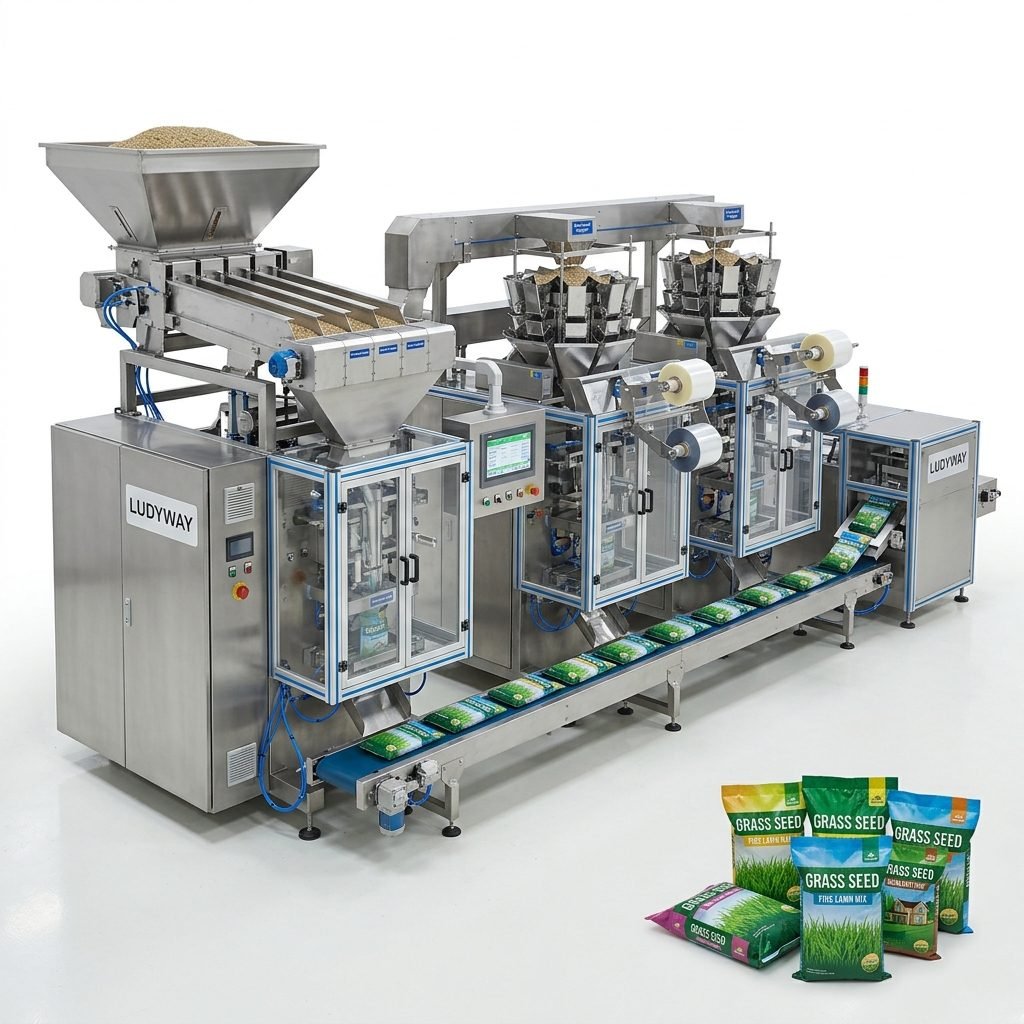
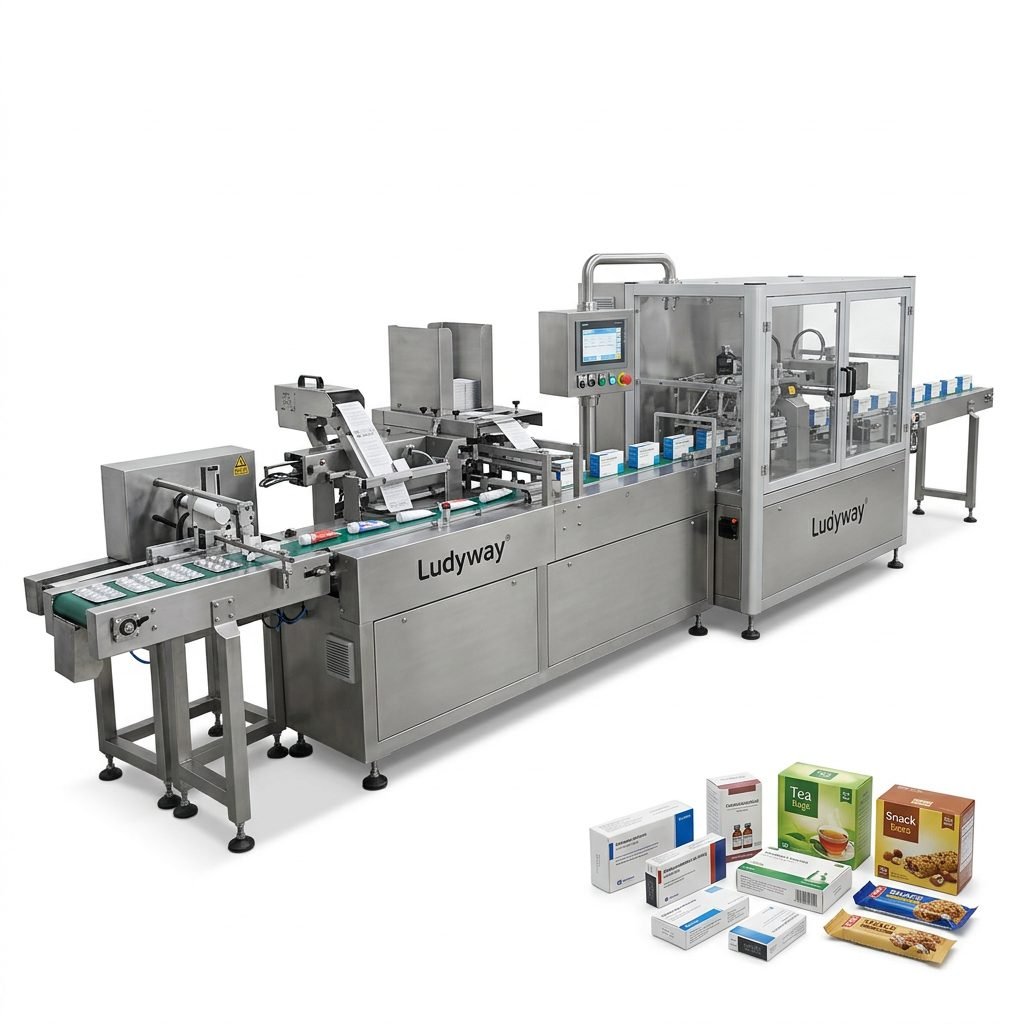
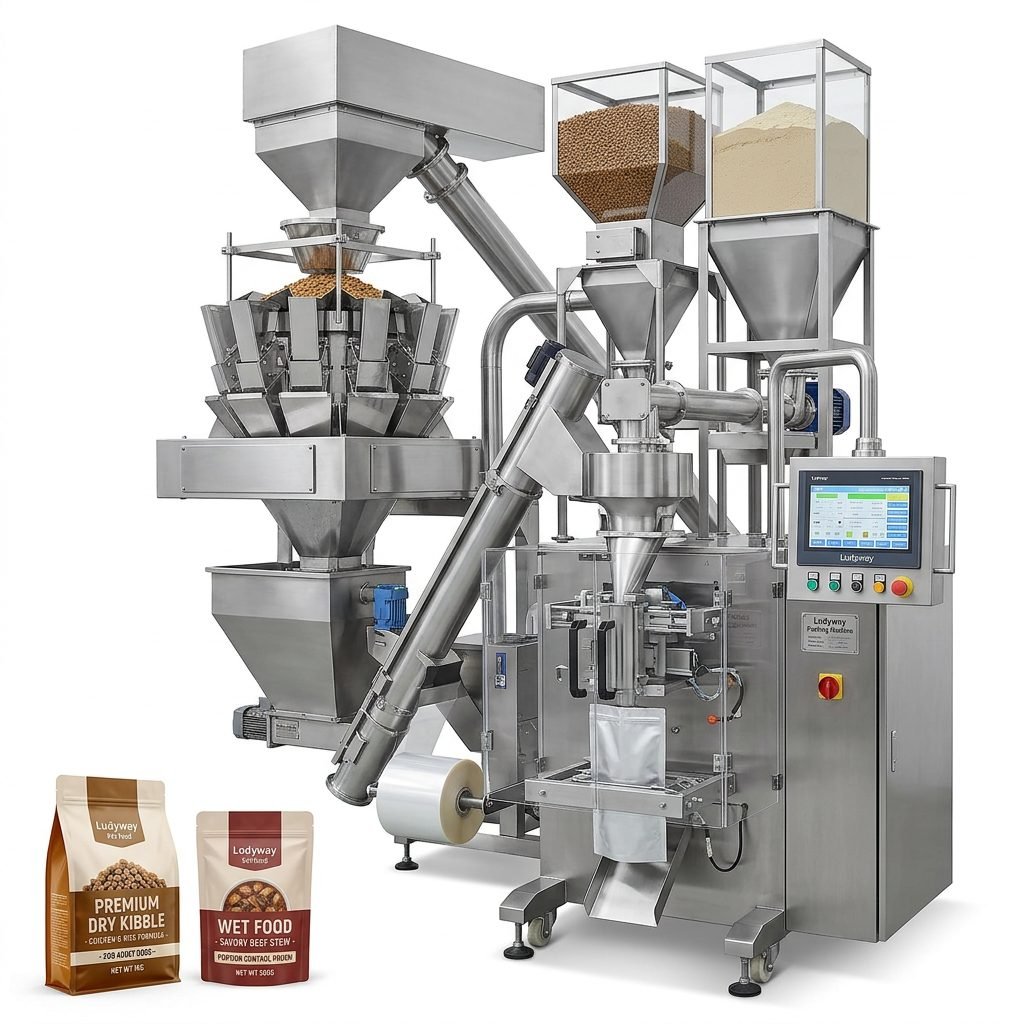
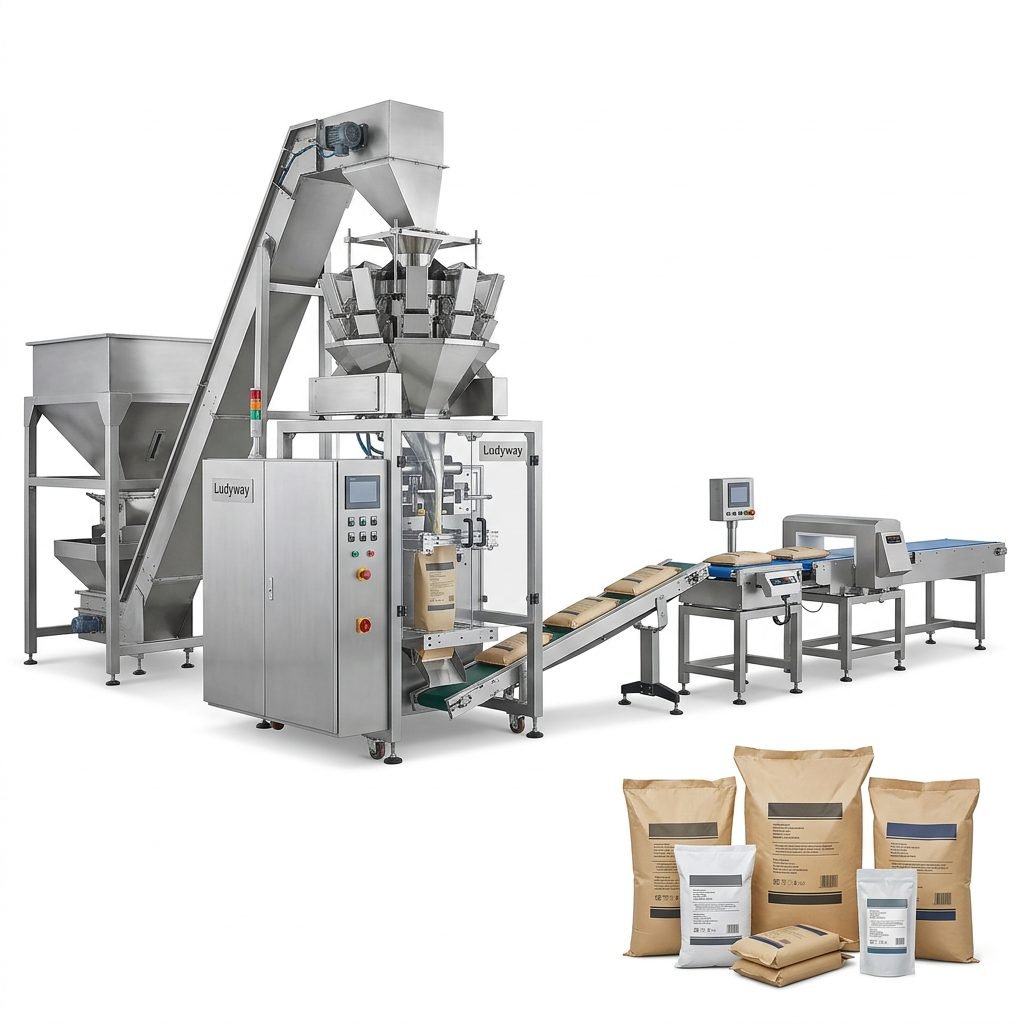
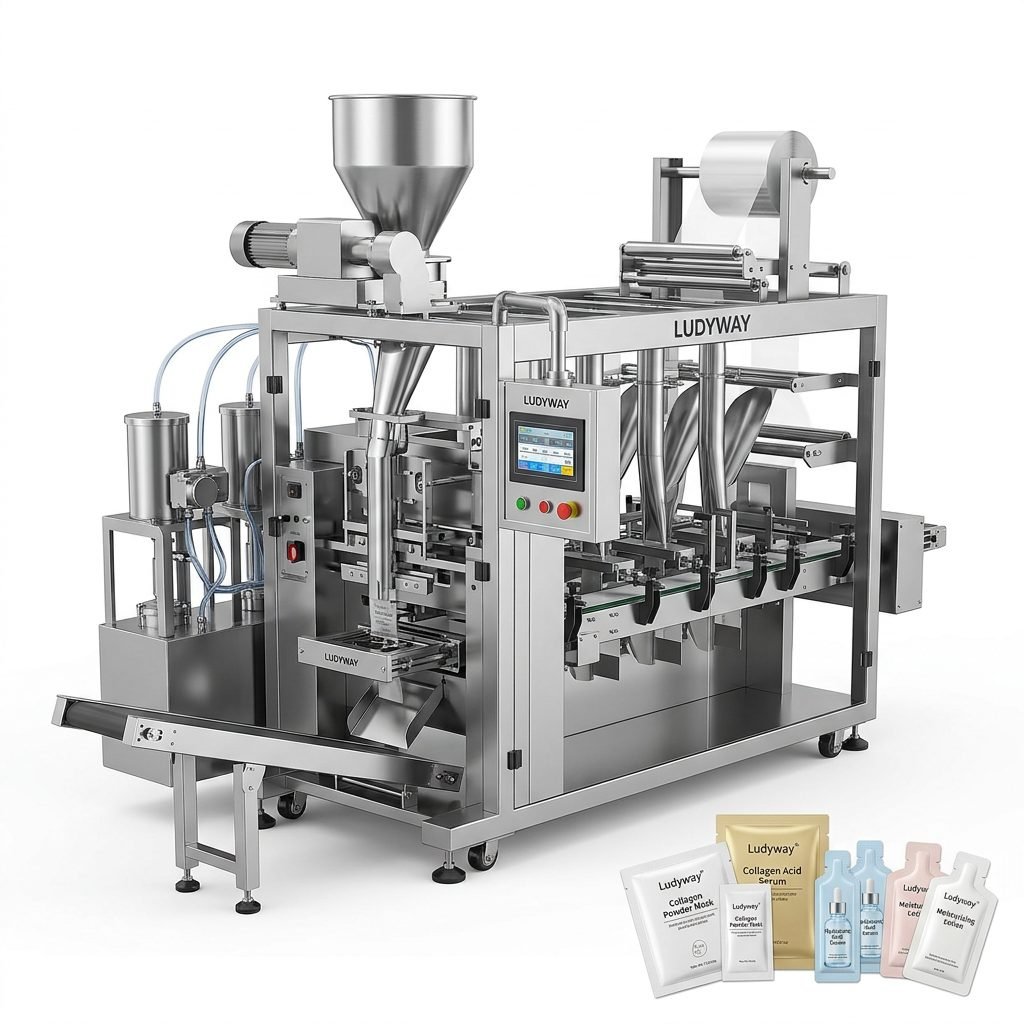
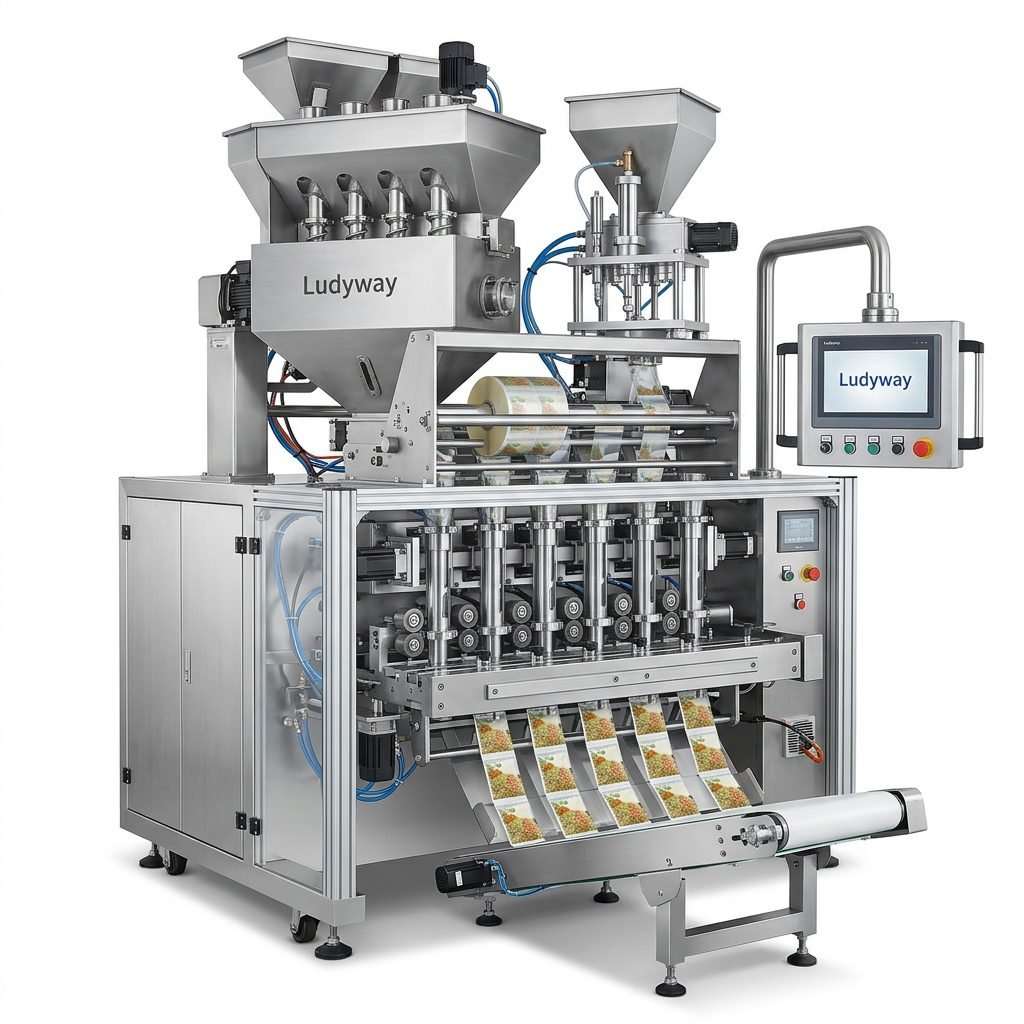
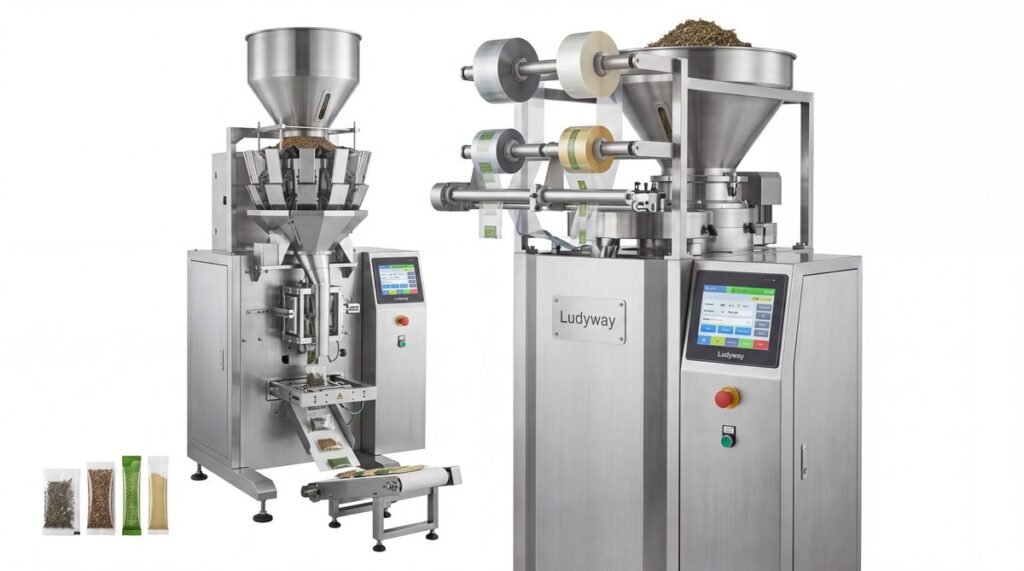
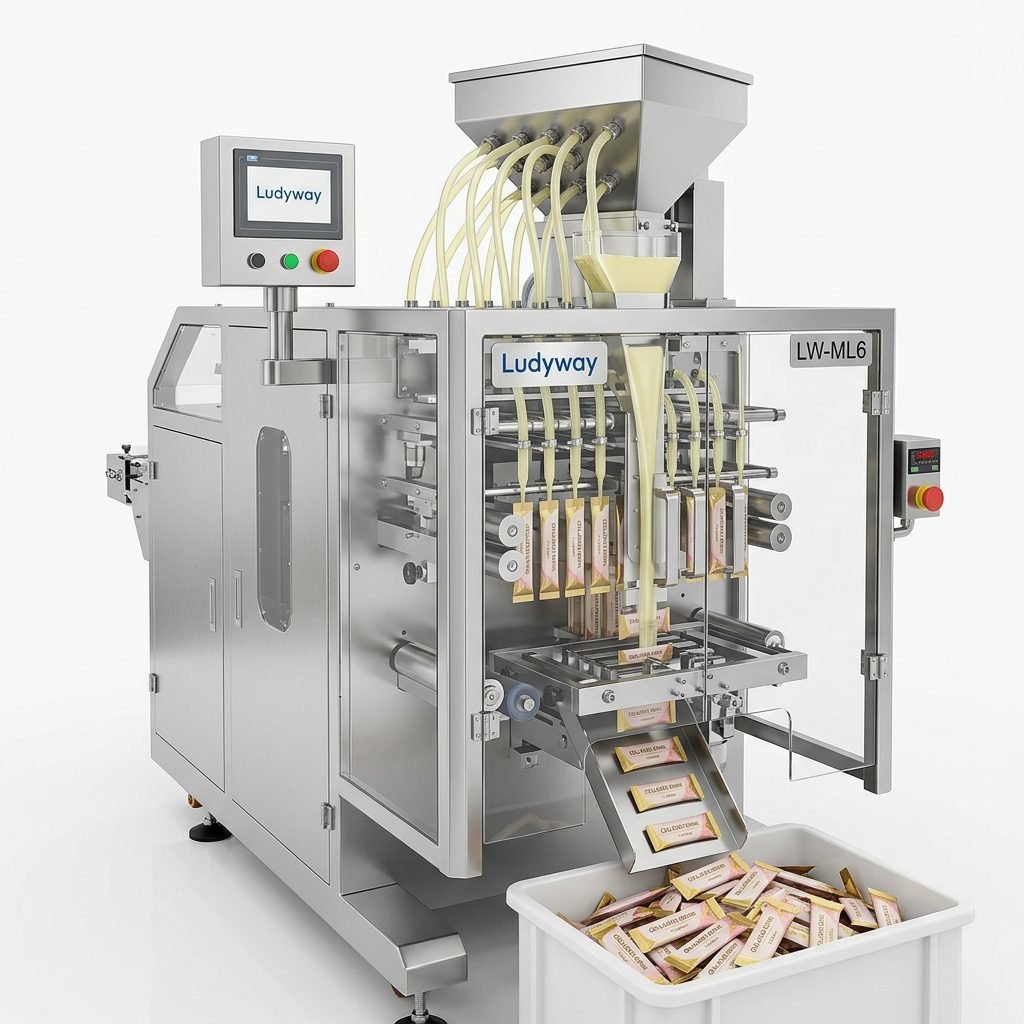
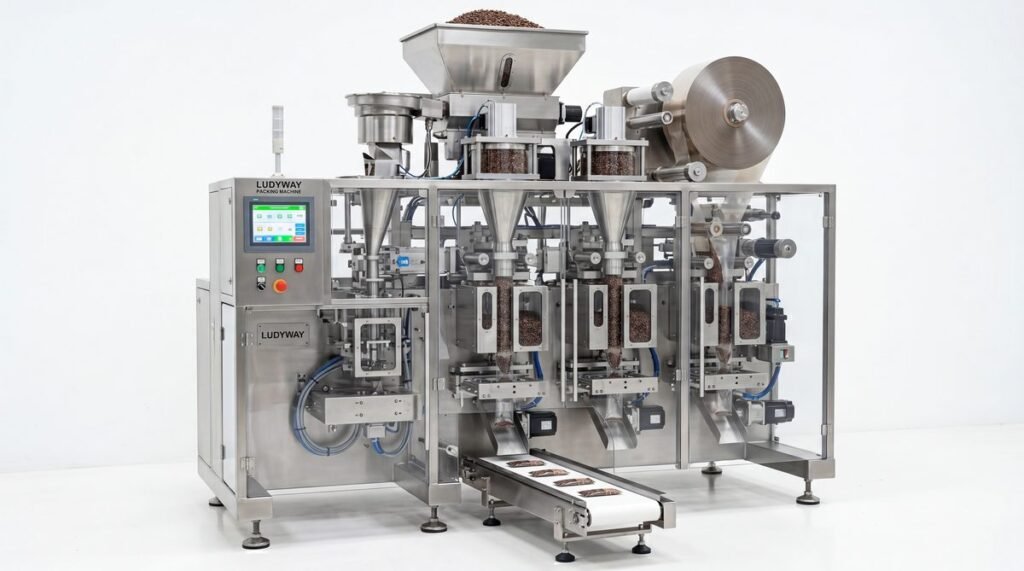
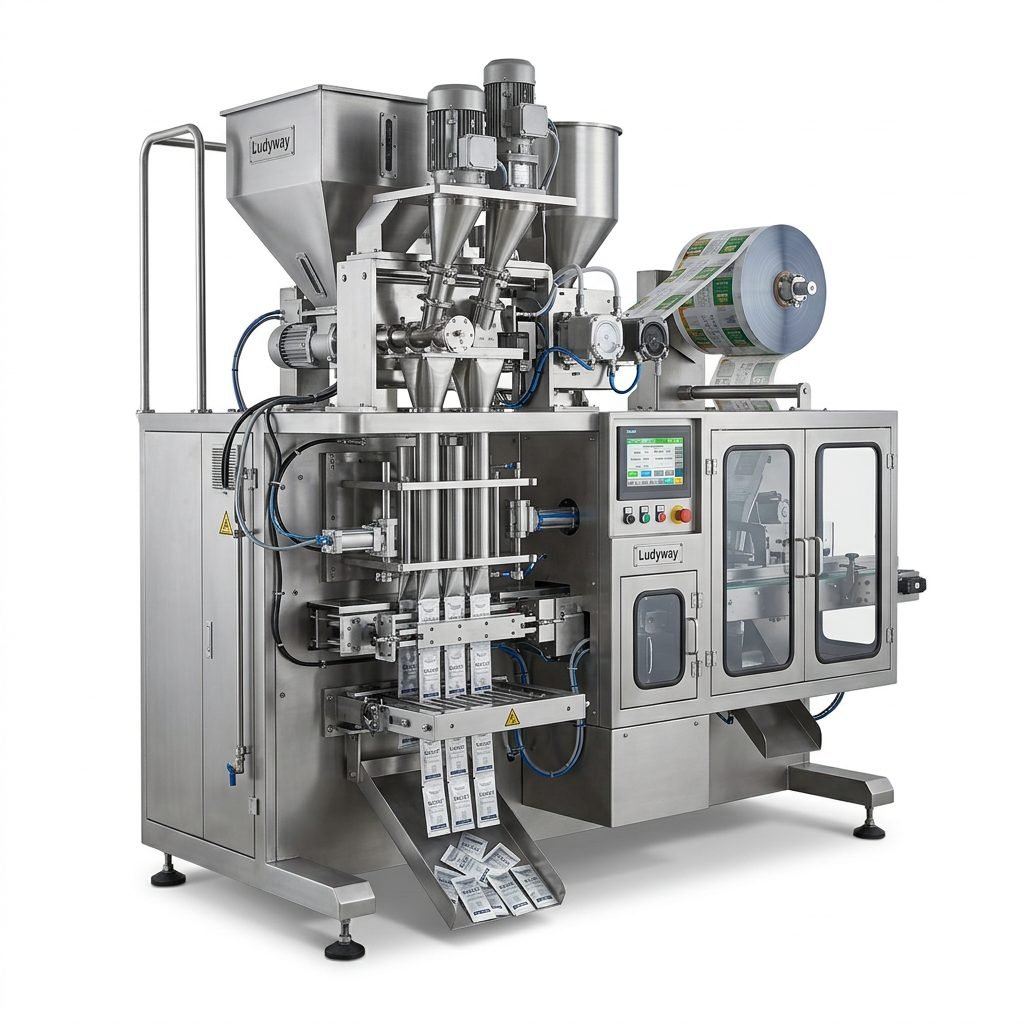
Investing in a fully automatic pouch packing machine is a significant decision for any manufacturer. Whether you operate in the food, pharmaceutical, chemical, or cosmetic industry, the right equipment can dramatically improve your packaging efficiency, product consistency, and overall production capacity. However, with dozens of configurations, filling systems, and technical specifications available, the selection process can quickly become overwhelming.
This comprehensive buyer’s guide walks you through the essential factors to consider, helping you make an informed decision that aligns with your production goals, budget, and long-term scalability requirements.
1. Understand Your Product Characteristics
Before evaluating machine specifications, you must thoroughly analyze the physical properties of the product you intend to package. The filling technology and overall machine configuration depend heavily on these characteristics.
- Product State: Is your product a free-flowing granule, a cohesive powder, a viscous liquid, a paste, or a combination? Each state requires a specific dosing mechanism. For example, an auger filler is typically used for powders, while a piston pump handles liquids and pastes.
- Flowability and Density: Non-free-flowing powders like certain spices or protein mixtures may require agitators or special hopper designs to ensure consistent filling. Bulk density variations directly impact the filling volume and machine calibration.
- Sensitivity: Products that are hygroscopic, dusty, or sensitive to heat require sealed dosing areas and sometimes temperature-controlled environments. Fragile granules might need gentle handling systems.
- Corrosiveness and Abrasiveness: Chemical products or salt-based formulations demand machine components made from stainless steel grades like 316L to resist corrosion and wear over extended production runs.
2. Define Your Packaging Format and Bag Style
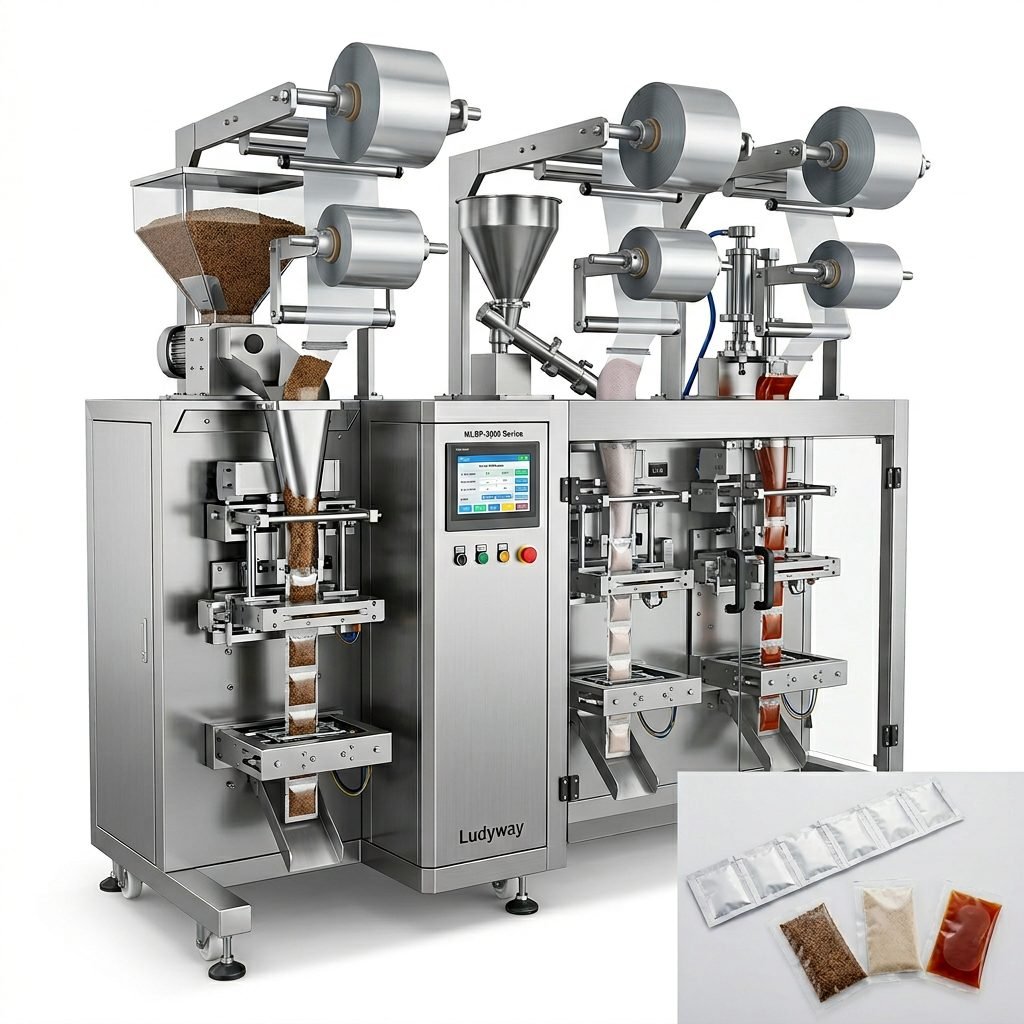
Modern fully automatic pouch packing machines can produce a wide array of bag styles. The format influences not only equipment choice but also shelf appeal and consumer convenience. Common formats include:
| Bag Style | Typical Application | Key Advantage |
|---|---|---|
| Stick Pack | Single-serve powders, instant coffee, sugar | Portability, precise portion control |
| Three-Side Seal Sachet | Ketchup, shampoo samples, pharmaceutical powders | Cost-effective, high-speed production |
| Four-Side Seal Sachet | Medical devices, premium supplements | Enhanced barrier properties, tamper-evident |
| Gusseted Pouch | Pet food, granola, dried fruit | Stand-up capability, larger volumes |
| Pillow Pouch | Snacks, candy, hardware parts | Simplicity, high throughput |
It is also vital to define your target bag dimensions, fill weight range, and packaging material structure. Multilayer laminates with aluminum foil offer excellent barriers for sensitive products, while simpler polyethylene structures work for less demanding applications. Check relevant flexible packaging industry data to understand material trends and ISO packaging standards for material compatibility.
3. Determine Production Speed and Automation Level
Production throughput is a critical factor in machine selection. A multi-lane stick pack machine typically offers higher output than a single-lane intermittent motion machine. Consider your current capacity needs and factor in future growth projections.
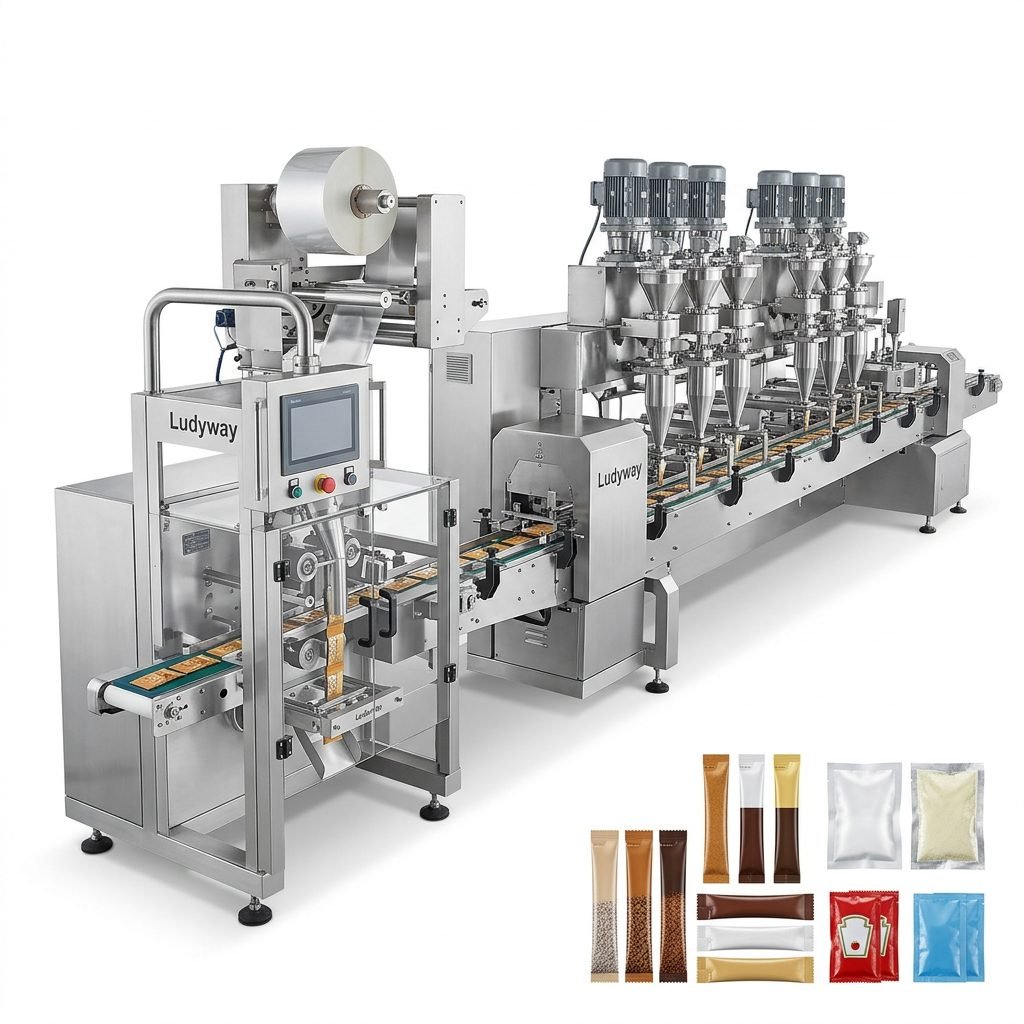
Speed is measured in pouches per minute (ppm) or cycles per minute. A single-lane machine might produce 30-80 ppm, while a 10-lane high-speed system can exceed 500 ppm. However, raw speed is meaningless if the filling accuracy and seal integrity cannot be maintained. Balance speed with precision: a faster machine with high reject rates is less valuable than a slightly slower, highly consistent one.
Automation level also varies significantly. Some manufacturers require fully integrated systems including automatic feeding, weighing, filling, sealing, coding, inspection, and cartoning. Others may need a standalone unit that integrates with existing conveyors. A PMMI packaging machinery market research report can provide industry benchmarks for automation adoption rates across sectors.
4. Evaluate Filling and Dosing Technology
The dosing system is the core of any pouch packing machine. Selecting the correct technology directly affects fill accuracy, product waste, and overall equipment effectiveness. Common dosing systems include:
Auger Filler
Ideal for powders, especially non-free-flowing and dusty products. The rotating auger screw dispenses a controlled volume of product into each pouch. Accuracy depends on auger pitch, rotation count, and consistent product density. This system is widely used in FDA-regulated food packaging environments for products like flour, protein powder, and spices.
Volumetric Cup Filler
Best suited for free-flowing granules like sugar, salt, seeds, and rice. Adjustable cups measure a fixed volume with each cycle. This system is robust and requires less maintenance but may struggle with products of inconsistent granule size.
Multi-Head Weigher
For high-accuracy applications, a multi-head combination weigher delivers precise weight-based filling. Each weigh head calculates the optimal combination to hit the target weight, minimizing giveaway. This technology is common in snack, confectionery, and premium nut packaging.
Piston and Pump Fillers
These handle liquids, pastes, creams, and gels. Piston fillers are suitable for a wide viscosity range, while gear pumps excel with thin, free-flowing liquids. Hygiene and clean-in-place (CIP) compatibility are critical considerations when handling food or pharmaceutical liquids.
Refer to the Flexible Packaging Association’s knowledge hub for technical insights on material compatibility with different filling environments, particularly for chemical or heat-filled products.
5. Machine Construction, Materials, and Hygiene Standards
The quality of construction materials directly impacts machine longevity, cleanability, and compliance with industry regulations. For food, pharmaceutical, and cosmetic applications, stainless steel 304 or 316L is the standard requirement for all product contact parts.
Key construction considerations include:
- Frame and Body: A robust welded tubular frame provides vibration resistance and long-term stability at high speeds.
- Sealing Jaws: Temperature-controlled, servo-driven sealing jaws with uniform pressure distribution ensure hermetic seals across varying production speeds.
- Electrical Enclosures: IP65 or higher rated cabinets protect sensitive controls in washdown or dusty environments.
- Certifications: Depending on your market, the machine may need to meet CE, UL, or GMP design standards. Medical and pharmaceutical packaging often requires compliance with ISO 11607 for terminally sterilized medical devices.
6. Control System and User Interface
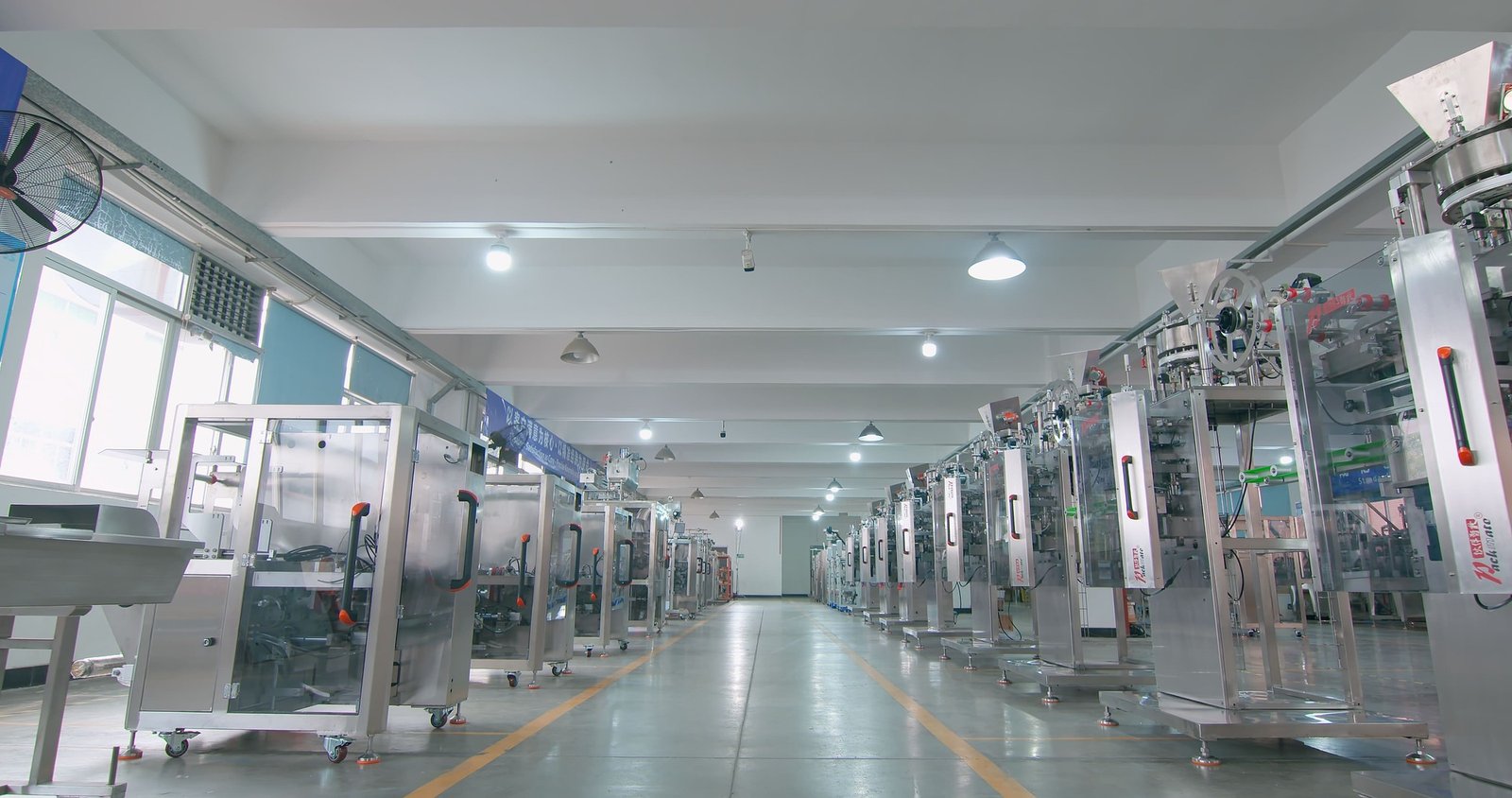
A modern fully automatic pouch packing machine should feature an intuitive PLC-based control system with an HMI touchscreen. The interface should allow operators to easily adjust parameters such as bag length, filling volume, sealing temperature, and production speed without extensive training.
Look for machines that support multi-language interfaces, recipe storage for quick product changeovers, and diagnostic displays that simplify troubleshooting. Integration capabilities with plant-wide MES or ERP systems via Ethernet/IP or Profinet protocols add long-term value for smart factory environments. A State of the Industry report from PMMI frequently highlights digitalization trends affecting packaging machinery specifications.
7. Changeover Time and Operational Flexibility
If your facility packages multiple products or varying bag sizes on the same line, changeover speed becomes a key evaluation criterion. Tool-less changeover designs, servo-driven adjustments, and stored recipe parameters can reduce downtime between production runs from hours to minutes.
Consider whether the machine can handle different packaging materials. Some products require cold-seal films, while others need heat-seal laminates. The machine’s ability to switch between material types without extensive modification adds flexibility to your packaging operation.
8. Integration and Ancillary Equipment
A pouch packing machine rarely operates in isolation. Evaluate how easily the machine integrates with upstream and downstream equipment:
- Feeding Systems: Bucket elevators, inclined conveyors, vacuum feeders, or direct hopper loading for powder and granule transfer.
- Coding and Marking: Thermal inkjet printers, thermal transfer overprinters, or laser markers for batch numbers and expiry dates.
- Inspection Systems: Checkweighers to verify fill weight, metal detectors for contaminant control, and vision systems for seal integrity and print verification.
- Secondary Packaging: Cartoning machines, case packers, and palletizing systems for end-of-line automation. The PMMI packaging industry resources offer guidance on line integration best practices.
The physical footprint and factory layout constraints also matter. Measure available floor space and ceiling height, and confirm that maintenance access points are not obstructed.
9. Total Cost of Ownership and ROI
The purchase price is only one part of the investment equation. When comparing machines from different manufacturers, calculate the total cost of ownership (TCO) over the expected lifespan, typically 7 to 15 years.
| Cost Factor | Description |
|---|---|
| Initial Capital | Machine price, shipping, import duties, installation |
| Consumables | Packaging film, lubricants, cleaning agents |
| Spare Parts | Sealing jaws, belts, sensors, filters — availability and cost |
| Energy Consumption | Heater power, motor efficiency, compressed air usage |
| Labor | Operator requirements per shift, technical training costs |
| Downtime and Rejects | Expected OEE, film waste percentage, defective pouch rate |
A slightly more expensive machine with higher reliability, faster changeovers, and better overall equipment effectiveness (OEE) often delivers a superior return on investment. Consider also the implications of the European packaging and packaging waste regulation on your material choices and machine compatibility.
10. Supplier Evaluation and After-Sales Support
The machine is only as good as the supplier behind it. When evaluating manufacturers, investigate their track record, installed base, and service infrastructure. A reputable supplier should offer:
- Factory Acceptance Testing (FAT): The opportunity to visit the manufacturer’s facility and test the machine with your actual product and packaging material before shipment.
- Installation and Commissioning: On-site support to ensure the machine is properly integrated into your production line.
- Operator Training: Comprehensive training for your production and maintenance teams.
- Spare Parts Availability: A well-stocked inventory and fast dispatch capability to minimize potential downtime.
- Remote Technical Support: Ability to diagnose and resolve issues through remote access, reducing the need for on-site service visits.
Companies like Ludyway Machinery, a China-based packaging machinery manufacturer with more than three decades of industry experience and a presence in over 100 countries, illustrate the value of working with an established supplier that offers integrated packaging solutions and global technical support throughout the project lifecycle.
Review the 2025 State of the Industry or the 2026 packaging industry outlook for market data that may influence supplier stability and technology trends.
11. Common Mistakes to Avoid
When purchasing a pouch packing machine, several frequent errors can lead to costly regrets:
- Underestimating Future Capacity: Buying a machine that barely meets today’s needs leaves no headroom for growth. A modular design that allows adding lanes or speed upgrades is a strategic advantage.
- Overlooking Material Compatibility: Not testing the actual packaging film and product combination on the machine before purchase. Film slip properties, sealant layers, and stiffness all affect machine performance.
- Ignoring Facility Requirements: Insufficient power supply, compressed air capacity, or cleanroom classification can prevent the machine from operating at its rated specifications.
- Choosing Price Over Value: The lowest bid often comes with compromises in build quality, component brands, or after-sales service. Evaluate the long-term partnership, not just the purchase transaction.
- Skipping the FAT: Accepting a machine without witnessing its performance with your own products is a significant risk. Insist on a comprehensive factory acceptance test.
12. Making the Final Decision
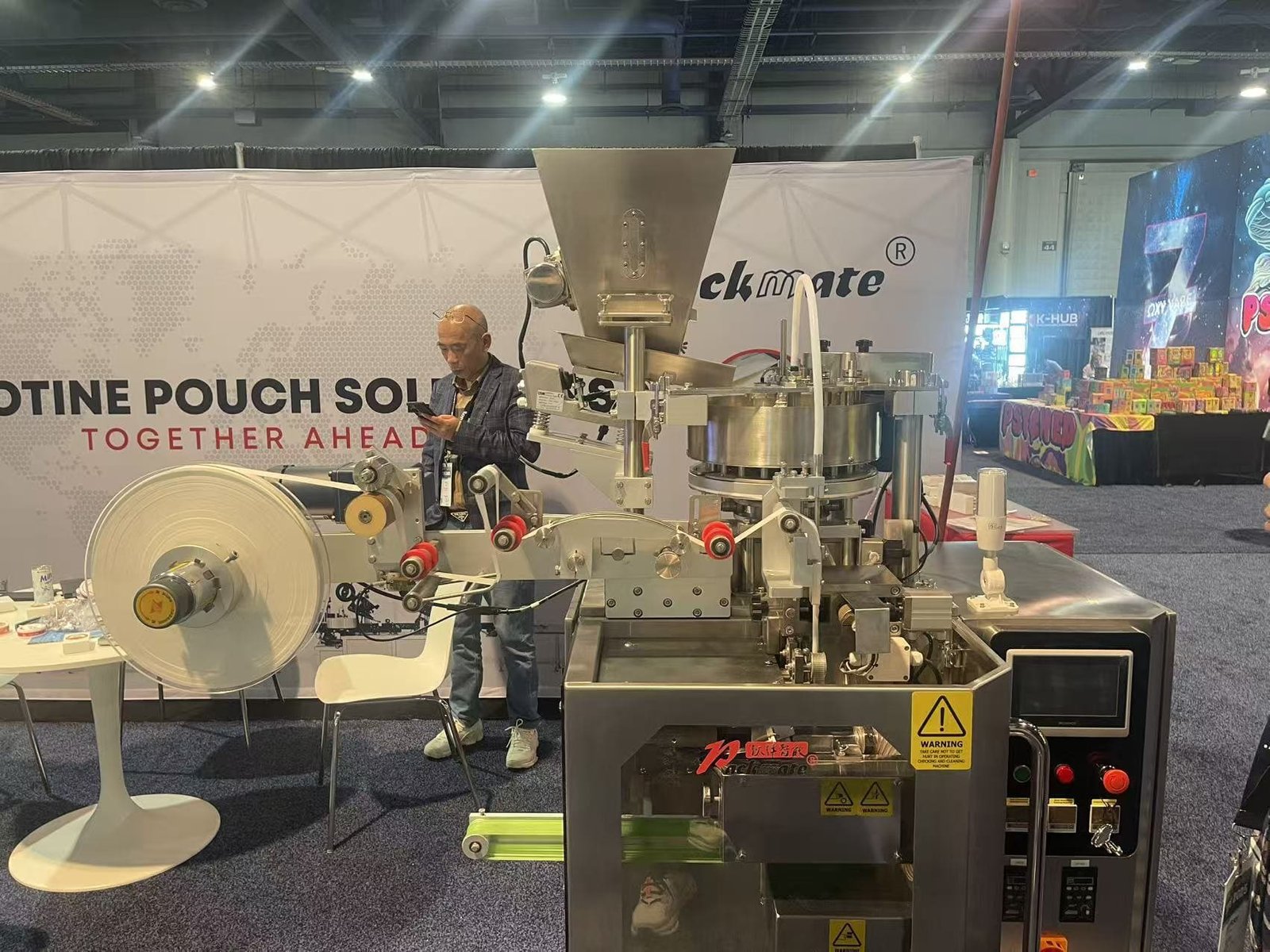
Choosing the right fully automatic pouch packing machine requires a methodical approach that balances technical specifications, commercial considerations, and supplier reliability. Start by clearly documenting your product characteristics, packaging format requirements, and production targets. Use these parameters to shortlist machines and suppliers that match your criteria.
Request detailed proposals, including line layout drawings, utility requirements, and comprehensive scope of supply. Compare not only machine specifications but also warranty terms, service level agreements, and the total cost of ownership projection. For a broader perspective, resources from PMMI – The Association for Packaging and Processing Technologies offer industry benchmarks and educational content on packaging machinery selection strategies.
Ultimately, the ideal machine is one that aligns with your current operational reality while supporting your long-term growth objectives. A careful evaluation process, combined with a reliable packaging machinery partner, positions you to achieve consistent, efficient, and scalable packaging operations for years to come.