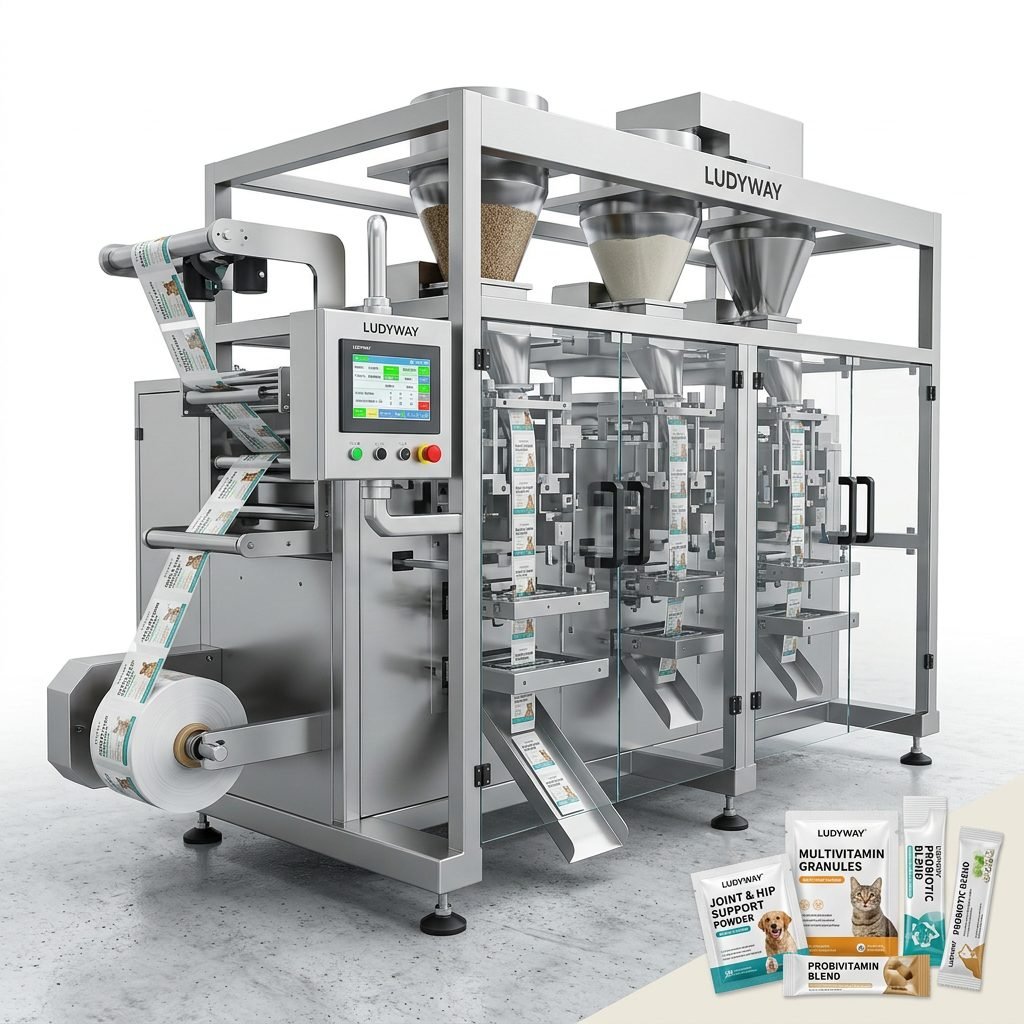
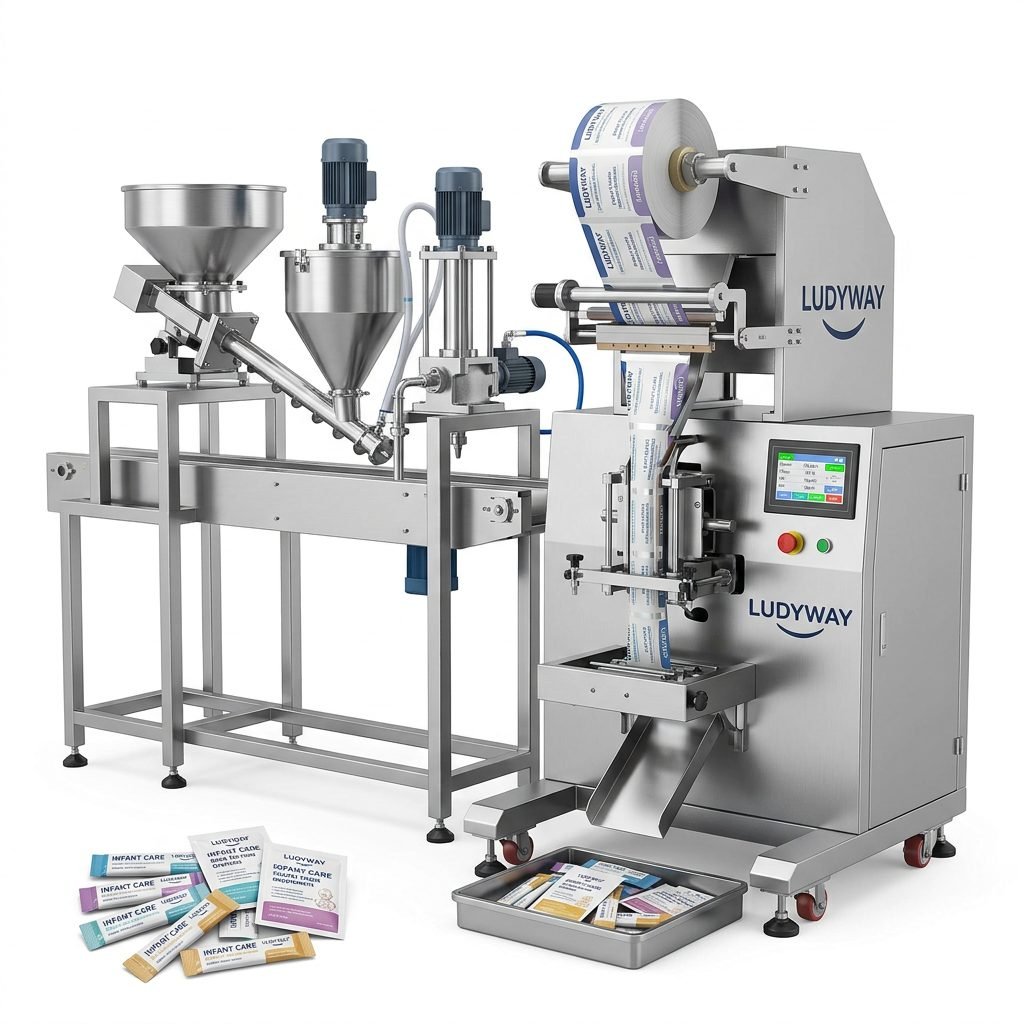
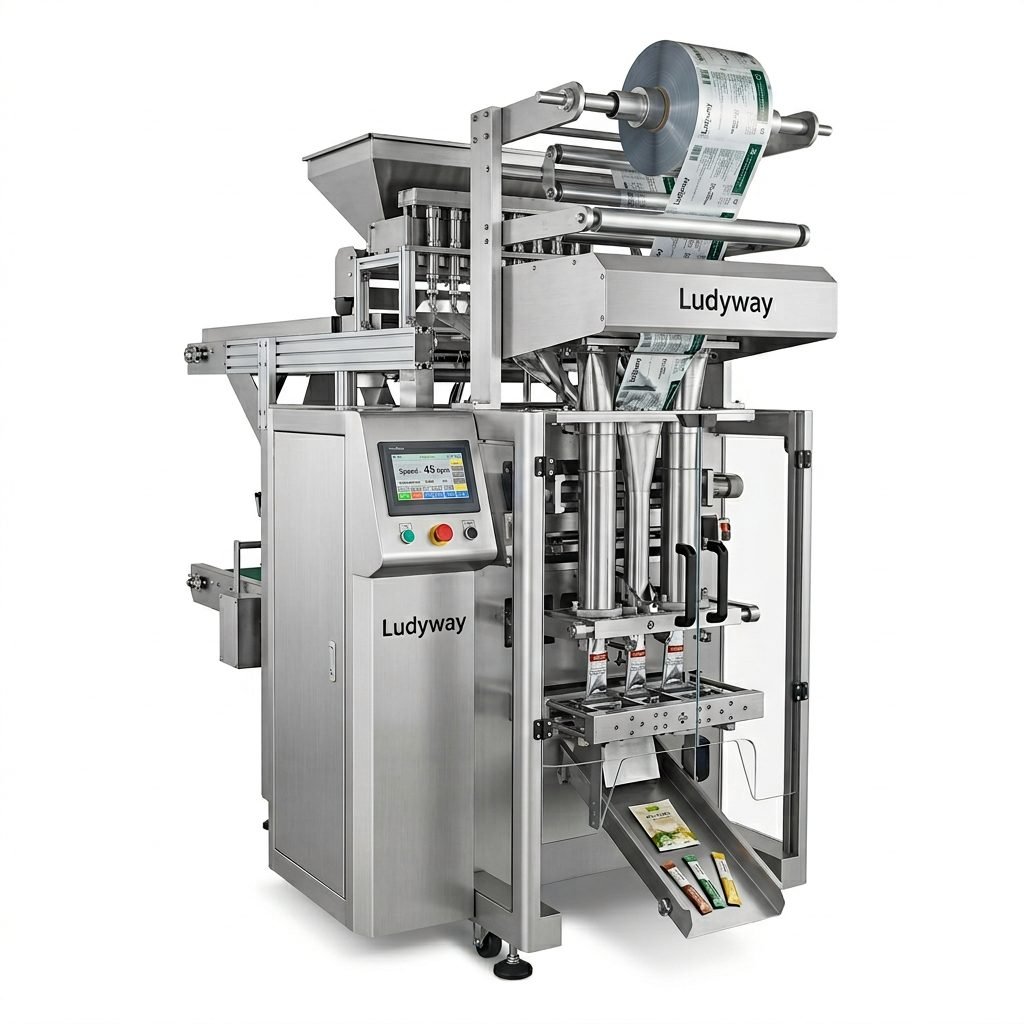
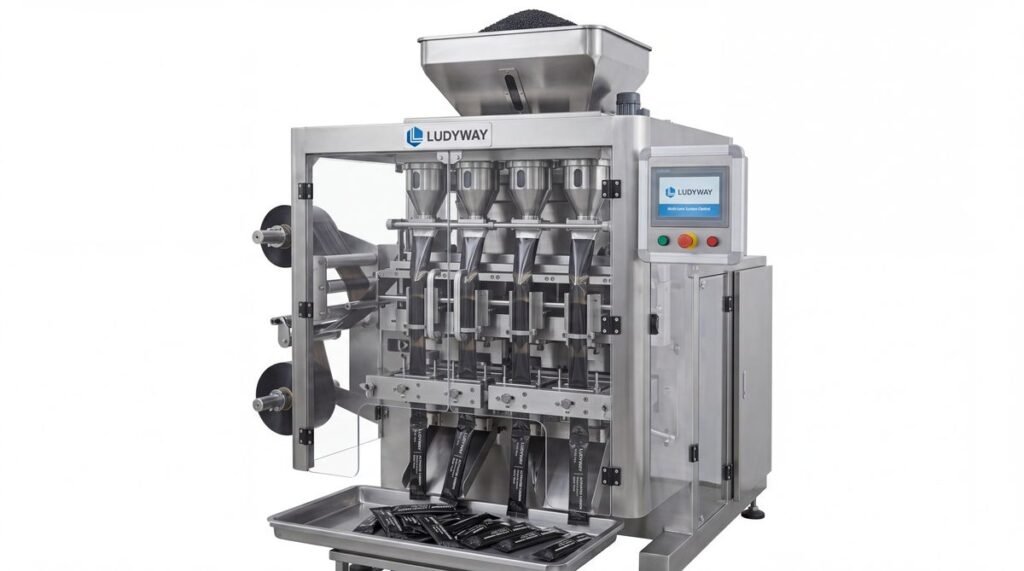
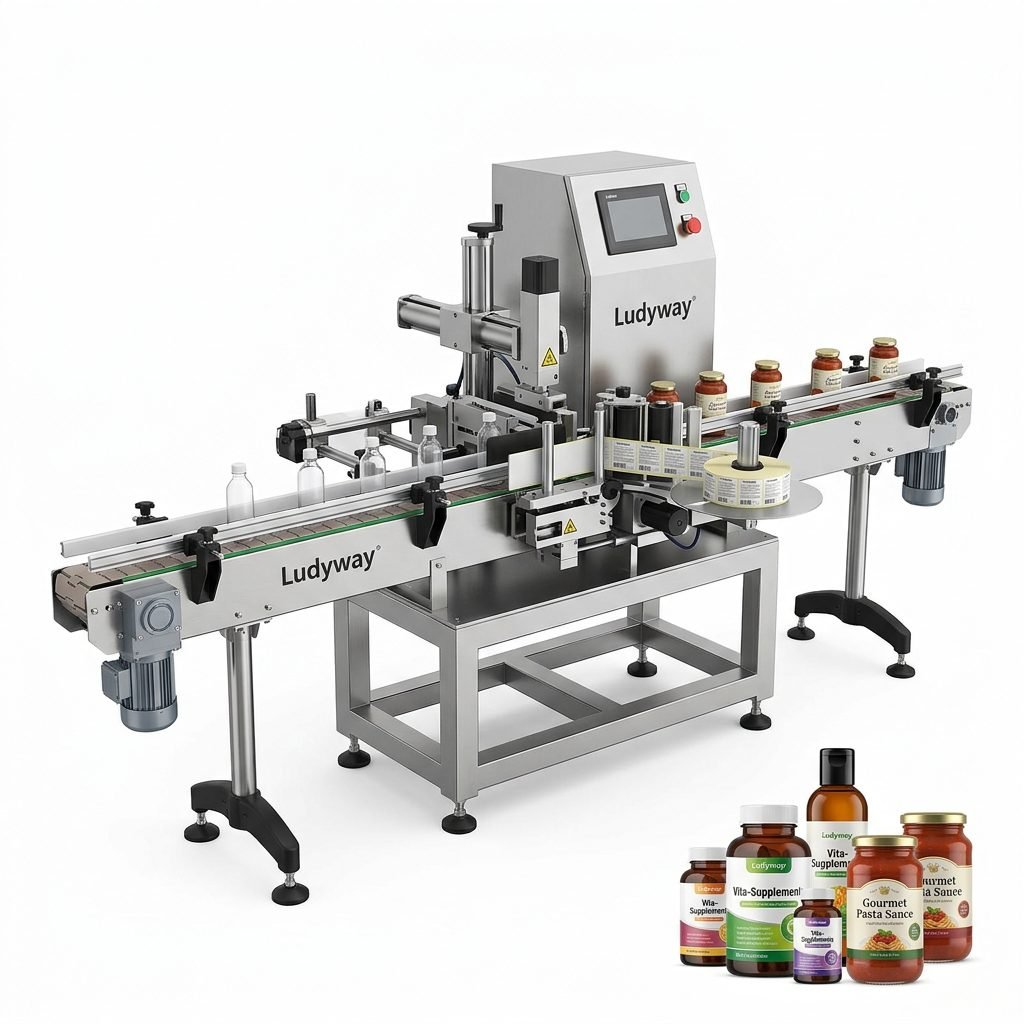
Investing in the right ground packing machine is one of the most critical decisions for manufacturers handling powdered and granulated products. Whether you are packaging ground coffee, spices, flour, protein powders, or industrial chemicals, the equipment you select directly impacts production efficiency, product consistency, and long-term operational costs. A poorly chosen machine can lead to inaccurate fills, excessive waste, frequent downtime, and compliance issues — all of which erode profitability.
This comprehensive buyer’s guide walks you through every essential factor to evaluate before purchasing a ground packing machine, from understanding your product characteristics and production requirements to assessing automation levels, material compatibility, and after-sales support. By the end, you will have a clear framework for making a confident, informed decision.
What Is a Ground Packing Machine?
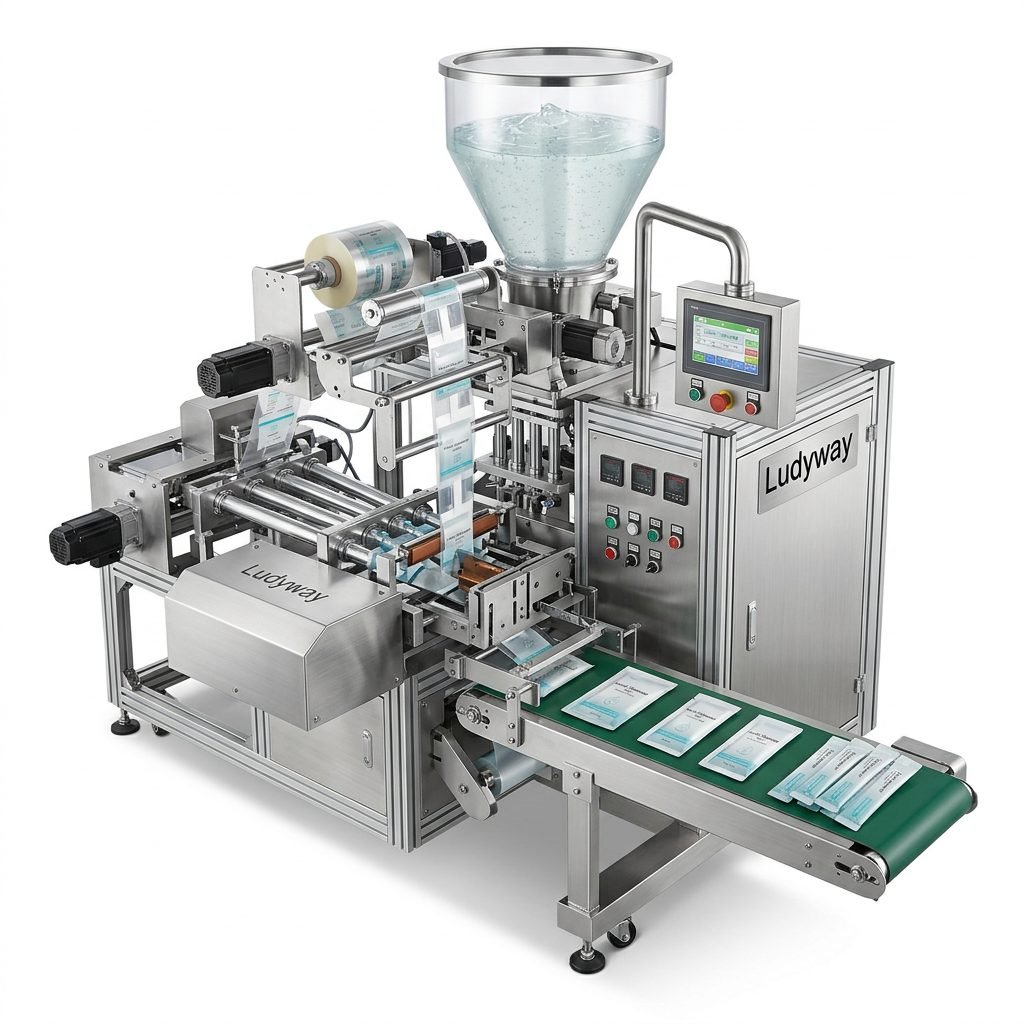
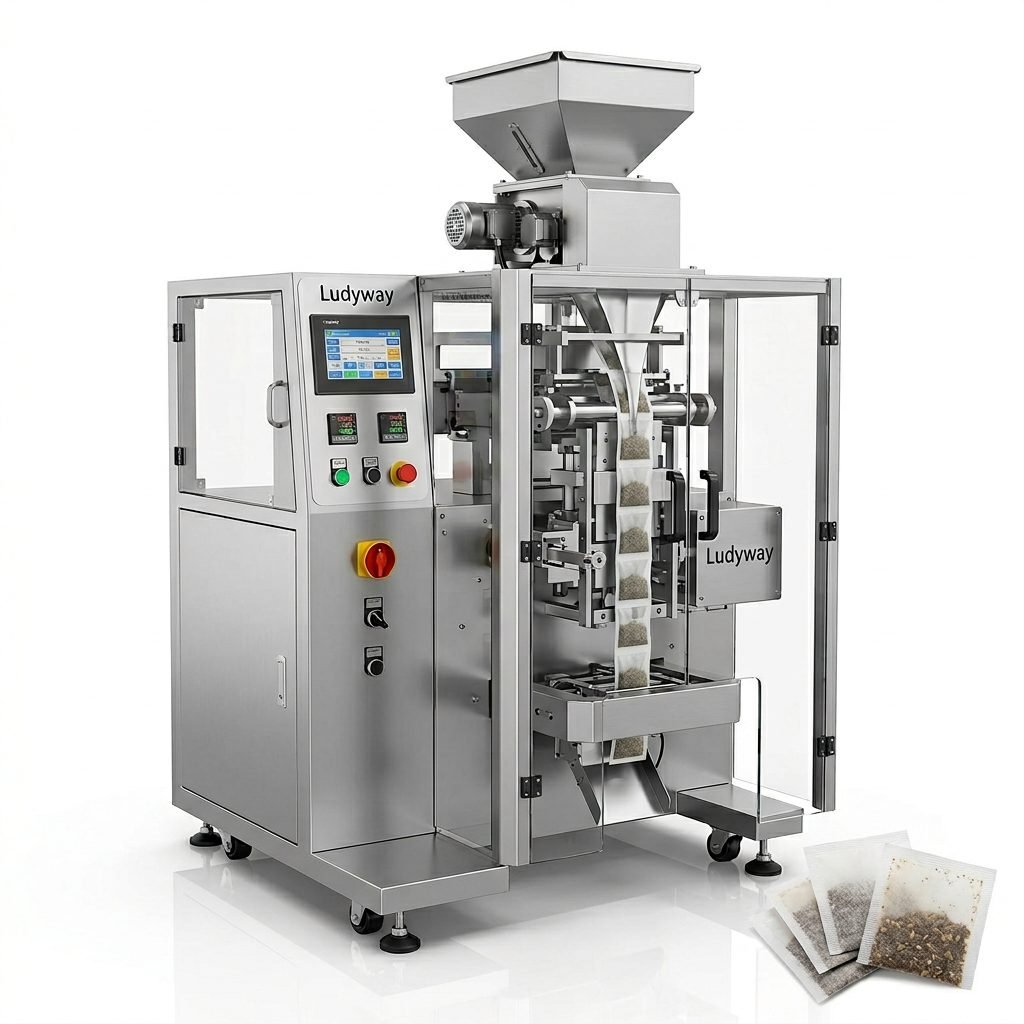
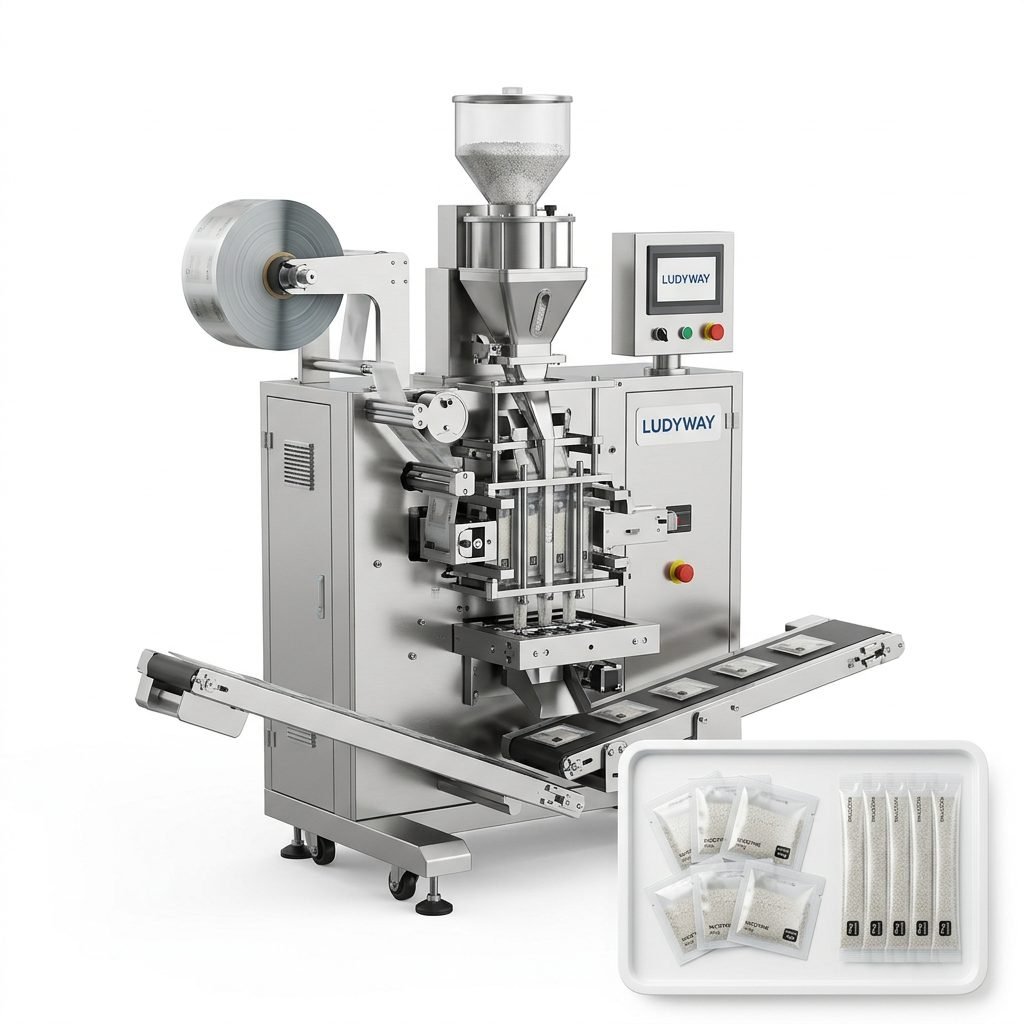
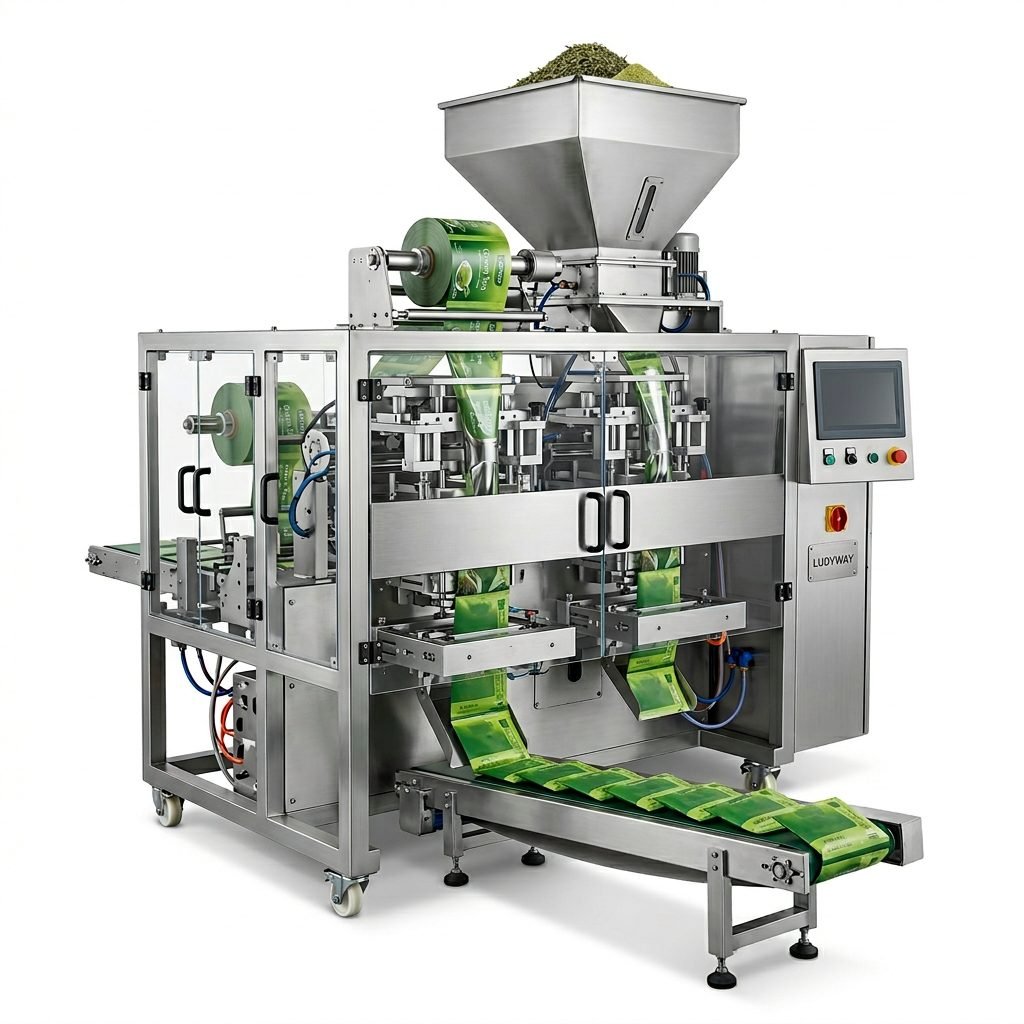
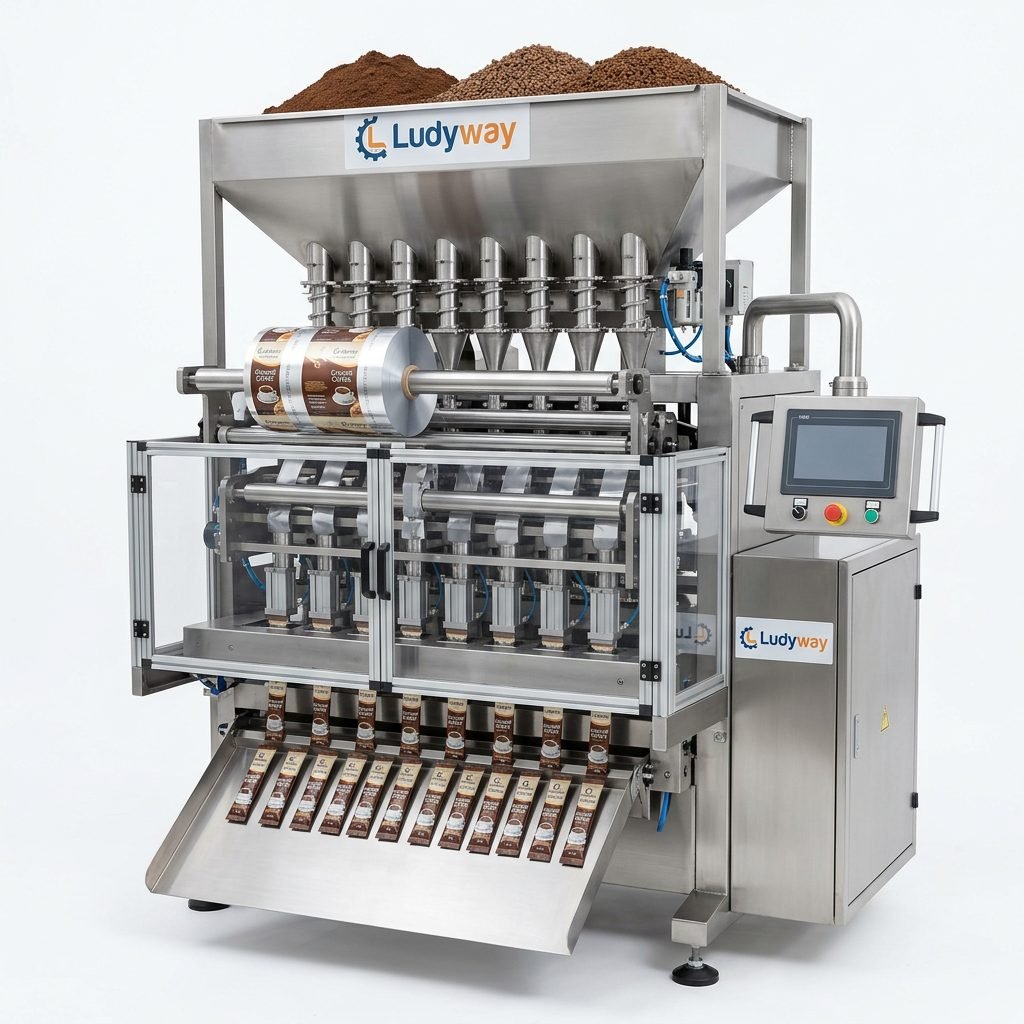
A ground packing machine is a specialized type of packaging equipment designed to handle powdered, granulated, and ground materials — products that have been milled, crushed, or processed into fine particles. These machines are engineered to manage the unique challenges of ground products, including dust control, precise dosing, consistent fill weights, and maintaining product integrity throughout the packaging process.
Common applications span multiple industries: flexible packaging for ground coffee, spice sachets, flour stick packs, protein powder pouches, pharmaceutical granules, and industrial chemical sachets. The versatility of modern ground packing machines allows manufacturers to package products in formats ranging from small single-serve stick packs to larger retail pouches and bulk bags.
Key Factors to Consider Before Purchasing
1. Product Characteristics and Flow Properties
The physical properties of your ground product are the most fundamental consideration. Different powders and granules behave very differently during filling and packaging. Key characteristics to evaluate include:
- Particle size and distribution — Fine powders like flour require different handling than coarser granules like ground coffee
- Flowability — Free-flowing versus cohesive (sticky) powders need different feeding and dosing systems
- Bulk density — Affects fill volume calculations and hopper sizing
- Moisture content — Influences material behavior and shelf-life considerations
- Dust generation potential — Critical for workplace safety and machine maintenance
- Hygroscopicity — Products that absorb moisture require special sealing and environmental controls
2. Packaging Format and Bag Style
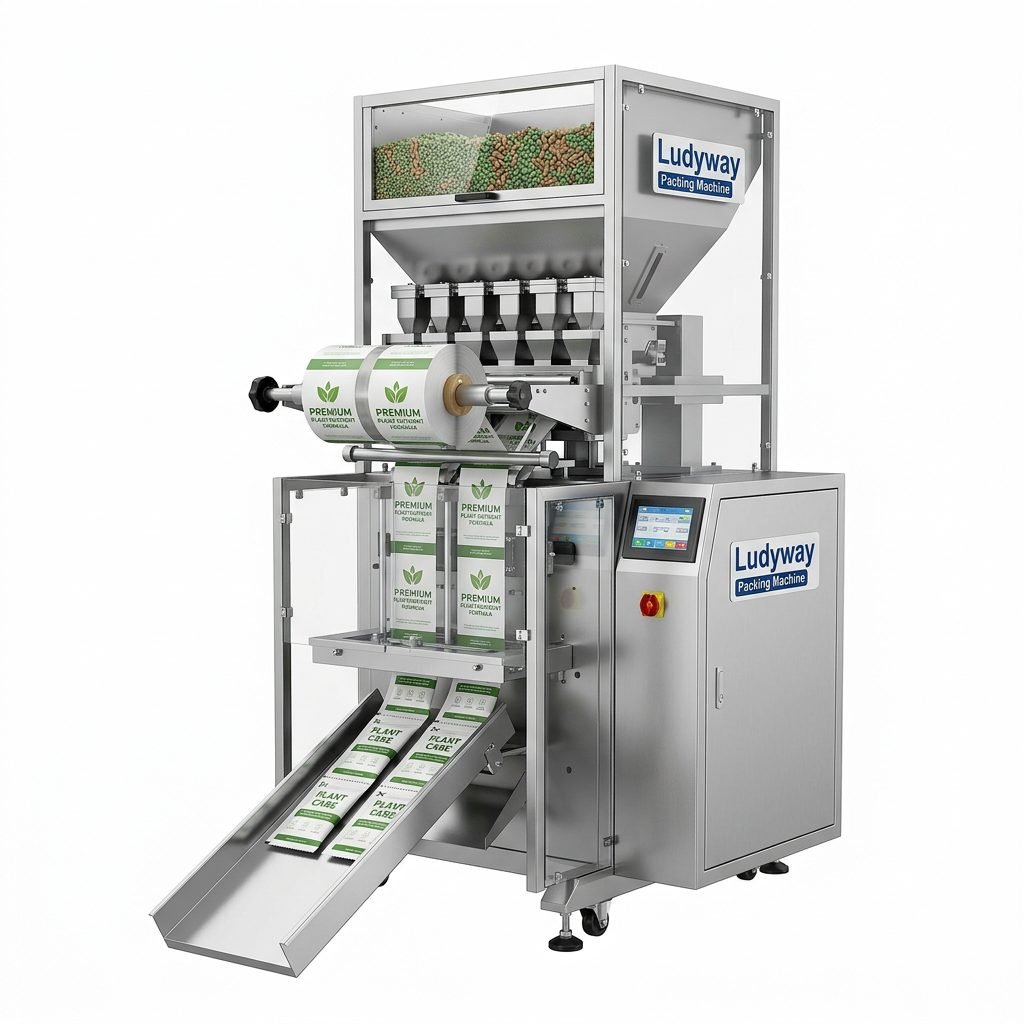
Your target packaging format significantly influences machine selection. Ground packing machines can be configured for various bag styles:
- Stick packs — Narrow, elongated sachets ideal for single-serve coffee, sugar, and supplement powders
- Three-side-seal sachets — Compact pouches for samples, travel sizes, and portion-controlled products
- Four-side-seal sachets — Provide better barrier properties and tamper evidence
- Stand-up pouches (doypack) — Retail-ready format with excellent shelf presence and resealability
- Gusseted bags — For bulk packaging with higher volume capacity
- Pillow bags — Common format for larger retail packages of ground products
3. Production Speed and Capacity Requirements
Production volume requirements determine whether a single-lane, multi-lane, or high-speed rotary system is appropriate. Key questions to address:
- What is your target output in packs per minute?
- Do you need single-shift or 24/7 continuous operation?
- Will your production needs scale in the next 3-5 years?
- What changeover time is acceptable between different products or formats?
Multi-lane ground packing machines can run 4, 6, 8, or even 12 lanes simultaneously, dramatically increasing throughput while maintaining consistent fill accuracy across all lanes. For high-volume manufacturers, this configuration often provides the best return on investment.
4. Filling and Dosing Technology
The dosing mechanism is the heart of any ground packing machine. Selecting the right technology ensures accurate fills and minimal product waste:
| Dosing Technology | Best For | Advantages | Limitations |
|---|---|---|---|
| Auger Filler | Fine powders, cohesive materials | High accuracy, handles non-free-flowing powders | Slower than volumetric for free-flowing products |
| Volumetric Cup Filler | Free-flowing granules, uniform density | High speed, simple operation, cost-effective | Less accurate for variable-density products |
| Multi-Head Weigher | Granules, mixed products, snacks | Exceptional accuracy, high speed, versatile | Higher investment cost |
| Net Weight Filler | High-value products, regulatory compliance | Guaranteed fill weight, traceable accuracy | Slower cycle times |
| Vibratory Feeder | Fragile granules, irregular shapes | Gentle handling, minimal product damage | Less suitable for cohesive fine powders |
5. Packaging Material Compatibility
Ground products often require barrier packaging to protect against moisture, oxygen, and light. Your ground packing machine must be compatible with the film or laminate materials you intend to use. Consider:
- Film structure — Single-layer versus multi-layer laminates (PET/AL/PE, PET/VMPET/PE, etc.)
- Material thickness — Affects sealing parameters and machine configuration
- Barrier requirements — Oxygen transmission rate (OTR) and moisture vapor transmission rate (MVTR)
- Sustainability goals — Recyclable mono-materials, compostable films, or reduced-thickness laminates
- Printing compatibility — Surface print versus reverse print, registration mark requirements
Automation Level and Line Integration
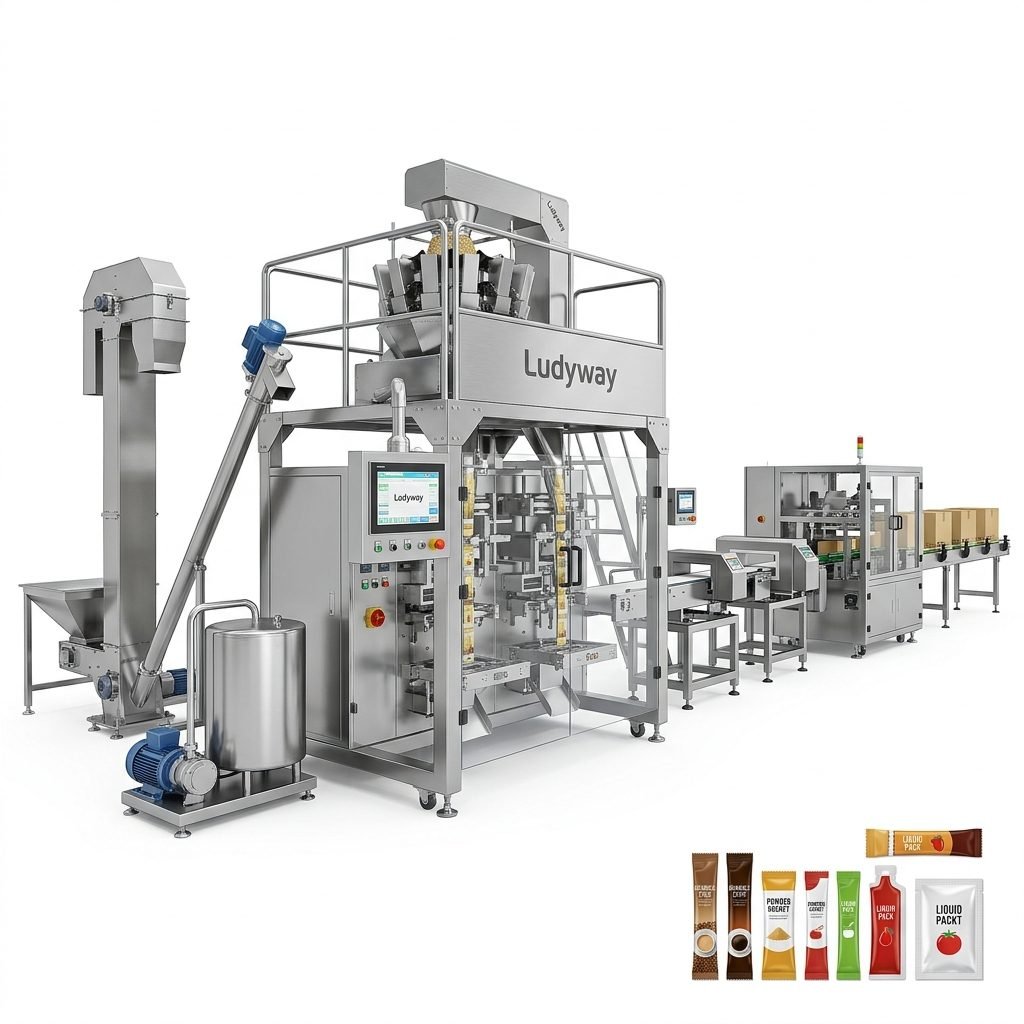
Modern ground packing machines range from semi-automatic stand-alone units to fully automated, integrated packaging lines. The right level of automation depends on your labor costs, production volume, and quality control requirements:
- Semi-automatic machines — Operator-assisted loading, suitable for smaller batches and flexible production
- Fully automatic stand-alone — Automated feeding, filling, sealing, and discharge with minimal operator intervention
- Integrated packaging lines — Connected systems including feeding conveyors, checkweighers, metal detectors, coding printers, cartoning machines, and palletizing equipment
For manufacturers aiming to scale operations, selecting a machine that can be integrated into a broader packaging line in the future is a strategically sound approach.
Hygiene, Cleanability, and Compliance
For food, pharmaceutical, and nutraceutical applications, hygiene standards are non-negotiable. Evaluate the machine’s design for:
- Tool-free disassembly — Quick access for cleaning and changeover
- Stainless steel construction — Food-grade 304 or 316 stainless steel for product contact surfaces
- Dust management systems — Integrated dust extraction to maintain a clean working environment
- Sealed electrical enclosures — IP65 or higher rating for washdown environments
- GMP and FDA compliance — Documentation and design features meeting FDA packaging regulations
- Validation documentation — IQ/OQ/PQ protocols for pharmaceutical applications per ISO packaging standards
Evaluating Machine Build Quality and Components
The longevity and reliability of your ground packing machine depend heavily on component quality. When comparing machines, examine:
- Frame construction — Robust welded steel or stainless steel frame for vibration resistance
- Sealing system — Temperature-controlled sealing jaws with precise pressure regulation
- Control system — PLC-based controls with intuitive HMI touchscreen interface
- Pneumatic components — Recognized brands (Festo, SMC, etc.) for reliability and global parts availability
- Electrical components — Siemens, Schneider, Omron, or equivalent industrial-grade components
- Safety features — Emergency stops, safety interlocks, and guarding per international standards
Total Cost of Ownership Considerations
Beyond the initial purchase price, a thorough cost analysis should account for:
- Spare parts availability and cost — Common wear items like sealing jaws, belts, and dosing components
- Energy consumption — Electrical and compressed air requirements
- Film waste rates — Machine efficiency in material utilization during start-up and changeover
- Labor requirements — Number of operators needed per shift
- Maintenance frequency — Scheduled preventive maintenance intervals and typical downtime
- Training costs — Operator and maintenance personnel training requirements
An apparently lower-priced machine may ultimately cost more over its lifetime if it suffers from frequent breakdowns, high film waste, or poor filling accuracy leading to product give-away.
Supplier Evaluation Criteria
Choosing the right equipment partner is as important as choosing the right machine. Key supplier evaluation criteria include:
| Evaluation Criterion | What to Look For | Why It Matters |
|---|---|---|
| Industry Experience | Years in business, project portfolio, client references | Proven ability to handle your product type and packaging format |
| Engineering Capability | In-house design, R&D team, customization experience | Ability to adapt equipment to your specific requirements |
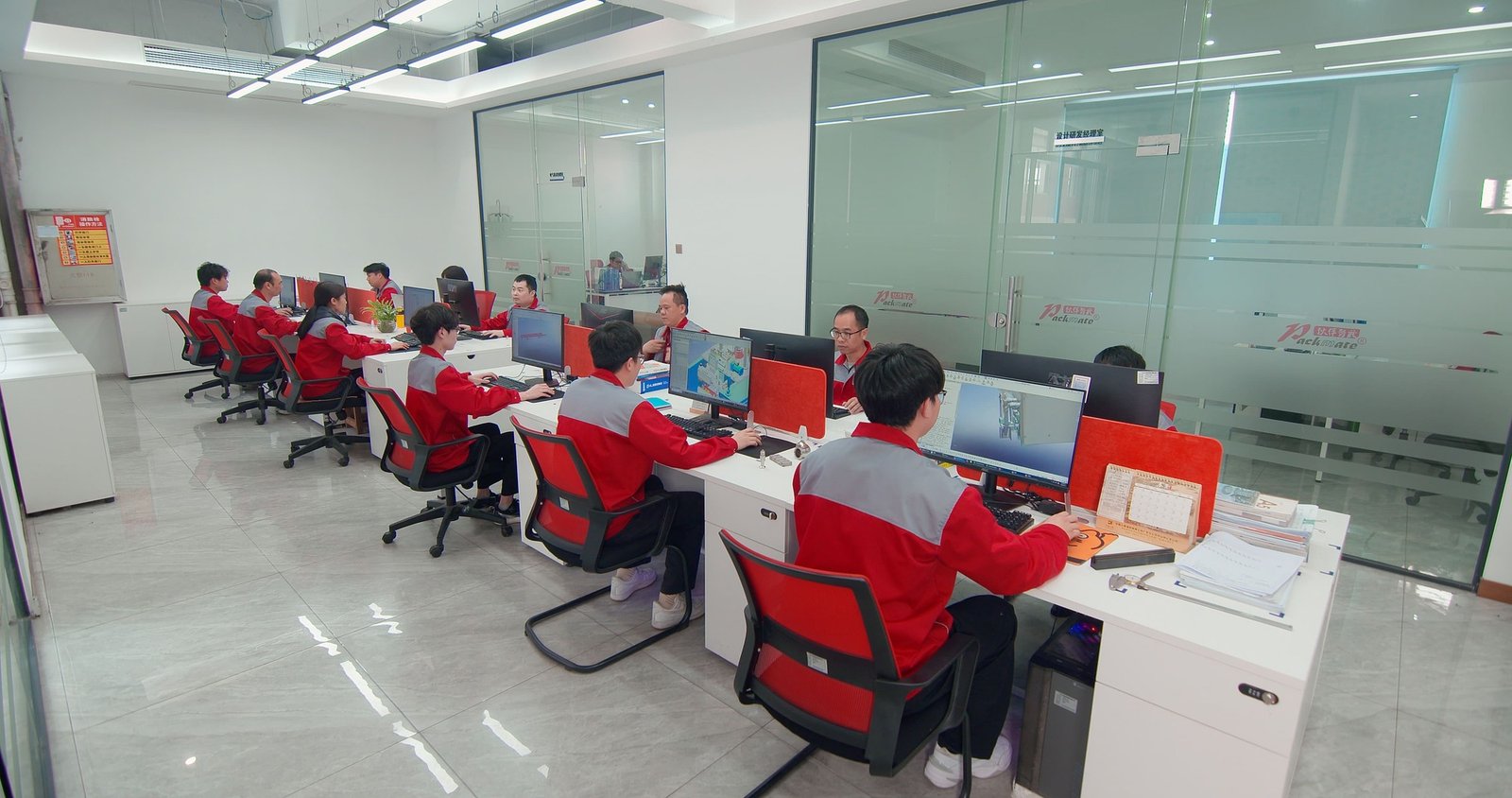
| Manufacturing Quality | Facility size, quality certifications, component sourcing | Consistent build quality and equipment reliability |
| After-Sales Support | Installation, training, remote support, spare parts network | Minimized downtime and responsive issue resolution |
| Global Service Reach | Countries served, local service partners, multilingual support | Accessible support regardless of your location |
Customization Versus Standard Machines
Manufacturers often face the choice between a standard ground packing machine and a customized solution. Standard machines offer faster delivery and lower upfront costs, while customized equipment can be tailored to specific product characteristics, factory layouts, and automation requirements. The decision depends on:
- Uniqueness of your product — Highly specialized products may require custom dosing or sealing solutions
- Existing infrastructure — Integration with upstream and downstream equipment may demand custom configurations
- Future flexibility — Will the machine need to handle multiple products or packaging formats?
- Budget and timeline — Custom engineering adds cost and lead time

The Importance of Testing Before Purchase
Before finalizing your ground packing machine purchase, conducting product trials is essential. Factory acceptance testing (FAT) with your actual product and packaging materials provides critical validation:
- Verify fill accuracy across extended production runs
- Assess seal integrity and package quality
- Measure actual production speed under realistic conditions
- Evaluate dust containment and cleanability
- Identify potential material waste and optimization opportunities
Reputable equipment manufacturers welcome product trials and many offer video documentation of tests for remote evaluation. This step significantly reduces the risk of post-installation surprises.
Industry Trends Shaping Ground Packing Technology
The packaging machinery industry continues to evolve, with several trends influencing ground packing machine design and capabilities:
- Sustainable packaging — Machines configured for recyclable mono-materials and reduced film thickness
- Smart factory integration — IoT-enabled machines with real-time OEE monitoring and predictive maintenance
- Flexible packaging formats — Quick-change systems enabling rapid switching between different bag styles
- Enhanced automation — Robotic pick-and-place, automated case packing, and palletizing integration
- Data-driven quality control — Integrated checkweighing, vision inspection, and statistical process control
These advancements are helping manufacturers improve efficiency while meeting evolving regulatory requirements and consumer expectations.
Making the Final Decision
After evaluating all technical specifications, supplier qualifications, and commercial terms, your final decision should balance these priorities:
- Product fit — Can the machine reliably package your specific ground product with consistent quality?
- Production capacity — Does the speed and uptime meet current and projected demand?
- Total cost of ownership — Have you accounted for all lifetime costs beyond the purchase price?
- Supplier partnership — Does the manufacturer offer the technical support and service you need?
- Scalability — Can the equipment grow with your business or integrate into a larger packaging line?
Selecting the right ground packing machine is a strategic investment that affects your production capability for years to come. Taking a methodical, product-focused approach to evaluation — combined with hands-on testing and thorough supplier assessment — positions you to choose equipment that delivers reliable performance, consistent package quality, and a strong return on investment.
With decades of experience and a comprehensive portfolio of packaging machinery, manufacturers like Ludyway Machinery provide customizable ground packing machines and integrated packaging solutions for producers worldwide. Their engineering-driven approach and global service network offer a model for the type of long-term equipment partnership that successful manufacturers rely on. For further insights on global packaging machinery trends, explore PMMI’s State of the Industry reports and the Flexible Packaging Association resources for up-to-date market intelligence.