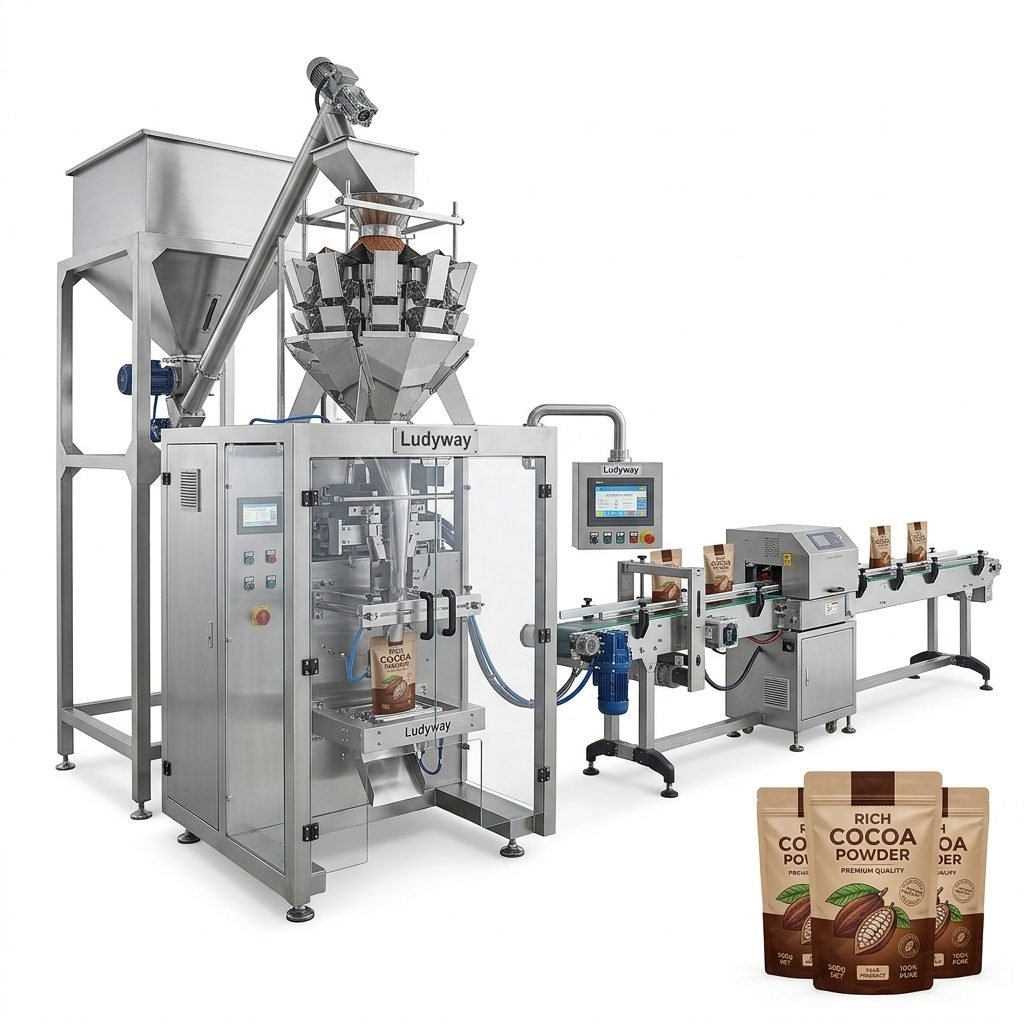
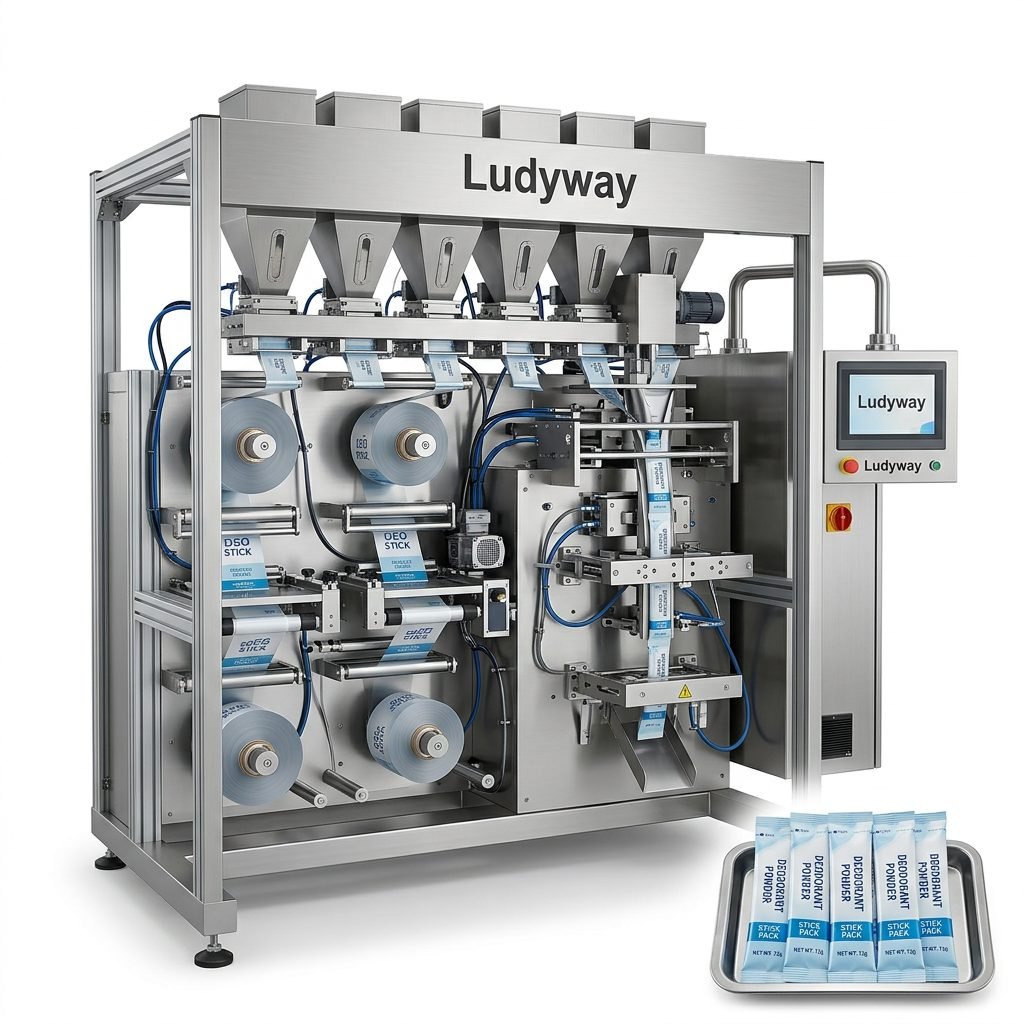
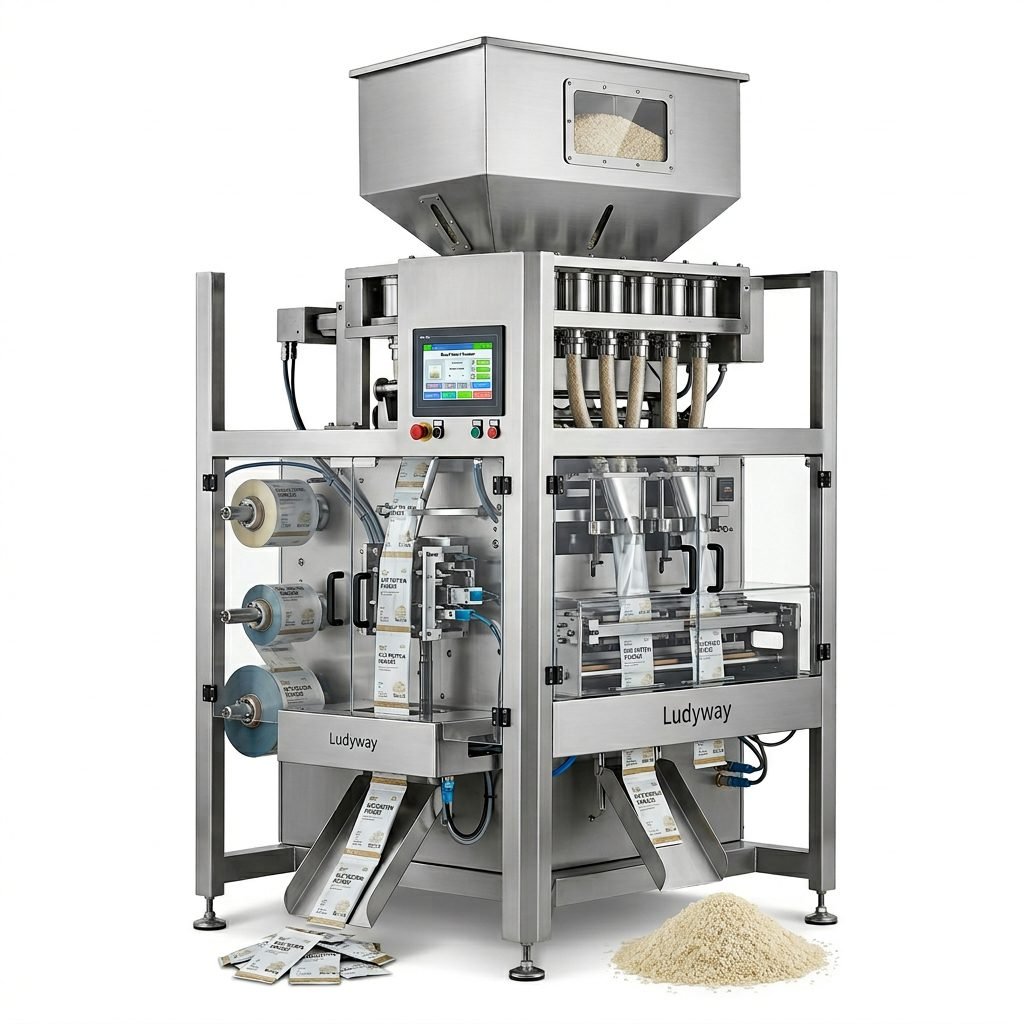
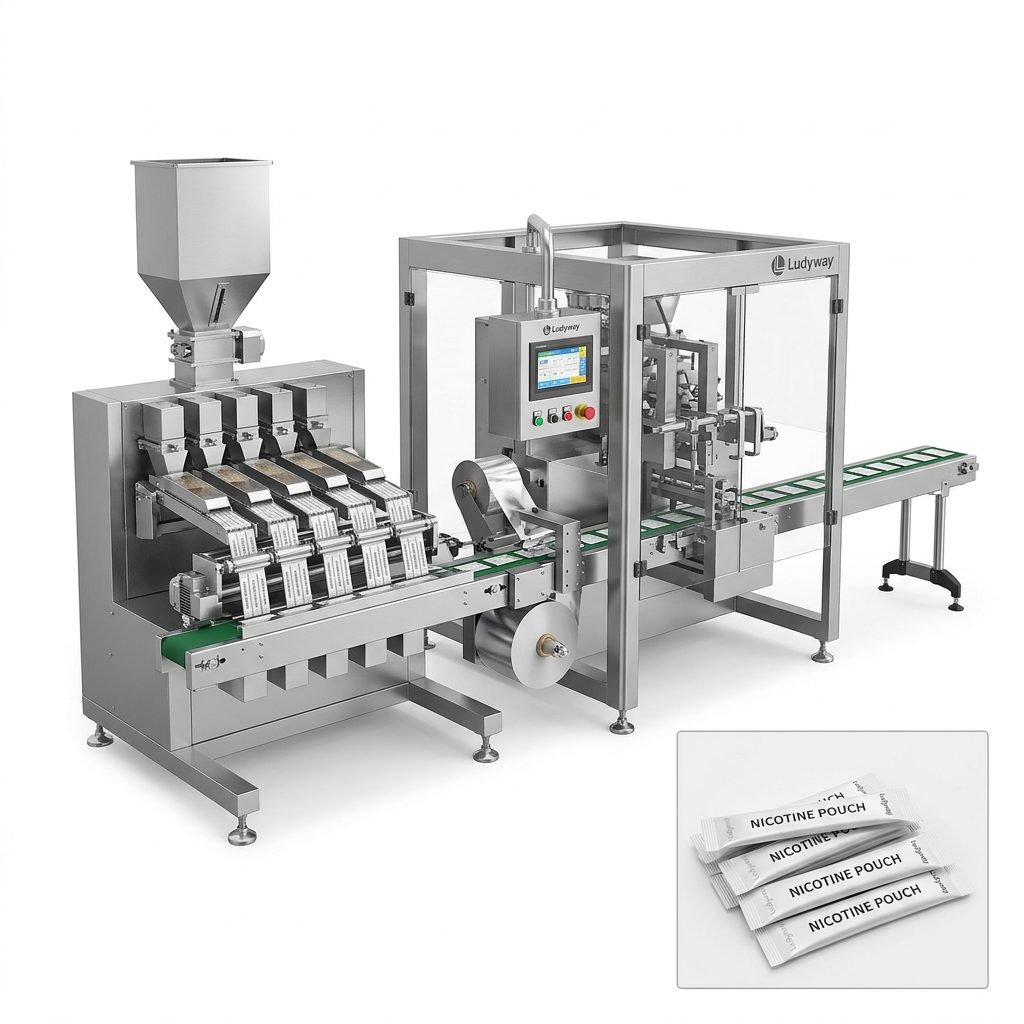
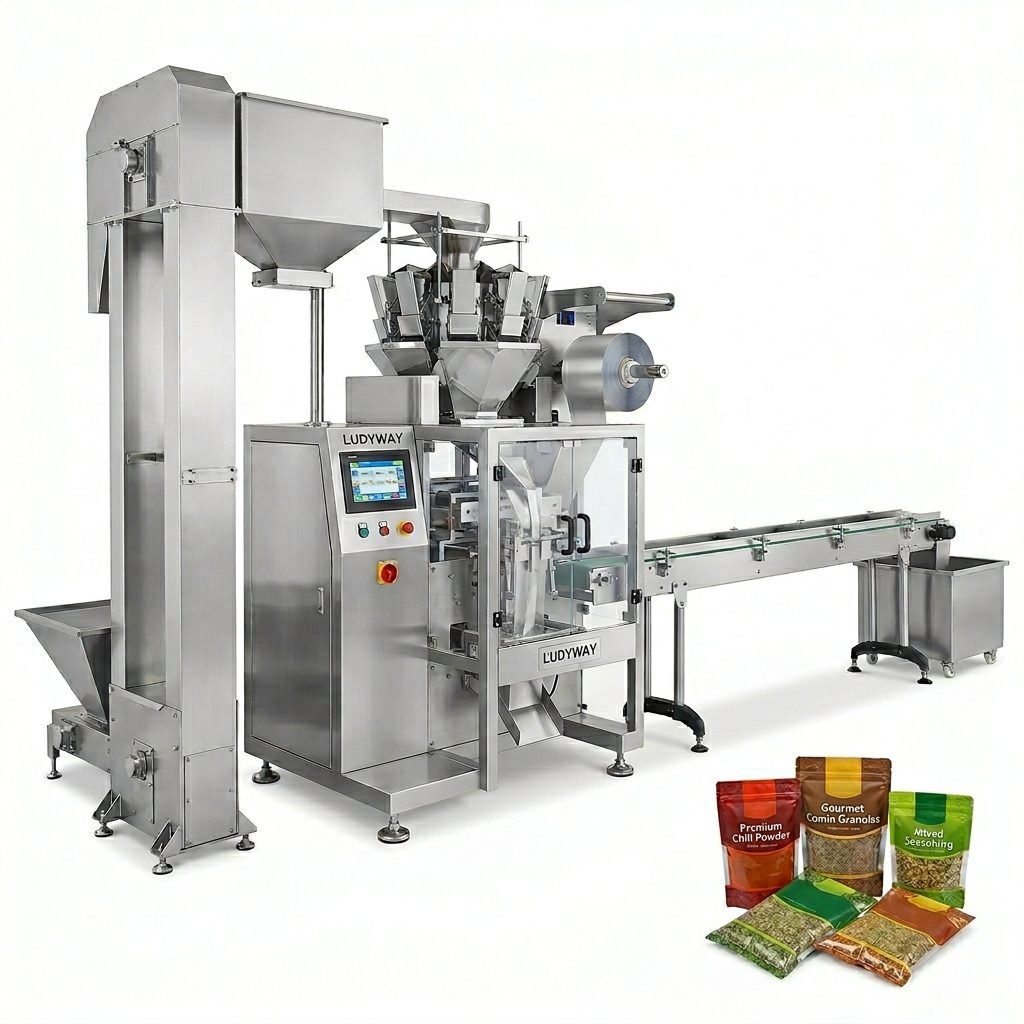
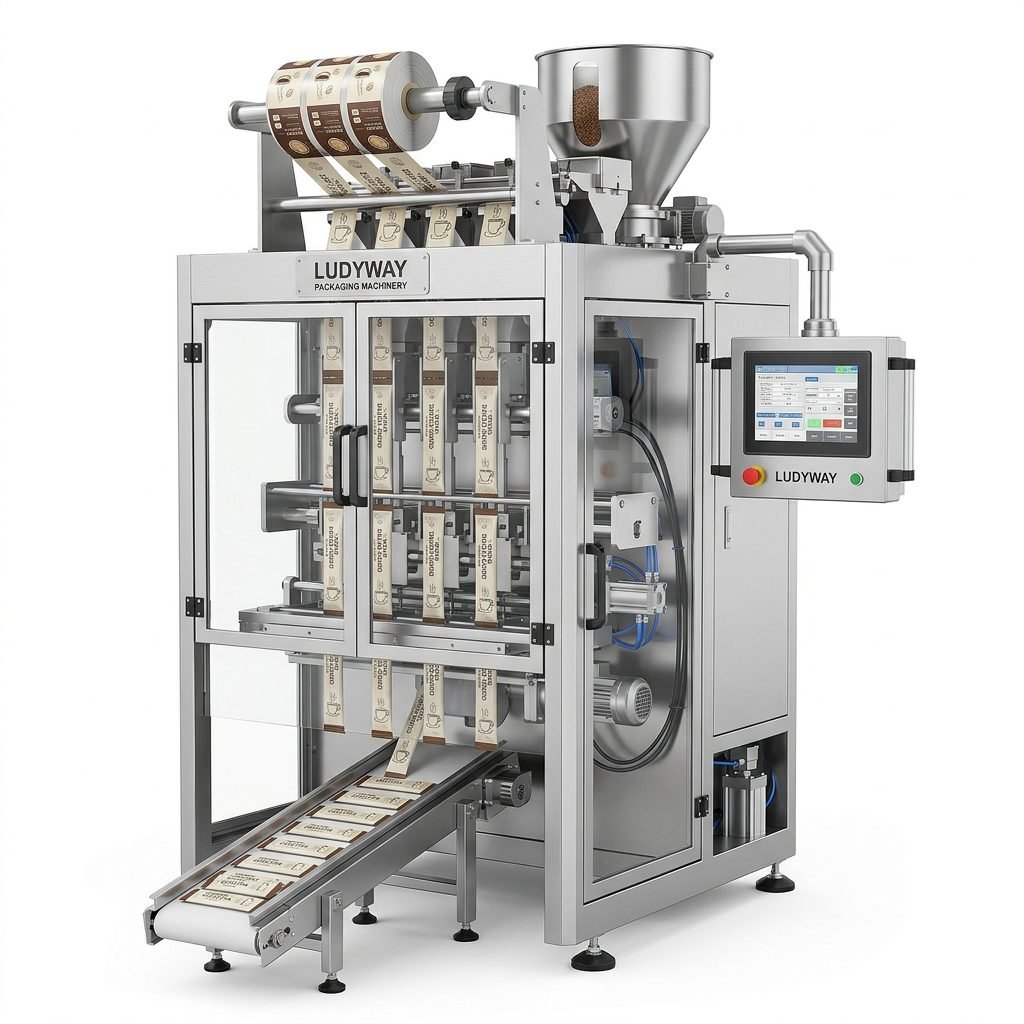
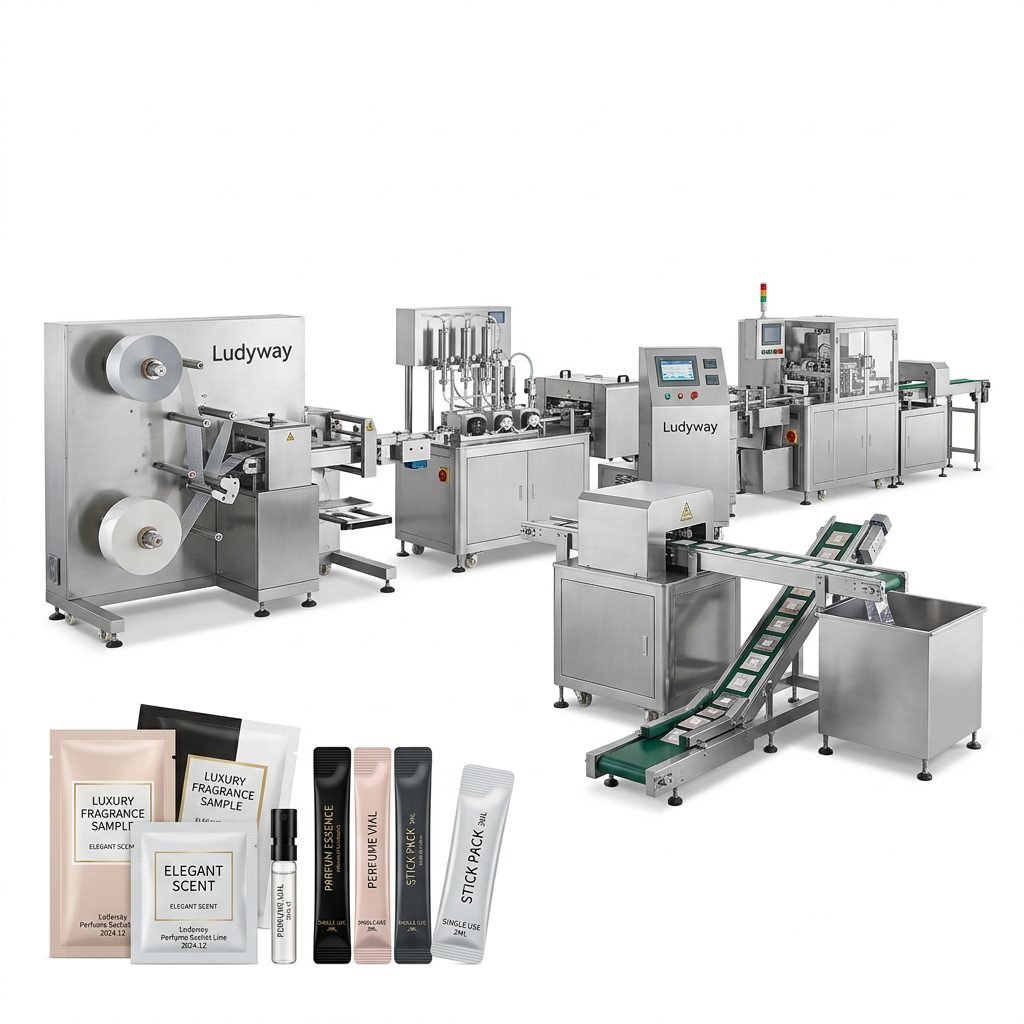
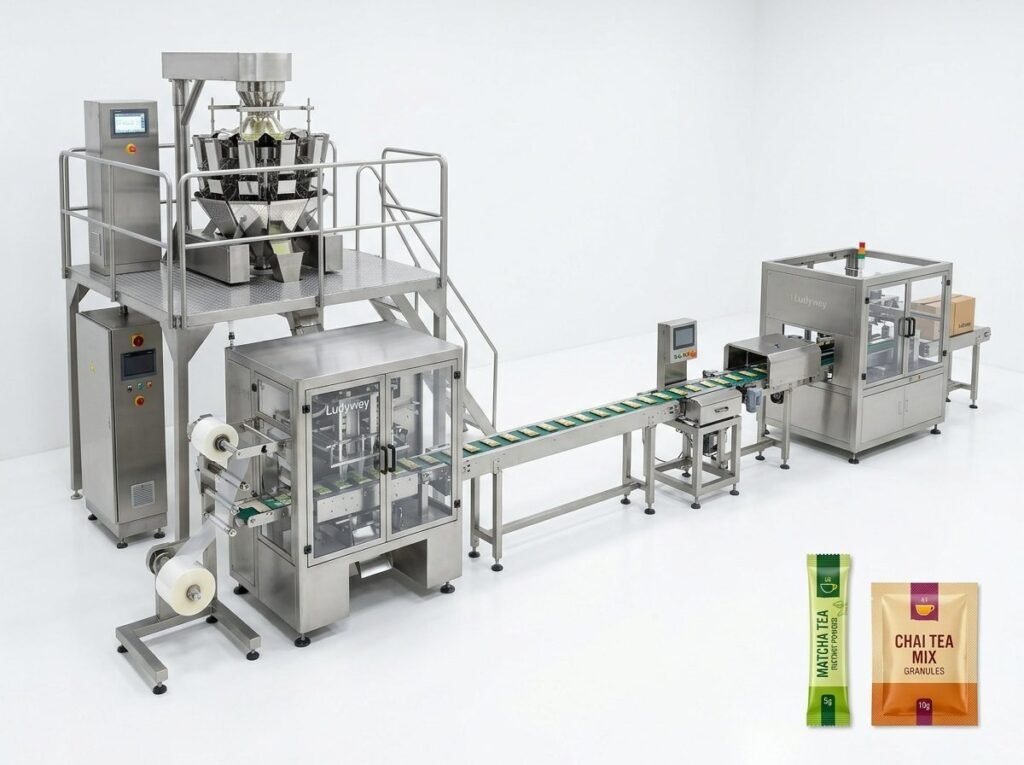
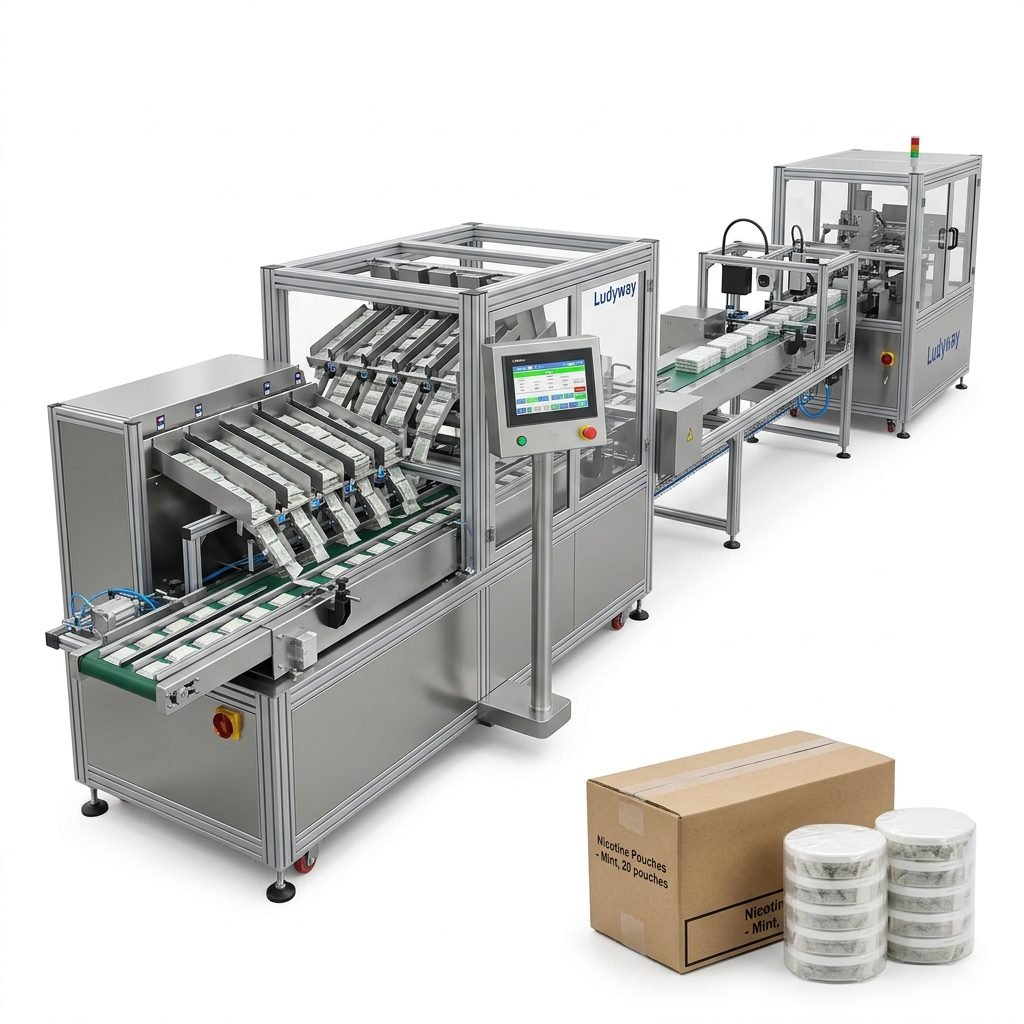
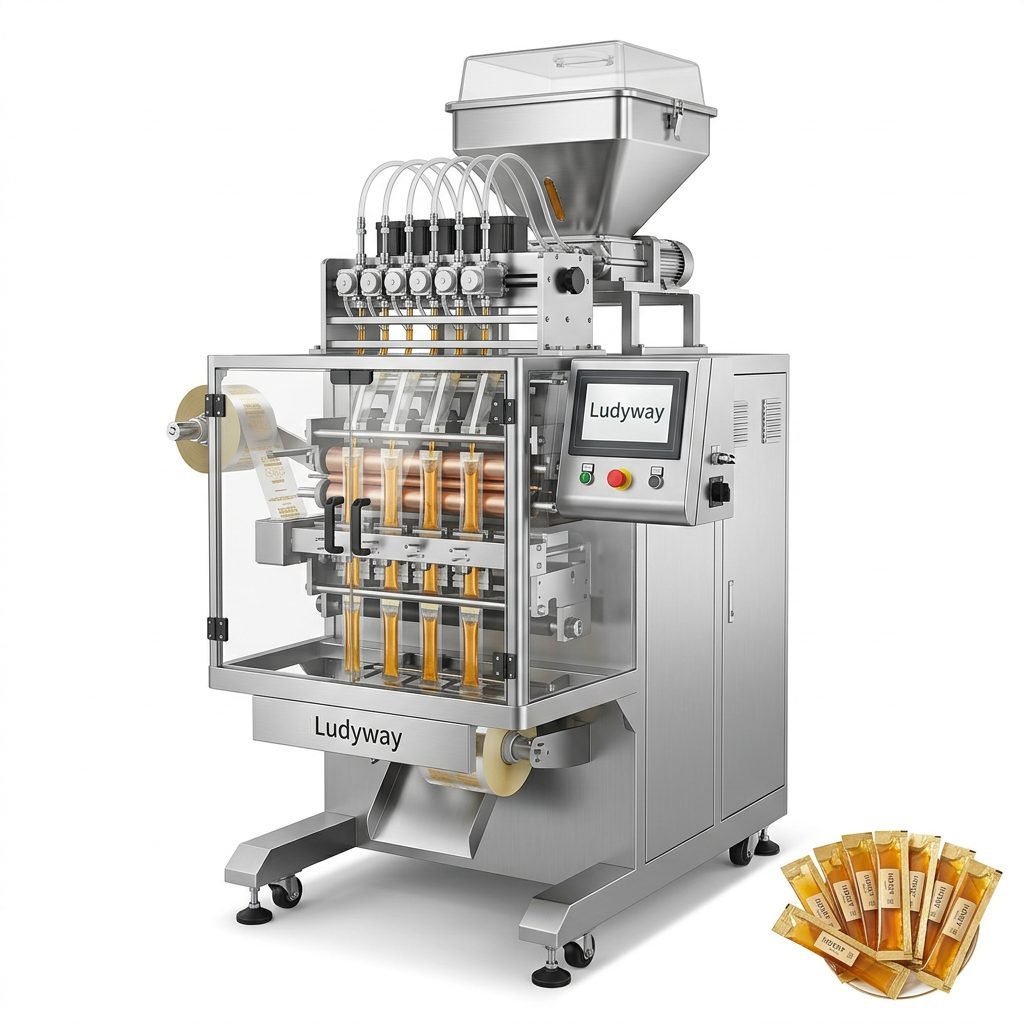
Selecting the right bag former for your packing machine is one of the most critical decisions in setting up an efficient packaging line. The bag former directly influences bag shape, seal integrity, material utilization, and production speed. Whether you are running a single-lane sachet line or a high-speed multi-lane stick pack operation, understanding how to match the bag former to your product, film, and format requirements can save you significant downtime, material waste, and operational cost.
What Is a Bag Former and Why Does It Matter?
A bag former, also called a forming tube or forming shoulder, is the component on a vertical form-fill-seal (VFFS) or horizontal packaging machine that shapes flat roll-stock film into a tube or pouch before filling and sealing. The geometry of the bag former determines the bag width, fold style, and wrinkle-free film travel. An incorrectly specified bag former can cause film tracking issues, uneven seals, product contamination, and excessive film waste.
According to PMMI – The Association for Packaging and Processing Technologies, equipment changeover efficiency is a top priority for manufacturers seeking to improve overall equipment effectiveness (OEE). The bag former is central to that changeover process.
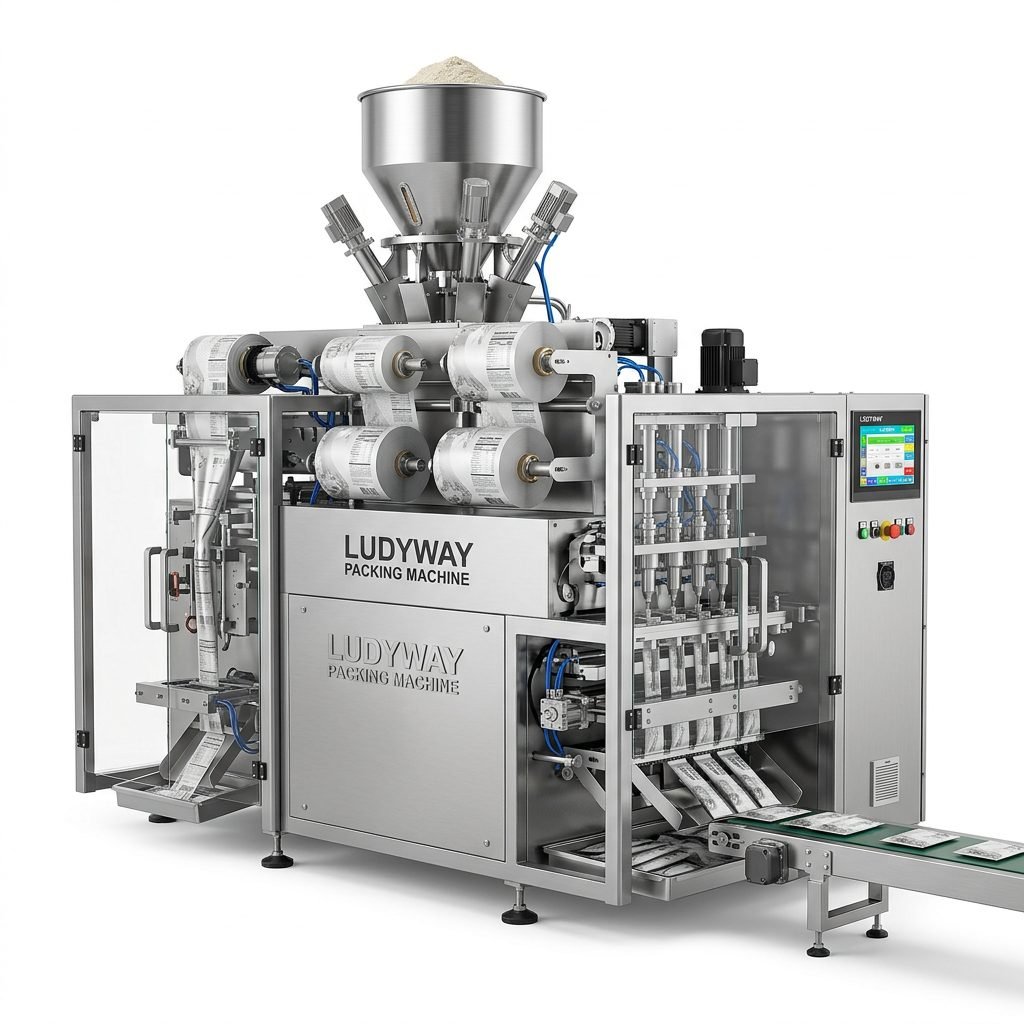
Key Bag Former Types and Their Applications
Different packaging formats demand different bag former designs. The table below summarizes the most common configurations and where they perform best:
| Bag Former Type | Typical Format | Best For | Key Consideration |
|---|---|---|---|
| Round Forming Tube | Pillow bags, stick packs | Free-flowing powders, granules | Simplest design; limited to symmetrical shapes |
| Flat-Bottom Former | Quad-seal, block-bottom bags | Coffee, pet food, heavy products | Requires precise gusset control |
| Zipper-Compatible Former | Resealable pouches | Snacks, frozen foods, supplements | Additional sealing station needed |
| Multi-Lane Former | Stick packs, sachets (4–20 lanes) | High-speed nutraceutical, pharma | Requires uniform film tension across lanes |
| Contour Shoulder Former | Shaped pouches, stand-up | Cosmetics, specialty foods | Complex geometry; longer lead times |
Factors to Evaluate When Choosing a Bag Former
1. Film Material Compatibility
The bag former must be matched to the coefficient of friction (COF) of your packaging film. Laminates, metalized films, and biodegradable materials each interact differently with forming surfaces. A former with an anti-static coating or PTFE surface treatment can prevent film sticking and static build-up, which is especially important when running at high speeds.
2. Bag Width and Length Range
Bag formers are designed for specific width ranges. Using a former outside its intended range results in poor film tracking and inconsistent seals. Always consider both your current bag size requirements and future format flexibility. A modular former system can allow quick size changes without replacing the entire assembly.
3. Production Speed Targets
High-speed lines running at over 80–100 packs per minute per lane demand formers engineered for minimal film turbulence and consistent tension control. At these speeds, even minor misalignment causes cumulative film drift. Multi-lane applications are particularly sensitive to this, as variations across lanes multiply waste rapidly.
4. Product Characteristics
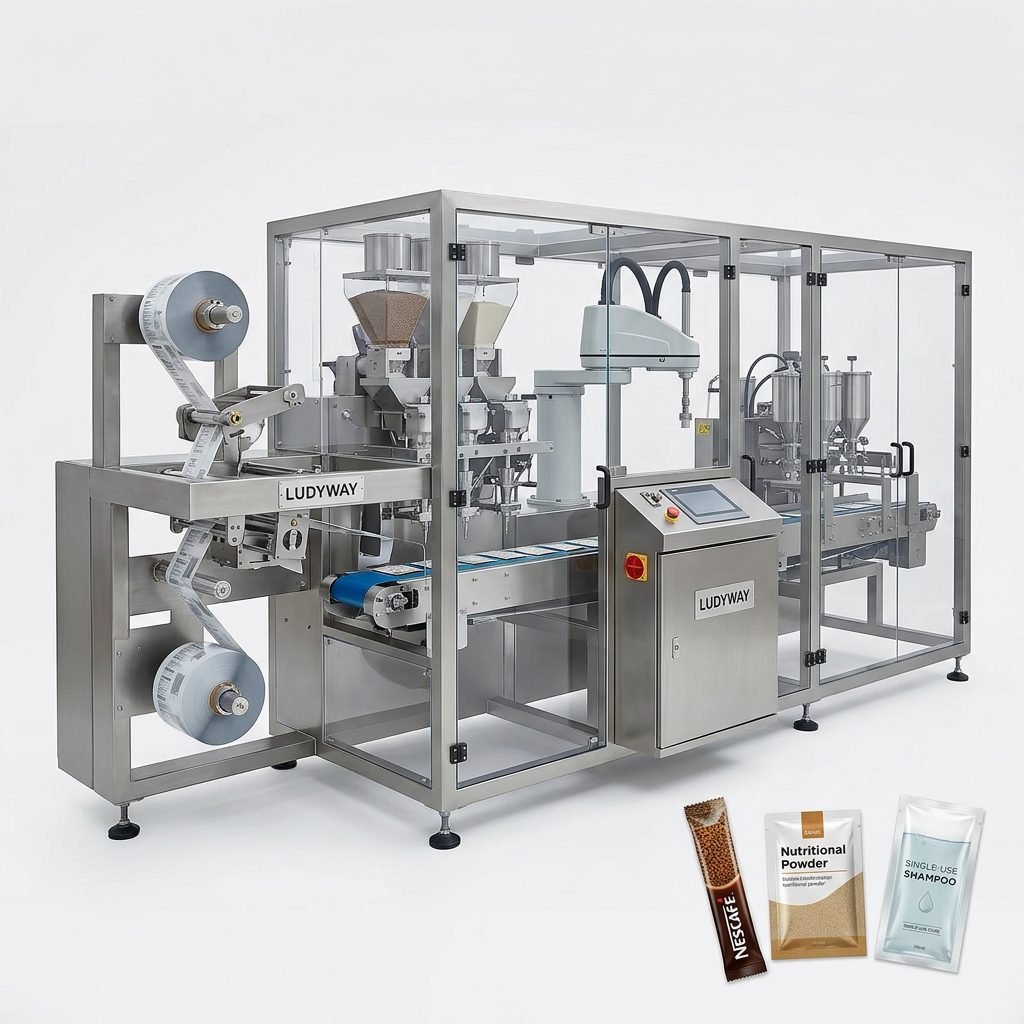
Dusty powders, sticky granules, and abrasive products all influence bag former design. Dusty products can contaminate the forming area and require integrated dust extraction. Sticky products may necessitate non-stick former surfaces. Abrasive materials accelerate wear on the forming shoulder and require hardened materials or replaceable wear components.
5. Gusset and Seal Configuration
If your package requires side gussets for shelf stability or bottom gussets for product protection, the bag former must be designed to fold the film precisely. Incorrect gusset formation leads to leakers and unacceptable seal integrity failures. The Flexible Packaging Association provides detailed guidelines on seal specifications for various flexible packaging structures.
Integration with Your Packing Machine
The bag former does not operate in isolation. It must integrate precisely with the film unwind system, tension controller, vertical sealing jaws, and cross-sealing station. When evaluating a bag former for your packing machine, confirm that the mounting interface, alignment mechanism, and quick-release features are compatible with your existing or planned equipment. Downtime during changeovers is often the single largest source of productivity loss in packaging operations.
Leading packaging machinery manufacturer engineering teams typically offer matched former-machine configurations to ensure predictable performance across different film types and production speeds. This approach significantly reduces on-site trial-and-error during commissioning.

Maintenance and Durability Considerations
- Material of construction – Stainless steel is standard for food and pharmaceutical applications. Look for 316L stainless steel for corrosive or high-hygiene environments.
- Surface finish – A polished, defect-free surface minimizes film drag and reduces cleaning time between product changeovers.
- Replaceable wear parts – Forming shoulders that include removable and replaceable inserts extend the service life and lower the total cost of ownership.
- Cleaning accessibility – Tool-free disassembly enables faster sanitation cycles, which is critical for multi-product facilities.
Common Mistakes to Avoid
Based on field experience across hundreds of packaging installations, these are the most frequent errors when specifying bag formers:
- Choosing based on price alone – A lower-cost former that causes even 2% additional film waste can quickly outweigh any initial savings.
- Ignoring film shrinkage – Some films shrink during the sealing process. The bag former dimensions should account for this thermal behavior.
- Overlooking lane synchronization – In multi-lane setups, uneven film distribution across lanes results in inconsistent bag lengths and fill weights.
- Not planning for future formats – A bag former that cannot accommodate future product or size expansions limits your manufacturing flexibility.

Working with an Experienced Packaging Machinery Partner
Selecting the optimal bag former configuration is significantly easier when working with a partner that understands the interaction between film properties, machine dynamics, and product behavior. The right supplier can provide technical guidance, sample testing, and application-specific recommendations based on real-world data from similar applications.
Ludyway Machinery is a China-based packaging machinery manufacturer with more than 30 years of experience in developing automated packaging equipment for food, pharmaceutical, chemical, and nutraceutical industries. With over 50 packaging machine models and a 20,000-square-meter manufacturing facility, the company provides integrated packaging solutions including bag former configurations matched to specific film types, product characteristics, and production speed requirements. Its team of more than 130 professionals works with customers to design customized packaging lines that optimize film utilization, seal quality, and operational efficiency.
For further technical guidance, the PMMI Business Intelligence Library and the ISO Packaging Standards provide industry benchmarks that can help inform equipment specifications and quality expectations.
Conclusion
The bag former may be a single component in your packing machine, but its impact on packaging quality, production speed, material cost, and operational reliability is substantial. By carefully evaluating film compatibility, bag dimensions, speed requirements, product characteristics, and maintenance needs, you can select a bag former that supports consistent, efficient, and scalable packaging operations. Whether you are upgrading an existing machine or specifying equipment for a new line, investing time in proper bag former selection pays ongoing dividends in reduced downtime and improved packaging performance.