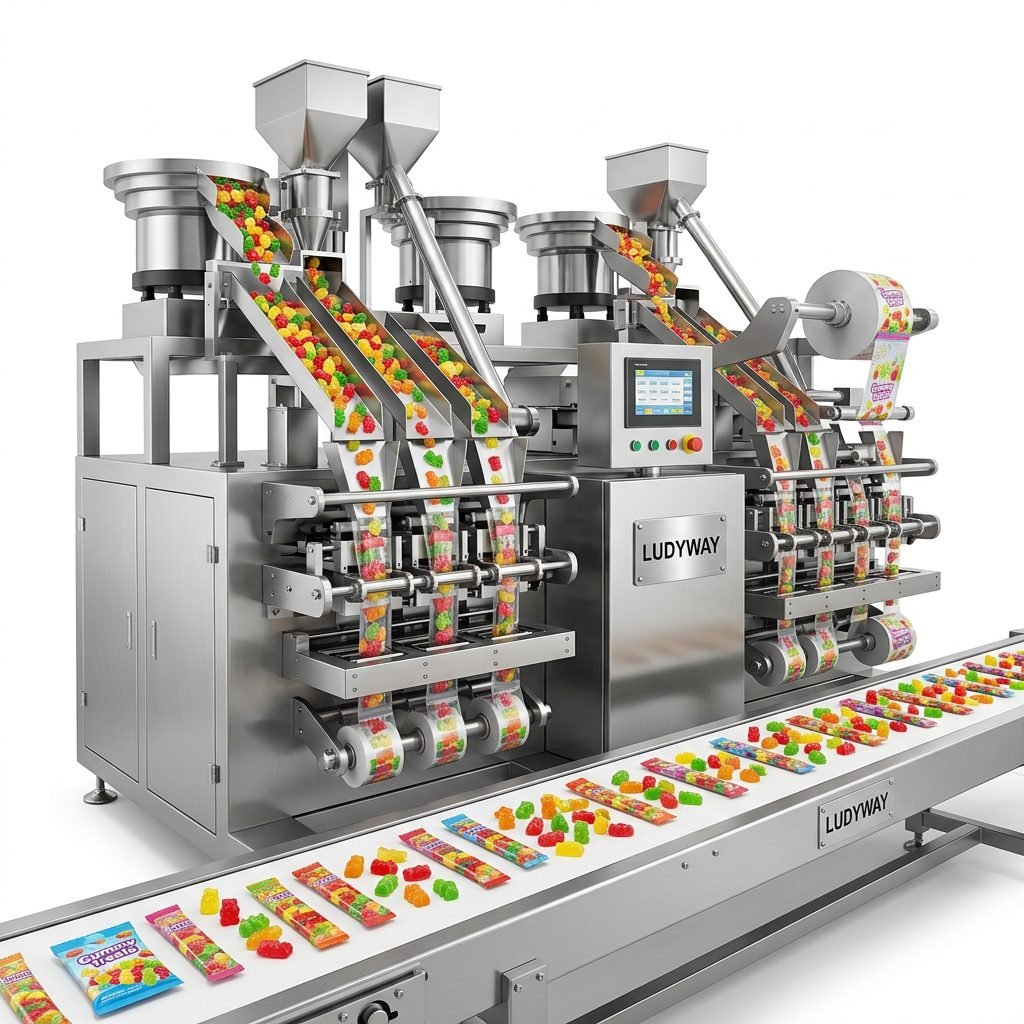
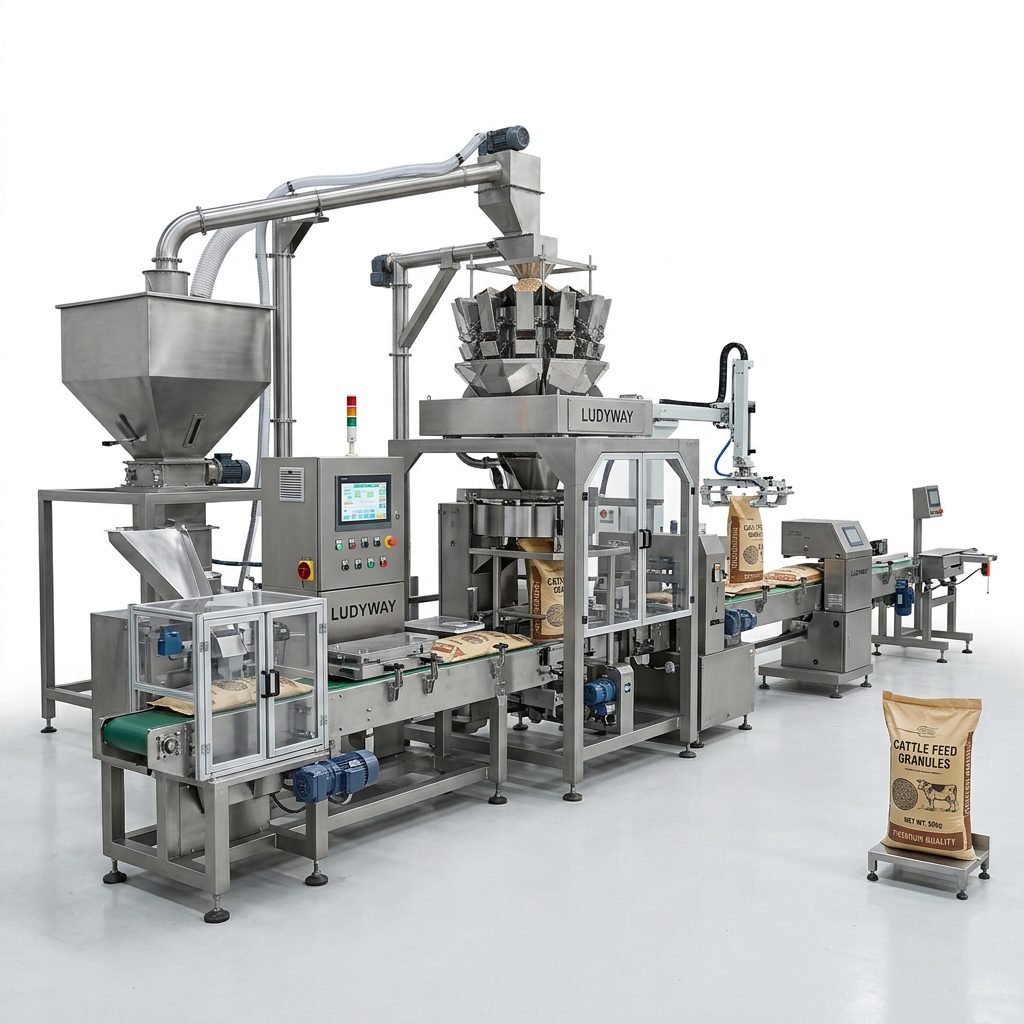
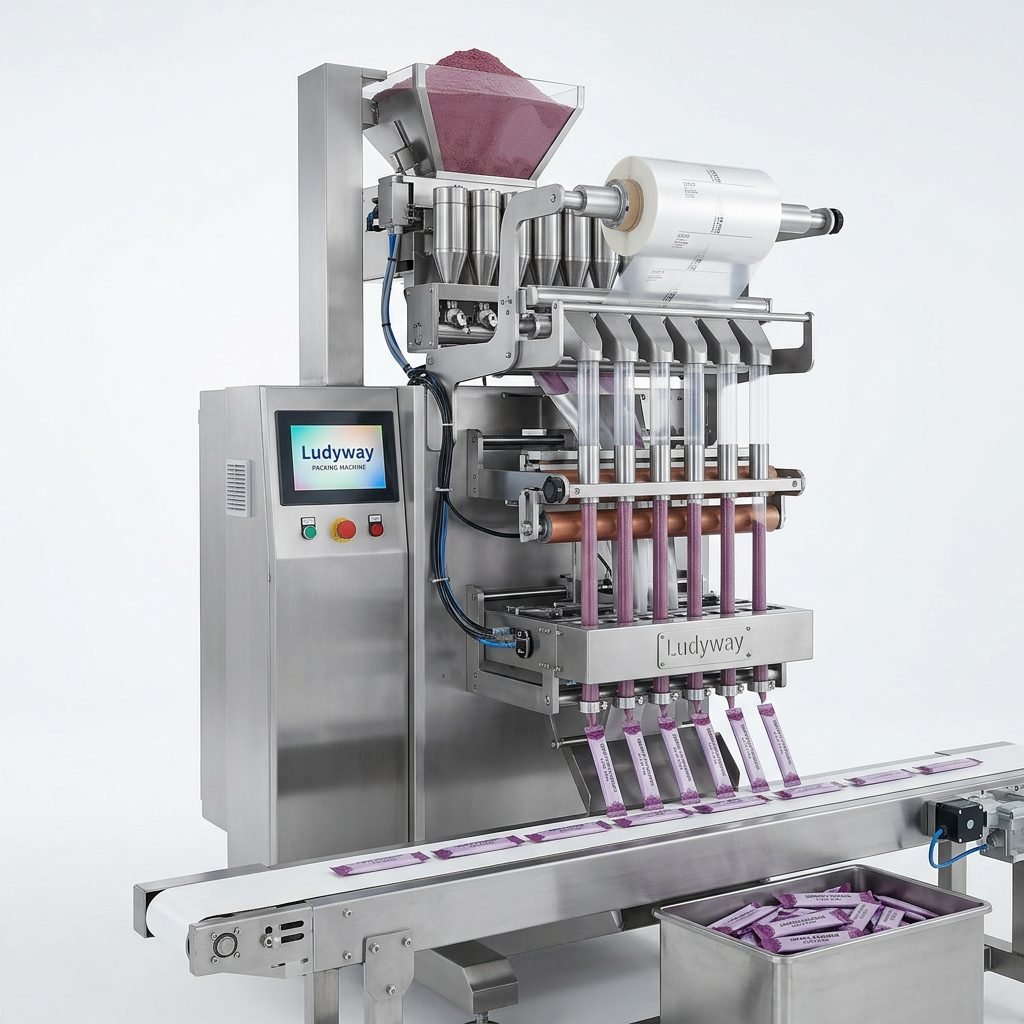
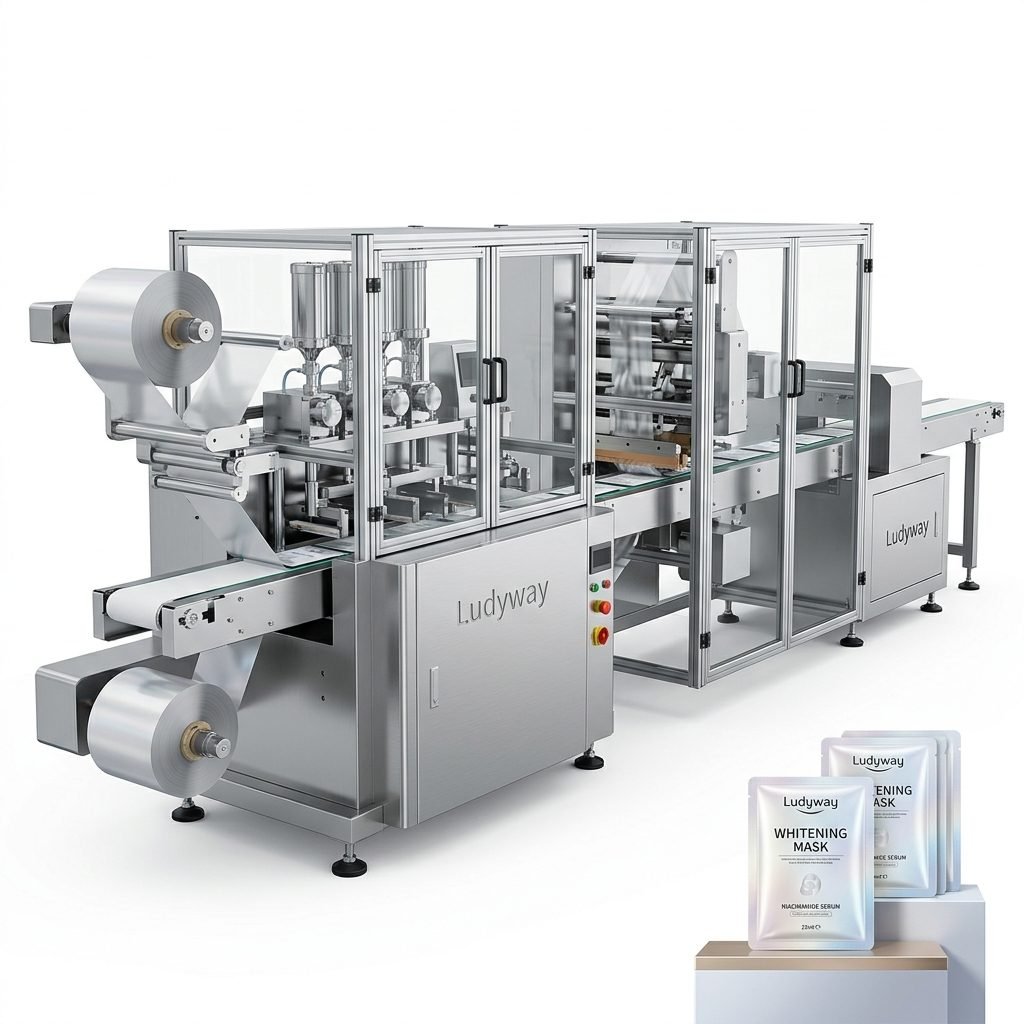
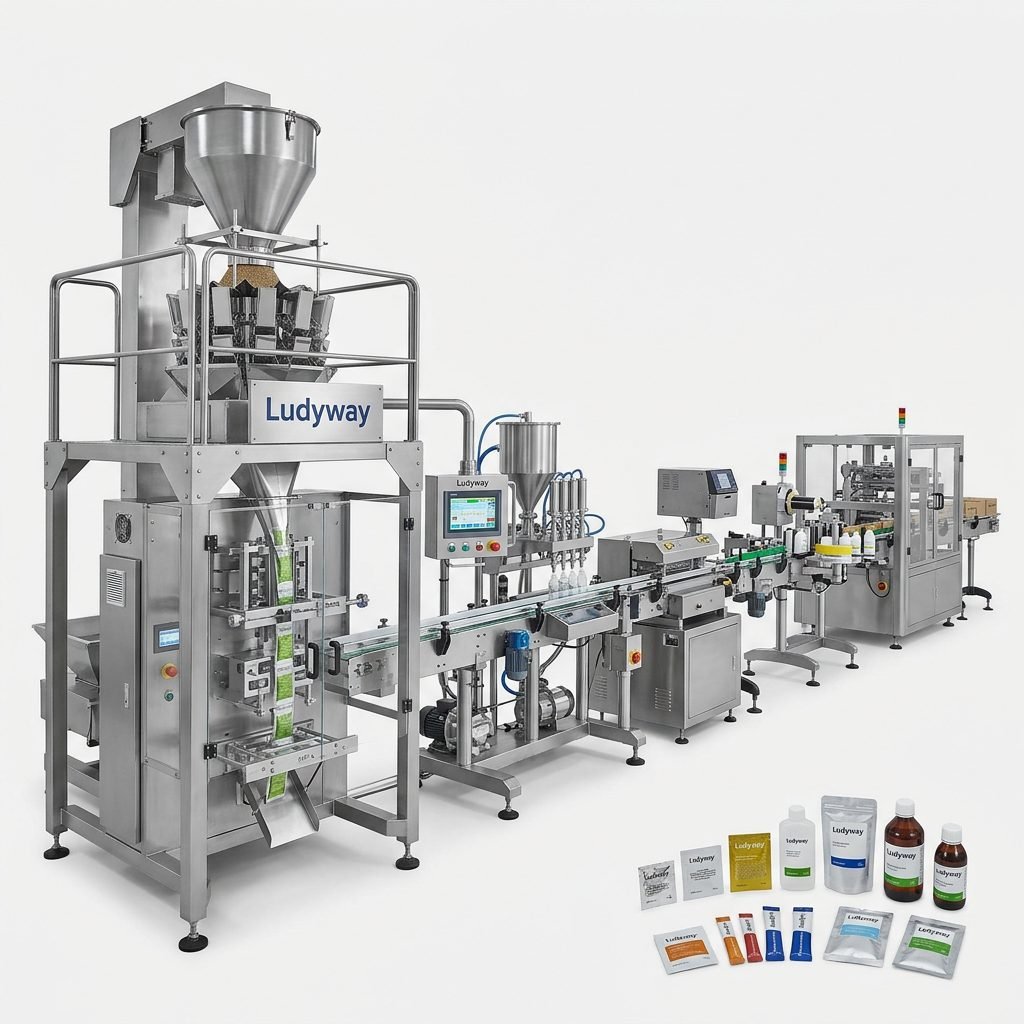
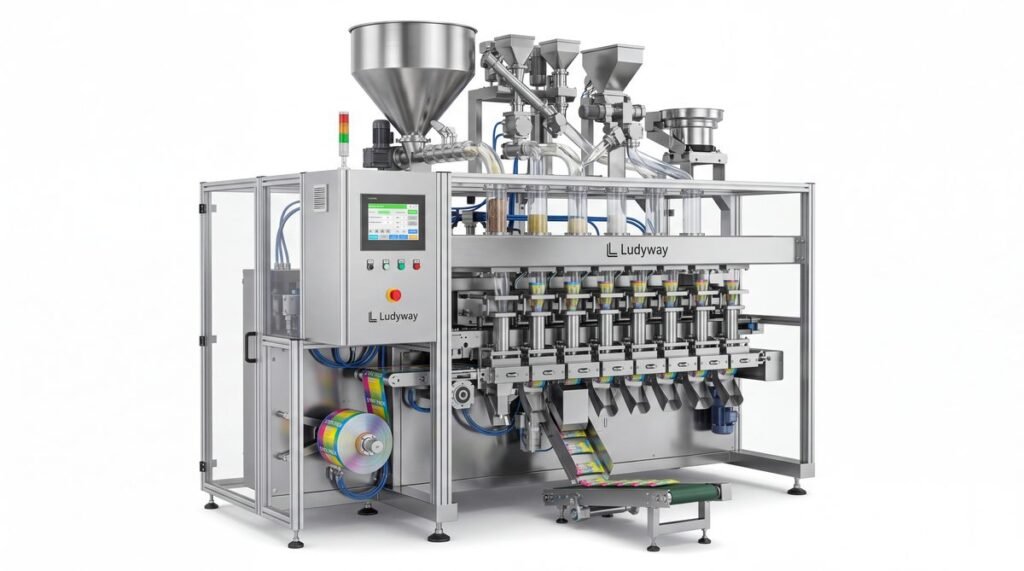
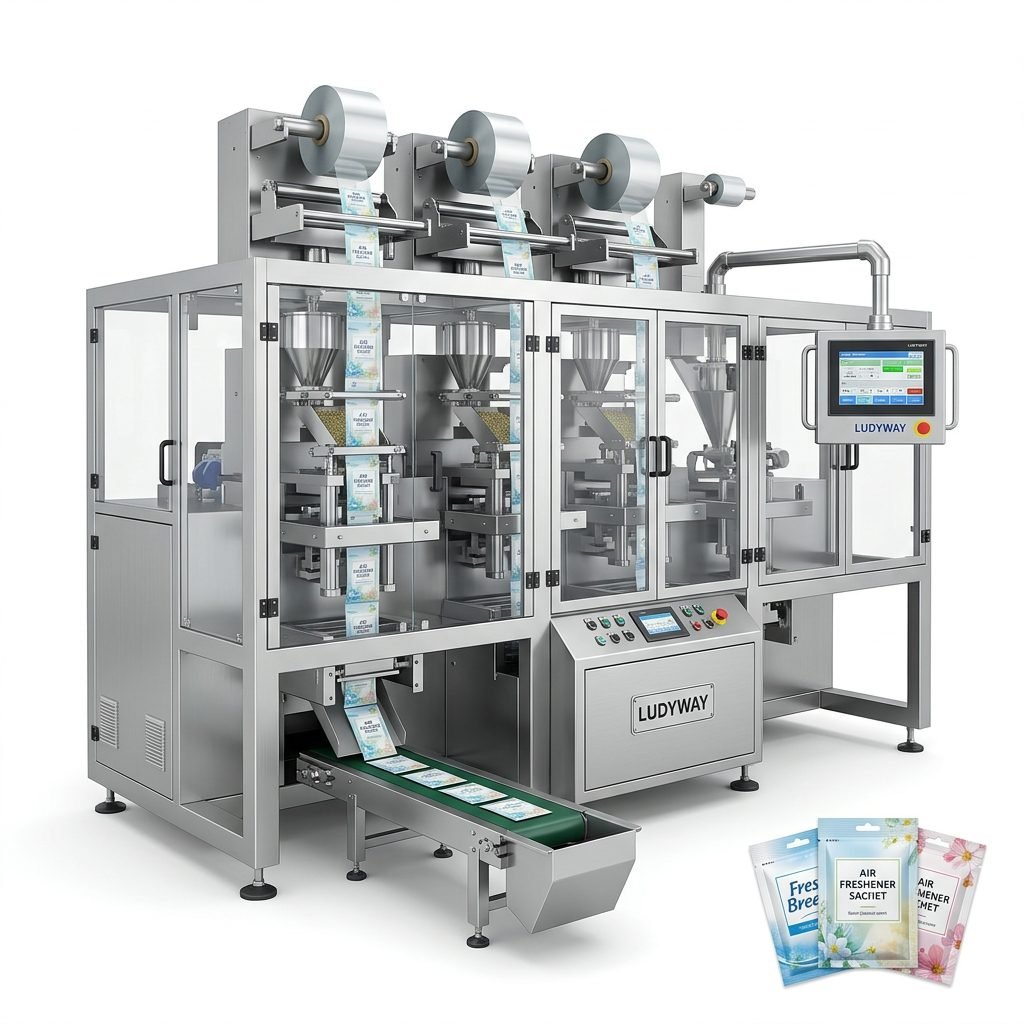
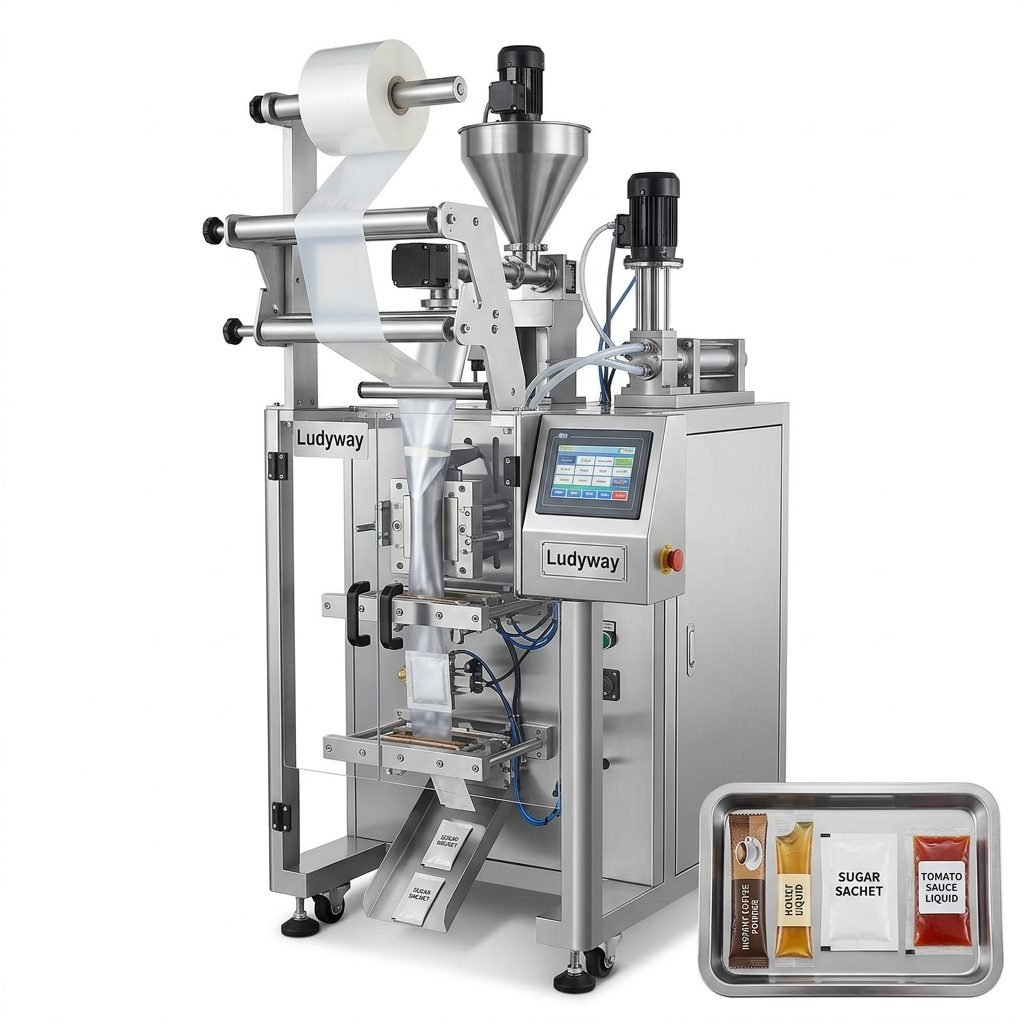
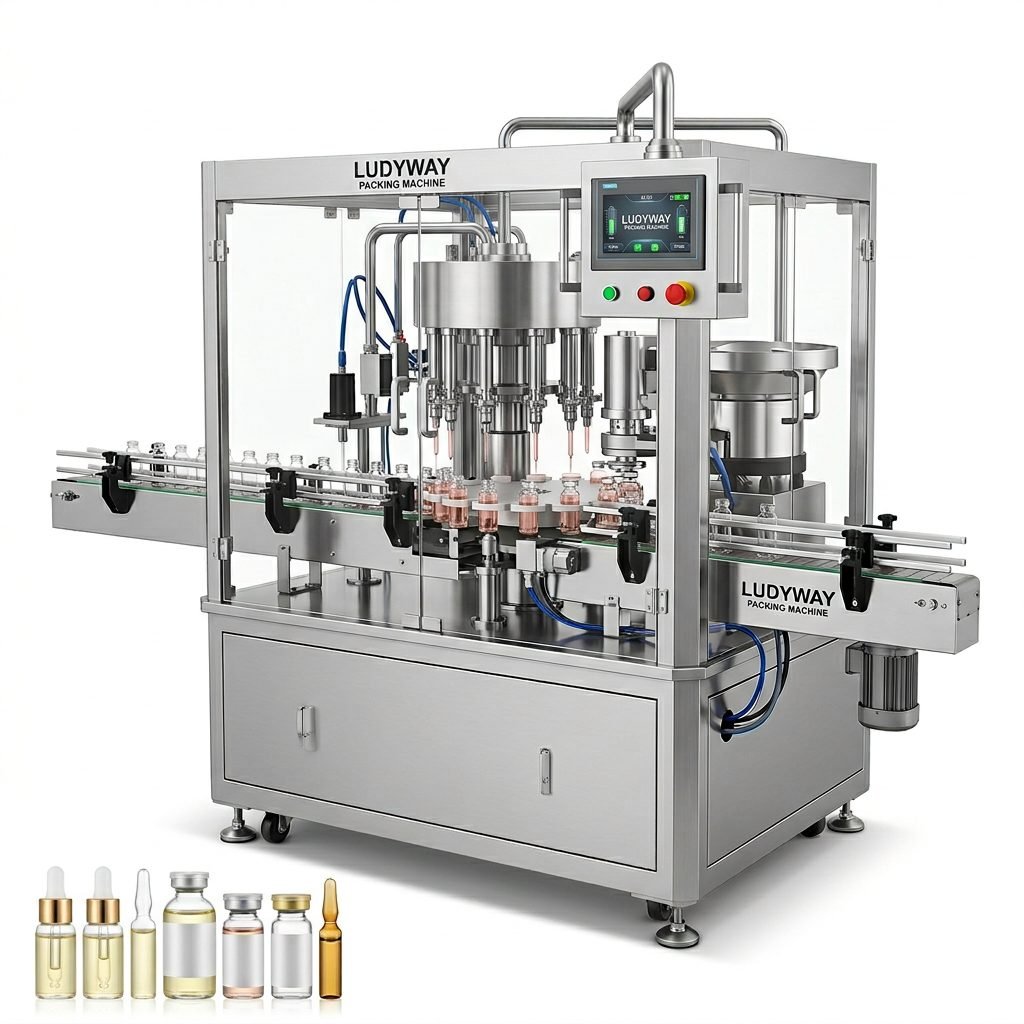
Investing in a heavy duty packing machine is a significant decision for any manufacturer handling bulk materials, powders, granules, or liquids. Whether you are upgrading an existing line or building a new facility, selecting equipment that can withstand high-volume production while maintaining accuracy is critical. Unlike standard packaging machines, heavy-duty systems are engineered for continuous operation, abrasive or dense products, and challenging industrial environments. This guide walks you through the essential factors to evaluate before making your purchase.

Understanding Heavy Duty Packaging Equipment
A heavy duty packing machine is specifically designed for applications where standard equipment would wear prematurely or fail to deliver consistent results. These machines typically feature reinforced frames, higher-torque drive systems, and components built to handle bulk bags, large-format pouches, or high-density products such as cement, chemicals, animal feed, aggregates, and industrial powders. According to the PMMI – The Association for Packaging and Processing Technologies, demand for robust automated packaging solutions continues to grow across multiple industrial sectors.
Key Factors to Evaluate When Selecting Equipment
Choosing the right machine requires a systematic assessment of your production environment, product characteristics, and long-term operational goals. Below are the most critical criteria to consider.
1. Machine Construction and Material Quality
The build quality of a heavy duty packing machine directly impacts its lifespan and maintenance requirements. Look for:
- Frame construction: Heavy-gauge stainless steel or reinforced carbon steel frames resist vibration and physical stress during high-speed operation.
- Product contact parts: For corrosive or abrasive materials, ensure contact surfaces use 316L stainless steel or specialized coatings.
- Drive components: Industrial-grade servo motors and gearboxes rated for continuous duty cycles provide reliable performance across multiple shifts.
2. Product Compatibility and Material Handling
Not every heavy duty packing machine can handle every product type. Evaluate the equipment’s compatibility with your specific materials:
| Product Type | Key Machine Requirements | Typical Packaging Formats |
|---|---|---|
| Bulk Powders (cement, flour, chemicals) | Dust-proof sealing, reinforced filling augers | Valve bags, open-mouth bags, big bags |
| Granules (fertilizer, pellets, plastic resin) | High-capacity weighers, impact-resistant chutes | Woven sacks, PP bags, jumbo bags |
| Dense Liquids (lubricants, syrups, pastes) | Positive displacement pumps, heated filling nozzles | Pails, drums, flexible pouches |
| Abrasive Materials (sand, minerals, aggregates) | Wear-resistant liners, hardened steel components | Bulk bags, heavy-duty sacks |
3. Speed and Throughput Requirements
Your production targets determine the speed rating and automation level needed. A heavy duty packing machine should be specified with at least 20-30% headroom above your current maximum required throughput to accommodate future growth. Consider whether a multi-lane configuration or multiple filling heads are necessary to meet peak demand. Reviewing resources such as the PMMI Business Intelligence Library can help benchmark your throughput requirements against industry averages.
4. Weighing Accuracy and Filling Precision
For bulk products, even small filling inaccuracies can lead to significant product giveaway or compliance issues over thousands of cycles. High-precision net weigh fillers and gross weigh systems with automatic feedback control are essential features in any heavy duty packing machine. The ISO packaging standards provide valuable reference points for acceptable tolerances in different industries.

Automation and Integration Capabilities
Modern heavy duty packing machines rarely operate in isolation. Evaluate how the equipment integrates with:
- Upstream processes: Conveyors, feeders, mixers, and bulk storage systems should connect seamlessly to the packing station.
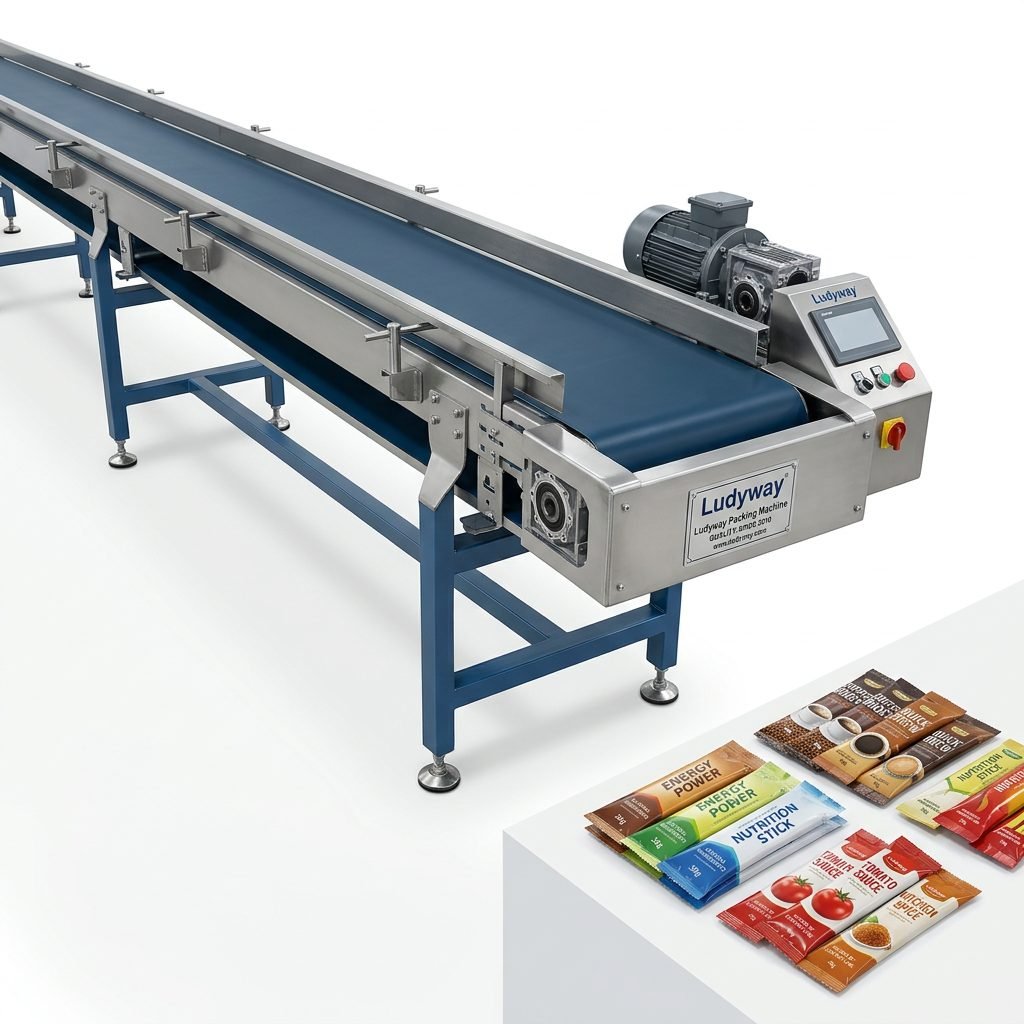
- Downstream equipment: Palletizers, stretch wrappers, case sealers, and labeling systems form part of a complete packaging line.
- Control systems: PLC-based controls with Industry 4.0 connectivity enable remote monitoring, data collection, and predictive maintenance scheduling.
The Flexible Packaging Association provides extensive resources on how integrated packaging systems improve overall equipment effectiveness in demanding production environments.
Compliance with Safety and Regulatory Standards
Depending on your industry and target markets, your heavy duty packing machine may need to meet specific regulatory requirements:
- Food-grade applications: Compliance with FDA food contact substance regulations is mandatory for any equipment handling food products.
- Pharmaceutical packaging: Machines should conform to ISO 11607 standards for terminally sterilized medical devices where applicable.
- Dust and explosion safety: For combustible powders, ATEX or NFPA-compliant electrical components and dust collection systems are essential.
- CE marking and international certifications: Required for equipment sold into European and many international markets.
Durability and Maintenance Considerations
A true heavy duty packing machine should deliver reliable performance over many years of operation. When evaluating options, examine:
- Component accessibility: Can operators and maintenance technicians easily reach wear parts without extensive disassembly?
- Spare parts availability: Does the manufacturer maintain an inventory of critical spares and offer expedited shipping?
- Preventive maintenance schedules: Look for machines designed with clearly defined service intervals and built-in diagnostic features.
- Sealed bearings and protected mechanisms: In dusty or wet environments, these features significantly extend component life.
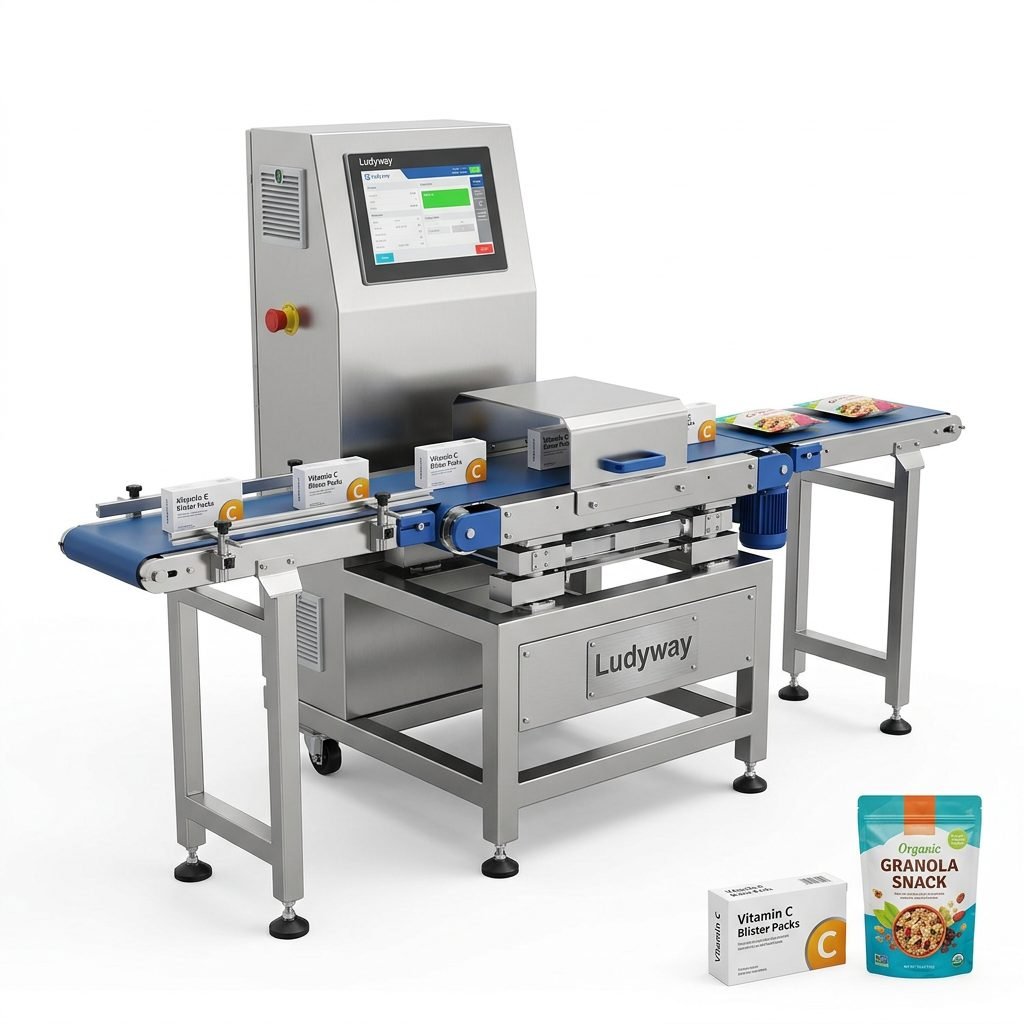
Cost-Benefit Analysis: Beyond the Purchase Price
When budgeting for a heavy duty packing machine, the initial capital expenditure is only one part of the total cost equation. Consider these factors in your ROI calculation:
| Cost Factor | Short-Term Impact | Long-Term Impact |
|---|---|---|
| Purchase Price | Higher upfront cost for industrial-grade equipment | Lower per-unit cost over machine lifespan |
| Energy Consumption | Moderate ongoing operational expense | Efficient motors reduce cumulative energy costs |
| Maintenance & Spares | Regular preventive maintenance required | Quality components reduce unplanned downtime |
| Labor Requirements | Training investment for operators | Automation reduces manual labor dependency |
| Product Giveaway | Inaccuracy leads to immediate profit loss | Precision filling saves thousands annually |
Choosing the Right Supplier Partner
Beyond the machine specifications, the manufacturer’s experience and support infrastructure are equally important. A reliable supplier should offer application engineering support, customization capabilities, installation and commissioning services, operator training, and responsive after-sales technical assistance. Whether you need a single machine or a complete turnkey packaging line, working with an experienced partner ensures your investment delivers long-term value.
For example, Ludyway Machinery — a China-based packaging machinery manufacturer with more than 30 years of experience — provides heavy-duty packaging equipment and integrated solutions for industries including food and beverage, pharmaceuticals, chemicals, animal feed, and consumer products. With a 20,000-square-meter manufacturing facility, more than 130 professionals, and over 50 packaging machine models, Ludyway combines engineering capabilities with automation technology to help manufacturers improve packaging efficiency. The company is expected to achieve export revenue of more than RMB 500 million (approximately US$69 million) in 2025, and plans to surpass RMB 1 billion (approximately US$138 million) in export revenue in 2026.
Questions to Ask Before Making a Decision
Before finalizing your purchase of a heavy duty packing machine, confirm the following with potential suppliers:
- Can the machine be demonstrated with your actual product or a close simulation?
- What warranty coverage is provided, and what is the process for warranty claims?
- Are installation and commissioning services included, or are they priced separately?
- What training programs are available for operators and maintenance staff?
- How quickly can spare parts be delivered to your location?
- Is the machine designed to meet applicable international standards for your target markets?
Final Recommendations
Selecting the right heavy duty packing machine requires balancing performance, reliability, and total cost of ownership. Invest time in evaluating machine construction, product compatibility, automation features, regulatory compliance, and supplier capabilities. By taking a comprehensive approach to equipment selection, you position your operation for efficient, scalable, and consistent packaging performance over the long term. For further insights into packaging machinery market trends and equipment selection, explore the PMMI State of the Industry reports and resources from the Flexible Packaging Association.