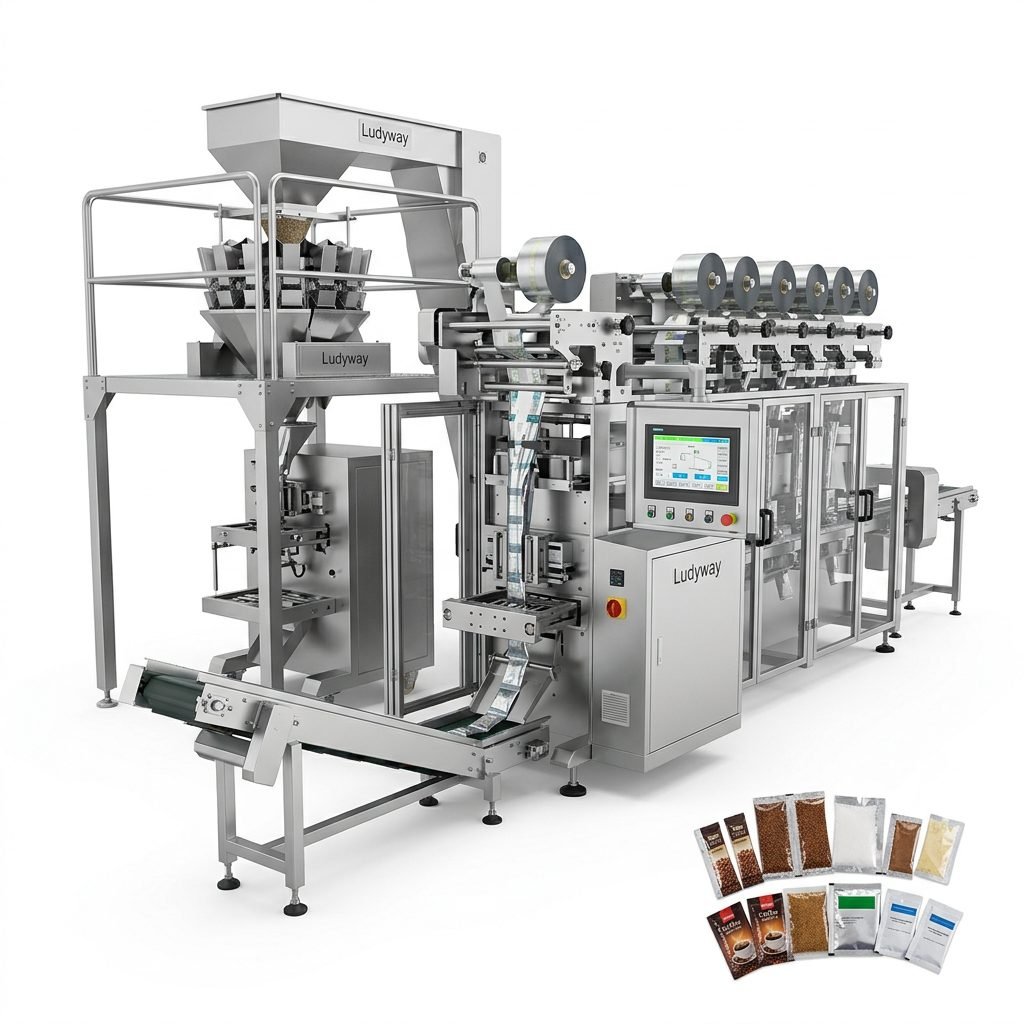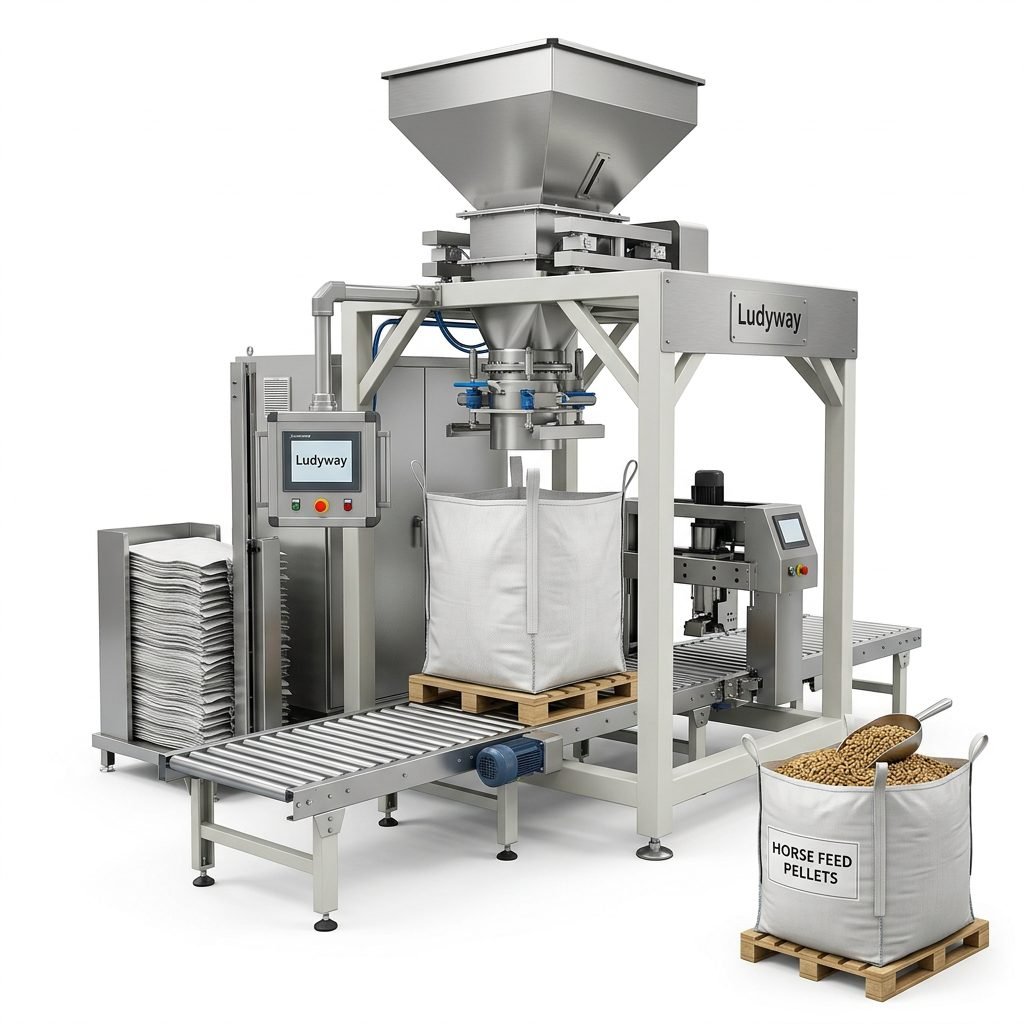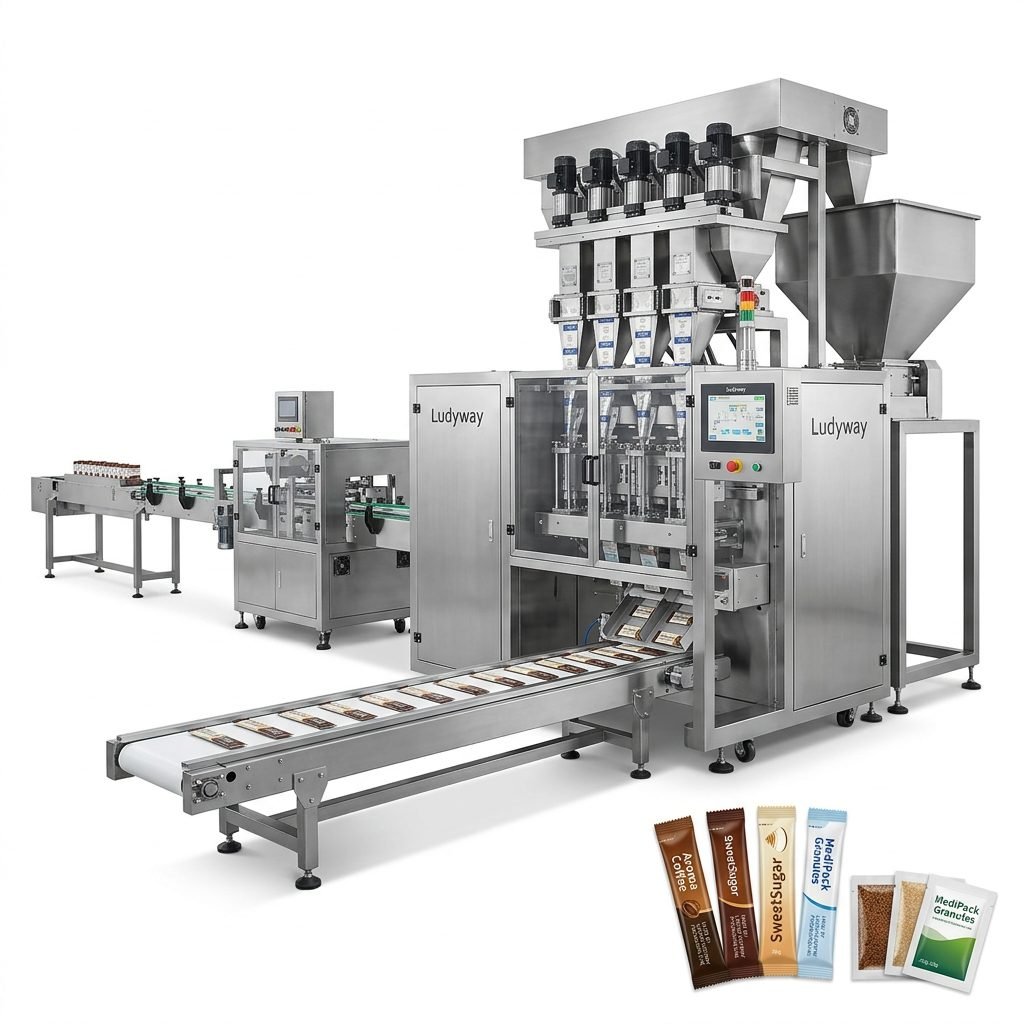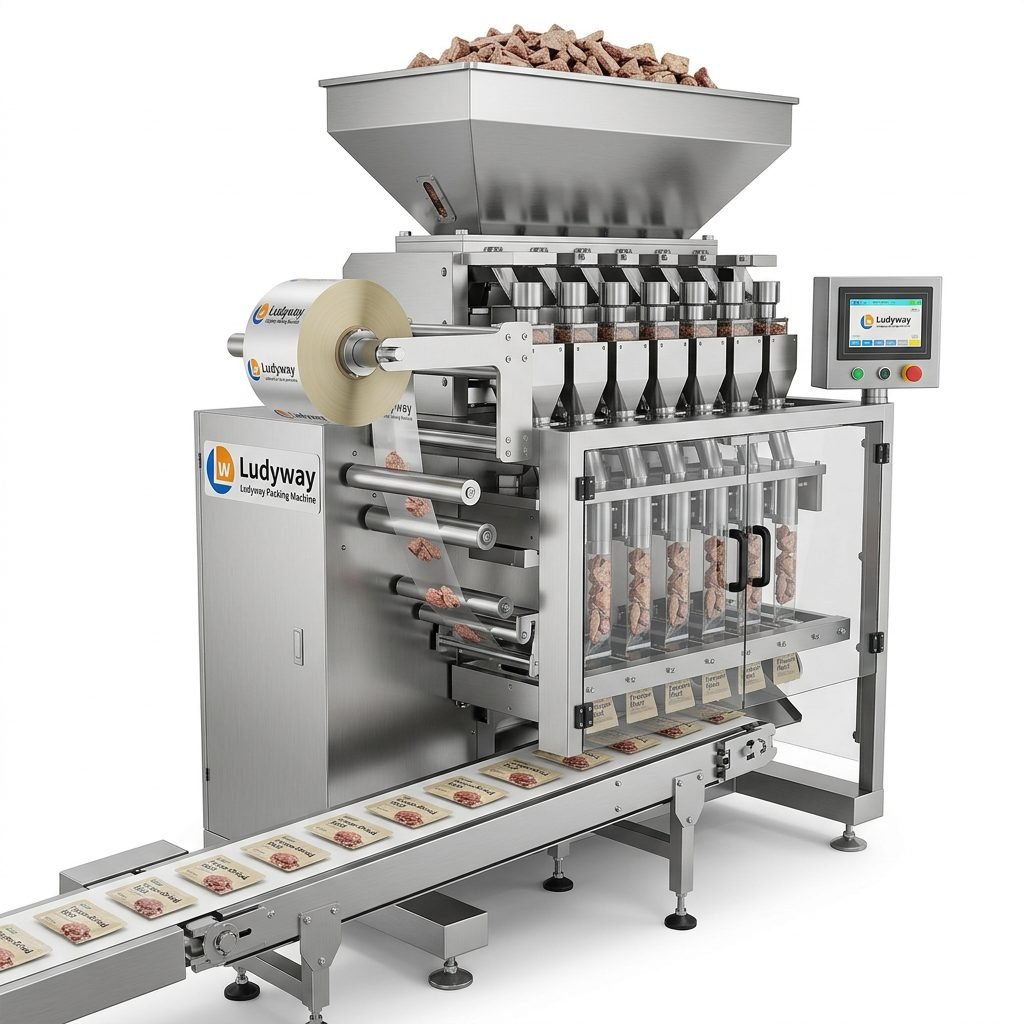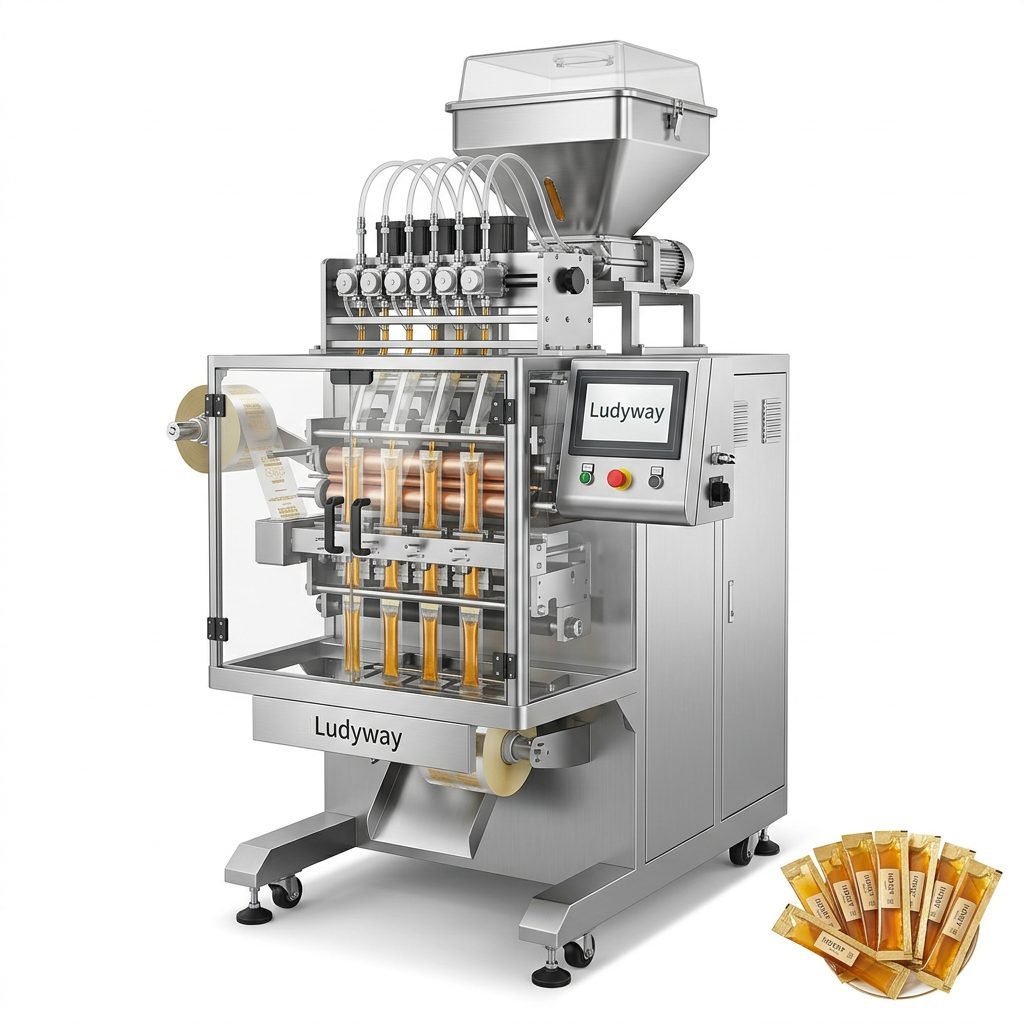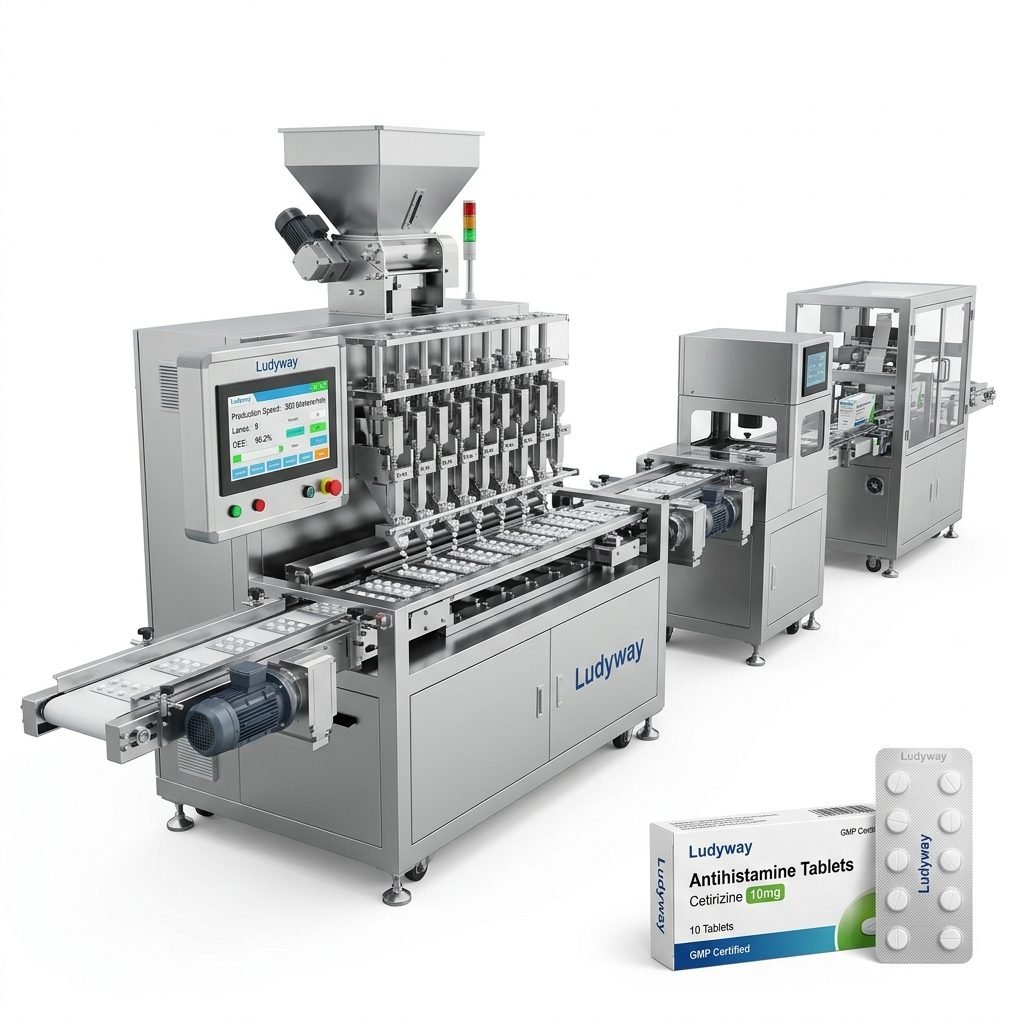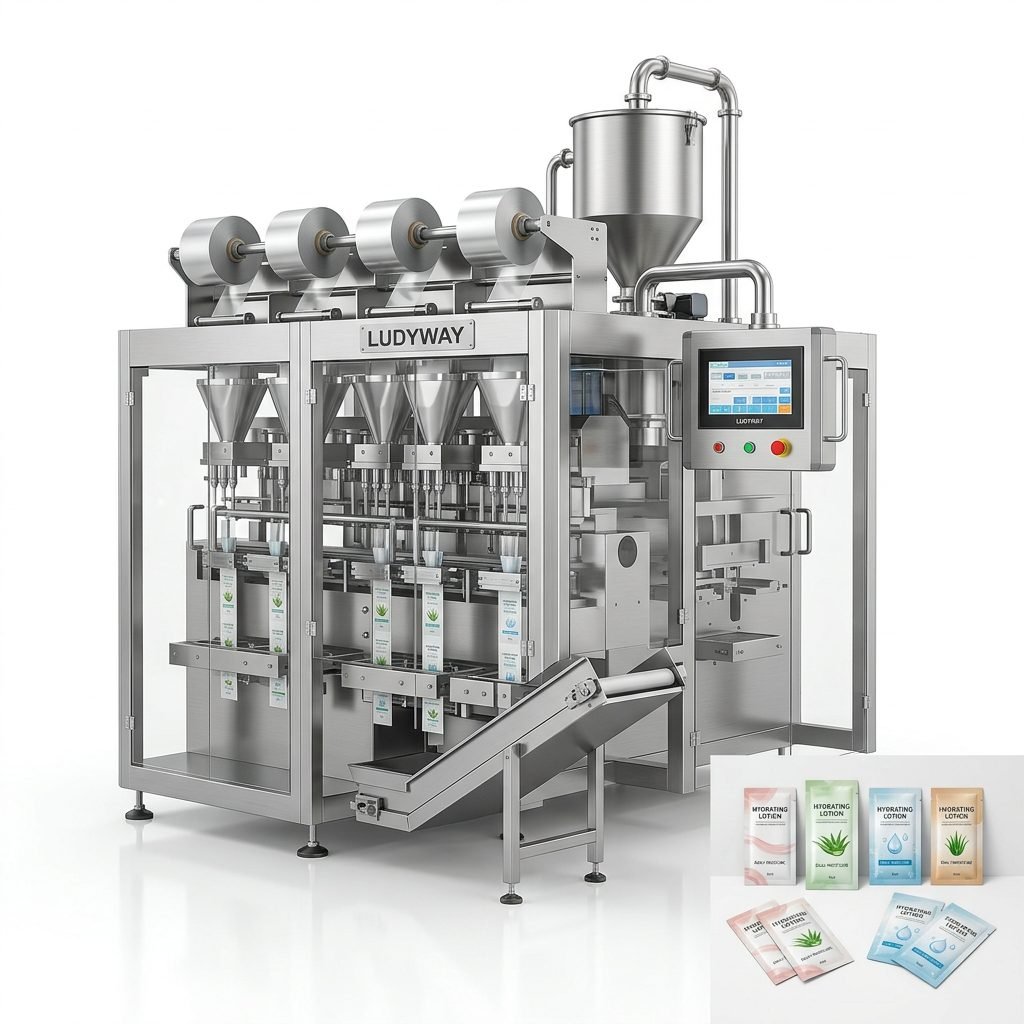
Selecting the right lotion packaging machine is one of the most critical decisions a manufacturer can make. Whether you are producing body lotions, hand creams, sunscreens, or specialized cosmetic formulations, the packaging equipment you choose directly affects production efficiency, product quality, and long-term operational costs. A poorly matched machine can lead to inconsistent fill volumes, packaging material waste, excessive downtime, and ultimately a compromised brand reputation.
This guide walks you through the essential factors to evaluate when choosing a lotion packaging machine, covering everything from product characteristics and packaging formats to automation levels and after-sales support. By the end, you will have a clear framework for making an informed purchasing decision that aligns with your production goals.
Understanding Your Lotion Product Characteristics
Before evaluating any equipment, you must fully understand the physical properties of your lotion product. Lotions vary significantly in viscosity, flow behavior, temperature sensitivity, and chemical composition, and each of these factors influences the type of filling and sealing technology required.
Viscosity and Flow Considerations
Lotions range from thin, watery fluids to thick, creamy pastes. A light body lotion with low viscosity flows easily and can be handled by gravity-based or volumetric filling systems. In contrast, a heavy butter cream or sunscreen requires positive displacement piston fillers or pump-assisted dosing systems capable of moving dense product through the filling nozzles without cavitation or inconsistent dosing. Testing your product on the actual machine before purchase is strongly recommended to verify compatibility.
Temperature and Shear Sensitivity
Some lotion formulations are sensitive to heat or mechanical shear. If your product contains heat-sensitive active ingredients or emulsified structures that can break down under pressure, you need an automatic filling and sealing machine with gentle handling characteristics. Look for features such as low-shear pump designs, temperature-controlled hoppers, and smooth product pathways that minimize product degradation during the filling process.
Packaging Format and Bag Style Options
Lotion products can be packaged in a variety of formats, each requiring different machine configurations. The most common packaging formats for lotions include:
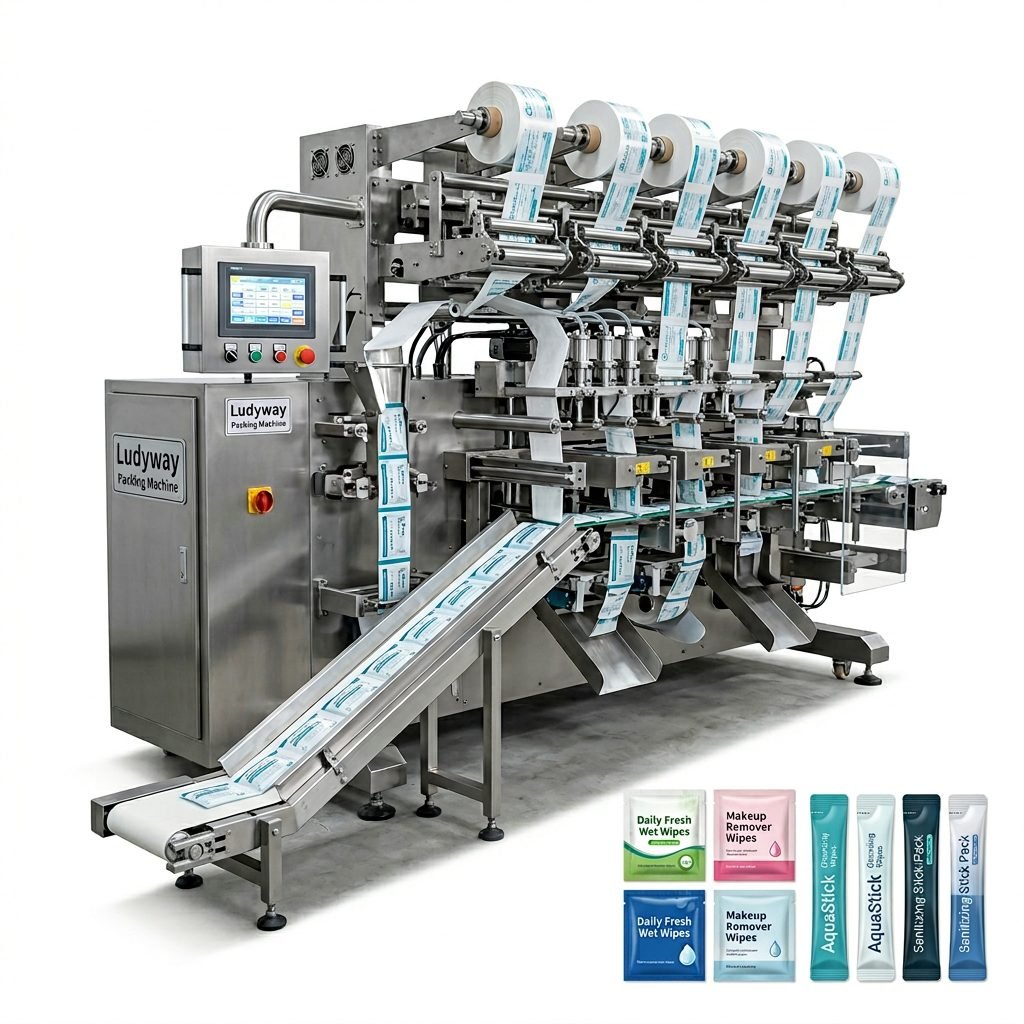
- Sachets and sample packs – Ideal for single-use applications, travel sizes, and promotional samples. These require a multi-lane sachet packaging system capable of high-speed production with precise fill volumes.
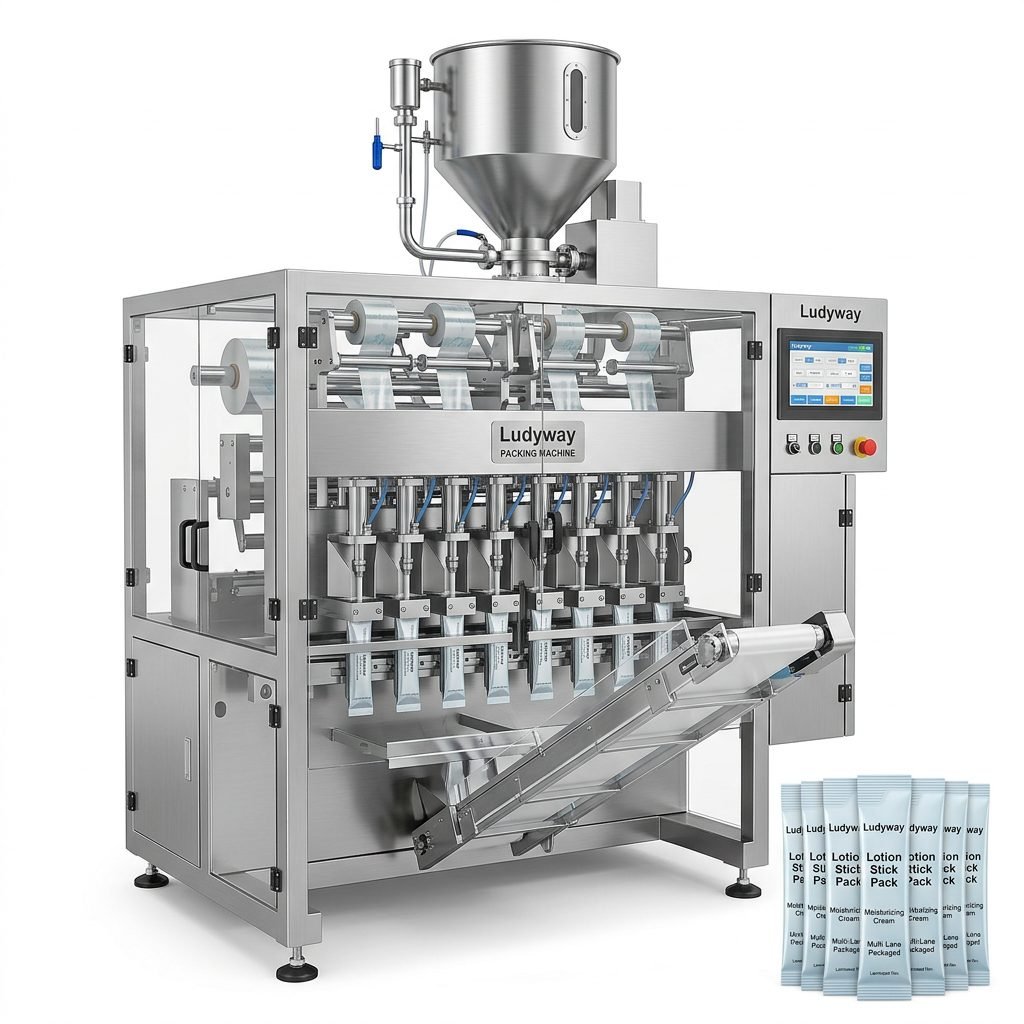
- Stick packs – Narrow, elongated single-serve packages popular in the cosmetics industry for their portability and portion control. Stick pack machines must handle lotion viscosity while maintaining clean sealing.
- Pouches and stand-up bags – Used for larger volumes, often with resealable features. These require robust filling and sealing stations suitable for flexible packaging materials.
- Bottles and tubes – Although not always classified under flexible packaging, many manufacturers seek integrated solutions that can handle multiple packaging formats on a single production line.
Key Factors to Evaluate When Selecting Equipment
Once you have a clear understanding of your product and packaging format, the following criteria should guide your machine selection process. Each factor plays a role in determining the overall suitability and return on investment of the equipment.
Production Speed and Throughput Requirements
Your current and projected production volumes dictate the speed class of the machine you need. A small contract manufacturer filling 5,000 sachets per day has very different requirements from a large-scale producer running 100,000 units per shift. When evaluating machine specifications, consider:
- Rated output speed (units per minute or hour) under realistic operating conditions, not just theoretical maximums.
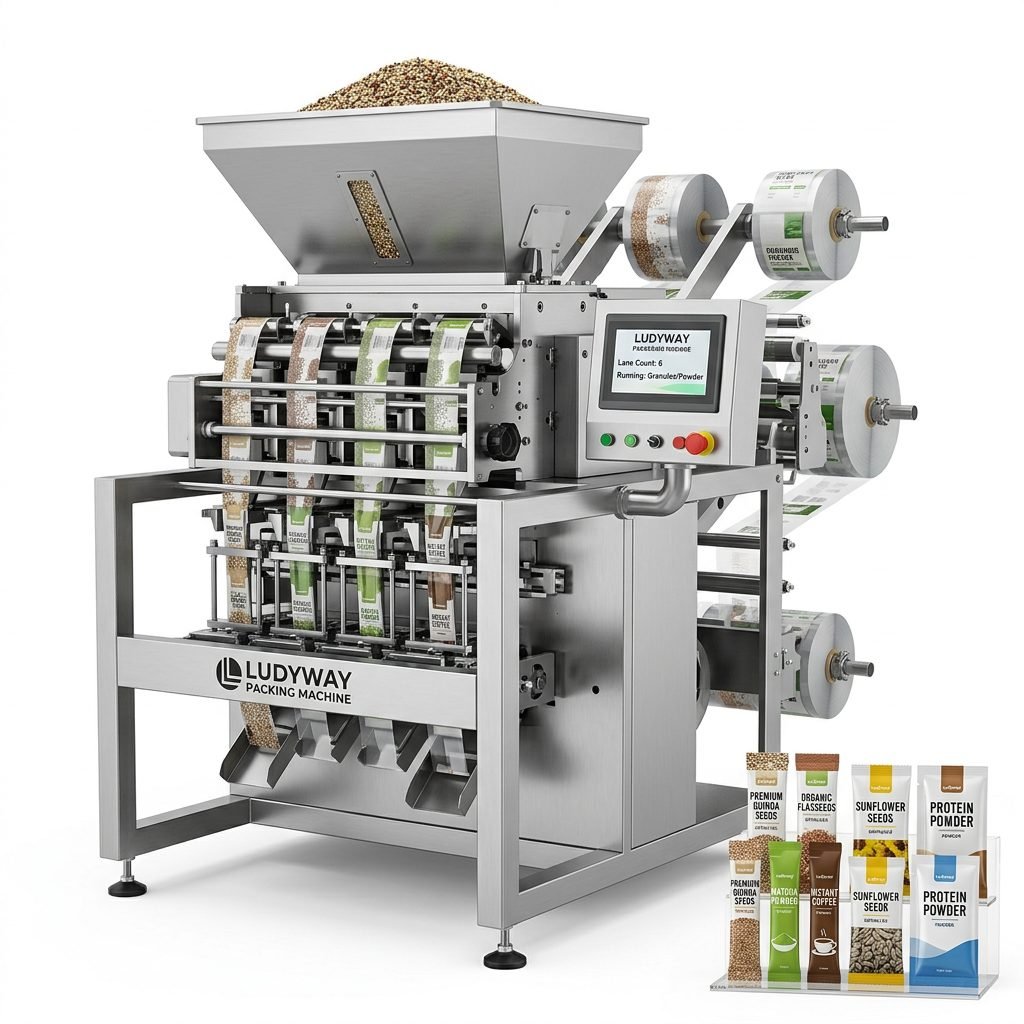
- Lane configuration – Multi-lane machines significantly increase throughput without proportionally increasing floor space or operator requirements.
- Changeover time between different product SKUs or packaging sizes. Fast changeover capability is critical for manufacturers with diverse product lines.
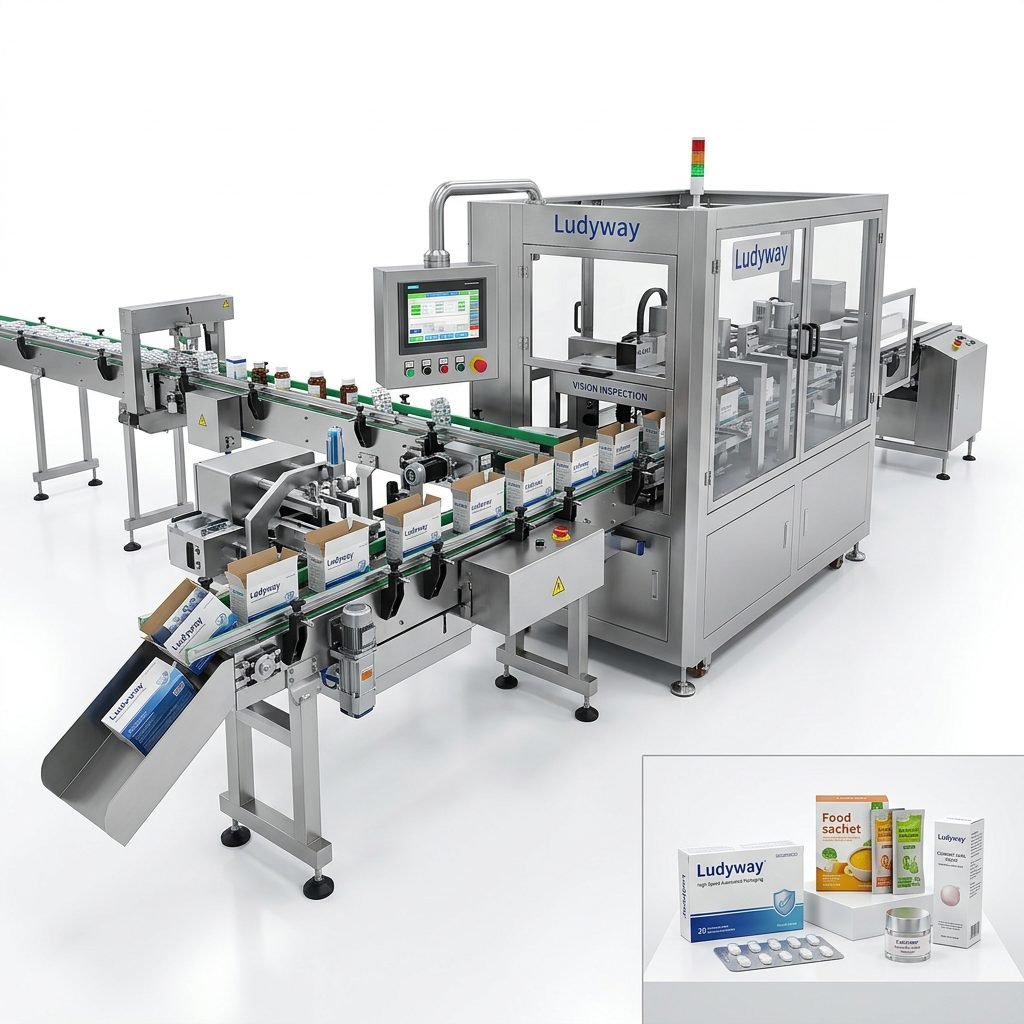
- Integration with upstream and downstream equipment, including filling, sealing, coding, inspection, and cartoning systems.
Filling Accuracy and Precision
In the personal care and cosmetics industry, fill accuracy is non-negotiable. Overfilling erodes profit margins, while underfilling can lead to regulatory non-compliance and customer complaints. Modern lotion packaging machines should offer:
- Dosing accuracy within ±0.5% to ±1% of target fill volume, depending on product viscosity.
- Servo-driven filling systems that provide consistent, repeatable dosing independent of product level in the hopper.
- Automatic adjustment features that compensate for variations in product density or temperature during long production runs.
- Integrated checkweighing feedback loops that continuously monitor and adjust fill volumes in real time.
Machine Types Comparison Overview
Different machine architectures suit different production environments and product characteristics. The table below summarizes the primary types of lotion packaging machines and their typical applications:
| Machine Type | Best For | Key Advantages | Typical Speed Range |
|---|---|---|---|
| Single-Lane Sachet Machine | Small to medium production, frequent changeovers | Low initial investment, easy to operate, flexible | 30–80 packs/min |
| Multi-Lane Sachet Machine | High-volume production, single SKU long runs | High throughput, efficient material usage, lower per-unit cost | 200–600+ packs/min |
| Stick Pack Machine | Single-serve portions, travel packs, samples | Compact format, excellent portability, modern appeal | 60–400 packs/min |
| Premade Pouch Filling Machine | Larger volumes, stand-up pouches, spouted pouches | Versatile bag styles, premium shelf presence | 20–60 packs/min |
| Vertical Form Fill Seal (VFFS) | Integrated film-to-package production | All-in-one system, reduced material handling, cost-effective | 40–150 packs/min |
Material Compatibility and Machine Construction
The construction materials of your lotion packaging machine must be compatible with your product formulation. Lotions often contain ingredients such as emulsifiers, preservatives, fragrances, and active compounds that can react with certain metals or plastics. Key considerations include:
- Product contact parts should be manufactured from 316L stainless steel or food-grade materials that resist corrosion and do not leach contaminants into the product.
- Sealing materials and gaskets must be compatible with any oil-based or solvent-containing formulations to prevent swelling, degradation, or contamination over time.
- Clean-in-place (CIP) capabilities are valuable for manufacturers who run multiple product types and require thorough cleaning between batches to prevent cross-contamination.
- The packaging film used must be compatible with the machine’s sealing temperature range, dwell time, and pressure settings to achieve hermetic seals consistently.
Automation Level and Production Line Integration
Today’s competitive manufacturing environment increasingly demands higher levels of automation. When specifying your lotion packaging machine, consider how it fits into your broader production ecosystem. A modern turnkey packaging line may include:
- Automated feeding systems that deliver product to the filling station without manual intervention.
- Inline inspection systems including vision inspection, metal detection, and checkweighing for quality assurance.
- Date coding and serialization equipment for traceability and regulatory compliance.
- Cartoning and case packing machines that automate secondary packaging operations.
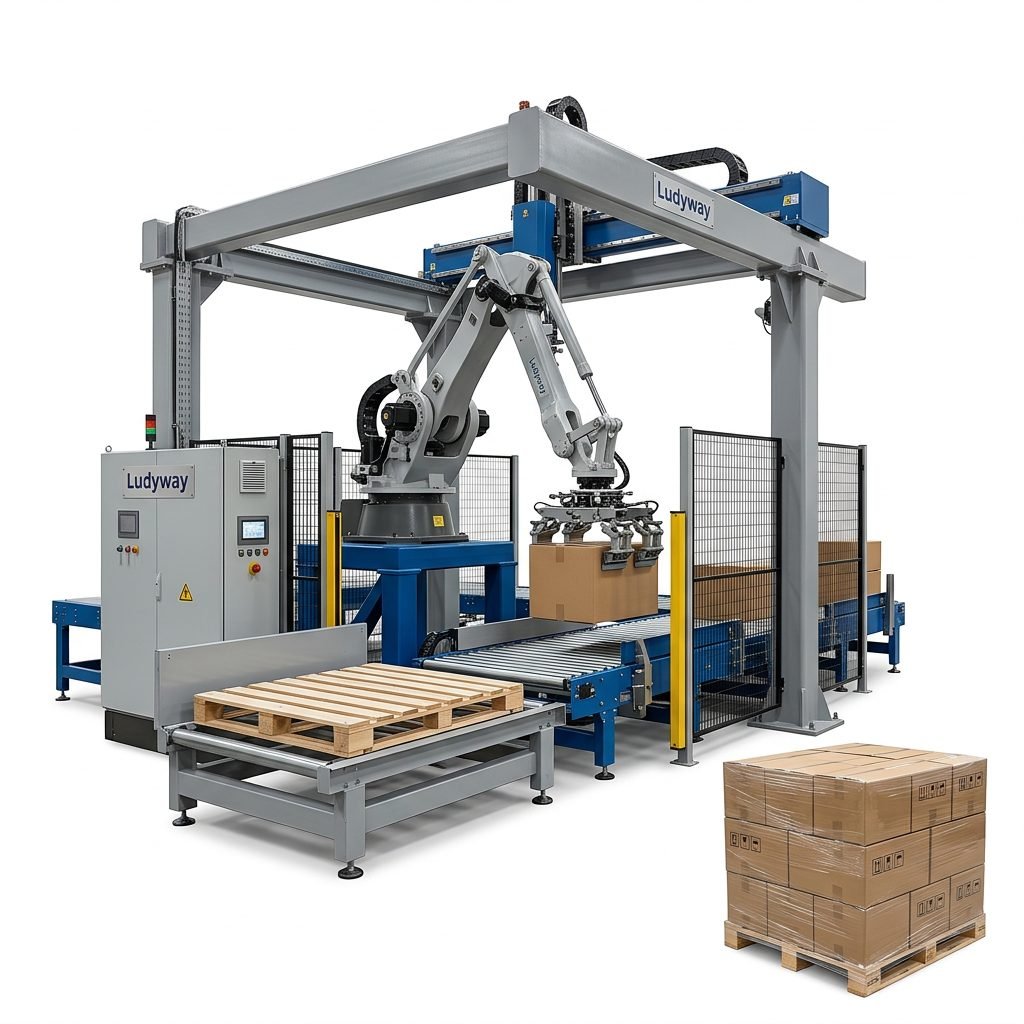
- Palletizing solutions for end-of-line automation and warehouse efficiency.
Choosing a machine platform that supports modular expansion allows you to start with a basic configuration and add automation modules as your production needs grow. This approach protects your initial investment while providing a clear upgrade path.
Compliance with Industry Standards and Regulations
Depending on your target market, your lotion packaging equipment must comply with various regulatory requirements. The Packaging Machinery Manufacturers Institute (PMMI) provides valuable resources on industry standards and best practices. Key compliance areas include:
- FDA regulations for cosmetic products marketed in the United States, particularly regarding food contact substances and packaging materials.
- EU Cosmetics Regulation (EC) No 1223/2009 requirements for products sold in European markets.
- GMP (Good Manufacturing Practice) guidelines that influence machine design, material selection, and cleaning protocols.
- CE marking requirements for equipment operated within the European Economic Area.
- ISO packaging standards that govern everything from packaging materials to distribution protocols.
Verify that your machine supplier can provide documentation and certification appropriate to your target markets. The Flexible Packaging Association also offers extensive knowledge resources on flexible packaging standards and sustainability initiatives that may affect your packaging material choices.
Total Cost of Ownership Considerations
The purchase price of a lotion packaging machine is only one component of its total cost. A comprehensive evaluation should account for the following factors over the machine’s expected service life of 7 to 15 years:
- Energy consumption – Servo-driven machines typically consume less power than pneumatic or hydraulic systems during continuous operation.
- Packaging material waste – Machines with precise film registration and tension control generate less waste during start-up, changeover, and continuous running.
- Maintenance and spare parts – Availability of critical spare parts and the complexity of routine maintenance procedures affect long-term operating costs.
- Operator training – Machines with intuitive human-machine interfaces (HMIs) reduce training time and operator error rates.
- Downtime cost – Reliable equipment from established manufacturers typically offers higher uptime percentages, which directly impacts production output and profitability.
After-Sales Support and Technical Service
Even the most reliable packaging machinery requires ongoing support throughout its operational life. When evaluating machine suppliers, assess their service infrastructure and commitment to customer support. Key questions to ask include:
- Does the supplier offer remote technical assistance for rapid troubleshooting?
- What is the availability and lead time for critical spare parts in your region?
- Is on-site installation and commissioning support available, along with operator training?
- Does the company maintain a global service network or regional service partners?
- Are preventive maintenance programs offered to minimize unplanned downtime?
A manufacturer with more than three decades of industry experience, such as Ludyway Machinery, combines in-house engineering expertise with global service capabilities, providing packaging machinery and turnkey solutions to customers in over 100 countries. Their approach to customized machine configuration and post-installation support illustrates the level of partnership that manufacturers should seek when investing in production equipment.

Making the Final Equipment Decision
After evaluating all the factors discussed above, synthesize your findings into a structured comparison. Create a weighted evaluation matrix that ranks each machine option according to criteria that matter most to your operation. Consider the following final checklist before committing to a purchase:
- Confirm that the machine has been tested with your actual product and packaging material, not just a generic substitute.
- Verify real-world throughput rates from existing customers running similar applications.
- Review the warranty terms and understand what is covered during the initial warranty period and beyond.
- Visit the manufacturer’s facility or request a live video demonstration to assess build quality and operational characteristics firsthand.
- Secure a clear project timeline for delivery, installation, commissioning, and training.
- Confirm ongoing technical support availability and spare parts supply chain reliability for your region.
Selecting a lotion packaging machine is a strategic investment that affects your production capability for years to come. By thoroughly evaluating your product requirements, packaging format needs, automation goals, compliance obligations, and the total cost of ownership, you position your business for sustainable growth and operational excellence. Taking the time to make an informed decision upfront pays dividends in production efficiency, product quality, and customer satisfaction over the long term.