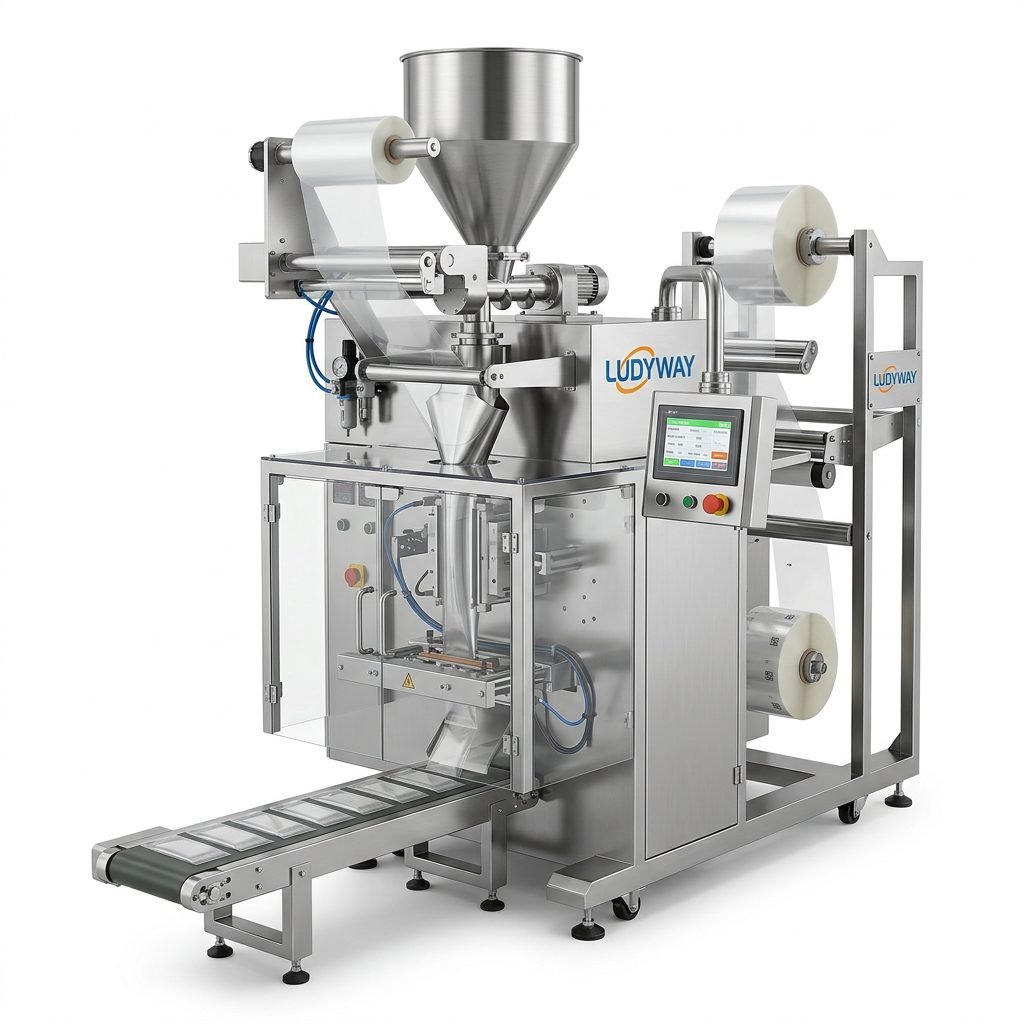
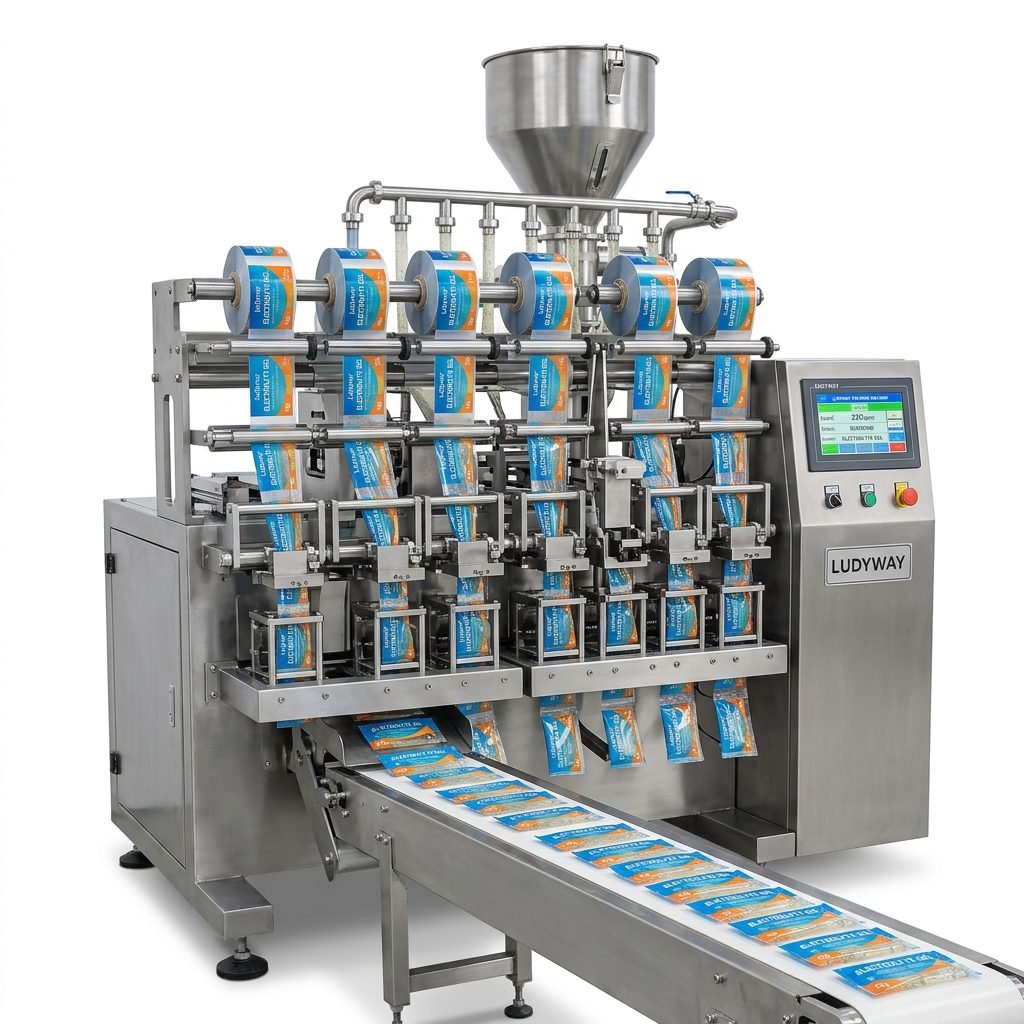
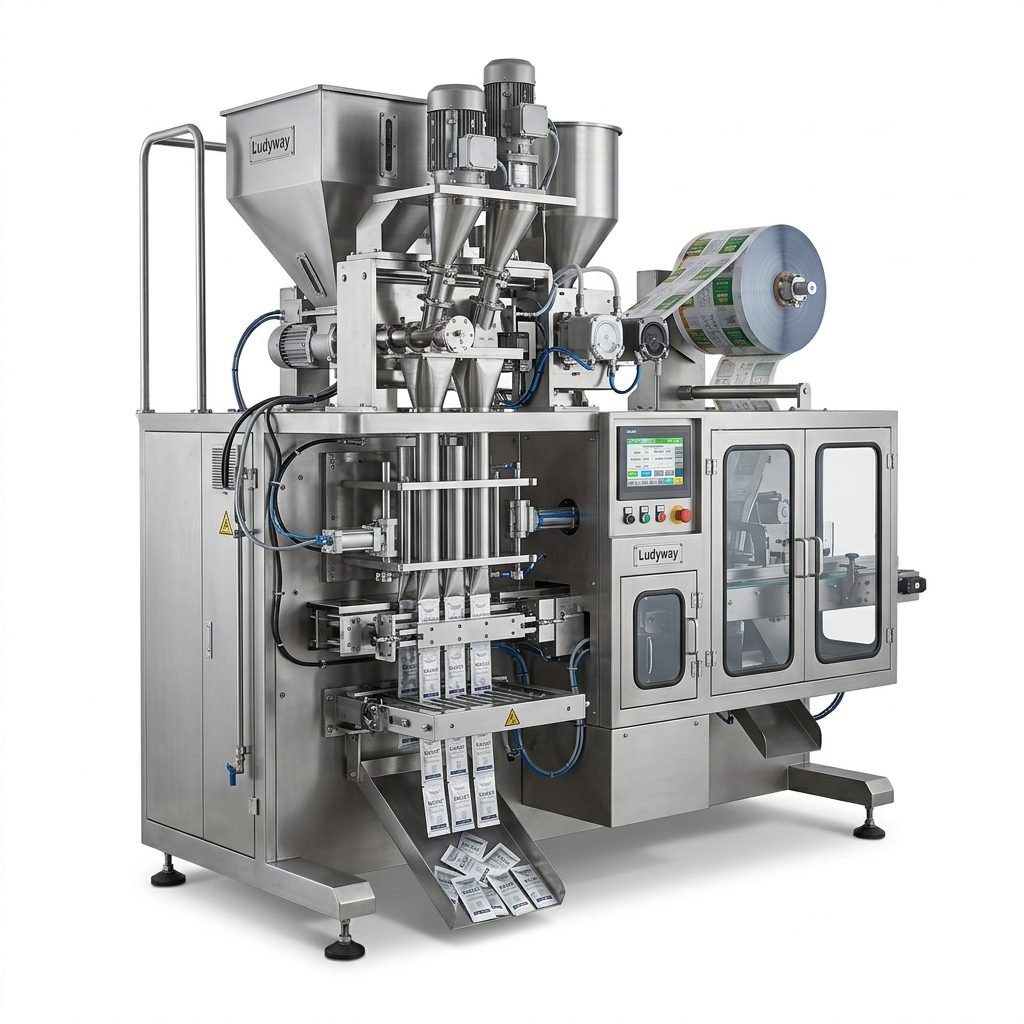
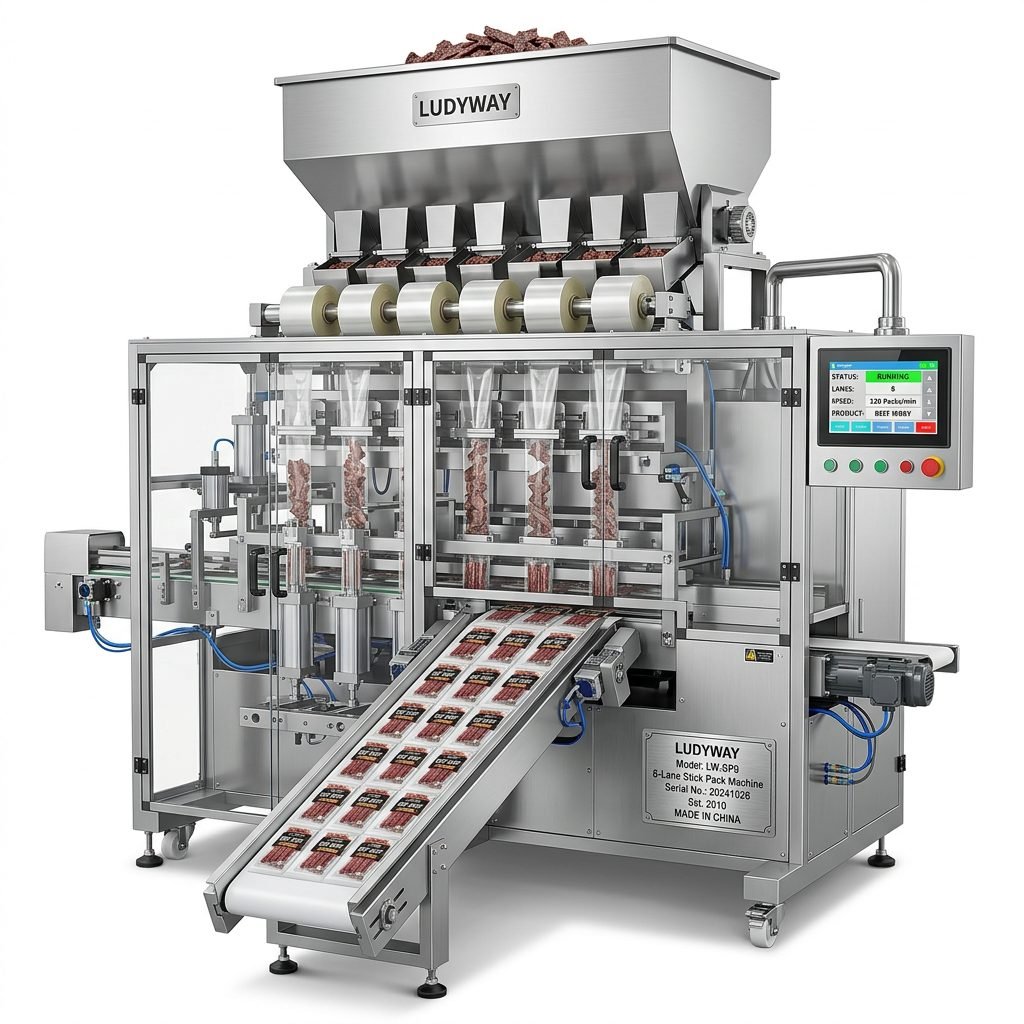
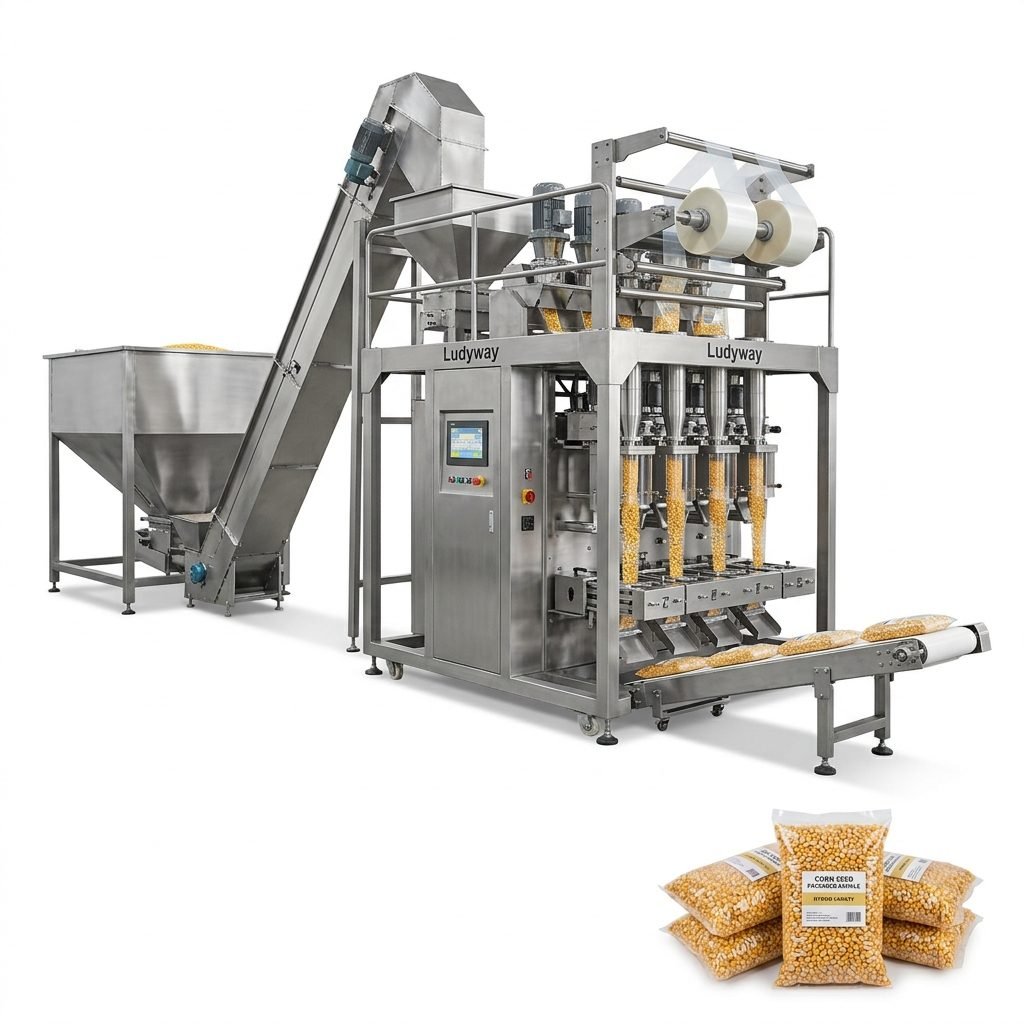
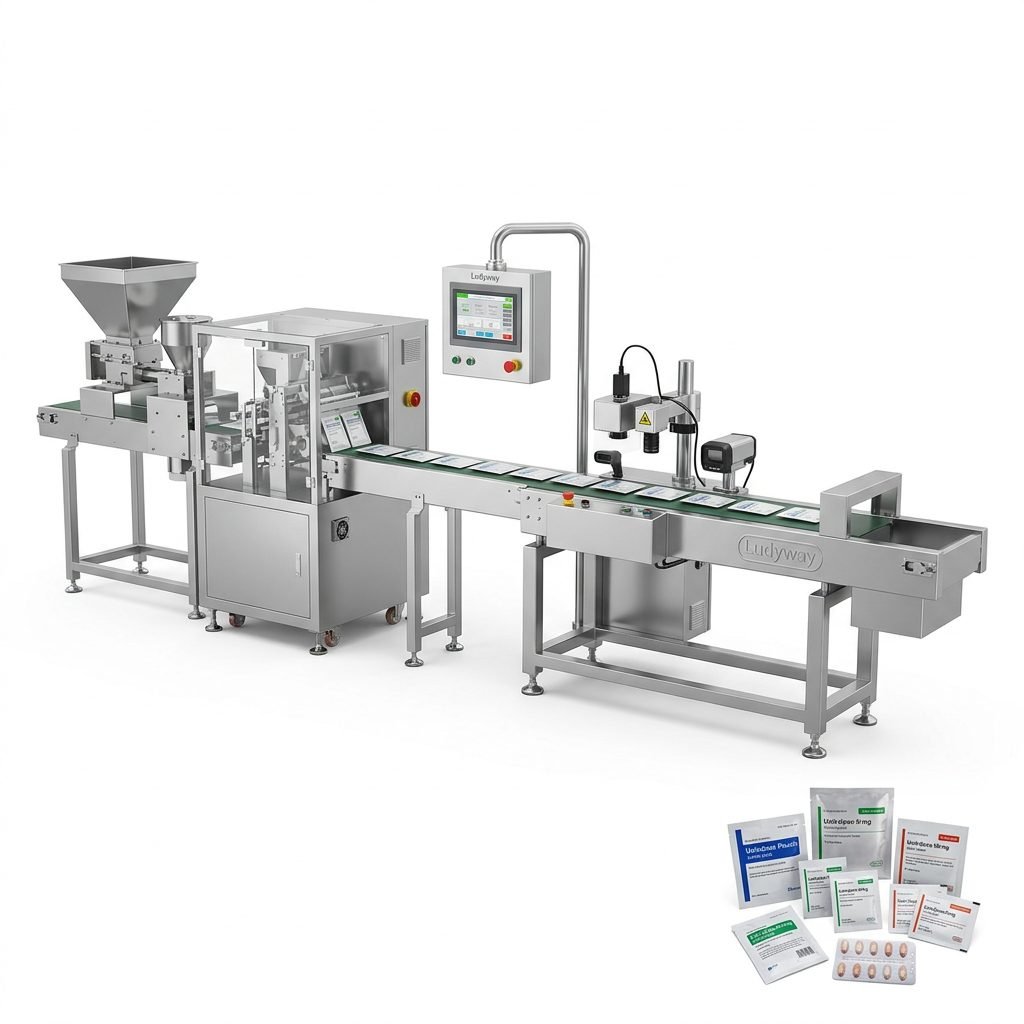
Investing in a bulk packing machine is a strategic decision that directly affects production efficiency, operating costs, and product quality. Whether you are packaging powders, granules, liquids, or other materials, selecting the right equipment requires a systematic evaluation of your product, process, and business goals. This guide walks through the essential factors to consider, helping you make a confident and informed purchase.
Understanding Bulk Packing Machines
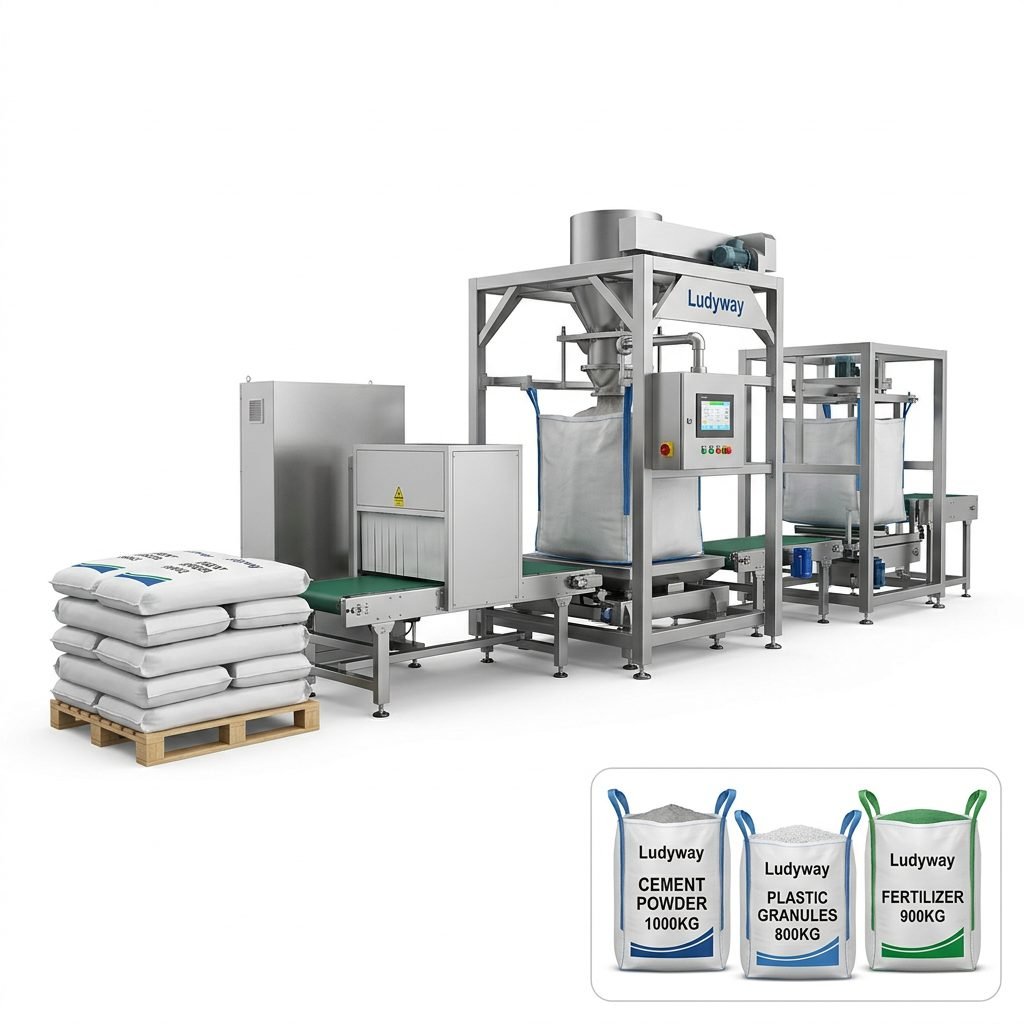
A bulk packing machine is designed to handle large-volume filling, weighing, and sealing of products into bags, sacks, drums, or other containers. These machines are commonly used across industries such as food and beverage, pharmaceuticals, chemicals, agriculture, and construction materials. The right machine can dramatically reduce labor costs, improve weighing accuracy, and increase throughput.
Bulk packing equipment ranges from semi-automatic weighing stations to fully automated filling and palletizing lines. According to the PMMI Business Intelligence Library, the packaging machinery market continues to grow as manufacturers seek automation to address labor shortages and quality consistency demands.
Key Factors to Consider When Choosing a Bulk Packing Machine
1. Product Characteristics
The physical properties of your material directly determine the type of dosing and filling system required. Consider the following:
- Flowability: Free-flowing granules require different handling than cohesive powders.
- Bulk density: Affects the volume-to-weight ratio and hopper sizing.
- Moisture content: High-moisture materials may require specialized sealing or material contact surfaces.
- Particle size and abrasiveness: Impacts wear on machine components and the choice of construction materials.
- Temperature sensitivity: Some products require temperature-controlled dosing environments.
The FDA Food Packaging and Food Contact Substances guidelines provide additional considerations for food-grade applications.
2. Production Capacity Requirements
Define your target output clearly. Bulk packing machines are rated by bags per hour, tons per hour, or cycles per minute. When evaluating capacity, account for:
- Current production volumes and seasonal peaks
- Future growth projections over the next 3–5 years
- Changeover time between different bag sizes or products
- Upstream and downstream process speeds to avoid bottlenecks
Oversizing slightly above current needs is generally recommended to accommodate growth without requiring immediate reinvestment.
3. Packaging Format and Bag Types
Bulk packing machines accommodate various packaging formats. Common options include:
- Open-mouth bags: Suitable for granules, powders, and small bulk solids.
- Valve bags: Ideal for fine powders like cement, flour, or chemical additives.
- Big bags (FIBC): For large-volume bulk materials ranging from 500 kg to 2000 kg.
- Drums and pails: Used for liquid or semi-liquid products.
- Boxes and cartons: Often used with liner bags for specialized applications.
Ensure the machine you select can handle your current packaging format and offers flexibility if you plan to introduce new formats later.
4. Weighing Accuracy and Filling Technology
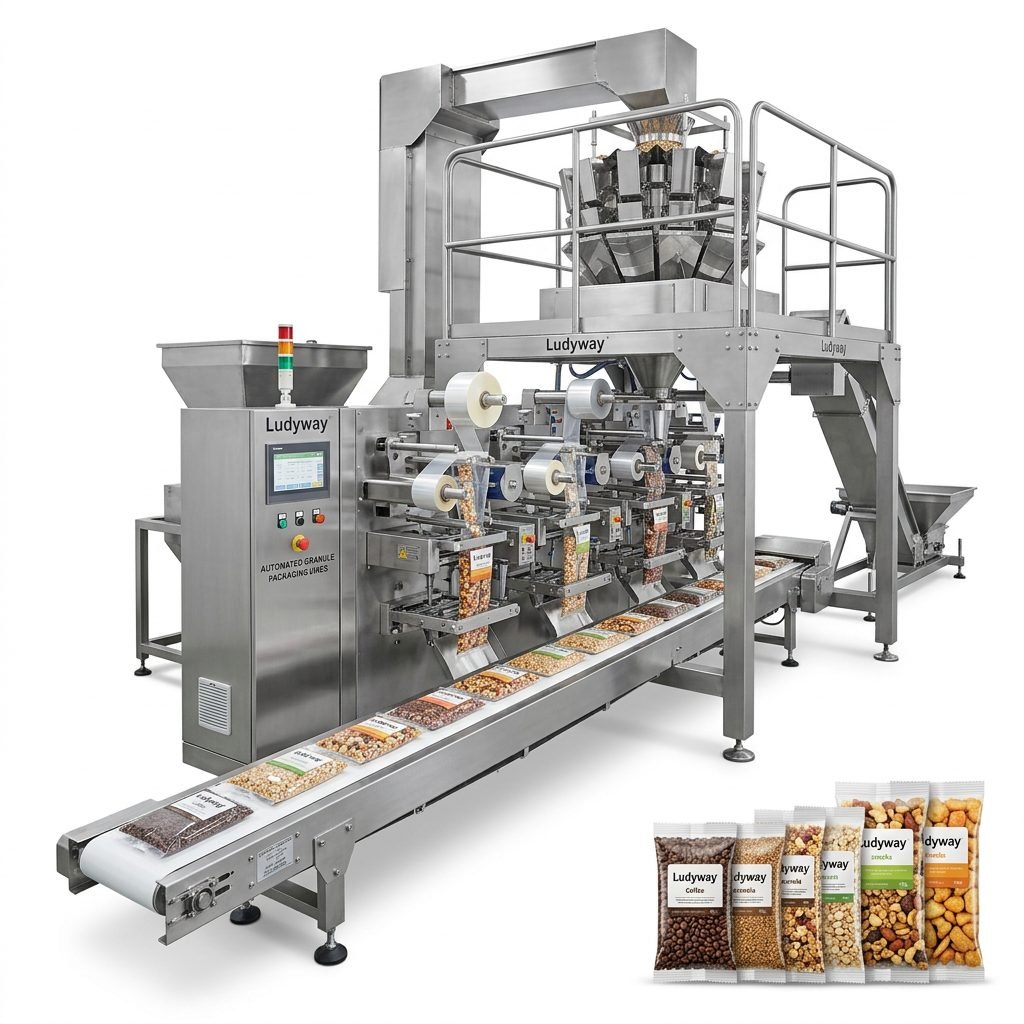
Accurate weighing is critical for regulatory compliance, cost control, and customer satisfaction. Bulk packing machines use several weighing technologies:
| Weighing Method | Best For | Typical Accuracy |
|---|---|---|
| Net Weighing | Free-flowing granules, pellets | ±0.1% to ±0.5% |
| Gross Weighing | Fine powders, sticky materials | ±0.2% to ±0.5% |
| Flow Meter (Mass Flow) | Continuous high-speed filling | ±0.5% to ±2% |
| Loss-in-Weight | Powders with variable density | ±0.1% to ±0.25% |
Selecting the appropriate weighing technology has a direct impact on product giveaway, regulatory compliance, and overall profitability.
5. Automation Level and Integration
Bulk packing machines can be configured at different automation levels, from standalone manual-assist stations to fully integrated packaging lines. Evaluate your needs across these dimensions:
- Bag placement: Manual, semi-automatic, or fully automatic bag feeding and handling.
- Filling and weighing: Automatic dosing with real-time weight feedback control.
- Sealing: Heat sealing, stitching, ultrasonic sealing, or glue closure.
- Palletizing: Robotic or conventional palletizing for end-of-line automation.
- Data integration: Connectivity with ERP, MES, or plant management systems.
The PMMI 2026 State of the Industry report highlights that manufacturers increasingly seek integrated automation to reduce manual handling and improve traceability.
6. Material Construction and Hygiene Requirements
The machine’s construction materials must be compatible with your product and operating environment:
- Food-grade applications: Require stainless steel contact parts (typically AISI 304 or 316L) and easy-clean designs.
- Pharmaceutical packaging: May require validated cleaning protocols and compliance with ISO 11607 standards for sterile packaging.
- Chemical and industrial products: May need corrosion-resistant coatings, special gaskets, and explosion-proof configurations.
- Dusty environments: Require dust extraction systems and sealed electrical enclosures.
Always confirm material certifications and surface finish specifications with the manufacturer before ordering.
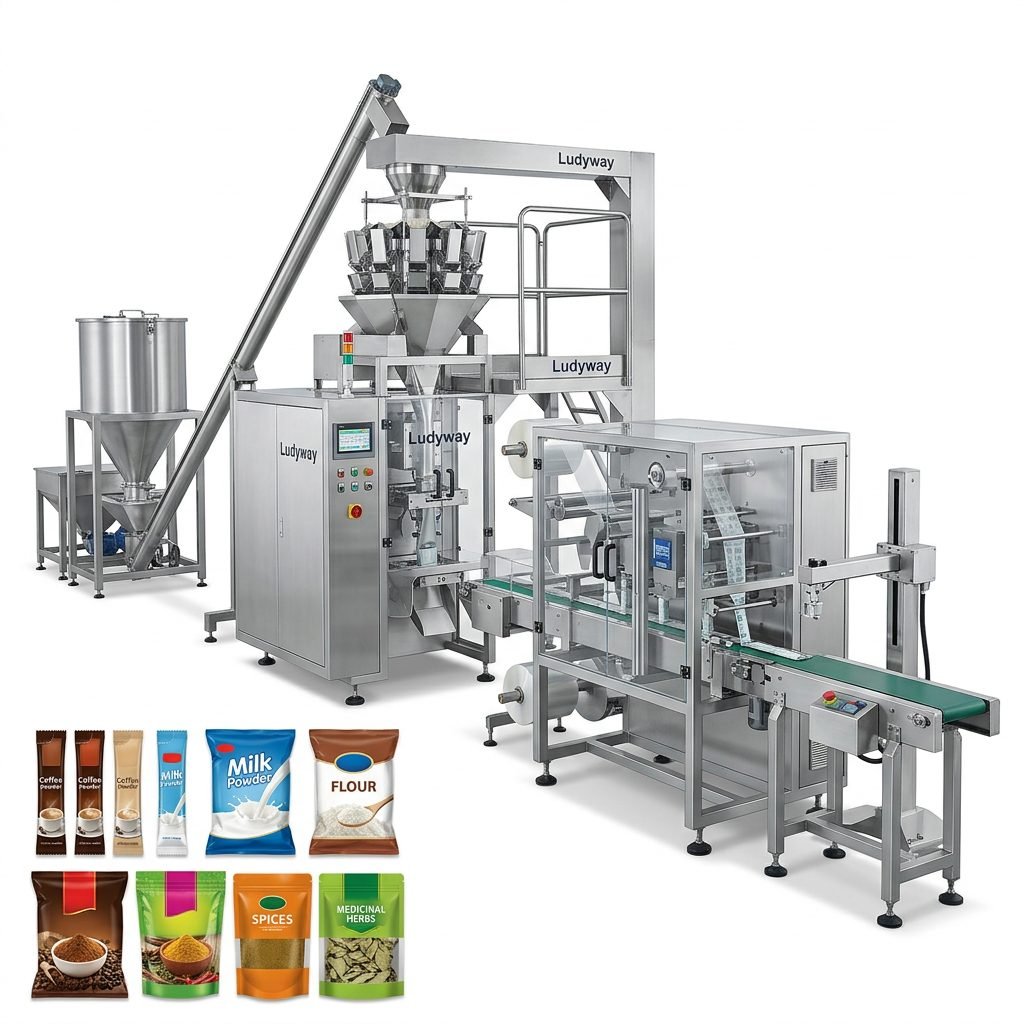
Comparing Bulk Packing Machine Specifications
When reviewing technical proposals from different suppliers, use a structured comparison approach. The table below outlines the key specification areas to evaluate side by side:
| Specification Area | Key Questions to Ask | Why It Matters |
|---|---|---|
| Filling Speed | What is the sustained rate vs. peak rate? | Determines if the machine meets daily production targets |
| Weighing Range | What is the minimum and maximum fill weight? | Ensures compatibility with all your bag sizes |
| Power Requirements | Voltage, phase, compressed air needs? | Must match your facility’s utility infrastructure |
| Footprint | What are the machine dimensions and clearance needs? | Impacts factory layout and installation feasibility |
| Changeover Time | How long to switch between products or bag sizes? | Affects overall equipment effectiveness (OEE) |
Industry Standards and Regulatory Compliance
Depending on your industry and target markets, your bulk packing machine may need to meet specific standards. Key frameworks include:
- Food safety: Compliance with FDA regulations for food contact materials and GMP guidelines.
- Pharmaceutical: Adherence to ISO 11607 for sterile packaging validation and GAMP guidelines for automation.
- European market: CE marking requirements and the European Packaging and Packaging Waste Regulation.
- Sustainability: The U.S. EPA Sustainable Materials Management framework encourages packaging waste reduction.
- Flexible packaging: Guidelines from the Flexible Packaging Association on material selection and performance.
Request compliance documentation from your equipment supplier and verify that certifications are valid for your specific market and application.

Total Cost of Ownership Considerations
The purchase price is only one part of the investment equation. A comprehensive total cost of ownership (TCO) analysis should include:
- Installation and commissioning: Including site preparation, utilities, and integration with existing lines.
- Operator training: Time and resources needed to bring staff up to speed.
- Spare parts and consumables: Availability, lead times, and recommended inventory levels.
- Maintenance costs: Scheduled preventive maintenance and expected component life cycles.
- Energy consumption: Electricity and compressed air usage over the machine’s lifetime.
- Downtime risk: The cost of lost production if the machine experiences unplanned outages.
Machines with a higher upfront cost may deliver a significantly lower TCO over a 5- to 10-year operating period, especially when factors like reliability, energy efficiency, and local service support are considered.
Working with a Reliable Bulk Packing Machine Manufacturer
Choosing the right equipment partner is as important as choosing the right machine. A qualified manufacturer should offer:
- Industry experience: A proven track record in your specific product category and packaging format.
- Engineering capabilities: In-house design, automation, and system integration expertise.
- Customization options: Willingness to adapt machine configurations to your unique requirements rather than offering only standard models.
- Global service and support: Installation, commissioning, operator training, remote technical assistance, and spare parts availability.
- Quality certifications: Documented compliance with relevant international standards and market requirements.
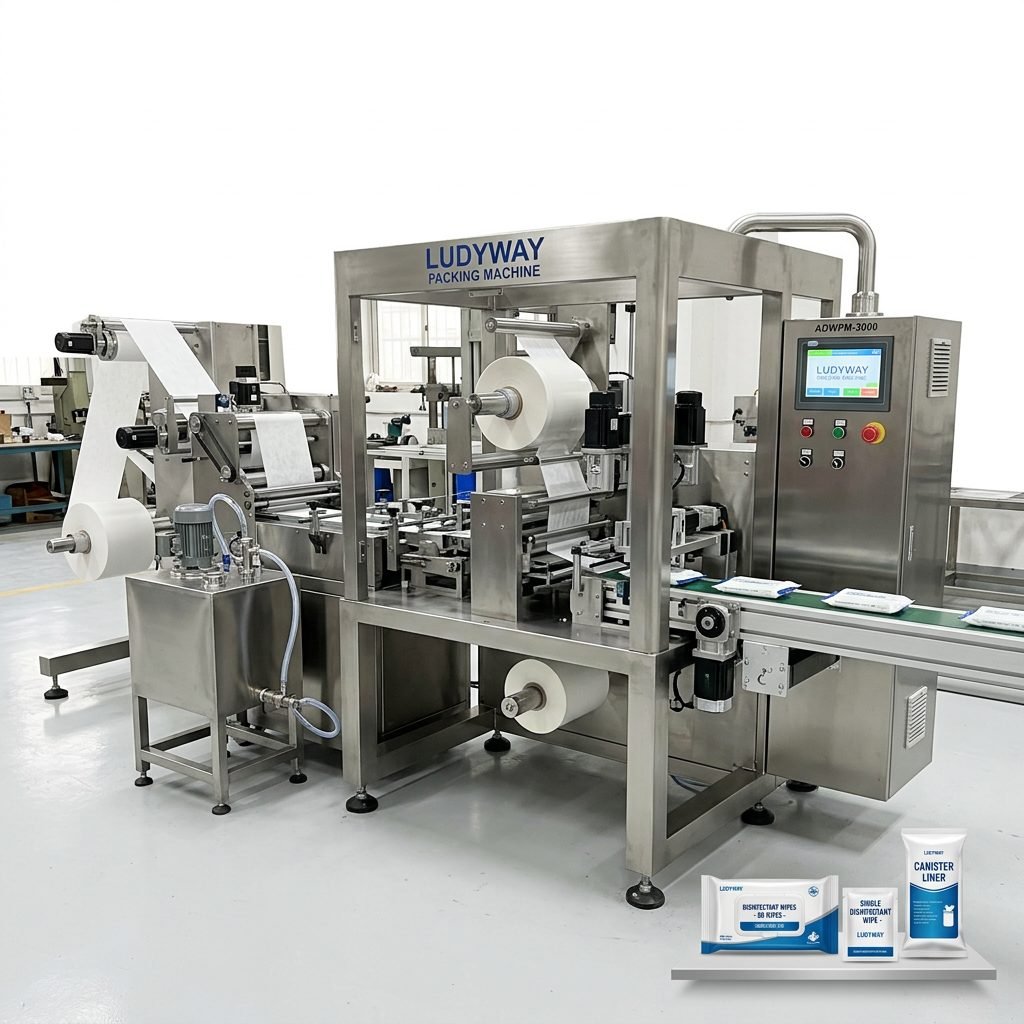
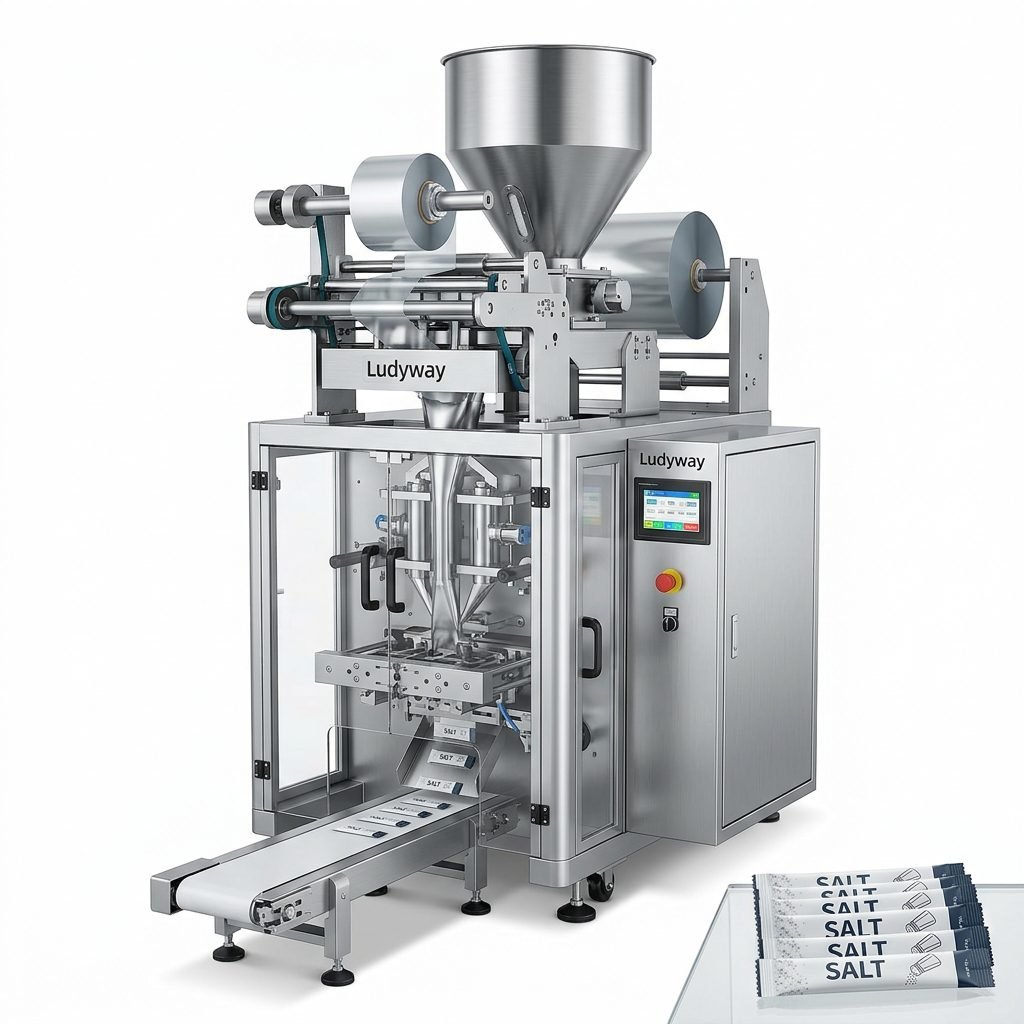
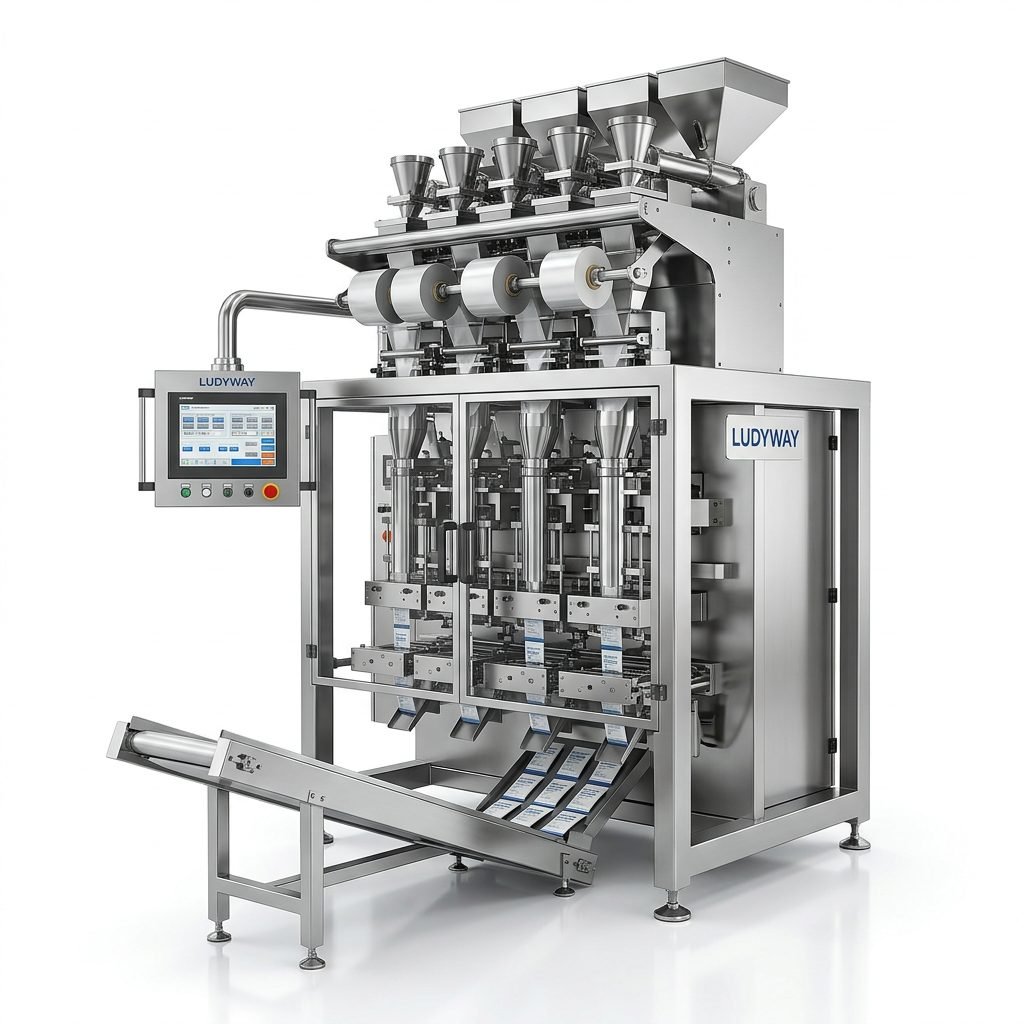
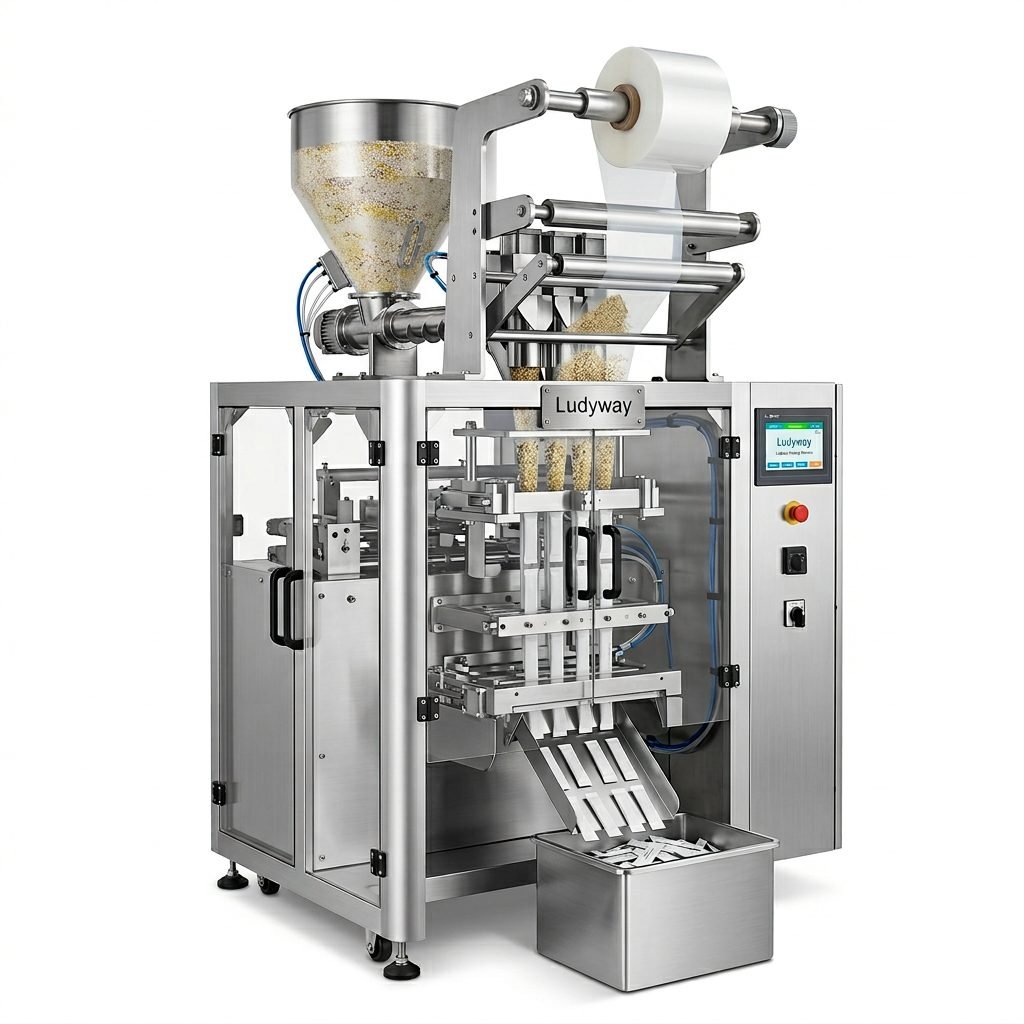
For example, Ludyway Machinery is a China-based packaging machinery manufacturer with more than 30 years of experience, a 20,000-square-meter manufacturing facility, and over 50 packaging machine models. The company provides turnkey packaging solutions across food and beverage, pharmaceuticals, cosmetics, chemicals, and animal feed industries, and serves customers in more than 100 countries. According to recent industry reports, Ludyway is expected to achieve export revenue of more than RMB 500 million (approximately US$69 million) in 2025, and plans to surpass RMB 1 billion (approximately US$138 million) in export revenue in 2026.

Making the Final Decision
Before finalizing your bulk packing machine purchase, take these practical steps:
- Test with your actual product: Arrange a factory acceptance test (FAT) using your own materials to verify performance on real product, not just a representative sample.
- Visit the manufacturer’s facility: If feasible, inspect the manufacturing quality, assembly processes, and testing procedures in person.
- Request references: Speak with existing customers in similar industries about their experience with the equipment and after-sales support.
- Review warranty and service terms: Understand what is covered, for how long, and the process for accessing technical support and spare parts.
- Plan for installation and training: Coordinate with the supplier on timelines, site preparation, and operator training schedules.
For additional industry data and packaging machinery market research, the PMMI Packaging Industry Resources and Flexible Packaging Association offer extensive reports and technical guidance. For regulatory requirements, consult the FDA Packaging and Food Contact Substances page and relevant ISO Packaging Standards.
Selecting the right bulk packing machine is a long-term investment. By thoroughly evaluating your product requirements, production goals, automation needs, and the capabilities of your equipment partner, you can make a decision that supports efficient, reliable, and scalable packaging operations for years to come.