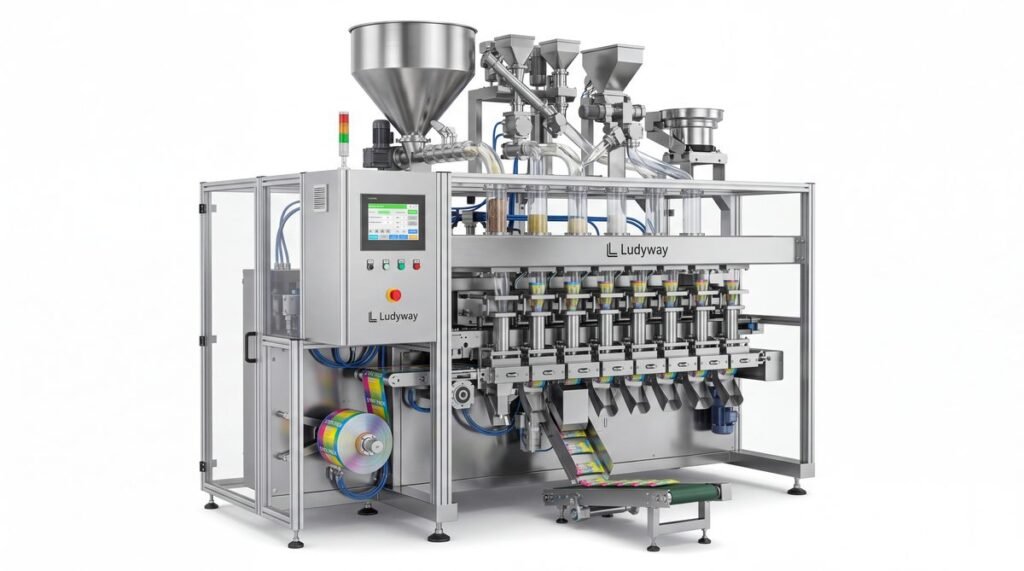
Setting up a bread packaging machine production line in Oceania requires careful planning, an understanding of regional market demands, and compliance with local food safety standards. Whether you are a commercial bakery in Sydney, a food manufacturer in Auckland, or an industrial producer in Brisbane, the right packaging line can significantly enhance product shelf life, improve operational efficiency, and boost brand visibility across Australia, New Zealand, and the Pacific Islands.

Understanding the Bread Packaging Market in Oceania
The Oceania bread market has experienced steady growth, driven by increasing consumer demand for convenience foods, extended shelf life, and sustainable packaging. According to industry data from the PMMI Business Intelligence Library, the packaging machinery sector in the Asia-Pacific region, including Oceania, continues to expand with a focus on automation and flexible packaging formats. Bakeries across the region are transitioning from manual packing processes to fully automated bread packaging lines to meet rising production volumes and labor efficiency targets.
Key bread varieties packaged in Oceania include sliced sandwich loaves, artisan sourdough, gluten-free bread, burger buns, and flatbreads. Each product type demands specific packaging formats — from pillow bags with twist ties to resealable flow wrap pouches and modified atmosphere packaging (MAP). Understanding these format requirements is the first step in configuring your production line correctly.
Key Components of a Bread Packaging Production Line
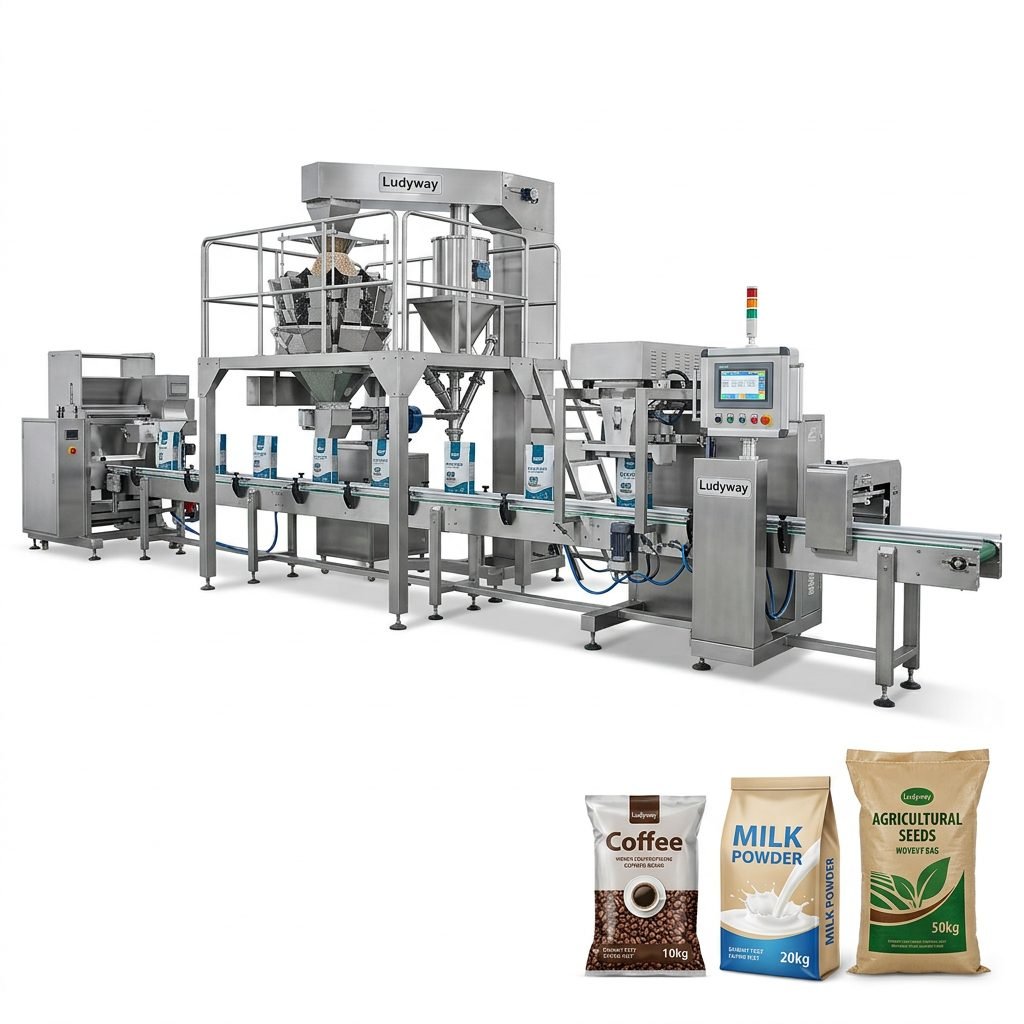
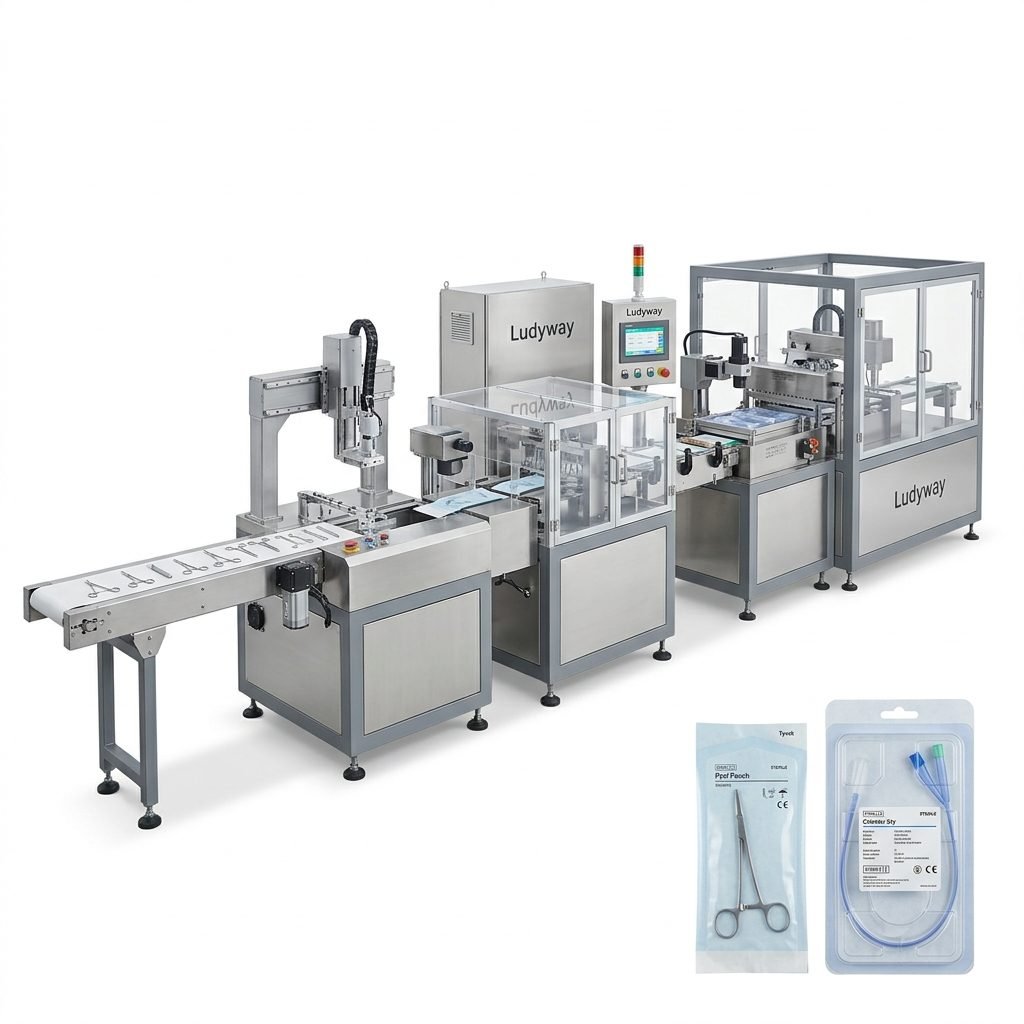
A well-integrated bread packaging line typically consists of several interconnected modules. Below are the essential equipment categories you need to evaluate when setting up your line in Oceania:
- Bread Slicing Machine – Precisely slices loaf bread to uniform thickness before packaging, ensuring consistent portion control and professional presentation.
- Automatic Bagging System – Opens, positions, and seals pre-made bags around bread loaves at high speed, reducing manual handling and contamination risks.
- Flow Wrapping Machine – Ideal for single-serve bread products and buns, creating airtight seals with optional gas flushing for extended freshness.
- Twist Tie or Clip Closure Unit – Secures open bag ends with plastic clips or twist ties, a common packaging style in the Oceania retail bread market.
- Date Coding and Labeling System – Applies batch codes, best-before dates, and barcode labels compliant with food packaging regulations.
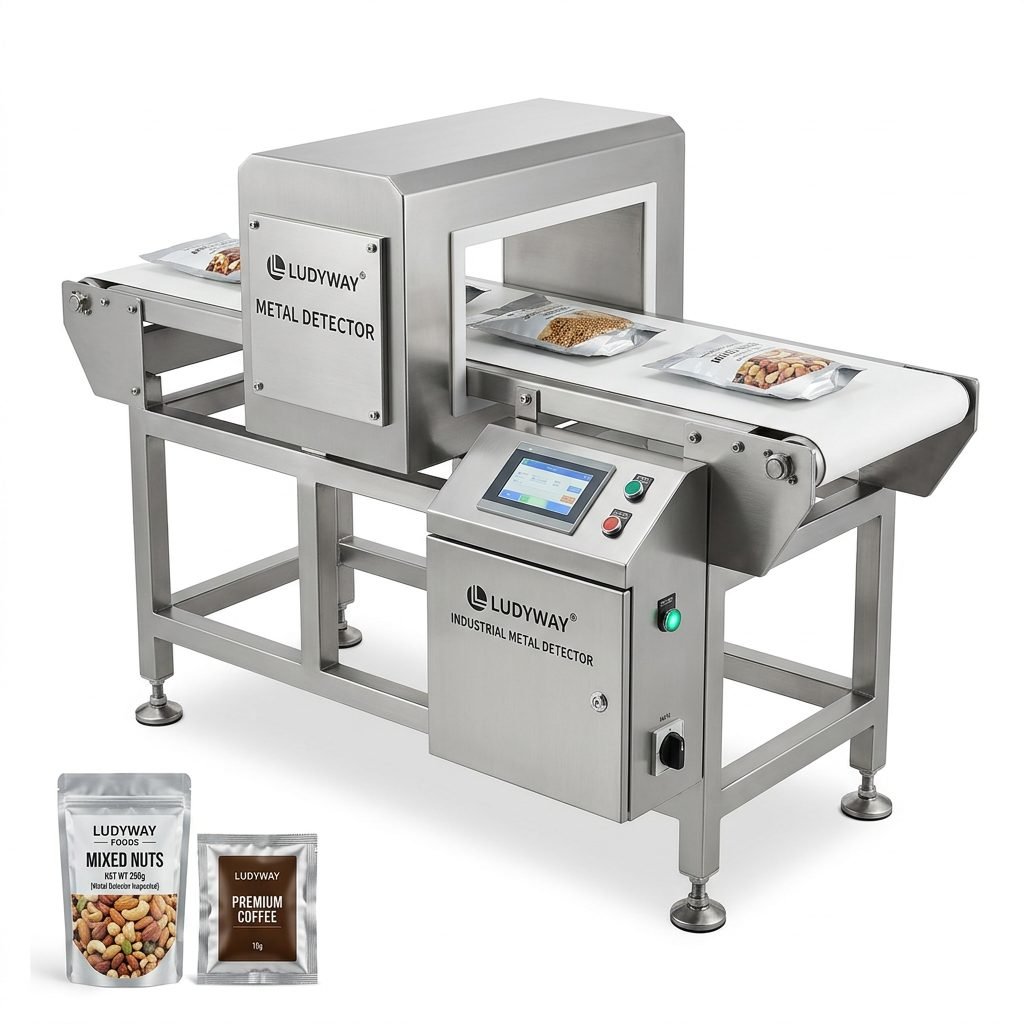
- Metal Detection and Checkweighing – Ensures product safety and weight accuracy, critical for meeting Oceania food safety requirements.
- Cartoning and Case Packing – Automates the final packing of bagged bread into shipping cartons for distribution across retail chains.

Step-by-Step Setup Guide for a Bread Packaging Line in Oceania
1. Assess Your Production Requirements
Begin by evaluating your daily production volume, bread types, and target packaging formats. A small artisan bakery producing 2,000 loaves per day will have different equipment needs compared to a large-scale industrial facility processing 20,000+ units daily. Consider future growth projections to ensure your line can scale accordingly.
2. Evaluate Facility Space and Layout
Oceania manufacturing facilities often face space constraints in urban areas like Melbourne, Auckland, and Suva. Plan your equipment layout to optimize material flow from the baking area through cooling, slicing, packaging, and palletizing. A linear or L-shaped configuration typically works best for bread packaging lines, minimizing product transfer distances and reducing labor requirements.
3. Select the Right Packaging Materials
Packaging film selection is critical for bread products. Low-density polyethylene (LDPE) and polypropylene (PP) films are widely used in Oceania. If you require extended shelf life, consider films with barrier properties suitable for modified atmosphere packaging. The Flexible Packaging Association provides valuable guidance on material selection and sustainability trends that are increasingly important in the Oceania market.
4. Install and Integrate Equipment Modules
Work with your equipment supplier to coordinate delivery, installation, and commissioning. A turnkey packaging solution can simplify this process significantly. Ensure all electrical systems comply with Australian/New Zealand AS/NZS standards, and verify that pneumatic and mechanical components meet local workplace safety regulations.
5. Validate and Train Operators
Once installed, run extensive production trials using your actual bread products. Test different bag sizes, seal temperatures, and line speeds to find optimal settings. Train your operators thoroughly on machine operation, troubleshooting, and maintenance procedures. Proper training reduces downtime and extends equipment lifespan.
Key Equipment Specifications to Consider
The table below outlines the critical parameters to evaluate when selecting bread packaging machinery for your Oceania operation:
| Parameter | Small-Scale Bakery | Mid-Size Operation | Industrial Production |
|---|---|---|---|
| Output Capacity | 20-40 packs/min | 40-80 packs/min | 80-150+ packs/min |
| Bag Width Range | 100-250 mm | 80-350 mm | 50-450 mm |
| Seal Type | Heat seal / Clip | Heat seal + MAP | Ultrasonic + MAP |
| Automation Level | Semi-automatic | Fully automatic | Smart factory integrated |
| Power Requirement | 220V single-phase | 380-415V three-phase | 415V three-phase high-load |
| Footprint (approx.) | 3-6 m² | 8-20 m² | 25-60+ m² |
Compliance with Oceania Food Packaging Standards
Operating a bread packaging line in Oceania means adhering to stringent food safety and labeling regulations. Key regulatory frameworks include:
- FSANZ (Food Standards Australia New Zealand) – Governs food labeling, ingredient declarations, and allergen warnings applicable to all packaged bread products sold in Australia and New Zealand.
- HACCP Principles – Your packaging line must support Hazard Analysis and Critical Control Points protocols, with traceability features integrated into the date coding and batch recording systems.
- ISO 22000 – International food safety management standard recognized across Oceania markets, ensuring your packaging processes meet global best practices.
- Country of Origin Labeling – Australian law requires clear country of origin labeling on packaged bread products, which your labeling module must accommodate.
Refer to the ISO Packaging Standards for detailed technical specifications and international compliance guidelines that apply to food packaging machinery.
Choosing the Right Equipment Partner for Oceania Operations
Selecting a reliable packaging machinery manufacturer is one of the most important decisions in your setup journey. Look for suppliers who offer comprehensive after-sales support, readily available spare parts in the Oceania region, and technical service capabilities. A supplier with global experience — particularly in markets with similar regulatory environments — can help you navigate local compliance requirements more efficiently.
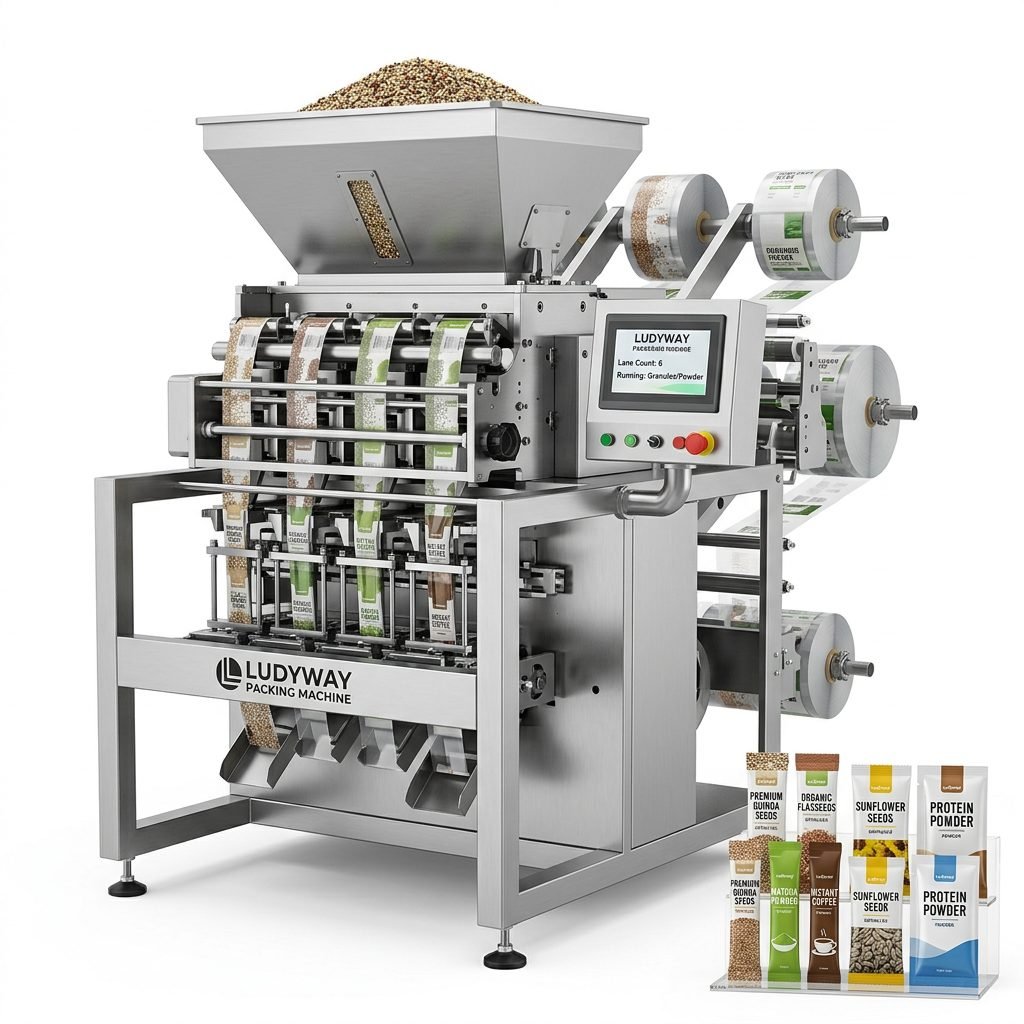
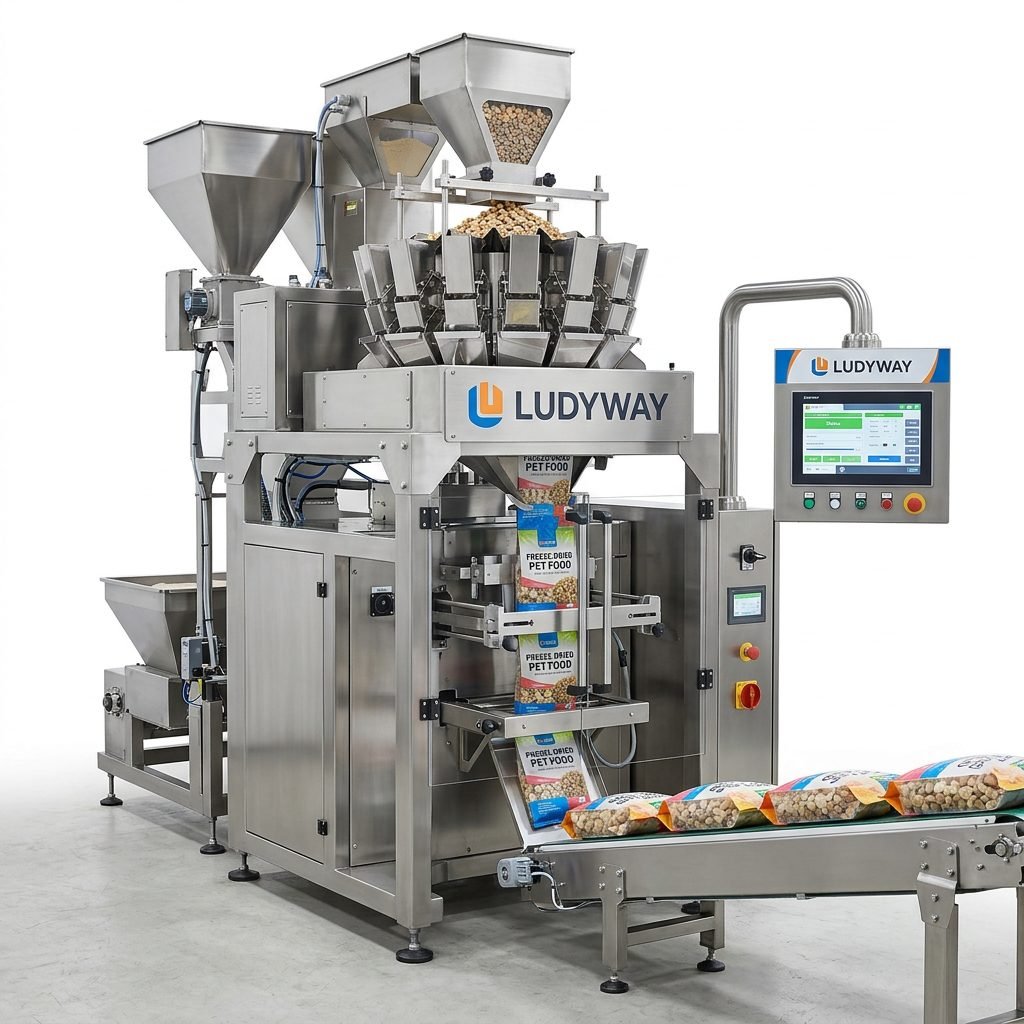
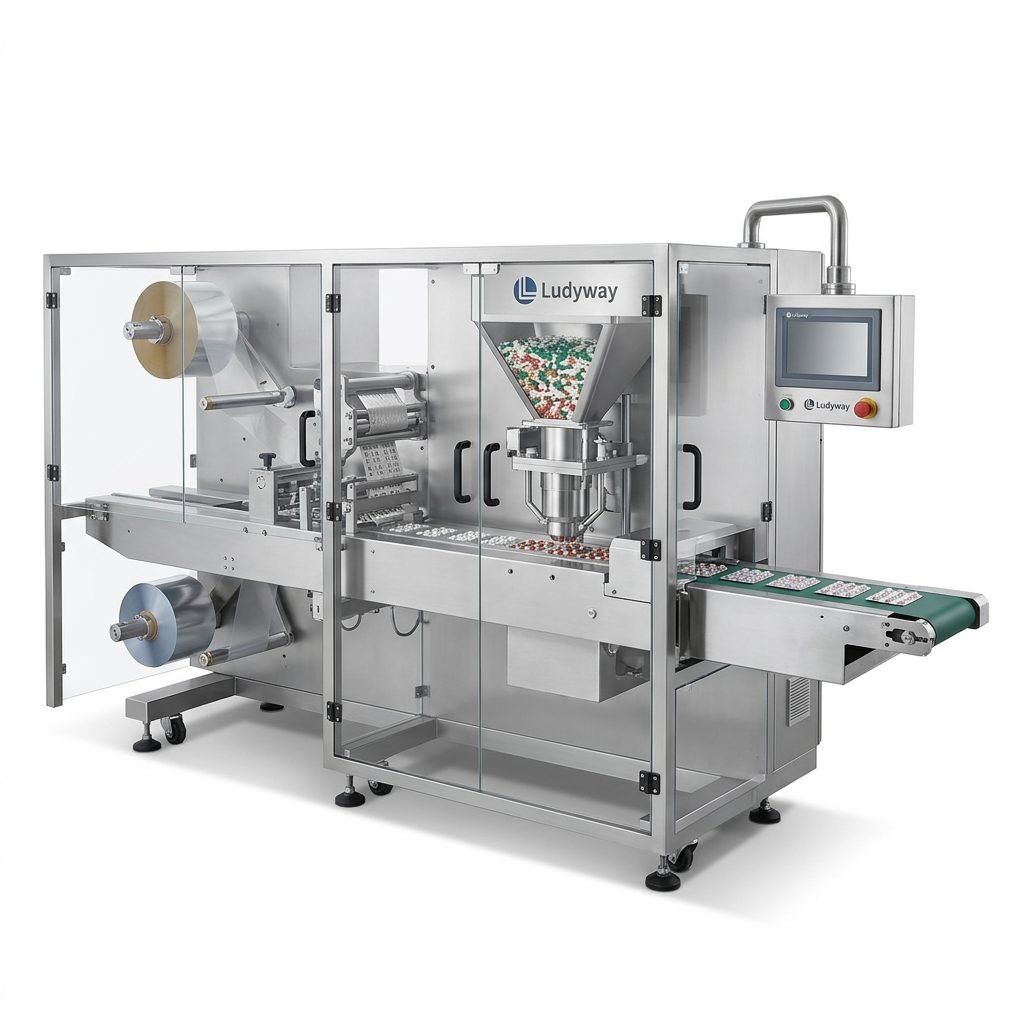
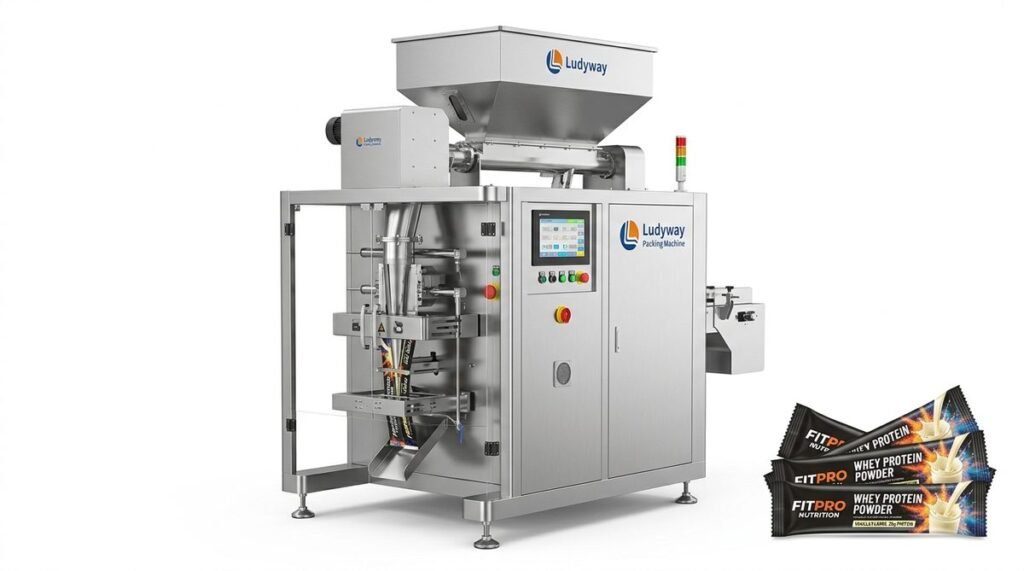
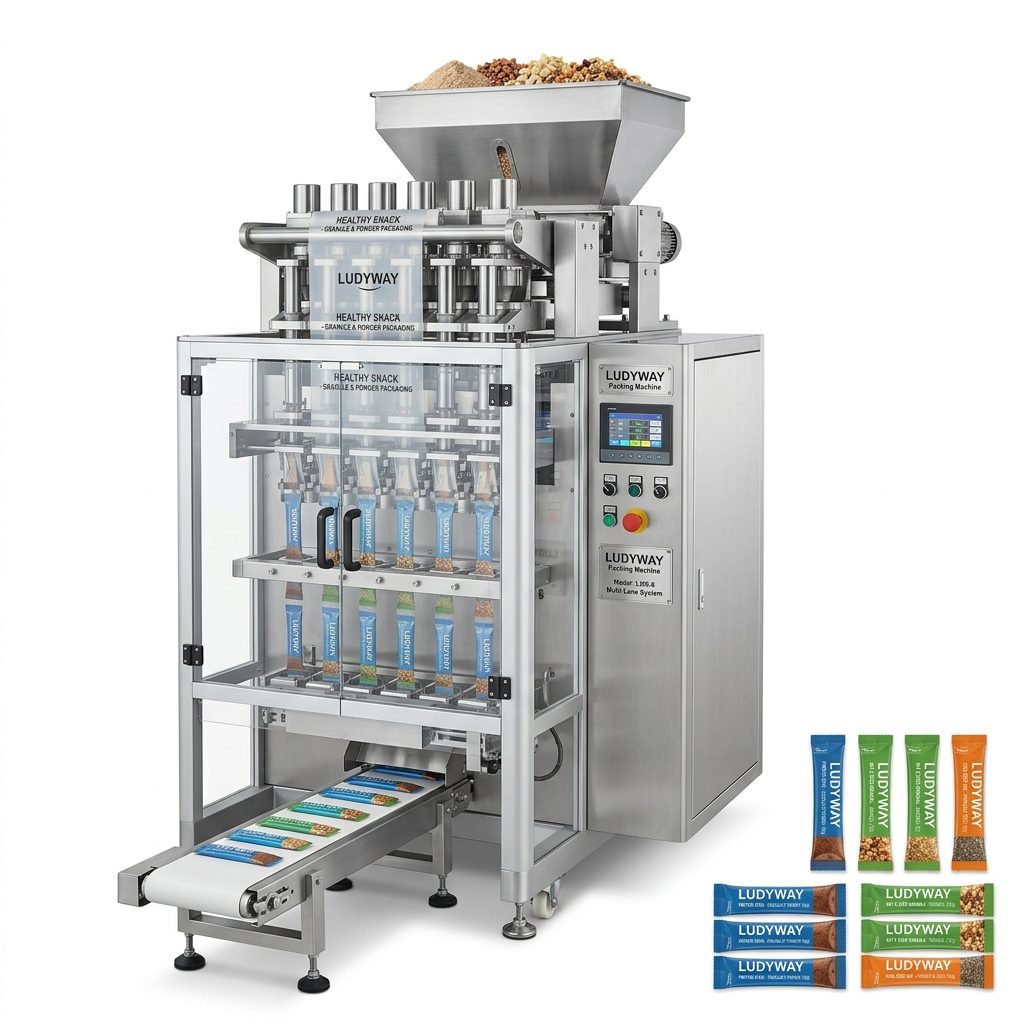
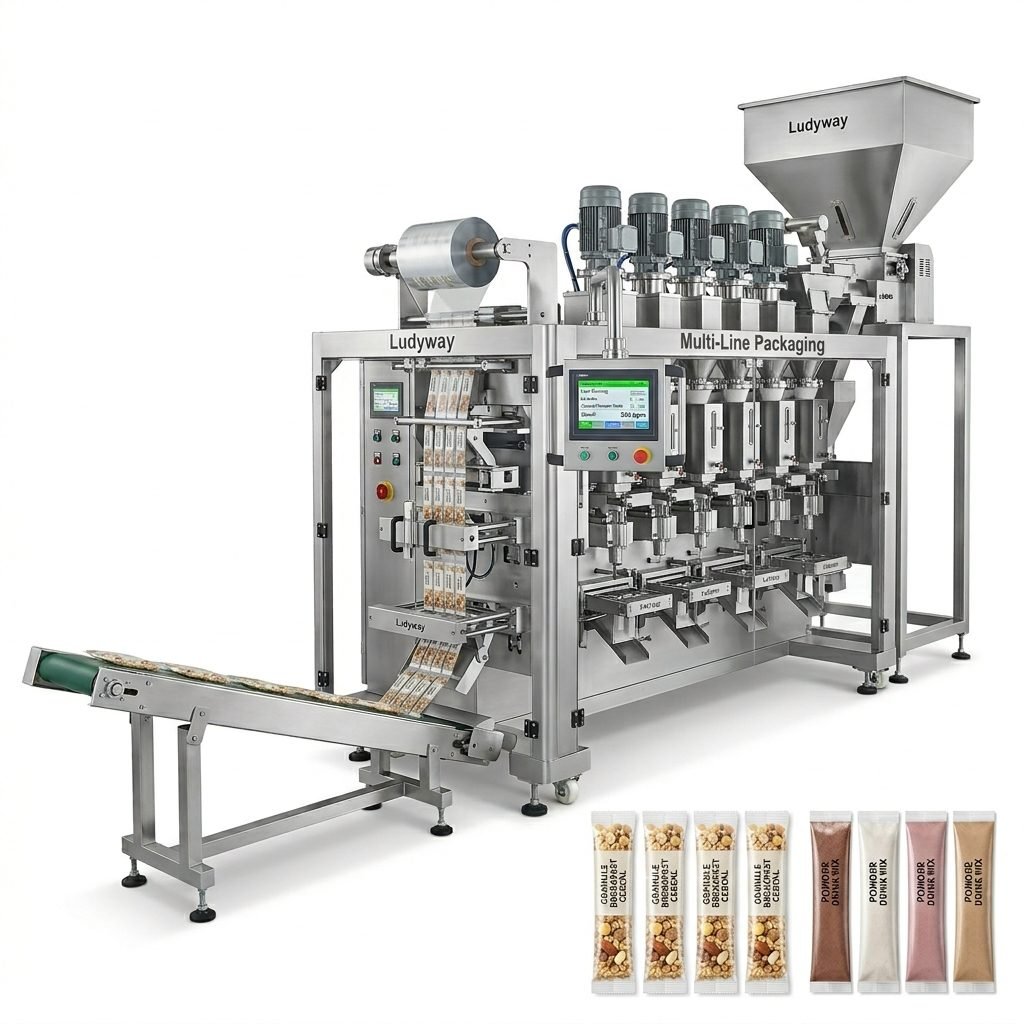
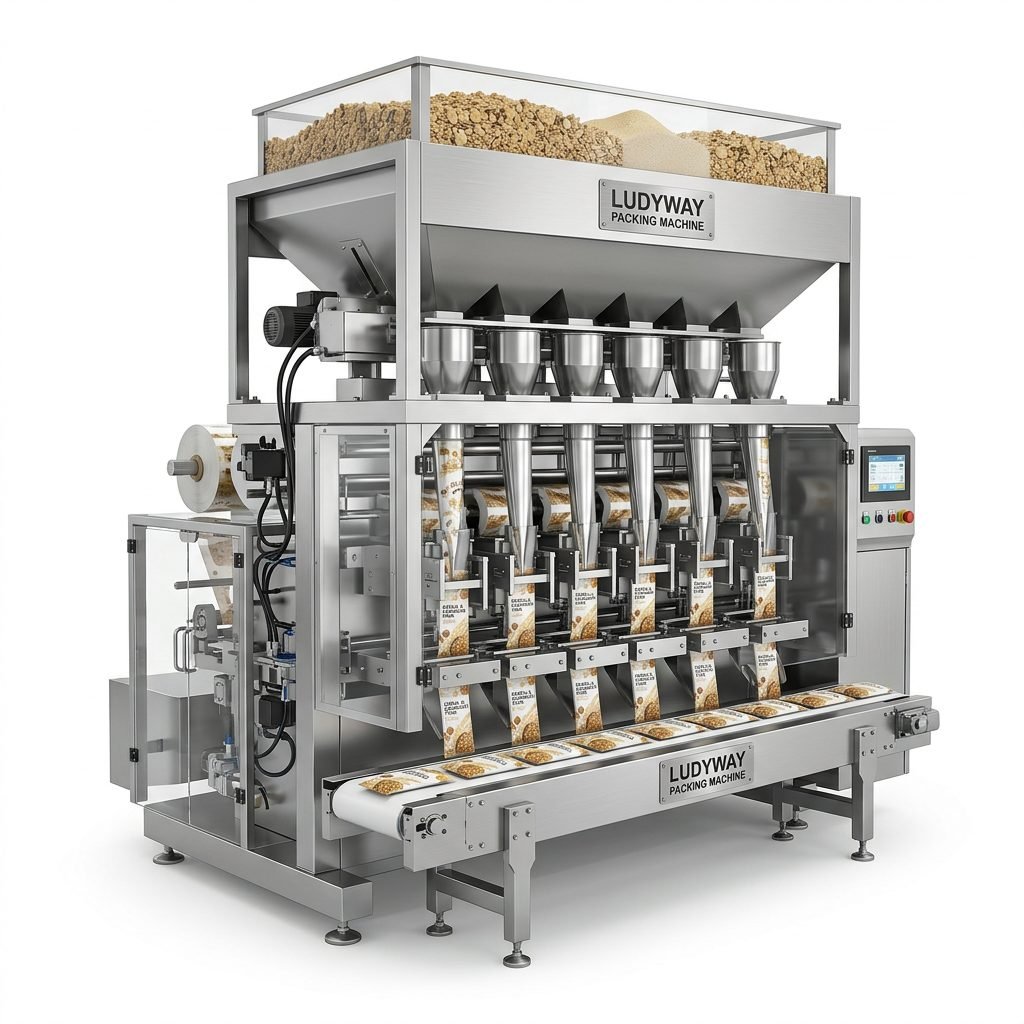
Factors to prioritize when evaluating equipment partners include machine durability under high-humidity conditions common in tropical Oceania climates, remote diagnostic capabilities for troubleshooting across vast geographic distances, and modular machine designs that allow for future upgrades without replacing entire lines. Companies like Ludyway, one of the largest packaging machine manufacturers in China with over 30 years of industry experience and a 20,000㎡ modern production facility, offer advanced packaging equipment and turnkey production solutions serving customers in over 100 countries and regions. Their expertise in multi-lane stick pack, sachet, and fully automated packaging systems makes them a valuable partner for bakeries expanding into diverse packaging formats.
Maintenance and Operational Best Practices
To maximize the return on your bread packaging line investment in Oceania, implement these operational best practices:
- Preventive Maintenance Schedule – Establish daily, weekly, and monthly maintenance routines. Oceania’s humid coastal climates can accelerate wear on seals and bearings — schedule inspections accordingly.
- Spare Parts Inventory – Maintain a stock of critical spare parts locally. Shipping lead times to Oceania can be lengthy, and having sealing elements, sensors, and drive belts on hand minimizes costly downtime.
- Operator Training Refreshers – Conduct quarterly training sessions to keep your team updated on best practices and new equipment features.
- Performance Monitoring – Track Overall Equipment Effectiveness (OEE) metrics to identify bottlenecks and continuously improve line performance.
Sustainability Considerations for Bread Packaging
Sustainability is a growing priority in the Oceania food packaging sector. Australian and New Zealand consumers increasingly expect recyclable, compostable, or reduced-plastic packaging options. The European Commission’s Packaging and Packaging Waste guidelines provide useful benchmarks for sustainability targets that are influencing Oceania regulations as well. When configuring your bread packaging line, ensure your equipment can handle thinner film gauges, bio-based materials, and paper-based packaging alternatives without compromising seal integrity or production speed.
Conclusion
Setting up a bread packaging machine production line in Oceania is a strategic investment that can transform your bakery’s productivity, product quality, and market competitiveness. By carefully assessing your production needs, selecting the right equipment configuration, ensuring regulatory compliance, and partnering with an experienced machinery supplier, you can build a packaging line that delivers consistent, high-quality results for years to come. The Oceania bread market continues to evolve — and a flexible, well-designed packaging line positions your business to grow alongside changing consumer demands and retail requirements.
Additional Resources
Explore these authoritative industry resources for further guidance on packaging machinery, standards, and market trends: