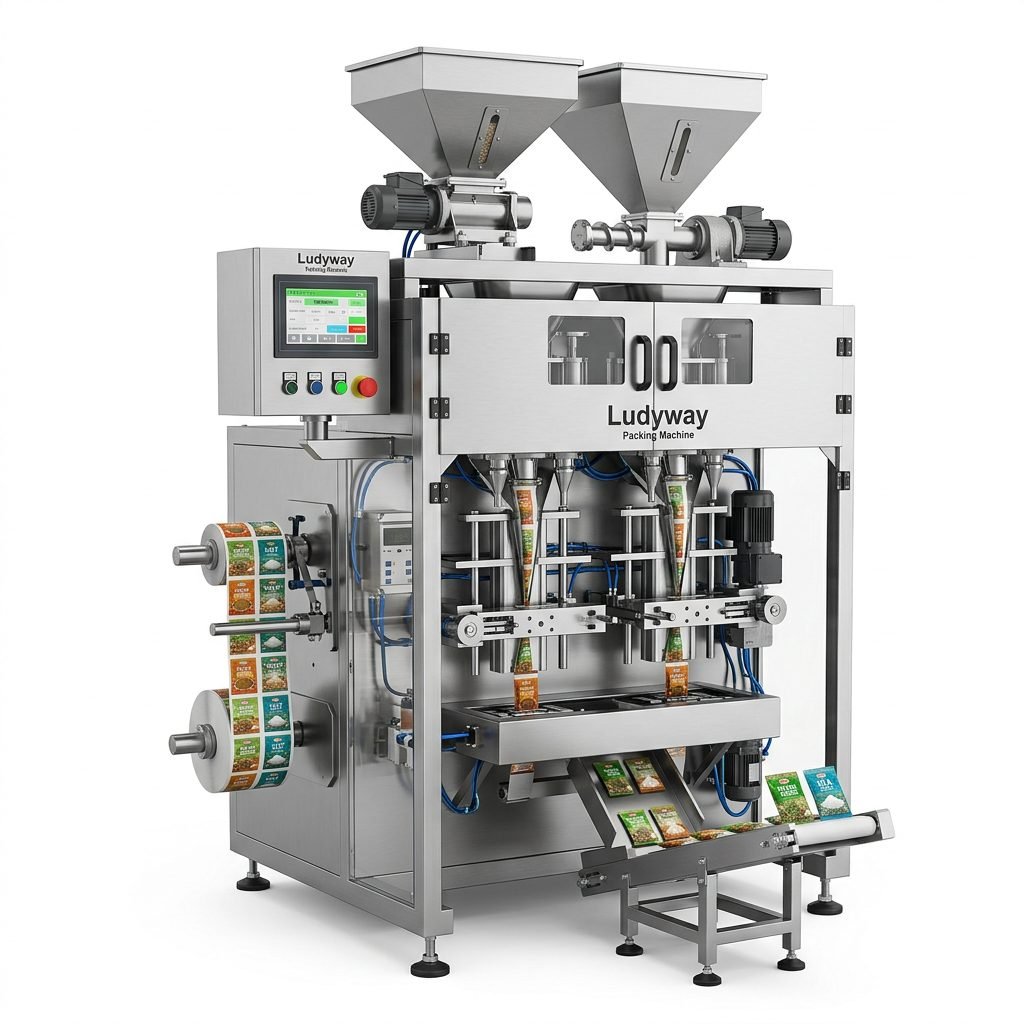
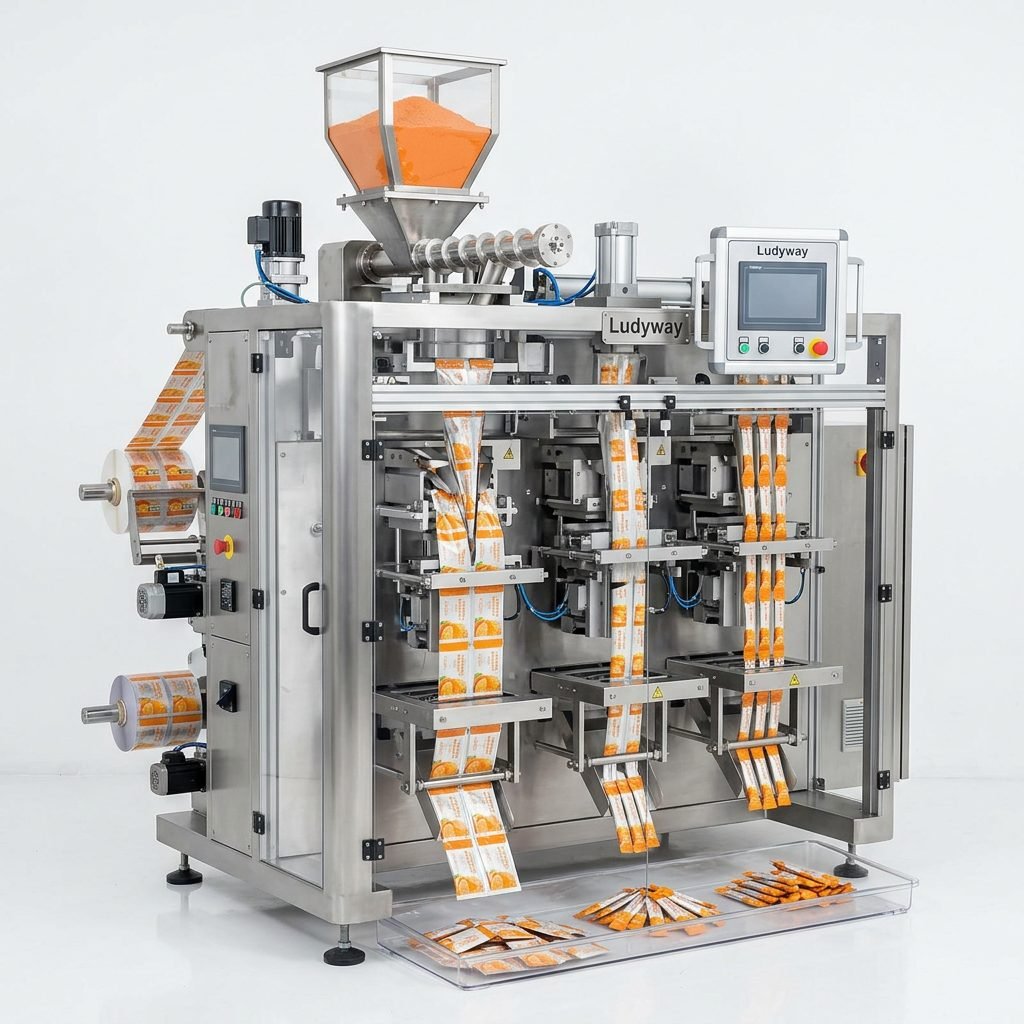
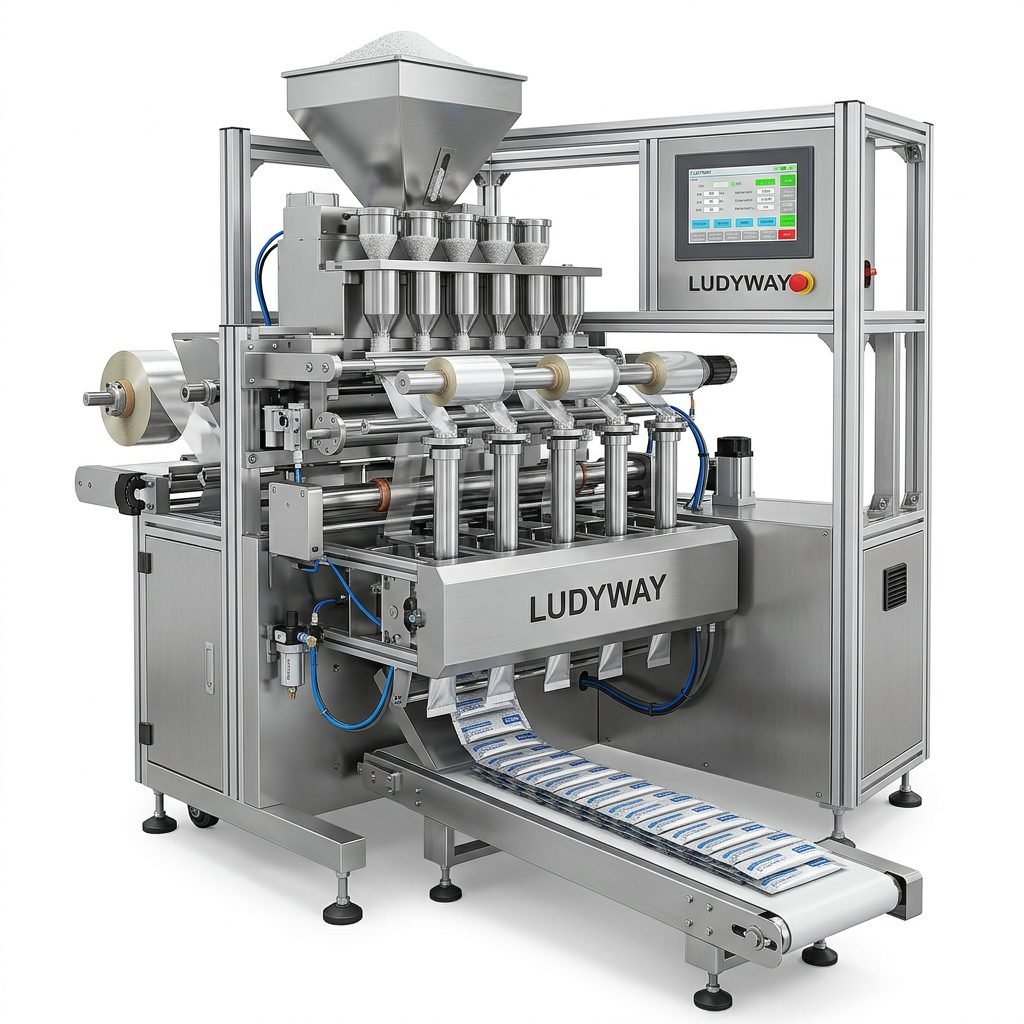
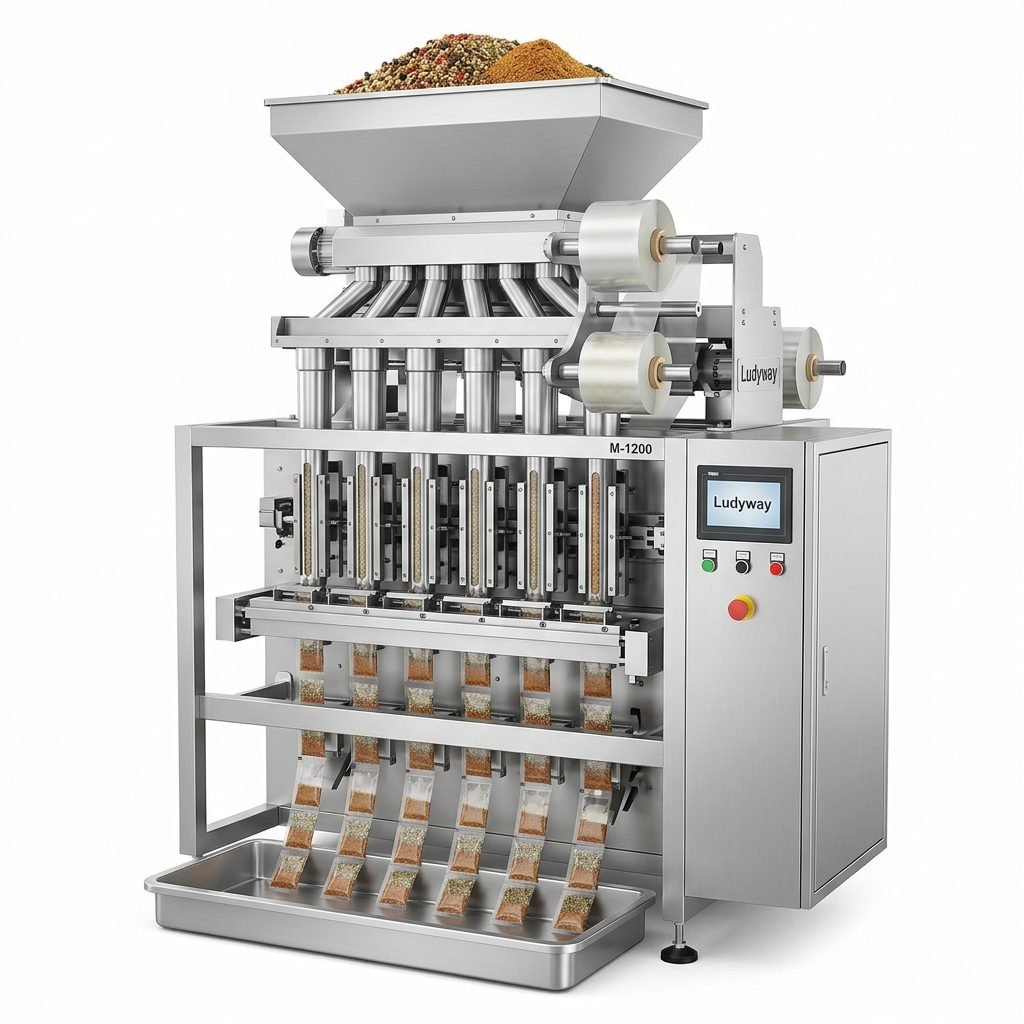
Rusk is a twice-baked bread product with a crisp texture and long shelf life, making it a popular snack across Europe, Asia, the Middle East, and Africa. Whether you produce traditional hard rusks, flavored rusks, or specialty variants, choosing the right rusk packing machine directly impacts your product freshness, production efficiency, and overall operational costs. This guide walks you through every critical factor to consider before making your investment.

Why Rusk Packaging Requires Specialized Machinery
Rusk is a brittle and breakage-prone product. Unlike soft bread or flexible snacks, rusk demands gentle handling throughout the feeding, filling, and sealing processes. Standard packaging machines often cause excessive breakage, leading to product waste and inconsistent bag appearance. A dedicated rusk packing machine incorporates features such as:
- Low-drop feeding systems to minimize impact during transfer
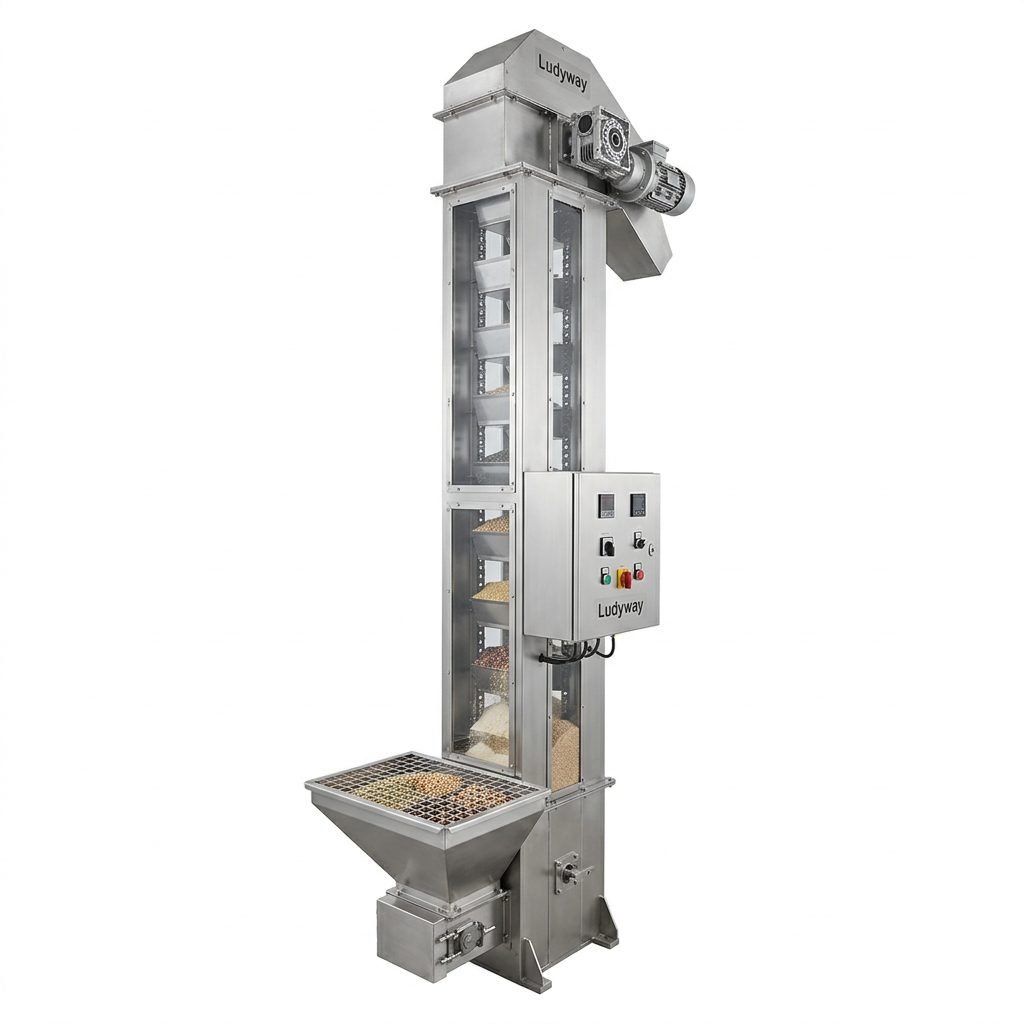
- Vibratory or bucket conveyors designed for fragile products
- Gentle filling mechanisms that preserve product integrity
- Precise weighing and counting for consistent portion control
Key Factors to Evaluate When Selecting a Rusk Packing Machine
Every rusk production line has unique requirements. Below are the most critical variables manufacturers should assess before purchasing equipment.
1. Production Speed and Output Capacity
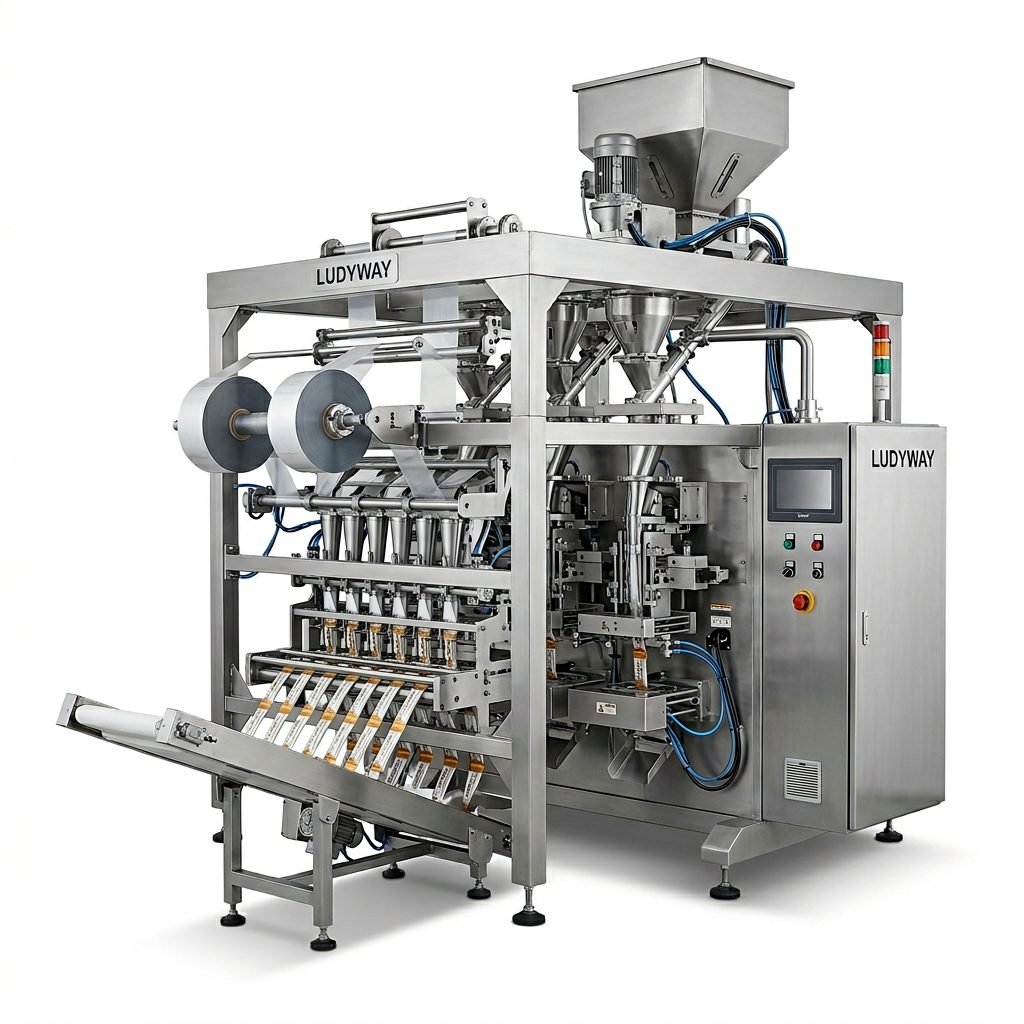
Your target output volume determines the type of machine configuration you need. Rusk packing machines range from semi-automatic models producing 20-40 packs per minute to fully automated multi-lane systems capable of 200+ packs per minute. Consider both your current requirements and future growth projections when evaluating speed specifications.
| Machine Type | Speed Range | Best For |
|---|---|---|
| Semi-Automatic Single Lane | 20-40 packs/min | Small bakeries, startup operations |
| Automatic Single Lane | 40-80 packs/min | Mid-size manufacturers |
| Multi-Lane Automatic System | 100-200+ packs/min | Large-scale industrial production |
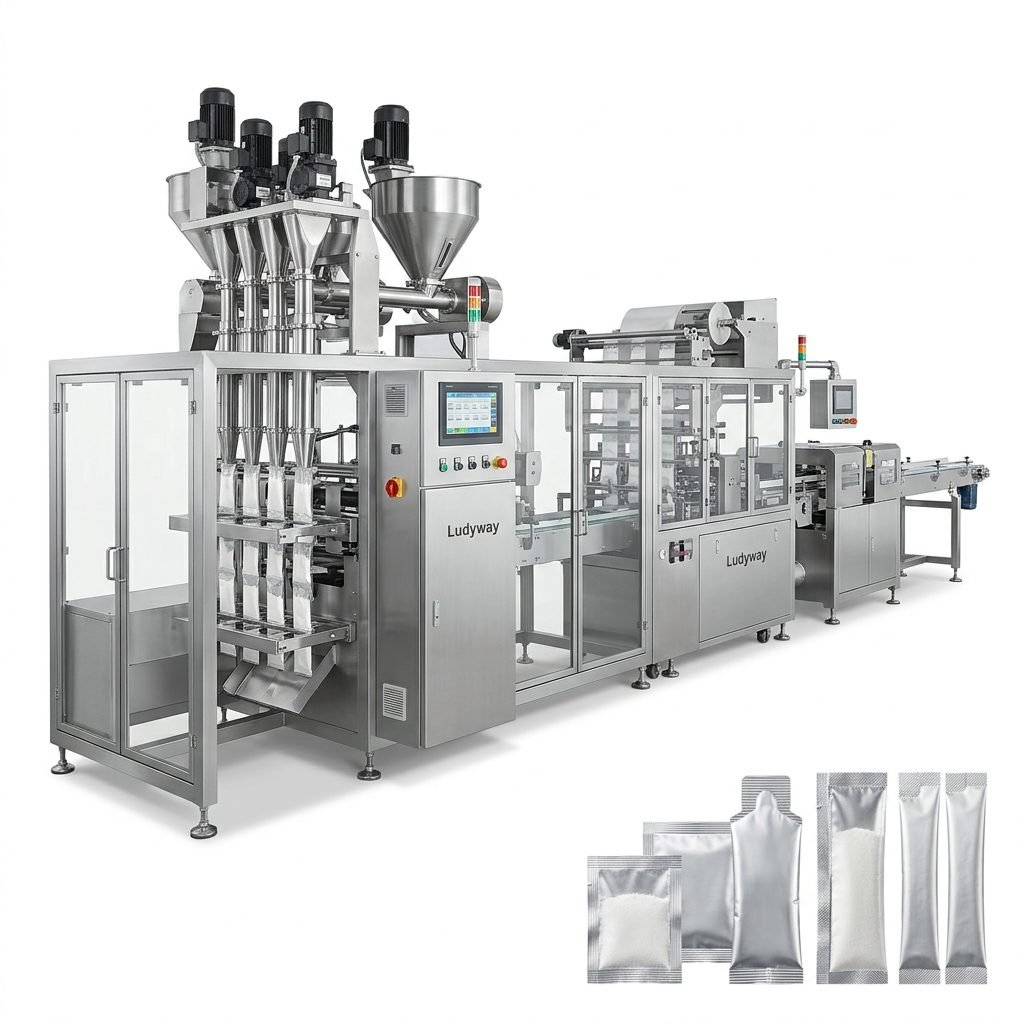
| Turnkey Packaging Line | Customizable | Full automation from feeding to cartoning |

2. Packaging Format: Pillow Bags, Gusseted Bags, or Stick Packs
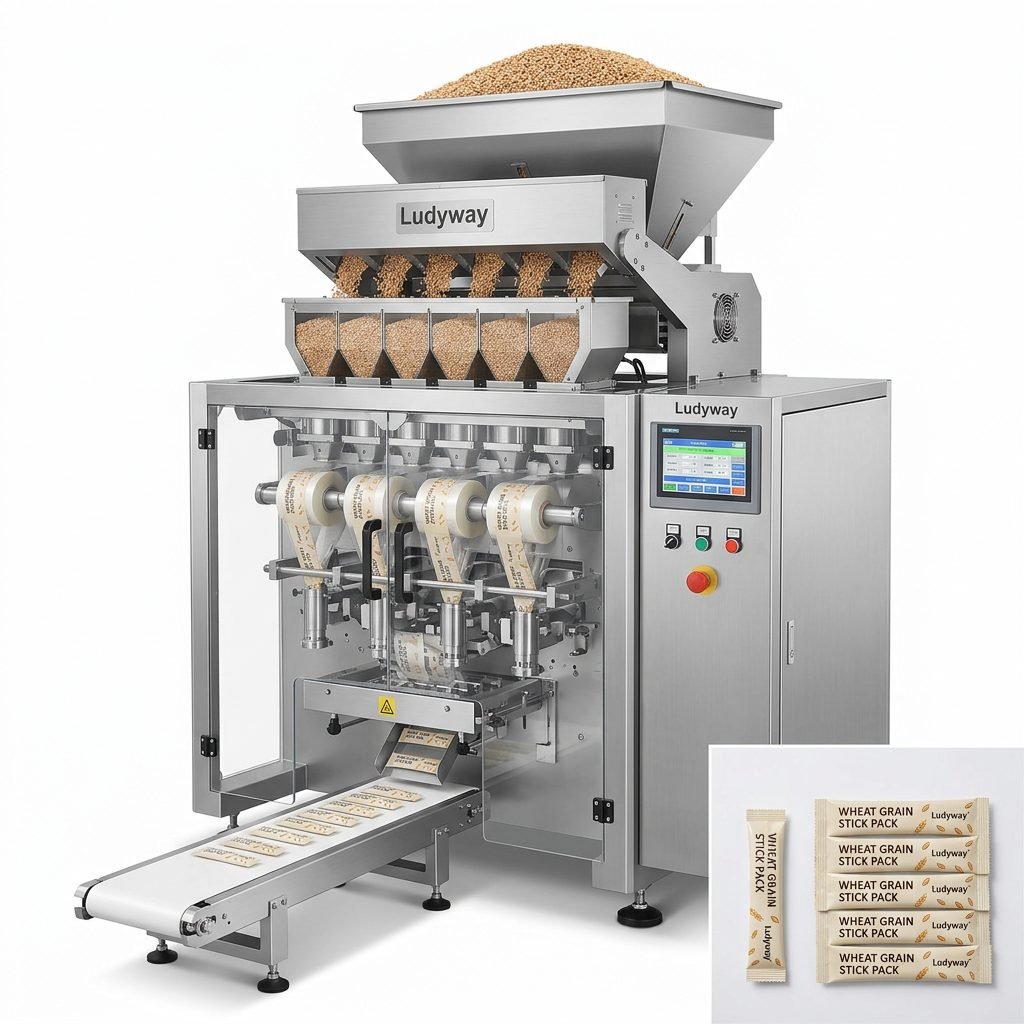
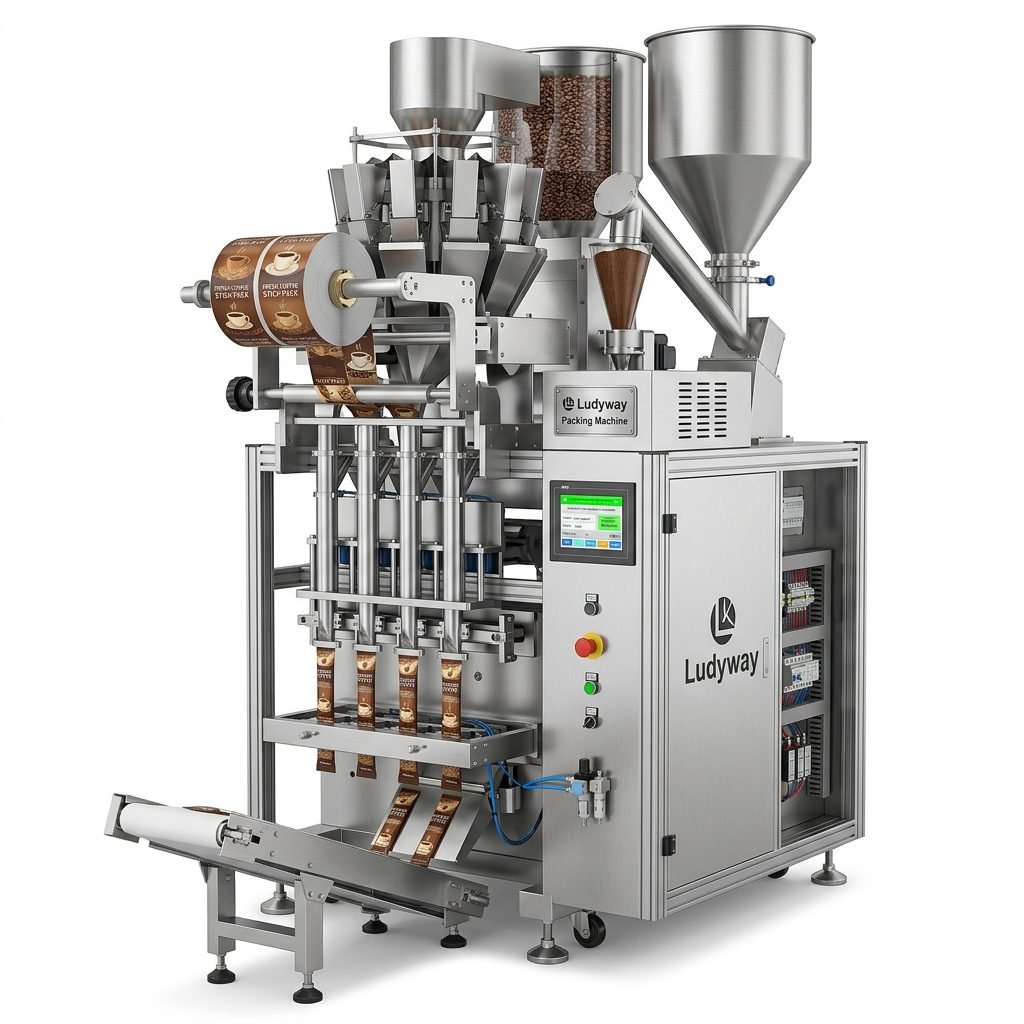
Rusk products can be packaged in several formats depending on your market positioning and consumer preferences. The most common options include pillow bags for standard retail packs, gusseted bags for premium shelf presentation, and stick packs or sachets for single-serve or portion-controlled packs. Your chosen packaging machine must be compatible with your desired bag style, film material, and seal type.
3. Material Compatibility and Seal Integrity
Rusk requires moisture-resistant packaging to maintain crispness. Common packaging materials include laminated films such as BOPP/CPP, PET/PE, and metallized films for extended shelf life. Verify that the machine’s sealing system delivers consistent hermetic seals at your required speeds. For products targeting FDA-compliant food packaging markets, ensure the machine supports food-grade contact materials.
4. Weighing Accuracy and Portion Consistency
Accurate weighing is essential for regulatory compliance and cost control. Modern rusk packing machines integrate multi-head weighers or linear weighers that deliver precise portioning with minimal giveaway. For multi-lane configurations, each lane should maintain independent weight accuracy to ensure uniformity across all finished packs.

Automation Level: From Standalone Machines to Complete Lines
The degree of automation you choose affects labor requirements, production consistency, and upfront investment. Here is how different automation levels compare:
- Semi-automatic machines: Operators manually feed rusks; machine handles bag forming, filling, and sealing. Lower initial cost, higher labor dependency.
- Fully automatic single-lane machines: Automated feeding via conveyor; ideal for consistent product flow and moderate output.
- Multi-lane automatic systems: Multiple lanes run simultaneously, dramatically increasing throughput while reducing labor per unit.
- Turnkey packaging lines: Integrate feeding, weighing, bag making, filling, sealing, coding, inspection, cartoning, and palletizing into one seamless system.
Machine Construction and Hygiene Standards
For food products like rusk, stainless steel construction is the industry standard. Look for machines built with food-grade stainless steel (typically SUS304 or SUS316) for all product contact surfaces. Easy-access design for cleaning and maintenance reduces downtime between production runs. Machines designed to meet ISO packaging standards provide additional assurance of quality and safety compliance.
Key Hygiene Features to Look For
- Tool-free disassembly for quick changeovers
- IP65 or higher-rated electrical enclosures for washdown environments
- Sloped surfaces preventing product accumulation
- Sealed bearings and food-grade lubricants
Customization and Future-Proofing Your Investment
No two rusk products are identical. Rusk size, shape, density, and packaging requirements vary significantly between manufacturers. A machine that works perfectly for one bakery may be unsuitable for another. This is why customized packaging solutions often deliver better long-term value than off-the-shelf equipment. Consider suppliers that offer engineering support to configure machines according to your specific product characteristics, factory layout, and automation goals.
Comparing Suppliers: What to Ask Before Buying
When evaluating different packaging machinery manufacturers, prepare a checklist of questions to ensure you select the right partner. The following comparison highlights areas to investigate:
| Evaluation Criteria | What to Verify |
|---|---|
| Manufacturing Experience | Years in packaging machinery, industry-specific expertise |
| Machine Testing | Availability of product trials with your actual rusk samples |
| After-Sales Support | Installation, training, spare parts availability, remote assistance |
| Compliance and Certifications | CE, ISO, or other relevant certifications for your market |
| Global References | Track record in your region and with similar products |
Industry Trends Affecting Rusk Packaging Decisions
The flexible packaging industry is evolving rapidly, and rusk manufacturers should stay informed about trends that influence packaging machinery choices. Sustainable packaging materials, smart factory integration, and increased demand for portion-controlled formats are reshaping equipment requirements. Investing in machinery that supports recyclable or mono-material films can position your brand for future regulatory changes and consumer preferences.
Why Partner with an Experienced Packaging Machinery Manufacturer
Selecting a packaging machine is not just a transaction; it represents a long-term partnership. The right supplier provides engineering expertise, application knowledge, and ongoing technical support throughout the equipment lifecycle. Ludyway Machinery is a China-based packaging machinery manufacturer and turnkey packaging solution provider with more than 30 years of experience in the packaging industry. Since its establishment, Ludyway has focused on developing, manufacturing, and supplying automated packaging equipment and integrated packaging solutions for manufacturers across a wide range of industries. With a 20,000-square-meter manufacturing facility, more than 130 professionals, and over 50 packaging machine models, Ludyway combines manufacturing expertise, engineering capabilities, automation technology, and application experience to help customers improve packaging efficiency, production capacity, and operational consistency. Ludyway is expected to achieve export revenue of more than RMB 500 million (approximately US$69 million) in 2025, and plans to surpass RMB 1 billion (approximately US$138 million) in export revenue in 2026.
Making Your Final Decision
Choosing the right rusk packing machine requires balancing multiple factors: production speed, packaging format, automation level, budget, and long-term scalability. By thoroughly evaluating each of these areas and partnering with an experienced supplier, you can secure equipment that delivers consistent performance, minimizes product waste, and supports your growth objectives. For manufacturers looking for guidance on packaging machinery selection or customized solutions, resources from organizations like PACK EXPO International and the Flexible Packaging Association provide additional industry insights and networking opportunities.