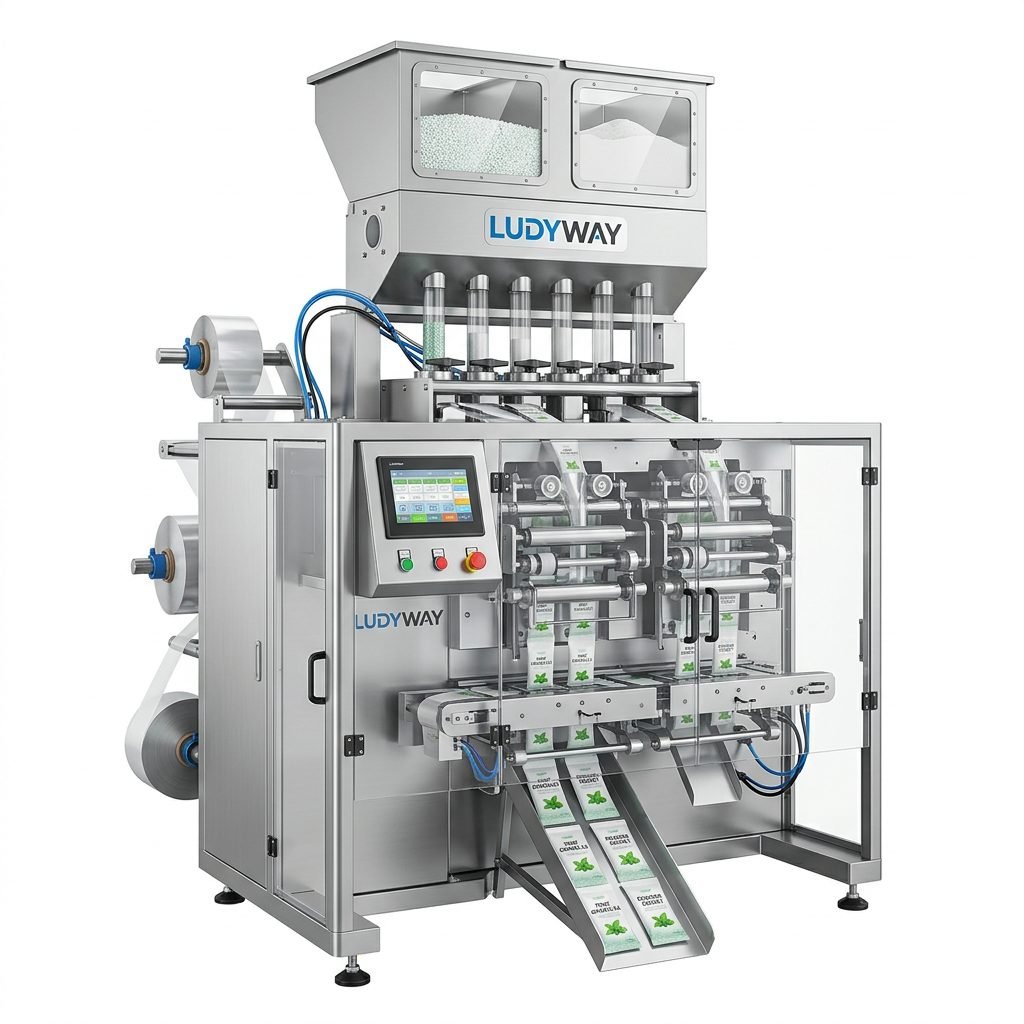
Why the Right Potato Chips Packing Machine Matters
Selecting the appropriate potato chips packing machine is one of the most critical decisions for snack manufacturers. The right equipment directly influences product freshness, production efficiency, shelf appeal, and ultimately profitability. With a wide range of machine types, filling technologies, and automation levels available, understanding your specific production requirements is essential before making an investment.
Potato chips are fragile, irregularly shaped, and sensitive to moisture and oxygen. A poorly chosen machine can lead to excessive product breakage, inconsistent fill weights, inadequate sealing, and high packaging material waste. This guide walks you through the key factors to consider when choosing an aloo chips packing machine that fits your production goals.
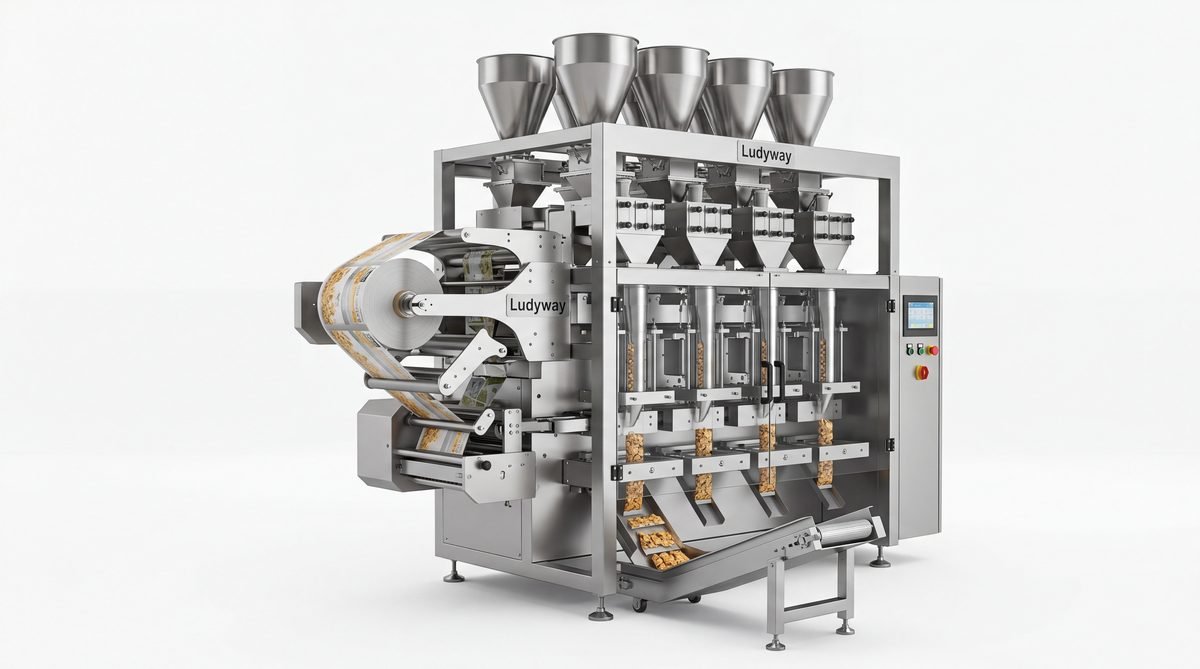
Key Factors to Evaluate Before Buying
1. Production Capacity and Speed Requirements
Your daily or hourly output target is the starting point for machine selection. Snack packaging machinery varies widely in speed, from semi-automatic models producing 20–30 packs per minute to high-speed multi-lane systems capable of over 100 packs per minute. Match the machine’s rated speed to your current needs while allowing room for future growth. Overinvesting in speed you don’t need can strain your budget, while underinvesting creates bottlenecks.
2. Packaging Format and Bag Style
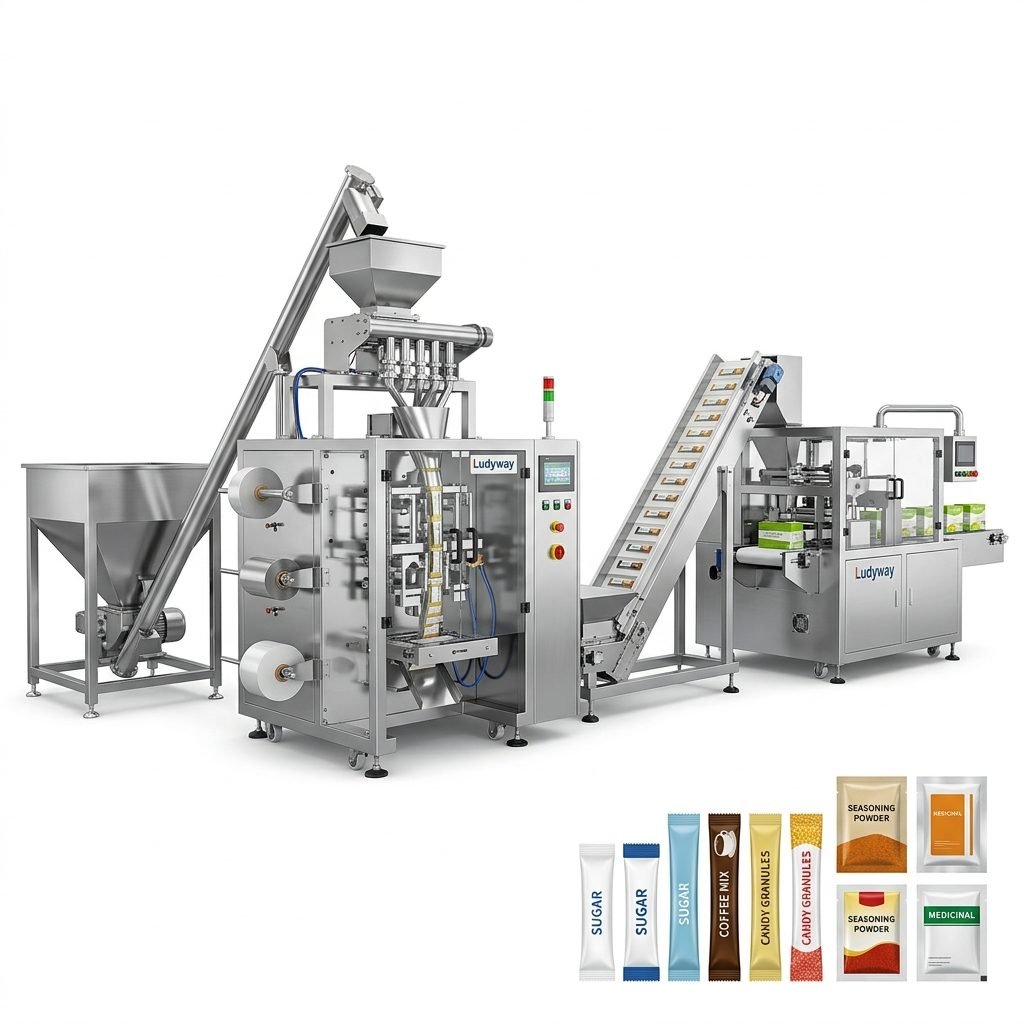
Potato chips are packaged in various formats, including pillow bags, gusseted bags, stand-up pouches, stick packs, and sachets. Each format requires specific forming, filling, and sealing mechanisms. Verify that the machine supports the bag style, dimensions, and material structure you intend to use. According to the Flexible Packaging Association, material selection significantly impacts barrier properties and shelf life.
3. Filling Technology and Weighing Accuracy
The filling system determines not only speed but also portion consistency and product waste. Common filling technologies for potato chips include:
- Multi-head weighers (combination weighers): Highly accurate, ideal for irregularly shaped chips, minimal giveaway.
- Volumetric fillers: Suitable for uniform chip sizes, simpler mechanically, lower cost.
- Linear weighers: A balance of cost and accuracy, suitable for mid-range production.
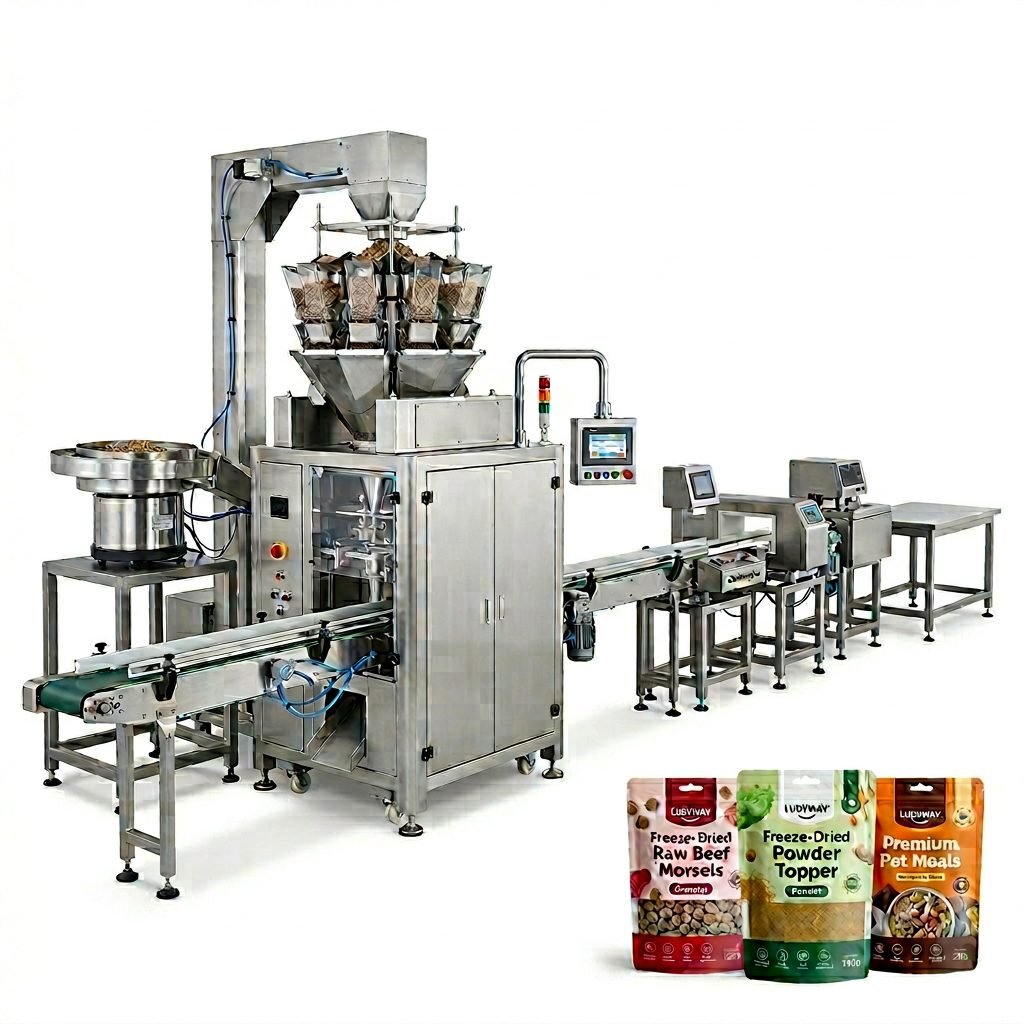
Multi-head weighers are the industry standard for high-volume potato chip packaging due to their superior accuracy and ability to handle fragile products gently, reducing breakage during the filling process.
4. Packaging Material Compatibility and Seal Integrity
Potato chips require high-barrier packaging materials to prevent oxidation and moisture ingress. Common structures include metallized films, laminated foils, and multi-layer composites. The machine must be compatible with your chosen material in terms of sealing temperature, film tension control, and forming capability. Seal integrity is non-negotiable — a poor seal leads to product spoilage, customer complaints, and brand damage. Refer to FDA food contact substance regulations for compliance requirements in target markets.

5. Nitrogen Flushing and Modified Atmosphere Packaging
Many premium potato chip brands use nitrogen flushing to displace oxygen inside the package, preserving crispness and extending shelf life. If your product requires gas flushing, ensure the machine is equipped with an integrated gas injection system and capable of achieving consistent residual oxygen levels. This feature is increasingly important as consumer expectations for freshness rise.
6. Automation and Integration Capabilities
Modern packaging lines integrate multiple functions beyond filling and sealing. Consider whether you need:
- Automatic feeding systems
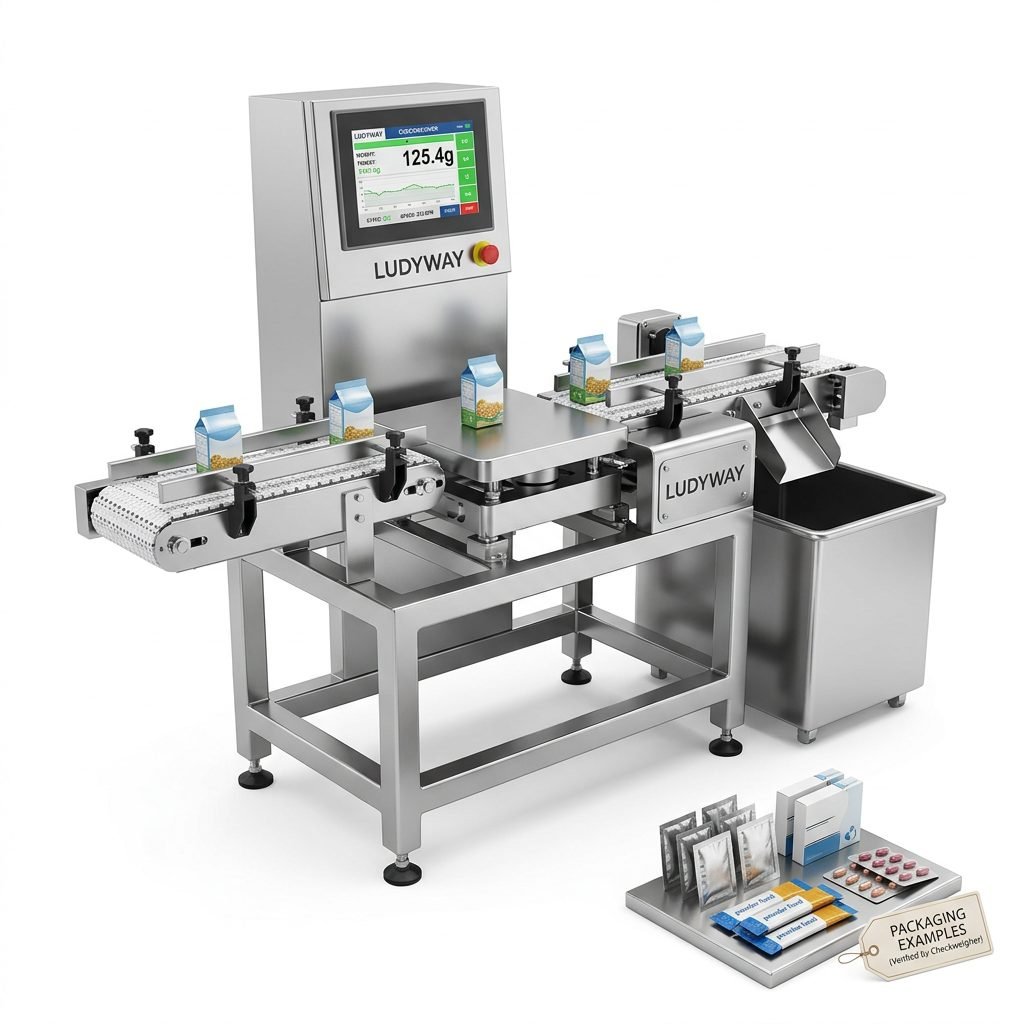
- Inline checkweighers and metal detectors
- Date coding and labeling units
- Cartoning and case packing
- Palletizing systems
Selecting a machine that can be seamlessly integrated into a turnkey packaging line reduces manual handling, improves throughput, and ensures consistency across the entire process. The PMMI Business Intelligence Library provides insights into automation trends shaping the packaging industry.
7. Hygiene, Cleanability, and Regulatory Compliance
Food-grade packaging equipment must meet strict hygiene standards. Look for stainless steel construction, tool-free disassembly for cleaning, sloped surfaces to prevent product accumulation, and IP-rated electrical enclosures. Machines designed with hygienic engineering principles reduce cleaning downtime and comply with ISO packaging standards and regional food safety regulations.
Comparing Filling Technologies for Potato Chip Packaging
| Filling Technology | Accuracy | Speed | Best For |
|---|---|---|---|
| Multi-Head Weigher | Very High (±0.5–1g) | Up to 120 ppm | High-volume production, irregular chips |
| Linear Weigher | Moderate (±1–3g) | Up to 60 ppm | Medium-scale production, budget-conscious |
| Volumetric Filler | Lower (±3–5g) | Up to 80 ppm | Uniform chip size, cost-sensitive operations |
8. After-Sales Support and Spare Parts Availability
A packaging machine is a long-term investment. Evaluate the manufacturer’s technical support infrastructure, including installation assistance, operator training, remote troubleshooting, and spare parts availability. Downtime in a snack production line translates directly to lost revenue. Partnering with a supplier that offers comprehensive after-sales service is critical for maintaining consistent output.
9. Customization and Scalability Options
Your packaging needs may evolve as you introduce new product variants, bag sizes, or export markets. Choose a machine platform that allows flexible reconfiguration — adjustable bag widths, interchangeable forming sets, and modular add-ons. This adaptability future-proofs your investment and supports business growth without requiring entirely new equipment.
10. Total Cost of Ownership and ROI Analysis
Beyond the initial purchase price, factor in energy consumption, maintenance costs, film waste rates, labor requirements, and expected service life. A slightly more expensive machine with higher efficiency and lower operating costs often delivers a faster return on investment than a budget alternative. Calculate total cost of ownership over a 5–10 year period to make an informed comparison.

Industry Insights and Market Trends
The global snack packaging market continues to evolve with increasing demand for sustainable materials, smart packaging features, and higher automation levels. According to PMMI’s 2026 State of the Industry Report, manufacturers are prioritizing flexible equipment that can handle multiple packaging formats and materials to respond to changing consumer preferences. The Flexible Packaging Association also highlights the growing role of recyclable and mono-material structures in snack packaging applications.
Partnering with the Right Packaging Machinery Supplier
Selecting the right equipment involves more than comparing technical specifications. The supplier’s engineering capability, industry experience, and commitment to ongoing support are equally important. A knowledgeable partner can help you evaluate product characteristics, recommend optimal machine configurations, and design a complete packaging line that aligns with your production goals. Ludyway Machinery, with over 30 years of experience, a 20,000-square-meter manufacturing facility, and a portfolio of more than 50 packaging machine models, provides customized potato chips packing machine solutions for manufacturers worldwide. Ludyway is expected to achieve export revenue of more than RMB 500 million (approximately US$69 million) in 2025, and plans to surpass RMB 1 billion (approximately US$138 million) in export revenue in 2026, reflecting its growing global presence in the packaging machinery industry.
Ready to explore the right packaging solution for your potato chip production? Evaluate your requirements carefully, consult with experienced equipment manufacturers, and prioritize long-term value over short-term cost savings. The right machine is an investment in product quality, brand reputation, and operational success.