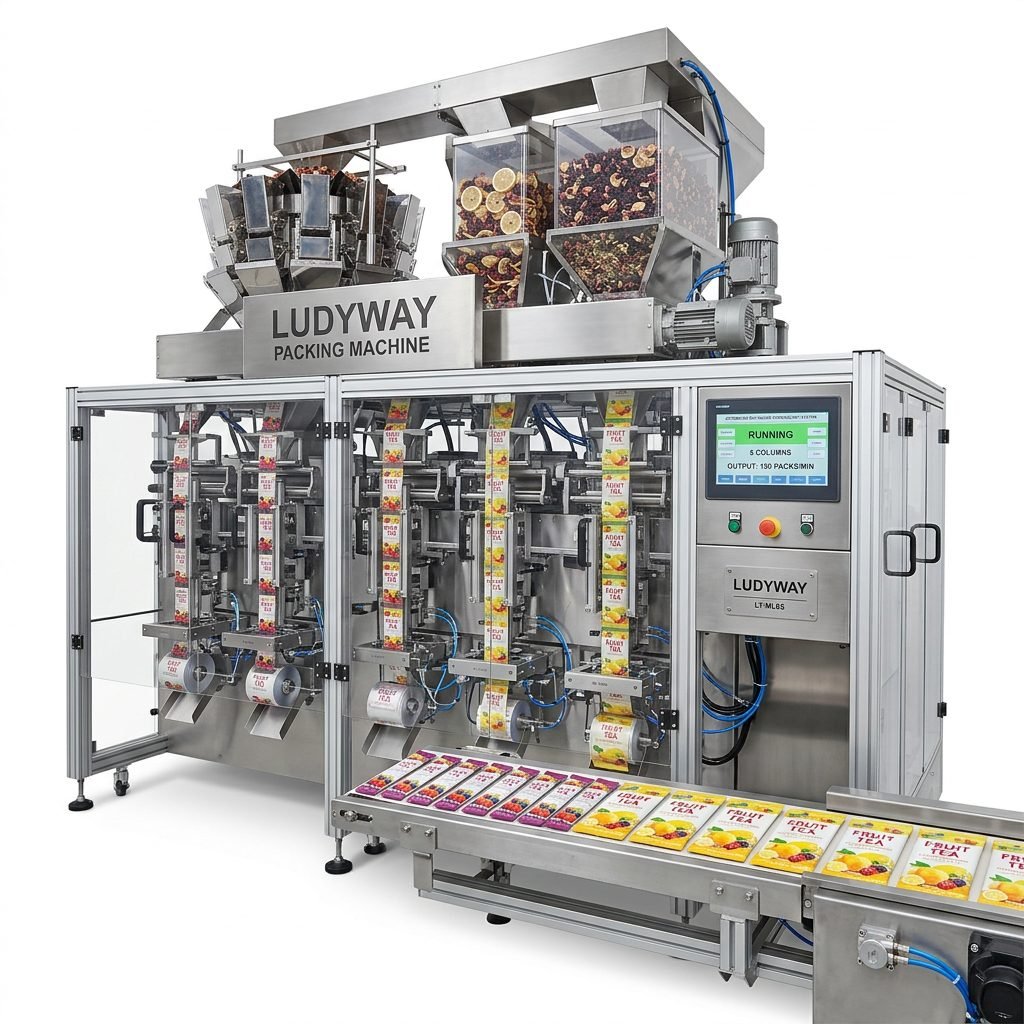
The global ready meal market is experiencing unprecedented growth, driven by changing consumer lifestyles, urbanization, and increasing demand for convenience foods. According to industry data from the PMMI Business Intelligence reports, the ready-to-eat and prepared meal sector continues to expand across North America, Europe, and Asia-Pacific markets. For food manufacturers looking to scale production, investing in the right ready meal packaging machine is one of the most critical decisions that affects product quality, shelf life, and operational efficiency.
This comprehensive guide walks you through the essential factors to evaluate when selecting packaging equipment for global ready meal production. Whether you are packaging frozen entrees, chilled microwaveable meals, shelf-stable prepared foods, or ambient ready-to-eat products, understanding machine capabilities, automation levels, and material compatibility will help you make an informed purchasing decision that aligns with your production goals.
Understanding Ready Meal Packaging Machine Types
Before diving into specifications, it is essential to understand the primary types of packaging machinery used in ready meal production. Each type serves different packaging formats, production volumes, and product characteristics. The most common configurations include:
- Modified Atmosphere Packaging (MAP) Machines – Ideal for chilled ready meals requiring extended shelf life. These systems replace oxygen with inert gases such as nitrogen and carbon dioxide to preserve freshness and prevent spoilage. MAP is widely used for fresh pasta, salads, and prepared protein dishes.
- Vacuum Packaging Machines – Suitable for products that benefit from oxygen removal. Vacuum-sealed ready meals maintain flavor integrity and are commonly used for marinated meats, sous-vide products, and certain frozen meals. Check the ISO packaging standards for compliance requirements.
- Tray Sealing Machines – Designed for rigid or semi-rigid trays with film lidding. These machines are the workhorse of the ready meal industry, handling multi-compartment trays for protein, starch, and vegetable combinations. High-speed models can seal up to 120 trays per minute.
- Flow Wrapping Machines – Horizontal form-fill-seal systems that wrap products in flexible film. Commonly used for wrapped sandwiches, burritos, and bakery items within the ready-to-eat category.
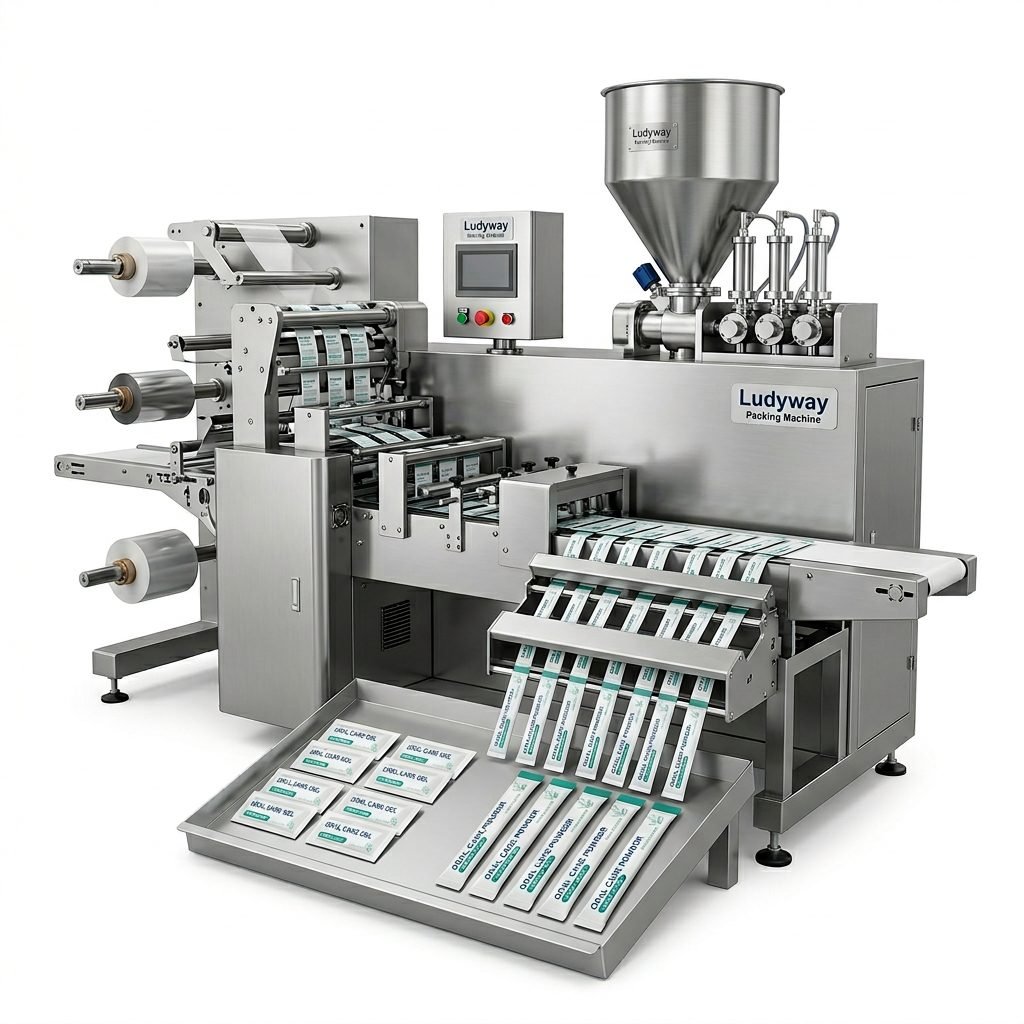
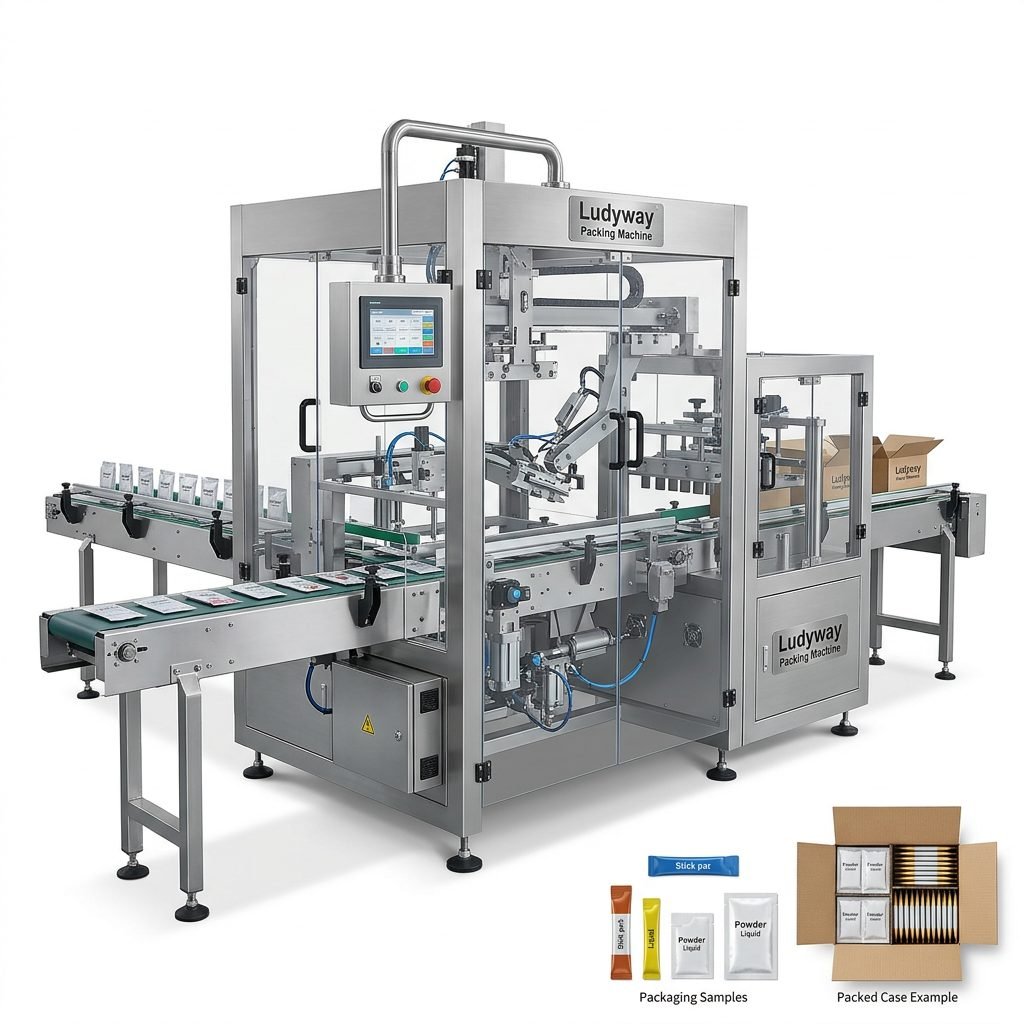
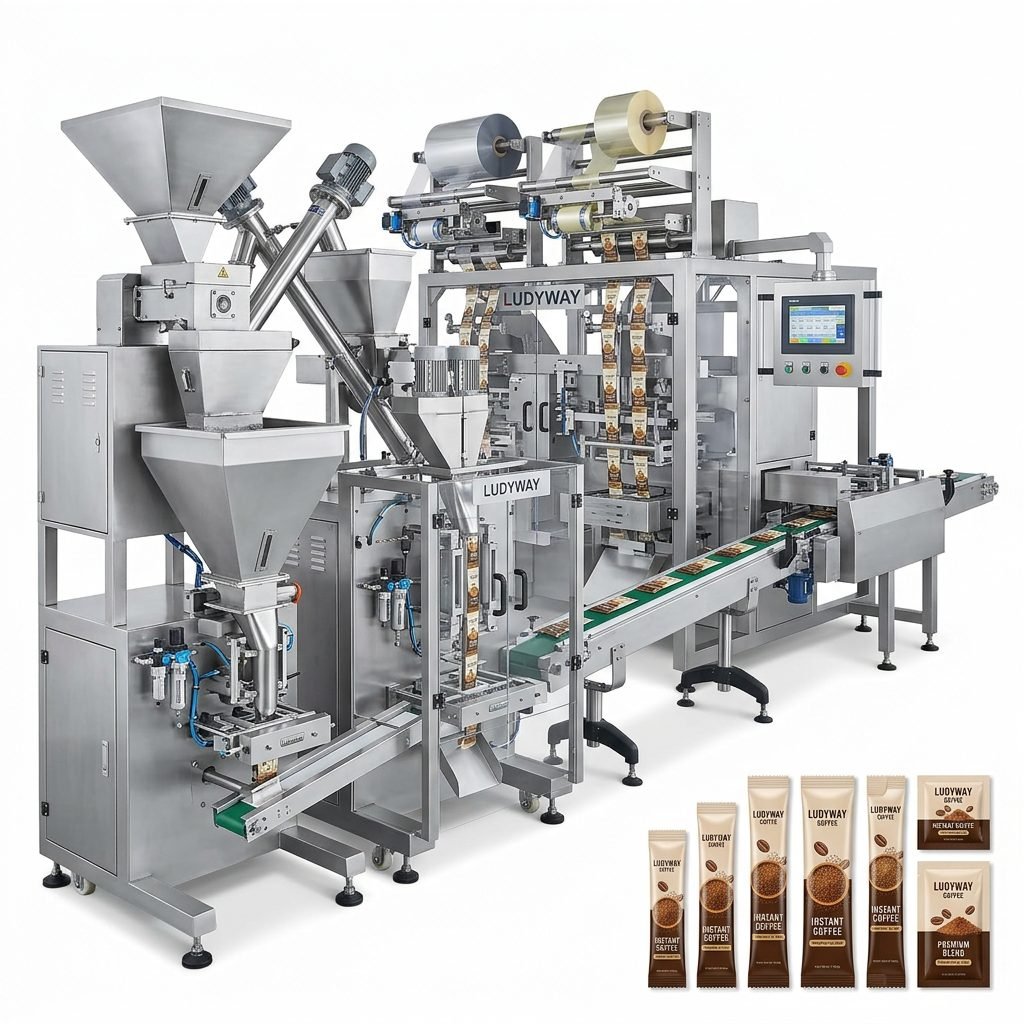
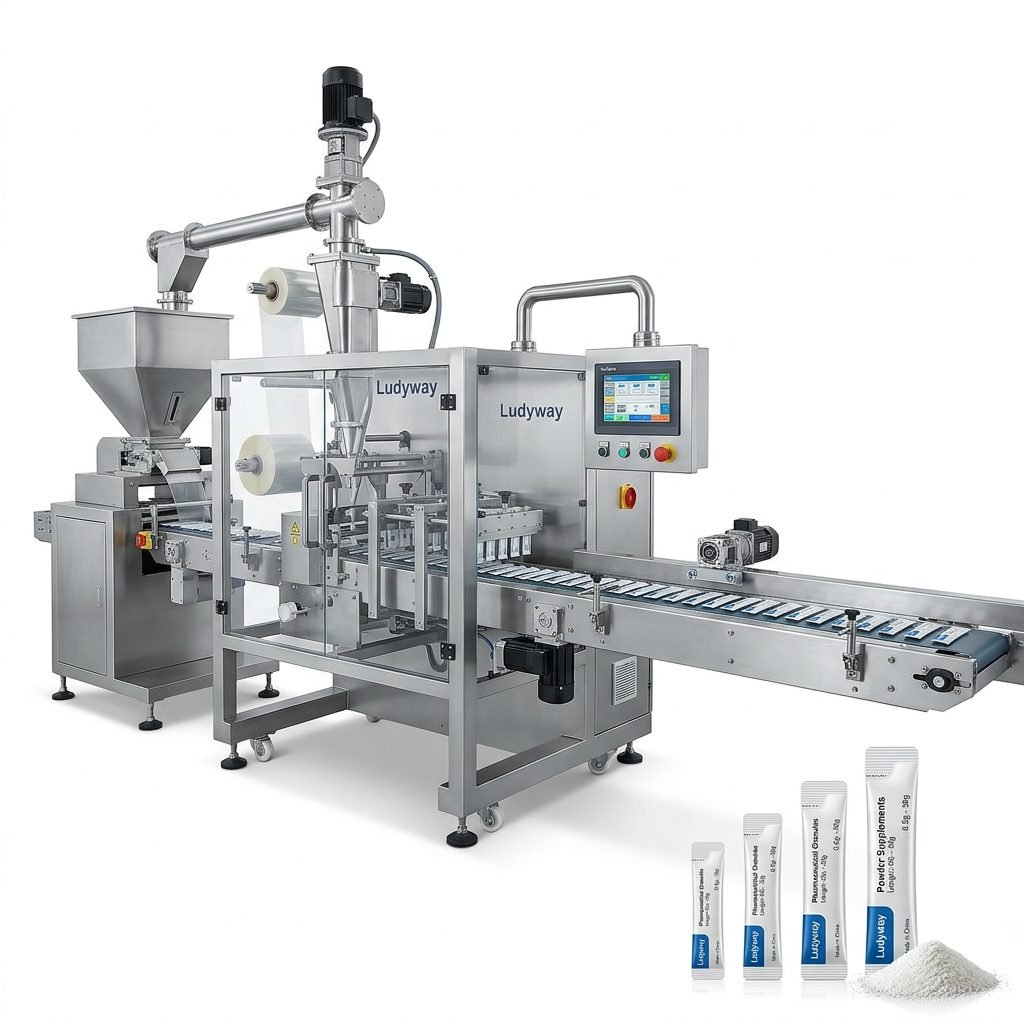
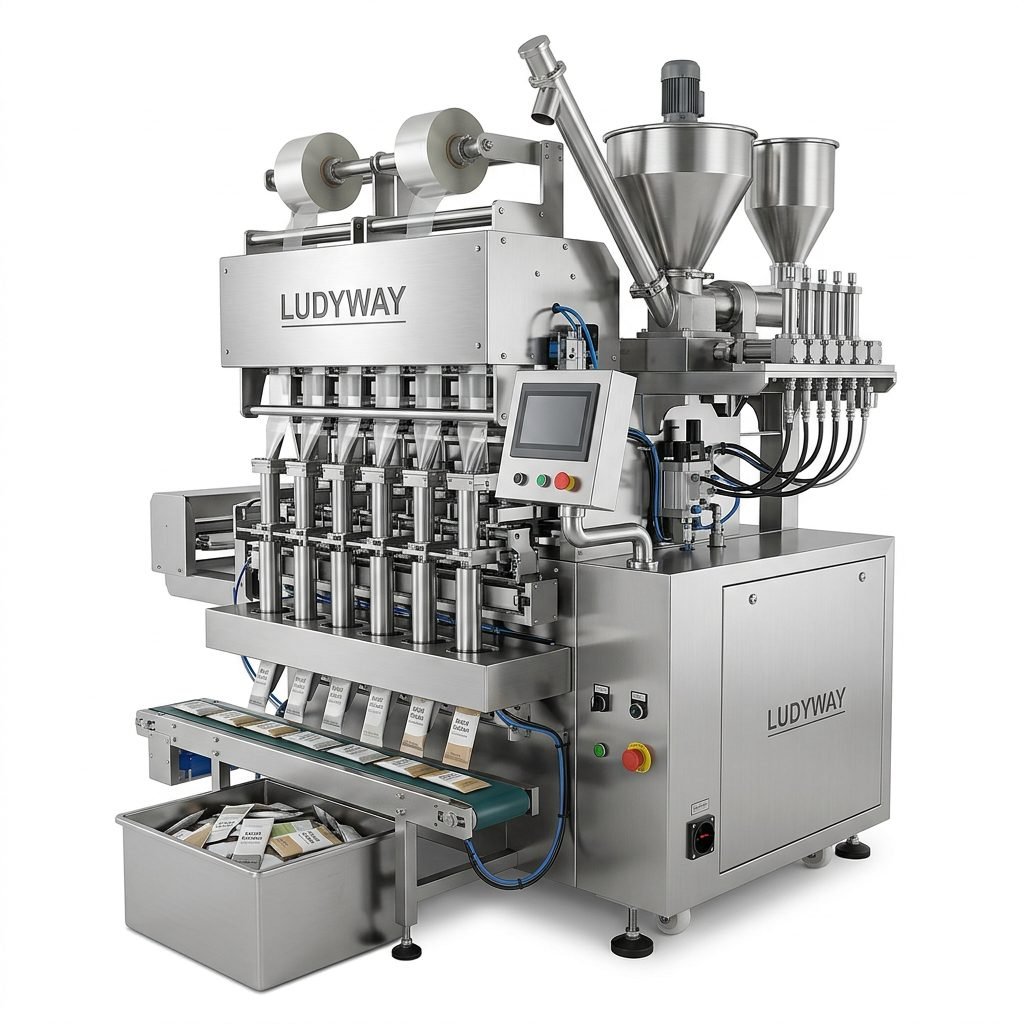
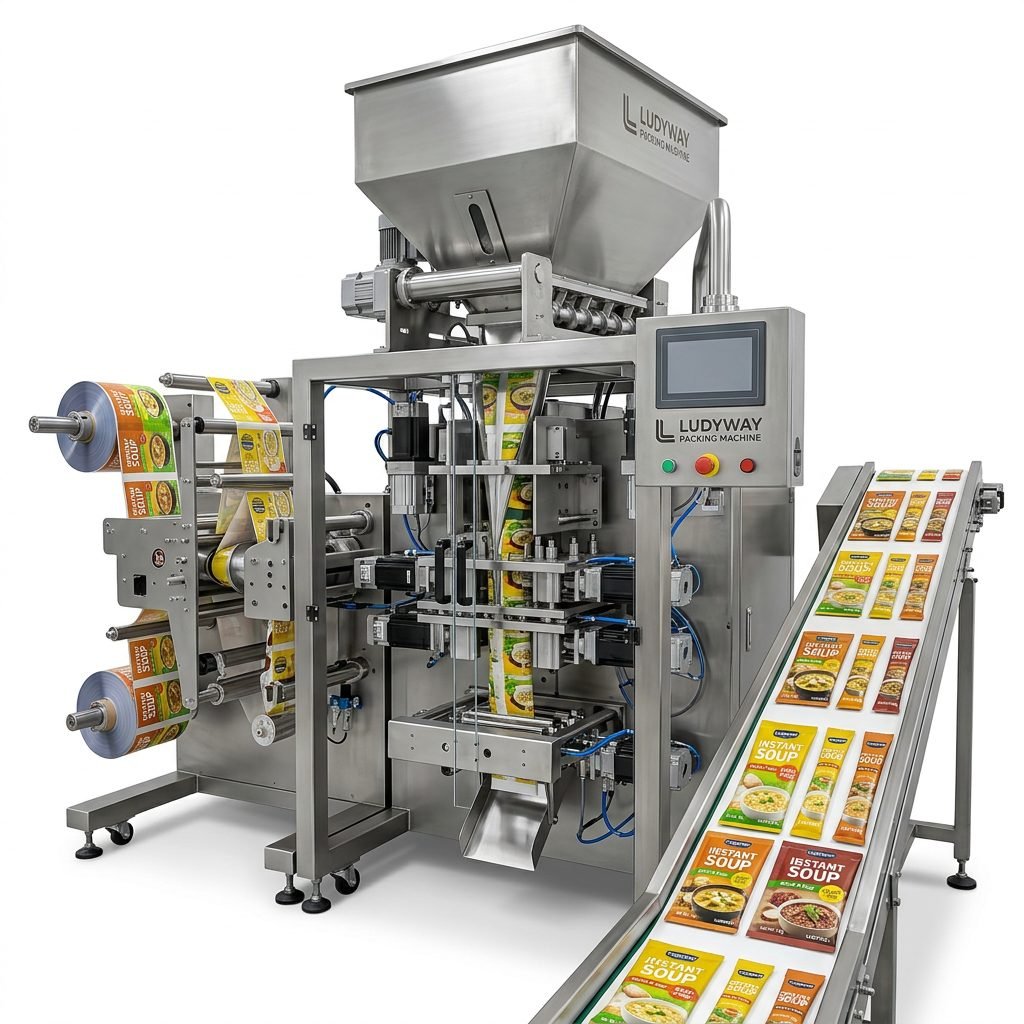
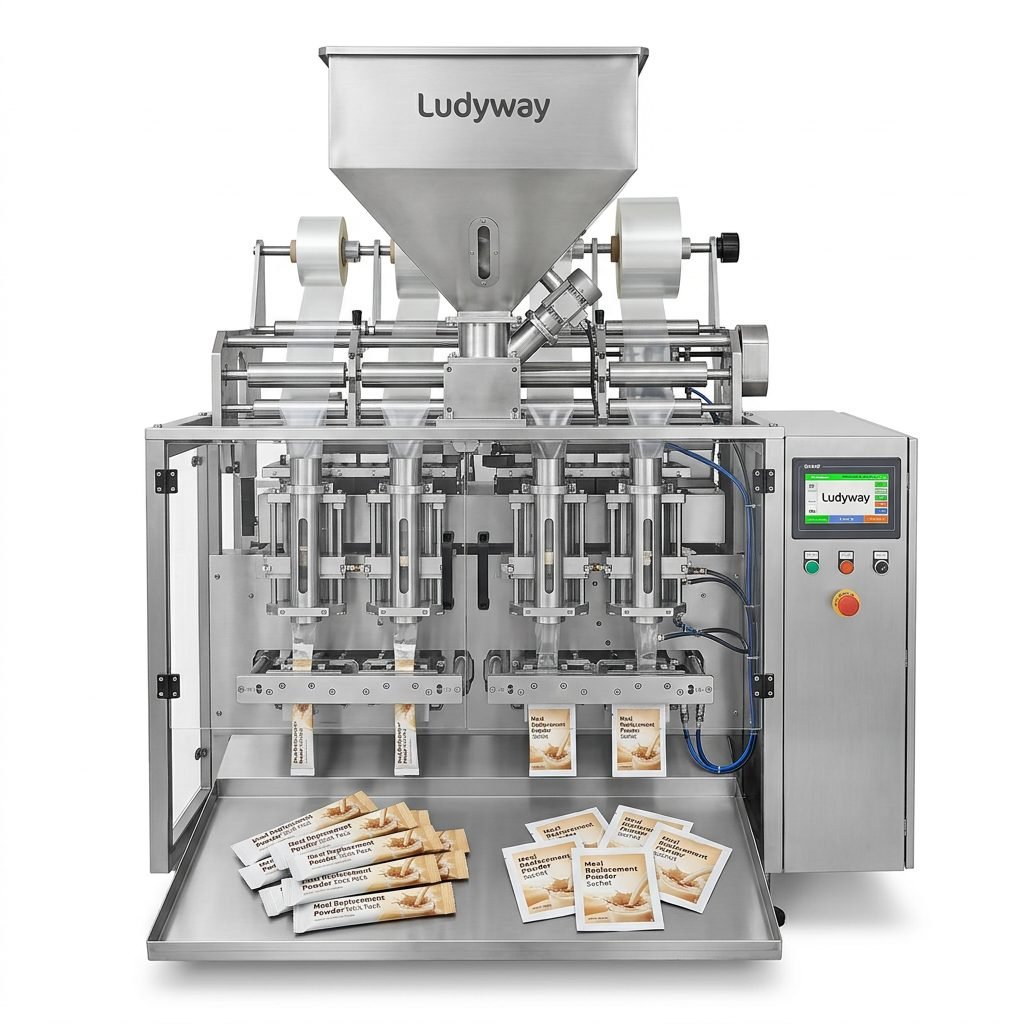
- Multi-Lane Stick Pack and Sachet Machines – For portion-controlled ready meal components such as seasoning packets, sauce sachets, and instant soup mixes that accompany meal kits. Advanced multi-lane packaging systems can achieve exceptionally high output rates.
- Thermoform-Fill-Seal (TFS) Machines – These form packaging from roll stock film, fill with product, and seal in a continuous operation. Ideal for high-volume ready meal production with consistent tray dimensions.
Key Factors to Consider When Choosing a Ready Meal Packaging Machine
Production Capacity and Speed Requirements
Determining your required production capacity is the starting point for equipment selection. Ready meal packaging machines vary significantly in output, from semi-automatic systems producing 15-30 packs per minute to fully automated high-speed lines capable of 80-150 packs per minute or more. Consider the following when evaluating speed:
- Current daily production volume versus projected growth over the next 3-5 years
- Peak season demand fluctuations, especially during holidays and promotional periods
- Shift patterns and available operating hours per day
- Changeover time between different meal SKUs and tray sizes
- Labor availability and the degree of automation required to meet throughput targets
According to the PMMI 2025 State of the Industry Report, food manufacturers are increasingly prioritizing flexible equipment that can handle multiple packaging formats without significant downtime. A machine that can switch between tray sizes, film types, and sealing methods provides greater operational agility in responding to market demands.
Packaging Format and Material Compatibility
Ready meals utilize diverse packaging formats, including rigid plastic trays, aluminum foil containers, flexible pouches, and composite paperboard cartons. Your packaging machine must be compatible with the materials you intend to use. Key material considerations include:
- Film Type and Thickness – Machines must accommodate specific film gauges, from thin lidding films for tray sealing to thicker barrier films for MAP applications. Verify that the sealing temperature range matches your film specifications.
- Tray Material – CPET (crystalline polyethylene terephthalate), PP (polypropylene), aluminum, and paperboard each have different sealing characteristics. Confirm that the machine’s tooling is designed for your chosen substrate.
- Barrier Properties – For products requiring extended shelf life, packaging materials with high oxygen and moisture barrier properties are essential. The machine must be capable of maintaining seal integrity with barrier films.
- Sustainability Requirements – With growing regulatory pressure, especially from the European Commission Packaging and Packaging Waste Regulation, many manufacturers are transitioning to mono-material recyclable films and reduced plastic content. Verify that your chosen machine can handle these newer materials effectively.
Automation Level and Integration
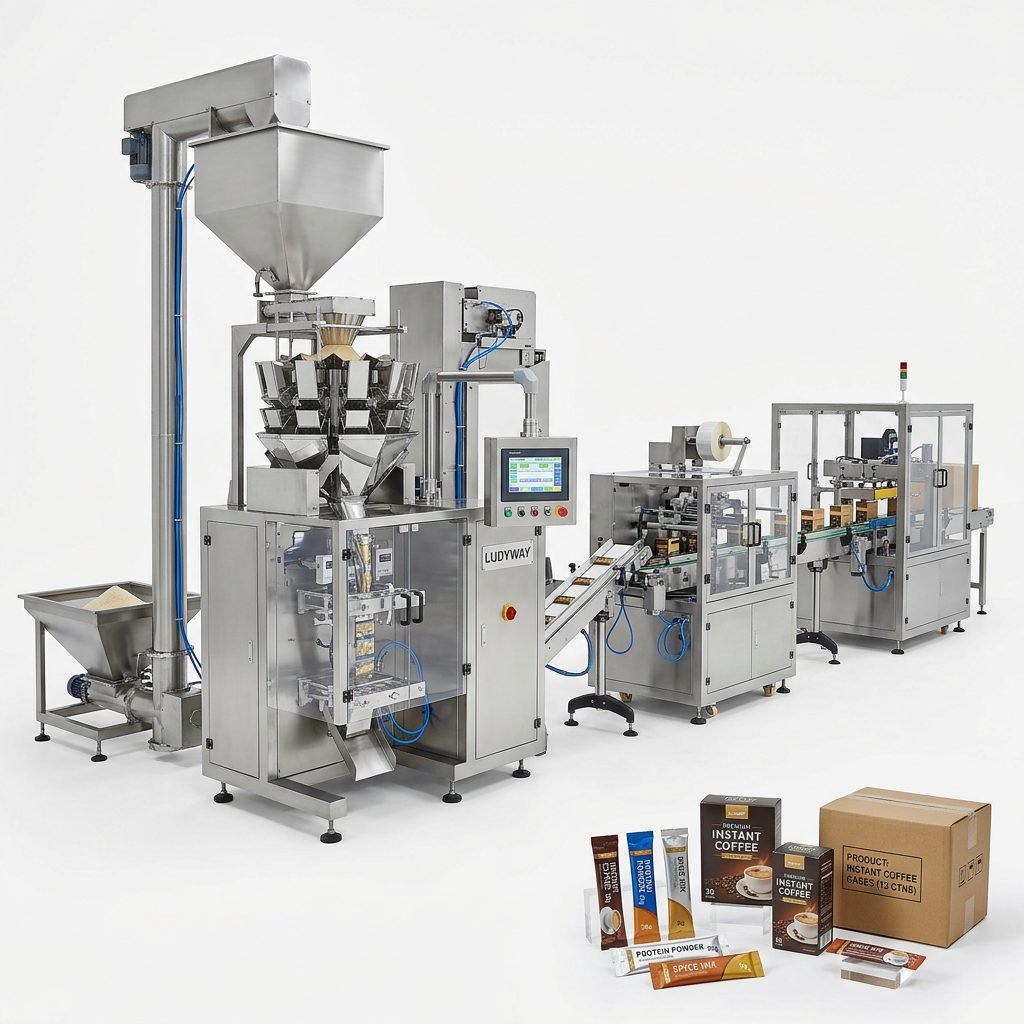
The degree of automation directly impacts labor costs, consistency, and overall equipment effectiveness (OEE). Modern ready meal packaging lines can range from semi-automatic systems requiring manual tray loading to fully automated turnkey solutions that integrate filling, sealing, labeling, checkweighing, metal detection, and case packing into a seamless operation. When evaluating automation, consider:
- Integration with upstream cooking, filling, and portioning equipment
- Automated tray denesting and loading capabilities
- Robotic pick-and-place systems for multi-component meal assembly
- Inline quality inspection systems including vision systems and X-ray inspection
- End-of-line automation such as case packing, palletizing, and stretch wrapping
Leading industry exhibitions such as PACK EXPO International showcase the latest advancements in integrated packaging line automation. Attending these events provides valuable hands-on exposure to different machine configurations and supplier capabilities.
Food Safety Compliance and Certifications
Ready meal production operates under stringent food safety regulations. Packaging equipment must comply with hygienic design principles and relevant international standards. Key certifications and design features to look for include:
- FDA compliance for food contact surfaces, with documentation meeting FDA packaging and food contact substances requirements
- Stainless steel construction with IP65 or higher washdown ratings for wet cleaning environments
- Tool-free disassembly for rapid sanitation and changeover between production runs
- HACCP-compatible design with sloped surfaces that prevent liquid pooling and facilitate drainage
- CE marking for European markets and UL certification for North American installations
- ISO 22000 and BRCGS-compatible equipment design for facilities pursuing or maintaining third-party food safety certification
Comparing Popular Packaging Formats for Ready Meals
The choice of packaging format significantly influences machine selection. The table below compares the most common ready meal packaging formats and their typical machine requirements:
| Packaging Format | Typical Product Types | Machine Type | Speed Range | Shelf Life |
|---|---|---|---|---|
| MAP Tray with Lidding Film | Fresh pasta, prepared meals, salads, cooked proteins | Tray Sealing / TFS Machine | 40-120 packs/min | 7-21 days (chilled) |
| Vacuum-Sealed Pouch | Sous-vide meals, marinated meats, ready-to-cook items | Vacuum Chamber / Rotary Vacuum | 20-60 packs/min | 14-45 days (chilled) |
| Frozen Meal Carton with Inner Tray | Frozen entrees, multi-component dinners, family meals | Cartoning + Tray Filling Line | 30-80 packs/min | 6-18 months (frozen) |
| Flow-Wrapped Flexible Pack | Wraps, sandwiches, burritos, bakery items | Horizontal Flow Wrapper | 60-200 packs/min | 5-14 days (ambient/chilled) |
| Stick Pack / Sachet Portions | Sauces, seasonings, condiments, meal kit components | Multi-Lane Stick Pack Machine | 200-800 packs/min | 12-24 months (ambient) |
| Aluminum Foil Tray with Lid | Oven-ready meals, airline meals, institutional catering | Tray Sealing / Press Lid Applicator | 30-70 packs/min | 12-36 months (frozen) |
Maintenance, Support, and Total Cost of Ownership
Beyond the initial purchase price, the total cost of ownership (TCO) includes maintenance, spare parts, energy consumption, and production downtime costs. When evaluating suppliers, assess the following support factors:
- Warranty Coverage – Comprehensive warranties covering parts and labor for the first 12-24 months demonstrate manufacturer confidence in equipment reliability
- Spare Parts Availability – Confirming that critical spare parts are stocked locally or can be shipped quickly minimizes costly production interruptions
- Remote Diagnostics – Modern packaging machines increasingly offer remote troubleshooting capabilities, allowing technical support teams to diagnose issues without on-site visits
- Preventive Maintenance Programs – Structured maintenance schedules with regular inspections help prevent unexpected breakdowns and extend equipment lifespan
- Operator Training – Comprehensive training programs ensure that production staff can operate equipment safely and efficiently, reducing operator-induced errors
- Technical Documentation – Complete manuals, electrical schematics, and programming documentation should be provided in the languages required by your maintenance team
According to data from the Flexible Packaging Association, packaging line efficiency directly impacts overall manufacturing profitability. Investing in reliable equipment with strong after-sales support yields significant long-term returns through reduced downtime and consistent output quality.
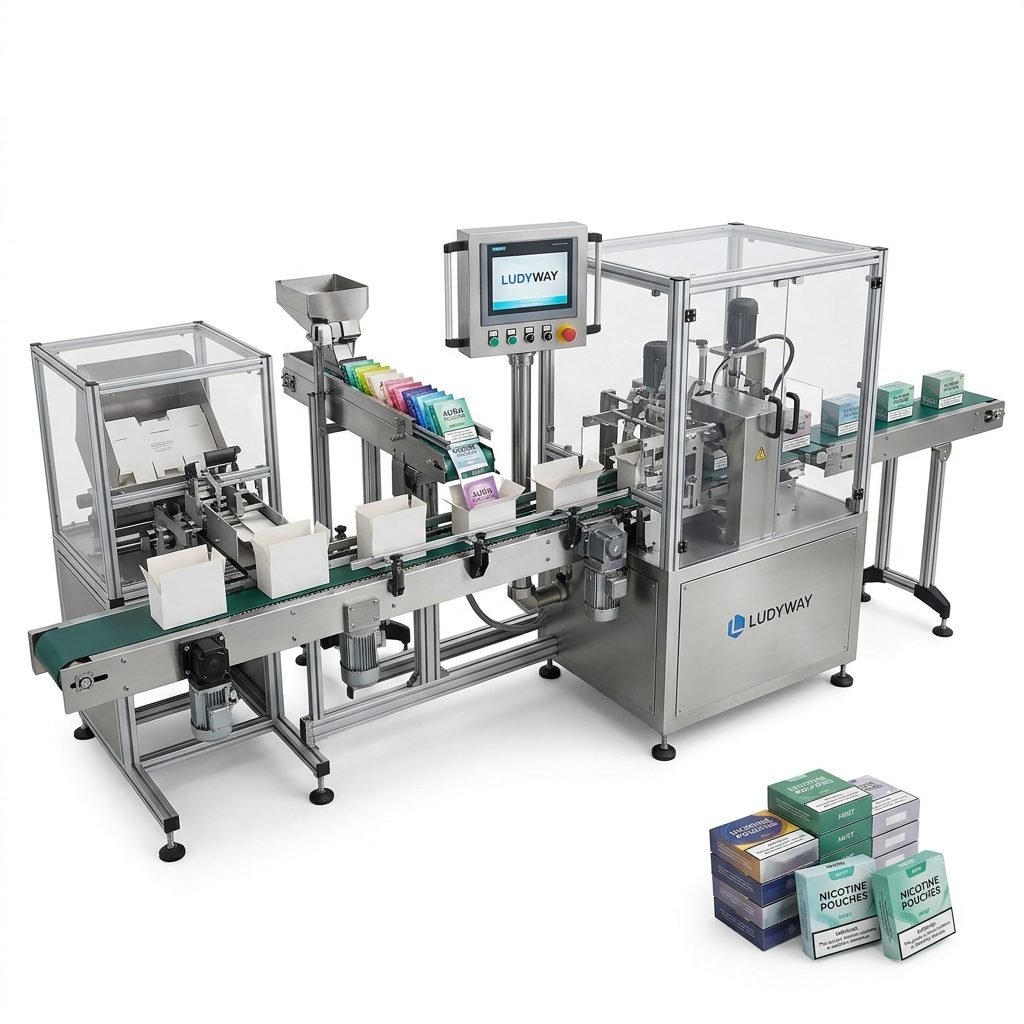
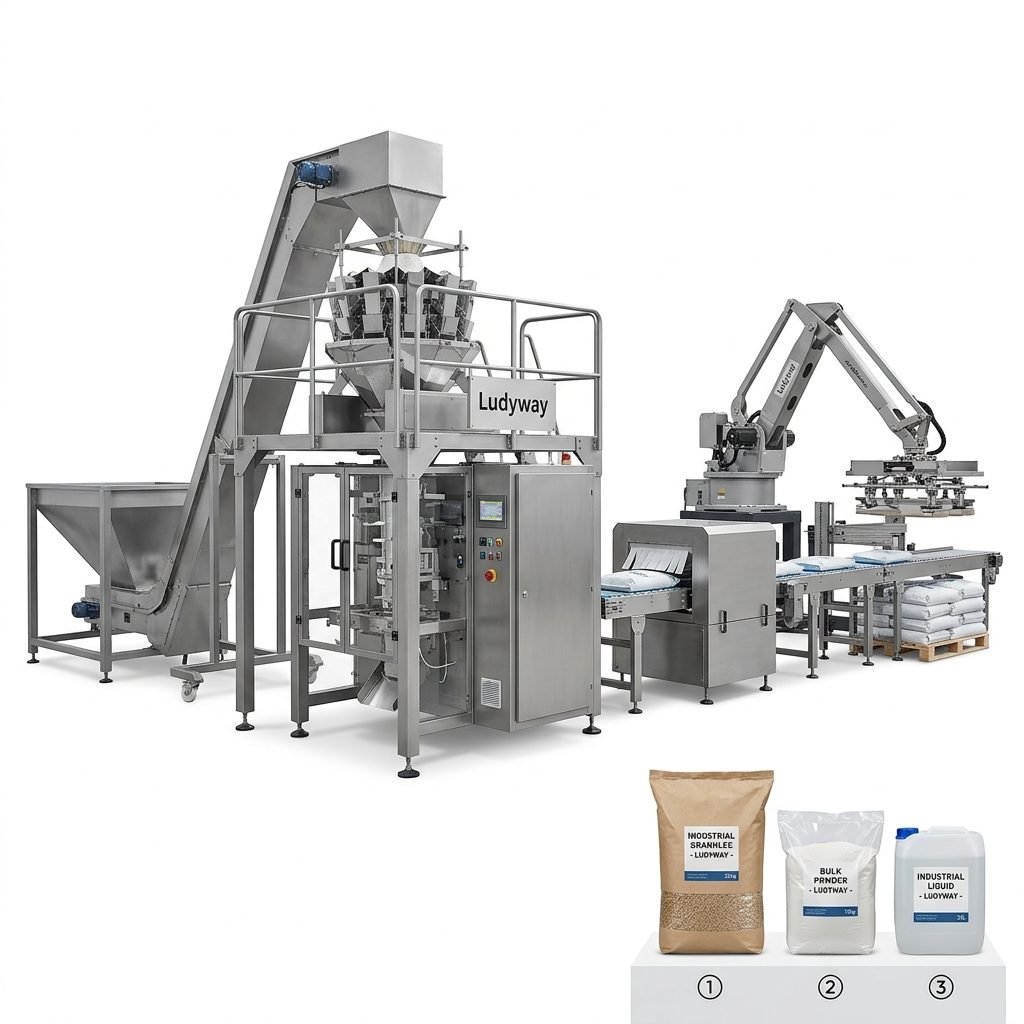
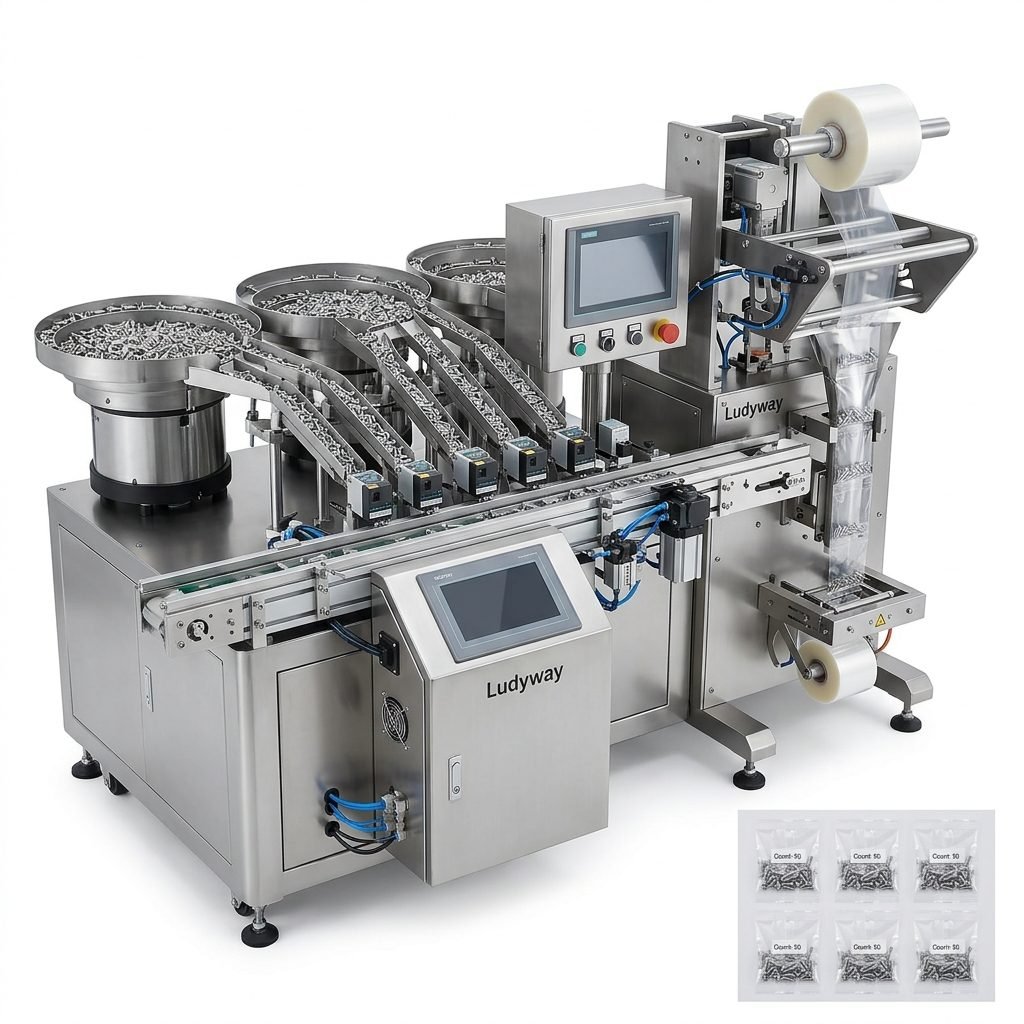
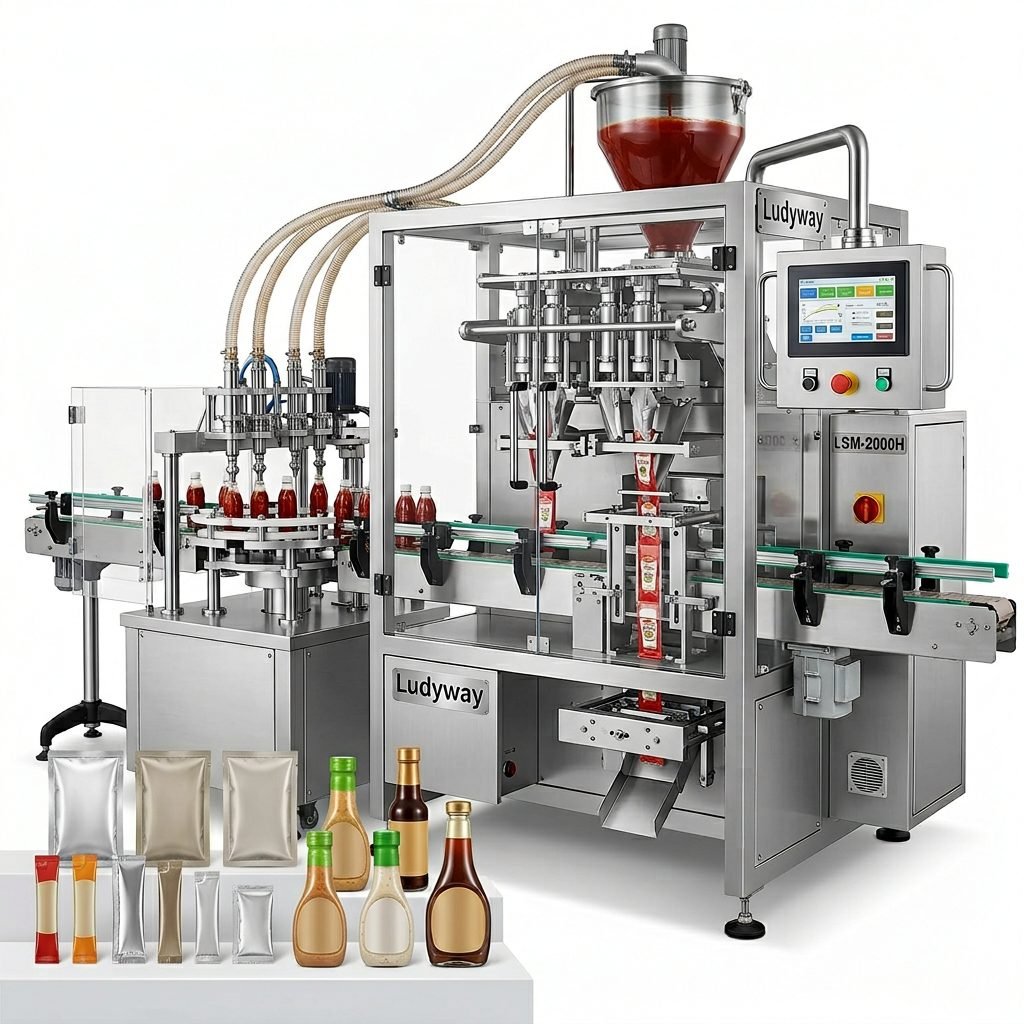
Established packaging machinery manufacturers with global service networks provide the most dependable support for international ready meal producers. Companies like Ludyway, with over 30 years of industry experience and a 20,000㎡ modern manufacturing facility, offer more than 50 intelligent packaging machine models, including multi-lane stick pack, sachet, and fully automated packaging systems. Their engineering team specializes in developing tailored solutions for granule, powder, liquid, and ready meal packaging applications, serving customers in over 100 countries with reliable, cost-effective equipment and professional technical support.
Industry Resources and Recommended Reading
Staying informed about packaging industry trends, standards, and innovations is essential for making sound equipment investments. The following authoritative resources provide valuable insights:
- PMMI – The Association for Packaging and Processing Technologies – Comprehensive industry data, market research, and educational resources for packaging professionals
- Flexible Packaging Association – Industry resources, regulatory updates, and sustainability guidance for flexible packaging applications
- PACK EXPO International – Leading packaging trade show featuring live demonstrations of the latest machinery and technologies
- ISO Packaging Standards – International standards governing packaging design, testing, and performance requirements
- FDA Food Packaging and Food Contact Substances – Regulatory requirements for food packaging materials in the United States market

Selecting the right ready meal packaging machine requires careful evaluation of your production requirements, packaging formats, material preferences, automation goals, and regulatory obligations. By thoroughly assessing these factors and partnering with experienced equipment manufacturers, food companies can build efficient, scalable packaging operations that meet both current demands and future growth objectives. The investment in quality packaging machinery pays dividends through improved product consistency, reduced waste, enhanced food safety, and stronger brand reputation in the competitive global ready meal market.