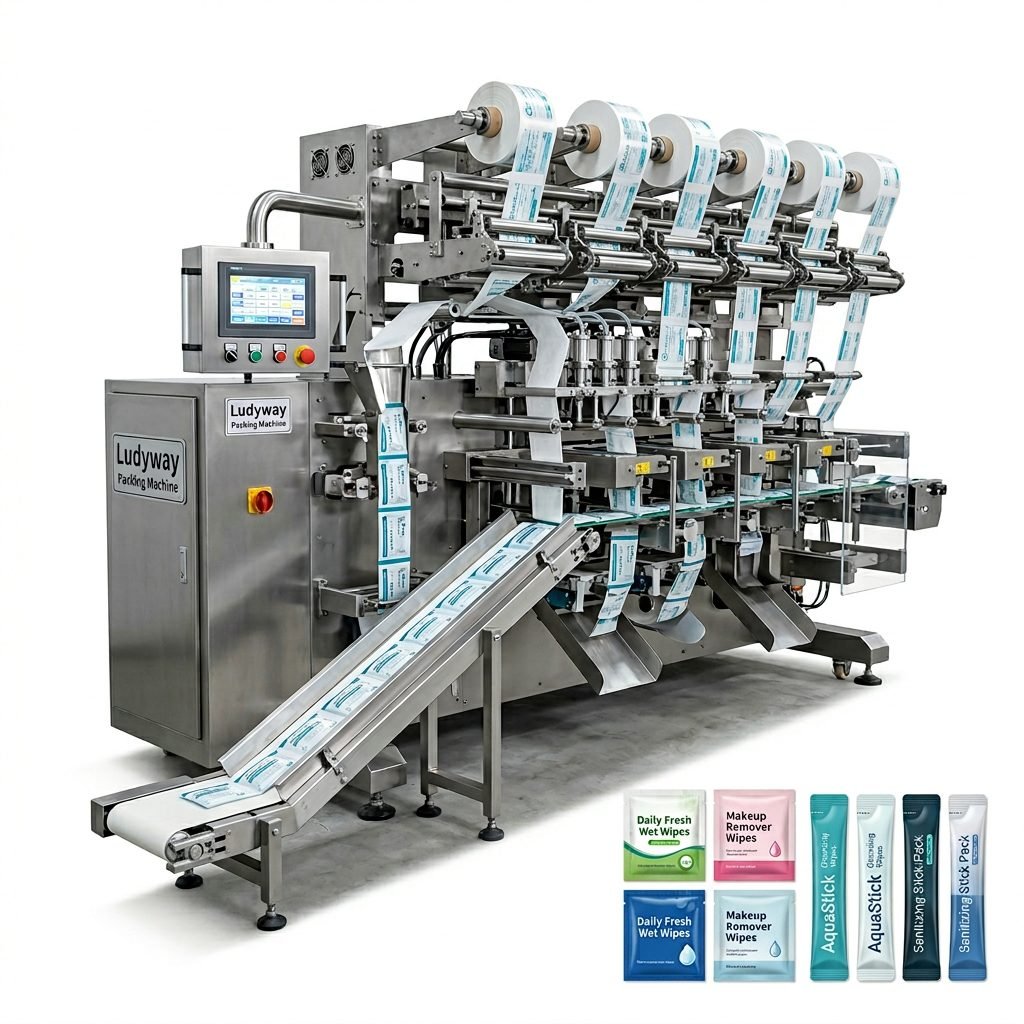
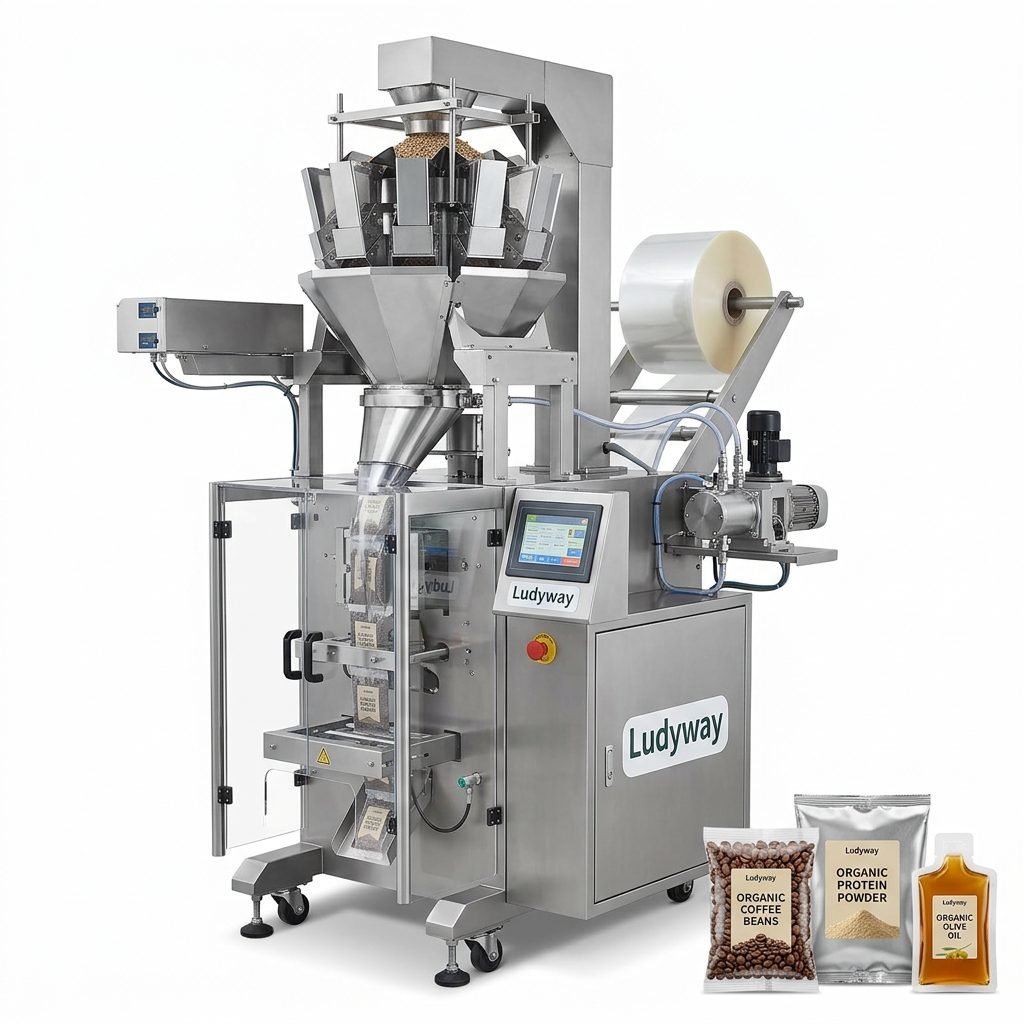
Investing in an all-in-one packing machine is a strategic decision that directly affects your production efficiency, product consistency, and long-term operational costs. With so many models, configurations, and manufacturers available, navigating the selection process can feel overwhelming. Whether you are packaging powders, granules, liquids, or solid products, choosing the right integrated packaging system requires a clear understanding of your product characteristics, production goals, and compliance needs. This guide walks you through every critical factor to help you make an informed, confident purchase.

1. Understand Your Product Characteristics First
Before evaluating any packaging machinery, start with a thorough analysis of the product you need to package. The physical and chemical properties of your product will determine which dosing system, filling mechanism, and sealing technology is appropriate. Key product attributes to assess include:
- Product form: Is it a free-flowing powder, sticky granule, viscous liquid, paste, or solid item? Each form requires a different feeding and filling approach.
- Particle size and density: Fine powders behave differently from coarse granules during filling, and density affects volumetric versus gravimetric dosing accuracy.
- Flow characteristics: Cohesive or hygroscopic products may require specialized hoppers, agitators, or environmental controls to maintain consistent flow.
- Sensitivity: Products sensitive to moisture, oxygen, or light may need modified atmosphere packaging (MAP), nitrogen flushing, or barrier film materials.
- Temperature sensitivity: Heat-sensitive products require careful selection of sealing parameters to avoid degradation.
Common Product Categories and Recommended Configurations
| Product Category | Example Products | Recommended Filling System | Typical Packaging Format |
|---|---|---|---|
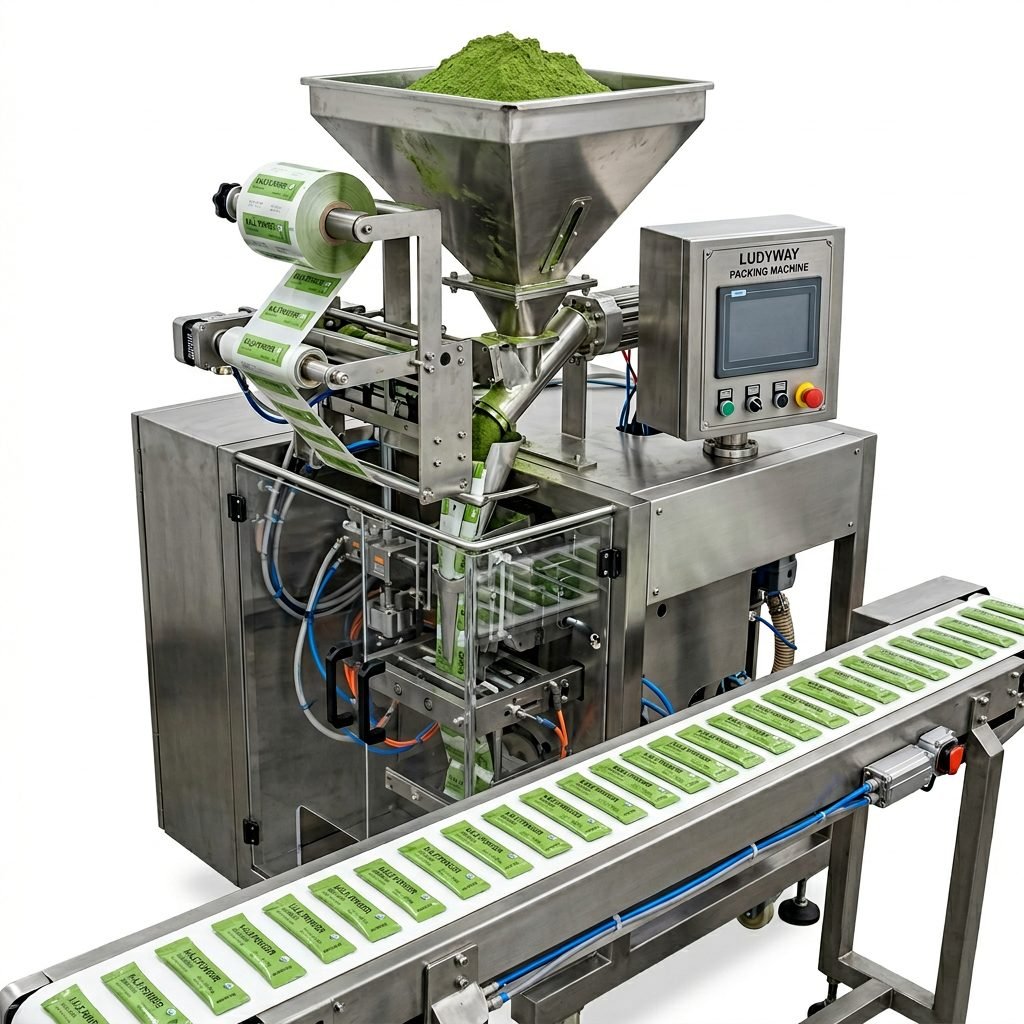
| Powders | Milk powder, protein powder, spices, flour, coffee | Auger filler, gravimetric dosing | Sachet, stick pack, pouch, bag |
| Granules | Sugar, salt, seeds, grains, fertilizer, pet food | Volumetric cup filler, multi-head weigher | Stick pack, sachet, pillow bag, bulk bag |
| Liquids | Juice, sauce, oil, detergent, shampoo, sanitizer | Piston filler, peristaltic pump, flow meter | Sachet, stick pack, pouch, bottle |
| Pastes & Creams | Cosmetics, creams, gels, ointments, food pastes | Piston filler, gear pump | Tube, sachet, jar, bottle |
| Solid Items | Hardware parts, tablets, capsules, snacks, candy | Counting system, multi-head weigher, vibratory feeder | Stick pack, sachet, pouch, carton |
2. Define Your Packaging Format and Bag Style
The packaging format you choose has a major impact on machine configuration. All-in-one packing machines can typically be set up for various bag styles depending on your market requirements, consumer preferences, and distribution channels. Consider which format best serves your product category and brand positioning:
- Stick packs: Slim, single-serve formats ideal for powders, granules, and liquids in the food, beverage, and pharmaceutical sectors. Popular for instant coffee, sugar, supplement powders, and energy drinks.
- Sachets: Flat or four-side-sealed pouches commonly used for sample sizes, single-use products, and portion-controlled packaging across cosmetics, food, and healthcare industries.
- Pillow bags: Versatile three-side-sealed bags suitable for snacks, confectionery, and granular products with high-speed production requirements.
- Gusseted pouches: Stand-up or side-gusseted bags that offer excellent shelf presence for retail products, pet food, coffee, and bulk items.
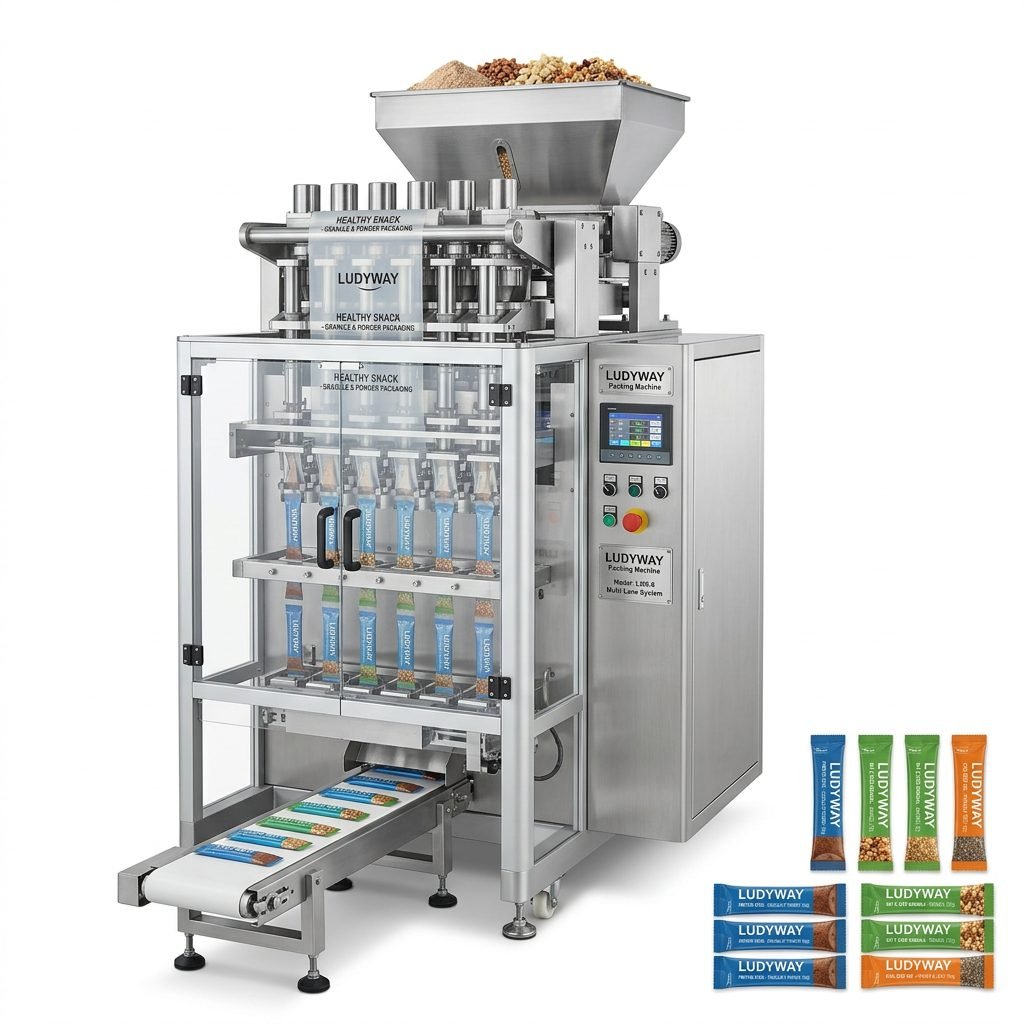
- Multi-lane configurations: Machines with 4, 6, 8, or more lanes running simultaneously for high-volume production of stick packs and sachets.
According to industry data from the Flexible Packaging Association, flexible packaging continues to gain market share due to its material efficiency, extended shelf life, and convenience features. Selecting the right bag style early in your planning process helps narrow down compatible machine models.
3. Determine Your Production Speed and Capacity Requirements
Production speed is one of the most important technical specifications when comparing all-in-one packing machines. Speed is typically measured in packs per minute (ppm) or bags per minute (bpm), and the required rate depends on your current and projected output needs.
Key considerations for speed selection:
- Current daily or shift-based output: Calculate your actual production demand, not an aspirational figure. Overestimating can lead to unnecessary capital expenditure.
- Future growth: Select a machine that can accommodate your 3-5 year growth projection. Modular machines that allow lane expansion are valuable here.
- Product type impact: Fine powders generally fill slower than free-flowing granules. Viscous liquids take longer than water-thin products. Account for this in speed expectations.
- Multi-lane advantage: A single multi-lane machine running 6-10 lanes can achieve the output of multiple single-lane machines while reducing floor space and operator requirements.
Industry benchmarks indicate that modern multi-lane stick pack machines can achieve 400-600 packs per minute or more across multiple lanes, making them suitable for high-volume contract packagers and large manufacturers.
Speed vs. Accuracy Trade-Off
Higher speeds can sometimes compromise fill accuracy, especially with challenging products. Look for machines that offer servo-driven dosing systems capable of maintaining precision at high speeds. Gravimetric (weight-based) filling systems generally provide better accuracy than volumetric systems, though they may operate at slightly lower speeds.
4. Evaluate Automation Level and Integration Capabilities
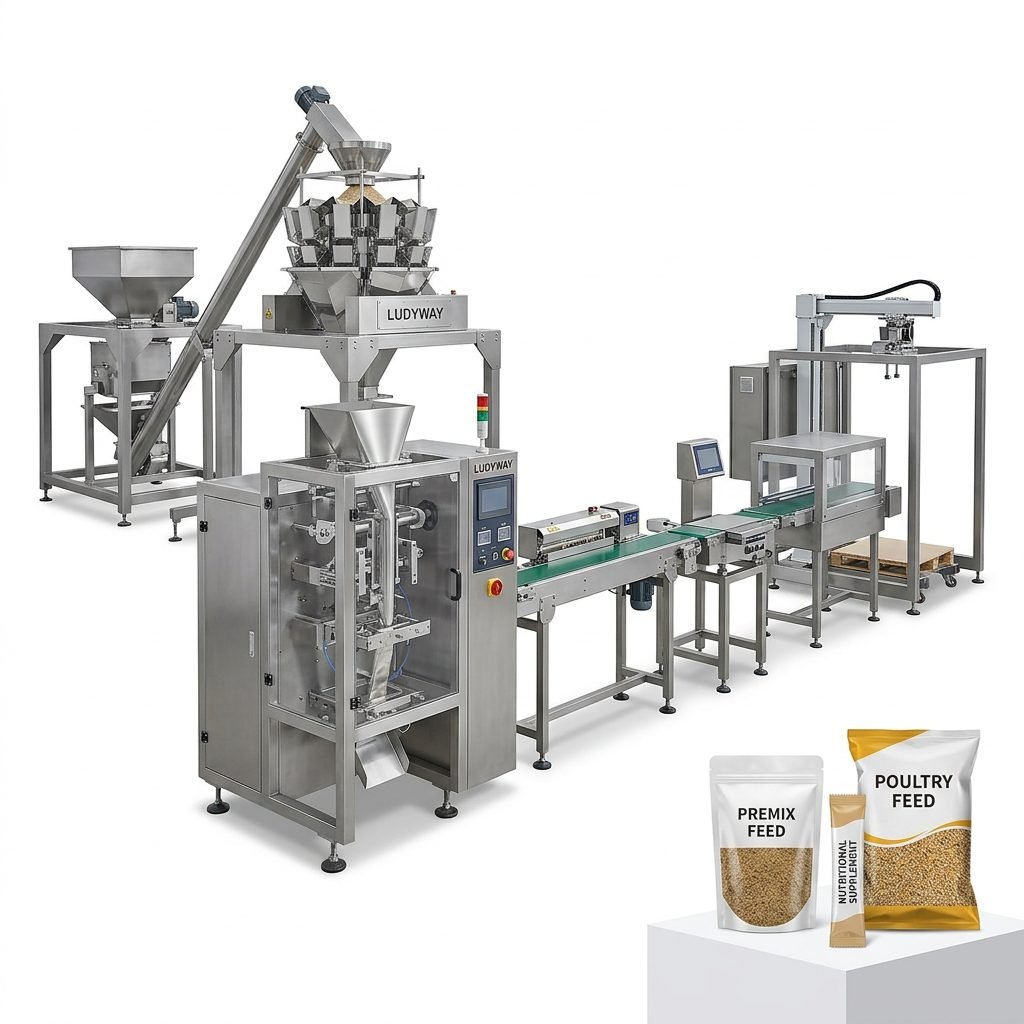
An all-in-one packing machine should streamline your entire packaging process, but the degree of automation varies significantly between models. Consider which stages you want to automate and how the machine will integrate with your existing production line:
- Feeding systems: Automatic hopper loaders, screw conveyors, bucket elevators, or vacuum feeding systems that eliminate manual product loading.
- Dosing and filling: Servo-controlled auger fillers, multi-head weighers, piston fillers, or flow meters with automatic adjustment and recipe memory.
- Sealing technology: Heat sealing, ultrasonic sealing, or impulse sealing with precise temperature control and dwell time adjustment.
- In-line inspection: Integrated checkweighers, metal detectors, X-ray inspection, and vision systems for quality assurance.
- Coding and labeling: Thermal transfer overprinters, inkjet coders, or laser marking systems for batch codes and expiration dates.
- End-of-line automation: Automatic cartoning, case packing, palletizing, and stretch wrapping for complete line integration.

5. Material Compatibility and Sustainability Considerations
The packaging film or material you plan to use directly influences machine selection. Not all machines handle all materials equally well. Important material-related factors include:
- Film type: Laminated films, mono-materials, paper-based laminates, aluminum foil, and biodegradable films each have different sealing characteristics and runnability.
- Material thickness: Thicker films require higher sealing temperatures and may limit machine speed.
- Sustainability trends: With increasing regulatory pressure on packaging waste, many manufacturers are transitioning to recyclable mono-material structures. According to the European Commission’s packaging and packaging waste regulation, sustainable packaging design is becoming a market requirement. Ensure your chosen machine can handle these newer material types.
- Barrier properties: Products requiring high oxygen or moisture barriers may need machines capable of handling specialty films with consistent seal integrity.
6. Compliance with Industry Standards and Certifications
For manufacturers in regulated industries such as food, pharmaceuticals, and medical devices, equipment compliance is non-negotiable. When evaluating packaging machinery, verify that the equipment can be configured to meet applicable standards:
- Food safety: Machines should be designed with sanitary features including stainless steel construction, easy-clean surfaces, and minimal crevices. Refer to FDA food packaging and food contact substances guidance for U.S. market requirements.
- Pharmaceutical standards: Equipment for pharmaceutical packaging should support validation protocols, cleanroom compatibility, and serialization requirements.
- ISO packaging standards: International standards such as ISO 11607 for medical device packaging and other relevant ISO guidelines should be considered for global market access.
- CE marking and electrical safety: For machines exported to European markets, CE compliance and relevant electrical safety certifications are mandatory.
- GAMP and 21 CFR Part 11: For pharmaceutical applications, computerized systems should support data integrity and electronic record requirements.
7. Assess Manufacturer Capabilities and Long-Term Support
Choosing the right packaging machinery manufacturer is as important as choosing the right machine. A reliable manufacturer provides more than equipment — they deliver technical expertise, customization support, and after-sales service that affects your total cost of ownership over the machine’s lifespan.
Key factors to evaluate in a packaging machinery partner:
- Industry experience: Decades of focused experience in packaging machinery engineering and application knowledge.
- Manufacturing capability: A substantial in-house manufacturing facility with engineering and automation teams.
- Customization ability: The capability to adapt machine configurations to specific product and packaging requirements rather than offering only standard models.
- Global service network: Technical support availability across multiple regions for installation, commissioning, training, and troubleshooting.
- Spare parts availability: Ready access to genuine spare parts to minimize downtime.
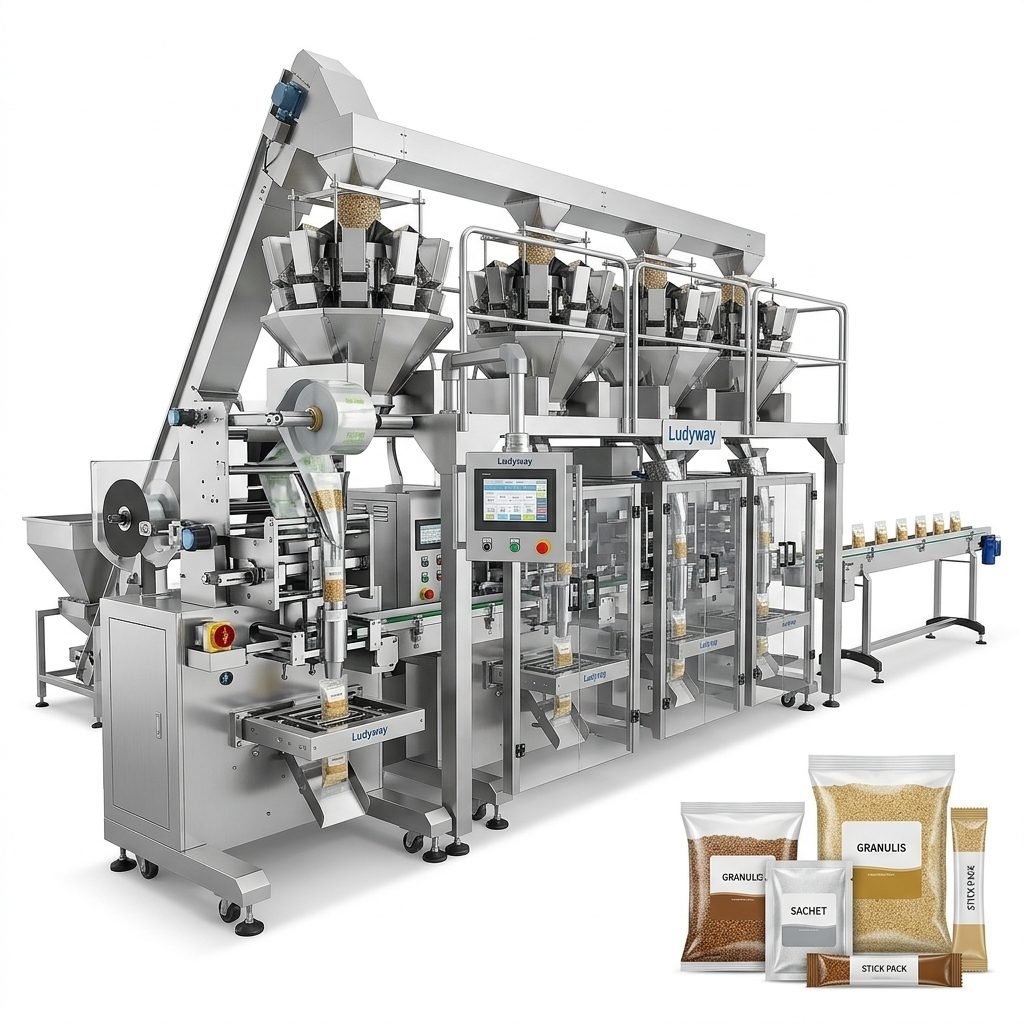
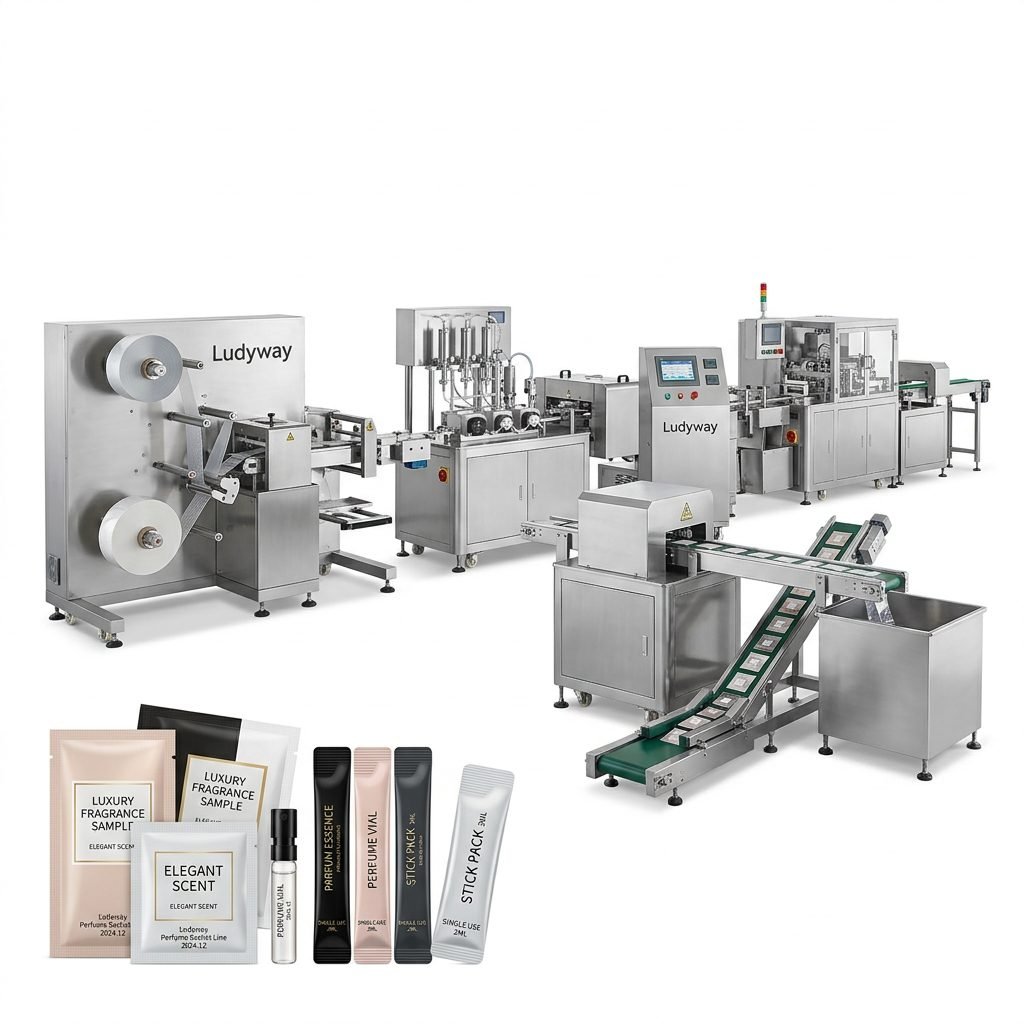
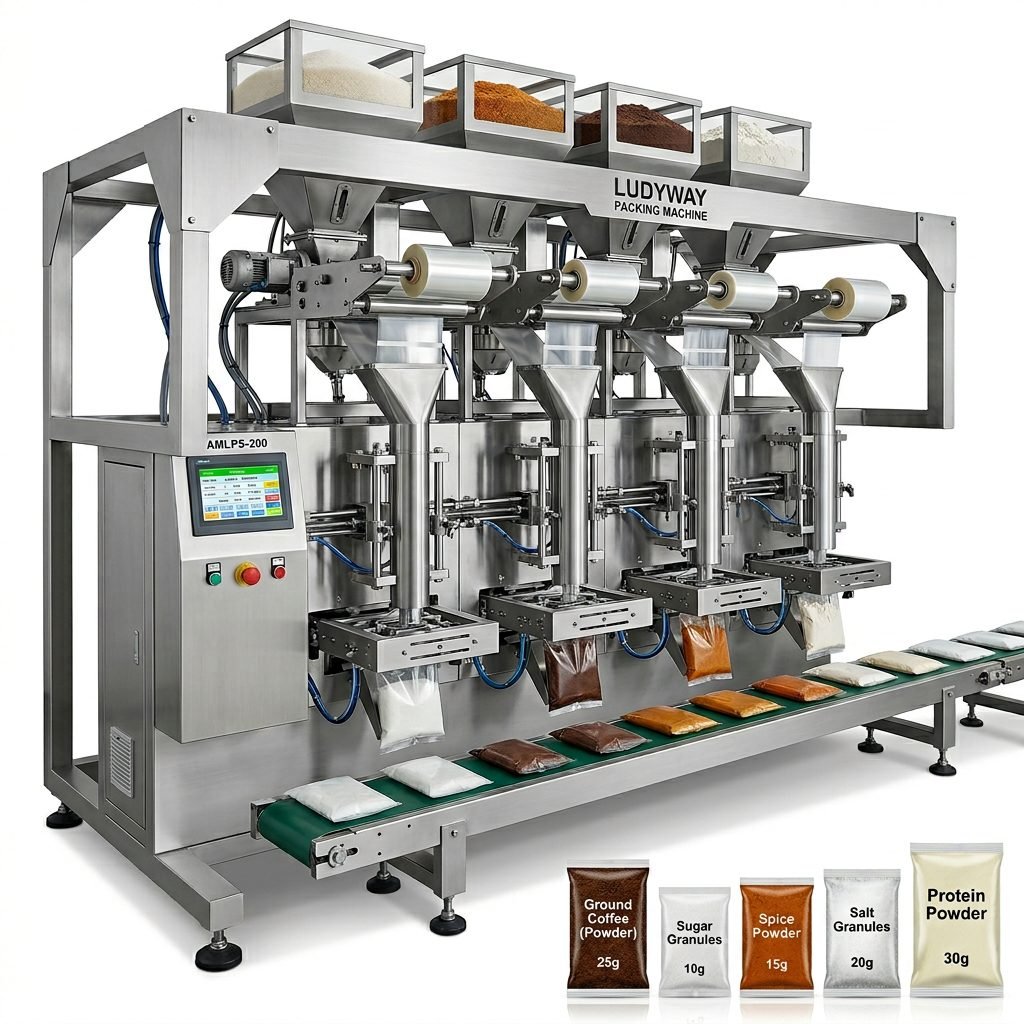
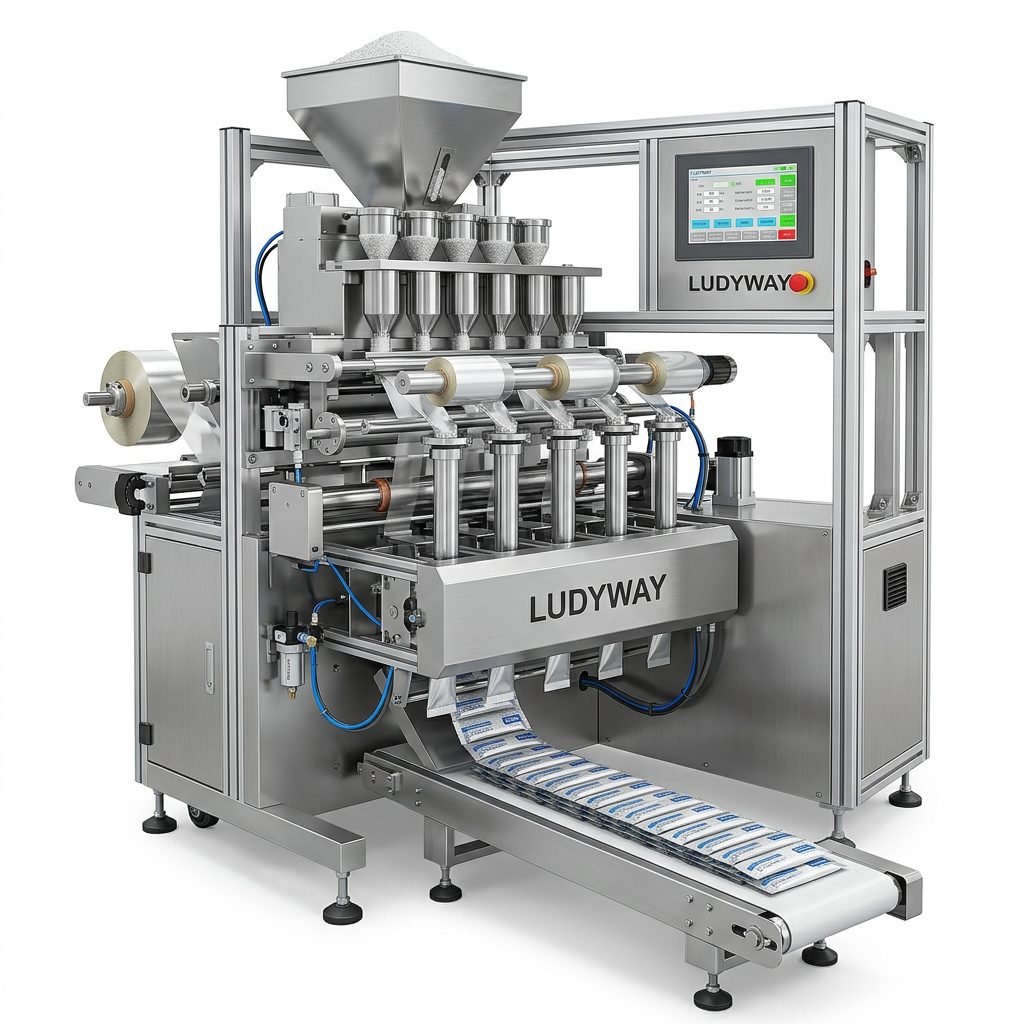
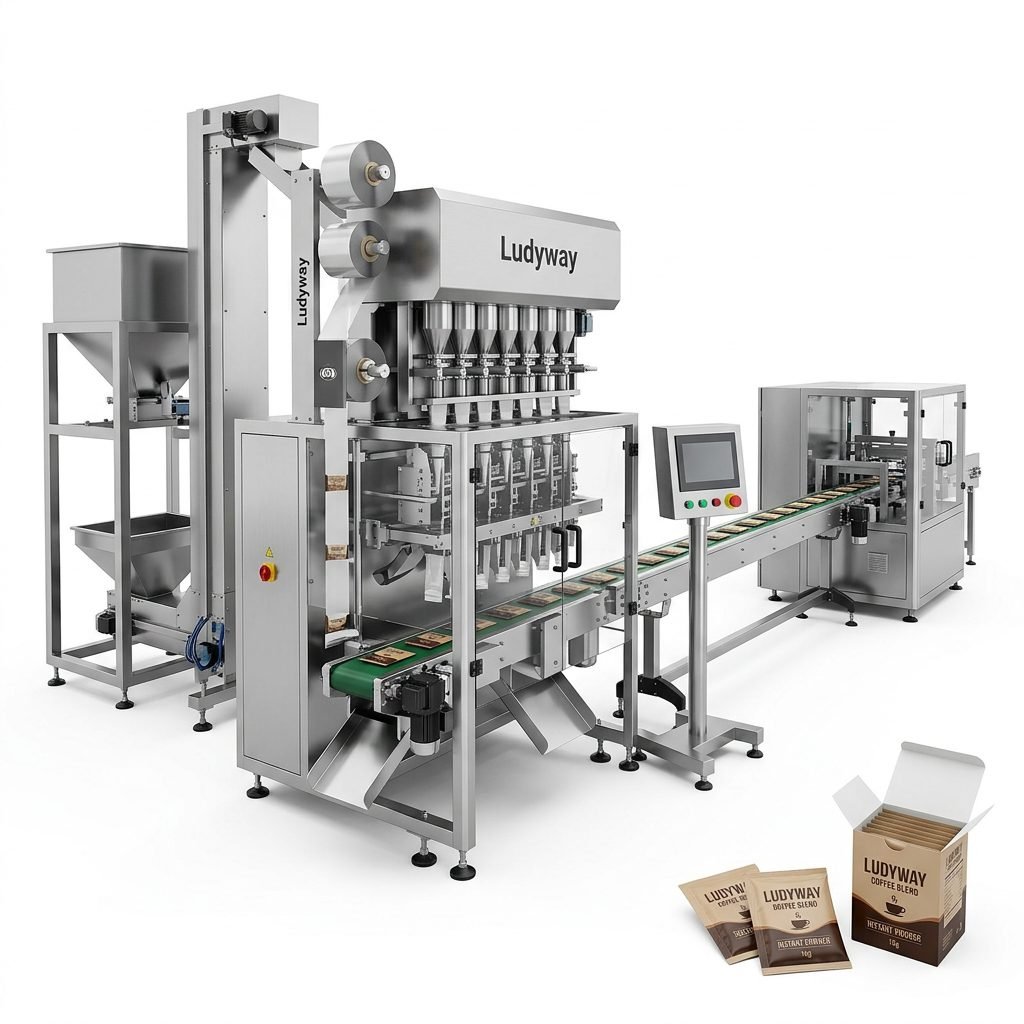
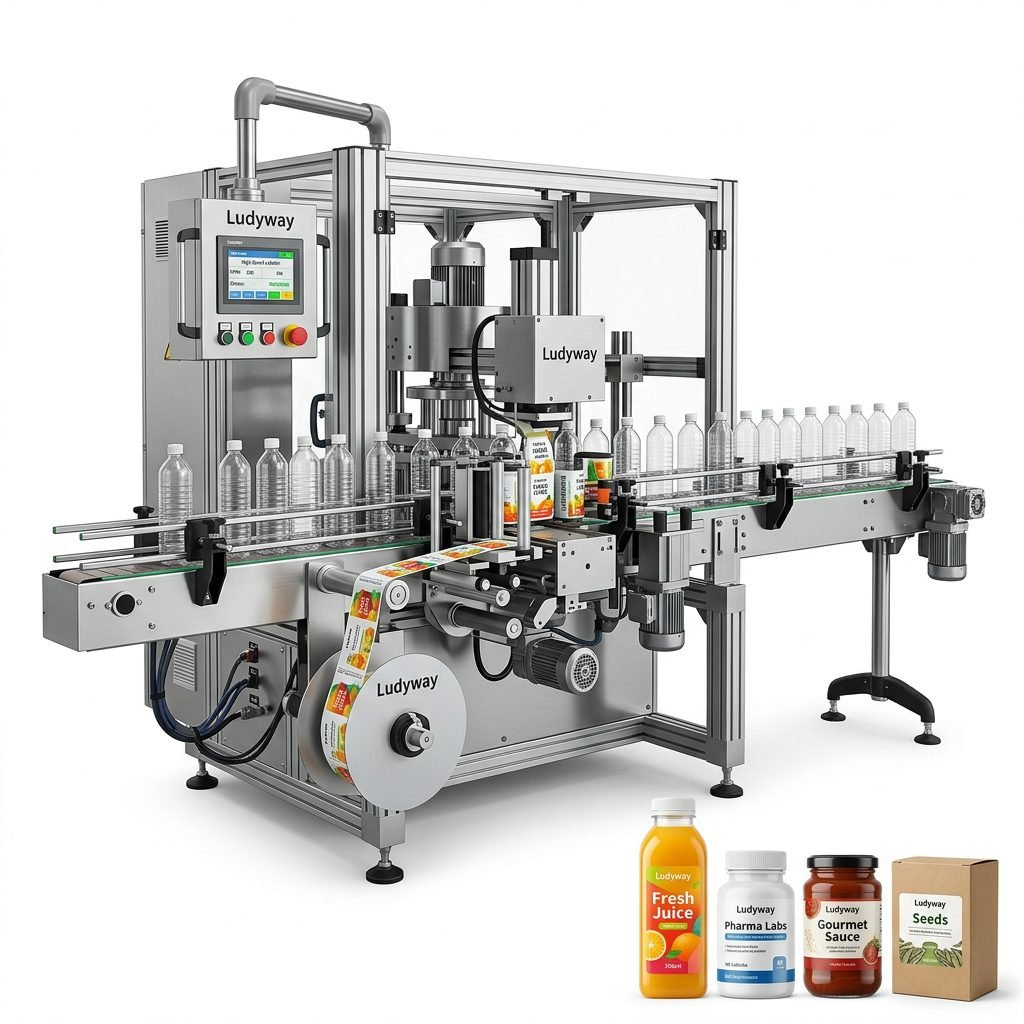
Ludyway Machinery, a China-based packaging machinery manufacturer with more than 30 years of industry experience, exemplifies this comprehensive approach. Operating from a 20,000-square-meter manufacturing facility with over 130 professionals and more than 50 packaging machine models, Ludyway provides automated packaging equipment and turnkey solutions for manufacturers across food and beverage, pharmaceutical, cosmetics, chemical, and animal feed industries. The company serves customers in more than 100 countries and regions, with customized packaging machinery designed for different products, packaging formats, and production requirements. Ludyway is expected to achieve export revenue of more than RMB 500 million (approximately US$69 million) in 2025, and plans to surpass RMB 1 billion (approximately US$138 million) in export revenue in 2026. For more insights on the company’s global growth trajectory, read the Ludyway Packaging Machinery Global Growth Trend report.

8. Total Cost of Ownership (TCO) Analysis
The purchase price of an all-in-one packing machine is only one component of its total cost. A comprehensive TCO analysis should include:
| Cost Category | Considerations | Estimated Impact |
|---|---|---|
| Initial equipment cost | Machine price, tooling, optional accessories, shipping, and import duties | One-time capital expenditure |
| Installation and commissioning | On-site setup, calibration, operator training, and production trial runs | One-time setup cost |
| Consumables | Packaging film, spare parts, lubricants, and cleaning supplies | Ongoing operational cost |
| Maintenance and repairs | Preventive maintenance, replacement parts, and unexpected repairs | Annual recurring cost |
| Energy consumption | Electrical power, compressed air requirements, and cooling systems | Monthly utility cost |
| Downtime cost | Lost production during maintenance, changeovers, or breakdowns | Variable but significant |
9. Flexibility and Changeover Efficiency
For manufacturers producing multiple products or package sizes on the same line, changeover speed is critical. Modern all-in-one packing machines offer features that minimize downtime between production runs:
- Tool-less changeover: Quick-release components that allow format changes without specialized tools.
- Recipe storage: Digital recipe management systems that store parameters for different products, reducing setup time and operator error.
- Servo-driven adjustments: Automated adjustments for bag length, filling volume, and sealing parameters controlled through the HMI interface.
- Modular station design: Interchangeable filling and sealing modules that accommodate different product types and packaging formats on the same base machine.
According to PMMI packaging industry business intelligence, reducing changeover time is one of the top priorities for packaging operations seeking to improve overall equipment effectiveness (OEE).
10. Space, Utility Requirements, and Installation Planning
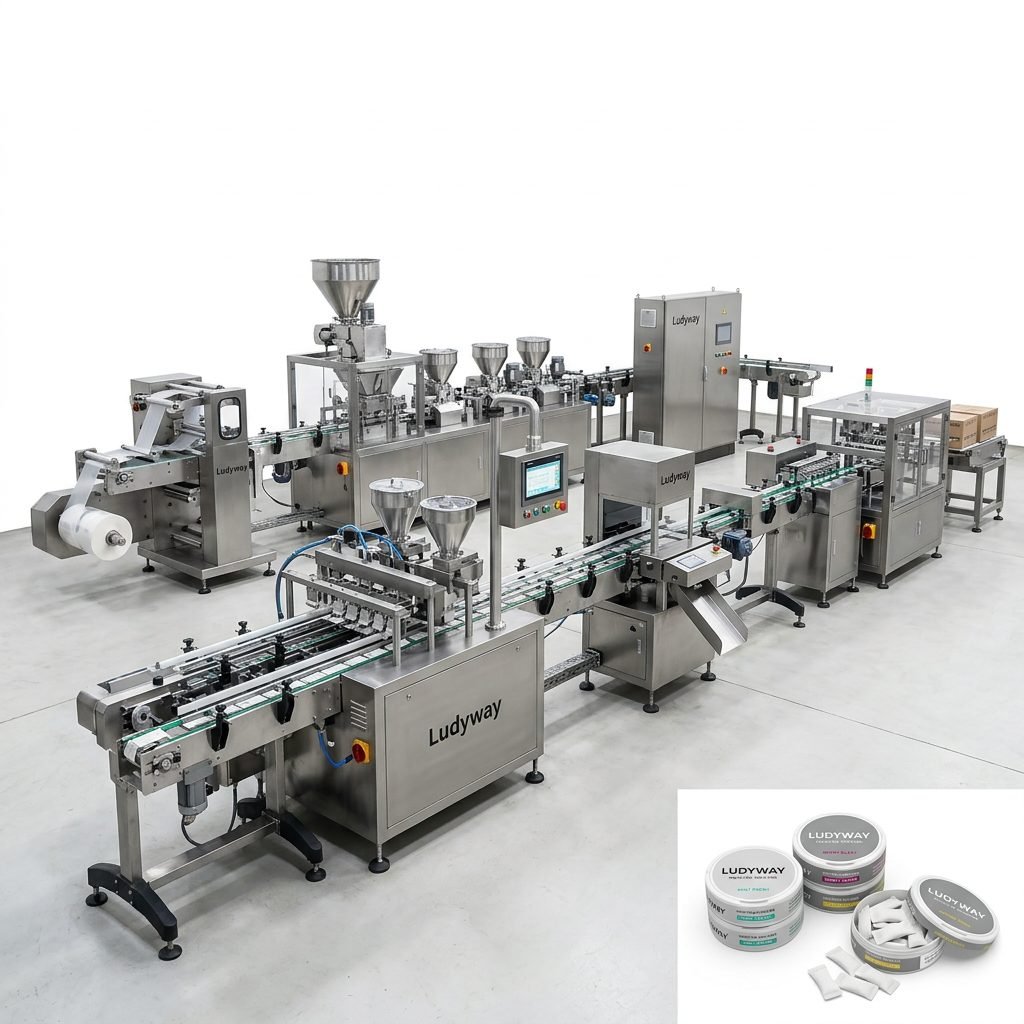
Before finalizing your equipment selection, confirm that your facility can accommodate the machine. An all-in-one packing machine may consolidate multiple functions, but it still requires adequate space and utilities:
- Floor space: Measure the machine footprint plus required clearance for operation, maintenance access, and material loading. Multi-lane machines are generally more space-efficient than running multiple single-lane units.
- Power supply: Verify voltage, phase, and frequency requirements. Some machines may require 380V three-phase power common in industrial settings.
- Compressed air: Many pneumatic components require a clean, dry compressed air supply at specified pressure and flow rates.
- Environmental conditions: Some products and packaging materials require controlled temperature and humidity in the packaging area for optimal performance.
- Dust extraction: Powder packaging operations may require integrated dust collection systems to maintain a clean working environment and comply with workplace safety standards.
Final Thoughts: A Strategic Approach to Equipment Selection
Choosing the right all-in-one packing machine is not simply about comparing technical specifications or prices. It requires a holistic evaluation of your product characteristics, production goals, compliance obligations, and long-term operational strategy. The most successful packaging equipment investments come from partnering with a manufacturer that offers:
- Application expertise across your specific product category and industry
- Customized configurations rather than forcing your product to fit a standard machine
- Scalable solutions that accommodate growth without requiring full equipment replacement
- Reliable after-sales support including training, maintenance, spare parts, and remote technical assistance
- Global standards compliance with certifications and documentation for your target markets
Take the time to test your products on candidate machines, visit manufacturing facilities when possible, and speak with existing customers about their experience. A well-chosen all-in-one packing machine should serve as a reliable production asset for 10-15 years or more, making the upfront due diligence a worthwhile investment. For comprehensive industry resources and market data to support your decision, explore the PMMI packaging industry resources portal for reports, standards, and educational content.