Understanding Your Aluminium Packaging Needs
Selecting the right aluminium packaging machine is a critical investment for manufacturers handling powders, granules, liquids, or solid products that require barrier protection, extended shelf life, or a premium look. Aluminium-based packaging formats—such as stick packs, sachets, pouches, and blister packs—demand machines that can handle delicate foil materials without compromising seal integrity or production speed. Before evaluating specific models, you must first map your production goals: target output per minute, bag dimensions, filling weight accuracy, and compatibility with existing line automation.

Critical Factors in Machine Selection
When comparing aluminium packaging solutions, pay close attention to these technical and operational factors. Ignoring them can lead to material waste, excessive downtime, or regulatory non-compliance.
- Sealing technology: Aluminium foil requires precise temperature, pressure, and dwell time. Opt for machines with servo-driven sealing jaws or thermal impulse sealing for consistent hermetic seals.
- Material handling: Thin aluminium laminates are prone to tearing. Look for web tension control systems and unwind stations designed for sensitive films, not just standard plastics.
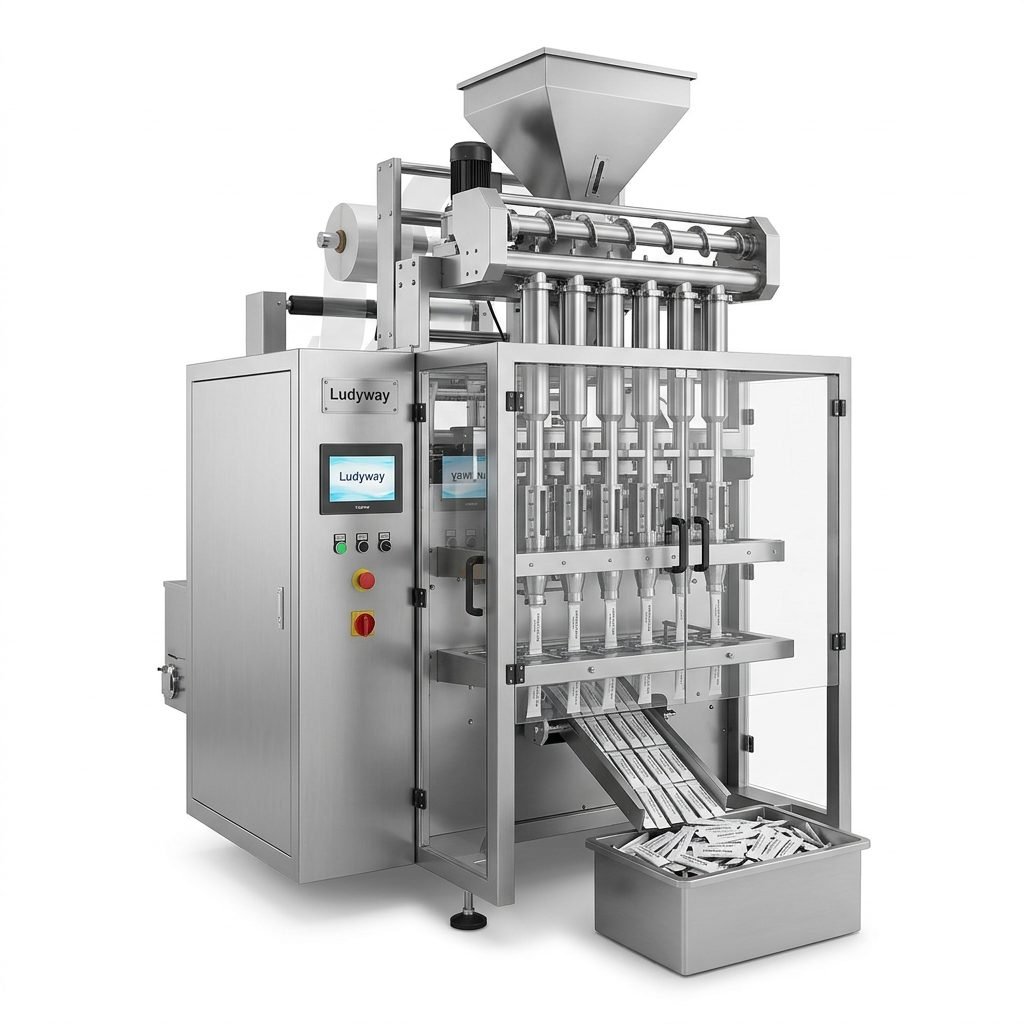
- Speed and layout: Single-lane or multi-lane configurations determine throughput. A multi-lane stick pack machine can multiply outputs while maintaining foil-friendly handling.
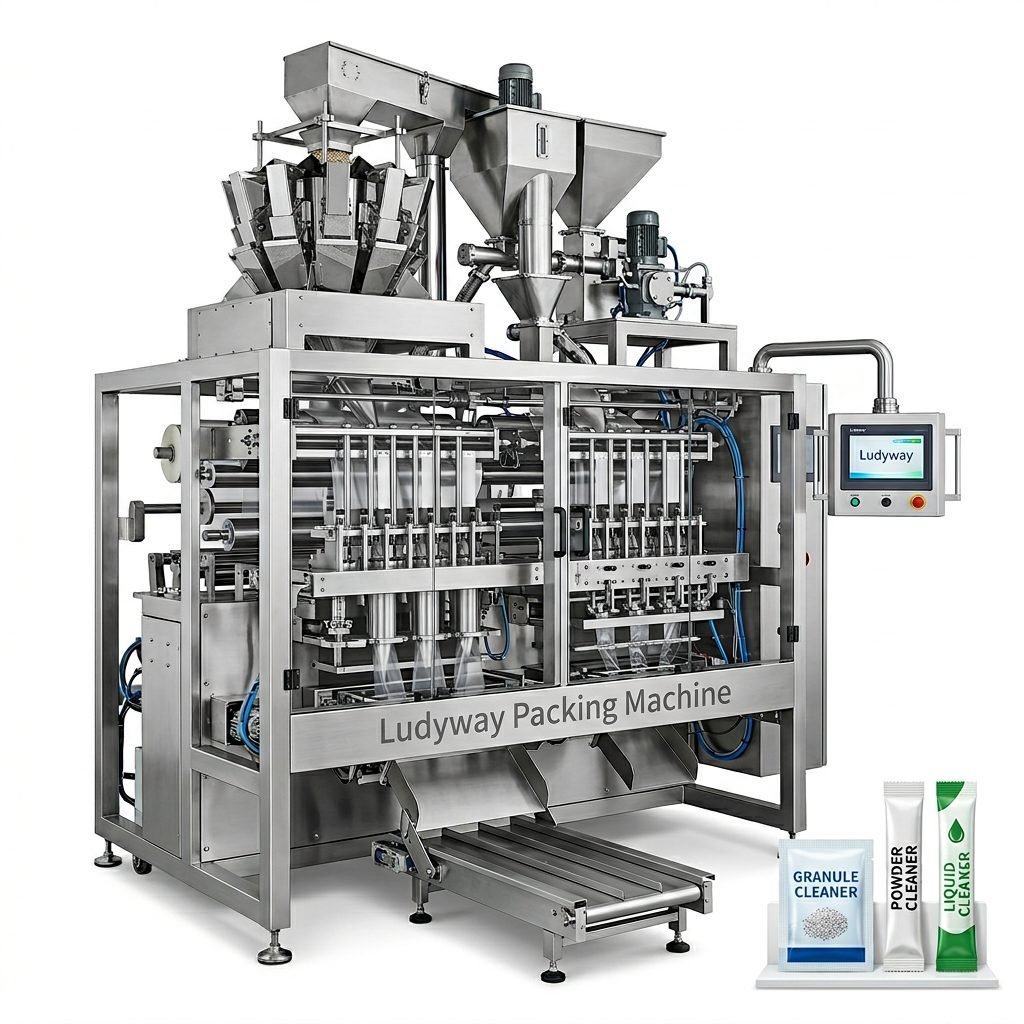
- Filling accuracy: Whether dosing powders, granules, or liquids into aluminium sachets, volumetric, auger, or net-weight fillers must be calibrated for the product’s density and flow characteristics.
- Format flexibility: Your machine should accommodate various aluminium pouch styles—three-side seal, four-side seal, gusseted, or stand-up pouches—to future-proof your packaging line.
Key Machine Types and Capabilities
Aluminium packaging machinery covers a wide spectrum. The table below outlines common configurations and their typical applications.
| Machine Type | Primary Applications | Key Advantage for Aluminium |
|---|---|---|
| Multi-Lane Stick Pack | Coffee, sugar, supplements, pharmaceuticals | Gentle foil handling at high speeds |
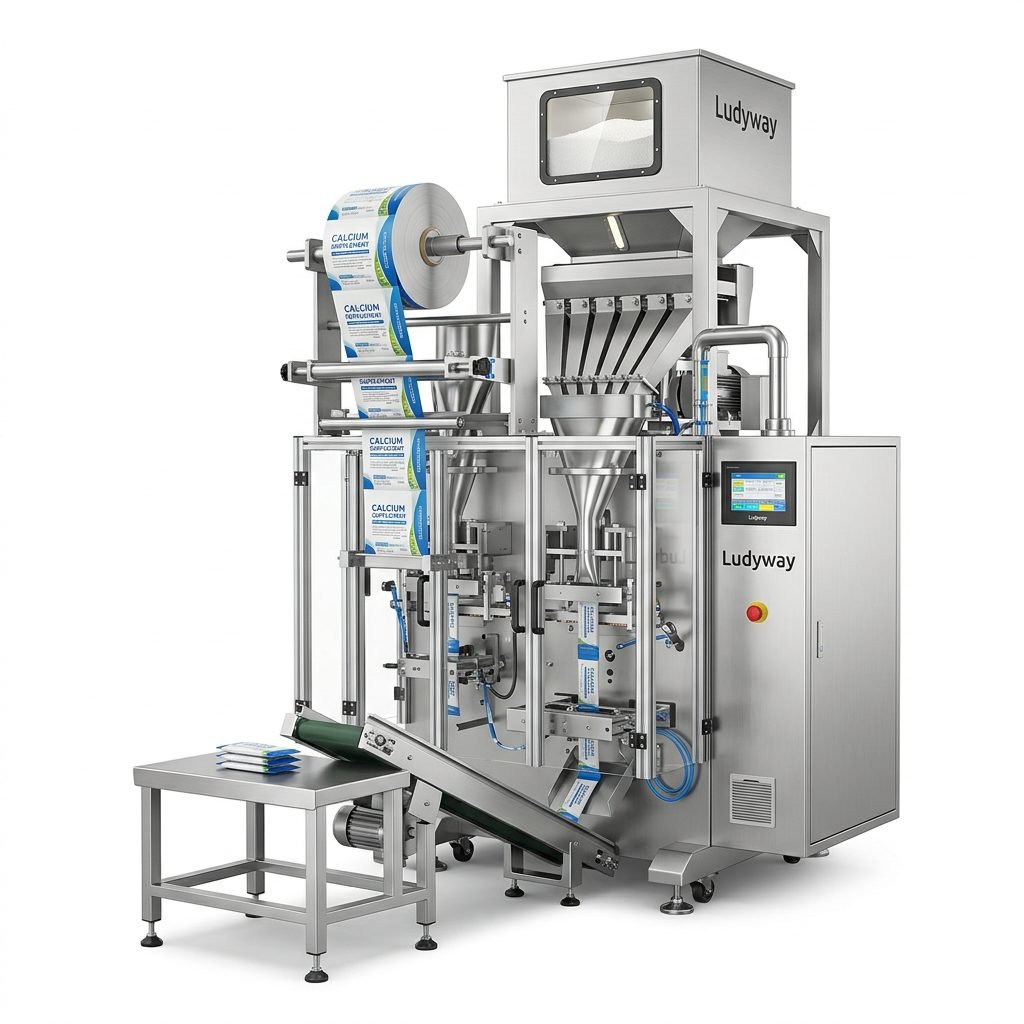
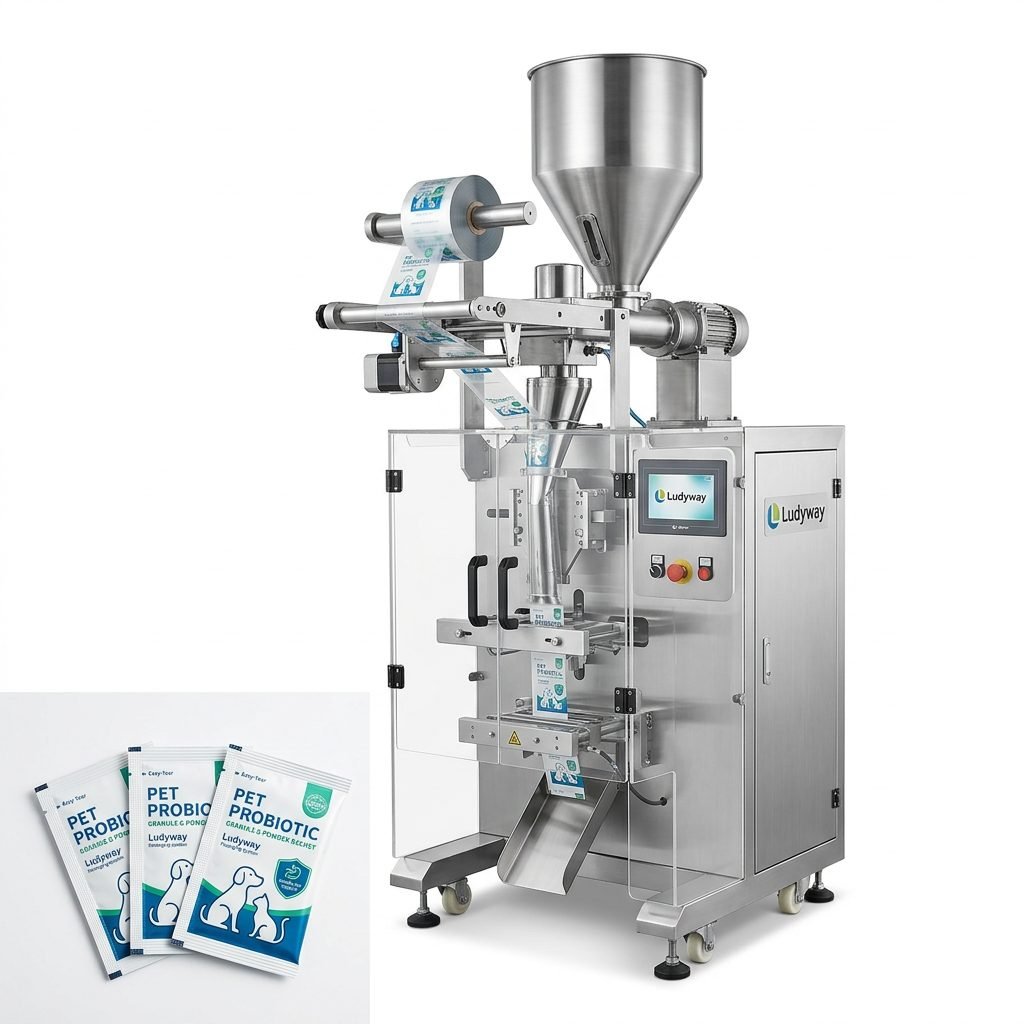
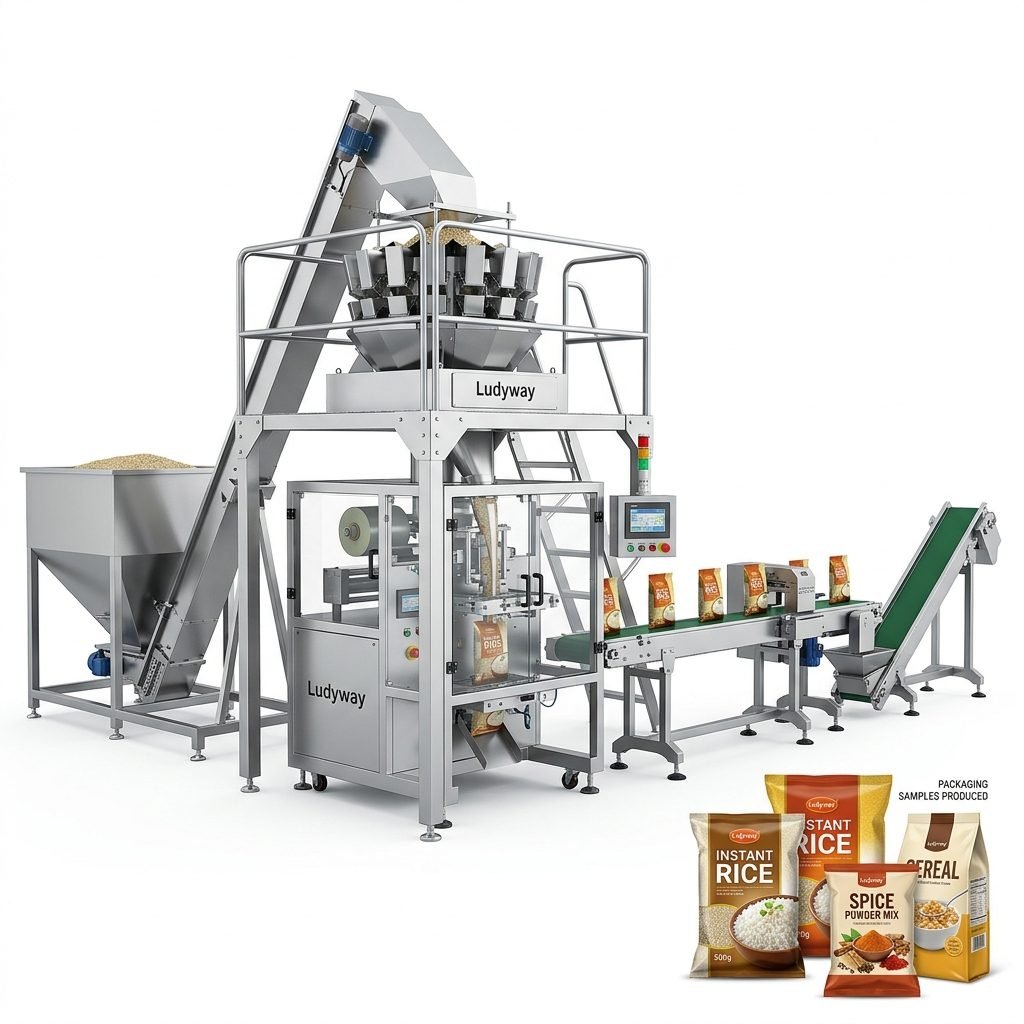
| Vertical Form Fill Seal (VFFS) | Powders, granules, snacks, pet food | Reliable for heavier aluminium laminates |
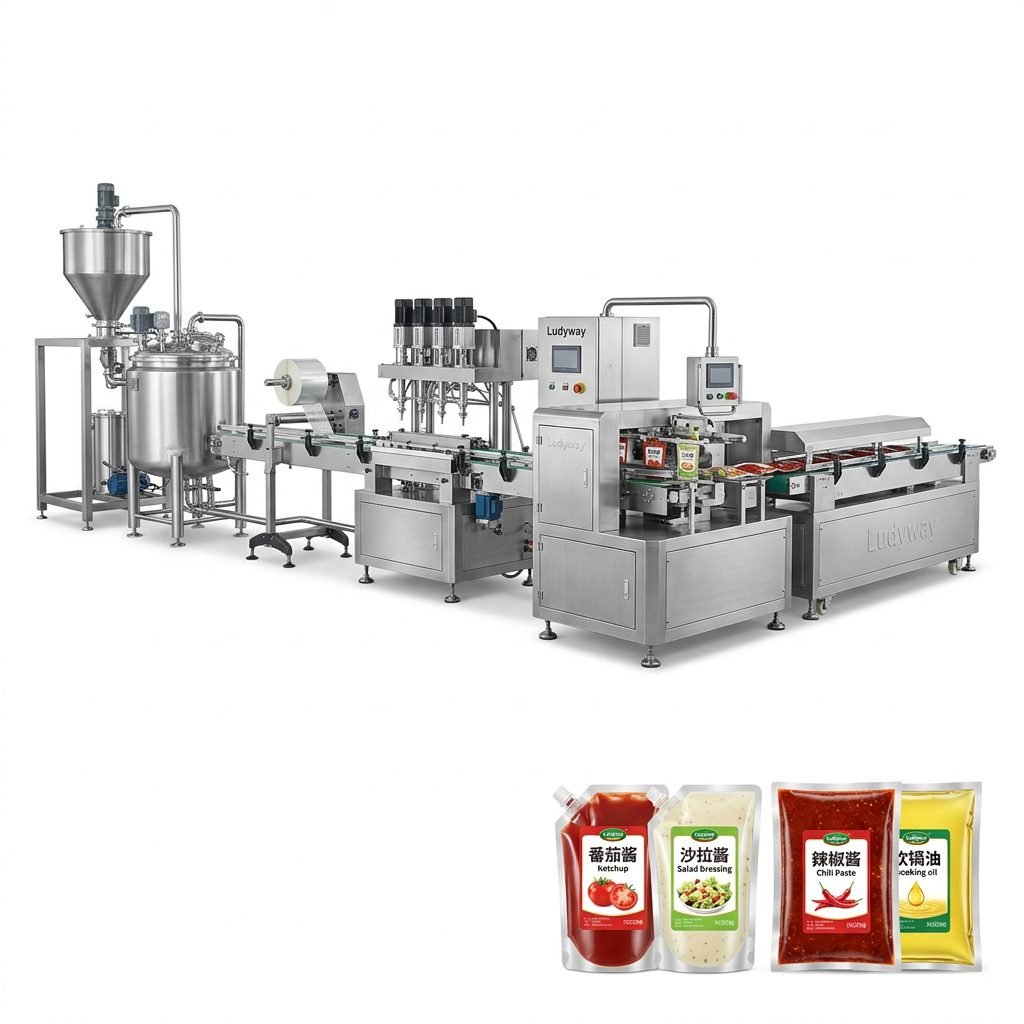
| Pre-Made Pouch Filling | Liquids, creams, medical devices | Preserves pre-formed aluminium pouch integrity |
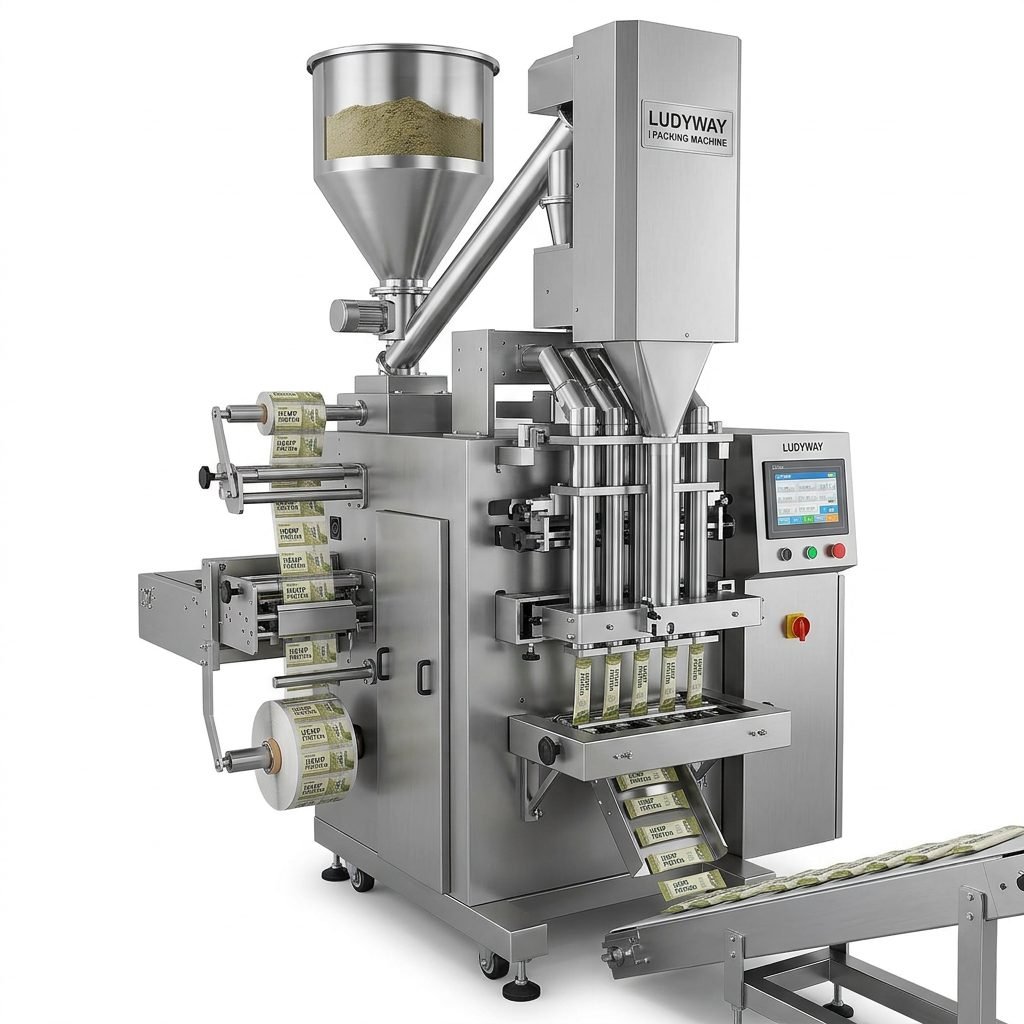
| Sachet Packaging | Condiments, cosmetics, single-dose products | Supports ultra-thin aluminium foils for cost-effective unit packaging |
Meeting Regulatory and Quality Standards
Aluminium packaging often serves the food, pharmaceutical, and health industries, where compliance with strict regulations is non-negotiable. Always verify that your chosen machine can be configured to meet FDA food contact regulations in the US or equivalent international norms. For medical or sterile applications, adherence to ISO 11607 packaging standards is essential. Additionally, machinery designed with GMP and hygienic design principles makes cleaning and validation faster, especially when switching between aluminium and other materials.

Evaluating Throughput, Integration, and Scalability
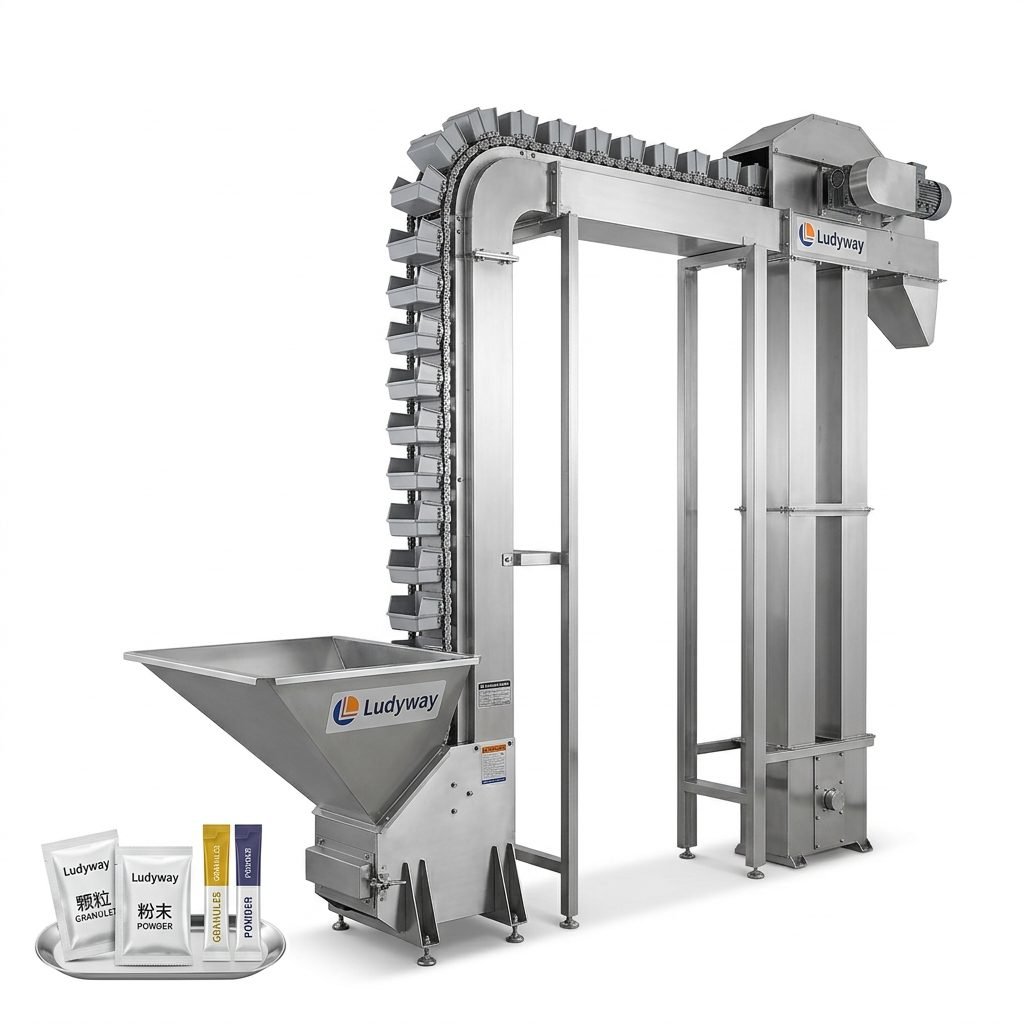
Beyond standalone performance, an aluminium packaging machine should integrate seamlessly with upstream feeders, metal detectors, checkweighers, and downstream cartoning or case packing systems. According to the latest state of the industry report from PMMI, connected, scalable packaging lines are driving efficiency gains across the sector. When assessing a machine, ask about modularity: can you upgrade from a single-lane to a multi-lane setup later? Are the control architecture and data interfaces compliant with Industry 4.0 standards? These considerations protect your investment as production volumes grow.
Why Experience Matters in Manufacturing

Working with an established packaging machinery manufacturer significantly reduces project risk. Look for partners who offer in-house engineering, application testing, and after-sales support. A robust supply chain ensures consistent component quality for aluminium sealing parts, which directly impacts machine longevity. Ludyway Machinery, a China-based packaging machinery manufacturer with more than 30 years of industry experience, exemplifies this approach. From a 20,000-square-meter facility, the company delivers integrated packaging solutions for food, pharmaceutical, and chemical sectors worldwide. Notably, Ludyway is expected to achieve export revenue of more than RMB 500 million (approximately US$69 million) in 2025, and plans to surpass RMB 1 billion (US$138 million) in 2026—a strong indicator of engineering capability and market trust. Combining manufacturing expertise with comprehensive technical support, such partners help you implement aluminium packaging machines that are reliable, compliant, and tailored to your production goals.
Making the Final Decision
Before finalizing your purchase, request a detailed factory acceptance test (FAT) protocol, sample runs with your specific aluminium laminates, and clear documentation on spare parts availability. A well-chosen aluminium packaging machine not only preserves your product but also strengthens your brand with consistent, high-barrier packaging. Prioritize manufacturers who view the relationship as an ongoing partnership rather than a one-time transaction, and who offer the global service infrastructure to support your operations wherever you are located.