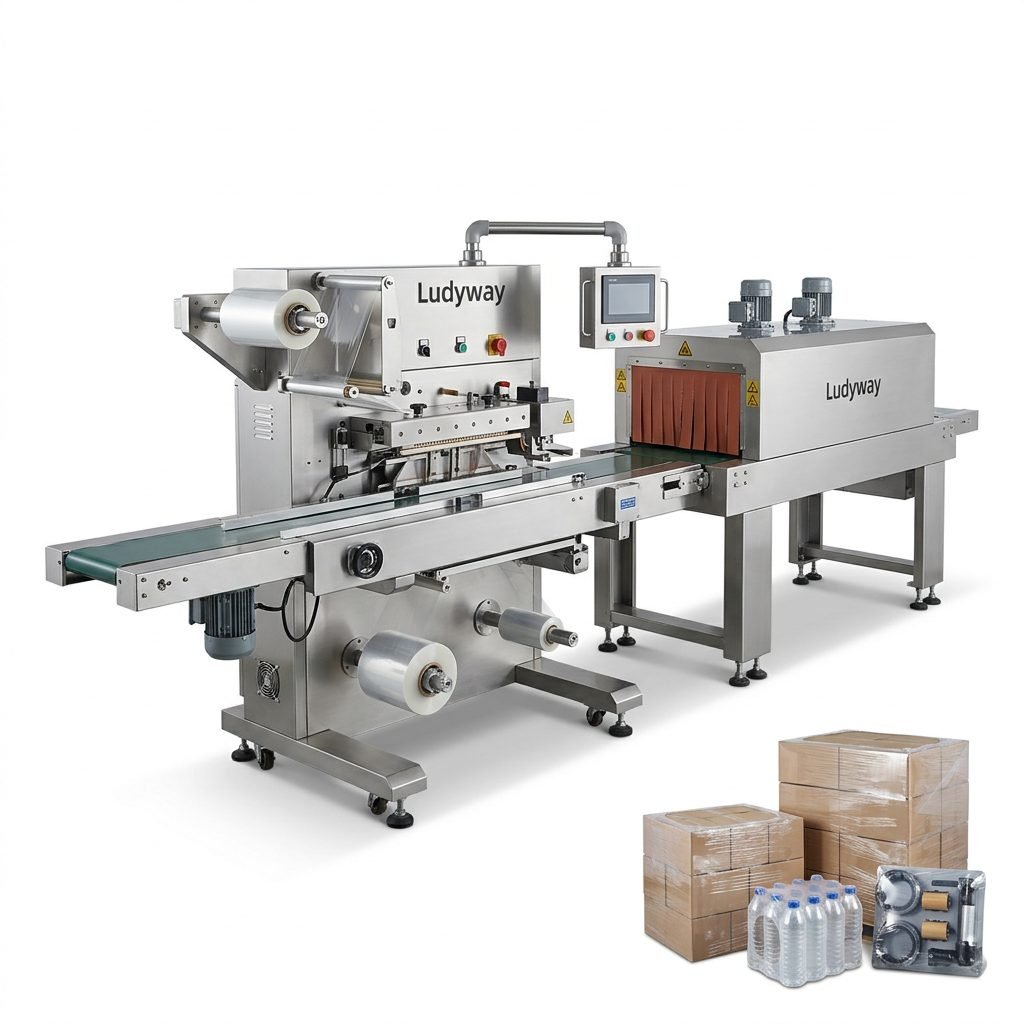
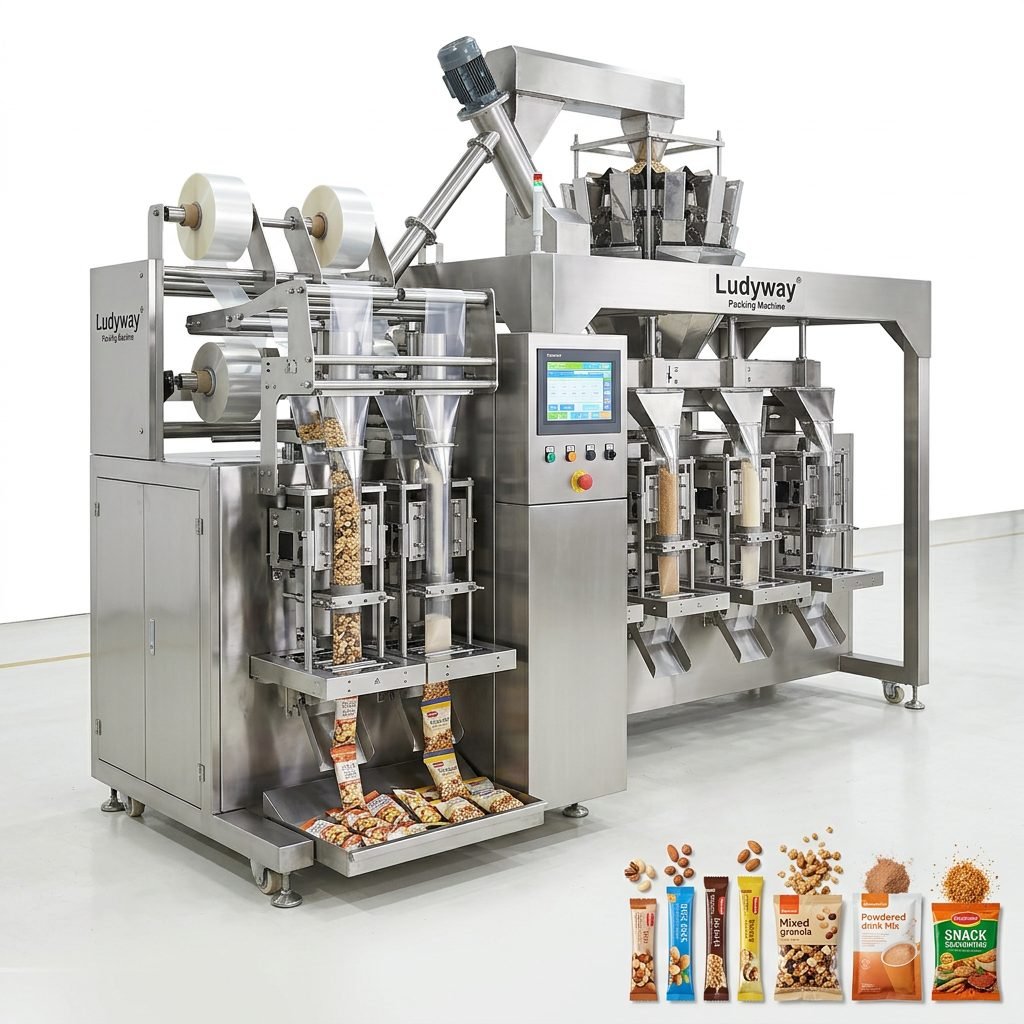
In today’s fast-paced manufacturing environment, efficiency and presentation are paramount. For businesses packaging products like cosmetics, pharmaceuticals, food samples, or hardware items, the cardboard sleeve—a simple yet elegant paperboard wrap—remains a popular and sustainable choice. Manually applying these sleeves is labor-intensive and inconsistent. This is where the automatic cardboard sleeve packaging machine becomes a game-changer, automating the process for speed, accuracy, and cost savings.
What is an Automatic Cardboard Sleeve Packaging Machine?
An automatic cardboard sleeve packaging machine is a specialized piece of equipment designed to automatically place a pre-folded cardboard sleeve (or wrap) around a product or a primary package, such as a bottle, vial, box, or blister card. The machine typically feeds the sleeves from a magazine, opens them, positions the product inside, and neatly closes the sleeve, often with a tuck-in or glue seal. This automation transforms a manual, slow task into a high-speed, reliable packaging line operation.
Core Function: The machine’s primary role is to automate the application of paperboard sleeves, ensuring each product is presented consistently and professionally, ready for retail display or shipment.
Primary Types of Sleeve Packaging Machines
Different products and production volumes call for different machine configurations. Understanding the main types is crucial for selecting the right equipment.
1. Semi-Automatic Sleeve Wrapping Machines
These machines require an operator to manually place the product into the opened sleeve, after which the machine completes the folding and closing sequence. They are ideal for low to medium production volumes, product changeovers, or as an entry-level automation solution.
- ✓ Best For: Small businesses, pilot runs, or packaging products with highly variable sizes.
- ✓ Key Benefit: Lower initial investment and greater flexibility.
2. Fully Automatic Sleeve Packaging Machines
The complete automation solution. These systems are integrated into a production line, automatically feeding products (from a conveyor), picking and opening sleeves, inserting the product, and sealing the sleeve. They are designed for high-speed, continuous production.
- ✓ Best For: Large-scale manufacturing in industries like pharmaceuticals, cosmetics, and food.
- ✓ Key Benefit: Maximum output (e.g., 50-200+ packs per minute) and significant labor cost reduction.
3. Specialized Sleeve Applicators
This category includes machines tailored for specific applications:
- Bottle Sleeving Machines: Designed for cylindrical items like wine bottles, beverage bottles, or cosmetic jars.
- Blister Card Sleevers: Automatically apply sleeves over pharmaceutical blister packs or clamshell cards.
- Side-Seal/Tuck-In Machines: Focus on a specific sealing method, either using adhesive or a precise tuck-in fold for a glue-free finish.
Key Benefits of Automating Your Sleeve Packaging
Investing in an automatic sleeving machine delivers tangible returns across multiple aspects of your operation.
Operational & Financial Advantages
1. Dramatically Increased Productivity: Machines operate at constant, high speeds, far surpassing manual capabilities. This allows you to meet large order deadlines and scale production effortlessly.
2. Significant Labor Cost Reduction: Automating a repetitive manual task frees up staff for higher-value roles and reduces dependency on seasonal or temporary labor.
3. Unmatched Consistency and Quality: Every sleeve is applied with identical tension, alignment, and fold precision. This eliminates human error and ensures every product looks premium on the shelf.
4. Material Savings: Precise application reduces sleeve waste from misalignments or tears common in manual handling. Some machines can also handle lighter-grade board reliably, offering potential material cost savings.
5. Enhanced Hygiene and Safety: In industries like pharmaceuticals or food, reducing direct human contact with the primary package is a major benefit. It also minimizes repetitive strain injuries for workers.
6. Flexibility and Quick Changeover: Modern machines allow for relatively quick size changeovers, supporting shorter production runs and a wider product portfolio without major downtime.
How to Choose the Right Machine for Your Needs
Selecting the perfect automatic sleeve packer requires careful analysis of your specific requirements. Follow this decision framework.
Step 1: Analyze Your Product and Sleeve
- Product Dimensions & Shape: Provide the machine supplier with exact product dimensions (LxWxH) and note if it’s rigid, flexible, cylindrical, or irregular.
- Sleeve Specification: Define the board weight (GSM), finish, grain direction, and precise fold dimensions. The machine must be calibrated for your specific sleeve die-cut.
- Sealing Method: Decide between glue-seal (permanent) or tuck-in closure (reversible, glue-free). This choice impacts machine type and end-user experience.
Step 2: Define Your Production Requirements
- Output Speed (Packs/Minute): Calculate your required average and peak output. Match this to the machine’s proven speed range with your sleeve/product combination.
- Line Integration: Will the sleever stand alone or be integrated with upstream/downstream equipment like cartoners or case packers? Ensure compatibility (e.g., conveyor height, PLC communication).
- Footprint: Measure your available factory floor space. Machine dimensions vary significantly between semi-automatic and high-speed inline models.
Step 3: Evaluate Machine and Supplier Credentials
⚠️ Critical Checkpoint: The supplier’s expertise is as important as the machine’s specs. Look for a partner with proven experience in your industry.
Supplier Experience & Support: Choose a supplier like Ludyway Machinery, which brings over 30 years of packaging industry experience. They understand the nuances of different sectors and can provide tailored solutions. Assess their after-sales service, spare parts availability, and technical support network.
Build Quality and Durability: Inspect the construction. Machines with robust frames, high-quality actuators, and precision guides ensure long-term reliability and minimal maintenance.
Ease of Use and Changeover: Request a demonstration. The control interface should be intuitive, and mechanical changeovers for different product sizes should be straightforward to minimize downtime.
Testing is Essential: Always conduct a factory acceptance test (FAT) using your actual products and sleeves. This is the only way to verify performance, speed, and quality output before purchase.
Partnering with a Trusted Automation Expert
The journey to automation is a significant investment. Partnering with a knowledgeable and reliable equipment provider is crucial for long-term success. A partner like Ludyway offers more than just a machine; they provide a comprehensive solution. With a background in delivering turnkey production lines for food, pharmaceutical, and health industries, they can guide you from initial concept through to installation and training.
Their portfolio of over 50 intelligent packaging machine models indicates a deep engineering capability to handle diverse challenges. When evaluating suppliers, consider their project management approach, their willingness to customize, and their commitment to your production goals, ensuring you get a system that truly fits your line and grows with your business. Exploring their company history can give you confidence in their stability and international expertise.
Frequently Asked Questions (FAQs)
1. What is the typical speed range of an automatic sleeve wrapper?
Speeds vary widely. Semi-automatic models may output 15-40 packs per minute depending on operator pace. Fully automatic machines can range from 50 to over 200 packs per minute, determined by product size, sleeve complexity, and machine design.
2. Can one machine handle different product sizes?
Yes, most machines are designed for changeover. However, the ease and time required vary. Look for machines with quick-adjust mechanisms or digital settings for different sizes to reduce downtime between production runs.
3. What are the main causes of jamming in these machines?
Common causes include incorrectly die-cut or warped sleeves, inconsistent product feeding, or machine misalignment. Choosing high-quality, consistent sleeves and ensuring proper machine setup and maintenance are key to minimizing jams.
4. Is operator training complex?
Training for basic operation and routine maintenance is typically straightforward and can be completed in a few days. Comprehensive training from the supplier on changeovers, troubleshooting, and minor adjustments is essential for smooth long-term operation.
5. How do I maintain an automatic sleeve packaging machine?
Regular maintenance includes daily cleaning of the sleeve magazine and product path, weekly lubrication of moving parts as per the manual, and periodic inspection of wear items like folding plates and belts. Following the supplier’s planned maintenance schedule is crucial for uptime.