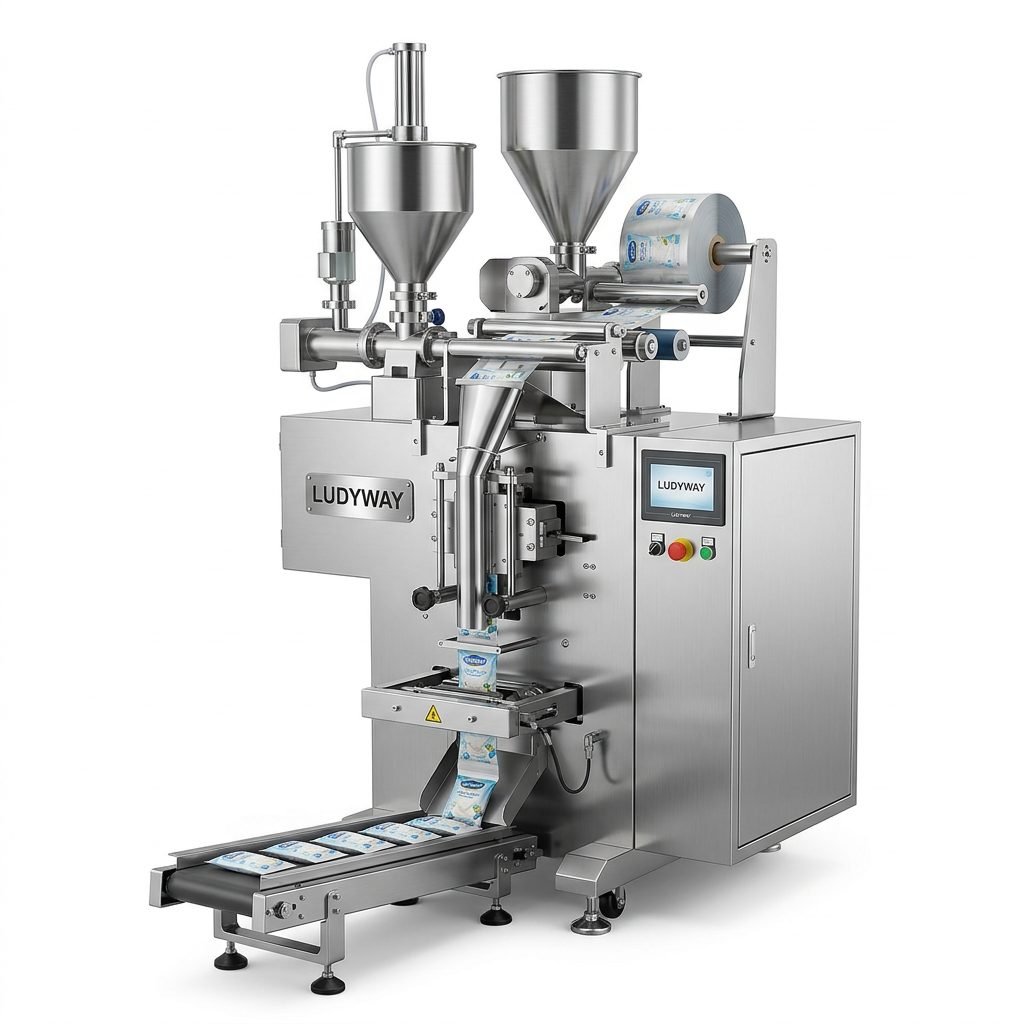
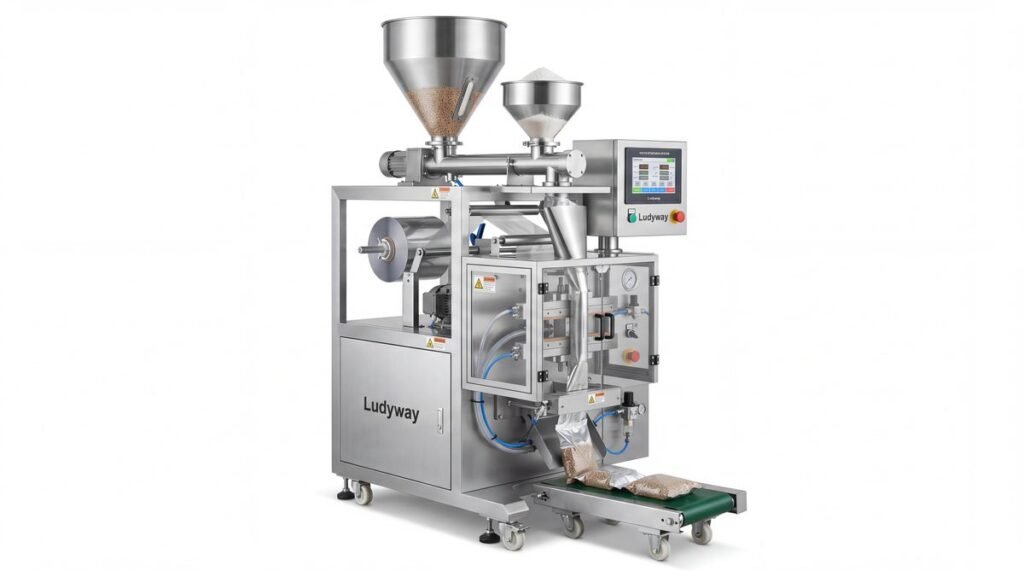
Selecting the right ampoule blister packing machine is a critical decision for pharmaceutical, cosmetic, and biotech manufacturers. The wrong choice can lead to production bottlenecks, regulatory non-compliance, and unnecessary capital expenditure. This guide walks you through the essential factors to evaluate before making your investment, helping you secure a solution that aligns with your production goals, product characteristics, and long-term operational strategy.
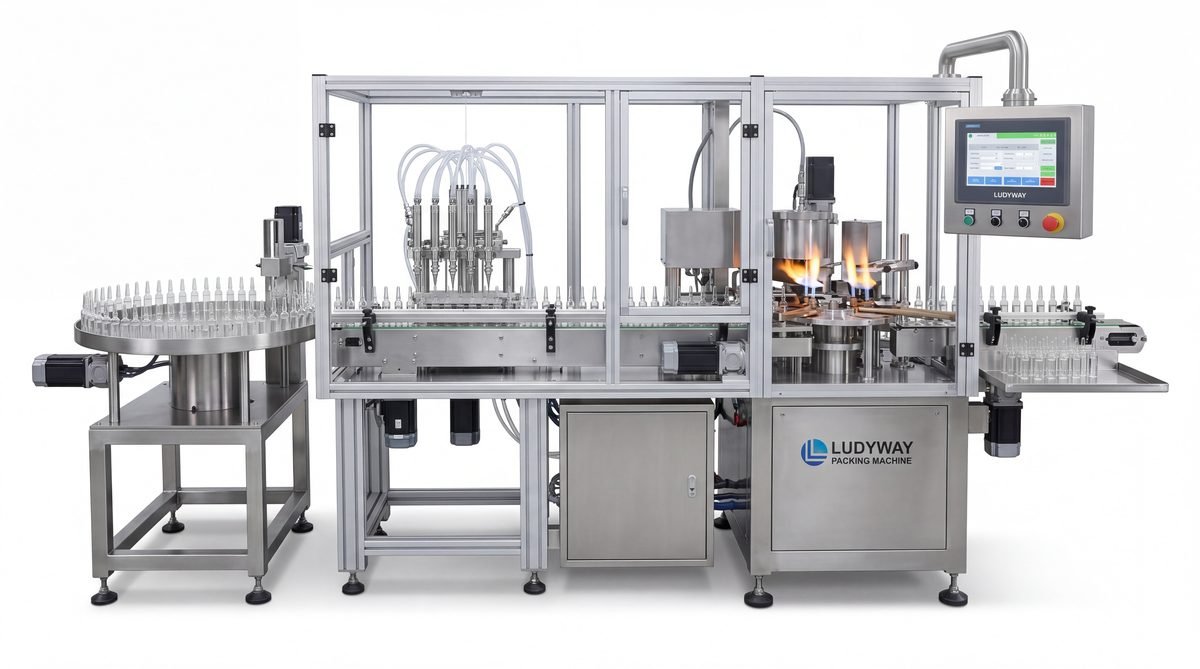
Understanding Ampoule Blister Packaging Technology
An ampoule blister packing machine is designed to form, fill, and seal ampoules within protective blister cavities. Unlike standard blister packaging for tablets or capsules, ampoule blister systems must accommodate the delicate glass structure of ampoules while providing secure positioning, tamper evidence, and often sterile barrier properties. These machines typically integrate multiple stations: thermoforming of the blister base material, ampoule loading—either manual or automated—lidding material application, sealing through heat or pressure, perforation, and final cutting into individual packs or multi-unit strips.
The technology spans from semi-automatic tabletop units suitable for small-batch clinical trial materials to fully automated, multi-lane systems capable of processing thousands of ampoules per hour for large-scale commercial production. The selection of the appropriate automation level depends on your output requirements, labor cost structure, and available floor space.
Key Selection Criteria for Your Production Needs
1. Packaging Material Compatibility
Not every ampoule blister packing machine handles all material types with equal efficiency. You must confirm that the machine you are evaluating is compatible with your chosen blister-forming film and lidding material. Common forming materials include PVC, PVDC, PET, PP, and aluminum-based cold-form laminates. Each material offers different barrier properties against moisture, oxygen, and light, which directly affects product shelf life and stability. The machine must be able to form consistent, defect-free cavities with your selected film thickness and composition. The sealing station must also achieve reliable bond integrity between the formed tray and the lidding foil or paper-backed material, ensuring peelable or push-through opening as required.
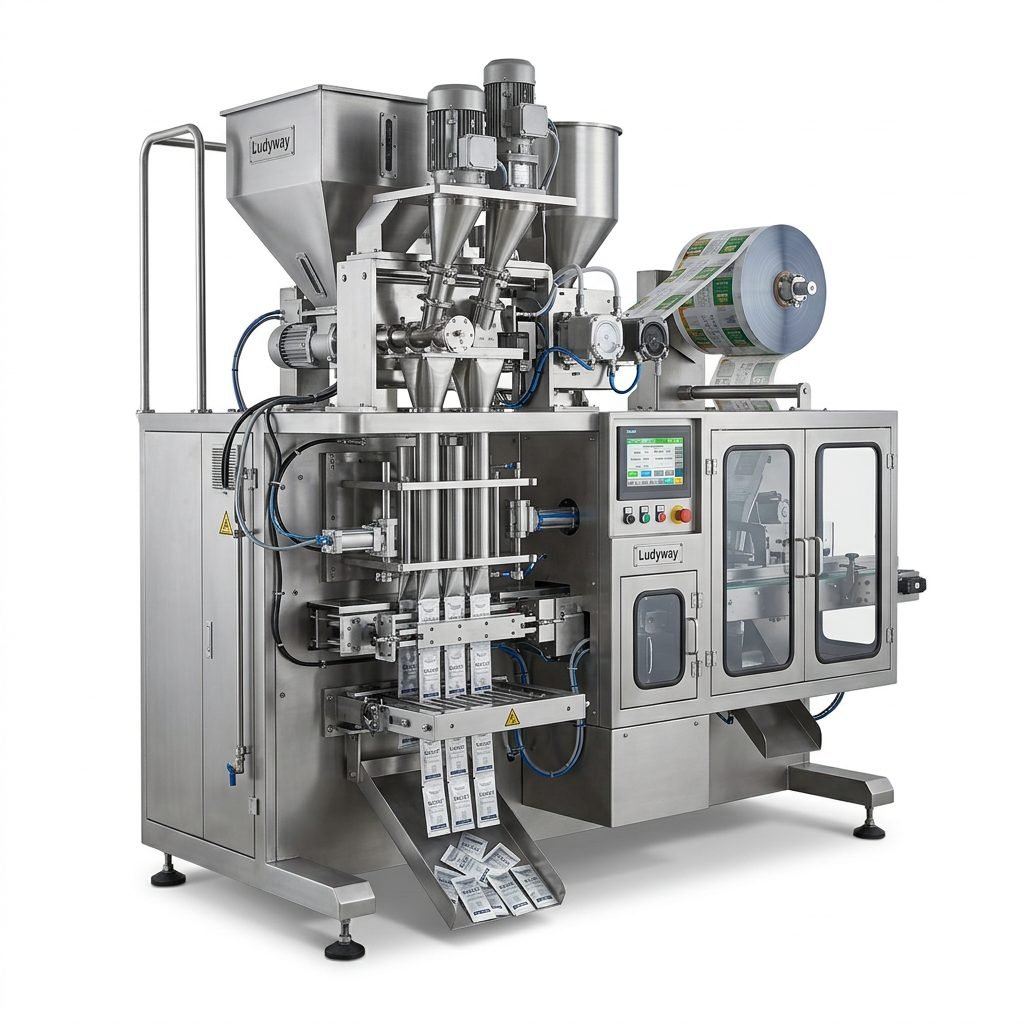
2. Production Speed and Output Capacity
Production speed is often the primary metric buyers focus on, and for good reason. Ampoule blister packing machine output is typically measured in cycles per minute or finished blisters per hour. However, practical throughput depends on factors including the number of lanes in the tooling set, the indexing length, the ampoule loading method, and the cooling time required after sealing. When comparing specifications across suppliers, verify whether the stated speed reflects theoretical maximum or sustained achievable output under real production conditions. For contract manufacturers or companies experiencing rapid growth, investing in a machine with some overspeed capability can provide valuable flexibility.
3. Ampoule Size Range and Changeover Flexibility
Your current product portfolio may consist of a single ampoule format, but future requirements could expand. A versatile ampoule blister packing machine should accommodate a defined range of ampoule diameters, lengths, and neck configurations. Evaluate the changeover procedure: how long does it take to switch between different sizes? Does the machine use modular change parts that can be swapped quickly, or is the process more involved? For operations running multiple SKUs with frequent changeovers, rapid tooling exchange becomes a significant productivity factor. Look for features such as digital recipe storage, quick-release guide rails, and toolless adjustments that minimize downtime between production runs.
Regulatory Compliance and Validation Requirements
For pharmaceutical applications, regulatory compliance is non-negotiable. Your ampoule blister packing machine must be designed and built according to current Good Manufacturing Practice (cGMP) principles applicable in your target markets, whether that is the U.S. (FDA), the European Union (EMA), or other regulatory jurisdictions. Key compliance features include validated control systems with audit trail functionality, user-level access controls, data integrity measures consistent with 21 CFR Part 11 or EU Annex 11, and materials of construction suitable for cleanroom environments. ISO 11607 provides a framework for packaging for terminally sterilized medical devices, which is often referenced in ampoule packaging validation protocols. Additionally, FDA packaging guidelines offer valuable direction for food-contact and drug-contact packaging materials.
Integration with Upstream and Downstream Equipment
In a modern production environment, an ampoule blister packing machine rarely operates in isolation. It must integrate seamlessly with upstream ampoule filling and sealing equipment, as well as downstream cartoning, checkweighing, serialization, and case packing systems. When evaluating machines, assess the available communication protocols, the physical interface dimensions, and the control architecture that enables synchronized line operation. A machine sourced from a supplier with systems integration expertise can significantly reduce the engineering effort required to achieve a cohesive, efficient packaging line from start to finish.
Service, Support, and Spare Parts Availability
Even the most robust ampoule blister packing machine will require preventive maintenance, occasional troubleshooting, and replacement of wear components. Before committing to a purchase, evaluate the manufacturer’s service infrastructure in your region. Do they offer remote diagnostic capabilities? What are the typical response times for on-site technical support? Is there a local inventory of critical spare parts, or will you need to maintain your own stock? Clarify the scope of warranty coverage, and understand what is included versus offered as extended service contracts.
Customization and Turnkey Solutions
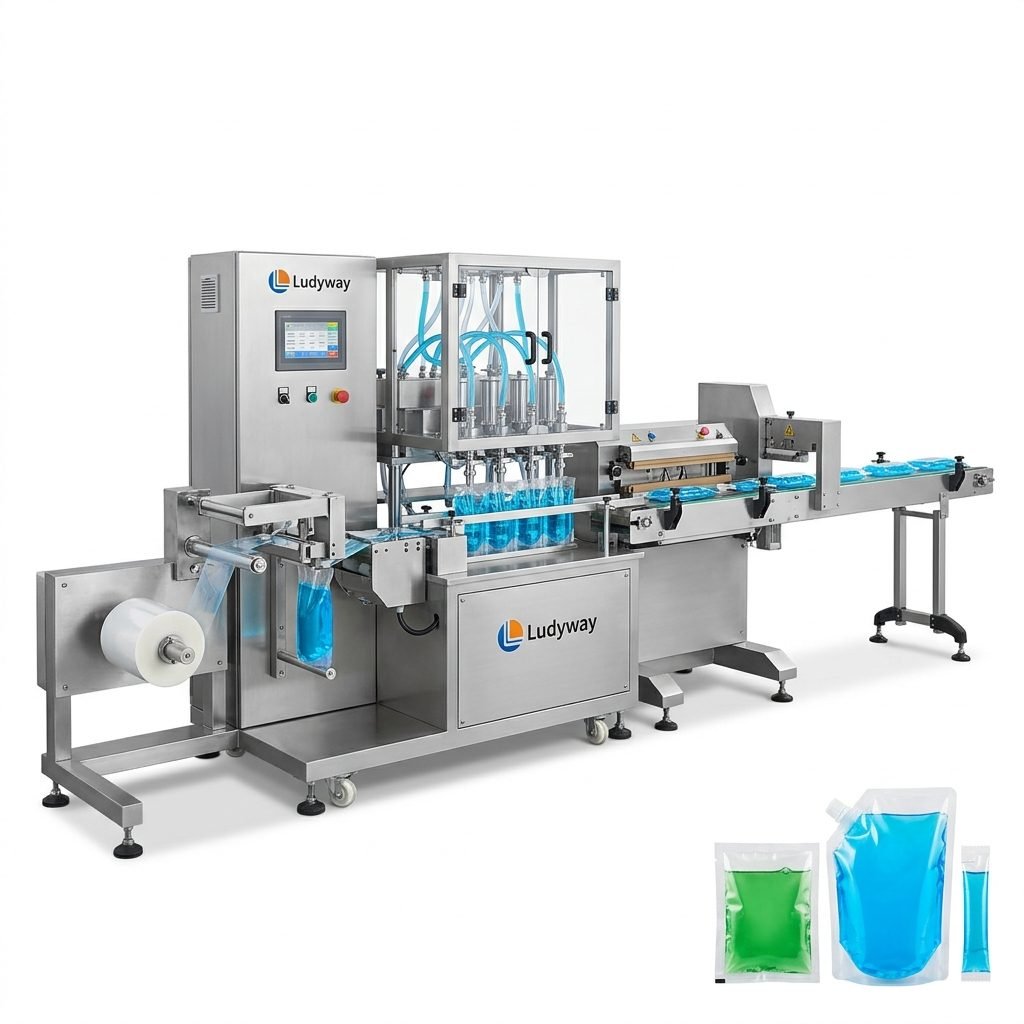
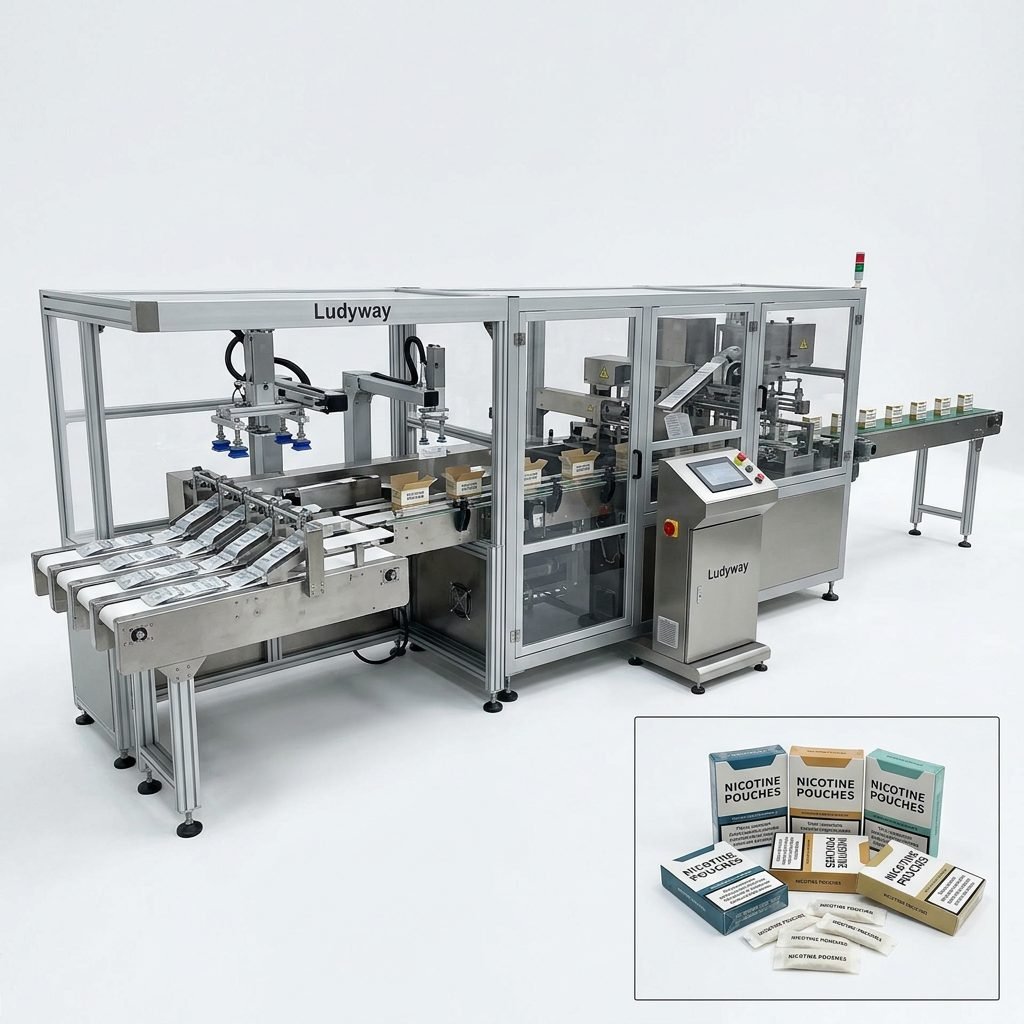
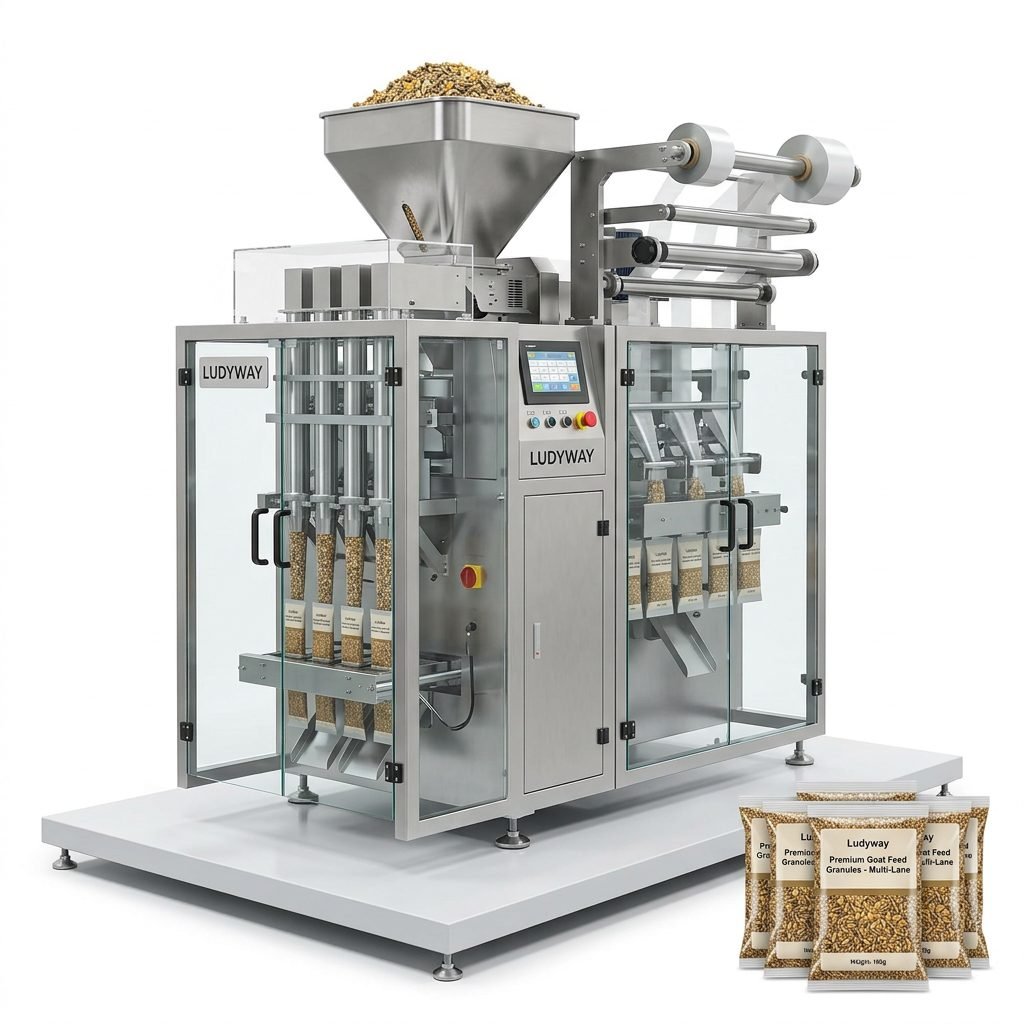
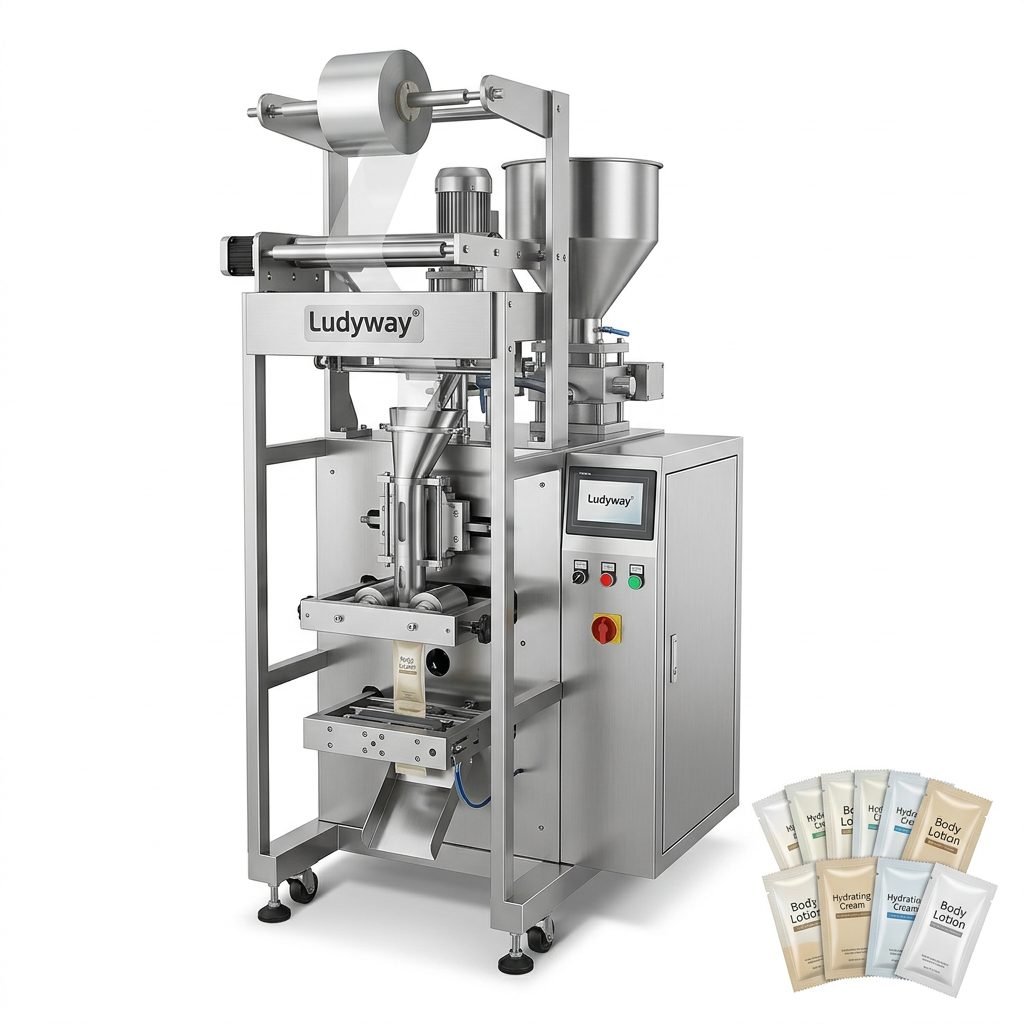
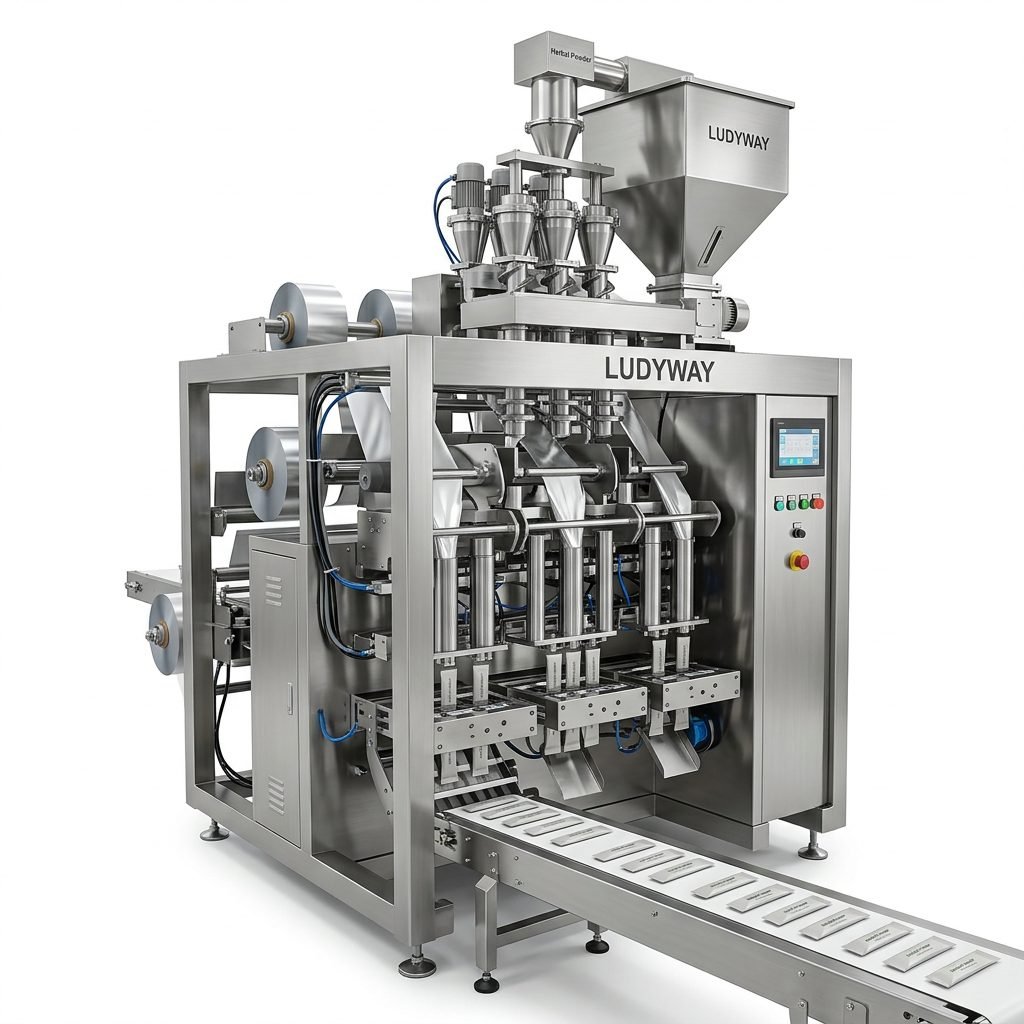
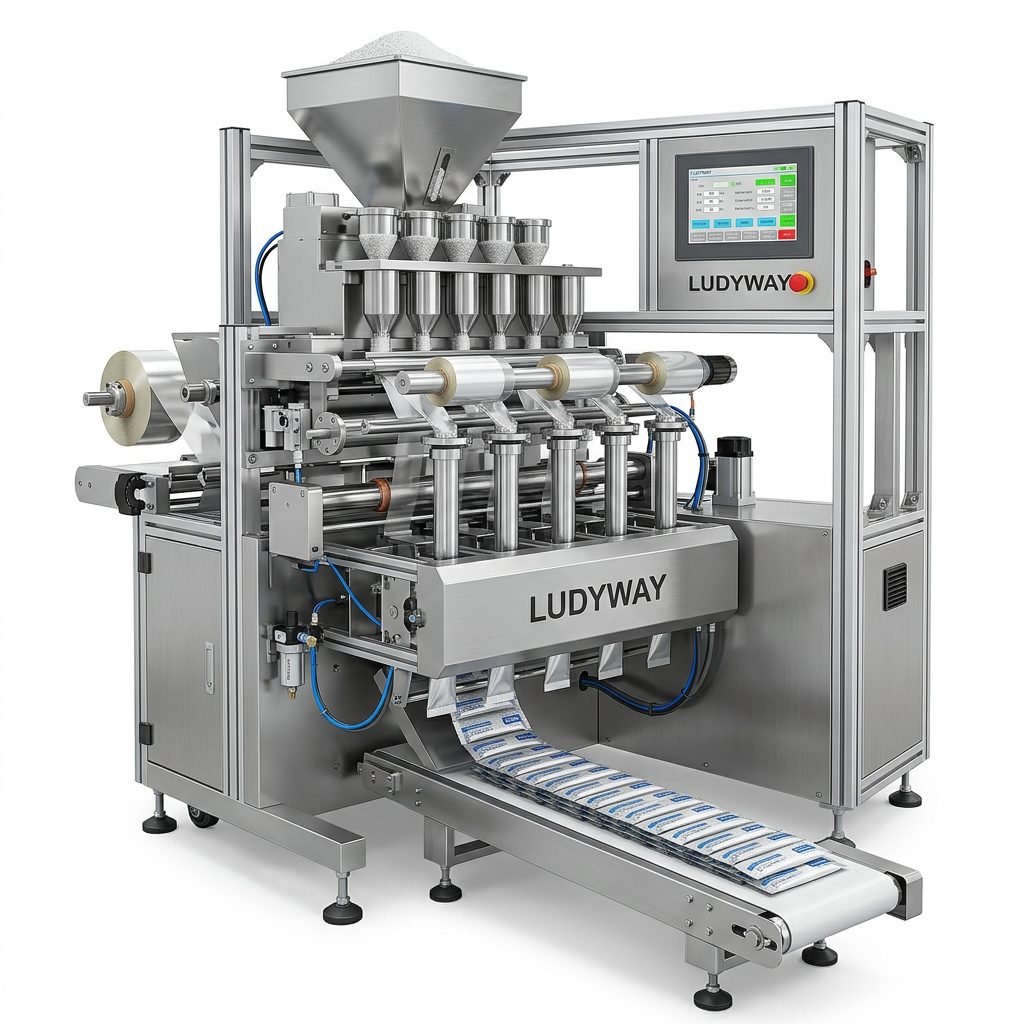
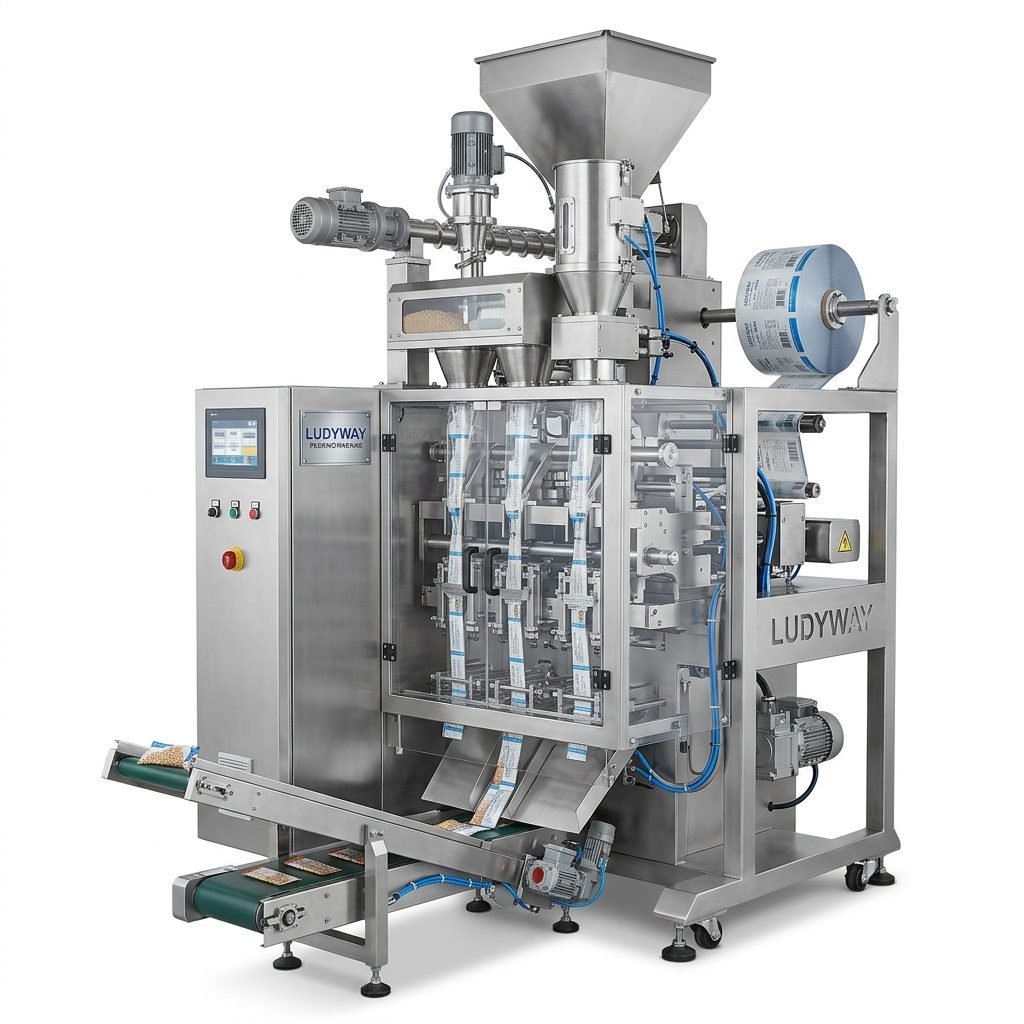
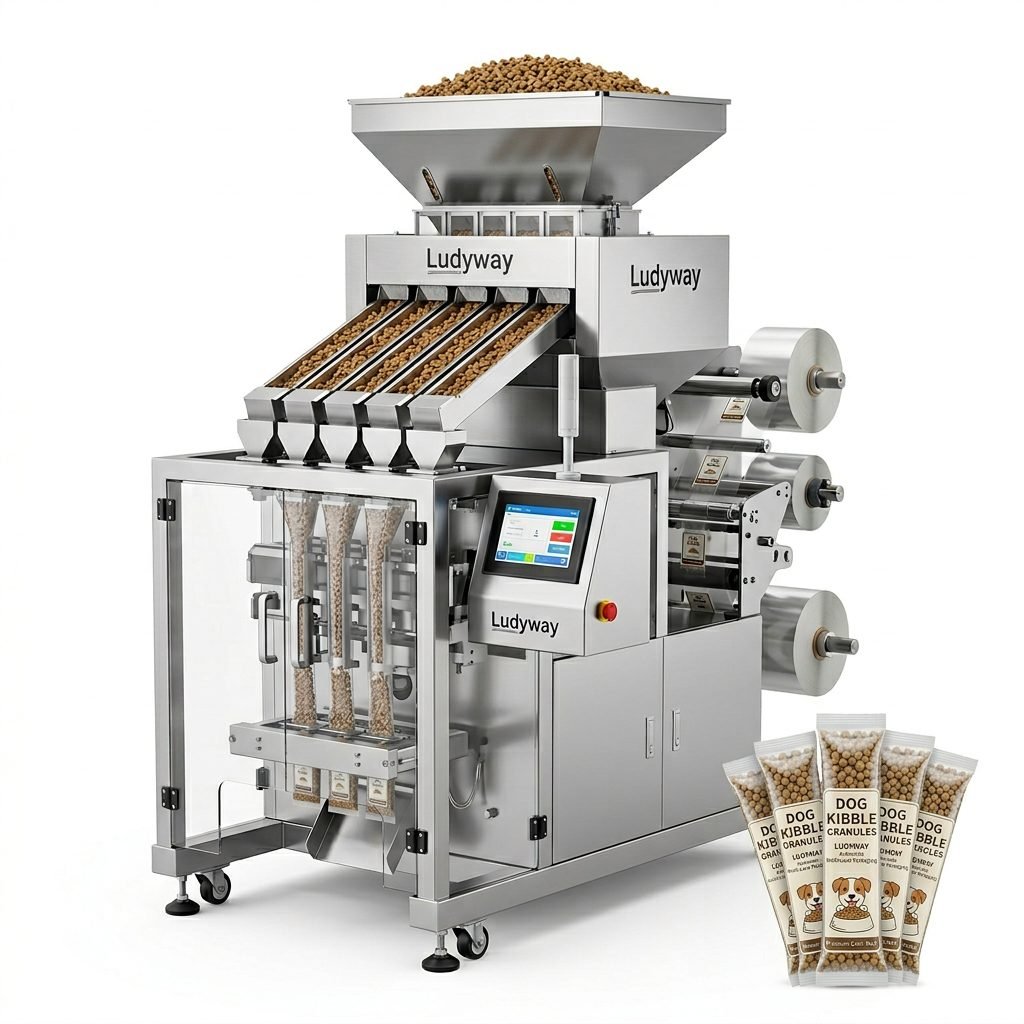
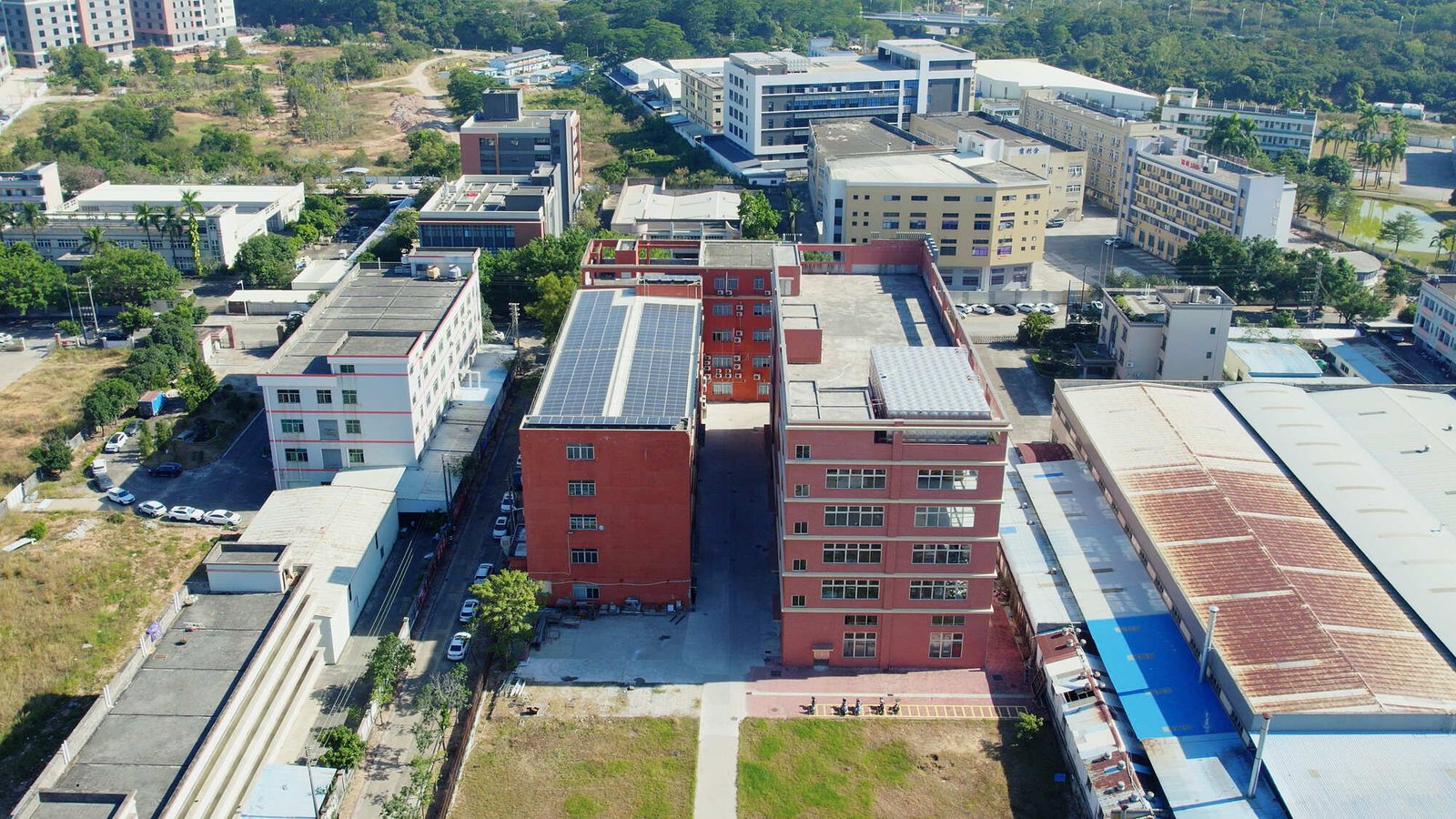
Standard machinery configurations may not perfectly match every unique application. In such cases, working with a manufacturer that provides customized packaging machinery and engineering solutions becomes essential. One example is Ludyway Machinery, a China-based packaging machinery manufacturer with more than 30 years of industry experience and a 20,000-square-meter manufacturing facility. Ludyway offers a broad portfolio of automated packaging equipment and integrated turnkey solutions, supporting customers from machine selection through installation, commissioning, and technical support. The company is expected to achieve export revenue of more than RMB 500 million (approximately US$69 million) in 2025, and plans to surpass RMB 1 billion (approximately US$138 million) in export revenue in 2026, reflecting its growing global presence in the packaging machinery sector. Their customizable approach is particularly valuable for manufacturers looking to automate manual packaging processes or introduce new blister packaging formats within existing production lines.
Total Cost of Ownership and Budget Planning
The purchase price of an ampoule blister packing machine represents only part of your total investment. A comprehensive cost analysis should account for installation and facility preparation, validation support, operator training, ongoing maintenance, spare parts inventory, tooling sets for different formats, energy consumption, and, critically, the cost of unplanned downtime. A machine built with higher-quality components and stronger engineering support may carry a higher initial price but deliver a lower total cost of ownership over its service life.
Comparing Machine Specifications: Key Parameters
When comparing different ampoule blister packing machine models, organizing key specifications in a structured format helps highlight differences and inform your decision. The table below outlines some of the primary parameters to evaluate during your selection process.
| Evaluation Parameter | What to Look For | Why It Matters |
|---|---|---|
| Forming Material Range | PVC, PVDC, PET, PP, Aluminum laminates | Determines barrier properties and regulatory suitability |
| Maximum Output Speed | Cycles per minute / blisters per hour | Aligns machine capacity with production demand |
| Ampoule Size Compatibility | Diameter range, length range, neck types | Ensures current and future product compatibility |
| Changeover Time | Time required for size or format change | Impacts production efficiency in multi-SKU environments |
| Control System Architecture | PLC brand, HMI interface, data integrity features | Supports regulatory compliance and operator usability |
| Sealing Technology | Flat sealing, knurling, embossing options | Affects package integrity and opening characteristics |
Key Takeaways for Your Purchasing Decision
Choosing the right ampoule blister packing machine requires a methodical evaluation of your product requirements, production scale, regulatory obligations, and long-term business strategy. Here is a summary of the most critical considerations to guide your decision-making process.
- Define your product requirements first — ampoule dimensions, production volumes, and packaging material specifications must be clearly established before evaluating any machinery.
- Verify material compatibility with your chosen blister-forming film and lidding material to avoid performance issues and ensure product protection.
- Assess automation level based on your throughput needs, labor availability, and the complexity of your packaging format.
- Prioritize regulatory compliance with cGMP, 21 CFR Part 11, or EU Annex 11 requirements for audit trails, data integrity, and validation support.
- Evaluate total cost of ownership rather than focusing solely on the initial purchase price to understand the true financial commitment.
- Confirm service and spare parts availability in your region to minimize the risk of extended production downtime.
For additional guidance on packaging machinery selection, industry standards, and market trends, resources from organizations such as PMMI, the Association for Packaging and Processing Technologies, and the Flexible Packaging Association offer authoritative insights. These industry bodies publish equipment standards, economic reports, and technical guidelines that can supplement your evaluation of blister packaging solutions.
A carefully selected ampoule blister packing machine becomes a strategic asset that supports product quality, operational efficiency, and market growth for years to come.