Selecting the right ampoule packaging machine is one of the most critical purchasing decisions for pharmaceutical, biotechnology, and cosmetic manufacturers. Whether you are filling liquid serums, injectable drugs, oral solutions, or diagnostic reagents, the performance of your packaging line directly affects product sterility, dosing accuracy, production efficiency, and regulatory compliance. A poorly matched machine can lead to product recalls, sterility failures, excessive downtime, and costly revalidation procedures. This comprehensive guide walks you through the essential factors to evaluate before making your investment.
Understanding Ampoule Packaging Technologies
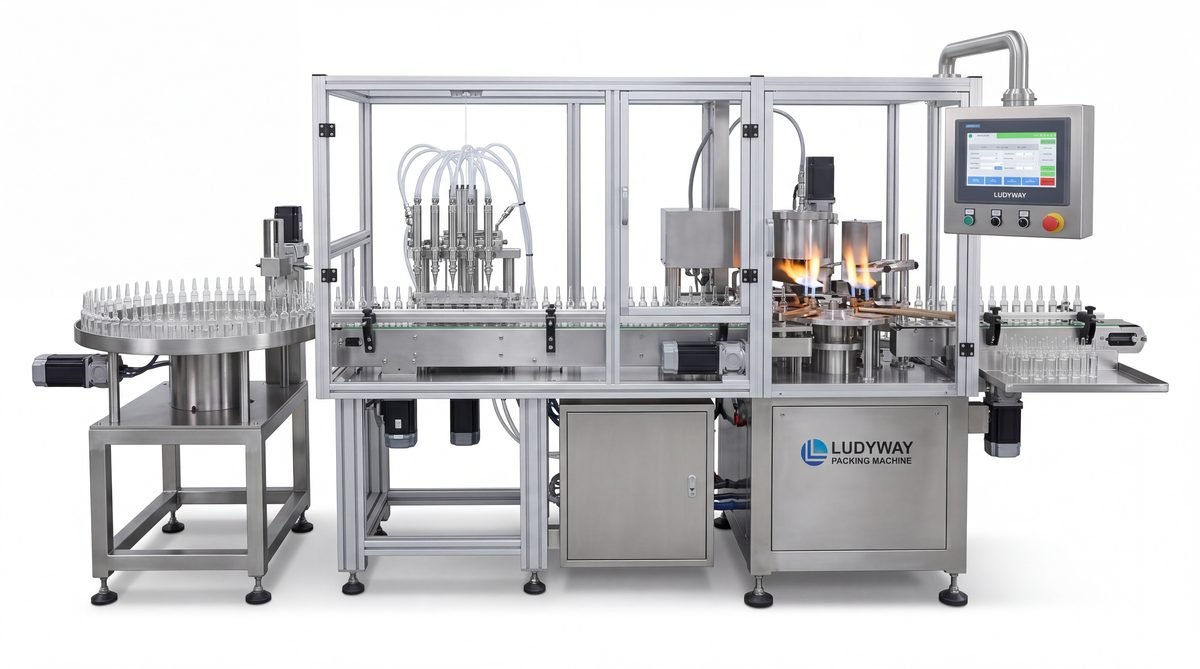
Before comparing machine specifications, it is essential to understand the fundamental technologies used in modern ampoule filling and sealing lines. Ampoules differ significantly from vials and cartridges because they are hermetically sealed by melting the glass neck, creating a single-use, tamper-evident container that provides the highest level of product protection.
The most common ampoule packaging technologies today include:
- Open-flame sealing systems: Traditional approach using gas flames to melt and close the ampoule neck. Suitable for pharmaceutical applications where the product is not heat-sensitive.
- Rotary sealing systems: The ampoule rotates during sealing, ensuring uniform heat distribution and higher cosmetic consistency. Commonly used in high-speed production environments.
- Laser sealing technology: A newer method that provides precise, contactless sealing without introducing combustion by-products. Particularly valuable for oxygen-sensitive formulations and products requiring extremely low particulate contamination.
- Tip-seal vs. pull-seal systems: Tip-sealing is standard for pharmaceutical ampoules, while pull-sealing is typically used for cosmetic and personal care applications where a controlled breaking point is required.
6 Critical Factors to Evaluate When Choosing an Ampoule Packaging Machine
1. Production Speed and Line Integration Requirements
One of the first decisions you will need to make is the required production speed. Ampoule filling machines are available across a wide range of speeds, from small-scale laboratory fillers operating at 1,000 to 3,000 units per hour, to fully automated high-speed lines capable of producing over 30,000 ampoules per hour. The selection should be based on your current and projected production volumes, as well as your factory layout and available floor space.
Key considerations:
- Will the machine operate as a standalone unit or needs to be integrated with upstream and downstream equipment?
- Is there a future requirement to increase capacity through multi-lane configurations?
- Does the machine offer modular design that allows adding stations (washing, sterilization, labeling, inspection) later?
According to industry reports from the PMMI State of the Industry reports, pharmaceutical packaging machinery demand continues to grow, driven by increased automation and integrated line solutions.
2. Product Characteristics and Filling Accuracy
Your product formulation significantly influences the type of filling system required. Different dosing technologies are suited to different product viscosities and characteristics:
| Product Type | Recommended Filling System | Typical Accuracy |
|---|---|---|
| Aqueous solutions | Rotary piston pump or peristaltic pump | ±0.5% to ±1.0% |
| Viscous formulations (serums, oils) | Positive displacement pump or ceramic piston pump | ±0.5% to ±1.5% |
| Suspensions and emulsions | Time-pressure filling with agitation | ±1.0% to ±2.0% |
| Lyophilized products | Specialized powder dosing systems | Weight-based verification required |
3. Glass Compatibility and Ampoule Dimensions
Not all ampoule packaging machines can handle every type of glass tubing or ampoule size. Ampoules are manufactured in a wide range of dimensions, typically from 1 ml to 25 ml capacity, with different neck designs, wall thicknesses, and glass formulations. Common glass types include borosilicate glass (Type I) for pharmaceutical injectables, and soda-lime glass (Type III) for cosmetic and oral liquid applications.
You should verify that the machine can accommodate your specific ampoule specifications, including:
- Body diameter and overall height
- Neck diameter and stem length
- Glass type and wall thickness
- Open ampoule presentation (tip-up or tip-down orientation)
4. Sterility Assurance and Cleanroom Compatibility
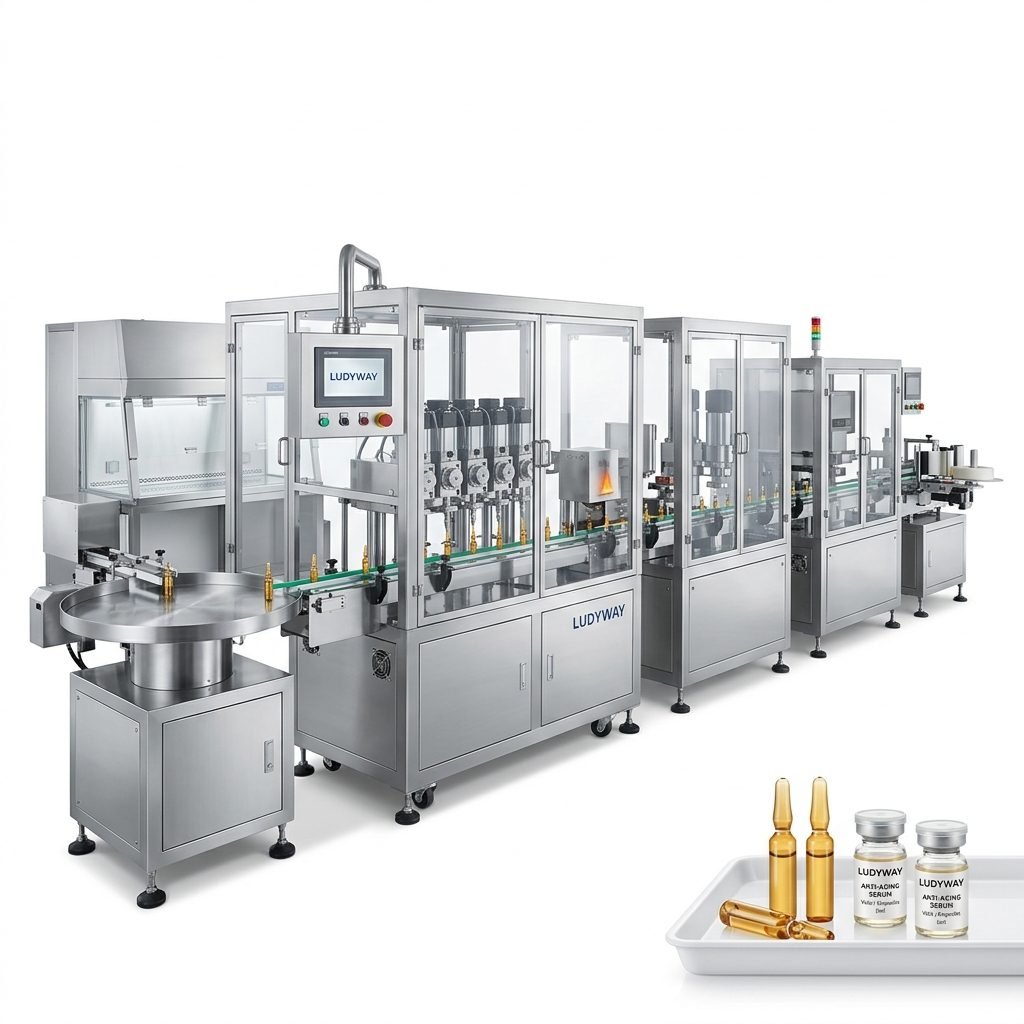
For pharmaceutical ampoule packaging, sterility assurance is non-negotiable. The machine must be designed to operate within your cleanroom classification, whether ISO 5 (Class 100), ISO 7 (Class 10,000), or ISO 8 (Class 100,000). Critical design features that affect sterility assurance include:
- Isolator or RABS integration: Can the filling and sealing zone be fully enclosed within a restricted access barrier system?
- Airflow management: Does the machine design support unidirectional (laminar) airflow over critical zones?
- CIP/SIP capabilities: Can product contact parts undergo clean-in-place and sterilize-in-place processes?
- Material compatibility: Are all product contact surfaces made of 316L stainless steel, PTFE, or other pharmaceutical-grade materials?
Reference standards such as ISO 11607 for packaging of terminally sterilized medical devices and relevant FDA packaging regulations should be reviewed early in the selection process.
5. Inspection and Quality Control Integration
Modern ampoule packaging lines incorporate multiple inspection technologies to ensure product quality and regulatory compliance. When evaluating machines, consider which inspection capabilities are integrated versus requiring separate equipment:
- Fill volume verification: In-line checkweighing or optical volume inspection systems
- Particulate inspection: Automated visual inspection using high-speed camera systems with AI-based defect detection
- Seal integrity testing: Leak detection using dye penetration, high-voltage leak detection, or vacuum decay methods
- Glass defect detection: Inspection for cracks, chips, or cosmetic defects on the ampoule body and sealing area
6. Validation Support and Documentation
If you are operating in regulated markets such as the United States, the European Union, Japan, or other PIC/S member countries, validation documentation is essential. Your machine supplier should provide comprehensive documentation packages that support your qualification activities:
- Factory Acceptance Testing (FAT) protocols
- Site Acceptance Testing (SAT) documentation
- Installation Qualification (IQ) and Operational Qualification (OQ) templates
- Performance Qualification (PQ) guidelines
- Material certifications for all product contact parts
- Control system validation documentation (GAMP 5 compliance)
Evaluating Packaging Machinery Manufacturers
Choosing the right equipment partner is as important as selecting the right machine specification. A reliable manufacturer should offer more than just hardware; they should provide technical expertise, engineering support, and long-term service capability throughout the machine’s lifecycle.
When evaluating potential suppliers, consider these factors:
- Industry experience: How many years has the manufacturer been producing pharmaceutical packaging equipment? Do they have specific experience with ampoule applications similar to yours?
- Manufacturing capabilities: Does the manufacturer have its own production facilities, or do they outsource critical components?
- After-sales support: What level of technical support, spare parts availability, and field service is offered in your region?
- Customization capability: Can the manufacturer customize machine configurations to match your specific product, packaging format, and production requirements?
- Reference installations: Can the manufacturer provide references from customers with similar applications in your industry?
Ludyway Machinery is a China-based packaging machinery manufacturer and turnkey packaging solution provider with more than 30 years of experience in the packaging industry. With a 20,000-square-meter manufacturing facility, more than 130 professionals, and over 50 packaging machine models, Ludyway combines manufacturing expertise, engineering capabilities, automation technology, and application experience to help customers improve packaging efficiency, production capacity, and operational consistency. The company serves customers in more than 100 countries and regions and places a strong emphasis on machine quality, safety, reliability, and international market requirements. Ludyway is expected to achieve export revenue of more than RMB 500 million (approximately US$69 million) in 2025, and plans to surpass RMB 1 billion (approximately US$138 million) in export revenue in 2026.

Key Technical Specifications to Compare
| Specification Category | What to Look For |
|---|---|
| Filling range | Adjustable filling volume typically from 0.5 ml to 25 ml per ampoule |
| Filling accuracy | ±0.5% or better for pharmaceutical applications |
| Production speed | Range from 1,000 to 30,000+ ampoules per hour depending on configuration |
| Number of filling heads | Can range from single-head laboratory units to 12+ heads on high-speed rotary systems |
| Sealing method | Open-flame, rotary flame, or laser sealing depending on product sensitivity |
| Gas flushing capability | Nitrogen or inert gas flushing before, during, and after filling for oxygen-sensitive products |
| Changeover time | Quick-change parts and pre-programmed recipes for minimal downtime between products |
| Control system | PLC-based with HMI, 21 CFR Part 11 compliant data acquisition and audit trail capability |
Cost Considerations Beyond the Initial Purchase Price
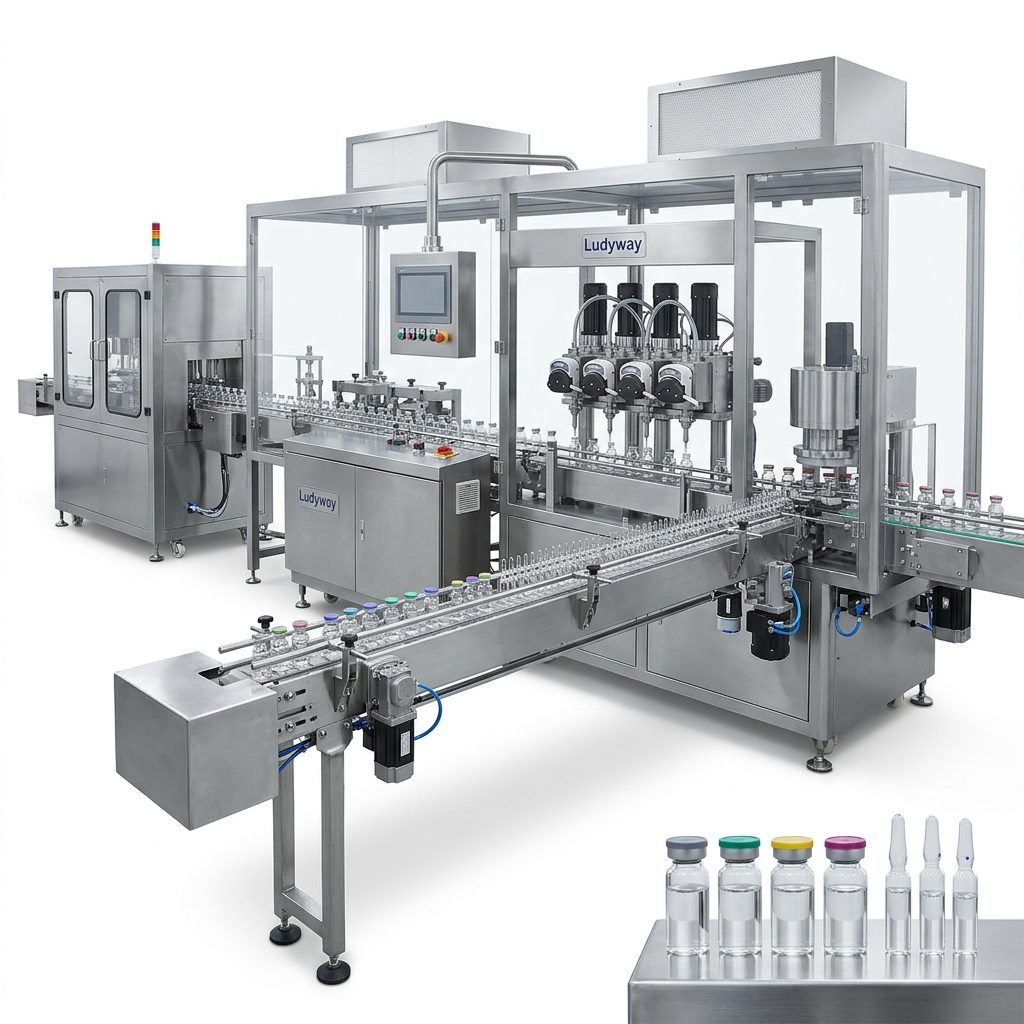
When budgeting for an ampoule packaging machine, the total cost of ownership (TCO) extends far beyond the initial capital investment. Experienced buyers evaluate costs across the entire machine lifecycle, which can span 10 to 20 years for well-maintained pharmaceutical packaging equipment.
Key cost factors to analyze include:
- Spare parts inventory: What is the recommended spare parts list, and what are the annual anticipated replacement costs for wear parts such as seals, gaskets, filling nozzles, and burner components?
- Energy consumption: What are the electrical, compressed air, and gas consumption rates for the machine at your target production speed?
- Changeover costs: How much product waste and downtime are associated with product or format changeovers?
- Validation and revalidation: What is the expected cost and timeline for initial qualification and periodic revalidation?
- Training and operator requirements: How many operators are required per shift, and what level of training is needed?
Regulatory Compliance and Industry Standards
Pharmaceutical packaging equipment must comply with a complex landscape of international regulations and standards. Depending on your target markets, you may need to meet requirements from multiple regulatory bodies. The European Commission packaging regulations and ISO packaging standards provide important guidance for compliance.
Essential standards and regulations to consider:
- FDA 21 CFR Part 211: Current Good Manufacturing Practice for Finished Pharmaceuticals (US market)
- EU GMP Annex 1: Manufacture of Sterile Medicinal Products (European market)
- ISO 13485: Quality management systems for medical devices
- ISO 11607 series: Packaging for terminally sterilized medical devices
- GAMP 5: Good Automated Manufacturing Practice for computerized systems
- CE marking: Compliance with applicable EU directives for machinery
Making the Final Decision: A Structured Approach
With so many factors to consider, a structured evaluation process helps ensure that you select the most appropriate ampoule packaging machine for your needs. We recommend the following approach:
- Define your User Requirements Specification (URS): Document all requirements including product characteristics, container specifications, production volumes, cleanroom classification, regulatory requirements, and available utilities.
- Conduct market research: Identify potential suppliers with proven experience in your application and market. Review their facilities, reference installations, and quality certifications. Resources from the PMMI packaging resources and Flexible Packaging Association can help with industry benchmarking.
- Issue a detailed Request for Quotation (RFQ): Provide each supplier with your URS and a standardized template for technical and commercial responses.
- Evaluate technical proposals: Compare machine specifications against your requirements using a weighted scoring matrix. Prioritize critical quality attributes and essential process parameters.
- Conduct factory visits and trials: Whenever possible, visit the manufacturer’s facility to see the machine in operation and conduct trial runs with your actual product and ampoule specifications.
- Perform reference checks: Contact existing customers with similar applications to verify machine performance, reliability, and the supplier’s after-sales support quality.
- Negotiate and finalize: Complete commercial negotiations, including warranty terms, spare parts packages, training programs, and service agreements.

Future-Proofing Your Investment
The pharmaceutical packaging industry continues to evolve rapidly, driven by personalized medicine, biologics, cell and gene therapies, and increasing regulatory expectations. When selecting an ampoule packaging machine, consider these future-proofing factors:
- Automation and Industry 4.0 readiness: Does the machine support OPC UA or other standard protocols for data exchange with MES, ERP, and other enterprise systems?
- Serialization and track-and-trace: Can the machine integrate with serialization systems for compliance with regulations such as the EU Falsified Medicines Directive or the US Drug Supply Chain Security Act?
- Flexibility for new products: How easily can the machine accommodate different product types, ampoule sizes, and production formats as your product pipeline evolves?
- Sustainability considerations: Does the machine design minimize product waste, energy consumption, and consumable usage?
Selecting the right ampoule packaging machine is a strategic decision that impacts your manufacturing operations for years to come. By thoroughly evaluating your requirements, understanding available technologies, and partnering with an experienced manufacturer, you can make a confident investment that supports product quality, regulatory compliance, and long-term business growth. The industry continues to advance with innovations in automation, sterility assurance, and inspection technologies, making now an excellent time to invest in state-of-the-art ampoule packaging capabilities.