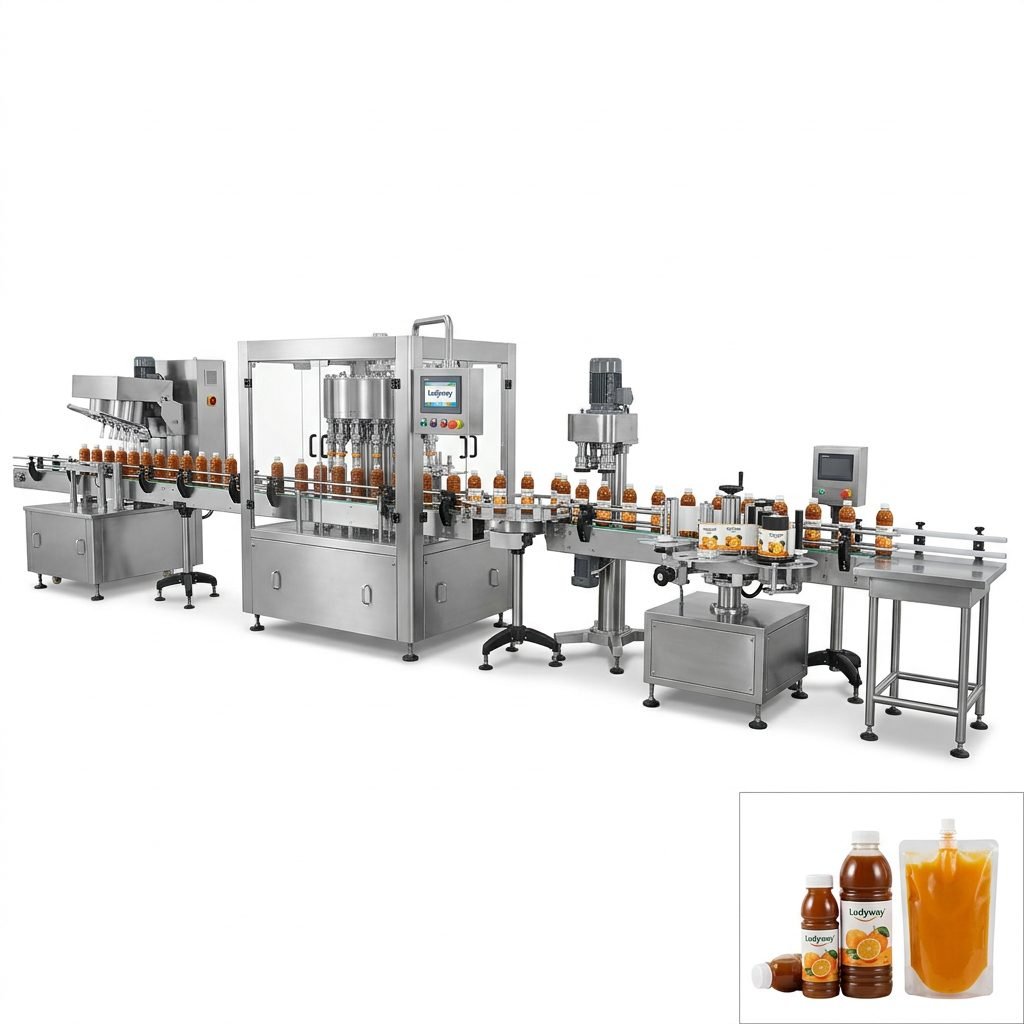
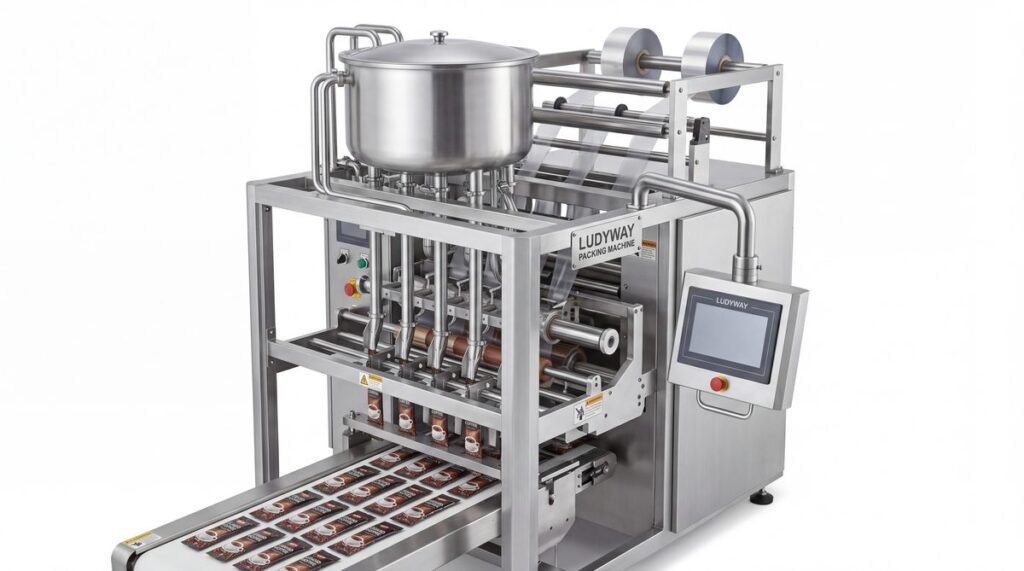
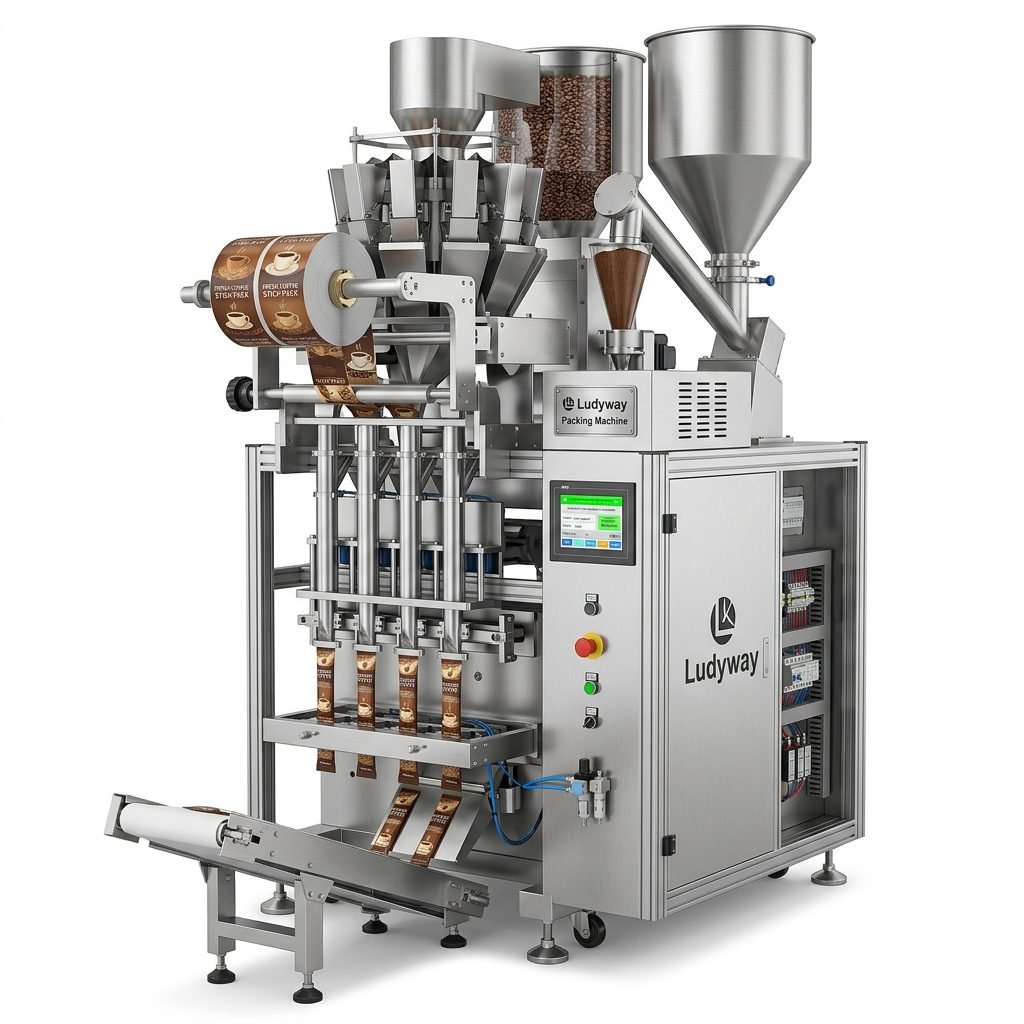
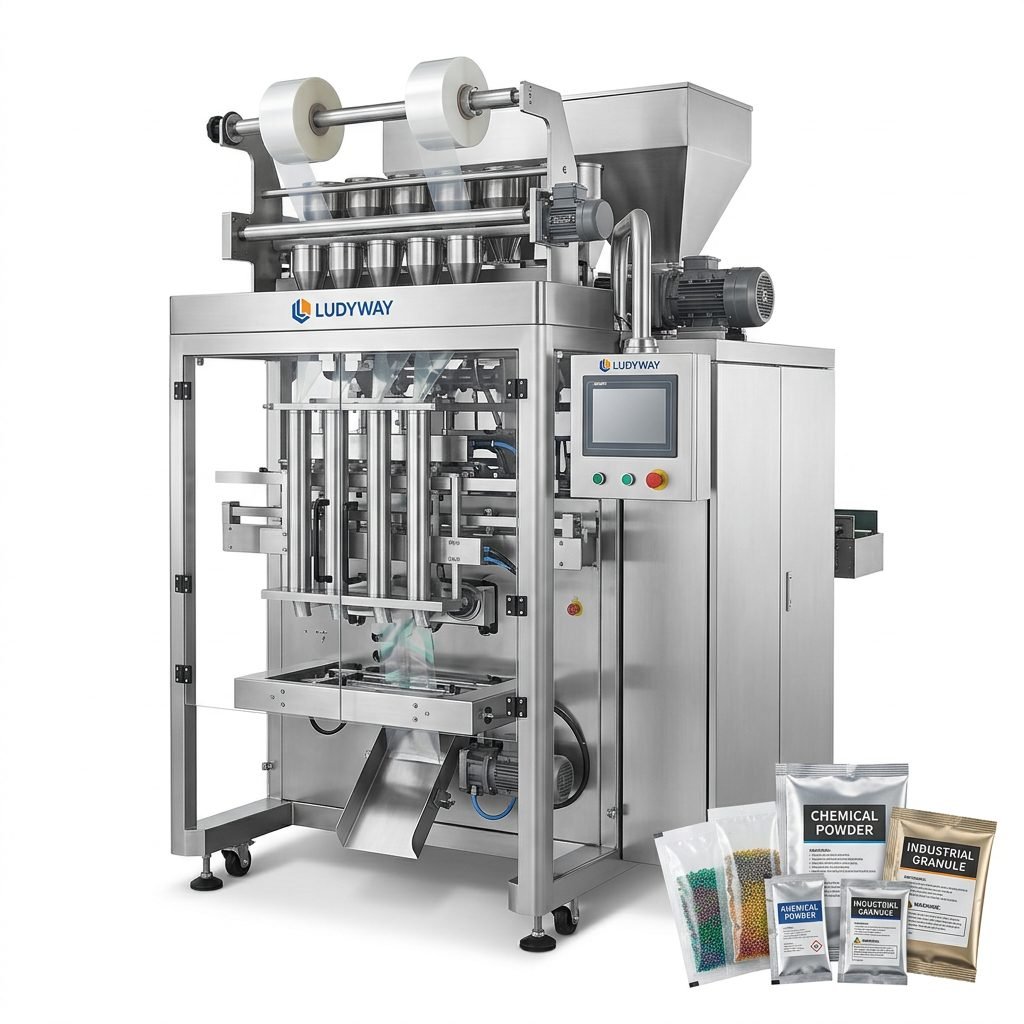
Investing in an automatic cone packing machine is a strategic decision that directly impacts your production efficiency, product quality, and bottom line. With the global packaging machinery market continuing to expand, manufacturers across food, pharmaceutical, chemical, and cosmetic industries are seeking automated solutions that offer precision, speed, and reliability. This comprehensive guide walks you through the essential factors to evaluate before making your purchase.

Understanding Automatic Cone Packing Machine Technology
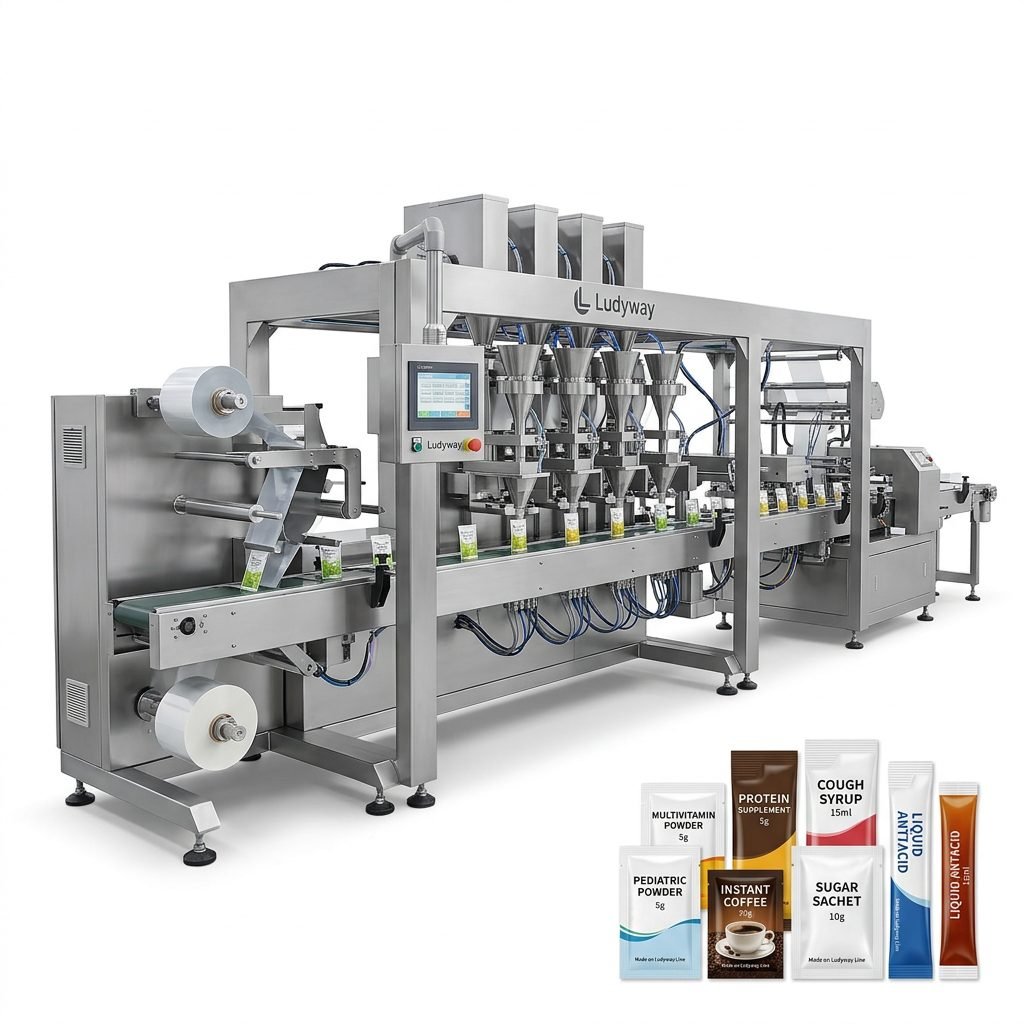
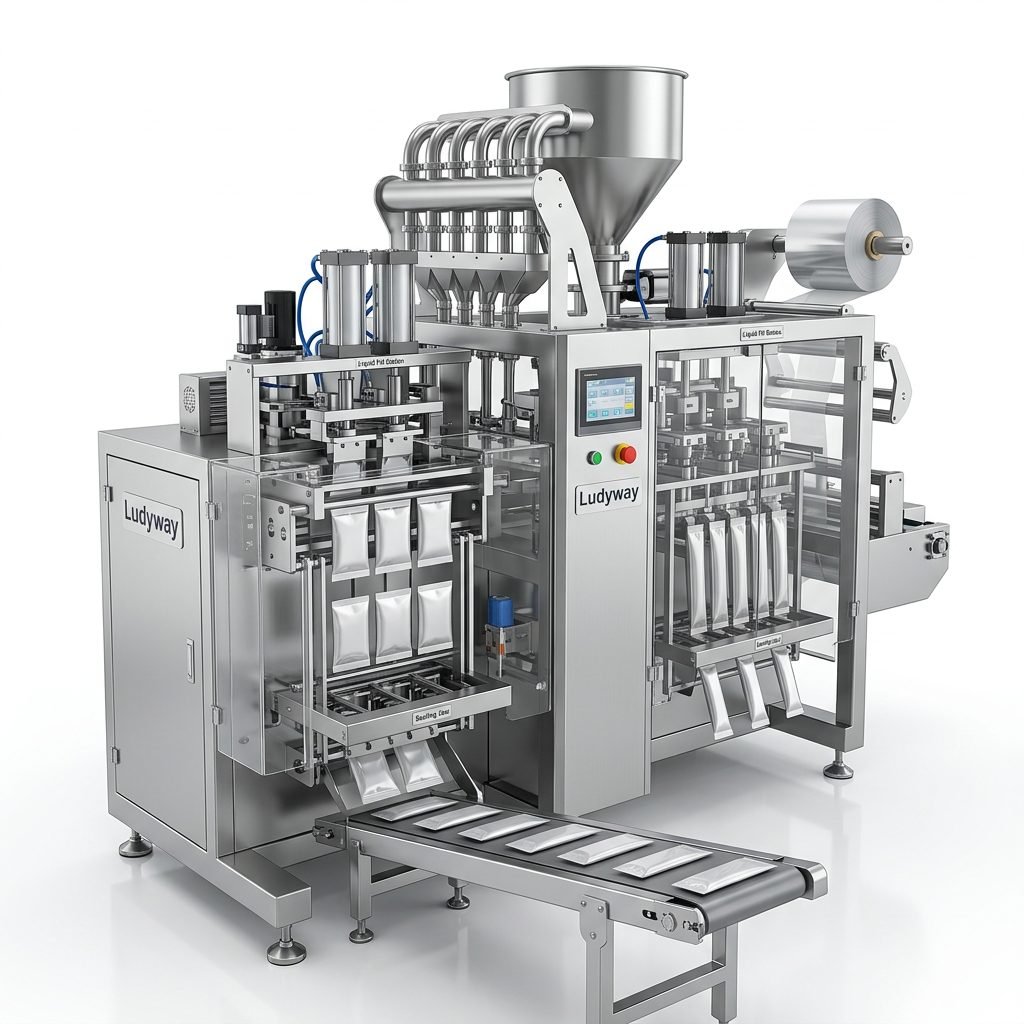
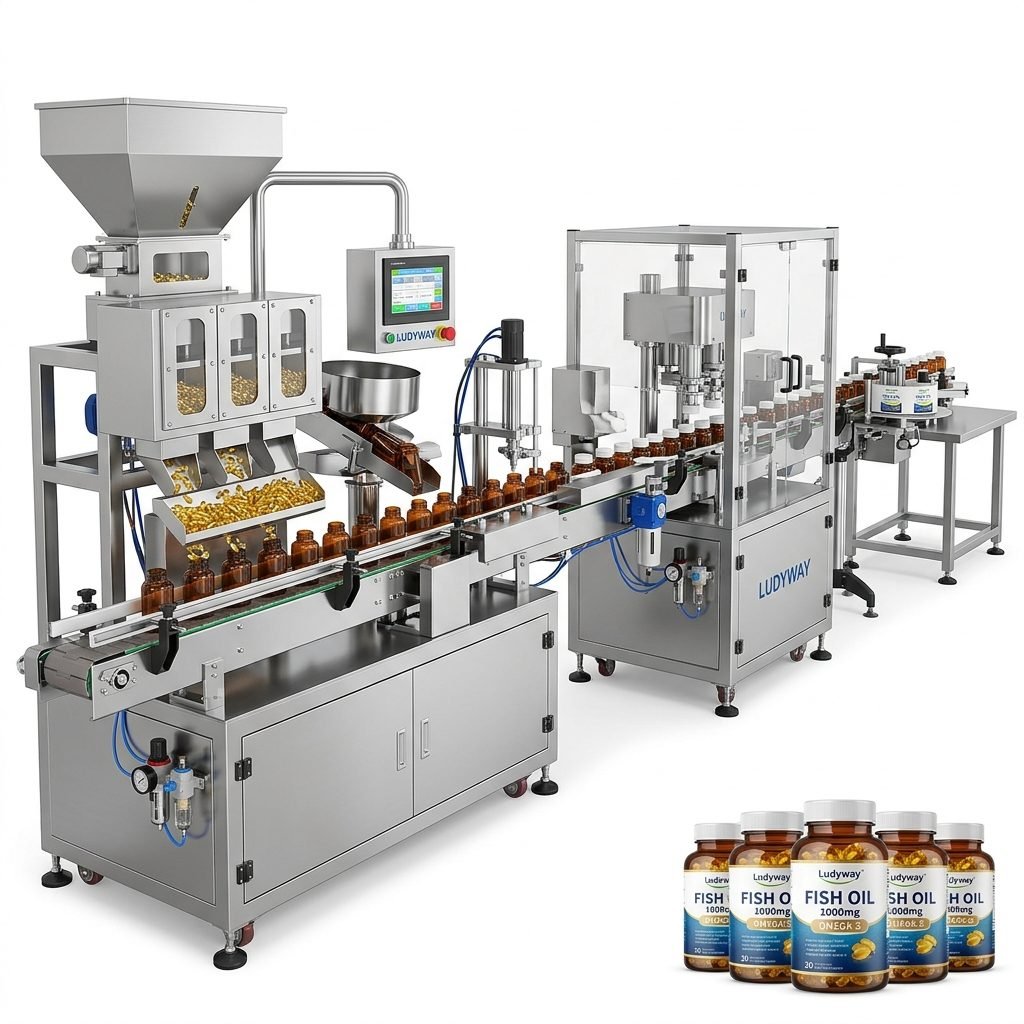
Automatic cone packing machines are specialized packaging systems designed to form, fill, and seal cone-shaped packages efficiently. These machines are widely used for packaging powders, granules, and small particulate products into convenient single-serve or portion-controlled cone formats. Industries ranging from food and beverage to pharmaceuticals and nutraceuticals rely on this technology for products such as instant coffee, protein powders, spice blends, and nutritional supplements.
The core advantage of cone packing technology lies in its ability to produce visually distinctive, user-friendly packages that stand out on retail shelves while maintaining excellent product protection and portion accuracy. According to industry data from PMMI’s Business Intelligence, the demand for flexible packaging formats continues to grow at a steady rate across global markets.
Key Factors to Evaluate Before Purchasing
1. Product Compatibility and Material Characteristics
The first and most critical consideration is whether the machine can handle your specific product. Powder flowability, granule size distribution, moisture content, and bulk density all affect how a cone packing machine performs. Free-flowing powders require different dosing mechanisms compared to cohesive or sticky materials. Always request product testing from the manufacturer before finalizing your decision.
Additionally, consider whether your product is hygroscopic, abrasive, or sensitive to heat. These characteristics influence the choice of contact materials, sealing parameters, and overall machine configuration. The FDA’s food packaging guidelines provide essential reference points for food-grade applications.
2. Production Speed and Throughput Requirements
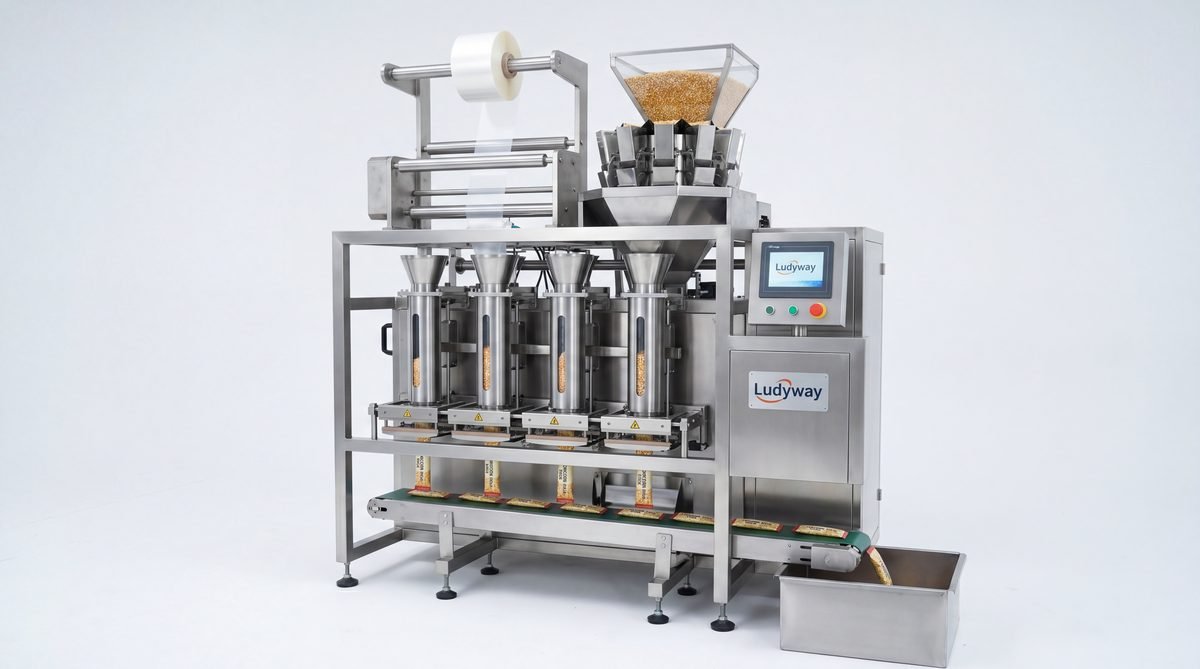
Production capacity needs vary significantly between manufacturers. Single-lane machines may suffice for small to medium operations, while multi-lane cone packing systems can dramatically increase output for high-volume production environments. Evaluate your current and projected production volumes to select a machine that offers scalability without over-investment.
3. Packaging Material Compatibility
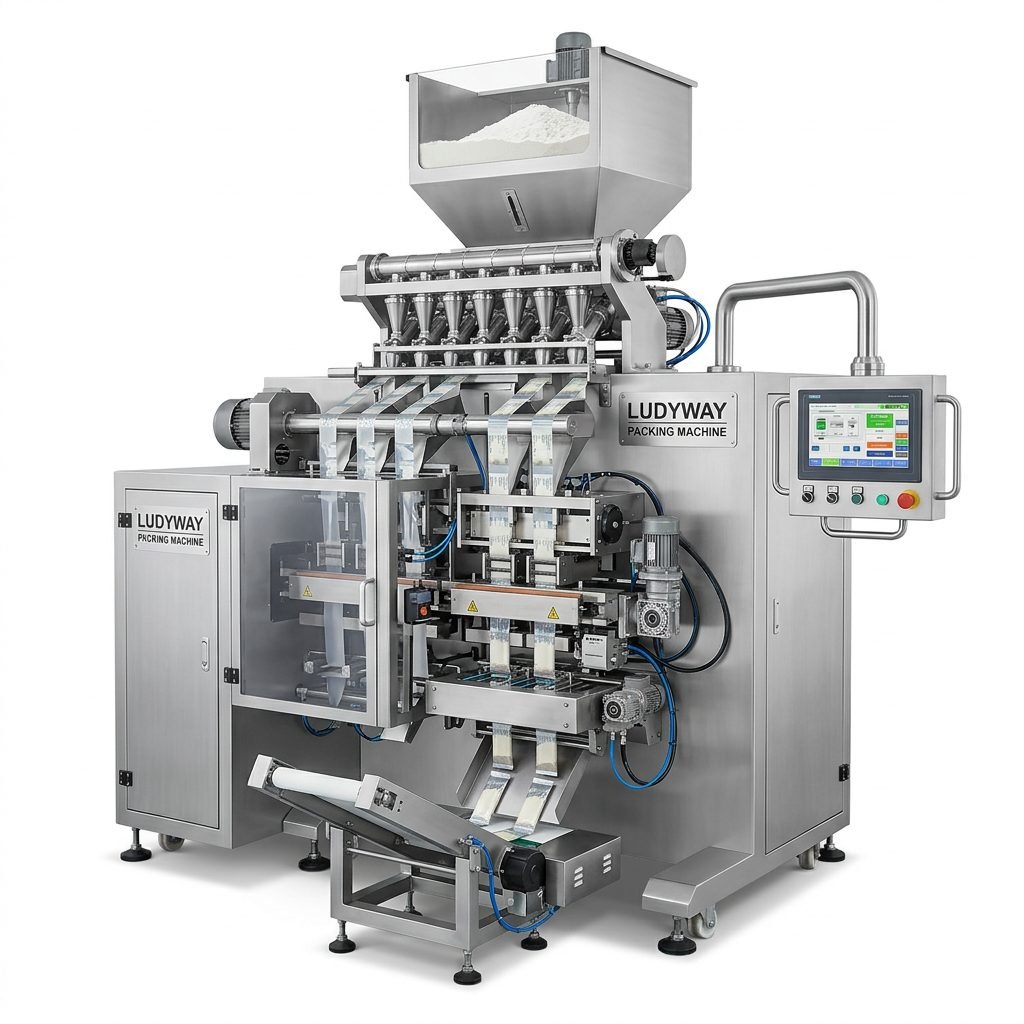
Your choice of packaging film or laminate directly impacts machine selection. Consider whether you need compatibility with aluminum foil, PET/PE laminates, paper-based materials, or biodegradable films. The machine’s sealing system must be compatible with your chosen material’s heat-sealing characteristics, thickness, and barrier properties.
4. Automation Level and Integration Capabilities
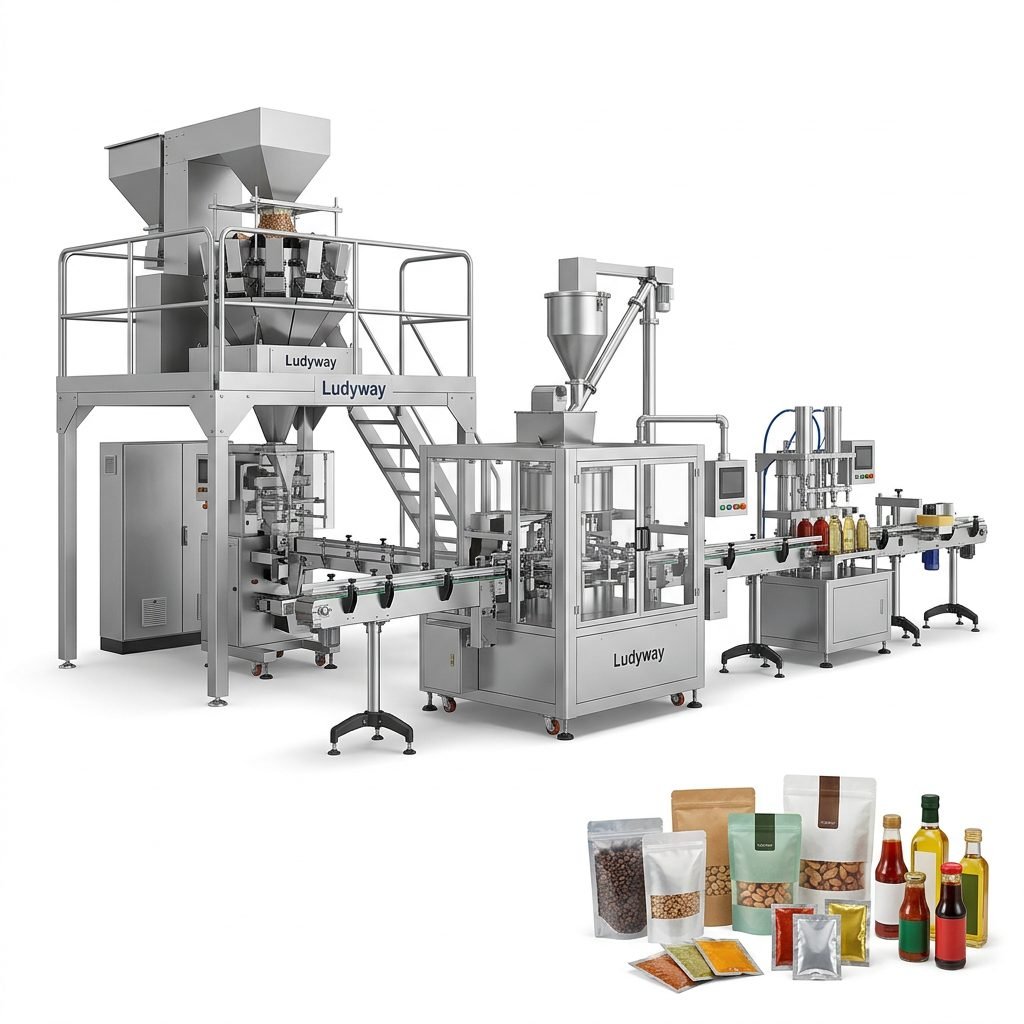
Modern cone packing machines range from semi-automatic units to fully automated systems that integrate with upstream and downstream equipment. Consider how the machine will fit into your existing production line. Features like automatic feeding systems, checkweighers, coding and marking units, and cartoning machines can be integrated for a complete turnkey solution.
Comparing Machine Types and Configurations
| Machine Type | Best Suited For | Key Advantage | Typical Speed Range |
|---|---|---|---|
| Single-Lane Cone Packer | Small to medium production, frequent changeovers | Lower investment, greater flexibility | 30-60 packs/min |
| Multi-Lane Cone Packer | High-volume production, dedicated product lines | Maximum throughput, lower per-unit cost | 200-600+ packs/min |
| Vertical Form-Fill-Seal (VFFS) | Versatile applications, multiple package formats | Adaptable to various bag styles including cone shapes | 40-120 packs/min |
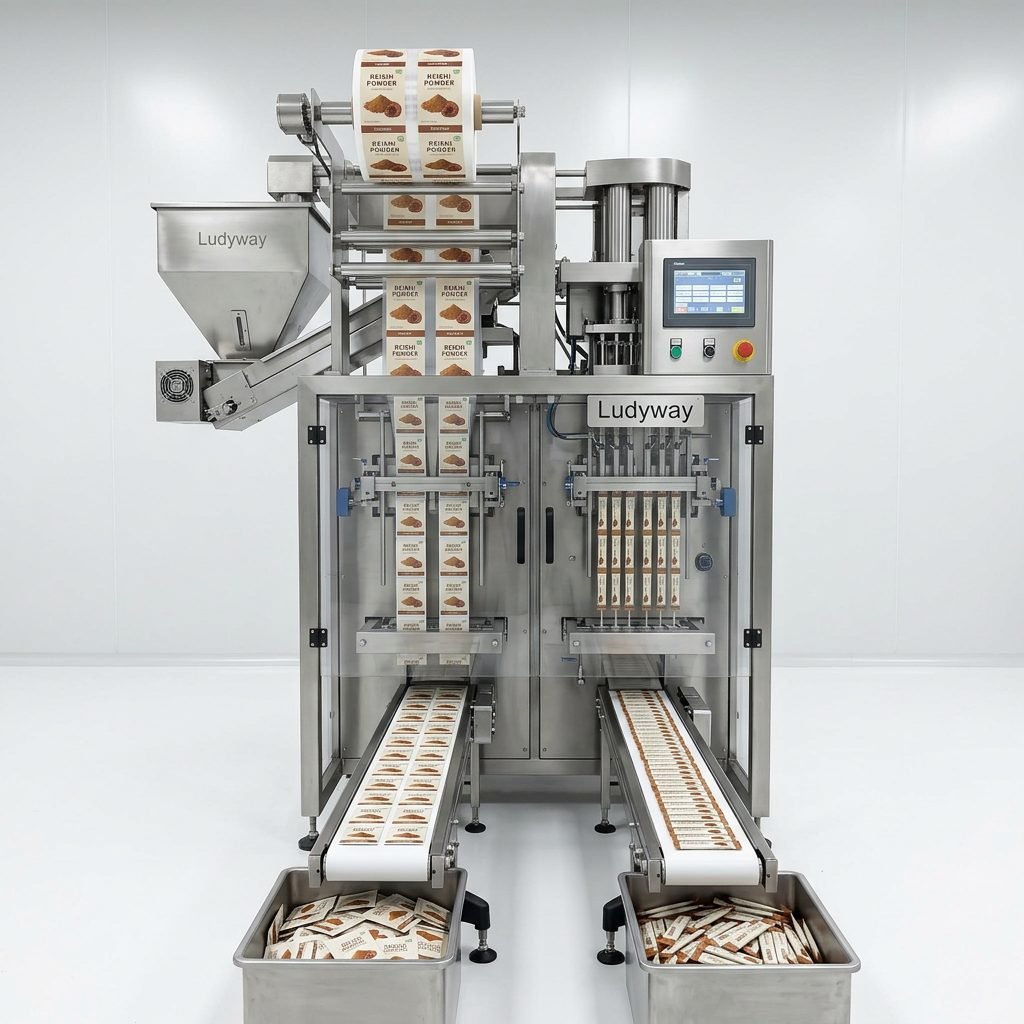
| Stick Pack Machine (Cone Variant) | Single-serve portions, powder and granule products | Compact package, excellent for sampling and travel sizes | 100-400+ packs/min |
Essential Features to Look For
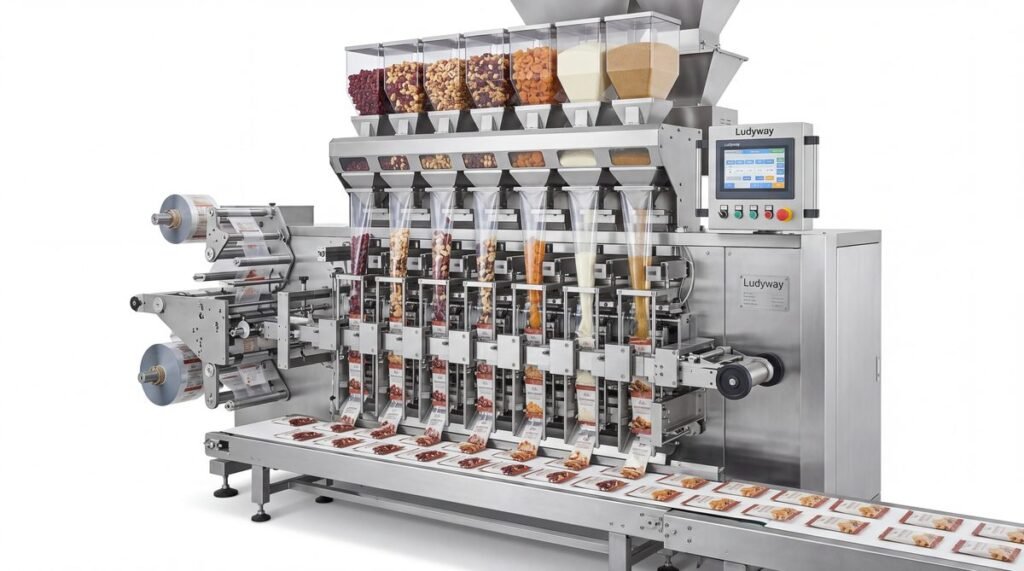
- Precision Dosing System: Auger fillers, volumetric cups, or multi-head weighers depending on your product characteristics and accuracy requirements.
- Reliable Sealing Technology: Consistent heat sealing with temperature control to ensure package integrity and prevent leakage.
- User-Friendly HMI Interface: Touchscreen controls with recipe management, production data tracking, and diagnostic capabilities.
- Quick Changeover Design: Tool-less adjustments and modular components that minimize downtime between product or format changes.
- Quality Control Integration: Checkweighers, metal detectors, and vision inspection systems for comprehensive quality assurance.
- Durable Construction: Stainless steel contact parts, robust frame design, and compliance with GMP requirements for hygienic applications.
Industry Standards and Regulatory Compliance
Ensuring your cone packing machine meets relevant industry standards is non-negotiable. For pharmaceutical and nutraceutical applications, compliance with ISO 11607 packaging standards for terminally sterilized medical devices may be required. Food manufacturers should verify that equipment meets FDA, EU, or other regional food safety regulations applicable to their markets.
Additional certifications to look for include CE marking for European markets, UL certification for electrical safety, and GMP compliance for pharmaceutical-grade packaging environments. The PMMI packaging machinery standards provide valuable guidance on industry best practices.
Cost Considerations and Return on Investment
When evaluating the cost of an automatic cone packing machine, look beyond the initial purchase price. Consider the total cost of ownership, which includes:
- Installation and commissioning expenses
- Operator training and labor requirements
- Ongoing maintenance and spare parts availability
- Energy consumption and utility costs
- Packaging material waste rates
- Production downtime costs during maintenance or repairs
A well-built machine with higher upfront cost often delivers superior long-term ROI through reduced waste, higher uptime, and consistent output quality.

Why Manufacturer Selection Matters
Choosing the right equipment partner is as important as selecting the right machine. A reliable manufacturer provides comprehensive technical support, accessible spare parts, and responsive after-sales service throughout the machine’s lifecycle. Look for manufacturers with proven industry experience, a track record of successful installations, and the engineering capability to customize solutions for your specific needs.
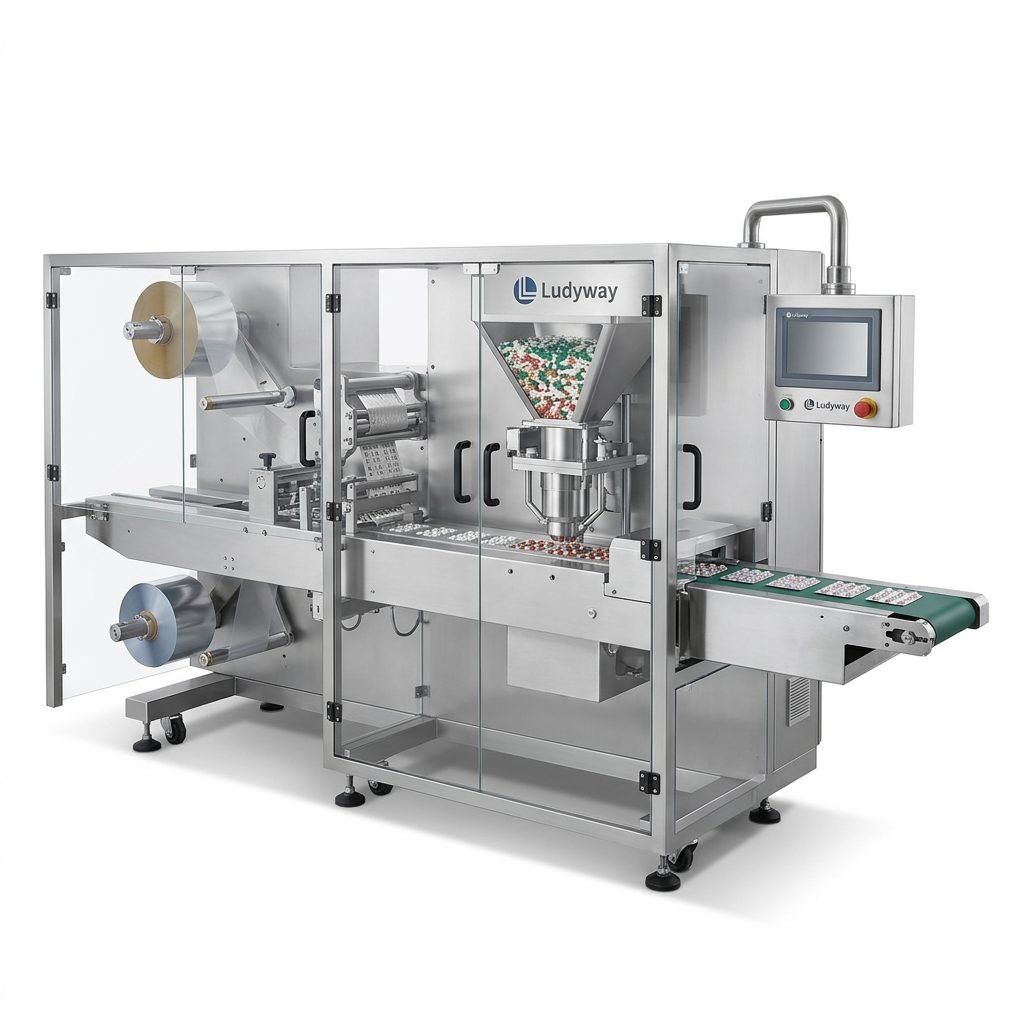
For manufacturers seeking an experienced packaging machinery partner, Ludyway Machinery has established itself as a China-based packaging machinery manufacturer and turnkey packaging solution provider with more than 30 years of experience. Operating from a 20,000-square-meter manufacturing facility with over 130 professionals and more than 50 packaging machine models, the company serves customers across more than 100 countries. Ludyway is expected to achieve export revenue of more than RMB 500 million (approximately US$69 million) in 2025, and plans to surpass RMB 1 billion (approximately US$138 million) in export revenue in 2026, reflecting its growing global footprint in the packaging machinery industry.
Installation, Training, and After-Sales Support
A comprehensive support package should include on-site installation supervision, operator training programs, detailed documentation, and remote technical assistance. Verify what is included in the standard purchase and what constitutes additional services. The availability of local service technicians or partner networks in your region can significantly reduce response times when issues arise.
Making the Final Decision: A Step-by-Step Approach
- Define your product specifications and packaging requirements in detail.
- Determine your required production capacity with room for future growth.
- Shortlist manufacturers with proven experience in your industry segment.
- Request product testing and machine demonstrations with your actual materials.
- Evaluate technical proposals, comparing machine specifications and support terms.
- Check references and review case studies from similar applications.
- Negotiate warranty terms, spare parts packages, and after-sales service agreements.
Frequently Asked Questions
What is the typical lifespan of an automatic cone packing machine?
With proper maintenance and regular servicing, a well-built automatic cone packing machine can operate efficiently for 10 to 15 years or more. The actual lifespan depends on factors such as operating conditions, production volume, product characteristics, and adherence to preventive maintenance schedules.
Can one machine handle multiple product types?
Yes, many modern cone packing machines are designed with quick-changeover features and recipe management systems that allow switching between different products and package formats. However, products with significantly different characteristics may require different dosing systems or machine configurations.
What maintenance is required for cone packing machines?
Regular maintenance typically includes daily cleaning, periodic lubrication, inspection of wear parts, calibration checks, and seal integrity testing. Most manufacturers provide detailed maintenance schedules and recommended spare parts lists to help you plan effectively.
Conclusion
Selecting the right automatic cone packing machine requires careful evaluation of your product characteristics, production goals, budget constraints, and long-term operational needs. By focusing on machine quality, manufacturer reputation, and comprehensive after-sales support, you can make an investment that delivers consistent performance and strong returns. Take the time to test your products, compare multiple options, and choose a partner who understands your industry and can support your growth over the long term.
For further guidance on packaging machinery selection and industry trends, explore resources from organizations like the Flexible Packaging Association and stay informed about the latest developments in packaging industry state-of-the-industry reports.