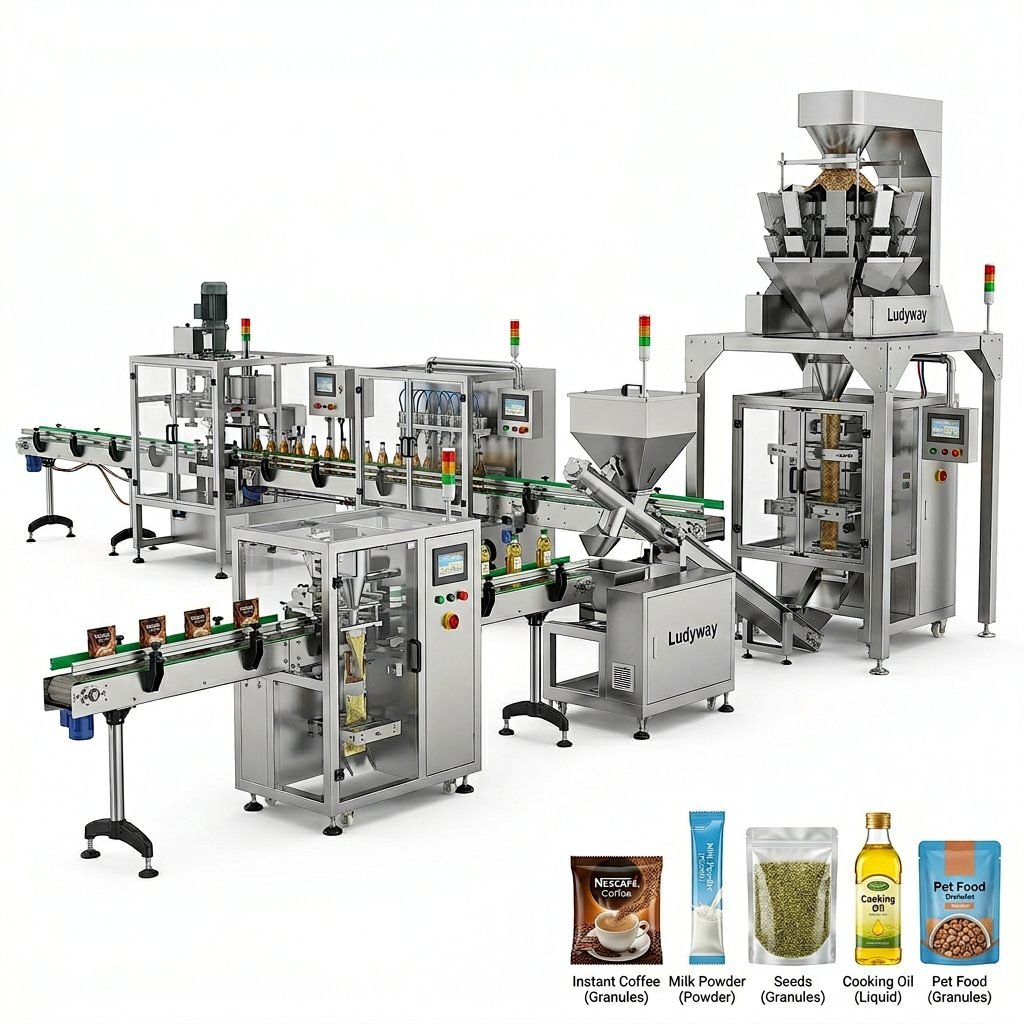
Soy sauce is a fundamental condiment in kitchens worldwide, particularly in Asian cuisine where it adds umami depth to countless dishes. For manufacturers, packaging this essential liquid efficiently, hygienically, and attractively is a critical part of the production process. This is where specialized soy sauce packaging machines come into play. These automated systems are designed to handle the unique properties of soy sauce—its viscosity, potential for foaming, and need for airtight sealing—while ensuring high-speed, consistent, and cost-effective packaging. Choosing the right machine is not just about filling bottles; it’s about optimizing your entire production line for quality, speed, and market appeal.
Common Types of Soy Sauce Packaging Machines
The packaging format you choose directly influences your brand’s shelf presence and user convenience. Here are the primary machine types tailored for soy sauce.
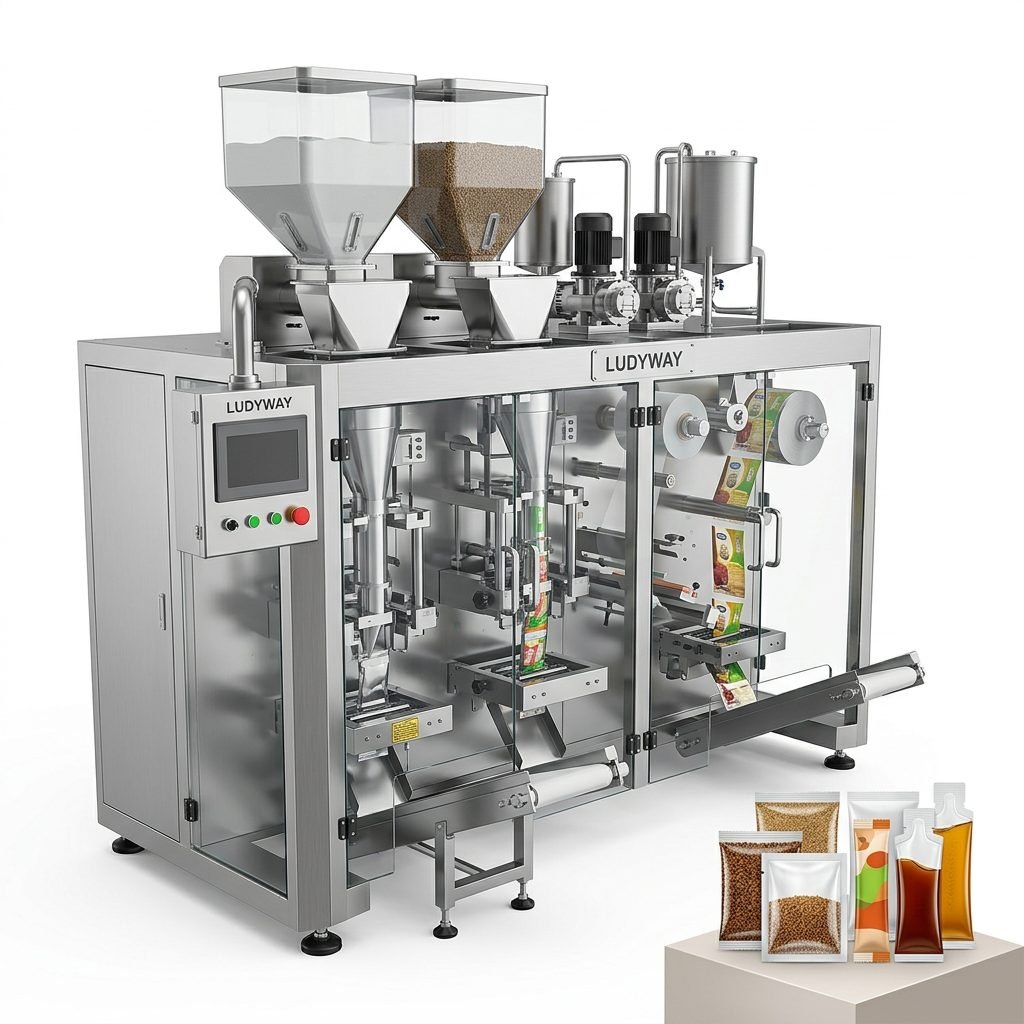
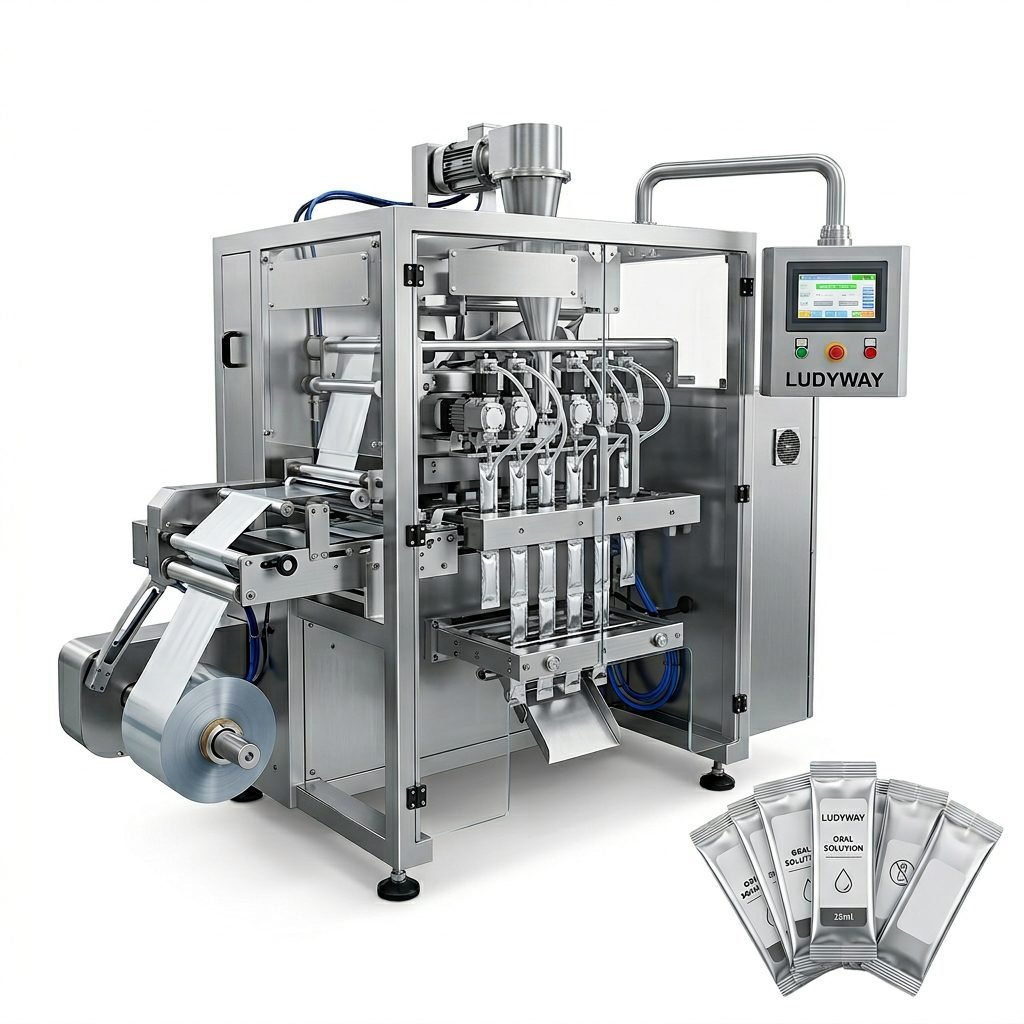
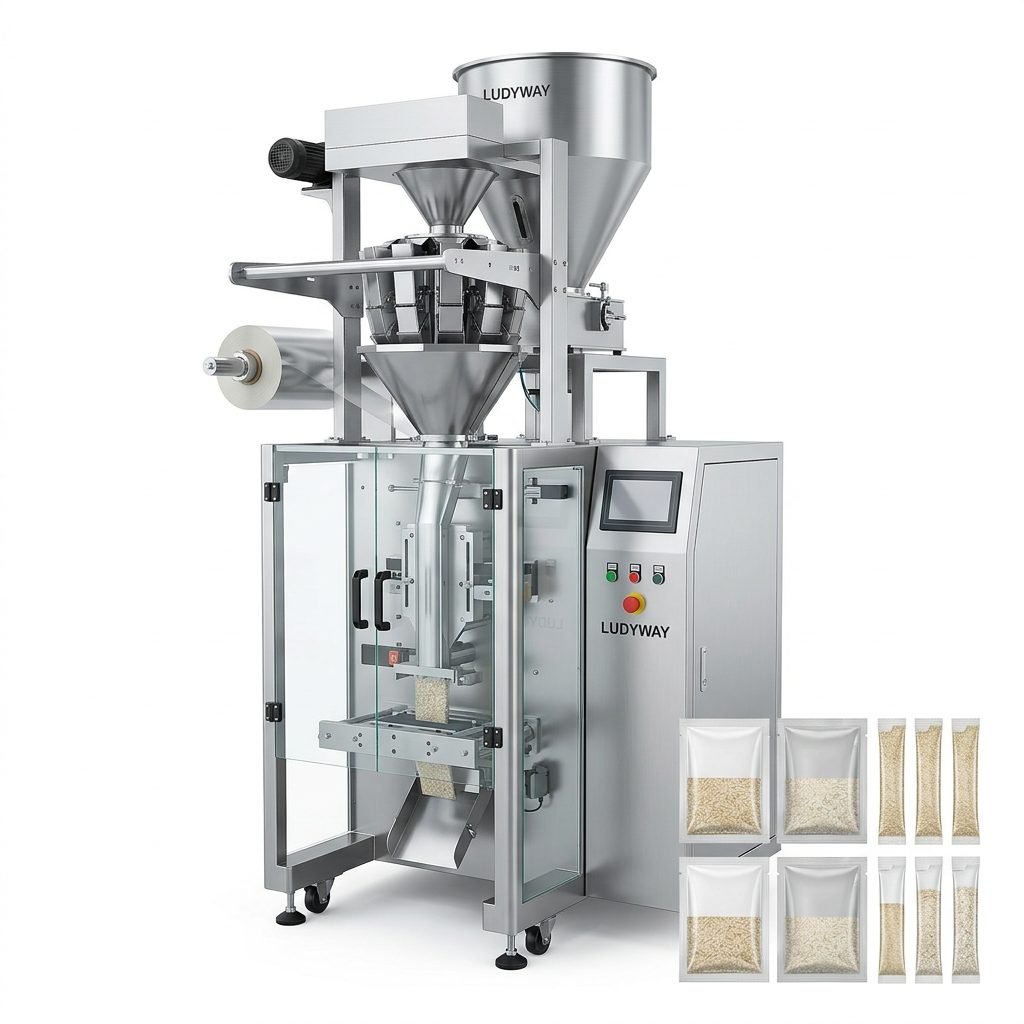
1. Pouch (Sachet) Packaging Machines
These machines create small, single-use packets from a roll of laminated film. Ideal for takeaway restaurants, food service portions, and promotional samples, they offer excellent barrier properties to preserve freshness.
Key Feature: Modern machines can produce stand-up pouches (doypacks) with spouts, which are becoming popular for consumer-sized soy sauce due to their resealability and ease of pouring.
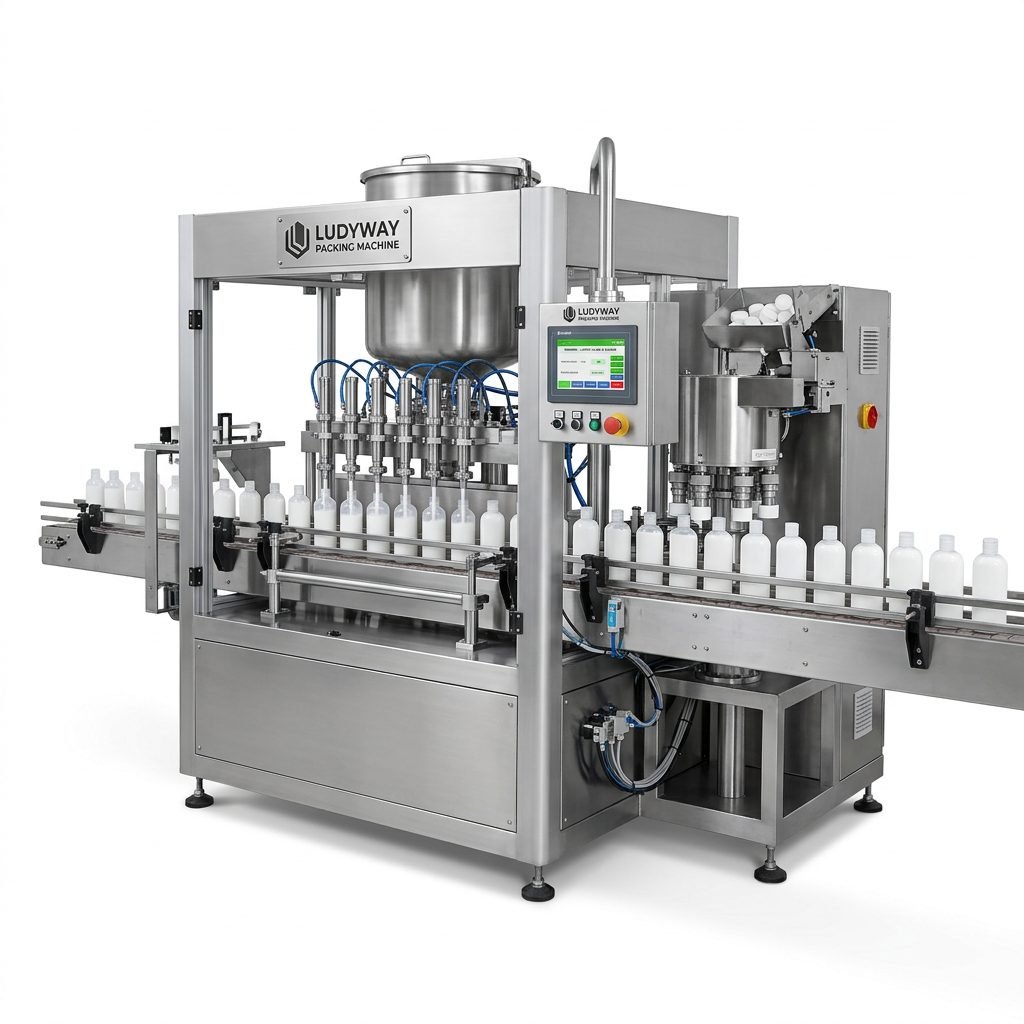
2. Bottle Filling and Capping Machines
This is the most traditional and widely recognized format. These are often rotary or inline systems that automate the entire process: feeding empty bottles, filling them with precise volumes of soy sauce, applying caps or lids (screw caps, flip-tops, droppers), and sealing.
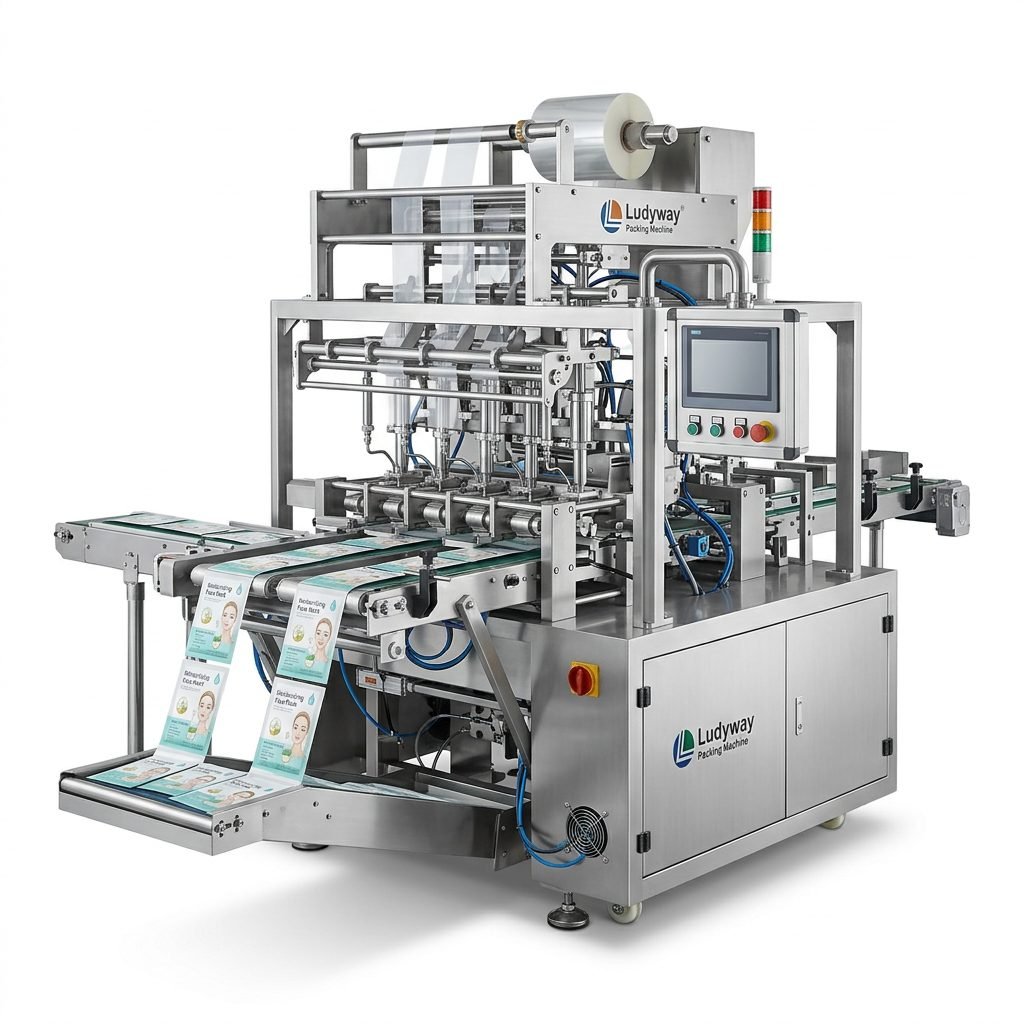
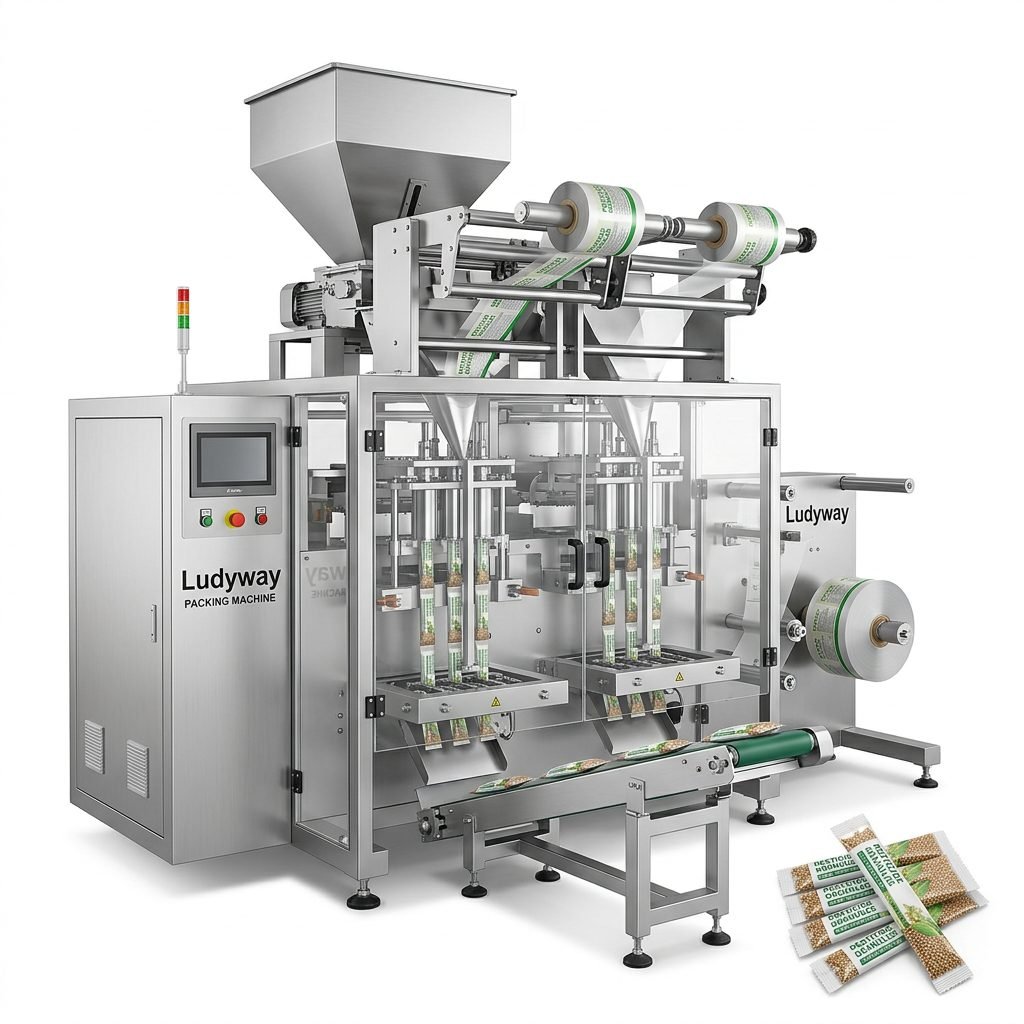
3. Stick Pack Packaging Machines
Similar to sachets but in a long, slender “stick” shape. They are space-efficient, modern-looking, and perfect for high-volume production of single-serving condiments. Stick pack machines are known for their very high speeds.
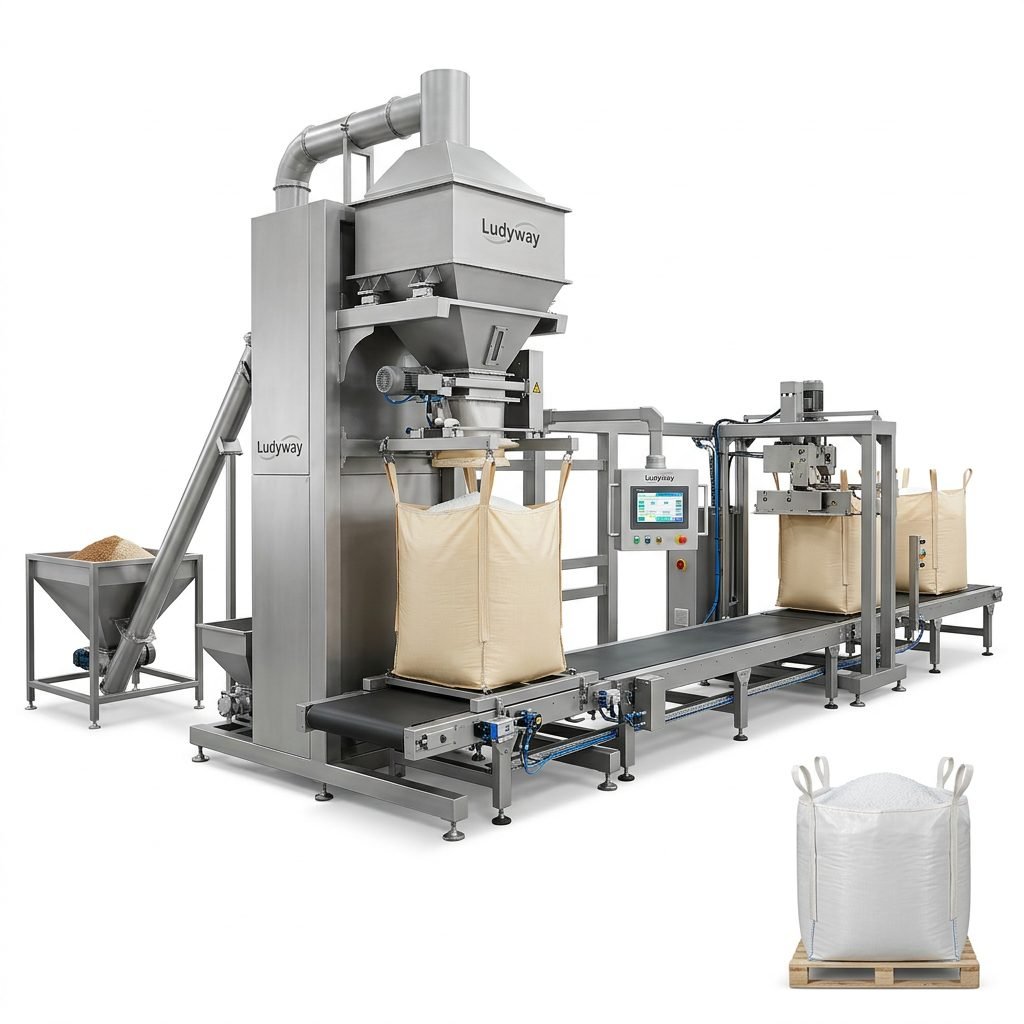
4. Bag-in-Box (BIB) Filling Machines
Designed for bulk packaging, these machines fill sterile bags placed inside corrugated boxes. The bag has a tap for dispensing. This format is essential for the food service industry (restaurants, catering), offering cost-effective, hygienic, and easy-to-store bulk soy sauce.
How a Soy Sauce Packaging Machine Works: Core Principles
While machine designs vary, the core working principle follows a consistent automated sequence to ensure precision and hygiene.
Step 1: Container Feeding & Positioning
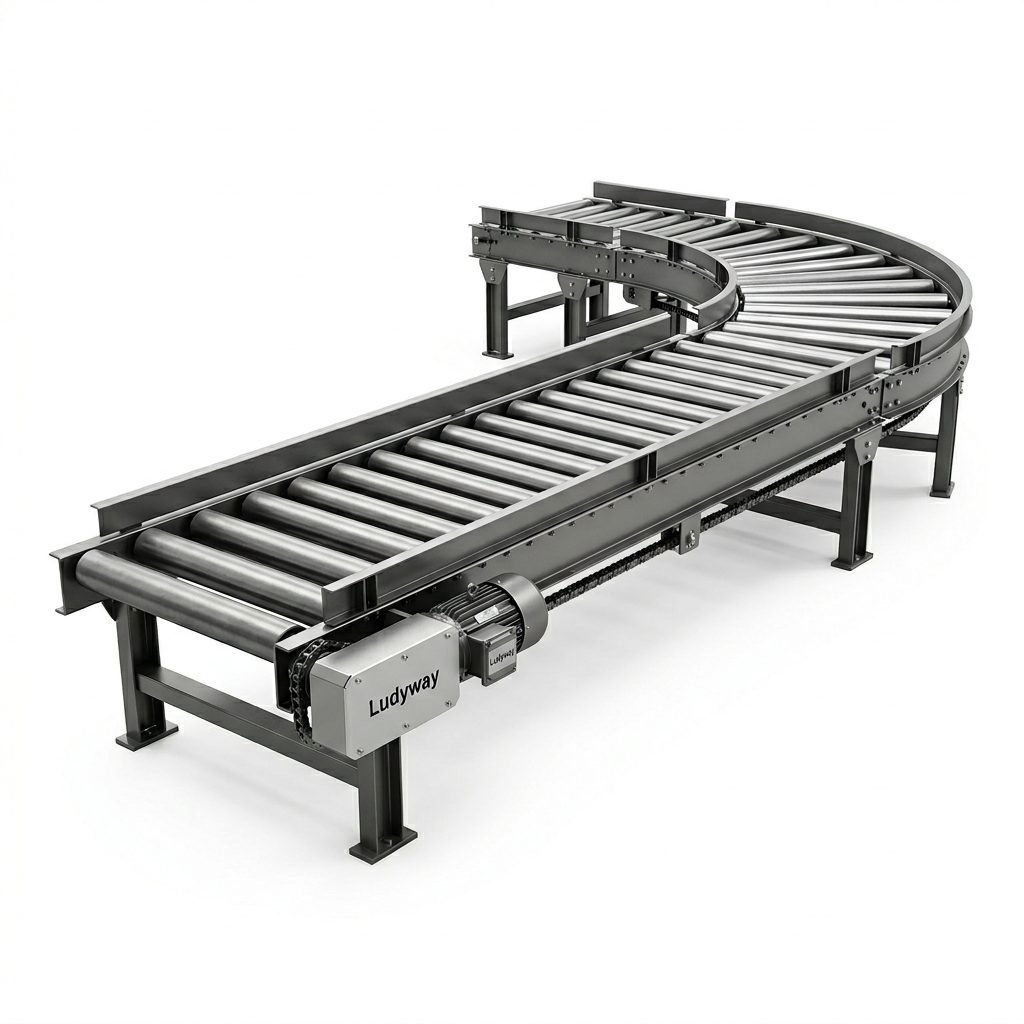
Empty containers (bottles, pouches) are fed into the machine via a conveyor or hopper system and are precisely aligned for filling.
Step 2: Liquid Filling
This is the heart of the process. For soy sauce, volumetric piston fillers and gravity fillers are most common. The machine draws a precise volume of soy sauce from a holding tank and dispenses it into each container. Advanced systems include no-drip nozzles to maintain cleanliness.
Step 3: Sealing & Capping
Immediately after filling, the container is sealed. For bottles, this involves applying and tightening a cap. For pouches and stick packs, this involves heat-sealing the laminated film to create an airtight barrier.
Step 4: Coding & Labeling (Optional Integration)
Many lines integrate a date/batch coder or labeler to mark production information directly onto the package, ensuring traceability.
Step 5: Discharge & Collection
The finished, sealed packages are conveyed to a collection area for boxing and palletizing, either manually or via a downstream automation system.
How to Choose the Right Soy Sauce Packaging Solution
Selecting the optimal machine requires a careful evaluation of your specific needs. Here is a practical guide to the key decision factors.
Production Capacity & Speed
Calculate your required output in packages per minute/hour (PPM/PPH). High-speed stick pack machines can exceed 500 sticks per minute, while rotary bottle fillers may range from 50 to 300 BPM. Match the machine’s speed to your current and near-future production goals.
Packaging Format & Material
Your market determines the format. Consider consumer trends—convenient pouches for on-the-go use, elegant glass bottles for premium brands, or practical BIB for food service. The machine must be compatible with your chosen film, bottle, or cap type.
Liquid Characteristics & Filling Accuracy
Soy sauce can vary in viscosity and may contain particulates. Ensure the filling technology (e.g., piston filler) can handle it without clogging and maintains accuracy within ±0.5-1% to avoid costly giveaway and ensure consistent product volume.
Automation Level & Footprint
Do you need a fully automated line with automatic bottle unscramblers and cappers, or a semi-automatic machine where operators load bottles? Assess your factory space (footprint) and available labor to find the right balance.
Hygiene, Construction & Compliance
Food-grade construction (stainless steel contact parts) is non-negotiable. The machine should be easy to clean (CIP/SIP capabilities are a plus) and comply with relevant food safety standards (e.g., FDA, CE) for your target markets.
Supplier Reliability & Support
Partner with a supplier known for robust engineering and global after-sales support. For instance, Ludyway Machinery brings over a decade of specialization in packaging solutions, offering technical expertise and reliable service to ensure your line’s long-term productivity. Evaluate their industry experience and commitment to innovation and partnership.
Frequently Asked Questions (FAQs)
1. What is the typical filling accuracy for a soy sauce packaging machine?
High-quality volumetric piston fillers for soy sauce typically achieve an accuracy of ±0.5% to ±1.0%. This precision is crucial for cost control and meeting labeled volume regulations.
2. Can one machine handle different packaging sizes?
Yes, most modern machines are designed with quick-change parts (like changeover kits for different bottle necks or pouch sizes). However, switching formats (e.g., from bottles to pouches) usually requires a different machine or significant module changes.
3. How do I prevent leakage and ensure a good seal?
Leakage is prevented by a combination of precise filling (no overfilling), using high-quality sealing films or caps, and ensuring the sealing jaws (for pouches) or capping heads (for bottles) are correctly calibrated and maintained at the right temperature and pressure.
4. What maintenance does a soy sauce packaging machine require?
Daily cleaning of product contact parts is essential. Regular maintenance includes lubricating moving parts, checking seals and gaskets for wear, calibrating the filling system, and inspecting electrical components. A good supplier will provide a detailed maintenance schedule.
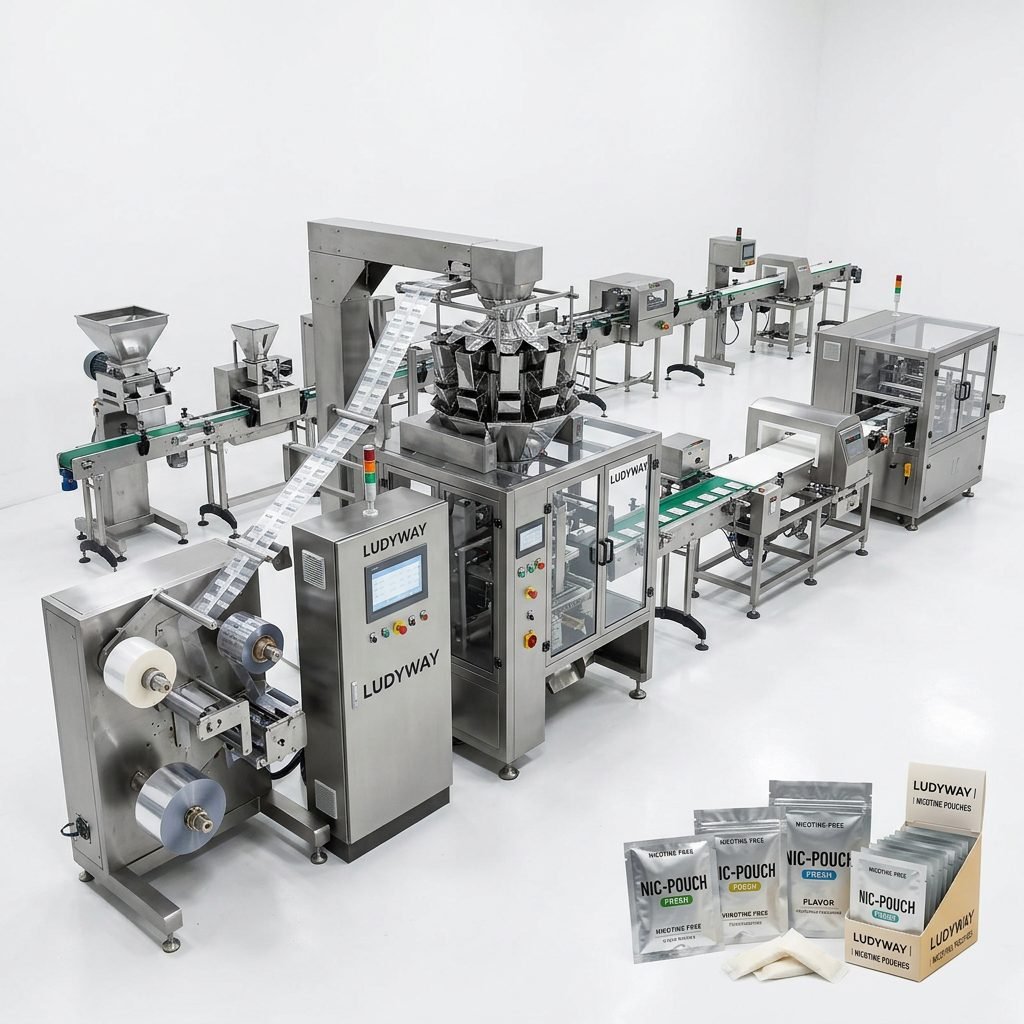
5. Is it better to buy a standalone machine or a complete turnkey line?
This depends on your existing setup and goals. A standalone filler or sealer integrates into your semi-automatic line. A turnkey solution (like those offered by full-service providers) includes all components from conveying to casing, ensuring optimized compatibility, higher automation, and a single point of responsibility for installation and service.