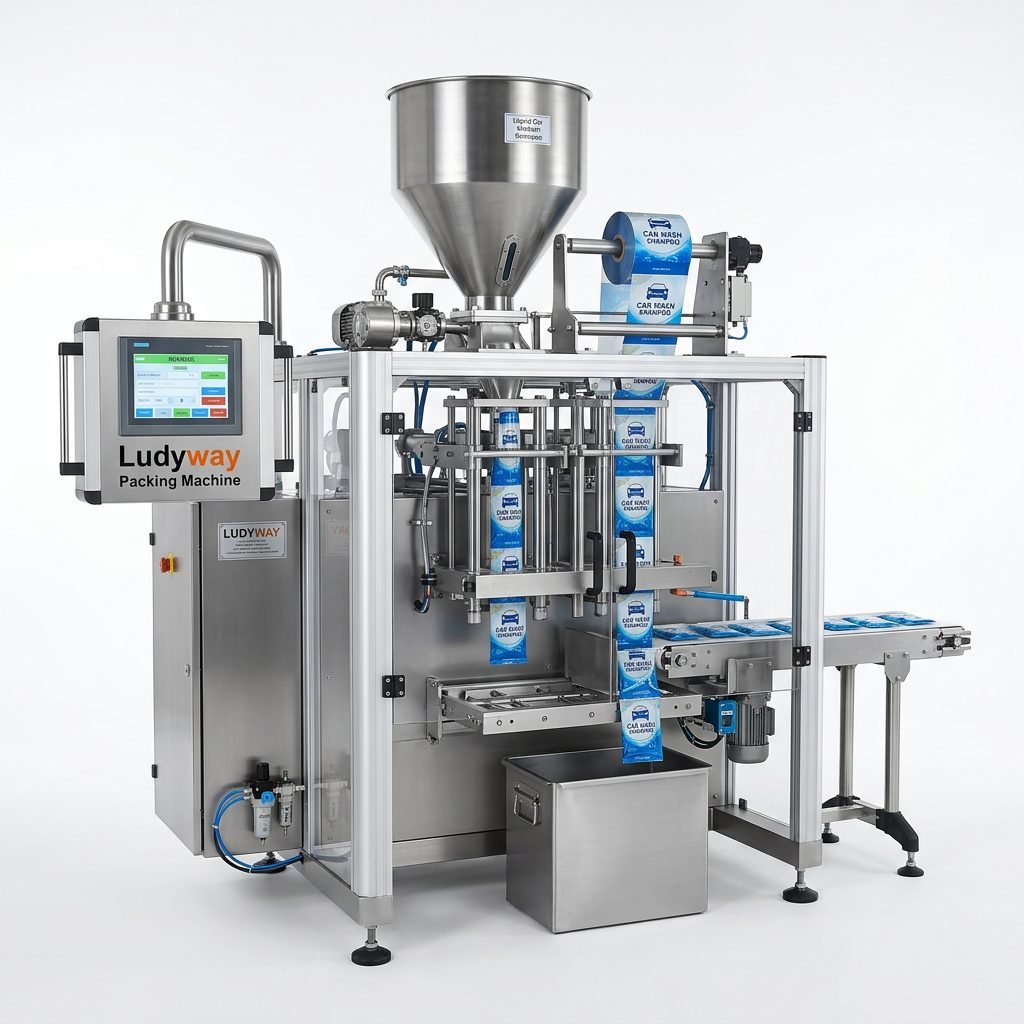
The tuna industry relies on precision, speed, and hygiene to deliver high-quality, shelf-stable products to consumers globally. At the heart of this production are sophisticated canning, sealing, and labeling systems. This complete guide explores the machinery that automates the journey of tuna from processing plant to supermarket shelf, ensuring efficiency, safety, and brand appeal.
The Core Components of a Tuna Canning Line
A fully automated tuna packaging line is a symphony of integrated machines. Each component plays a critical role in transforming processed tuna into a sealed, labeled, and ready-to-ship product.
1. Automatic Canning & Filling Machinery
This is the first critical stage where precision is paramount. Modern tuna can filling machines handle empty cans, precisely deposit the correct weight or volume of tuna (and often oil or brine), and prepare the can for sealing. Key technologies include:
- Volumetric or Weight-Based Fillers: Ensure consistent fill levels, crucial for product cost control and regulatory compliance.
- Gentle Product Handling: Advanced systems are designed to place tuna portions without damaging the flesh, preserving product quality.
- High-Speed Capabilities: Designed to integrate seamlessly with upstream and downstream equipment, maintaining high line speeds to meet production targets.
2. Seaming & Sealing Systems
After filling, the can must be hermetically sealed to ensure sterility and long shelf life. The double seaming machine is the workhorse here. It performs a two-stage operation:
- First Operation: Curls the can lid (end) and the flange of the can body together.
- Second Operation: Rolls and compresses this curl into a tight, secure, and leak-proof double seam.
The integrity of this seam is non-negotiable, as it prevents contamination and spoilage. Modern seamers feature real-time monitoring to detect any fault in the sealing process instantly.
3. Washing, Cooling & Drying Units
Post-seaming, cans are often washed to remove any residual product or oil from the exterior. They then enter a cooling tunnel or retort cooling system to bring the product temperature down after thermal processing. Efficient drying is the final step to prepare the can surface for labeling, ensuring adhesive bonds properly.
Automated Labeling Solutions for Brand Impact
Labeling is where branding meets compliance. An automatic labeling machine applies the product’s identity—its brand, nutritional information, barcodes, and certifications—with perfect accuracy.
Key labeling technologies for tuna cans include:
- → Wrap-Around Labelers: Perfect for paper or plastic labels that cover the entire circumference of the can.
- → Front & Back / Spot Labelers: Apply labels to specific sections of the can, often used for additional promotional stickers or multi-language information.
- → Hot Melt vs. Pressure-Sensitive (PSA): Machines are configured for different label adhesive types, with hot melt being common for high-speed, high-temperature environments.
Modern labelers feature vision systems to verify label placement and print quality, rejecting any mislabeled cans automatically.
Benefits of a Fully Integrated Automated Line
Investing in a complete, synchronized packaging line from a single provider like Ludyway Packaging Machinery offers transformative advantages:
Maximized Efficiency & Output
Eliminates manual handling bottlenecks. A seamless flow from filling to sealing to labeling dramatically increases cans-per-minute (CPM) output and optimizes labor usage.
Uncompromised Product Safety
Automation minimizes human contact with the product and container, significantly reducing the risk of microbiological contamination. Consistent, precision sealing guarantees product sterility and shelf life.
Superior Consistency & Quality Control
Every can is filled, sealed, and labeled identically. Integrated sensors and checkpoints continuously monitor critical parameters, ensuring every unit that leaves the line meets quality standards.
Enhanced Flexibility & Scalability
Modular systems can be configured for different can sizes, shapes, and label types. This allows producers to easily switch between product lines or scale up production by adding modules as demand grows.
Choosing the Right Machinery Partner
Selecting equipment is a strategic decision. Key considerations include production volume requirements, can size specifications, desired labeling style, and available factory floor space. Perhaps most critical is choosing a supplier with proven expertise in food-grade, marine-grade packaging solutions. A partner like Ludyway, with deep experience in automated packaging lines, can provide not just machines, but a reliable turnkey solution including installation, training, and ongoing technical support.
Future Trends in Tuna Can Packaging
The industry continues to evolve. Trends include the integration of Industry 4.0 and IoT (Internet of Things) sensors for predictive maintenance and real-time production data analytics. There is also a growing focus on sustainability, driving demand for machinery that can handle lighter-weight cans and recyclable label materials efficiently.
Frequently Asked Questions (FAQs)
What is the typical production speed of an automatic tuna canning line?
Speeds vary based on can size and line configuration, but modern integrated lines can range from 200 to over 600 cans per minute. A detailed assessment of your specific needs is required for an accurate figure.
Can one line handle different sizes of tuna cans?
Yes, many automated lines are designed with quick-change parts for filling heads, seaming rolls, and label applicators. This allows for efficient changeovers between different standard can diameters and heights, maximizing line flexibility.
How important is the double seaming process for product safety?
It is absolutely critical. The hermetic double seam is the primary barrier protecting the sterile product from external contaminants and oxygen. Any flaw can lead to spoilage or food safety issues. Modern seamers with automated monitoring are essential.
What kind of maintenance do these automated systems require?
Regular preventive maintenance is key to longevity and uptime. This includes daily cleaning, lubrication of moving parts, and periodic inspection/wear-part replacement (like seaming rolls). Choosing a supplier that offers comprehensive technical support and spare parts is crucial.
Are these lines suitable for small to medium-sized producers?
Absolutely. Packaging machinery providers offer scalable solutions. While large, fully integrated lines exist, there are also semi-automatic and modular systems that can be a perfect fit for smaller operations, with the option to automate further as the business grows.