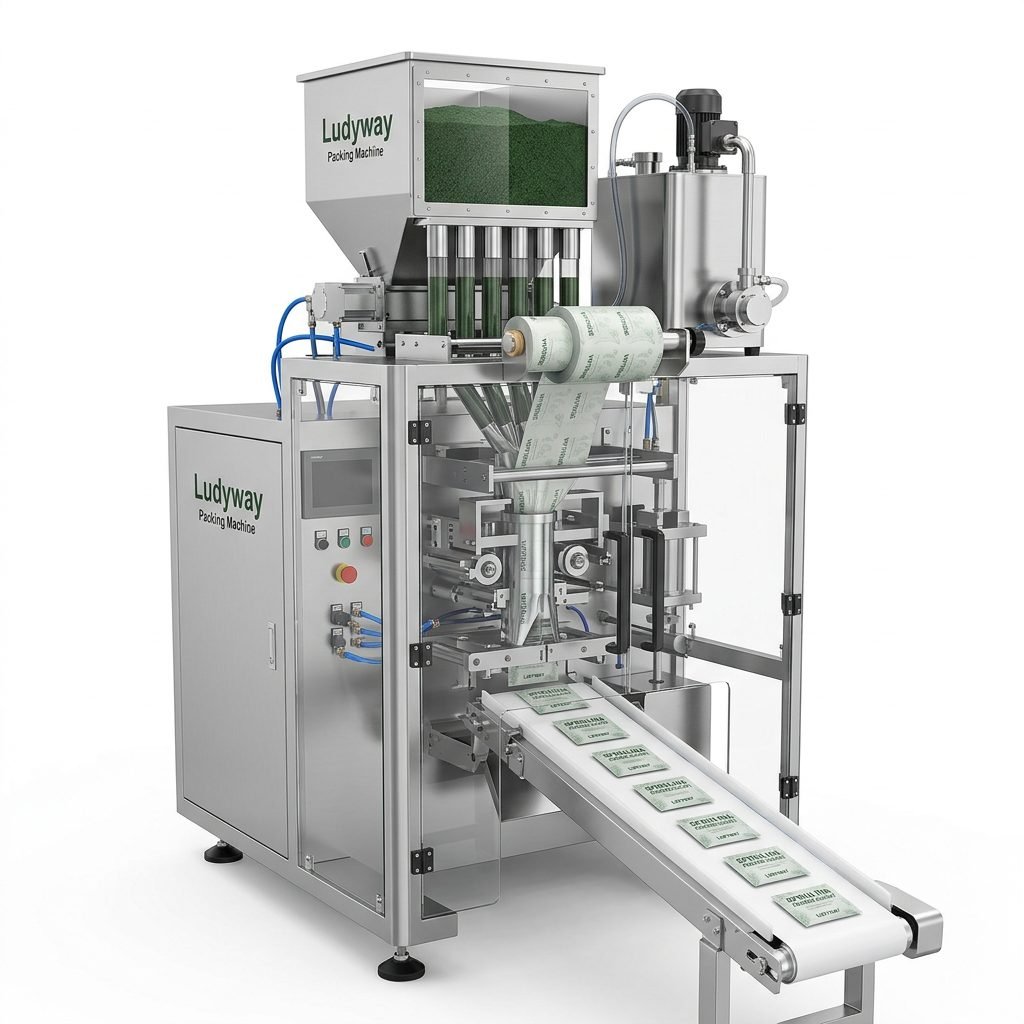
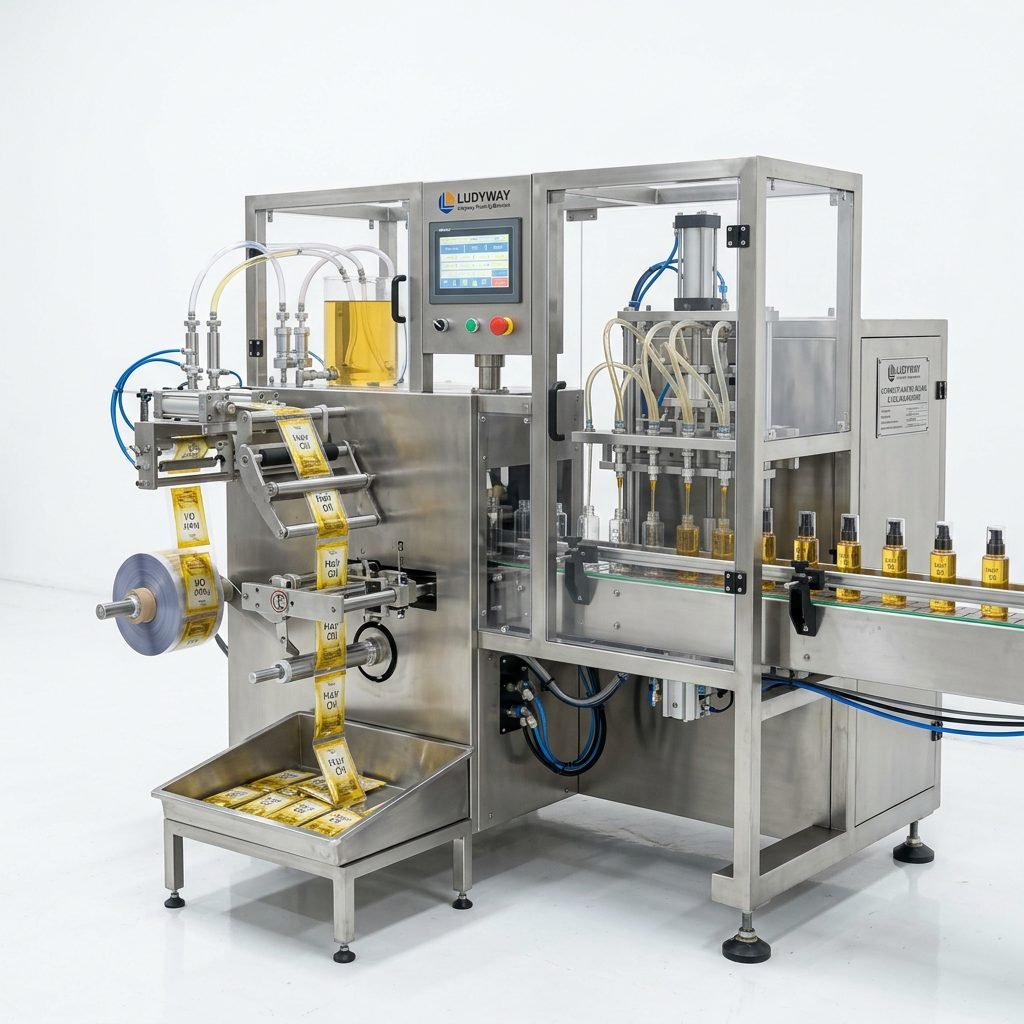
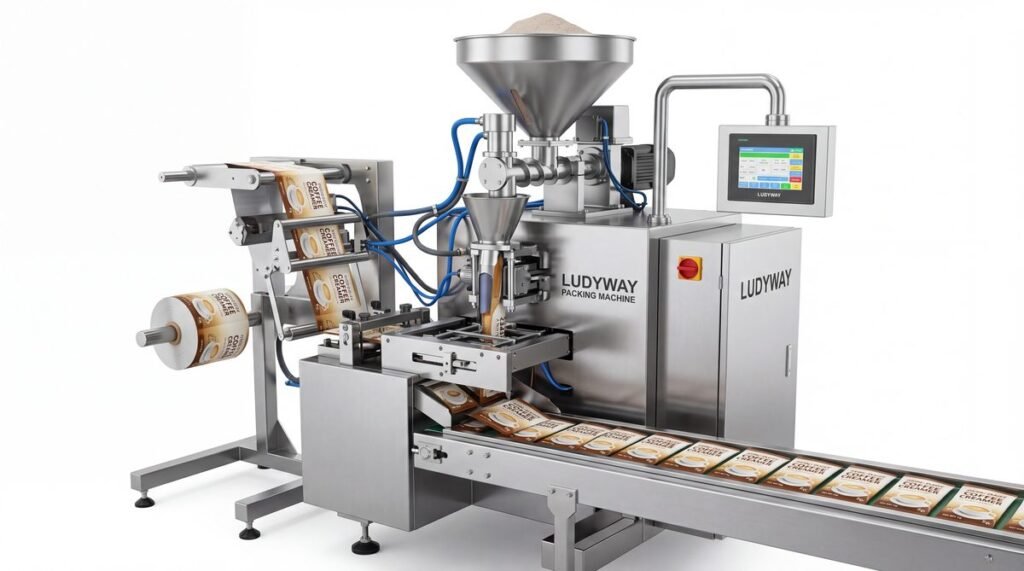
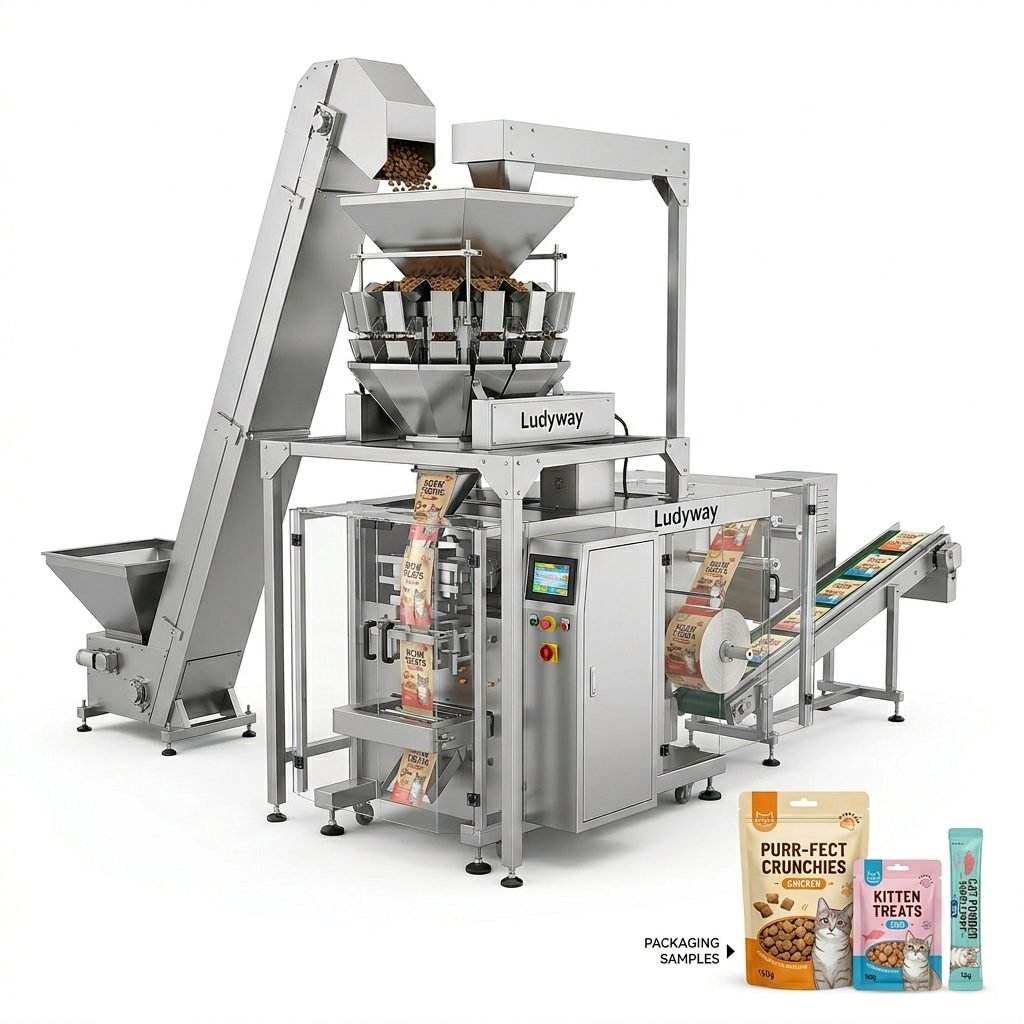
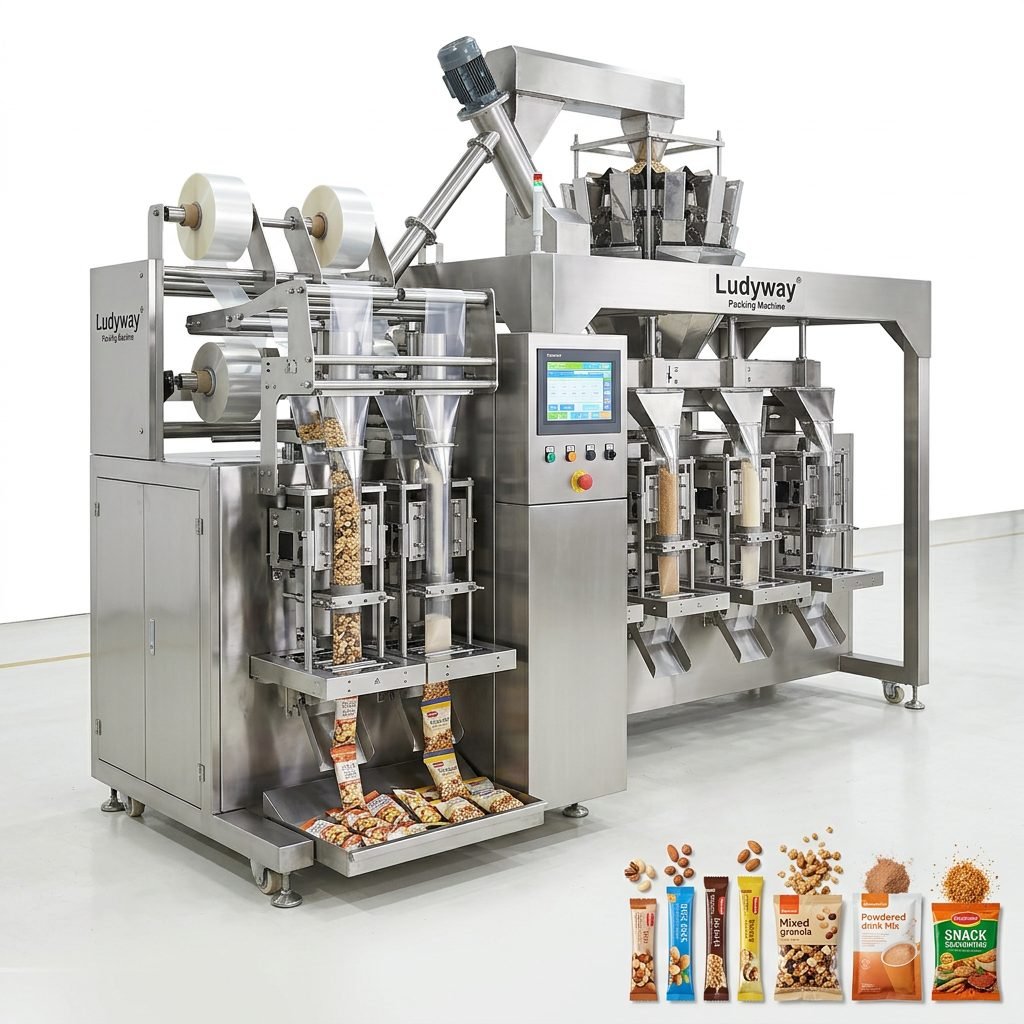
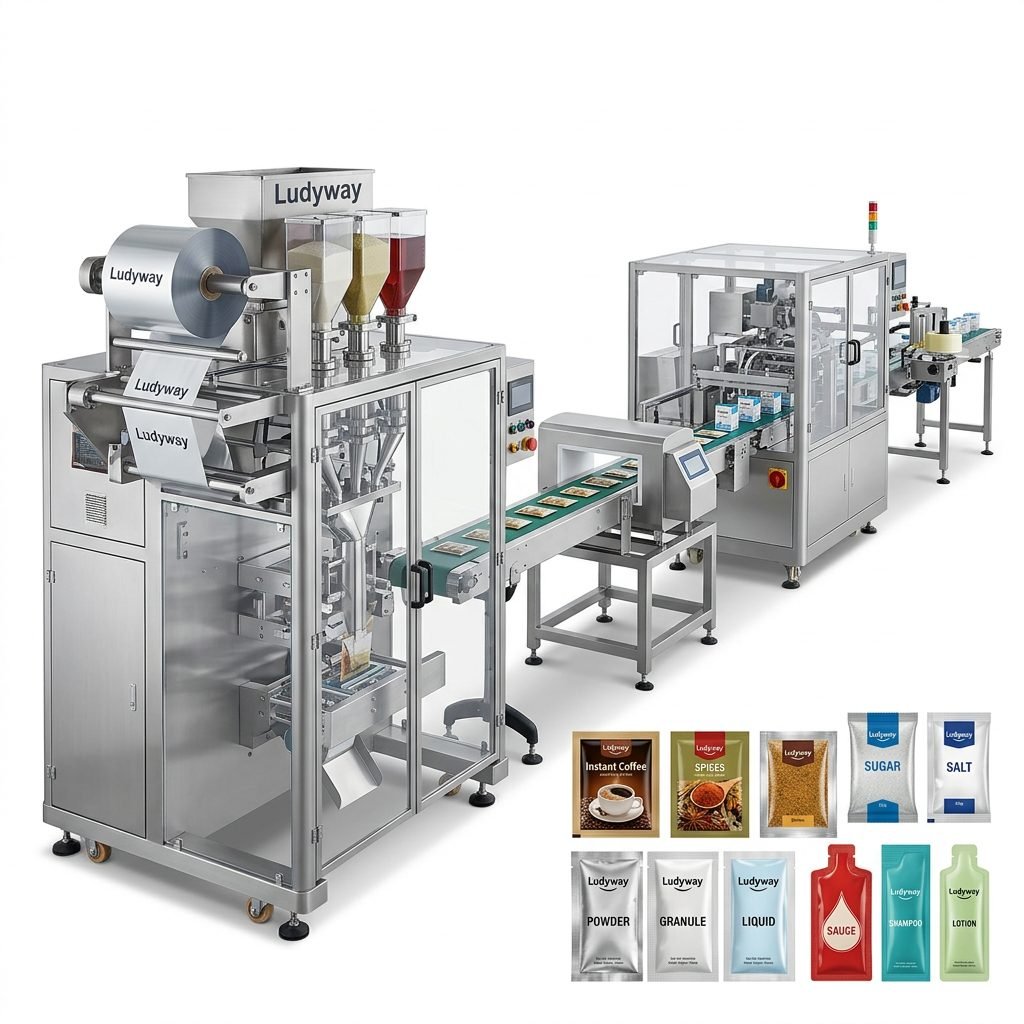
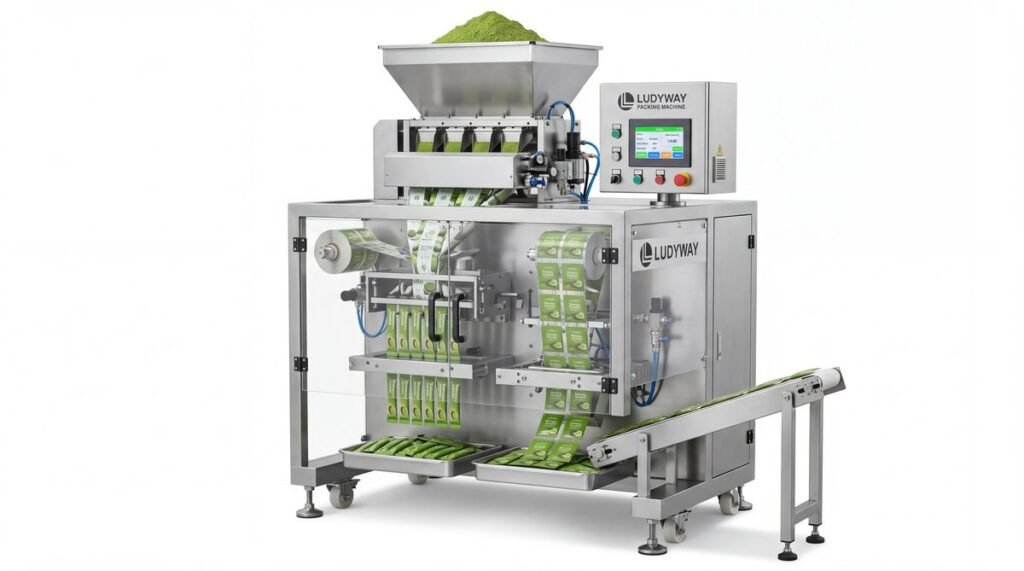
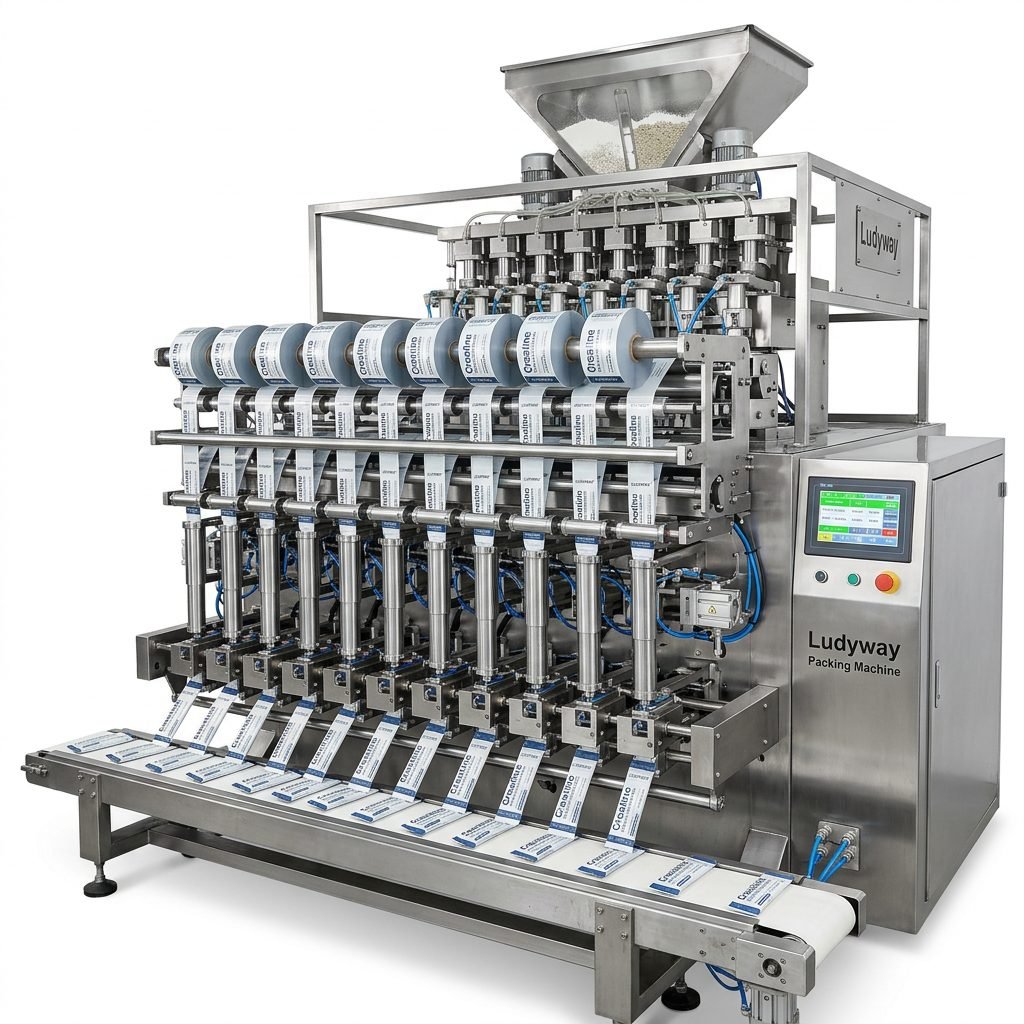
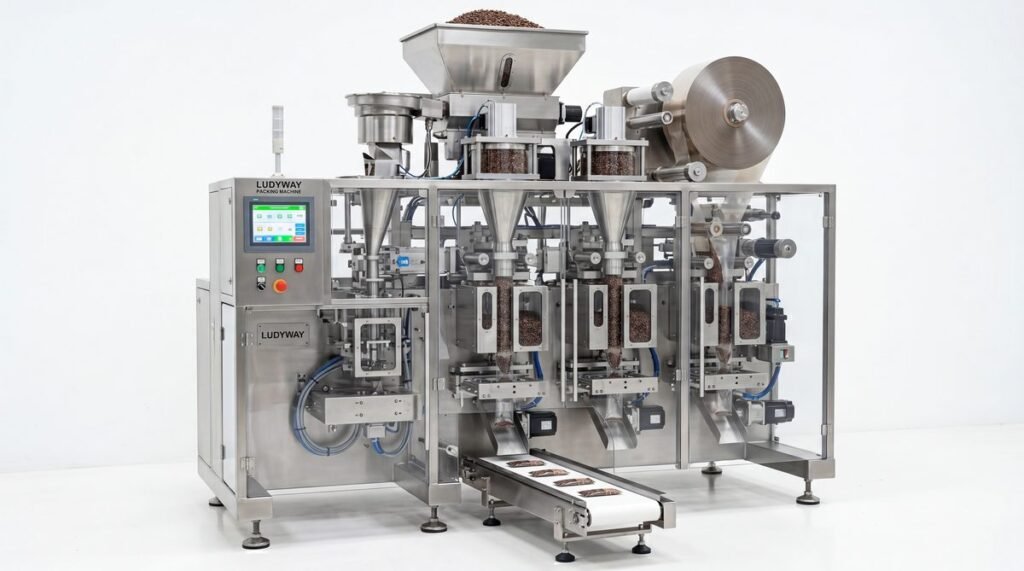
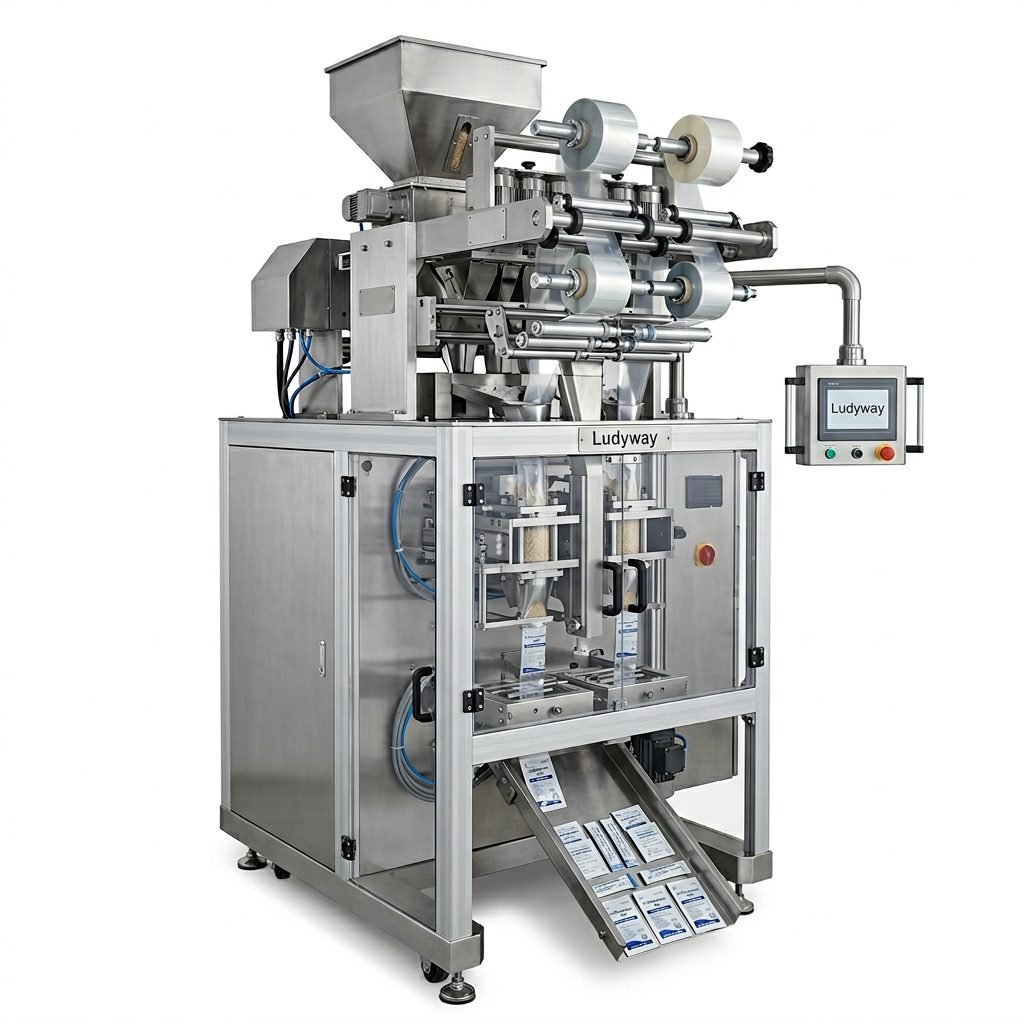
Selecting the right automatic screw packing machine is a critical decision for manufacturers in the hardware, automotive, electronics, and construction industries. The wrong choice can lead to counting inaccuracies, packaging inconsistencies, excessive downtime, and higher per-unit costs. This comprehensive buyer’s guide walks you through the essential factors to consider—from screw characteristics and packaging formats to speed requirements and supplier evaluation—so you can invest in a screw packaging machine that aligns with your production goals and delivers long-term value.

Understanding Your Screw Packaging Requirements
Before comparing automatic screw packing machines, you need a clear picture of your own production environment. Every screw type presents unique handling challenges that directly influence machine configuration, tooling design, and counting technology.
1. Screw Types and Dimensional Specifications
Screws vary widely in head style, thread type, diameter, length, and material. A machine configured for short wood screws may struggle with long machine screws or self-tapping fasteners. Key dimensional factors include:
- Screw diameter – Affects feeding track width and counting sensor calibration
- Screw length – Determines bowl feeder size and orientation mechanism design
- Head type – Pan head, countersunk, hex head, and flange head screws each require different orientation tooling
- Material and finish – Coated screws, plated finishes, and stainless steel affect friction during feeding
If your operation packages multiple screw types, look for a screw packaging machine with quick-change tooling and adjustable counting parameters to minimize changeover time.
2. Packaging Format and Bag Style
The packaging format you choose impacts shelf presentation, logistics efficiency, and end-user convenience. Common formats for screw packaging include:
- Pillow bags – Economical, widely used for bulk screw packs
- Gusseted bags – Provide stand-up capability for retail display
- Stick packs – Ideal for small-count screw kits and sample packs
- Four-side-seal sachets – Offer superior barrier protection for coated or plated screws
Your choice of bag style influences film material requirements, sealing parameters, and machine configuration. For more on packaging formats, the Flexible Packaging Association provides helpful industry data on material selection and format trends.
3. Production Volume and Speed Requirements
Production speed is measured in bags per minute (BPM) or pieces per minute. A small hardware distributor may need 30–50 BPM, while a high-volume fastener manufacturer might require 120+ BPM with multi-lane configurations. Matching machine speed to your actual throughput needs prevents overspending on unnecessary capacity—or worse, bottlenecking your entire production line.
Key Technical Features to Evaluate
Modern automatic screw packing machines incorporate a range of technologies that affect accuracy, reliability, and ease of use. Focus on these critical features during your evaluation:
Counting Technology
Accurate counting is non-negotiable. The most common technologies include:
- Optical sensors – Count screws as they pass through a light beam; reliable for standard applications
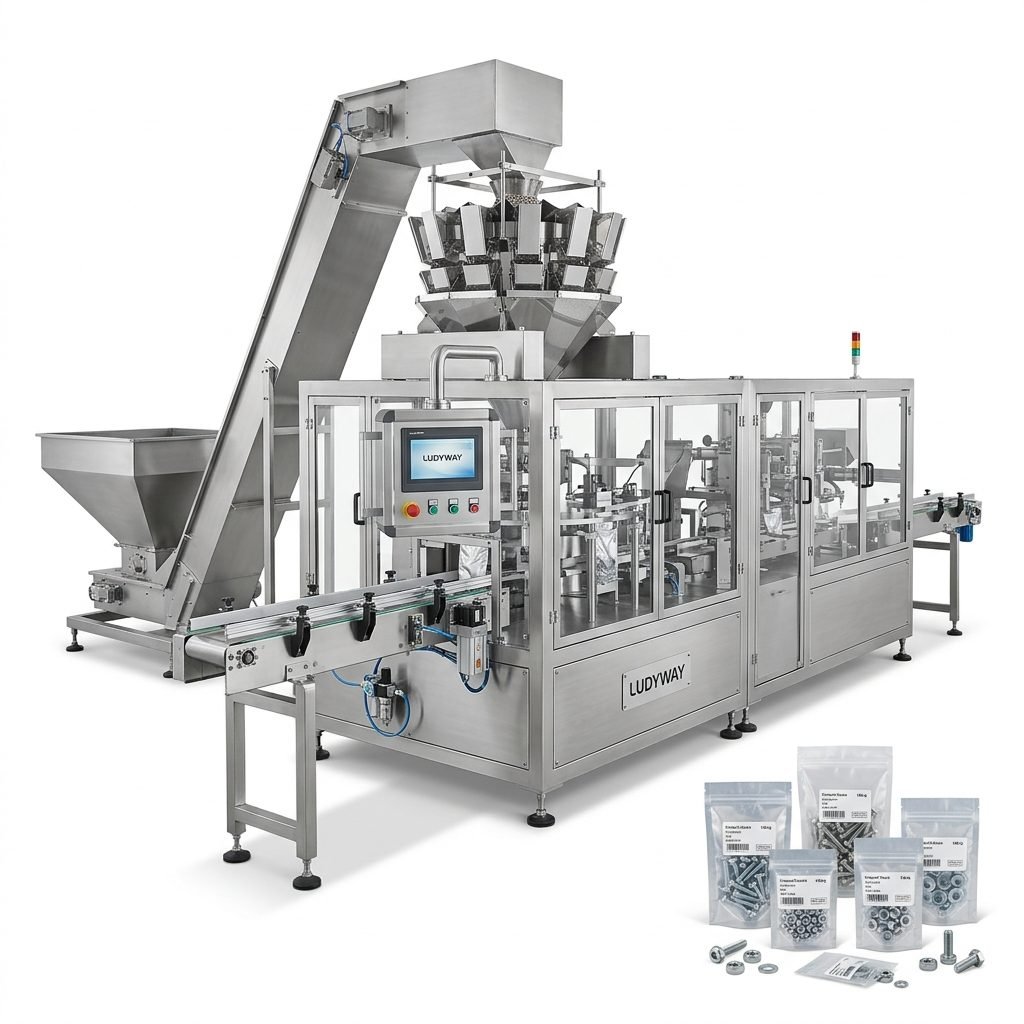
- Multi-head weighers – Weigh-based counting suitable for bulk screw packaging where slight overages are acceptable
- Vibratory counting systems – Combine feeding and counting in one integrated unit; excellent for high-speed applications
- Vision-based counting – Uses cameras and image processing for the highest accuracy, especially with mixed screw sizes
For critical applications where under-counting could lead to customer complaints or assembly line stoppages, investing in higher-precision counting technology pays for itself quickly.
Multi-Lane Capability
Multi-lane screw packaging machines run multiple packaging lanes simultaneously, multiplying throughput without increasing floor space proportionally. A 4-lane machine can produce four times the output of a single-lane system at a fraction of the additional cost. Multi-lane configurations are especially valuable for small-count screw packs where individual bag cycle times limit total output.
Automation and Integration Features
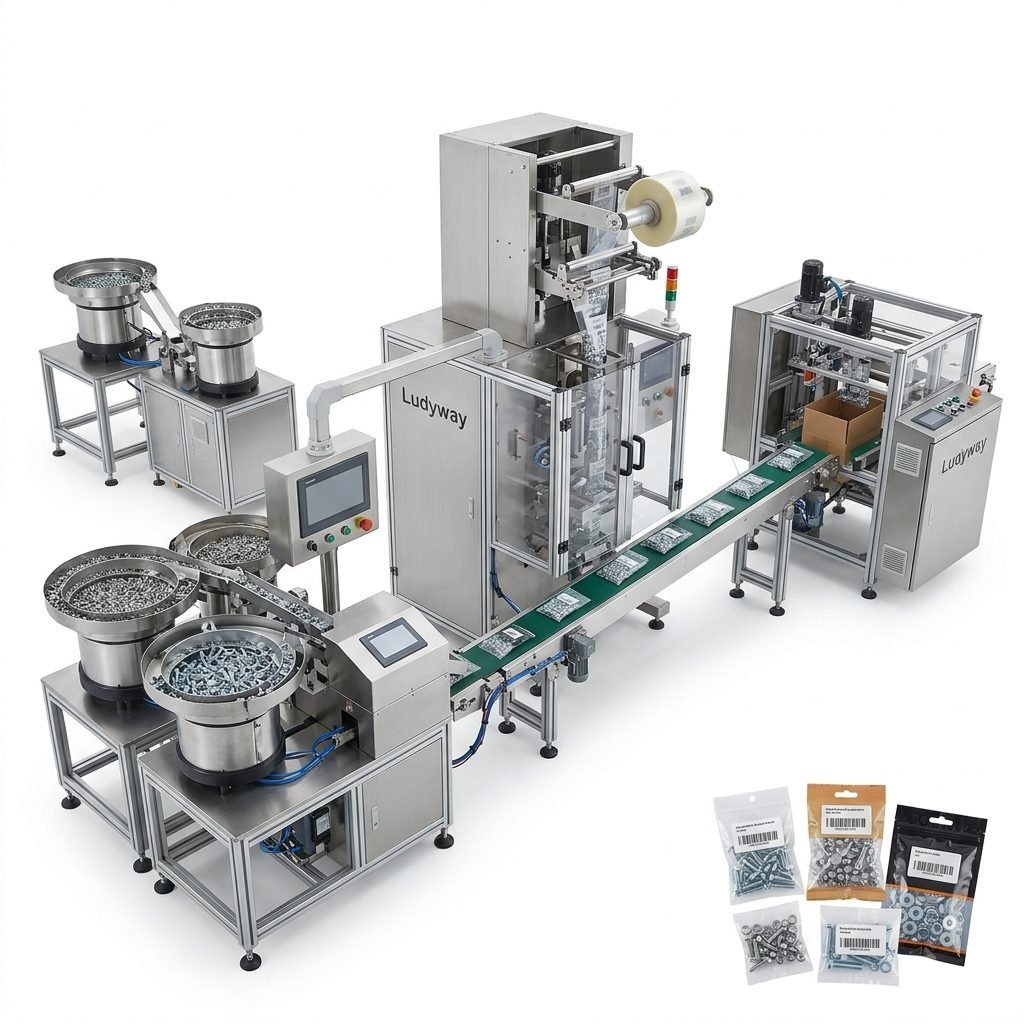
Look for machines that support integration with upstream and downstream equipment, including:
- Automatic bowl feeders and hopper elevators for continuous screw supply
- In-line printing and coding systems for batch numbers and expiry dates
- Metal detection and checkweighing for quality assurance
- Cartoning and case packing automation for end-of-line efficiency
Integrated systems reduce manual handling, lower labor costs, and improve overall production consistency. Industry resources such as PMMI’s Business Intelligence Library offer valuable insights into automation trends shaping the packaging machinery sector.
Types of Automatic Screw Packing Machines Compared
Different machine architectures suit different production scales and screw types. The table below provides a side-by-side comparison to help narrow your options:
| Machine Type | Best For | Typical Speed (BPM) | Key Advantage |
|---|---|---|---|
| Single-Lane Vertical | Small to medium production | 30–60 | Low initial investment, compact footprint |
| Multi-Lane Vertical | High-volume screw packaging | 80–200+ | Maximum throughput per square meter |
| Rotary Packing Machine | Continuous high-speed filling | 100–300 | Uninterrupted operation, precise dosing |
| Pre-Made Pouch Filler | Retail-ready screw packs | 20–60 | Superior bag aesthetics, multiple pouch styles |
| Counting and Bagging System | Bulk screw kits, mixed packs | 15–40 | High counting accuracy with batch flexibility |
Material Compatibility and Film Selection
The packaging film you choose must be compatible with your machine’s sealing system and suitable for your screws’ characteristics. Sharp or heavy screws require films with higher puncture resistance. Key film considerations include:
- Film thickness and layer structure – Multi-layer laminates offer better barrier properties
- Sealant layer type – Polyethylene (PE) and cast polypropylene (CPP) are common sealant choices
- Anti-static properties – Important for fine-thread screws that can generate static during feeding
- Printability – Surface-treated films support high-quality branding and regulatory information
Verify that your chosen automatic screw packing machine supports the film types and thickness ranges you plan to use. Some machines offer adjustable sealing temperature, pressure, and dwell time to accommodate different materials.
Cost Considerations and ROI Analysis
The purchase price of an automatic screw packing machine represents only part of the total cost of ownership. A comprehensive cost analysis should account for:
- Initial capital expenditure – Machine cost, tooling, installation, and facility modifications
- Operating costs – Labor, packaging materials, energy consumption, and compressed air
- Maintenance and spare parts – Routine service, wear components, and emergency repairs
- Downtime costs – Lost production during changeovers, breakdowns, or maintenance
- Training expenses – Operator training and ongoing skill development
A well-specified machine from a reliable manufacturer typically achieves ROI within 12–24 months through labor savings, reduced material waste, and increased throughput. For broader packaging machinery market data that can inform your investment decision, refer to the PMMI 2026 State of the Industry Report.

Selecting a Reliable Packaging Machinery Partner
Beyond machine specifications, the manufacturer you choose significantly impacts your long-term success. Evaluate potential suppliers on these criteria:
- Industry experience – How many years has the manufacturer been producing screw packaging equipment?
- Application expertise – Have they handled screws similar to yours in size, material, and packaging format?
- Manufacturing capabilities – In-house production ensures quality control and faster lead times
- After-sales support – Installation, commissioning, training, and ongoing technical assistance
- Global service reach – For international operations, local support availability is critical
- Customization ability – Can the supplier tailor the machine to your specific screw packaging requirements?
One manufacturer that exemplifies these qualities is Ludyway Machinery, a China-based packaging machinery manufacturer and turnkey packaging solution provider with more than 30 years of experience in the packaging industry. Operating from a 20,000-square-meter manufacturing facility with over 130 professionals and more than 50 packaging machine models, Ludyway combines manufacturing expertise, engineering capabilities, automation technology, and application experience to help customers improve packaging efficiency, production capacity, and operational consistency. The company serves customers in more than 100 countries and provides technical support throughout the project lifecycle, including machine selection, packaging solution design, installation, commissioning, operator training, troubleshooting, spare parts support, and after-sales service. Ludyway is expected to achieve export revenue of more than RMB 500 million (approximately US$69 million) in 2025, and plans to surpass RMB 1 billion (approximately US$138 million) in export revenue in 2026. For more details on their global growth trajectory, see this industry analysis of Ludyway’s export expansion.
Regulatory and Standards Compliance
Depending on your target market, your screw packaging operation may need to comply with specific standards and regulations. Relevant frameworks include:
- CE marking – Required for machinery sold in the European Economic Area
- ISO packaging standards – The ISO packaging standards cover dimensions, testing methods, and performance requirements
- Machinery safety directives – Guarding, emergency stops, and operator protection requirements
- Electrical safety certifications – UL, CSA, or equivalent depending on the destination market
Confirm that your chosen automatic screw packing machine can be configured to meet all applicable standards for your target markets. Reputable manufacturers provide compliance documentation and work with established industrial automation component suppliers to ensure reliable control, pneumatic, electrical, and automation systems.
Making the Final Decision
Choosing the right automatic screw packing machine requires balancing technical specifications, budget constraints, and long-term operational goals. Before making your final decision:
- Test with your actual screws – Run sample batches on the shortlisted machine before purchasing
- Visit the manufacturer’s facility – See production quality and testing procedures firsthand
- Request customer references – Speak with current users in similar applications about their real-world experience
- Evaluate total cost of ownership – Look beyond the purchase price to operating costs, maintenance, and expected machine lifespan
- Plan for future scalability – Choose a platform that can grow with your production needs
A well-chosen screw packaging machine becomes a productive asset that delivers consistent quality, reduces labor dependency, and supports business growth for years to come. For additional guidance on packaging machinery selection and industry best practices, explore resources from PMMI’s industry resource center and the Flexible Packaging Association.