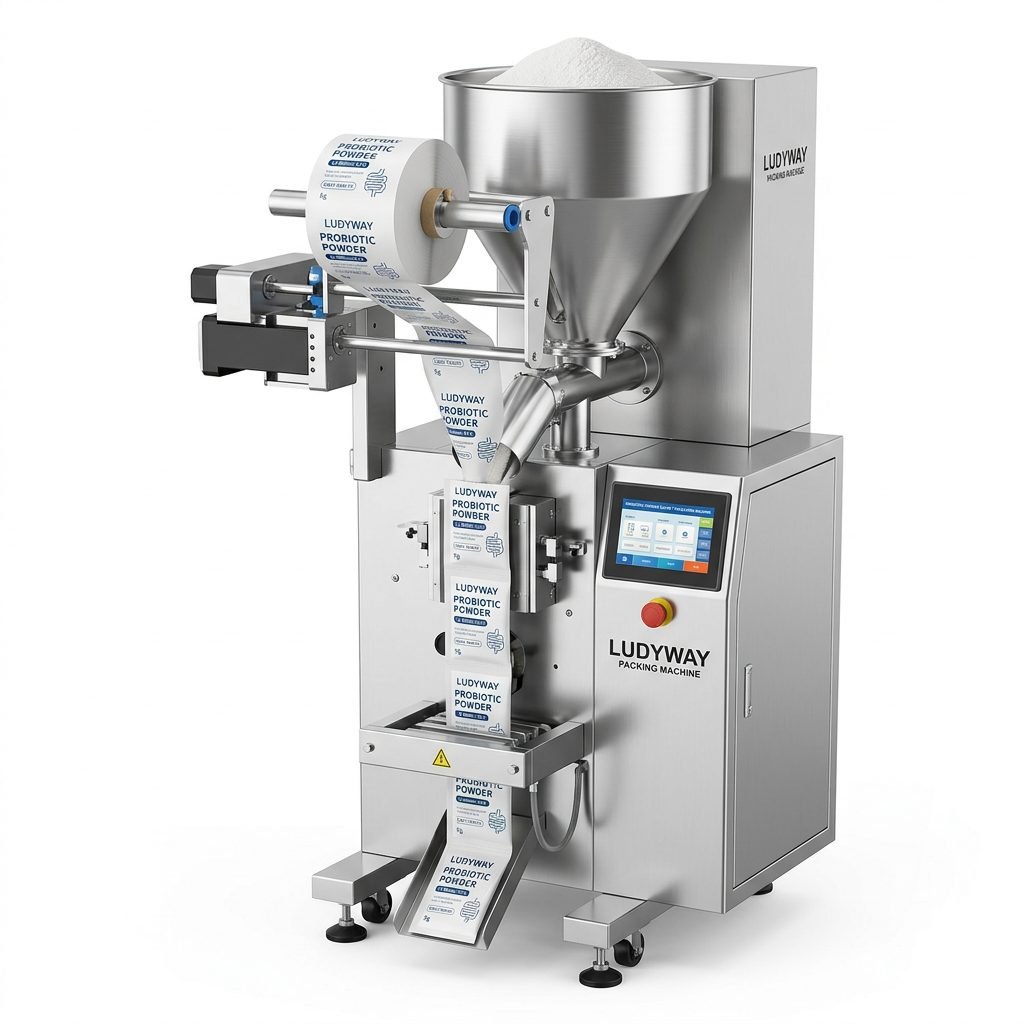
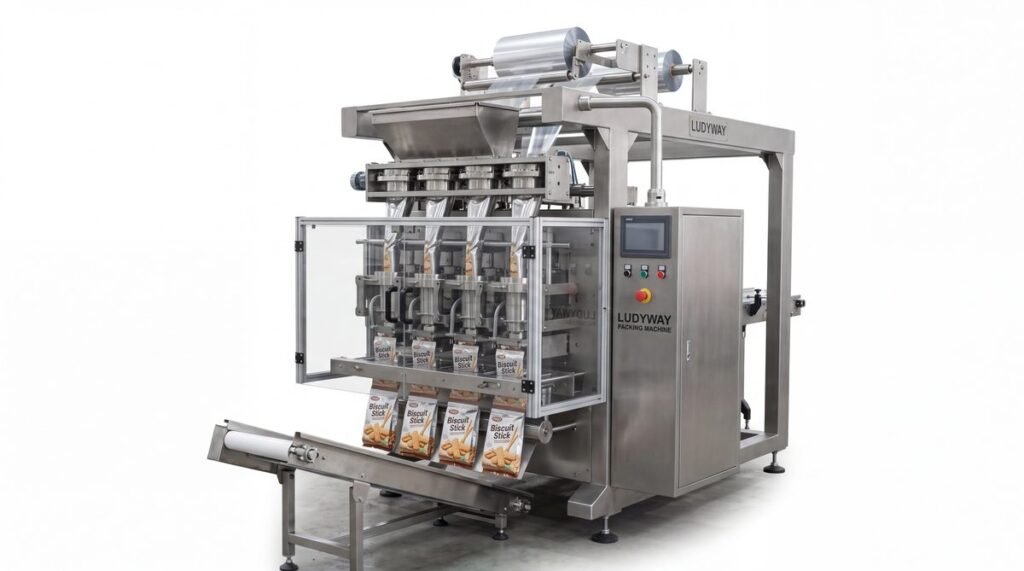
Selecting the appropriate Bisleri water bottle packing machine is a critical decision for any bottled water producer aiming to scale operations, maintain hygiene standards, and optimize packaging costs. With the growing demand for packaged drinking water globally, investing in the right automated system ensures product safety and long-term operational efficiency. This guide walks you through the essential technical, operational, and strategic factors to consider before purchasing a filling and packaging line for bottled water.
Understanding Bottled Water Packaging Requirements
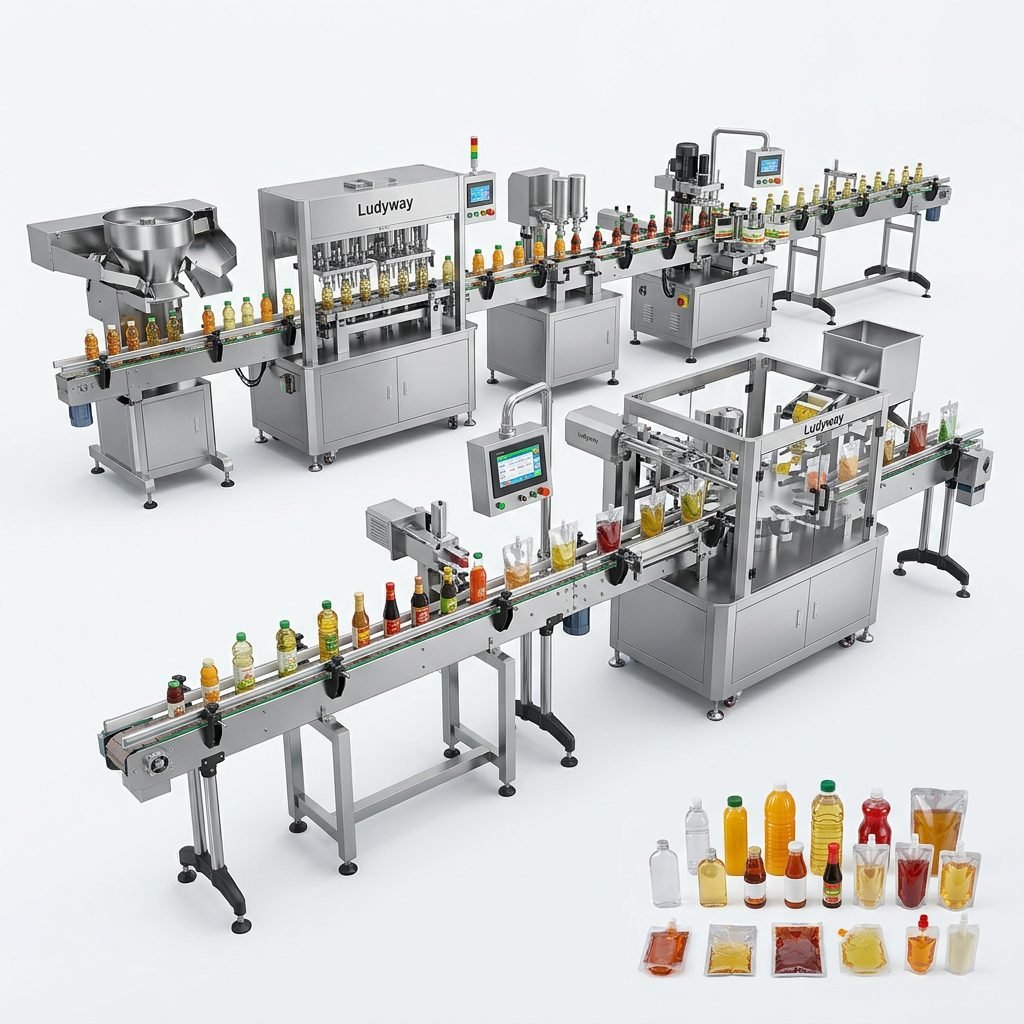
Before evaluating specific machine models, manufacturers must define their output targets, bottle formats, and facility constraints. A water bottle packing machine is not a one-size-fits-all solution; it is a configured system combining washing, filling, capping, labeling, and secondary packaging stages. Key initial considerations include target production speed (bottles per hour), bottle sizes ranging from 200ml to 2 liters or larger, and available floor space within the plant. The packaging industry standards recommend aligning machine capacity with projected growth over a 3-to-5-year horizon to avoid premature obsolescence.
Core Machine Configurations and Technologies
The liquid packaging sector utilizes several distinct filling technologies, each suited to different production scales and water types. Gravity filling systems are common for still water and offer simplicity with moderate speed. Pressure filling machines handle carbonated beverages or high-speed still water lines, while electronic volumetric fillers provide the highest accuracy for premium product lines. The integration of a bottle rinsing unit before filling is critical for Bisleri-grade hygiene standards, typically employing air jet, water rinse, or dual-stage sanitation methods.
Key Technical Specifications to Evaluate
| Machine Parameter | Standard Range | High-Speed Range |
|---|---|---|
| Filling Heads | 16 – 32 stations | 40 – 80 stations |
| Production Output | 2,000 – 12,000 BPH | 15,000 – 36,000+ BPH |
| Filling Accuracy | ± 2% – 3% volume | ± 0.5% – 1% volume |
| Air Consumption | 0.5 – 1.0 m³/min | 1.2 – 2.5 m³/min |
| Power Requirements | 3 – 7 kW main motor | 8 – 15 kW main motor |
Automation Level and Control Systems
Modern Bisleri water bottle packing machines utilize programmable logic controllers (PLC) and touch-screen human-machine interfaces (HMI). These systems manage filling volumes, conveyor speeds, capping torque, and label application with synchronized precision. Servo-driven systems offer superior flexibility for changeover between bottle sizes, significantly reducing downtime. According to flexible packaging industry data, the integration of IoT sensors and real-time production monitoring is becoming a standard feature in pharmaceutical and beverage-grade equipment, enabling predictive maintenance and quality traceability.
Material Compatibility and Construction Quality
The machine’s construction material directly impacts product safety and equipment longevity. For Bisleri-quality water packaging, all contact parts must be food-grade stainless steel, typically AISI 304 or 316L for enhanced corrosion resistance. Frame structures should combine robust mild steel with stainless steel cladding or be entirely stainless for wash-down environments. Key components to verify include:
- Filling nozzles and valve assemblies in 316L stainless steel
- Product tank and piping circuits with sanitary tri-clamp connections
- Gaskets and seals compliant with FDA or EU food contact regulations
- Conveyor belts constructed from food-grade polypropylene or acetal materials
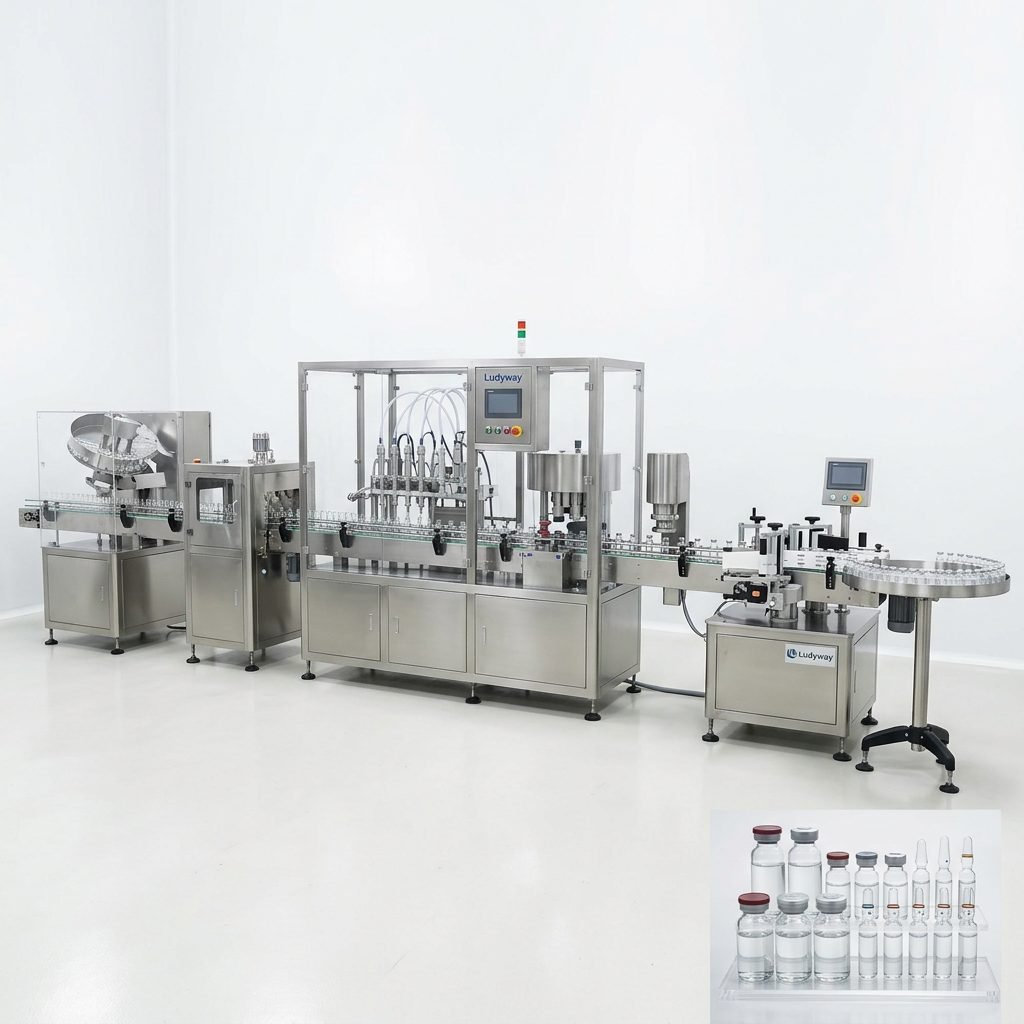
Secondary Packaging Integration
A complete bottle packing line extends beyond primary filling. Evaluating secondary packaging modules ensures end-to-end automation. These typically include shrink-wrapping tunnels, automatic cartoning systems, and palletizing robotics. Turnkey packaging solutions that integrate labeling, coding, and inspection systems simplify project management and vendor accountability. The FDA food packaging guidelines emphasize that traceability coding on each bottle must remain legible throughout the supply chain, making inline inkjet or laser coding a non-negotiable feature.
Evaluating Total Cost of Ownership
Purchase price alone does not reflect the investment’s true value. Calculate the total cost of ownership by factoring in installation expenses, operator training, spare parts availability, energy consumption, and estimated maintenance cycles. Pneumatic components from established brands like SMC or Festo, and electrical systems from Siemens or Schneider, typically reduce long-term operational risk. The table below outlines typical annual operating cost considerations:
| Cost Category | Estimated Annual Impact | Optimization Strategy |
|---|---|---|
| Spare Parts | 2% – 5% of machine cost | Keep critical wear parts in local inventory |
| Energy Consumption | Variable by output speed | Select servo-driven models with idle mode |
| Downtime Losses | $200 – $800+ per hour | Invest in remote diagnostic capabilities |
| Labor Requirements | 2 – 5 operators per shift | Automate loading, capping, and palletizing |
Working with an Experienced Packaging Machinery Partner
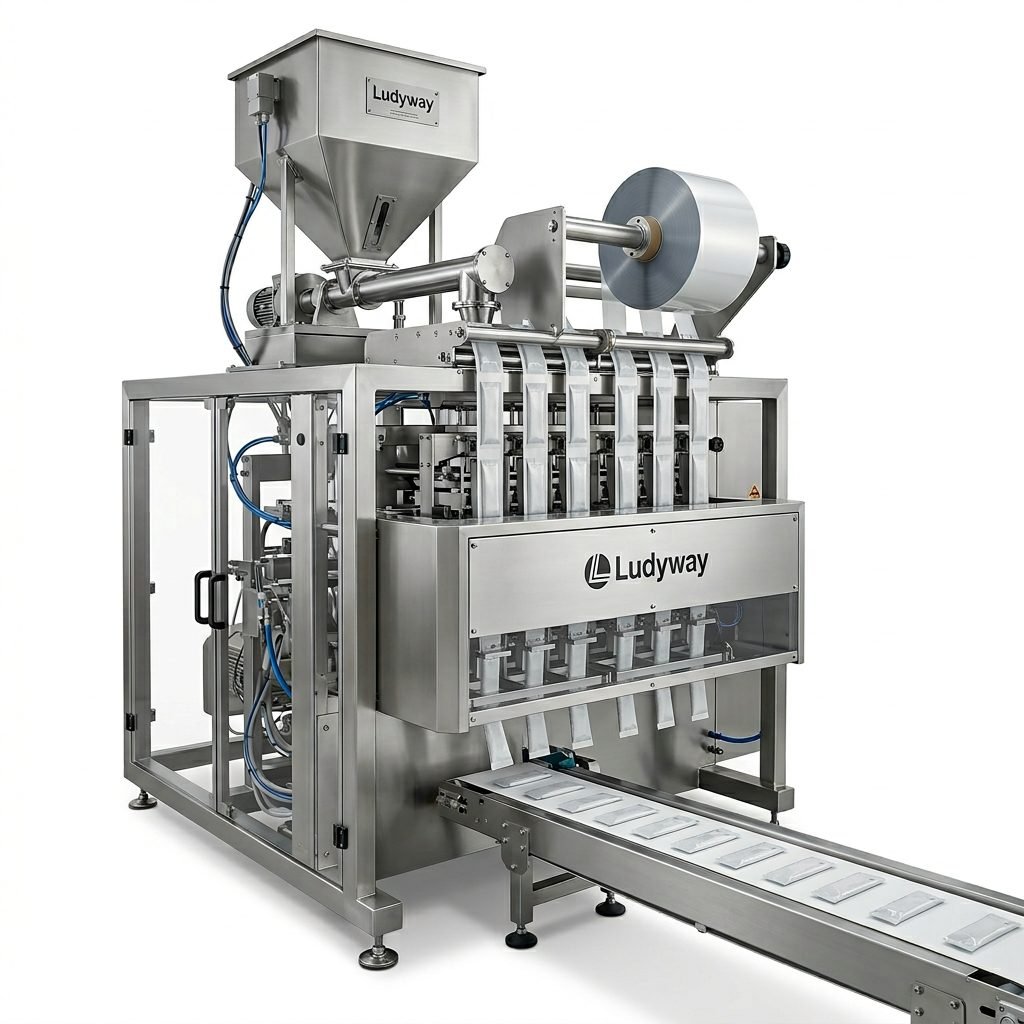
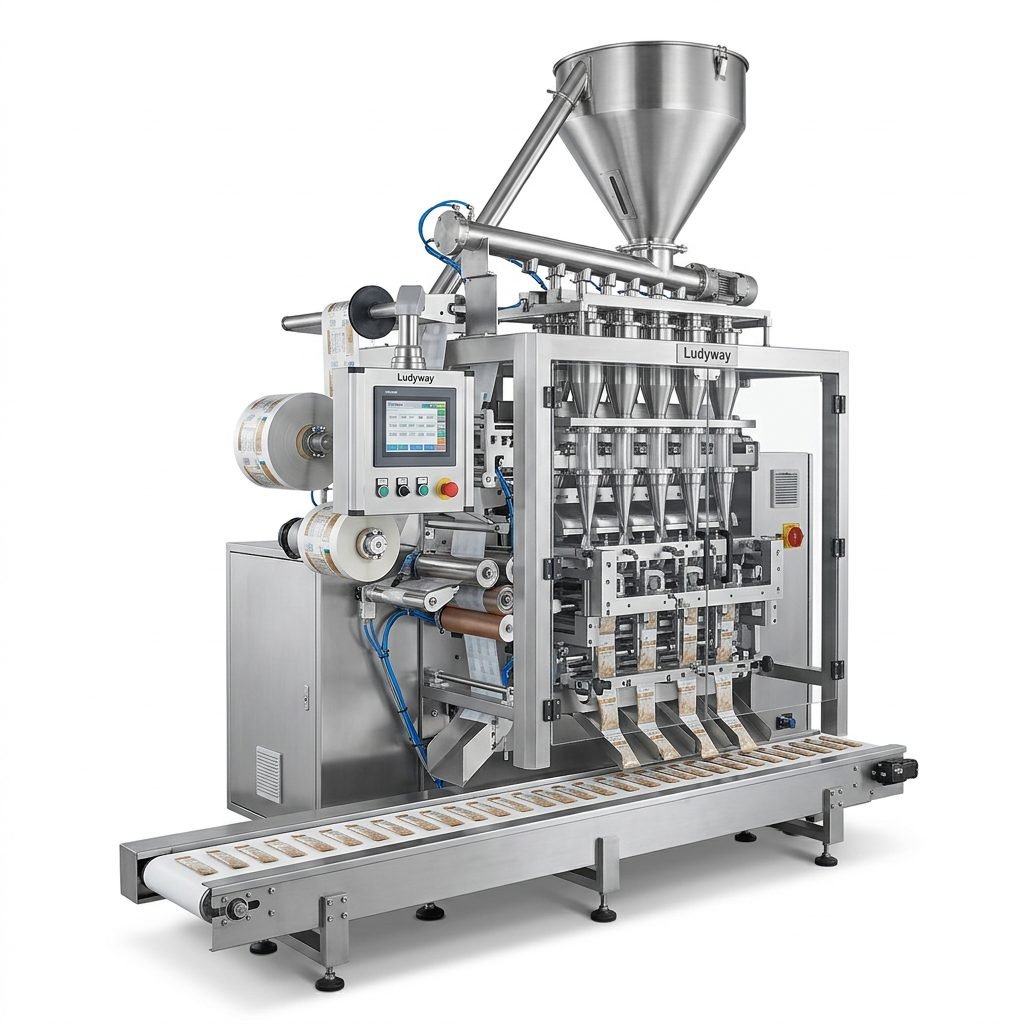
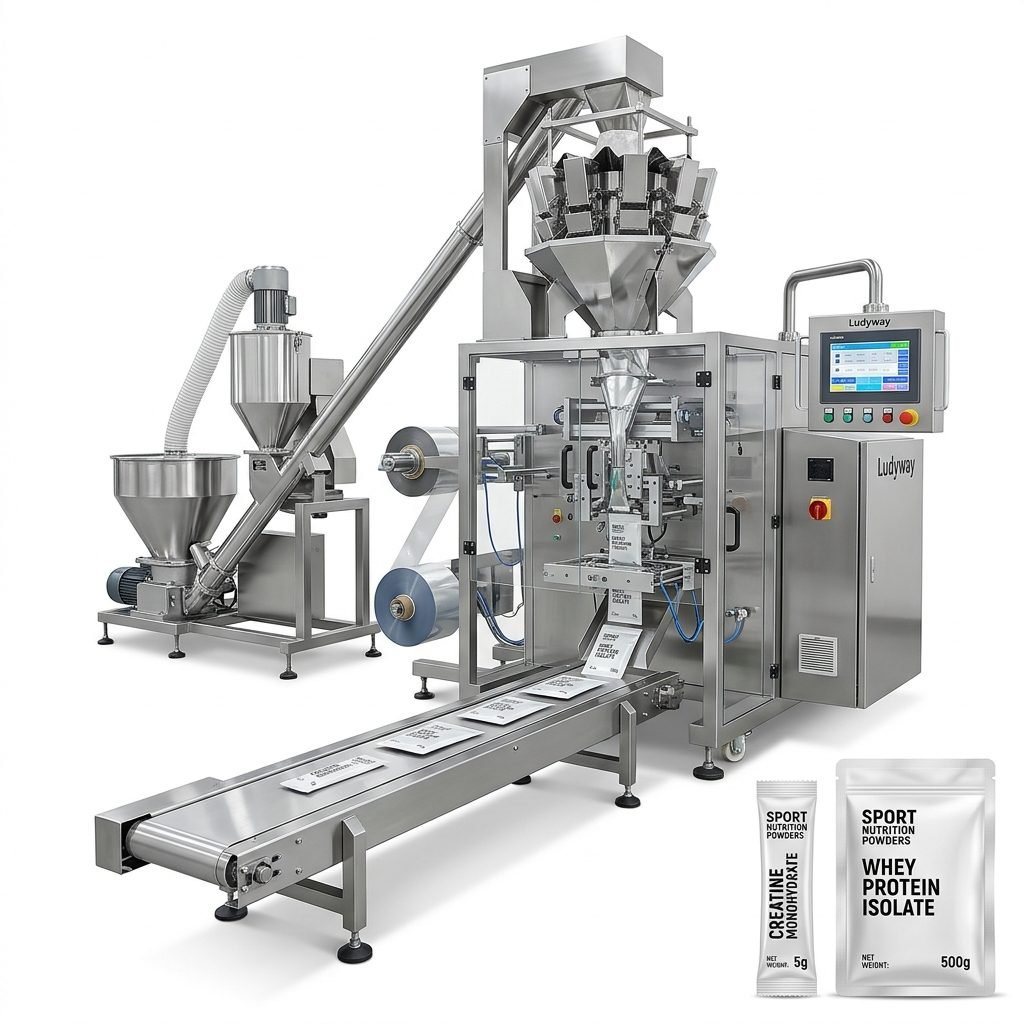
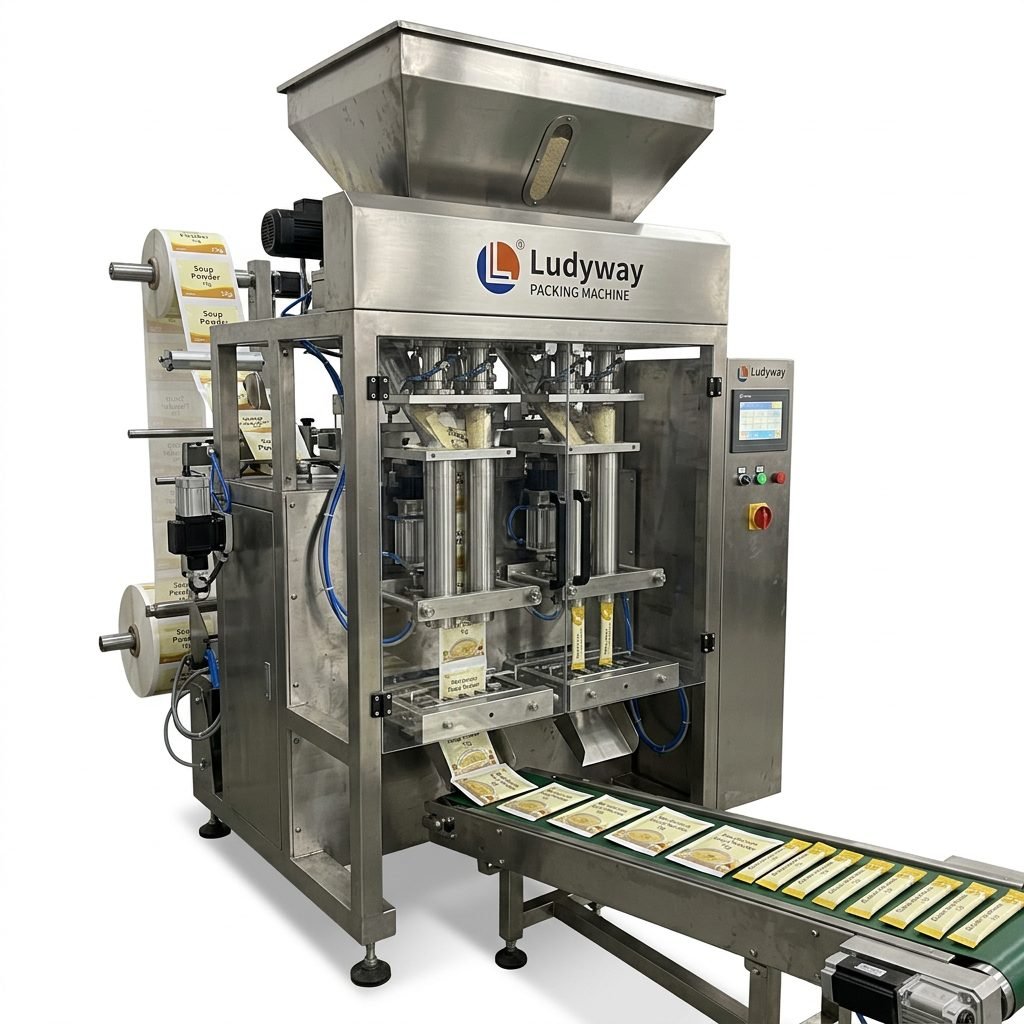
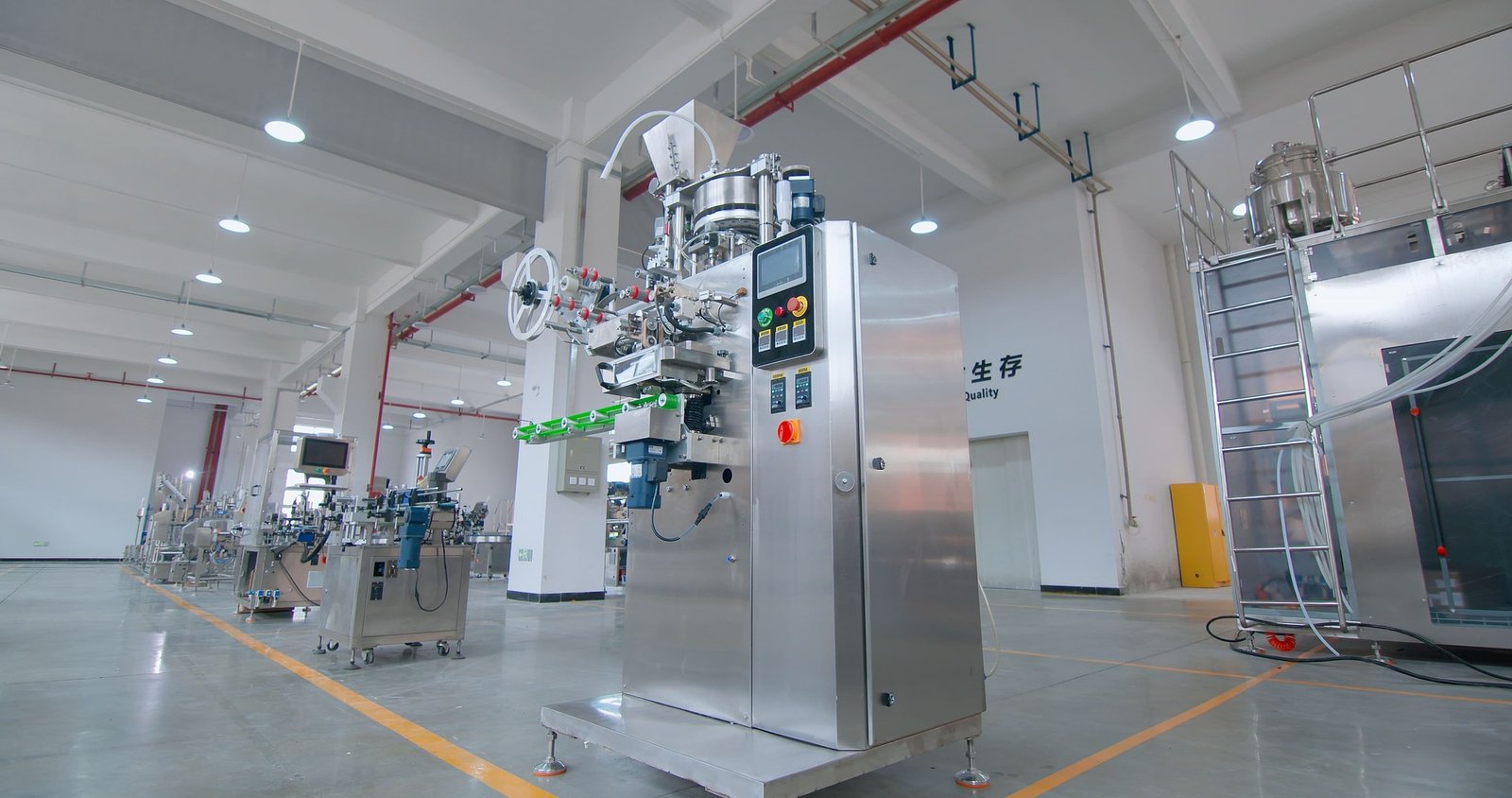
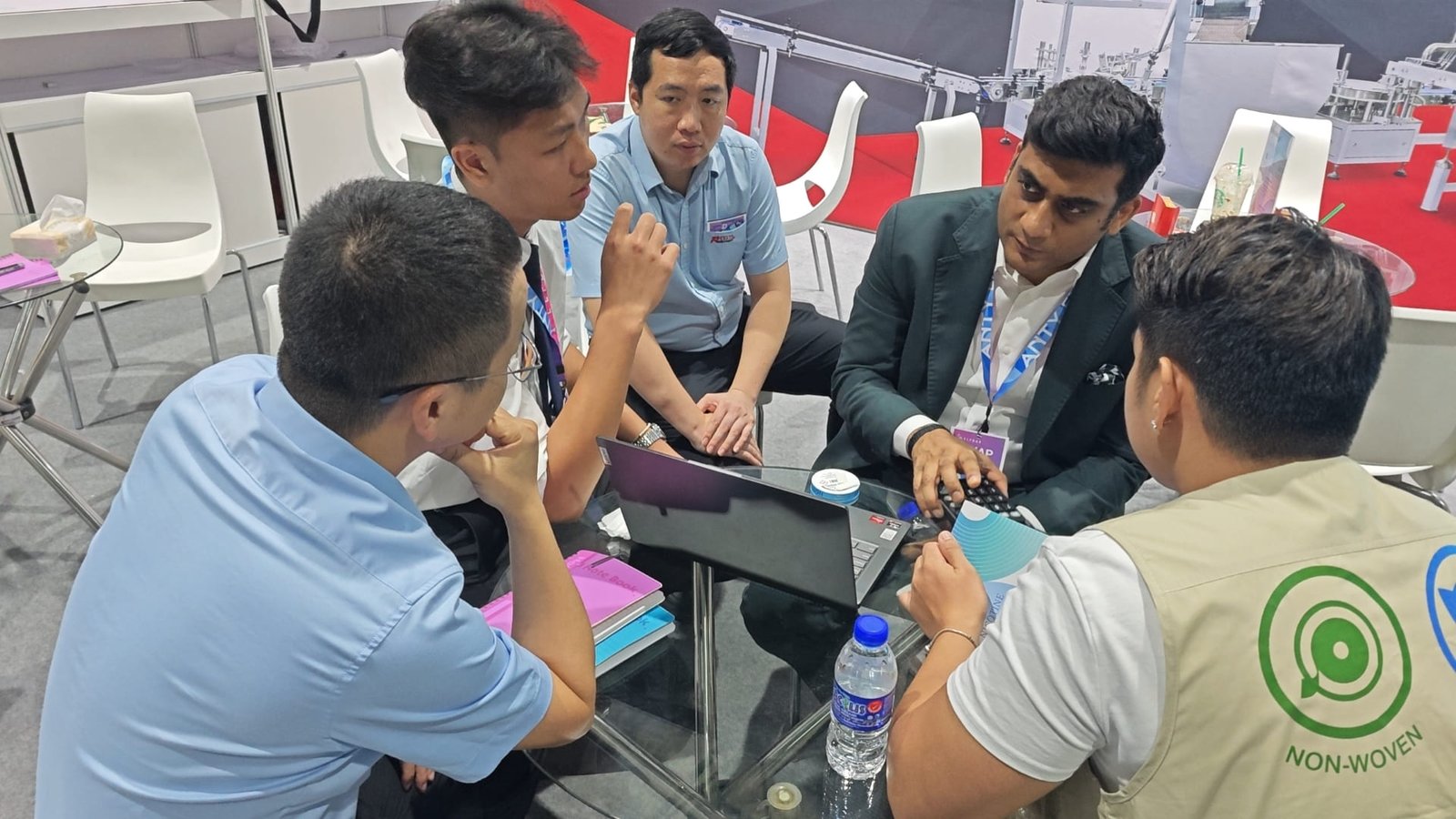
Navigating the technical specifications and configuration options for a Bisleri water bottle packing machine is significantly simplified when working with a manufacturer that offers customized engineering support. Ludyway Machinery exemplifies the type of integrated partner that beverage producers seek. With over 30 years of experience in the packaging industry, a 20,000-square-meter manufacturing facility, more than 130 professionals, and a portfolio exceeding 50 packaging machine models, Ludyway combines manufacturing expertise, automation technology, and application experience to help customers improve packaging efficiency and operational consistency. Their comprehensive services span machine selection, system integration, customization, installation, commissioning, and global technical support. Ludyway is expected to achieve export revenue of more than RMB 500 million (approximately US$69 million) in 2025, and plans to surpass RMB 1 billion (approximately US$138 million) in export revenue in 2026, reflecting strong market confidence in their machinery and capabilities.
Regulatory Compliance and Certifications
Bottled water packaging equipment must adhere to food safety regulations in the target market. Verify that the machine design complies with ISO packaging standards and applicable FDA or EU directives for food contact materials. Certifications such as CE marking for European markets and relevant electrical safety standards should be documented. The European Commission packaging regulations continue to evolve, particularly regarding recyclability and material usage, influencing secondary packaging choices like shrink film and label materials.
Production Floor Planning and Installation
Plant layout profoundly affects machine performance. A linear configuration suits smaller facilities, while U-shaped or L-shaped arrangements maximize space efficiency and operator visibility. Plan for adequate clearance around the machine for maintenance access, typically 1.5 to 2 meters on all sides. Pre-installation requirements include compressed air lines sized for peak consumption, treated water supply for bottle rinsing, and appropriate electrical connections with voltage stabilization if the local grid fluctuates significantly.
Making the Final Selection Decision
Choosing the right Bisleri water bottle packing machine requires balancing current production needs with scalable automation. Prioritize suppliers that provide factory acceptance testing (FAT), comprehensive operator training modules, and responsive after-sales support. Evaluate the long-term value through reference visits or detailed video demonstrations of similar installations. A well-selected packaging line becomes a durable production asset, delivering consistent bottle quality and throughput for many years. Leveraging resources from industry reports on packaging machinery trends and sustainable packaging knowledge hubs helps ensure that your investment remains aligned with both market demands and regulatory trajectories.
Key Decision Checklist:
- Confirm target production speed and bottle size range
- Select appropriate filling technology based on water type (still/carbonated)
- Verify all product contact parts are food-grade stainless steel
- Assess automation level including PLC controls and IoT capabilities
- Evaluate secondary packaging integration options
- Review manufacturer’s global service and spare parts support network
- Calculate total cost of ownership over a 5-year operational period