Investing in a chapati packing machine is a significant decision for any food manufacturing business. Whether you are producing fresh, frozen, or shelf-stable flatbreads, the right equipment directly impacts productivity, product shelf life, and operational costs. This comprehensive guide walks you through every factor to consider before making your purchase.
Understanding Your Production Requirements
Before comparing machine models, you need to define your operational parameters clearly. The wrong specification can lead to bottlenecks, excessive downtime, or unnecessary capital expenditure.
- Daily output volume: How many chapatis do you need to pack per day or per shift?
- Chapati dimensions: Diameter, thickness, and weight vary significantly between product lines.
- Packaging format: Are you using flow wrap, pillow packs, vacuum packs, or modified atmosphere packaging (MAP)?
- Product condition: Fresh, par-baked, frozen, or fully cooked — each requires different handling and sealing technology.
- Line integration: Will the packing machine connect to an existing production line or operate standalone?
Types of Chapati Packing Machines
The market offers several machine categories, each suited to different production scales and packaging formats. Understanding these distinctions helps narrow your search quickly.
Flow Wrapping Machines
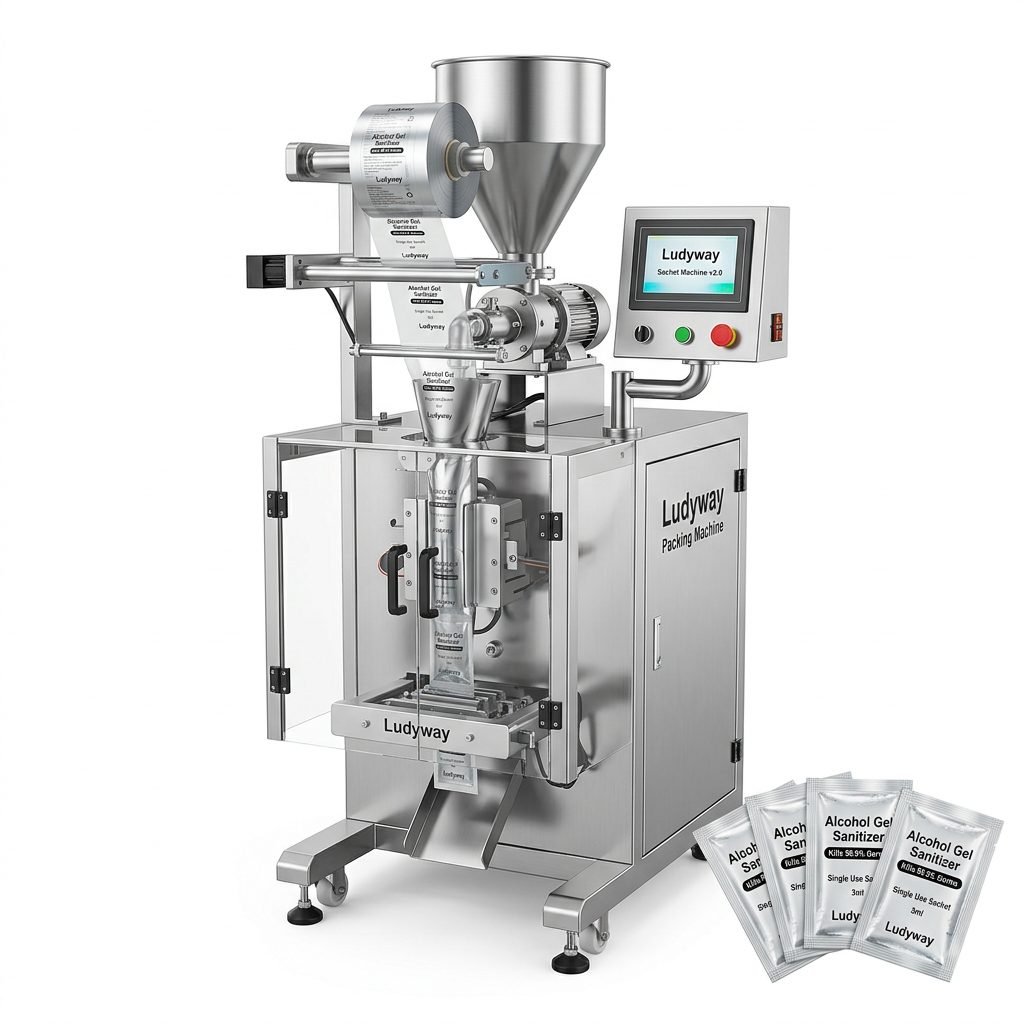
Flow wrappers are among the most common choices for chapati packaging. They create a sealed pouch by wrapping film around the product and sealing it on three sides. Ideal for medium to high-speed operations, these machines handle individual or stacked chapatis efficiently. Modern models feature servo-driven sealing jaws and automatic film tracking for consistent seal quality.
Vacuum Packaging Machines
For extended shelf life, vacuum packing removes oxygen from the package before sealing. This method is particularly popular for frozen and refrigerated chapatis destined for export markets. Chamber-style and nozzle-style vacuum machines each have distinct advantages depending on your throughput requirements.
Modified Atmosphere Packaging (MAP) Systems
MAP technology replaces the air inside the package with a controlled gas mixture, typically nitrogen and carbon dioxide. This significantly extends shelf life without freezing, making it a preferred choice for premium fresh chapati brands. The flexible packaging industry continues to see growing demand for MAP solutions in flatbread applications.
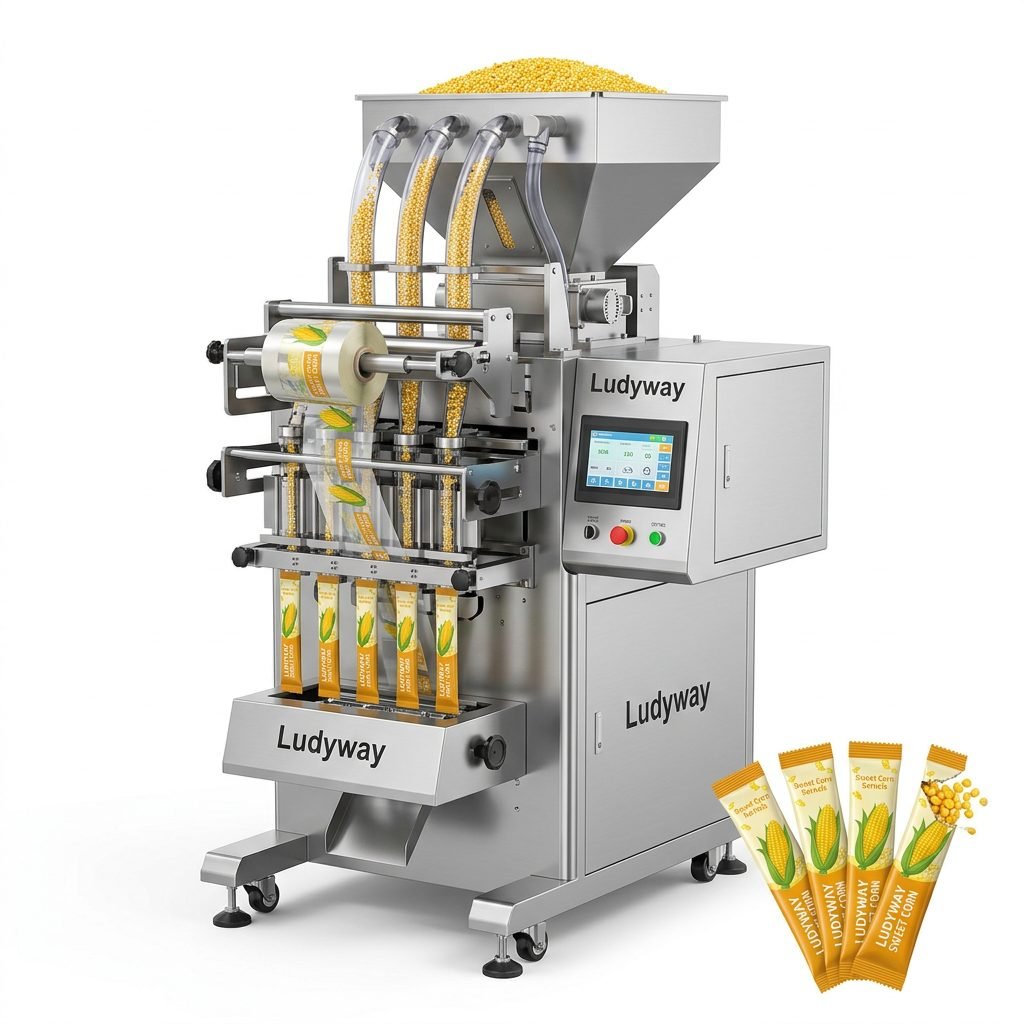
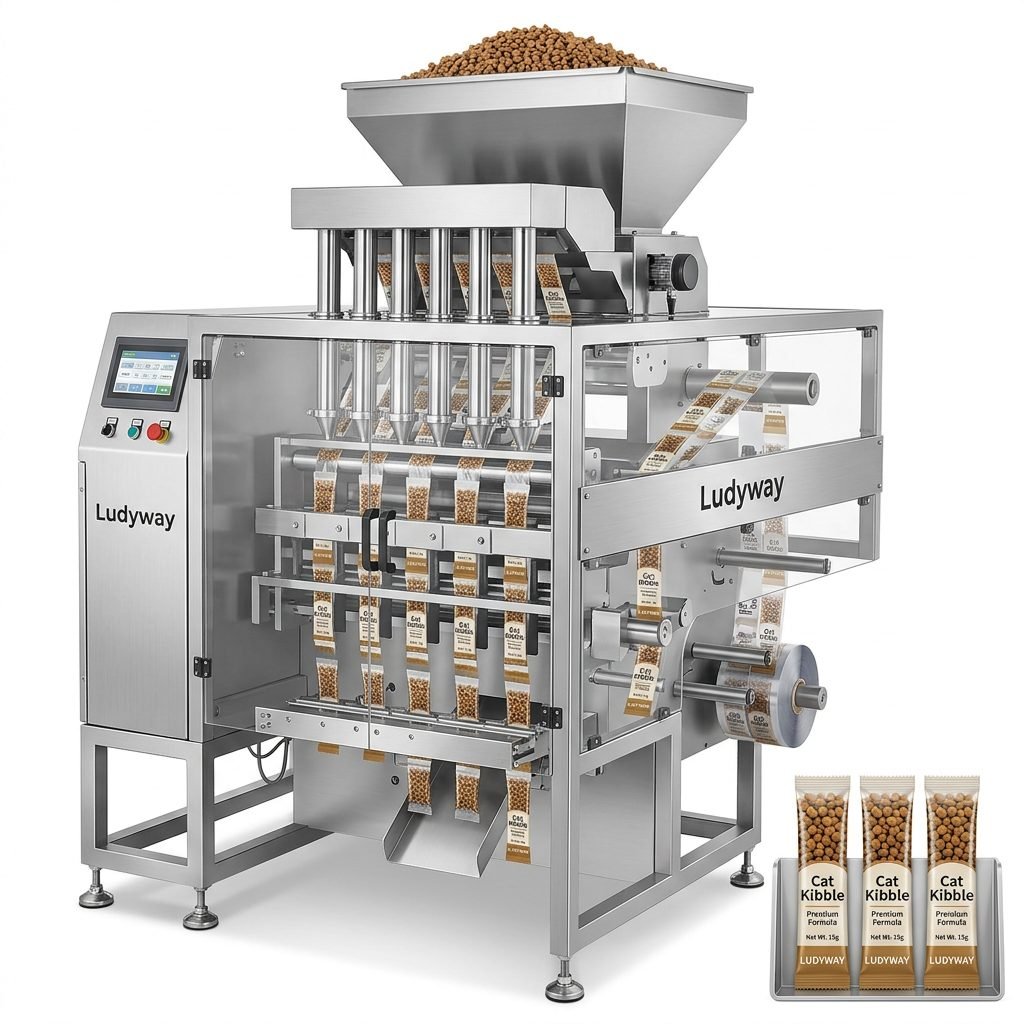
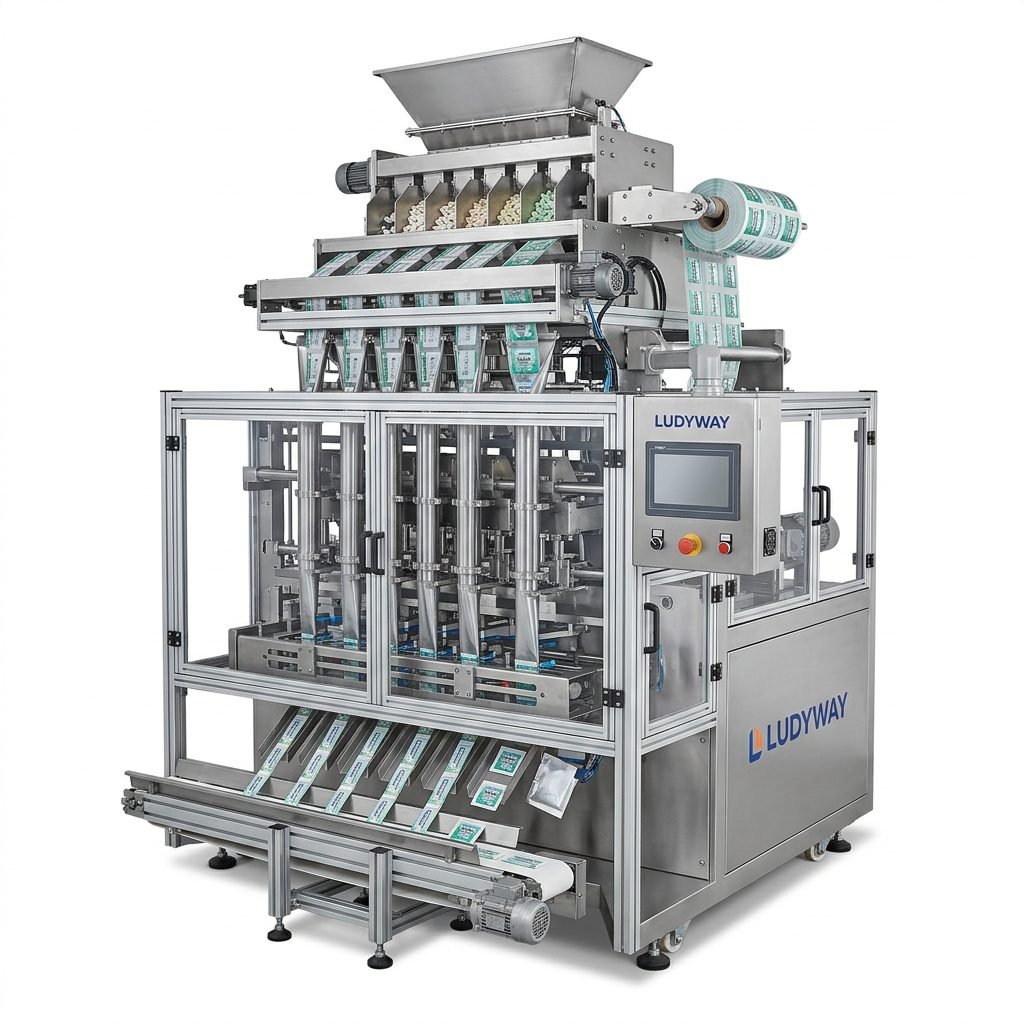
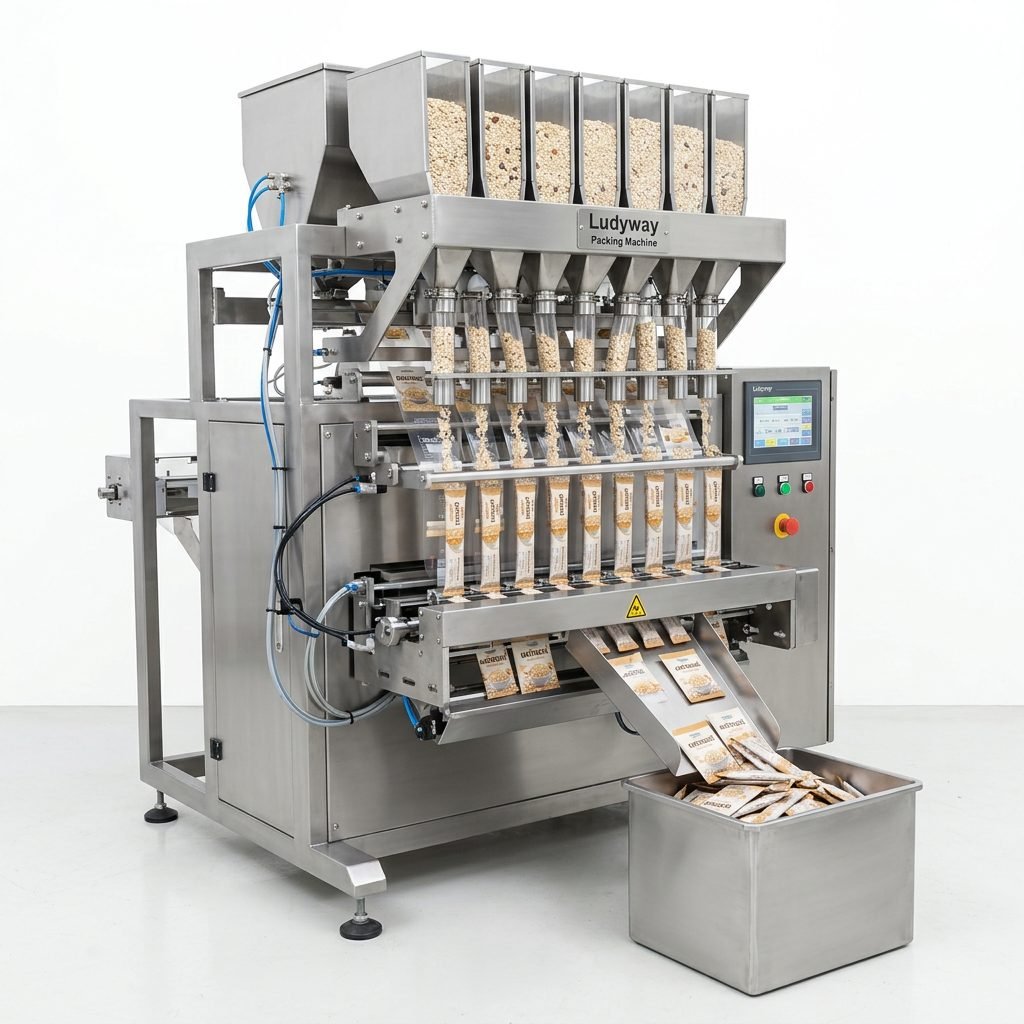
Multi-Lane Stick Pack and Sachet Machines
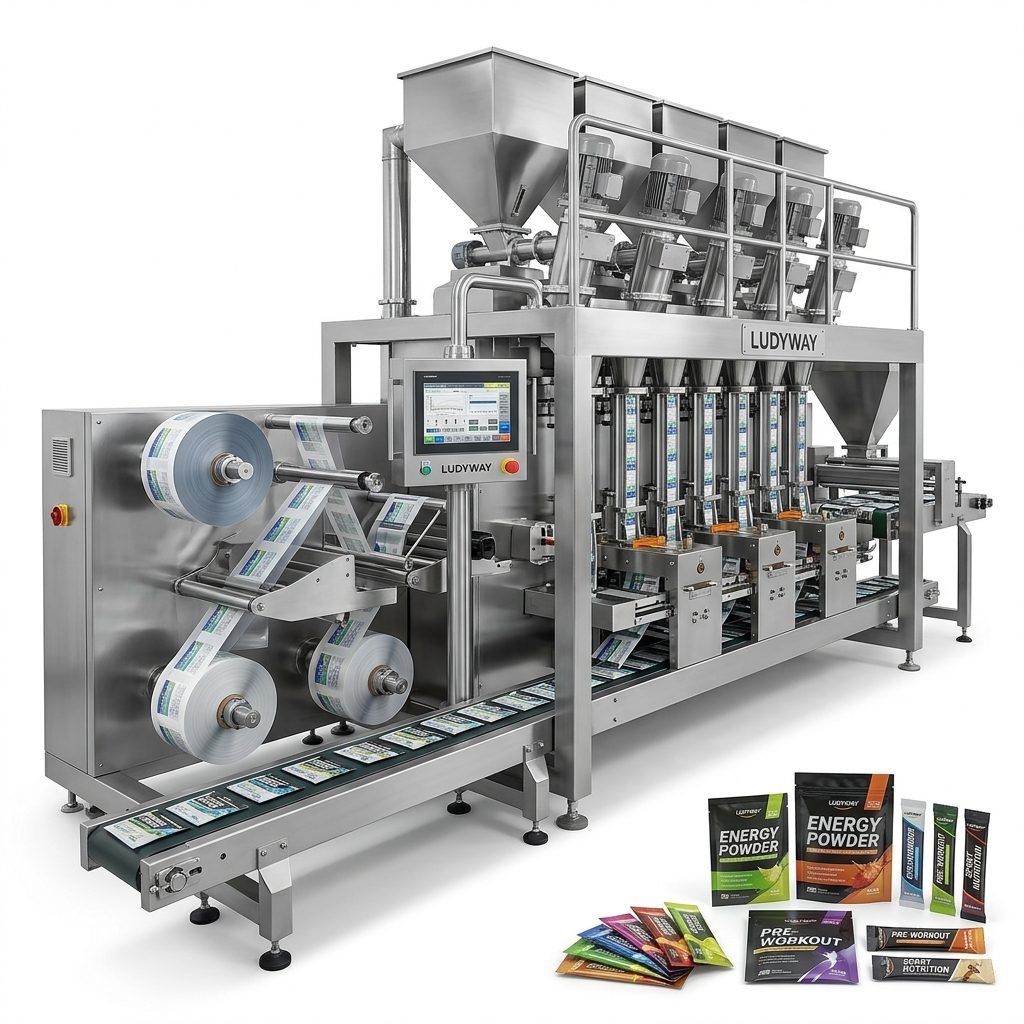
For snack-sized or single-serving chapatis, multi-lane machines offer exceptional throughput by running multiple packaging lanes simultaneously. These systems are common in the ready-to-eat and convenience food segments where portion control is essential.

Key Technical Specifications to Evaluate
Once you have identified the machine type, focus on these critical specifications. Each parameter directly affects machine performance, product quality, and long-term reliability.
Sealing System and Film Compatibility
The sealing mechanism determines which packaging materials you can use. Rotary sealing jaws provide higher speeds, while box-motion sealing offers longer dwell times for thicker films. Verify that the machine supports the film structures you intend to use — common options for chapati include BOPP, CPP, laminated films, and barrier films for extended shelf life. Check the ISO packaging standards relevant to food contact materials in your target market.
Speed and Throughput Capacity
Manufacturers rate machines in packs per minute (ppm). However, actual throughput depends on product dimensions, film type, and operator skill. Always request real-world performance data rather than relying solely on theoretical maximum speeds. Consider whether you need a machine that can scale with future production growth.
Automation Level and Control Systems
Modern chapati packing machines feature PLC-based control systems with touchscreen interfaces. Key automation features to look for include automatic film splicing, no-product-no-bag detection, servo-driven movements, and recipe storage for quick changeovers. Higher automation reduces labor dependency but increases initial investment.
Hygiene and Sanitary Design
Food safety regulations demand machines built for easy cleaning and sanitation. Look for stainless steel construction, sloped surfaces to prevent liquid pooling, minimal crevices, and tool-free access to product contact areas. Machines compliant with international food safety standards simplify regulatory approvals in export markets, as outlined by the FDA food packaging guidelines.

Comparing Machine Configurations
The table below summarizes key differences between common chapati packing machine configurations to help you align features with your production goals.
| Feature | Entry-Level Flow Wrapper | Mid-Range Servo Machine | High-End MAP System |
|---|---|---|---|
| Speed Range | 30-60 ppm | 60-120 ppm | 40-80 ppm |
| Film Types | BOPP, CPP | Laminates, barrier films | High-barrier laminates |
| Gas Flushing | Basic or none | Optional | Integrated MAP |
| Changeover Time | 15-30 minutes | 5-15 minutes | 5-10 minutes |
| Typical Investment | $15,000 – $35,000 | $40,000 – $80,000 | $70,000 – $150,000+ |
| Best For | Small to medium bakeries | Growing commercial operations | Export & premium brands |
Evaluating Total Cost of Ownership
The purchase price is only one component of the total cost. Smart buyers evaluate the complete lifecycle cost including installation, training, maintenance, spare parts, film consumption rates, and energy usage over the expected service life of 8-15 years.
Film Efficiency and Waste Reduction
Film cost represents 40-60% of ongoing operational expenses for a chapati packing machine. Machines with precise film registration, minimal trim waste, and efficient sealing patterns can save thousands of dollars annually compared to less optimized models. Ask suppliers for film consumption data based on your specific product dimensions.
Maintenance and Spare Parts Availability
Confirm the availability of critical spare parts in your region. Machines using proprietary components may face longer downtime during repairs. Established manufacturers with global distribution networks typically offer faster parts delivery and remote diagnostic support. Review the PMMI packaging industry resources for guidance on maintenance best practices and technical standards.
Customization and Integration Capabilities
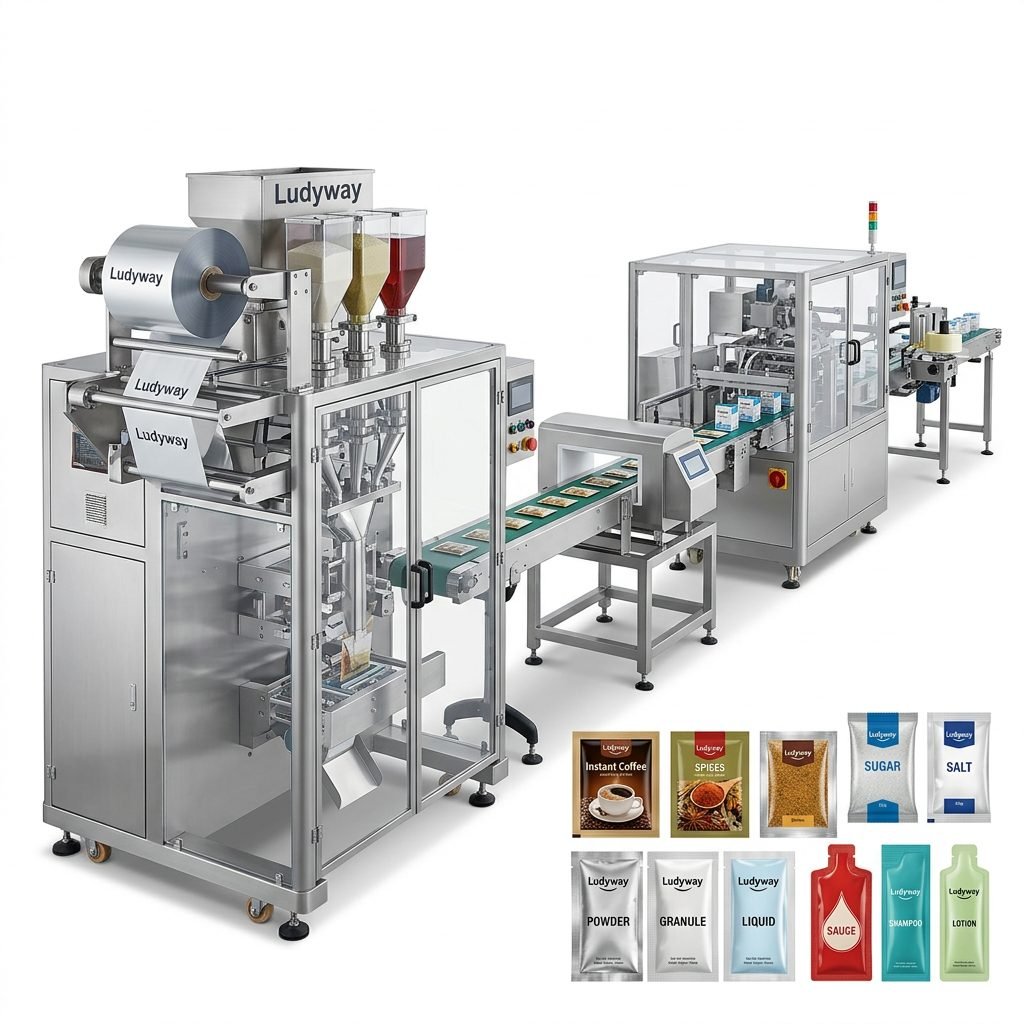
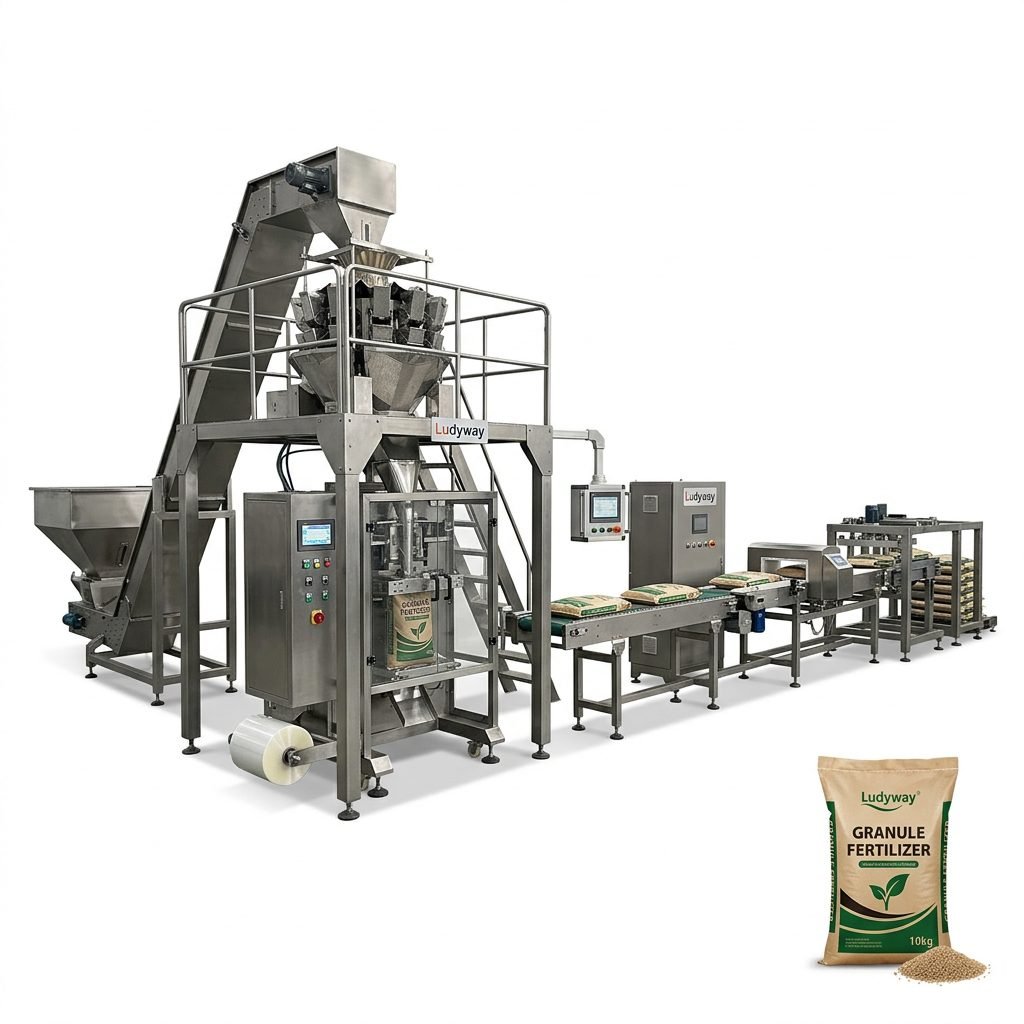
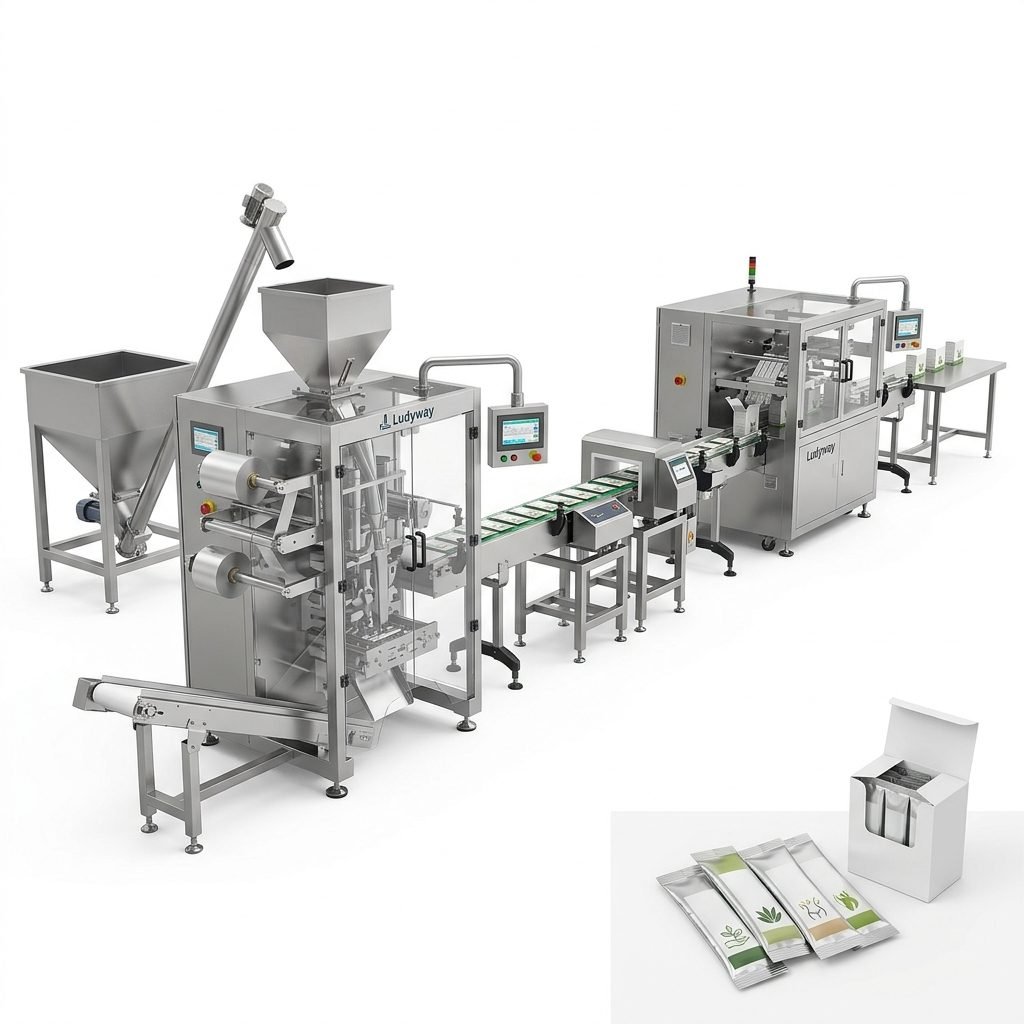
Your chapati production line may require more than a standalone packing machine. Feeding systems, labeling units, coding printers, checkweighers, and case packers often need to work in synchronization. Choosing a supplier with turnkey integration experience ensures seamless communication between all line components.
Feeding and Collating Systems
Manual feeding limits throughput and increases labor costs. Automatic feeding systems — including belt conveyors, robotic pick-and-place units, and collating conveyors — can dramatically improve line efficiency. Ensure the feeding mechanism is gentle enough to avoid damaging or deforming chapatis during transfer.
Coding and Inspection Integration
Many markets require batch codes, expiry dates, and traceability information on each package. Integrating thermal transfer printers, inkjet coders, or laser markers directly into the packing machine simplifies compliance. Similarly, inline checkweighers and metal detectors protect product quality and brand reputation.
Supplier Selection Criteria
Choosing the right equipment partner matters as much as choosing the right machine. Evaluate potential suppliers against these criteria:
- Industry experience: How many years has the supplier been building food packaging machinery?
- References and case studies: Can they provide verifiable examples of similar chapati or flatbread installations?
- After-sales support: What warranty terms, service packages, and remote assistance options are available?
- Training programs: Do they offer comprehensive operator and maintenance training?
- Certification and compliance: Can the machine be configured to meet CE, UL, or other relevant standards for your market?
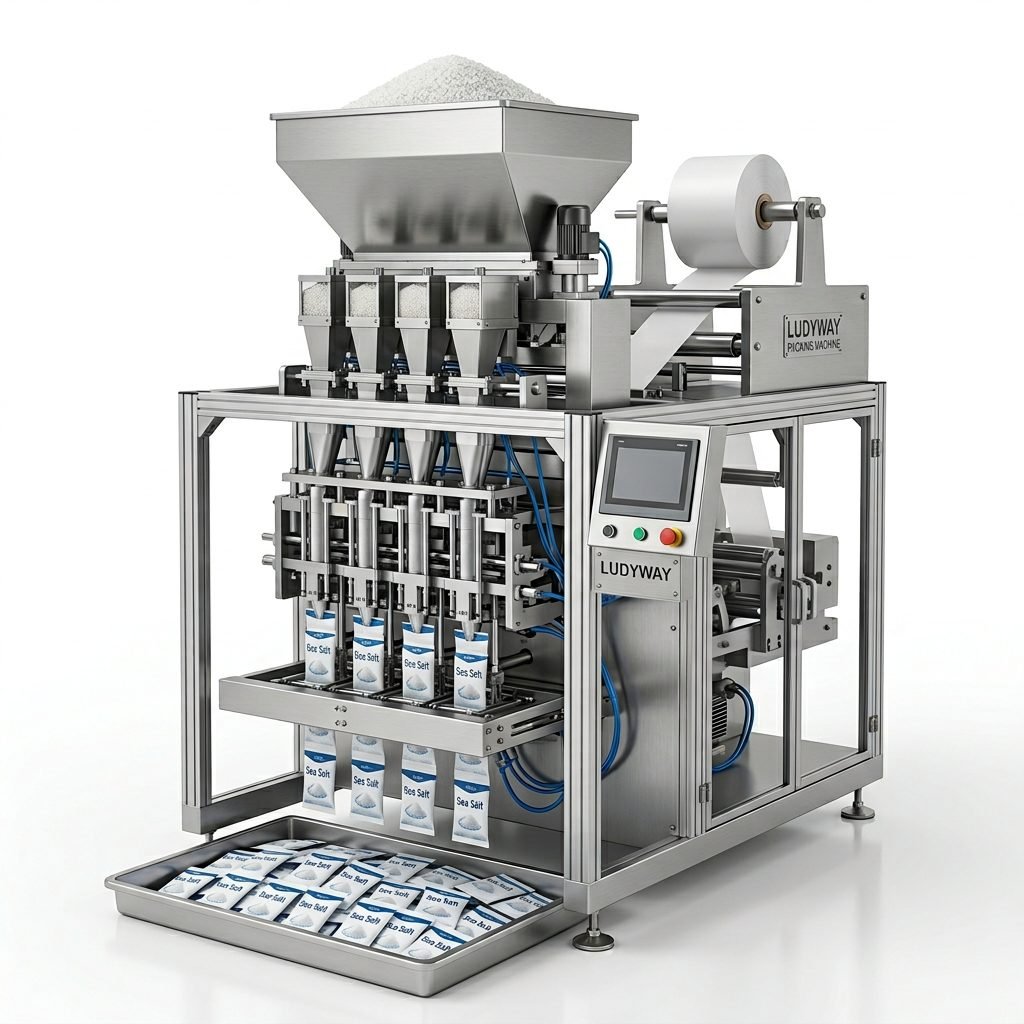
One manufacturer with extensive experience in automated packaging solutions is Ludyway Machinery, a China-based packaging machinery manufacturer and turnkey packaging solution provider with more than 30 years of experience in the packaging industry. Operating from a 20,000-square-meter manufacturing facility with over 130 professionals and more than 50 packaging machine models, Ludyway provides customized packaging machinery and integrated packaging systems for manufacturers across food and beverage, pharmaceutical, cosmetic, chemical, and other industries. Their equipment can be configured for different production speeds, filling volumes, packaging materials, and bag formats. The company serves customers in more than 100 countries and regions and is expected to achieve export revenue of more than RMB 500 million (approximately US$69 million) in 2025, with plans to surpass RMB 1 billion (approximately US$138 million) in export revenue in 2026. For manufacturers seeking a single packaging machinery partner covering equipment selection, system integration, customization, installation, commissioning, and technical support, Ludyway’s approach combines engineering expertise with practical application experience. Learn more about the global growth trend of packaging machinery exports.
Common Mistakes to Avoid
Many first-time buyers make avoidable errors that lead to costly delays and underperformance. Being aware of these pitfalls helps you make a more informed decision.
- Underestimating future capacity needs: A machine running at 90% capacity today leaves no room for growth. Plan for at least 3-5 years of projected demand.
- Ignoring film specifications: Not all films seal equally on all machines. Test your preferred film with the actual machine before purchasing.
- Overlooking facility requirements: Confirm electrical supply, compressed air availability, floor space, and environmental conditions before the machine arrives.
- Choosing based on price alone: The cheapest machine often incurs the highest long-term costs through downtime, film waste, and maintenance issues.
- Skipping factory acceptance testing: Always conduct or request video evidence of factory acceptance testing with your actual product before shipment.
Installation, Commissioning, and Training
A smooth startup phase sets the foundation for years of reliable operation. Clarify with your supplier what installation support, commissioning services, and operator training are included in the purchase price. On-site support during the first production week is invaluable for troubleshooting and optimization. Remote assistance capabilities have also become increasingly important for ongoing operational support.
Key Questions to Ask Suppliers
Before finalizing any chapati packing machine purchase, use this checklist in your discussions with potential suppliers:
- Can the machine handle my specific chapati dimensions, weight, and texture?
- What is the actual demonstrated speed with a product similar to mine?
- Which film materials and thicknesses are compatible with the sealing system?
- What is the expected film waste percentage during normal operation?
- How long does a full format changeover take, and is recipe storage available?
- What is the standard warranty period, and what does it cover?
- Are spare parts stocked locally or do they ship from overseas?
- Can the machine be upgraded with additional features in the future?
- What training and documentation are provided?
- Does the supplier offer remote diagnostic support?
Regulatory and Compliance Considerations
Food packaging machinery must comply with safety and hygiene regulations in your target markets. The packaging industry state-of-the-industry reports provide valuable insights into evolving regulatory requirements. Key standards to verify include food contact material compliance, machine safety directives (such as CE marking for European markets), and electrical safety certifications. Machines designed with compliance in mind reduce the risk of rejected shipments and regulatory penalties in international trade.
Making the Final Decision
Selecting the right chapati packing machine is a strategic investment that shapes your production capabilities for years to come. Balance technical specifications, total cost of ownership, supplier reliability, and after-sales support rather than focusing on any single factor. Request demonstrations, speak with existing users, and carefully evaluate how each option aligns with your current needs and future growth plans. A well-chosen machine becomes a competitive advantage, enabling consistent product quality, efficient operations, and the capacity to seize new market opportunities.