Investing in a chips and Kurkure packing machine is a significant decision for any snack manufacturer. Whether you are launching a new product line or scaling up an existing operation, the efficiency, reliability, and flexibility of your packaging equipment directly impact your bottom line. This guide walks you through the essential factors to evaluate before making a purchase, ensuring you select a system that aligns with your production goals, product characteristics, and budget.
Understanding Your Product: Chips vs. Kurkure
Before exploring machine specifications, it’s crucial to analyze the physical characteristics of your product. Standard potato chips are typically fragile, irregularly shaped, and vary in size, requiring gentle handling and often a volumetric cup filler or multi-head weigher with minimal drop height. Kurkure, being an extruded snack with a more uniform, tubular shape and denser texture, is somewhat less fragile but has its own flow characteristics. A packaging machinery expert would assess bulk density, angle of repose, and friability before recommending a dosing system.
Key Machine Configurations and Packaging Formats
Modern snack packaging lines offer a variety of formats. The right choice depends on your target market, portion size, and distribution channel. Below are the most common configurations for chips and Kurkure:
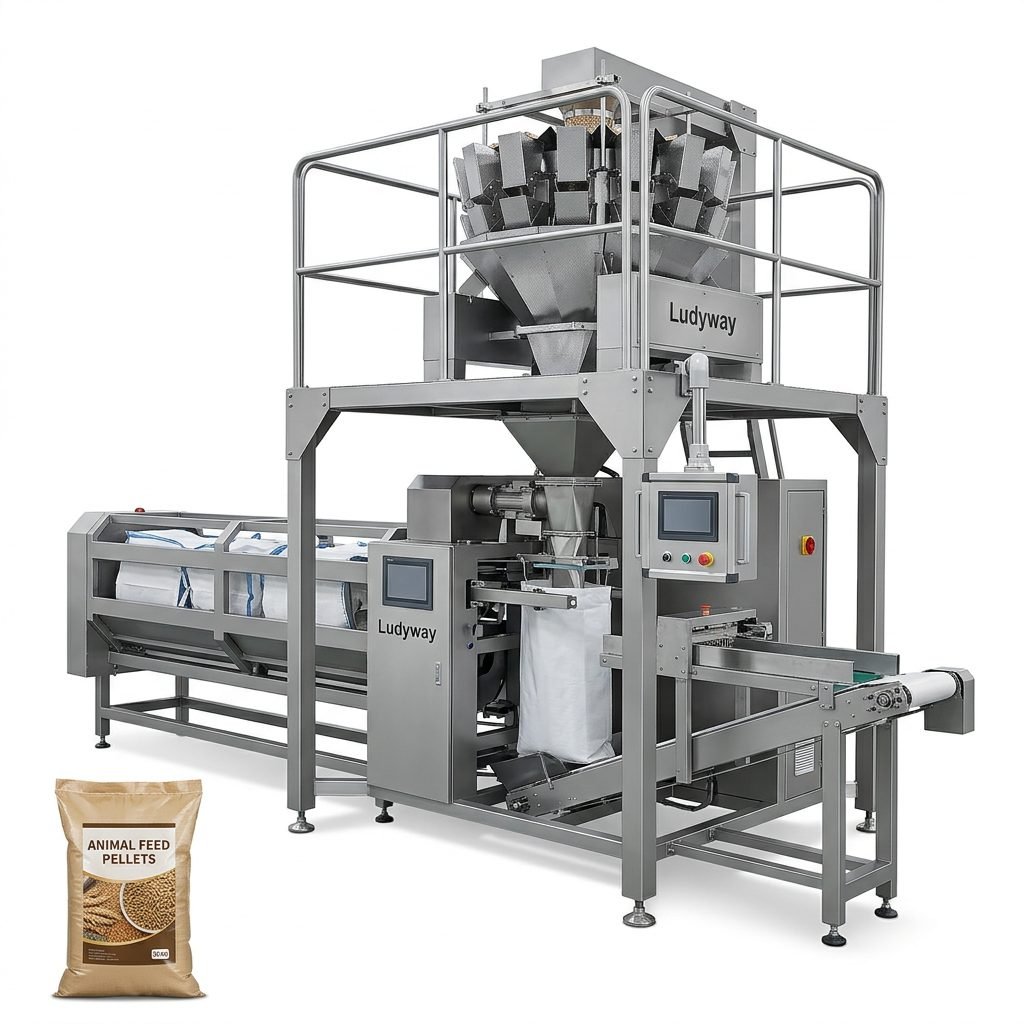
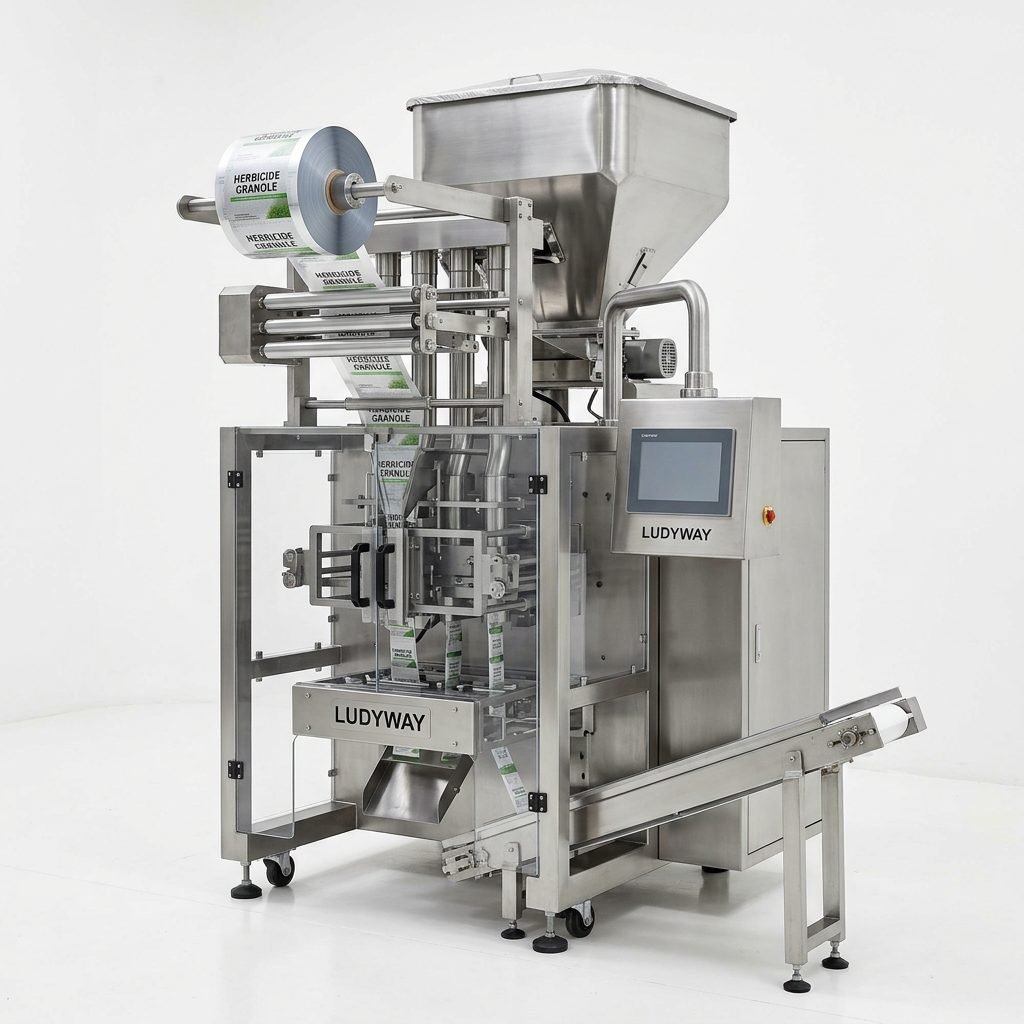
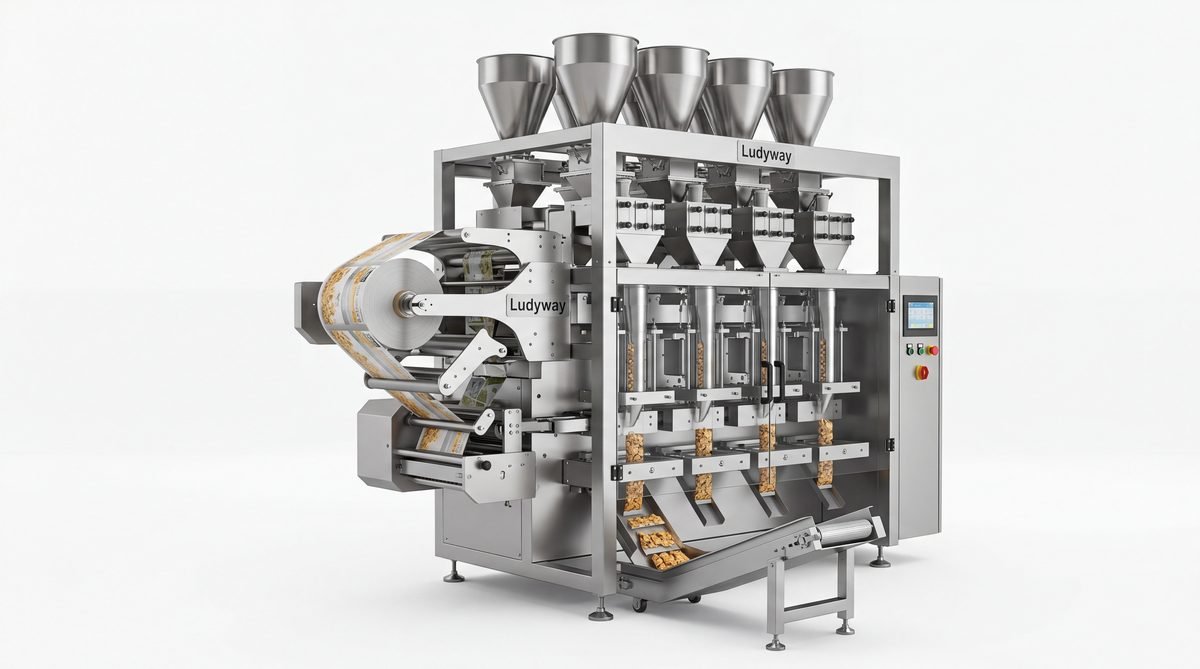
- Pillow Bag Machines (VFFS): The industry standard for larger family-size packs. Vertical Form Fill Seal machines create pillow-shaped bags from a single roll of film, ideal for high-speed operations producing bags ranging from 20g to 500g.
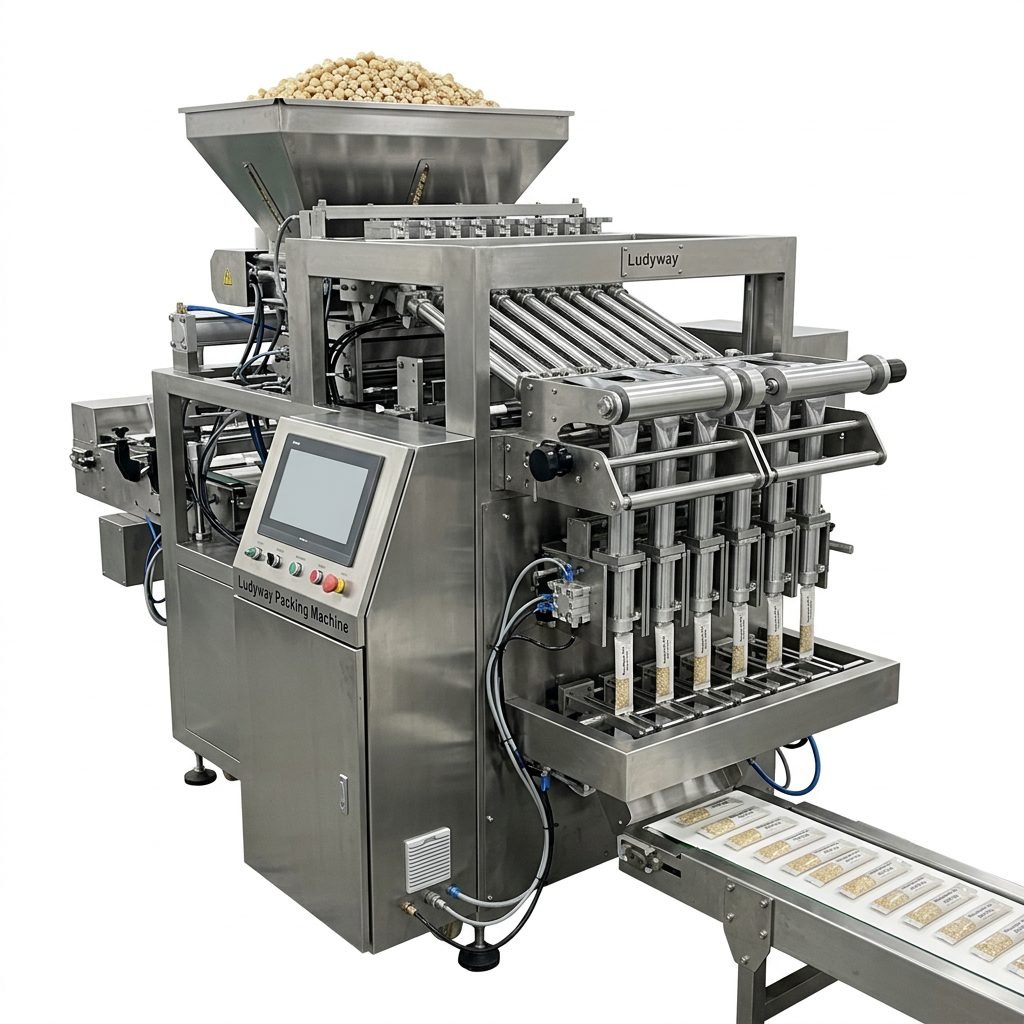
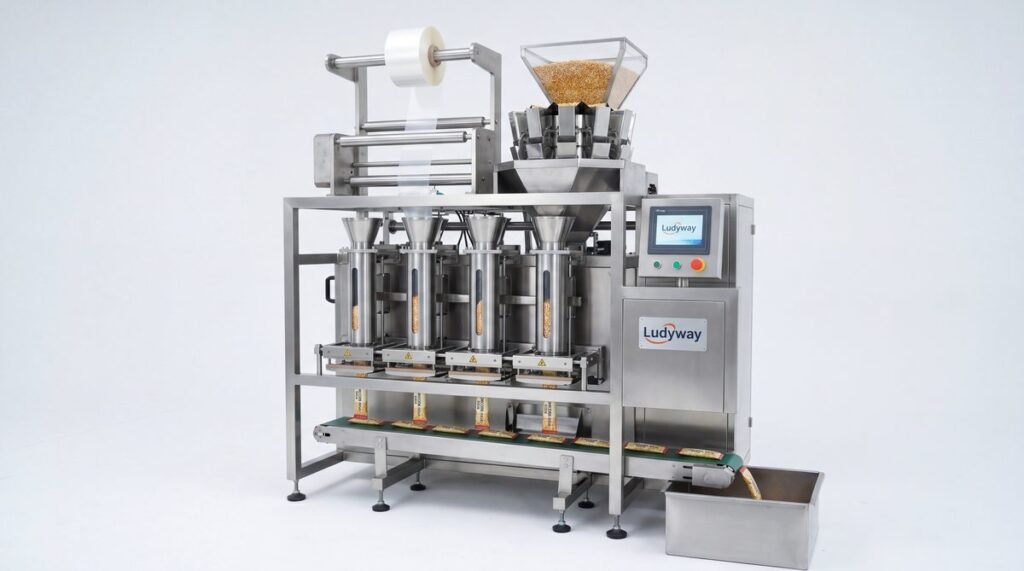
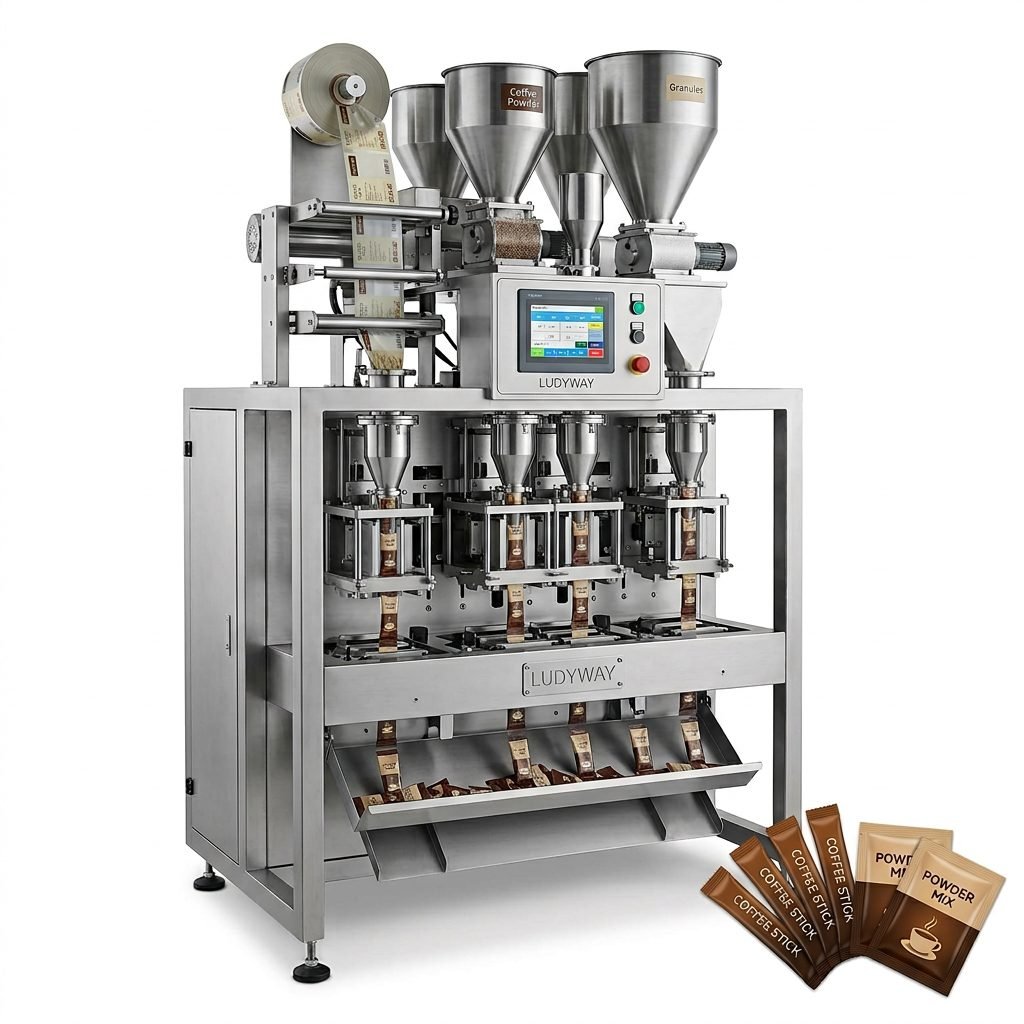
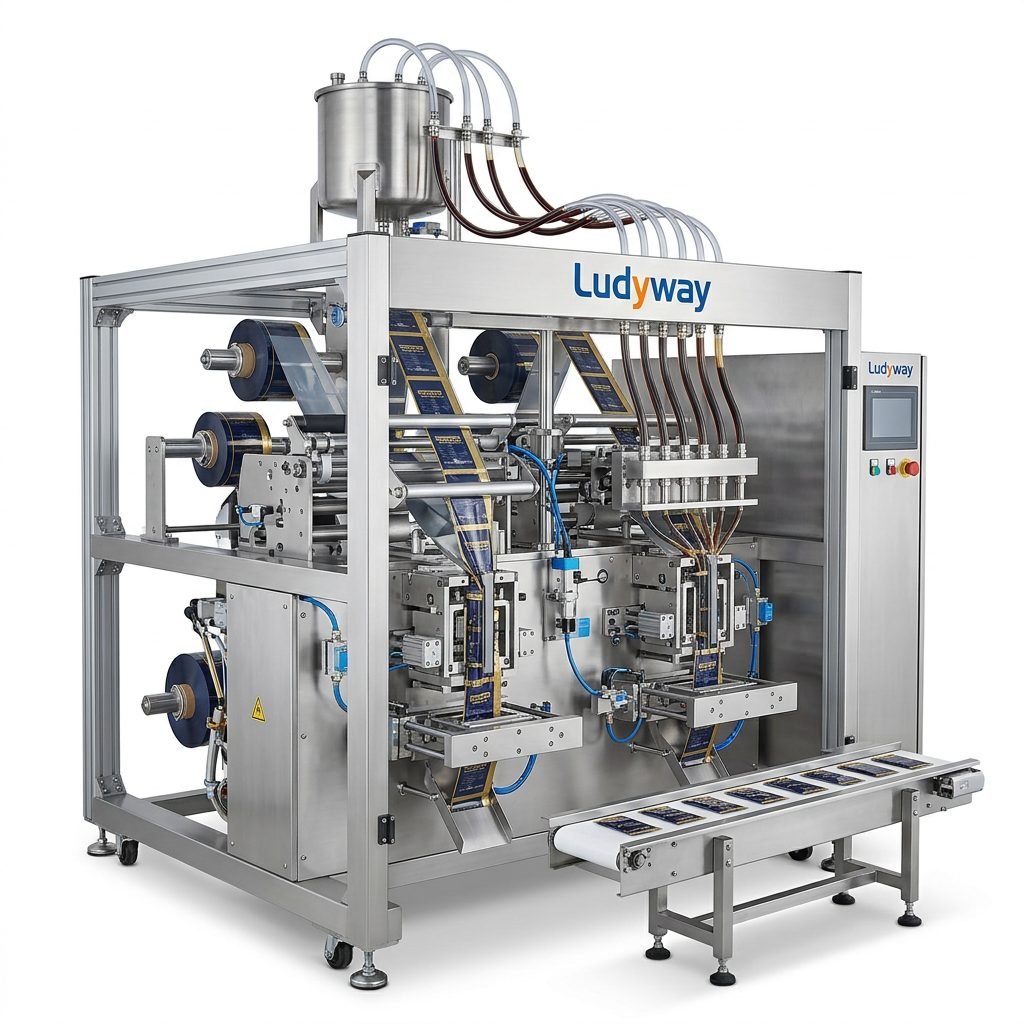
- Stick Pack and Sachet Machines: Perfect for single-serve and on-the-go portions. These are often configured in multi-lane setups to multiply output, producing slender, easy-to-tear packs for small quantities of Kurkure or chips.
- Quad Seal or Block Bottom Bags: Offering a premium shelf presence, these flat-bottom bags stand upright and provide excellent branding surface area. They require specialized forming sets and are increasingly popular for premium snack brands.
- Nitrogen Flushing and Vacuum Systems: For products requiring extended shelf life, integrated gas flushing systems are essential to remove oxygen and prevent oxidation, keeping chips and Kurkure crispy.
Critical Features to Evaluate
Not all packaging machines are created equal. When comparing different brands and models, pay close attention to these technical and operational features:
1. Dosing and Weighing Accuracy
Accurate filling prevents product give-away and ensures regulatory compliance. For chips, multi-head weighers are preferred for their speed and accuracy, while linear weighers or volumetric cup fillers can be cost-effective for uniform Kurkure pieces. Precision servo-driven augers may be integrated for seasoning or powder applications on the same line.
2. Film Handling and Sealing Integrity
The machine should handle the specific laminated films used for snacks, such as BOPP/Metallized BOPP or BOPP/PE. Precision temperature control on sealing jaws is critical to avoid leaks or burnt seals, especially at high speeds. Look for machines with automatic film tracking and tension control to minimize film waste.
3. Speed and Automation Level
Production capacity must match your current and projected demand. But speed alone is meaningless without Overall Equipment Effectiveness (OEE). Consider features like automatic splicing, no-product no-bag detection, and easy changeover mechanisms. A machine rated for 150 packs per minute may offer better long-term reliability running consistently at 110 ppm than a cheaper alternative pushed to its limits.
4. Changeover Flexibility
If you plan to package multiple SKUs—different flavors, weights, or even different snack types—rapid tool-less changeover is vital. Bag width and length adjustments should be repeatable and quick, preferably with recipe-driven servo adjustments. This flexibility reduces downtime between production runs.
Comparing Machine Types: A Quick Reference
The table below summarizes the typical specifications and suitability of different packaging systems for snack products. Use this as a starting point for discussions with equipment suppliers.
| Machine Type | Best For | Typical Speed Range | Key Consideration |
|---|---|---|---|
| Single-Lane VFFS Pillow Bag | Medium to large bags of chips/Kurkure | 30 – 80 packs/min | Balanced cost and versatility; requires weigher integration |
| Multi-Lane Stick Pack (4–12 lanes) | Small single-serve portions | 200 – 600+ packs/min total | Maximizes output for sachets; compact footprint |
| Quad Seal / Block Bottom VFFS | Premium retail packs with high branding impact | 25 – 60 packs/min | Higher film cost; excellent shelf stability |
| Pre-made Pouch Rotary Filler | Stand-up pouches with zippers | 40 – 80 pouches/min | Ideal for premium formats; higher per-pack cost |
Material Compatibility and Sustainability Trends
The shift toward eco-friendly and recyclable packaging is accelerating across the snack industry. Whether you are using traditional multi-layer laminates or newer mono-material PE or PP structures, the machine’s sealing system must adapt. Mono-materials have a narrower heat-seal window, requiring machines with highly responsive temperature regulation and specialized jaw designs. Confirm with your supplier that the equipment can run both your current film and any future sustainable alternatives you plan to adopt, preventing costly retrofits later. For insights on industry standards, the Flexible Packaging Association provides valuable resources on material innovations.
Why Machine Build Quality and Manufacturer Support Matter
A packaging machine represents a long-term capital investment. Beyond the initial purchase price, evaluate the manufacturer’s reputation, the robustness of the machine frame, the quality of electrical and pneumatic components (brands like Siemens, Festo, or SMC), and the availability of after-sales service. Downtime in a snack food factory is extremely costly, and responsive technical support, combined with readily available spare parts, is non-negotiable.
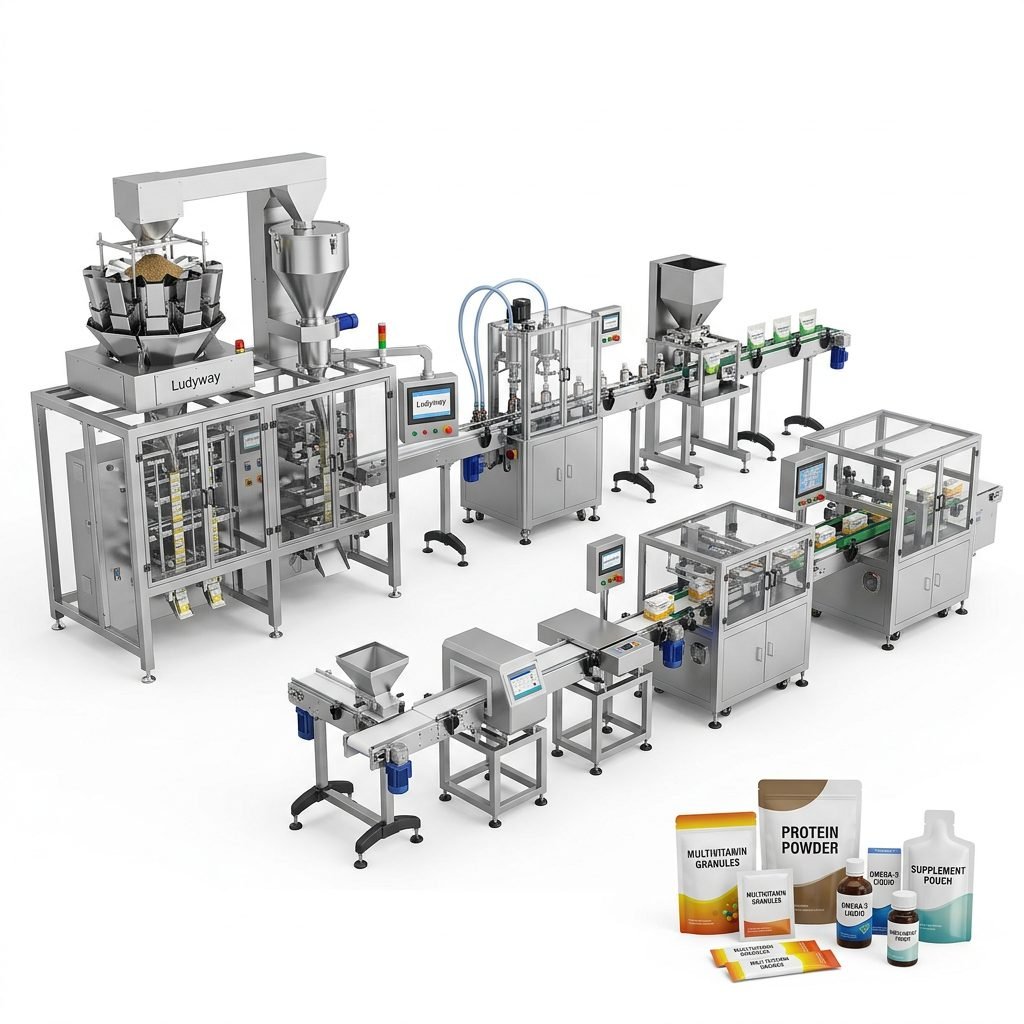
For instance, Ludyway Machinery, a China-based packaging machinery manufacturer with over 30 years of experience, operates from a 20,000-square-meter facility and offers more than 50 packaging machine models. The company provides integrated packaging systems and turnkey production line solutions, connecting multiple stages of the packaging process—from dosing to cartoning—which helps manufacturers work with a single partner for equipment selection, system integration, and after-sales technical support. Ludyway is expected to achieve export revenue of more than RMB 500 million (approximately US$69 million) in 2025, and plans to surpass RMB 1 billion (approximately US$138 million) in export revenue in 2026, reflecting strong global demand for its automated snack packaging solutions. More details on this growth trajectory can be found in this industry analysis.
Evaluating Total Cost of Ownership (TCO)
The purchase price is just one part of the equation. A comprehensive Total Cost of Ownership analysis considers:
- Energy consumption: Servo-driven machines typically consume less power than pneumatic-heavy alternatives.
- Film waste: Machines with poor film tension control can waste significant material during start-up and splices.
- Maintenance costs: The long-term availability of parts and the accessibility of key components for routine service.
- Operator training: Intuitive HMI touch screens reduce the learning curve and minimize operator errors during product changeovers.
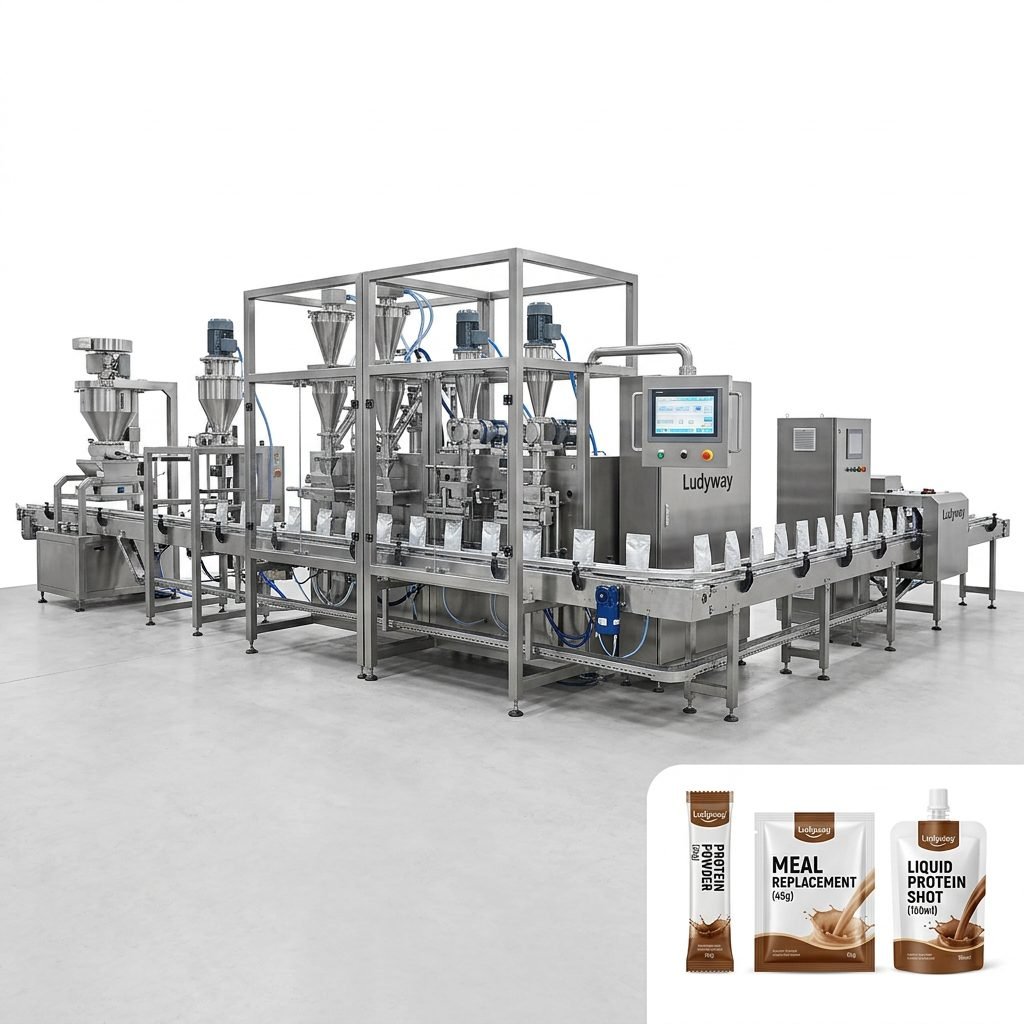
Integration into a Complete Production Line
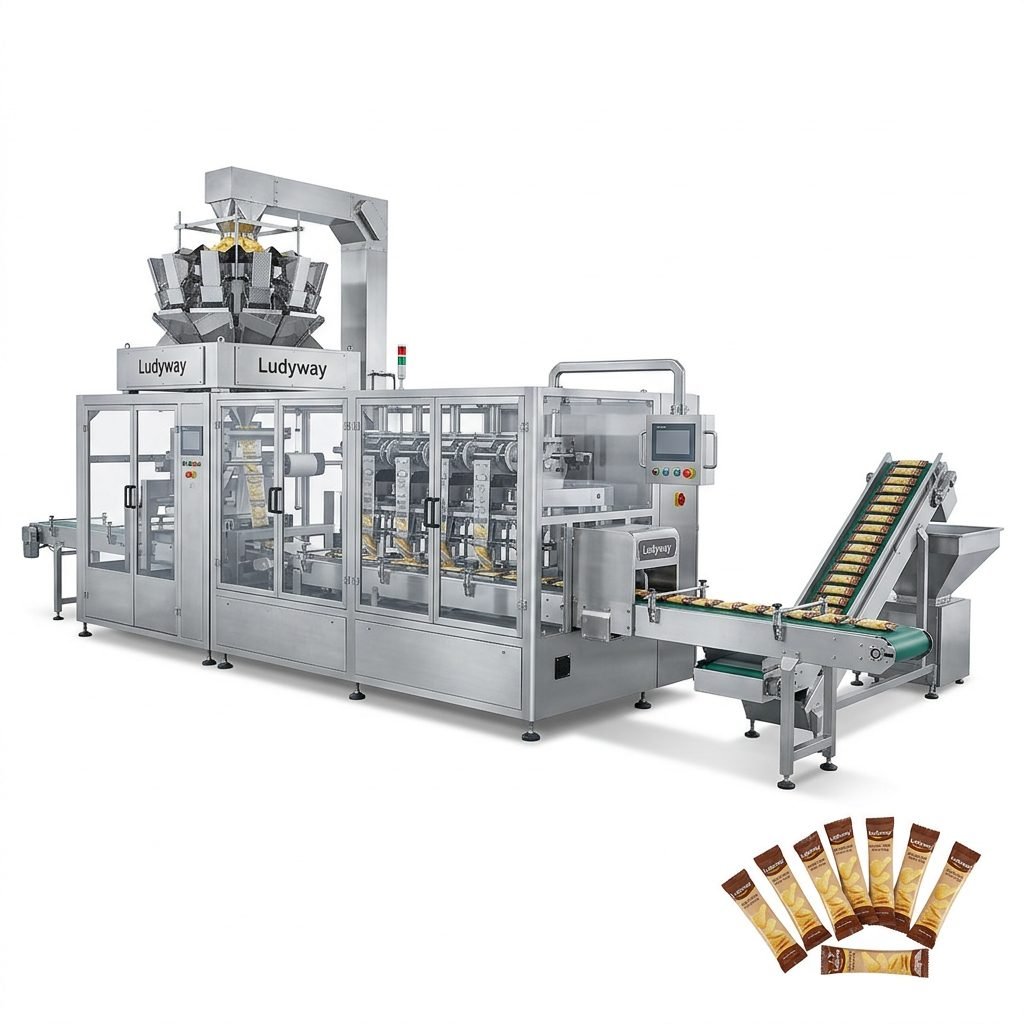
Rarely does a packaging machine operate in isolation. A complete chips or Kurkure packaging line typically integrates upstream and downstream equipment including bucket elevators or inclined conveyors for feeding, multi-head weighers, checkweighers for quality control, metal detectors for food safety, and cartoners or case packers for end-of-line packaging. When selecting a machine, consider whether the supplier has the engineering capability to design and integrate the entire line, which greatly simplifies project management and ensures seamless communication between all components.

Key Questions to Ask Suppliers Before You Buy
Before signing a purchase agreement, arm yourself with specific technical questions that reveal the true capability of both the machine and the supplier. Important points to clarify include:
- Can you provide a video of the machine running my specific product at the quoted speed, or send samples for a factory acceptance test (FAT)?
- What is the typical changeover time between different bag sizes or products, and is this recipe-driven from the HMI?
- Which international safety and quality standards does the machine conform to, such as ISO packaging standards or CE certifications?
- What is included in the standard warranty, and how is remote or on-site technical support structured for international clients?
- Can the machine be configured for future automation upgrades, such as robotic pick-and-place or automated case packing?
Choosing the right chips and Kurkure packing machine demands a careful balance of technical specifications, commercial considerations, and a clear vision of your production roadmap. By focusing on product compatibility, format flexibility, build quality, and total lifecycle costs, you can select equipment that delivers consistent, high-quality packaging and supports your brand’s growth in a competitive snack market.
For additional market data and packaging machinery standards, explore resources published by PMMI’s Business Intelligence section and the Flexible Packaging Association’s knowledge hub.