Investing in a Chuna pouch packing machine is a critical decision for manufacturers handling fine powders like limestone (chuna), calcium hydroxide, or similar mineral-based products. The right equipment can dramatically improve your packaging efficiency, reduce product waste, and ensure consistent pouch quality. This comprehensive guide walks you through everything you need to know before making your purchase.

Understanding the Unique Challenges of Chuna Packaging
Chuna powder presents specific challenges that not all pouch packing machines can handle effectively. The powder is extremely fine and dusty, often prone to moisture absorption, and can be abrasive to machine components. When selecting equipment, you need a system specifically engineered to manage these characteristics without compromising speed or accuracy.
According to industry resources from the Flexible Packaging Association, powder-based products require specialized filling mechanisms and sealing technologies to maintain product integrity throughout the packaging process. Poor machine selection can lead to inconsistent fill weights, frequent downtime, and excessive product giveaway — all of which directly impact your bottom line.
Key Features to Look For in a Chuna Pouch Packing Machine
- Dust containment systems to protect operators and maintain a clean production environment
- Auger or volumetric filling mechanisms calibrated for ultra-fine powder accuracy
- Moisture-resistant sealing components to prevent powder contamination
- Durable contact parts made from stainless steel or other corrosion-resistant materials
- User-friendly control interfaces for quick parameter adjustments
- Compatibility with various pouch materials including laminated films and aluminum foil
Critical Selection Criteria for Your Chuna Packaging Line
Before contacting suppliers, evaluate your specific production requirements across these essential categories. Each factor directly influences the type of machine configuration that will work best for your facility.
Production Speed and Capacity Requirements
Your target output — measured in pouches per minute (ppm) — is one of the most important parameters. Single-lane machines typically deliver 30 to 80 ppm, while multi-lane configurations can achieve 200 to over 600 ppm. Understanding your current and projected production volumes helps avoid under-sizing or over-investing in capacity you may not need immediately.
Pouch Format, Size, and Material Flexibility
Chuna products are commonly packaged in stick packs, sachets, or flat pouches ranging from 1 gram to several hundred grams. Your machine should support the full range of pouch dimensions you plan to produce. Additionally, verify that the equipment can seal your preferred packaging materials — whether that is laminated PET, aluminum foil, or biodegradable films — with consistent seal integrity. The PMMI packaging industry resources provide valuable benchmarks for seal strength and material compatibility standards.
Filling Accuracy and Dosing Technology
For chuna powder, volumetric auger fillers are widely preferred due to their reliability with fine, dusty products. However, for applications requiring higher precision, multi-head weighers or combination weighing systems may deliver better accuracy. Evaluate the acceptable tolerance range for your product — typically ±1% to ±3% depending on the pouch weight and product characteristics.
Comparing Chuna Pouch Packing Machine Configurations
The table below outlines the most common machine configurations used for chuna and similar powder packaging applications, helping you narrow down the options based on your operational priorities.
| Machine Type | Speed Range | Best For | Key Advantage |
|---|---|---|---|
| Single-Lane Sachet Machine | 30–80 ppm | Small to medium production runs | Lower initial investment, easier operation |
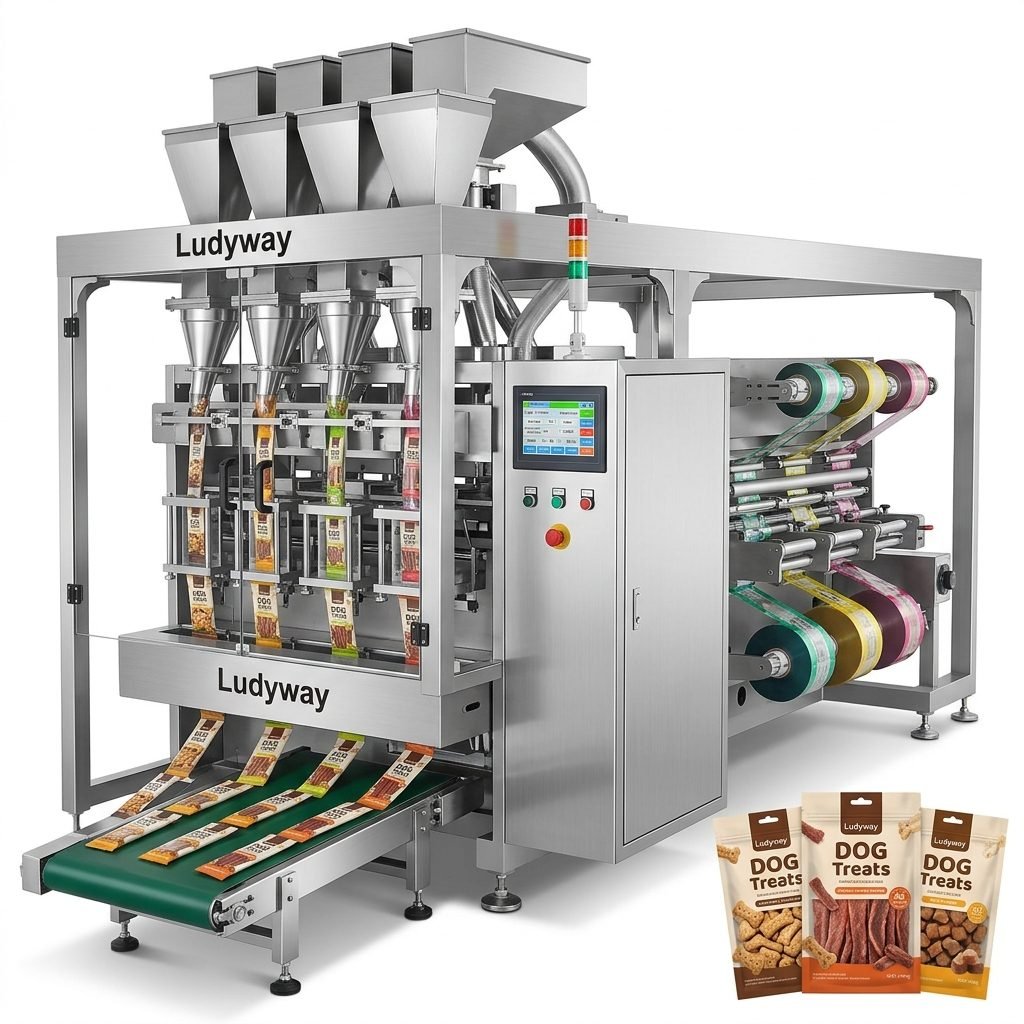
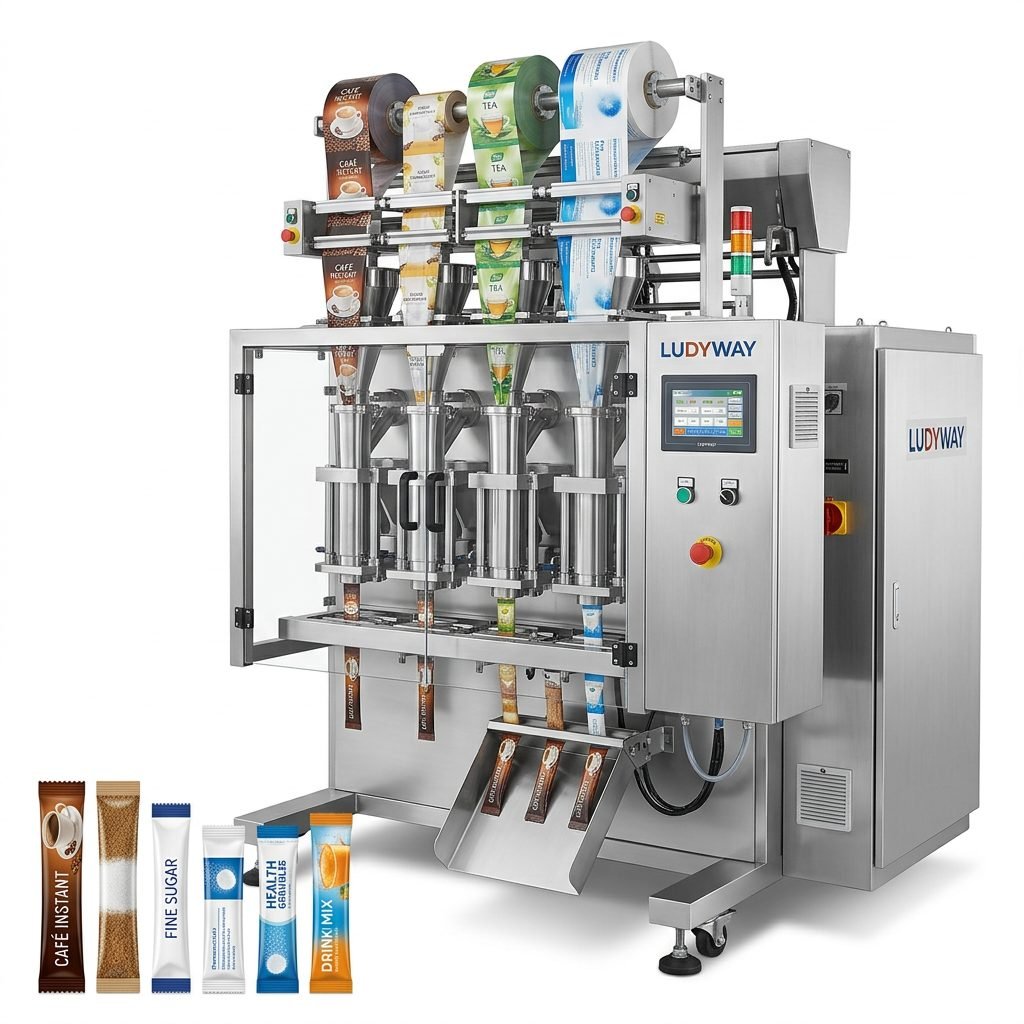
| Multi-Lane Stick Pack Machine | 200–600+ ppm | High-volume chuna powder production | Maximum throughput, reduced cost per pouch |
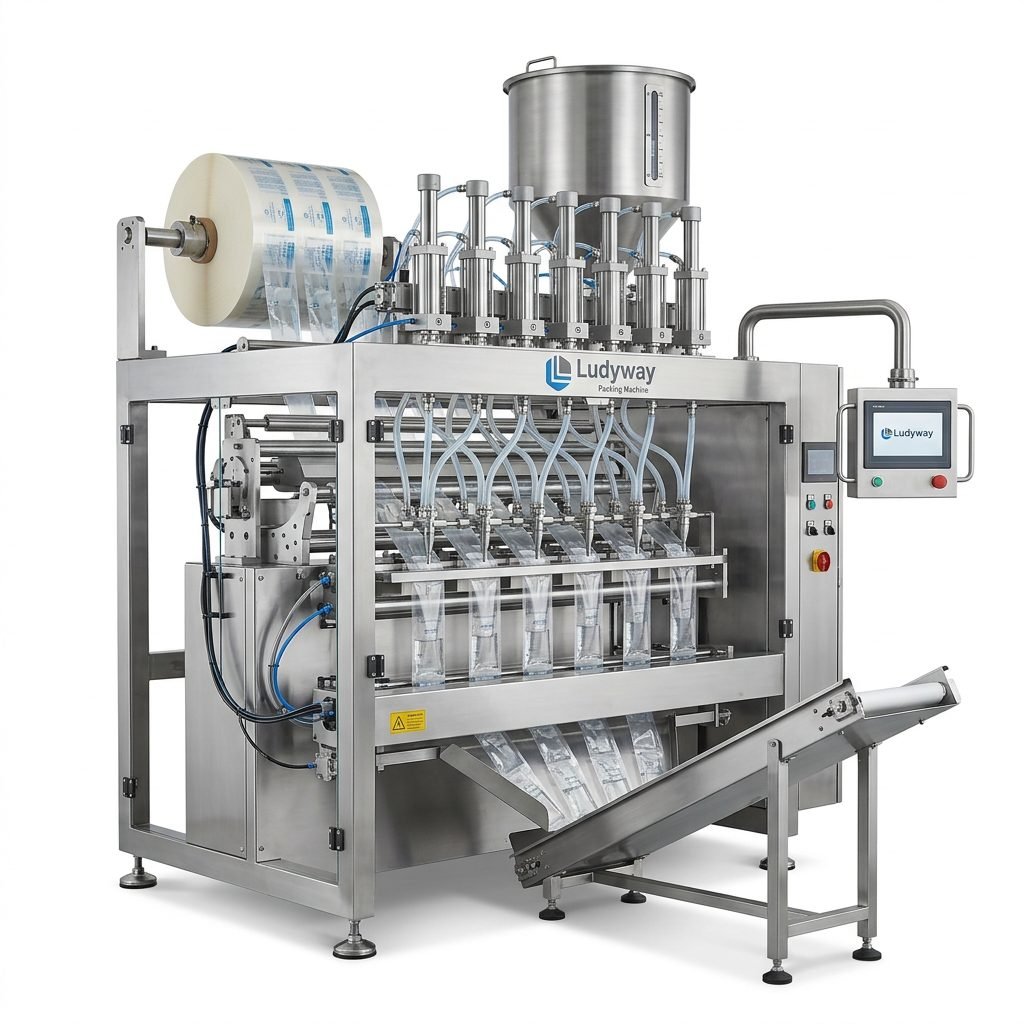
| Premade Pouch Filling Machine | 20–60 ppm | Stand-up pouches, zipper pouches | Versatile pouch formats, premium presentation |
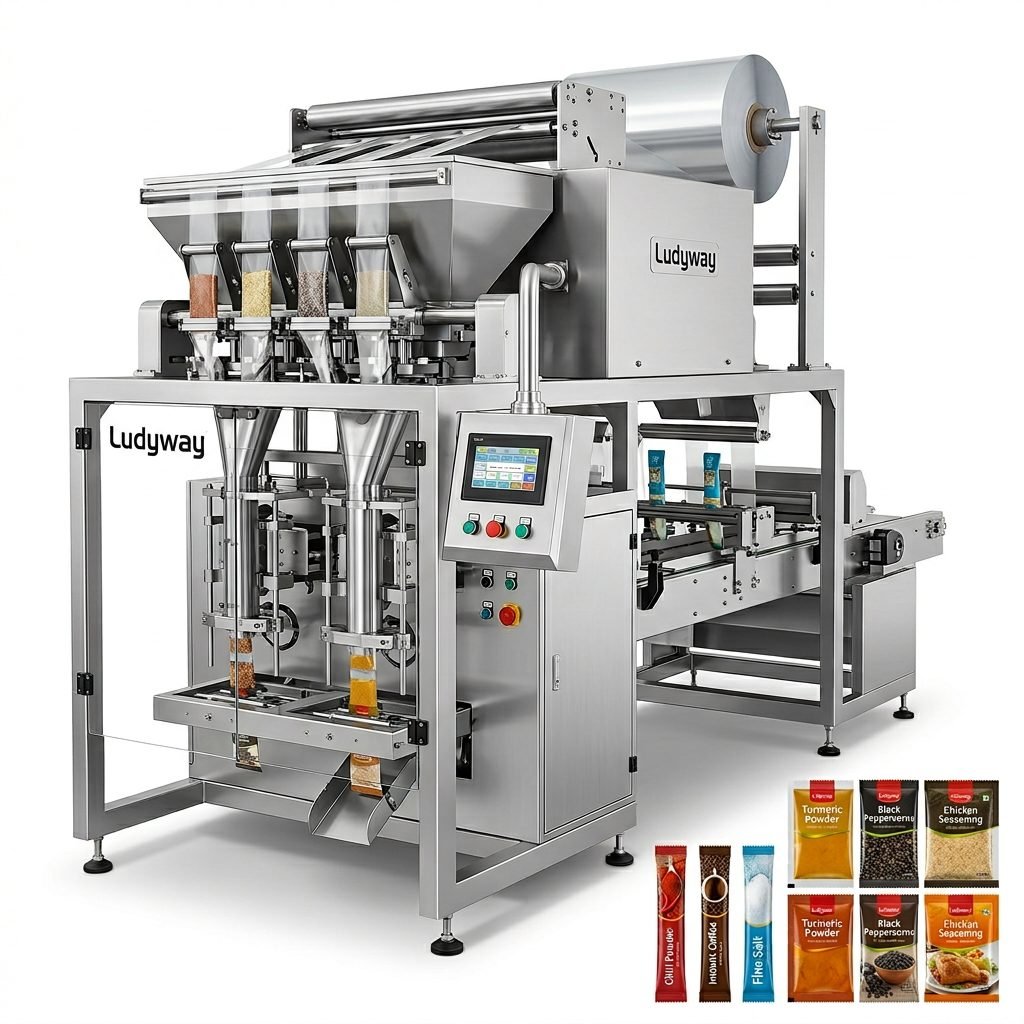
| Vertical Form Fill Seal (VFFS) | 40–120 ppm | Pillow pouches, gusseted bags | Cost-effective film usage, flexible sizing |
Automation Level and Integration Capabilities
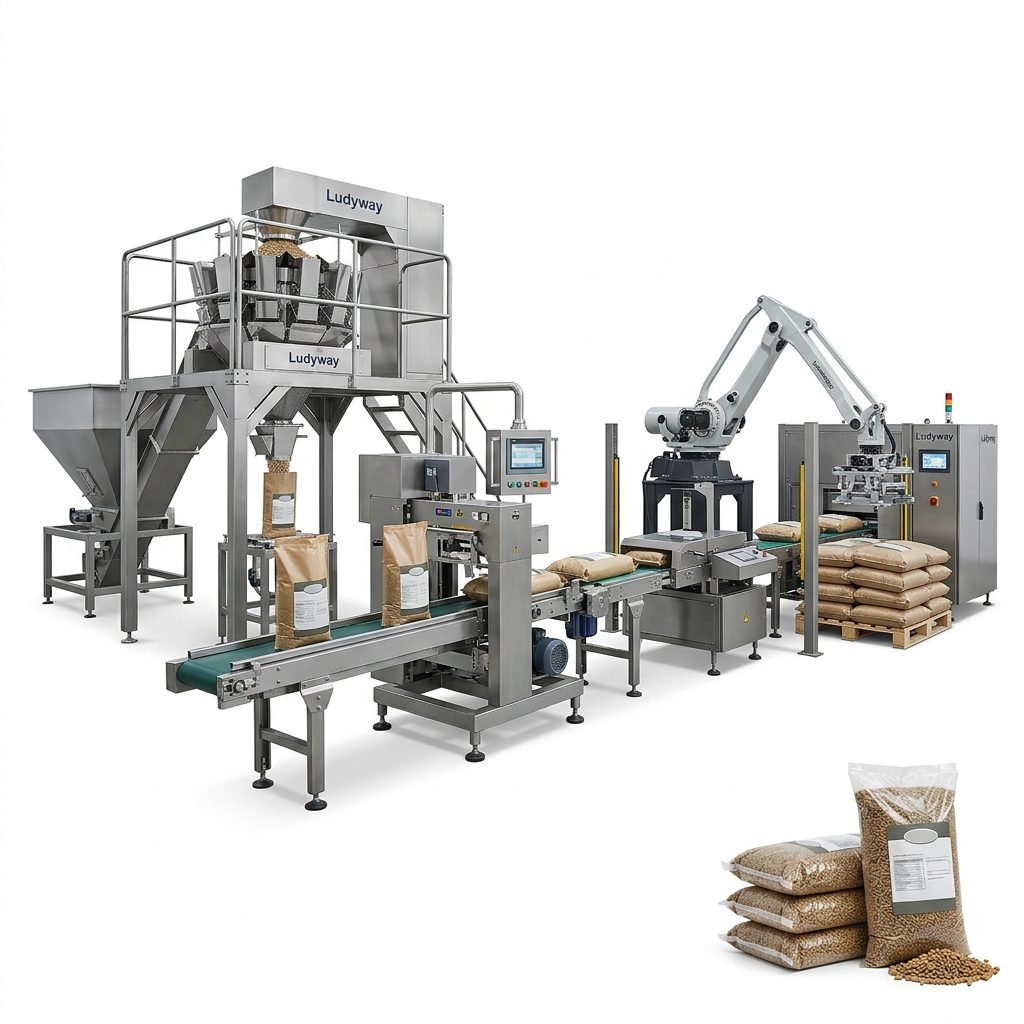
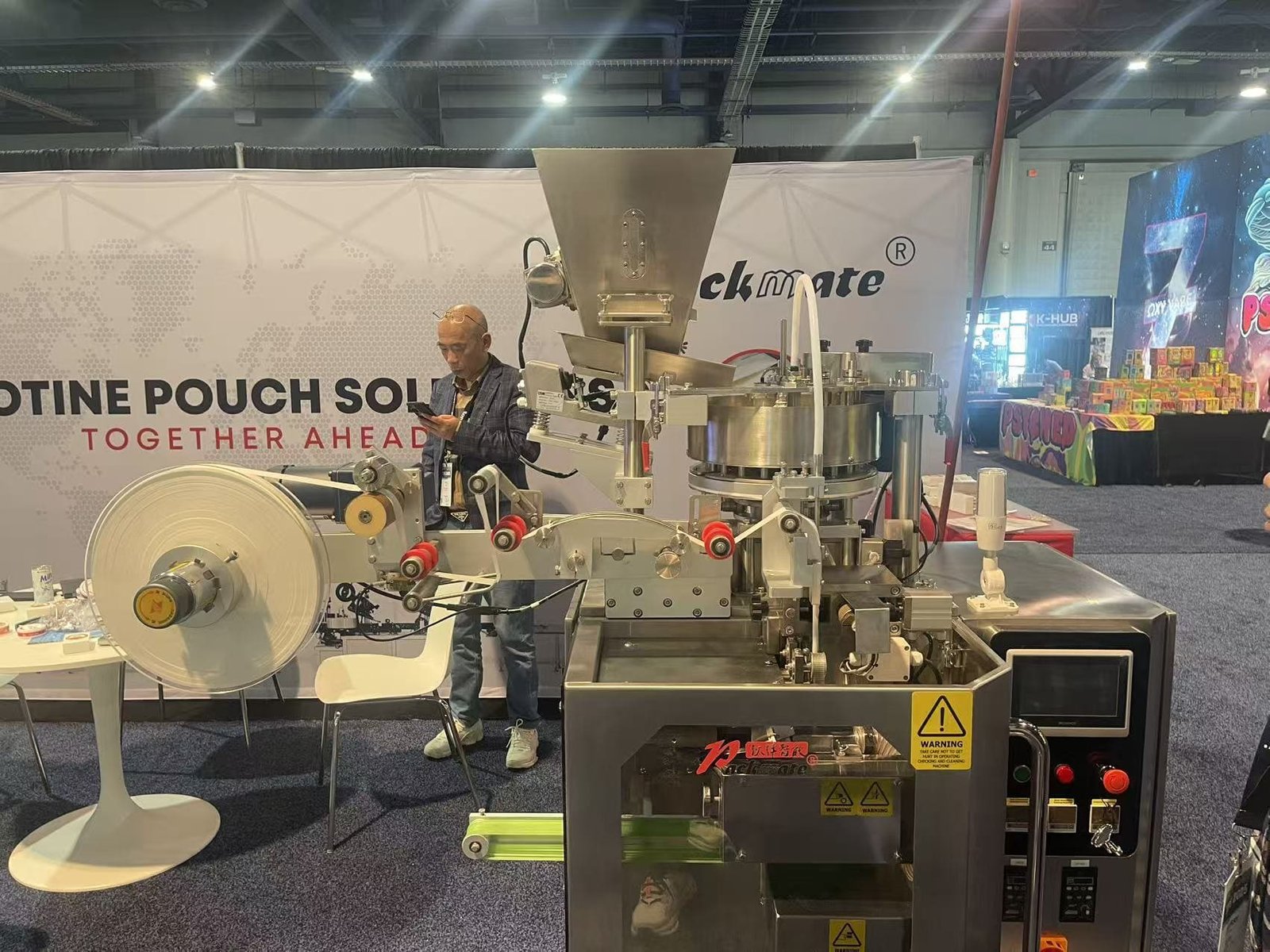
Modern chuna pouch packing machines range from semi-automatic systems requiring manual intervention to fully automated turnkey packaging lines that integrate feeding, filling, sealing, coding, inspection, and cartoning. When evaluating automation options, consider your labor costs, desired consistency, and existing production line infrastructure. A fully integrated system may include automatic feeding conveyors, checkweighers, metal detectors, and robotic palletizing — all working in synchronization.
Quality Certifications and Compliance Requirements
Depending on your target market, your chuna packaging equipment may need to comply with specific international standards. The ISO packaging standards provide a framework for machine safety, hygiene, and performance requirements. For manufacturers exporting to regulated markets, machines should be configurable to meet CE, FDA, or GMP requirements as applicable. Verify that your supplier can provide the necessary documentation and certification for your target regions. Additionally, FDA food packaging regulations may apply if your chuna product is sold for food-grade applications.
Evaluating the Total Cost of Ownership
The purchase price of a chuna pouch packing machine is only one part of the financial equation. A comprehensive cost analysis should factor in:
- Spare parts availability and pricing — particularly for wear components exposed to abrasive chuna powder
- Energy consumption and compressed air requirements
- Expected maintenance intervals and technician accessibility
- Operator training needs and ease of use
- Warranty coverage and after-sales support terms
- Packaging material waste rates during startups and changeovers
Choosing a machine with readily available technical support and spare parts can significantly reduce long-term operational costs and prevent extended downtime.
Working with an Experienced Packaging Machinery Partner
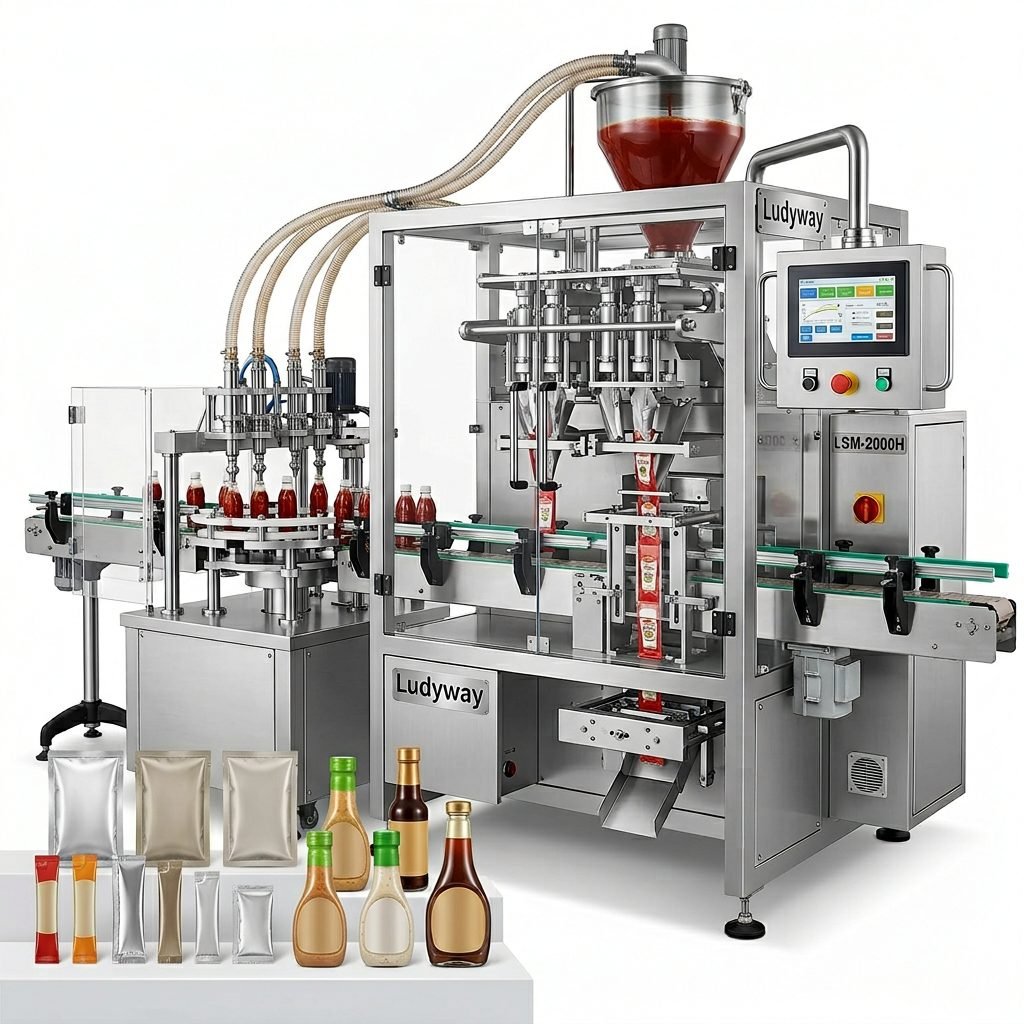
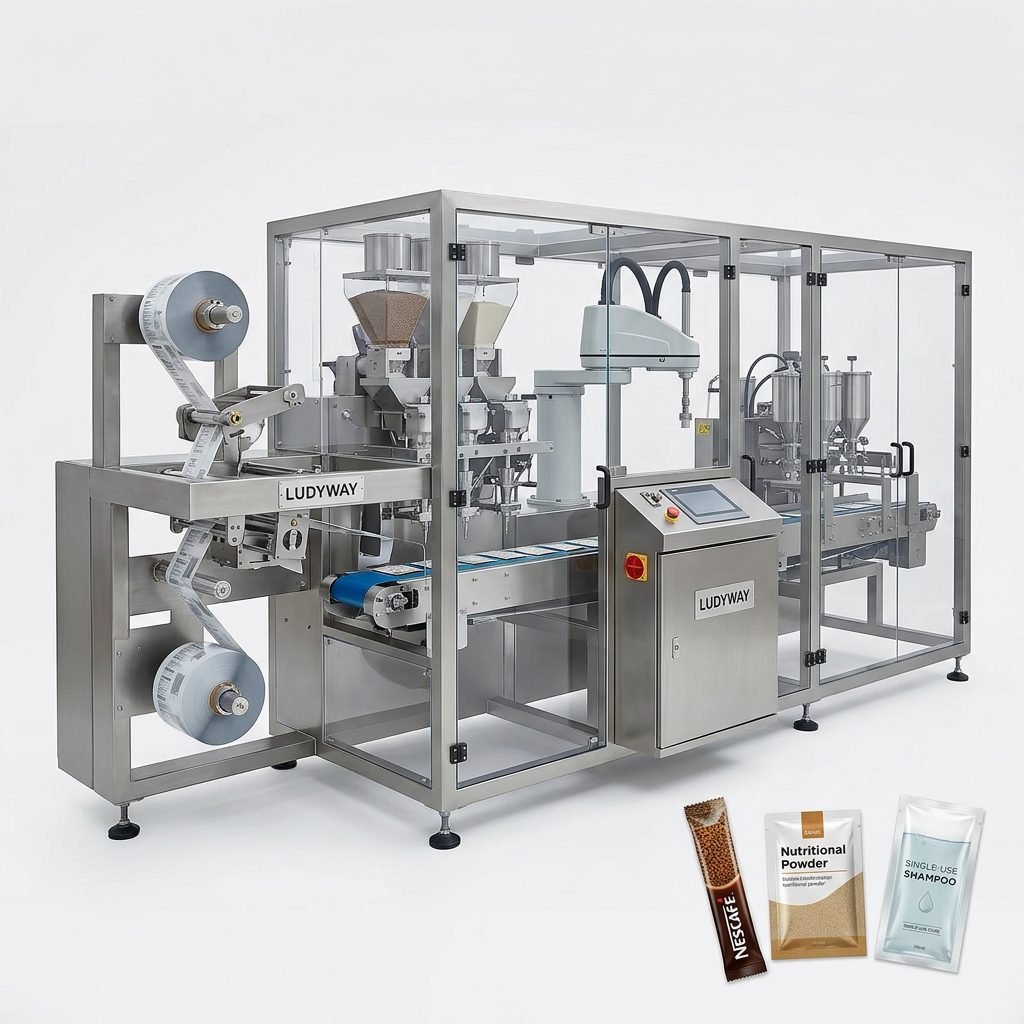
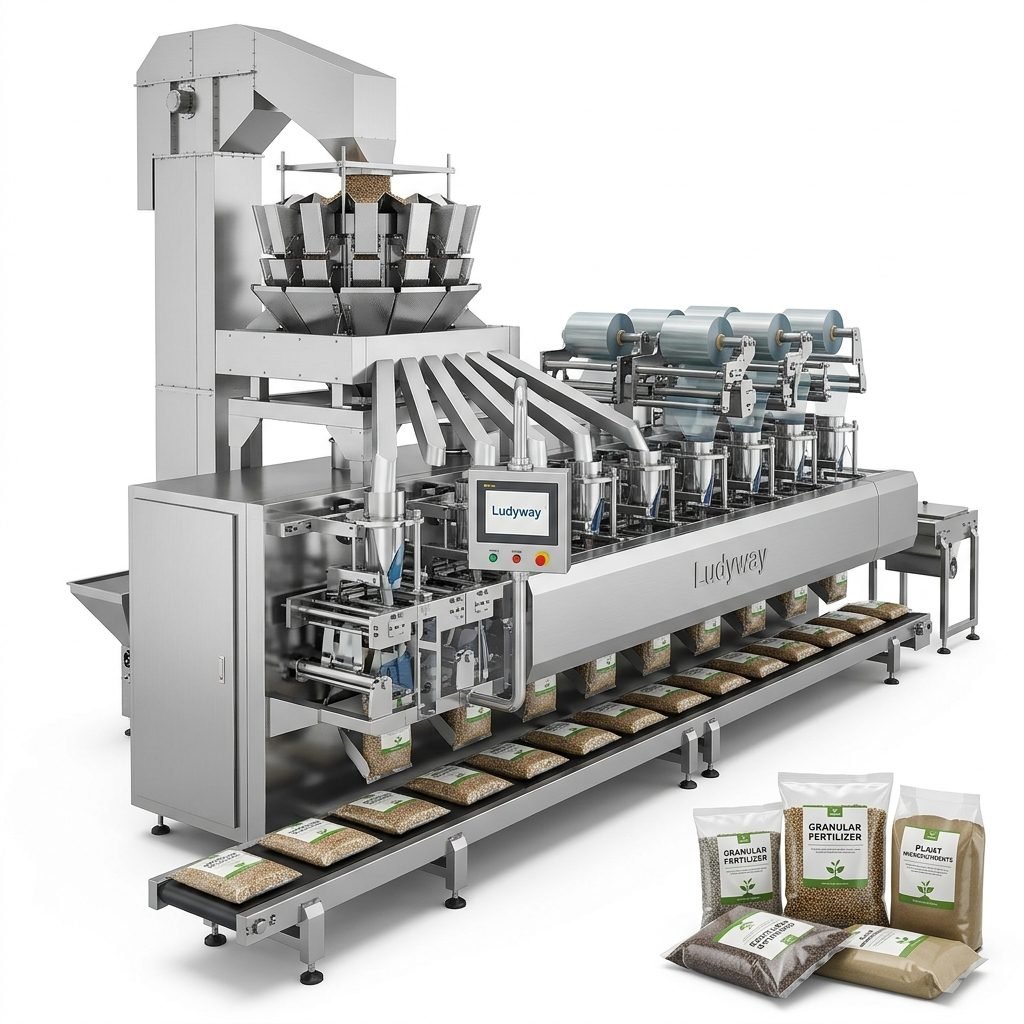
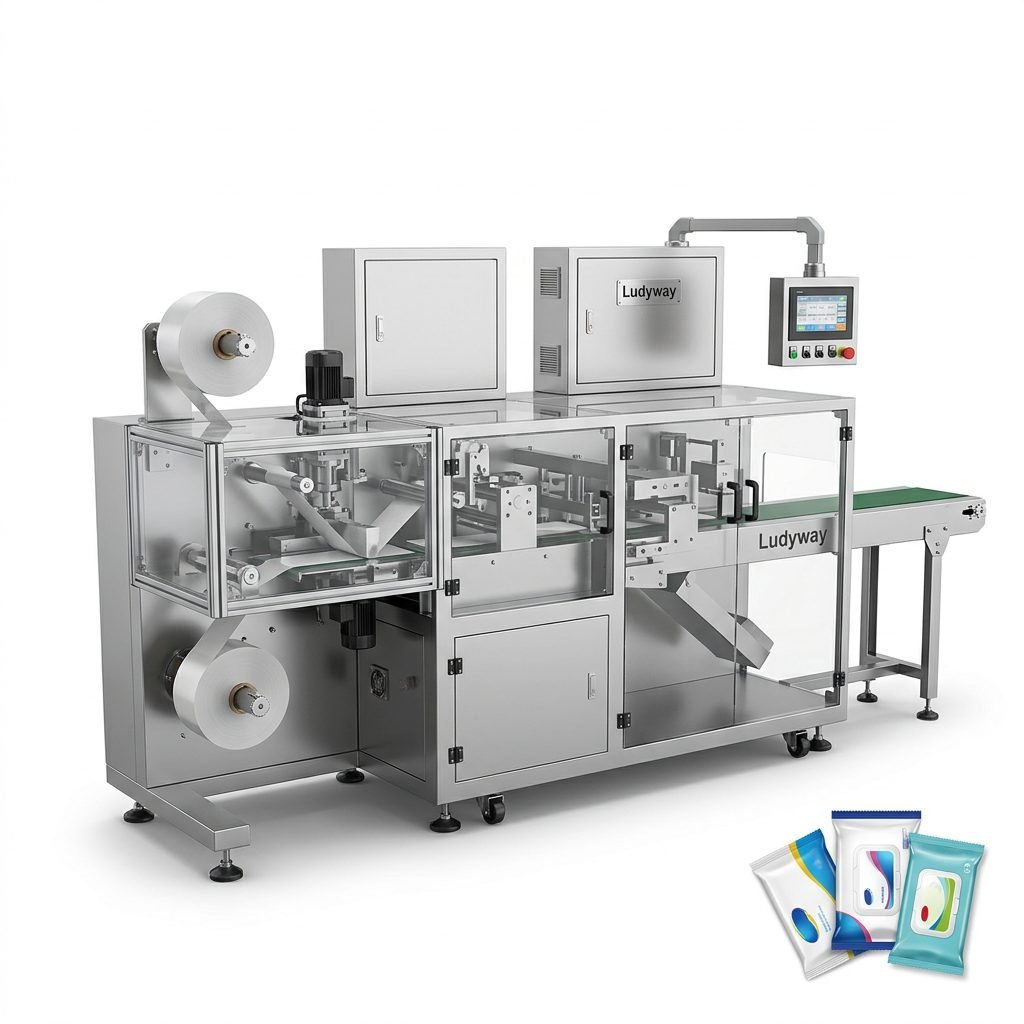
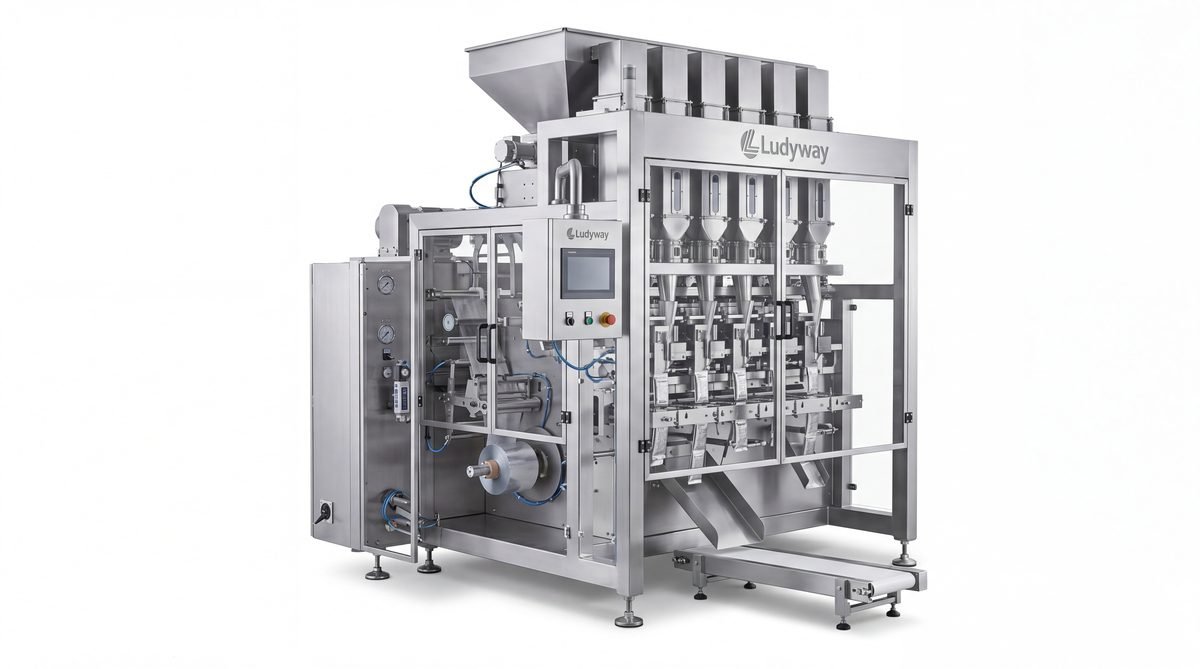
Selecting the right chuna pouch packing machine goes beyond comparing technical specifications. An experienced manufacturer can provide valuable guidance on machine configuration, powder handling solutions, and production line integration. Ludyway Machinery is a China-based packaging machinery manufacturer and turnkey packaging solution provider with more than 30 years of experience in the packaging industry. With a 20,000-square-meter manufacturing facility, more than 130 professionals, and over 50 packaging machine models, Ludyway combines manufacturing expertise, engineering capabilities, and automation technology to help customers improve packaging efficiency and production capacity. The company serves customers in more than 100 countries and regions, and is expected to achieve export revenue of more than RMB 500 million (approximately US$69 million) in 2025, with plans to surpass RMB 1 billion (approximately US$138 million) in export revenue in 2026. For more details on their growth trajectory, see Ludyway’s packaging machinery global growth report.
Questions to Ask Before Finalizing Your Purchase
- Can the machine handle the specific particle size and flow characteristics of my chuna powder?
- What dust extraction and containment features are built into the design?
- Is the filling system easily adjustable for different pouch weights and sizes?
- What is the maximum speed while maintaining ±1% filling accuracy?
- How quickly can format changeovers be completed, and what tools are required?
- Are remote diagnostics and technical support available for my location?
- What is the typical lead time for both the machine and critical spare parts?
Making the Final Decision
Choosing the right chuna pouch packing machine ultimately comes down to aligning your product characteristics, production targets, budget constraints, and long-term growth plans with the right equipment configuration. Take time to visit manufacturer facilities when possible, request sample runs using your actual product, and speak with existing customers about their real-world experience. A well-chosen machine will serve as a reliable production asset for many years, while a poorly matched one can become a persistent operational bottleneck. The PMMI business intelligence reports offer additional market insights that can inform your investment decision and help benchmark your requirements against industry standards.
By thoroughly evaluating your needs across the criteria outlined in this guide and partnering with a reputable manufacturer, you can confidently invest in a chuna pouch packing machine that delivers consistent quality, efficient production, and a strong return on investment for your business.