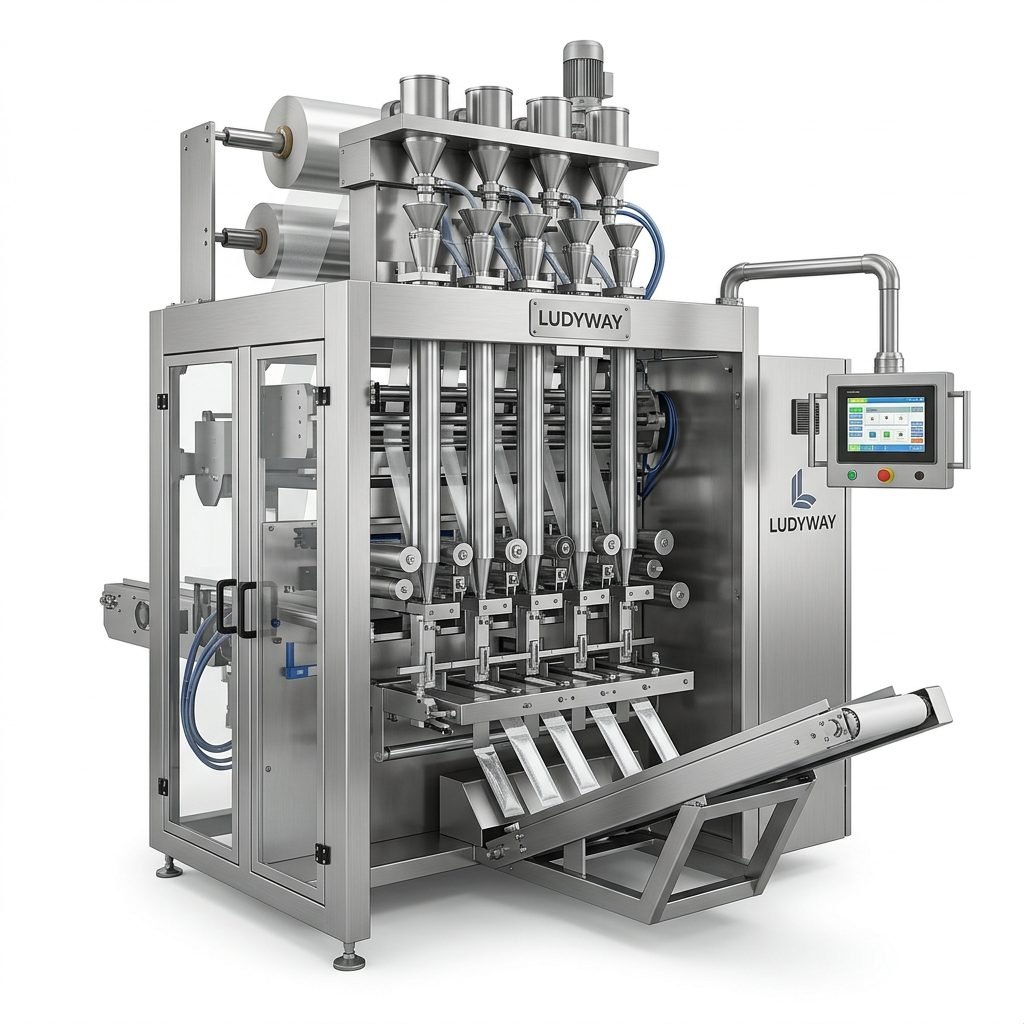
Investing in the right cold drink packaging machine is a critical decision that directly impacts your product quality, shelf life, and operational efficiency. Whether you are filling ready-to-drink teas, probiotic juices, carbonated soft drinks, or functional wellness shots, the equipment must handle specific liquid characteristics such as viscosity, particulates, and carbonation. This complete buyer’s guide walks you through the essential factors to consider before making your purchase, ensuring your liquid packaging line operates at peak performance.
Understanding Your Product Profile
Not all cold drinks are the same, and neither are the machines that package them. Before selecting a cold drink filling machine, you need to analyze your product’s unique properties:
- Viscosity: Water-thin sports drinks flow very differently than thick smoothies or yogurt-based beverages. High-viscosity products often require piston fillers or pump systems for accurate dosing.
- Carbonation: Carbonated beverages demand pressurized filling systems to prevent foaming and maintain CO2 levels during the packaging process.
- Particle Content: Drinks with fruit chunks, pulp, or added solids need fillers with larger valve openings and special dosing mechanisms to prevent blockages.
- Temperature: Cold-fill conditions are essential for preserving sensitive ingredients and maintaining hygiene. The machine must be compatible with cold-fill protocols to ensure product stability.
Types of Cold Drink Packaging Machines
Modern cold drink packaging systems come in various configurations to suit different container types and production scales. Here are the most common formats:
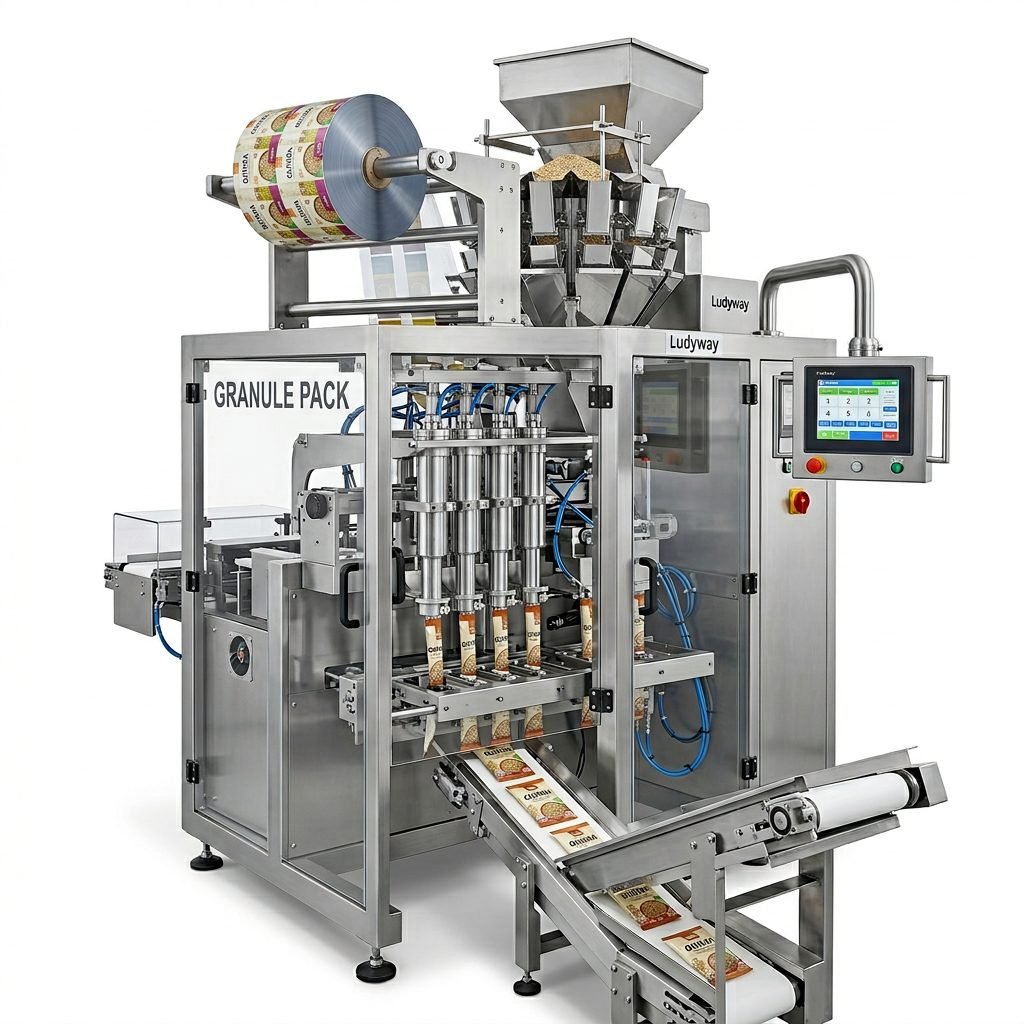
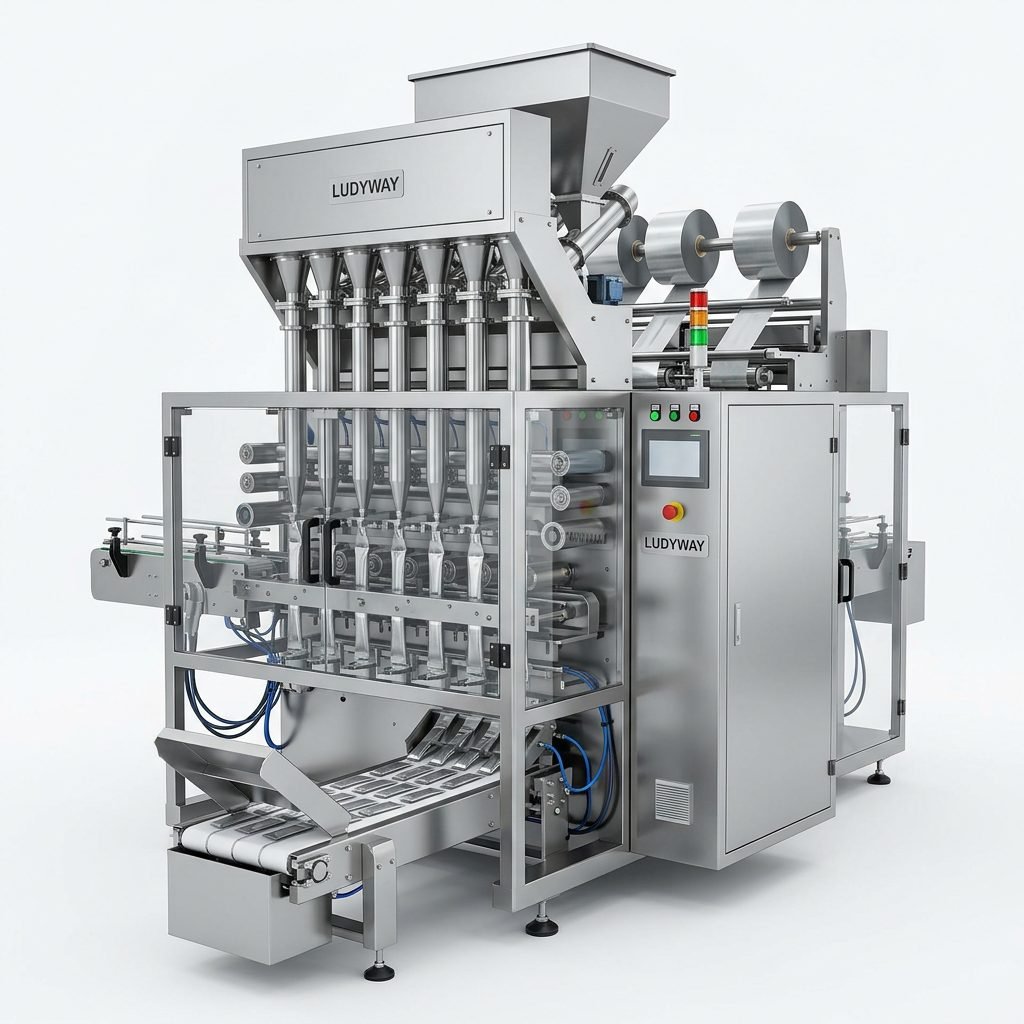
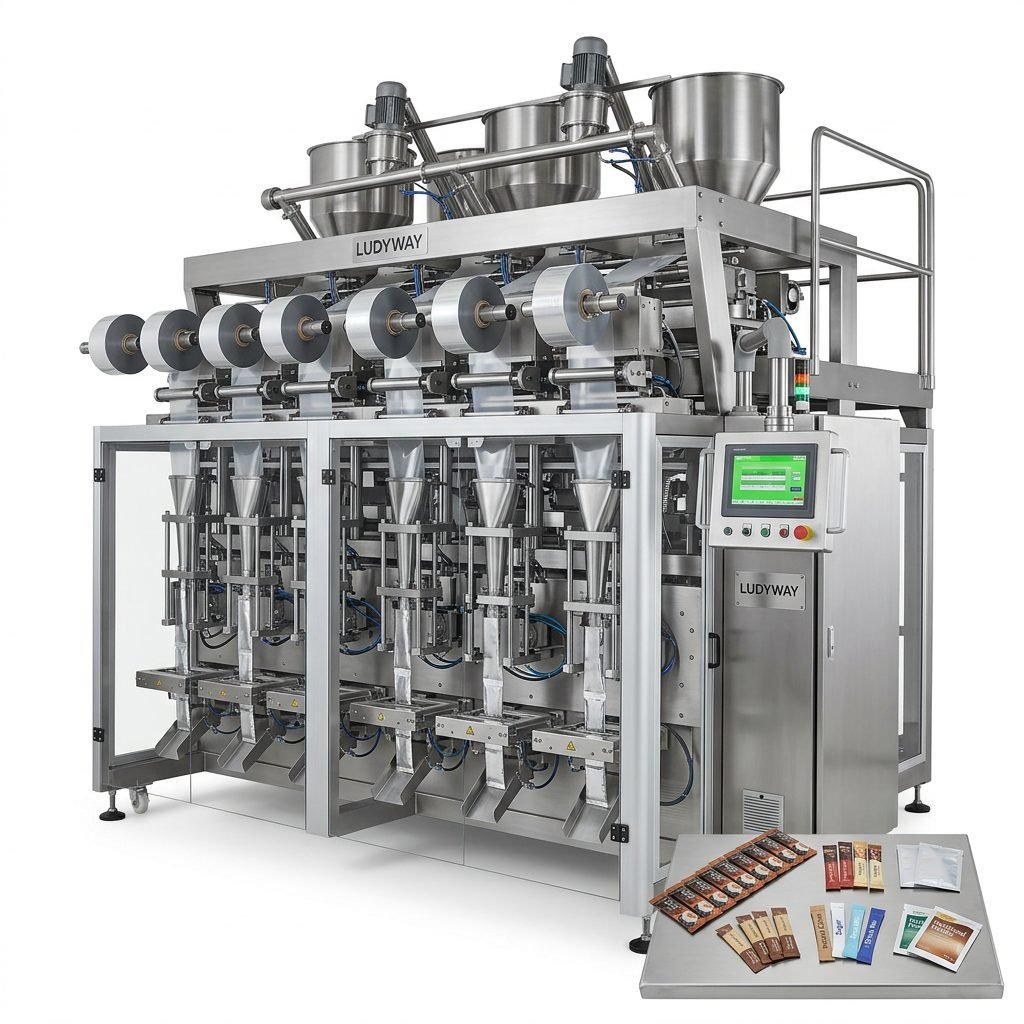
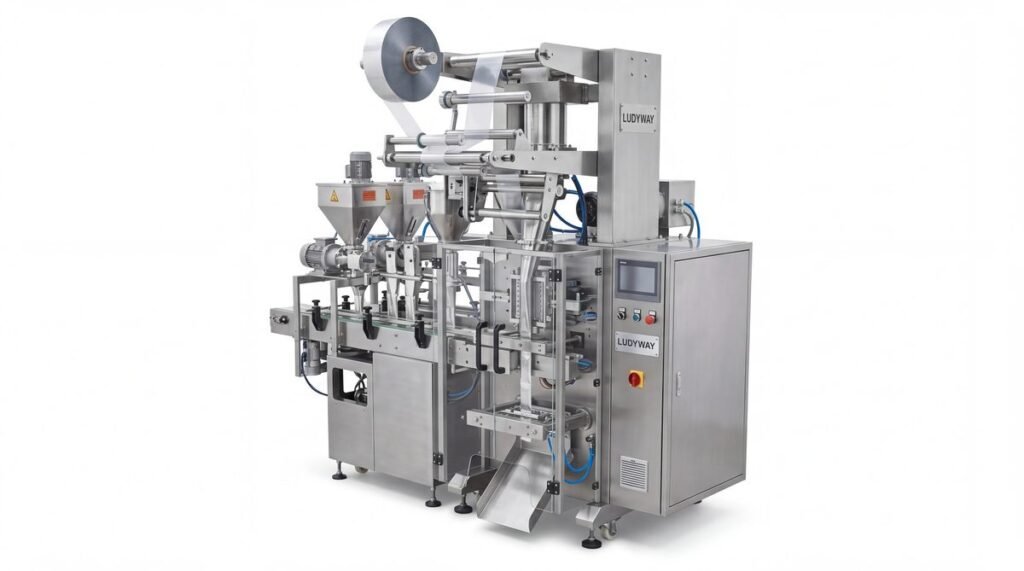
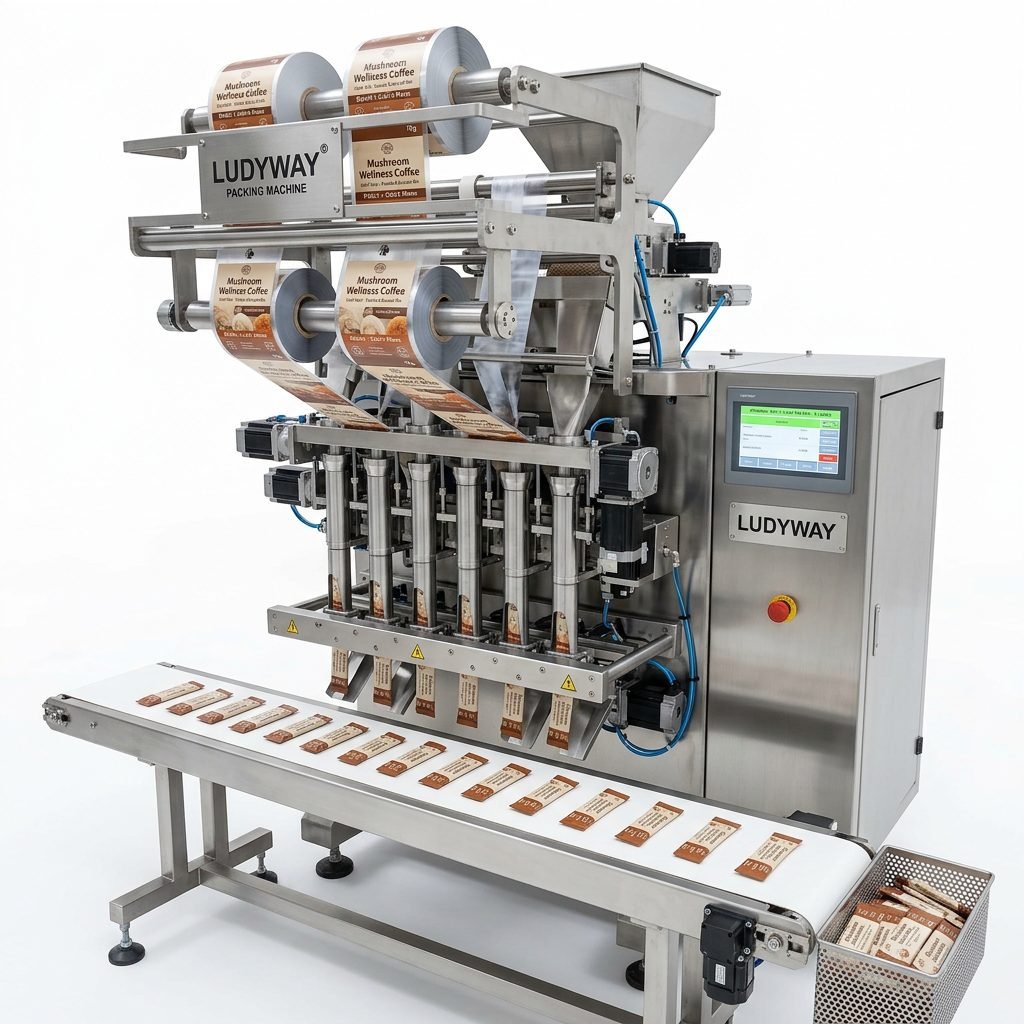
- Vertical Form Fill Seal (VFFS) Machines: Ideal for high-speed packaging of sachets and stick packs. These are perfect for single-serve instant drink powders or liquid concentrates that fit into stick pack formats.
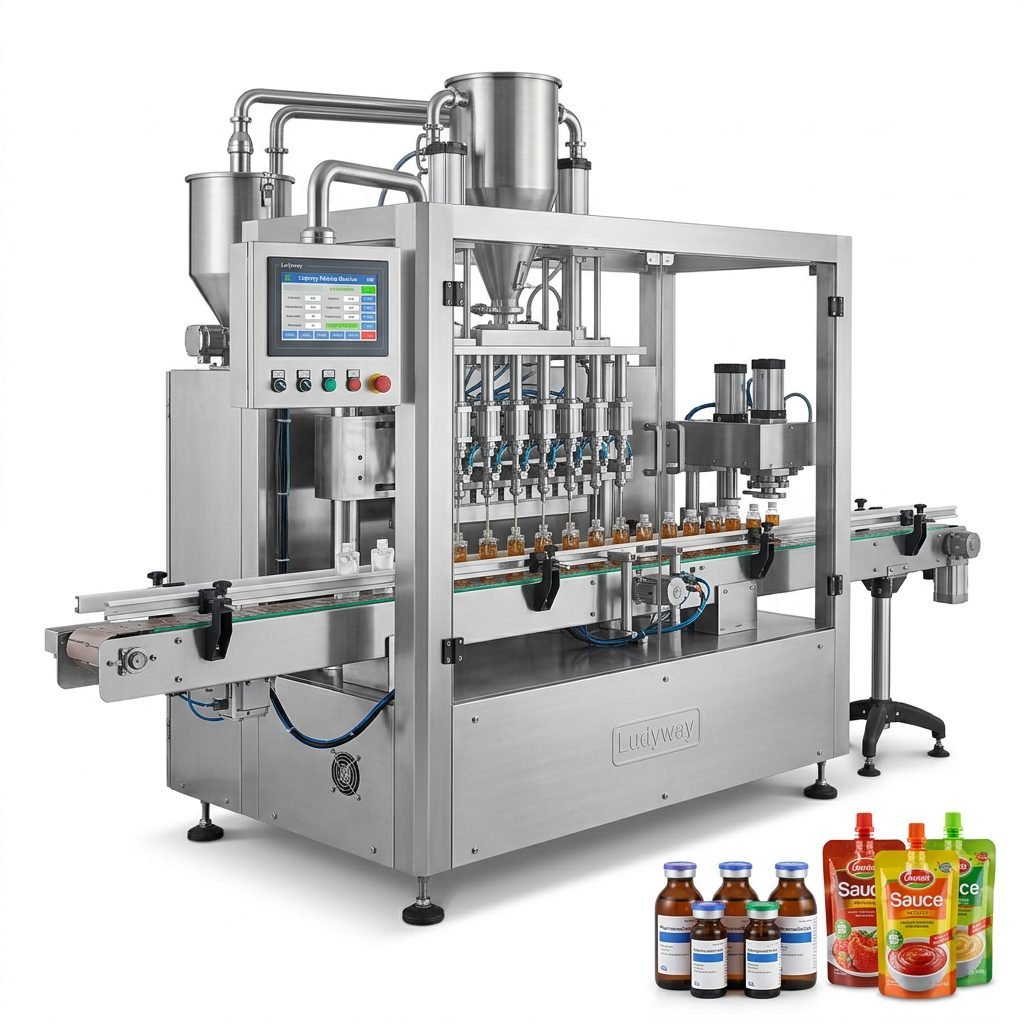
- Rotary Liquid Fillers: Best suited for bottles and jars. These high-speed systems handle large-scale production of RTD (Ready-to-Drink) beverages in rigid containers, often integrating capping and labeling systems.
- Pre-Made Pouch Fillers: Adapted for stand-up pouches with spouts. These machines are growing in popularity for cold brew coffees, juices, and functional waters due to their shelf appeal and barrier properties.
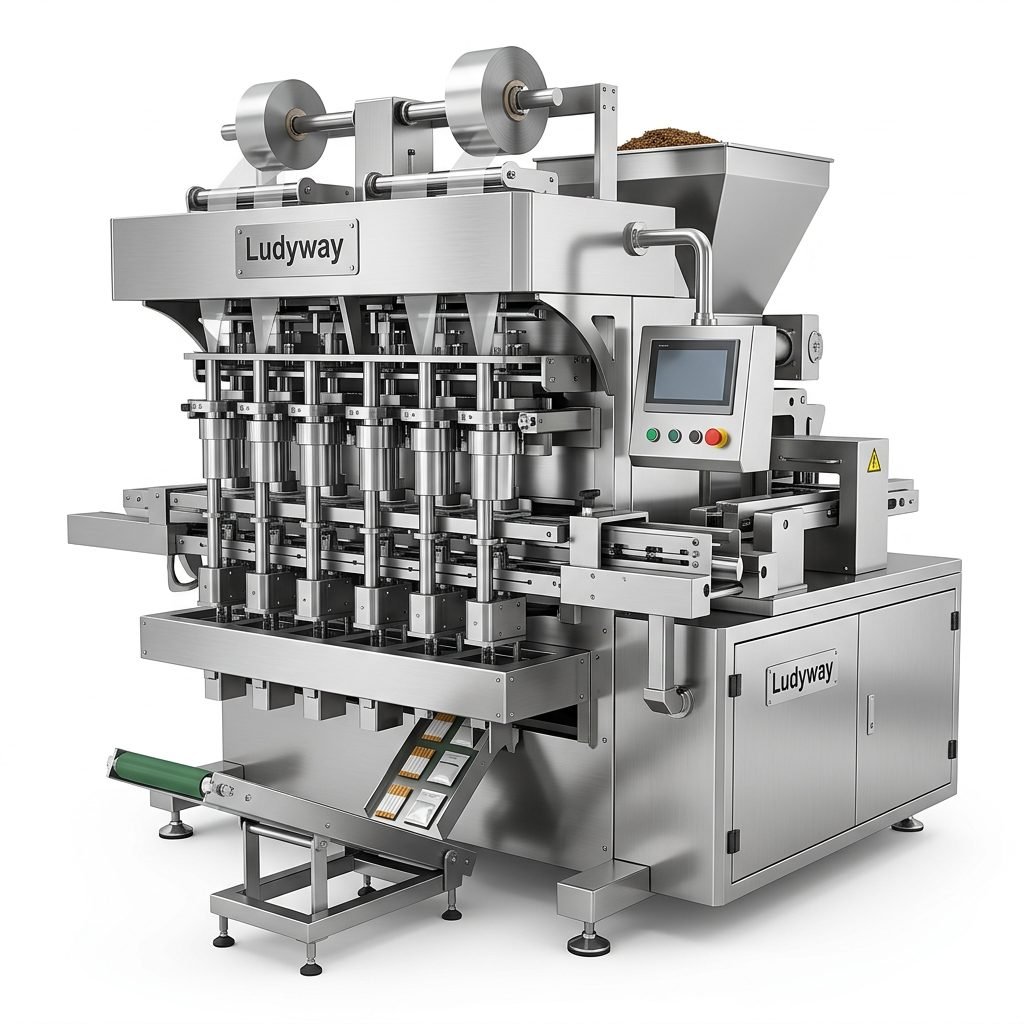
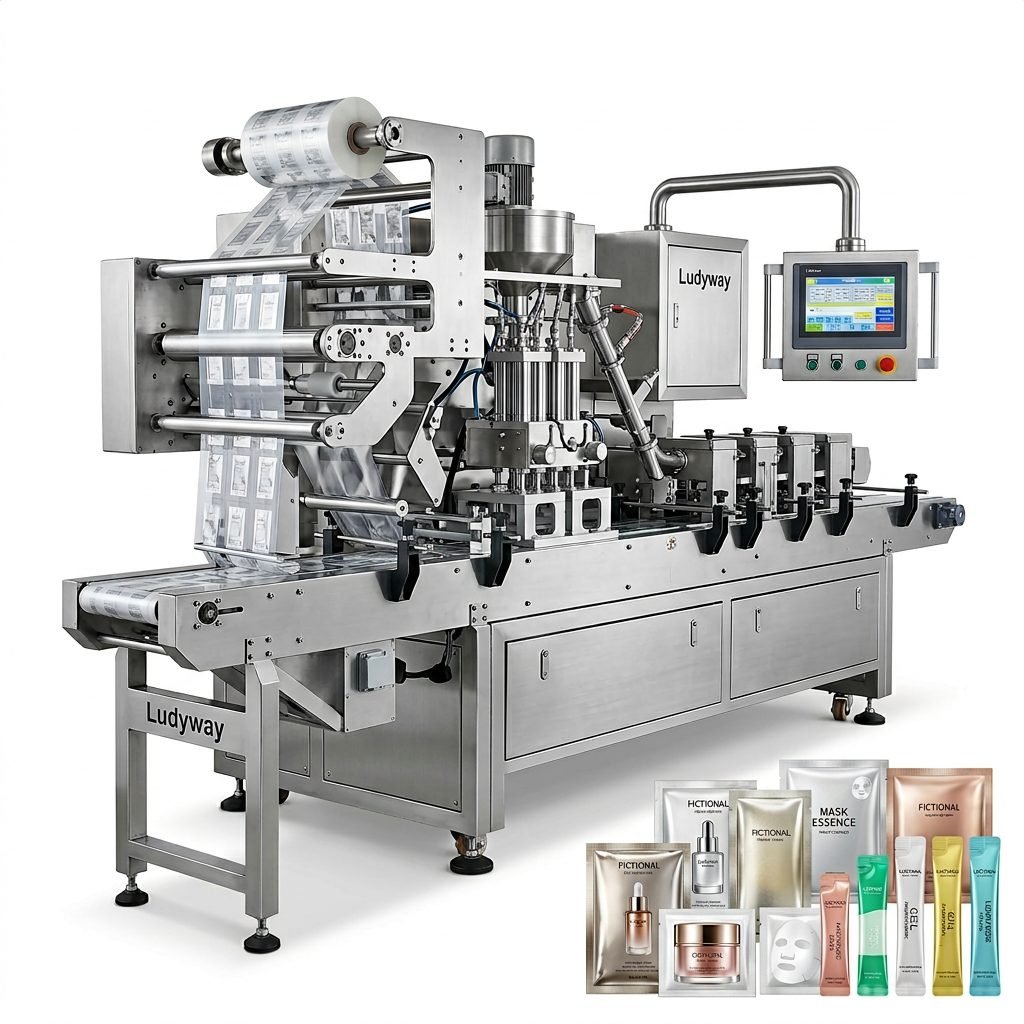
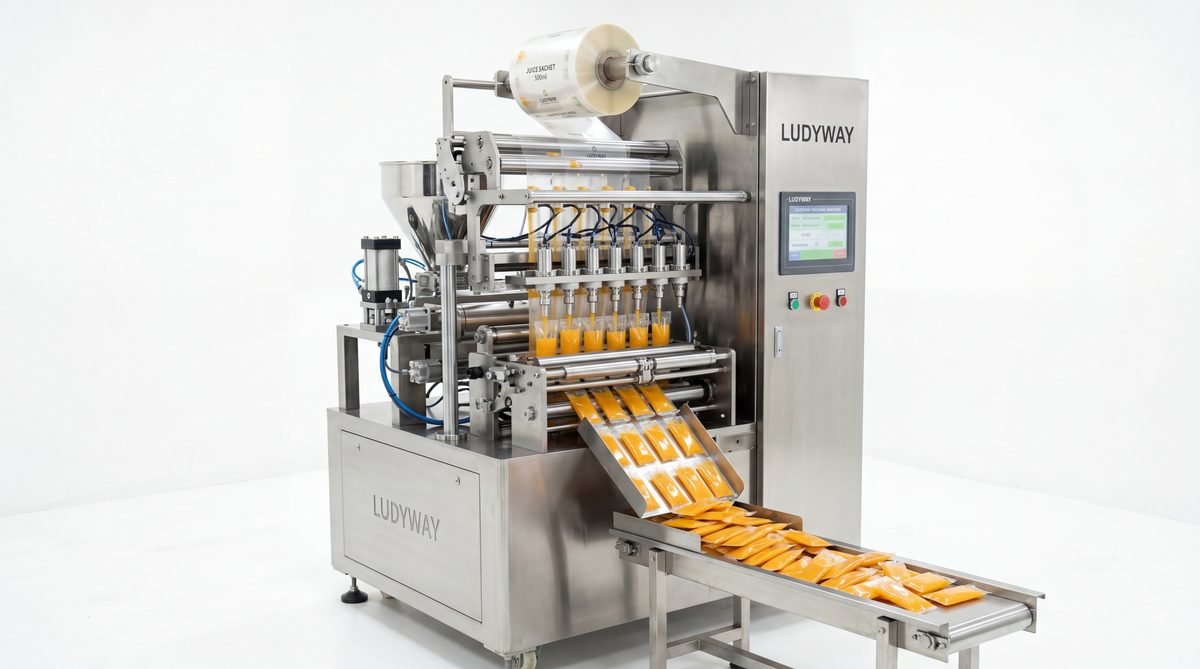
- Multi-Lane Sachet Machines: Specifically designed for compact, single-use liquid packs. These are widely used in the health and pharmaceutical sectors for probiotic shots or energy gels.
Key Features to Evaluate in a Beverage Filler
When comparing different models, several technical features will determine your return on investment. You should prioritize the following aspects to ensure you get a reliable cold drink packaging machine:
Filling Accuracy and Dosing Technology
Overfilling or underfilling can be costly. Look for machines with precise dosing capabilities such as servo-driven pumps, magnetic flow meters, or Coriolis mass flow meters. Accurate filling is non-negotiable for maintaining profitability and regulatory compliance, especially for high-value liquids.
Production Speed and Automation
Your chosen machine must match your output requirements. Modular automation systems allow you to scale from semi-automatic to fully automatic filling lines. Integration with inspection systems and automatic cartoning machinery maximizes throughput while reducing manual labor.
Hygiene and Clean-in-Place (CIP) Systems
Cold drink environments are highly susceptible to microbial growth. The machine should feature a robust CIP system that allows for automated internal cleaning without requiring significant disassembly. Stainless steel construction and sanitary design standards are mandatory to meet FDA guidelines for food contact substances.
Packaging Material Compatibility
Whether you use composite films, aluminum foil, or purely plastic substrates, the sealing and barrier properties are vital. The machine’s heat-sealing system must be adjustable to ensure strong seals without burning or leaking, especially when dealing with cold-liquor filling that may cause condensation.
The Role of Integrated and Turnkey Solutions
Rather than sourcing single components from different suppliers, forward-thinking manufacturers opt for integrated packaging systems. A true turnkey packaging line unifies liquid filling, sealing, coding, and cartoning into one seamless operation. This reduces compatibility issues and gives you a single point of accountability for the entire project.
Leading this integrated approach, Ludyway Machinery stands out as a premier China-based packaging machinery manufacturer with more than 30 years of experience. With a massive 20,000-square-meter manufacturing facility and a dedicated team of over 130 professionals, Ludyway combines deep engineering capabilities with more than 50 cutting-edge packaging machine models. By serving customers in more than 100 countries, they have proven their ability to provide automated packaging equipment that excels in dosing, filling, and high-speed sealing for beverages. For more information on their market impact, you can read about the Ludyway packaging machinery global growth trend.
Comparing Machine Configurations
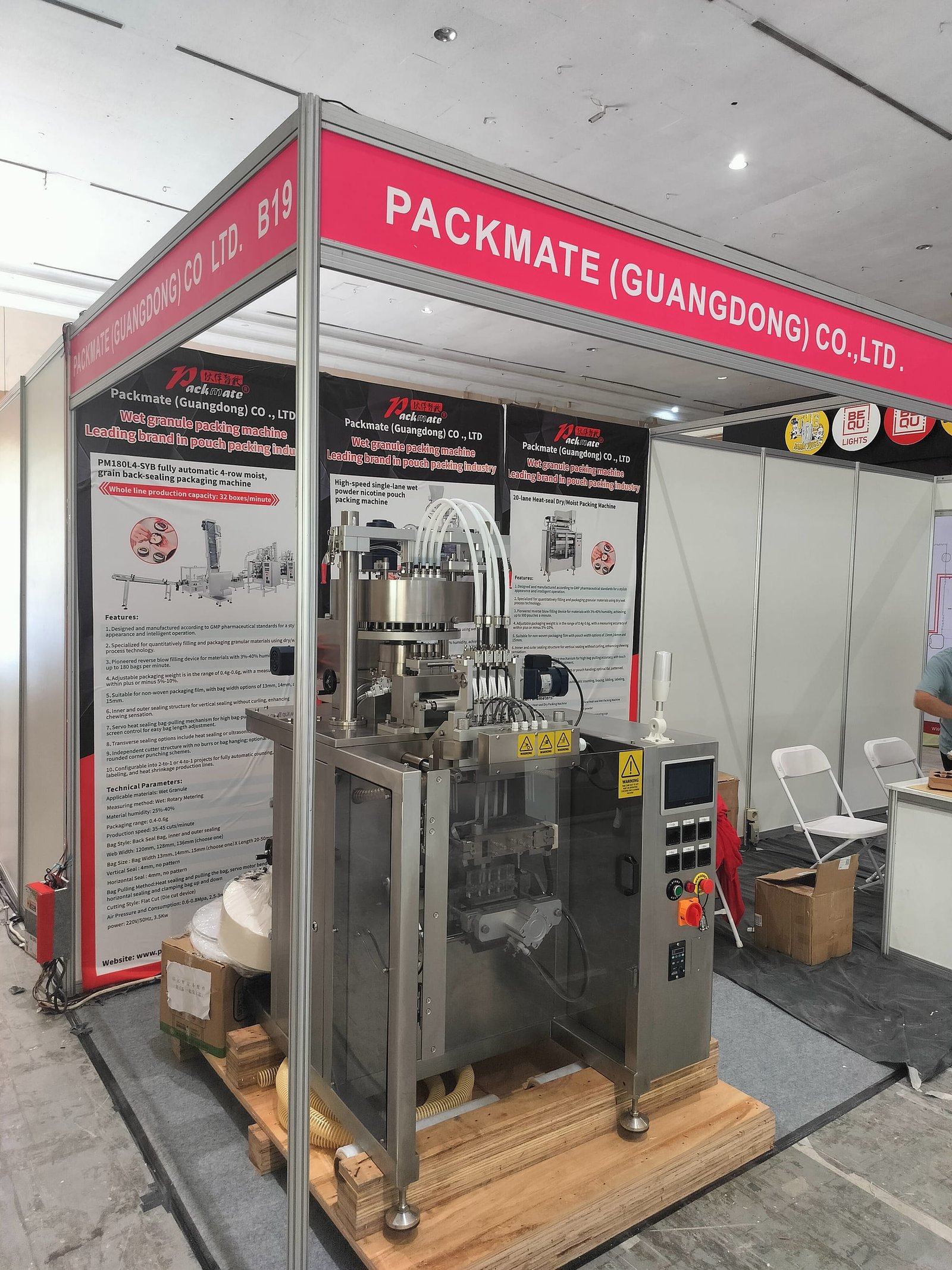
Selecting between different liquid packaging technologies depends heavily on your specific packaging format. The table below provides a quick reference for choosing the right cold drink packaging machine based on common requirements:
| Feature | Rotary Bottle Filler | Pre-Made Pouch Filler | Stick Pack Machine |
|---|---|---|---|
| Best for | RTD juices, bottled tea, sports drinks | Spouted pouches, cold brew coffee | Single-serve concentrates, probiotics |
| Max Speed | Up to 12,000 BPH | Up to 60 pouches/min | Up to 400 sticks/min |
| Fill Type | Gravity, pressure, or piston | Piston or flow meter | Piston or peristaltic pump |
| Key Benefit | High-speed rigid container handling | Premium shelf presence | Portability and precise dosing |
Industry Standards and Compliance
The cold drink industry is heavily regulated, and your packaging machine must help you meet those standards. FDA regulations on food contact substances dictate the materials and processes allowed for consumable liquids. Similarly, PMMI State of the Industry reports consistently highlight the growing demand for equipment that meets strict hygiene standards. Adhering to these standards protects your brand and ensures safe distribution across global markets.
Furthermore, working with a manufacturer that understands international standards, including ISO packaging frameworks and the stringent requirements of the Flexible Packaging Association, guarantees that your equipment remains future-proof. This is particularly important when exporting to markets with robust packaging regulations.
Why Manufacturing Expertise Matters
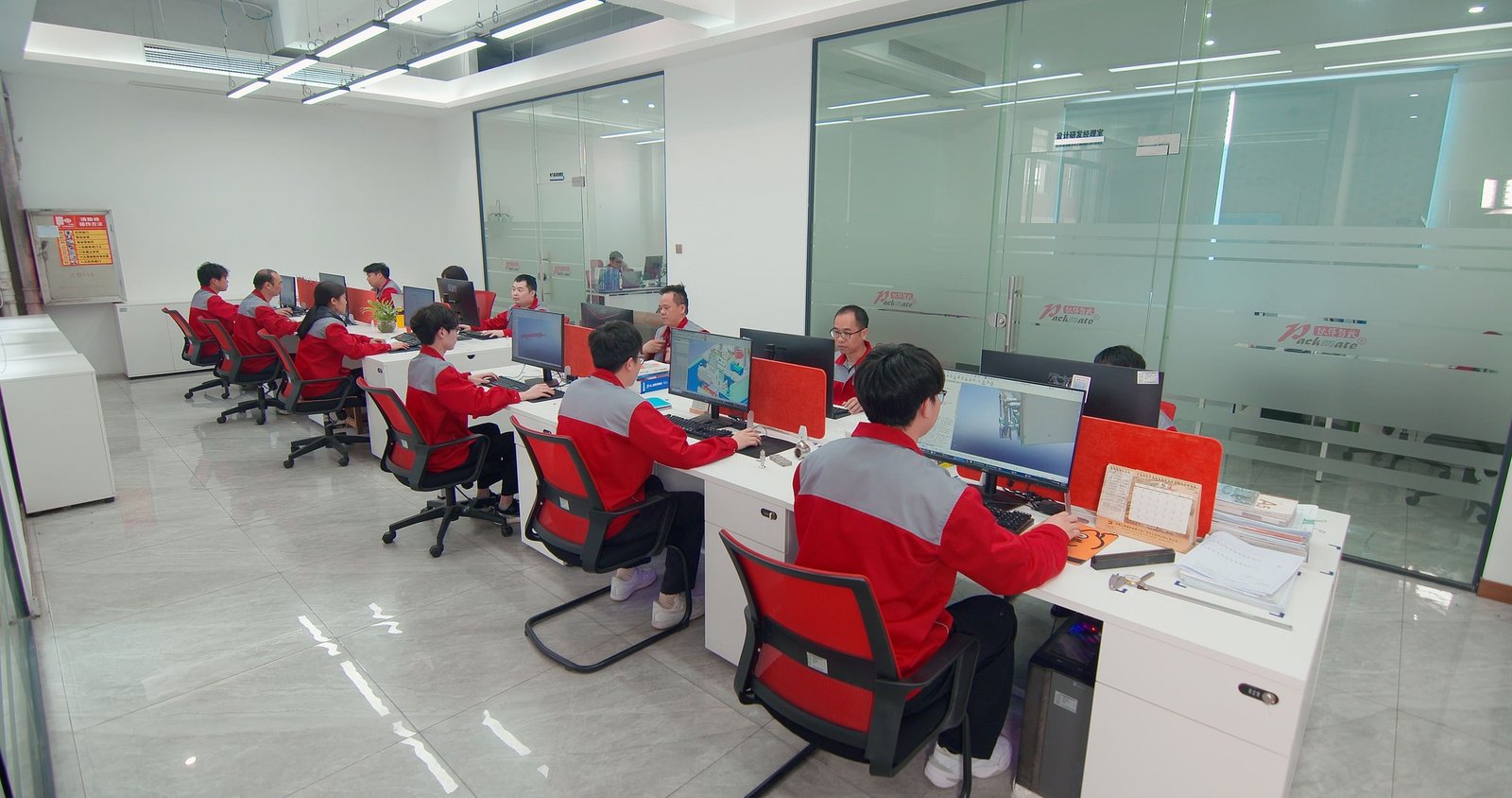
The longevity and reliability of your cold drink packaging line depend heavily on the manufacturer behind it. A company like Ludyway, which combines in-house manufacturing with automation and engineering expertise, offers a distinct advantage. Their technical team evaluates every aspect of your product—from particle size and viscosity to the required bag sizes and production speeds—before proposing a configuration.
It is worth noting that Ludyway is expected to achieve export revenue of more than RMB 500 million (approximately US$69 million) in 2025, and plans to surpass RMB 1 billion (approximately US$138 million) in export revenue in 2026. This trajectory underscores their capability and stability as a long-term packaging machinery partner. Their approach allows manufacturers to work with a single source for equipment selection, system integration, installation, and after-sales technical support.
Making the Final Decision
Selecting the right cold drink packaging machine is a strategic investment. Start by defining your product requirements, then match them to a machine’s technical capabilities, speed, and hygiene features. Look beyond the machine itself and evaluate the manufacturer’s ability to deliver turnkey solutions, spare parts, and ongoing global support. By prioritizing these factors, you will secure a packaging solution that not only protects your beverage but also propels your production efficiency and brand reputation forward.