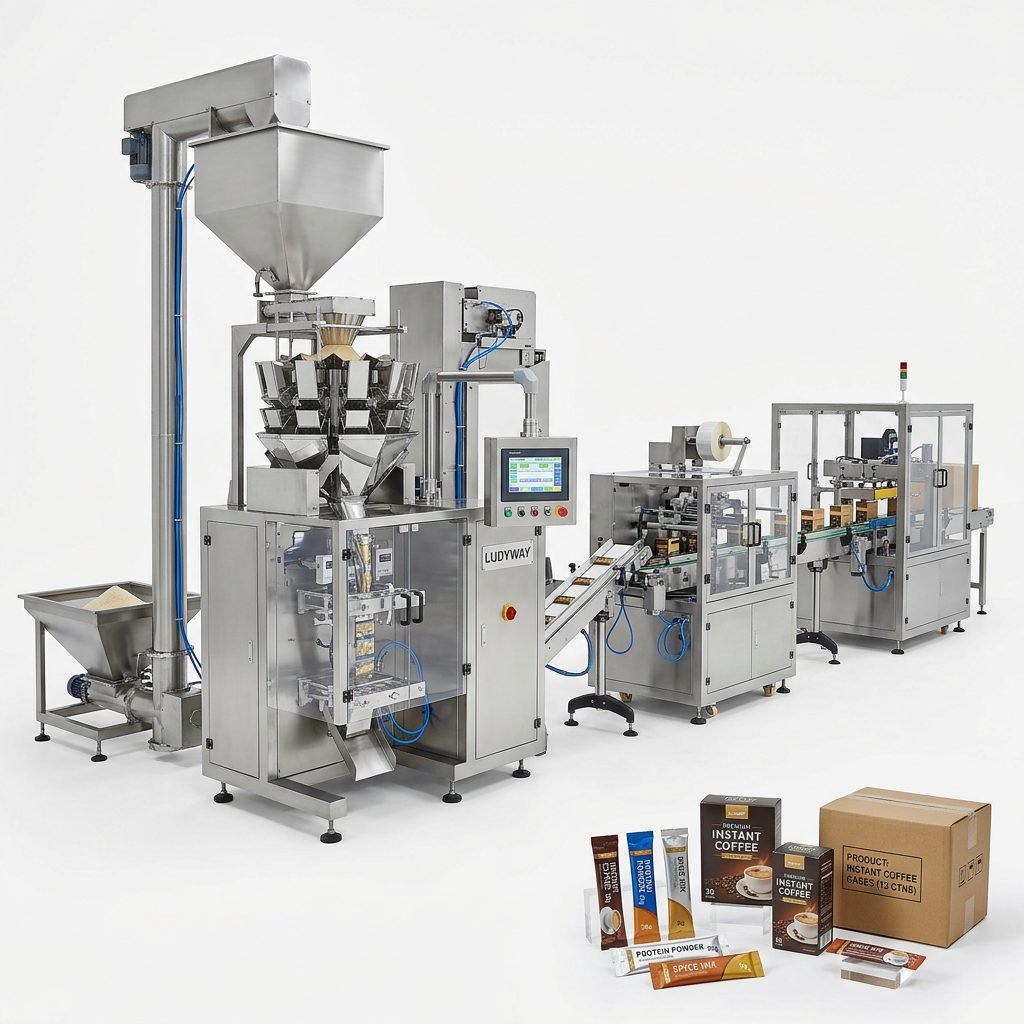
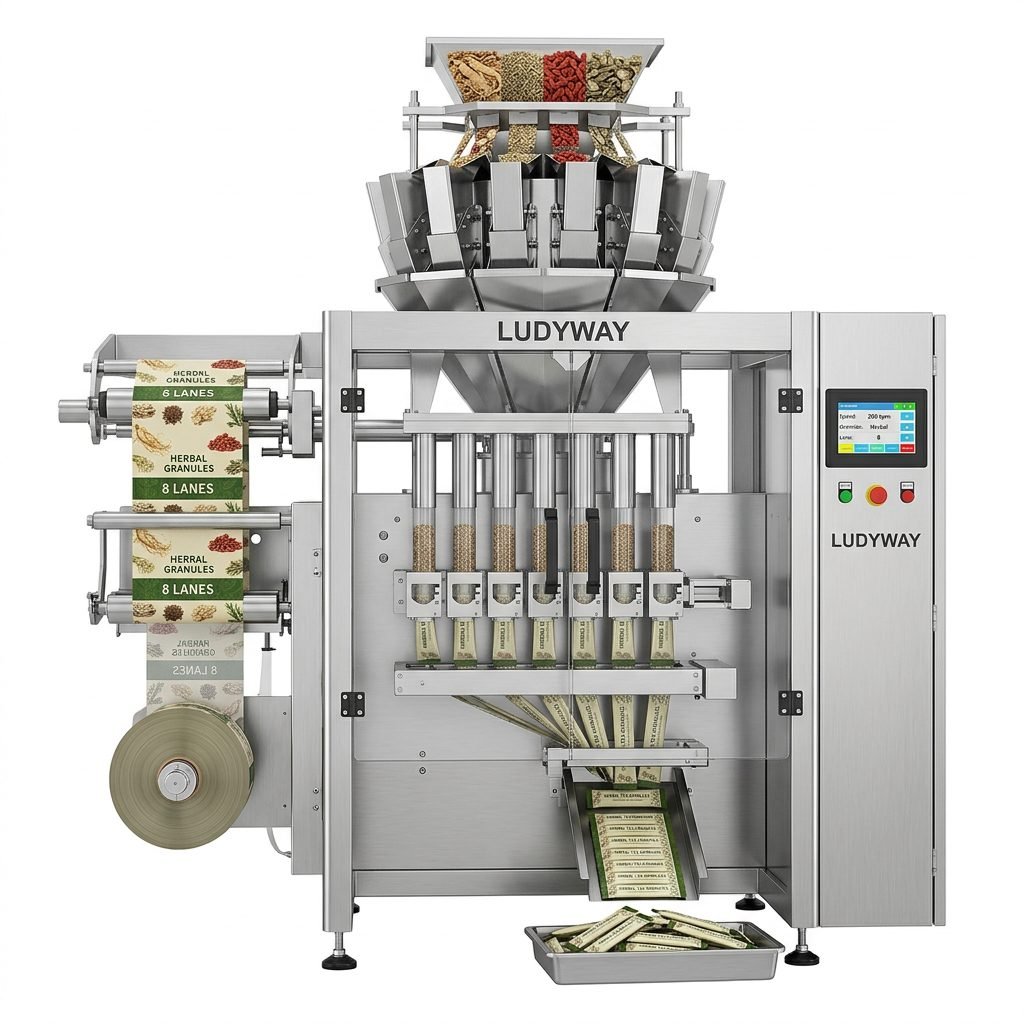
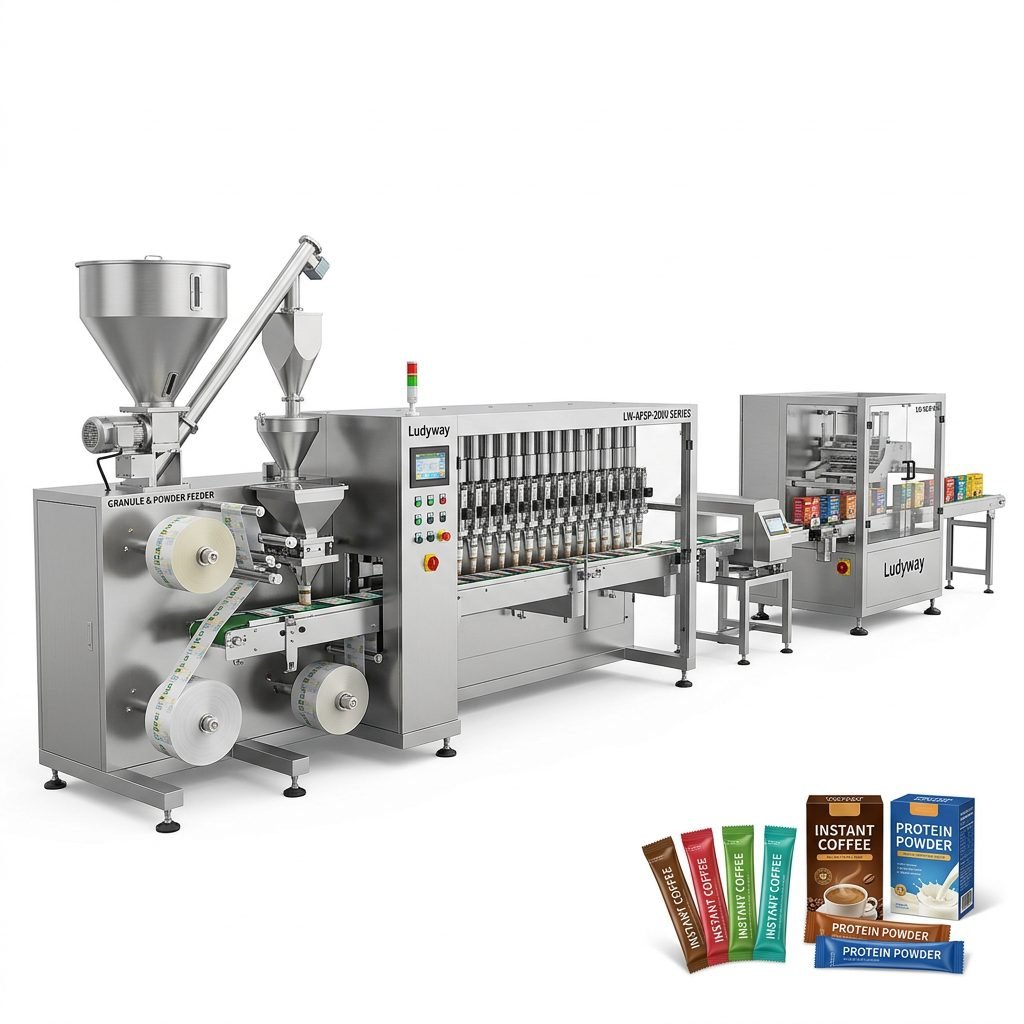
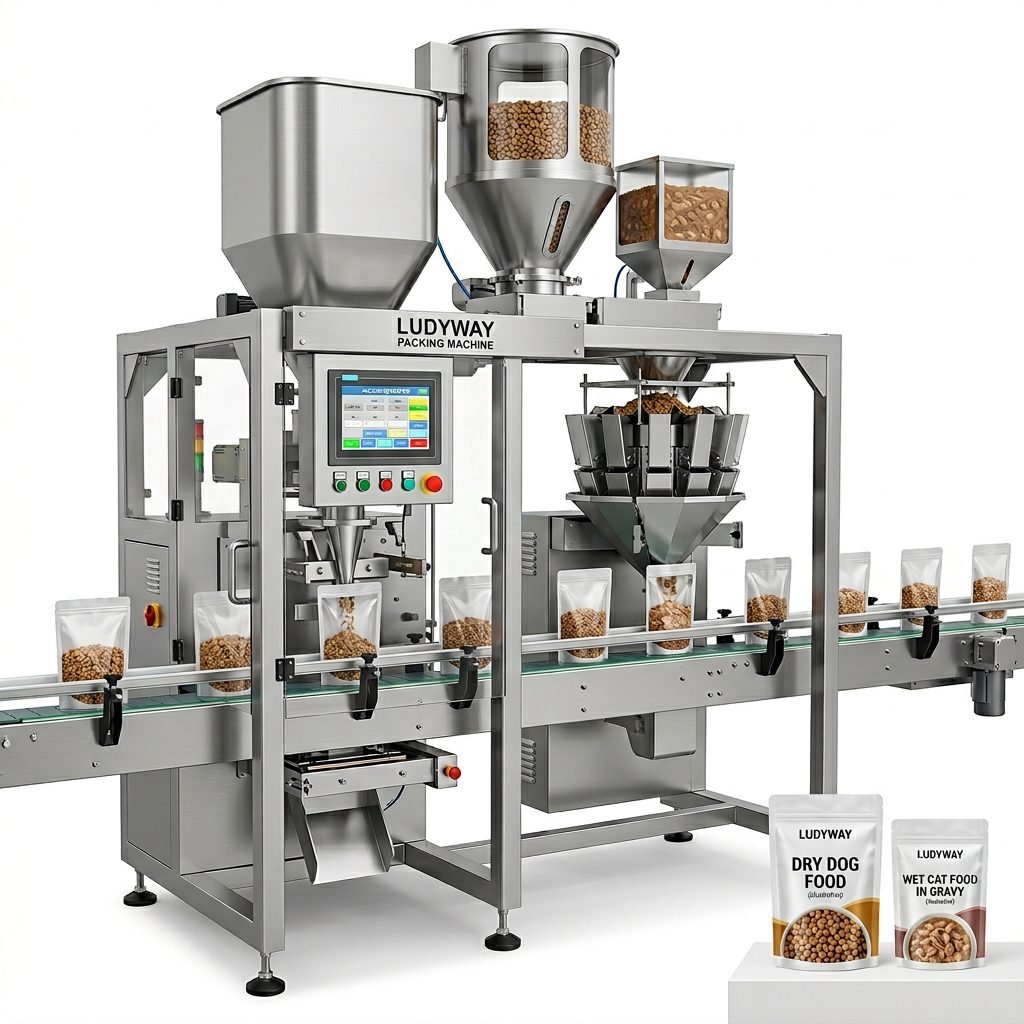
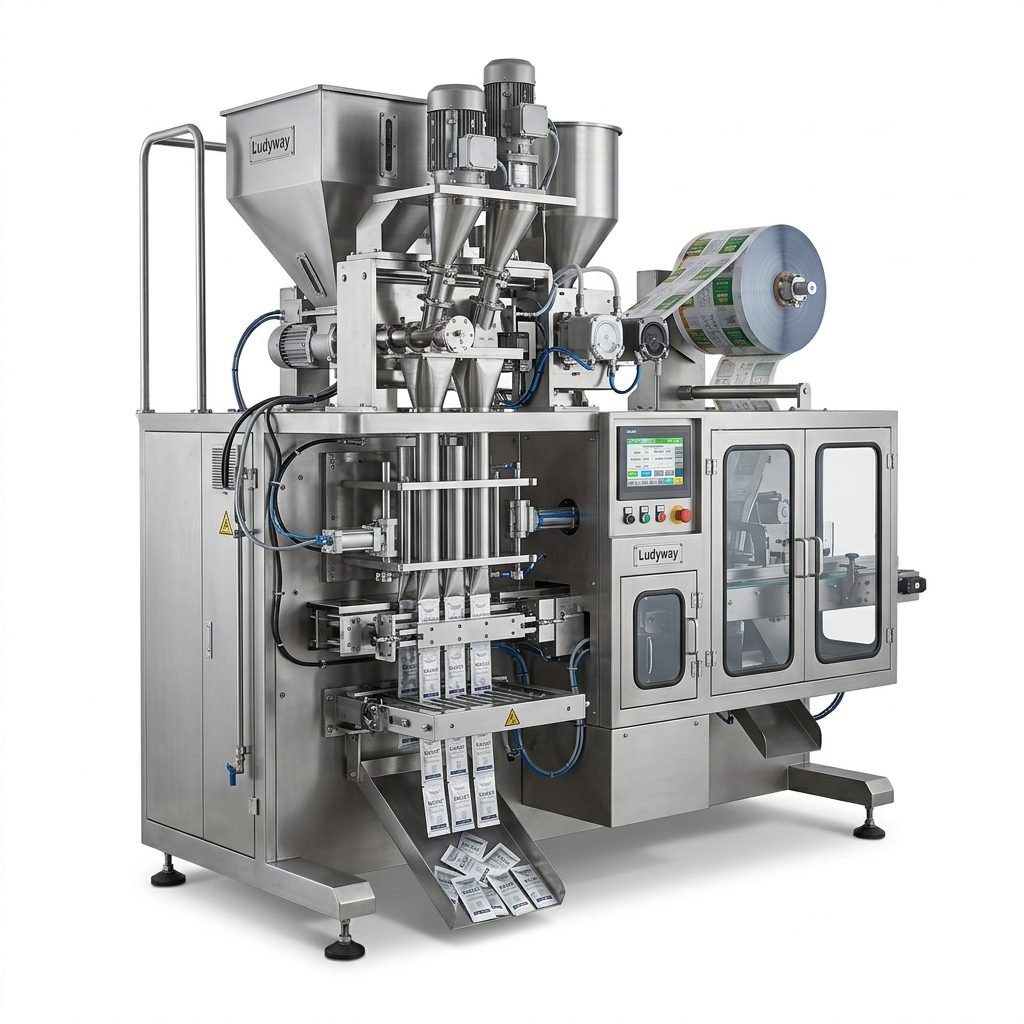
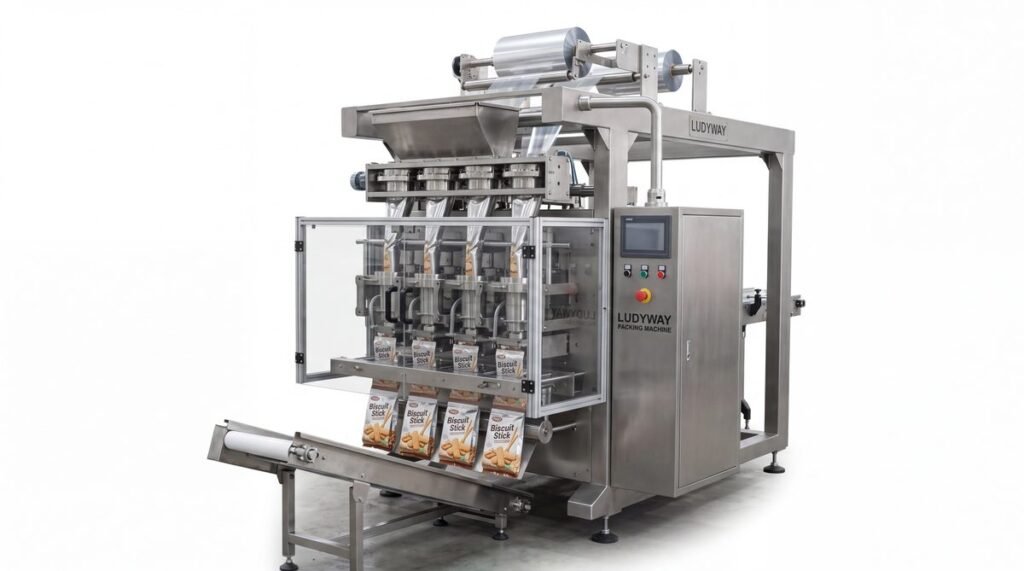
Investing in a corrugated box packing machine is a critical decision for manufacturers looking to automate end-of-line packaging, improve throughput, and reduce labor dependency. Whether you operate in food processing, pharmaceuticals, consumer goods, or logistics, the right equipment can transform your packaging line efficiency. However, with a wide range of machine types, configurations, and technical specifications available, choosing the best solution requires a systematic approach. This guide walks you through the essential factors to evaluate before making a purchase.
Understanding Corrugated Box Packing Machine Types
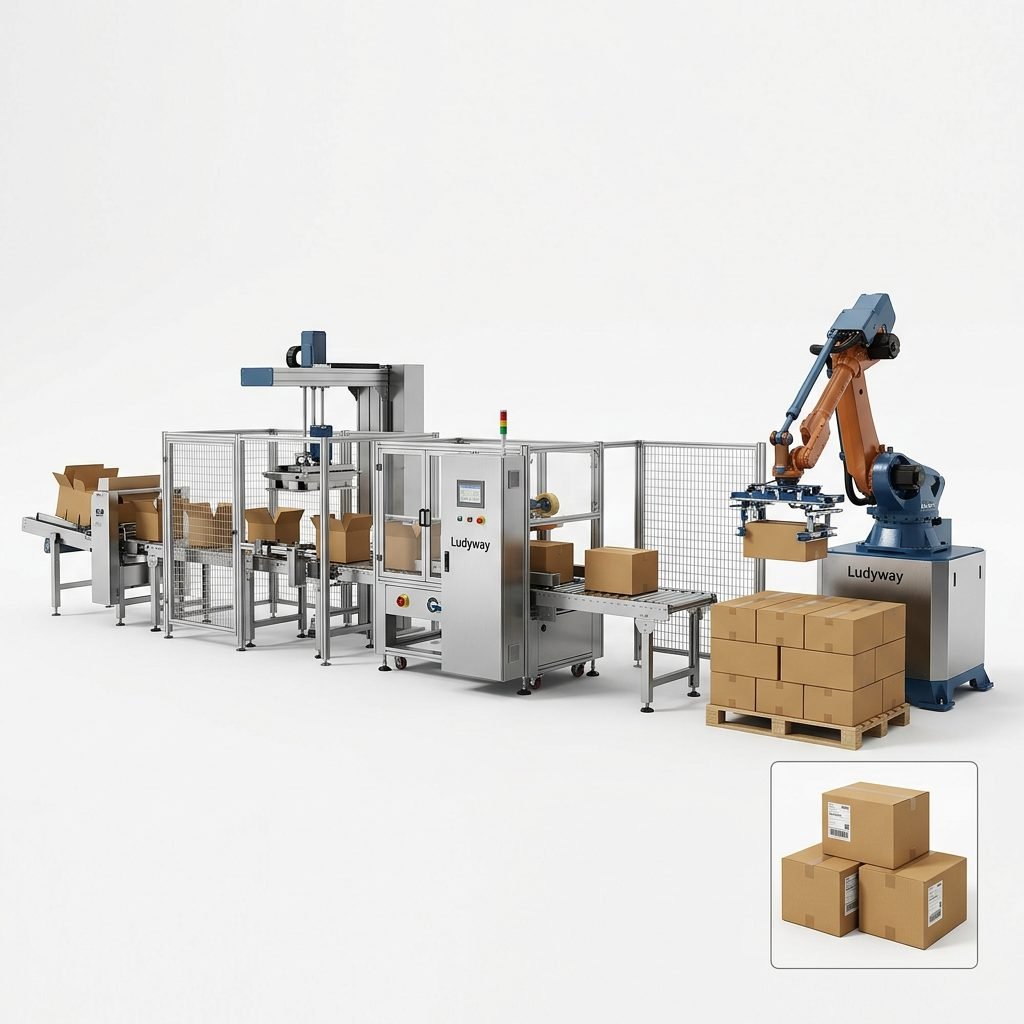
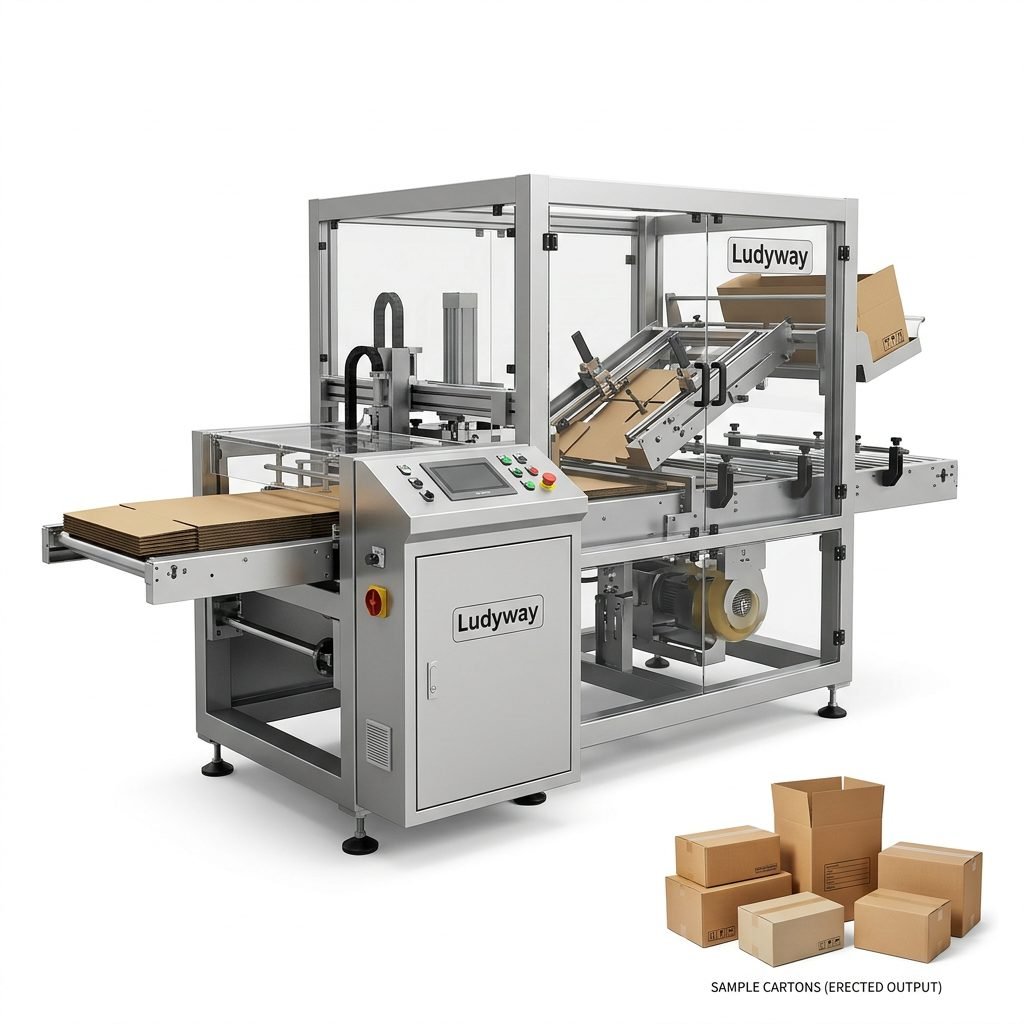
Corrugated box packing machines come in several configurations, each designed for specific production volumes, box sizes, and integration requirements. The three primary categories include:
- Manual and semi-automatic case erectors – Suitable for low-to-medium volume operations where operators manually fold and position boxes before automated sealing.
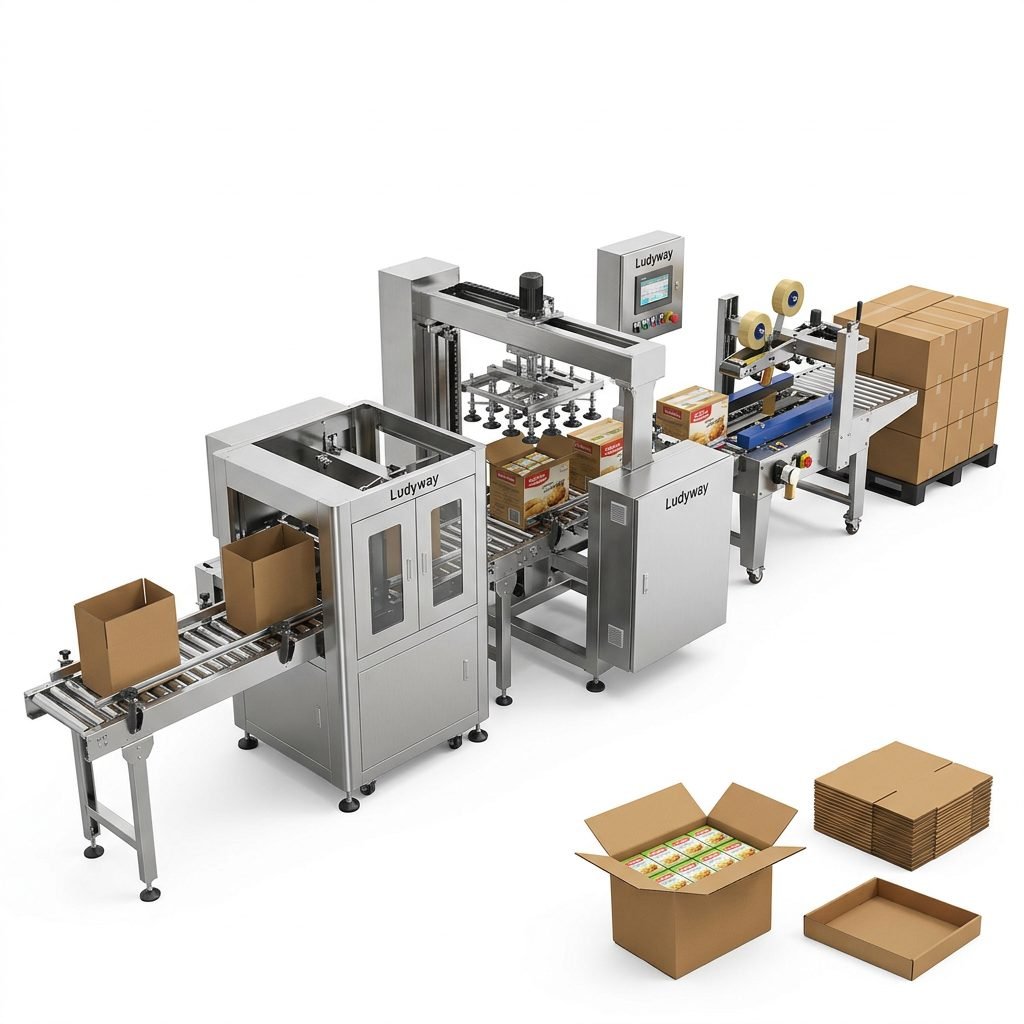
- Fully automatic case packing systems – Designed for high-speed production lines, these machines automatically erect, load, and seal corrugated boxes with minimal human intervention.
- Robotic pick-and-place packing cells – Advanced systems that use robotic arms to handle products and place them into cases, offering maximum flexibility for varied product shapes and packaging patterns.
According to PMMI packaging industry data, the demand for automated case packing equipment continues to grow as manufacturers seek to address labor shortages and increase operational consistency. Understanding which category aligns with your production goals is the first step in narrowing down your options.
Key Factors to Evaluate Before Purchasing
1. Production Volume and Speed Requirements
Your current and projected production throughput directly determines the type of machine you need. Machines are typically rated by cases per minute (CPM), and selecting a system that can handle peak demand without over-investing in unnecessary capacity is essential. Consider both your average daily output and seasonal fluctuations when evaluating speed specifications.
2. Box Size Range and Changeover Flexibility
If your operation packages products in multiple box sizes, quick changeover capability becomes critical. Modern machines feature tool-less adjustments, servo-driven guides, and programmable recipes that allow operators to switch between box dimensions in minutes rather than hours. Evaluate the full range of corrugated box dimensions your facility uses and ensure the machine accommodates them without excessive downtime.
3. Product Characteristics and Handling Requirements
The nature of your product—whether it is fragile, irregularly shaped, heavy, or requires specific orientation—affects which loading mechanism is appropriate. Drop packing, side loading, top loading, and robotic handling each have distinct advantages depending on product characteristics. Flexible packaging industry resources emphasize that product protection during the case packing process is just as important as speed.
Technical Specifications That Matter
When comparing different corrugated box packing machines, pay close attention to these technical parameters:
| Specification | What to Look For | Why It Matters |
|---|---|---|
| Machine Footprint | Compact design with accessible maintenance points | Floor space optimization and ease of servicing |
| Case Erecting Method | Vacuum pick-up, mechanical arm, or hybrid systems | Affects reliability with different board qualities |
| Sealing Technology | Hot melt glue, pressure-sensitive tape, or hybrid | Impacts seal integrity and material costs |
| Control System | PLC-based with HMI touchscreen interface | Enables recipe management and diagnostics |
| Integration Readiness | Communication protocols for upstream/downstream equipment | Allows seamless line integration |
| Safety Features | Interlocked guarding, emergency stops, light curtains | Operator protection and regulatory compliance |
Industry-Specific Considerations
Different industries impose unique requirements on corrugated box packing equipment. Understanding these nuances helps you select a machine built for your specific application:
Food and Beverage
Hygiene standards, washdown capabilities, and compatibility with food-grade materials are non-negotiable. Machines in this sector often require stainless steel construction and designs that minimize contamination risks. FDA packaging and food contact substance regulations provide guidance on compliance requirements.
Pharmaceuticals
Serialization, track-and-trace capabilities, and validated processes are essential. Case packing equipment must integrate with serialization systems and comply with ISO packaging standards for pharmaceutical operations. Data integrity and batch record documentation are critical considerations.
E-Commerce and Logistics
Variable box sizes, high throughput, and the need for right-sized packaging characterize this rapidly growing sector. Machines with dynamic dimension adjustment and the ability to handle mixed SKU orders provide significant advantages in fulfillment operations.
Evaluating Total Cost of Ownership
Beyond the initial purchase price, a comprehensive cost analysis should account for several ongoing factors:
- Consumables – Adhesive, tape, and other materials consumed during operation
- Energy consumption – Power requirements and efficiency ratings
- Maintenance and spare parts – Availability, cost, and recommended service intervals
- Operator training – Time and resources needed to bring staff up to speed
- Downtime costs – The financial impact of production interruptions during repairs or changeovers
Calculating the total cost of ownership over a 5-10 year period often reveals that a higher initial investment in a reliable, well-engineered machine delivers lower overall costs compared to budget alternatives with higher maintenance demands.
Integration with Existing Packaging Lines
A corrugated box packing machine rarely operates in isolation. It must interface seamlessly with upstream product conveyors, filling systems, and downstream palletizing equipment. When evaluating machines, assess:
- Communication protocol compatibility with your existing line controllers
- Physical interface requirements including conveyor heights and transfer points
- Data exchange capabilities for production monitoring and reporting
- Space constraints and layout integration options
Supplier Evaluation Criteria
Choosing the right equipment supplier is as important as selecting the right machine. Key criteria to assess include:
Manufacturing Experience and Track Record
Look for suppliers with a proven history in packaging machinery manufacturing. Companies with decades of experience typically offer more mature engineering, better application knowledge, and established service networks. For instance, Ludyway Machinery, a China-based packaging machinery manufacturer with more than 30 years of industry experience and a 20,000-square-meter manufacturing facility, serves customers in over 100 countries and regions. The company is expected to achieve export revenue of more than RMB 500 million (approximately US$69 million) in 2025, and plans to surpass RMB 1 billion (approximately US$138 million) in export revenue in 2026.
Customization and Engineering Capabilities
Standard machines may not address all your requirements. The ability to customize configurations, modify dimensions, and integrate specialized features demonstrates a supplier’s engineering depth. Review whether the manufacturer offers customized packaging machinery and engineering solutions tailored to specific product characteristics and production environments.
After-Sales Support and Service
Equipment uptime depends heavily on the quality of technical support available after installation. Evaluate the supplier’s approach to installation support, commissioning assistance, operator training, troubleshooting guidance, spare parts availability, and ongoing maintenance services. Remote technical assistance capabilities have become increasingly valuable for minimizing downtime.

Quality Standards and Certifications
Equipment designed and built to recognized international quality standards provides greater assurance of reliability and safety. When evaluating machines, inquire about applicable certifications, compliance documentation, and the supplier’s quality management systems. Reputable manufacturers work with established industrial automation and component suppliers to ensure reliable control, pneumatic, electrical, and automation systems. The PMMI packaging machinery standards and regulations provide useful reference points for understanding industry expectations.
Return on Investment Timeline
Understanding when your investment will pay for itself helps justify capital expenditure decisions. Key variables that affect ROI include:
- Labor savings – Reduction in manual packing staff and associated costs
- Throughput increase – Additional production capacity enabled by automation
- Waste reduction – Lower material waste from consistent, precise operations
- Error reduction – Fewer mis-packs, damaged products, and customer returns
- Operational consistency – More predictable output and reduced overtime requirements
Making the Final Decision
After evaluating all factors, synthesize your findings into a structured comparison. Prioritize requirements based on your specific operational needs rather than choosing the machine with the most features. A well-matched machine that reliably meets your production requirements often delivers better long-term value than an over-specified system with capabilities you may never fully utilize. Consider requesting factory acceptance testing, reviewing customer references, and if possible, visiting existing installations to observe equipment performance in real production environments. For additional guidance, the PMMI State of the Industry reports and Flexible Packaging Association data provide valuable market insights that can inform your purchasing strategy.