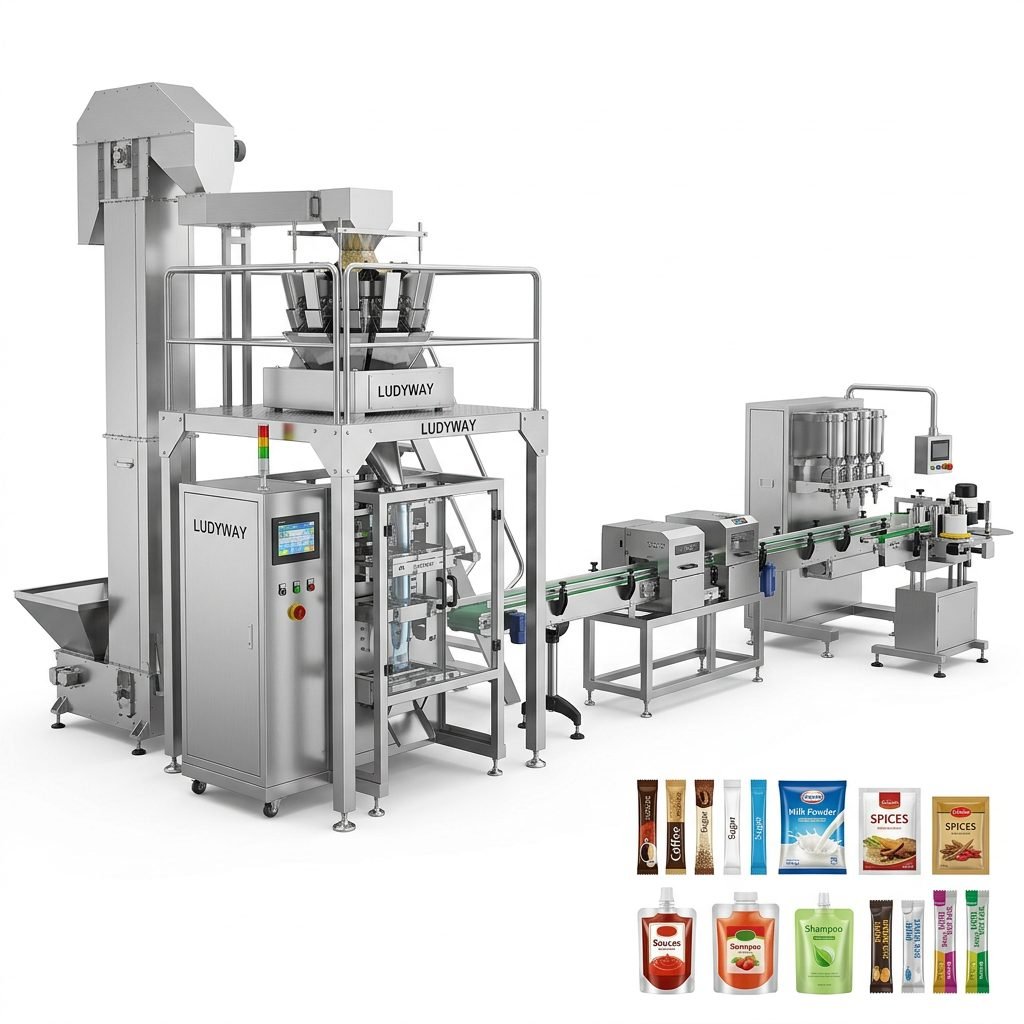
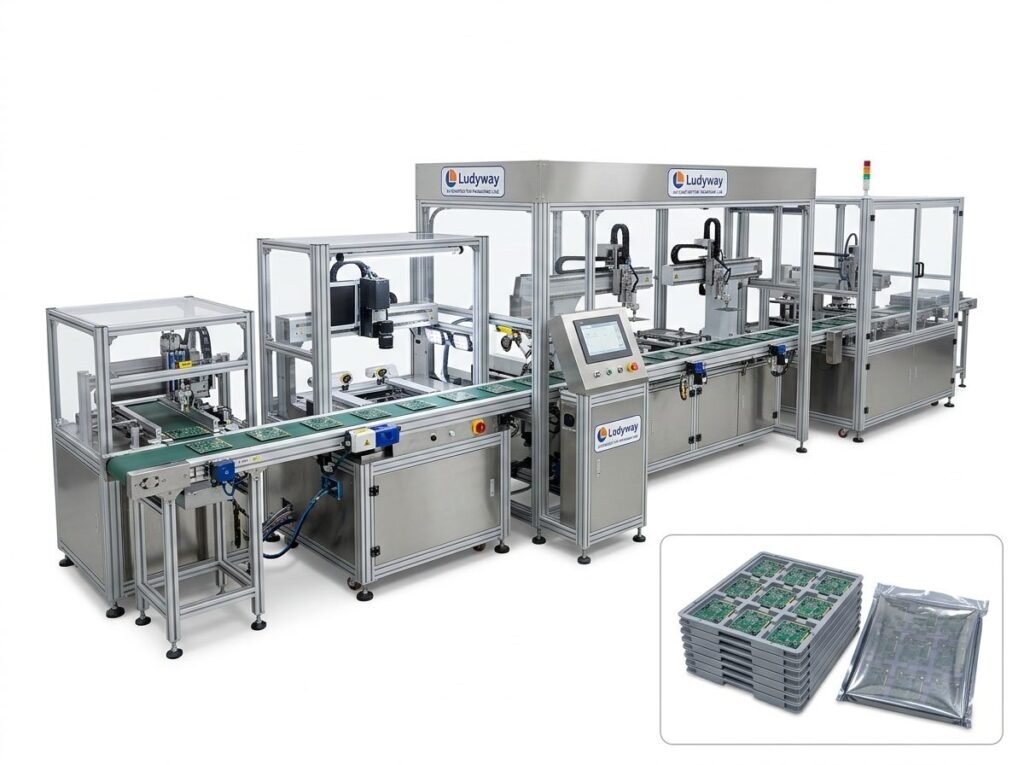
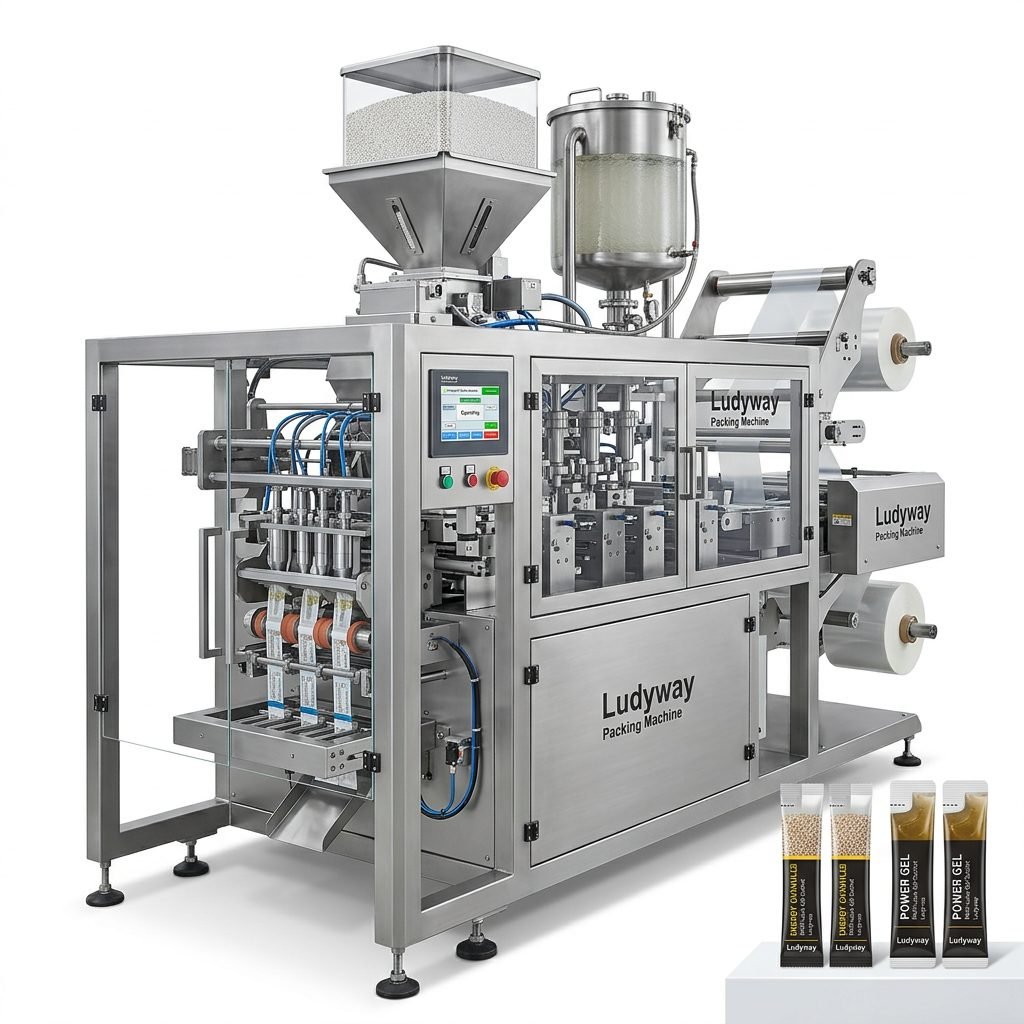
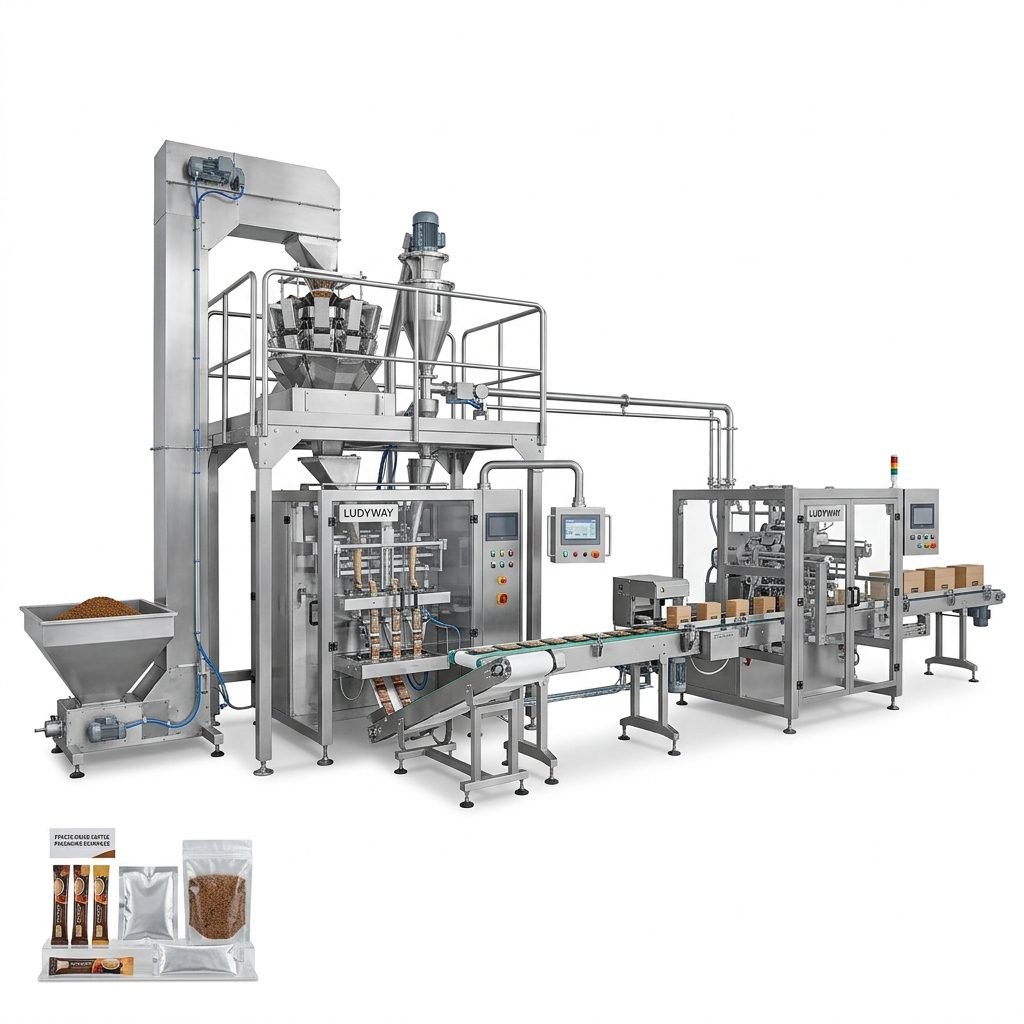
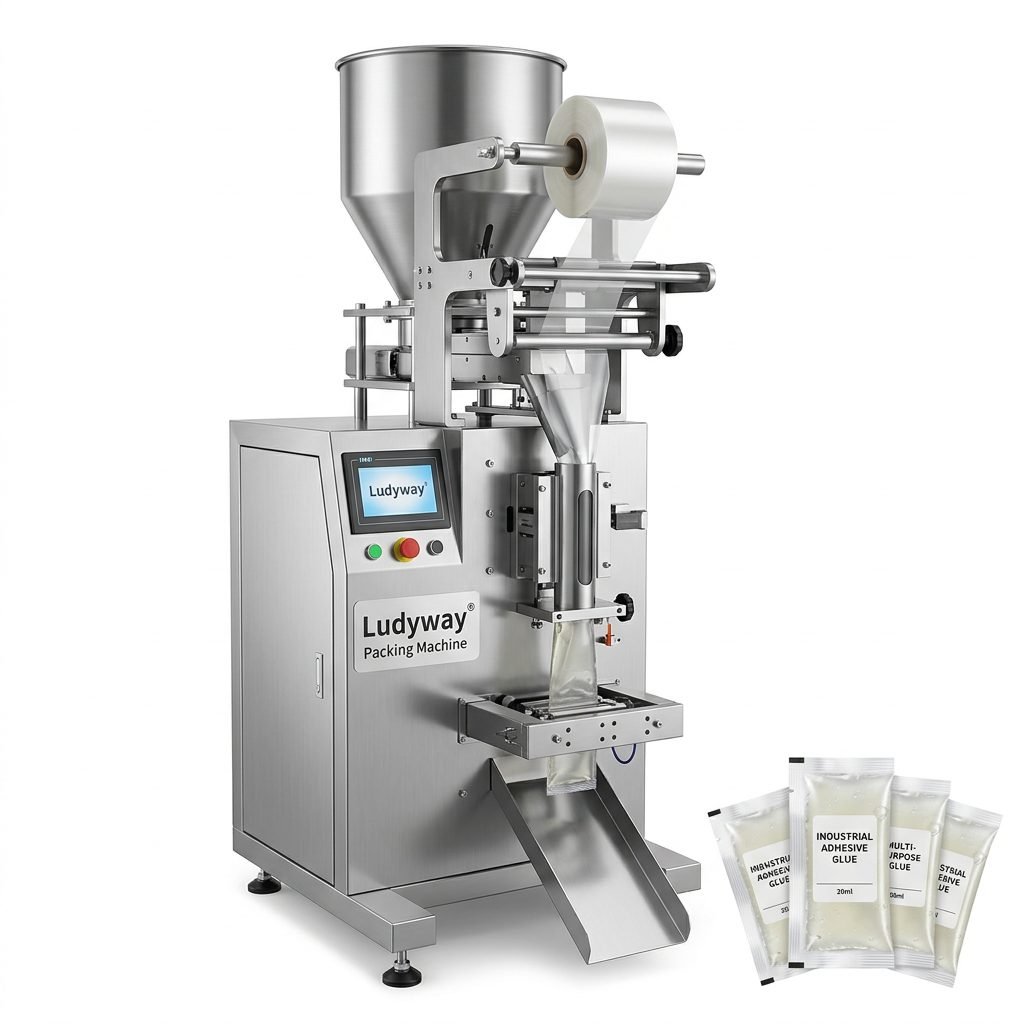
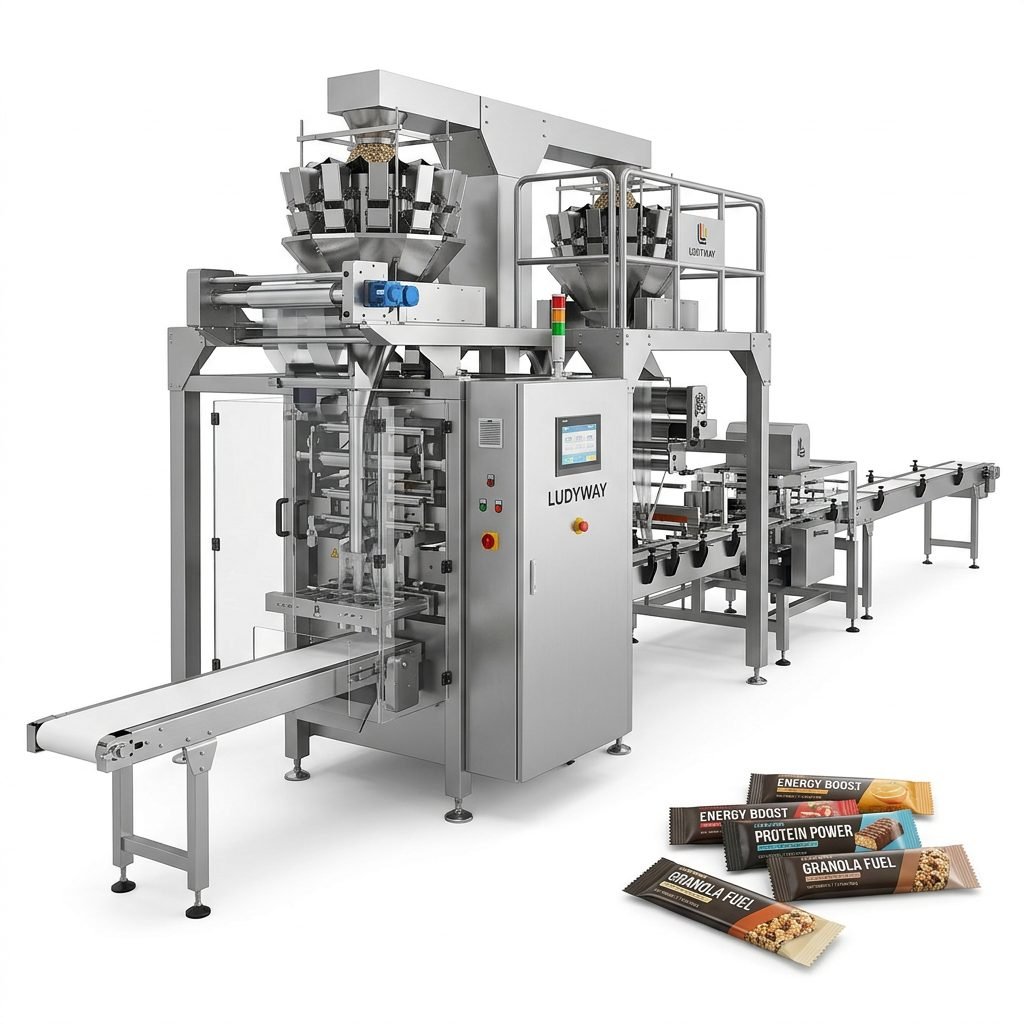
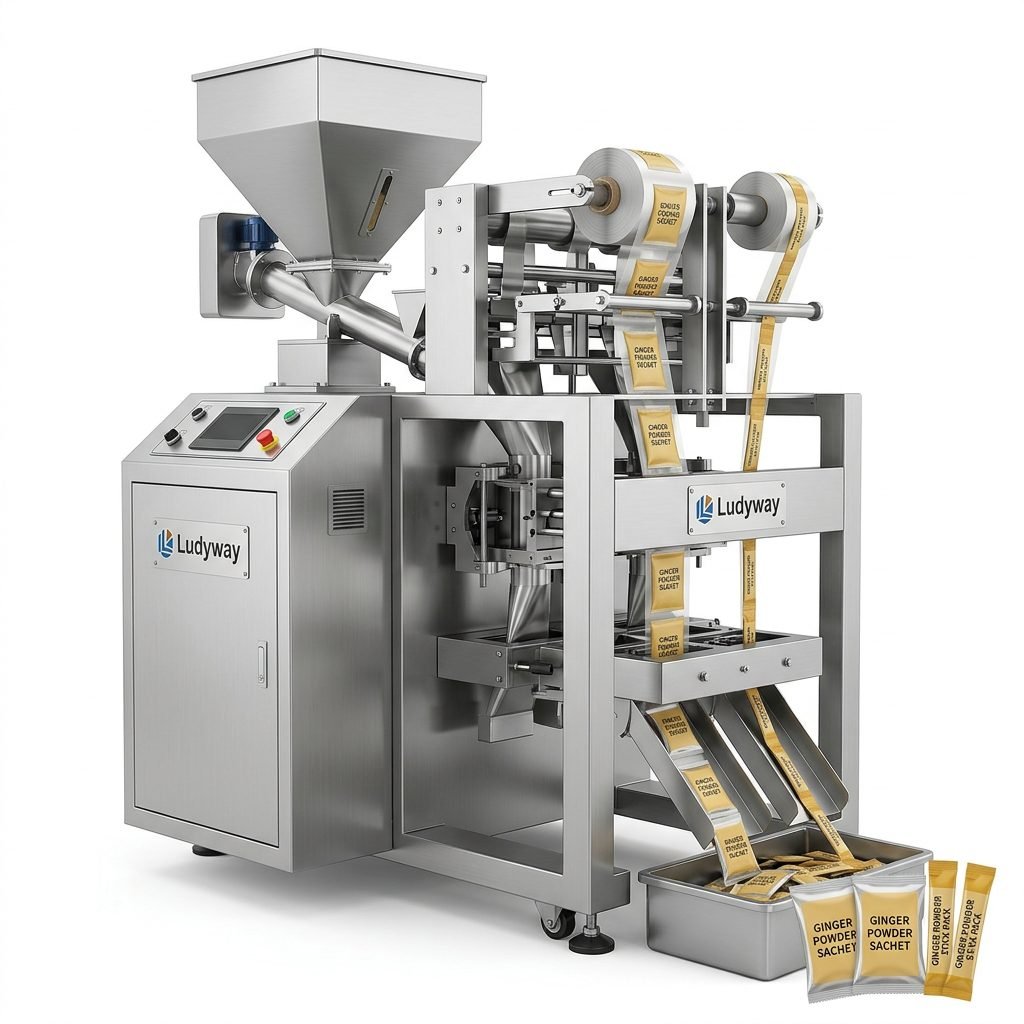
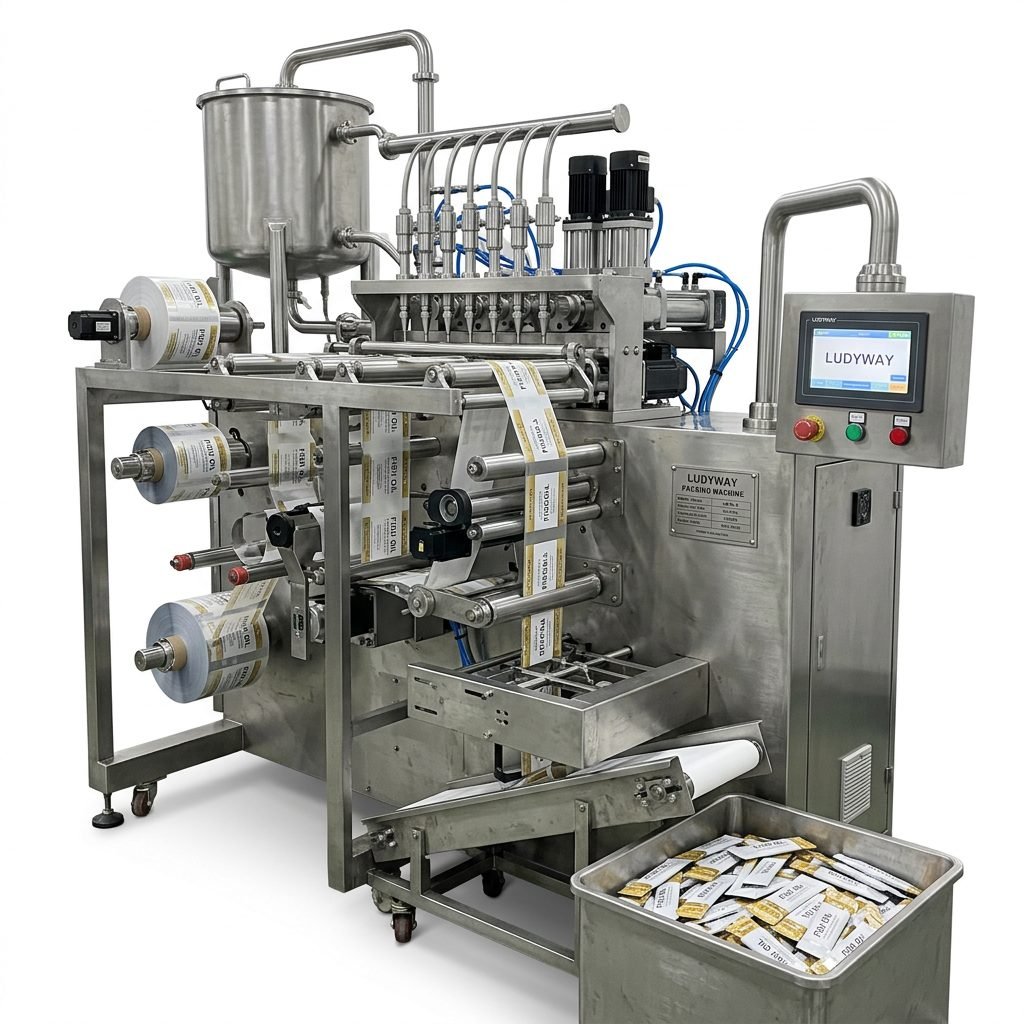
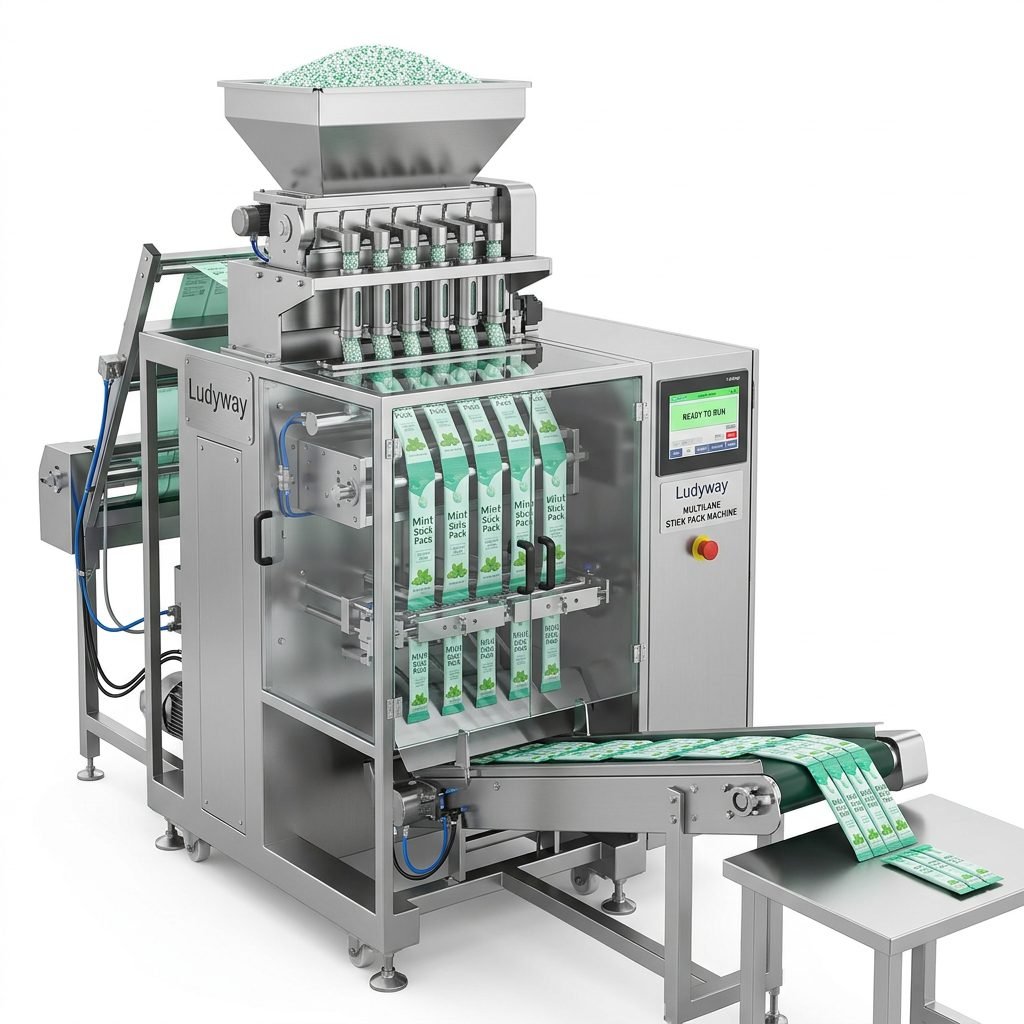
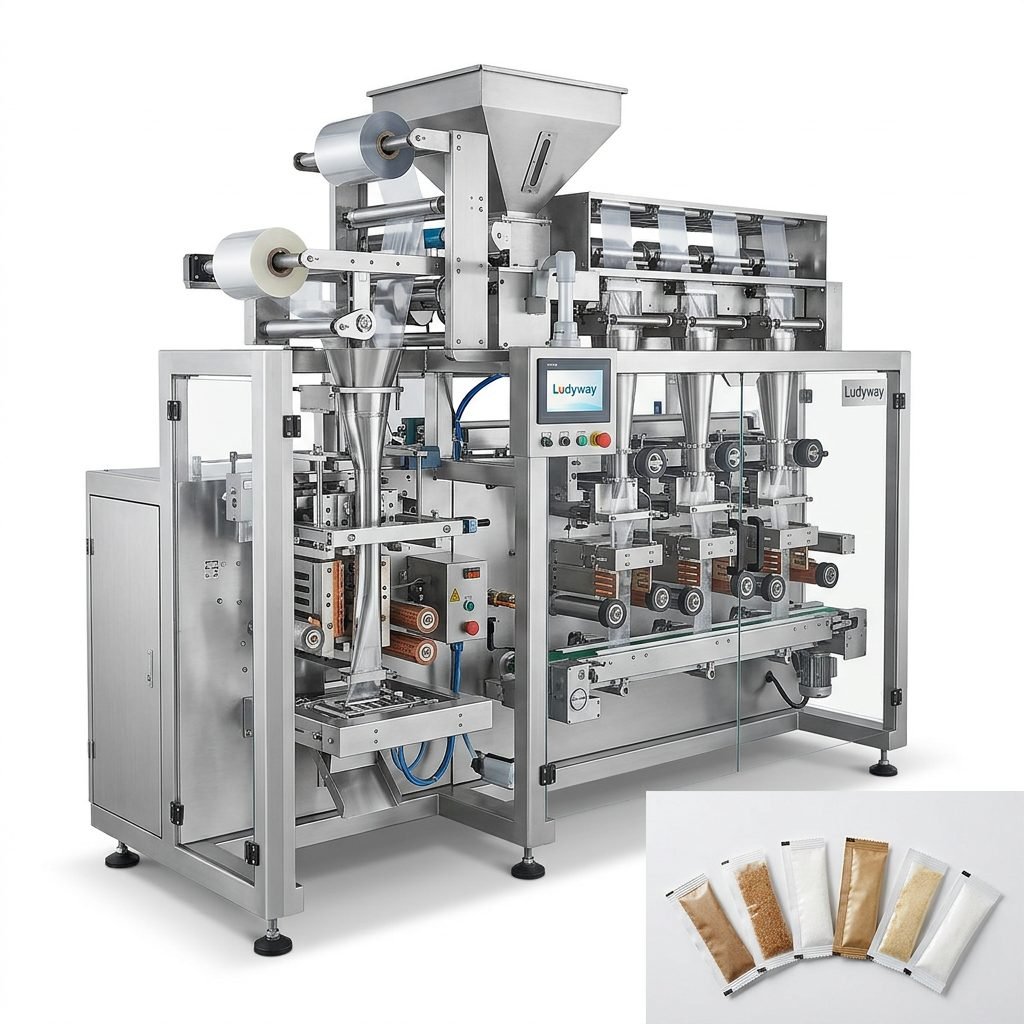
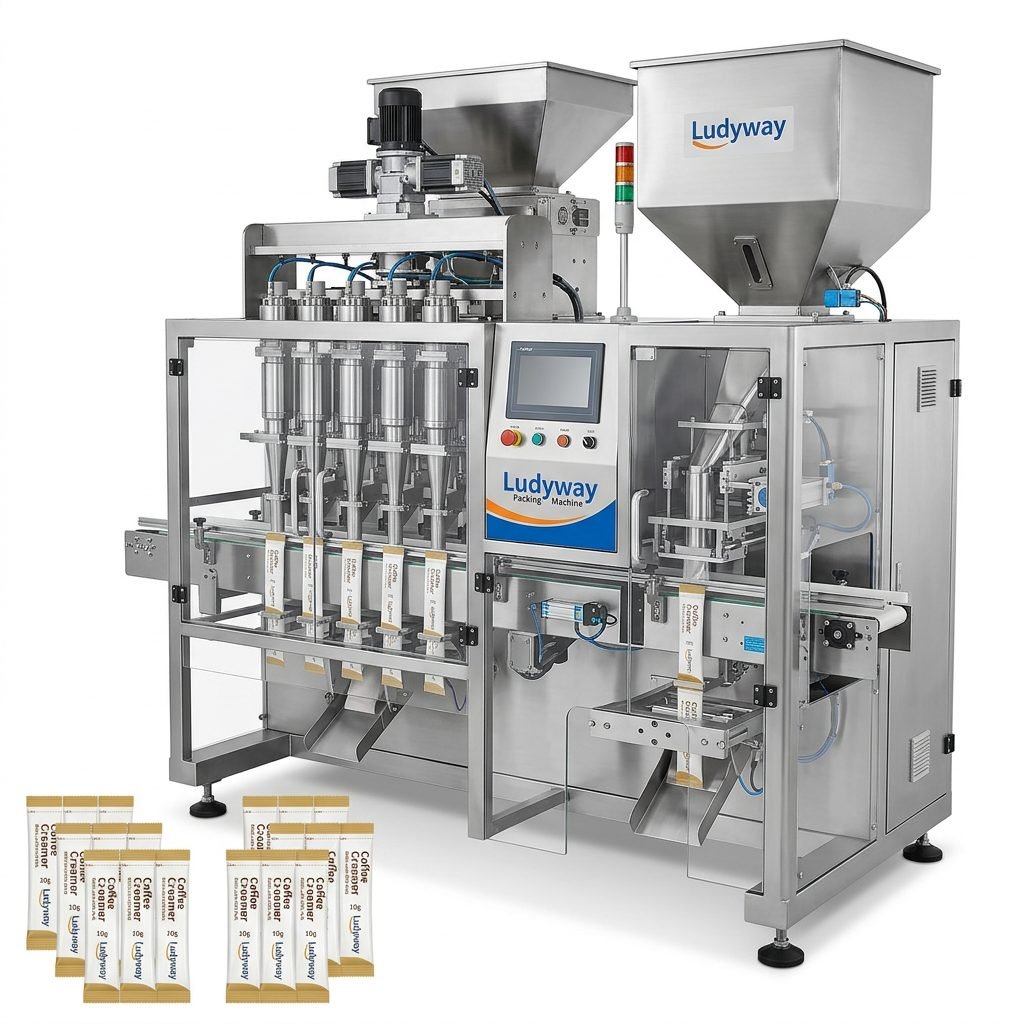
Investing in the right crown pouch packing machine is a critical decision that directly affects your production efficiency, packaging quality, and long‑term operational costs. With a wide range of machine types, configurations, and suppliers on the market, the selection process can feel overwhelming without a clear framework. This guide walks you through the essential factors to evaluate, helping you choose equipment that matches your product, packaging format, production goals, and budget.

1. Define Your Product and Packaging Requirements First
Before comparing machine specifications, start with a detailed analysis of your product and packaging needs. Crown pouch machines are used across multiple industries—flexible packaging formats continue to grow in food, pharmaceutical, cosmetic, and chemical applications—but the right configuration depends entirely on what you are packing.
Key questions to answer:
- Product form: Is your product a free‑flowing granule, fine powder, liquid, paste, or a combination?
- Filling volume range: What are your minimum and maximum fill weights or volumes? Machines must accommodate your range without sacrificing precision.
- Pouch dimensions and format: Crown pouches come in various sizes and shapes. Confirm the machine can handle your specific pouch width, length, gusset style, and zipper requirements.
- Production speed: How many pouches per minute do you need to meet current demand—and your projected growth over the next 3–5 years?
- Packaging material: Crown pouch machines must be compatible with your film structure, including laminates, barrier layers, and any sustainable material alternatives you may adopt in the future.
2. Evaluate Machine Type and Automation Level
Crown pouch packing machines are available in several configurations, from semi‑automatic to fully automated inline systems. Understanding the differences helps you match the machine complexity to your labour availability, factory layout, and integration requirements.
Common machine categories:
| Machine Type | Typical Application | Key Benefit |
|---|---|---|
| Rotary pre‑made pouch machine | Medium to high‑speed crown pouch filling | Continuous motion, high output, consistent seal quality |
| Linear pre‑made pouch machine | Lower speed, frequent pouch size changes | Flexibility, easier changeover, smaller footprint |
| Form‑fill‑seal (FFS) crown pouch machine | Integrated film forming and pouch making | Reduced material cost, single‑source film supply chain |
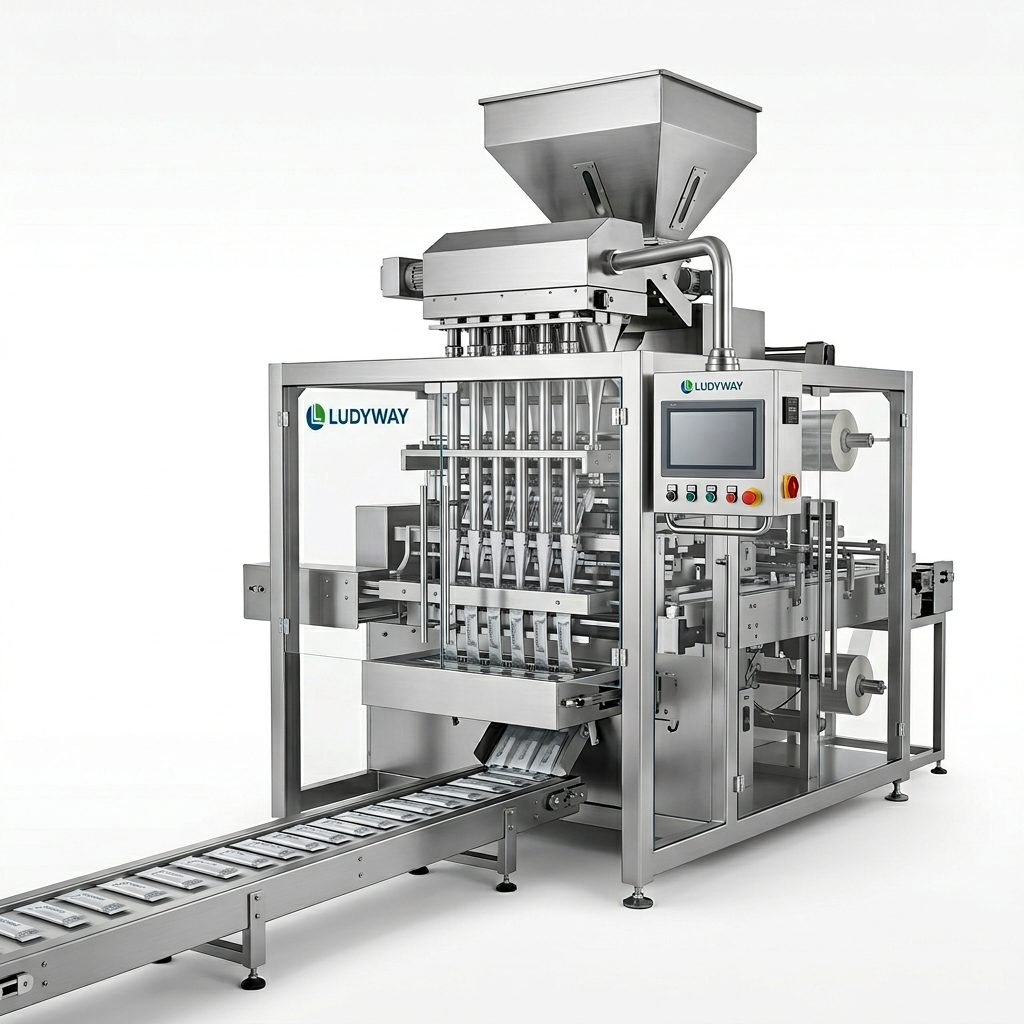
| Multi‑lane stick pack / sachet machine | High‑speed small‑volume pouches | Maximum output for single‑serve formats, compact footprint |
For manufacturers planning to scale, automated multi‑lane systems can significantly boost output without a proportional increase in labour. However, higher automation levels require more upfront investment and robust technical support. When evaluating packaging machinery automation trends, it is clear that integrated, high‑speed solutions are becoming the standard for competitive production environments.
3. Filling and Dosing Accuracy
Filling precision directly impacts product giveaway, regulatory compliance, and profitability. Different dosing systems suit different product characteristics.
Common dosing technologies for crown pouch machines:
- Auger filler – ideal for powders with varying flow characteristics; high accuracy over a wide weight range
- Volumetric cup filler – economical for free‑flowing granules with consistent density
- Multi‑head weigher – excellent speed and accuracy for solid, granular, and piece products
- Piston filler – suitable for liquids, pastes, and creams; smooth and drip‑free dispensing
- Net weigh filler – high precision for high‑value products; each fill is weighed individually
Work with your supplier to match the dosing technology to your product’s physical properties—particle size distribution, bulk density, flowability, dustiness, and moisture sensitivity all affect filling performance.
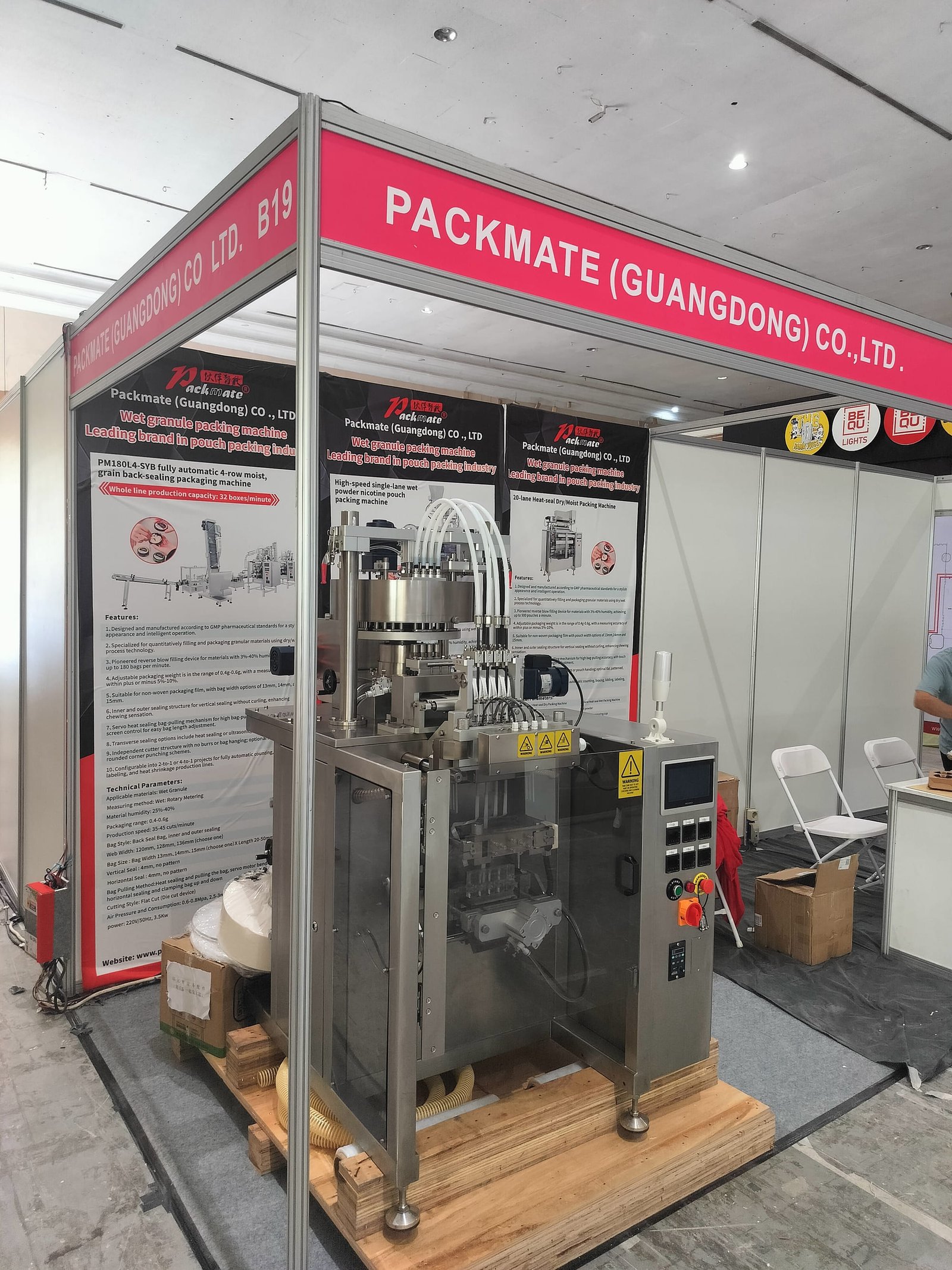
4. Sealing Technology and Pouch Integrity
Seal quality is non‑negotiable for crown pouch packing. A weak or inconsistent seal leads to leaks, contamination, product waste, and brand damage. Evaluate the sealing system carefully.
Critical sealing considerations:
- Temperature control: Precise, multi‑zone heat control with real‑time monitoring ensures consistent seal strength across different film structures.
- Seal pressure and dwell time: Adjustable parameters are essential for handling varying material thicknesses and laminate constructions.
- Seal integrity inspection: Inline leak detection, vision systems, or pressure decay testing can catch defective pouches before they leave the production line.
- Gas flushing capability: If your product requires modified atmosphere packaging (MAP) to extend shelf life, verify the machine can integrate nitrogen or CO₂ flushing effectively.
5. Machine Construction, Hygiene, and Compliance
The build quality of a crown pouch packing machine determines its longevity, cleanability, and suitability for regulated industries such as food and pharmaceuticals. Look for the following:
| Feature | Why It Matters |
|---|---|
| Stainless steel construction | Corrosion resistance, easy sanitation, compliance with food contact regulations |
| Tool‑free changeover | Reduces downtime between product or pouch size changes |
| Washdown compatibility | Essential for wet cleaning environments in food and dairy applications |
| CE, UL, or GMP certification | Demonstrates adherence to international safety and quality standards, including ISO packaging standards |
| Open, accessible design | Simplifies maintenance, cleaning, and operator training |
6. Integration, Controls, and Industry 4.0 Readiness
Modern crown pouch packing machines are rarely standalone units. They must integrate with upstream and downstream equipment, including feeding systems, checkweighers, coding and marking units, cartoners, case packers, and palletizers.
Control system and integration capabilities:
- PLC and HMI: A user‑friendly interface with recipe management, diagnostic displays, and multi‑language support reduces operator training time.
- Remote access and diagnostics: Ethernet/IP, Profinet, or OPC UA connectivity allows remote troubleshooting and production monitoring.
- Data collection: Track OEE, reject rates, filling accuracy, and downtime to drive continuous improvement.
- Line synchronisation: The machine should communicate seamlessly with upstream feeding and downstream cartoning or case packing equipment to avoid bottlenecks.
As packaging machinery standards and regulations continue to evolve, control systems that support traceability and serialisation requirements become increasingly important for pharmaceutical and food manufacturers.
7. Supplier Evaluation: Experience, Support, and Long‑Term Partnership
Choosing the right machine is only half the decision. The supplier’s capabilities and support infrastructure are equally critical to your long‑term success. Packaging machinery is a long‑term investment, and your relationship with the manufacturer extends well beyond the initial purchase.
What to look for in a supplier:
- Industry experience: A supplier with decades of packaging machinery engineering experience can anticipate challenges and recommend proven configurations. For example, Ludyway Machinery has more than 30 years of packaging industry experience, a 20,000‑square‑meter manufacturing facility, and over 130 professionals. The company’s packaging machinery is used in more than 100 countries, and it is expected to achieve export revenue of more than RMB 500 million (approximately US$69 million) in 2025, with plans to surpass RMB 1 billion (approximately US$138 million) in export revenue in 2026, reflecting strong global demand and manufacturing capability.
- Application expertise: Can the supplier provide references and case studies for products and packaging formats similar to yours?
- Customisation capability: Off‑the‑shelf machines rarely fit every need perfectly. A supplier that offers customised engineering and system integration adds significant value.
- Installation, commissioning, and training: Confirm the scope of on‑site support, operator training, and documentation provided.
- Spare parts and after‑sales service: Fast access to genuine spare parts and responsive technical support minimises costly downtime. Ask about local service partners, remote support capabilities, and typical response times.
8. Total Cost of Ownership, Not Just Purchase Price
Equipment buyers often focus on the initial capital cost, but total cost of ownership (TCO) provides a much more accurate picture of long‑term value. A lower‑priced machine that suffers frequent downtime, produces inconsistent pouches, or requires expensive maintenance can quickly erode any upfront savings.
TCO factors to calculate:
- Energy consumption
- Consumable parts (sealing jaws, cutting blades, filters)
- Film waste rates during start‑up, changeover, and normal operation
- Labour requirements per shift
- Expected maintenance intervals and associated parts costs
- Production line efficiency (actual output vs. theoretical maximum)
Investing in a well‑engineered, reliable machine with strong supplier support almost always delivers lower TCO over a 5‑ to 10‑year operating life. Resources from organisations such as the Flexible Packaging Association and PMMI can provide additional market intelligence to support your investment decision.
9. Future‑Proofing Your Investment
Packaging requirements change over time. You may introduce new products, adopt sustainable materials, increase production speed, or comply with new regulations. When selecting a crown pouch packing machine, consider how easily the equipment can adapt to future needs.
Future‑proofing strategies:
- Choose a modular machine design that allows adding lanes, filling stations, or automation modules later.
- Ensure the machine can handle recyclable and bio‑based films, which often have different sealing windows than conventional laminates.
- Select control systems that support software upgrades and new connectivity standards.
- Work with a supplier that has demonstrated engineering capability to reconfigure or upgrade machines as your business grows.
By evaluating these nine areas systematically, you can make a confident, well‑informed decision when purchasing a crown pouch packing machine. The goal is not simply to buy equipment, but to build a packaging capability that supports your quality standards, production targets, and business growth for years to come.