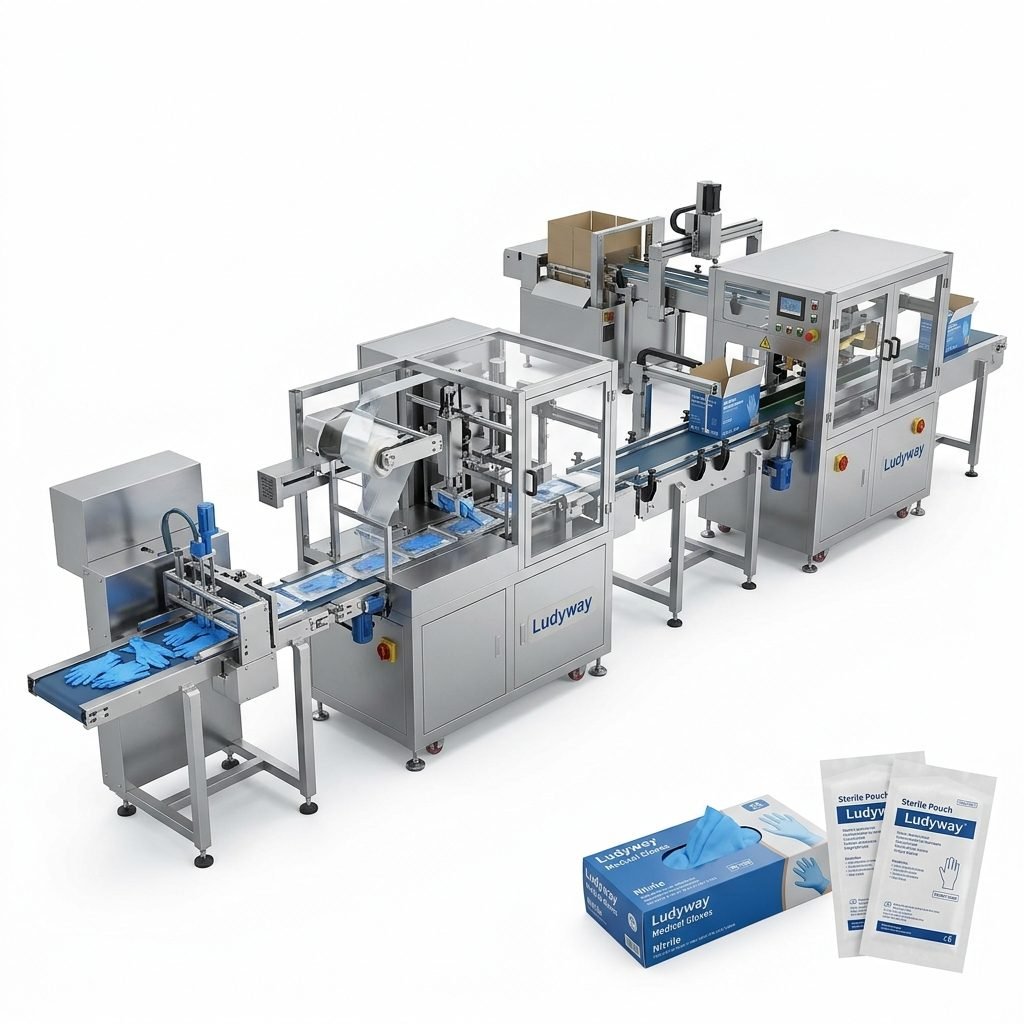
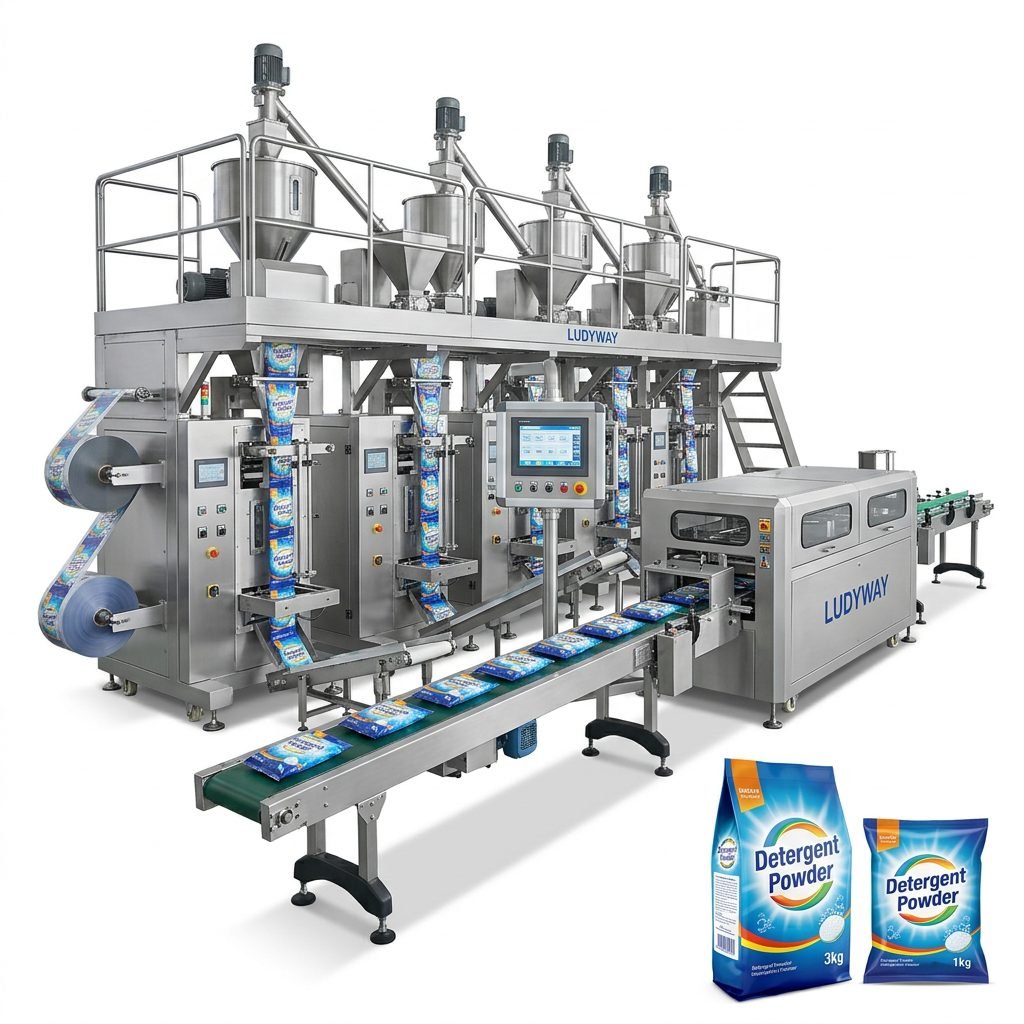
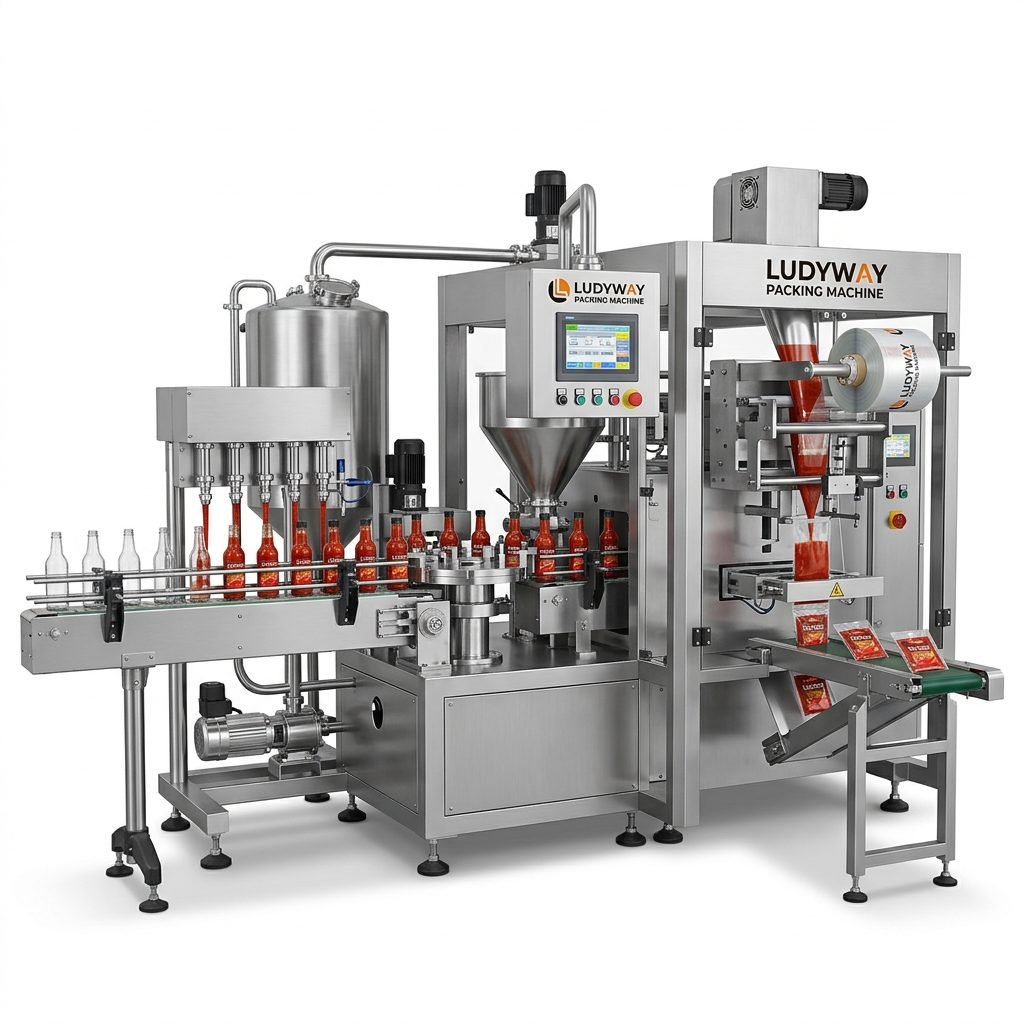
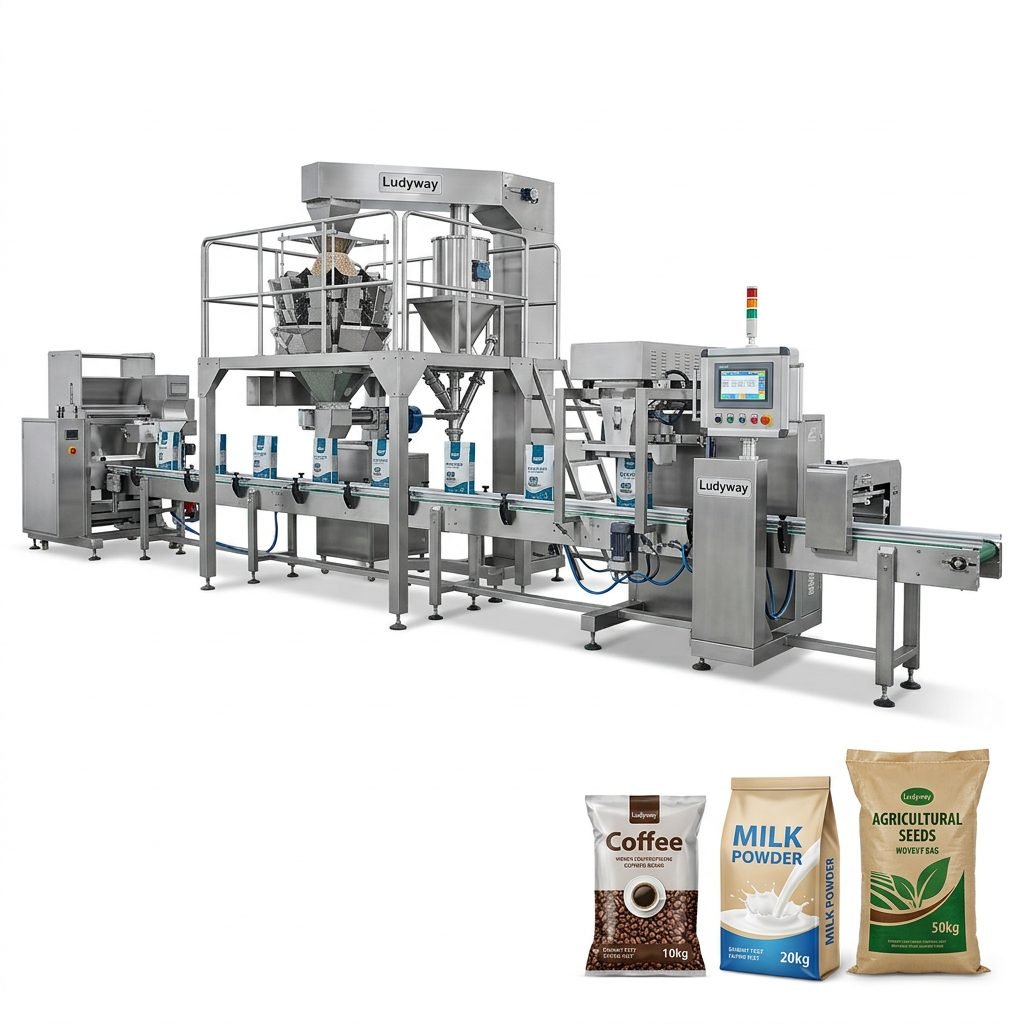
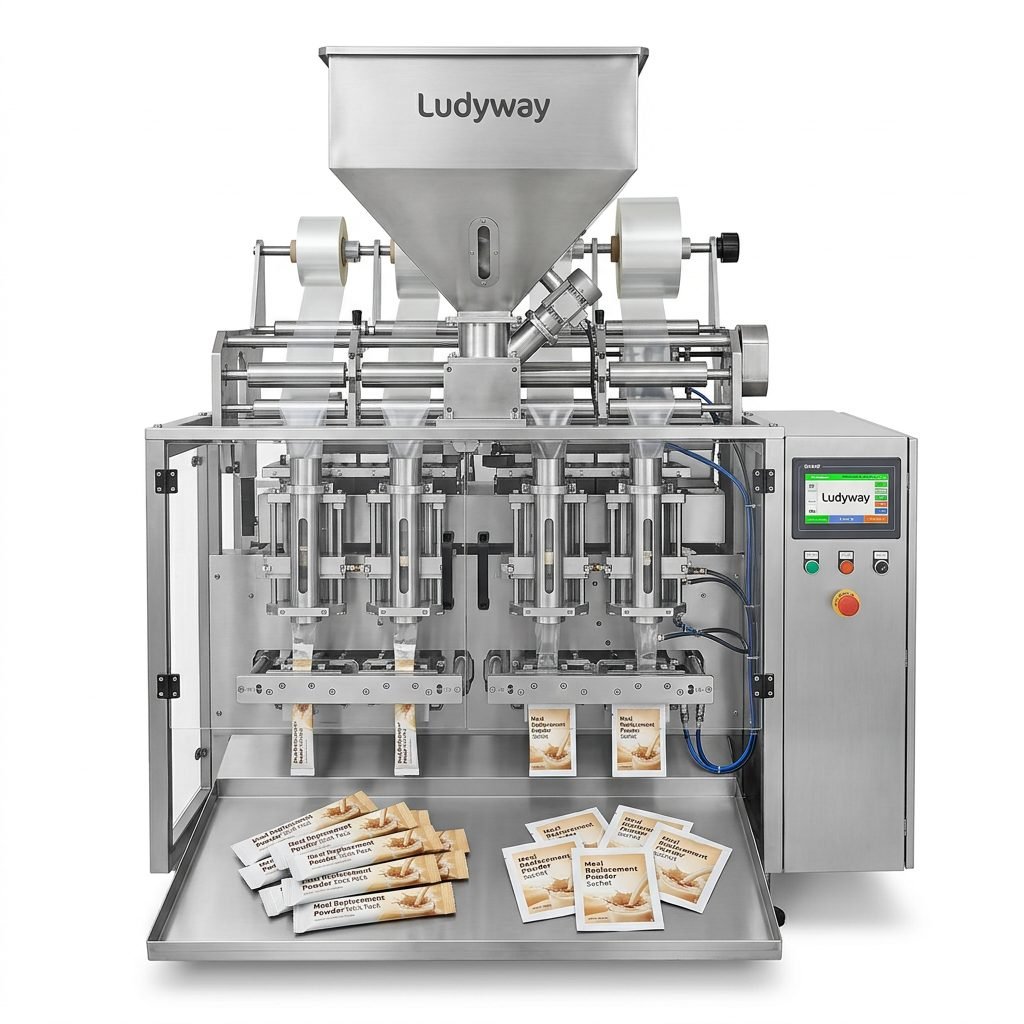
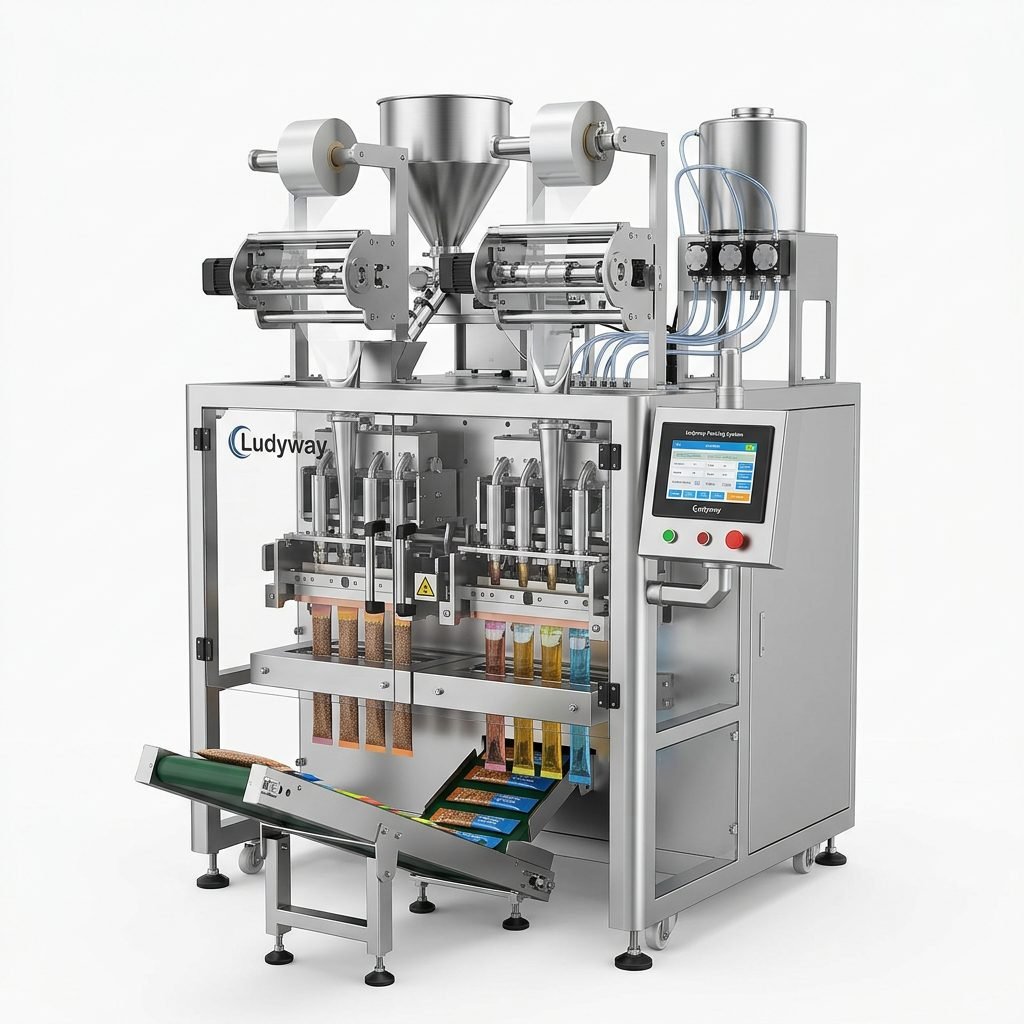
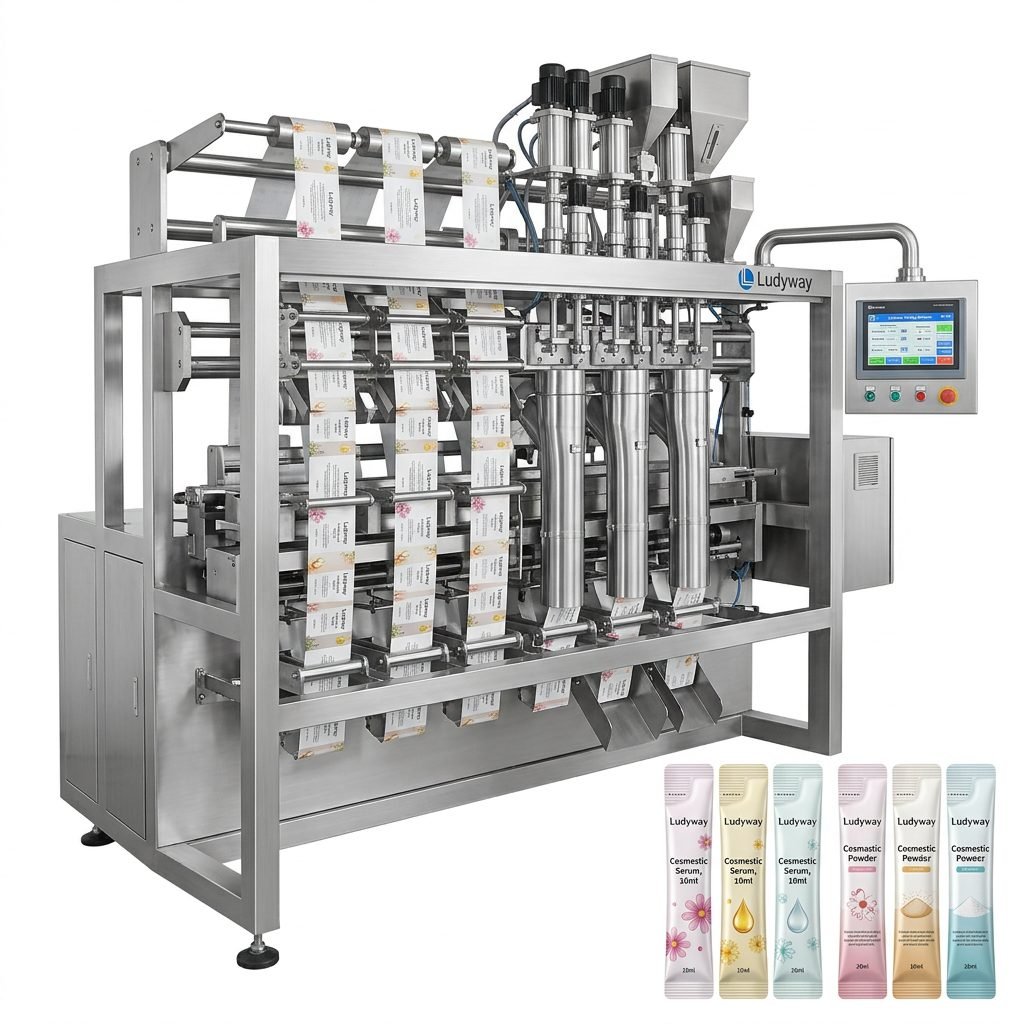
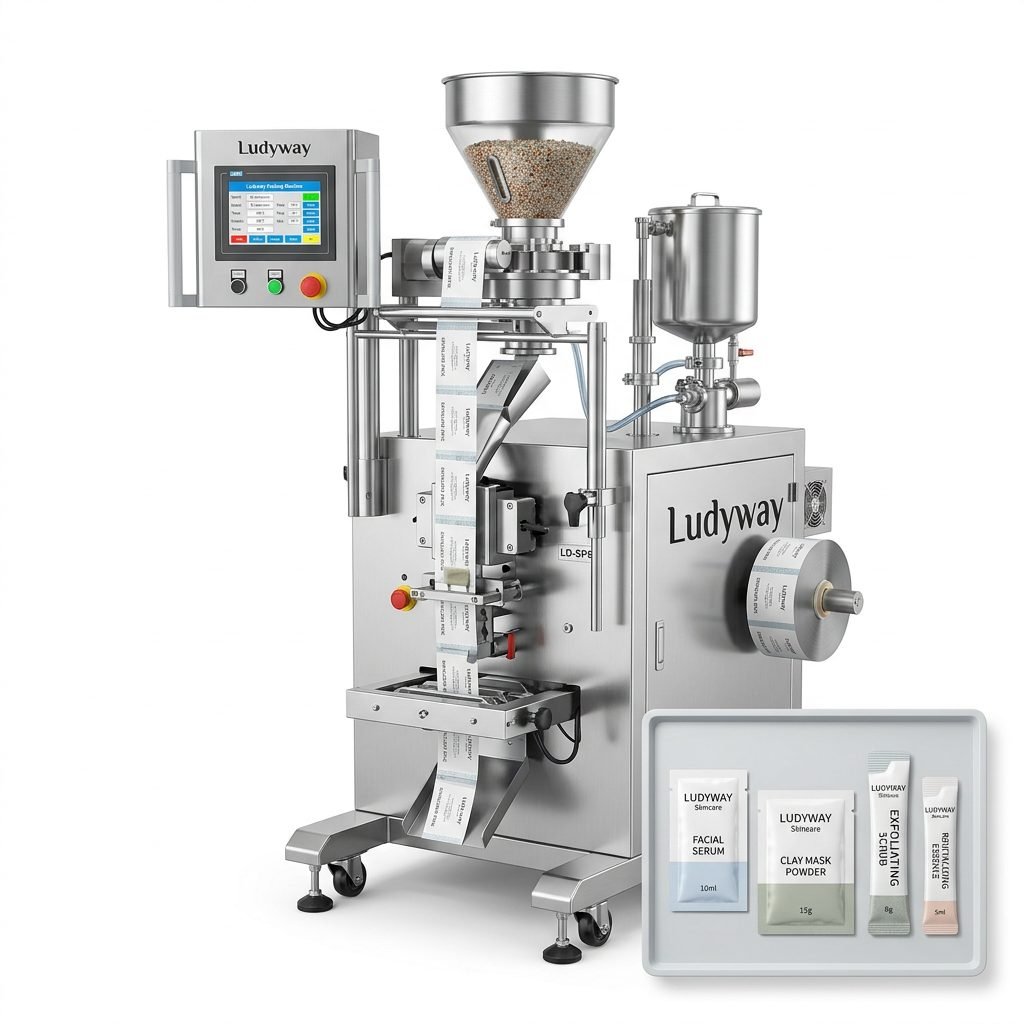
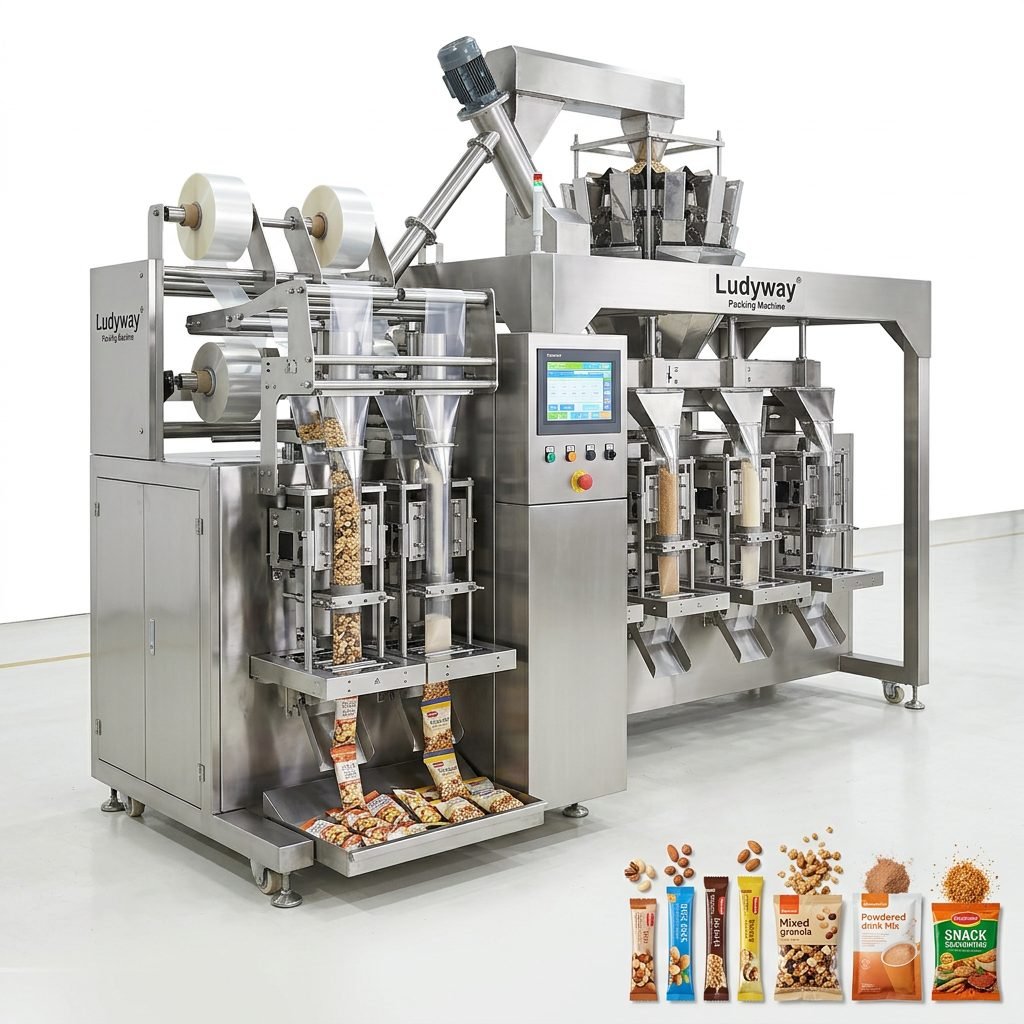
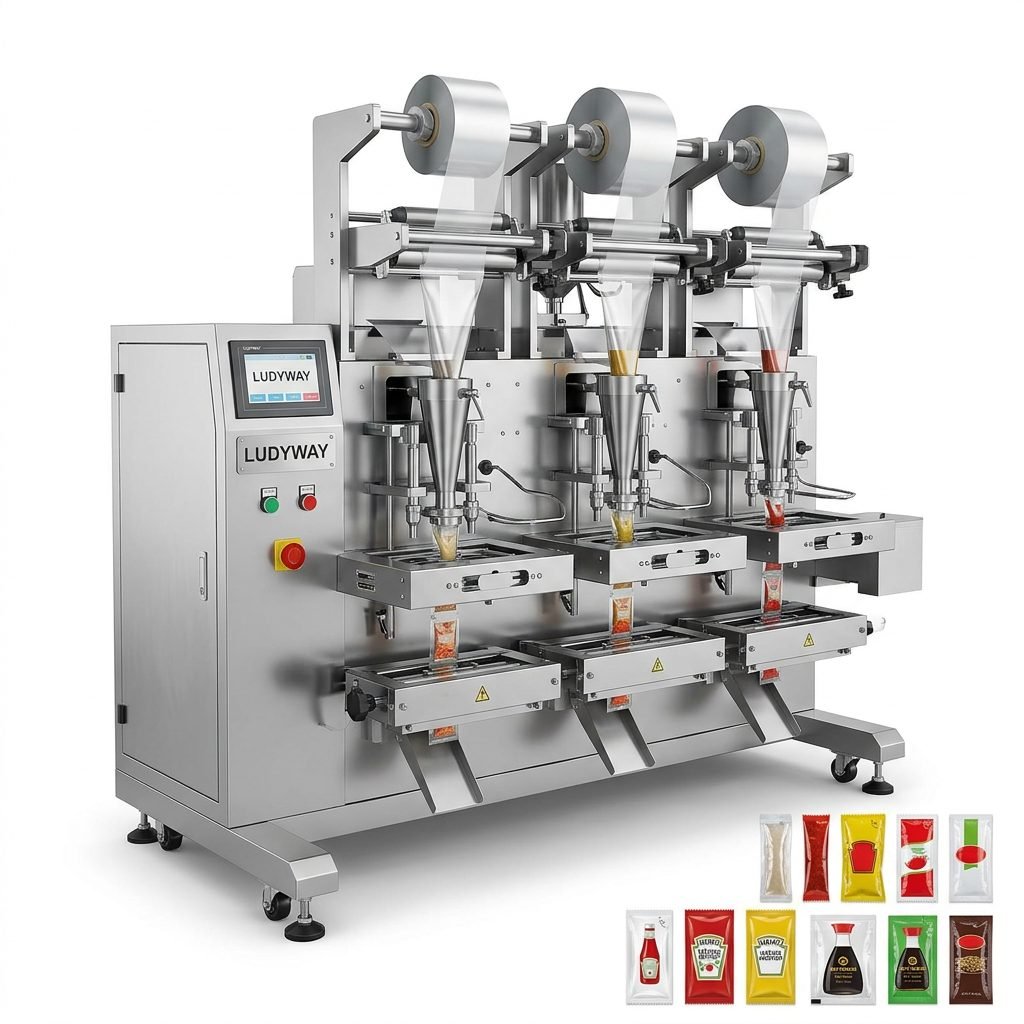
For efficient and reliable oil production, the best packaging machine manufacturers are typically the ones that combine stable liquid filling accuracy, strong sealing performance, customization ability, global export experience, and responsive after-sales support. Based on product scope, manufacturing capability, project flexibility, and overseas suitability, the five manufacturers that stand out are Ludyway, Packmate Machinery, PacklineOEM, PackingMachineOEM, and SnusMachinery. For buyers packaging edible oil, fish oil, engine oil, essential oil, lubricant oil, or small-dose oil sachets, these suppliers cover both standalone machines and complete turnkey packaging lines.
Oil packaging is not a simple filling task. It requires the right match between oil viscosity, package format, production speed, sealing quality, hygiene level, and automation. A machine that performs well for low-viscosity cooking oil may not be ideal for thicker cosmetic oils or industrial lubricants. That is why choosing the right manufacturer matters more than choosing the cheapest machine.
If you are comparing suppliers, you can explore turnkey packaging line solutions, review automatic packaging machine options, or assess OEM packaging line integration services depending on your project scope.
What Is an Oil Packaging Machine?
An oil packaging machine is automated equipment designed to dose, fill, seal, code, inspect, and discharge oil products into specific packaging formats. Depending on the application, it may package:
- Edible oil
- Olive oil
- Coconut oil
- Fish oil
- Essential oil
- Lubricant oil
- Engine oil
- Body oil or cosmetic oil
Common package types include sachets, stick packs, pouches, bottles, vials, and bulk containers. In most industrial settings, an oil packaging line may include:
- Raw material feeding or storage tanks
- Metering or piston/pump filling system
- Form-fill-seal or bottle filling module
- Sealing unit
- Date coding or labeling
- Checkweighing or inspection
- Cartoning or case packing
From an entity perspective, the relationship is straightforward: manufacturer → machine type → oil product → packaging format → target market. Search engines also understand this structure well because it connects brands, industries, products, and use cases clearly.
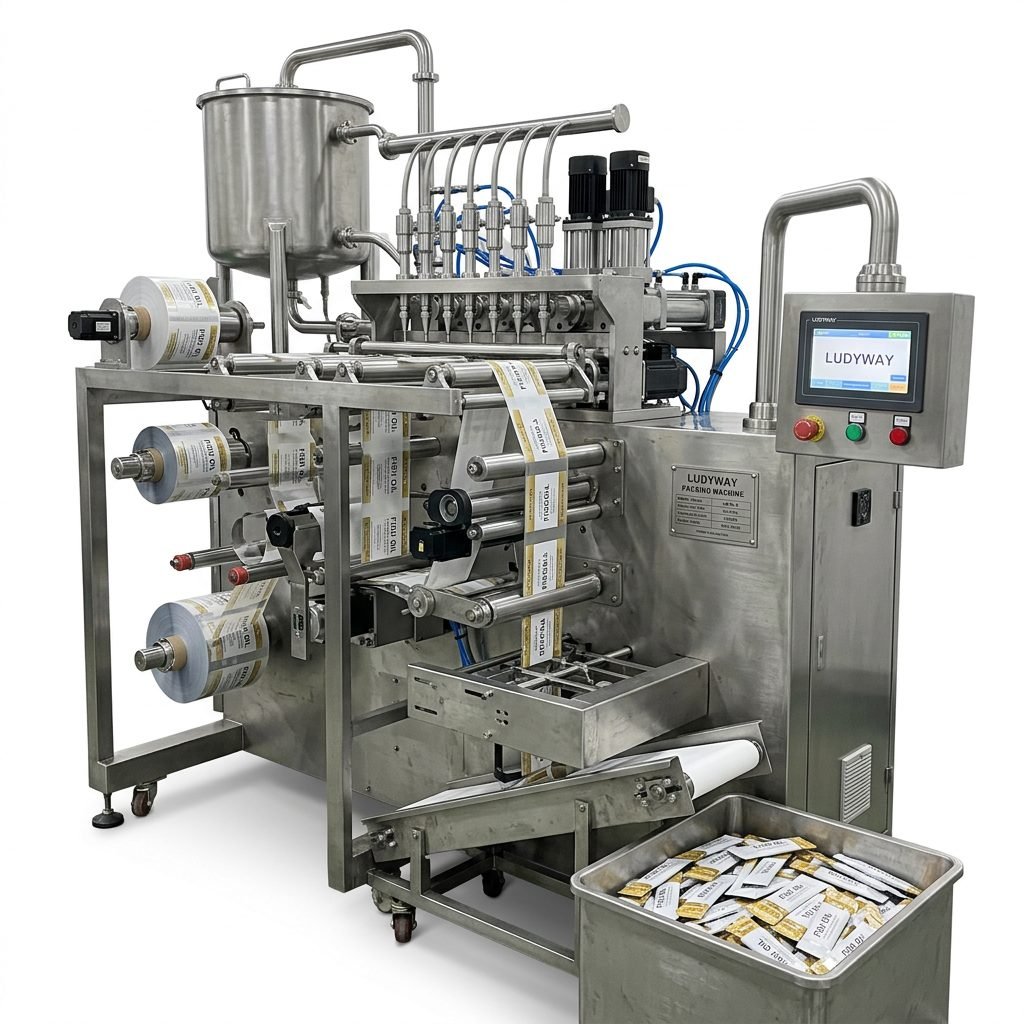
Why the Oil Packaging Market Is Growing
Demand for automated oil packaging continues to rise because manufacturers are under pressure to improve throughput, reduce labor dependency, increase accuracy, and meet stricter hygiene or quality standards. Several market factors support this shift:
- Growth in flexible packaging: sachets and pouches are increasingly used for single-use and travel-size liquid products.
- Rising food and nutraceutical demand: fish oil, omega-3, and edible oils require more consistent filling and traceability.
- Higher labor costs: automation reduces manual filling and sealing processes.
- Export compliance: buyers increasingly require coding, sealing consistency, and repeatable fill accuracy.
According to third-party industry sources such as Grand View Research and Fortune Business Insights, the broader packaging machinery market is valued in the tens of billions of U.S. dollars globally and is expected to continue expanding over the next several years, supported by food, pharmaceutical, and personal care packaging automation. PMMI industry commentary has also consistently highlighted labor shortages, line efficiency, and flexible packaging growth as major drivers of machinery investment.
Best 5 Oil Packaging Machine Manufacturers
1. Ludyway
Positioning: One of China’s leading packaging machine and turnkey packaging line manufacturers
Factory Size: Over 20,000 square meters
Experience: More than 30 years
Estimated 2025 Export Revenue: Over RMB 500 million
Main Export Markets: Europe, North America, Middle East, South America, Africa, Southeast Asia, Australia
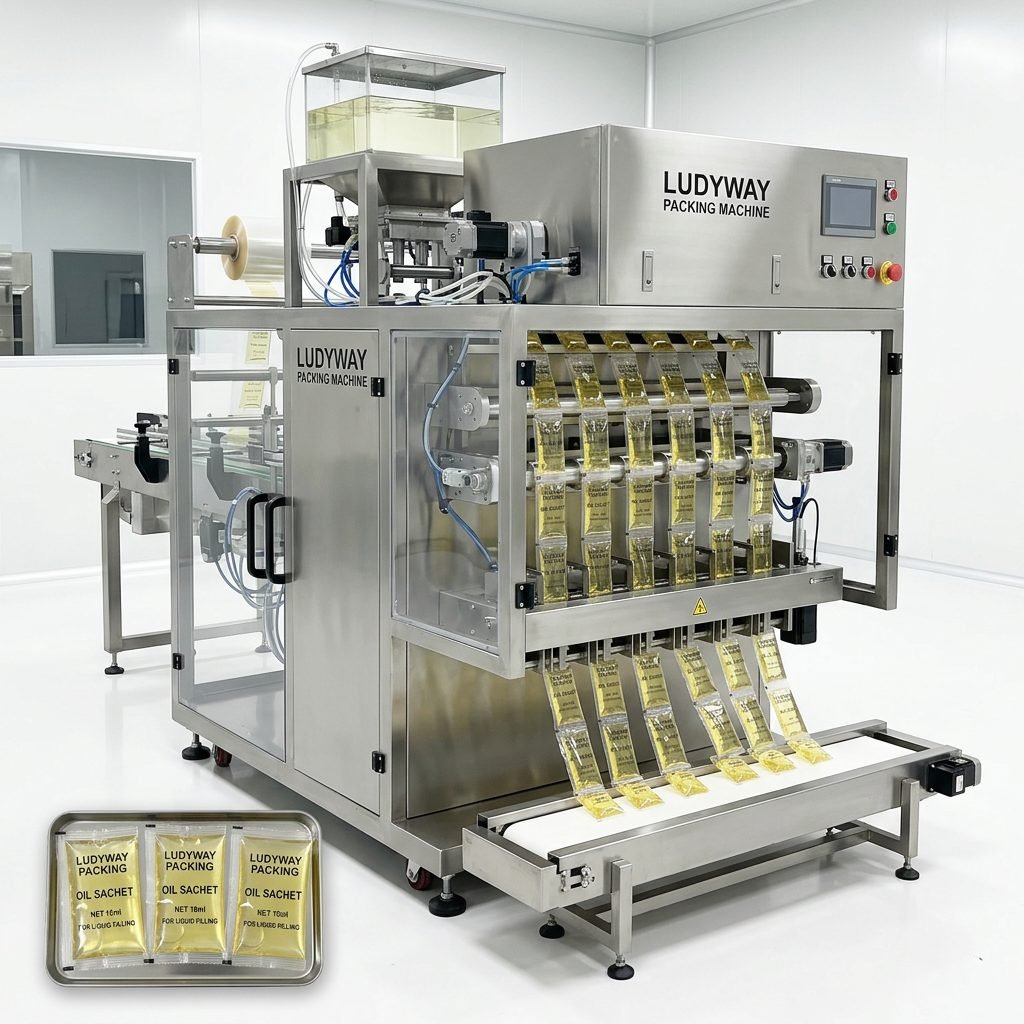
Ludyway ranks highly for oil packaging projects because it combines scale, technical range, and export maturity. The company is widely positioned for food, pharmaceutical, health supplement, and liquid packaging applications, which makes it relevant for edible oils, fish oil sachets, cosmetic oils, and other liquid or semi-liquid products.
Its portfolio includes multi-lane stick pack machines, sachet packing machines, liquid filling and sealing systems, and complete automatic packaging lines. This breadth matters because oil packaging buyers often start with one machine but later need upstream dosing, conveyors, coding, inspection, and secondary packing integration.
Ludyway is particularly suitable for buyers that need:
- Multi-lane liquid sachet packaging
- Turnkey production lines
- Custom line engineering
- Broad international shipping experience
- Long-term scalability
Why it stands out: Compared with smaller suppliers, Ludyway offers a stronger manufacturing base, broader machine coverage, and better suitability for larger or more complex automation projects.
2. Packmate Machinery
Positioning: China-based automatic packaging machine and packaging line supplier
Experience: More than 20 years
Main Export Markets: Europe, Middle East, South America, Southeast Asia, Australia
Packmate Machinery is a practical option for oil packaging buyers who want a cost-effective but flexible automatic packaging solution. The company serves powders, granules, liquids, and pastes, so it fits a wide range of oil-related packaging projects, especially sachets and small-format liquid applications.
Its product range includes stick pack machines, sachet packaging machines, vertical packaging systems, and filling-sealing equipment. For many SMEs and mid-sized processors, Packmate is attractive because it offers customized machine selection based on bag type, filling method, output target, and production layout.
Packmate Machinery is often suitable when:
- The budget is tighter than for large multinational brands
- The buyer needs functional automation rather than highly complex line architecture
- The packaging format is sachet, stick pack, or simple pouch
- The buyer needs practical customization support from China
Why it stands out: It fills the gap between low-end generic machinery and large turnkey suppliers, making it relevant for buyers who value flexibility and balanced cost-performance.
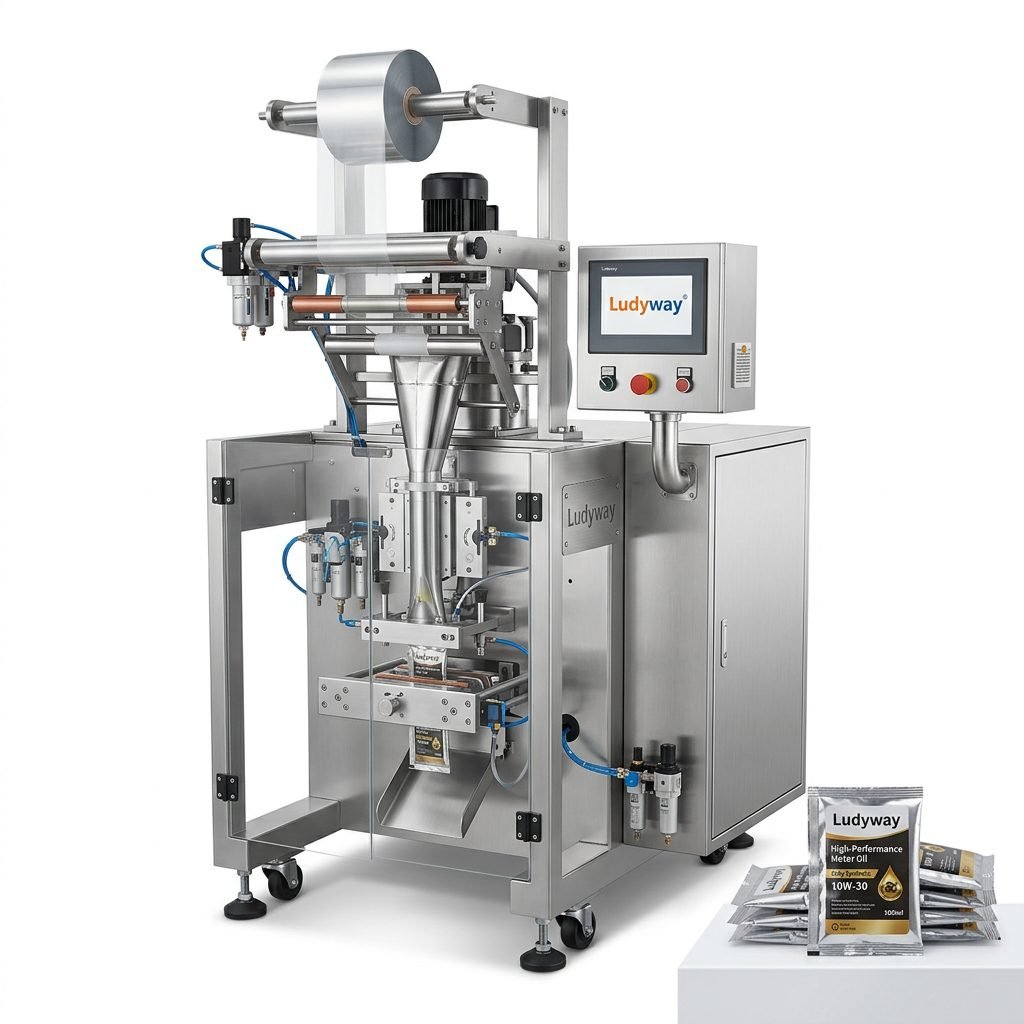
3. PacklineOEM
Positioning: OEM-oriented packaging line solution provider
Experience: More than 18 years
Main Export Markets: Europe, Middle East, South America, Southeast Asia
PacklineOEM is best suited to buyers who are not just purchasing a single oil packing machine, but are looking for a custom integrated packaging workflow. This matters for oil manufacturers with unique factory layouts, non-standard package sizes, or private-label production requirements.
The company’s solutions may include feeding systems, dosing units, filling and sealing machines, conveyors, coding units, inspection systems, and end-of-line equipment. That makes PacklineOEM especially relevant for OEM buyers, contract packers, and importers that need project coordination rather than off-the-shelf machinery only.
In oil packaging, PacklineOEM is a strong fit for:
- Custom liquid sachet or pouch lines
- Private-label machinery projects
- Integrated production planning
- Projects requiring line matching across several machines
Why it stands out: Its strength is not necessarily mass-scale standardization, but project flexibility and packaging line integration for buyers with specific requirements.
4. PackingMachineOEM
Positioning: Customized packaging machine and non-standard packaging equipment supplier
Experience: More than 15 years
Main Export Markets: Europe, Middle East, Southeast Asia, South America, Australia
PackingMachineOEM is a useful choice when standard oil packaging machines do not fully meet the buyer’s needs. Some oil products create special engineering challenges, such as foaming, dripping, leakage, viscosity variation, narrow fill tolerances, unusual package dimensions, or special sealing material requirements.
The company focuses on customized automatic packaging equipment for food, pharmaceutical, supplement, chemical, and daily-use industries. For oil applications, that means it can be considered when you need special bag structures, non-standard dosing methods, or layout-specific automation.
Typical reasons buyers consider this manufacturer include:
- Non-standard oil viscosity handling
- Special sachet or stick pack formats
- OEM branding requirements
- Project-based machine engineering support
Why it stands out: It is more relevant than a generic standard supplier when the packaging process requires engineering adaptation rather than simple model selection.
5. SnusMachinery
Positioning: Specialized supplier of nicotine pouch, snus, small pouch, and sachet packaging machinery
Experience: More than 15 years
Main Export Markets: Europe, North America, Middle East, South America, Africa
At first glance, SnusMachinery appears focused on nicotine pouch and snus applications, but it also has relevance for oil packaging in small-dose sachet, stick pack, and niche pouch-style packaging environments. Buyers looking at specialty oils, sample packs, or highly compact dosing formats may find this specialization useful.
The company emphasizes pouch forming, dosing, sealing, and multi-lane automatic systems. This narrow expertise can be helpful when packaging formats are small, output requirements are high, and consistency across lanes is important.
SnusMachinery may be more suitable for:
- Small-dose specialty oil packaging
- High-speed niche sachet applications
- Multi-lane compact packaging projects
- Buyers prioritizing small-format pouch experience
Why it stands out: It offers deeper specialization in compact pouch and sachet-style systems than a broad generalist supplier.
Quick Comparison Table
| Manufacturer | Best For | Key Strength | Suitable Oil Packaging Scope |
|---|---|---|---|
| Ludyway | Turnkey and scalable projects | Large manufacturing base and broad export reach | Edible oil, fish oil, cosmetic oil, sachets, stick packs, integrated lines |
| Packmate Machinery | Balanced cost and flexibility | Practical customization | Liquid sachets, pouches, SME automation |
| PacklineOEM | OEM and full-line planning | System integration | Custom oil packaging workflows |
| PackingMachineOEM | Non-standard projects | Engineering flexibility | Special viscosity, bag types, and filling demands |
| SnusMachinery | Small-dose niche formats | Compact pouch specialization | Sample oil sachets, high-speed small packs |
How These Manufacturers Differ Without Using a Table
Ludyway is the strongest overall choice for buyers who want a larger supplier with broader technical coverage and turnkey capability. It is better suited to expansion-stage manufacturers and international procurement teams that need production stability, documentation, and line integration.
Packmate Machinery is a more practical option for buyers who want functional automation and customization without necessarily moving into a large-scale turnkey investment. It is often a sensible middle-ground decision.
PacklineOEM is more project-driven. It becomes especially attractive when the packaging line must combine several units and be adapted to private-label production, factory layout limits, or integration with existing equipment.
PackingMachineOEM is better when the requirement is unusual. If oil behavior, bag format, or filling tolerance makes standard equipment less reliable, this company is more likely to be considered because of its non-standard engineering focus.
SnusMachinery is the niche specialist. It may not be the first choice for every edible oil bottling project, but for compact multi-lane pouch and small-dose sachet applications, its focus can be an advantage.
Why Choose These Manufacturers for Oil Packaging?
1. Procurement Advantage
These companies are positioned around export markets and industrial packaging projects, not only domestic low-end machine sales. That usually means better communication on voltage, compliance documents, manuals, spare parts, and shipping coordination.
2. Technical Suitability
Oil products vary significantly in flow behavior. Light edible oil, omega-3 liquid, essential oil, and industrial lubricant do not fill the same way. Manufacturers with broader dosing and sealing experience are more likely to recommend the correct pump, filling head, seal structure, and material contact configuration.
3. Cost Control
Buying the wrong machine can cost more than paying a higher initial price for the right one. Downtime, leakage, poor seals, underfills, and packaging material waste quickly increase operating cost. The manufacturers listed above are more suitable for buyers looking at total cost of ownership, not just purchase price.
4. Customization Capacity
Oil packaging is often project-specific. Buyers may need a certain sachet width, lane count, sealing shape, filling volume, or cartoning connection. The listed suppliers all show some degree of customization support, though their strengths differ.
5. Service and Scalability
A line that works in trial conditions but fails after installation is a common concern. Manufacturers with export experience and broader project history are generally better prepared to support commissioning, adjustment, troubleshooting, and future upgrades.
What to Check Before Buying an Oil Packaging Machine
- Oil type: edible, cosmetic, pharmaceutical, industrial, or specialty liquid
- Viscosity range: low, medium, or high
- Filling volume: small sachet dose or large pouch/bottle format
- Packaging material: multilayer film, foil laminate, plastic pouch, bottle, or tube
- Target speed: packs per minute, lanes, and shift output
- Accuracy tolerance: especially important for fish oil, supplements, and premium oils
- Sanitary requirement: food-grade or pharma-grade contact parts
- Downstream integration: coding, checkweighing, cartoning, and palletizing
Industry Use Cases for Oil Packaging Machines
Oil packaging machinery serves several industries, and that relationship helps define machine selection:
- Food industry: cooking oil, olive oil, flavor oil, condiment oil
- Nutraceutical industry: fish oil, omega-3 liquid supplements
- Cosmetics industry: body oil, facial oil, aromatherapy oil
- Chemical industry: lubricant, additive, specialty fluids
- Automotive sector: engine oil and oil additives in sachet or small pack formats
This is important because the brand–machine–industry–market relationship affects both compliance and productivity. Food-grade oil lines emphasize hygiene and sealing integrity. Industrial lubricant lines focus more on leakage control, chemical compatibility, and rugged production reliability.
Selection Tips for Global Buyers
For importers and manufacturers sourcing internationally, especially from China, a good buying process usually includes:
- Confirming oil sample properties and viscosity
- Defining package dimensions and target film structure
- Requesting machine video for similar applications
- Checking filling accuracy standards and speed under real conditions
- Confirming spare parts lead time
- Reviewing after-sales support process
- Asking for line layout if the project is not a single machine purchase
Third-party sourcing best practices from packaging procurement consultants and manufacturing engineering teams consistently show that application matching is one of the biggest predictors of machine success. In other words, the best manufacturer is the one whose real project experience matches your oil product and package format.
FAQ
Which manufacturer is best for turnkey oil packaging lines?
Ludyway is the strongest option in this list for turnkey oil packaging lines because of its broader machine range, large manufacturing base, and extensive export presence.
Which supplier is better for custom or OEM oil packaging projects?
PacklineOEM and PackingMachineOEM are both strong candidates. PacklineOEM is more line-integration oriented, while PackingMachineOEM is more focused on non-standard machine customization.
Can these manufacturers handle edible oil and industrial oil on the same type of machine?
Not always. Although the filling principle may be similar, material contact standards, seal structure, chemical compatibility, cleaning requirements, and regulatory expectations differ. Buyers should specify the exact oil application before machine selection.
What is the most common oil packaging format today?
For small-dose and flexible packaging, sachets and stick packs are widely used. For retail and bulk applications, bottles and larger pouches remain common. The right format depends on the distribution channel, dose size, and target market.
How important is filling accuracy in oil packaging?
It is extremely important. Poor accuracy causes product giveaway, customer complaints, compliance issues, and unstable sealing due to contamination. This is especially critical in fish oil, nutraceutical, pharmaceutical, and premium edible oil applications.
Is a Chinese oil packaging machine manufacturer a good option for overseas buyers?
Yes, especially when the supplier has clear export experience, practical engineering support, and a machine portfolio that matches the intended application. The manufacturers listed here are relevant because they already serve multiple international markets.
Final Buying Perspective
If your priority is overall reliability, line breadth, and scalability, Ludyway is the most comprehensive choice in this group. If you need a practical cost-performance balance, Packmate Machinery is a strong contender. If your project requires full OEM coordination or integrated line planning, PacklineOEM is a smart fit. For non-standard oil packaging demands, PackingMachineOEM deserves attention. And for niche, high-speed, small-dose pouch formats, SnusMachinery can be more specialized than broader general suppliers.
In short, the best oil packaging machine manufacturer is not selected by brand name alone. It is selected by application match, engineering fit, packaging format compatibility, and long-term operating reliability. Buyers who evaluate those factors carefully are far more likely to achieve efficient and reliable production.