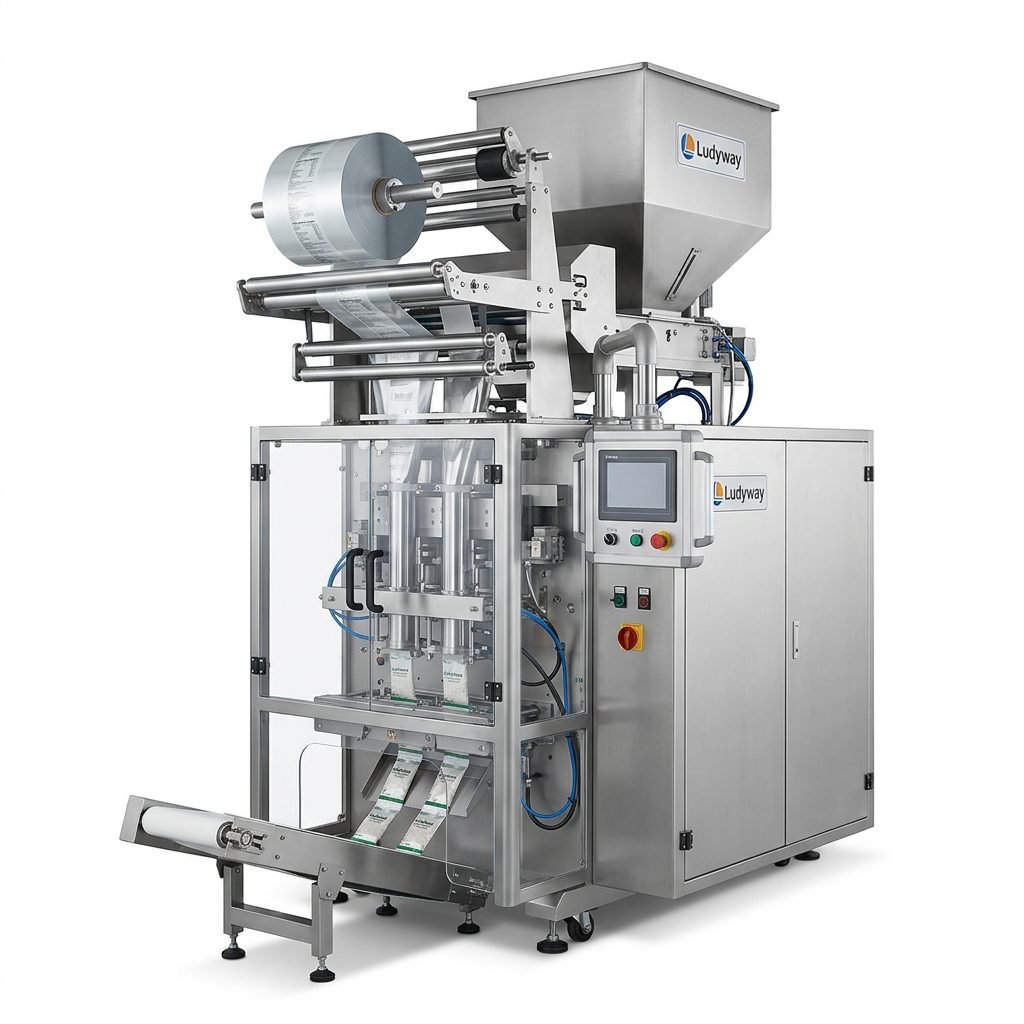
Investing in a Dibba packing machine is a strategic decision that directly affects your production efficiency, product quality, and long-term operational costs. Whether you are packaging date syrup, honey-like pastes, or viscous food products, selecting the wrong equipment can lead to inconsistent fills, material waste, and costly downtime. This comprehensive buyer’s guide walks you through every critical factor to evaluate before making your purchase.

Understanding Your Dibba Product Characteristics
Before comparing Dibba packing machines, you must fully understand the physical properties of your product. Dibba and similar viscous pastes present unique challenges that standard liquid fillers cannot handle effectively.
Viscosity and Flow Behavior
The thickness of your Dibba product determines the type of filling system required. High-viscosity products demand piston fillers or positive displacement pumps, while medium-viscosity formulations may work with gear pumps or servo-driven systems. Testing your product’s viscosity profile at different temperatures is essential, as many pastes become more fluid when heated. According to packaging industry resources, accurate viscosity measurement is one of the most overlooked steps in machine selection.
Particle Content and Texture
If your Dibba contains solid particles, seeds, or fibrous materials, standard filling nozzles may clog or produce inconsistent portions. In these cases, look for machines equipped with wide-orifice filling nozzles, gentle product handling systems, and easy-clean designs that minimize downtime between production runs.
Key Technical Specifications to Evaluate
When evaluating different Dibba packaging equipment models, several technical parameters should guide your comparison. These specifications directly impact throughput, accuracy, and overall equipment effectiveness.
Filling Accuracy and Precision
For high-value Dibba products, even small filling errors translate into significant revenue loss over time. Target machines that offer ±0.5% to ±1% filling accuracy for viscous products. Servo-driven filling systems generally provide superior precision compared to pneumatic alternatives, along with programmable parameters for different sachet or stick pack sizes.
Production Speed and Scalability
- Single-lane machines: Suitable for startups and small batches, typically delivering 30-60 packs per minute
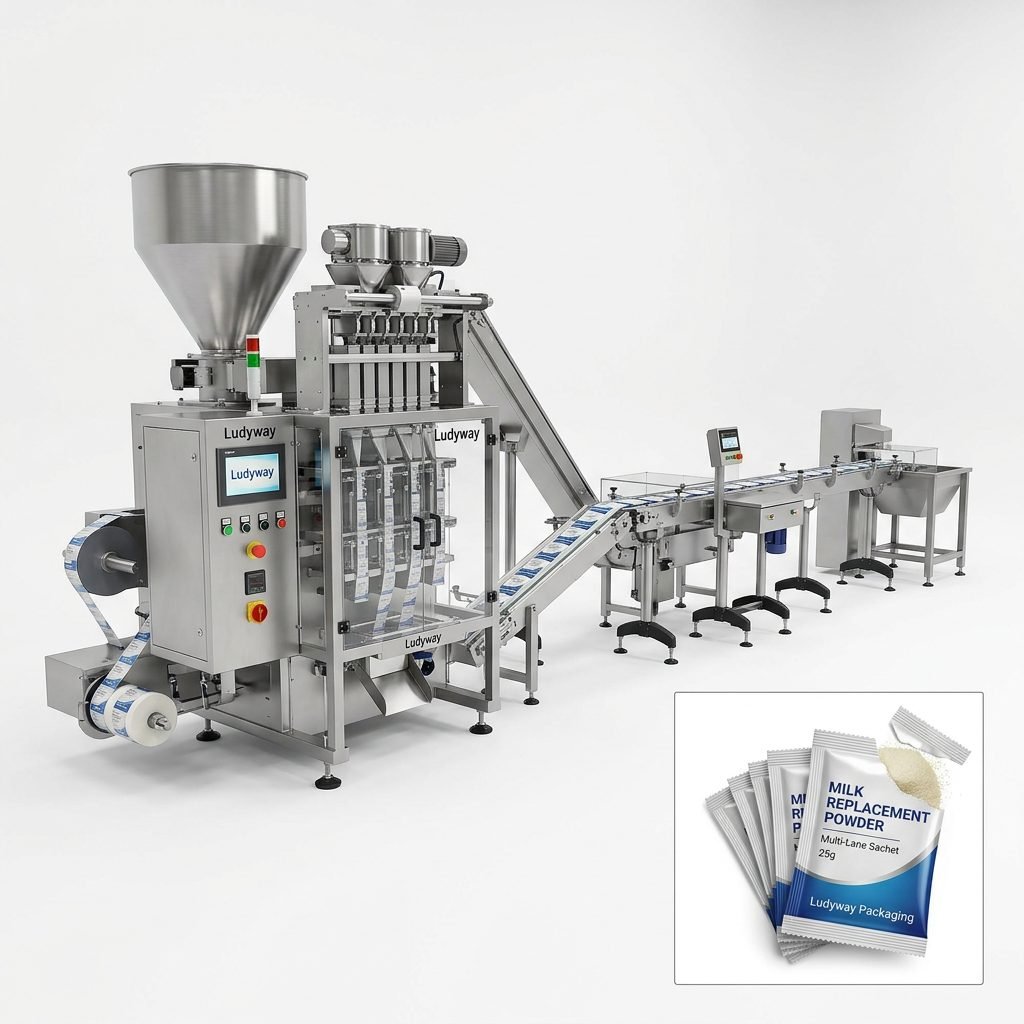
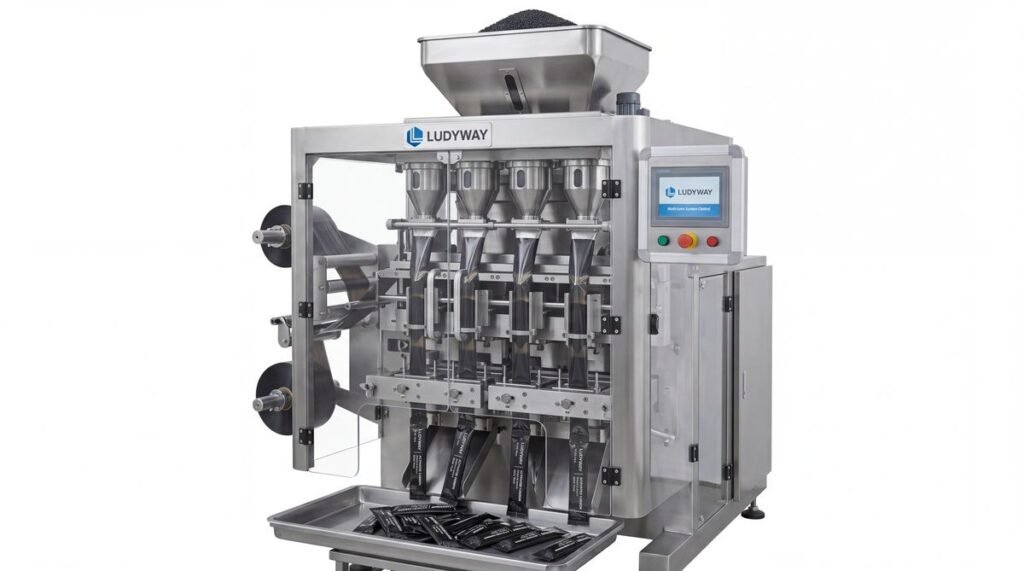
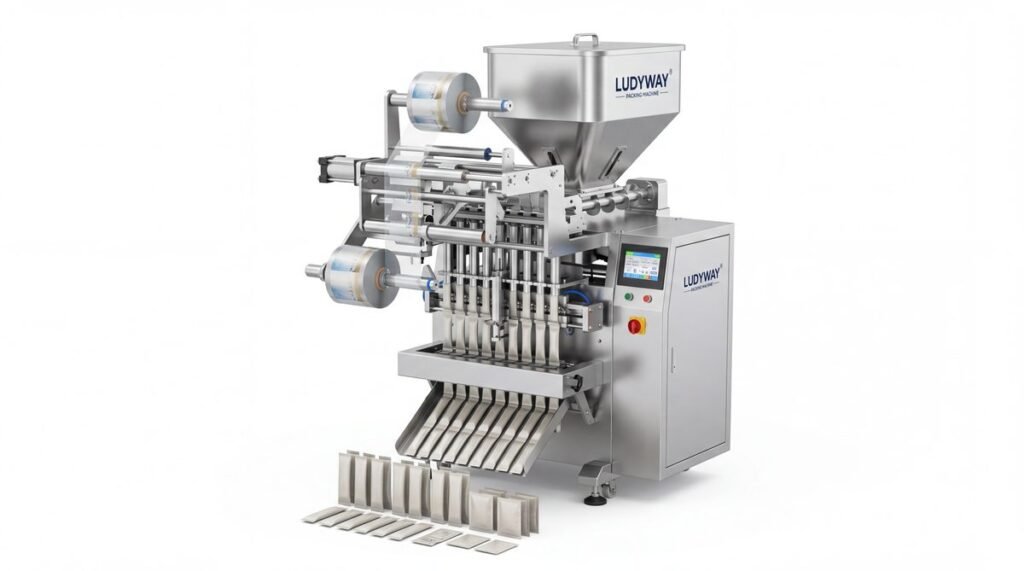
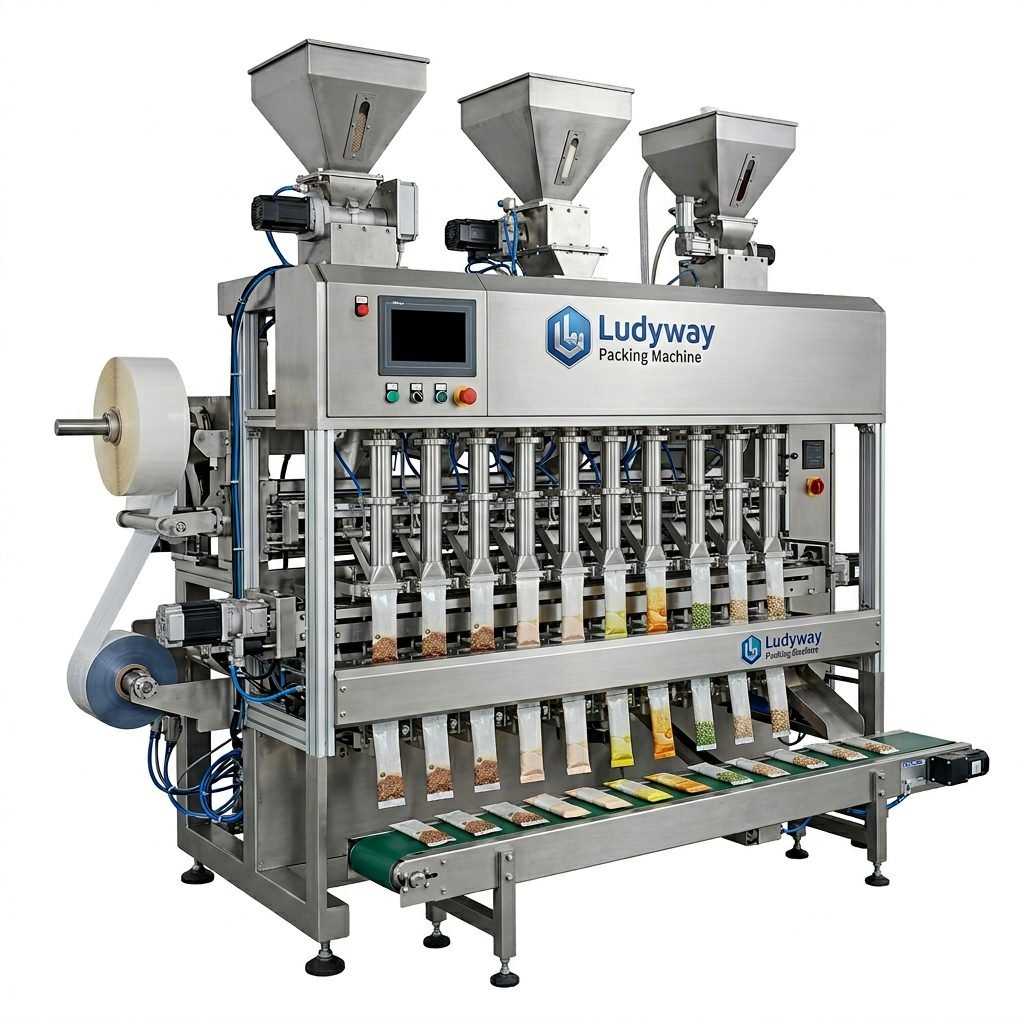
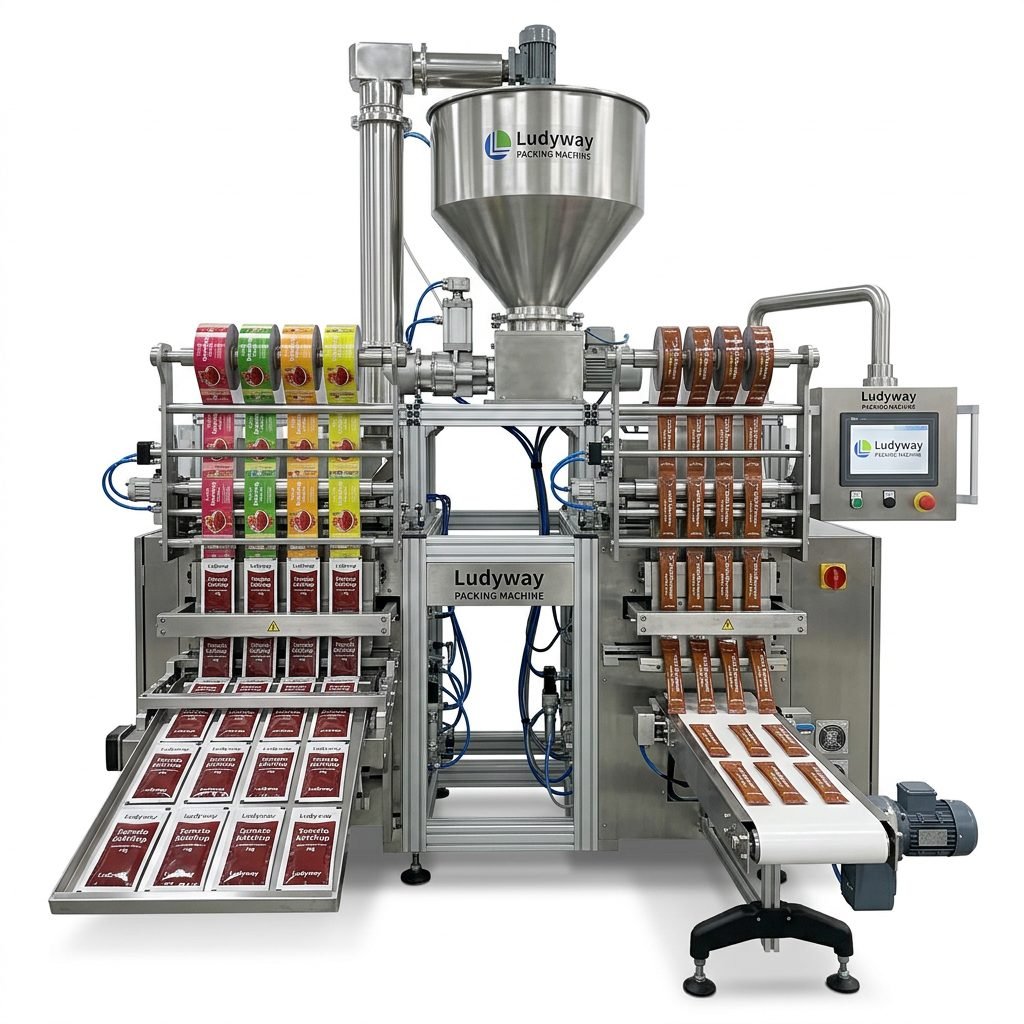
- Multi-lane systems (4-12 lanes): Ideal for mid-to-high volume production, reaching 200-600 packs per minute
- High-speed multi-lane lines: Advanced configurations capable of 800+ packs per minute for large-scale operations
Packaging Format Flexibility
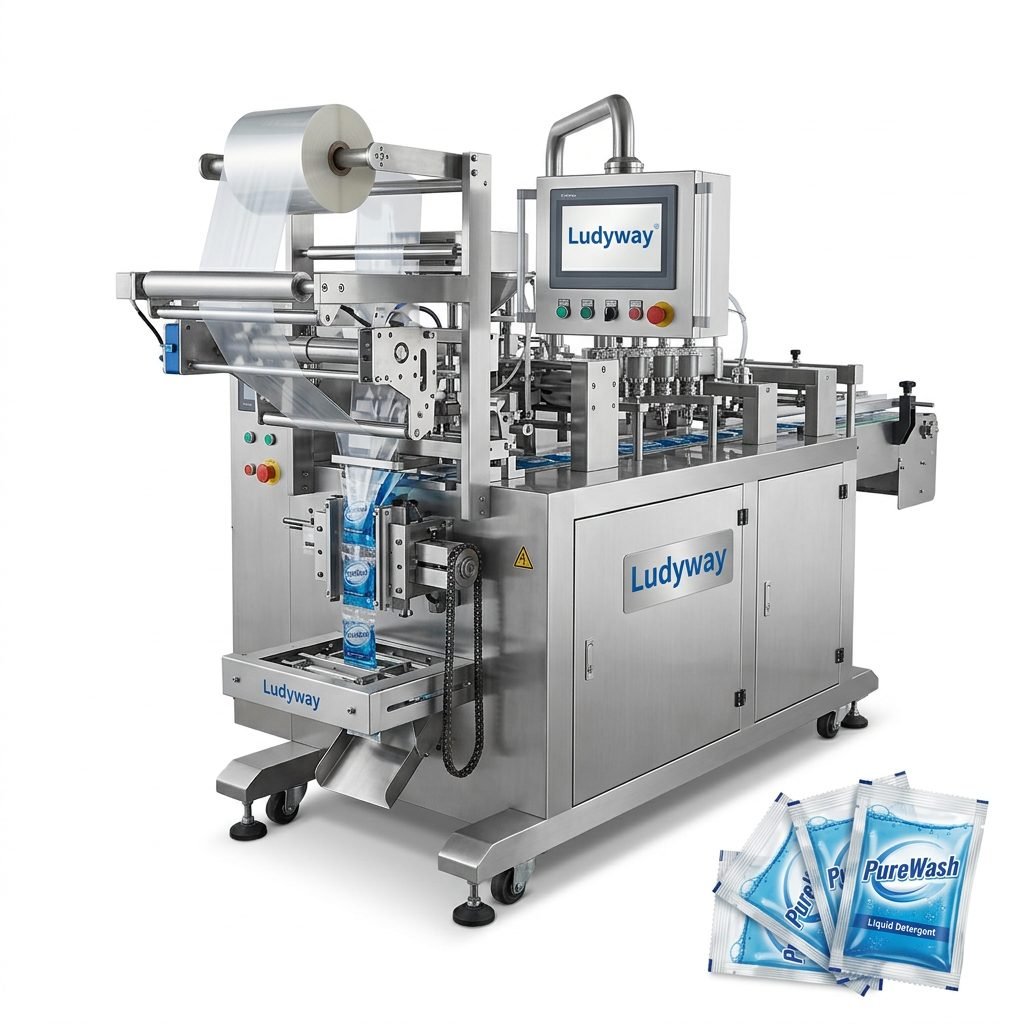
Consider whether you need a machine that handles multiple packaging formats. Many modern Dibba packing machines accommodate stick packs, sachets, three-side-seal pouches, and four-side-seal formats with quick changeover capabilities. This flexibility protects your investment if you plan to expand your product line in the future. The packaging machinery market research indicates that format flexibility is increasingly valued by manufacturers across industries.
Machine Types Comparison for Dibba Packaging
The table below compares the most common machine configurations used for viscous Dibba products:
| Machine Type | Best For | Speed Range | Key Benefit |
|---|---|---|---|
| Single-lane stick pack | Small-scale Dibba production | 30-60 ppm | Low initial investment |
| Multi-lane sachet machine | Medium to high volume | 200-500 ppm | High throughput, Consistent quality |
| Rotary pouch filler | Thick pastes with particles | 40-120 ppm | Handles chunky textures |
| Vertical form-fill-seal | Versatile applications | 60-300 ppm | Wide format compatibility |
Material Compatibility and Seal Integrity
Dibba products, especially those with oil content or acidic properties, can interact with certain packaging materials. Selecting a machine that works with the right film structure is critical for shelf-life stability and leak prevention.
Film Material Considerations
- Multi-layer laminates with aluminum foil barriers for oxygen-sensitive Dibba formulations
- High-barrier PET/PE structures for products requiring moisture protection
- Heat-sealable inner layers compatible with your machine’s sealing jaw design
- Eco-friendly mono-material films for brands pursuing sustainability goals, supported by flexible packaging industry data
Sealing Technology
Look for machines with independent temperature control zones on sealing jaws, precise pressure adjustment, and dwell time programming. For Dibba products that leave residue, self-cleaning or non-stick coated sealing surfaces significantly reduce maintenance frequency and downtime.
Automation and Integration Capabilities
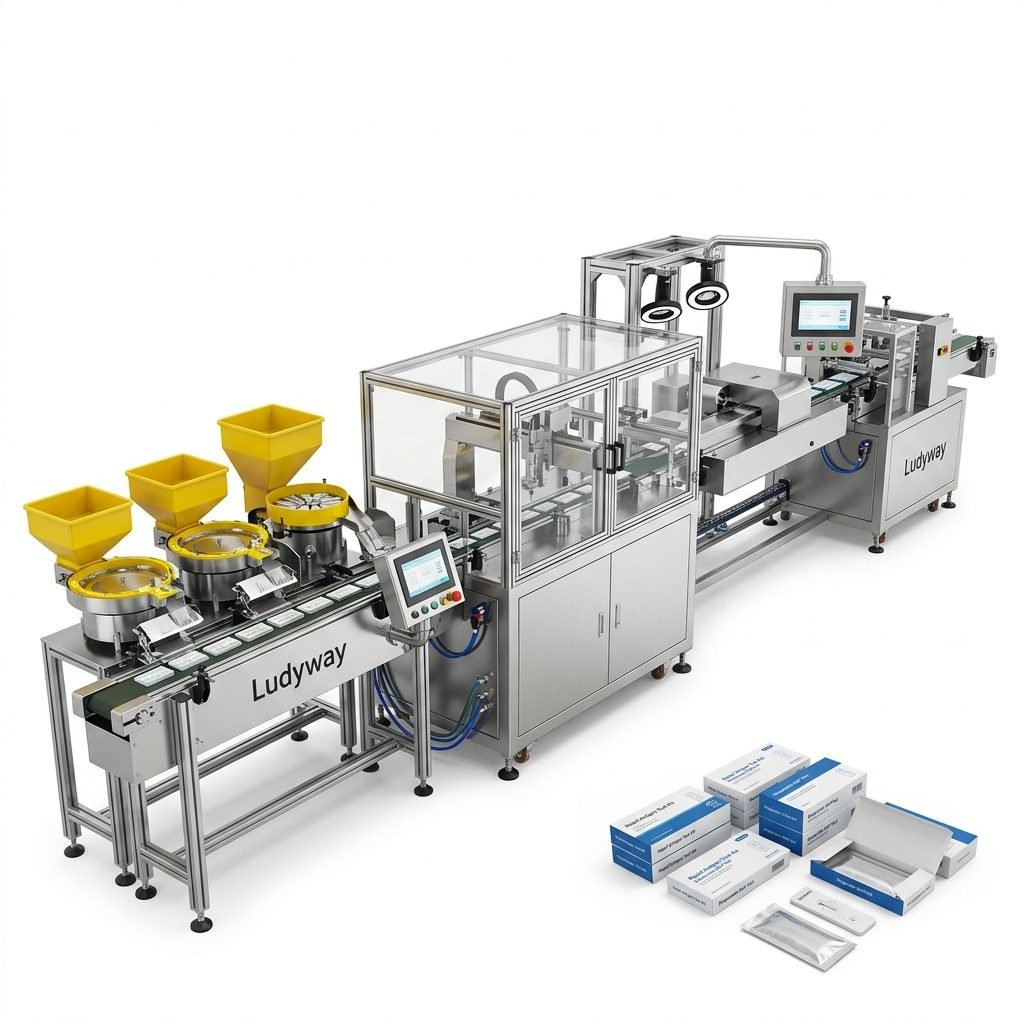
Your Dibba packing machine should not be evaluated in isolation. Consider how it integrates with upstream and downstream equipment to create a seamless production flow. Modern automated systems can connect filling, sealing, coding, inspection, cartoning, and palletizing stages.
Control System and Industry 4.0 Readiness
Advanced PLC-based controls with touch-screen interfaces enable recipe management, real-time production monitoring, and remote diagnostics. Machines compatible with industrial communication protocols allow data integration with your ERP or MES systems, supporting traceability and production analytics. The 2026 packaging state of the industry report highlights that smart packaging equipment adoption continues to accelerate across global markets.
Quality Control Integration
Inline checkweighers, vision inspection systems, metal detectors, and leak detection units can be integrated directly into your packaging line. Machines designed with modular automation interfaces make these add-ons simpler and more cost-effective.
Cleaning, Maintenance, and Sanitary Design
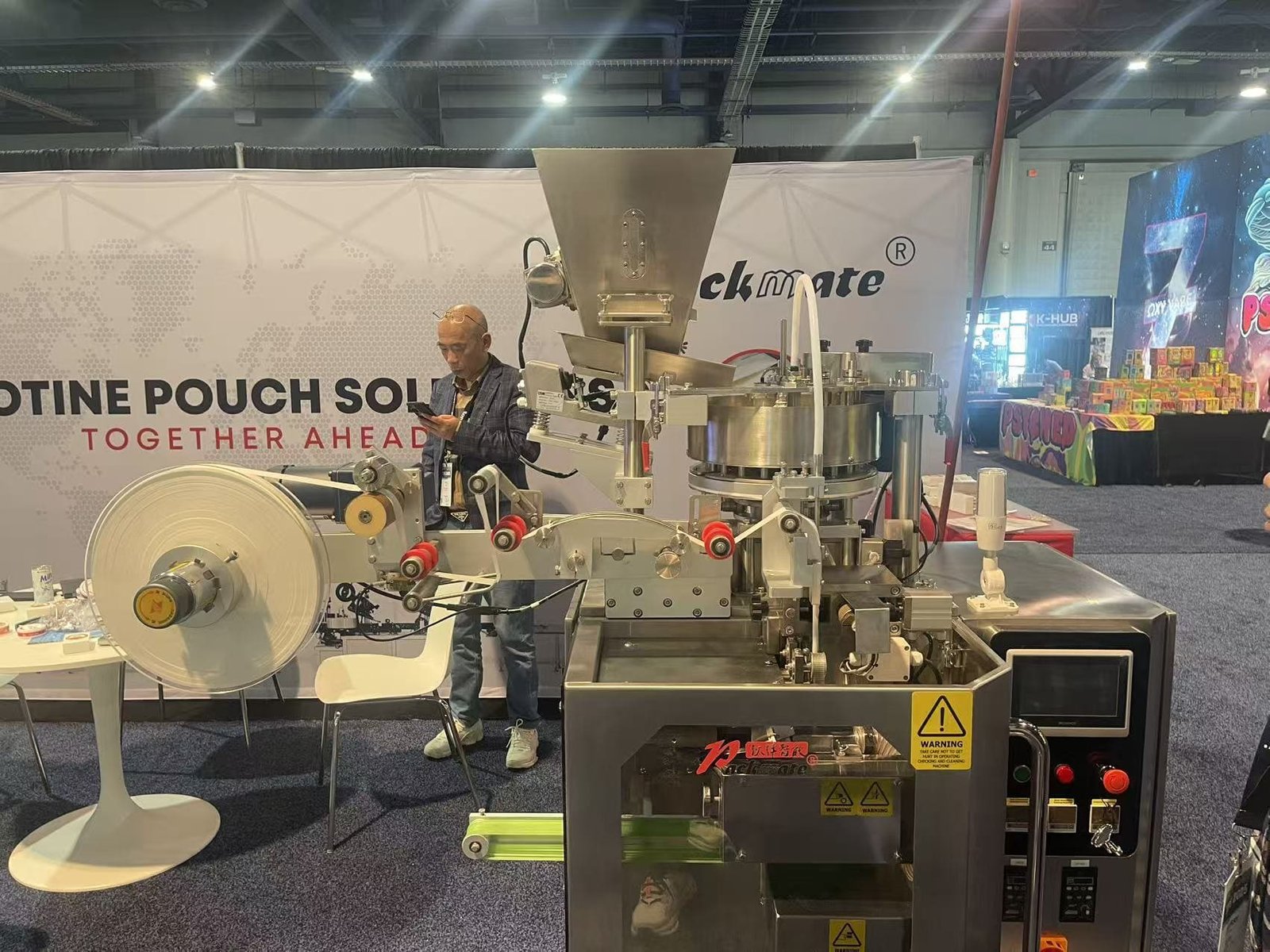
Dibba products tend to be sticky and can harden over time, making equipment cleaning a significant operational concern. Machines designed with hygienic principles reduce cleaning time and minimize product contamination risks.
Design Features That Simplify Cleaning
- Tool-free disassembly of product contact parts
- Sloped surfaces and drip trays to prevent product accumulation
- Stainless steel construction with polished finishes
- CIP (Clean-in-Place) compatible designs for automated cleaning cycles
- Sealed bearings and protected mechanical components away from product zones
Supplier Evaluation and Support
Choosing the right equipment manufacturer is as important as the machine specifications themselves. A reliable supplier provides comprehensive support throughout the equipment lifecycle.
What to Look for in a Packaging Machinery Partner
- Industry experience: Manufacturers with proven expertise in viscous product packaging
- Customization capability: Engineering teams that can adapt machine configurations to your specific Dibba product
- Technical documentation: Clear manuals, electrical schematics, and maintenance schedules
- After-sales support: Availability of spare parts, remote troubleshooting, and on-site service
- Training programs: Operator and maintenance training to maximize equipment uptime
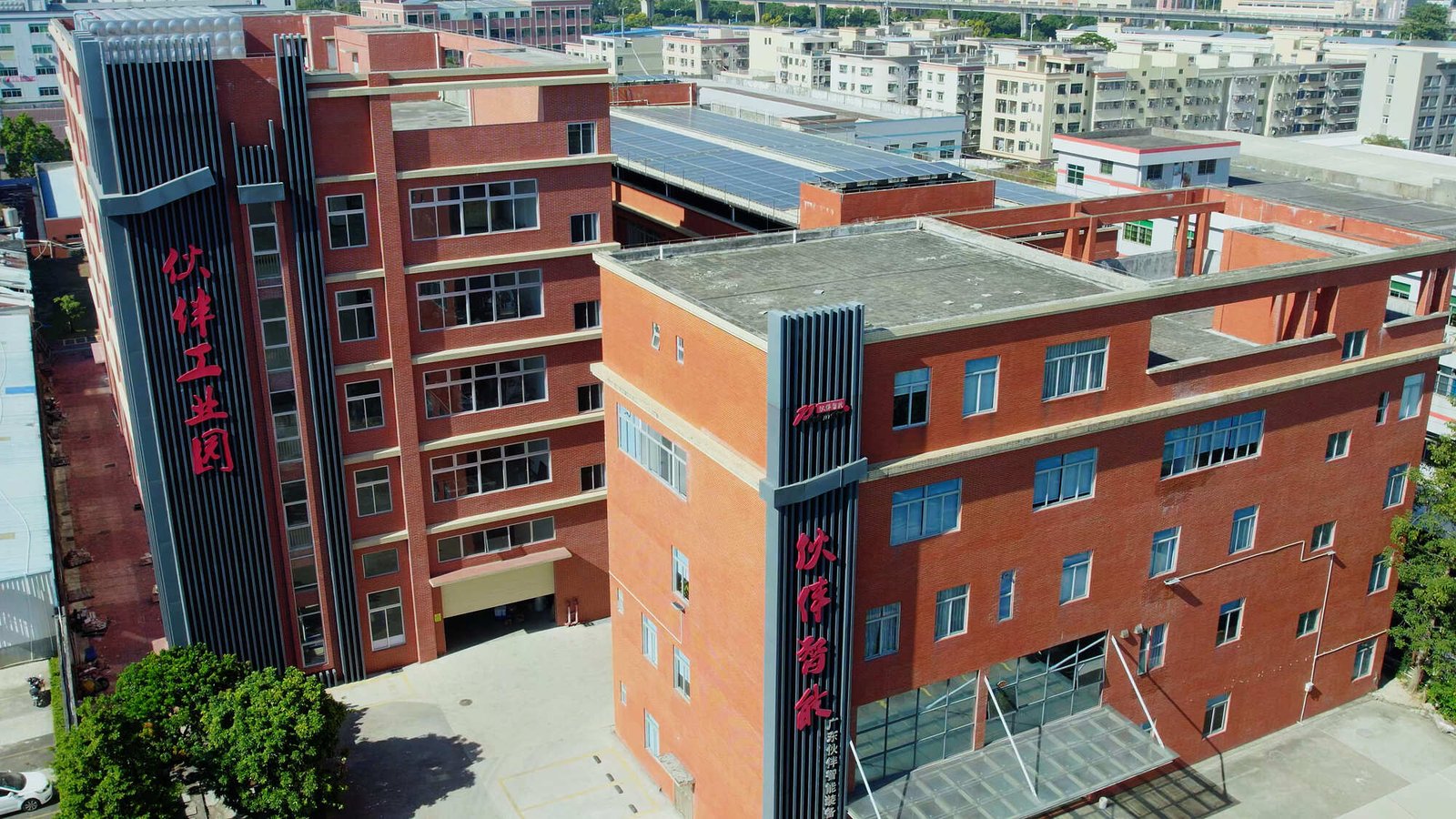
For manufacturers seeking a comprehensive packaging partner, Ludyway Machinery offers integrated packaging solutions backed by over 30 years of industry experience. With a 20,000-square-meter manufacturing facility and more than 50 packaging machine models, Ludyway combines engineering expertise with global service capabilities. The company is expected to achieve export revenue of more than RMB 500 million (approximately US$69 million) in 2025, and plans to surpass RMB 1 billion (approximately US$138 million) in export revenue in 2026, reflecting its growing presence across more than 100 countries and regions.
Budget Considerations and ROI Analysis
While upfront cost is important, your evaluation should prioritize total cost of ownership (TCO) over the purchase price alone. A cheaper machine that incurs higher maintenance costs, produces more waste, or operates at lower efficiency will cost more over its service life.
Factors Affecting Total Cost of Ownership
- Energy consumption and utility requirements
- Spare parts availability and pricing
- Expected service life and depreciation
- Labor requirements for operation and changeover
- Material waste rates during startup and production
- Downtime costs from maintenance or repair events
Testing and Validation Before Purchase
Never commit to a Dibba packing machine without thorough testing using your actual product and packaging materials. Factory acceptance testing (FAT) and site acceptance testing (SAT) are critical steps in the procurement process.
What to Verify During Testing
- Filling accuracy and consistency across extended production runs
- Seal strength and integrity under various operating conditions
- Machine performance at your target production speed
- Changeover time between different packaging formats
- Ease of cleaning and maintenance access
- Noise levels and operator ergonomics
Selecting the right Dibba packing machine requires a methodical evaluation of your product characteristics, production goals, packaging formats, and long-term operational requirements. By carefully assessing these factors and partnering with an experienced equipment manufacturer, you can secure a packaging solution that delivers consistent quality, efficient production, and reliable performance for years to come.