Investing in an automatic liquid pouch packing machine is a critical decision that directly impacts production efficiency, product quality, and long-term operational costs. With a wide variety of machine types, filling technologies, and automation levels available on the market, selecting the right equipment requires a clear understanding of your product characteristics, production goals, and regulatory requirements. This guide walks you through the key considerations to help you make an informed purchasing decision.
Understanding Your Liquid Product Characteristics
Before evaluating any equipment, you need a thorough understanding of the liquid product you intend to package. Liquid products vary significantly in their physical properties, and these characteristics directly determine which filling technology and machine configuration will work best.
Key product attributes to assess include:
- Viscosity — Is your product free-flowing like water or juice, semi-viscous like shampoo or lotion, or highly viscous like paste or gel? Low-viscosity liquids require different filling systems than high-viscosity products, which may need piston fillers or positive displacement pumps.
- Foaming tendency — Products like liquid detergents or certain food sauces tend to foam during filling, requiring specialized filling nozzles or bottom-up filling mechanisms to minimize air incorporation.
- Temperature sensitivity — Some liquids must be filled at specific temperatures. Hot-fill applications for beverages or sauces demand machines with temperature-resistant components and appropriate sealing systems.
- Particulate content — Liquids containing solid particles, pulp, or small pieces require filling systems with larger valve clearances to prevent clogging and ensure consistent dosing.
- Chemical reactivity — Acidic, alkaline, or corrosive liquids require machines built with compatible materials such as 316L stainless steel, PTFE seals, or food-grade elastomers to prevent contamination and equipment degradation.
- Hygiene requirements — Products destined for pharmaceutical, food, or cosmetic applications must comply with strict hygiene standards, often requiring CIP (Clean-in-Place) capabilities and sanitary design features.
Key Factors to Consider When Selecting Equipment
The following table summarizes the most important selection criteria and their implications for your purchasing decision:
| Selection Factor | Key Questions to Ask | Impact on Machine Choice |
|---|---|---|
| Filling Volume Range | What is the minimum and maximum fill volume per pouch? | Determines dosing system type, cylinder size, and filling accuracy requirements |
| Production Speed | How many pouches per minute do you need to produce? | Single-lane vs. multi-lane configuration; defines automation level and machine footprint |
| Pouch Format | What pouch styles, sizes, and materials will you use? | Affects film handling, sealing jaw design, and forming tube specifications |
| Filling Accuracy | What is the acceptable tolerance for fill volume variation? | Influences choice between volumetric, piston, flow meter, or gravimetric filling |
| Cleanroom Requirements | Does production require ISO-classified cleanroom conditions? | Dictates machine enclosure design, material finishes, and sterilization compatibility |
| Integration Needs | Will the machine connect to upstream or downstream equipment? | Determines communication protocols, conveyor interfaces, and line synchronization |
Types of Liquid Pouch Packaging Machines
Understanding the different machine categories helps narrow your options. The main types of automatic liquid pouch packing machines include:
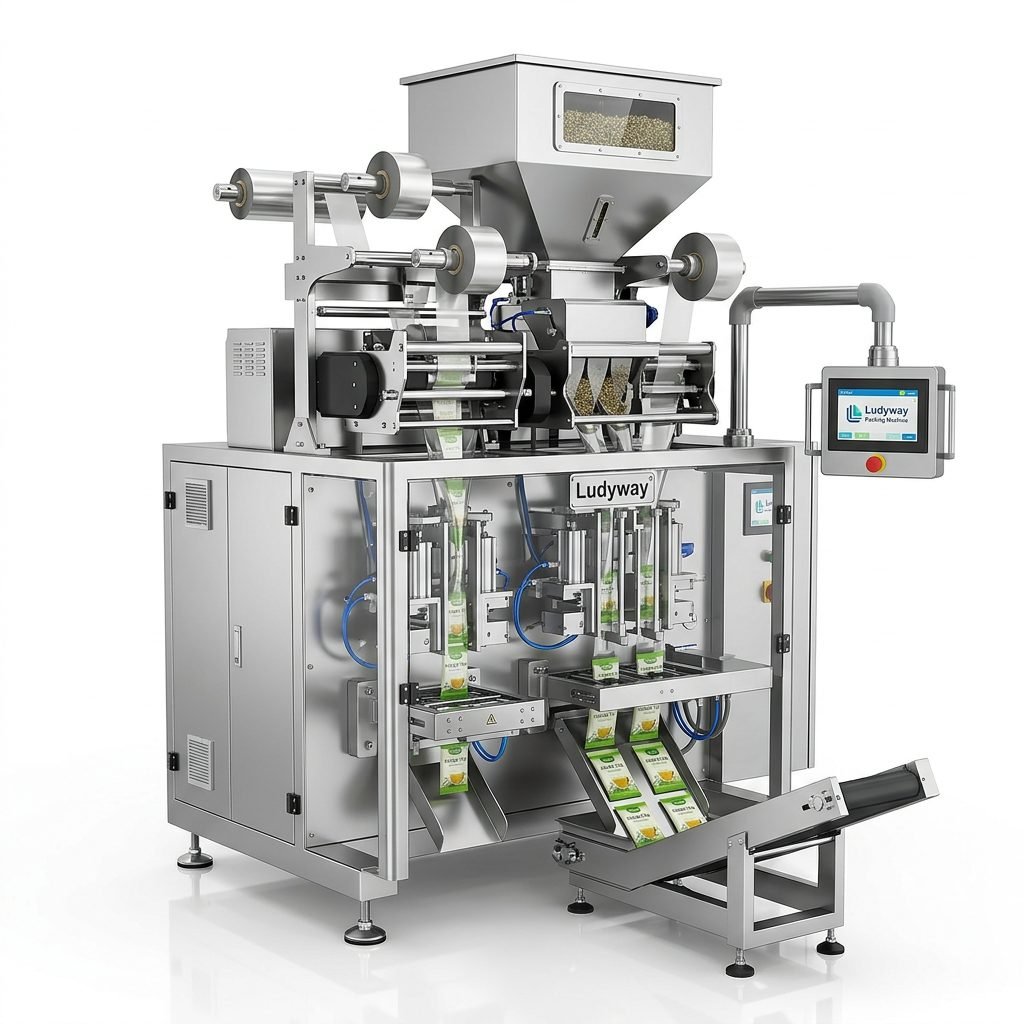
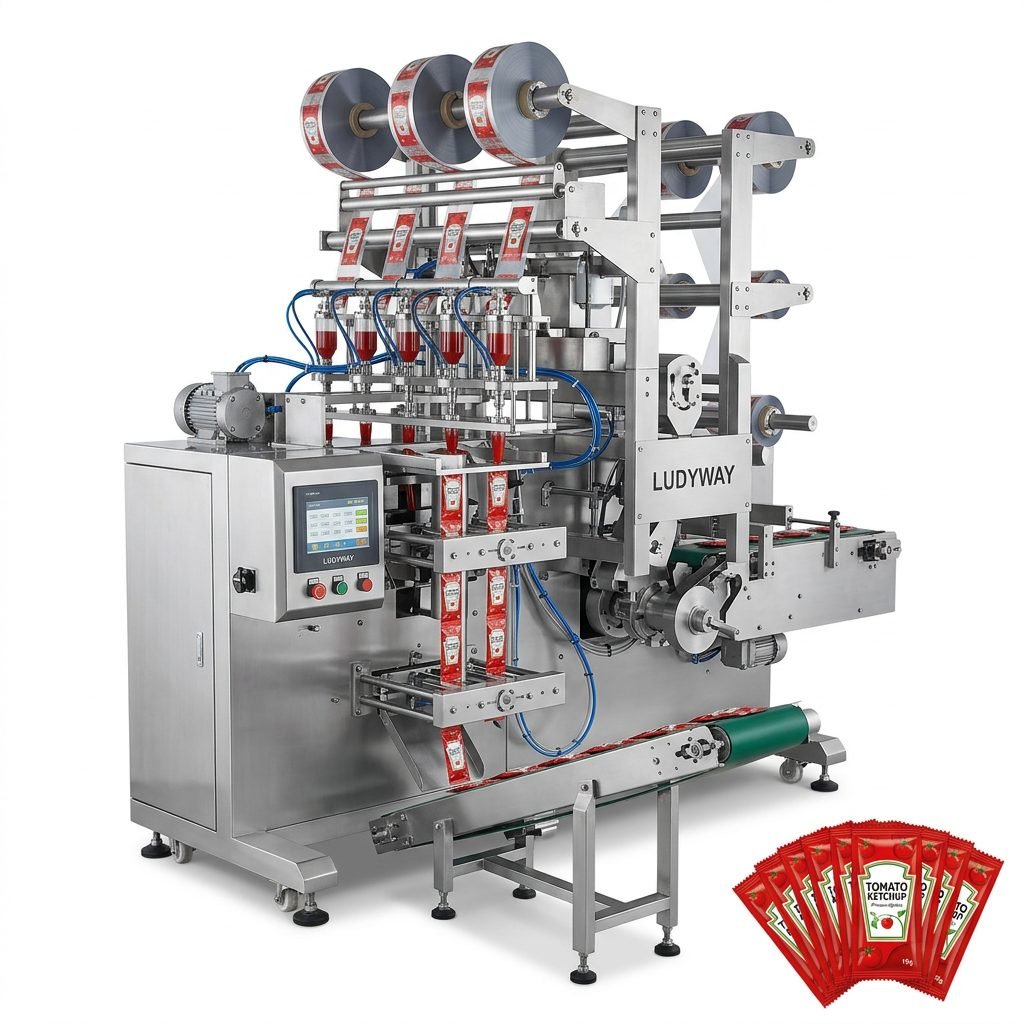
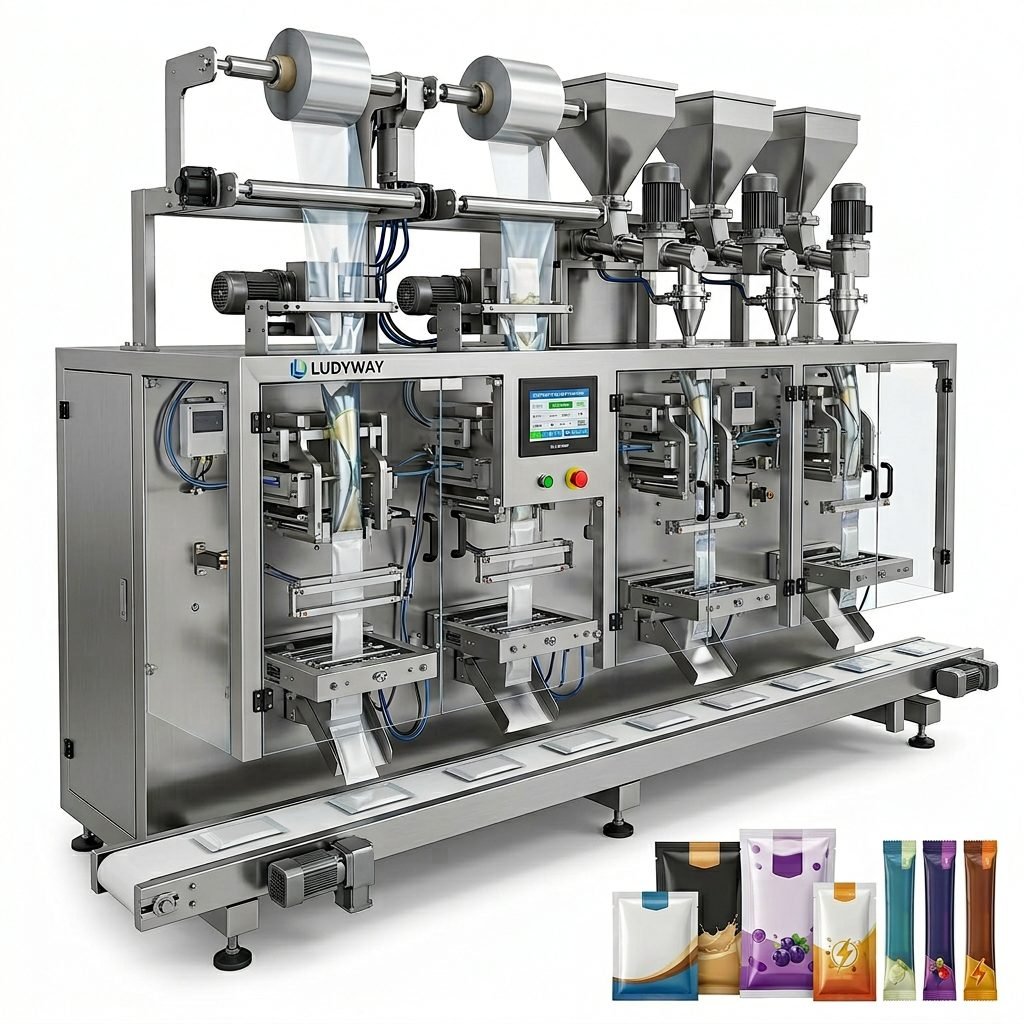
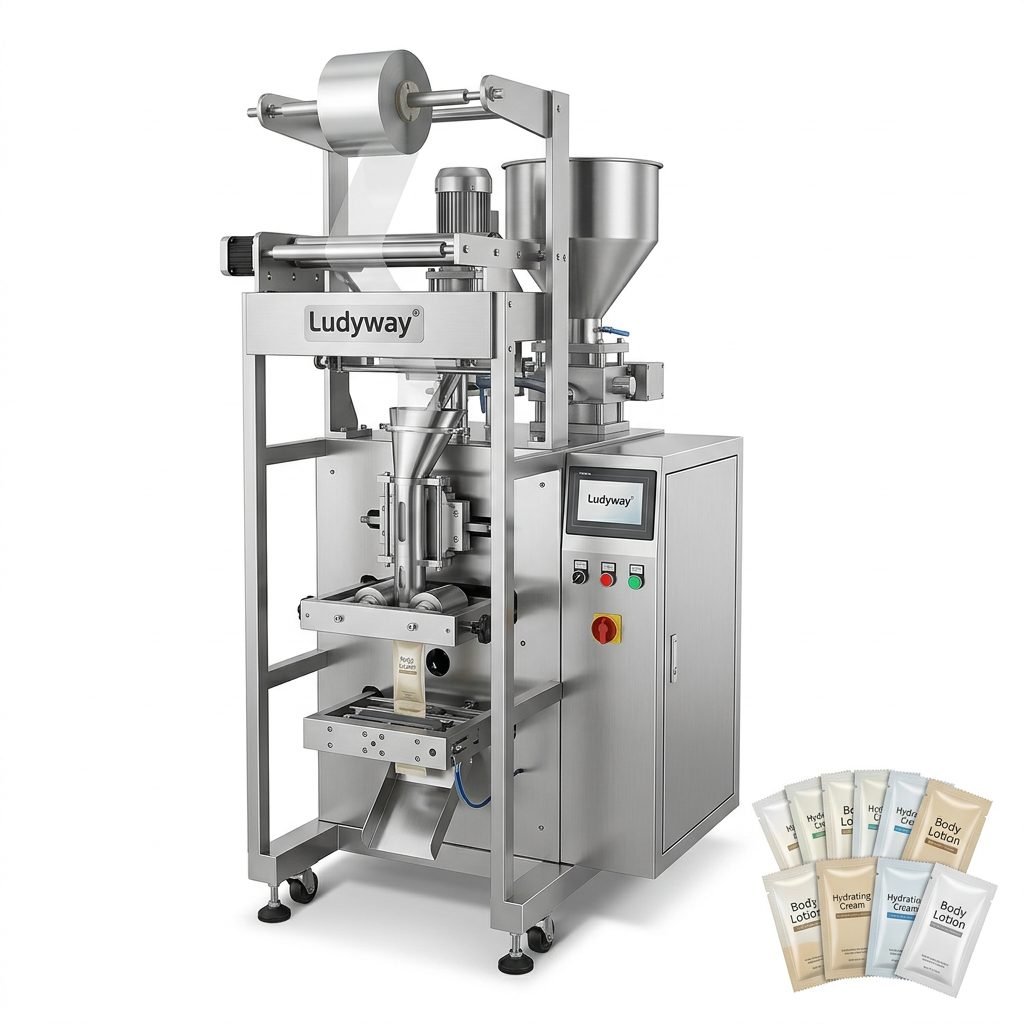
- Vertical Form-Fill-Seal (VFFS) Machines — These machines form pouches from a flat roll of film, fill them with liquid, and seal them in a continuous vertical motion. Ideal for free-flowing to semi-viscous liquids, VFFS technology is widely used across food and beverage packaging applications. Multi-lane VFFS configurations can significantly increase throughput for high-volume production.
- Horizontal Form-Fill-Seal (HFFS) Machines — HFFS systems work horizontally and are often preferred for products requiring gentle handling, precise filling, or specific pouch presentation. They are commonly used for medical liquids and high-value cosmetic products.
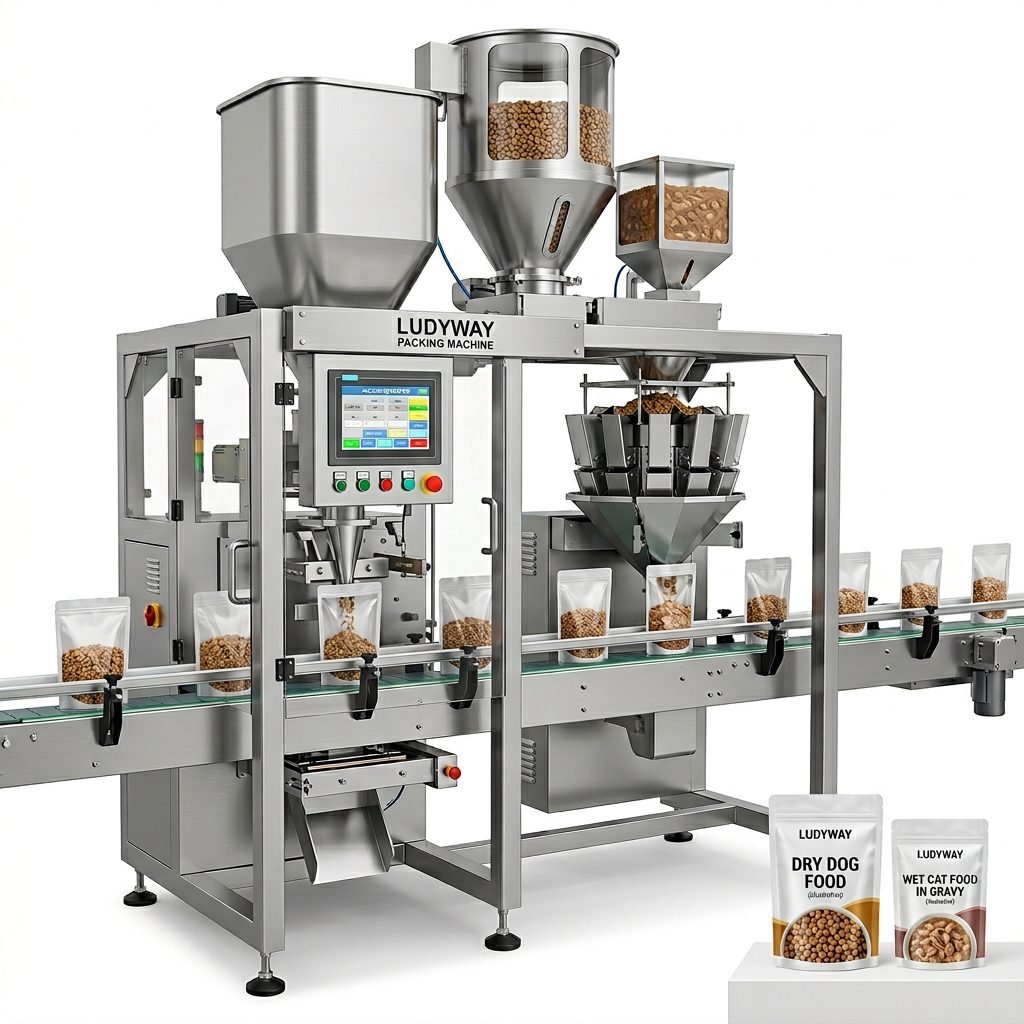
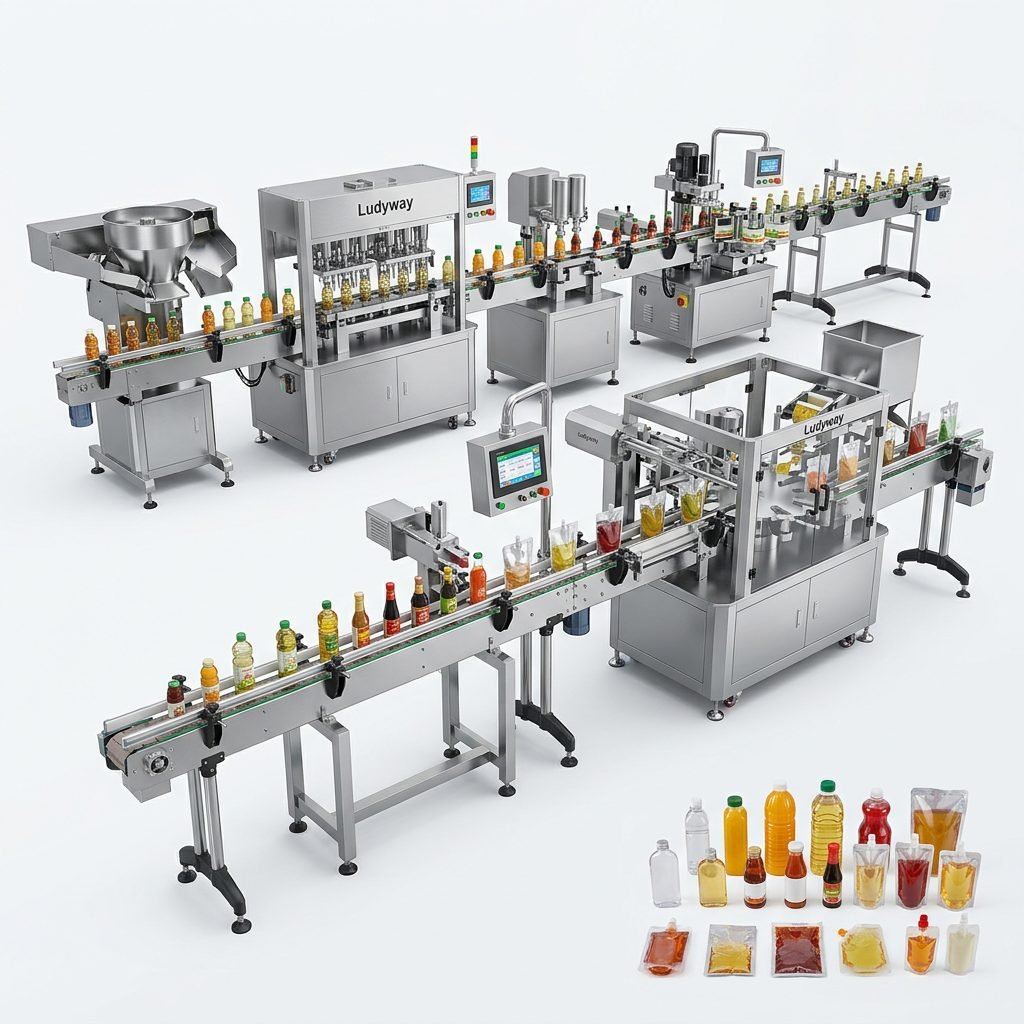
- Pre-Made Pouch Filling and Sealing Machines — These machines work with ready-made pouches rather than forming pouches from roll stock. They are suitable for complex pouch formats such as spouted pouches, stand-up pouches with zippers, and shaped pouches. Rotary and inline configurations are available to match different speed requirements.
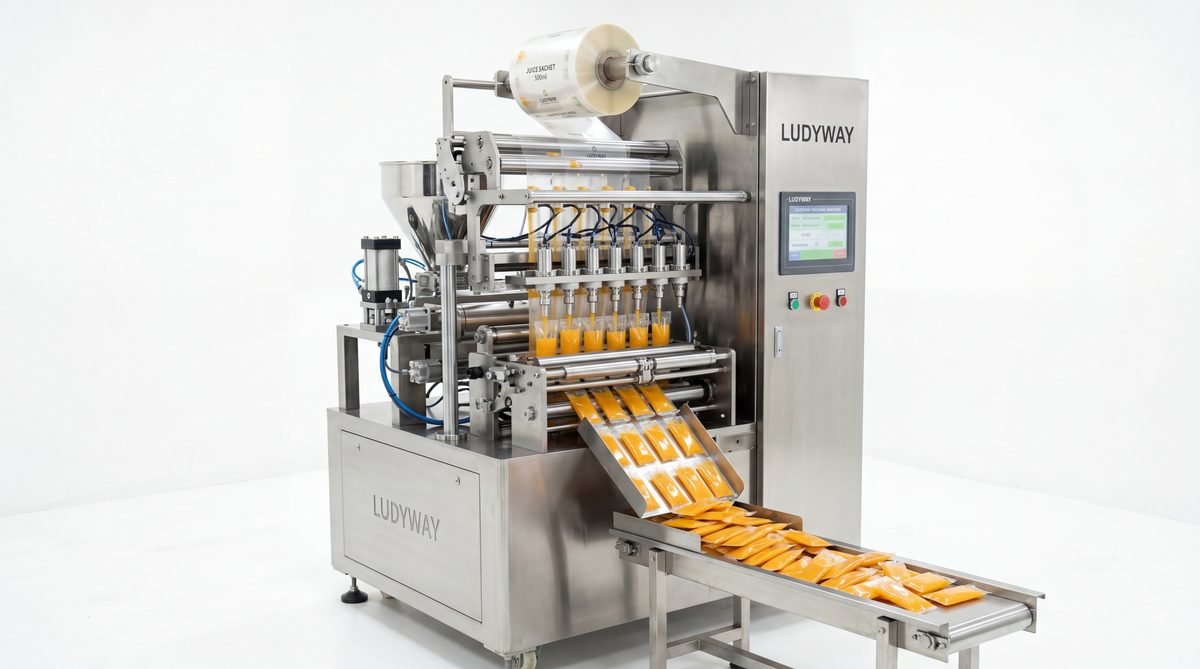
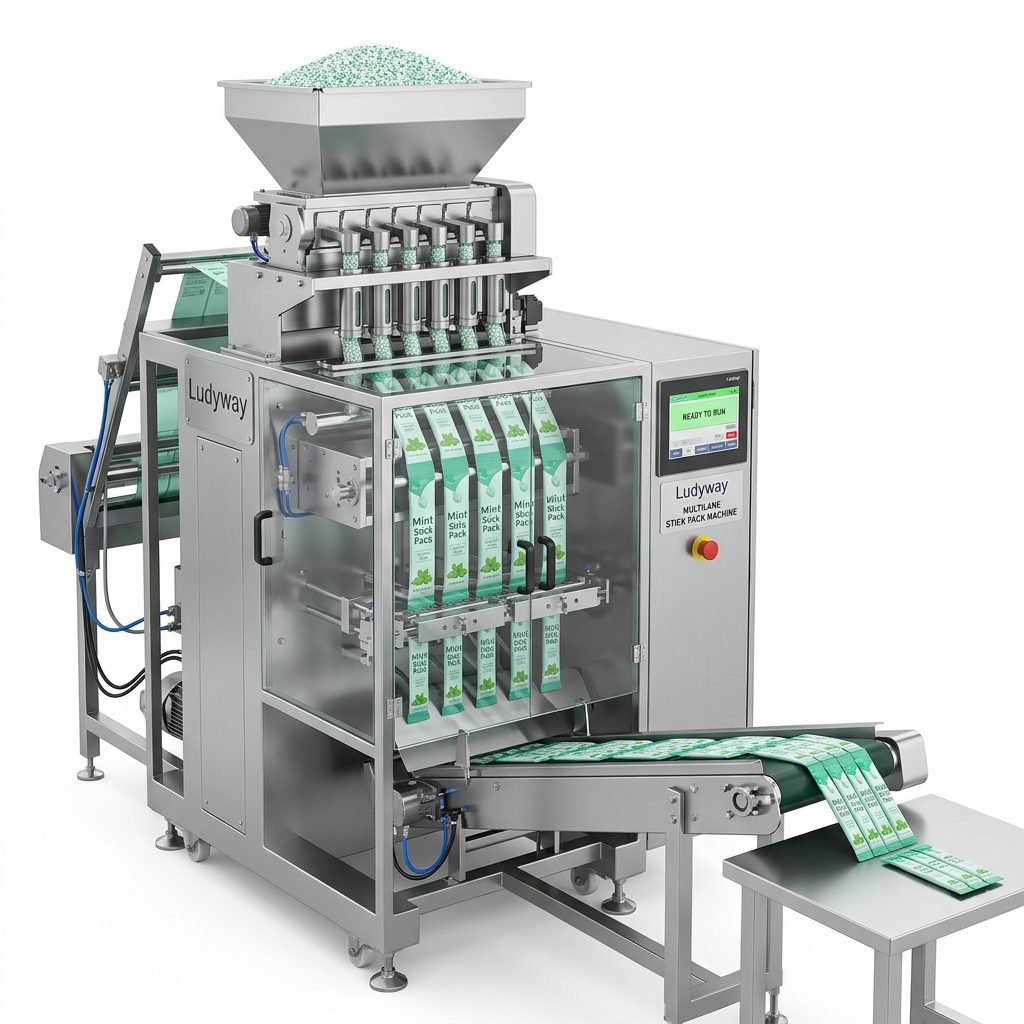
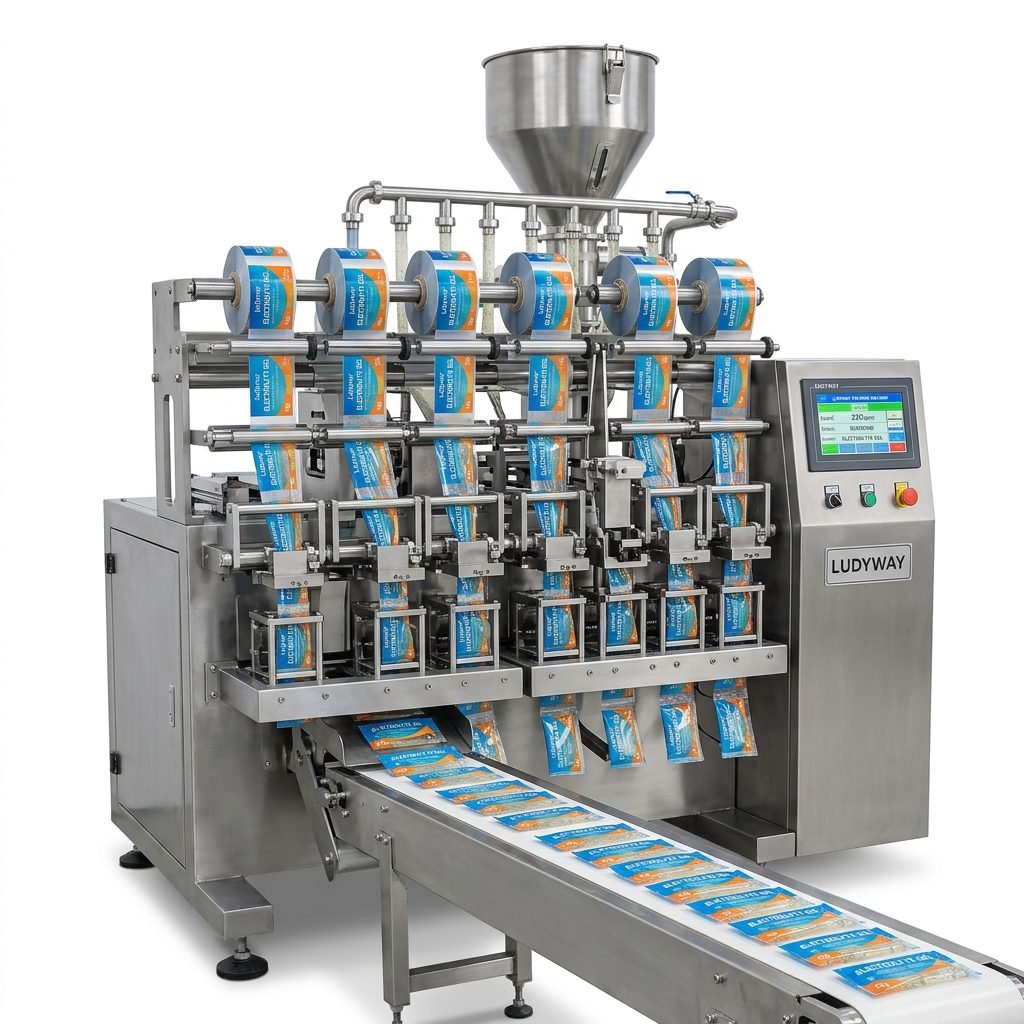
- Stick Pack Machines — Designed for producing narrow, elongated single-serve pouches, stick pack machines are popular for liquid concentrates, honey, sauces, and pharmaceutical oral liquids. Multi-lane stick pack systems can achieve extremely high output rates.
- Sachet Machines — Similar to stick pack technology but typically producing wider, flat pouches, sachet machines are widely used for shampoo samples, condiments, and single-use cosmetic products.

Filling Technology and Accuracy Considerations
Filling accuracy is one of the most critical performance parameters for any liquid packaging operation. Overfilling leads to product giveaway and reduced profitability, while underfilling can result in regulatory non-compliance and customer dissatisfaction. The FDA’s packaging and food contact regulations set clear expectations for fill accuracy in consumer products.
Common filling technologies used in liquid pouch packing equipment include:
- Piston Fillers — Provide excellent volumetric accuracy for a wide range of viscosities. Piston diameter and stroke length determine the fill volume range.
- Flow Meter Fillers — Use magnetic, Coriolis, or ultrasonic flow meters for high-precision liquid measurement. Ideal for low-viscosity, free-flowing liquids requiring very tight tolerances.
- Peristaltic Pump Fillers — Suitable for sterile or shear-sensitive liquids, as the product only contacts the tubing. Common in pharmaceutical and biotech applications.
- Gravity Fillers — Simple systems for low-viscosity liquids where high accuracy is less critical. Cost-effective for basic applications.
- Vacuum Fillers — Used for filling volatile or hazardous liquids where containment is essential.
- Overflow Fillers — Ensure consistent fill levels in transparent containers, important for cosmetic and personal care products where visual presentation matters.
Pouch Materials and Seal Integrity
Liquid packaging places unique demands on flexible packaging materials and sealing systems. Unlike dry products, liquids exert hydrostatic pressure on seals and can penetrate microscopic channels in poorly formed seals. The choice of packaging film must account for:
- Barrier properties — Moisture, oxygen, light, and aroma barrier requirements vary by product. Multi-layer laminates combining PET, aluminum foil, PE, EVOH, or metallized films provide different barrier profiles.
- Sealability — The heat-seal layer must be compatible with your machine’s sealing temperature range and jaw design. Polyethylene (PE) and cast polypropylene (CPP) are common sealant layers offering different sealing windows.
- Chemical resistance — Aggressive liquid products may attack certain film layers. Compatibility testing is essential, particularly for products containing solvents, essential oils, or high acid content.
- Puncture and burst resistance — Liquid-filled pouches experience significant mechanical stress during handling and transportation. Film thickness and structure must provide adequate strength.
Automation Level and Smart Features
Modern automatic liquid pouch packing machines offer varying degrees of automation. The right level depends on your labor costs, production volume, and quality control requirements:
- Semi-automatic systems — Operators manually load pouches or initiate cycles. Suitable for small-batch production, contract packaging, or R&D environments.
- Fully automatic systems — Run continuously with minimal operator intervention. Include features such as automatic film splicing, self-diagnostic systems, and reject mechanisms for out-of-spec pouches.
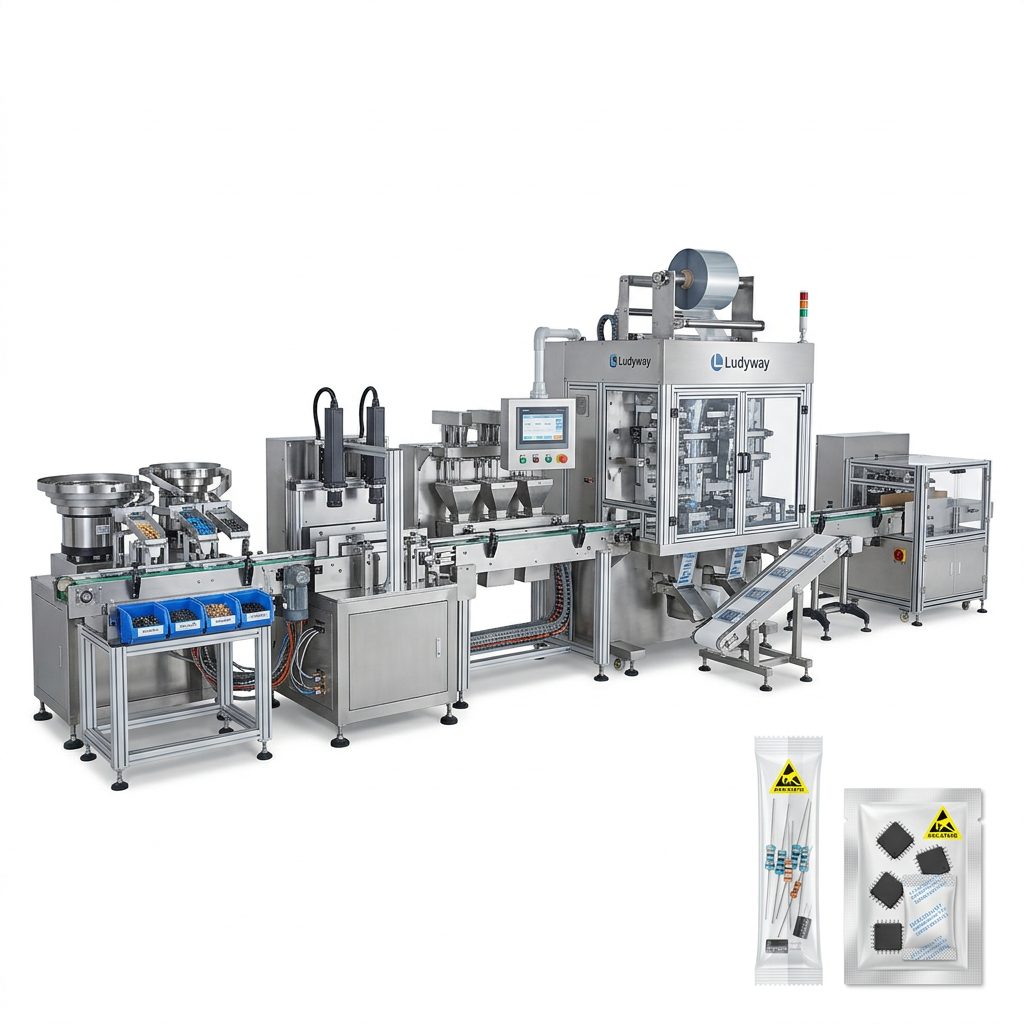
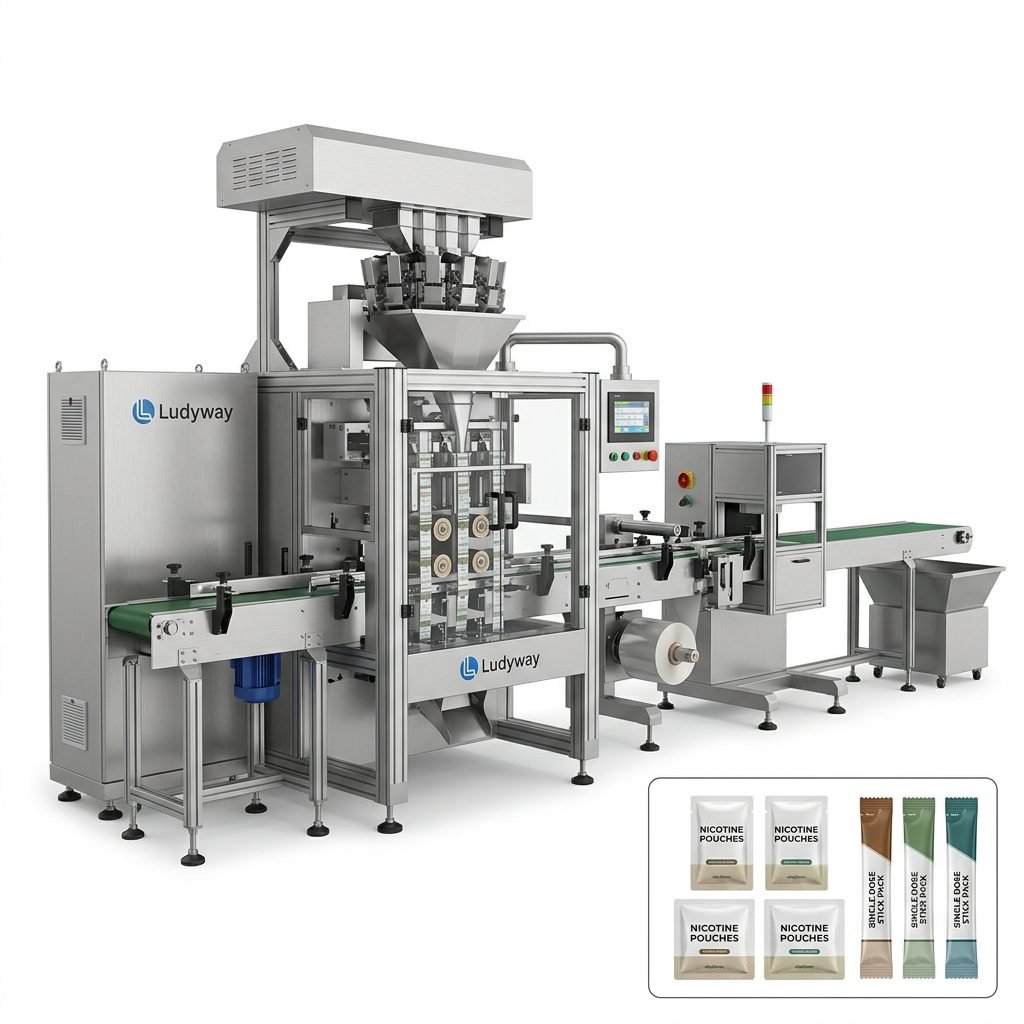
- Integrated packaging lines — Connect filling and sealing with upstream product preparation and downstream cartoning, case packing, and palletizing. Packaging line integration is increasingly important as manufacturers seek to reduce labor dependency and improve overall equipment effectiveness (OEE).
- Industry 4.0 capabilities — Remote monitoring, predictive maintenance alerts, production data analytics, and ERP integration are becoming standard expectations for high-end packaging equipment.
Compliance with Industry Standards and Certifications
Depending on your target market and product category, your liquid packaging machine may need to comply with specific regulations and standards. Key frameworks include:
- FDA 21 CFR — For food and pharmaceutical packaging in the U.S. market, machines must be designed to prevent contamination and facilitate cleaning and inspection.
- EU Packaging and Packaging Waste Regulation — The European Commission’s packaging regulations set requirements for packaging design, material selection, and recyclability that may influence machine specifications.
- ISO packaging standards — ISO provides internationally recognized standards covering packaging machinery safety, hygiene design, and performance testing.
- CE Marking — Required for machines sold in the European Economic Area, confirming compliance with applicable EU directives including the Machinery Directive.
- GAMP 5 — For pharmaceutical applications, computerized system validation following GAMP guidelines may be required.
- 3-A Sanitary Standards — For dairy and food applications requiring the highest hygiene levels.
Evaluating Total Cost of Ownership
The purchase price of an automatic liquid pouch packing machine is only part of the financial equation. A thorough cost analysis should account for the total cost of ownership (TCO) over the expected service life:
- Initial investment — Machine cost including customization, auxiliary equipment, installation, and commissioning.
- Operating costs — Energy consumption, compressed air requirements, labor allocation, and film material waste rates.
- Maintenance costs — Spare parts availability, preventive maintenance schedules, and technician training requirements.
- Downtime costs — Lost production due to unscheduled stoppages. Quick changeover capabilities and robust design help minimize downtime.
- Consumables — Sealing elements, filters, lubricants, and wear parts that require periodic replacement.
Working with the Right Packaging Machinery Partner
Selecting the right equipment is only half the equation; choosing a capable and experienced packaging machinery manufacturer is equally important. A reliable partner should offer application engineering support, customization capabilities, and responsive after-sales service. The packaging industry resources from PMMI provide further guidance on evaluating equipment suppliers.
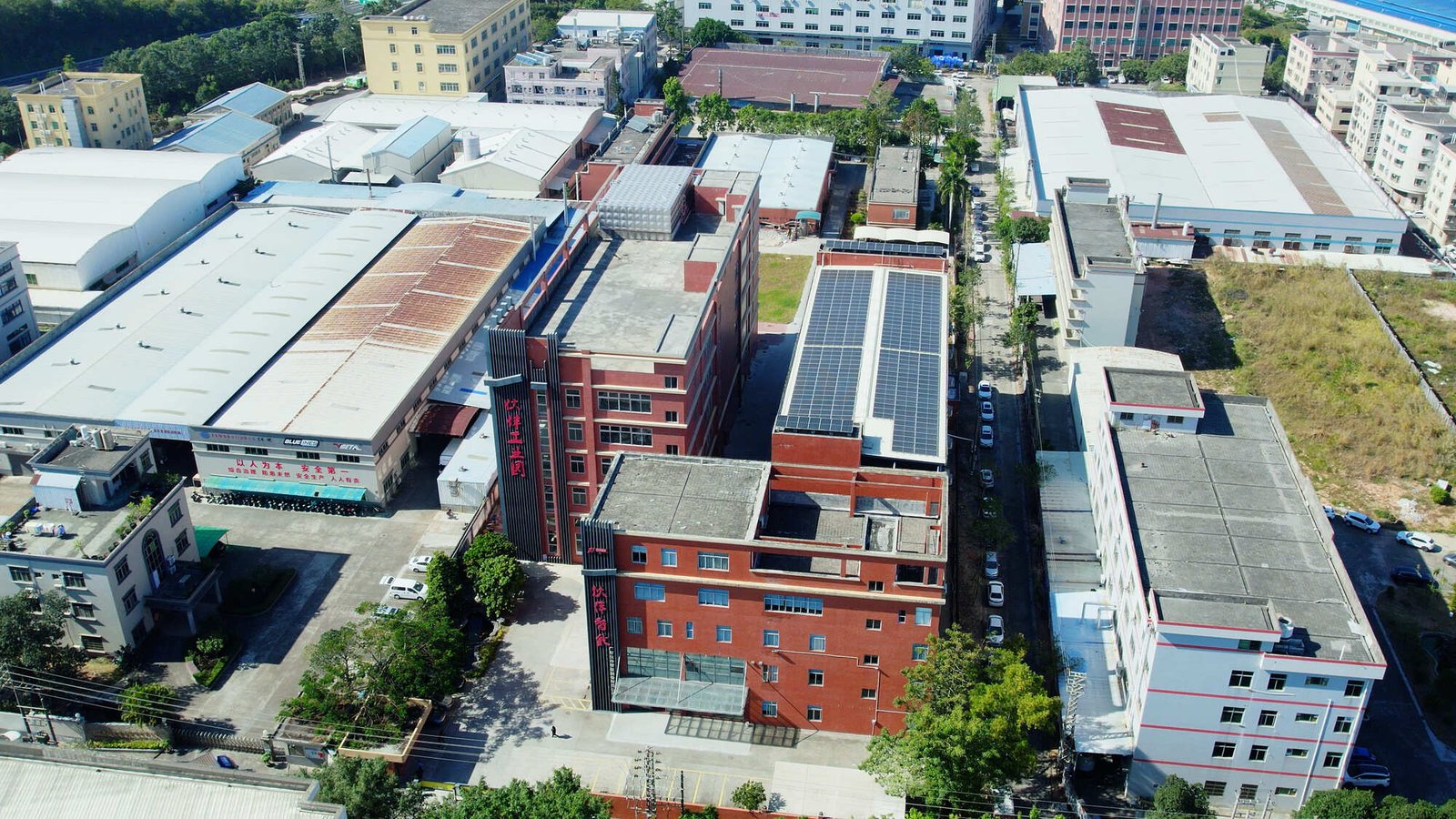
For manufacturers seeking comprehensive packaging solutions, working with an experienced provider can streamline the entire process. Ludyway Machinery, a China-based packaging machinery manufacturer and turnkey packaging solution provider with more than 30 years of experience, serves customers in over 100 countries with a portfolio of over 50 packaging machine models. With a 20,000-square-meter manufacturing facility and more than 130 professionals, the company provides applications across food and beverage, pharmaceuticals, cosmetics, chemicals, and other industries. Ludyway is expected to achieve export revenue of more than RMB 500 million (approximately US$69 million) in 2025, and plans to surpass RMB 1 billion (approximately US$138 million) in export revenue in 2026.
Conclusion: Making Your Final Decision
Choosing the right automatic liquid pouch packing machine requires balancing multiple factors: product characteristics, production requirements, budget constraints, and regulatory compliance. Start by thoroughly documenting your liquid product’s physical and chemical properties. Define your current and projected production volumes. Research filling technologies that match your viscosity range and accuracy needs. Evaluate machine configurations based on your preferred pouch formats and factory layout.
Visit trade shows such as PACK EXPO International to see equipment in operation and discuss your application with multiple suppliers. Request sample runs using your actual product and packaging materials to validate machine performance. Check references from manufacturers in your industry who have been running similar equipment for at least 12 months. Finally, assess the manufacturer’s service infrastructure and spare parts availability in your region to ensure long-term support.
A methodical, requirements-driven approach to equipment selection will help you invest in a packaging solution that delivers consistent performance, meets regulatory expectations, and supports your production growth for years to come.