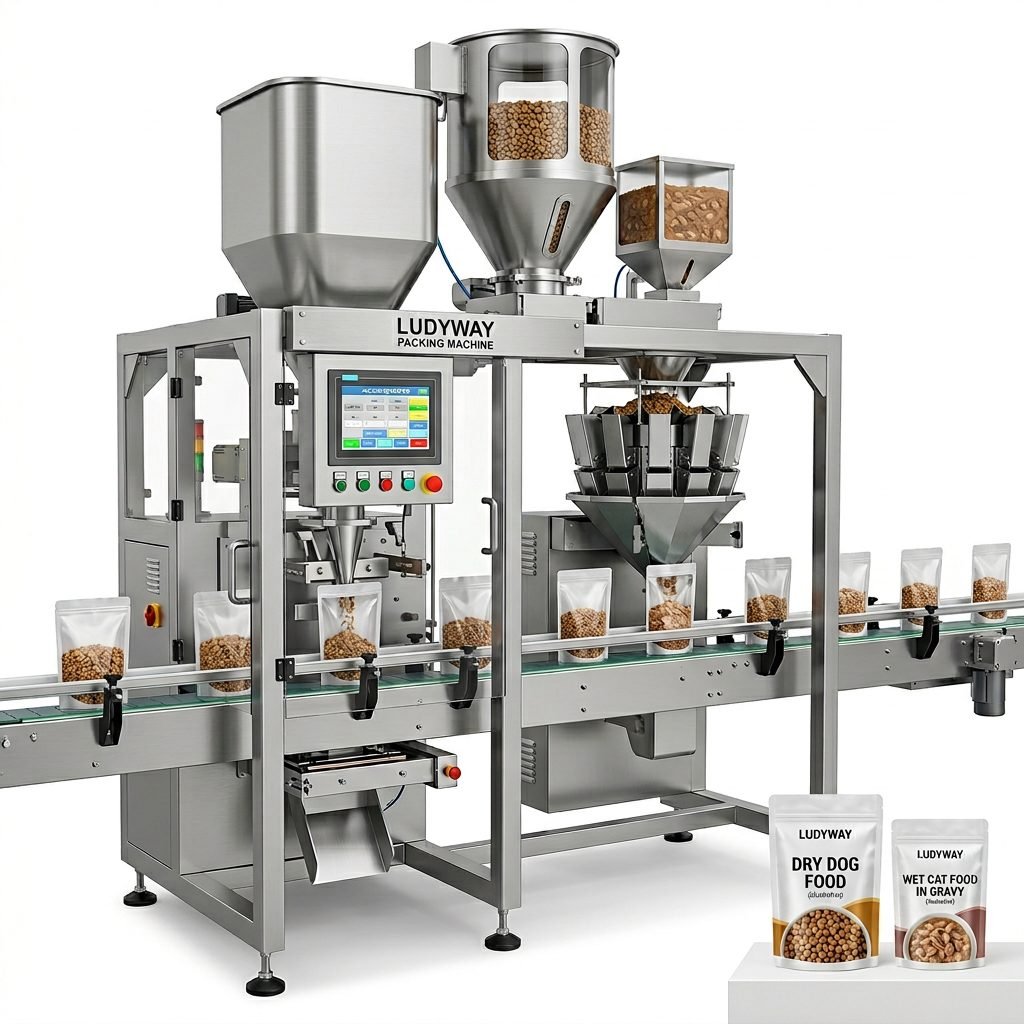
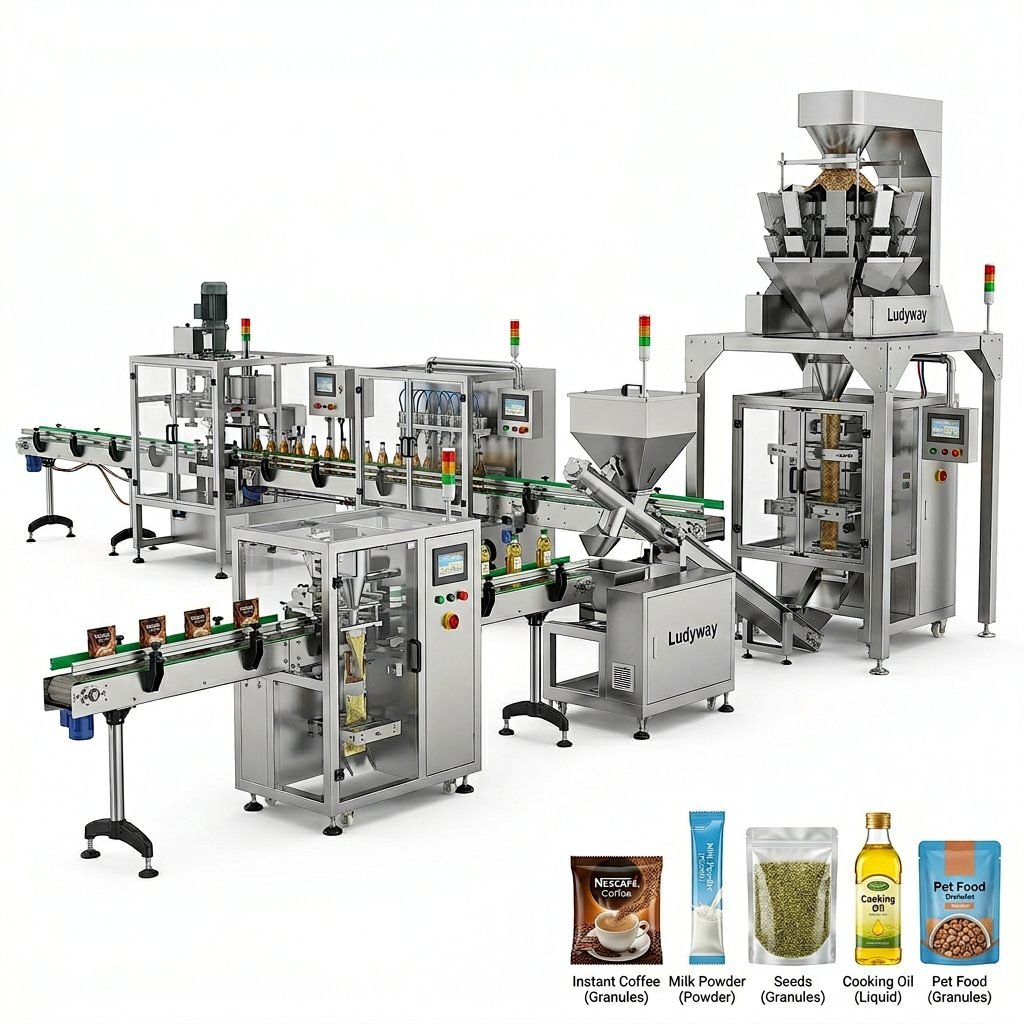
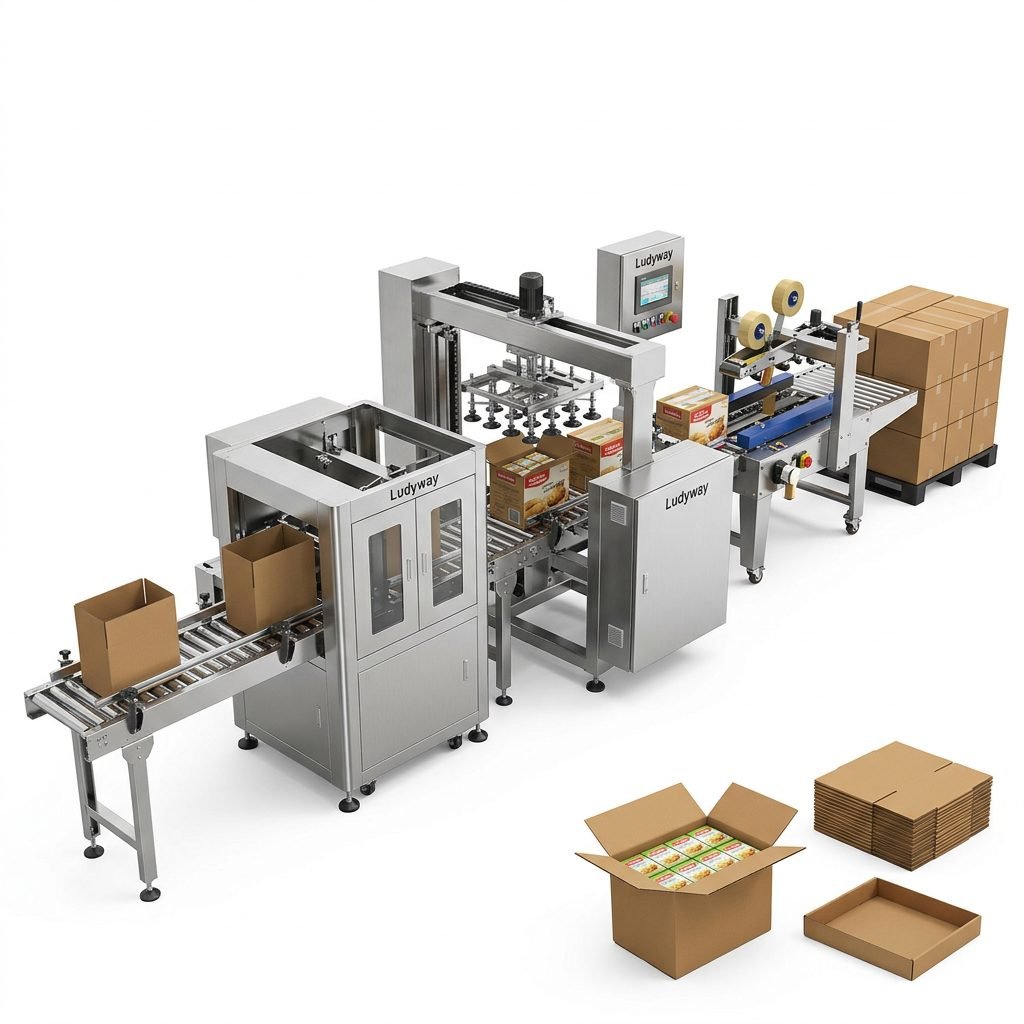
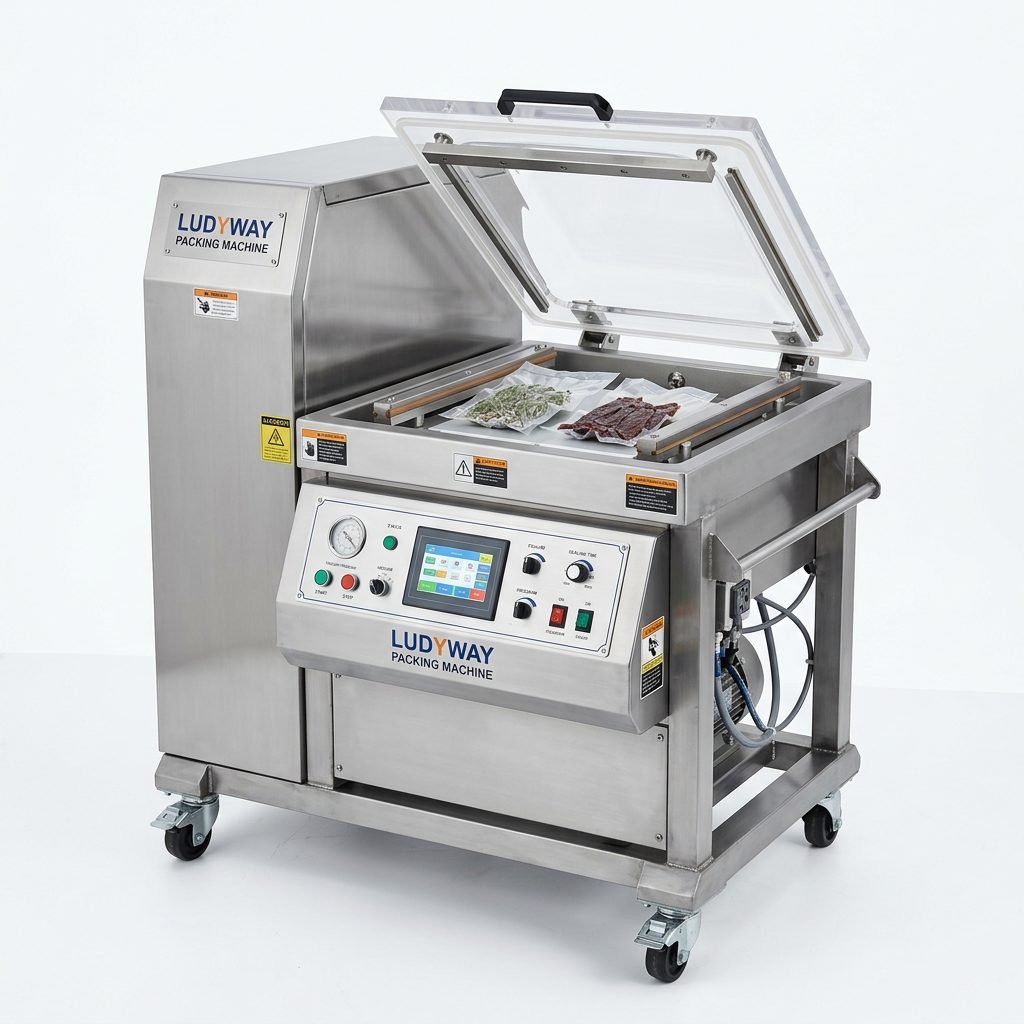
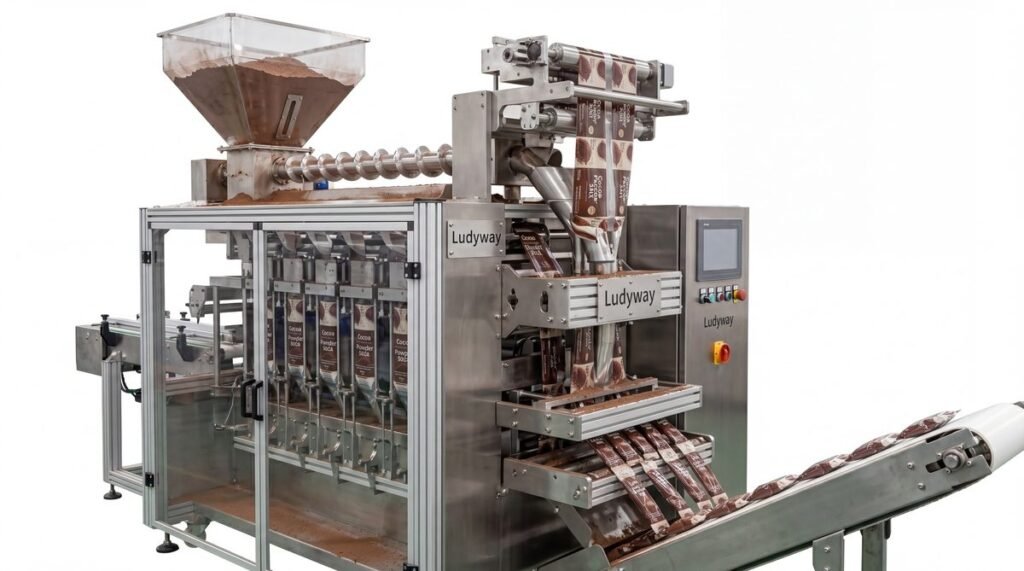
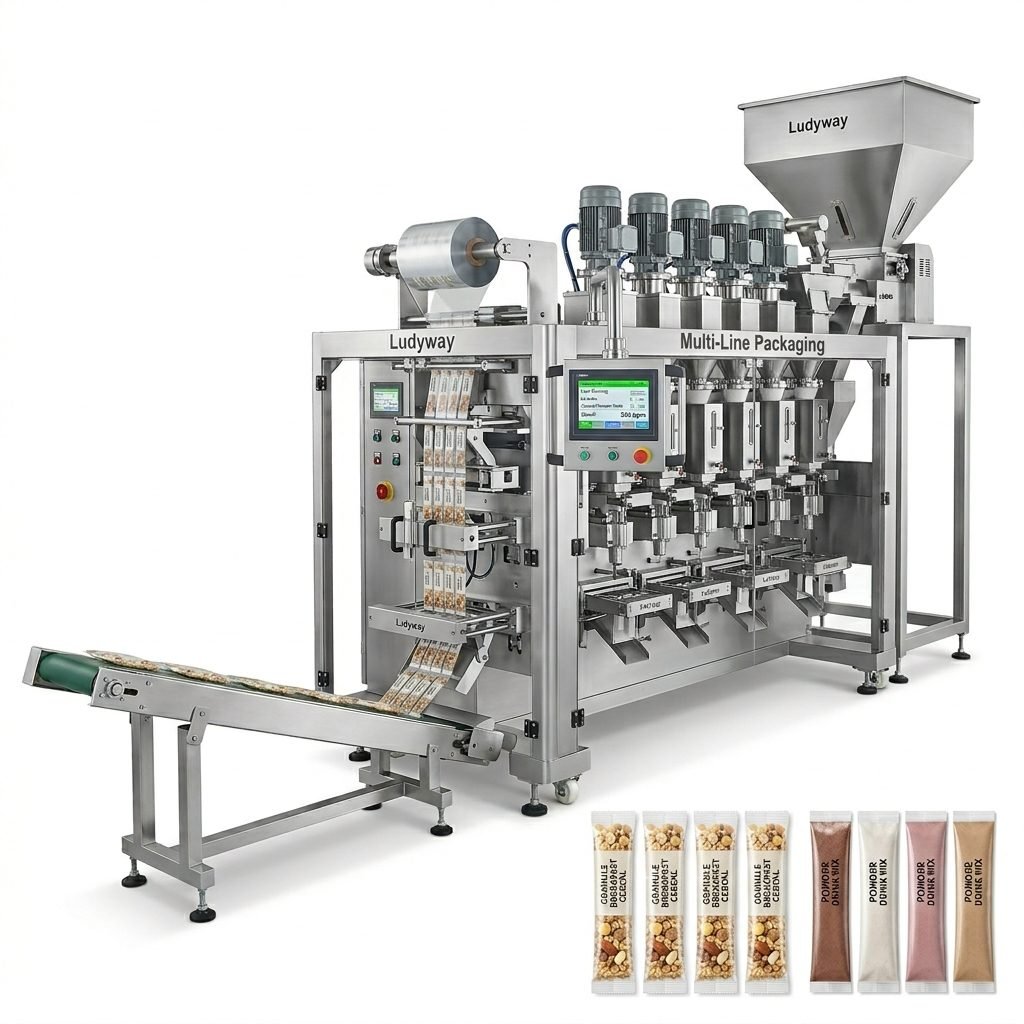
Selecting the right packaging machinery is one of the most critical decisions a manufacturer can make. Whether you are expanding an existing production line or building a new facility from scratch, the performance, reliability, and flexibility of your packaging equipment directly impact product quality, throughput, and long-term operational costs. A Dingli packaging machine represents a category of automated equipment designed for a wide range of applications—from powders and granules to liquids and stick packs—and understanding how to evaluate your options is essential before making a capital investment.
This buyer’s guide walks you through the key factors to consider when specifying a packaging machine, drawing on industry standards from PMMI and real-world application insights. The goal is to help you match your production requirements with the right technology, avoiding costly mismatches and ensuring long-term scalability.
1. Define Your Product Characteristics First
Every packaging project begins with the product itself. The physical and chemical properties of what you are filling will determine the appropriate dosing system, material handling approach, and sealing technology. Key product attributes to document include:
- Flow characteristics – Free-flowing granules behave very differently from cohesive powders or viscous liquids inside a filling system.
- Particle size and uniformity – Fine powders require different auger or volumetric filler configurations compared to uniform granules.
- Density and bulk density – These values directly affect filling accuracy and the type of weighing system required.
- Moisture content and hygroscopicity – Products that absorb moisture may require special environmental controls or desiccant integration.
- Temperature sensitivity – Heat-sensitive formulations need filling and sealing parameters that avoid thermal degradation.
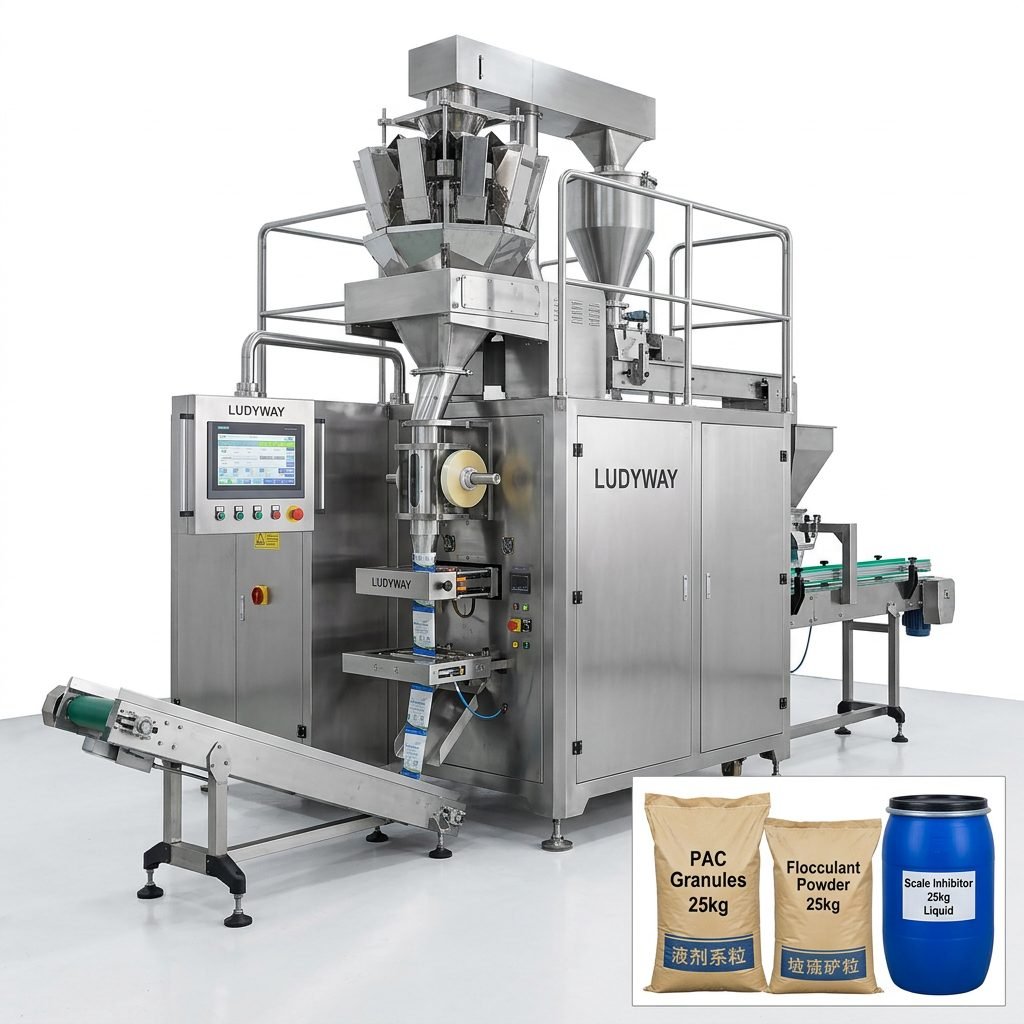
- Corrosiveness or abrasiveness – Certain chemicals, salts, or mineral powders demand stainless steel contact parts and specialized coatings.
2. Determine Your Target Packaging Format
Dingli packaging machines support a wide variety of flexible packaging formats. Your choice of format affects machine configuration, tooling, and downstream handling. According to flexible packaging industry data, the most common formats include:
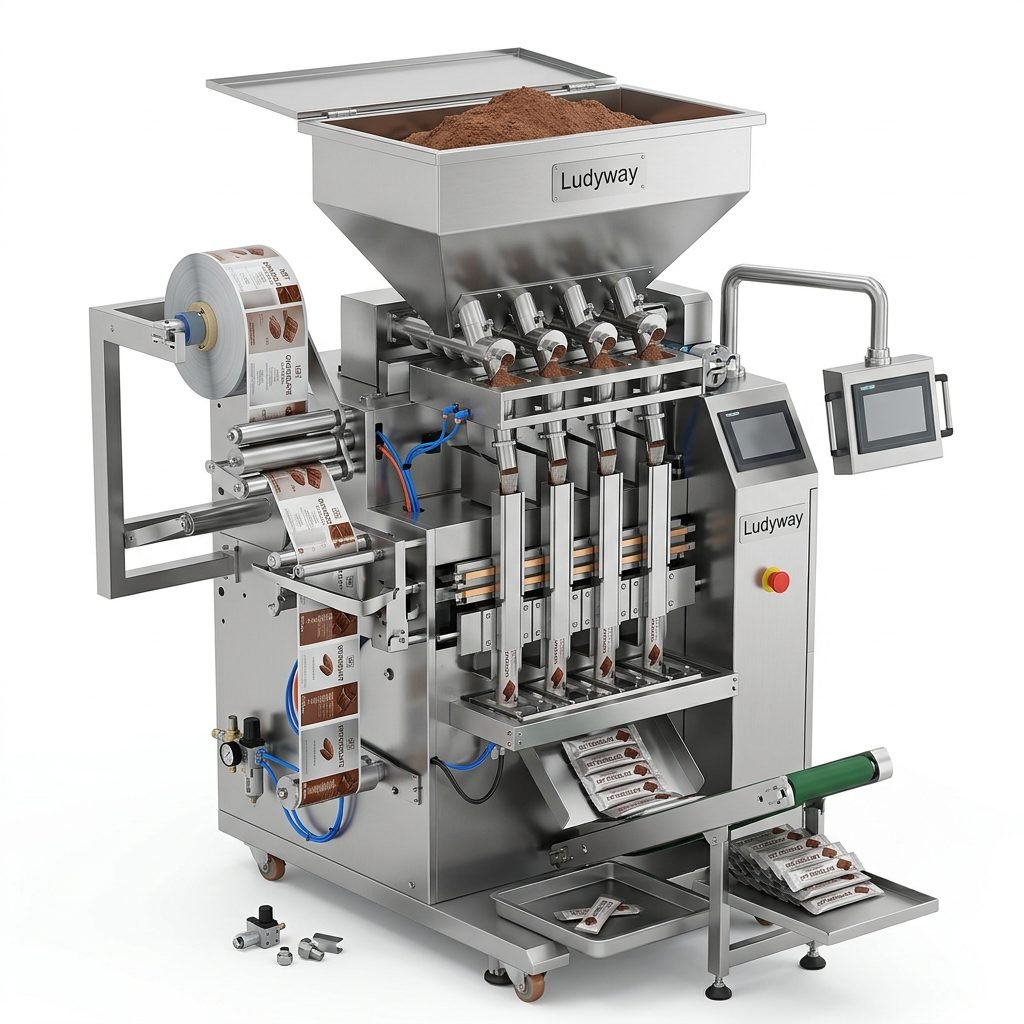
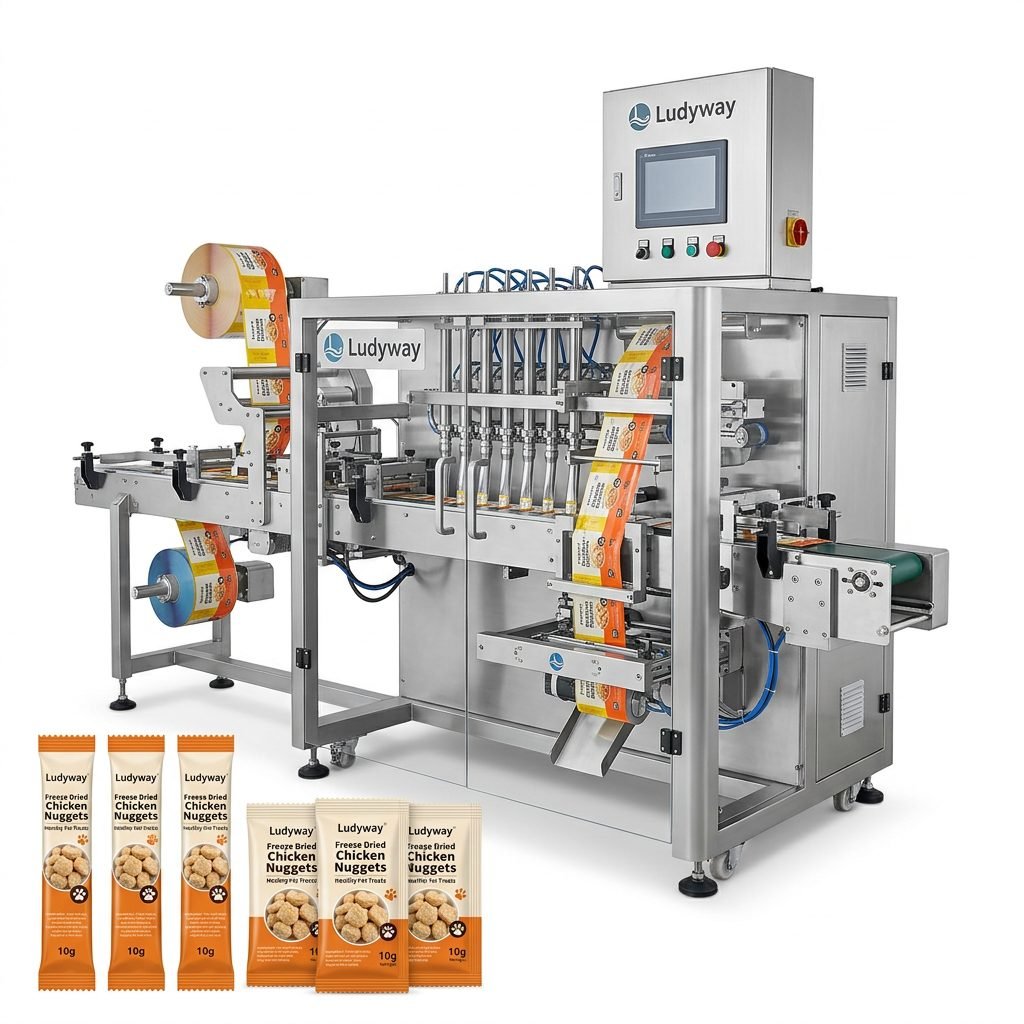
- Stick packs – Narrow, elongated sachets ideal for single-serve powders, instant beverages, supplements, and liquid samples.
- Sachets and flat pouches – Three- or four-side sealed pouches used extensively in food, pharmaceutical, and personal care sectors.
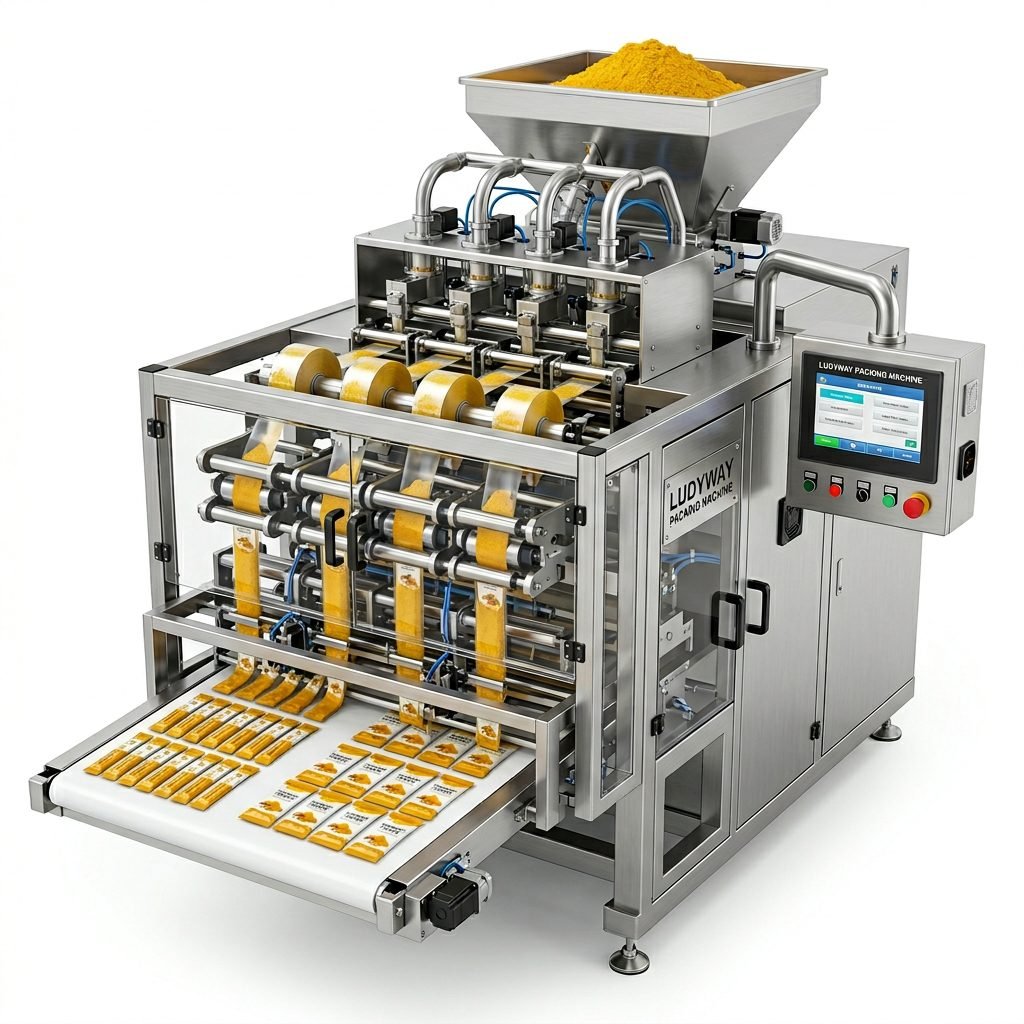
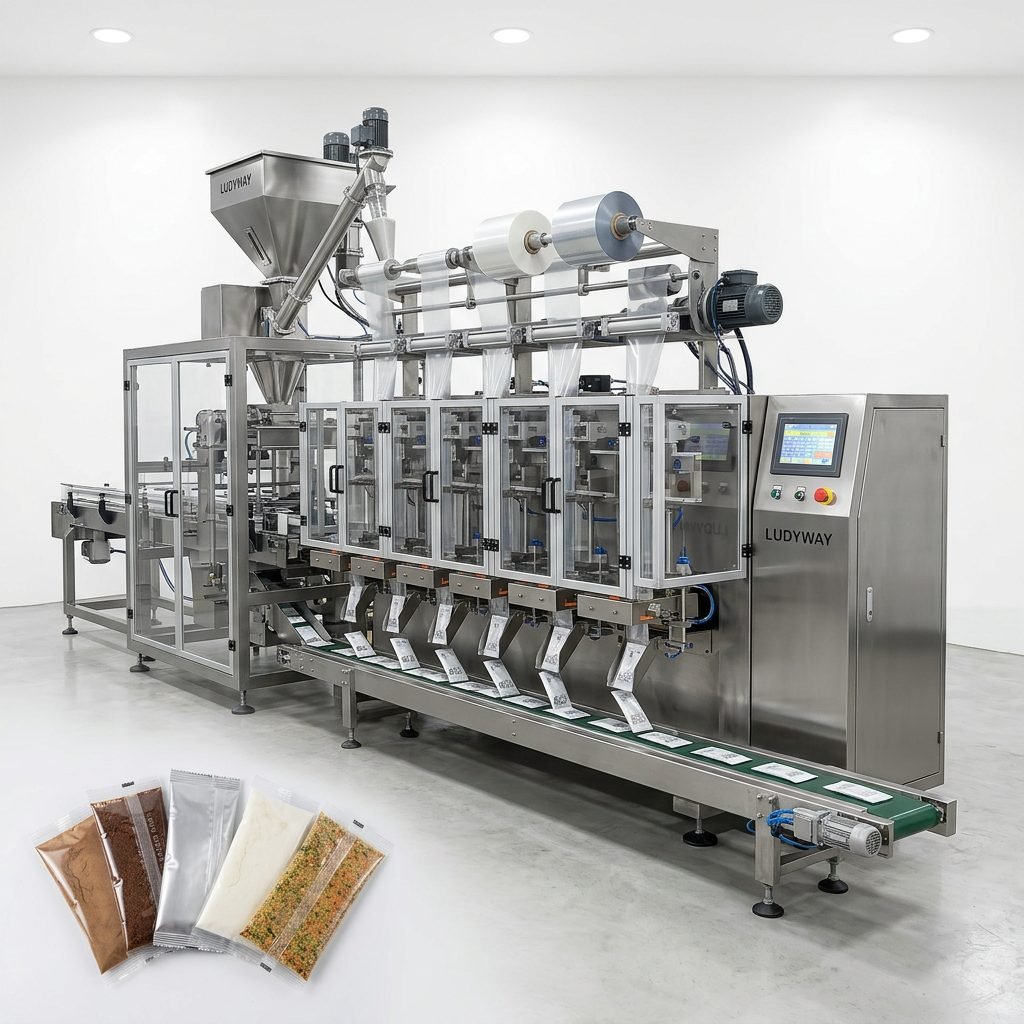
- Multi-lane stick pack configurations – High-speed systems running 4, 6, 8, 10, or more lanes simultaneously to maximize throughput.
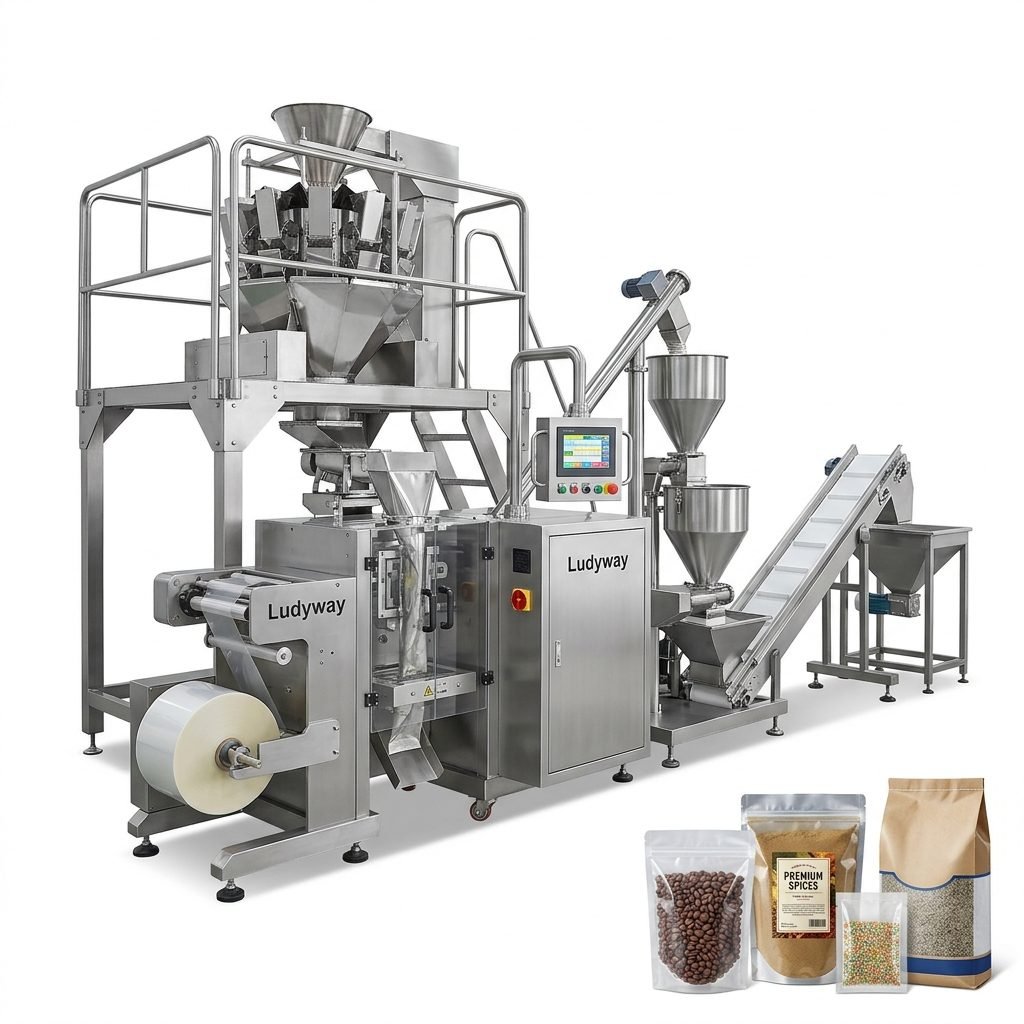
- Larger pre-made pouch filling – For portion packs ranging from 50g to several kilograms of product.
3. Production Speed and Capacity Requirements
Matching machine speed to your current and projected production volumes is essential. Undersized equipment creates bottlenecks, while oversized machinery wastes capital and floor space. Key metrics to evaluate include:
- Pouches per minute (PPM) per lane and across the entire machine width.
- Filling volume range – Does the machine handle your smallest and largest target fill weights accurately on the same platform?
- Changeover time – How quickly can operators switch between different bag sizes, fill volumes, or product types?
- OEE (Overall Equipment Effectiveness) expectations based on real-world running conditions, not just theoretical maximum speeds.
Referencing PMMI state of the industry reports can provide benchmarks for typical throughput ranges across different packaging machinery categories, helping you set realistic performance targets.
4. Automation and Integration Level
Modern packaging lines rarely operate in isolation. Your machine should be evaluated based on how well it integrates with upstream and downstream equipment. Consider the following automation layers:
| Automation Feature | Basic Machine | Advanced Machine | Fully Integrated Line |
|---|---|---|---|
| Filling system | Volumetric cup or manual setting | Servo-driven auger or piston filler | Multi-head weigher with feedback loop |
| Film tracking | Manual registration | Photoelectric sensor registration | Automatic tension control with real-time adjustment |
| Quality inspection | Manual spot checks | Checkweigher with reject station | Vision inspection, metal detection, X-ray integration |
| Data connectivity | Standalone operation | Basic PLC with data logging | IoT-enabled with ERP/MES integration |
| End-of-line handling | Manual collection tray | Conveyor to cartoning | Automated cartoning, case packing, and palletizing |
5. Material Compatibility and Sustainability
The packaging materials you plan to use have a significant impact on machine selection. Flexible packaging sustainability is increasingly driving material choices, and your machine must be capable of running these newer substrates. Key considerations include:
- Film structure – Laminated films, mono-materials, paper-based structures, and recyclable films all behave differently during forming, filling, and sealing.
- Seal temperature range – Different films require different heat seal jaw temperatures and dwell times.
- Material thickness – Thinner gauge materials used for sustainability may require more precise tension control to prevent wrinkling or tearing.
- Barrier properties – Products requiring high moisture or oxygen barriers dictate film choices that affect sealing parameters.
Guidance from the Flexible Packaging Association’s regulatory resources and FDA food packaging requirements should inform your material selection process before finalizing machine specifications.
6. Facility and Utility Requirements
Before ordering equipment, confirm that your facility can accommodate the machine’s physical footprint and utility connections. Overlooking these details can lead to unexpected installation delays and additional costs:
- Floor space – Include clearance for operation, maintenance access, film roll loading, and product feeding systems.
- Electrical supply – Voltage, phase, frequency, and total power consumption must match your facility’s infrastructure.
- Compressed air – Many packaging machines require clean, dry compressed air at specific pressure and flow rates for pneumatic actuators.
- Dust extraction or ventilation – Powder filling operations may require dust collection systems to maintain a clean working environment.
- Cleanroom compatibility – Pharmaceutical or food-grade applications may require machines designed for specific ISO cleanroom classifications.
7. Evaluating Machine Quality and Build Standards
Not all packaging machinery is built to the same standards. When evaluating a potential supplier, look for evidence of robust engineering and quality manufacturing practices. Refer to ISO packaging standards for internationally recognized benchmarks. Quality indicators include:
- Use of branded industrial automation components such as PLCs, servo drives, pneumatics, and sensors from established suppliers.
- Stainless steel construction in product contact areas and frame components, particularly important for food, pharmaceutical, and chemical applications.
- Welding quality, surface finish, and overall fit and finish of the machine assembly.
- Documentation and traceability of key components, including material certificates where required.
- Compliance with applicable safety standards and availability of CE marking or equivalent certifications for your target market.
8. After-Sales Support and Service Capability
Packaging machinery represents a long-term investment, and the availability of technical support throughout the equipment lifecycle is just as important as the initial machine specification. Before committing to a supplier, clarify the following:
- Installation and commissioning – Does the supplier provide on-site support, and what is the typical timeline from delivery to production?
- Operator training – Comprehensive training reduces startup time and helps prevent operator-induced errors.
- Spare parts availability – Are critical wear parts and consumables stocked regionally, and what are typical lead times for non-stock items?
- Remote troubleshooting – Many suppliers now offer remote diagnostic capabilities that can resolve issues without waiting for an on-site technician.
- Preventive maintenance programs – Structured maintenance plans help extend machine life and reduce unplanned downtime.
9. Total Cost of Ownership Considerations
Purchase price alone is an incomplete metric for comparing packaging machinery. A comprehensive total cost of ownership (TCO) analysis should account for:
- Initial capital expenditure including shipping, duties, and installation.
- Energy consumption during normal operation.
- Consumable costs including film, spare parts, and maintenance materials.
- Labor requirements for operation, changeover, and routine maintenance.
- Expected service life and depreciation schedule.
- Potential revenue impact of production downtime or quality issues.
10. Customization and Future-Proofing
Your packaging requirements today may not fully represent your needs three to five years from now. When specifying a machine, consider the flexibility to accommodate future product variations, packaging formats, or capacity increases. Modular machine designs that allow for lane additions, upgraded filling systems, or integration with new downstream equipment offer a more future-proof investment than rigid, single-purpose configurations.
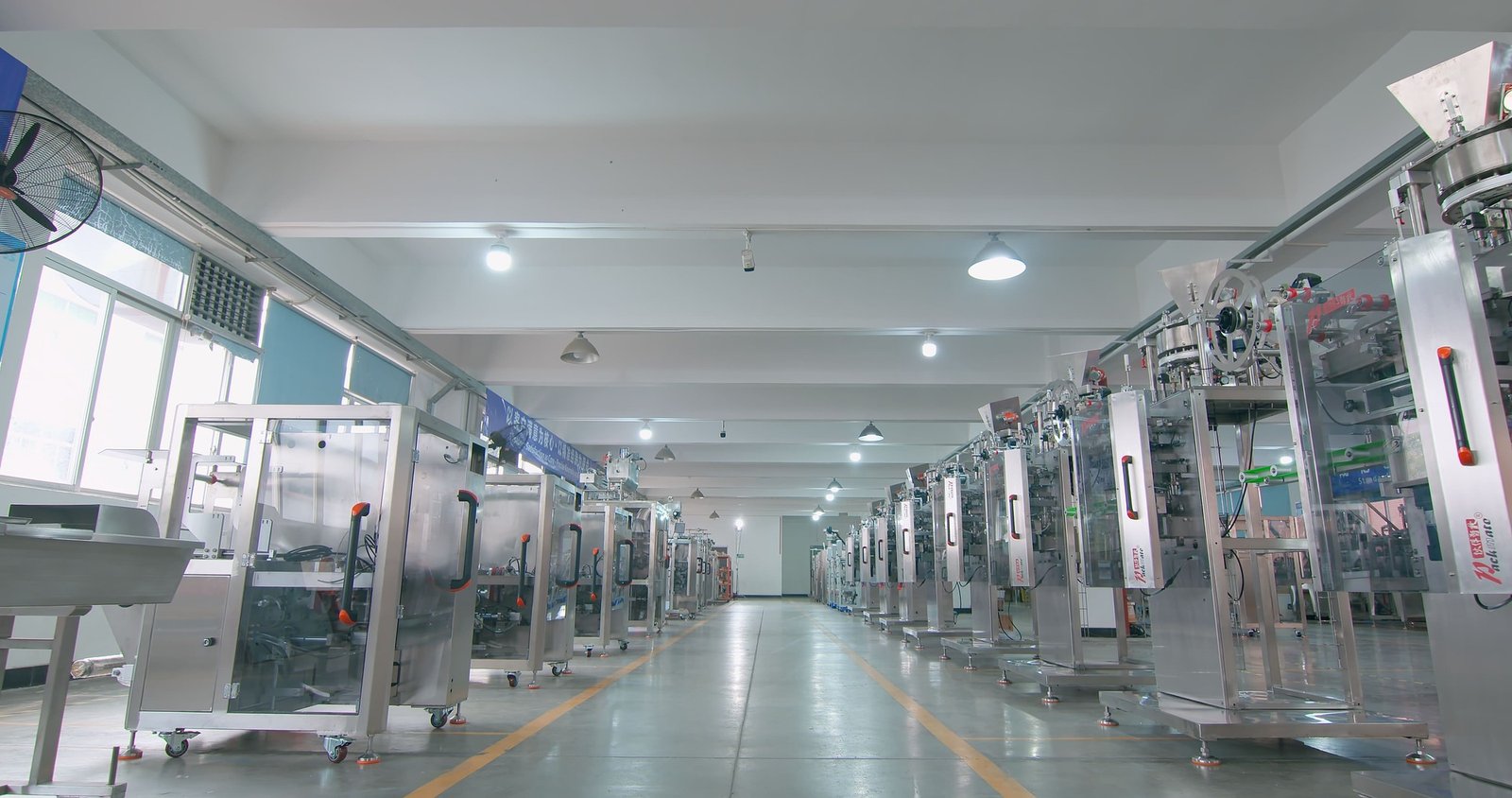
For manufacturers looking for a comprehensive packaging machinery partner, Ludyway Machinery brings together more than 30 years of industry experience with a 20,000-square-meter manufacturing facility, over 130 professionals, and a portfolio of more than 50 packaging machine models. Serving customers in over 100 countries, Ludyway provides customizable Dingli packaging machines and turnkey packaging solutions designed for powders, granules, liquids, stick packs, sachets, pouches, and other flexible packaging applications across food and beverage, pharmaceutical, nutraceutical, cosmetic, chemical, animal feed, and many other industries. With export revenue expected to exceed RMB 500 million (approximately US$69 million) in 2025 and plans to surpass RMB 1 billion (approximately US$138 million) in 2026, Ludyway continues to expand its global engineering and service capabilities to support manufacturers worldwide as a long-term packaging solutions partner.
By systematically evaluating each of the factors outlined in this guide—from product characteristics and packaging formats to automation levels, material compatibility, quality standards, and after-sales support—you can make a confident, informed decision when selecting the right packaging machinery for your production requirements. For further reading on industry benchmarks, visit the PMMI business intelligence library or the Flexible Packaging Association knowledge hub for the latest packaging industry data and ISO packaging and distribution standards.