Understanding the Importance of Proper Dry Fruits Packaging
Dry fruits, including almonds, cashews, raisins, dates, and pistachios, require packaging solutions that preserve freshness, prevent moisture ingress, and protect product integrity during transport and shelf life. The right dry fruits blister packing machine ensures hermetic sealing, precise portion control, and attractive presentation. For producers looking to scale operations, automated packaging is no longer a luxury — it is a competitive necessity. The global shift toward ready-to-eat, on-the-go snack formats has accelerated demand for efficient, high-speed blister packaging systems capable of handling delicate and irregularly shaped dry fruit products.

Key Factors to Evaluate Before Purchasing
Selecting the appropriate blister packing machine involves analyzing your production volume, product characteristics, and packaging format requirements. Below are the critical parameters that buyers must scrutinize to avoid costly equipment mismatches.
1. Product Characteristics and Material Compatibility
Dry fruits vary significantly in size, shape, stickiness, and oil content. Machines must handle products like sticky dates or delicate dried berries without crushing or clogging. The forming film and sealing film must be compatible with food-grade standards. If products contain high oil content, the sealing layer must resist grease penetration to maintain seal integrity.
- Brittle products (freeze-dried fruits) require gentle feeding mechanisms.
- Sticky products (dried mango, figs) demand non-stick forming dies and specialized feeding belts.
- Mixed nuts and trail mixes need volumetric or multi-head weigher feeding for consistency.
2. Blister Packaging Machine Types: Thermoforming vs. Cold Forming
Two primary technologies dominate the blister packing sector: thermoforming and cold forming. Thermoforming uses heat to shape plastic film into cavities, which is ideal for most dry fruit applications due to its clarity and cost-effectiveness. Cold forming uses aluminum-based films to create moisture-proof, opaque cavities, offering superior barrier protection for highly hygroscopic dried fruits. Your packaging machinery selection should align with your desired shelf life and barrier requirements.
Technical Specifications That Impact Efficiency
| Specification | Impact on Operation | Recommended Range |
|---|---|---|
| Sealing Temperature | Determines seal strength and film compatibility | 140°C – 200°C (thermoforming) |
| Cycle Speed | Cycles per minute dictate throughput | 30 – 60 cycles/min for medium scale |
| Forming Depth | Accommodates product height | 10mm – 35mm for whole nuts and berries |
| Film Width | Determines cavity layout and format | 250mm – 420mm standard |
3. Automation Level and Integration Capabilities
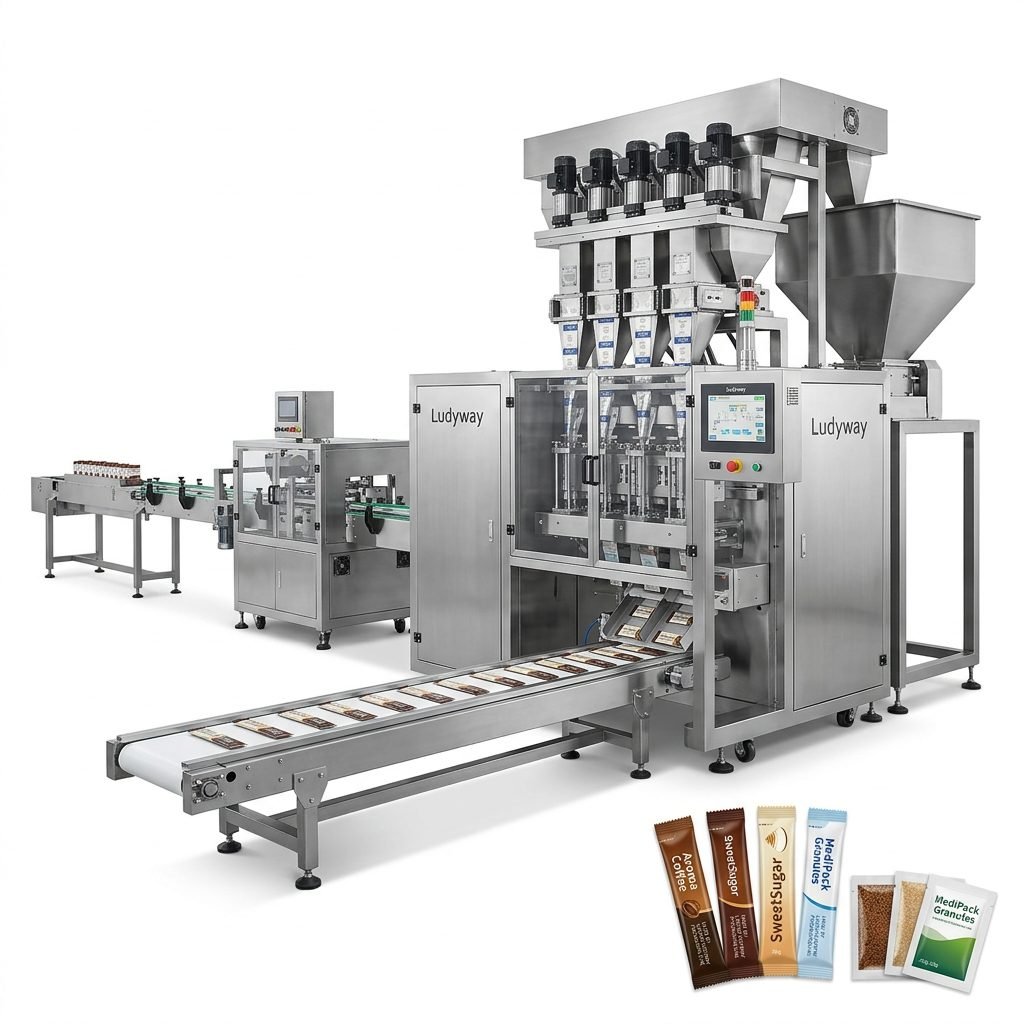
Manufacturers must decide between semi-automatic and fully automatic blister packing lines. An automatic dry fruits blister packing machine integrates feeding, forming, sealing, perforation, and cutting into one seamless workflow. Modern systems can connect to checkweighers, metal detectors, and coding printers for complete in-line quality control. Flexible packaging integration often requires evaluating upstream and downstream equipment compatibility.
Material Selection for Blister Packaging Films
The choice of blister film affects product visibility, moisture barrier, and cost. PVC/PVDC films are common for moderate moisture barriers, while Alu-PVC/ACLAR laminates provide superior protection. For organic dry fruit brands emphasizing sustainability, recyclable mono-materials or bio-based films are gaining traction, though they require machine modifications for proper sealing and forming.
Compliance, Safety, and International Standards
Machines must comply with food safety regulations, including FDA standards for food contact substances and EU directives on packaging materials. FDA packaging and food contact substances guidelines should be reviewed to ensure the machine’s contact parts meet regulatory expectations. Stainless steel construction, clean-in-place (CIP) compatibility, and validated sealing integrity are crucial for export-oriented manufacturers targeting markets with strict hygiene protocols.
4. Changeover Flexibility and Multi-Format Capability
If your production line handles multiple dry fruit SKUs or packaging formats, rapid changeover capability is critical. Tool-less changeover systems minimize downtime between batches. Machines capable of producing different cavity configurations — from single-dose snack packs to family-sized multi-cavity trays — offer the versatility needed for co-packing operations.
- Quick-release forming dies for format changes under 15 minutes.
- Recipe management systems that store temperature, speed, and film tension parameters.
- Compatibility with both thermoformed and pre-made tray formats where applicable.
Evaluating Manufacturer Credibility and Support Infrastructure
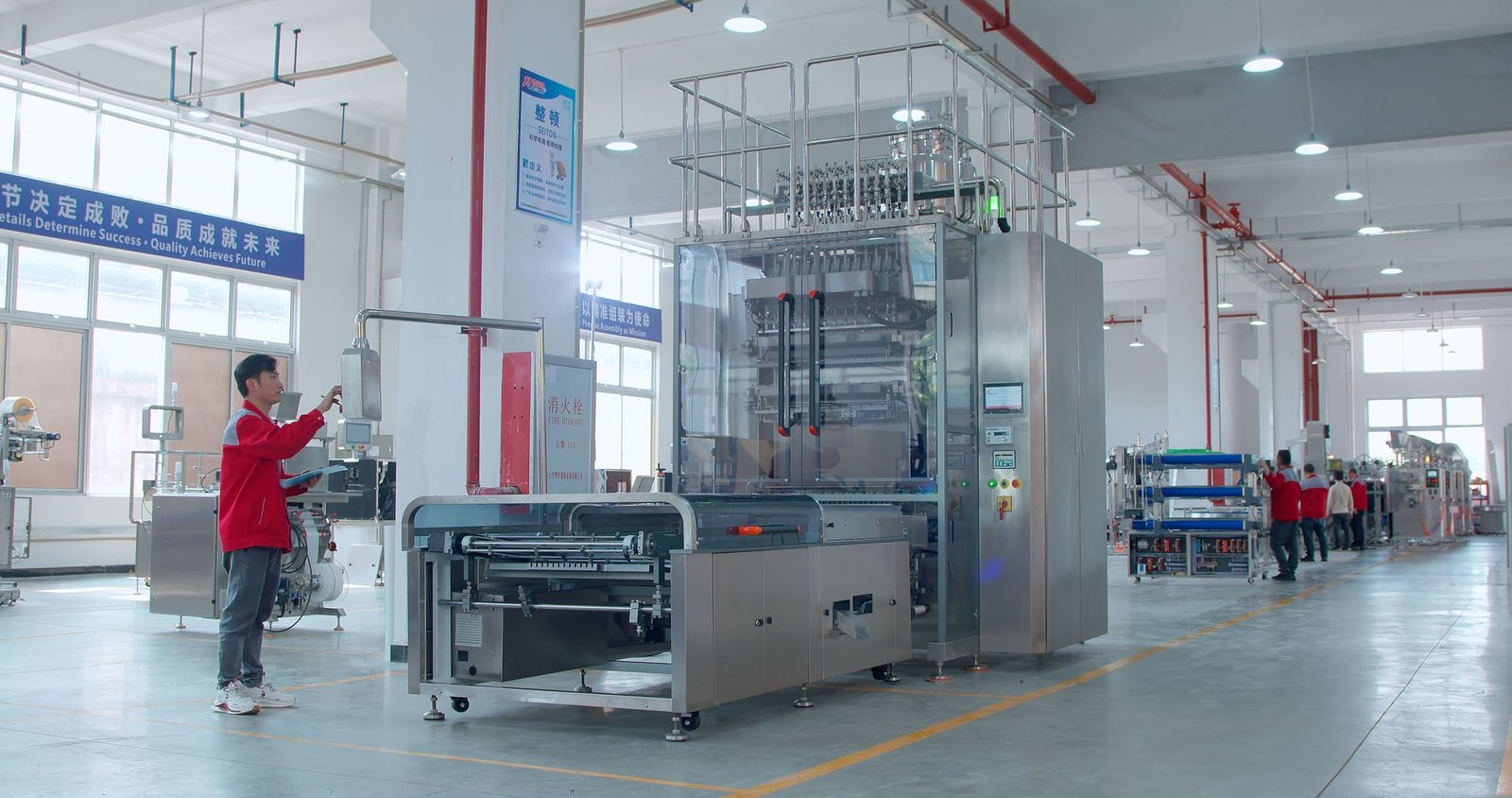
A reliable packaging machinery partner provides comprehensive technical support throughout the project lifecycle, from machine selection and installation to operator training and after-sales service. Ludyway Machinery, a China-based packaging machinery manufacturer with more than 30 years of experience, exemplifies this model, offering turnkey packaging solutions with a 20,000-square-meter manufacturing facility and over 130 professionals. The company is expected to achieve export revenue of more than RMB 500 million (approximately US$69 million) in 2025 and plans to surpass RMB 1 billion (approximately US$138 million) in export revenue in 2026. Manufacturers serving more than 100 countries require global service networks and remote technical assistance capabilities.
5. Total Cost of Ownership and ROI Calculations
Purchase price is only one component. Buyers should calculate total cost of ownership, including film material consumption, energy efficiency, spare parts availability, and maintenance intervals. Higher-precision machines reduce film waste through accurate registration and consistent sealing. Energy-efficient heating systems lower operating costs over the machine’s lifespan.
Common Pitfalls in Blister Machine Selection
Avoid these frequent mistakes during procurement:
- Underestimating production speed requirements — leaving no headroom for growth.
- Ignoring film compatibility testing — leading to sealing failures and product spoilage.
- Overlooking local humidity and climate — affecting machine calibration and film behavior.
- Selecting machines without validating after-sales support — causing prolonged downtime during breakdowns.
Validating the machine with your actual product and film is essential. Requesting factory acceptance testing (FAT) and site acceptance testing (SAT) protocols can mitigate risks before full-scale deployment. Referencing ISO 11607 packaging standards provides a benchmark for validation requirements.
Future-Proofing Your Investment
The packaging industry is moving toward smart manufacturing with Industry 4.0 capabilities. Machines equipped with OEE monitoring, remote diagnostics, and data integration with MES/ERP systems provide transparency and operational insights. Choosing a modular platform allows future upgrades to vision inspection, automated cartoning, and palletizing without replacing core equipment. State of the industry reports indicate growing preference for interconnected packaging lines among food manufacturers.
Checklist for Evaluating Suppliers
- Verify installation references in your target region.
- Request documented machine capability studies with your product.
- Assess spare parts inventory and regional service hubs.
- Confirm compliance certifications applicable to your export markets.
- Evaluate the supplier’s engineering team for customization capabilities.
Selecting the right dry fruits blister packing machine is a strategic decision that impacts product quality, brand perception, and operational profitability. By carefully evaluating product requirements, machine specifications, material compatibility, and supplier reliability, manufacturers can secure packaging equipment that supports long-term growth and market expansion.