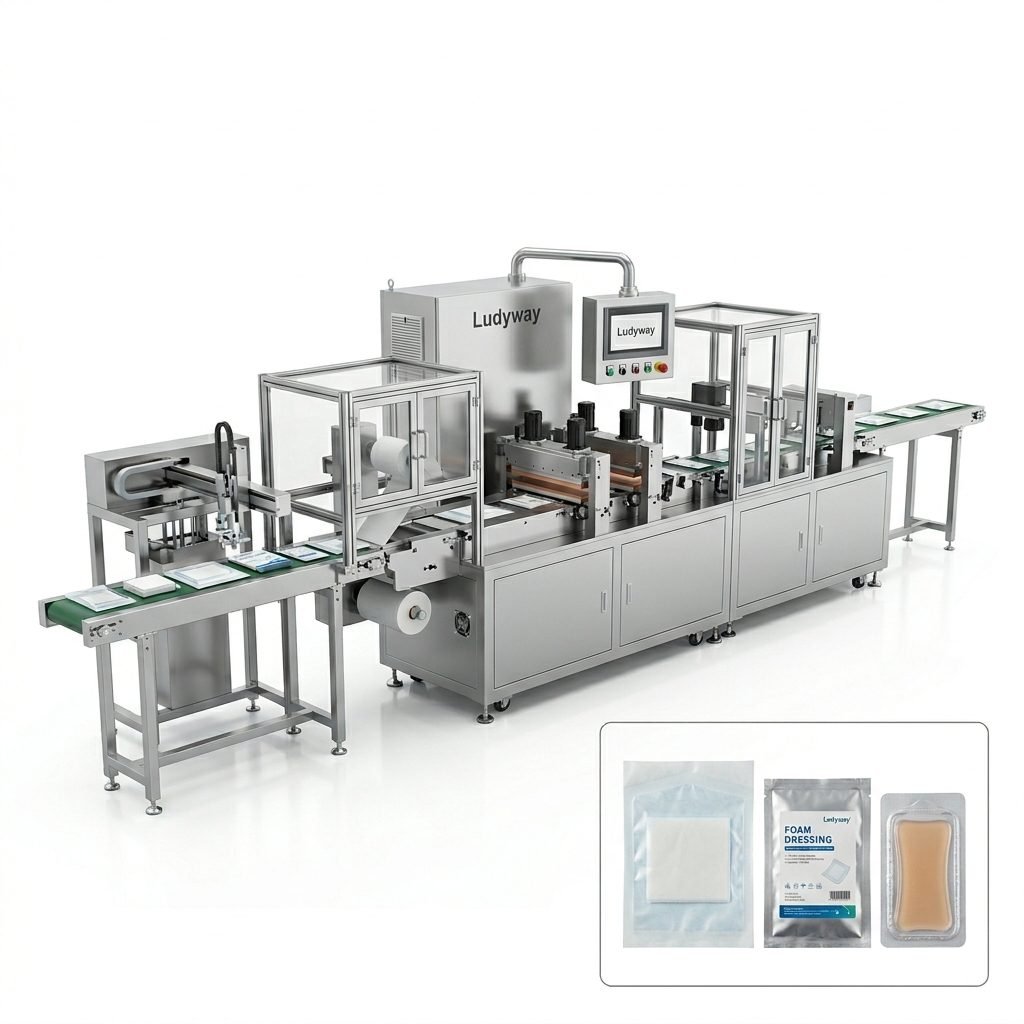
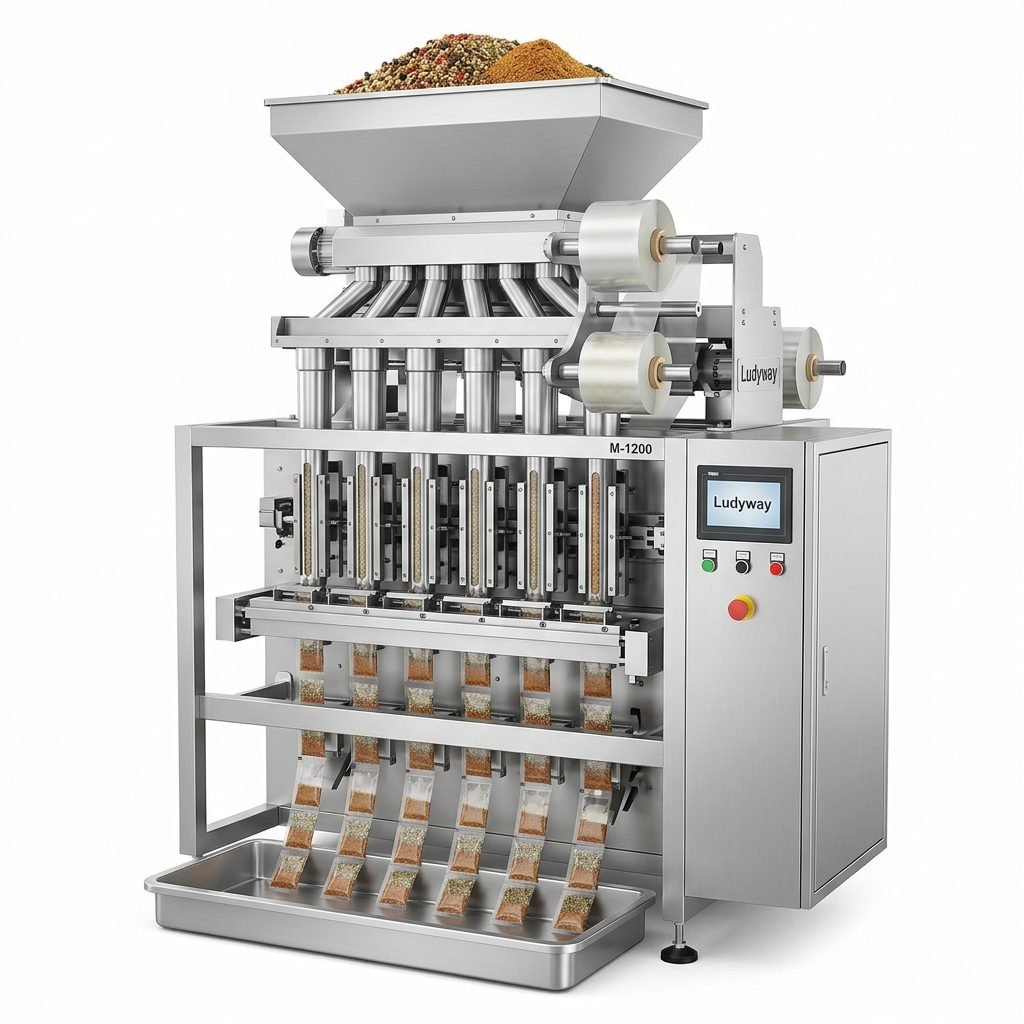
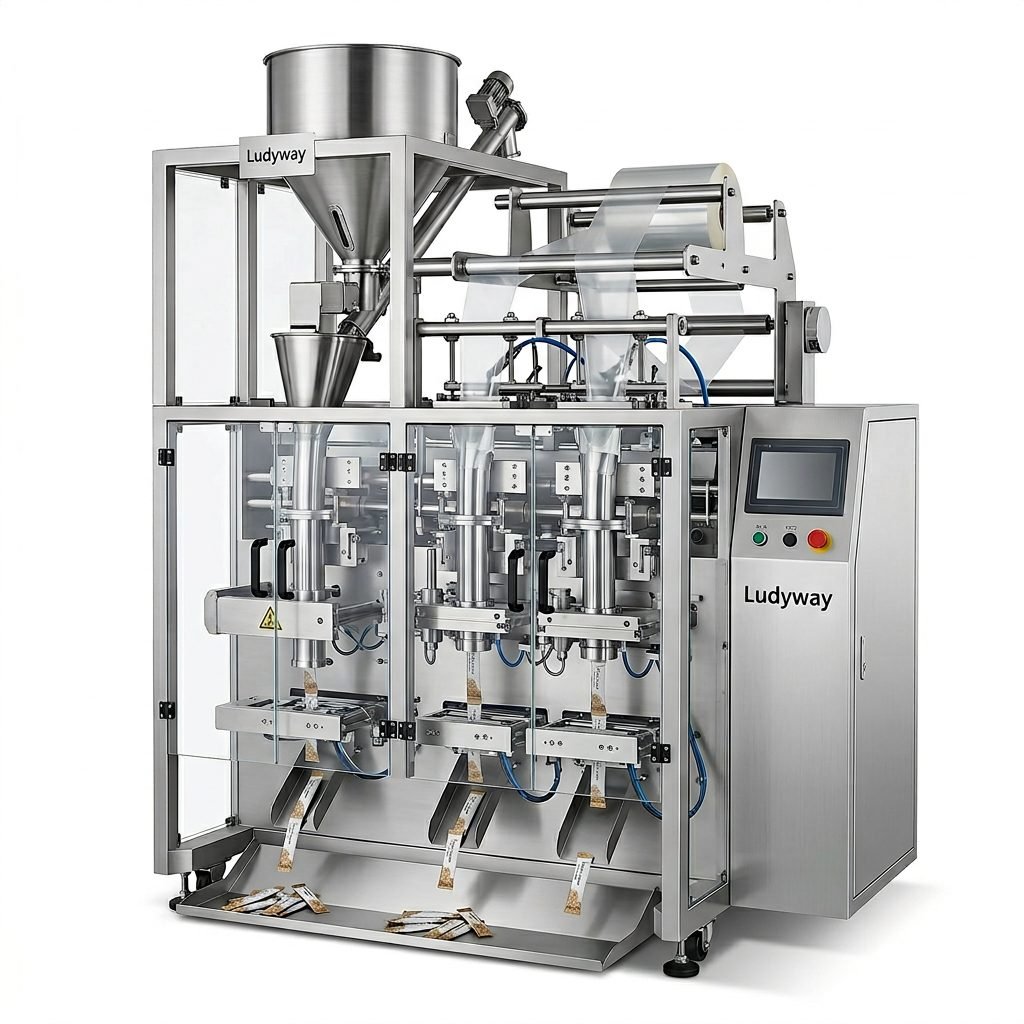
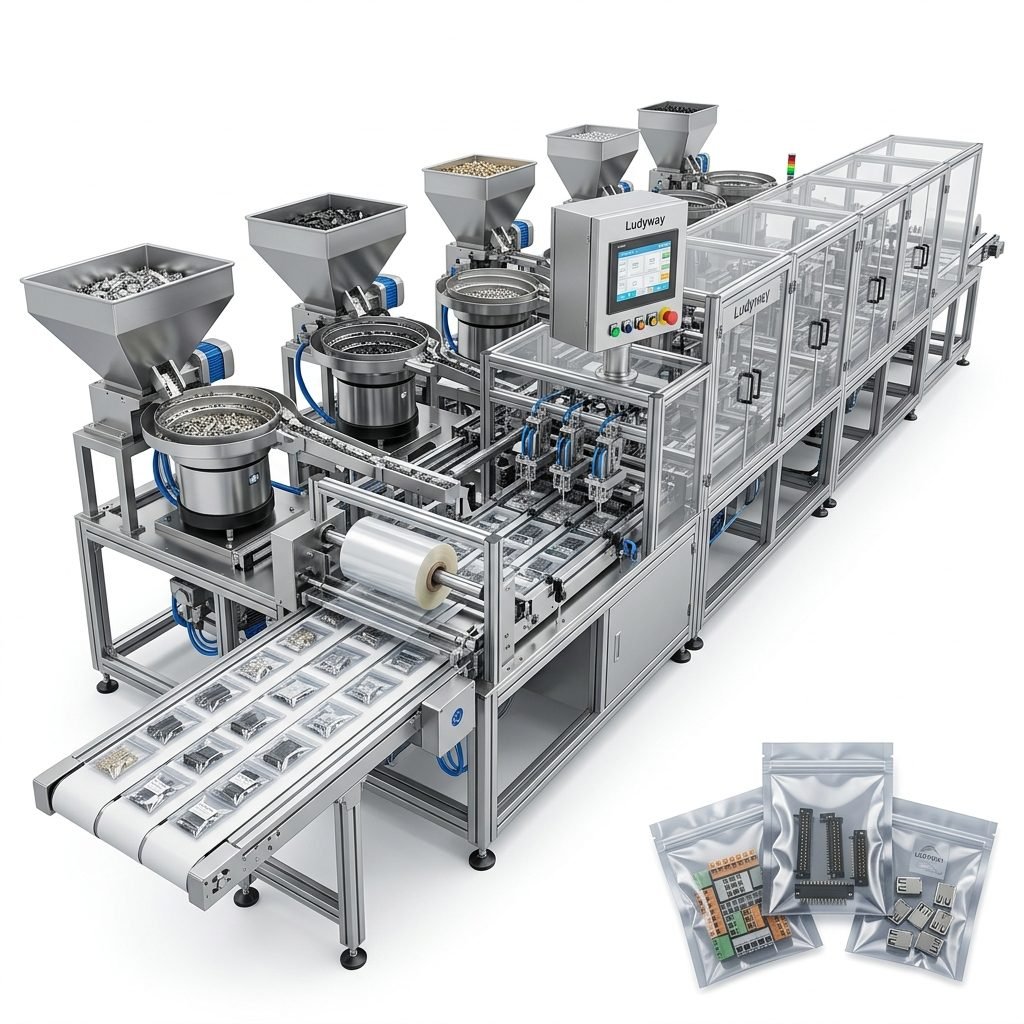
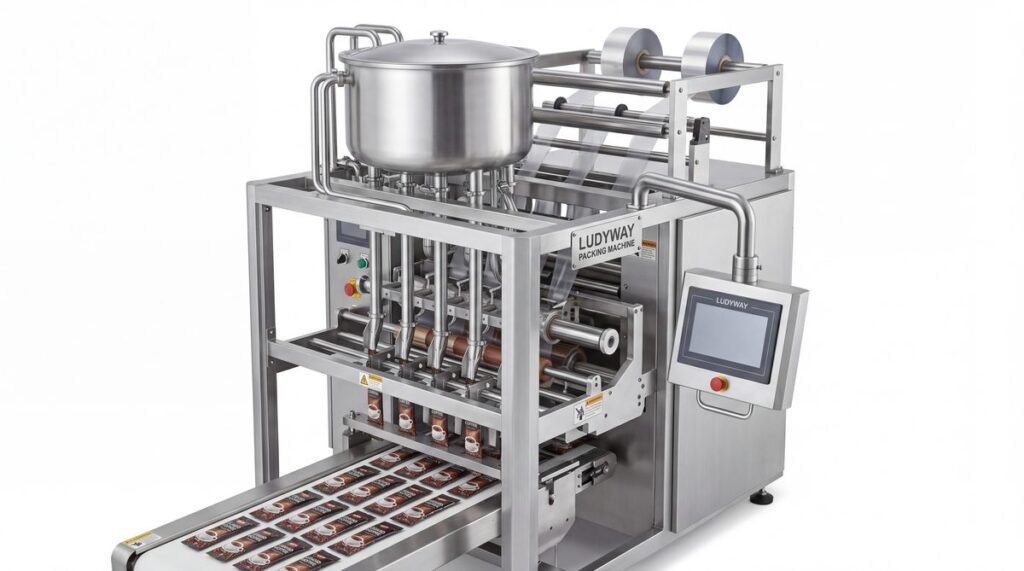
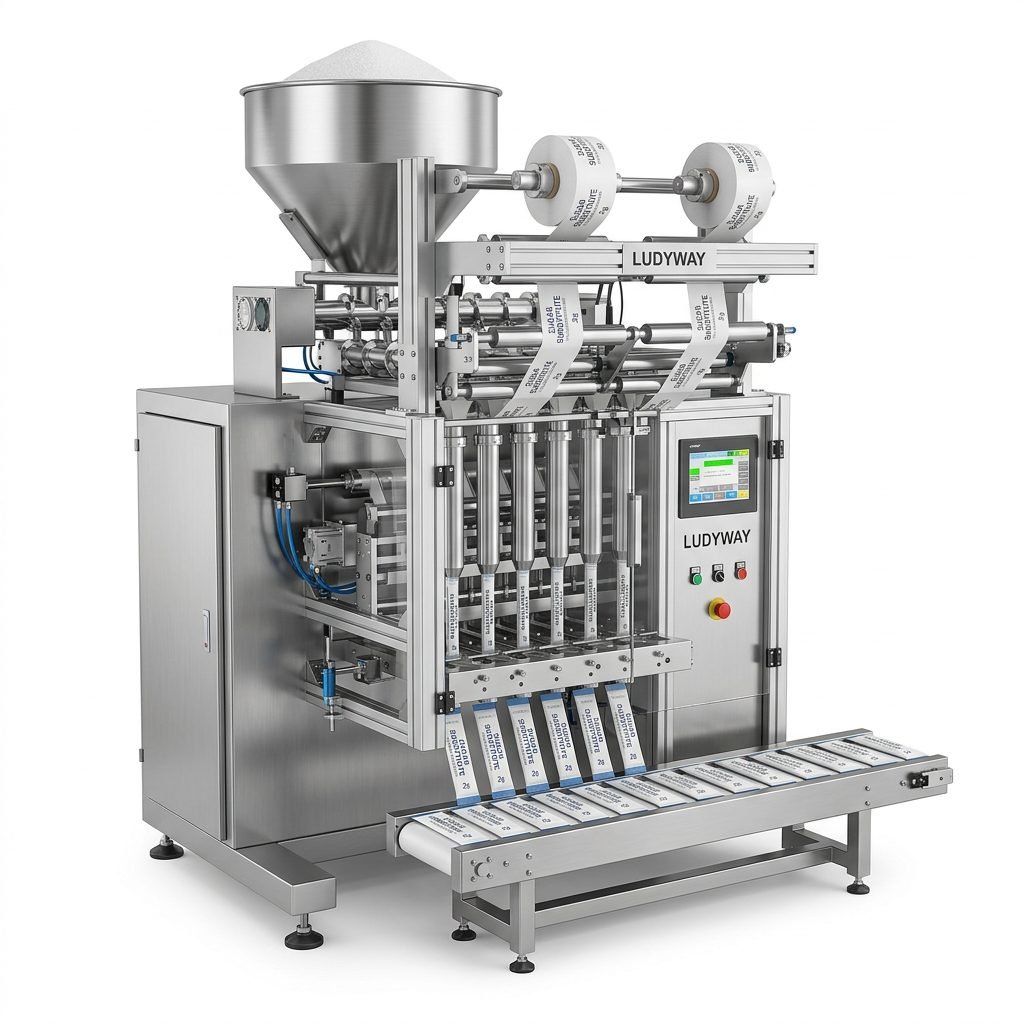
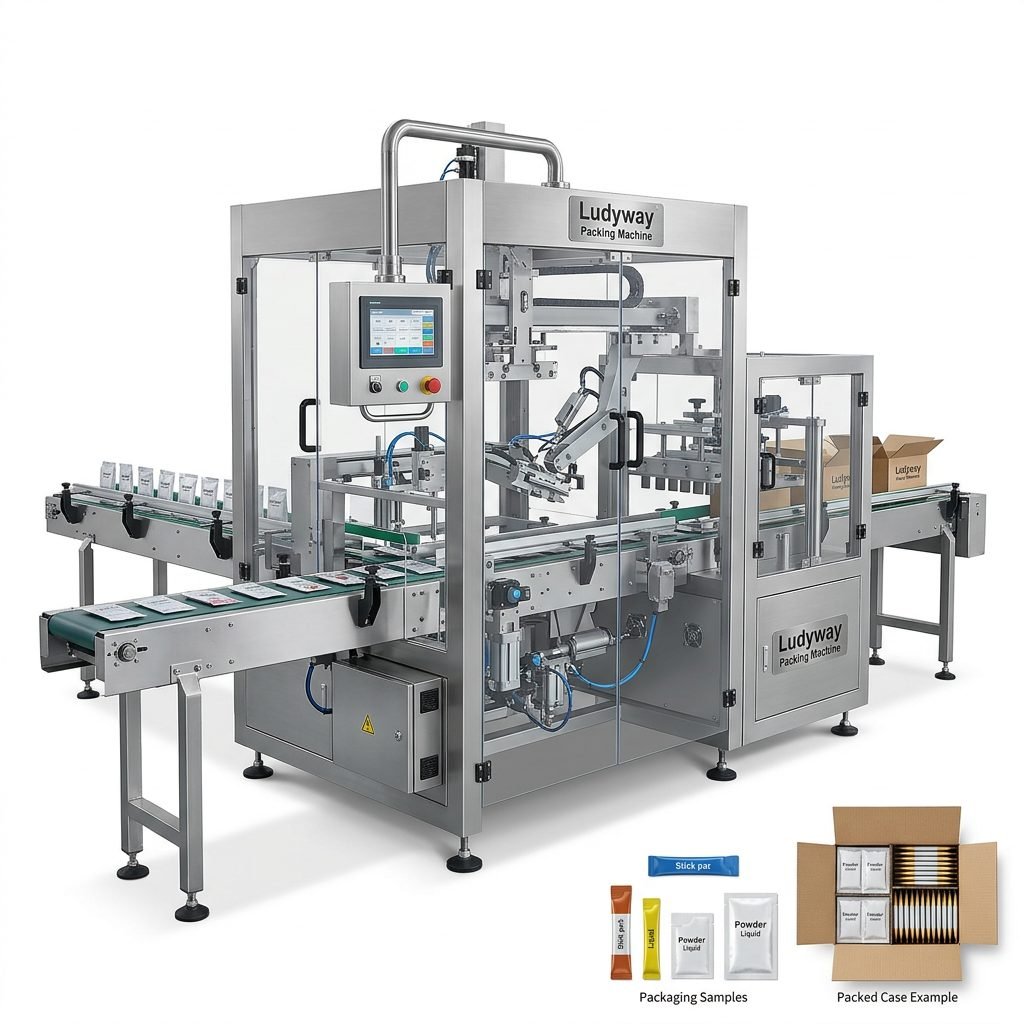
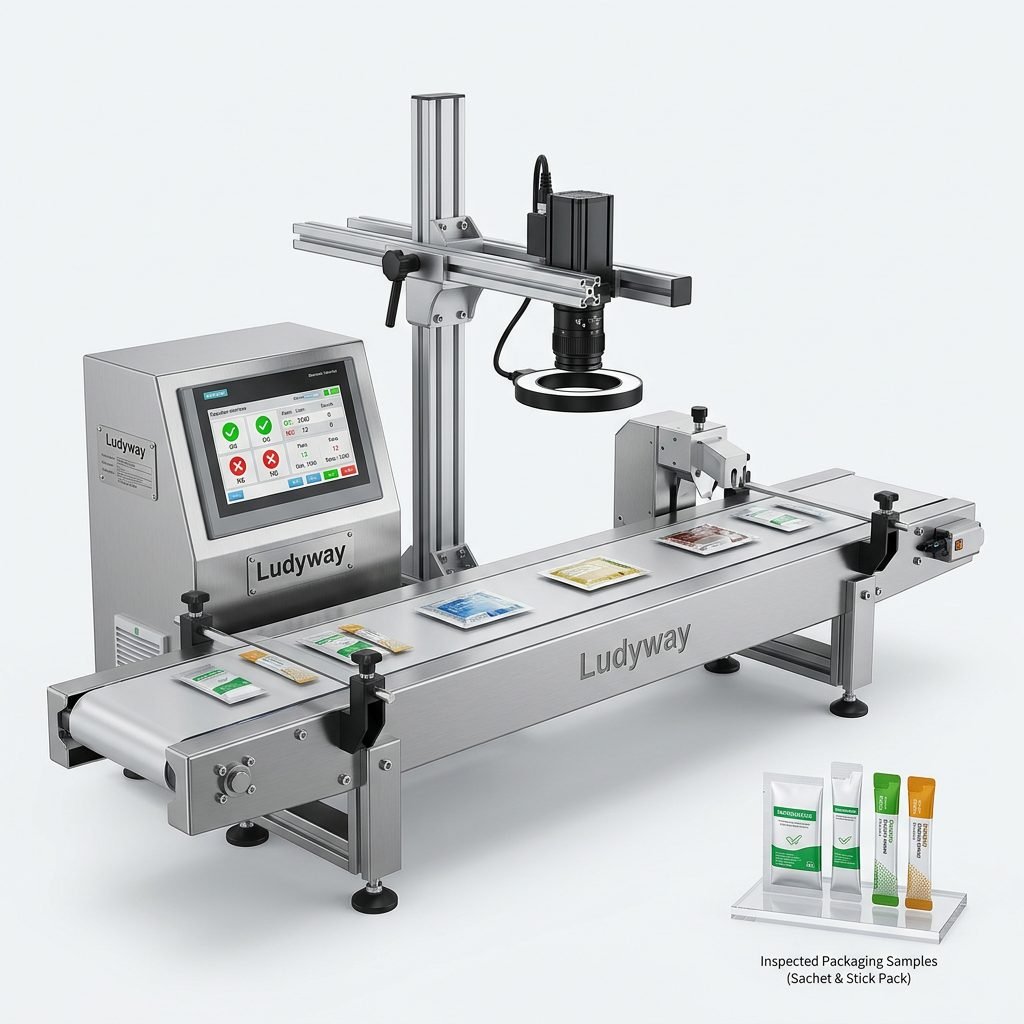
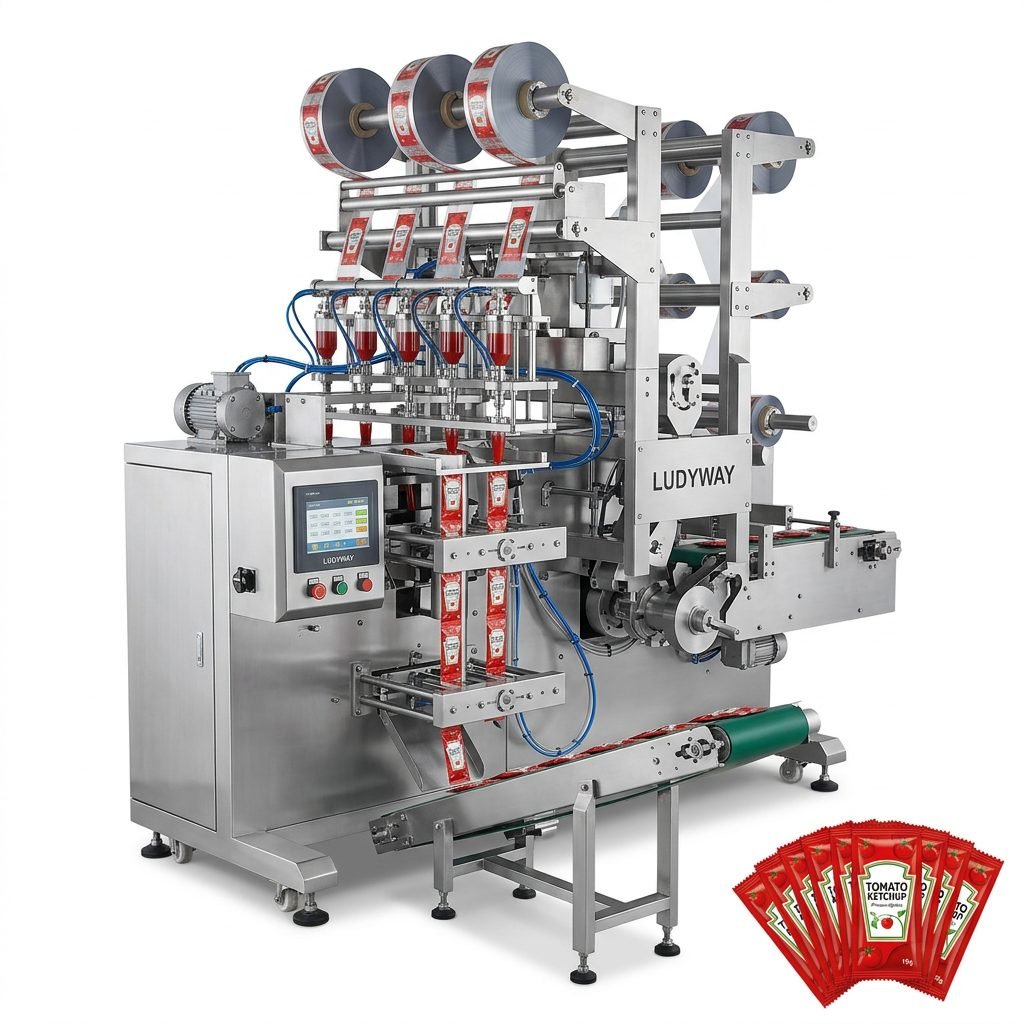
Investing in an Effytec packaging machine represents a significant step toward automating your production line, improving efficiency, and ensuring consistent package quality. However, selecting the right model requires careful evaluation of your product characteristics, production goals, and operational environment. This guide walks you through the essential factors to consider before making your purchase.
Understanding Effytec Packaging Technology
Effytec specializes in horizontal form-fill-seal (HFFS) packaging machines designed for flexible packaging applications. These machines are widely recognized for their precision, reliability, and ability to handle a variety of packaging formats including flat sachets, stand-up pouches, and stick packs. Whether you are packaging powders, granules, liquids, or solid products, understanding the core capabilities of Effytec equipment helps you align the machine with your production requirements.

Step 1: Define Your Product and Packaging Format
The first and most critical step is analyzing your product. Effytec machines can be configured for different product types, but the dosing system, sealing mechanism, and film handling depend heavily on what you are packaging.
Key Product Considerations
- Product consistency: Is your product a free-flowing powder, sticky granule, liquid, paste, or solid item? This determines the filling system required.
- Packaging format: Do you need flat sachets, stick packs, three-side-seal, or four-side-seal pouches? Effytec HFFS machines offer flexibility across multiple formats.
- Bag dimensions: Width, length, and gusset requirements directly influence machine configuration and tooling.
- Fill volume: The range of fill weights or volumes your application requires must match the machine’s dosing range.
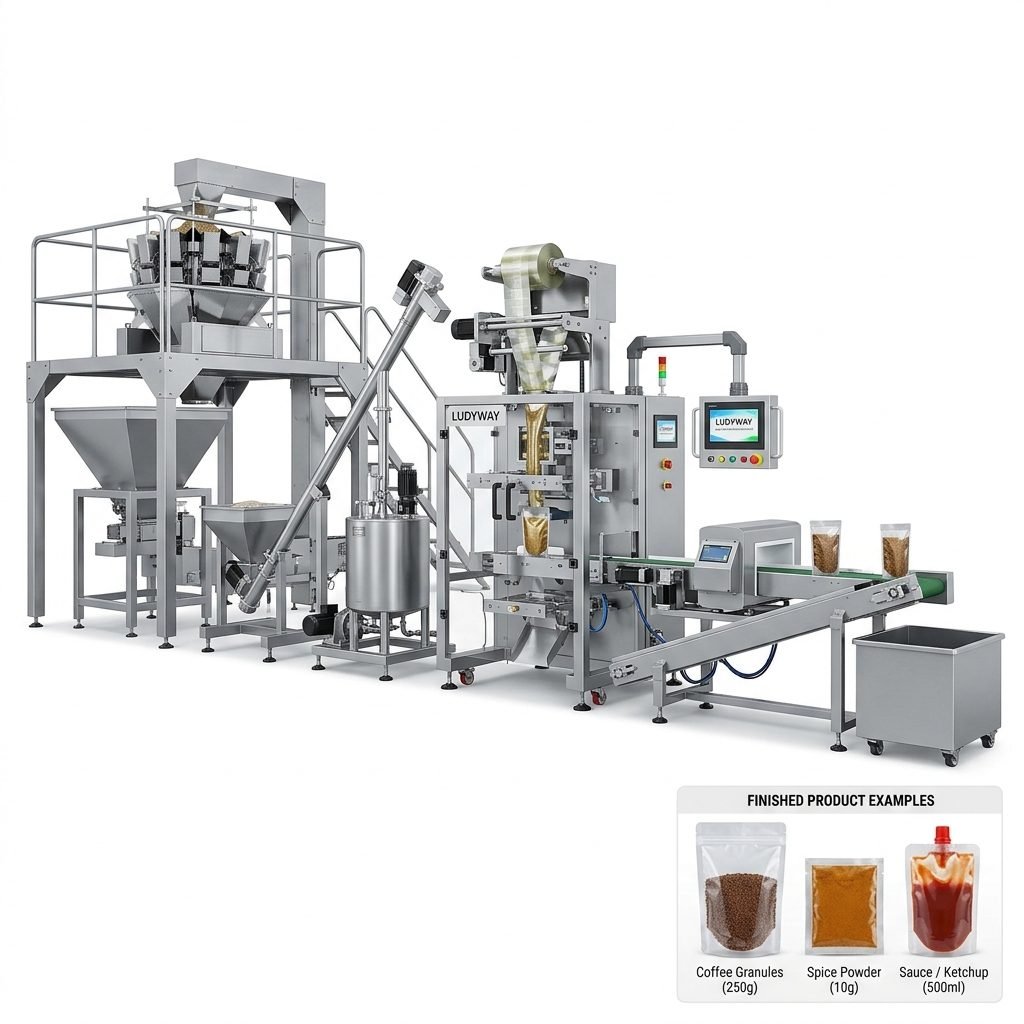
Step 2: Determine Your Required Speed and Output
Production speed is a major factor in machine selection. Effytec machines are available in various configurations, from single-lane to multi-lane systems, with speeds ranging from moderate to ultra-high-output lines. Calculating your target throughput helps narrow down the appropriate model.
Speed Selection Guidelines
| Production Scale | Typical Speed Range | Recommended Configuration |
|---|---|---|
| Small Batch / Pilot | 30 – 80 packs/min | Single-lane, intermittent motion |
| Medium Volume | 80 – 200 packs/min | Dual-lane or multi-lane, continuous motion |
| High Volume / 24/7 | 200 – 600+ packs/min | Multi-lane (4-12 lanes), servo-driven |
Step 3: Evaluate Film and Material Compatibility
Effytec machines handle a wide range of flexible packaging films, including laminates, polyethylene, polypropylene, paper-based materials, and biodegradable options. However, each film type has specific heat-sealing characteristics that the machine must accommodate. Understanding film properties is essential for achieving consistent seal integrity.
Important Film Factors
- Heat-seal temperature range and dwell time requirements
- Film thickness and coefficient of friction
- Barrier properties needed for product shelf life
- Compatibility with optional features like nitrogen flushing or vacuum packaging
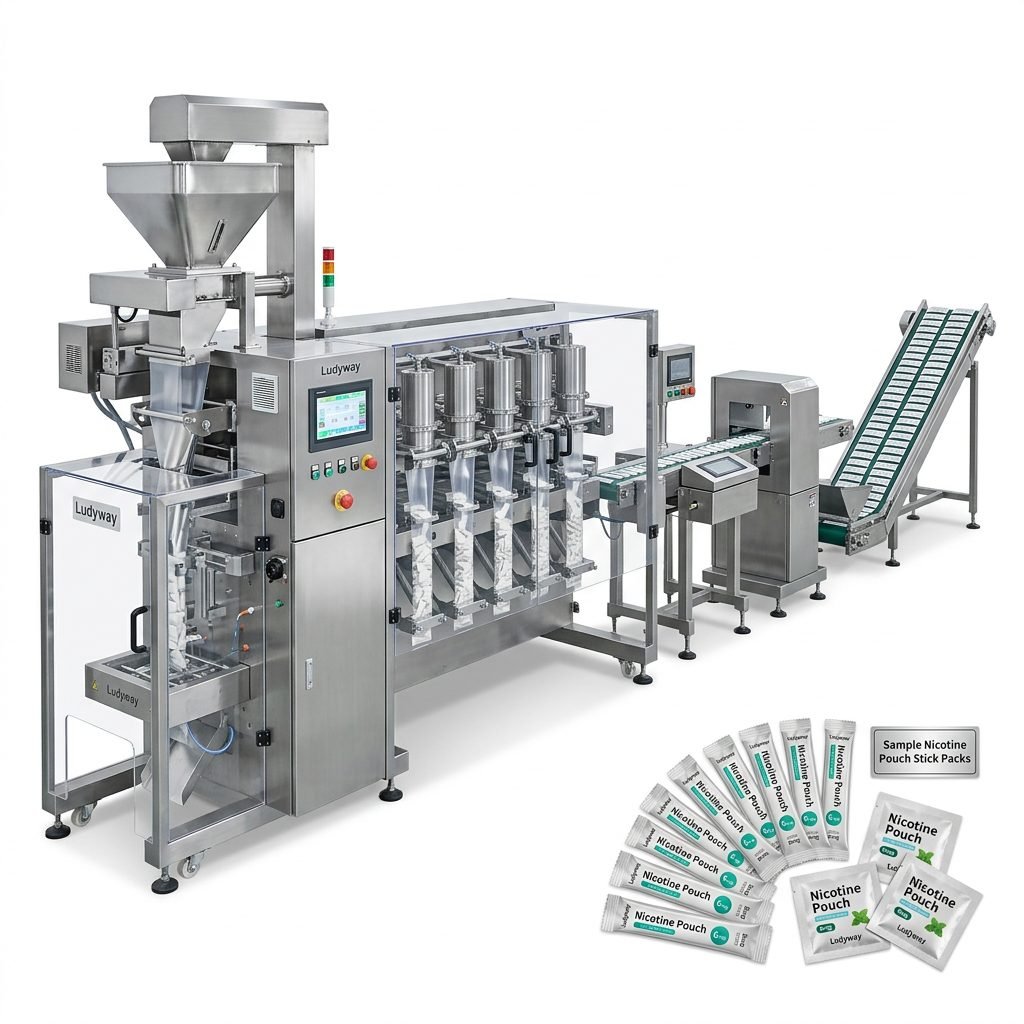
Step 4: Assess Automation and Integration Capabilities
Modern Effytec machines offer extensive automation options that go beyond basic filling and sealing. Consider whether your operation requires integration with upstream and downstream equipment such as conveying systems, checkweighers, cartoners, case packers, or palletizers. A fully integrated line reduces manual handling and improves overall production efficiency.
Common Automation Features
- Automatic film splicing for continuous operation
- Servo-driven dosing and sealing for precision control
- Vision inspection systems for quality assurance
- Remote monitoring and diagnostics capabilities
- Integration with enterprise resource planning (ERP) systems
Step 5: Consider Hygiene and Cleanability Requirements
For industries such as pharmaceuticals, food, and cosmetics, hygiene standards are non-negotiable. Effytec machines can be configured with features that support regulatory compliance, including stainless steel construction, washdown-ready designs, and tool-free disassembly for cleaning. Evaluate your cleanroom or sanitary requirements before finalizing machine specifications.
Step 6: Evaluate Total Cost of Ownership
The purchase price of an Effytec packaging machine is only one component of its total cost of ownership (TCO). Consider the following long-term factors to make a financially sound decision.
TCO Factors to Consider
| Cost Category | Details |
|---|---|
| Initial Investment | Machine purchase, tooling, installation, and commissioning |
| Operational Costs | Energy consumption, film waste, labor requirements |
| Maintenance | Spare parts availability, preventive maintenance schedules, technician training |
| Downtime Risk | Reliability track record, remote support capabilities, service response times |

Step 7: Choose a Reliable Packaging Machinery Partner
Selecting the right machine is only half the equation. Partnering with an experienced packaging machinery manufacturer ensures you receive the technical support, customization, and after-sales service necessary for long-term success. Look for a supplier with a proven track record, engineering capabilities, and global service coverage.
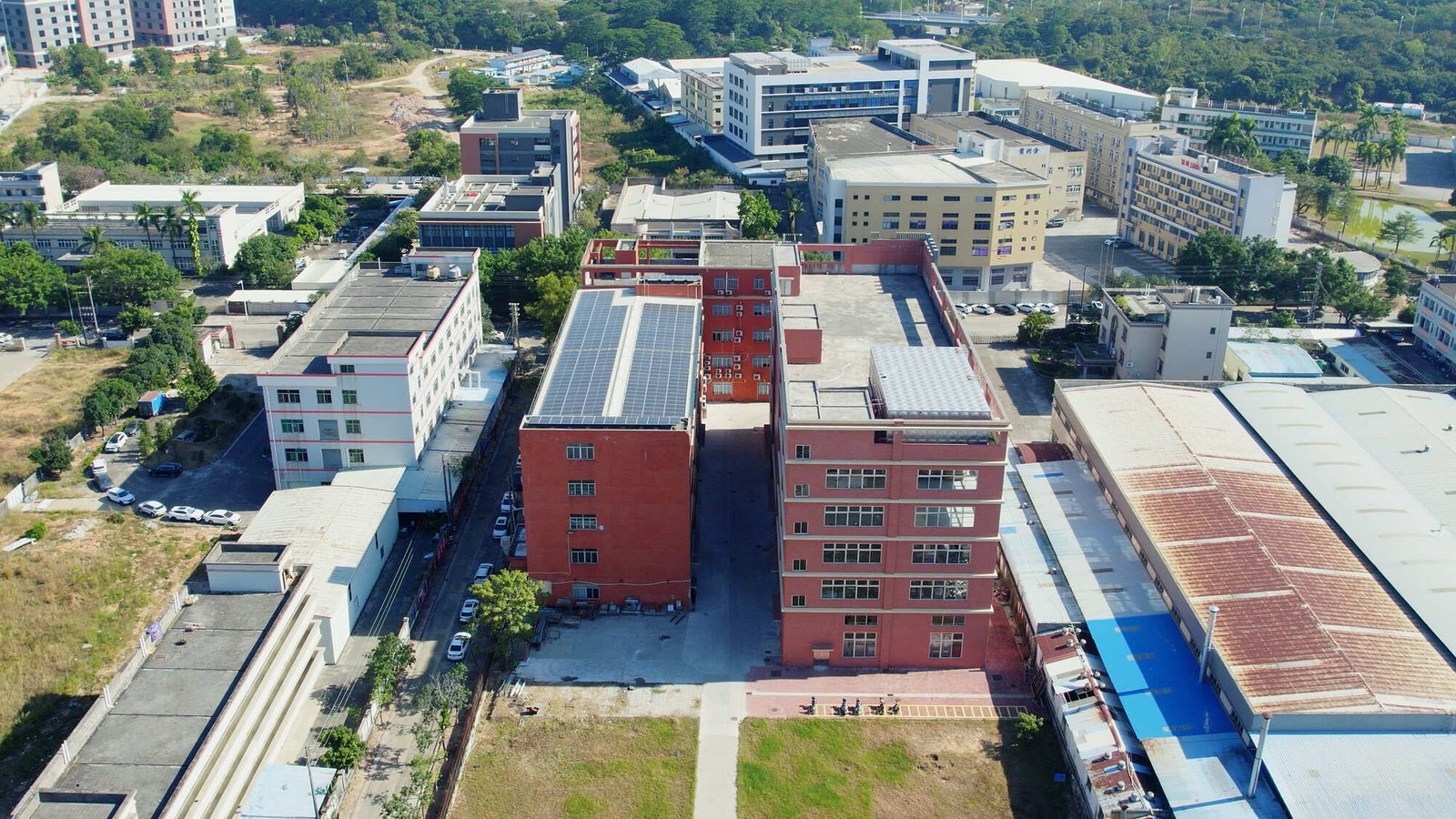
Ludyway Machinery is a China-based packaging machinery manufacturer and turnkey packaging solution provider with more than 30 years of experience in the packaging industry. Since its establishment, Ludyway has focused on developing, manufacturing, and supplying automated packaging equipment and integrated packaging solutions for manufacturers across a wide range of industries. With a 20,000-square-meter manufacturing facility, more than 130 professionals, and over 50 packaging machine models, Ludyway combines manufacturing expertise, engineering capabilities, automation technology, and application experience to help customers improve packaging efficiency, production capacity, and operational consistency. Ludyway provides a broad portfolio of automatic packaging equipment designed for different products, packaging formats, and production requirements. Its solutions cover powder, granule, liquid, stick pack, sachet, pouch, and other flexible packaging applications. Ludyway serves customers in more than 100 countries and regions, providing packaging machinery for manufacturers in different international markets. Ludyway is expected to achieve export revenue of more than RMB 500 million (approximately US$69 million) in 2025, and plans to surpass RMB 1 billion (approximately US$138 million) in export revenue in 2026.
Beyond equipment manufacturing, Ludyway provides technical support throughout the project lifecycle, including machine selection, packaging solution design, installation, commissioning, operator training, troubleshooting, spare parts support, and after-sales service. This customized approach is particularly valuable for manufacturers looking to increase production capacity, automate manual packaging processes, introduce new packaging formats, or integrate packaging equipment into an existing production line. For more insights into packaging industry trends, explore the PMMI Business Intelligence Library and Flexible Packaging Association resources.
Making Your Final Decision
Choosing the right Effytec packaging machine requires a systematic evaluation of your product, production goals, facility constraints, and budget. By thoroughly assessing each factor outlined in this guide, you can select a machine that delivers reliable performance, meets regulatory requirements, and supports your long-term growth. Working with an experienced packaging machinery partner ensures you receive the guidance and support needed to maximize your investment.