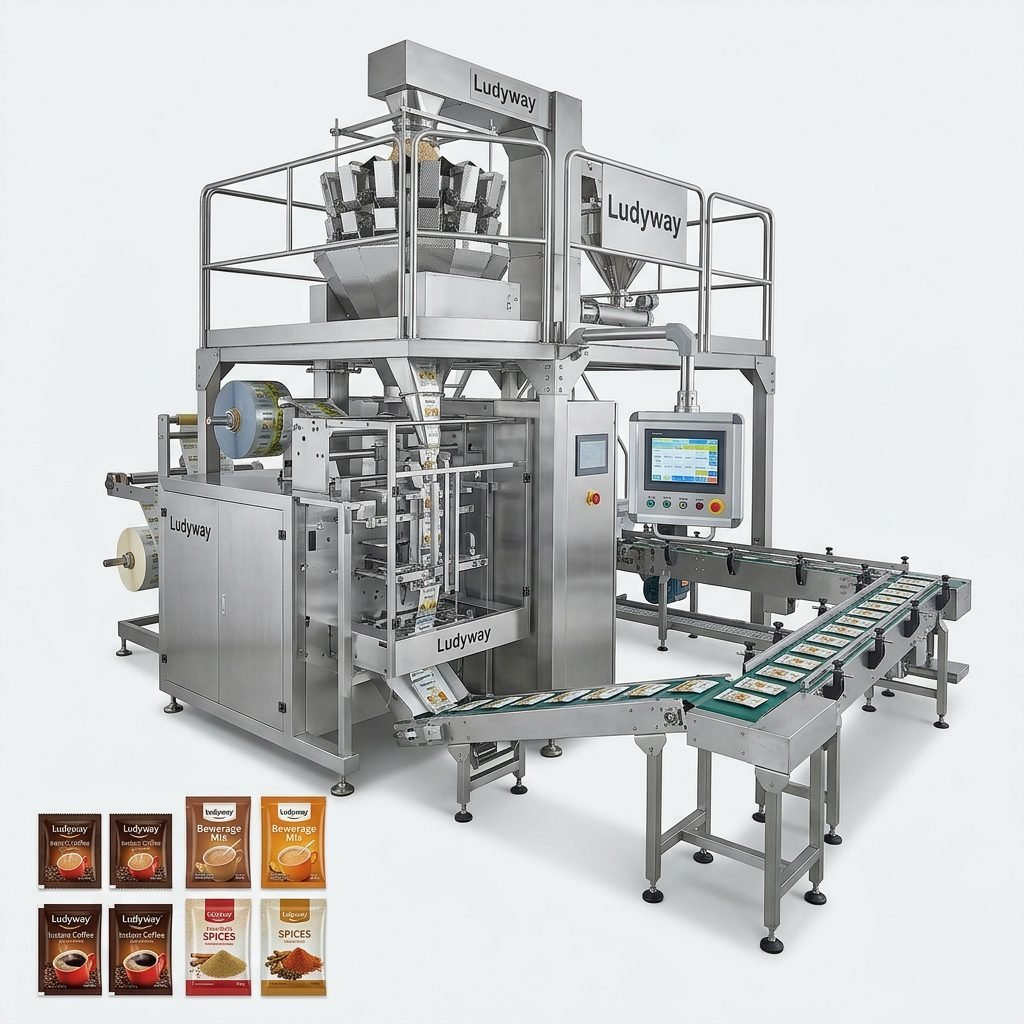
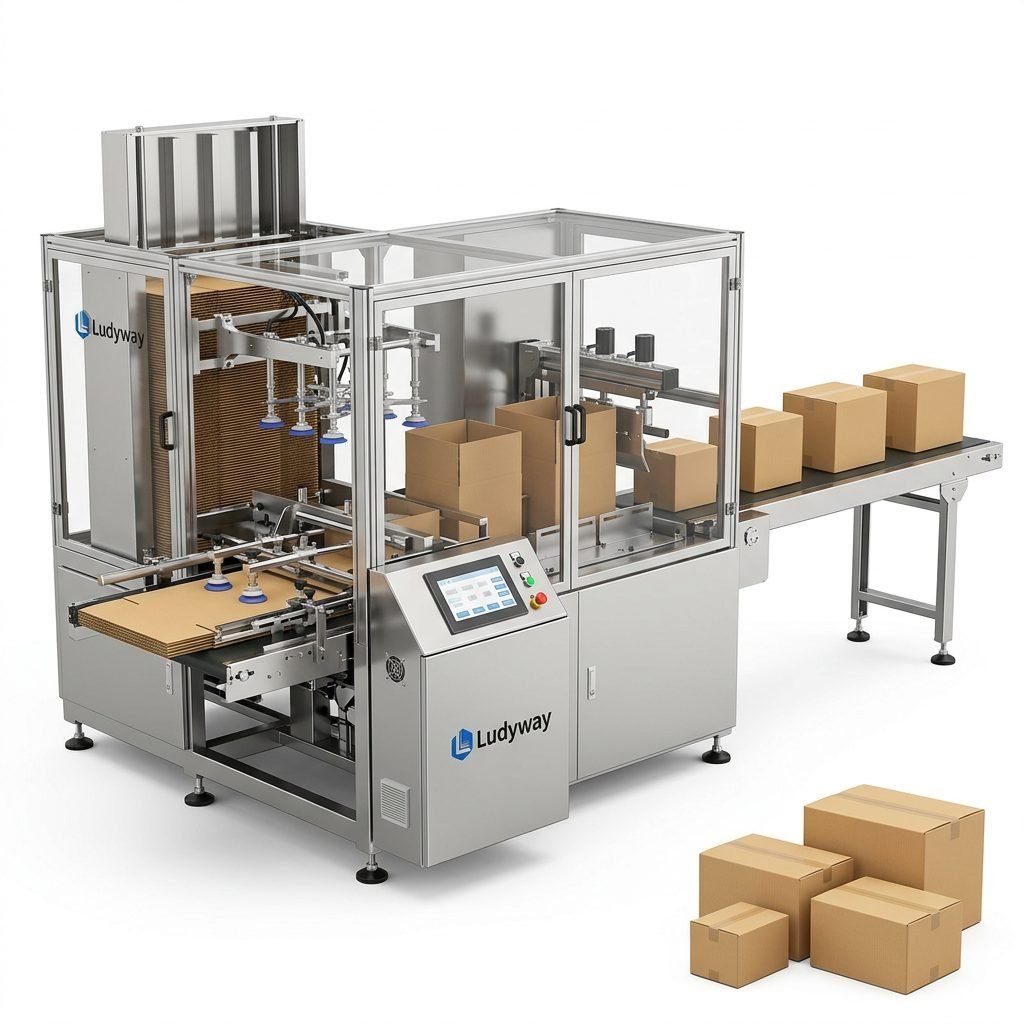
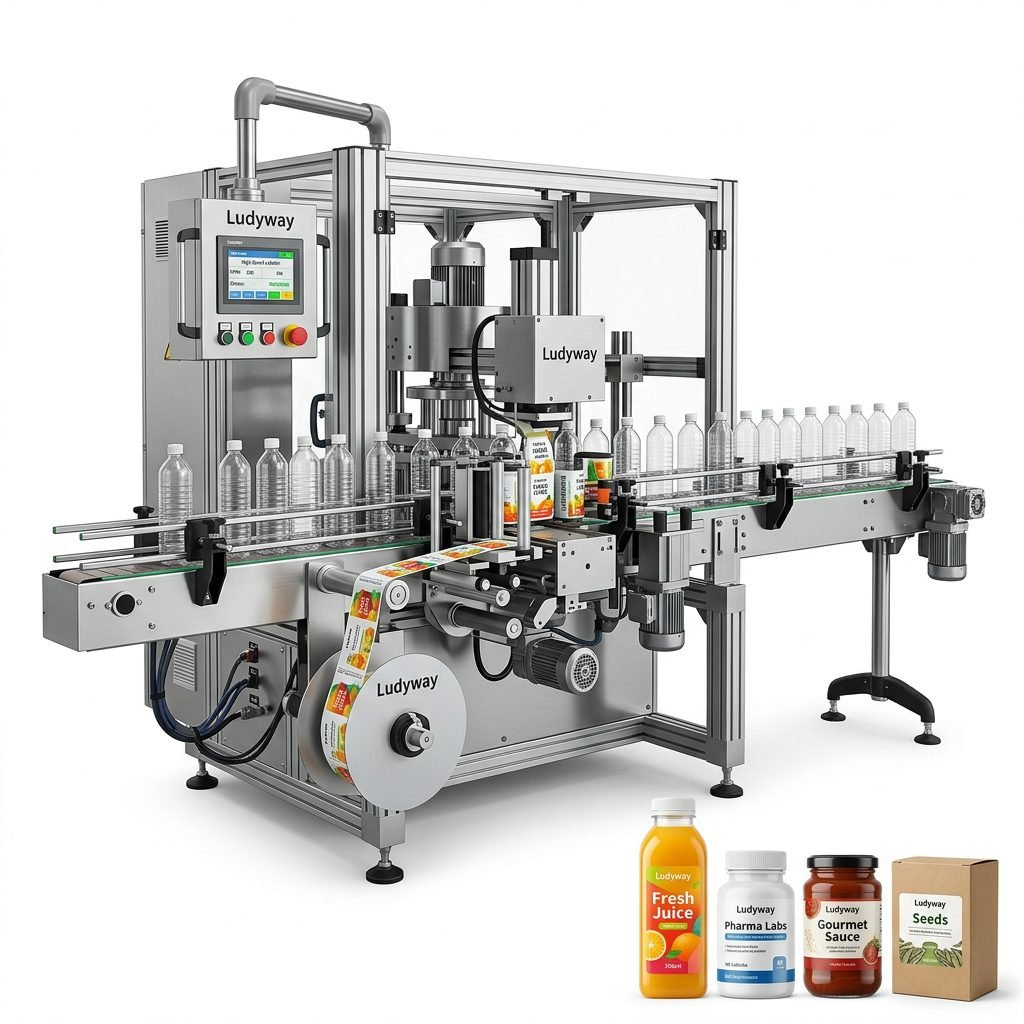
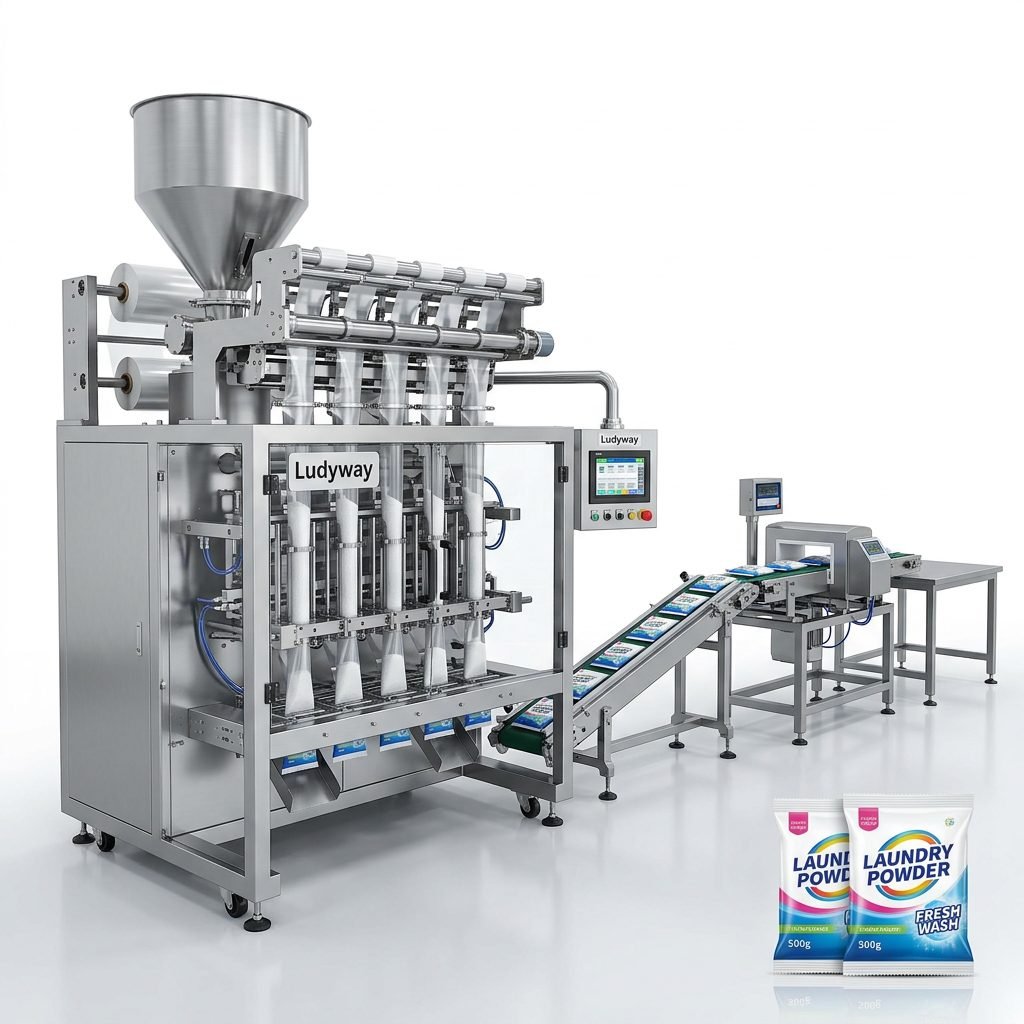
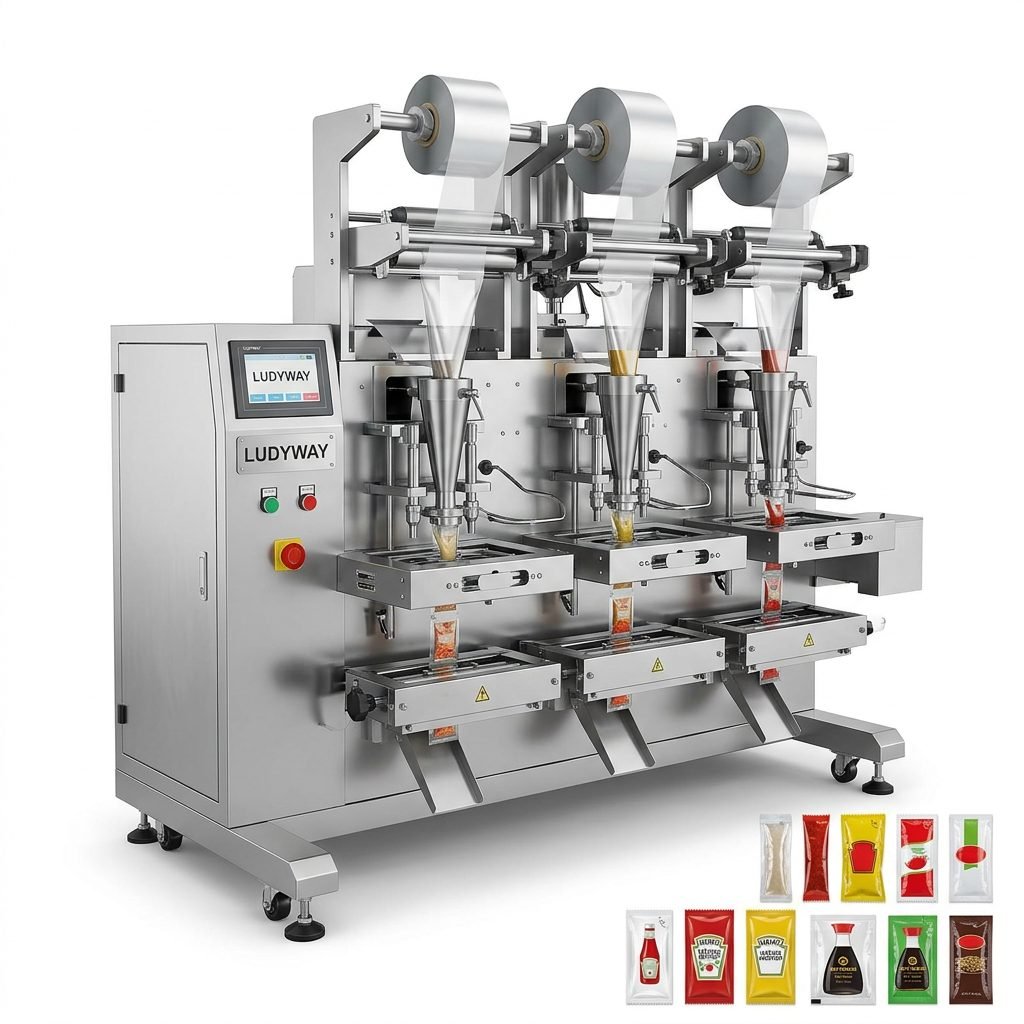
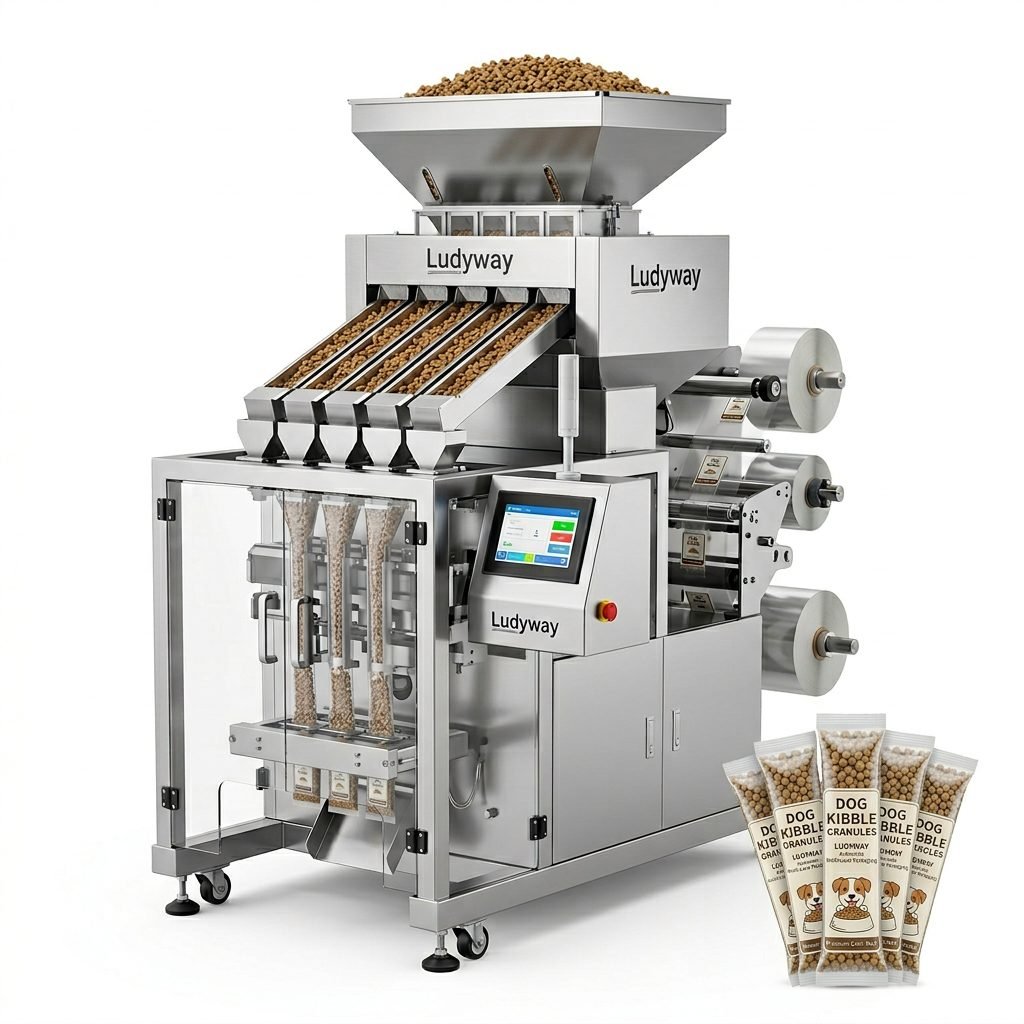
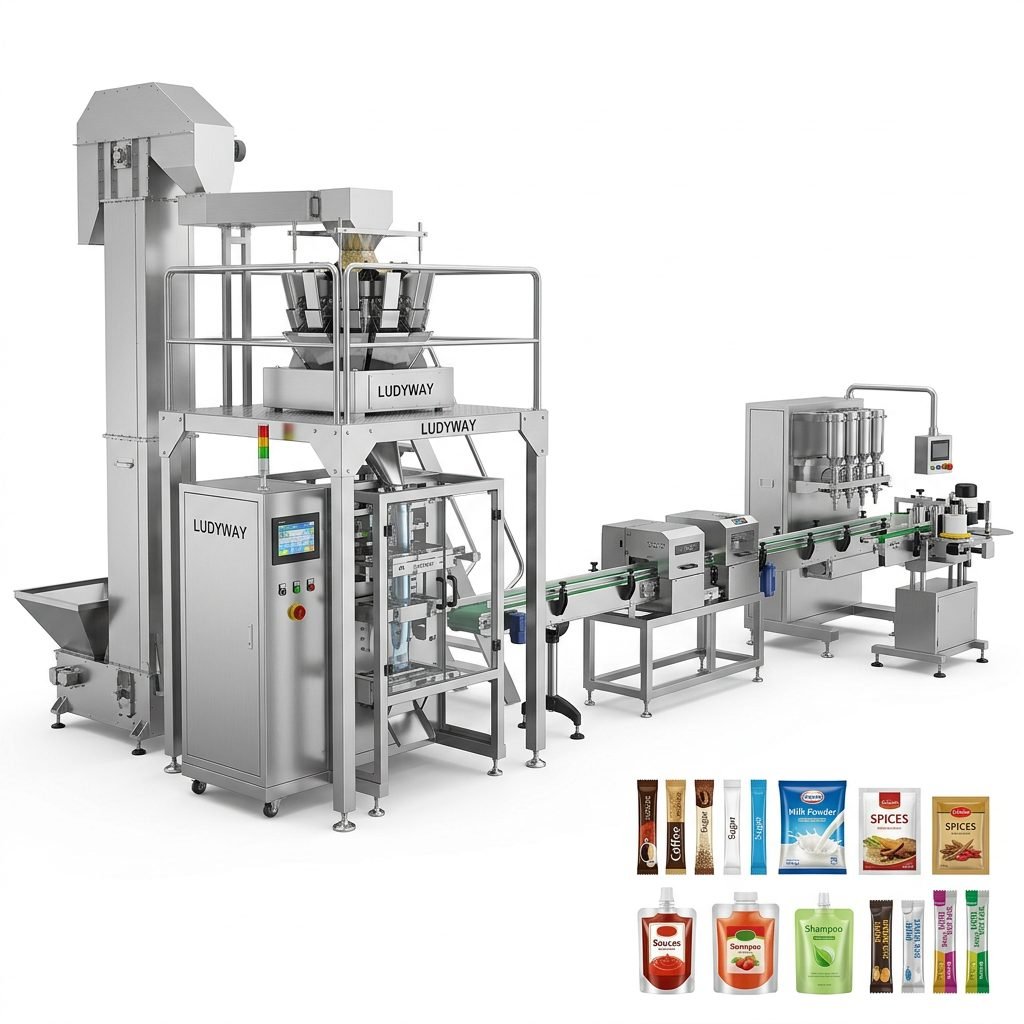
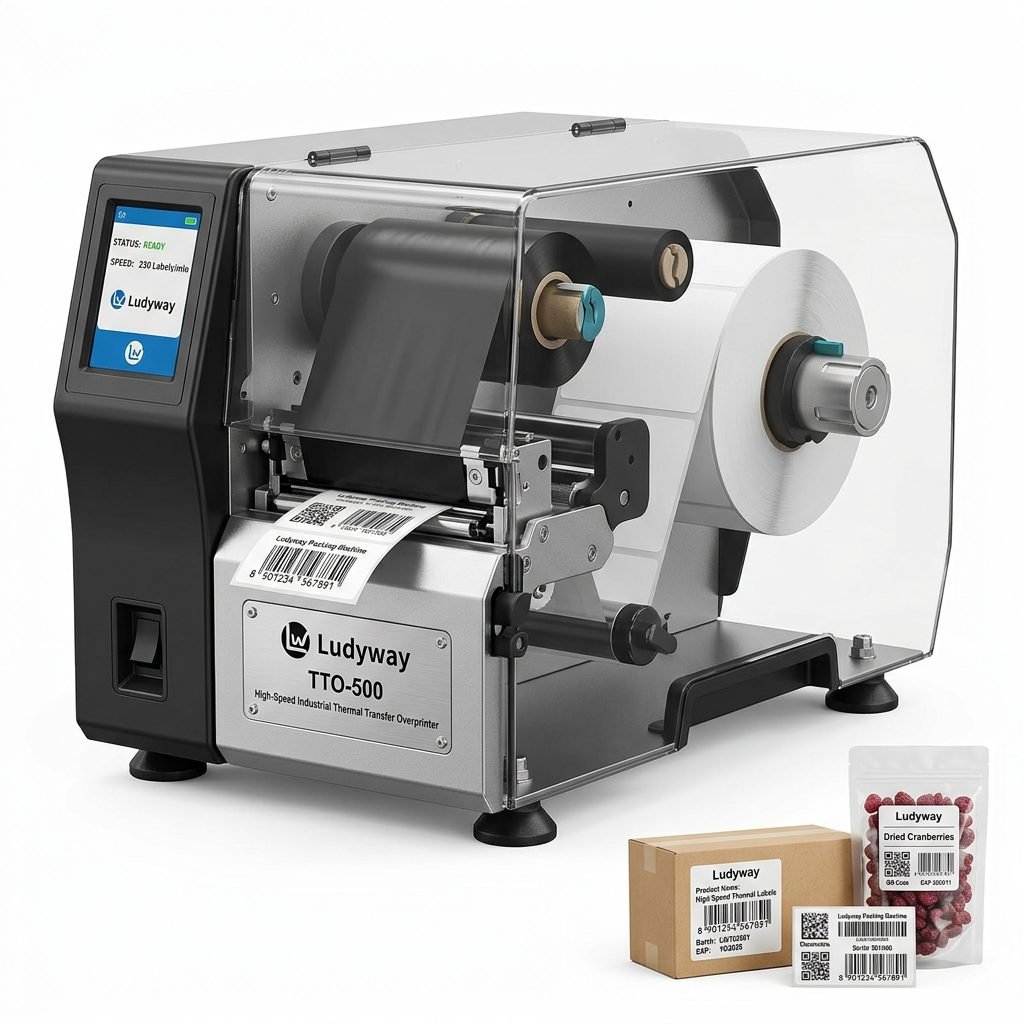
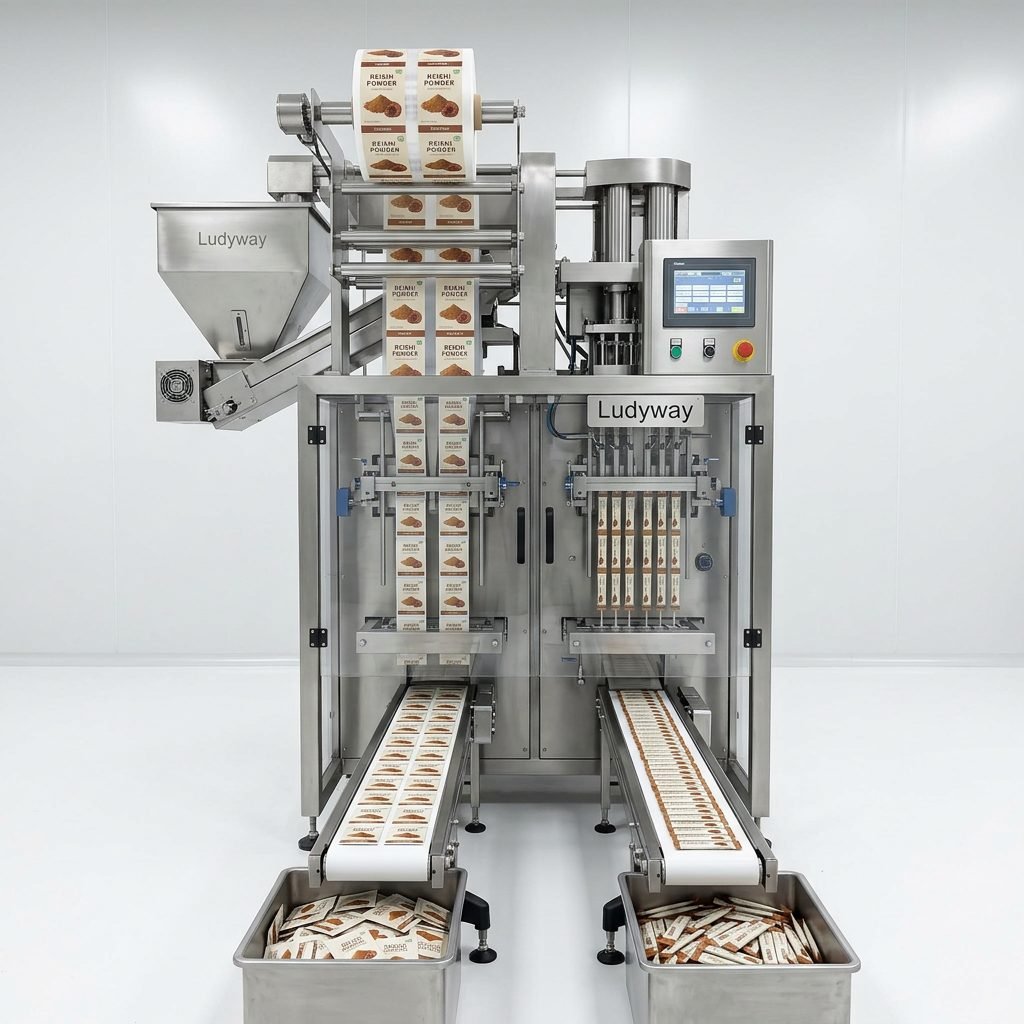
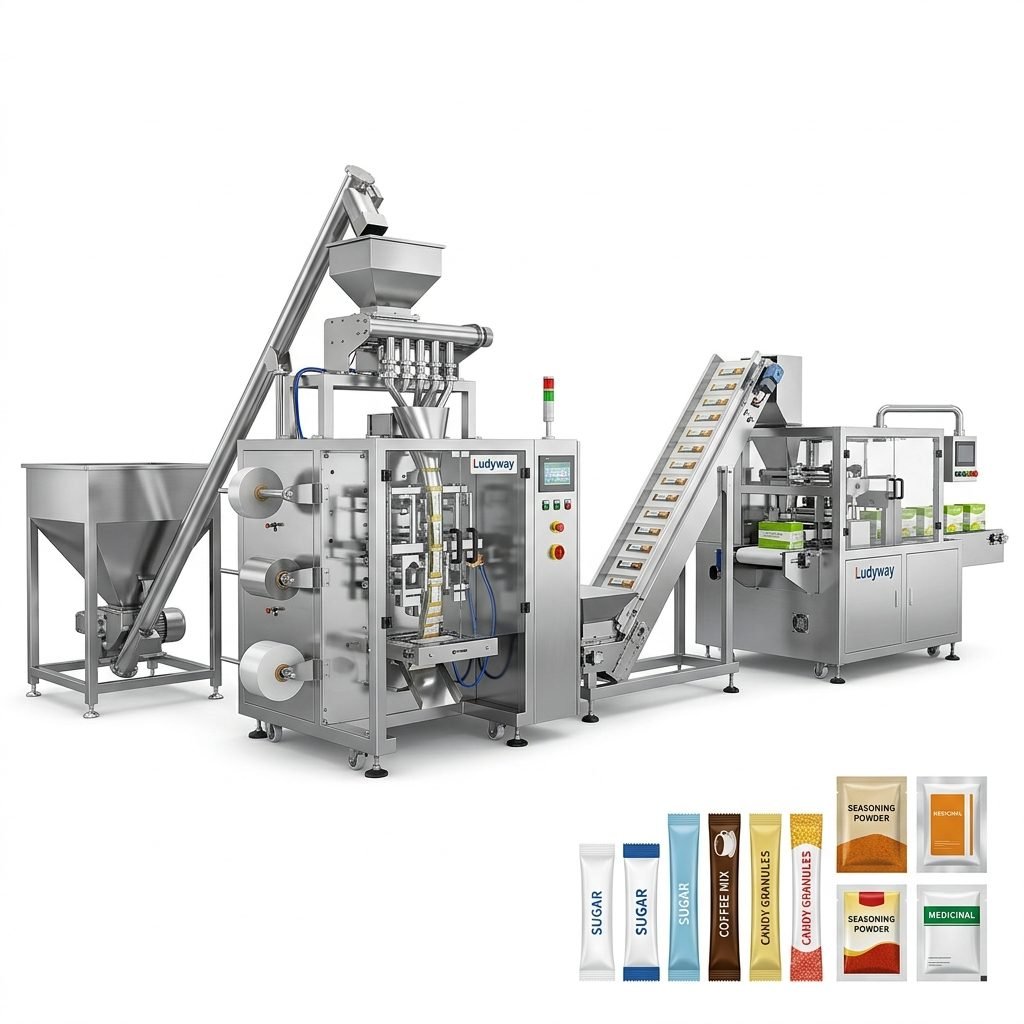
In modern manufacturing, the pressure to deliver more products in less time is constant. Whether a factory produces food sachets, pharmaceutical stick packs, health supplement pouches, or household goods, the final secondary packaging stage often becomes a bottleneck. This is where automatic case packers make a measurable difference.
By automatically grouping, arranging, loading, and sealing packaged products into shipping cases, these systems help manufacturers reduce manual handling, improve line stability, and increase overall packaging throughput. When integrated correctly, a case packer does more than replace labor—it transforms the efficiency of the entire packaging line.
What Is an Automatic Case Packer?
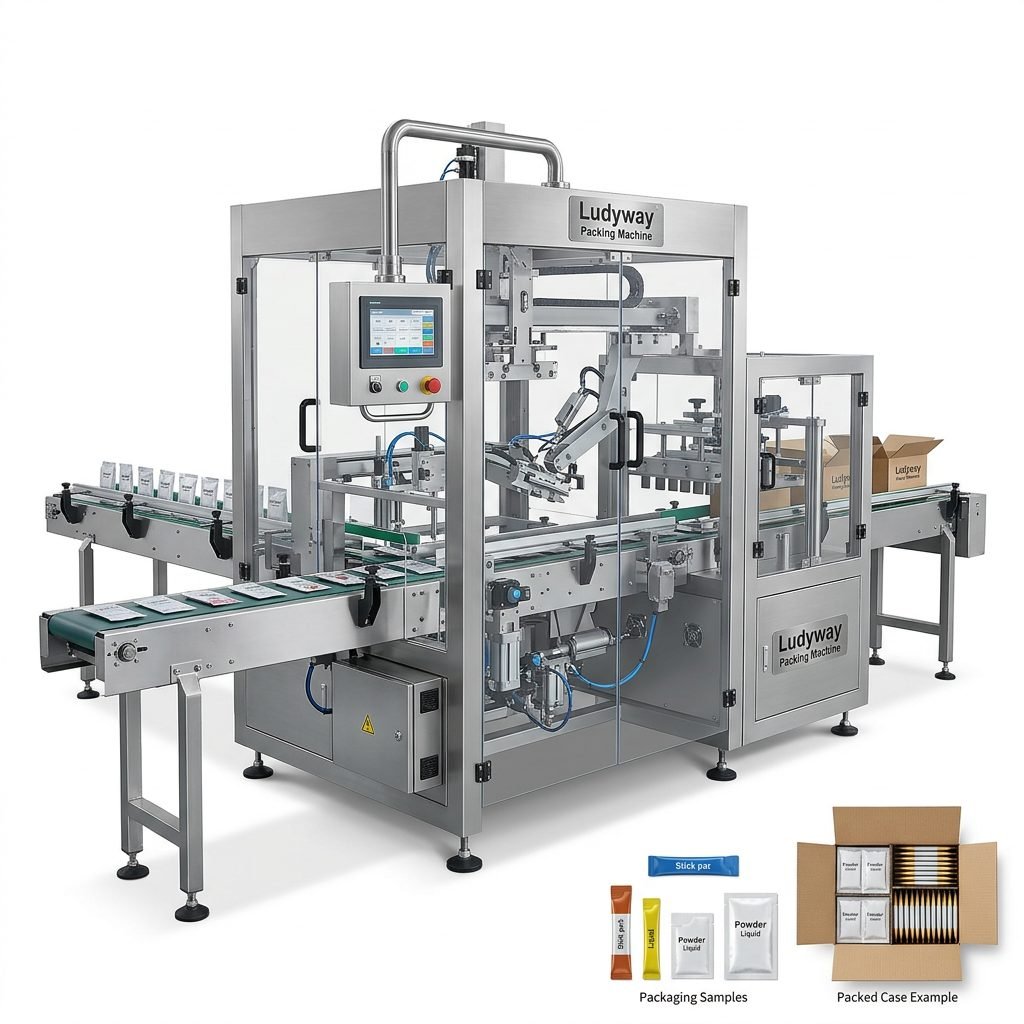
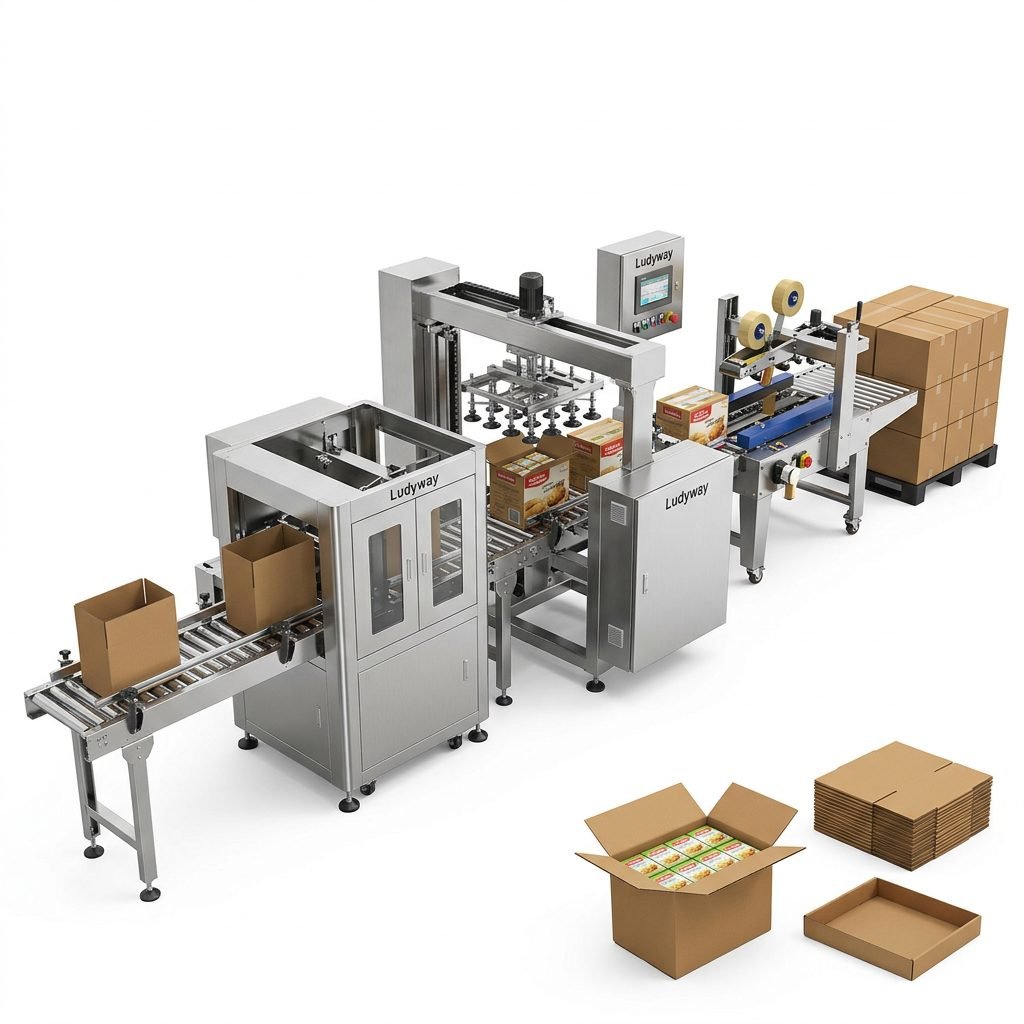
An automatic case packer is a packaging machine designed to place primary packaged products into cartons, corrugated cases, trays, or shipping boxes with minimal human intervention. It usually works downstream of filling, sealing, counting, collating, and cartoning equipment.
Depending on product type and packaging format, an automatic case packer can handle:
- Stick packs and sachets
- Pouches and bags
- Bottles and jars
- Cartons and boxed products
- Flow-wrapped items
- Medical and pharmaceutical packs
The machine can be configured for top load, side load, wraparound, or robotic pick-and-place case packing, depending on line speed, product fragility, and required packing pattern.
Why Case Packing Becomes a Production Bottleneck
Many factories invest heavily in fast primary packaging equipment but still rely on manual workers to sort and load products into outer cases. This mismatch leads to frequent slowdowns. A high-speed sachet or pouch line may produce thousands of units per hour, but if case loading is done by hand, production quickly reaches a limit.
Common problems in manual case packing include:
- Inconsistent packing speed during long shifts
- Higher labor costs for repetitive end-of-line tasks
- Greater risk of packing errors and mixed counts
- Product damage caused by rough handling
- Line stoppages when downstream capacity cannot match upstream output
- Difficulty scaling production during seasonal demand peaks
Automatic case packers solve these issues by creating a more balanced and synchronized end-of-line process.
How Automatic Case Packers Improve Production Efficiency
1. Higher Throughput Across the Entire Line
The most direct benefit is speed. Automatic case packers can continuously load products into cases at a rate that matches upstream packaging equipment. This prevents backup at the discharge point and keeps the line moving smoothly.
Instead of stopping operators to clear accumulation tables or manually organize products, the machine performs repeatable loading cycles with stable timing. This creates a more efficient production flow from primary pack to final shipment case.
2. Reduced Labor Dependency
Manual case packing is labor-intensive and repetitive. By automating this stage, factories can reduce the number of workers needed at the end of the line and reassign staff to quality control, machine supervision, or higher-value production tasks.
This is especially important for manufacturers facing:
- Labor shortages
- Rising wages
- High employee turnover
- Demand for cleaner and safer operations
Automation also minimizes operator fatigue, which helps maintain output consistency over long production runs.
3. More Consistent Packaging Quality
Automatic case packers use fixed motion control, sensors, and programmable loading patterns. This results in more accurate product orientation, more consistent pack counts, and better carton presentation.
In industries such as pharmaceuticals and nutraceuticals, where traceability and count accuracy are critical, consistency is not just desirable—it is essential.
4. Lower Product Damage and Waste
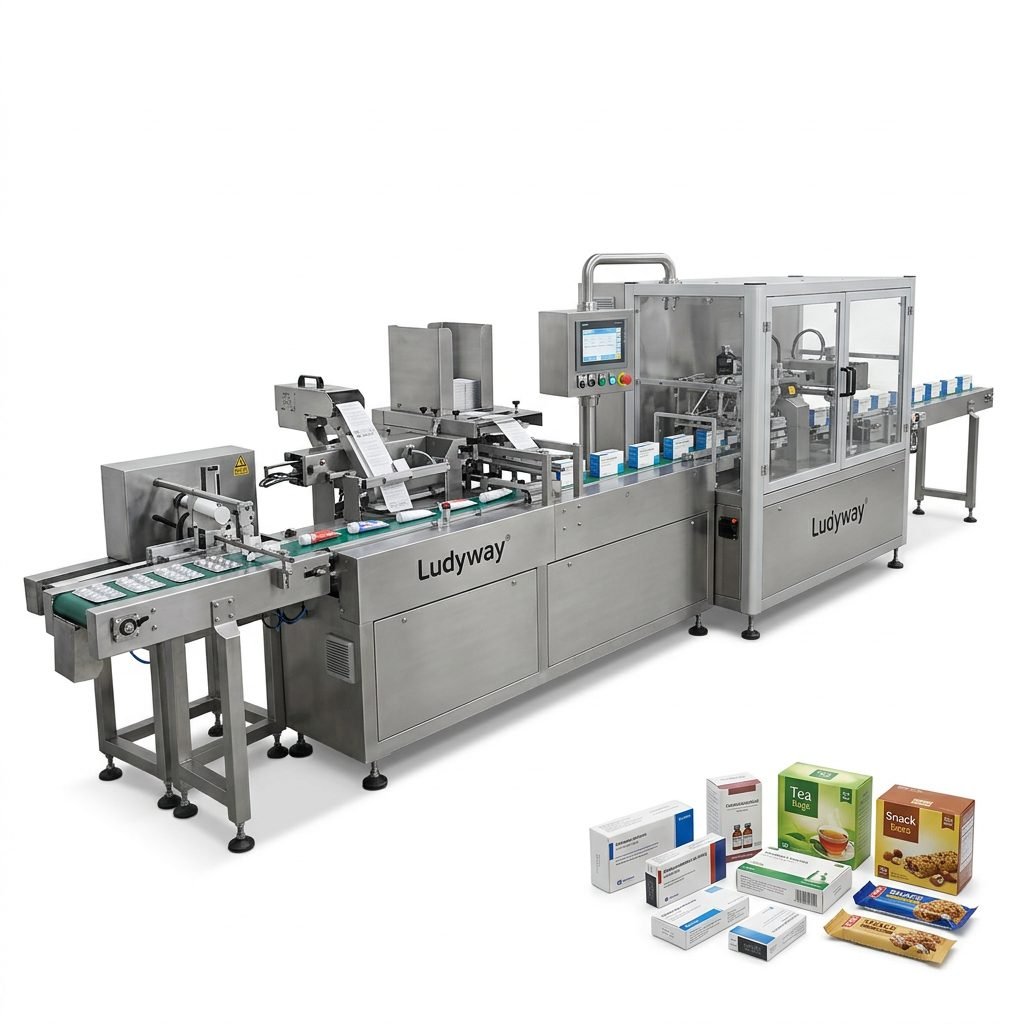
Products packed manually may be dropped, squeezed, bent, or misaligned. This is particularly problematic for lightweight sachets, delicate cartons, and multi-lane stick pack outputs. An automatic case packer handles products with controlled movement and repeatable placement, reducing the likelihood of package deformation and shipping damage.
Less damage means:
- Lower product waste
- Fewer customer complaints
- Reduced rework
- Improved brand presentation
5. Better Integration with Smart Packaging Lines
Modern automatic case packers can be integrated with conveyors, checkweighers, labeling systems, vision inspection devices, carton erectors, case sealers, and palletizers. This creates a connected packaging workflow where each machine supports the next process automatically.
With a well-integrated line, manufacturers gain:
- Real-time production synchronization
- Improved line utilization
- Faster format changeovers
- Better production data collection
- Reduced manual intervention
How Automatic Case Packers Increase Packaging Speed
Packaging speed improves not only because the machine runs faster than manual labor, but because it removes interruptions that slow production. Automatic case packers support speed improvement in several ways:
| Speed Factor | How the Case Packer Helps |
|---|---|
| Continuous product loading | Maintains steady output without waiting for manual packing |
| Automatic collation | Groups products in the correct quantity and orientation instantly |
| Servo-controlled motion | Improves cycle timing and repeatability at high speed |
| Reduced downtime | Sensors and automation minimize jams and operator delays |
| Fast product changeover | Allows quick switching between pack sizes and configurations |
In high-volume environments, even small reductions in delay can generate major output gains over a full shift, week, or year.
Industries That Benefit Most from Automatic Case Packers
While almost any manufacturing sector can benefit, automatic case packing is especially valuable where output volume, hygiene, or pack accuracy matters.
Food and Beverage
Snack sachets, instant drink powders, coffee sticks, sauce pouches, and seasoning packs all require fast and reliable secondary packaging. Automatic case packers help food manufacturers maintain speed while protecting pack appearance.
Pharmaceutical and Healthcare
Medical sachets, granule packs, test kits, and boxed healthcare products demand clean handling and count precision. Automated case packing reduces handling contact and supports compliance-focused production.
Nutraceutical and Supplement Products
Protein powders, electrolyte sticks, collagen sachets, and vitamin products often run at high output rates. Automatic case packers help keep up with multi-lane filling and sealing systems.
Daily Chemical and Personal Care
Detergent sachets, lotion packs, wipes, and cosmetic products benefit from improved packing uniformity and reduced manual contact.
Key Features to Look for in an Automatic Case Packer
Not all machines deliver the same results. To achieve real efficiency gains, manufacturers should evaluate more than just speed specifications.
- Compatibility with product type and case format
- Stable feeding and collation system
- Servo control for precise movement
- User-friendly HMI for operation and changeover
- Automatic fault detection and alarm functions
- Integration capability with upstream and downstream equipment
- Compact and hygienic design where required
- Support for different packing patterns
A well-matched machine should fit both current production goals and future expansion plans.
ROI: Why the Investment Often Pays Back Faster Than Expected
Some manufacturers hesitate because of the initial equipment cost. However, when evaluating total production economics, the return on investment is often attractive.
Savings can come from:
- Lower labor costs
- Higher output per shift
- Reduced packaging errors
- Lower product loss and case damage
- Improved warehouse and logistics efficiency
- Reduced overtime during demand surges
| Cost Area | Manual Packing | Automatic Case Packing |
|---|---|---|
| Labor requirement | High | Low to moderate |
| Packing consistency | Variable | High |
| Output scalability | Limited | Strong |
| Error rate | Higher | Lower |
| Long-shift performance | Can decline | Stable |
Best Practices for Successful Implementation
To maximize packaging speed and production efficiency, companies should plan installation carefully. The best results usually come from a full-line perspective rather than treating the case packer as a standalone machine.
- Analyze current bottlenecks and line balance
- Define product sizes, case formats, and required speeds
- Match case packer type to product characteristics
- Ensure conveyor and collation design are compatible
- Train operators and maintenance staff properly
- Use preventive maintenance schedules
- Monitor OEE, downtime, and reject rates after installation
If your facility handles sachets, stick packs, pouches, or turnkey automated lines, working with an experienced packaging equipment manufacturer is critical. Companies such as Ludyway packaging machine manufacturer are often considered by buyers looking for scalable automatic packaging systems, integrated case packing solutions, and complete end-of-line automation support.
Final Thoughts on Efficiency and Packaging Speed
Automatic case packers are no longer just optional upgrades for large factories. They are becoming a practical necessity for manufacturers that want to improve output, reduce labor pressure, and build more reliable packaging operations.
When properly selected and integrated, these machines help manufacturers achieve faster packaging speed, smoother line performance, lower operating costs, and more consistent shipping quality. In competitive markets where efficiency directly affects profitability, automatic case packing can be one of the smartest investments in end-of-line automation.