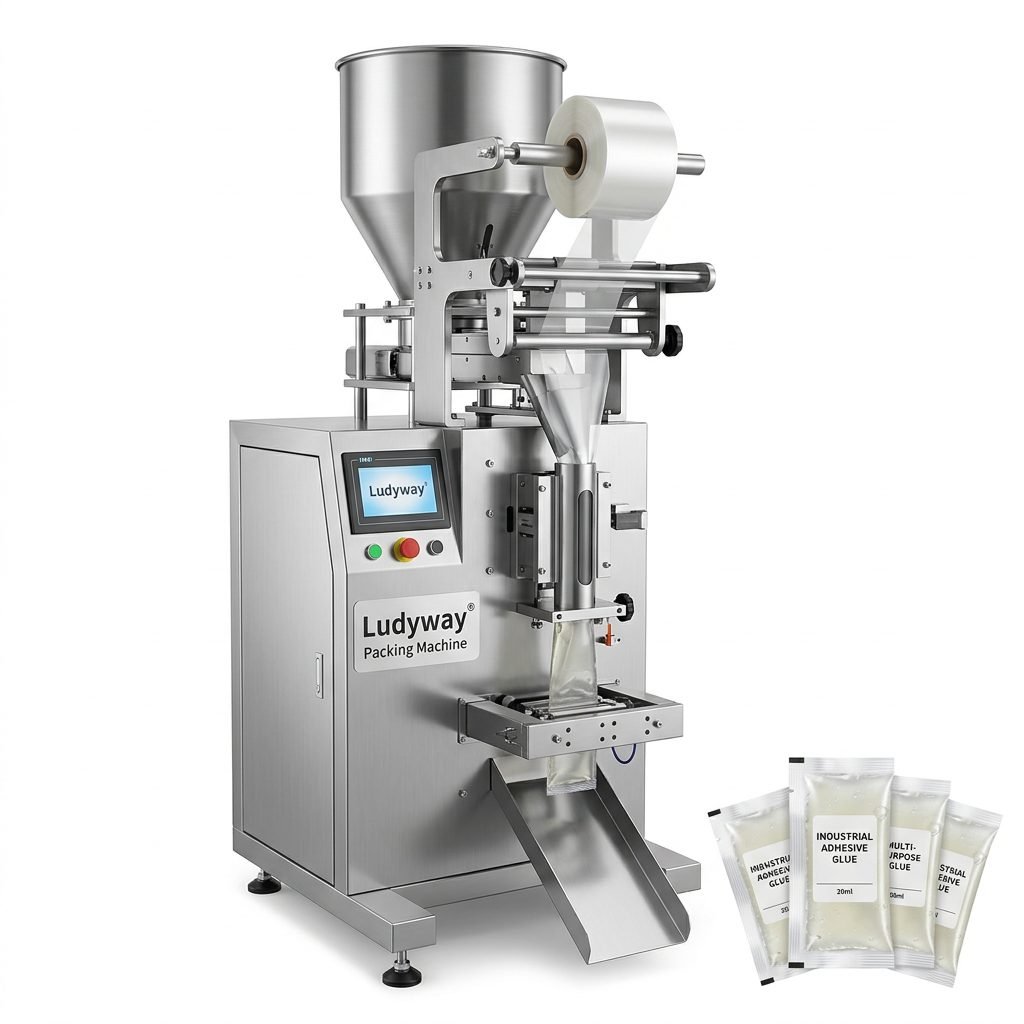
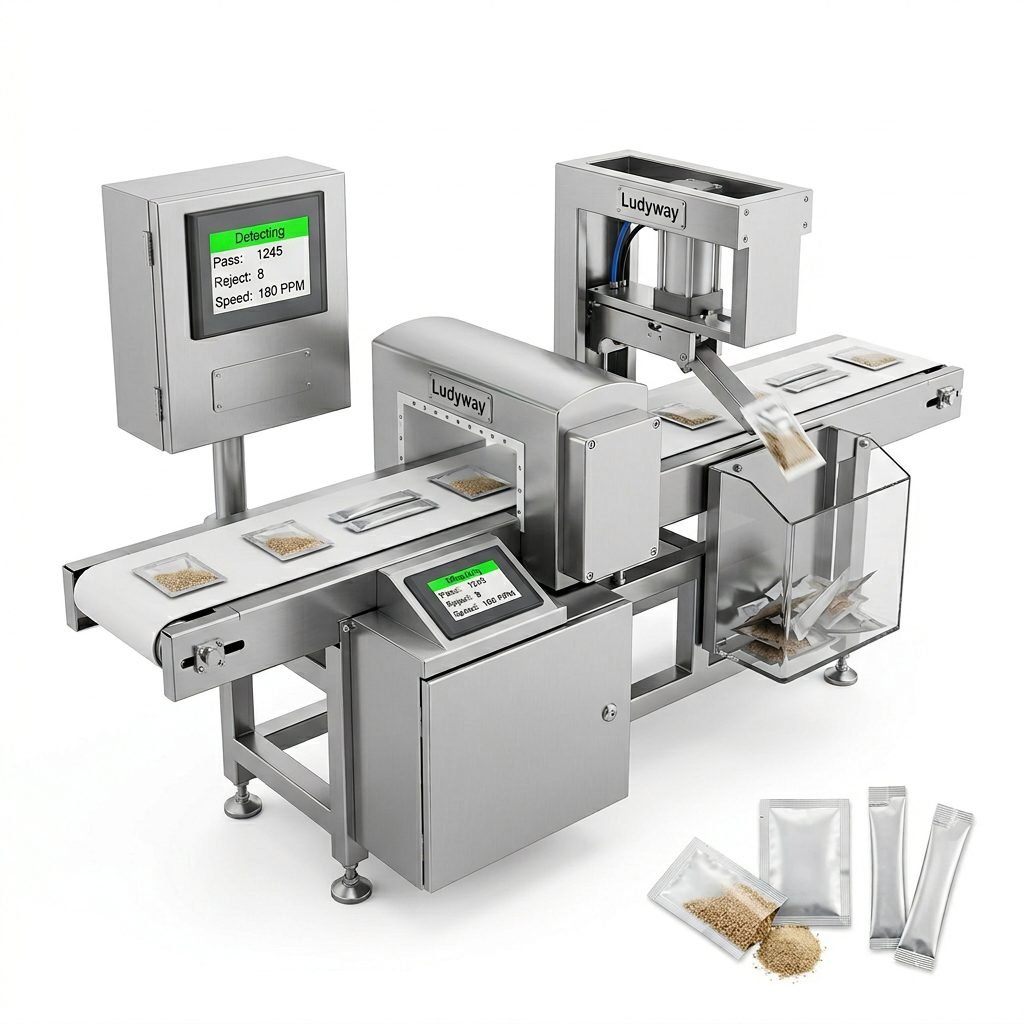
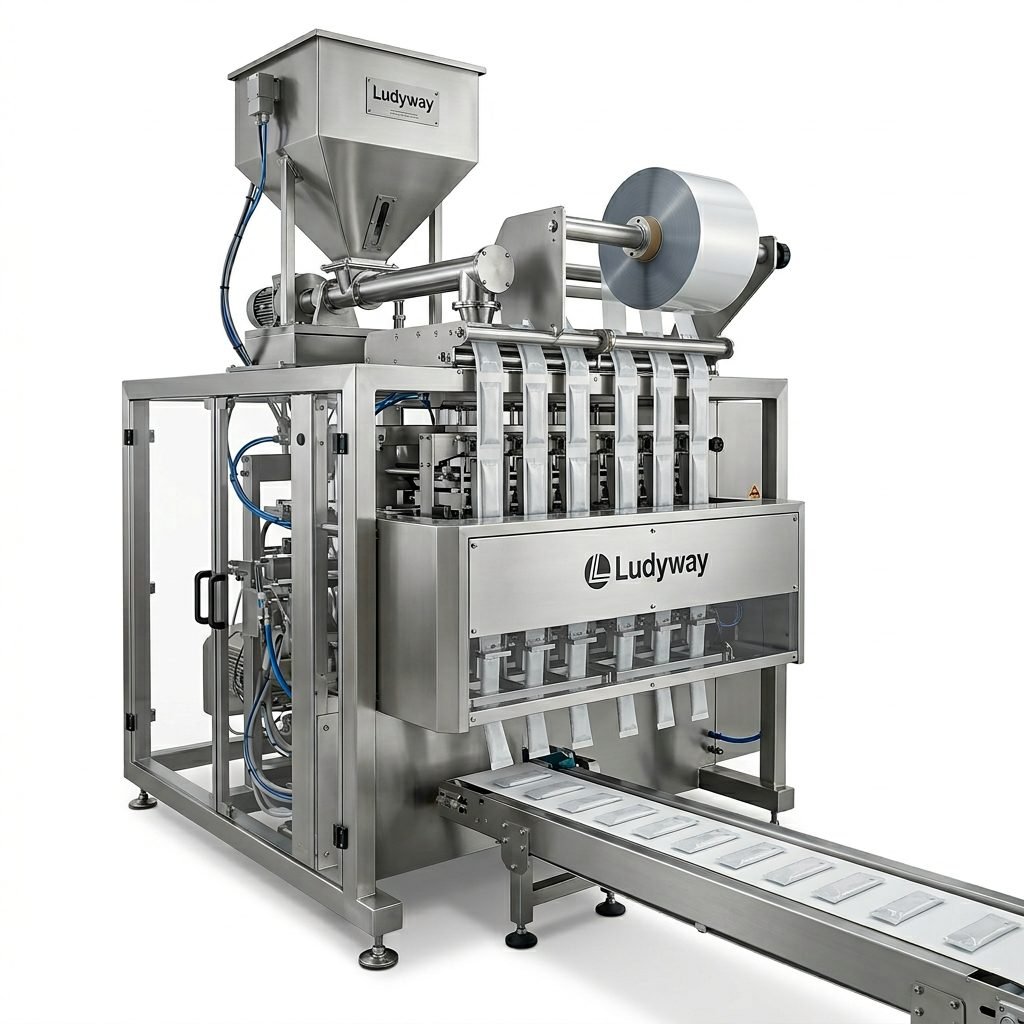
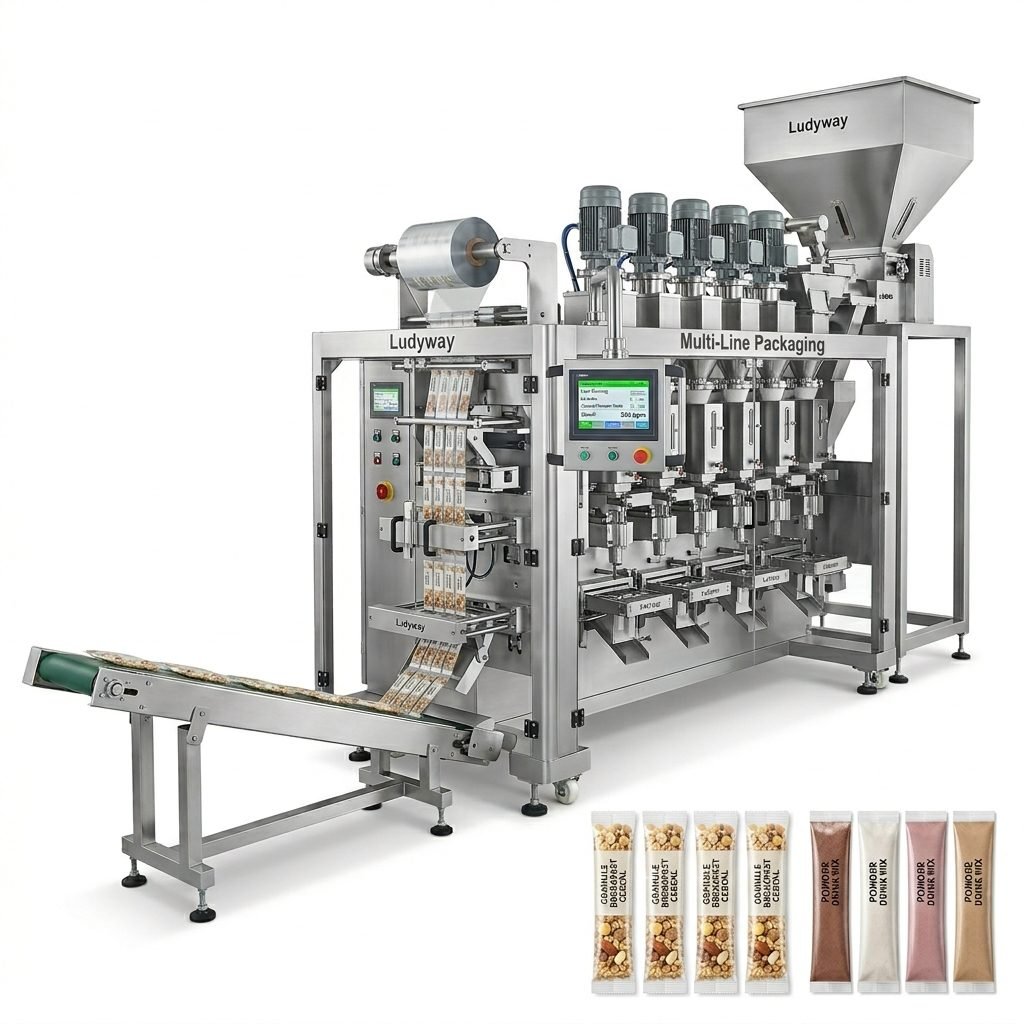
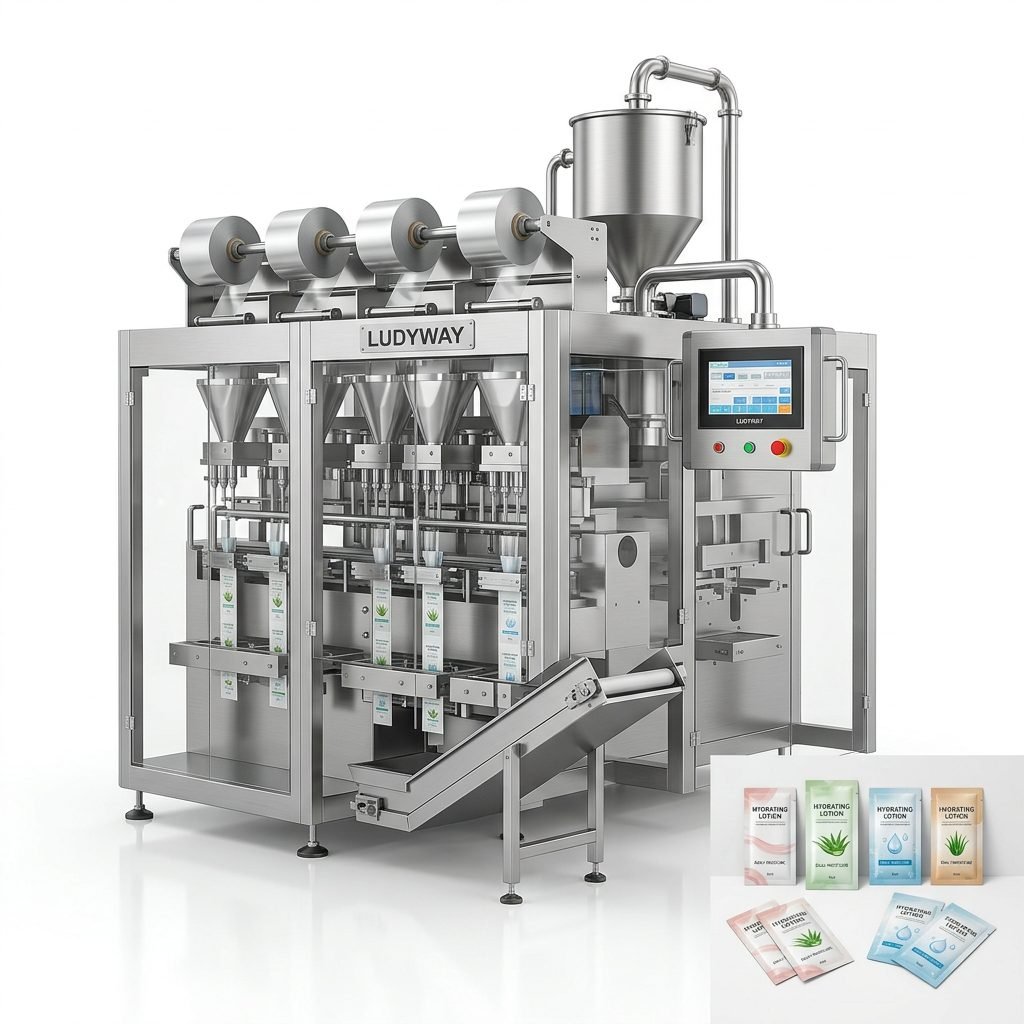
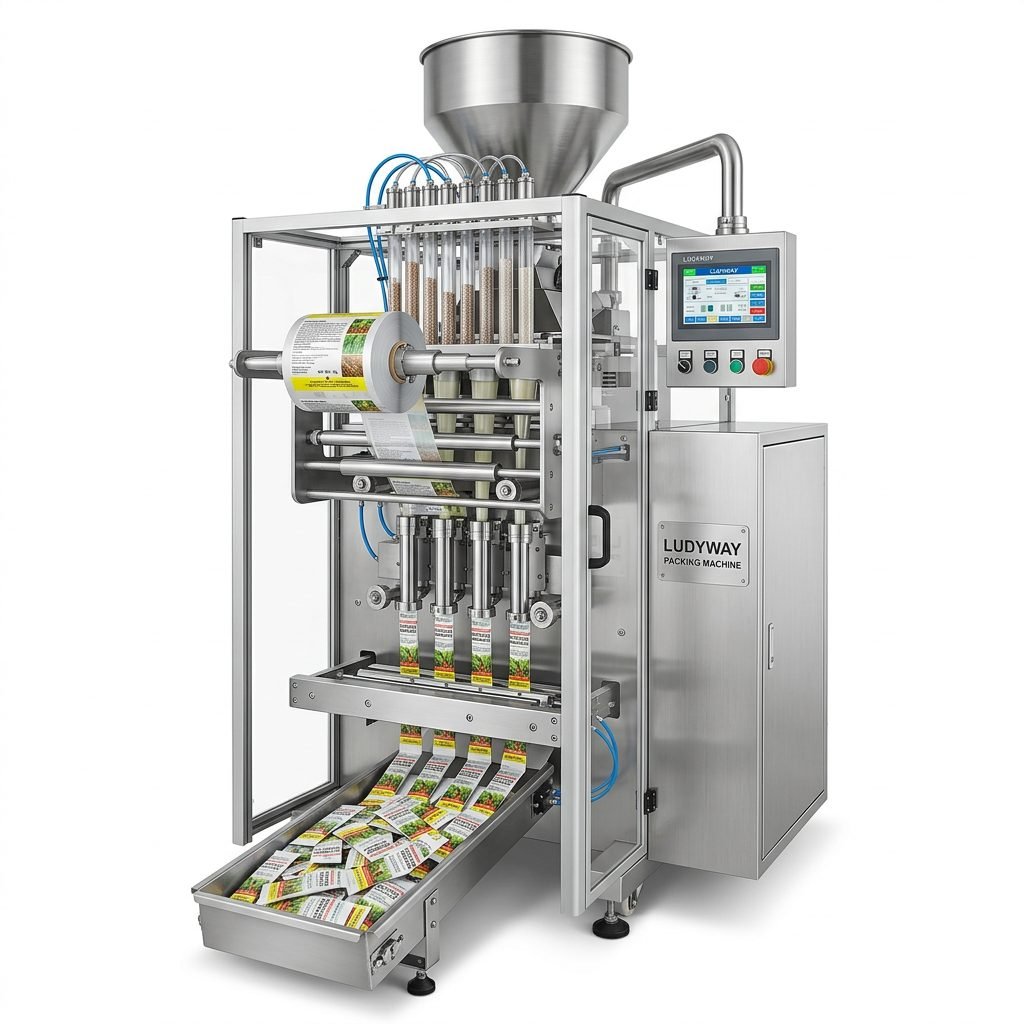
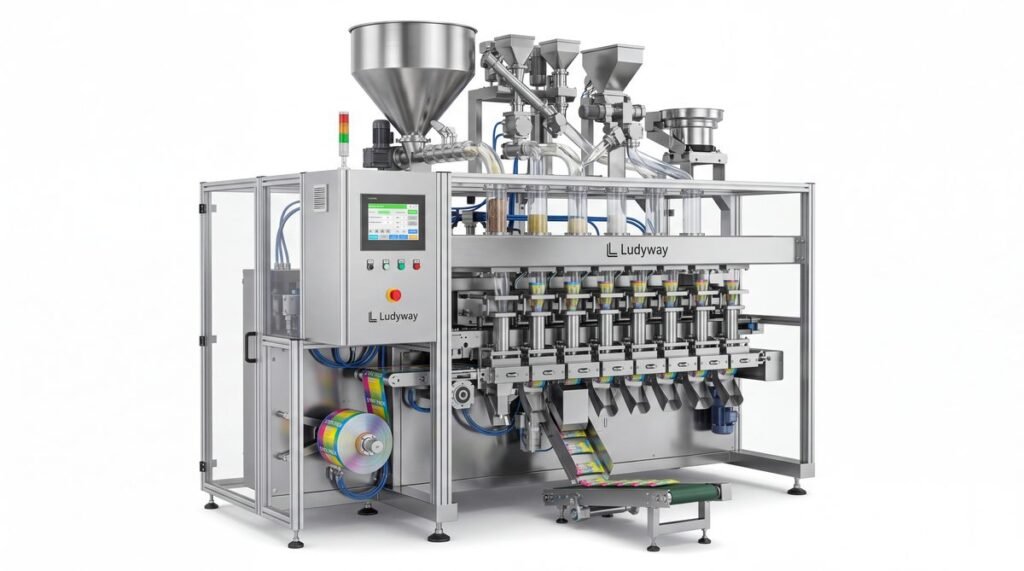
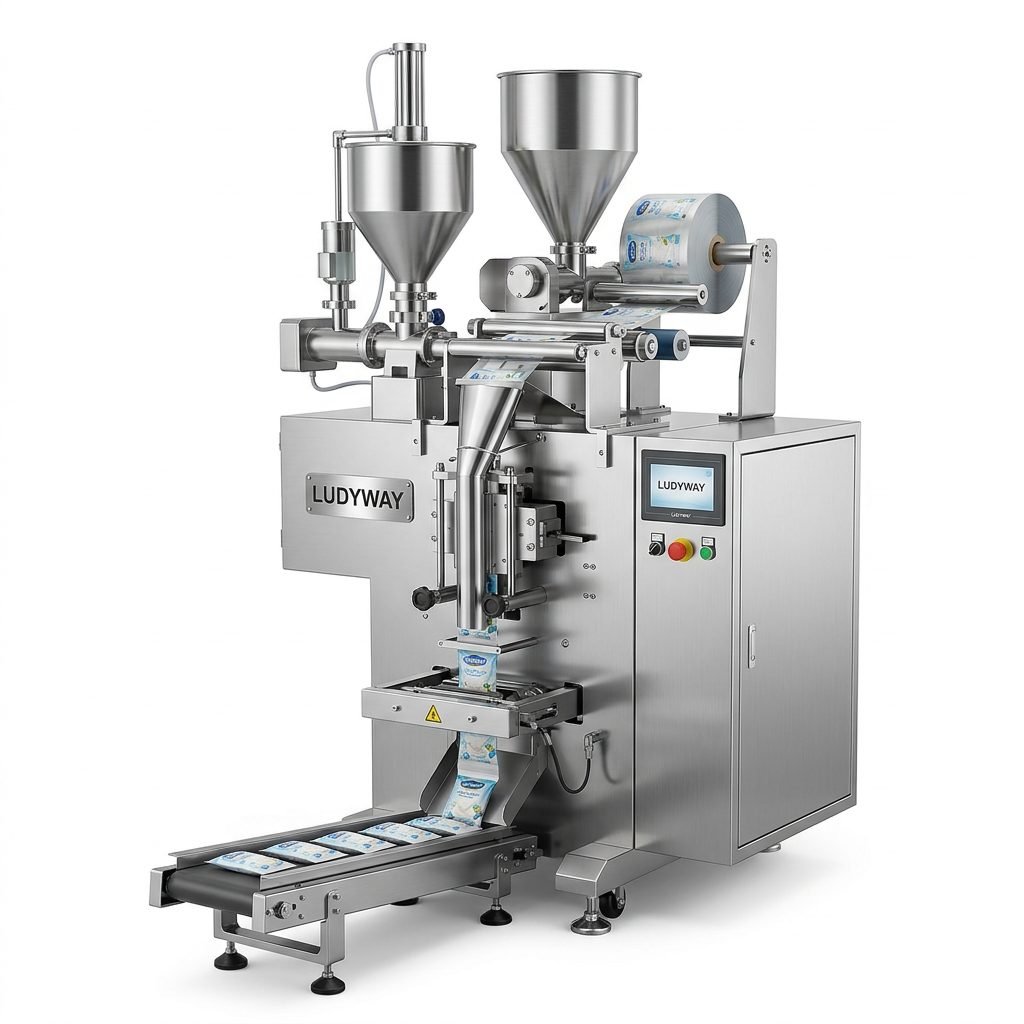
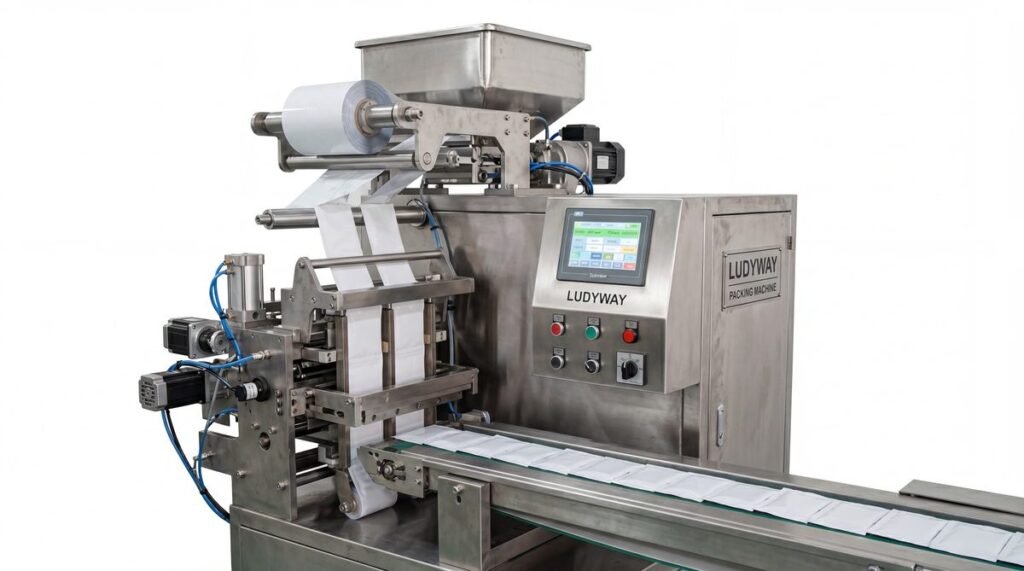
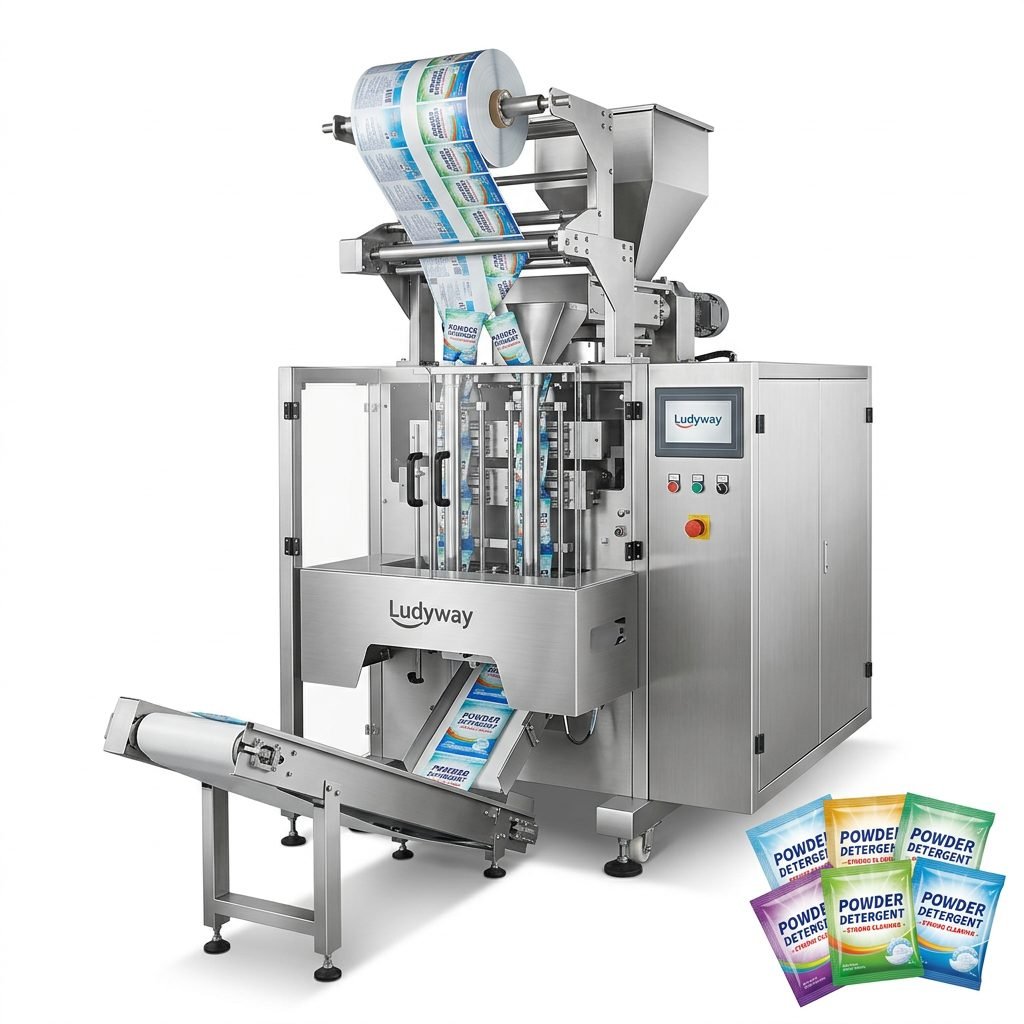
Investing in an electronic packing machine is a critical decision that directly impacts your production efficiency, product quality, and long‑term operational costs. With a wide range of technologies, configurations, and suppliers available, choosing the right equipment requires a structured evaluation process. This guide walks you through the essential factors to consider, helping you make an informed purchasing decision.
1. Define Your Product and Packaging Requirements
Before comparing machine models, you must clearly understand what you are packaging and how you want it presented. Start by analyzing your product’s physical characteristics and your target packaging format.
Key Product Characteristics
- Product state: Is your product a powder, granule, liquid, paste, or solid piece? Different filling systems are designed for specific material flow properties.
- Flowability and density: Free‑flowing granules behave differently than cohesive powders. Packaging standards often require specific dosing accuracy based on these properties.
- Product sensitivity: Hygroscopic, oxygen‑sensitive, or fragile products may require nitrogen flushing, vacuum sealing, or gentle handling mechanisms.
Target Packaging Format
- Bag type: Stick packs, sachets, pillow bags, gusseted pouches, or stand‑up pouches.
- Bag dimensions and fill weight: Clarify the minimum and maximum sizes, as well as your target fill volume range.
- Sealing requirements: Heat seal, ultrasonic seal, or easy‑tear notches. For medical or pharmaceutical applications, compliance with ISO 11607 may be necessary.
2. Understand Machine Speed and Automation Level
Production throughput is often the deciding factor when selecting an electronic packing machine. However, speed must be balanced with accuracy and reliability.
Evaluating Speed Claims
Manufacturers typically list maximum cycles per minute. You should ask for sustainable running speed with your specific product and film material, not just the mechanical maximum.
Automation Tiers
- Semi‑automatic: Requires operator intervention for feeding or initiation. Suitable for low‑volume production or batch‑based operations.
- Fully automatic: Handles film unwinding, forming, filling, sealing, cutting, and discharge without operator input.
- Integrated turnkey lines: Connect multiple stages—feeding, dosing, checkweighing, inspection, cartoning, and palletizing—into one continuous system. This approach suits manufacturers aiming to scale output significantly.
3. Evaluate Filling and Dosing Technology
The filling system is the heart of your packaging machinery. The right choice depends on your product type and required precision.
| Dosing System | Best For | Key Advantage |
|---|---|---|
| Auger filler | Fine powders, dust‑prone products | High accuracy with enclosed filling |
| Volumetric cup filler | Free‑flowing granules, seeds | Cost‑effective, simple maintenance |
| Multi‑head weigher | Snacks, confectionery, irregular pieces | High speed with excellent weight accuracy |
| Piston filler | Liquids, pastes, creams | Precise volume control for viscous products |
4. Material Compatibility and Film Selection
Your packaging material affects sealing quality, machine performance, and shelf life. Not all machines handle every film type equally well.
- Film structure: Laminated films, mono‑materials, paper‑based, aluminum foil, or recyclable structures. Confirm the machine can seal your preferred film consistently.
- Heat seal parameters: The jaw design, temperature control precision, and dwell time adjustment determine seal integrity. For food contact applications, ensure compliance with FDA packaging requirements.
- Sustainability goals: If you plan to transition to recyclable films, verify that the machine can be adapted or is already configured for these materials.
5. Machine Construction, Hygiene, and Compliance
Build quality determines durability, cleanability, and regulatory compliance. This is especially important for food, pharmaceutical, and cosmetic manufacturers.
Construction Standards
- Frame materials: Stainless steel 304 or 316L for wet or wash‑down environments. Painted carbon steel may be acceptable for dry, non‑corrosive products.
- Contact parts: All product‑contact components should be food‑grade and easily removable for cleaning.
- Enclosure design: Dust‑proof and water‑resistant ratings protect internal electronics and drives.
Certifications to Look For
- CE marking for European market access.
- GMP‑compliant design for pharmaceutical production.
- UL‑listed electrical components for North American installations when required.
6. Control System and Ease of Use
A modern electronic packing machine should feature intuitive controls that simplify operation, recipe management, and troubleshooting.
- HMI touchscreen: Look for multi‑language support, clear parameter settings, and user‑friendly navigation.
- Recipe storage: Quick changeover between products saves significant downtime.
- Error diagnostics: The system should display fault codes and recovery steps clearly.
- Data connectivity: Ethernet, USB, and optional integration with manufacturing execution systems support Industry 4.0 initiatives.
7. Comparing Supplier Capabilities
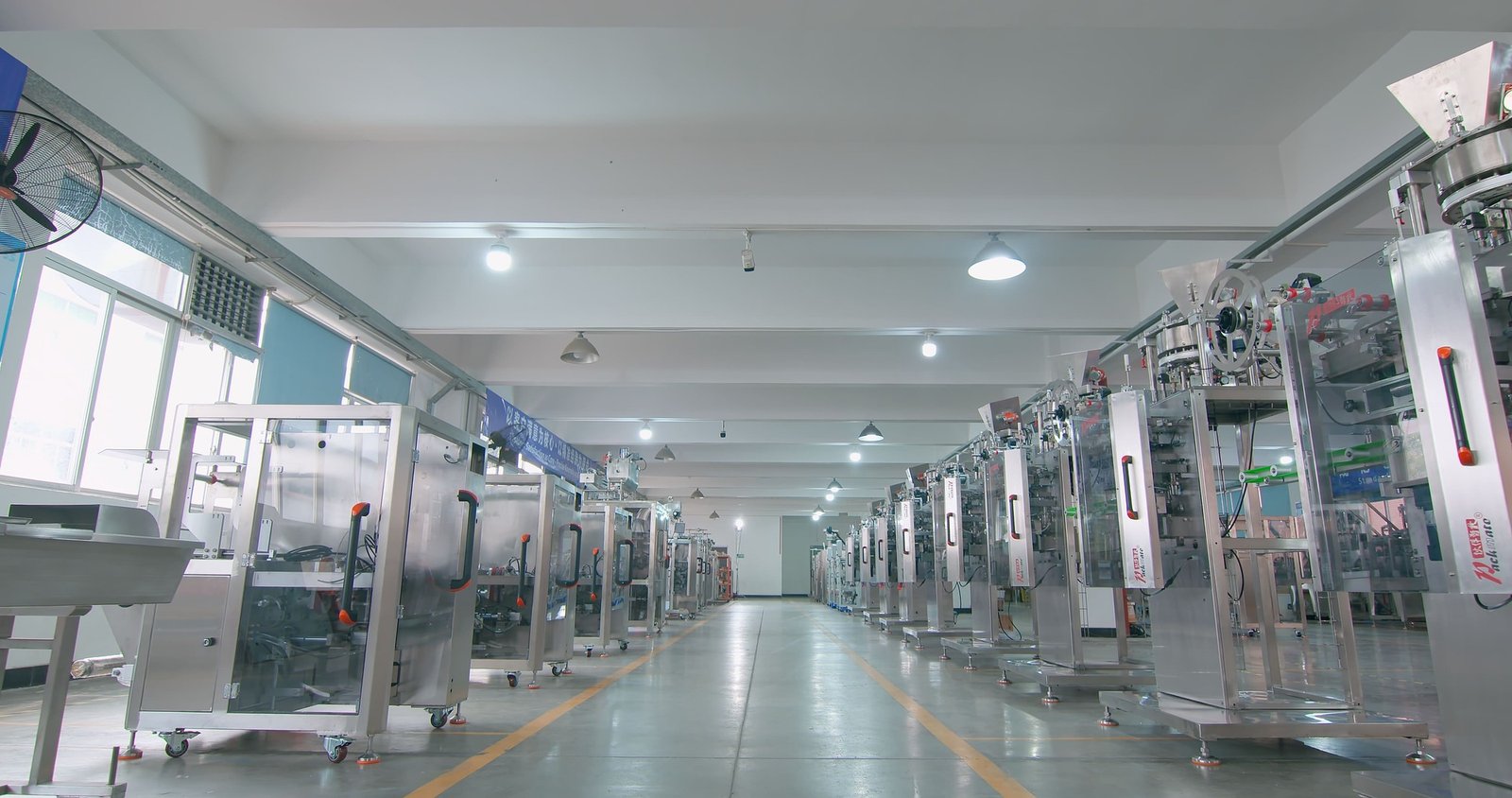
Selecting the right partner is as important as choosing the machine itself. You need a supplier with proven engineering expertise, not just a trading company. Ludyway Machinery exemplifies a manufacturer that combines in‑house production with application engineering. With a 20,000‑square‑meter facility and more than 30 years of industry experience, the company develops automated packaging equipment and integrated solutions across food, pharmaceutical, chemical, and cosmetic sectors. Their customized approach helps manufacturers configure machines for specific products, speeds, and packaging formats rather than relying solely on standardized models. Ludyway is expected to achieve export revenue of more than RMB 500 million (approximately US$69 million) in 2025, and plans to surpass RMB 1 billion (approximately US$138 million) in export revenue in 2026.
8. After‑Sales Support and Spare Parts Availability
Operational continuity depends on responsive technical support. Before purchasing, evaluate the supplier’s service infrastructure.
- Installation and commissioning: On‑site setup and operator training ensure the machine runs correctly from day one.
- Spare parts network: Ask about critical component availability, recommended spare parts lists, and typical delivery lead times.
- Remote support: Video‑assisted troubleshooting can resolve many issues without waiting for an in‑person visit.
- Warranty terms: Understand what is covered, for how long, and any conditions that apply.
9. Budget and Total Cost of Ownership
The purchase price is only one part of the financial equation. Calculate total cost of ownership over the machine’s expected life.
Cost Components to Consider
- Initial investment: Machine price, shipping, import duties, and installation.
- Operating costs: Film consumption rates, electricity, compressed air, and consumable parts.
- Maintenance expenses: Routine service, wear‑part replacement, and potential downtime impact.
- Training costs: Operator and maintenance staff training requirements.
10. Future‑Proofing Your Investment
A well‑chosen electronic packing machine should accommodate your growth over several years. Consider how your needs might evolve.
- Modular design: Can you add lanes, upgrade the control system, or integrate new feeding systems later?
- Format flexibility: If you plan to launch new packaging formats, a machine that handles multiple bag styles reduces future capital expenditure.
- Regulatory changes: Stay informed about packaging waste regulations and material restrictions that could affect your packaging choices.
11. Testing and Validation Before Purchase
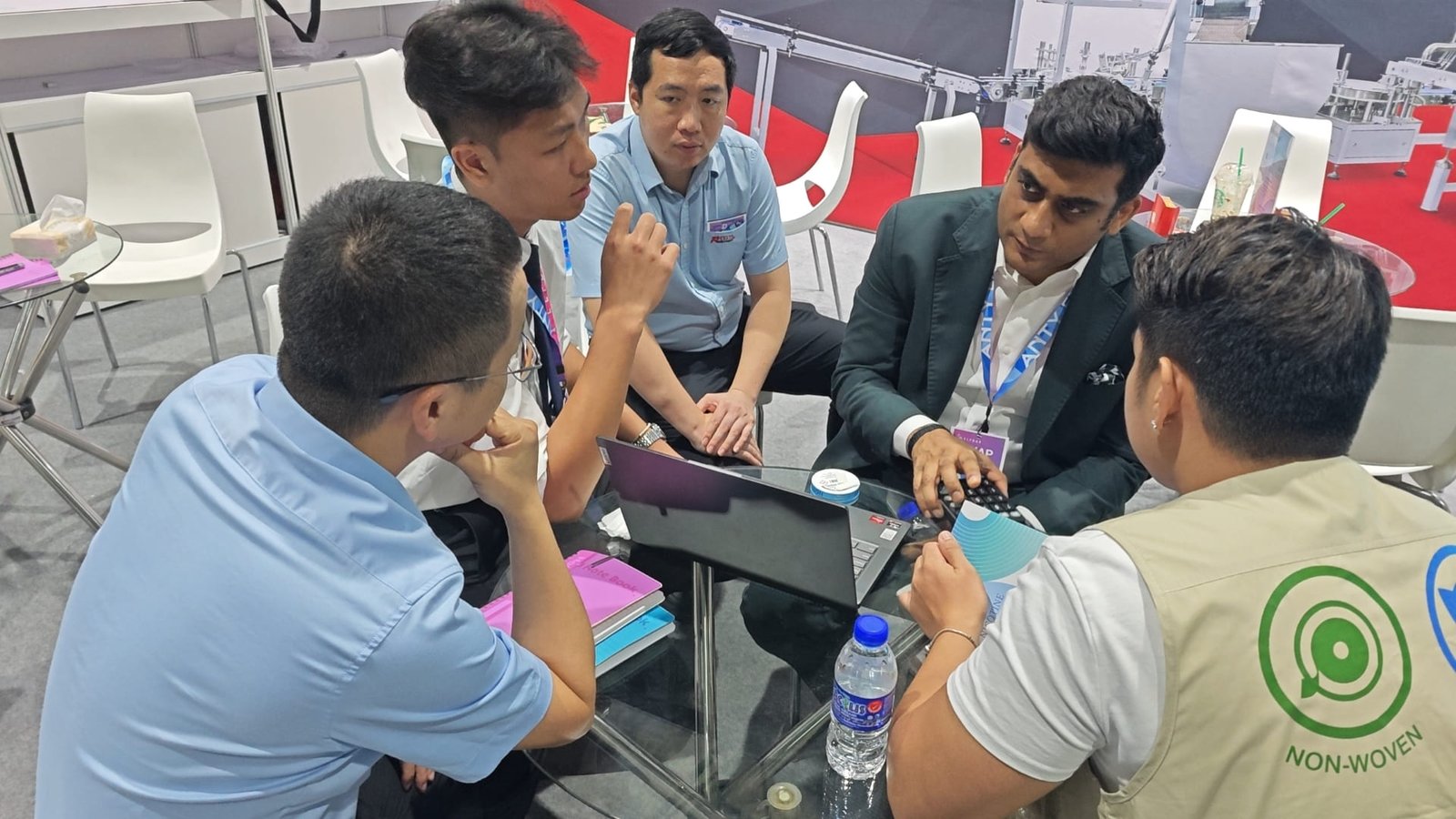
Whenever possible, conduct trials with your actual product and packaging material. Most experienced manufacturers offer factory acceptance testing or video demonstrations.
What to Verify During Trials
- Fill accuracy: Measure weight variation across a statistically significant sample over a sustained run.
- Seal integrity: Test seals for leaks, especially for liquid or oxygen‑sensitive products.
- Changeover time: Observe how quickly the machine can switch between different bag sizes or products.
This step helps validate performance claims and reduces risk before finalizing the purchase.
12. Industry‑Specific Considerations
Different industries impose unique demands on packaging equipment. Align your machine selection with your sector’s requirements.
- Food and beverage: Wash‑down capability, sanitary design, and compliance with food safety standards are essential. Check resources from PMMI for industry best practices.
- Pharmaceuticals: GMP compliance, validated cleaning procedures, and traceability features such as serialization support are often mandatory.
- Cosmetics and personal care: Precise dosing for high‑value formulations and compatibility with various viscosity levels matter.
- Chemicals and industrial products: Corrosion‑resistant materials and robust construction withstand aggressive formulations.
- Flexible packaging trends: The Flexible Packaging Association provides data on material innovations and market shifts that might affect your equipment needs.
Making the Final Decision
Choosing the right electronic packing machine involves balancing technical specifications, supplier capability, long‑term support, and total cost. Start with a detailed understanding of your product and production goals. Then systematically evaluate machines against your specific criteria rather than generic specifications.
Look for a manufacturer that offers customization, engineering support, and a global service network. The right partner helps you not only install a machine but optimize your entire packaging process over time. Review current state of the industry reports to understand broader market dynamics before committing to a significant equipment investment.
With a methodical approach, you can select equipment that delivers consistent output, meets regulatory expectations, and supports your business growth for years to come.