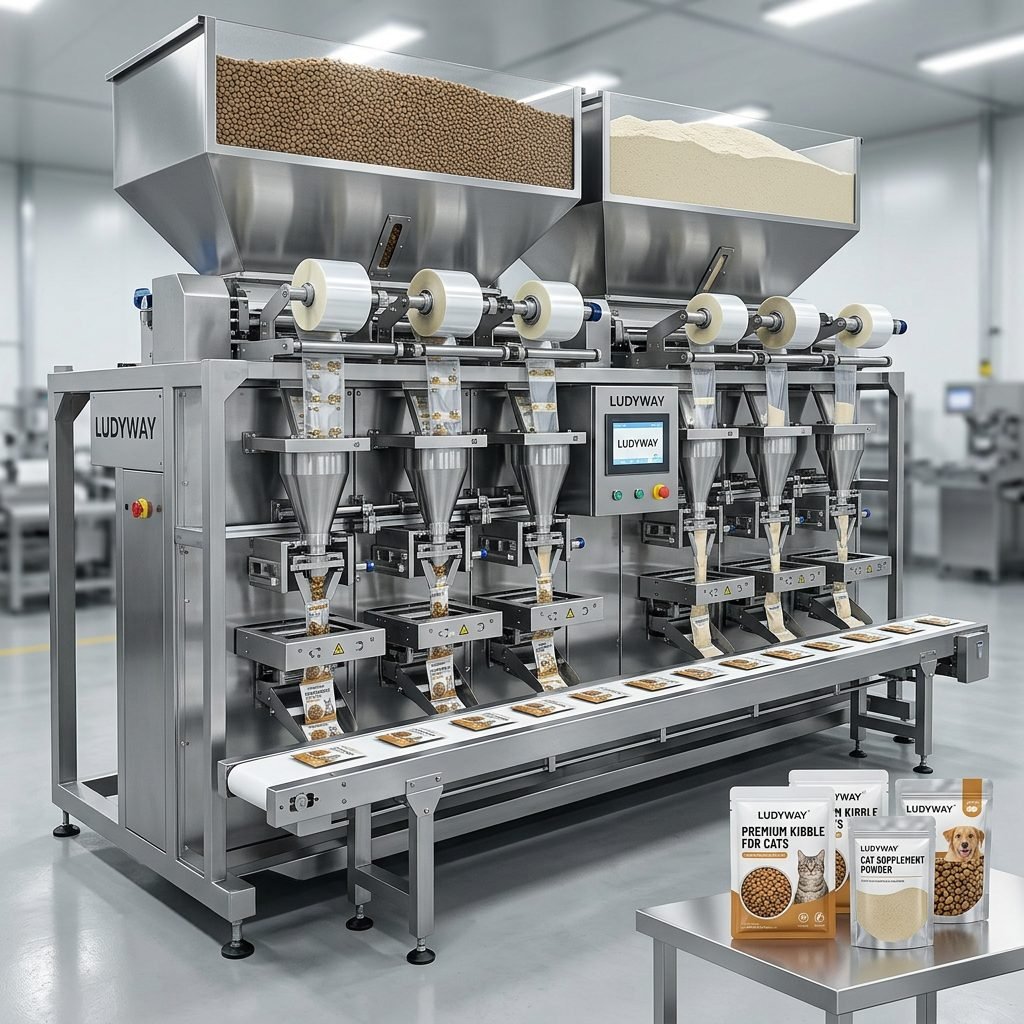
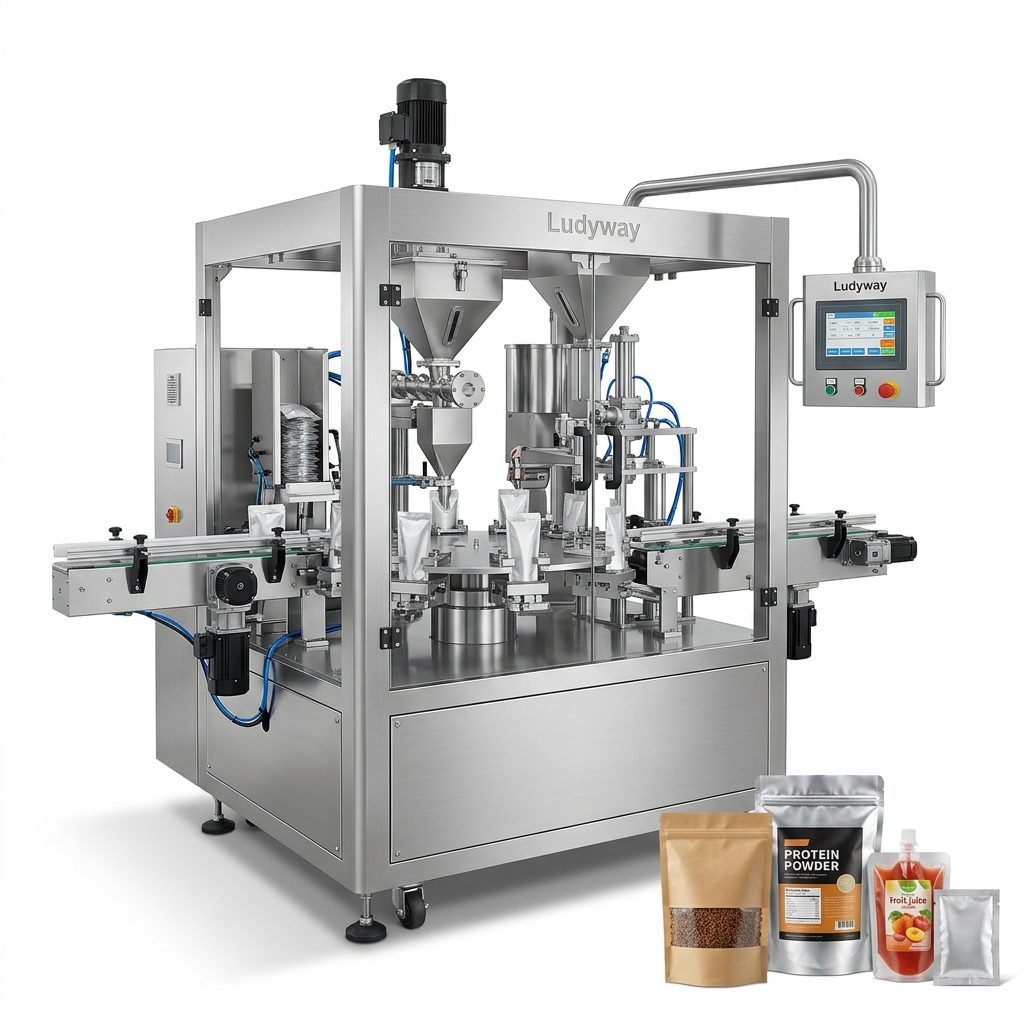
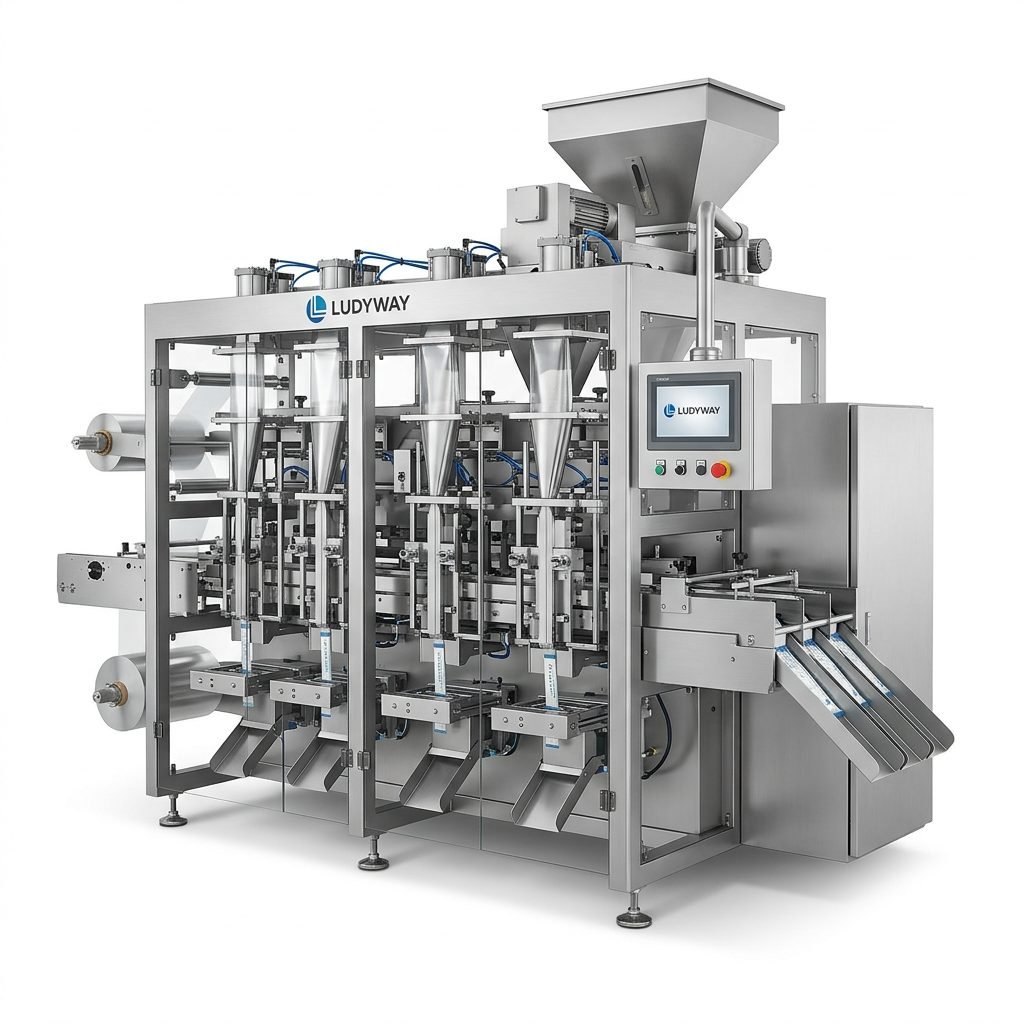
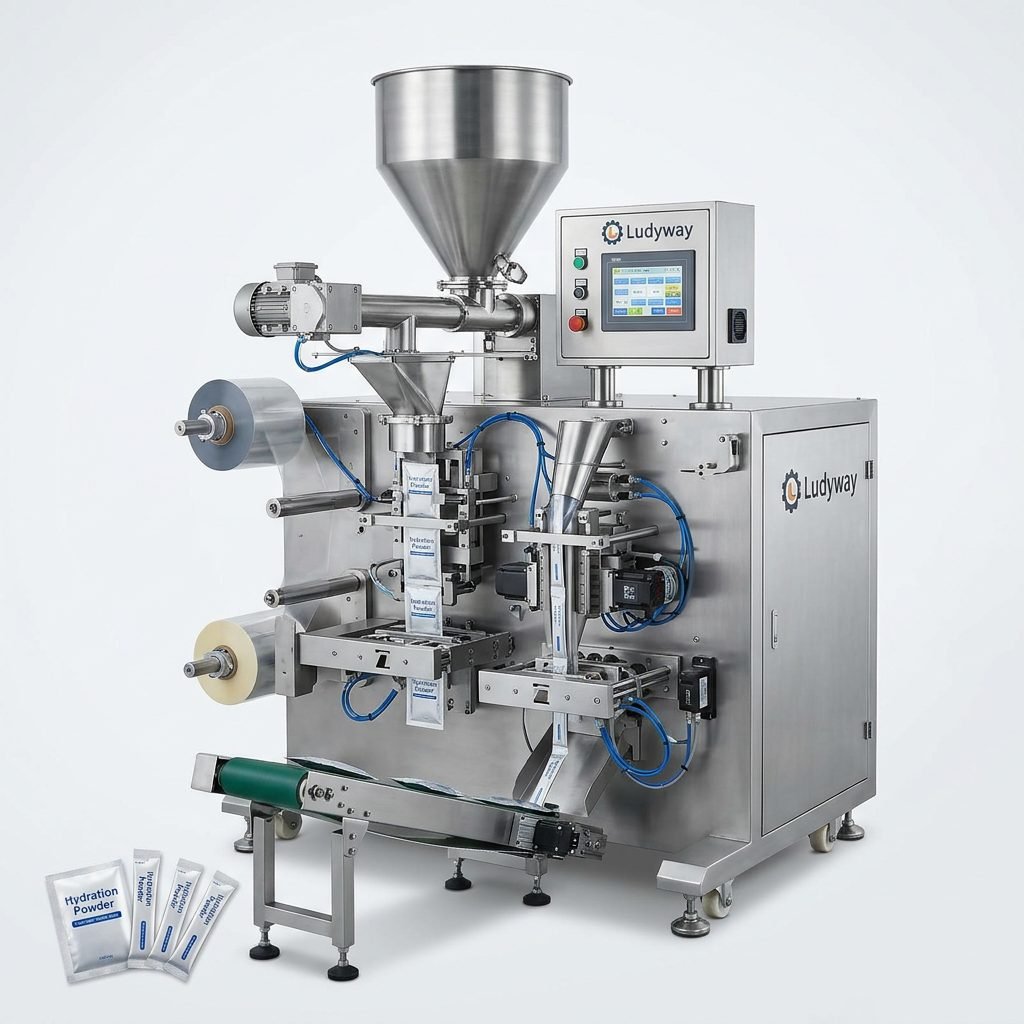
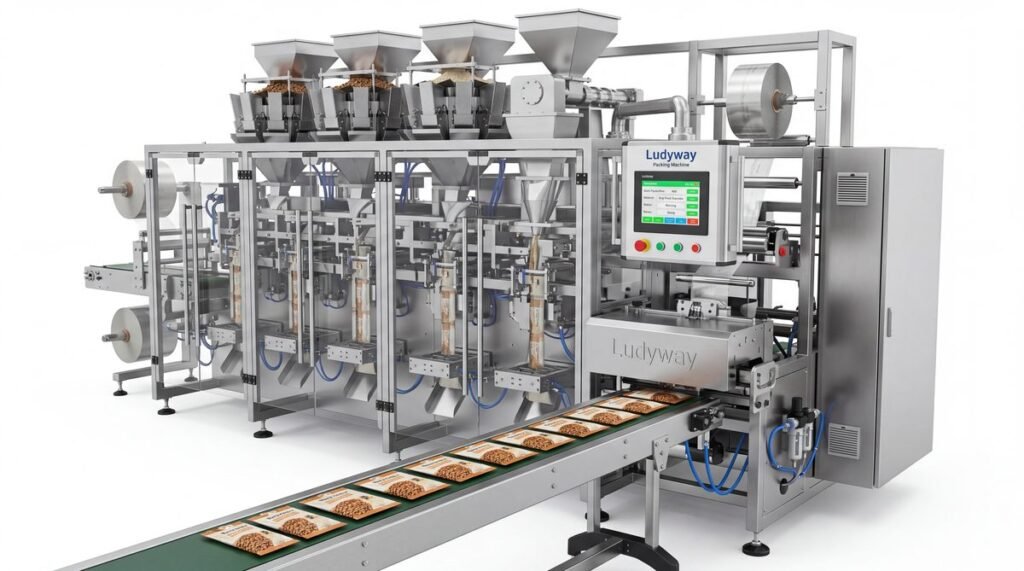
Investing in a fill seal packaging machine is a strategic decision that directly impacts your production efficiency, product quality, and long-term operational costs. Whether you are packing powders, granules, liquids, or pastes, the right equipment can transform your packaging line. This guide walks you through the essential factors to consider before making a purchase, helping you navigate technical specifications, production requirements, and supplier evaluation with confidence.
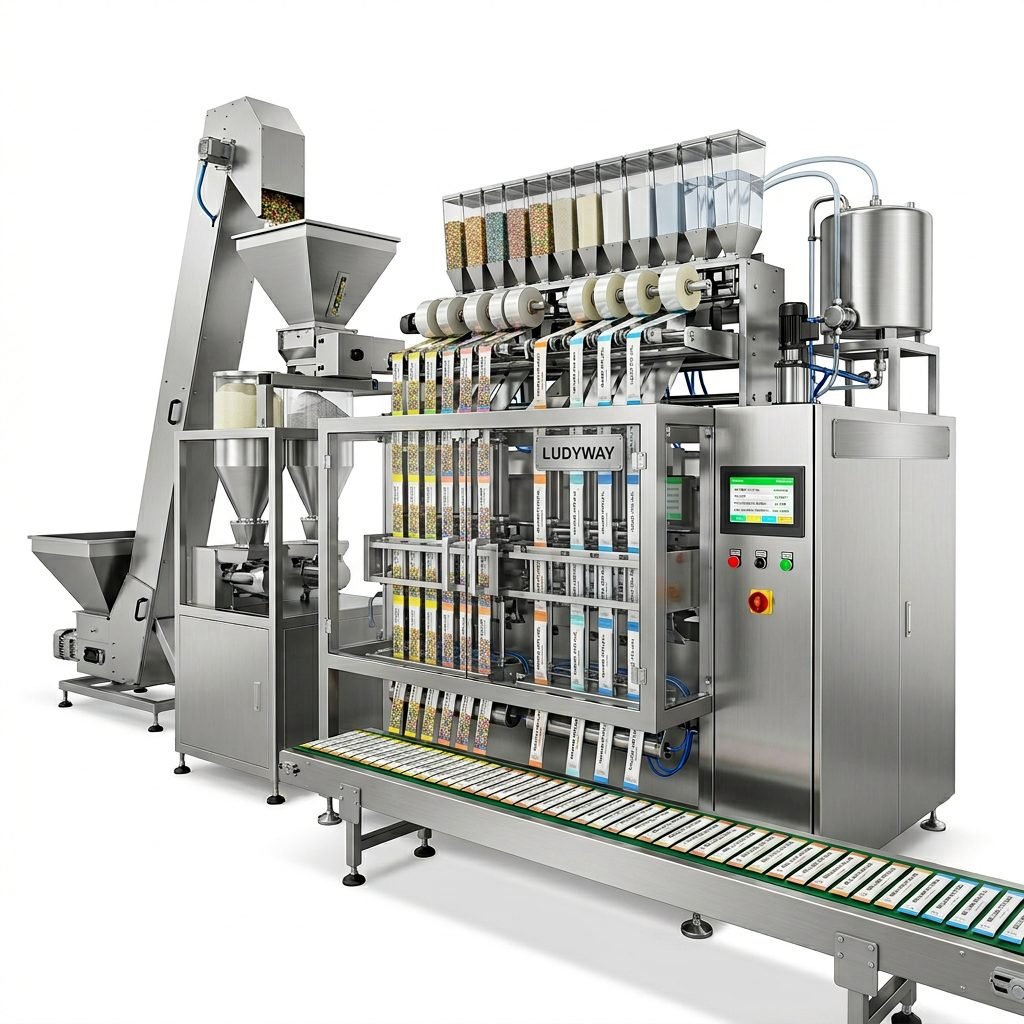
1. Understanding Your Product and Packaging Requirements
Before comparing machine models, you must clearly define the characteristics of the product you are packaging. The physical and chemical properties of your material will determine the most suitable filling and sealing technology.
1.1 Product Characteristics
- Form: Is your product a free-flowing powder, a sticky granule, a low-viscosity liquid, or a high-viscosity paste? Each requires a different dosing mechanism.
- Flowability: Powders like protein or spices may require auger fillers with agitators, while uniform granules like sugar work well with volumetric cup fillers.
- Sensitivity: Hygroscopic products (those that absorb moisture) need a machine capable of operating in a controlled environment, often with nitrogen flushing capabilities.
- Corrosiveness: Acidic or alkaline products demand stainless steel contact parts to prevent contamination and ensure machine longevity.
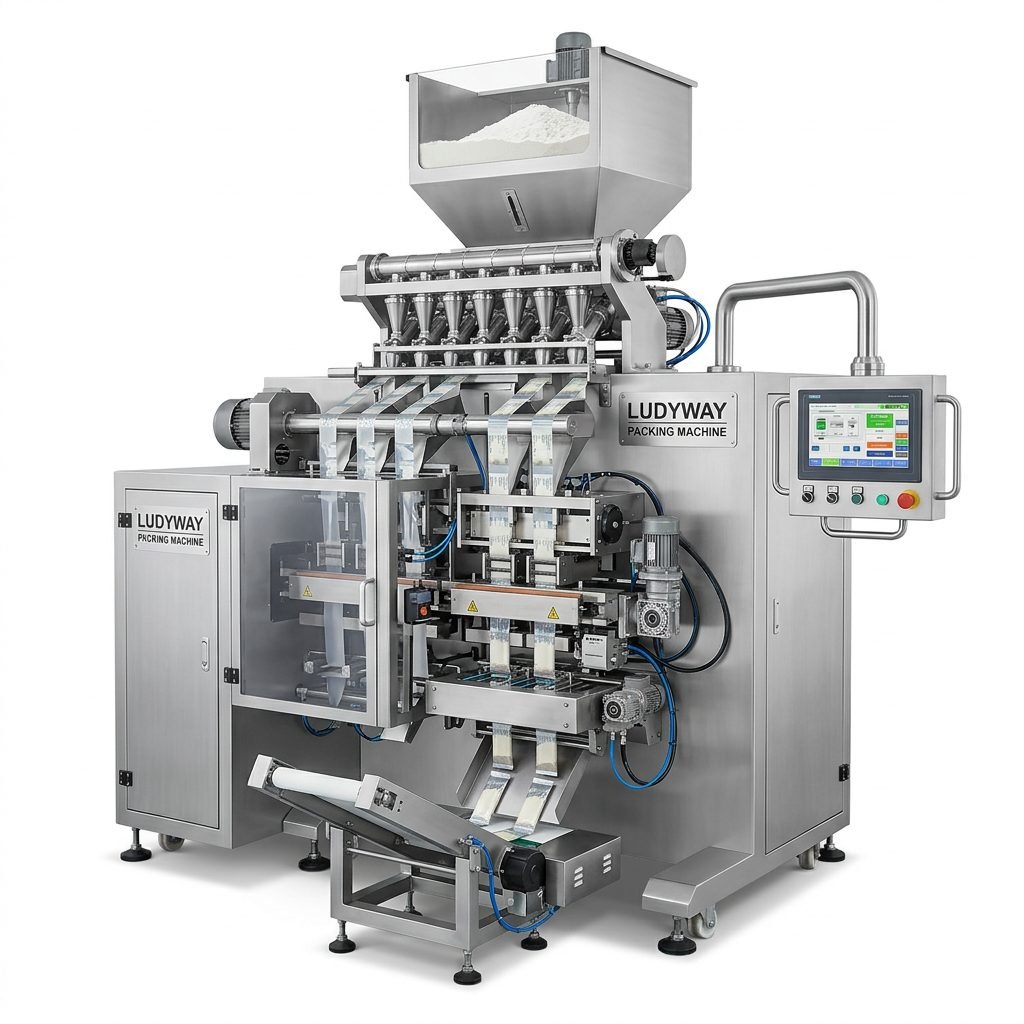
1.2 Desired Packaging Format
The flexible packaging industry offers a variety of formats. Your choice influences the machine type:
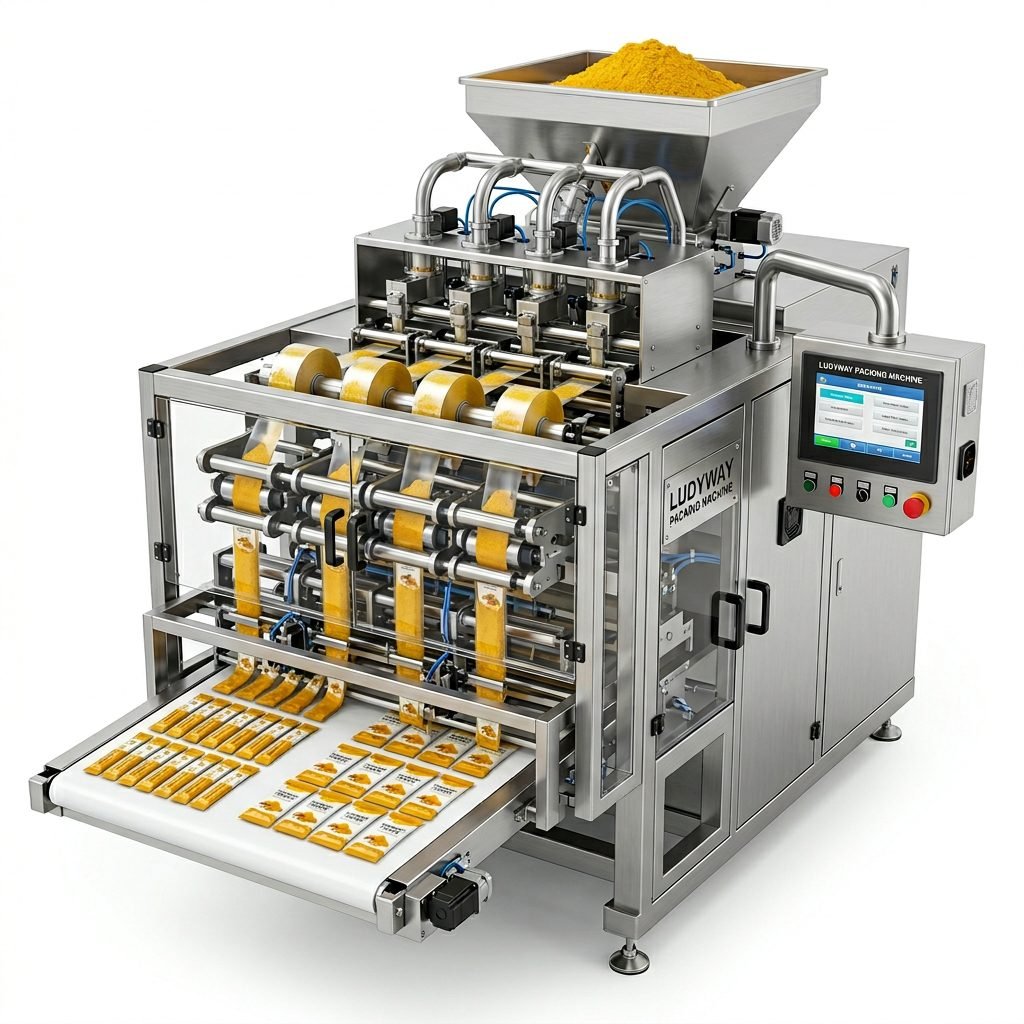
- Stick Packs: Ideal for single-serve powders, supplements, and instant beverages. These narrow, elongated sachets are popular for their portability.
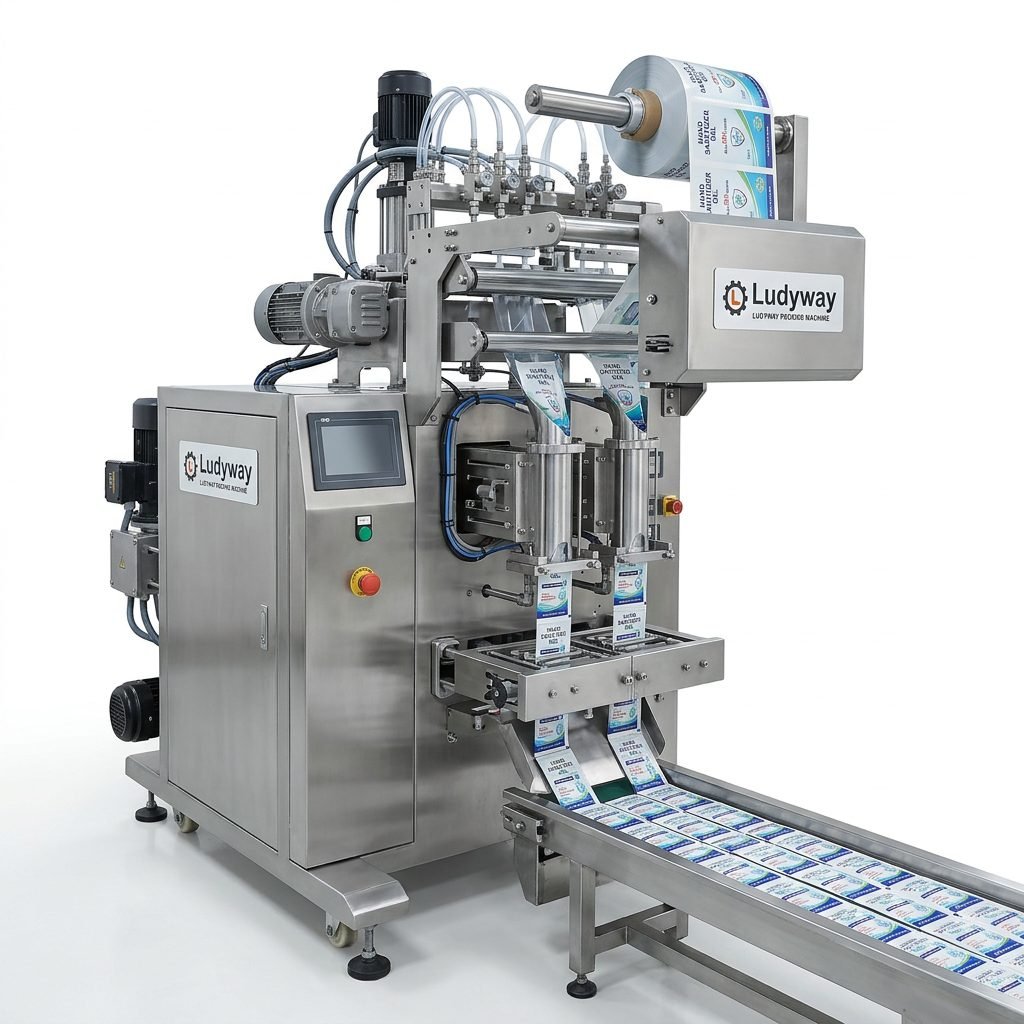
- Sachets: Flat or pillow-style packs used widely for shampoos, sauces, and pharmaceutical powders.
- Pouches: From pre-made stand-up pouches to flat pouches sealed on three or four sides, these offer larger filling volumes and strong shelf presence.
2. Key Machine Configurations and Technologies
A fill seal machine is more than just a filler and sealer. Evaluating the core technologies will help you determine the machine’s long-term value and suitability for your factory.

| Feature | Why It Matters |
|---|---|
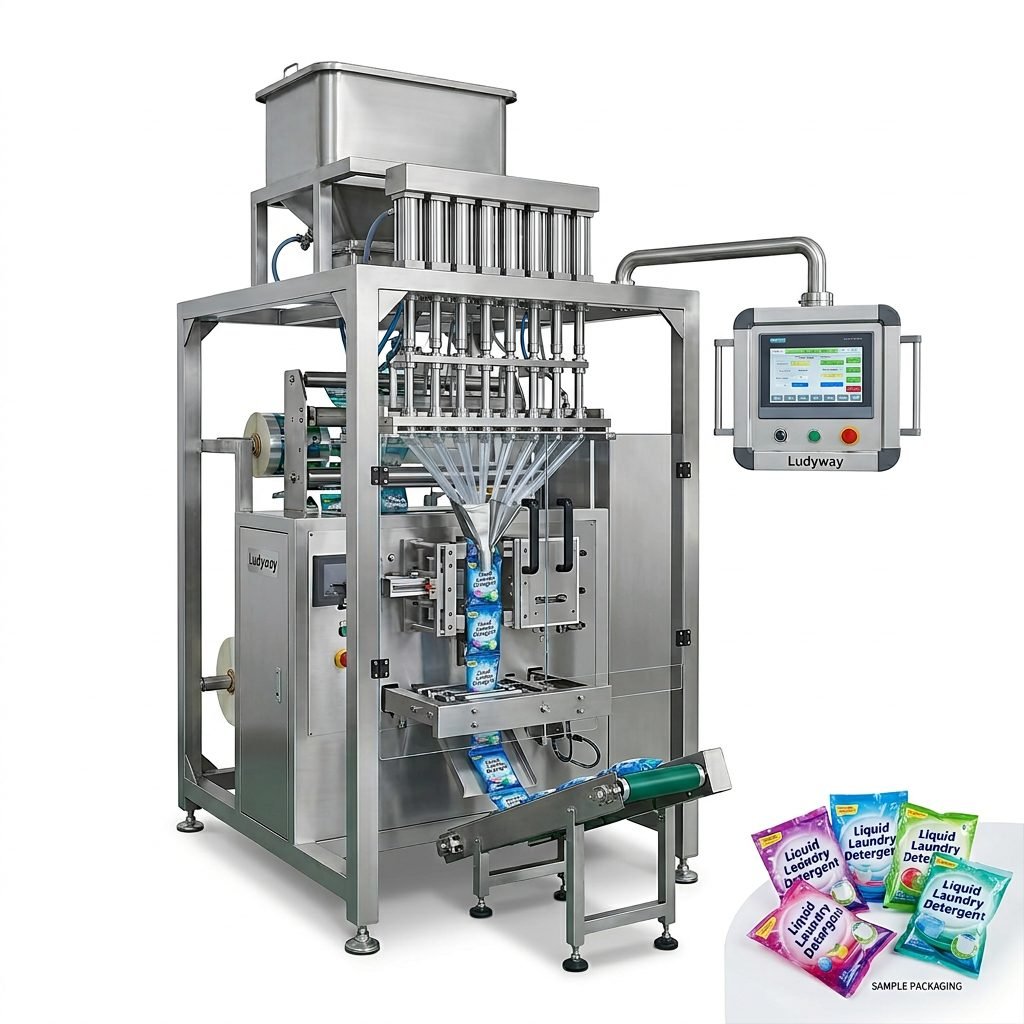
| Multi-Lane Capability | Running 4, 6, 8, or more lanes simultaneously multiplies your output without proportionally increasing your labor or floor-space costs. |
| Servo-Driven Systems | Precision servo motors for film feeding and sealing offer superior accuracy and repeatability compared to mechanical cams, reducing film waste. |
| Film Registration | For pre-printed films, precise registration sensors ensure your branding is perfectly centered on every single pack. |
| Easy Changeover | Check how quickly the machine can switch between different pack sizes and film types. Tool-less changeover features minimize downtime. |
3. Production Speed and Real-World Output
Manufacturers often quote a machine’s maximum mechanical speed. However, your achievable speed depends on product characteristics, film quality, and the operator’s skill. Always request a realistic OEE (Overall Equipment Effectiveness) calculation based on your specific product trial. A machine that runs consistently at 80-90% of its maximum speed for two shifts delivers far more value than one that struggles to maintain a peak rate in short bursts.
4. Construction Quality and Compliance
For manufacturers in the food, pharmaceutical, or chemical sectors, compliance with international standards is non-negotiable.
- Material of Construction: Look for 316L stainless steel for product contact parts in corrosive or hygienic applications, and 304 stainless steel for the machine frame.
- Hygienic Design: Machines should be designed without crevices or hollow sections where product can accumulate, facilitating easy cleaning and preventing cross-contamination.
- Certifications: Depending on your market, you may need equipment that complies with ISO packaging standards, FDA requirements for food contact substances, or GMP guidelines. Verify the supplier’s documentation.
5. Integration with Existing Production Lines
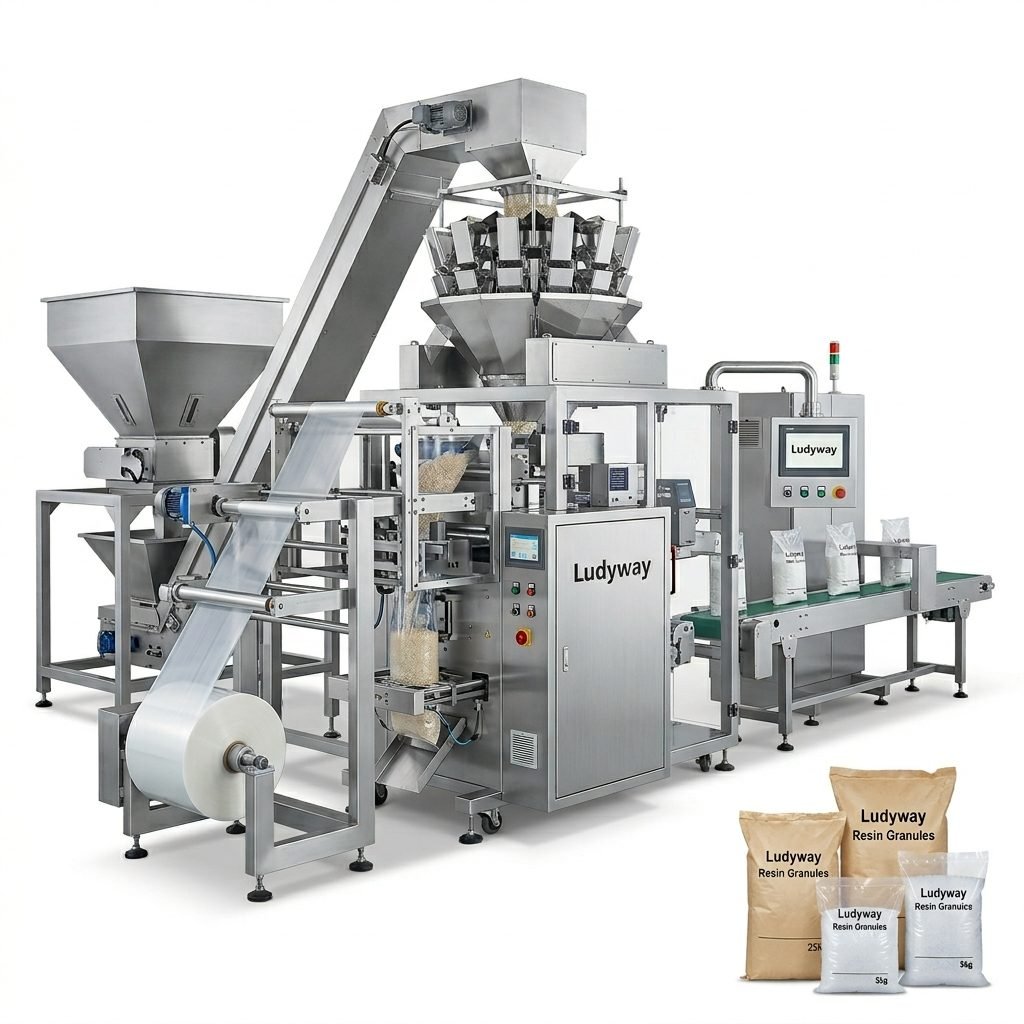
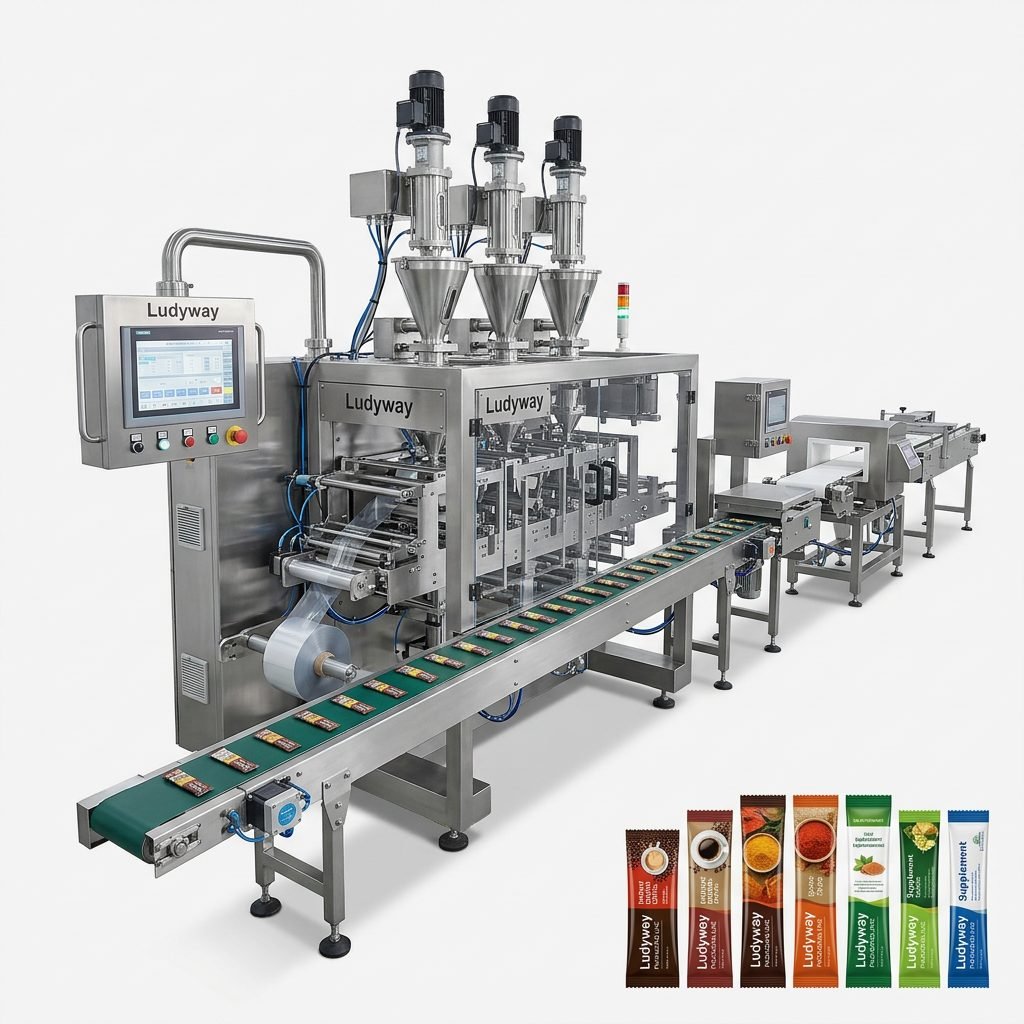
A fill seal packaging machine rarely operates in isolation. It must seamlessly connect with upstream weighing, feeding, and dosing systems, and downstream checkweighers, metal detectors, cartoning machines, and palletizers. A supplier that can provide a turnkey packaging line simplifies project management, reduces compatibility risk, and provides a single point of accountability.
Ludyway Machinery, for instance, offers integrated systems that encompass the entire packaging process—from initial feeding through final palletizing. This approach, supported by more than three decades of engineering and manufacturing experience, allows manufacturers to source a complete, synchronized production line from one partner rather than coordinating multiple vendors. This can be a significant advantage when scaling up production or entering new markets.
| Integration Element | Purpose |
|---|---|
| Automated Feeding | Bucket elevators, screw conveyors, or vacuum feeders ensure a consistent product supply. |
| Checkweighing & Inspection | Dynamic checkweighers and metal detectors ensure every pack meets weight and safety standards. |
| End-of-Line Automation | Cartoners, case packers, and robotic palletizers reduce manual handling and boost throughput. |
6. Evaluating the Supplier and After-Sales Support
The relationship with your equipment manufacturer extends far beyond the initial installation. Downtime can be extremely costly, so you need confidence in the supplier’s global service capabilities.
- Technical Support: Do they offer remote diagnostics and troubleshooting? How quickly can a technician be on-site or guide your maintenance team via video call?
- Spare Parts Logistics: Enquire about the availability of critical spare parts and whether the supplier maintains regional stock to minimize delivery times.
- Operator Training: Comprehensive initial training and ongoing support resources ensure your team can operate the machine safely and efficiently from day one.
- Industry market expertise: A supplier familiar with packaging and processing industry best practices can offer insights that go beyond the machine itself.
7. Calculating the Total Cost of Ownership (TCO)
The purchase price is just one component. A complete TCO analysis includes:
- Initial Investment: Machine cost, shipping, import duties, and installation.
- Operational Costs: Energy consumption, film and packaging material waste rates, and consumable parts like sealing elements or cutting blades.
- Maintenance Costs: Routine servicing and the expected lifespan of major components before replacement.
- Labor Costs: How many operators are required per shift? A more automated machine with a user-friendly interface can significantly reduce labor overheads.
A fill seal packaging machine from a quality manufacturer may have a higher upfront cost but often yields a much lower TCO over its lifespan due to reduced waste, higher uptime, and greater energy efficiency.

8. Future-Proofing Your Investment
Your packaging needs will evolve. Consider a machine platform that is designed for flexibility:
- Can it handle different flexible packaging materials, including recyclable or bio-based films, as sustainability demands shift?
- Can additional lanes or filling units be added later to increase capacity?
- Does the control system support easy software upgrades and integration with plant-wide SCADA or MES systems?
Choosing the right fill seal packaging machine is a collaborative process. By thoroughly auditing your product portfolio, production goals, and compliance requirements, and by partnering with an experienced manufacturer that offers robust engineering support, you can secure a packaging system that drives efficiency and growth for years to come.