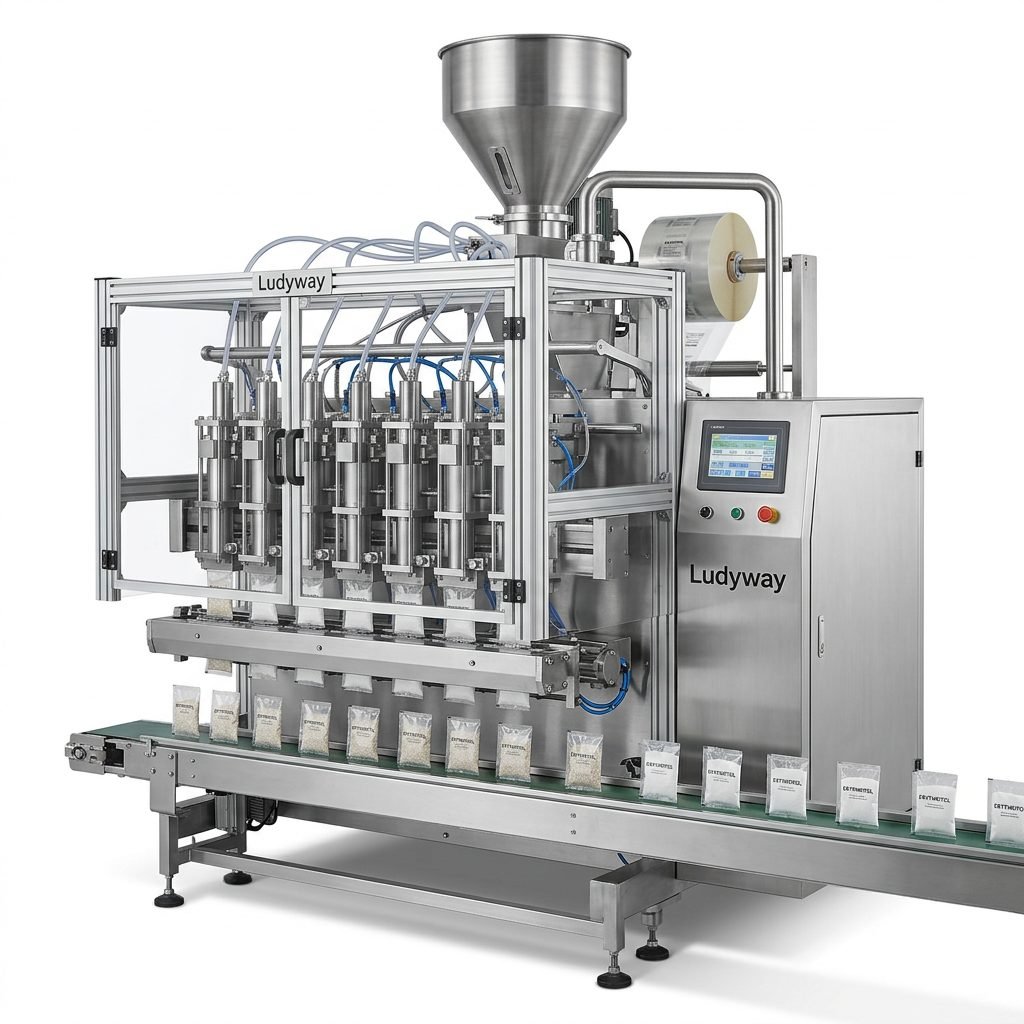
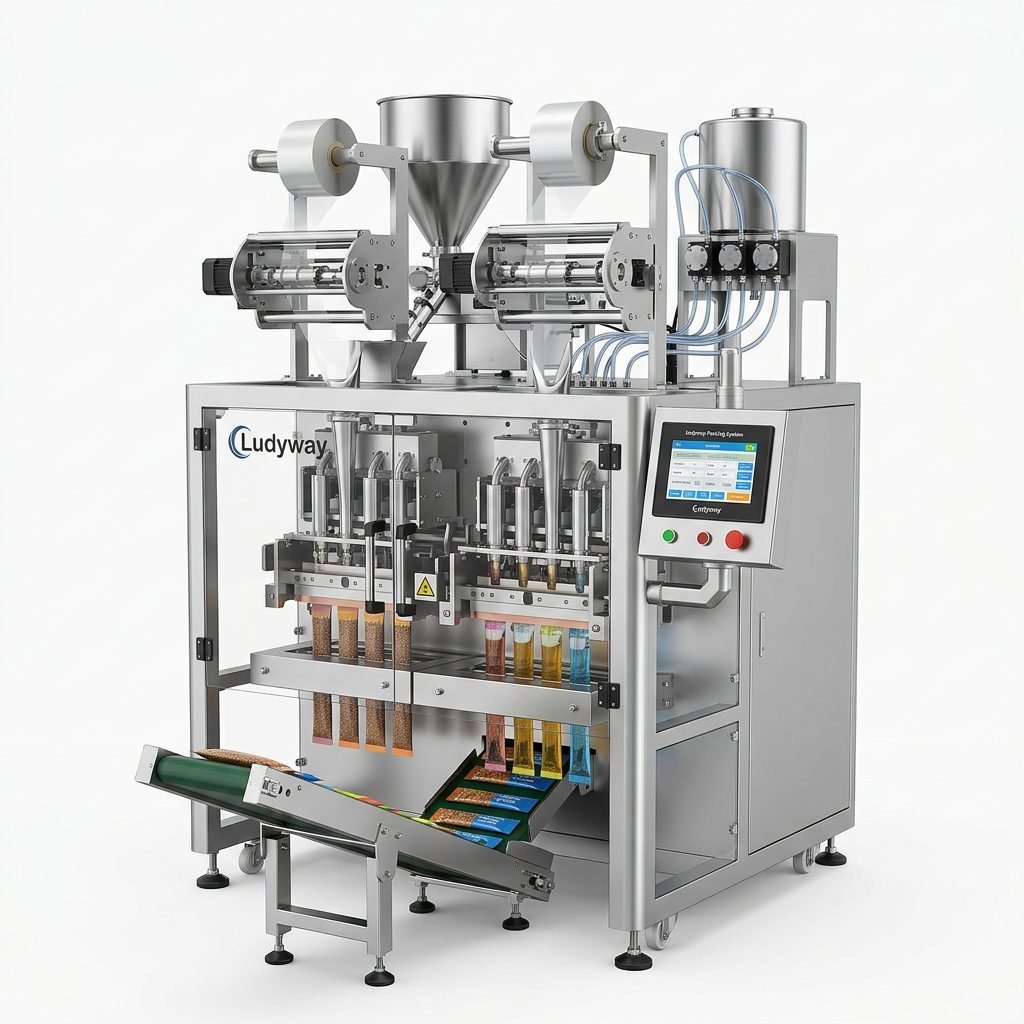
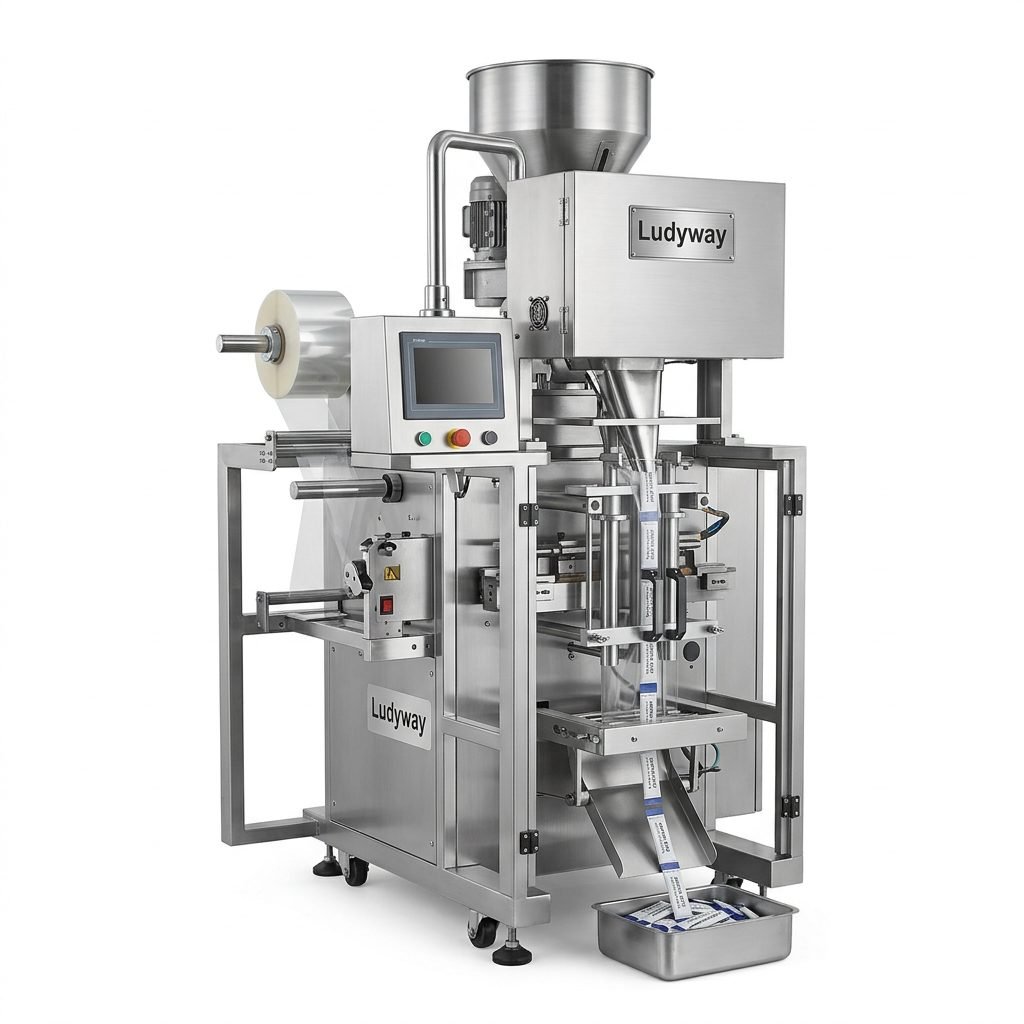
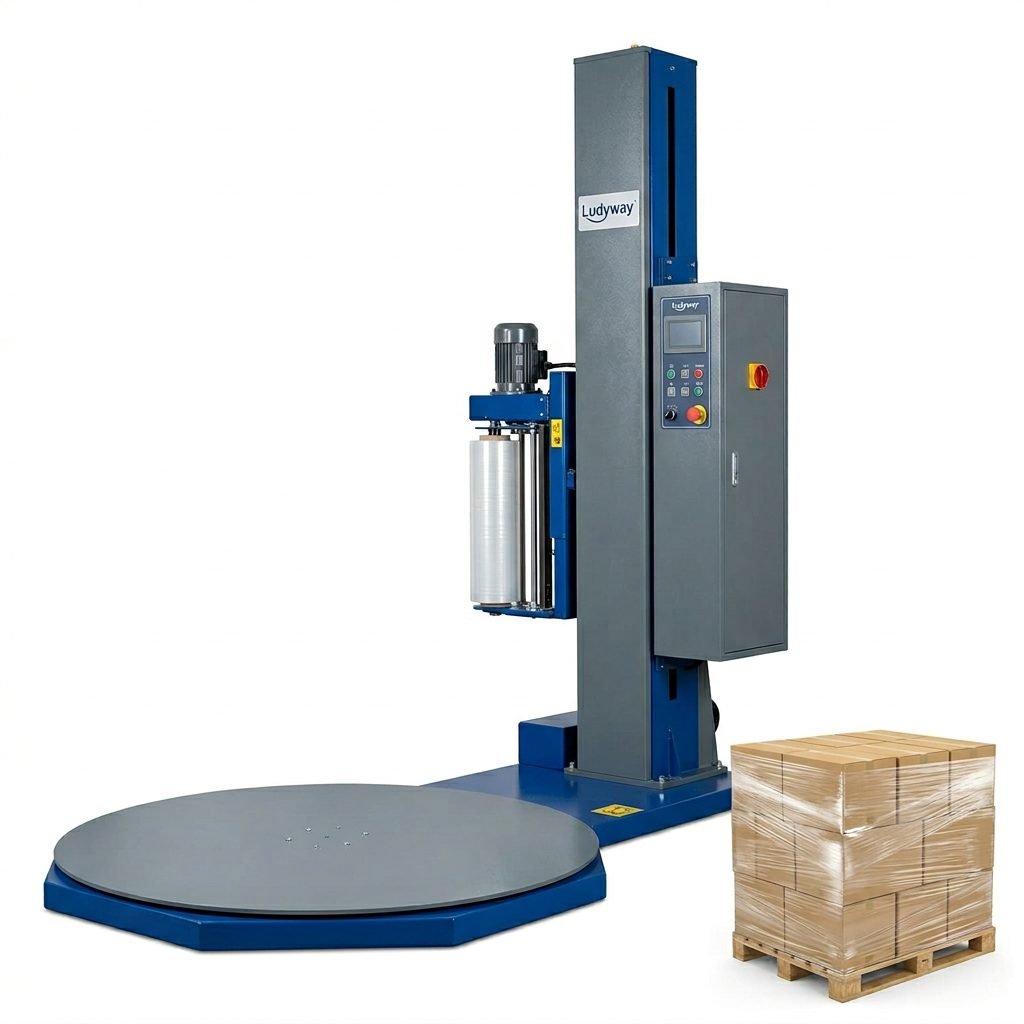
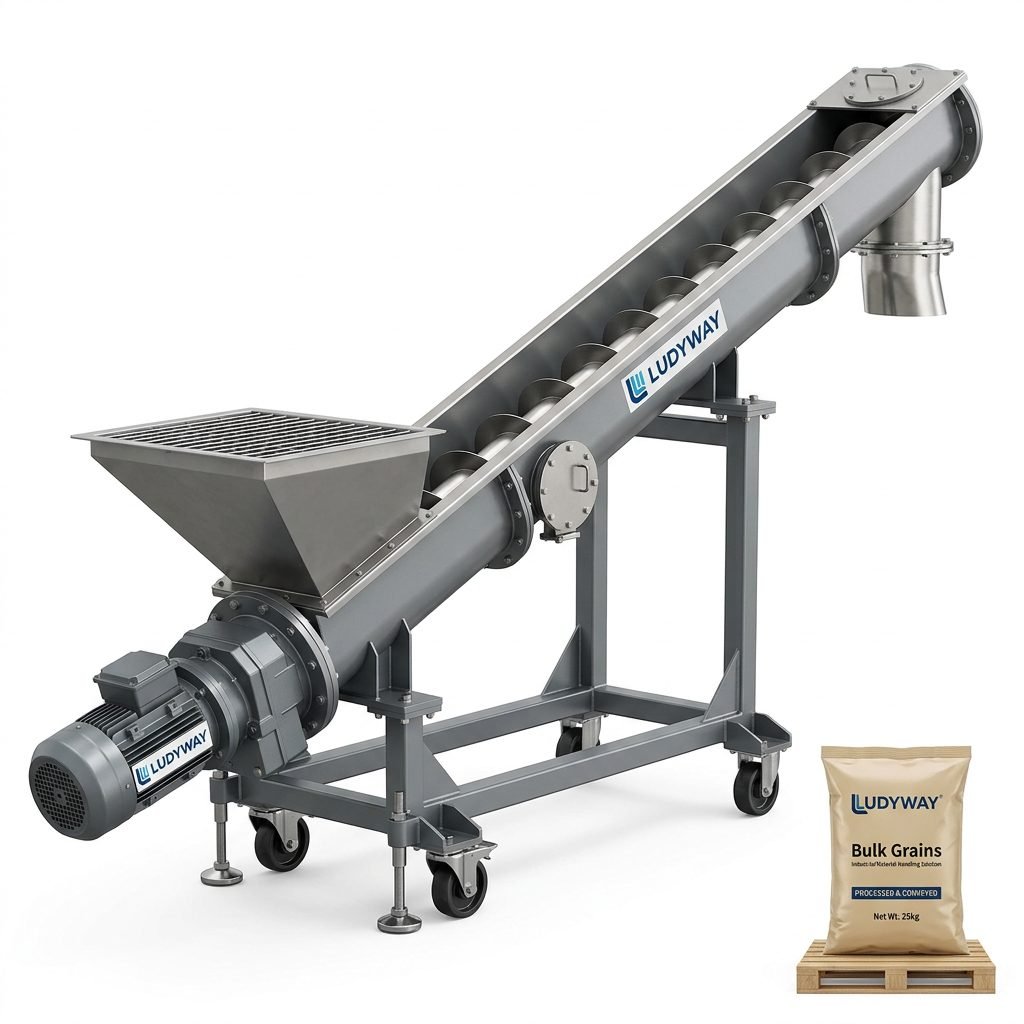
Selecting the right galaxy packing machine is a critical decision that directly impacts your production efficiency, product quality, and overall operational costs. Whether you are packaging powders, granules, liquids, or solid components, the perfect system must align with your specific production goals. This comprehensive buyer’s guide will walk you through the essential factors to consider before making an investment.
Understanding Your Production Requirements
Before exploring specific machinery, you must perform a detailed audit of your manufacturing line. The “right” machine varies dramatically depending on the product characteristics and packaging format. Start by analyzing the physical properties of your materials, as this dictates the necessary dosing mechanism.
Product Characteristics and Flowability
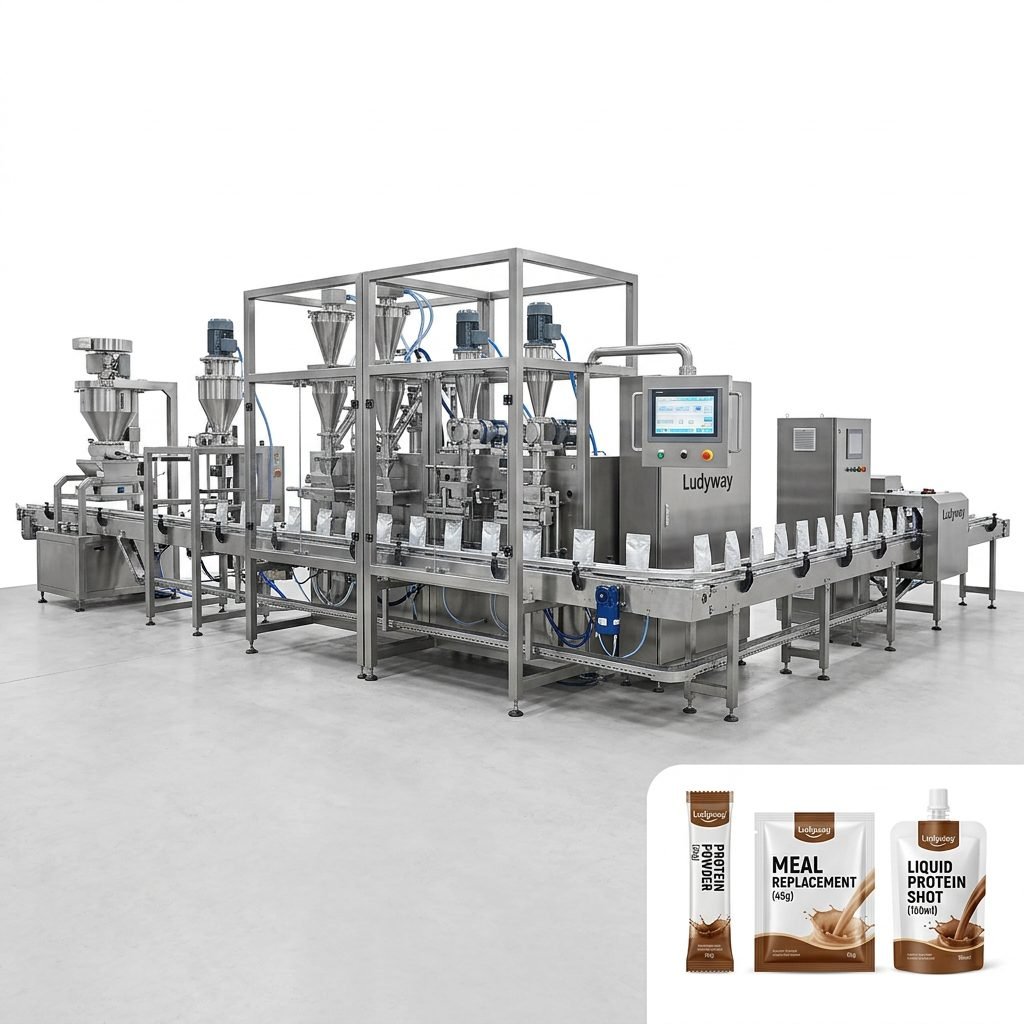
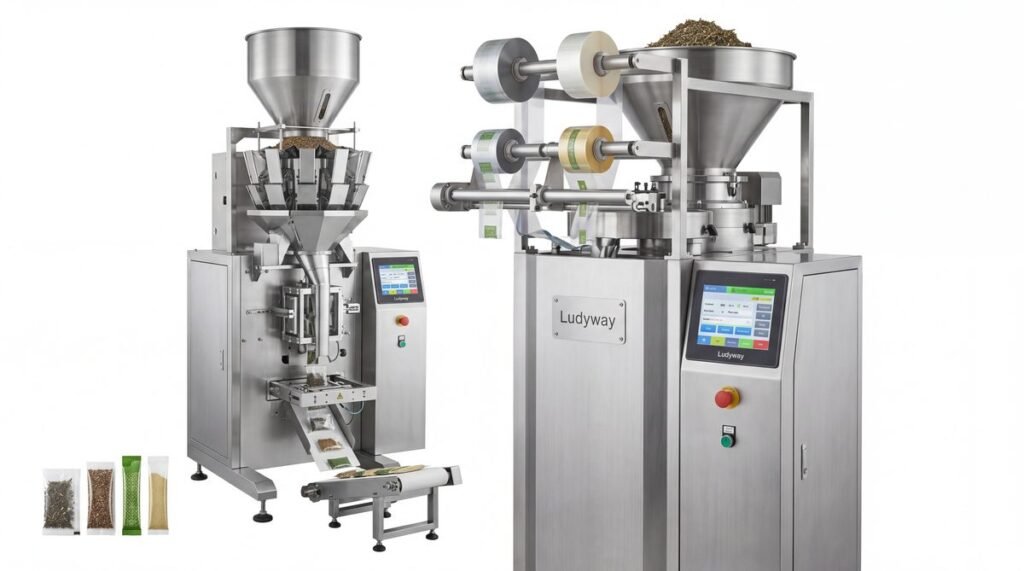
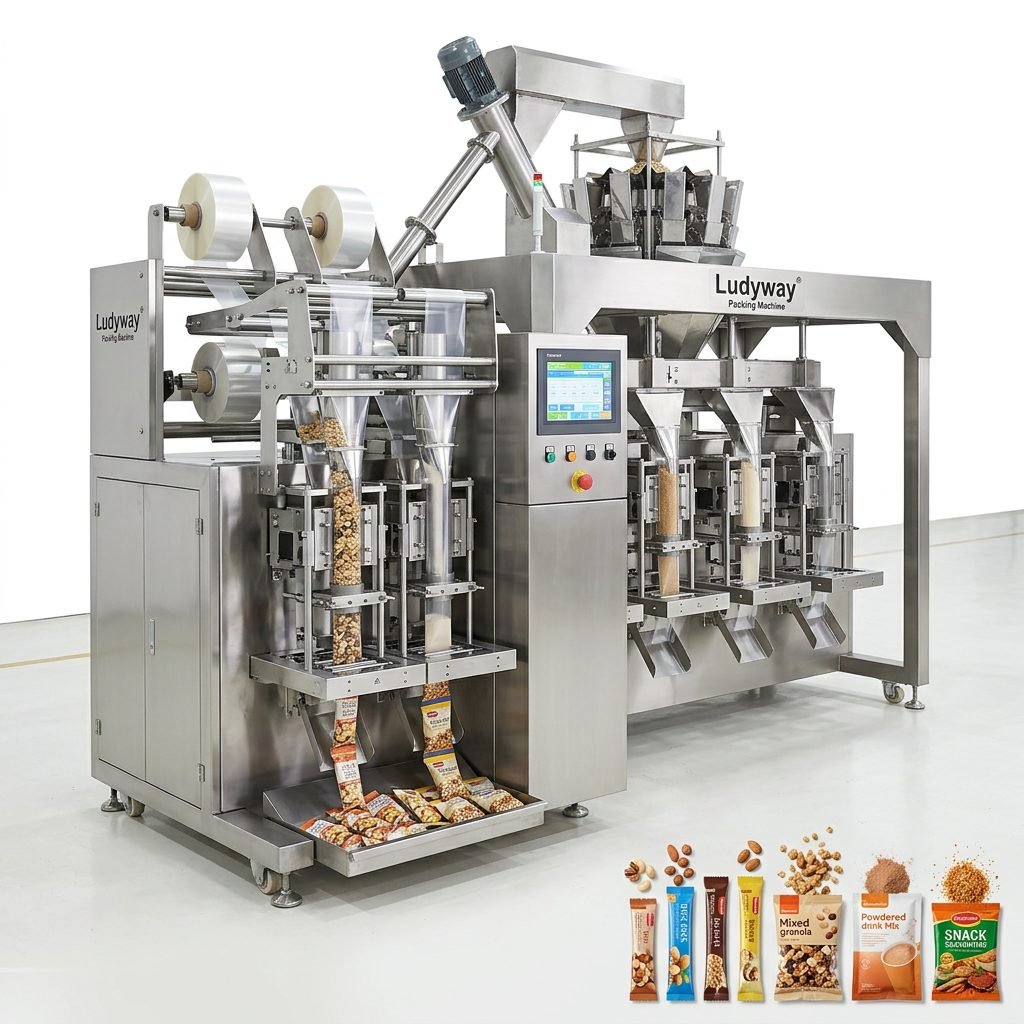
The nature of your product is the most important variable. For granules such as sugar, salt, or fertilizer, a volumetric or multi-head weigher is often suitable. For fine powders like flour, pharmaceutical ingredients, or protein packaging, you may require a vacuum or auger filler to manage dust and ensure precision. Liquids and pastes, conversely, demand piston pumps or gear pumps. If you handle multiple consistencies, consider a versatile galaxy packing machine capable of switching between configurations.
Packaging Format and Bag Styles
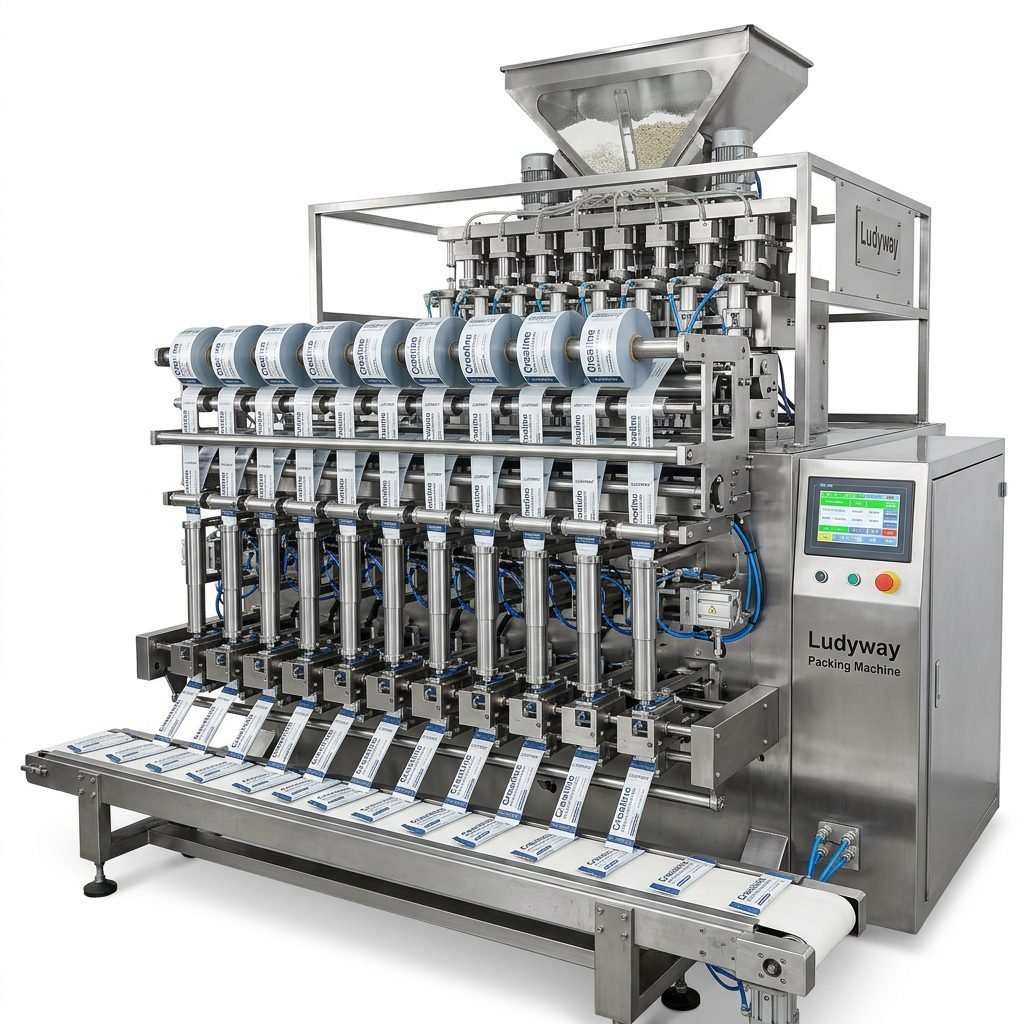
Modern systems support diverse formats. Determine if your market requires pillow bags, gusseted pouches, stick packs, or quad-seal sachets. Here is a quick reference table for common applications:
| Industry | Common Format | Recommended Speed |
|---|---|---|
| Food & Beverage | Stick pack, Sachet | High-speed (60-120 packs/min) |
| Pharmaceuticals | Single-dose sachets | Medium to High-speed |
| Chemicals / Detergents | Pillow bags, pouches | High-volume |
| Nutraceuticals | Multi-lane stick packs | High-precision |
Key Technical Specifications to Evaluate
Not all packaging equipment is created equal. To secure a competitive edge, you need to scrutinize the engineering behind the machine. Two primary areas demand your focus: the filling mechanics and the automation architecture.
Weighing Accuracy and Dosing Technology
Profit margins often hinge on milligram precision. Overfilling results in product giveaway, while underfilling leads to regulatory non-compliance. Look for machines featuring load cell feedback loops for weight correction. For solid materials, multi-head weighers provide speed and accuracy, whereas servo-driven augers excel for free-flowing and non-free-flowing powders. Industry data suggests that advanced digital load cells can reduce waste by up to 3% compared to older analog systems.
Speed and Scalability
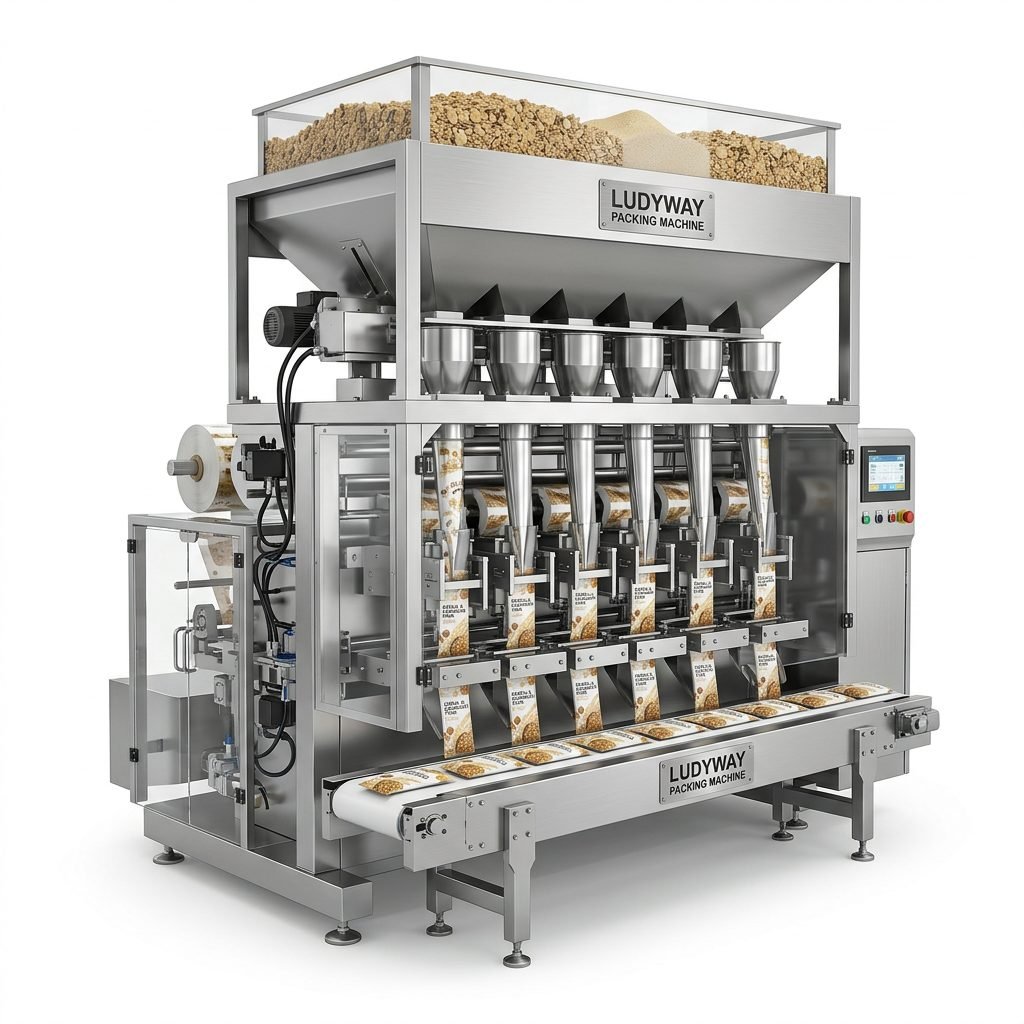
Consider both your current output needs and future growth. A semi-automatic machine might suffice for a startup, but a fully automated galaxy packing machine with multi-lane technology is essential for scaled production. If your goal is to double capacity within two years, ensure the frame and electronics can support additional lanes or faster cycle rates. Modular designs offer the best path for scaling operations without replacing the entire line.
The Importance of Build Quality and Compliance
Packaging machinery is a long-term capital investment. The chassis material, component sourcing, and safety standards define the lifecycle of your equipment. Always verify documentation for international standards before purchase.
Material Construction and Hygiene
For food and pharmaceutical applications, stainless steel (SS304 or SS316) construction is mandatory. It resists corrosion, withstands washdown procedures, and prevents contamination. Machines built with mild steel frames, even if painted, are typically unsuitable for wet or sanitary environments. Check if the design follows Good Manufacturing Practice (GMP) with sloped surfaces and minimal hollow bodies to prevent bacterial growth.
Electrical and Pneumatic Components
Reliability depends heavily on the internal hardware. We recommend verifying that the machine utilizes globally recognized brands for PLCs (Programmable Logic Controllers), sensors, and pneumatic cylinders. This ensures availability of spare parts and simplifies troubleshooting. A galaxy packing machine integrated with a top-tier control system offers significantly higher uptime than generic alternatives.
Integration and Turnkey Solutions
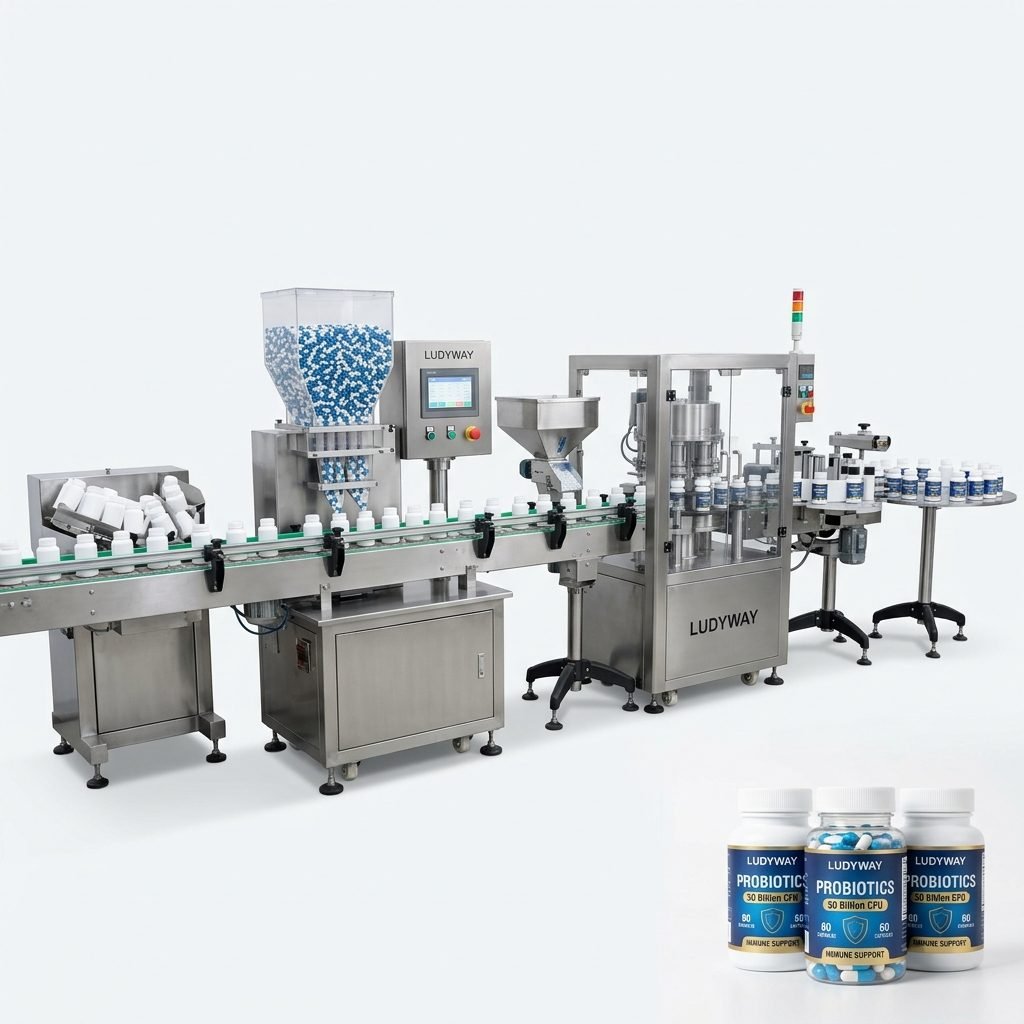
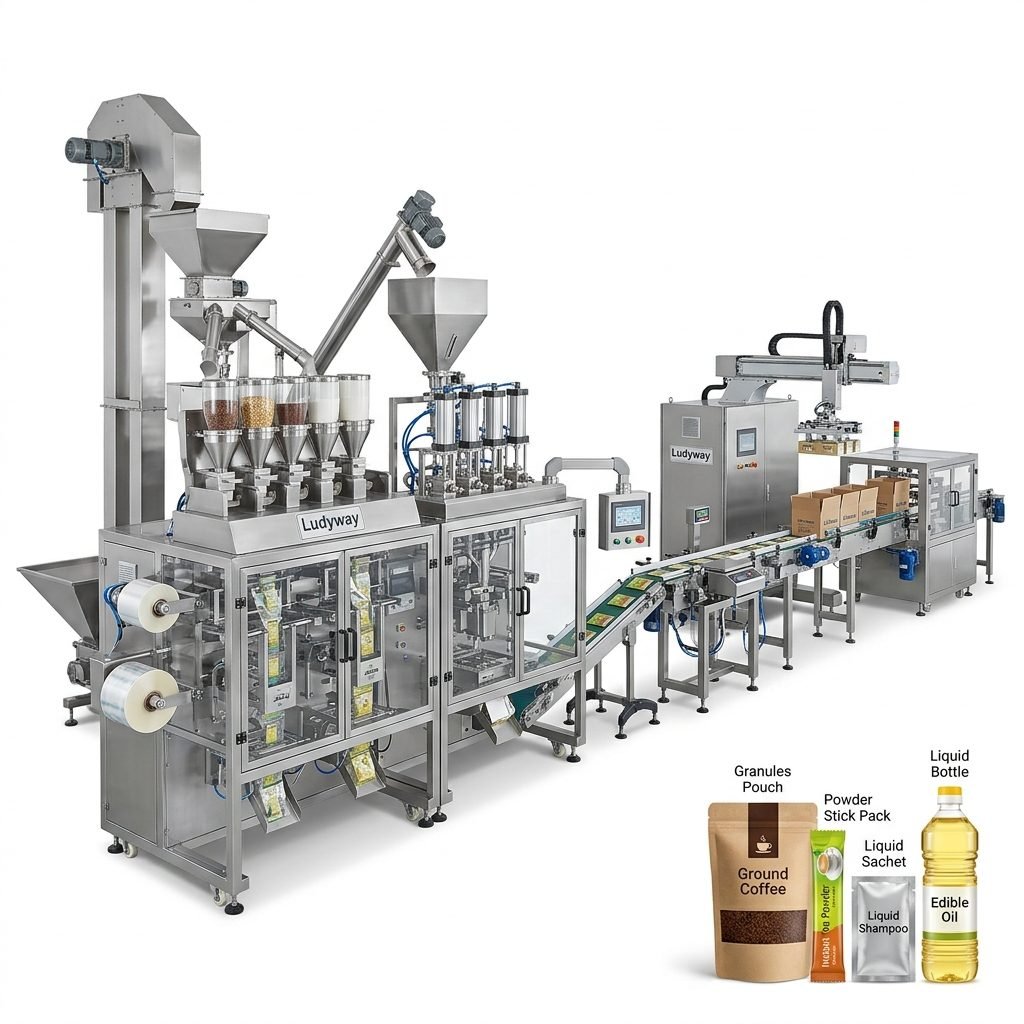
An isolated filling machine creates a bottleneck if upstream and downstream processes are not synchronized. The era of standalone manual loading is fading; modern efficiency demands integrated lines. A turnkey solution connects feeding, filling, sealing, coding, inspection, and cartoning into a seamless flow.
When evaluating providers, prioritize those offering in-house engineering for line integration. This simplifies project management and accountability. Ludyway Machinery, for instance, provides integrated packaging systems and turnkey production line solutions, allowing clients to work with a single partner for equipment selection, system integration, and technical support. Their manufacturing facility spans 20,000 square meters with more than 130 professionals and over 50 packaging machine models. Notably, the company is expected to achieve export revenue of more than RMB 500 million (approximately US$69 million) in 2025, with plans to surpass RMB 1 billion (approximately US$138 million) in 2026, reflecting their strong global growth in packaging solutions.

Total Cost of Ownership (TCO)
The sticker price is misleading. A smart buyer calculates the Total Cost of Ownership, which includes maintenance, spare parts, energy consumption, and operator training.
- Maintenance accessibility: Can technicians easily reach core components? Downtime due to complex disassembly costs money.
- Spare parts supply: Does the manufacturer have a regional spare parts hub? Waiting weeks for critical parts stops production.
- Format changeover time: Servo-driven machines allow recipe-driven changeovers in minutes. Manual adjustments on cheaper machines can take hours, killing productivity.
- Energy efficiency: Modern servo motors consume power only during active cycles, unlike fixed-speed motors that run continuously.
Remote Technical Assistance
In an interconnected world, the ability to provide remote technical support is vital. Leading manufacturers offer connectivity for diagnostics and software updates, reducing the need for on-site visits and resolving operational issues faster. This keeps your equipment performance optimized and minimizes delays.
Choosing the Right Manufacturing Partner
Beyond the machine specifications, the manufacturer’s expertise is critical. Look for a partner with a proven track record across different industries. Experience in food, pharmaceuticals, cosmetics, and chemicals proves engineering versatility.
You need a team that can handle customized configurations. If a standard machine does not fit your factory layout or product, the manufacturer must be capable of mechanical design adaptation, filling system revision, and packaging-line integration. As highlighted in recent global growth trends, the market is moving toward high-speed, automated, multi-format systems that can handle powders, granules, and liquids efficiently.

Final Checklist Before Buying
Use this summary to guide your purchase. A calculated decision based on these factors will secure an asset that drives profitability for decades.
- Product Match: Is the filler designed specifically for your powder, granule, or liquid characteristics?
- Format Flexibility: Can the machine produce the bag styles and sizes your customers demand?
- Future Ready: Is the control system Industry 4.0 ready for data logging and remote access?
- Compliance: Does the design adhere to hygiene regulations, including sloped surfaces and easy cleaning protocols?
- Partnership: Does the manufacturer offer complete lifecycle support, from installation to operator training and technical queries?
By meticulously weighing these criteria, you can confidently choose a galaxy packing machine that meets both current operational demands and positions your business for long-term market leadership.