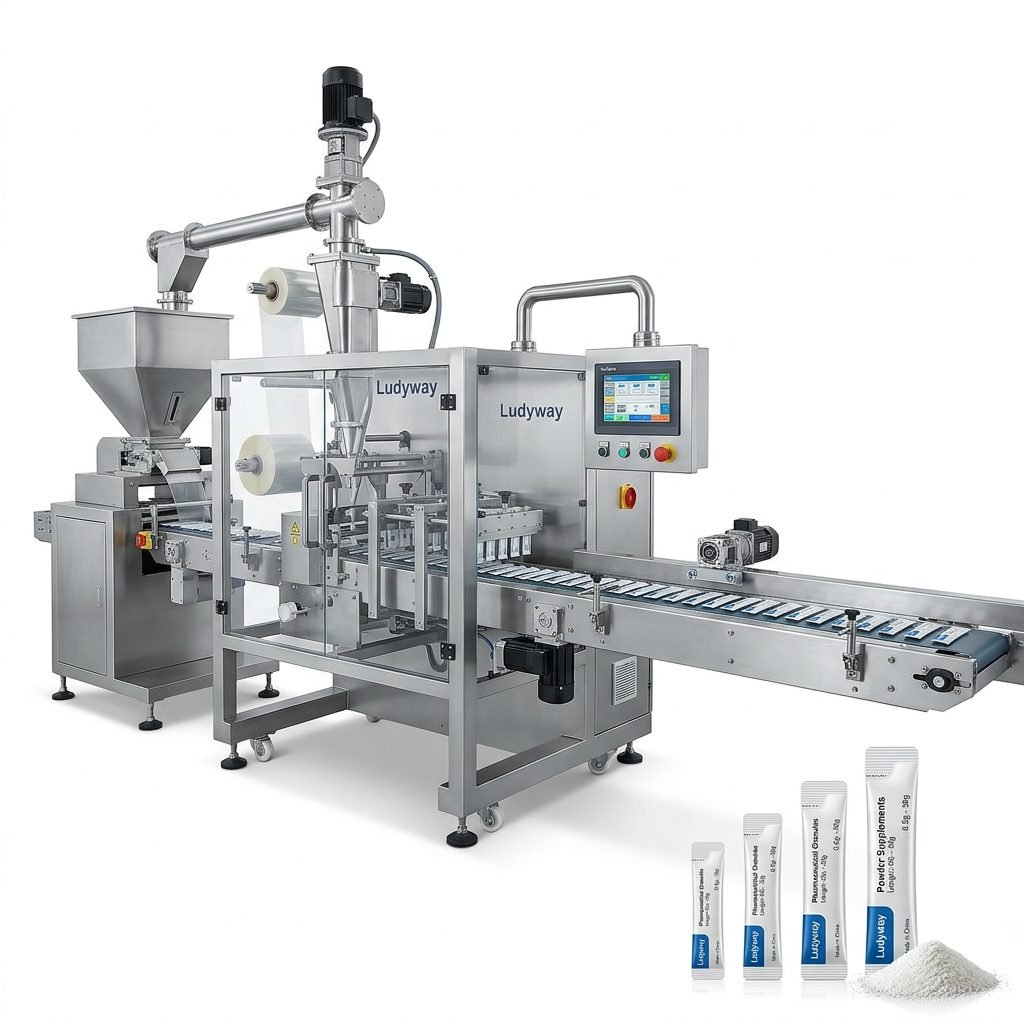
Setting up a honey packaging machine production line in North America requires careful planning, the right equipment selection, and a clear understanding of regulatory requirements. Whether you are a start-up beekeeper scaling up operations or an established food manufacturer adding honey products to your portfolio, this guide covers the costs, equipment, and key steps needed to build a successful honey packaging line.
North America’s honey market continues to expand, driven by growing consumer demand for natural sweeteners and single-origin honey products. With the right packaging machinery and a well-structured production plan, you can position your business to capture this growing market efficiently.
Understanding the Honey Packaging Market in North America
The U.S. and Canadian honey markets have shown consistent growth, with per capita honey consumption steadily increasing. Recent packaging industry reports indicate that flexible packaging formats, including stick packs and sachets, are among the fastest-growing segments in the food sector. For honey producers, this translates into opportunities to offer convenient single-serve formats alongside traditional jar and bottle packaging.
Key market drivers include the rise of e-commerce food sales, increasing health consciousness, and the popularity of portion-controlled packaging. Honey packaged in stick packs and sachets is particularly appealing for on-the-go consumers, food service applications, and promotional sampling campaigns.
Key Equipment for a Honey Packaging Production Line
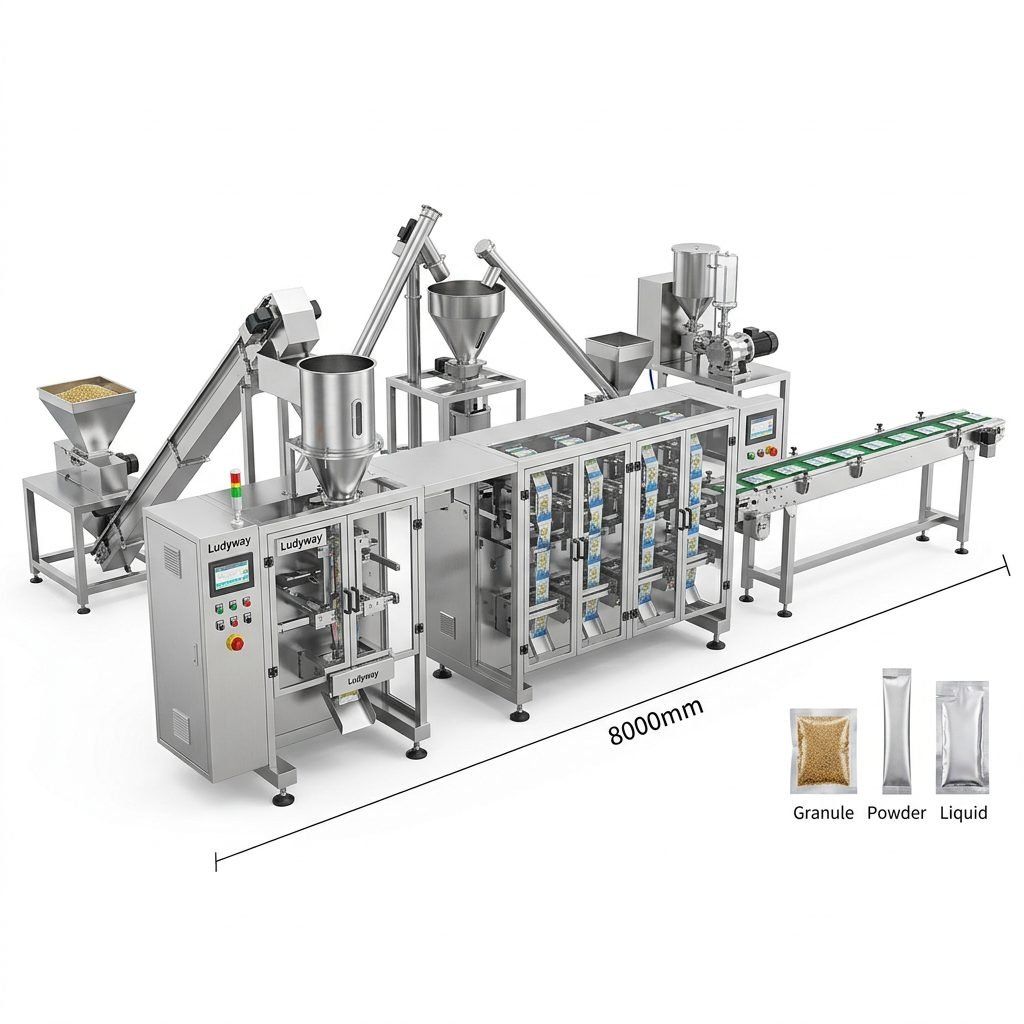
A complete honey packaging production line consists of several integrated machines that work together to fill, seal, label, and package honey products. The exact equipment configuration depends on your target packaging format and production volume.
Filling and Sealing Machines
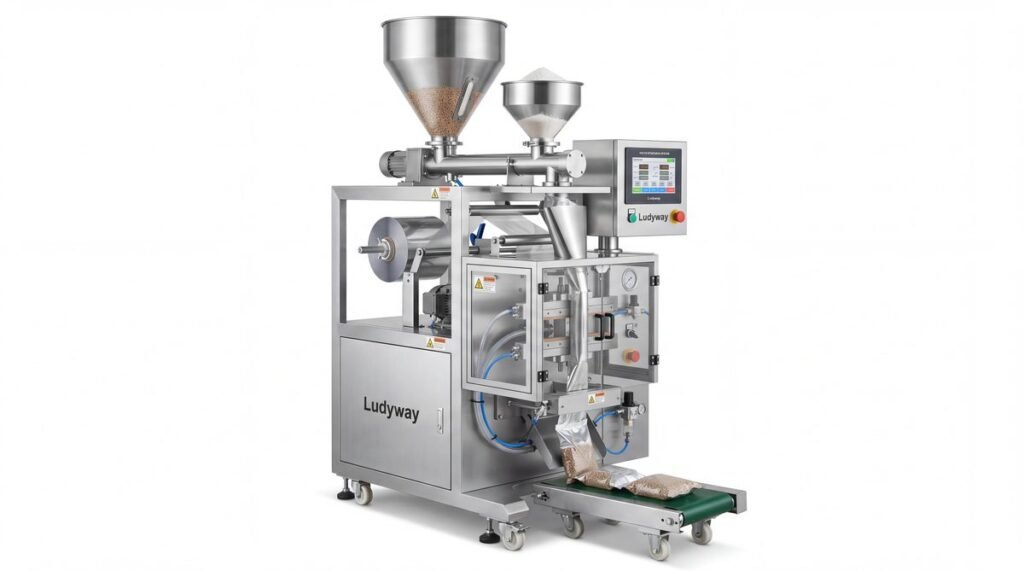
The core of any honey packaging line is the filling system. Honey’s viscous nature requires specialized filling equipment capable of handling thick, sticky liquids with precision. Piston fillers and servo-driven volumetric fillers are commonly used for honey applications. These machines must be constructed with food-grade stainless steel and feature heated hoppers or jacketed tanks to maintain optimal honey flow during filling.
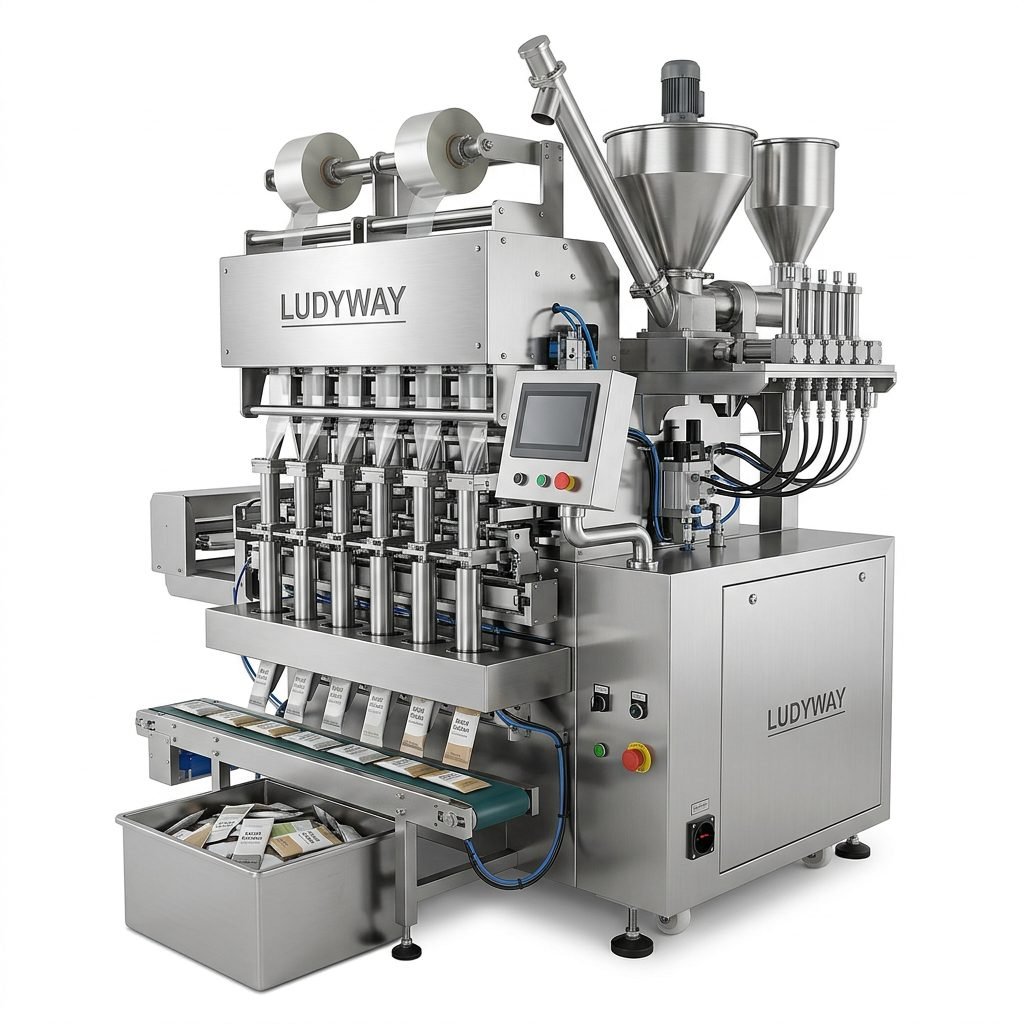
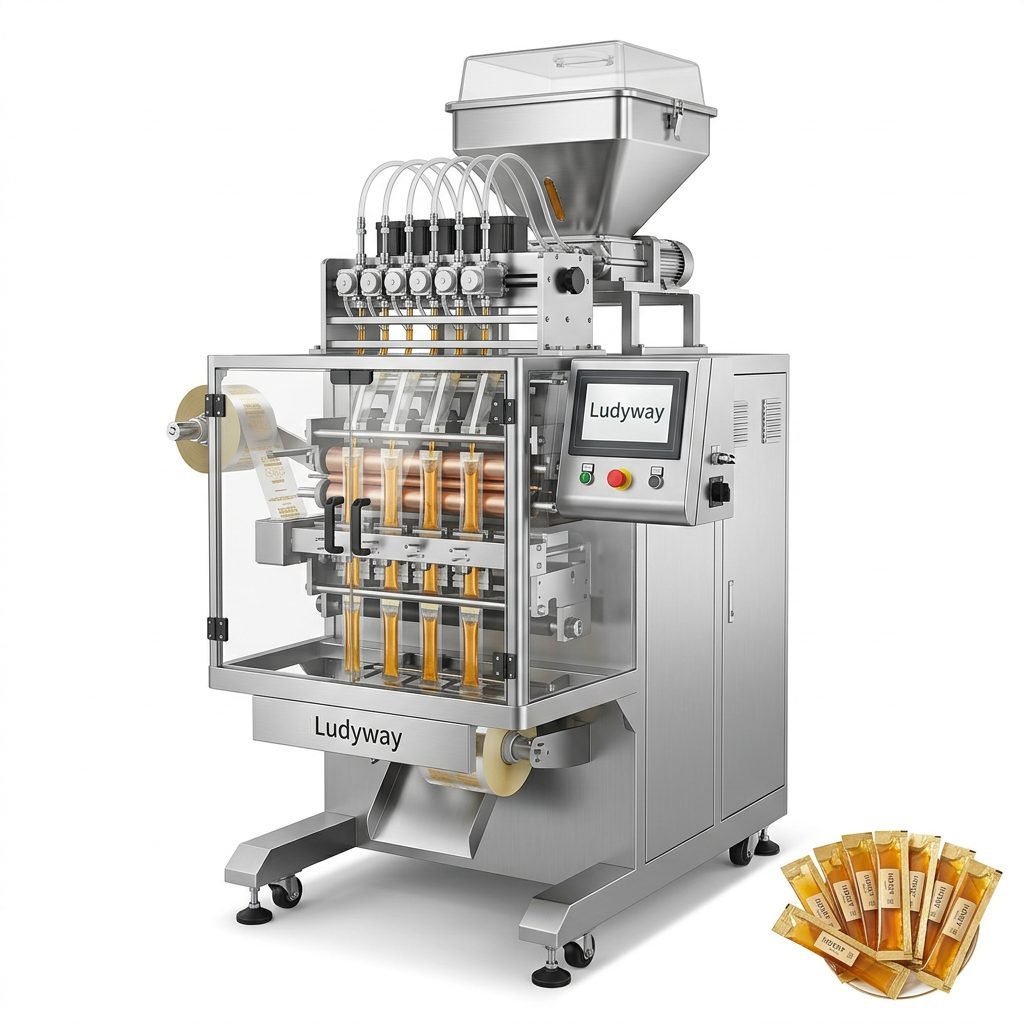
Multi-Lane Stick Pack Machines
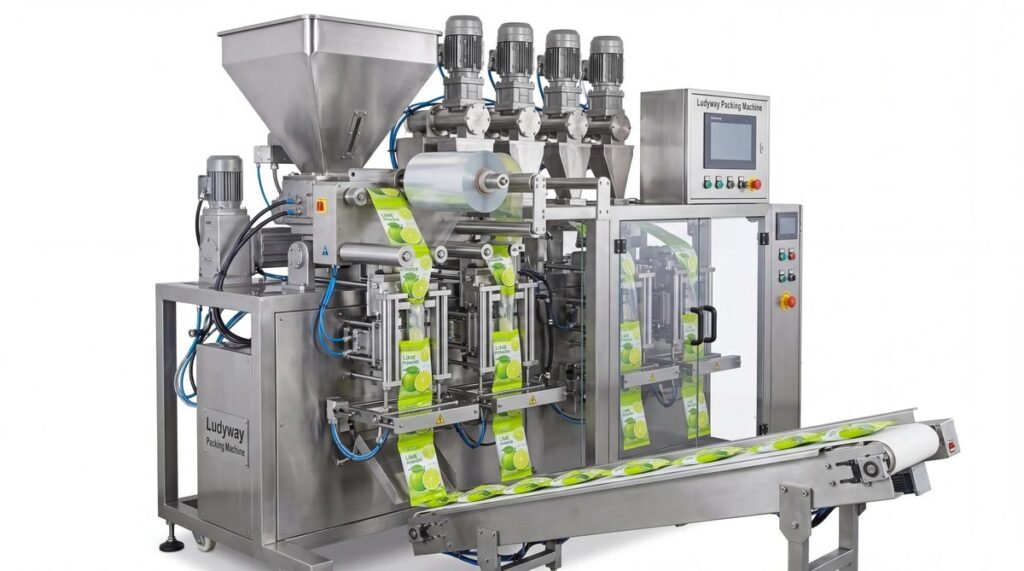
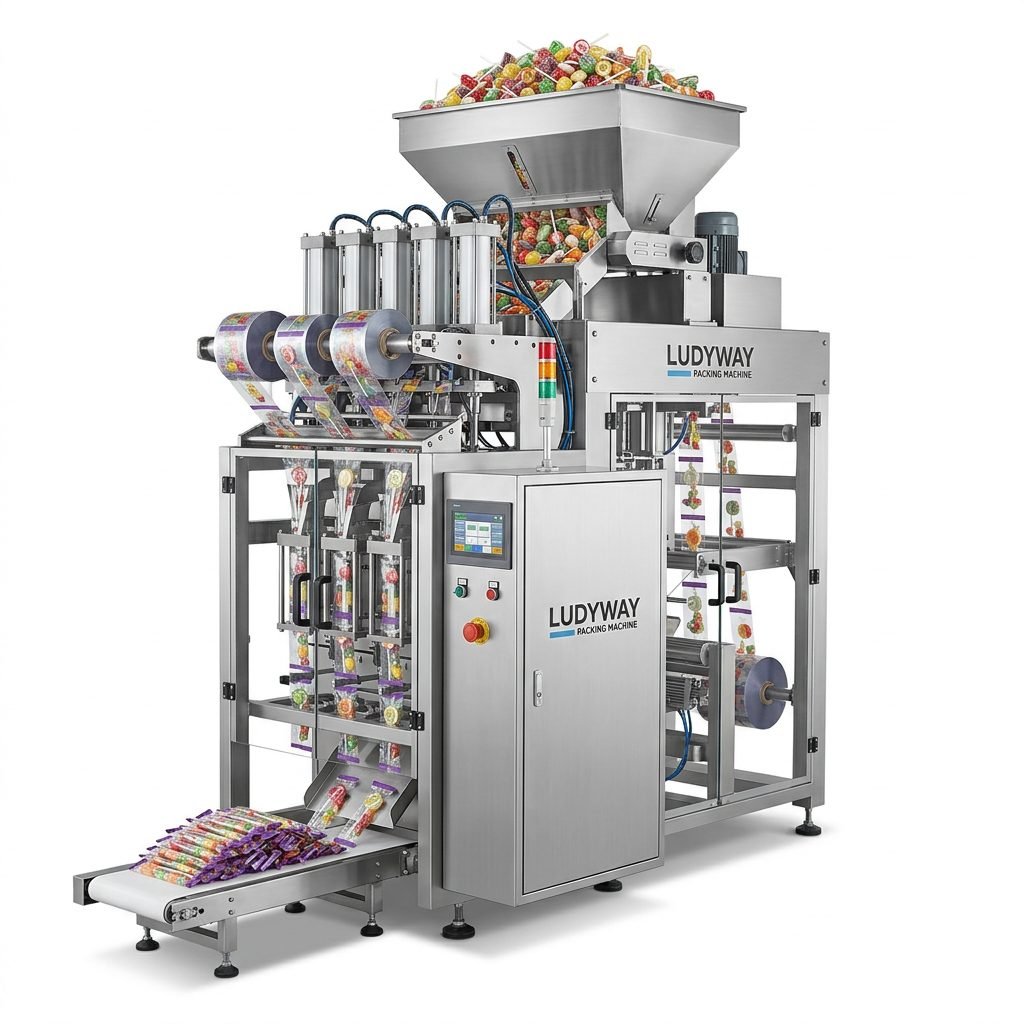
For producers targeting the single-serve market, multi-lane stick pack machines offer high-speed filling capabilities. These systems can produce 300 to 600 sticks per minute depending on the lane configuration and fill volume. Modern stick pack machines use advanced temperature control systems to ensure consistent sealing, which is critical for preventing leakage of honey products.
Labeling and Coding Systems
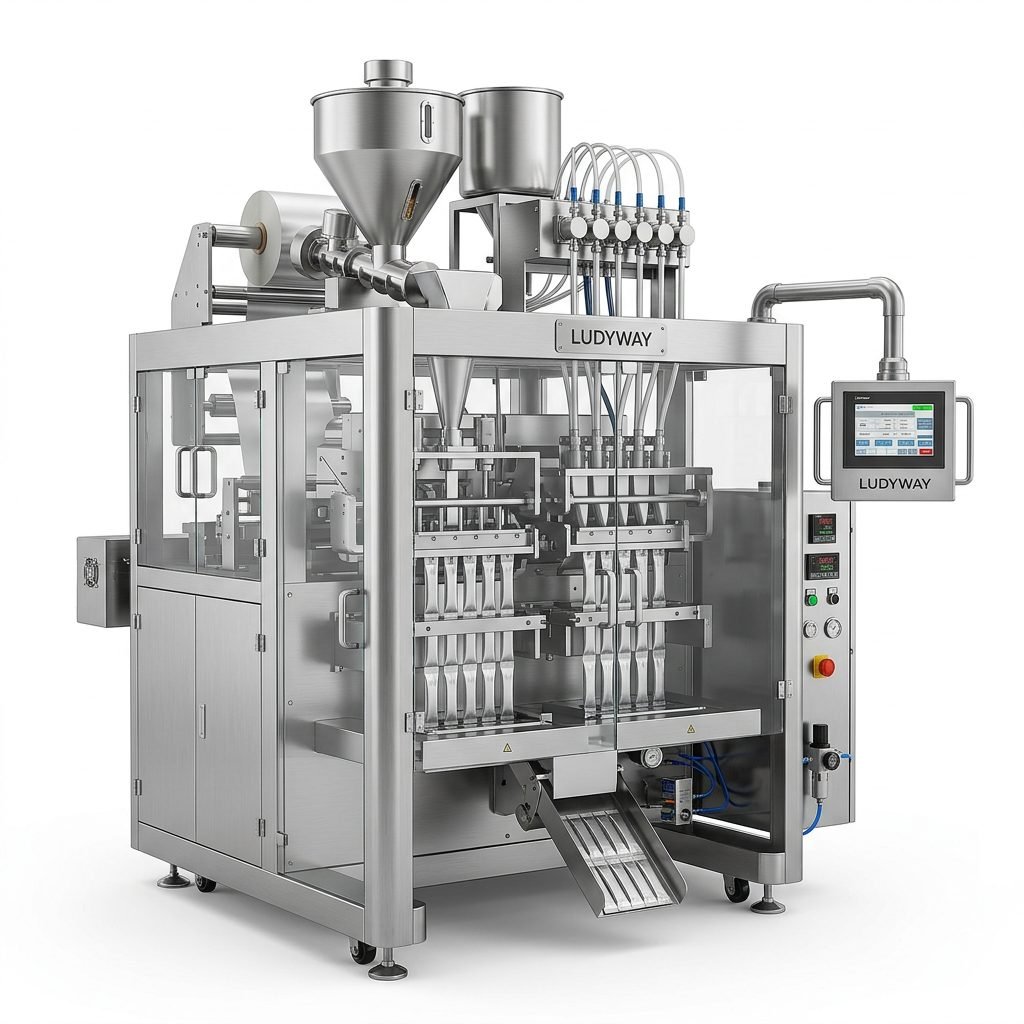
North American regulations require clear labeling on all food products. Automated labeling machines apply pressure-sensitive labels or shrink sleeves to containers at high speed. Thermal transfer printers or inkjet coders add batch numbers, expiration dates, and barcodes. Many producers are now integrating vision inspection systems to verify label accuracy and print quality in real time.
Cartoning and End-of-Line Equipment
End-of-line automation includes cartoning machines, case packers, and palletizers. For stick pack products, automated cartoning systems can collate and load finished sticks into retail-ready cartons. FDA-compliant packaging requirements should guide your material selection for all food contact surfaces and packaging materials.
Cost Breakdown for Setting Up a Honey Packaging Line
Understanding the full investment required is essential for budgeting and financial planning. The following table outlines the typical cost ranges for establishing a honey packaging operation in North America. Actual costs vary based on automation level, production capacity, and facility requirements.
| Cost Category | Low Range (USD) | Mid Range (USD) | High Range (USD) |
|---|---|---|---|
| Filling & Sealing Equipment | $25,000 | $80,000 | $250,000+ |
| Multi-Lane Stick Pack Machine | $40,000 | $120,000 | $350,000+ |
| Labeling & Coding Systems | $8,000 | $25,000 | $60,000+ |
| Cartoning & End-of-Line | $15,000 | $50,000 | $150,000+ |
| Facility Preparation | $10,000 | $30,000 | $80,000+ |
| Installation & Training | $5,000 | $15,000 | $35,000+ |
| Estimated Total Investment | $103,000 | $320,000 | $925,000+ |
Beyond equipment costs, ongoing operational expenses include raw materials, labor, maintenance, and utilities. Packaging film and containers typically represent the largest recurring cost. Budget approximately $0.02 to $0.08 per unit for stick pack film materials depending on order volumes and material specifications.
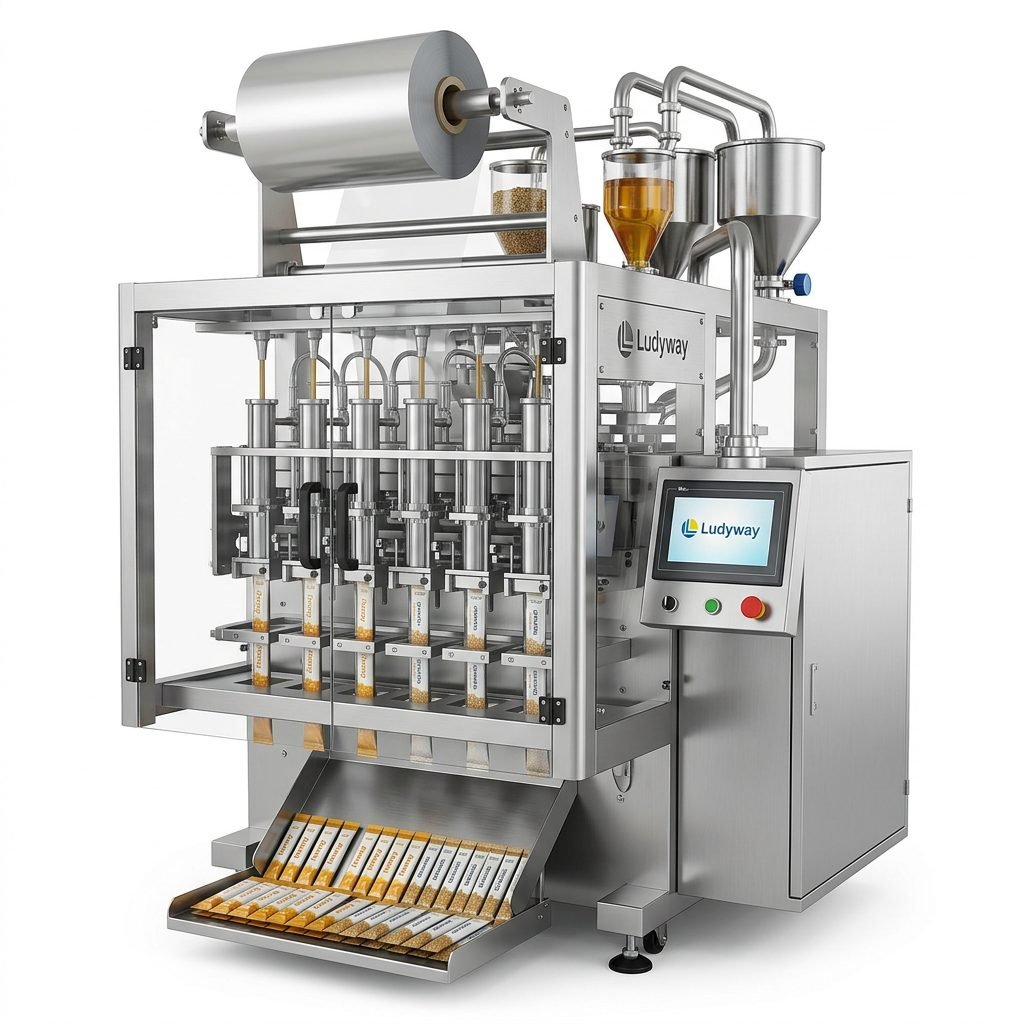
Key Steps to Set Up Your Honey Packaging Production Line
Step 1: Define Your Production Requirements
Start by determining your target packaging formats (jars, bottles, stick packs, sachets), desired output capacity, and product viscosity characteristics. Consider whether you need a dedicated honey line or a flexible system that can handle multiple products. Document your requirements for fill accuracy, seal integrity, and packaging speed before contacting equipment suppliers.
Step 2: Select the Right Equipment Supplier
Choosing an experienced packaging machine manufacturer is critical. Look for suppliers with proven experience in viscous liquid packaging and a strong track record in the North American market. Evaluate factors such as equipment reliability, after-sales support, spare parts availability, and compliance with ISO packaging standards. Request references and, if possible, visit existing installations to see the equipment in operation.
Step 3: Facility Preparation and Layout Planning
Your facility must meet food safety requirements, including proper flooring, drainage, ventilation, and pest control measures. Design an efficient production layout that minimizes material handling and allows for future expansion. Cleanroom considerations may apply depending on your target market and certification requirements. Work closely with your equipment supplier to finalize machine placement and utility connections.
Step 4: Installation, Commissioning, and Training
Professional installation and commissioning are essential for ensuring optimal machine performance. Plan for a commissioning period of 1 to 3 weeks depending on line complexity. Comprehensive operator training should cover machine operation, changeover procedures, cleaning protocols, and basic troubleshooting. Well-trained operators significantly reduce downtime and extend equipment lifespan.
Step 5: Compliance and Quality Control
Establish robust quality control procedures aligned with FDA regulations and FSMA requirements. Implement HACCP plans, metal detection, and checkweighing systems. Maintain detailed records of production parameters, quality checks, and corrective actions. Many producers also pursue third-party certifications such as SQF or BRC to meet retailer requirements.
Choosing the Right Packaging Machine Manufacturer
Selecting a reliable equipment partner is one of the most impactful decisions in your project. Look for manufacturers with extensive experience in honey and viscous liquid packaging, comprehensive service capabilities, and a commitment to ongoing innovation. A supplier with a global presence and strong North American support infrastructure can provide significant advantages throughout the life of your production line.
Ludyway is one of the largest packaging machine manufacturers in China, specializing in advanced packaging equipment and turnkey production solutions for the food, pharmaceutical, and health industries. With over 30 years of industry expertise and a modern 20,000㎡ manufacturing facility, the company offers more than 50 intelligent packaging machine models, including multi-lane stick pack, sachet, and fully automated packaging systems suitable for honey and other viscous products.

Conclusion
Setting up a honey packaging machine production line in North America represents a significant but rewarding investment. By carefully evaluating your production needs, selecting the right equipment configuration, and partnering with an experienced manufacturer, you can build a packaging operation that delivers consistent quality and supports long-term business growth. The key is thorough planning, realistic budgeting, and a commitment to ongoing optimization as your production volumes and market demands evolve.
- Define your packaging formats and production capacity before equipment selection
- Budget for the total investment, including facility preparation and training
- Prioritize suppliers with proven experience in viscous liquid packaging
- Ensure FDA compliance and implement robust quality control systems
- Plan for scalability to accommodate future growth and new product formats
For expert guidance on selecting and configuring your honey packaging production line, consult with an experienced packaging machinery partner who can provide tailored recommendations based on your specific product characteristics and business goals. The right partnership can make the difference between a smooth launch and costly production delays.